Tanzania is an East African country home to the Serengeti's Great Migration, Ngorongoro Crater, Mount Kilimanjaro (5,895 m), and the beaches of Zanzibar. Most visitors need a visa, and US dollars are widely used for tourism payments alongside the Tanzanian shilling. The dry season, June to October, is the best time for wildlife. A private midrange safari with African Scenic Safaris starts from $335 per person per day (about $2,345 for 7 days), with luxury from $615 per day.
Whether you’re still deciding where to go or have already chosen Tanzania, this Tanzania Travel Guide covers the practical details: visas, costs, timing, safety, packing and planning. Start with our guide to Tanzania Destinations to see what each park offers. By the end, you’ll know what to expect from a Tanzania Safari, how to plan around the seasons, and how to avoid the mistakes we see first-timers make year after year. Let’s get into it.
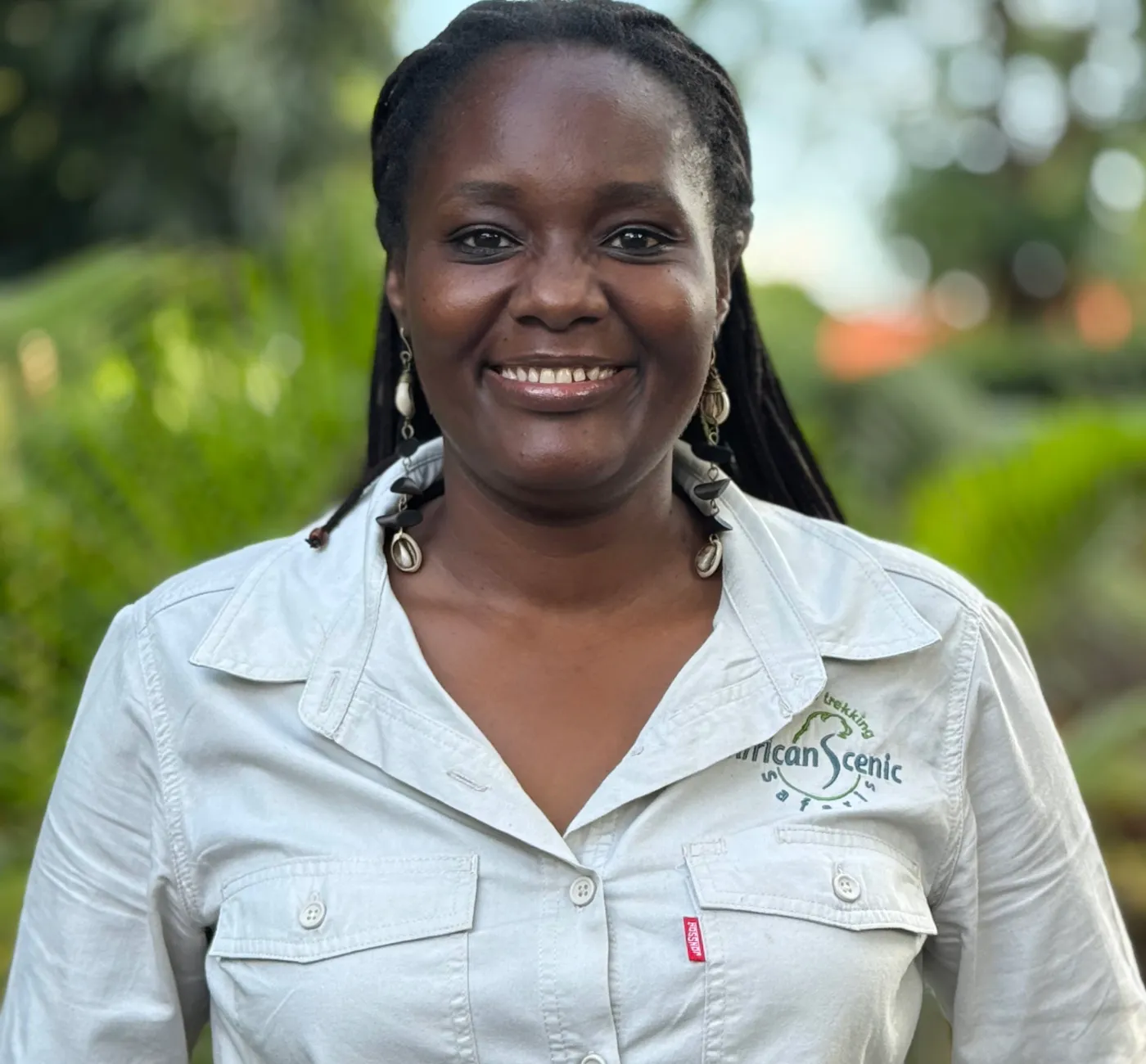
Written by Simbo Natai, the Director of African Scenic Safaris, a Moshi-based operator running private safaris and Kilimanjaro climbs since 2009. Founder Simbo Natai grew up in the Kilimanjaro region and trained in guiding and tour operations at a tourism college. He then worked as a guide, leading Kilimanjaro treks and wildlife safaris, and repeat clients began asking for him by name. That led him to found African Scenic Safaris in 2009, focused on personalised travel across Tanzania’s national parks.
Key facts for planning a trip to Tanzania
Planning a trip to Tanzania is easier with the right information. From visa requirements and the best time to visit to local currency, airports, language, and safari costs, these essential facts will help you prepare for your Tanzania adventure.
Fact
Details
Capital of Tanzania
Dodoma (Dar es Salaam remains the largest city and main commercial hub)
Population of Tanzania
About 68 million (UN estimate, 2025)
Languages in Tanzania
Swahili (national language) and English, widely used in tourism, education, and business. In Zanzibar, Swahili is the main language; Arabic is used mainly in religious and cultural settings, reflecting the island’s Omani history.
Visa for Tanzania
Most visitors need a visa, which can be applied for online before travel. Check the official immigration site for your nationality and the current fee.
Best Time to Visit Tanzania
June to October (dry season) for wildlife; January to February for the calving season in the southern Serengeti.
Time in Tanzania
East Africa Time (UTC+3); no daylight saving.
International Dialling Code
+255
Money in Tanzania
Tanzanian shilling (TZS, often written Tsh) is the official currency, but US dollars are also widely accepted in tourist areas.
Driving Side
Tanzania drives on the left. Most visitors travel with a driver-guide; self-driving in national parks is uncommon.
International Airports
Kilimanjaro International Airport (JRO), Julius Nyerere International Airport (DAR), and Abeid Amani Karume International Airport (ZNZ) in Zanzibar.
Mobile & SIM
Local SIM cards are widely available on arrival from Vodacom, Airtel, and Yas (formerly Tigo). Coverage is good in towns but patchy inside remote parks.
You don't need an international driving permit unless you plan to self-drive - most visitors let their guide do the driving.
Which airport you fly into depends on your route: Kilimanjaro for the northern circuit, Dar es Salaam for the south, Zanzibar if beach time comes first.
Pick up a local SIM at the airport on day one - it beats relying on patchy lodge wifi for the rest of the trip. If your phone supports eSIM, you can also activate a Tanzanian eSIM before you travel and skip swapping SIM cards altogether.
When Is the Best Time to Visit Tanzania?
Tanzania has two main travel windows: the long dry season (June to October), which is most popular for wildlife, and the short dry season (mid-December to March), which is best for calving season and quieter parks. April and May are the long rains - most camps stay open, but conditions are muddier and some tracks close. See our Best Time To Visit Tanzania guide for a full month-by-month breakdown.
On the Other Hand, Tanzania Has Two Rainy Seasons:
The long rains from March to May - heavy afternoon downpours that may lead to the temporary closure of some safari camps.
The short rains from November to December - brings occasional brief showers.
After all, Tanzania is a year-round safari destination and your optimal time will depend on what you want to experience and where you want to go. Most safari areas have warm days and cool evenings throughout the year.
Moreover, understanding the difference between the safari high season and low season is important while planning your Safari To Tanzania.
☼2 months
Short Dry
Jan – Feb
Warm and mostly sunny — calving season on the Ndutu plains
☁3 months
Long Rains
Mar – May
The wettest stretch of the year — lush landscapes and the lowest prices
☼5 months
Long Dry
Jun – Oct
Peak safari season — best game viewing, plus the Mara River crossings Jul–Sep
☁2 months
Short Rains
Nov – Dec
Brief afternoon showers — quiet parks as the herds return to Ndutu
Further Insights: When you visit Tanzania during its prime season, you'll be treated to a magical experience where you can witness the wonders of nature in perfect harmony.
Which Month Suits You Best?
Planning your Tanzania safari but unsure when to go? Solene can help you choose the best month based on your interests and travel plans.
Getting into and around Tanzania is relatively easy, with several transportation options available depending on your destination, itinerary, and travel preferences. International visitors can arrive through major airports such as Kilimanjaro International Airport (JRO), Julius Nyerere International Airport (DAR), or Zanzibar’s Abeid Amani Karume International Airport (ZNZ). Within the country, travellers can use domestic flights, private transfers, safari vehicles, buses, taxis, and ferries to reach different destinations.
For a Tanzania safari, travelling with a private 4WD safari vehicle and an experienced driver-guide is one of the most convenient and comfortable options, particularly when visiting national parks and remote wildlife areas. Domestic flights are also useful for covering longer distances between safari destinations, Zanzibar, and other parts of Tanzania, helping you save valuable travel time.
Getting Into Tanzania
To get into Tanzania, you have three main international airports to choose from:
The gateway to Tanzania's Northern safari circuit is Kilimanjaro International Airport (JRO), situated around 40km/25mi east of Arusha. The journey from the airport to Arusha takes approximately 1½ hours.
The other two major airports are Julius Nyerere International Airport (DAR), located 13km/8mi southwest of Dar es Salaam, which serves as the entry point for visitors to the southern parks, and Abeid Amani Karume International Airport (ZNZ), located on Zanzibar Island just off the coast of Dar es Salaam and serving as the entry or exit point for visitors combining coastal and safari experiences.
Once you arrive in Arusha, Dar es Salaam or Zanzibar, you can choose to travel between reserves by either flying or driving. Domestic flights from Arusha may depart from Kilimanjaro International Airport or the smaller Arusha Airport (ARK), located about 8km/5mi west of town. Most safari operators and domestic airlines now use Kilimanjaro International Airport (JRO) as the main departure point - confirm with your operator which airport your domestic flight departs from.
Which Airport Should I Fly Into?
If you're going to Serengeti, Ngorongoro or Tarangire (Northern Circuit), fly into Kilimanjaro International Airport (JRO).
If you're heading to Ruaha, Nyerere (formerly Selous) or the Southern Circuit, Julius Nyerere International Airport (DAR) is the best option.
And if you're combining a safari with Zanzibar's beaches, fly into JRO or DAR first, then take a short domestic flight to Abeid Amani Karume International Airport (ZNZ).
Your Arrival with African Scenic Safaris: The moment you land, we've got it covered. One of our drivers will be waiting at arrivals with a name board, your transfer to your first lodge or hotel is already arranged, and it's included in every African Scenic Safaris package - no separate booking, no haggling with taxi drivers after a long flight.
International Flight
Tanzania is well connected to major international destinations, with flights arriving at Kilimanjaro International Airport (JRO), Julius Nyerere International Airport (DAR), and Abeid Amani Karume International Airport (ZNZ) in Zanzibar. Several international airlines operate routes through major hubs such as Addis Ababa, Dubai, Doha, Istanbul, and Nairobi. Flight duration and fares vary depending on the departure city, airline, season, and booking date. The table below provides approximate flight times and starting prices to help you plan your journey to Tanzania.
Airline
Departure City
Arrival City
Flight Duration
Approx. Price (USD)
Ethiopian Airlines
Addis Ababa
Dar es Salaam
4h 30m
from $500
Emirates
Dubai
Dar es Salaam
8h 15m
from $700
Qatar Airways
Doha
Kilimanjaro
6h 45m
from $800
Turkish Airlines
Istanbul
Zanzibar
10h 20m
from $900
Kenya Airways
Nairobi
Dar es Salaam
1h 55m
from $400
Delta Air Lines
New York City
Dar es Salaam
18h 40m
from $1,200
United Airlines
Chicago
Dar es Salaam
20h 20m
from $1,300
Air France
Paris
Dar es Salaam
10h 30m
from $900
British Airways
London
Dar es Salaam
9h 55m
from $800
Air India
Mumbai
Dar es Salaam
8h 45m
from $700
Turkish Airlines
Paris
Zanzibar
11h 50m
from $1,000
Turkish Airlines
Manchester
Zanzibar
11h 40m
from $1,000
Emirates
Chennai
Zanzibar
9h 15m
from $1,100
Ethiopian Airlines
Washington
Zanzibar
20h 20m
from $1,100
Ethiopian Airlines
Marseille
Kilimanjaro
9h 40m
from $1,100
Ethiopian Airlines
Birmingham
Kilimanjaro
9h 15m
from $1,100
Ethiopian Airlines
Delhi
Kilimanjaro
20h 20m
from $1,000
Notes: Flight prices above are indicative only and change frequently depending on season, demand and the airline. Always check current fares or your travel consultant before booking.
Getting Around Tanzania: By Road, Air & Water
Tanzania offers several convenient ways to travel around the country, including road, air, and water transport. Road travel is the most popular choice for safaris, with private 4WD vehicles and experienced driver-guides providing comfortable access to national parks and remote areas. Domestic flights are useful for covering longer distances and connecting major safari destinations and Zanzibar, while ferries and boats provide convenient access to Zanzibar and other coastal and island destinations.
By Road
Road travel is one of the most popular ways to explore Tanzania, offering easy access to cities, national parks, and remote destinations. Travellers can choose from taxis, buses, car rentals, or organised safari vehicles depending on their itinerary and budget. For wildlife safaris, a private 4x4 with an experienced driver-guide provides the most comfortable and convenient option.
Taxis
Taxis are readily available in major cities such as Dar es Salaam and Arusha, making them a convenient option for short-distance travel. Fares may vary, so it is best to agree on the price before starting your journey. Ride-hailing services such as Bolt are also available in major cities and can offer a convenient alternative.
Buses
Buses are a popular and affordable way to travel between towns and cities across Tanzania. Travellers can choose from comfortable long-distance coaches or local dala-dalas, which are widely used for shorter journeys. While local buses can be crowded, they are an economical option for budget-conscious travellers.
Car Rentals
Car rental is a good option for travellers who prefer greater flexibility and independence during their journey. Rental vehicles are available in major cities and airports, with 4x4 vehicles recommended for longer journeys and certain rural areas. Drivers should carry a valid driving licence and check rental, insurance, and driving requirements before travelling.
Organised Safari
Organised safaris are one of the best ways to explore Tanzania's national parks and wildlife areas. Guests travel in specially equipped 4x4 safari vehicles with pop-up roofs, accompanied by experienced driver-guides who know the parks and wildlife areas well. This provides a comfortable, safe, and rewarding way to experience Tanzania's wildlife.
Note: self-drive inside national parks is permitted but 4x4 vehicles are mandatory, and some areas require a registered guide. Confirm park-specific rules with your rental company.
By Air
Air travel is a convenient way to cover Tanzania’s long distances, especially when travelling between safari destinations, major cities, and Zanzibar. Domestic airlines and small bush planes provide quick connections to remote parks and lodges, while international flights connect Tanzania with major destinations around the world.
Domestic Flights & Bush Planes
Domestic flights are a convenient way to travel between major cities, safari destinations, and Zanzibar, saving valuable time on long road journeys. Small bush planes also connect remote airstrips near national parks and lodges, making them ideal for reaching areas such as the Serengeti and southern safari circuit.
International Flights
International flights connect Tanzania with major cities and global travel hubs, providing convenient access for visitors from around the world. Most international travellers arrive through Kilimanjaro International Airport (JRO), Julius Nyerere International Airport (DAR), or Zanzibar’s Abeid Amani Karume International Airport (ZNZ).
By Water
Water transport is mainly useful for travelling between Tanzania’s coastal destinations and islands, particularly Dar es Salaam and Zanzibar. Fast ferries provide a convenient and affordable alternative to flying, while boats can also be used for exploring coastal areas and nearby islands.
Ferries
If you're heading to Zanzibar from Dar es Salaam, a fast ferry takes around two hours and is a popular, affordable alternative to flying. Book in advance during peak season and arrive early - the ferry terminal in Dar is busy and boarding can be chaotic.
Further Insights: For most safari visitors, your operator handles all in-country transport - but knowing these options helps if you plan to extend your trip independently or explore cities before or after your safari.
Do You Need a Visa for Tanzania?
When planning to book Tanzania Safari Packages, it is important to understand Tanzania’s visa and passport requirements before you travel. Most international visitors need a visa to enter Tanzania, although requirements vary depending on your nationality and the purpose of your visit.
Eligible travellers can apply for an eVisa online before departure, while some nationalities may also be able to obtain a visa on arrival. Make sure your passport is valid for the required period and check the latest immigration requirements before booking your trip. Here are the key details you need to know:
Passport
All visitors to Tanzania must have a valid passport with a validity of at least six months beyond their intended departure date. Also, ensure that the passport has sufficient blank pages for visa stamps and other immigration requirements.
Visa
Visa requirements for Tanzania vary by nationality, so travellers should check the latest entry requirements before planning their trip. Most visitors need to obtain an e-Visa before travelling, while eligible EAC nationals may enter without a visa.
Tanzania no longer issues visas on arrival. As of 30 January 2025, all visitors must apply for an e-Visa online before travel at visa.immigration.go.tz. Processing takes up to 10 business days - apply at least two weeks before departure. Standard tourist visa: $50 for most nationalities. US citizens must apply for a multiple-entry visa at $100, regardless of length of stay. EAC nationals (Kenya, Uganda, Rwanda, Burundi, South Sudan, DRC) do not require a visa.
Mandatory travel insurance (mainland): $44 per person - required of all foreign non-residents on arrival, valid 62 days, non-refundable. EAC nationals exempt. Zanzibar insurance (ZIC): $44 adults, $22 children aged 3-17 - must be purchased in advance at zic.co.tz and presented on arrival at Zanzibar airport.
Mandatory Government Insurance
$44/person
Valid 62 days Non-refundable Paid on arrival
Required for all foreign non-residents entering Tanzania. EAC nationals are exempt. This does not replace your own travel insurance — it's an extra, separate requirement.
Yellow Fever
Yellow Fever requirements depend on your country of departure and travel history. Travellers should check the latest health and entry guidance and carry a valid vaccination certificate when required.
Entry Requirement
Tanzania may require travellers to show a Yellow Fever vaccination certificate if they are arriving from or have transited through a Yellow Fever risk country. Carry your valid certificate with your travel documents to help avoid delays at immigration.
Health Recommendation
Yellow Fever vaccination may be recommended for travellers visiting Tanzania, depending on their itinerary and country of departure. Check the latest guidance from the WHO or your national travel health service before travelling, as health requirements can change.
Note: Visa requirements can change, so it's recommended to verify the most up-to-date information from the Tanzanian embassy in your home country before travelling. Travelling with African Scenic Safaris can also provide assistance in obtaining the necessary visas for your Tanzania safari.
How Much Does a Tanzania Safari Cost in 2026?
A private Tanzania safari with African Scenic Safaris starts from about $335 per person per day (around $2,345 for 7 days) at midrange level. Luxury safaris start from about $615 per person per day, and ultra-luxury safaris from about $1,245 per person per day. Prices usually cover accommodation, meals, park fees, game drives and a professional guide. International flights, visas, travel insurance, tips and drinks are extra.
Budget (from ~$160-$280 per person/day)
Basic campsites or simple lodges, often outside or near the national parks. You travel in shared 4WD safari vehicles with a professional English-speaking guide, and meals are simpler. Visa, international flights, travel insurance, tips, drinks, laundry and personal items are not included.
Mid-range (from ~$335-$545 per person/day)
Well-appointed tented camps and quality lodges, on a full-board basis. You travel in a private 4x4 with a pop-up roof, fridge and charging points, with an expert guide. Park and concession fees are included. Flights, visa, insurance, tips and optional activities such as balloon safaris are extra.
Luxury (from ~$615-$1,030 per person/day)
Exclusive lodges, tented camps and boutique safari retreats, with gourmet dining and drinks included. You enjoy private game drives in custom vehicles with an expert guide. All park and concession fees are covered. International flights, visa, insurance, tips, balloon safaris and spa treatments are extra.
Ultra-Luxury (from $1,245-$2,500 per person/day)
Private, fully exclusive camps and villas with butler service and all-inclusive dining with premium drinks. You travel with a private guide and vehicle. All fees, inter-park flights and laundry are included. International flights, visa, insurance, tips and helicopter excursions are extra.
What's normally excluded, whatever your tier: international flights, visa fees, travel insurance, tips for guides and camp staff, alcoholic drinks (outside luxury/ultra-luxury), and personal spending.
PLAN YOUR SAFARI
Which Safari Style Suits You Best?
Let us know how you like to travel, and we'll match you with an experience that fits your budget. Every tier includes expert guides, park fees, and transport.
The currency of Tanzania is the Tanzanian Shilling (TZS). When going on a Tanzania Safari Tour, it is important to have local currency for various expenses. US Dollars are also widely accepted and often preferred for larger transactions, such as park fees, accommodations and safari bookings.
Currency Exchange
The Tanzania Shilling can be obtained through currency exchange services, banks, or ATMs in major cities and tourist areas. It's advisable to exchange your currency into Tanzania Shilling upon arrival so that you won't face any trouble during your Safaris In Tanzania.
Credit Cards & ATMs
Credit cards such as Visa and Mastercard are widely accepted in larger hotels, lodges and some shops and restaurants in Tanzania. However, it is always wise to carry some cash for smaller establishments and remote areas where card payments may not be available.
ATMs are accessible in major cities in Tanzania, so you can withdraw cash in local currency during your travels. There are no ATMs inside national parks or at safari camps - withdraw all the cash you need in Arusha or Dar es Salaam before your safari begins, as you should not rely on being able to access cash once you are in the field. ATM withdrawal limits are typically 200,000-400,000 TZS (approximately $75-$150) per transaction, so budget for multiple withdrawals and the associated fees. USD notes must be post-2009 series, clean, crisp and undamaged - old series notes and any torn or marked bills will be refused by banks, exchange bureaux and most lodges.
Keep enough small-denomination cash on hand for tipping - guides, drivers and camp staff are usually tipped in cash, and it's harder to get change for large notes in remote areas.
Note: While on Tanzania safari, it is advisable to carry a reasonable amount of cash with you and keep it in secure places. Most camps, lodges and hotels provide an in-room safe box where you can store your passport, cash and valuables when you're out on a game drive.
What Languages Are Spoken in Tanzania?
Tanzania is a multilingual country with more than 120 ethnic groups and a rich linguistic heritage. Swahili (Kiswahili) is the national and most widely spoken language, used in everyday communication across the country. English is also widely used in tourism, business, education, and government. In Zanzibar and some coastal communities, Arabic also has cultural and historical influence.
(SWAHILI)
(ENGLISH)
Official Languages
The official languages of Tanzania are Swahili (Kiswahili) and English. Swahili is widely spoken across the country and serves as the lingua franca. It's the medium of communication between different ethnic groups. English is also commonly understood, especially in urban areas, tourist destinations, and among those involved in the tourism industry.
Local Languages
As Tanzania is home to numerous ethnic groups, each has its own languages. Though Swahili is the main language, you may encounter various local dialects during your travels.
Communication in Rural Areas
In remote and rural areas, especially outside major tourist zones, you'll need to use Swahili while communicating with locals, or rely on a local guide for effective communication. They can bridge the language barrier and enhance meaningful interactions with the locals. It's worth learning a few local phrases to develop deeper connections with local communities.
Swahili Phrase
Pronunciation
Meaning
Jambo / Hujambo
JAM-boh / hoo-JAM-boh
Hello!
Habari gani?
ha-BAH-ree GAH-nee
How are you?
Nzuri
n-ZOO-ree
Fine
Asante
ah-SAHN-teh
Thank you
Jina lako ni nini?
JEE-nah LAH-koh nee NEE-nee
What's your name?
Nafurahi kukutana nawewe
nah-foo-RAH-hee koo-koo-TAH-nah nagh-WEH-weh
Nice to meet you
Kwaheri
kwah-HEH-ree
Goodbye
Tutaonana
too-tah-oh-NAH-nah
See you later
Usiku mwema
oo-SEE-koo MWEH-mah
Good night
Lala salama
LAH-lah sah-LAH-mah
Sleep well
Twende
TWEN-deh
Let's go
Hakuna matata
hah-KOO-nah mah-TAH-tah
No worries
Karibu
kah-REE-boo
Welcome
Simba
SEEM-bah
Lion
Tembo
TEM-boh
Elephant
Twiga
TWEE-gah
Giraffe
Further Insights: Language is the key that unlocks a world of cultural connections during your Tanzania safari.
Tanzania Cultural Tours
Tanzania is a country rich in traditions and cultural diversity, offering unique opportunities for immersive cultural tours. You can explore the traditions of
Engage in cultural tours and witness traditional dances, rituals and ceremonies, visit local villages, and interact with community members. Experience the vibrant Maasai culture by visiting their bomas (settlements), learning about their semi-nomadic pastoralist lifestyle, and participating in their traditional activities.
Discover the ancient customs and agricultural practices of the Chagga people on the slopes of Mount Kilimanjaro. These Tanzania Cultural Tours provide a deeper understanding of Tanzania's cultural heritage.
African Scenic Safaris & Responsible Tourism
We only visit communities that want to be visited, and a fair share of every cultural tour fee goes directly to the host community rather than a middleman. Every visit is arranged in advance with community representatives - we do not show up unannounced. A note on what we don't support: we don't organise visits that treat communities as photo opportunities, arrange staged 'traditional' performances outside their proper context, or work with operators who don't fairly compensate the people you're visiting.
Further Insights: The Maasai and Chagga communities sit within easy reach of the northern safari circuit - cultural visits combine naturally with a Serengeti or Ngorongoro itinerary and rarely add more than half a day to an existing trip.
What Should You Pack for Tanzania?
When packing for Tanzania, it's important to consider the country's tropical climate. Due to the varying weather conditions and rainfall patterns, you need some essential items to include in your Tanzania Safari Packing List.
A waterproof bag is recommended to protect your belongings from both rain and dust, particularly in drier regions.
For footwear, pack lightweight, waterproof shoes for safaris and a pair of flip-flops or sandals for comfort during sightseeing.
Pack sunscreen, sunglasses, a hat and insect repellent; these essentials will shield you and prevent any type of harm.
Layered clothing is essential: lightweight tropical wear, long pants, long-sleeve tops, and warm clothes for cooler nights. Avoid dark-coloured clothes, as tsetse flies are attracted to them - opt for light, neutral colours instead.
Binoculars are handy for game drives since off-roading is not allowed in national parks. Alternatively, consider a camera with a powerful zoom.
Pack in a soft-sided duffel bag rather than a hard suitcase. Domestic and bush flights have strict baggage limits (typically 15kg/33lb per person, including hand luggage) and soft bags fit more easily into small aircraft holds.
Bring a portable power bank, since charging points can be limited on multi-day camping safaris and during long game drives.
Don't over-pack clothes: most lodges and camps offer same-day or next-day laundry service, so five days' worth of safari clothing is usually enough for a two-week trip.
With these items, you'll be well-prepared to enjoy Tanzania's diverse climate and make the most of your Tanzania Safari Experiences.
Further Insights: Pack light, but pack right for Tanzania - essentials that blend comfort, versatility and protection, allowing you to fully immerse yourself in the wonders of this African paradise.
Where Should You Stay in Tanzania?
Accommodation options in Tanzania range from budget to mid-range to luxury. Here are some key facts to know when choosing accommodations for your safari:
During July, August, and the Christmas/New Year period, accommodation prices go up due to the high number of travellers and holiday surcharges.
In April and May, accommodation prices are discounted from 30% onwards to account for low-season travel.
If you have a residence permit, you'll get discounts at many lodges, hotels and national parks.
Where to Stay by Destination
Northern Circuit (Serengeti, Ngorongoro, Tarangire, Lake Manyara): The most popular circuit, with the widest choice of camps and lodges, from classic safari lodges to mobile tented camps that follow the Great Migration.
Southern Circuit (Ruaha, Selous/Nyerere): Fewer camps and fewer crowds, generally suited to travellers who've done a safari before and want a wilder, more remote experience.
Zanzibar: Beach resorts ranging from budget guesthouses to five-star retreats, best combined with a few days on safari beforehand.
Our Recommended Luxury Hotels
While comfort is essential during a safari, our specially recommended Tanzania luxury hotels offer lavish amenities. Instead of focusing solely on extravagant accommodations, we prioritise lodges and camps that offer authentic safari experiences. Here's how our top picks break down:
Best for Honeymooners
Best for Families
Best for the Great Migration
Best for Privacy
Best for Wildlife Viewing
Best for Views
Best for Value
Serengeti Accommodations
Serengeti offers a wide range of accommodation, from luxury lodges and private camps to comfortable mid-range and budget-friendly options. Choose your stay based on your preferred location, wildlife experience, comfort level, and safari budget.
Serengeti’s Budget Accommodation
Mid-Range Accommodation in Serengeti
Luxury Accommodation in Serengeti
Tarangire Accommodations
Tarangire offers a range of accommodation options, from comfortable lodges and tented camps to luxury properties surrounded by beautiful wilderness. Staying near or inside the park allows you to enjoy easy access to wildlife and spend more time exploring the park.
Tarangire’s Budget Accommodation
Mid-Range Accommodation in Tarangire
Luxury Stays in Tarangire
Lake Manyara Accommodations
Lake Manyara offers a variety of lodges and tented camps, ranging from comfortable stays to luxury retreats surrounded by scenic landscapes. Staying near the park provides convenient access to wildlife, the lake, and the Great Rift Valley for a peaceful safari setting.
Lake Manyara’s Budget Accommodation
Mid-Range Accommodation in Lake Manyara
Luxury Accommodation in Lake Manyara
Ngorongoro Accommodations
Ngorongoro offers a range of lodges and luxury camps, many located along the crater rim with spectacular views of the surrounding landscape. Staying nearby provides convenient access to the crater while offering a peaceful and memorable safari experience.
Ngorongoro’s Budget Accommodation
Mid-Range Accommodation in Ngorongoro
Luxury Stays in Ngorongoro
Ready to find the right accommodation for your safari? Explore our Tanzania Safari Packages and let our experienced local experts help you create a personalised itinerary tailored to your travel style, budget, preferred destinations, and wildlife interests.
Tanzania is a country with incredible experiences, and we can be your trusted guide to explore its wonders. From the vast plains of Serengeti National Park to the stunning beaches of the Zanzibar Archipelago, Tanzania offers ample things to do and see.
While visiting Tanzania, plan your safari adventure in Serengeti National Park. Witness the iconic Great Migration, one of the top Things To Do In Tanzania, and encounter diverse wildlife as well.
Join us for an exciting expedition to climb Mount Kilimanjaro and enjoy spectacular views from the summit. Relax on the pristine beaches of the Zanzibar Archipelago, exploring the historic Stone Town and indulging in water activities like snorkeling and diving.
Explore the remarkable Ngorongoro Crater, home to abundant wildlife, and learn about Maasai culture. Venture into Tarangire National Park, known for its large elephant herds and picturesque landscapes.
Engage in cultural experiences, such as traditional dances and village visits during your Safari Tours In Tanzania. Also, discover the raw beauty of Ruaha National Park, with its rugged landscapes and diverse wildlife.
Apart from the northern circuit safari adventures, you can also immerse yourself in the natural wonders and hidden treasures of Tanzania's southern circuit.
What This Means for Travellers
Witness the Great Migration in Serengeti
Encounter wildlife at Ngorongoro Crater
Track Chimpanzees in Mahale Mountain National Park
Encounter large herds of elephants in Tarangire
Boat safaris, walking safaris and wildlife sightings in Selous Game Reserve
Relax on the white-sanded beaches of Zanzibar
Climb Mount Kilimanjaro
Dive into the pristine coral reefs and swim with whale sharks in Mafia Island
Explore Stone Town, a UNESCO World Heritage Site
Stay at some of Africa's best accommodations and beach resorts
Note: In Tanzania, every step is an invitation to discover the extraordinary - from the iconic wildlife safaris to the majestic peaks and pristine beaches.
Is Tanzania Safe to Visit?
Tanzania is generally a safe destination, but it's important to remain vigilant due to petty thefts such as robberies and muggings. It is advisable to take taxis at night and, if walking, stick to well-lit and busy streets, preferably in a group.
Though wildlife encounters on safari are exciting, follow the instructions of trained guides and maintain a safe distance from the animals.
Road Travel
Road conditions can vary across Tanzania, and traffic accidents are a potential risk. Always wear a seatbelt, avoid driving at night outside organised transfers, and use an experienced driver or safari operator whenever possible.
Walking Around Camps
Never walk alone after dark in unfenced camps or lodges, as wildlife may move through the camp at night. Most properties provide an escort between your tent and common areas after sunset, so always follow the camp’s safety guidelines.
Valuables
Keep your passport, cash, electronics, and other valuables securely stored in your room or tent safe when not needed. Avoid displaying expensive jewellery, cameras, or other valuables unnecessarily in busy public areas.
Solo Travel
Tanzania can be a comfortable destination for solo travellers, particularly when joining an organised safari with an experienced guide. In cities and towns, stay in well-lit areas, use registered taxis or reputable ride-hailing services, and avoid walking alone at night.
Emergencies
Save your safari operator's emergency contact number and your embassy's contact details before you travel. In a medical emergency, most camps and lodges have evacuation arrangements - make sure your own travel insurance covers emergency evacuation.
Further Insights: Safety is paramount in every adventure. Explore Tanzania with caution and let the wonders unfold before you.
Essential Tanzania Travel Info
In addition to the information above, our customised Tanzania Travel Guide provides useful tips and practical details to help you plan your safari with confidence. From travel and accommodation to health, safety, and local experiences, everything you need for a smooth Tanzania adventure is covered.
Opening Hours
Banks and Government Offices - 8 am to 3 pm, Monday to Friday
Restaurants - 7 am to 9 am, noon to 2:30 pm, and 6:30 pm to 9:30 pm; reduced hours during low season (24-hour options available)
Shops - 8:30 am to 6 pm Monday to Friday, 9 am to 1 pm Saturday, often closed Friday afternoon for mosque services
Supermarkets - 9 am to 6 pm Monday to Friday, 9 am to 4 pm Saturday, 10 am to 2 pm Sunday
National Parks - Most parks are open from 6:00 am to 6:00 pm daily; entry after dark is generally not permitted for safety reasons.
Tanzania Food & Drinks
Food in Tanzania: Tanzanian food offers a delightful blend of flavours influenced by various cultures and traditions. Staple foods include ugali, a thick maize porridge, and nyama choma, grilled meat often served with kachumbari, a fresh tomato and onion salad. Seafood lovers will enjoy the Swahili dish pilau, fragrant rice cooked with spices and often served with prawns or fish. Don't miss the street food delicacies like vitumbua (rice cakes) and chipsi mayai (a unique omelette with French fries).
Drinks: To quench your thirst, try refreshing beverages like freshly squeezed fruit juices, coconut water, or tangawizi, a ginger drink. Indulge in the popular Tanzanian tea known as 'chai' or the strong local coffee. Tanzania also offers local beers like Kibo Gold, Serengeti Lager and Tusker, plus Mbege, a traditional banana beer brewed by the Chagga people on the slopes of Kilimanjaro.
Dining on Safari: Most lodges and camps serve full-board meals - breakfast, a packed or bush lunch out on game drives, and a plated dinner back at camp, often around a communal table or campfire.
Vegetarian, Vegan & Dietary Requirements: Camps are used to catering for vegetarian and vegan travellers, as well as common allergies and religious dietary requirements - let your operator know in advance so the kitchen can plan for it, especially at smaller or more remote camps.
Health Advice
Before you travel, it's worth booking an appointment with a travel-health clinic or your doctor a few weeks in advance - they can advise on vaccinations and antimalarials specific to your itinerary and medical history.
Get a complete check-up from your doctor and make sure you don't have any chronic illness like high blood pressure.
Don't forget to bring a first-aid medical kit. Carry your medicines in their original container.
If you are carrying any syringes or needles with you, carry the prescription from your physician.
We also strongly recommend travel insurance that covers medical treatment and emergency evacuation. We say so because safari areas can be remote, and evacuation costs without insurance can be significant.
Recommended Vaccinations: No matter which Tanzania Destinations you're travelling to, always follow WHO-recommended vaccinations: Diphtheria, Tetanus, Measles, Mumps, Rubella, Polio, Hepatitis B.
Apart from WHO, CDC also advises the following vaccinations for all travellers before travelling to Tanzania: Hepatitis A, Hepatitis B, Rabies, Typhoid, and boosters for tetanus and measles.
Drinking Water in Tanzania
While on safari in Tanzania, it's highly advisable to avoid consuming any form of contaminated water to minimize the risk of illness. Maintaining proper hydration is essential - make sure to drink plenty of safe and purified water. Always prefer bottled water and don't drink tap water, even while travelling in the streets of Tanzania.
Gift and Shopping
Tanzania offers a variety of options for purchasing gifts and souvenirs. Popular items include Maasai tartan blankets, Tanzanite jewellery, beadwork, wood carvings, and hand-printed batik fabrics. These can be found in small shops, shopping malls and craft shops.
For more affordable options, indigenous markets like Kariakoo Market in Dar es Salaam and Arusha Central Market in Arusha are excellent choices, offering a vibrant shopping experience for tourists seeking local produce, spices, textiles and handicrafts.
Buying Tanzanite: Tanzanite is only found in one place on Earth which is Mererani in Tanzania. This makes it a memorable souvenir. Buy only from registered dealers who can provide a certificate of authenticity, and be wary of unusually cheap 'deals' from street sellers.
Ethical Souvenirs: Where possible, buy directly from artisans or from cooperatives that pay makers fairly, rather than from mass-market shops reselling imported goods.
What to Avoid: Don't buy items made from ivory, animal skins, coral or other protected wildlife products - these are illegal to export and can result in confiscation or fines at customs, both in Tanzania and in your home country.
Lastly, check your home country's customs rules on wildlife products, gemstones and cultural artefacts before you buy, so nothing gets confiscated on your way home.
Telephone and Mobile Networks for Travellers
TTCL is the landline number in Tanzania. It has seven digits preceded by a mandatory three-digit area code.
Mobile Networks: Mobile networks are widely available in Tanzania, including in major towns and rural areas, though you can still face occasional network issues. Mobile numbers in Tanzania are 6 digits preceded by 07 or 06. Pre-paid packages start from $1.50.
SIM Card & Internet Facilities: Upon arrival at Tanzanian international airports, obtaining a SIM card is the easiest and recommended option. Five network providers operate in the country: Vodacom (widest coverage), Airtel (good coverage in Serengeti and Ngorongoro), Tigo, Zantel (best for Zanzibar), and Halotel. Wi-Fi availability varies by region, though most major hotels and lodges provide it for guests.
eSIM vs Physical SIM: If your phone supports eSIM, you can buy a Tanzanian eSIM online before you travel and activate it on arrival. This is convenient if you don't want to swap out your home SIM. Physical SIM cards, bought at the airport or in town, are usually cheaper and give you a local number, useful if you'll be calling local numbers (lodges, guides) during your trip.
Phone Codes: The official code in Tanzania is +255. Dial 000 followed by the country code or local area code.
Travelling in Tanzania with Disabilities
Tanzanians are getting used to and willing to assist disabled travellers as much as they can. While the country is still developing its infrastructure for disabled travellers, there are accommodations that provide services for disabled visitors, and many lodges also have wheelchair facilities and elevators.
Parks and lodges are largely on ground level. Still, we suggest you contact your safari operator before booking your Tanzania Safari Tours.
Rules on Photography
Before taking photos of any people, always ask permission and respect their willingness, in many places, locals may ask you for money before allowing photographs. Taking photographs of government offices such as banks and post offices is prohibited; do not photograph anything connected with the military or government officials.
Wildlife Photography Etiquette: Keep noise to a minimum, never ask your driver to get closer than park rules allow for a shot, and don't use flash photography on wildlife at night.
Camera & Lens Advice: A zoom lens in the 100-400mm range covers most safari situations; a wide-angle is useful for landscapes and camp life. Bring more memory cards than you think you'll need.
Dust Protection: Tanzania's dry-season roads are dusty - keep a rain cover or dry bag for your camera, change lenses inside the vehicle rather than out in the open, and pack a rocket blower and lens cloths for cleaning.
Charging: Bring spare batteries and a car charger or power bank, since not every vehicle or camp has reliable power throughout the day.
Drone Restrictions: Drones are heavily restricted in Tanzania's national parks and generally require a permit from the Tanzania Civil Aviation Authority. Check current rules before you pack one, as flying without permission can result in confiscation.
Photographing from Safari Vehicles: In most parks you're required to stay inside or on top of the vehicle rather than getting out to shoot - your guide will let you know when and where it's safe to stand through the pop-up roof.
Travelling with Your Children
Tanzania is one of the few destinations where you can experience the best Tanzania Family Safaris. Your children will have a lot to discover and learn from its wildlife and wilderness.
Before travelling to Tanzania with your family, here are some tips you should know:
Tanzania has some of the best unfenced national parks. On a game drive or nature walk in such parks, monitor your children's movements closely.
Never allow your children to walk alone outside the campsite, lodge or hotel, particularly in the evening.
Although a guide will be with you at all times, it's still worth following the tips above.
Many safari activities in Tanzania have age restrictions - game drives in open vehicles are generally suitable for all ages, while walking safaris and hot air balloon safaris typically have a minimum age of 12+ - check with each lodge or operator as policies vary.
Further Insights: Beyond its natural wonders, Tanzania welcomes you with open arms, offering the best of cultural diversity and warm hospitality.
Common Mistakes First-Time Safari Travellers Make
After years of guiding safaris across Tanzania, here are the mistakes we see most often - and how to avoid them:
Packing too much: Most bush flights have strict weight limits, and lodges offer laundry - five days of clothing is plenty for most trips.
Rushing the itinerary: Trying to see too many parks in too few days means more time driving and less time watching wildlife. We generally recommend at least 3 nights per park.
Underestimating the cold: Mornings and evenings on the Serengeti and Ngorongoro Highlands get surprisingly cold - pack a warm layer even in the dry season.
Ignoring travel insurance: Safari areas are remote, and medical evacuation without insurance can be extremely costly.
Booking without checking location: Some lodges are an hour or more from the best wildlife areas - ask your operator how central your camp actually is.
Hashim Hashim, one of our guides, puts it simply: “The travellers who enjoy their safari most are the ones who slow down - fewer parks, more time in each one.”
Explore Tanzania With Expert Tanzania Travel Tips
At African Scenic Safaris, we're dedicated to delivering exceptional safari experiences and honest advice; not sales pitches. This guide was reviewed by our guide, Ben Urassa, who has spent over a decade leading safaris across the Serengeti, Ngorongoro, Tarangire and Lake Manyara, and has personally visited most of the camps and lodges we recommend.
"People ask me all the time whether it's worth spending an extra day in the Serengeti instead of Ngorongoro," Hashim Hashim says. "My honest answer: if you only have one extra day, spend it in the Serengeti during migration season. The sheer scale of what you'll see there is hard to match anywhere else in Tanzania."
Our team of Tanzania safari experts lives in Tanzania year-round and regularly visits new lodges, routes and activities before recommending them to guests. We believe nothing replaces firsthand experience, and that's what shapes every recommendation we make for your Safaris In Tanzania.
Ready to Start Planning?
Whether you're still deciding where to go or ready to book, our Tanzania-based experts are here to help.
Tanzania is generally considered a safe country for tourists. However, like any travel destination, it's important to take certain safety measures during your Safari In Tanzania. Tourists should be aware of their surroundings, avoid displaying valuable items openly, use reputable tour operators, and follow any travel advisories issued by their respective governments.
Tanzania is great all year round, but the best months are June to March - considered the Best Time To Visit Tanzania. This is an excellent time for wildlife sighting as animals congregate around water sources, and it's also ideal for visiting the Serengeti and witnessing the Great Migration. December to February offers pleasant weather suitable for both wildlife safaris and beach vacations.
Yes, most travellers need a visa to enter Tanzania. Requirements vary based on your nationality - check the official website of the Tanzanian immigration authorities or consult the nearest Tanzanian embassy for the most up-to-date information. It's advisable to apply well in advance of your planned Tanzania Safari Tour.
Must-visit destinations include the Serengeti National Park, renowned for the Great Wildebeest Migration; Mount Kilimanjaro, Africa's highest peak; the Ngorongoro Conservation Area with its stunning crater; Zanzibar's beautiful beaches; Tarangire National Park, known for its elephants and baobab trees; and the Selous Game Reserve, one of Africa's largest wildlife reserves.
Go on wildlife safaris in national parks like Serengeti and Tarangire, climb Mount Kilimanjaro or trek the lesser-known Mount Meru, relax on the beaches of Zanzibar or Mafia Island, visit Maasai villages or historic Stone Town, and enjoy birdwatching, hot air balloon safaris, hiking and nature walks.
There's no strict dress code for tourists, but it's important to respect local traditions and modesty norms, especially at religious sites or in rural areas. Dress in lightweight, breathable clothing due to the warm climate, but carry a light jacket or sweater for cooler evenings and higher altitudes.
The local currency is the Tanzanian Shilling (TZS). Exchange currency upon arrival at the airport or use ATMs in major cities. Credit cards are widely accepted in hotels and larger establishments, but carry cash for smaller vendors and remote areas.
Swahili and English are the official languages. Swahili, also known as Kiswahili, is widely spoken across the country; English is common in tourist areas, hotels and the tourism industry. Learning a few basic Swahili phrases is a nice gesture of respect.
Consult a healthcare professional or travel clinic before your trip. Malaria is prevalent in certain regions, so antimalarial medication and mosquito repellent are advisable. Other recommended vaccinations include yellow fever, hepatitis A and B, typhoid and tetanus. Drink bottled or purified water and practise good hygiene throughout your trip.
Yes - Tanzania is renowned for its exceptional safari experiences, home to elephants, lions, giraffes, zebras and many other species across National Parks In Tanzania such as Serengeti, Ngorongoro, Tarangire, Manyara and Selous. Options include game drives in 4x4 vehicles, walking safaris, and hot air balloon safaris.
Yes. Tanzania offers activities suitable for children, such as wildlife safaris in family-friendly parks like Serengeti and Tarangire, cultural experiences, village visits, and the beautiful beaches of Zanzibar.
Weather varies by region and season. Coastal areas have a tropical climate with high humidity and temperatures of 25°C to 30°C (77°F to 86°F) year-round, while the northern safari circuit and highland areas are more temperate.
The long rains run from March to May, and the short rains from November to December. Rainfall can be frequent and heavy, particularly in coastal and eastern regions, so factor this into your travel plans.
Bring lightweight, breathable clothing in neutral colours, comfortable walking shoes, a sun hat, sunglasses, sunscreen, insect repellent, a light jacket for cooler mornings and evenings, binoculars, and a good camera. Include any necessary medications and a first aid kit - see our full Tanzania Safari Packing List.
Yes, ATMs are available in major cities and towns. Carry some cash for remote areas where ATMs may be limited, and notify your bank before travelling to avoid card issues.
It's highly recommended to have travel insurance covering medical expenses, trip cancellation/interruption, and emergency evacuation. Review your policy carefully to understand coverage limits and any activity-specific requirements.
Popular choices include Maasai jewelry and beadwork, Tinga Tinga paintings, wood carvings, traditional kangas and kikois, Tanzanite gemstones (buy only from reputable sources), and coffee or spices from Zanzibar. Purchase from authorized sellers to support local artisans.
Options include luxury lodges, tented camps, safari lodges, boutique hotels, beach resorts, guesthouses and budget-friendly hostels. It's advisable to book accommodations in advance, especially during peak travel seasons.
Arusha National Park, Lake Manyara National Park, Tarangire National Park, Selous Game Reserve, and the Usambara Mountains are among the best, with diverse habitats including flamingos, hornbills, eagles and colorful migratory species.
The Best Time To Climb Mount Kilimanjaro is during the dry seasons - generally January to March and June to October - which offer better visibility and more stable weather. Consult experienced guides and choose a reputable operator for a successful Climb To Kilimanjaro.
Most travellers spend between 5 and 10 days on safari. A minimum of 5 days lets you comfortably combine the Serengeti and Ngorongoro Crater; closer to 10 days gives room to add Tarangire or extend into the southern circuit without feeling rushed.
Tanzania safaris typically start from around $250 per person per day for a mid-range experience, rising well above $1,000 per day for ultra-luxury, exclusive-use camps - see the Tanzania Safari Costs section above for a full breakdown by budget tier.
The Northern Circuit (Serengeti, Ngorongoro, Tarangire) is best for first-timers and for the Great Migration, with the widest choice of camps and easiest access. The Southern Circuit (Ruaha, Selous) suits travellers who've safaried before and want fewer vehicles and a wilder feel.
Yes - it's one of the most popular combinations we arrange. A typical itinerary spends 5-7 days on safari followed by 3-5 days relaxing on Zanzibar's beaches, connected by a short domestic flight.
Yes. The Northern Circuit in particular is well set up for first-timers, with reliable infrastructure, experienced guides, and a high concentration of wildlife that makes for a rewarding first safari.
As a general guide, budget around $15-20 per day for your guide/driver and $10-15 per day (shared among staff) at each lodge or camp. Tip in cash, ideally US dollars or Tanzanian shillings.
SIMBO NATAI
Director
Simbo Natai, founder of African Scenic Safaris, crafts meaningful Tanzanian journeys through local knowledge. His experience as a former Kilimanjaro guide influences how every journey is planned and delivered.
Unedited reviews from Tripadvisor, written by the people who have actually travelled with us across Tanzania.
These are the words of people who have already been out on safari with us. They booked, traveled, and afterward wrote about how the whole trip went for them here.
If you are planning a trip to Tanzania or tackling Kilimanjaro, I cannot recommend African Scenic Safaris highly enough. They truly went above and beyond!
Our safari with our driver-guide Jackson was absolutely unforgettable. This was a once-in-a-lifetime adventure, and he played a huge part in making it so memorable.
We spent a week travelling with Jackson. He guided us between Moshi and the national parks very safely and shared a great deal of information along the way.
"If you would like to know more about how we approach responsible tourism, conservation, community support, or sustainability on your Tanzania journey, please contact Mary directly."
The Tanzania Travel Journal
Tanzania, delivered to your inbox
Get practical travel tips, safari inspiration, Kilimanjaro advice - everything you need to plan your trip with confidence.





 Further Insights: When you visit Tanzania during its prime season, you'll be treated to a magical experience where you can witness the wonders of nature in perfect harmony.