African Scenic Safaris
  • Instagram
  • Facebook
  • You Tube
  • Linkedin
  • X
Skip To

Tanzania Safari Tours

Total 14 Safari Packages

Currency:USD

Filters

Days: 15

Filters

Days: 15

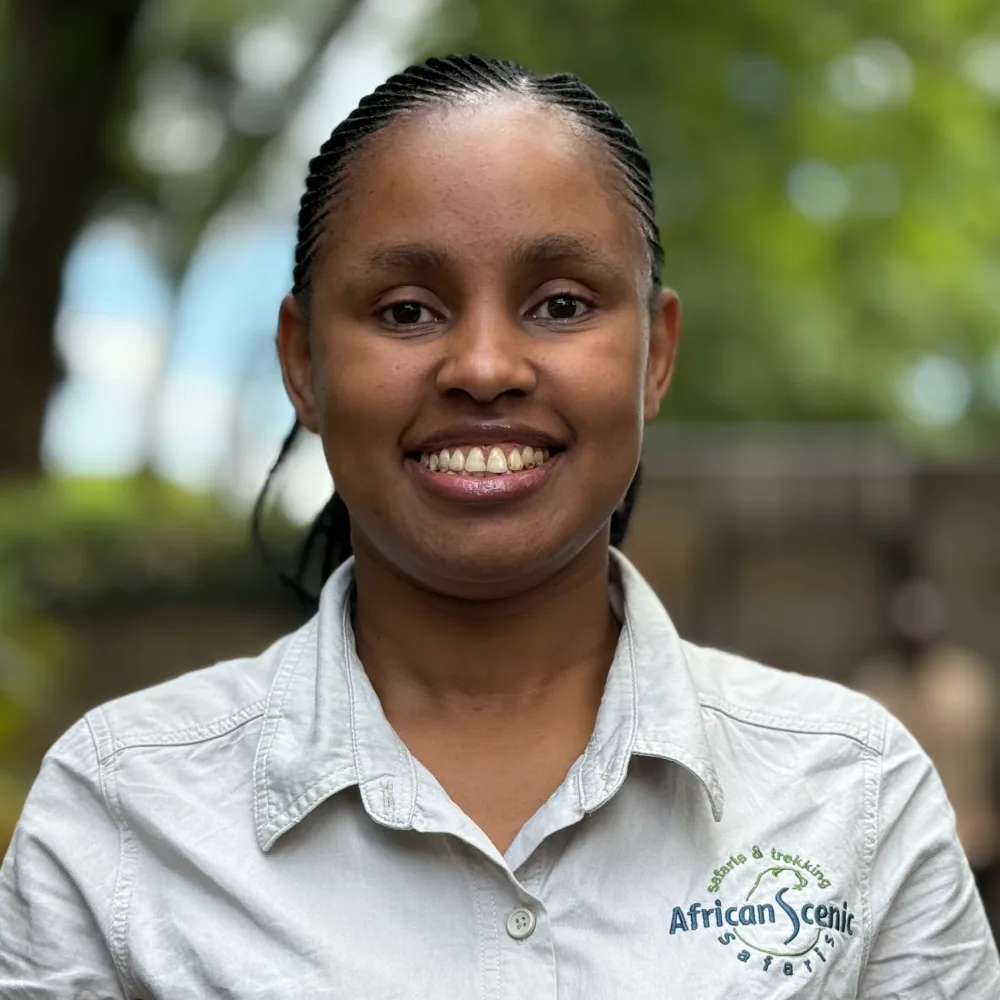
“Every guest arrives with a different idea of what they want from Tanzania. My job is to listen and stay with them through every step of the journey, not just before they book. Some people know exactly which parks they want. Others only know they want to see an elephant properly, and we build the rest from there. Either way, I would rather ask you ten questions now than send an itinerary that only half fits. That's the difference you feel once you're actually here.”

African Scenic Safaris

Nembris Joram

Local Travel Designer

Trusted by Travellers and the Industry

Every accreditation below reflects how we operate: fair pay for crews, responsible tourism practices, and hundreds of travelers who rated their Tanzanian safari worth recommending onward.

African Scenic Safaris African Scenic Safaris African Scenic Safaris

Which Safari Suits You

Comparing options side by side makes it easier to choose a safari that matches your travel style, budget, and interests.

Use the comparison below to quickly explore the key differences between our 14 Tanzania safari packages, including trip duration, national parks visited, accommodation style, wildlife highlights, and the activities included in each journey.

Package Duration Parks Accommodation Wildlife Activities
12 Days Tanzania Family Safaris 12 Days Tarangire, Lake Manyara, Ngorongoro, Serengeti, Zanzibar Luxury lodges & tented camps Elephant herds, tree-climbing lions, black rhino Game drives, crater descent, beach days
Tanzania Honeymoon Safari 1 Day Serengeti, Ngorongoro Crater, Tarangire, Zanzibar Luxury lodges & tented suites Big Five, migration herds Private game drives, bush dining, Maasai village visits
8 Days Tanzania Classic Safari 8 Days Tarangire, Serengeti, Ngorongoro, Lake Manyara Comfortable lodges Big Five, predators, baobab country Game drives, crater descent, cultural stops
6 Days Short & Sweet Safari 6 Days Lake Manyara, Serengeti, Ngorongoro Comfortable lodges Flamingos, tree-climbing lions, crater wildlife Game drives, scenic viewpoints
Serengeti Wildebeest Migration 1 Day Central & Northern Serengeti, Mara River, Ndutu Luxury tented camps River crossings, calving herds, big cats Migration tracking, game drives
13 Days Ultimate Southern Safari 13 Days Ruaha, Selous, Udzungwa, Mikumi, Ifakara, Dar es Salaam Exclusive lodges Wild dog, elephant, lion, forest primates Game drives, Udzungwa hiking, river cruises, Isimila Stone Age site
7 Days Big Five Safari 7 Days Serengeti, Ngorongoro Comfortable lodges Lion, leopard, elephant, buffalo, rhino Game drives, crater floor
10 Days Tanzania Closer To Nature Safari 10 Days Western Serengeti (Grumeti), Central Serengeti, Ngorongoro, Tarangire Lodges & tented camps Rhino, lion, cheetah, hippo, up to 6,000 elephants Walking safaris, night game drive, Empakai & Olmoti hikes, Olduvai Gorge
10 Days Southern Tanzania Safari 10 Days Ruaha, Selous, Stone Town, Zanzibar Lodges, tented camps, fly-camps Wild dog, elephant, lion, hippo, 570+ birds Walking safari, river cruise, scenic flights, beach
13 Days Cultural Wildlife Hiking 13 Days Tarangire, Northern Tanzania circuit, Ol Doinyo Lengai Lodges, camps, Maasai village Elephant herds, plains game Game drives, volcano climb, community visits
9 Days Western Tanzania Safari 9 Days Mahale Mountains, Gombe Stream Remote camps Chimpanzees, primates Chimp trekking, boat trips
Tanzania Cultural Tours 5 Days Marangu, Lake Eyasi, Maasai boma, Mto wa Mbu, Ngorongoro Lodges & Maasai homestay Crater Big Five Hadzabe hunt, Chagga tunnels, coffee tour, market walk
8 Days Calving Season Safari 8 Days Ndutu (Southern Serengeti), Serengeti, Ngorongoro Luxury tented camps Newborn calves, cheetah, lion, hyena Off-road game drives, crater descent
8 Days Tarangire Flyout Safari 8 Days Tarangire, Ndutu, Serengeti, Ngorongoro Comfortable lodges Elephant herds, rhino, lion prides Game drives, flights between parks

Don’t Just Visit Tanzania. Experience It Your Way!

First Tanzanian adventure? Travelling with family? Planning a honeymoon? Looking for a luxury or a great adventure?

Whatever brings you to Tanzania, we'll help create a safari around what you want to see, how you want to travel, and what you want to spend — built around you, not a fixed package.

African Scenic Safaris
Nembris Joram
Local Travel Designer
African Scenic Safaris

Why Go on Safari in Tanzania

People often ask us why Tanzania and not somewhere else. The answer is simple: Tanzania brings together some of Africa's most extraordinary wildlife, landscapes, cultures, and adventures in one country. Here are six things you get here that you will not get anywhere else.

The Great Migration

Most people know about the migration. What surprises them is that the herds stay in Tanzania nearly all year. More than a million wildebeest walk a slow circle through the Serengeti. Around 200,000 zebra and a few hundred thousand gazelle go with them. They follow the rain and the fresh grass that comes after it.From December to March they gather on the open plains around Ndutu. About half a million calves are born in roughly three weeks. Every predator in the park knows this, so it is the best time of year to watch lions and cheetahs hunt. By May, the herds move west through the Grumeti. From July to October they reach the Mara River in the north, and that is where the crossings happen. So there is no bad month. The only thing that matters is being in the right part of the park at the right time.

Unmatched Wildlife Density

A volcano stood here and collapsed in on itself about two and a half million years ago. What is left is a bowl twenty kilometres wide with walls six hundred metres high. The walls are steep, so most animals stay inside rather than move in and out. Around 25,000 of them live on the floor.That is why you can see the Big Five in one morning, black rhino included. It is the most reliable place to find rhino on the northern circuit. Look closely at the elephants. They are nearly all old bulls, and their tusks are bigger than almost anything left in East Africa. The lions here are among the densest population ever recorded. You can cover the whole floor in a day, which is why we suggest two nights on the rim instead of one. Get to the descent road by six and the first hour is quiet.

Wilderness Without the Crowds

Ruaha is over 20,000 square kilometres, which makes it bigger than the Serengeti. Nyerere, which most people still call Selous, is around 30,000 square kilometres. That is about the size of Belgium, and most of it never sees a visitor. What you get out here is quiet. Drive all morning in the south or the west and you may not pass another vehicle. Ruaha has more than 570 kinds of birds and some of the biggest lion prides on the continent. It also sits where southern and eastern African animals overlap, so you see kudu, sable and roan alongside the usual zebra and giraffe. Both parks still have African wild dog, one of the rarest predators left. In Nyerere you can swap the vehicle for a boat on the Rufiji River, or walk with an armed guide. Neither is possible in the Serengeti, where you stay in the car all day.

Safari and Beach in One Trip

Zanzibar is 1 hour 40 minutes by plane from the Serengeti airstrips, and less than that from Arusha. Stone Town is a UNESCO World Heritage Site and worth a night for the carved doors, the spice market and the seafront food stalls. Nungwi and Kendwa in the north have the best swimming beaches, because the tide barely moves there. Paje suits kitesurfers, and the best diving is around Mnemba atoll. From October to February, whale sharks gather off Mafia Island, an hour further south. Spice farm tours run from Stone Town most mornings and are genuinely good. Prison Island, 20 minutes offshore, has giant tortoises brought from Seychelles in the 1900s. You can leave the Serengeti after a morning game drive and be swimming before dinner, which is why most families finish their trip here.

Human Origins and Living Cultures

Mary and Louis Leakey dug at Olduvai for decades, inside the Ngorongoro Conservation Area, and what they found changed what we knew about human history. Stone tools nearly 2 million years old, and bones from early humans nobody knew existed. Thirty miles away at Laetoli, 3 of them crossed wet volcanic ash 3.6 million years ago and left footprints in it. The museum is worth an hour, and sits on the road between Ngorongoro and the Serengeti. The people living here now are just as interesting. Maasai still graze cattle across the Ngorongoro highlands, sharing the land with the wildlife. Mto wa Mbu, below the escarpment, is one of the most mixed towns in the country, with people from over 100 tribes trading in one market. On Kilimanjaro, the Chagga will show you the tunnels their ancestors hid in.

Africa's Highest Mountains

Kilimanjaro is 5,895 metres high, and you can walk up it. No ropes and no climbing skills, just time and reasonable fitness, which puts Africa's highest peak within reach of people who have never climbed a mountain. Routes take 5 to 9 days. The longer routes get many more people to the top, because the only thing that beats altitude sickness is going slowly and letting your body adjust. Lemosho and the Northern Circuit have the best success rates. Mount Meru is 4,562 metres and a good climb in its own right, and many people use it to prepare for Kilimanjaro. An armed ranger walks with every group on the lower slopes, because elephants and buffalo use those trails. The climb takes 3 or 4 days and finishes along a narrow crater rim at sunrise, with Kilimanjaro in the distance.

Ways to Explore Tanzania

Every safari we run is private. What changes between these four is where you sleep and what's included.

The guide, the vehicle, and the parks remain the same across all four styles. The main difference is where you sleep at night and how much comfort you want between game drives.

Tailormade Journeys

The trips on this page are a starting point, not a fixed itinerary. Every safari we run is private and built around you. Add a night, swap a camp, mix the accommodation tiers below, or finish your safari on a beach in Zanzibar. Tell us what you want, and we will send you a price, usually the next day. Most people change something, and that is completely fine. Some want longer in the Serengeti and less time driving between parks. Others want two nights everywhere instead of one. Families often need connecting rooms and a guide who is good with children. Honeymooners usually want the opposite of a schedule. None of this costs extra to arrange. It is how we work, and it is why no two of our safaris leave looking quite the same.

Mid-Range Safaris

These mid-range Tanzania safari packages suit people who want comfort without paying top rates. You will stay in good lodges or tented camps with everything you need for a comfortable safari. Rooms are en-suite, the beds are proper, the food is good, and there is hot water waiting at the end of a long dusty day out. It keeps your Tanzania Safari Cost sensible, and it puts more of your budget toward the guide, the vehicle, and your time in the parks, which is what you actually came all this way for. Most first-time visitors choose this tier, and very few of them wish they had spent more. Pricing depends on your season, park choice and lodge standard, so we quote each trip individually after a quick chat about what you have in mind.

Luxury Safaris

Our Luxury Tanzania Safari Packages give you more space, privacy and comfort between game drives. The lodges and camps are often smaller and thoughtfully placed, set close to the action yet far from the crowds. Expect features such as private dinners under the stars, swimming pools, spa treatments and quiet corners to unwind in after a long day. Personal butlers, guided walks and unhurried mornings are all part of the experience. Everything is arranged around your own pace, so nobody knocks on your door at five in the morning unless you have asked them to. Several of these camps move with the seasons to stay near the herds, which means you wake up close to the wildlife instead of driving an hour to reach it. We quote each trip individually.

Ultra-Luxury Safaris

If you want the very best, these ultra-luxury Tanzania safari packages give you an exceptional level of comfort, privacy and personal service. Expect elegant camps, your own private guide throughout, meals planned around your preferences, champagne at breakfast, and exclusive experiences such as night drives where permitted. Every Tanzania Tour Safari here is designed around privacy, with carefully chosen camps and experiences that make the journey feel entirely your own. Many of these camps sit in private concessions, so you can leave the road, drive after dark and walk in places where other vehicles are not allowed to go. Because each itinerary is built from scratch, we quote individually after discussing your dates, party size and camps.

Peak Season
September, now

Peak crossings, peak beaches
BEST TIME TO VISIT TANZANIA

The Safari Calendar.

Tanzania works all year round. The real question is not whether to come, but which part of the year suits you best.


Peak Season JAN-FEB, JUN-OCT Dry, clear, and easy sightings. Busiest parks and highest prices.
Shoulder Season NOV-DEC Green and quiet, with light rain and better lodge rates.
Low Season MAR-MAY Long rains arrive. Some camps close, but landscapes look spectacular.

Your guide to Tanzania.

When

The best month depends on what you want out of the trip.

In general, June to October is the best time to visit Tanzania for its dry, cool, and easygoing weather. January and February run a close second. Tanzania sits just below the equator, so people pack for heat. Then they get here. The northern parks are 1,100 to 2,000 meters up, and altitude beats latitude every time. Serengeti afternoons hit about 26°C, which is pleasant. Nights drop to around 14°C, and between June and September a cold front can push it near freezing. Every July we meet guests at Arusha in shorts and sandals. Every July they regret it at the six o'clock game drive. Bring a fleece.

Rain comes twice a year:

  • Long rains, March to May. April's the wettest month almost everywhere. Some camps close, and the dirt roads get difficult.
  • Short rains, November to December. A shower in the afternoon, then it clears. Rarely enough to spoil a day.

Even then it hardly ever rains all day. And where the rain falls matters more than how much of it there is. The Serengeti. averages 900 to 1,000mm a year, but that's a park-wide figure hiding a big spread: under 800mm in the dry southeast near Olduvai, up to 1,400mm in the north near the Mara.

January and February sit between the two rainy spells. They're the hottest months, with Serengeti days reaching 29°C. None of which applies to the Ngorongoro rim, which is well over 2,000 meters. A June morning up there is properly cold.

Every month works for the Serengeti. Most people come between June and October, and there's good reason for that: the water dries up, and the animals get much easier to find. If you've come for the migration, follow the herds rather than the calendar.

  • December to March. Calving on the southern plains around Ndutu.
  • June. North through the Grumeti.
  • July to October. Crossing the Mara.

March to May is the quietest and cheapest time to travel. The country has never looked greener, for whatever that's worth to you.

Zanzibar runs hotter and stickier than the parks. Usually about 30°C, touching 32°C in January. June to October is lovely. So is December to February.

Kilimanjaro climbs best between July and October, or January and March. The summit is well below freezing in any month.

Where

Most people begin in the northern parks, then add Zanzibar, the southern parks, or the west.

Serengeti National Park

The Serengeti covers 14,750 square kilometres of northern Tanzania, stretching from the Ngorongoro highlands up to the Kenyan border, where it joins the Maasai Mara. Around two million wildebeest, zebras, and gazelles move through it every year, crossing the Grumeti and Mara rivers where the crocodiles are waiting. Seronera, in the middle, is one of Africa's best places to see lions, leopards, and cheetahs. You can stay in a lodge or in a mobile camp that packs up and follows the herds. The mobile camps aren't for everyone. They're also where the best sightings tend to happen.

Ngorongoro Conservation Area

Ngorongoro Crater is a collapsed volcano about 180 km west of Arusha. Roughly 25,000 large animals live down on the floor, and most of them never leave. All of the Big Five are here, including the black rhino. You can cover the whole floor in a day. Maasai still graze cattle up on the rim, and Olduvai Gorge is in the same conservation area.

Tarangire National Park

Tarangire lies about 120 km southwest of Arusha, on the road towards the Serengeti, and covers roughly 2,850 square kilometres. Huge baobabs, and the biggest elephant herds in the north. The river is the only permanent water for miles, so between July and October the zebras, wildebeest and buffalo pile in along the banks. Lions and leopards follow them. It's quieter than the Serengeti and only two hours from Arusha, which makes it an easy first or last stop.

Lake Manyara National Park

Lake Manyara sits at the foot of the Rift Valley escarpment, about 120 km west of Arusha, and the lake itself takes up two thirds of the park's 330 square kilometres. Flamingos crowd the shallow soda lake and over 400 bird species have been recorded here. It's famous for tree-climbing lions, though nobody can promise you'll see one. Elephants, hippos, baboons and blue monkeys all live in the groundwater forest. Most people stop on the drive north. Half a day is plenty.

Zanzibar

Zanzibar is an hour and a half by air from the park airstrips and feels like a different country when you land. Stone Town's worth a night for the old buildings and the spice market. Nungwi and Kendwa have the best swimming beaches. Paje suits kitesurfers. Diving on the reef is excellent. Most of our guests finish here rather than start here, and we'd recommend doing it that way round.

Arusha

Arusha is where most safaris begin and end. It sits below Mount Meru at around 1,400 meters, an hour from Kilimanjaro International Airport. You'll meet your guide here, check out the vehicle, and get a proper briefing before you set off. Come a day early if you can. The Maasai Market and the coffee are worth the extra night.

Mount Meru

Meru is Tanzania's second-highest mountain at 4,562 meters and the best warm-up there is for Kilimanjaro. Three or four days up, and the crater rim views are extraordinary. Nearly 400 bird species live on the forested slopes, along with colobus monkeys, giraffe, bushbuck and leopard. An armed ranger walks with every group. That's not for show. Buffalo and elephant use the lower trails.

Kilimanjaro National Park

Kilimanjaro is the highest point in Africa at 5,895 meters, and the largest free-standing volcano anywhere. Tens of thousands attempt the summit every year. You need no ropes and no climbing skills. Most routes take six to nine days, and the extra days matter more than people expect. Lower down, the forest is full of birds, blue monkeys, colobus, and olive baboons. Leopards and elephants are in there too. You'd be lucky.

Ruaha, Nyerere and the south

Ruaha and Nyerere are where you go to escape the crowds. Ruaha is bigger than the Serengeti and has some of Africa's largest lion prides, plus wild dog and more than 570 bird species. Nyerere, which nearly everyone still calls Selous, adds boat safaris on the Rufiji and walking safaris. You fly in by light aircraft. Both stay quiet all year.

Katavi and Mahale in the west

Katavi and Mahale are as remote as Tanzania gets. Mahale is one of the best places anywhere to trek wild chimpanzees, and it sits right on Lake Tanganyika, so you can swim in the afternoon. Katavi is emptier still. Huge buffalo herds and hippos are crowded into shrinking pools by October. Very few people make it out here. That's the point.

Included

This is what your package covers. Nothing on this list is charged separately.

On safari

All game drives, vehicle, park entry fees and your English-speaking driver-guide.

Sleeping

Lodges, tented camps or camping, plus your nights in Moshi or Arusha.

Every day

All meals, drinking water, binoculars, airport transfers and 18% VAT.

Looking after you

A dedicated safari specialist before you travel and support in Tanzania throughout.

Tanzania’s Leading Sustainable Tour Operator. TATO and ATTA member.

The guest gallery

Real photographs from real trips, sent to us by guests once they had got home.

Every image here comes from someone who sat in one of our vehicles. Some are extraordinary, and some are quite ordinary, which is exactly what a real safari day actually looks like.

Pebjones

Group photo overlooking the crater, on our first-ever safari weekend.

CounsellorTroy

Celebrating around the campfire with the whole crew who made it happen.

Escape51052763679

At the Ngorongoro Crater viewpoint, taking in that incredible drop below.

Raphaël D

Stretching our legs mid-drive during 6 unforgettable days on safari.

Caroline T

Following our ranger on a walking safari, with a baobab rising in the distance.

Tozwoz15

Six days, one unforgettable guide: Jackson at the Ngorongoro Crater viewpoint.

Michelle A

Asante sana, Jackson! Golden hour above the Ngorongoro Crater, January 2026.

Michaela Z

Pausing at the famous Serengeti National Park entrance sign before our adventure.

J D

A week across Tanzania's parks, ending at the Gnu Migration Camp.

7continents100

Sunset light over the crater, sharing laughs with our safari guide.

Escape51052763679

Watching hippos in the river from our open safari vehicle in the Serengeti.

Enzo I

Thumbs up with Peter on the Ngorongoro Crater rim, Tanzania.

Common safari questions

Whatever a first-time visitor needs to know before booking, including several things they may not have thought about, is answered here.

More than most people expect. You get every game drive, the vehicle, park entry fees, your English-speaking driver-guide, all your accommodation, every meal, drinking water, airport transfers, your nights in Moshi or Arusha, the 18% VAT, and binoculars in the car. What you pay for separately: international flights, your visa, tips and any drinks at the bar.

Never. Every trip we run is private, so it is your group, your guide and your vehicle. That matters more than it sounds. When you find a leopard in a tree, nobody else in the car is checking their watch. You stay as long as you want.

The cost of a Safari in Tanzania comes down to where you sleep, not what you see. Mid-range runs USD 335 to 545 per person per day, or USD 2,350 to 3,800 for a week. Luxury runs USD 615 to 1,030 a day, or USD 4,300 to 7,200 for a week. Ultra-luxury starts at USD 1,245 and climbs to USD 2,500 or more.

Plenty of people do. Zanzibar is a short flight from the park airstrips, and after a week of five o'clock starts, a few days on a beach is exactly what you want. Kilimanjaro is better at the start, with a rest day before the safari. Either one adds roughly five to seven days.

The northern circuit, nearly every time. Tarangire, Lake Manyara, the Serengeti and Ngorongoro sit close together, and the wildlife is remarkable, which is why our 8 Days Classic and 7 Days Big Five safaris are the two we sell most. The southern and western parks are wonderful, but save them for a second trip.

If you want June to October, start six to twelve months out. The best camps in the Serengeti and on the crater rim are small, and they go early. Calving season in January and February fills up much the same way. For March to May, a few weeks is often enough.

Because the price depends on your dates, your group size, and where you want to stay. Park fees and camp rates shift a lot with the season, and a family of five does not pay what a couple pays. Tell us roughly what you have in mind, and we will send you a proper itemized quote, usually the next day.

Mid-range gets you comfortable lodges and tented camps with everything you need. Luxury gets you smaller camps in better spots, with a pool, a private dinner and far fewer people around.

You can do either. Driving the northern circuit shows you the country in between and keeps the cost down. Flying saves hours, which matters on a short trip, and it is the only sensible way to reach the southern and western parks. Our 8 Days Tarangire Flyout Safari is built around light aircraft.

Usually, yes. Adding a night, moving up a camp or tacking Zanzibar on the end is generally fine if there is space. Bigger changes close to departure depend on what the camps will allow. The earlier you tell us, the more we can do.

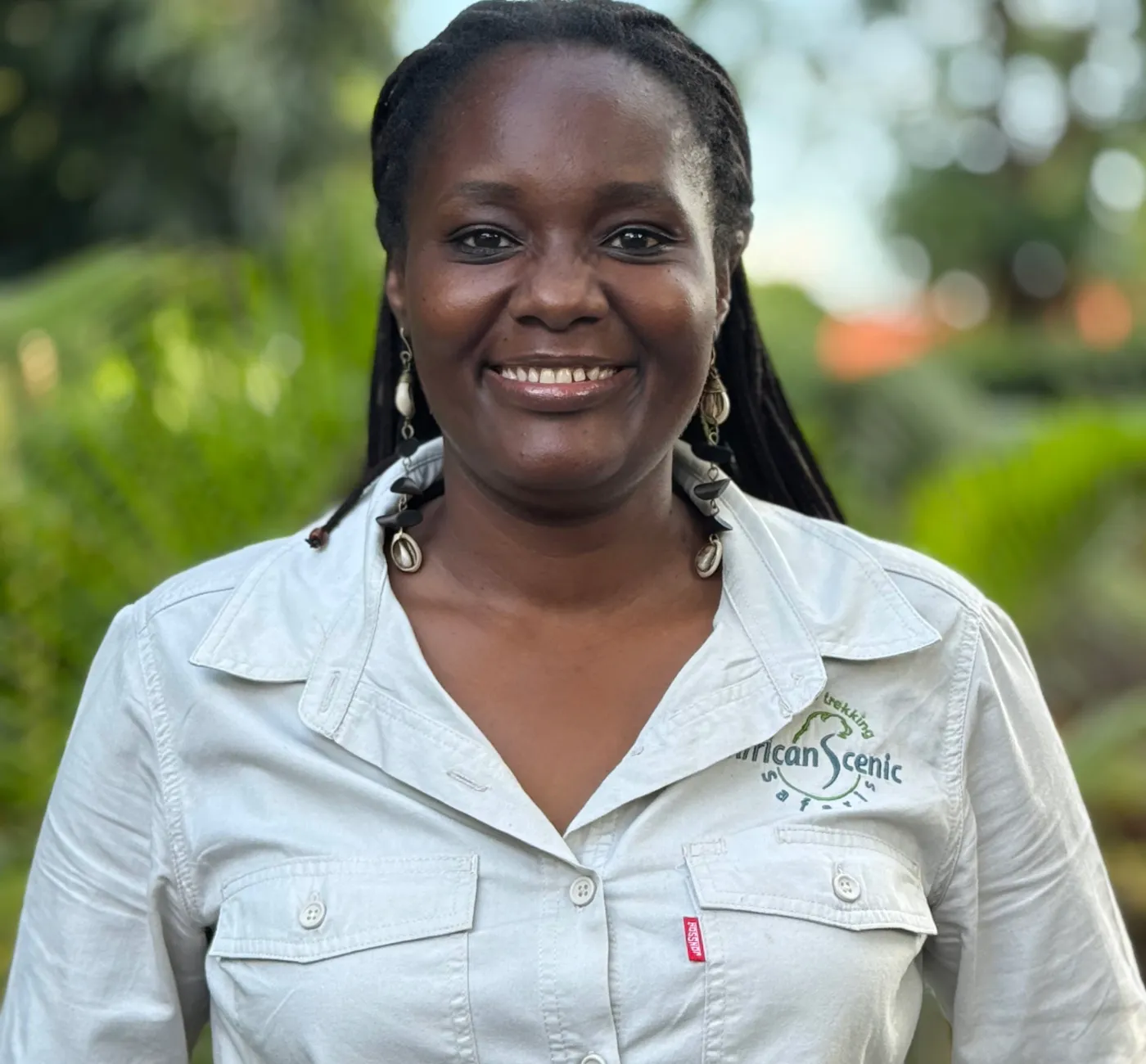
Mary Njuguna

Made for Meaningful Travel

"From quiet wildlife encounters to time with local communities, we create journeys that help you experience more of what makes Tanzania distinctive."
The Tanzania Travel Journal

Tanzania, delivered to your inbox

Get practical travel tips, safari inspiration, Kilimanjaro advice - everything you need to plan your trip with confidence.

×