African Scenic Safaris
  • Instagram
  • Facebook
  • You Tube
  • Linkedin
  • X
Skip To

GLP Films - African Scenic Safaris: Advocating for Kilimanjaro’s Porters

In January 2023, African Scenic Safaris won GLP Films’ Sustainability Storytelling Competition in the Sustainable & Regenerative Tourism category. For our team, this was not just a proud announcement or another award to place beside our name. It was a chance to speak about something we care about deeply: the people who work behind every Kilimanjaro climb.


GLP Films - African Scenic Safaris

GLP Films - African Scenic Safaris

Porters are often seen only for a few moments on the trail. They pass by with tents, food, bags, cooking items, and camp equipment on their backs. They walk through rain, dust, cold mornings, steep paths, and thin air. Many times, they reach camp before the climbers, set everything up, and then prepare for another hard day. Their work is heavy. Their role is huge. And for too long, many porters have not received the fair treatment they deserve.

That is the story African Scenic Safaris brought forward through GLP Films.

Founded in 2009 and based in Moshi, Tanzania, African Scenic Safaris has always believed that responsible tourism should start with people. On Mount Kilimanjaro, that means the guides, cooks, and porters who help turn a difficult climb into a safe and supported journey.

The Concern Behind the Story

Most climbers remember the summit, the sunrise, the camps, and the final photograph at Uhuru Peak. But these moments depend on a mountain team working throughout the expedition.

Without porters, tents would not reach the next campsite. Food and cooking supplies would not be available. Camps would not be prepared before the climbers arrived.

The Concern Behind the Story

The Concern Behind the Story

Despite their important role, porters may face problems such as:

  • Pay below required standards
  • Unfair distribution of tips
  • Loads above the regulated 20-kilogram limit
  • Insufficient food during climbs
  • Crowded sleeping tents
  • Inadequate mountain clothing
  • Bribes in exchange for work

These are not distant industry problems. They affect individuals and families living in Moshi and communities around Kilimanjaro.

A porter’s income may help pay for food, school fees, rent, medical care, and other household needs. Poor treatment therefore affects more than one person working on the mountain.

African Scenic Safaris entered the competition because these conditions should not remain hidden behind low climbing prices and attractive mountain photographs.

Why GLP Films Recognised the Story

GLP Films works with tourism businesses, destinations, conservation organisations, and communities to share stories connected to responsible travel, culture, nature, and social change.

Its Sustainability Storytelling Competition gave tourism businesses a platform to discuss work that often receives little attention in regular travel promotion.

Why GLP Films Recognised the Story

The African Scenic Safaris story focused on the people carrying the physical weight of Kilimanjaro expeditions. It looked beyond the scenery and summit experience to show the working conditions behind each climb.

That human focus helped the story stand out in the Sustainable and Regenerative Tourism category. It also allowed the subject of porter welfare to reach people beyond our guests and local community.

Our Kilimanjaro Mountain Team

African Scenic Safaris was founded in 2009 and is based in Moshi, close to Mount Kilimanjaro. Many members of our mountain crew come from the same communities where we live and work.

Our Kilimanjaro operations are supported by:

20 55 Reasons to Choose African Scenic Safaris

Guides

90 55 Reasons to Choose African Scenic Safaris

Porters

6 55 Reasons to Choose African Scenic Safaris

Chefs

Together, these 116 crew members guide climbers, prepare meals, carry supplies, organise camps, and support daily mountain operations.

These numbers represent real people whose work and income depend on responsibly managed climbs. Their welfare cannot be treated as a general promise. It must be supported through clear procedures before, during, and after each expedition.

Our Kilimanjaro Mountain Team

Our Kilimanjaro Mountain Team

KPAP Partner

Working With KPAP

African Scenic Safaris works with the Kilimanjaro Porters Assistance Project, commonly known as KPAP.

KPAP promotes better treatment and safer working conditions for porters on Mount Kilimanjaro. Its standards cover important areas of mountain employment, including payments, meals, equipment, carrying limits, sleeping arrangements, and tipping.

Our climbing procedures include:

  • Pay below required standards
  • Three meals for crew members each day
  • Loads kept within the regulated limit
  • Suitable clothing and mountain equipment
  • Proper sleeping arrangements
  • Clear crew payment procedures
  • Transparent collection and division of tips
  • Safety support during the climb
  • Respectful treatment across the mountain team

These systems help us manage porter welfare through practical actions rather than broad claims.

They also create greater accountability. Crew conditions can be reviewed through payment records, food arrangements, equipment checks, load monitoring, and feedback from the people working on the mountain.

Working With KPAP
Working With KPAP

Supporting Women on Kilimanjaro

Kilimanjaro mountain work has traditionally been dominated by men. Women who choose to work as porters or guides may face fewer opportunities or doubts about their ability before they begin.

African Scenic Safaris supports trained and capable women who want to work on the mountain.

Women crew members should receive the same professional respect, equipment, safety support, and working opportunities as their male colleagues. Mountain roles should be assigned according to training, preparation, and ability.

Supporting women in these roles can also create new sources of income within Kilimanjaro communities. It allows women to build experience, strengthen their mountain skills, and progress towards senior positions.

Supporting Women on Kilimanjaro

Supporting Women on Kilimanjaro

Why Working Conditions Affect the Climb

Porter welfare is first about protecting the people doing physically demanding work on the mountain. But crew conditions also influence the way an expedition operates.

Crew members who receive proper meals, suitable clothing, adequate rest, and regulated loads are better prepared for difficult mountain conditions.

This helps camps run on time, keeps essential equipment organised, and allows guides to concentrate on climber safety.

Poor conditions can create risks throughout the expedition. Excessive loads, inadequate food, unsuitable clothing, or limited rest may affect a crew member’s health and ability to work safely.

Travellers should therefore look beyond the itinerary and advertised price. A very low climbing cost may sometimes mean that savings have been made at the expense of the mountain crew.

A responsible climb should not depend on someone carrying extra weight, receiving too little food, or losing part of the tips intended for them.

Working Conditions Affect the Climb

Working Conditions Affect the Climb

What the Recognition Meant

The GLP Films award gave greater visibility to the subject of porter welfare. It encouraged travellers to consider the people behind their climb rather than focusing only on reaching the summit.

An award cannot solve every problem within the Kilimanjaro trekking industry. But a well-told story can make people pause, ask better questions, and think carefully before booking.

It can also encourage tour operators to explain their crew systems openly and examine areas that still need improvement.

For African Scenic Safaris, the recognition was not the end of the work. It strengthened our responsibility to continue reviewing how our mountain team is supported.

What the Recognition Meant

What the Recognition Meant

Questions to Ask Before Booking

Travellers can play a role by asking tour operators direct questions before choosing a Kilimanjaro climb:

  • How are porters paid?
  • How are tips divided?
  • How many meals does the crew receive?
  • Does an independent organisation review crew welfare?
  • What clothing and equipment are provided?
  • Where does the crew sleep?
  • Who checks porter carrying loads?
  • How are women porters and guides supported?

Before booking your Kilimanjaro climb, contact African Scenic Safaris and ask how our guides, porters, and chefs are supported throughout the expedition.

Simbo Natai

SIMBO NATAI

Director

Simbo Natai, founder of African Scenic Safaris, crafts meaningful Tanzanian journeys through local knowledge. His experience as a former Kilimanjaro guide influences how every journey is planned and delivered.

What Our Guests Say

TripAdvisorAfrican Scenic Safaris #1 on TripAdvisor
Hannah W
Hannah W / Sep 2022

The best company out there!

African Scenic Safaris were Amazing. We were a large group of students who climbed Kilimanjaro with them and went on a safari in Tarangire National Park.

Johanna S
Johanna S/ Apr 2025

Great experience on Safari.

The guide was absolutely fantastic. Emanuel was present answering questions and not least telling a lot like the animals.

Gabriella M
Gabriella M/ Feb 2025

Amazing experience

We relied on African Scenic Safaris for organising a 5 days safari. Nembris provided us with suggestions for the itinerary through Serengeti.
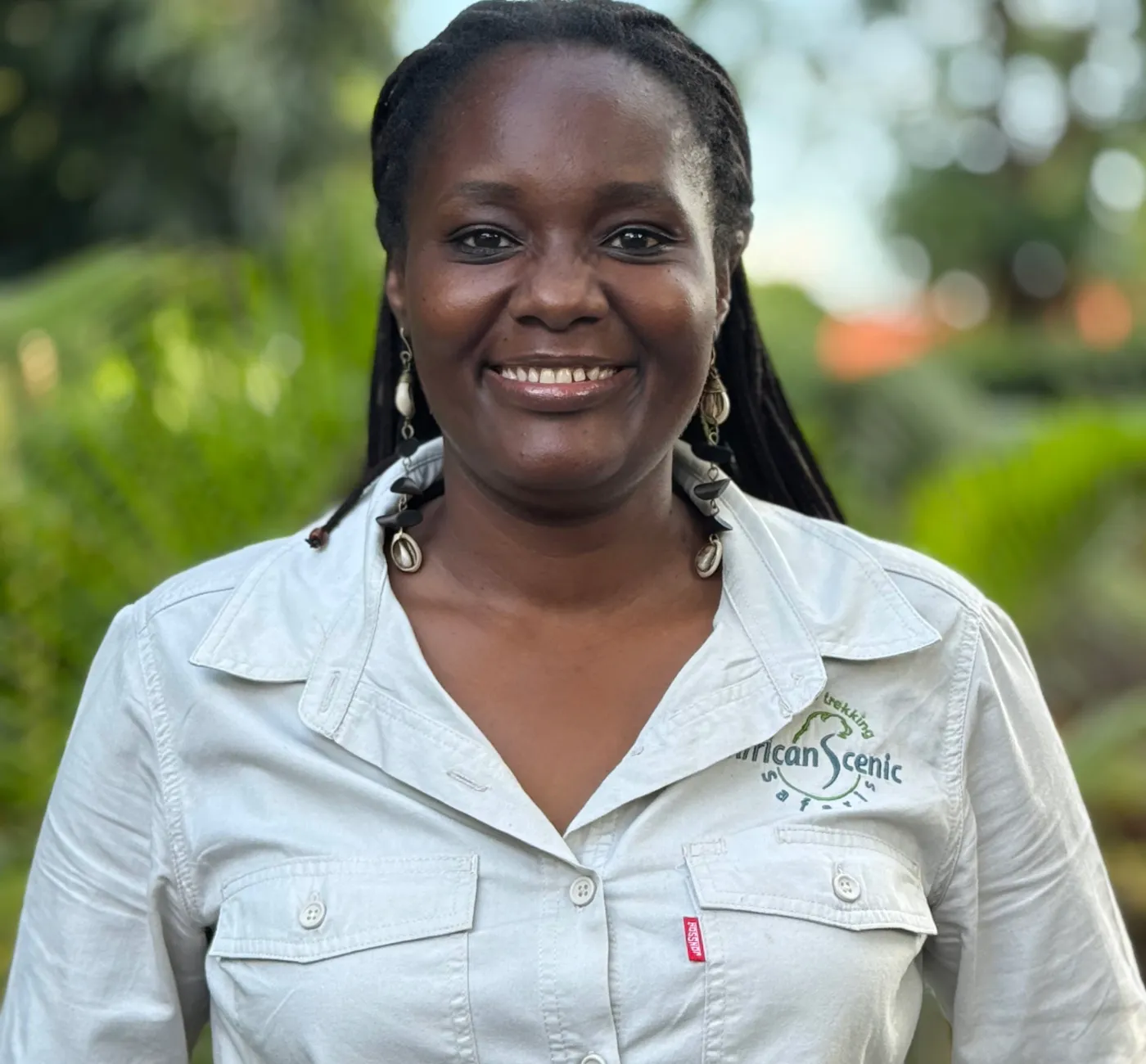
Mary Njuguna
Mary Njuguna

Sustainability coordinator

mary@africanscenicsafaris.com

Talk to Our Sustainability Coordinator

"If you would like to know more about how we approach responsible tourism, conservation, community support, or sustainability on your Tanzania journey, please contact Mary directly."
The Tanzania Travel Journal

Tanzania, delivered to your inbox

Get practical travel tips, safari inspiration, Kilimanjaro advice - everything you need to plan your trip with confidence.

×