



Game Viewing
Dry Season Jun – OctBush thins out, and animals gather near rivers — for more reliable sightings all year.

Explore our safari packages listed right here, or simply let us build one just for you.

Our highest-success-rate route on Kilimanjaro. Eight days, a quiet western approach, strong daily acclimatisation.

The Whiskey Route, steep and scenic. A classic choice for trekkers who want a real daily physical challenge.

The only northern approach on the mountain. Drier, quieter trails; the strongest choice during shoulder-season rains.

The longest route on Kilimanjaro, offering maximum acclimatisation time and a full circle around the entire peak.

Home to the great migration & largest lion population, roaming on endless plains seen year-round.

A compact park beneath the Rift Valley wall, with tree-climbing lions & pink flamingos gathered on the lake.

A volcanic caldera holding around 25,000 animals, including some of Tanzania's last remaining black rhinos.

See how we protect Tanzania's environment, and the numbers to prove it.

Find out how we look after our porters, the wildlife and local communities.

Trusted networks that support responsible tourism, conservation, and high industry standards.


Explore our safari packages listed right here, or simply let us build one just for you.
Our highest-success-rate route on Kilimanjaro. Eight days, a quiet western approach, strong daily acclimatisation.
The Whiskey Route, steep and scenic. A classic choice for trekkers who want a real daily physical challenge.
The only northern approach on the mountain. Drier, quieter trails; the strongest choice during shoulder-season rains.
The longest route on Kilimanjaro, offering maximum acclimatisation time and a full circle around the entire peak.
Home to the great migration & largest lion population, roaming on endless plains seen year-round.
A compact park beneath the Rift Valley wall, with tree-climbing lions & pink flamingos gathered on the lake.
A volcanic caldera holding around 25,000 animals, including some of Tanzania's last remaining black rhinos.
See how we protect Tanzania's environment, and the numbers to prove it.
Find out how we look after our porters, the wildlife and local communities.
Trusted networks that support responsible tourism, conservation, and high industry standards.


The Best time to visit Tanzania for most travelers is the peak dry season, from June to October. The rain clears out and mornings get that crisp bite. This is also when the Great Migration usually hits its most jaw-dropping act, which is crossing the legendary Mara River.
But here's the thing that many travelers don't always realize. Even though we have a best time, Tanzania is still a safari destination year-round. That's especially true up north, where the Serengeti, Ngorongoro Crater, Tarangire, and Lake Manyara sit.

Go in January or February, and you'll catch calving season with baby wildebeest wobbling around within hours of being born. Or go between November and May, when the crowds thin out, the landscape turns lush and green, and lodge prices drop a bit, too. So really, the best time to go to Tanzania for safaris comes down to what you're chasing.
In this guide, we'll walk through Tanzania month by month, so you can line up your Tanzania Safari Tours with whatever's pulling you here: the river crossings, the wobbly-legged calves, a Kilimanjaro summit attempt, or just good old-fashioned game viewing without the stress of guessing wrong.
One thing worth mentioning: the weather patterns aren't as predictable as they used to be earlier. What follows is based on years of guiding trips out here, but treat it as a solid guide, not a strict rule book.
Last reviewed August 2026 by our guiding team; we check this page each season and update it as conditions shift.
Bush thins out, and animals gather near rivers — for more reliable sightings all year.

Southern Serengeti, Ndutu plains — thousands of calves are born within weeks.

Grumeti in June, Mara River July–September — the migration's moment.

Migrant birds arrive, landscapes turn lush, and light creates rich drops.

Calm oceans and full sun — pairs well with a safari before or after.

Drier trails, clearer views, and better climbing conditions.

Dry weather, clear mountain views, and comfortable trekking conditions.

Enjoy village visits, local walks, and authentic cultural experiences.
Ask our safari experts for the one perfect month to visit Tanzania, and we'll tell you straight up, there isn't one. It really comes down to you. What you're hoping to see. How you like to move through a day. What kind of story you want to tell when you get home.
We've been doing this for over 16 years now, and if there's one thing that's stuck with us, it's that the best advice never came from a chart on a wall. It came from actually being out there on the ground. Our guides have learned the art of spotting by driving the same roads for years and paying attention.

Best Time to Go for Safaris in Tanzania
Our head guide, Jackson, has spent over a decade reading these plains. He has a habit of logging every sighting by hand at the end of each drive. That kind of pattern-tracking is how our team knew to reroute a group away from a dried-up crossing point last August, days before it would have been obvious to anyone checking a map.
Some of his recommendations, which you can follow when visiting Tanzania:
So when we sit down with someone and talk about timing, we're not just circling a date on a calendar. We're thinking about where the animals will probably be, what the roads will look like, how many other vehicles you'll be sharing the view with, and honestly, what kind of trip you're actually picturing. Our priority is not pointing you towards the trending month, but finding the one that actually fits you.
Contact us today to get a tailored trip built around your dream safari to Tanzania.
Broadly, Tanzania has two main safari seasons: dry and wet. And depending on the rainfall pattern, these periods are split into four clear safari periods.
The rainfall pattern behind every “best time” answer — African Scenic Safaris
Warm and mostly sunny — calving season on the Ndutu plains
The wettest stretch of the year — lush landscapes and the lowest prices
Peak safari season — best game viewing, plus the Mara River crossings Jul–Sep
Brief afternoon showers — quiet parks as the herds return to Ndutu
Each of the above periods impacts wildlife behavior, landscape appearance, and overall safari conditions in different ways. Understanding the details of these seasons will help you find the best time of year to go on safari when planning your next trip.
This long, dry season is often called the best time for an African safari in Tanzania. With clear skies, dry landscapes, and exceptional wildlife viewing, it's also the busiest travel season, especially peaking during July, August, and September.

Long Dry Season (June – October)
Rainfall is minimal, with little to no rain. Days are warm and sunny, with clear, bright skies. There is low humidity in the atmosphere, and pleasant temperatures prevail throughout the day.
As the dry season continues, grasses become shorter, many trees shed their leaves, and the landscape opens up, making wildlife easier to spot.
As water sources shrink, animals are forced to gather near rivers and waterholes. This, along with short grasses, makes game viewing easier and more certain.
Also, the long dry season is the most popular time to see wildlife on a large scale, as the Great Wildebeest Migration takes place then.
Due to the great weather, the roads are dry and easy to drive on. It makes travel between parks smooth and reliable.
As this is peak safari season, lodges and camps often book out months in advance, particularly around the Great Migration. Planning and reserving your Tanzania Safari early is highly recommended.
With the arrival of November, the shoulder season starts in Tanzania. The dry spell breaks and the parks begin to green up again. It rejuvenates the landscape when the flowers bloom, and green forests appear everywhere. Still, wildlife viewing is excellent while the National Parks are less busy.


Tanzania Safari Big Five Sighting
Brief, heavy afternoon showers roll through the afternoon and are usually followed by clear skies.
But the best part is that these rains don’t stop game drives. The rain quickly turns the dry land a fresh green, with flowers blooming across the landscape.
Animal viewing remains strong, and herds remain grouped, though the migration begins its southward movement. Migratory bird species are also starting to arrive, making this a rewarding stretch for birders.
Visitor numbers drop from the peak months, so rates ease slightly, and lodging is also easily available.
The dry season returns for a second stretch with pleasant weather and excellent wildlife viewing. This is when the southern Serengeti comes to life, as newborn calves appear across the plains and draw plenty of predator activity.

Weather and Landscape
The weather is warm with long periods of sun. The plains are fully covered in green grass, making them perfect grazing grounds for the nearby herds.
The migration settles near Ndutu in the southern Serengeti. Countless wildebeest, zebra, and antelope are born in a matter of a few weeks.
This draws many predators. It is a dramatic time to see lions, cheetahs, and hyenas hunting.
Roads hold up well this time of year, so getting around Ndutu and the southern Serengeti is easy.
Camps fill up fast, since many people come specifically for calving season, so it's worth booking ahead if this is on your list.
This is the Low or “Green Season” and the quietest time of the year. Many first-time visitors avoid it. But it offers a peaceful and special trip.

Long Rains (March - May)
The heaviest rains fall in this period, especially in April. The rain can last for a long time. This turns the landscape a vivid green.
And those dramatic skies give perfect rewards for photographers. Humidity is at its highest point.
Animals are now spread out and no longer stay near central water sources. Seeing animals is harder now and requires more patience.
However, this is the very Best Season to visit Tanzania for birdwatching. With so few visitors around, parks can feel like they are yours alone.
Safaris are still possible in the Northern Circuit. But heavy rains can make a few remote roads hard to visit.
Many camps offer big discounts, making it the best season for low-cost travel.
A necessary Tip from our guide: If you plan a safari during the Green Season, you must book a 4x4. You also need a skilled driver. This helps your car travel on soft or muddy roads. You can then reach the best animal spots without any issues.
The above division of the seasons in Tanzania is based on rainfall patterns. But is there any other way to categorize the seasons based on any other factor? Yes, there is! And this division is based on the number of visitors choosing to visit Tanzania at a particular time. Tourism in Tanzania can be divided into 3 particular seasons:
Jan - Feb & Jun - Oct
Nov & Dec
Mar - May
Best time to visit · by season
Busiest · parks fill fast
Highest rates
Dry and sunny
Moderate · noticeably quieter
Mid-range rates
Brief afternoon showers
Quieter · parks feel empty
Lowest rates
Heaviest rains
This division follows Tanzania's rainy and dry seasons only. Every season has its own set of merits and demerits, which can be understood from the table below:
Truth is, none of these seasons is objectively better. They just serve different kinds of travelers.
Every month in Tanzania offers something different. Certain months bring river crossings and thundering herds, others bring newborn calves or quiet, empty parks. This guide breaks down all twelve, covering weather, wildlife, and crowds, so you can match your trip to whatever's pulling you here rather than guessing and hoping you picked right.
Weather and crowd levels at a glance — African Scenic Safaris
Every month in Tanzania offers something different. Certain months bring river crossings and thundering herds, others bring newborn calves or quiet, empty parks. This guide breaks down all twelve, covering weather, wildlife, and crowds, so you can match your trip to whatever's pulling you here rather than guessing and hoping you picked right.
The short dry season returns in January. Days run warm, and afternoon thunderstorms pass quickly, leaving the plains green and glowing. Down at Ndutu, calving season begins, and thousands of wildebeest calves drop within days of each other. Every lion and cheetah nearby knows it, so hunts happen often. Ngorongoro and Tarangire stay dependable for Big Five sightings. Zanzibar's beaches are sunny too; with humidity you can actually live with.
Our guests welcomed the year surrounded by lush landscapes, incredible wildlife, and unforgettable safari moments.


Best for: Calving season, predator action, value pricing
Calving hits full swing now. The Ndutu plains turn into a nursery, with newborn calves scattered everywhere and predators circling constantly. It's hot and humid, though short rains keep the grass rich and herds mostly stay put through the month. At Lake Manyara, higher water pulls in flamingos by the thousand, and the tree-climbing lions get easier to track. Clear light makes this one of the better months for photography of the year.
From newborn wildlife to emotional predator encounters, February became a month our travelers never forgot.


Best for: Family safaris, predator sightings, Lake Manyara flamingos
March is a turning point. The short dry season fades, and the long rains take over, gaining strength later in the month. Humidity climbs, and travel gets trickier. Herds finish the southern plains and drift north, so wildlife thins out everywhere except contained spots like Ngorongoro. Tarangire looks beautiful, though elephants roam widely now. Low season officially opens, and the discounts arrive with it.
Our guests welcomed the year surrounded by lush landscapes, incredible wildlife, and unforgettable safari moments.


Best for: Birdwatching, low-cost safaris, empty parks
April is the wettest month and doesn't pretend otherwise. Rain falls for hours, and back roads turn to mud. This is peak green season, when the landscape goes so vivid it barely looks real. The migration works through the central and western Serengeti, but animals are scattered, so viewing takes patience and long drives. The Southern Circuit shines here. Ruaha feels genuinely remote and delivers surprising sightings.
April travelers discovered peaceful parks, refreshing green scenery, and intimate wildlife experiences away from the crowds.


Best for: Landscape photography, solitude, deepest discounts
Things start turning around in May. The long rains ease, sunny stretches return, and the land holds its brilliant green. The big herds get moving north and west toward Grumeti, and viewing improves as they regroup. The Western Serengeti gets busy. This is the sweet spot for anyone chasing quiet, since dry-season crowds haven't arrived yet. Also a good month for cultural visits before heading into the parks.
Our guests experienced Tanzania at its calmest, where every game drive felt personal and immersive.


Best for: Photography, quiet travel, pre-peak deals
With June, the long dry season officially starts, days settle into comfortable warmth, and mornings turn cool. Skies clear and roads dry fast. The migration reaches the Western Serengeti, where Grumeti River crossings usually begin, and those are tense to watch. At Tarangire, elephants begin gathering as external water sources dry up. This is the classic safari month most people picture when they imagine Tanzania.
Travelers enjoyed exceptional wildlife viewing as Tanzania slowly transformed into the famous dry-season safari experience.


Best for: Grumeti crossings, Tarangire elephants, Kilimanjaro
July opens the busiest time of the year. Skies stay clear, rain disappears, and dry conditions make travel and wildlife viewing about as easy as they get. Herds push north toward the Mara River near the Kenya border, and the first risky crossing attempts often happen now. Kogatende is where you want to be right now. Ngorongoro gets crowded but delivers reliable Big Five sightings.
For reference: the Mara River around Kogatende has roughly a dozen recognized crossing points spread along the river, with the Kogatende (south bank) and Lamai (north bank) sides both used depending on which way the herds are moving that week.
July brought thrilling wildlife encounters, iconic Serengeti moments, and memories captured for a lifetime.


Best for: Mara River crossings, Northern Circuit safaris, Kilimanjaro
August mornings can turn genuinely cold, but days are bright, warm, and crystal clear. It's dry and dusty, which is exactly what you want for spotting animals. The migration is now deep in the far Northern Serengeti, with herds trying the Mara crossing over and over to reach better grass in Kenya. Predators wait along the banks, and they don't miss much. Down south, Ruaha and Nyerere get excellent for big cats since the bush has thinned right out.
From breathtaking wildlife photography to unforgettable family adventures, August was filled with extraordinary experiences.


Best for: Peak migration, predator action, clear-air photography
Temperatures creep up slightly, but conditions stay dry and reliable. The land looks parched and cracked, which sounds unappealing until you realize how much easier it makes spotting wildlife. Mara River crossings remain active, with herds moving back and forth across the Tanzania-Kenya border. Tarangire is at its best now, pulling enormous numbers of elephants and other animals down to the riverbanks.
Guests explored Tanzania under beautiful safari conditions with incredible wildlife sightings across the northern circuit.


Best for: Tarangire elephants, late crossings, thinner crowds
October sits between the long dry and short wet seasons. It's hot and very dry as peak season winds down, though the first clouds of the short rains may appear. That extreme dryness keeps wildlife tightly concentrated around whatever water remains. The migration begins its long push south from the Mara back toward Ndutu. Predator action runs high since the herds are worn down. Ruaha in the Southern Circuit is especially good for big cats now.
October guests enjoyed spectacular game drives, glowing African sunsets, and meaningful moments with nature.


Best for: Southbound migration, Ruaha predators, great value
The short rains arrive and break the dry spell for good. Air clears, temperatures dip slightly, and dusty plains turn bright green within days. Shoulder season officially begins. The migration moves quickly south through the central and eastern Serengeti, chasing fresh grass, and viewing stays strong against the new green backdrop. Lake Manyara becomes a birder's dream as rising water pulls in flamingos and dozens of other species.
Our travelers experienced fresh landscapes, rewarding wildlife encounters, and a peaceful atmosphere across the parks.


Best for: Birdwatching, budget safaris, Lake Manyara flamingos
December kicks off holiday travel. Weather stays warm and pleasant, with quick afternoon showers that rarely get in the way. Parks look green and full of life, exactly what you want over the holidays. By late December, most of the herd has made it back to Ndutu, settling in ahead of calving. Viewing is excellent, and Ngorongoro Crater is about as lush as it ever gets.
Families, couples, and adventure seekers celebrated the festive season with unforgettable Tanzania safari experiences.


Best for: Family holidays, early calving, safari plus Zanzibar
Plan your safari around the season that feels right for you. From dry plains and river crossings to green parks and newborn wildlife, each month brings its own reason to go.
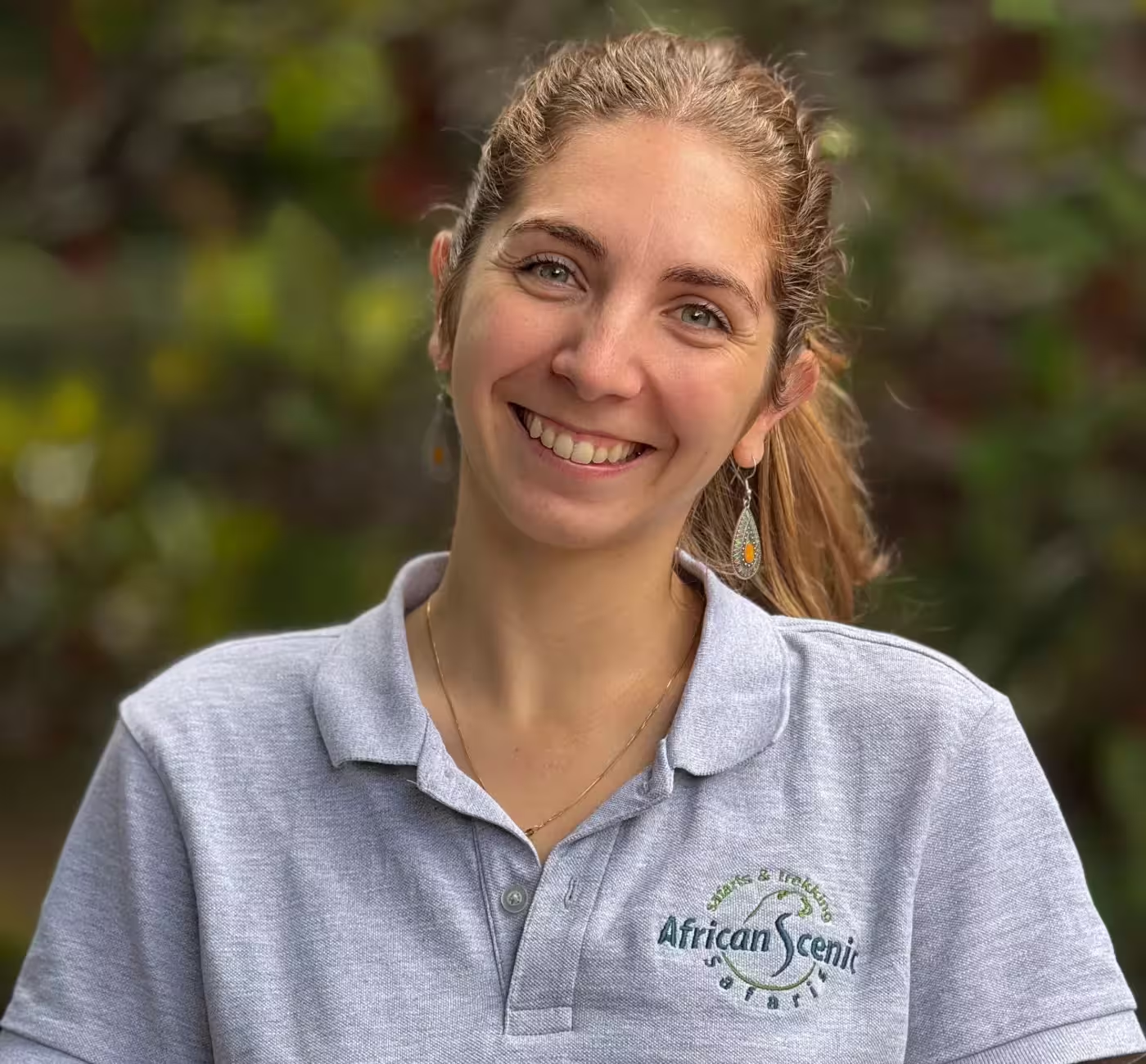
Planning your Tanzania safari but unsure when to go? Solene can help you choose the best month based on your interests and travel plans.
If you're chasing the herds, the best time to see the Serengeti migration runs June through September. In June, you can see millions of wildebeests crossing the Grumeti River in the western corridor of Tanzania. From July to September, millions of wildebeest cross the Mara River in the northern Serengeti. The river is infested with crocodiles lurking in the water, focusing on wildebeest. They move from the northern Serengeti into the Maasai Mara and then return.
But there's a second window worth knowing about. January and February bring something completely different to the Ndutu plains in the Southern Serengeti. Calving season, plus all the prey- predator action that follows it.

Annual Cycle of the Great Migration
From late December through early March, the herds settle onto the short-grass plains around Ndutu. And then it happens fast, hundreds of thousands of calves born in a matter of weeks.
This is arguably the Best time of year for a Tanzania safari if you want to see life actually begin, and a Serengeti calving season safari puts you right in the middle of it. The grass here is low, which changes everything for viewing.
By May and early June, the land's drying out, and the herds start pushing north and west toward the Grumeti. The Grumeti River crossing is the first real danger they face.
Thousands of animals bunched up on the bank, hesitating, edging forward, backing off again. They know something's in that water. Watching them work up the nerve is one of the tensest things you'll see in the Western Serengeti.
This is when the migration turns unforgettable. Between July and September, herds hit the Mara River crossings in the Northern Serengeti. Thousands of wildebeest and zebra bunch up at the water's edge, hesitate, then surge in together.
There's no schedule. No fixed spot. No warning. One minute the bank is quiet, the next the whole herd just goes, all at once, into water that often has crocodiles waiting.
By October the northern grass is picked clean, and the herds turn around. What follows is a long, fast trek south, chasing the coming short rains and the fresh grass they'll bring.
They cut through the central and eastern Serengeti, covering serious ground, and by the end of December most of them are back on the Ndutu plains where it all starts over.
Planning your Tanzania safari but unsure when to go? Solene can help you choose the best month based on your interests and travel plans.
We're a TALA-licensed tour operator (Tanzania Tour Operators and Travel Agents license) based right here in Tanzania, and our team has been following the Migration for more than 10 years. That experience didn't come from reading about it. It came from a lot of early mornings, a lot of dust, and a lot of waiting around on the plains until something finally happened.
The migration doesn't stick to a schedule. It never has. Rain falls somewhere unexpected, fresh grass comes up overnight, and by morning the herds have moved 20 km in a direction nobody saw coming. So when someone guarantees you'll watch a river crossing on day four of your trip, they're guessing. We won't do that. What we will do is put you in the hands of guides who've read these plains long enough to know where the herds are likely headed next.
That's really what the planning comes down to. Our guides watch where the animals are moving, keep an eye on the weather, check which roads are passable, and talk to people across the parks every day. It sounds unglamorous, and it is. But it's also the difference between sitting in the right spot at the right hour and hearing about a crossing that happened 15 minutes away while you were somewhere else.
Travelers can choose from two main migration-focused trips:
One practical note for 2026: Tanzania's park and conservation authorities periodically review entry and concession fees, so we always confirm the current rates before finalizing your quote; no surprise charges once you've booked with us.
With local guides, years of Serengeti experience, and careful planning, African Scenic Safaris helps travelers see the migration with more understanding, patience, and better timing.
The answer to "when's the best time?" also depends on where you're going. Each park has its own pattern of highs and lows through the year.
Six parks compared — African Scenic Safaris

Best Time in the Year to go on a Safari
Choosing the perfect park at the perfect time requires experience. Contact African Scenic Safaris today to create your safari itinerary based on these seasonal insights.
Game drives get all the attention, but Tanzania has a lot else going on. And the seasons change all of it, from what birds show up to whether the ocean's calm enough to swim in. If you're mapping out things to do in Tanzania beyond the parks, timing matters just as much here.
Here's something most people don't expect: the rainy months are when Tanzania's birdlife absolutely takes off. Between November and April, migrants pour in from Europe and North Africa, and the whole place fills with color that simply wasn't there before. Lake Manyara is where you want to be. Flamingos crowding the shallows, storks in the trees, and enough species moving through to keep a birder busy for days.
Ask any photographer who's spent time out here and they'll point you toward May or October. Both months land right on the edge of a season change, and that's what makes them special. The air's washed clean, the clouds pile up into something dramatic, and the light softens instead of flattening everything the way harsh midday sun does. Your photos will thank you.
There are two good windows for Kilimanjaro. January through March runs a little warmer and a lot quieter, which suits people who'd rather not summit in a crowd. June through October is drier and more predictable, so that's when most climbers go. Whatever you do, skip April and May. Wet rock, low visibility, and a trail that turns into a stream make an already brutal climb genuinely miserable.
Meru doesn't get the glory Kilimanjaro does, and climbers who've done both will tell you that's a shame. June through October gives you the clearest views, and on the right morning you'll stand on the summit ridge watching Kilimanjaro float above a sea of cloud. December through February works well too. Plenty of people climb Meru first to acclimatize, then discover it was the better hike.
Of all the Things to do in Tanzania, this one's open year-round, but timing changes the whole texture of it. Come visit Maasai communities during the low season between March and May and there's barely anyone else around. Conversations stretch out. Nobody's rushing you back to a vehicle because three more groups are waiting. A lot of travelers end up saying that quiet afternoon was the part of the trip they think about most.
June through October, Zanzibar is showing off. Sun, flat water, and day after day of weather you don't have to think about. December to February is nearly as good, warm and bright, ideal for stretching out on a beach after a week of dusty game drives. March through May, though? Give it a pass. The long rains hit hard, and plenty of hotels shut down entirely.


Experience Tanzania Safari With Us
A quick note on cyclone season: The Indian Ocean cyclone season runs November through April. Tanzania sits north of where the worst of it usually goes, so direct hits are rare. But the edges still reach the coast sometimes, especially in January and February, and that can mean rough water, strong winds, and a canceled boat transfer or dive trip. It's not a reason to change your plans. Just build in a spare day or two if the coast is part of them.
Plan your Tanzania trip around whatever's actually pulling you here. Birds, mountains, quiet cultural visits, or a long stretch of sun on Zanzibar.
Seasons and rainfall patterns tell you part of the story. The visitor numbers tell you the rest. For the past five years, Tanzania has tracked exactly how many people arrive, and the data confirms everything above: high season really is busier, low season really is quieter, and both are getting busier every year.
International arrivals growth since the 2020 low
+269% 621,000 (2020) → 2,294,495 (2025)Growth exploded in the early recovery years (over 50% annually), then settled into a steady 7% by 2025, a sign Tanzania has moved from "recovering" to simply "growing."
That growth shows up month to month too. Early 2025 data confirms the High Season pattern directly:
High-season months average 42% more visitors than low-season months. That gap is only going to matter more: based on the recent growth trend, we estimate international arrivals will reach roughly 2.45–2.5 million in 2026 and 2.6–2.7 million in 2027. If you're planning a June–October trip, book earlier than you think you need to.
Want the full picture? Read our complete Tanzania tourism data breakdown → — domestic vs. international travel, which destinations are growing fastest, how visitor spending is shifting, and how Tanzania compares to Kenya.
Ultimately, deciding the single best time is a personal choice. It solely depends on what you want to experience.
While the dry season (June to October) offers the easiest animal viewing and the drama of the river crossings, the wet season offers better prices. It has green landscapes for photos. It also includes the powerful Calving Season event.
Thus, you can visit Tanzania all year. But choosing your timing based on your travel interests helps you enjoy the country in a way that feels right for you.
Ready to plan your perfect wildlife journey? Contact African Scenic Safaris to request a customized itinerary and find the best time of year to go to Tanzania that fits your dream.
For river crossings, aim for June to September. The Grumeti River usually sees action in June, while the Mara River crossings run July through September. If you'd rather watch calving season instead, head to Ndutu in January or February, when thousands of wildebeest calves are born within days of each other.
June to October is prime time, with strong migration movement and plenty of predator action. If calving season is more your thing, go in January or February instead.
Anytime, really. The Crater is home to wildlife year-round. That said, July to October gives you the clearest, driest views.
June to October. As water dries up elsewhere, elephant herds move toward the Tarangire River, making for some of the best elephant viewing in the country.
November to February. This is when the lake fills up, drawing flamingos and other birdlife, making it a great stop for birdwatchers.
July to October, during the dry season. It's also the best window for boat safaris on the Rufiji River.


African Scenic Safaris were Amazing. We were a large group of students who climbed Kilimanjaro with them and went on a safari in Tarangire National Park.

The guide was absolutely fantastic. Emanuel was present answering questions and not least telling a lot like the animals.

We relied on African Scenic Safaris for organising a 5 days safari. Nembris provided us with suggestions for the itinerary through Serengeti.
Get practical travel tips, safari inspiration, Kilimanjaro advice - everything you need to plan your trip with confidence.

 African Scenic Safaris #1 on TripAdvisor