Tanzania Safari Cost 2026 - Prices & Comparison Guide
A Tanzania safari costs anywhere from $160 to $2,500+ per person, per day, depending on your accommodation style and itinerary. Your total cost depends on your travel style, where you stay, the season, the size of your group, which national parks you visit, and many more. Most travelers spend roughly $1,150 to $14,500 for a 7-day safari, excluding international flights.
At African Scenic Safaris, we build every itinerary around your budget rather than fit you into a package, and we will tell you honestly when spending more will not improve your safari.
How Much Does a Tanzania Safari Cost?
A Tanzania safari costs $160 to $2,500+ per person, per day, depending on travel style. For a typical 7-day mid-range safari — the choice most first-time travelers make — budget $2,345–$3,815 per person, excluding international flights.
Move the slider to set how many days you're travelling, then tap the comfort level that matches how you want to experience Tanzania — budget, mid-range, luxury, or ultra-luxury. Your real price range appears instantly, right here on the page.
Whether you’re looking for an affordable adventure or a luxurious escape, there are options to suit every type of traveler. The total cost of your Tanzania safari depends on several factors, including:
Safari duration (3, 5, 7, or 10+ days)
National parks visited
Accommodation category
Private vs. shared safari
Travel season (low, shoulder, or peak season)
Number of travelers
Park entrance fees and concession fees
For example, a Serengeti or Ngorongoro safari can range from $160 per person, per day in our Budget tier up to $2,500+ per day for an Ultra Luxury safari — the park you visit matters less than the accommodation category and travel style you choose within it.
To understand exactly where your safari falls, see the tier-by-tier cost comparison above. It breaks down what each price range actually includes, from tents and guides to meals and park fees.
How Much Does a Safari in Tanzania Cost In 2026?
A safari in Tanzania can cost anywhere from $160 to $2,500+ per person per day in 2026, depending on your travel style. The price can vary depending on the type of accommodation you choose and the kind of experience you want.
In Tanzania, safari destinations have their own costs, with overall prices varying slightly from one national park to another.
How Much Does it Cost
For example, the Serengeti charges $83 per person per day, compared to $59 at Tarangire or Lake Manyara. Ngorongoro adds a $295 crater descent fee per vehicle on the day you descend. Beyond park fees, the type of safari package you choose is what determines your overall price.
A little smart saving tip here is how you split your vehicle. The $295 USD Ngorongoro Crater fee is charged per vehicle, not per person. This means if you are a solo traveler, you pay the full $295 USD yourself. However, traveling in a group of 4 to 6 people splits that same vehicle fee down to just $50 to $75 USD per person, saving you hundreds of dollars.
Please note that these rates apply during the peak season and may be lower during the low season. For the latest park fees and more information, please visit TANAPA ( Official website for Tanzania National Parks).
Why Choose African Scenic Safaris for Your Tanzania Safari in 2026
At African Scenic Safaris, we handle every dynamic detail—from customizable logistics to ethical operations—ensuring your 2026 Tanzania safari runs flawlessly.
With more than 17 years of expertise in the field, we are committed to practicing sustainable measures that support communities and conservation.
We work closely with local communities and conservation organizations to ensure that your visit contributes positively to the environment and local livelihoods.
In Tanzania, it’s not just about seeing the wild; it’s about living moments that will stay with you forever. We greatly value our customers and provide safari tours that are personal, authentic, and deeply memorable and build lasting connections.
We are wholeheartedly committed to promoting responsible tourism in Tanzania. We ensure that every tour adheres to ethical standards, prioritizes safety, and is led by experts.
Get the best with our personalized safari planning, including lodges, transportation, meals, guides, and other amenities, all tailored for you.
With safety being our top priority and providing the highest quality standards, we ensure 24/7 support with a team of capable experts ready to help you at any time.
So, to understand Tanzania Safari Prices, all the overall prices, we need to consider multiple factors, with the package type being a key one.
2–3 Star
Budget
Value Safari
Simple, authentic & affordable stays that keep you close to wildlife.
3–4 Star
Midrange
Best Value
The sweet spot for value stay, great locations and added comfort.
4–5 Star
Luxury
Elevated Comfort
Refined safari living — premium camps, Lodges and elevated dining
5 Star+
Ultra Luxury
Ultimate Escape
Exclusive in private camps, bespoke experiences & services.
If you look at it closely, you will understand that the overall cost of a safari in Tanzania is not simply a matter of pricing; it depends on how much you are willing to spend and the type of safari experience you want.
That’s why we at African Scenic Safaris encourage you to plan wisely by balancing your budget with what you exactly want on your desired safari journey.
Now, let’s move on to explore each category of safari package we offer and discover what each one has in store for you.
Every price on this page is real, not a guess — a full, honest breakdown with no hidden extras added at checkout. We're Travelife-certified; we pay our guides fair wages, and we hold Tanzania's top rating on TripAdvisor, where every single review is shown exactly as the traveler wrote it.
What is the typical cost of a budget safari in Tanzania?
A budget safari in Tanzania typically costs $160 to $280 per person per day. This is one of the most cost-effective ways to experience Tanzania’s incredible wildlife and natural beauty while prioritizing value over luxury.
Budget safaris typically use basic lodges, simple campsites, and shared safari vehicles. Group itineraries help reduce the overall cost per person while still providing an authentic safari experience.
Budget safari in Tanzania
Typically, budget safaris are affordable because they
Involve group tours with shared 4WD safari vehicles and professional English-speaking guides.
Use basic campsites or simple lodges, often located outside or near the national parks.
No personalized safari itineraries
Many budgets are offered during the off-peak season since there is low demand.
Include fewer optional add-ons such as balloon rides and Tanzania Cultural Tours, which are usually paid for separately.
Budget Safaris are suitable for.
Solo travelers and backpackers who want to experience an authentic safari into the wilderness on a tight budget.
Students and small groups who are looking for a safari wildlife experience without having to spend a lot.
First-time safari travelers who are more into hands-on wildlife experiences, and they get an opportunity to upgrade later.
Short trip planners who want value for money and time.
Example of a 7-Day Budget Safari Cost
Below is a realistic day-by-day breakdown of a 7-day budget camping safari in the Serengeti and Ngorongoro. The estimated cost is approximately $165–$241 per person per day, or $1,154–$1,689 per person for the full trip.
This estimate assumes six guests sharing one 4x4 safari vehicle, shoulder-season rates, campsites and basic lodges outside the park gates, and VAT-inclusive park fees, with the $295 crater descent fee divided among six guests.
This example is based on a camping safari. Please note that camping is generally considered more basic than the standard budget safari category, which typically uses simple lodges.
7-day total per person
$1,154 – $1,689
roughly $165–$241 per person, per day
Running total
$0
to $0
Day 1Day 7
Excluded: Tanzania visa, international flights, travel insurance, tips for guide and cooking, drinks, laundry, and personal items.
If your group is smaller, budget pricing depends heavily on having six people share the vehicle. With 4 guests, expect roughly $165–$205 more per person across the week. With 2 guests, it's roughly $670–$820 more, at which point a mid-range itinerary is worth pricing, because you're paying private-vehicle rates for campsite comfort.
Note: African Scenic Safaris does not offer budget safaris. We have included a budget safari cost estimate here because travelers deserve honest, transparent numbers before making a decision.
However, budget itineraries often rely on shared vehicles, larger groups, and basic camping accommodation inside the parks. While this keeps transfer times short, it typically means fewer comforts — shared or basic bathroom facilities, simpler meals, and less privacy than mid-range or luxury stays.
We have built our services around mid-range and luxury safaris, where we believe the overall experience justifies the investment.
What is the typical cost of a Mid-range safari in Tanzania?
A Mid-range safari in Tanzania typically costs between $335 and $545 per person, per day. This price depends on factors such as the travel season, group size, and your preferred itinerary. These prices often cover accommodation, park entry fees (as set by TANAPA), concession fees, 4x4 transportation, and expert tour guides.
Mid Range safari in Tanzania
Mid-range safaris are ideal for travelers who want a comfortable and high-quality safari experience without the higher cost of a luxury safari.
These safari packages typically include stays in well-appointed tented camps and quality lodges, offering privacy, comfort, excellent service, and convenient access to the parks.
You can enjoy comfortable accommodations, relaxing amenities, and the opportunity to immerse yourself in the wilderness.
Although our mid-range safari packages cover most of the main safari expenses, certain costs are not included such as international flights, vaccinations, and visas, travel insurance and tips.
Overall, a mid-range safari offers an excellent balance of comfort, quality, and value, making it an affordable yet memorable way to experience Tanzania’s wildlife and wilderness.
A mid-range Tanzania safari is an excellent choice for:
First-time
safari travelers who are looking for the best affordable safari experiences.
Couples
looking for romantic and affordable safaris
A group
of friends who want to share memorable experiences and split the costs.
What Does Our Expert Say:
“At African Scenic Safaris, we ensure the safety of our clients. We value your opinions and consent by making sure that all activities are planned and conducted with the safety, comfort, and security of our clients in mind during your trip to Tanzania.”
Solene
Head of Sales
Example of a 7-Day Mid-Range Safari Cost
Below is a day-by-day breakdown for a 7-day mid-range safari following the same Serengeti and Ngorongoro route. The estimated cost is approximately $336–$486 per person per day, or $2,349–$3,399 per person for the full trip.
This estimate assumes four guests sharing a private 4x4 safari vehicle, shoulder-season rates, and full-board accommodation in tented camps or lodges, including at least two nights inside the park boundaries. Park fees remain the same as in the budget example, while accommodation standards and vehicle sharing differ, with four guests per vehicle instead of six.
7-day total per person
$2,349 – $3,399
roughly $336–$486 per person, per day
Running total
$0
to $0
Day 1Day 7
Excluded: International flights, visa, travel insurance, vaccinations, tips, drinks, optional activities (balloon safari $550–$600, cultural visits $25–$50).
So, while visiting Tanzania, you can also enjoy optional activities such as balloons and walking safaris, which are charged separately. We recommend including these activities to create unforgettable moments.
Your Tanzania adventure deserves the right balance of comfort and value. We specialize in mid-range safaris. Tell us your Tanzania travel plans, and we’ll help you compare mid-range, luxury & ultra-luxury options to find the experience that suits you.
What is the typical cost of a Luxury safari in Tanzania?
A Luxury safari in Tanzania typically costs between $615 and $1,030 per person, per day. With our luxury safari packages, you will get to indulge in one of the most exclusive safari gateways where luxury treatment becomes a normal tradition. From eco-chic luxury suites and exclusive tented camps to unforgettable hot-air balloon safaris, every detail is designed to make your Tanzania safari truly memorable.
Luxury safari in Tanzania
What's Included in a Luxury Tanzania Safari?
Premium and Luxurious accommodation, including exclusive lodges, tented camps, boutique safari retreats, and upscale hotel stays, for the best possible wildlife safari experience.
All park fees and concession fees are handled on your behalf, so there's nothing to manage once your safari begins.
Private game drives in custom vehicles, with our guide experts beside you.
Full gourmet dining with 5-star quality, with drinks included
Thoughtful extra touches — sundown cocktails, bush breakfast, spa treatments, and laundry services — are all provided.
Luxury safaris are carefully designed to immerse you in the wildlife, offering the highest comfort and quality services. As a result, luxury safaris typically cost more than midrange safari, reflecting the higher-end lodges, private guiding, and added services included
Why Choose a Luxury Safari with African Scenic Safaris?
A luxury Tanzania safari is designed for travelers who value privacy, personalized service, and exceptional comfort without compromising the authenticity of the wildlife experience. At African Scenic Safaris, we carefully design each itinerary to combine world-class accommodation, expert guiding, and exclusive safari experiences across Tanzania's most iconic national parks.
High-end lodges and tented camps, with the best suites, private spaces, swimming pools, and other luxury amenities.
Dedicated staff available throughout your trip to provide the highest quality of service.
Transportation in customized vehicles with fewer travelers per group, for a more private feel.
Meals prepared by professional five-star chefs, including private dining under the clear night sky.
A luxury safari is more than just a wildlife experience; it is where comfort, quality, exclusivity, and unforgettable moments come together.
Example of 7-Day Luxury Safari Cost
Below is a day-by-day breakdown for a 7-day luxury safari following the same route. The estimated cost is approximately $615–$963 per person per day, or $4,308–$6,738 per person for the full trip.
This estimate assumes two guests sharing a private 4x4 safari vehicle, shoulder-season rates, and luxury lodges or tented camps offering full-board accommodation and house drinks. Since shared costs are divided between two guests rather than four, the $295 crater descent fee works out to approximately $148 per person.
7-day total per person
$4,308 – $6,738
roughly $615–$963 per person, per day
Running total
$0
to $0
Day 1Day 7
Included: All park, concession, and crater fees; full board with house drinks; private vehicle and guide; laundry at most camps; sundowners and bush breakfasts.
Luxury pricing changes with what's actually free to book, not just the time of year — two people going in July can pay more than two going in April, simply because the best camps fill up first. Send us your dates, and we'll check what's open before we quote you a real number.
Tanzania safari costs in 2026 depend on factors such as the season, itinerary, accommodation, and group size. Mid-range safaris offer comfortable lodges and guided game drives, while luxury safaris include premium accommodations, personalized service, and exclusive experiences.
This breakdown highlights average daily expenses for mid-range and luxury safaris.
Average Daily Cost: Mid-Range vs Luxury (per person, per day)
Cost component
Mid-range
Luxury
Accommodation, full board
$173–$300
$371–$664
Park and conservation fees
$78
$78
Ngorongoro Crater descent
$11
$21
Vehicle entry fees
$7
$15
Vehicle, guide and fuel
$50–$64
$107–$150
Airport transfers
$17–$26
$23–$34
Total per person, per day
$336–$486
$615–$962
7-day total per person
$2,352–$3,402
$4,305–$6,734
Note: The mid-range estimate assumes four guests sharing a safari vehicle, while the luxury estimate assumes two guests sharing a private 4x4. Both estimates are based on the same route and shoulder-season rates.
PLAN YOUR SAFARI
Which Safari Style Suits You Best?
Let us know how you like to travel, and we'll match you with an experience that fits your budget. Every tier includes expert guides, park fees, and transport.
Selected Safari Style
Midrange Safari
What is the typical cost of an ultra-luxury safari in Tanzania?
An ultra-luxury safari in Tanzania typically costs between $1,245 and $2,500 per person per day. It offers some of the most exclusive services and exceptional wildlife experiences available. If you are seeking the ultimate safari experience, consider our ultra-luxury safari packages.
Ultra-Luxury safari in Tanzania
Factors such as location, accommodation type, season, and level of customization can significantly affect the overall cost of an ultra-luxury safari.
If luxury safaris already offer exceptional comfort and service, what more can an ultra-luxury safari provide? The answer lies in exclusive access, highly personalized services, and greater flexibility that set ultra-luxury experiences apart from standard luxury safaris.
You can stay in private, fully exclusive camps offering complete seclusion, as well as luxury lodges featuring private plunge pools, personal butler service, helicopter transfers between destinations, and other premium services tailored specifically to your preferences.
Another key advantage of an ultra-luxury safari is ultimate flexibility. Travelers can enjoy private game drives at their preferred destinations, along with carefully curated activities and experiences designed around their interests.
Overall, an ultra-luxury safari is designed for travelers who want maximum privacy, personalized service, flexibility, and exclusivity throughout their Tanzania adventure.
Example of 7-Day Ultra Luxury Safari Cost
Below is a day-by-day breakdown for a 7-day ultra-luxury fly-in safari following the same route. The estimated cost is approximately $1,247–$2,061 per person per day, or $8,727–$14,427 per person for the full trip.
This estimate assumes two guests travelling together, shoulder-season rates, fully inclusive luxury camps or private villas, and light-aircraft transfers between regions instead of road transfers.
Flying adds approximately $650–$950 per person to the overall cost but eliminates two long driving days and avoids the $71 Ngorongoro Conservation Area transit fee applicable to the road-based route.
7-day total per person
$8,727 – $14,427
roughly $1,247–$2,061 per person, per day
Running total
$0
to $0
Day 1Day 7
Included: All fees and inter-park flights; all-inclusive dining and premium drinks; private guide and vehicle; butler service at most properties; laundry; most in-camp activities.
Excluded: International flights, visa, insurance, tips, helicopter excursions ($1,500–$3,500 per flight), private charter upgrades.
Where the top of the range goes further: exclusive-use villas and helicopter transfers can push this past $2,500 per person per day.
Note: At African Scenic Safaris, we partner with Tanzania's most exclusive lodges and campsites, all of which adhere to TANAPA guidelines and international hospitality standards. With more than 17 years of experience, we design itineraries to deliver the highest-quality indulgence while supporting conservation and local communities, so your investment makes a positive impact.
There's no fixed rate for a private villa with three spots left this year, or a charter flight with one seat still free—the number changes based on what's still available when you ask. Share your travel dates, and we'll tell you exactly what's still yours to book before someone else claims it.
If you value comfort and reliable service, a midrange safari can be an excellent choice.
If you want a premium safari experience with greater personalization and customized itineraries, a luxury safari may be the best option.
However, if you are looking for the highest level of comfort, exclusivity, privacy, and personalized service, an ultra-luxury safari offers the most exceptional experience available.
We hope this guide has given you a clearer understanding of Tanzania safari costs. With this information, you can start planning your dream safari in 2026. Ultimately, the key consideration is the type of experience you want.
PLAN YOUR SAFARI
Which Safari Style Suits You Best?
Let us know how you like to travel, and we'll match you with an experience that fits your budget. Every tier includes expert guides, park fees, and transport.
Selected Safari Style
Midrange Safari
Park fees, shared costs, & comfort levels all shift the price differently across the three tiers. Share your travel dates and group size, and we'll break down mid-range, luxury, and ultra-luxury side by side, so you can see exactly what each one gets you.
At African Scenic Safaris, we handle every dynamic detail—from customizable logistics to ethical operations—ensuring your 2026 Tanzania safari runs flawlessly.
Wondering how much does a safari in Tanzania cost? We believe providing transparent pricing, custom itineraries, and local insights can make your journey unforgettable. Our clients’ experiences and satisfaction are our top priority, ensuring safety and authentic Tanzanian hospitality.
At African Scenic Safaris, we rely on authoritative information to ensure accurate, credible pricing, based on the TANAPA Official Tariff Schedule (2023-2024) for Conservation Fees and Camping Fees. These fees are categorized by visitor type (East African Citizens, Non-East African Citizens, and Expatriates) and by season.
All other optional activity charges, such as boat safari, balloon safari, and walking safari, are included or excluded on the safari itinerary, depending upon the type of Tanzania Safari packages provided by the tour operator.
As we walk you through our sample safari itineraries, we’ll highlight what’s included in your cost, such as park fees, accommodation, meals, and game drives, while also sharing smart tips to help you save and avoid unnecessary expenses.
With our local expertise and on-the-ground team, you get not only great pricing but also the assurance that your safari investment brings maximum value, comfort, and unforgettable experiences.
Want to Calculate Your Safari Cost?
Factors Affecting Your Safari Cost
We have listed all the factors that can affect how much a safari costs. Put together all these factors, and you will get an idea of how much money will be spent on your safari. So, let’s see whether your 2026 safari is expensive or affordable.
The type of safari company you choose to travel with for your safari holidays in Tanzania.
The time or season you choose to travel; especially in the peak seasons, the cost tends to double.
Type of accommodation: well-tented lodges and ultra-luxury camps with private pools are typically expensive.
Group or Private tours, travelling privately increases the cost, even though it guarantees you the best exclusivity.
Transportation costs when taking flights may also impact the safari cost.
Special Add-on Activities such as balloon safaris, private bush dinners, and cultural visits give that extra premium feel.
The longer you stay, the longer your pricing increases.
Number of travellers: Smaller or private groups usually cost more per person than larger shared groups.
Booking your dream Tanzania Safari is only a few steps away. At African Scenic Safaris, we make the process quick and easy, with a focus on your happiness.
Trusted by over 7,349 happy travelers and backed by 1000+ reviews and 5-star ratings, we make sure you get a once-in-a-lifetime safari experience, backed by our deep local expertise and personalized service.
With just 60 seconds to complete our form, you’ll receive personalized safari proposals within 48 hours — tailored by our expert team to match your budget, style, and travel dreams.
Below is an in-depth analysis of all these factors and how they affect the overall cost of your safari tours.
Type of Safari Company Cost Differences
One of the most important cost factors is the type of safari company that will support you during your trip. There are two types of safari operators that you can go with:
While both of these safari companies will help you plan your next dream safari, each of them has its own cost and mode of operation.
Note: Did you know that African Scenic Safaris is the best local, sustainable tour operator in the country? We provide the best safari experiences and safari itineraries, customized and tailored perfectly for you, at fair prices.
Local Tour Operator Costs
Booking with a local Tanzania tour operator such as African Scenic Safaris can help reduce safari costs because the company works directly with local guides, lodges, camps, and transport providers without overseas middlemen. Local operators may also offer stronger destination knowledge, flexible itineraries, faster on-ground support, and a more culturally informed experience. Travelers should still compare licenses, inclusions, reviews, vehicle standards, payment terms, and emergency assistance before choosing a local tour operator.
These local tour operators usually offer
Fair and transparent costs since there are no middlemen involved.
Strong support during your journey
You get to learn about the country and environment
Price negotiations with the lodges, hotels, and camps
Established relationships with the locals
Flexible and personalized itineraries based on your travel needs and preferences.
Going with a local company offers cultural knowledge and authentic services, and you can count on 24/7 support throughout your journey.
The cost can be high when traveling with a local tour operator, as it covers various amenities and charges required during your safari.
Expense
Cost (Per Person)
Safari Prices
$1,500 - $5,000+ depending on tier.
Park Entrance Fees
$35–$83 per day depending on park, VAT included
Accommodation with full board
$30–$2,000 per night depending on tier
Transportation
4x4 with pop-up roof: $280–$700 per vehicle per day, shared between guests. Light aircraft: $250–$500 per leg.
Additional
Balloon $550–$600 · Cultural visits $25–$60 · Walking safari $40–$150
Note: The Tanzania National Parks Authority ( TANAPA ) sets the park entrance fee.
International Travel Agent
Booking a Tanzania safari through an international travel agency may cost 20–40% more than booking directly with a local tour operator. Because the final price can include commissions, marketing expenses, administrative fees, and international overheads. Many International Travel agencies also outsource the actual safari to a Tanzania-based local Tour Operator. Travelers should therefore compare the local operator, full itinerary, inclusions, payment terms, cancellation policy, and total price before booking.
For instance, a midrange safari booked locally can cost $3000-$4000, while it can cost $4500-$6000 when booked through an international agent, with no difference in accommodation and guiding services; it depends heavily on who manages the booking process.
International Travel Agencies have
High Commission Fees: you will have to pay a safari travel agent fee of up to a 20-40% markup. The agent markup includes service charges, brand premium, and office overheads abroad.
They are less flexible, especially in customizing itineraries. You will have to pay additional booking charges, such as transaction fees, insurance add-ons, and credit card fees.
These are only third-party; they mostly outsource to local safari companies. Negotiation power is limited; the price is fixed and there is no discretion.
Note: Basically, with international travel agents, you just pay a higher price, but nothing special happens.
Planning Your Tanzania Safari Tour in 2026?
Looking for a trusted Tanzania Tour Operator to turn your dream safari into an unforgettable adventure?
At African Scenic Safaris, we create authentic, tailor-made Tanzania safari experiences designed around your travel style, interests, and budget. Start planning your dream Tanzania safari today — get in touch with us for a personalized itinerary!
Local Safari Tour Operator Cost Vs International Travel Agent Cost
A major consideration for travelers from the UK, US, or Europe is who to book their safari with. Your choice will determine not only how much you pay but also how authentic, personalized, and memorable your safari experience will be.
Choosing a local tour operator will bring you closer to Tanzania’s natural ecosystem, because they are most familiar with the wildlife seasons, the terrain and landscapes, without forgetting the hidden gems that will make your dream safari even more memorable.
Since you are dealing directly with the local tour operator, you will have more flexible itineraries and support during the journey. The costs are more practical, covering parking fees, accommodation, meals, and transport.
International travel agents may offer you convenient booking and security since you are in the US or the UK, but this comes with a cost. The same type of safari can cost more, and itineraries are less flexible because local companies handle the tour operations.
The best part is that you can book a safari through our local companies or international travel agents, if you prefer and are comfortable with that option. The freedom to choose what processes you want to go through in completing that safari bucket list will help you get the best safari itineraries at an affordable price.
COMPARE YOUR OPTIONS
Local operator (us)
International agent
7-day mid-range safari, per person
$2,350–$3,800
$2,820–$5,320
Who runs your safari
Us
Usually a Tanzanian operator, subcontracted
Itinerary changes before travel
Direct, no fee
Through the agent, often chargeable
Changes during your safari
Decided with your guide that morning
Routed back to an office in another time zone
Who you speak to on the ground
The team that planned your trip
Whoever the agent contracted
Park fees
At government rate, itemized
At government rate, usually bundled
Response time on enquiries
Within 24 hours
Depends on the agent's hours
International agents add a markup before your trip ever reaches us — often 20–40% on top of what we actually charge. Book direct, and you skip that markup entirely. Ask us what your safari costs booked direct, and see the difference.
Tanzania safari accommodation costs can range from about $20 to $2,000 per person per night, depending on the property type, location, season, and level of comfort. Budget lodges and camps offer basic facilities, while luxury and ultra-luxury properties provide premium lodges, private services, and exclusive locations. Accommodation inside parks such as Serengeti or Ngorongoro often costs more because concession fees may be added to the accommodation rate.
Safari Accommodation Cost Differences
Accommodation prices in Tanzania depend on the type of stay, location, season, and services included. Travellers can choose budget lodges, midrange camps, or luxury properties. Each option offers a different level of comfort and service.
Accommodation Type
Average Cost Per Person Per Night*
What You Can Expect
Best For
Budget
$30–$120
Simple rooms, basic meals, mosquito nets, and shared or private bathrooms
Students, backpackers, and low-budget travellers.
Midrange
$180–$450
Comfortable rooms, private bathrooms, full-board meals, and good locations
Couples, families, and small groups
Luxury
$450–$900
Large rooms or villas, fine dining, private pools, spa services, and personal staff
Honeymooners, families, and travellers seeking privacy
Ultra-Luxury
$1000-$2000
Villas, exclusive use, butler service, spa
Exclusive-use travellers
Note: Indicative prices only. Actual accommodation rates can vary depending on the property, season, location, availability, and inclusions.
What Actually Drives Your Accommodation Cost
Two lodges in the same tier can cost differently depending on where they sit & when you're travelling — a camp inside the Serengeti or on the crater rim carries its own premium on top of the room rate. Tell us your nightly budget & travel dates, and we'll show you what's actually available.
What is the Cost Difference According to Time of the Year?
Season can affect your safari price more than almost any factor other than group size. Tanzania has three main travel seasons: the green season, shoulder season, and peak season. The same itinerary can cost approximately 25–35% more during the peak season than during the green season.
Season
Budget
Mid-range
Luxury
Ultra-luxury
Green (Low)- Mar–May
$160–$200
$335–$400
$615–$750
$1,245–$1,600
Shoulder- Nov-Dec
$200–$240
$400–$470
$750–$890
$1,600–$2,050
Peak- Jun-Oct, Jan-Feb
$240–$280
$470–$545
$890–$1,030
$2,050–$2,500+
Estimated cost per person, per day. Accommodation is one of the biggest variables. Mid-range camps and lodges can range from approximately $180–$450 per night, while luxury properties can range from $450–$900 per night, with peak-season dates generally falling toward the higher end of these ranges.
Cost Difference Accommodation
Green Season: March to May
This is generally the most affordable and quietest time to visit Tanzania. The long rains can make some roads muddy and wildlife slightly harder to spot in thicker vegetation. However, the landscapes are at their greenest, birdwatching is excellent, and lodges often offer some of their best rates in April and May.
The shoulder season offers a great balance between price, manageable crowds, and reliable wildlife viewing. Rates are generally lower than during peak season, while visitor numbers remain moderate, giving you a more relaxed safari experience without the intense competition for camp availability seen from June to October.
Occurs from November to December
Moderate lodge and camp rates
Good availability at short notice
Shoulder season is where most travellers get the best value, particularly if your dates are flexible by a week either way.
Peak Season: June- Oct, Jan-Feb
The dry months offer some of the easiest wildlife viewing, as thinner vegetation and animals gathering around water sources make sightings more predictable. However, this is also when the Serengeti is busiest, and the most sought-after camps can book up to 12 months in advance.
Occurs June to October and from January to February
Clear skies, minimal rain, easiest game viewing
Highest rates and heaviest visitor numbers
Best conditions for wildlife viewing and photography
If the Great Wildebeest Migration river crossings are your reason for coming, peak season is the only time to see them. You'll pay the top of your tier's range for the privilege.
So Which Season to Choose for a Tanzania Safari?
African Scenic Safaris recommends visiting Tanzania between June and October, during the dry season. However, it’s also the most expensive period, with accommodation and park fees peaking due to high demand.
Understanding the differences between peak, shoulder, and low seasons helps travelers choose the best time for their Safari. So get a face-to-face comparison between Peak, shoulder, and low season!
For the best wildlife experience and adventure, visit during the Peak season. Vegetation is less dense, so it's easier to see wildlife. Be ready to pay more, as it gets crowded with tourists from all over the world.
For affordability and comfort, the Low season is unbeatable. During this season, it’s hard to spot wildlife because of cloudy days and thunderstorms. There are fewer tourists, and prices are a little lower.
Visit during the Shoulder season if you want a balance: a mix of good wildlife and affordable prices.
For travelers seeking better value, the green season from November to March offers lower safari prices—often 20–30% less—along with discounted lodge rates and special packages. So choose the best!
Tanzania National Park Fees and Costs
Every visitor to a Tanzanian national park pays an official entry fee set by TANAPA or, in the Ngorongoro Conservation Area, by the NCAA. Fees vary by park, visitor category, and age, and cover park entrance, vehicle entry, concession charges, and, in some parks, specific activities. All non-resident figures below include 18% VAT — the amount you actually pay at the gate.
Entrance Cost According to Destination
One thing about Tanzania is that you’ll be charged differently when visiting safari destinations, especially national parks. The following is the standard adult (16 years old and above) park entrance fee in different parks (Source: TANAPA Tariffs 2023-2024)
National Park
Residents
EA/ Tanzania Citizens
Non-Residents
Serengeti
$35
10,000 TSH
$83
Ngorongoro
$35
11,800 TSH
$71
Tarangire
$25
10,000 TSH
$59
Lake Manyara
$25
10,000 TSH
$59
Mikumi
$15
5,000 TSH
$35
Ruaha
$15
5,000 TSH
$59
Nyerere
$35
10,000 TSH
$83
Children (ages 5–15) pay a reduced fee — $24 at Serengeti, Ngorongoro and Nyerere; $18 at Tarangire, Lake Manyara and Ruaha; $12 at Mikumi. Under-5s enter free.
Ngorongoro Crater descent: $295 per vehicle, per descent, charged in addition to the conservation fee.
Note: All fees listed are inclusive of 18% VAT, as applied under the TANAPA 2023/2024 tariff schedule.
A note on payment: Tanzanian park gates no longer accept cash. Fees are settled through a GePG control number that your operator arranges in advance, and card terminals at the gate apply the 18% VAT automatically. This is one practical reason most travellers book through a registered operator rather than self-driving.
Destination Entrance Cost According to Seasons
As mentioned before, park entry fees change depending on the time or season you visit. During peak season, entry fees in parks like Serengeti and Ngorongoro tend to rise, while in low season, they can be lower.
Seasonal variations are used in some parks to control the number of visitors.
During the Shoulder season, there is moderate pricing, sometimes the same as in the peak season, for parks like Serengeti and Ngorongoro.
Between July and October and February, the entry fees are at full rates.
During the Low season, March–May, the entry fees drop by up to 10–20% in certain destinations like those in the Southern Circuit.
This is why travel prices are lower during rainy seasons: park entry fees are lower in some parks, and lodges also offer discounts.
Park fees + Vehicle fees Calculation
When preparing an estimate for your safari cost, remember that park fees are charged per person, and vehicles are charged per vehicle per day.
Here is a breakdown of park and vehicle fees for 3 adults and 1 child visiting Tanzania’s major national parks in 2026:
Adult conservation fee × 3 = $249
Child (5–15) = $24
Vehicle fee = $41
Total per day = $314
Adult conservation fee × 3 = $213
Child (5–15) = $24
Vehicle fee = $41
Crater descent / vehicle = $295
Total on descent day = $573
Adult fee × 3 = $177
Child (5–15) = $18
Vehicle fee = $41
Total per day = $236
All figures include 18% VAT. Children under 5 enter free. These fees fund conservation and park management and are mandatory for every visitor.
Transportation Cost
Every Tanzania safari runs on one of two transport types, chosen based on the parks you're visiting and how you want to experience them.
The vehicles with open roofs are best for game-viewing safaris.
Bush flights are used to move between destinations.
Depending on the type of safari experience you want—shared or private—transportation is arranged so you can go on long game drives, enjoy assured safety, and take in spectacular scenery along the way.
The safari cost also includes airport transfers, plus fuel and driver-guiding fees. In some parks, like Ruaha and Katavi, transportation costs can rise due to remote access and longer flights.
Note: African Scenic Safaris provides both options: the scenic overland drive or the aerial overview adventure. All you need to do is choose the option that suits you best and fits your budget.
Tanzania Safari Vehicles Cost
Tanzania's safari vehicles are 4x4 Land Cruisers and Land Rovers with pop-up roofs, refrigerators, charging ports, and radio communication. Rates are per vehicle, per day, and shared between guests:
Luxury — $300–$420. Leather seats, air conditioning, Wi-Fi, minifridge; sometimes open-sided for photography.
Ultra-luxury — $500–$700. Reclining seats, air conditioning, high-speed Wi-Fi, minibar, snacks and drinks.
Whether you are crossing the Serengeti plains or descending into the Ngorongoro Crater, you will spend most of your waking hours in the vehicle, so it is worth understanding what you are getting.
Fly-In Safaris Cost
Fly-in safaris replace long transfer drives with short hops in light aircraft, which matters most on routes to remote parks like Ruaha, Katavi and Mahale where the drive can take two days.
Scheduled light aircraft cost $250–$500 per person, per leg. A private charter costs $1,200–$3,000 per aircraft, which can work out cheaper than scheduled seats for a family of six.
A fly-in itinerary typically adds $650–$1,200 per person across a week compared with driving, but removes two full transfer days, and on the Serengeti route avoids the $71 Ngorongoro transit fee you pay when driving in.
Your daily rate stays the same as any other safari at your tier. Flying changes how you move between parks, not what tier you are traveling in.
Safari Vehicle Cost vs Fly-in Safaris Cost
As you’re planning to go on a safari in 2026, you can choose what option suits you best. If you prefer road trips, safari vehicles are a better fit. However, if you want to focus strictly on wildlife and game drives, fly-in safaris are a better option because they get you to the destination quickly.
While fly-in safaris save time and offer luxury, vehicle provide cost-effective flexibility and immersive wildlife spotting—choose based on your budget and travel style.
Road Safari vs Fly-In Safari — 7 days, Serengeti and Ngorongoro, two travellers
COMPARISON OPTIONS
Road safari
Fly-in safari
Transport cost, per person
$1,050–$1,470 (private 4x4, shared between two)
$650–$950 in flights, plus in-park vehicle
Ngorongoro transit fee
$71 per person
Not charged — you fly over it
Arusha to Serengeti
6–8 hours by road
1 hour by air
Serengeti to Ngorongoro
5–6 hours by road
1 hour, plus a short transfer
Days lost to transfers
2 full days
Around half a day total
Game viewing en route
Ngorongoro Conservation Area, Rift Valley escarpment
None
Luggage
No practical limit
15kg per person in a soft bag
Flexibility
Change route or stop anytime
Fixed to flight schedules
Best for
7+ day trips, families, first visits
Short trips, remote parks, return visitors
Fly-in adds roughly $650–$1,200 per person across a week but returns two days of safari time. Your daily tier rate stays the same either way.
With a bigger group, driving usually wins. The vehicle cost splits further between more people, but every extra person needs their own plane seat.
Safari Vehicle Cost vs Fly-in Safaris Cost
A 4x4 safari vehicle costs less but takes hours you could spend on a game drive; a light aircraft skips that travel time but adds real money per leg. Which one wins depends on your route, your days & your group size — send us the details, & we'll show you what each option actually costs you.
Two ways to reach the same Tanzania National parks with two very different prices. Here's what a 7-day Tanzania trip for two people actually costs, road versus fly-in, side by side.
Shared private 4x4, $300–$420 a day between the two of you
Same vehicle and guide the whole trip, no separate arrangements needed once inside each park
Pays the $71 Ngorongoro transit fee, since you're driving in
Fly-In Safari
Shared private 4x4, $300–$420 a day between the two of you
Same vehicle and guide the whole trip, no separate arrangements needed once inside each park
Pays the $71 Ngorongoro transit fee, since you're driving in
Number Of Days Cost Differences
The number of safari days has a direct impact on the total cost to visit Tanzania.. Longer itineraries require additional accommodation, meals, guide services, vehicle use, fuel, park fees, and other daily expenses. However, the average cost per day may decrease on longer trips because fixed expenses, such as airport transfers and planning fees, are spread across more days. Travellers should balance their budget with enough time to enjoy each destination without feeling rushed.
Trip length
Per person total
Effective daily rate
3 days
$1,100–$1,750
$367–$583
5 days
$1,700–$2,750
$340–$550
7 days
$2,350–$3,800
$336–$543
10 days
$3,300–$5,300
$330–$530
Figures are mid-range with four travellers sharing. The budget runs roughly half these totals; luxury roughly doubles. On longer luxury and ultra-luxury bookings, many camps include a free night or complimentary activities.
Number of People, Cost Differences
The number of travellers directly affects the price per person. Larger groups usually pay less because they share vehicle hire, fuel, guide services, and transfers among more people. Some expenses, including accommodation, meals, and park fees, are normally charged per traveller and do not reduce much with group size.
Solo travellers and couples generally pay more but receive greater privacy, flexibility, and control over the daily schedule.
Larger groups can offer better value, while smaller groups may provide a more personalised experience. The best option depends on your budget, comfort expectations, and preferred travel style.
Tanzania Group Safari Cost
The average cost of a group safari in Tanzania is between $250 and $350 per person per day.
For a budget group safari, it can cost around $160–$240 per day, covering shared 4x4 vehicles, park entry fees, and accommodation.
A midrange group safari costs about $300–$400 per day, with more comfortable lodges and full-board meals.
A luxury group safari price range is around $560–$780 per day, with the best high-end tented camps and extra amenities.
This is the most affordable way to experience a safari; travelers share vehicles, guides, and sometimes accommodation in camps. For instance, a 5- to 7-day group safari can cost around $1500-$2800 per person, visiting iconic destinations like Serengeti, Manyara, and Ngorongoro, but with trade-offs like less flexibility. Despite this, travelers still love the social experiences and cost savings that come with group travel. This is a fun, budget-friendly way to experience safari at its best.
Tanzania Private Safari Cost
A Tanzania private safari costs $335 to $2,500+ per person per day. It costs more than a group safari because you get exclusive services like private vehicles, dedicated tour guides, and more flexible itineraries.
Midrange private safari costs $335–$545 per person per day, including lodges and well-tented camps, full-board meals, and private 4x4 transport with a dedicated guide.
Luxury private safaris cost around $615–$1,030 per person per day, and they include high-end lodges with plunge pools, gourmet dining, and personalized itineraries.
An ultra-luxury private safari costs around $1,245–$2,500+ per person per day.
Two travellers sharing a private vehicle pay roughly $120–$200 more per person, per day than four sharing the same vehicle. A 7-day private mid-range safari runs $2,800–$4,000 per person for a couple; a 10-day luxury safari runs $6,000–$10,000.
Tanzania Group Safari Vs Private Safari Cost
A group safari usually costs less than a private safari because travellers share the vehicle, guide, fuel, and transfer expenses. For a typical 7-day mid-range safari, group safaris may cost around $2,100–$2,800 per person, while private safaris may range from approximately $2,800–$4,000 or more per person, depending on the season, accommodation, route, and number of travellers.
Although private safaris are generally more expensive for solo travellers and couples, the price per person may decrease when more family members or friends share the vehicle. In larger private groups, the cost difference compared with a shared safari can become smaller.
Group safaris are best for affordability and social interaction, while private safaris are better for privacy, flexibility, and personalised travel. The right choice depends on your budget, group size, comfort expectations, and preferred safari experience.
Group Safari vs Private Safari — 7 days, mid-range
CATEGORY
Group safari
Private safari
Cost per person
$2,100–$2,800
$2,800–$4,000 (two sharing)
Vehicle
Shared with up to 6 travellers
Yours alone
Who sets the schedule
Fixed departure times
You do, each morning
Time at a sighting
Whatever suits the group
As long as you want
Itinerary
Fixed route and dates
Built around your dates
Accommodation
Pre-selected by the operator
Your choice at every stop
Crater descent fee ($295)
Split 6 ways — $49 each
Split 2 ways — $148 each
Vehicle, guide and fuel
Split 6 ways — $50–$65 each per day
Split 2 ways — $150–$210 each per day
Departure dates
Set dates only
Any date you choose
Best for
Solo travellers, budget-conscious visitors, people who enjoy company
Couples, families, photographers, anyone with fixed dates
Note: These figures are for a 7-day mid-range safari on the standard Serengeti and Ngorongoro route, in shoulder season. Group costs assume six travellers sharing one 4x4; private costs are shown for two sharing.
Only some costs fall as your group grows, like the vehicle, guide, fuel, and the $295 crater descent fee, which are charged per vehicle, so they split further with each extra person, while park fees, accommodation, and meals are charged per person and stay the same. That's why the gap narrows but never closes. Six people in a private vehicle pay close to the group rate while still choosing their own dates, route, and camps. Peak-season travel adds roughly 25–35% to both columns.
Safari Cost by different Tanzania Destinations
Tanzania is blessed with some of the best safari tour destinations in the world, and each one has its own special, unique charm. With the safari packages at hand for you to choose from, here is how budget, midrange, luxury, and ultra-luxury safari packages differ for each destination.
How much does a safari in the Serengeti cost?
A Serengeti safari costs $160–$2,500+ per person, per day, depending on your tier, and includes the country's highest conservation fee of $83 per person, per day.
Budget — $160–$280 per person, per day. Camping or basic lodges outside the park, shared vehicle.
Mid-range — $335–$545 per person, per day. Tented camps or lodges with full board, private 4x4.
Luxury — $615–$1,030 per person, per day. Premium camps in prime locations, private guide, drinks included.
Ultra-luxury — $1,245–$2,500+ per person, per day. Exclusive-use camps and villas, fly-in transfers.
The Serengeti fee is about $24 per day more than Tarangire or Lake Manyara, which is the only meaningful cost difference between parks. Where you sleep matters far more: camps inside the park cost more but put you at sightings before day visitors arrive, while camps outside add up to two hours' driving each morning.
A UNESCO World Heritage Site, the Serengeti is where the Great Wildebeest Migration plays out year-round.
The park fees table above includes the full fee breakdown, including resident and child rates.
How much does a safari to Ngorongoro Crater typically cost?
Ngorongoro charges $71 per person, per day plus $41 per vehicle, and a $295 crater descent fee per vehicle on the day you go down. That descent fee is why group size matters so much here: split six ways, it is $49 each; split two ways, it is $148.
Budget — $160–$280 per person, per day
Mid-range — $335–$545 per person, per day
Luxury — $615–$1,030 per person, per day
Ultra-luxury — $1,245–$2,500+ per person, per day
Ngorongoro charges $71 per person, per day plus $41 per vehicle, and a $295 crater descent fee per vehicle on the day you go down. That descent fee is why group size matters so much here: split six ways, it is $49 each; split two ways, it is $148.
“History records that the crater was the ideal spot on the planet where humans and nature interacted more closely than anywhere else, and today, one can actually glance at the settlements and cemeteries of the area’s earliest occupants.” (Source: NCAA)
How much does a safari in the Tarangire cost?
A Tarangire safari costs $140–$2,475+ per person, per day, depending on tier, with a park fee of $59 per person, per day—about $24 less than the Serengeti, making it the most cost-effective of the northern parks.
For Budget safaris, prices range from$140-$255 per person per day
Mid-range safaris cost around $310 -$520 per person per day
Luxury safari packages start at $590-$1005 per person per day
Ultra luxury safaris cost more than $1220- $2,475 per person per day
Tarangire is famous for its enormous elephant herds, among the largest concentrations in Tanzania, set against a landscape of ancient baobabs. The park holds over 550 recorded bird species, along with cheetah, African wild dog, greater and lesser kudu, gerenuk, and Beisa oryx.
It rewards a full day rather than a morning stop, particularly between June and October when the herds gather along the Tarangire River.
Full fee breakdown, including resident and child rates, is in the park fees table above.
How much does a safari in Lake Manyara cost?
A Lake Manyara safari costs $140–$2,475+ per person, per day depending on tier, with a park fee of $59 per person, per day. Because Manyara works well as a half-day stop en route to the Serengeti, many itineraries pay only one day's fee here.
Budget — $140–$255 per person, per day
Mid-range — $310–$520 per person, per day
Luxury — $590–$1,005 per person, per day
Ultra-luxury — $1,220–$2,475+ per person, per day
Manyara is best known for Tanzania's tree-climbing lions, draped along acacia branches in the afternoon heat, though the behavior is also seen in Tarangire and elsewhere. Set at the base of the Great Rift Valley on alkaline soda soils, the park packs marshland, groundwater forest and acacia woodland into a narrow strip, with over 400 bird species including large flamingo flocks on the lake.
The park fees table above includes a full fee breakdown, including resident and child rates.
Northern Circuit Vs Southern Circuit Safari Costs
Tanzania has two main safari circuits. The Northern Circuit — Serengeti, Ngorongoro, Tarangire and Lake Manyara — is the classic route, connected by road and reached through Kilimanjaro or Arusha. The Southern Circuit — Nyerere, Ruaha and Mikumi — is quieter and wilder, reached mainly by flights from Dar es Salaam.
Southern park fees are lower: Ruaha charges $59 and Mikumi $35, compared with the Serengeti's $83. But the flights needed to reach them usually make the total higher.
Northern Circuit — $335–$545 per person, per day, mid-range.
Southern Circuit — $365–$565 per person, per day, mid-range, plus $250–$500 per person per flight leg from Dar es Salaam.
Choose the north for the classic itinerary and the migration. Choose the south for solitude, walking safaris and boat safaris, and budget for the flights.
Note: If you enjoy classic safari experiences and want to visit Tanzania’s most famous parks, the Northern Circuit is an excellent choice. If you prefer privacy, fewer visitors, and a more peaceful safari experience away from the crowds, the Southern Circuit could be the right choice for you.
Northern vs Southern Circuit
Northern Circuit
Park and vehicle fees$1,673
Stay, meals, transport, guide$5,000–$9,000
FlightsNot needed
Grand total
$6,700–$10,700
Southern Circuit
Park and vehicle fees$1,258
Stay, meals, transport, guide$6,000–$10,000
Return flights, 4 travellers$2,000–$4,000
Grand total
$9,300–$15,300
Southern park fees are lower — $1,258 against the North's $1,673 —
but the flights needed to reach Ruaha and Nyerere from Dar es Salaam
add $2,000–$4,000 for a group of four, which is what pushes the
Southern total above the North's despite the cheaper gate fees.
Choose the North for the classic circuit and easy road access;
choose the South for a quieter, more private safari and budget for
the flights.
Tanzania Vs. Other Safari Countries' Costs (Kenya Vs South Africa Vs Botswana)
Safari costs vary widely between countries, with Tanzania offering more diverse multi-park itineraries at an affordable price; the other countries' safari costs are slightly higher. Tanzania and Kenya offer the best classic East African safaris, filled with thrilling wildlife adventures.
South Africa offers diverse safari options, like self-driving safaris and luxury lodges; in Botswana, you’ll have an intimate safari with high-end, premium wilderness experiences.
Tanzania, Kenya, South Africa, and Botswana all deliver world-class safaris, but they price very differently, and the daily rate alone does not tell you much. Park fees, how many parks you can realistically cover, and whether you need internal flights all move the total.
Factor
Tanzania
Kenya
South Africa
Botswana
Mid-range/ day
South Africa
$335–$545
$300–$500
$200–$400
$450–$700
Luxury/ day
South Africa
$615–$1,030
$600–$1,100
$500–$1,200
$900–$2,000
Park entry fee
South Africa
$83 Serengeti
$100–$200 Masai Mara
$30 Kruger
$30–$40
Getting around
South Africa
Road, flights optional
Road, flights optional
Self-drive possible
Flights essential
Parks in 7 days
Tanzania
3–4 parks
2–3 parks
1–2 parks
2–3 parks
Migration access
Tanzania
9 months
2–3 months
None
None
Indicative 2026 ranges for comparison. Confirm current rates before booking.
South Africa is the cheapest entry point and the only one you can self-drive. Botswana is the most expensive, by design. Kenya sits closest to Tanzania on daily rate but charges more per day at the Masai Mara.
Why travelers choose Tanzania: A seven-day northern circuit covers three or four parks by road with no internal flights, the migration is inside the Serengeti around nine months of the year (versus Kenya's two or three), and the Ngorongoro Crater has no equivalent anywhere.
Every safari country offers something different, but if you want Tanzania’s wildlife, iconic parks, & safari experiences, we can help you plan the right trip. Tell us your travel dates, group size, & what you want to see, and we’ll create a tailor-made Tanzania safari around your plans and budget.
Everything above is priced in US dollars; that's how Tanzanian park fees and lodge rates are set, and how we quote. What changes by country is how you get here, what your currency buys, and what your passport costs at the border. Here's what to budget from five common departure regions.
From the United Kingdom
The UK has the shortest journey of the five regions here and one of the cheapest visas — but it also has the currency problem, and it catches people out more than any other cost on this page.
Flights: £600–£1,100 return to JRO from Heathrow, Gatwick or Manchester. July, August and Christmas push fares toward £1,300.
Routing: Connect via Amsterdam, Doha, Nairobi or Addis Ababa. Around 12–16 hours total.
Visa: $50 ordinary single-entry e-visa, roughly £40 depending on the rate. Apply online; allow 10 working days.
Currency: Your safari is priced in USD, so a quote agreed in March can cost noticeably more in sterling by the time the balance falls due. Card payments in Tanzania carry a 3–5% surcharge.
Budget: Travel insurance £40–£100, plus £60–£150 for vaccinations — the NHS does not cover travel jabs.
Note: Visa on arrival was abolished in January 2025. Apply before you travel — it cannot be done at the border.
Settling your deposit and balance early against a favourable rate is the simplest protection, and we're happy to arrange that. Ask us what your quote is fixed in before you agree to it, and we'll tell you straight.
From Europe
Europe has the single best route to Tanzania anywhere in the world, and most travellers do not know it exists.
Flights: €650–€1,200 return. KLM flies Amsterdam to Kilimanjaro direct in around nine hours, no connection.
Routing: From Frankfurt, Paris, Madrid, or Rome, connect via Amsterdam, Doha, Istanbul, or Addis Ababa for 13–17 hours total.
Visa: $50 ordinary single-entry e-visa for EU and EEA nationals, applied for online.
Currency: Euro-to-dollar movement affects your final cost the same way sterling does. Some lodges accept euros, but at poor walk-in rates.
Budget: Travel insurance €40–€100. EHIC and GHIC cards have no validity in Tanzania.
The Amsterdam direct often costs €100–€200 more than a connecting fare but saves half a day in each direction — worth it on a seven-day trip where every hour counts. Bring USD for anything you pay on the ground.
Amsterdam flies direct in nine hours while other European cities connect through the Gulf. Tell us your departure city and we will build the flight routing into your complete safari quote.
From Australia
This is the longest and most expensive approach on the list, and the one where planning ahead pays back most.
Flights: A$1,600–A$2,800 return from Sydney, Melbourne, Brisbane or Perth. Perth departures are usually cheapest.
Routing: Via Doha or Dubai, or via Singapore connecting to Addis Ababa or Nairobi. 24–30 hours total.
Visa: $50 ordinary single-entry e-visa, applied for online.
Currency: A weak AUD against USD means your home-currency budget converts to less safari than the headline suggests. Australian cards frequently trigger fraud blocks — notify your bank before departure.
Budget: Travel insurance A$100–A$250, plus an overnight stopover each way if you would rather not fly thirty hours straight.
One thing worth knowing: if you transit a yellow-fever endemic country for more than 12 hours, Tanzania requires proof of vaccination on arrival. Kenya and Ethiopia both qualify, which makes this a common trap on Nairobi and Addis routings.
From Singapore
Singaporean travellers get more safari for their money than almost anyone, and the route is better served than the distance suggests.
Flights: S$1,100–S$2,000 return, 16–20 hours.
Routing: Via Doha, Dubai, Addis Ababa, or Nairobi. Singapore connects well to all four hubs, so fares stay competitive year-round.
Visa: $50 ordinary single-entry e-visa, applied for online.
Currency: A strong SGD works in your favor against USD-priced safaris. Convert before departure, as Tanzania doesn't accept SGD.
Budget: Travel insurance S$70–S$180. Vaccination is usually unnecessary unless you route through Nairobi or Addis with a long layover.
With four carriers competing on the route, shoulder-season deals are common and worth waiting for. For an equivalent home-currency budget, you will typically afford a tier above what a European or Australian traveller can.
Wherever you fly from, the core cost of your Tanzania safari is generally based on the same factors, such as ; park fees, lodges, and guides are priced in dollars and do not change with your passport. What changes is the journey to get here, the visa at the border, and how much your currency buys on the day you pay. For most travellers, flights and visa add $650 to $1,700 per person on top of the safari price, which is worth building into your budget from the start rather than discovering at the end.
Your Tanzania safari cost depends on where you’re travelling from, your travel dates, flights, group size, accommodation, and safari style. Tell us your country, travel dates, and what kind of safari you’re looking for, and we’ll work out a personalized quote based on your plans.
Special interest safaris usually cost more than standard safaris because they may include expert guides, private vehicles, extra time in the parks, and special equipment. Photography, birdwatching, walking, and conservation safaris often have higher daily rates based on the level of support required.
Optional Activities Calculator
Activity
Cost
Adjust
Estimated add-on total
$0
No activities selected
Photography and birding safaris are not a separate tier. They are your chosen tier plus a specialist guide and, usually, a private vehicle.
Game Drives
This is a must-do activity on a safari; it is included in both midrange and luxury safaris when visiting different national parks, whether in the northern or southern circuit.
Game Drives
Whether half-day or full-day, shared or private, it's already included in your daily rate. From the Serengeti to Lake Manyara, this is where you will watch a cheetah hunt, a herd cross a river, or a leopard drag a kill into a tree- the moments people book a safari for.
Cost: Game drives are included in every tier and are never charged separately. Within your daily rate, the vehicle and guide account for $70–$90 per person at mid-range and $150–$210 at luxury. Booked as a standalone day trip from Arusha, a full day in Tarangire or Lake Manyara costs $155–$305 per person depending on how many share the vehicle, and Ngorongoro $240–$465.
Walking Safaris ($40- $150 per person)
This is the best safari activity out there, getting closer to nature and enjoying the best wildlife moments while immersing yourself in the ecosystem. Guided walking safaris are available in parks like Ngorongoro, Ruaha, and Nyerere. If you want to learn about tracks, plants, and wildlife, this is right for you.
Balloon Safaris ($550-$600 per person)
A balloon safari in the Serengeti is an optional add-on to your Serengeti Safari. This includes a 1-hour flight and a champagne breakfast. You can do balloon safaris from different locations, such as Serengeti, Ruaha, and Tarangire. No matter the safari circuit, this experience is guaranteed.
Photography Safaris
Whether your package is midrange or luxury, we tailor the photography safari activity to you. There are many spectacular things to capture: wildlife, birds, plants and flowers, landscapes, and, most importantly, the people. You will be provided with a custom private vehicle with expert guides
Photographic Safaris
The cost of photography safaris changes depending on what type of safari package you book.
Cost for mid-range photography safari: $485-$795 per person
Cost for luxury photography safari: $765-$1280 per person
Cultural Tours ($25-$60 per person)
Tanzania has more than 120 tribes, and this diversity offers a lot to see and learn. From people to traditions, experience the best cultural tourist destinations that will leave you with an everlasting mark.
Cultural Tours in Tanzania
By joining cultural tours, you can build relationships and bonds with locals while learning more about the culture. You get to visit the Maasai tribes in Ngorongoro or the Iraqw tribes in the Arusha and Manyara regions.
From the Maasai to the Iraqw, see how these indigenous tribes still uphold their values and traditions, and how they live uniquely in this modern world.
The hunting-and-gathering way of life, their beautiful cultural houses, and, most surprisingly, how they live in wild environments without fear of wild animals or other dangers. Courageous people.
Bird Watching
With 1,156 bird species available, get immersed in this ecosystem at the top African birding safari destination. Key spots for bird enthusiasts include Serengeti, Lake Manyara, Ngorongoro Crater, and Tarangire National Park. The region is home to 22 endemic bird species, along with 43 near-endemics shared with Kenya and Uganda.
Bird Watching
These bird species include pink-colored flamingos, storks, pelicans, and cormorants. The best time to see this experience is from the beginning of November to the end of April. You have access to a private guide and vehicle. For the best experience, visit the Manyara, Nyerere, and Ruaha National Parks.
A specialist guide adds $50–$100 per day to your tier rate.
The cost of photography safaris changes depending on what type of safari package you book.
Cost of mid-range birdwatching safari: $485-$705 per person
Cost of luxury birdwatching safari: $765-$1280 per person
Chimpanzee Trekking
Parks like Mahale and Gombe have a lot of chimpanzees in their ecosystem, and during your visit, you’ll be able to learn everything about these animals. In Mahale Mountains National Park, Japanese researchers have studied an estimated population of about 1000 chimpanzees since the 1960s.
Chimpanzee Trekking
Gombe Stream National Park is where chimpanzees are chiefly found, on the steep slopes and river valleys that hem the northern shores of Lake Tanganyika. Its chimpanzees are habituated to human visitors.
Jane Goodall pioneered the work, founding a behavioral research program in the 1960s that now stands as the longest-running study of its kind in the world.
This safari trip to these sites includes Chimpanzee trekking in Mahale, Lake Tanganyika dhow cruise, Jane Goodall Heritage Walk, Kayaking and beach bonfires, Birding, and forest hikes. Let the shores of Lake Tanganyika embrace you; visit Gombe and Mahale for the best chimpanzee trekking safari.
Cost for a chimpanzee trekking permit in Mahale Mountains national Park: $150 person per trek
The cost for a chimpanzee trekking permit in Gombe National Park is $100 per person per trek.
Hiking and Trekking ($150-$250 per person)
Hiking in the Usambara, Meru and Udzungwa ranges costs $150–$250 per person, per day, including a guide, park fees and camping equipment. Meru is a four-day climb and a common acclimatization trek before Kilimanjaro. The Usambaras are gentler day hikes through montane forest, suited to travellers who want to break up a week of game drives with something on foot.
Great Migration Safari
The event takes place at one of UNESCO's World Heritage Sites, the Serengeti National Park. Located in the Northern Circuit, this park hosts the largest number of wildlife, a variety of bird species, and, most of all, the largest mammal migration in the world — the Serengeti Wildebeest Migration.
Great Migration Safari
During the peak of a safari in Serengeti National Park, you get the opportunity to witness this live-action wildlife survival story: more than 1.5 million Wildebeests about 200,000 zebras (est.), 500,000 Gazelles, and hundreds of predators following the animal herds.
Season
Midrange option per person per day
Luxury option per person per day
Peak/ High Season
$470 - $545
$890 - $1030
Shoulder Season
$400 - $470
$750 - $890
Low/ off-peak season
$335–$400
$615–$750
With this information about the migration cycle and its associated costs, you can decide when to visit Tanzania.
What Does Our Expert Say:
“The best time to witness the Great Migration in action is during the River Crossings season, where you’ll see the Great Migration in full action. These seasons can change depending on the weather and the rain.”
Levina
Reservation
Additional Costs to Consider
During your dream safari, you may encounter additional costs that will contribute to your overall travel expenses. Include these costs in your budget, as you may need them later.
Tips/Gratuities
Tipping is voluntary but customary, and is given per vehicle, then divided between everyone in it:
Cook (camping safaris only) — $15–$20 per vehicle, per day
Porters and airport assistance — $2–$5 per occasion
Guide or driver — $30–$40 per vehicle, per day
Lodge and camp staff — $5–$10 per guest, per day
On a 7-day safari, that works out to roughly $55–$70 per person in a group of four, or $105–$140 per person for a couple traveling privately. Tip your guide directly at the end of your safari rather than leaving it at reception.
Visa Costs
Your passport must be valid for at least six months from the registration date. If you have not applied for a Tanzania tourist visa, visit the Tanzania e-Visa portal.
If you’re a US citizen, then you’ll need a Multiple-Entry visa. You can apply online through the Tanzania e-Visa immigration portal. Travel insurance helps you cover medical emergencies, trip cancellation, and evacuation, if needed.
Note: As of 30 January 2025, Tanzania no longer issues visas on arrival at airports, land borders, or seaports. You must apply for an e-Visa online before you travel at the official Tanzania Immigration portal (immigration.go.tz). Allow at least 10 working days, though most applications are processed within 2–5 business days.
Flight Costs
You can fly from the US or the UK with KLM, Qatar Airways, or Turkish Airlines. With these flights, you will arrive directly at Kilimanjaro International Airport in Moshi or Julius Nyerere International Airport if you are up for a long journey to your safari destination.
Costs about $600-$1600 per person for international flights from the US and UK, while it costs $250-$500 for domestic flights, depending on the route you’re taking, i.e., DAR to Arusha.
If you enjoy road trips, you can take long rides in vehicles to reach your destination, or charter bush flights that take little time and are usually expensive.
KLM flies direct from Amsterdam; Qatar, Turkish, Emirates and Ethiopian connect through their hubs. Most safari travellers arrive at Kilimanjaro International rather than Julius Nyerere in Dar es Salaam, which is four hundred miles from the northern parks.
What Does Our Expert Say:
“Remember! When taking domestic bush flights, there is a restricted weight for the luggage, not more than 15kg per person; therefore, pack mindfully. Weigh your bags before you leave your hotel, not at the airstrip — there's rarely anywhere to leave excess luggage behind once you're there.”
Ferdinandy
Logistics Manager
Souvenirs
Tanzanian craft is worth buying properly rather than at the airport. Maasai beadwork, Makonde ebony carvings, Tingatinga paintings and batik textiles all travel well, and buying directly from the artisan or a community cooperative means the money stays where it was made.
The Tanzania Tourist Visa costs about $50 for most nationalities, $100 for US citizens, and you can apply online; processing takes about 10 days.
Ask your guide which cooperatives near your route sell work made by the people running them.
Vaccinations and Health Costs
Make sure you’re healthy and able to travel, given your current health. This will help to prevent you and others from getting infected or spreading diseases and viruses.
You need to take vaccinations for diseases such as yellow fever when you’re travelling to countries with a risk of the disease. Keep routine vaccines such as MMR, hepatitis A or B, and tetanus up to date.
Carry prescribed medications and a first aid kit in case of emergencies.
The vaccination and health costs are around $60–$150 per person at a private travel clinic.
Where can I get travel vaccines?
You may be able to get some travel vaccines from your primary healthcare provider. If you or your healthcare provider need help finding a location that provides certain vaccines or medicines, visit the CDC’s Find a Clinic page.
If the yellow fever vaccine is recommended or required for your destination, you’ll need to go to a vaccine center authorized to give yellow fever vaccinations. Many yellow fever vaccine centers also provide other pre-travel health care services. Find an authorized US yellow fever vaccination center. “
Airport Transfers
During your visit and departure, you will need vehicles to take you from the airport to the lodge or hotel and vice versa.
From the airport to the destination, the cost is about $15–$20 per vehicle and is included in the safari cost.
What Does Our Expert Say:
“After booking a safari with African Scenic Safaris, we provide a complimentary airport transfer whereby our staff will meet you at the airport, assist with your luggage, and take you to your hotel or lodge, regardless of the package.”
Grayson
Guide Head
SIM Card and Internet
In Tanzania, communication is vital; most people use SIM cards from different telecommunication networks. To reach people easily, you need to register a local network SIM card.
They cost about $1-$2 to register and $5-$20 for data bundles from local telecom operators. Even though some lodges and hotels have Wi-Fi, data bundles may still be helpful in remote areas.
Cash to Carry
Bring $300–$600 per person for a week, in US dollars, for tips, drinks outside your package, souvenirs and cultural visits.
You will not need cash for park fees. The NCAA no longer accepts cash at the Ngorongoro gates. You pay by card, and the terminal applies the 18% VAT automatically. Other parks work the same way through GePG control numbers arranged by your operator.
Bring series 2009 or newer US notes in small denominations; older bills are widely refused. ATMs are available in Arusha, Moshi and Karatu but scarce near the parks, and card payments usually carry a 3–5% surcharge.
What Does Our Expert Say:
“As a service provider we make sure that quality and comfort are prioritized for clients. We guarantee that our guests get a top-notch level of safari experience that will satisfy them and leave African Scenic Safaris memorable to them.”
Amosi
Support Head
Calculation of The Total and Average Safari Cost (2026)
Safari tours cost a lot of money if you don’t plan wisely and set a proper budget for your journey. You will have to pay for everything during your stay in Tanzania, including transport, accommodation, and any required fees.
That is why African Scenic Safaris has set out to ensure you spend wisely and stay within a planned budget when you decide to visit Tanzania and experience your dream safari. We ensure safety and authentic services with full safari expertise in Tanzania.
We will guide you on what to do once you decide to go to Tanzania, from the best safari itineraries, fully personalized to your needs, to a strong, supportive system that will make your dream safari memorable.
Sample Daily Breakdown of a Luxury Safari (Two sharing)
Luxury safaris are the best safaris ever because who wouldn’t want the best luxury treatment in a wildlife ecosystem? The best accommodation, customized transport vehicles, those exclusive add-on activities, and most importantly, the most beautiful safari experience ever!
As you prepare for your 5-day luxury safari, here is the Cost Per Day for 2026. All you need to know about the expenses of that luxury premium safari you are about to have.
Accommodation, full board with drinks = $450–$700
Park, conservation and vehicle fees = $78
Crater descent (on descent day, $295 ÷ 2) = $30 average across five days
Private vehicle, guide and fuel = $150–$210
Airport transfers = $32
Optional activities (walking, balloon, bush dining) = $55
Total per person, per day = $795–$1,105
Total Cost: $3,975–$5,525 per person
Visa = $50, or $100 for US citizens
International flights = $600–$1,600
Airport transfers = Included in your package
Vaccinations = $60–$150
SIM card and connectivity = $6–$22
Tips = $175–$230 for five days
Souvenirs = $5–$100
Travel insurance = $50–$120
Total Extras: $946–$2,322
Grand total: $4,921–$7,847 per person, or $984–$1,569 per day including everything.
Director's Message:
“At African Scenic Safaris, we believe in the best traveler experience. It is our mission to make sure that you get the best safari experiences, which in turn will help us generate income and support our local community while preserving wildlife and building a better future.”
Simbo
Director
Tanzania Safari Cost - Key Takeaways
A Tanzania safari doesn't have one price, and the tier on your quote says less than you might think. A handful of decisions move the number: how many people share the vehicle, which months you travel, and whether you sleep inside the parks or drive to them each morning.
The wildlife itself does not change with your budget: the same lions, the same elephants, the same migration in the right months. What changes is how close you sleep to them, how long you can sit with a sighting, and how much of your week is spent on the road. Every safari we build is private, so the vehicle, the guide, and the pace are yours; what you are choosing between is comfort and proximity, not access.
What you pay for – Key factors include seasonality, accommodation style, park fees, transport, guides, and activities. Wildlife experience remains incredible – whether mid-range or luxury, you’ll still witness lions, elephants, and possibly the Great Migration.
Value for money – Mid-range safaris balance comfort and affordability, while luxury safaris focus on exclusivity and premium services, all tailored for you.
Trusted local experts – African Scenic Safaris offers transparent pricing, flexible itineraries, and on-ground expertise built from years of experience.
Customer support you can count on – From the moment you inquire until your return flight, you’ll have 24/7 assistance and personal guidance for peace of mind.
Tanzania Safari Cost FAQs
Tanzania Safari Cost Per person, per day varies widely - Budget runs $160–$280 per person per day, Mid-range $335–$545, Luxury $615–$1,030, and Ultra-luxury $1,245–$2,500+, with park fees, accommodation, meals, a guide, and a 4x4 all included in every price.
Group size moves that figure more than anything else, because the vehicle, guide, fuel, and the Ngorongoro Crater descent are charged per vehicle rather than per person. Four people sharing pay noticeably less each than two.
The average cost for a 7-day Tanzania Safari Per person, excluding international flights, is $1,150–$1,900 budget, $2,350–$3,800 mid-range, $4,300–$7,200 luxury, and $8,700–$14,500 ultra-luxury.
Where you land inside each range depends on season and group size. The same itinerary in April with four travellers sits near the bottom; August with two sits near the top.
It sits in the middle. South Africa is cheaper as Kruger's park fee is a third of the Serengeti's, and you can self-drive. Botswana is considerably more expensive by design. Kenya is closest on daily rate, though the Masai Mara charges more per day than the Serengeti.
What Tanzania gives you for the money is more in one trip: three or four parks in a week by road, no internal flights required, and the migration inside the Serengeti around nine months of the year.
More days cost more in total but slightly less per day, because transfers and planning spread across more nights. Mid-range, four sharing: 3 days $1,100–$1,750 · 5 days $1,700–$2,750 · 7 days $2,350–$3,800 · 10 days $3,300–$5,300.
Some camps include a free night on longer luxury bookings.
Park fees
Yes. Every African Scenic Safaris quote includes park entry, conservation, and vehicle fees, with 18% VAT already applied. Nothing gets added at the gate.
Ask any operator to confirm this in writing before you book. It is the most common place a cheap-looking quote turns out not to be.
Per person, per day, non-resident adult, VAT included:
Park
Adult
Child 5–15
Serengeti
$83
$24
Ngorongoro
$71
$24
Nyerere
$83
$24
Tarangire
$59
$18
Lake Manyara
$59
$18
Ruaha
$59
$18
Mikumi
$35
$12
Add $41 per vehicle, per day. Children under 5 enter free. TANAPA and the NCAA set fees.
Note: All fees listed are inclusive of 18% VAT, as applied under the TANAPA 2023/2024 tariff schedule.
Both, and it is the most misread line on any Tanzania quote.
The conservation fee is $71 per person, per day. The crater descent fee is $295 per vehicle, per descent — not per person. A $41 vehicle fee also applies.
This is why your Ngorongoro day changes so much with group size, while your Serengeti day barely moves.
Note: Tanzania e-Visa, which must be applied for online before travel ($50 for most nationalities, $100 for US citizens — visa on arrival is no longer available as of January 2025)
Budget $900–$2,300 per person on top of your safari price. That range is wide mostly because of where you fly from.
No. You always book flights to and from Tanzania separately. Expect $600–$1,600 per person depending on your departure country
Return to Kilimanjaro International, in economy: $900–$1,600 from the US, £600–£1,100 from the UK, €650–€1,200 from Europe, A$1,600–A$2,800 from Australia, S$1,100–S$2,000 from Singapore.
KLM flies Amsterdam to Kilimanjaro directly in around nine hours — the only non-stop option from Europe. Everything else connects through Amsterdam, Doha, Istanbul, Dubai, Nairobi, or Addis Ababa.
Domestic flights inside Tanzania cost $250–$500 per person, per leg.
Travel insurance for a Tanzania safari typically costs around $50–$120 per person for a policy covering medical treatment, trip cancellation and emergency evacuation. Evacuation cover matters more here than on most trips — the nearest hospital to a Serengeti camp can be a flight away.
Peak season costs 25–35% more than green season for an identical itinerary.
Green season (March–May) — cheapest. Long rains, muddy roads, thick vegetation, excellent birding, very few other vehicles. Lodges discount hardest in April and May.
Peak (June–October, late December–February) — highest rates and the easiest game viewing. Camps book twelve months ahead.
Almost all of that variation comes from accommodation. Park fees do not discount.
Yes, they do. Expect 25–35% off the same trip in March, April and May. Roads get difficult, some camps close, and animals disperse because water is everywhere rather than concentrated in rivers.
If your priority is not sharing a leopard sighting with six other vehicles, it is the best value on the calendar. If it is your only safari and you want guaranteed sightings, pay for the dry season.
A private safari costs 30–60% more per person than a shared group departure, because you are not splitting the vehicle, guide, and fuel with anyone.
Over 7 days mid-range, a shared departure runs $2,100–$2,800 per person against $2,800–$4,000 for a couple travelling privately. The gap narrows as your private group grows; sharing a private vehicle costs close to a group departure rate while still letting you set your own schedule.
A solo traveller spends $3,000–$4,500 for a 7-day mid-range safari — roughly 30–60% more than the per-person group rate.
Two things drive it. The vehicle and guide are not split with anyone, and most lodges charge a single supplement of $50–$200 per night for a room at single occupancy.
Joining a scheduled group departure is the cheapest way to travel alone. Some camps also waive the single supplement in green season, so it is worth asking.
A mid-range family safari costs $335–$545 per person, per day for a family of four. Children aged 5–15 pay reduced park fees — $24 instead of $83 in the Serengeti — and under-5s enter free.
Most lodges offer family rooms or connecting rooms, and many discount children sharing with parents by up to 50%. The exact total depends on each camp's child policy, so it is worth asking us to price two or three options.
Accommodation is the largest single line in almost every safari, and the main thing separating one tier from another:
Budget — $30–$120 per person, per night
Mid-range — $180–$450
Luxury — $450–$900
Ultra-luxury — $1,000–$2,000
Location matters as much as comfort. A camp inside the Serengeti costs more than one outside the gate, but saves you up to two hours' driving every morning — which is time with wildlife, not time in a vehicle.
Yes, by 40–55%. A camping safari runs $160–$280 per person per day, compared with $335–$545 for mid-range lodges.
Serviced camping, like where a crew sets up, cooks, and packs down, costs more than self-camping but is what most operators mean by the term.
We do not sell camping safaris. They rely on shared vehicles, large groups and campsites well outside the parks, which means long transfer drives and less time with animals. If your budget sits here, tell us anyway, and we will be straight about your options.
Roughly, an extra night at a lodge costs around $180–$450 mid-range and $450–$900 luxury. Adding a night before or after your safari is usually cheaper than the safari day rate, since there are no park fees or vehicle costs attached.
Mobile camps cost around $450–$900 per person per night at the luxury tier, $1,000–$2,000 at ultra-luxury.
Mobile camps move with the migration, so they put you where the herds are rather than where a permanent lodge was built. You're paying for the logistics of dismantling and relocating a camp several times a year.
Optional activities that you can do on a Safari Tour in Tanzania costs around:
Balloon safari = $550–$600 per person
Walking safari = $40–$150 per person
Cultural tour = $25–$60 per person
Chimpanzee permit = $100–$150 per person, per day
Hiking and trekking = $150–$250 per person, per day
Specialist birding guide = Adds $50–$100 per day
Specialist photography guide = Adds $150–$250 per day
Game drives are never charged separately — they are included in the package in every tier.
Hot air balloon safaris cost around $550–$600 per person for a one-hour dawn flight, including a champagne bush breakfast and a flight certificate. Balloons operate over the Serengeti, Tarangire and Ruaha.
Book and pay in advance. Capacity is limited and peak-season flights sell out weeks ahead.
Game drives are already included in your daily rate, so you're not comparing like for like. A walking safari is an add-on at $40–$150 per person, depending on the park and the guide's expertise.
Walking is available at Ngorongoro, Ruaha and Nyerere, among others. It is a completely different experience from a game drive — tracks, plants, insects and smaller animals rather than big cats at a distance.
Your tier rate plus $150–$250 per day for a specialist guide and a private vehicle you can position for light rather than schedule.
It is not a separate tier. Most photographers book mid-range or luxury and add the specialist.
Birdwatching safaris cost the tier rate plus $50–$100 per day for a specialist birding guide. Lake Manyara, Tarangire, Nyerere and Ruaha are the strongest sites, and November to April is the best window.
A Tanzania Cultural Tour costs $25–$60 per person for a Maasai or Iraqw community visit. Longer or more private experiences cost more.
Most couples book luxury or ultra-luxury:
$615–$1,030 per person, per day for luxury,
$1,245–$2,500+ for ultra-luxury.
Many camps include private dining, a bush breakfast or a room upgrade for honeymooners. Tell us when you enquire, and we will ask on your behalf.
A three- or four-night Zanzibar extension adds the following prices to your overall package costs:
Flight from Arusha or Kilimanjaro = $120–$180 per person
Hotel, per night = $80–$250 mid-range · $400–$1,200 luxury
Infrastructure tax = $5 per person, per night
Mandatory Zanzibar insurance = around $44 per person
Realistically $500–$1,100 per person for mid-range, $1,800–$4,500 for luxury. Beach rates peak December to February and July to August.
Southern Park fees are lower. Ruaha is $59, and Mikumi is $35, compared with the Serengeti's $83—but the flights needed to reach them make the total higher.
The northern circuit runs mid-range at $335–$545 per person, per day. Southern runs $365–$565, plus $250–$500 per person per flight leg from Dar es Salaam. For a family of four, those flights add $2,000–$4,000.
Compare totals including flights, not park fees alone.
Serengeti and Nyerere are highest at $83. Ngorongoro is $71 plus the crater descent. Tarangire, Lake Manyara, and Ruaha are $59. Mikumi is $35.
Over a week, the difference between an all-Serengeti itinerary and one including Tarangire and Manyara is around $50–$70 per person — real, but smaller than a single night's accommodation upgrade.
When you book with us, a 30% deposit confirms your safari itinerary and holds lodge space, with the balance due 60–90 days before arrival. Bookings inside that window are usually payable in full.
Peak-season Serengeti camps and crater rim lodges sometimes require higher or non-refundable deposits because space is limited.
You should bring $300–$600 per person for a week, in US dollars, for tips, drinks outside your package, souvenirs and cultural visits.
You will not need cash for park fees. Gates no longer accepts cash—payment runs through a GePG control number arranged in advance, and card terminals apply the 18% VAT automatically.
Bring series 2009 or newer notes in small denominations. Older bills are widely refused. ATMs exist in Arusha, Moshi and Karatu but are scarce near the parks, and cards usually carry a 3–5% surcharge.
Tipping is voluntary but expected, and given per vehicle, then split between everyone in it:
Guide or driver = $30–$40 per vehicle, per day
Cook (camping only) = $15–$20 per vehicle, per day
Lodge and camp staff = $5–$10 per guest, per day
Porters = $2–$5 per occasion
On a 7-day safari, that is roughly $55–$70 per person in a group of four, or $105–$140 each for a couple. Tip at the end and hand it to the guide directly rather than leaving it at reception.
Five things that actually work when it comes to saving money without compromising the experience on safaris in Tanzania:
Travel in green season (March–May) — 25–35% off the same trip.
Book direct with a Tanzanian operator rather than an overseas agent — usually the single biggest saving, at 20–40%.
Travel with more people — the vehicle, guide and crater descent cost the same whether two or six are in it.
Stay just outside park gates in Karatu or Mto wa Mbu on the nights it does not cost you game-viewing time.
Combine adjacent parks to cut transfer days you are paying for but not enjoying.
What does not work: cutting nights inside the parks. That is the part you came for.
SIMBO NATAI
Director
Simbo Natai, founder of African Scenic Safaris, crafts meaningful Tanzanian journeys through local knowledge. His experience as a former Kilimanjaro guide influences how every journey is planned and delivered.
African Scenic Safaris were Amazing. We were a large group of students who climbed Kilimanjaro with them and went on a safari in Tarangire National Park.
"If you would like to know more about how we approach responsible tourism, conservation, community support, or sustainability on your Tanzania journey, please contact Mary directly."
The Tanzania Travel Journal
Tanzania, delivered to your inbox
Get practical travel tips, safari inspiration, Kilimanjaro advice - everything you need to plan your trip with confidence.




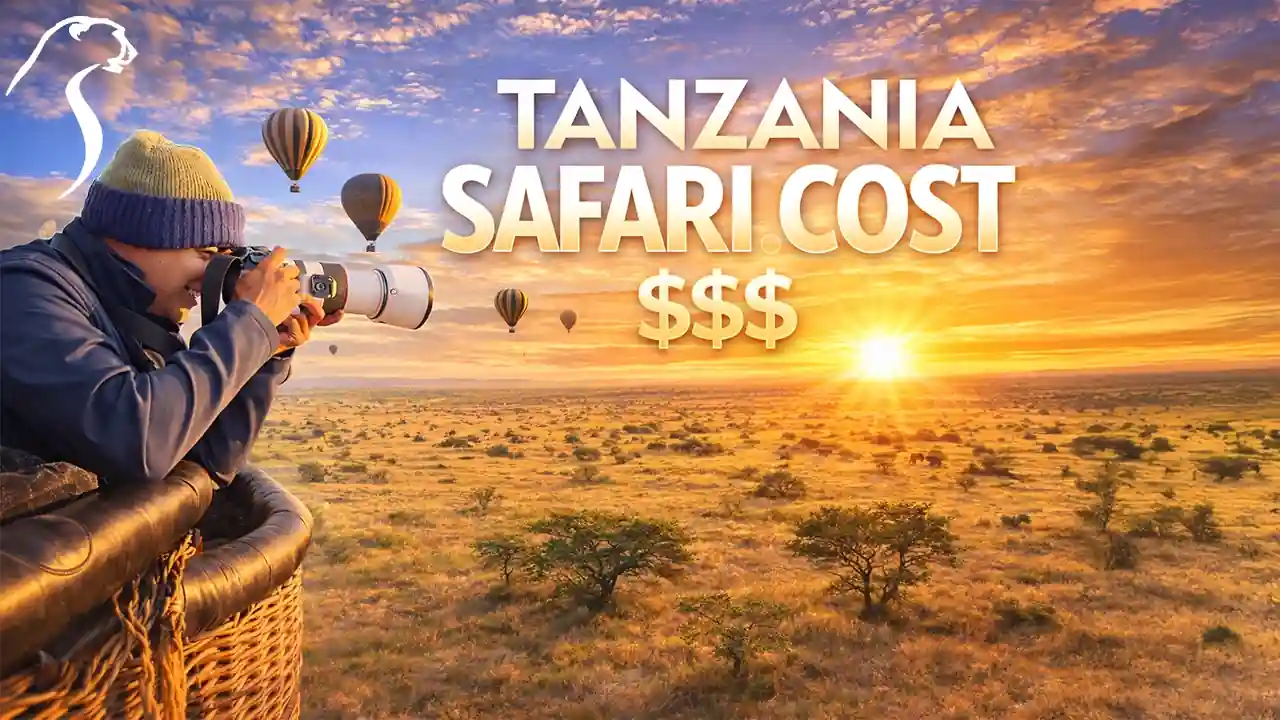
 Final cost depends on group size, season, and accommodation style.















 African Scenic Safaris #1 on TripAdvisor