African Scenic Safaris
  • Instagram
  • Facebook
  • You Tube
  • Linkedin
  • X
Skip To

African Scenic Safaris & KRTO: Responsible Trekking Commitment

African Scenic Safaris is proud to be KRTO certified and committed to responsible trekking on Mount Kilimanjaro.


African Scenic Safaris & KRTO

African Scenic Safaris & KRTO

A responsible trek should always protect the mountain, support the local crew, and follow fair working standards from start to finish. The people behind the climb, including guides, cooks, and porters, deserve safe working conditions, fair pay, good food, and genuine respect.

This page explains what the Kilimanjaro Responsible Trekking Organization does, how its standards support fair treatment of porters and environmental stewardship, and how African Scenic Safaris follows these practices on every climb.

What Is KRTO?

KRTO stands for Kilimanjaro Responsible Trekking Organization. It is based in Moshi, Tanzania, close to the mountain where much of this work begins.

The organization grew from the Kilimanjaro Porters Assistance Project, known as KPAP. Its purpose is simple and important: Kilimanjaro trekking should be fair, safe, and responsible.

KRTO works to protect three key areas:

  • The fair treatment of porters, guides, and cooks
  • The natural environment of Mount Kilimanjaro
  • The trekking standards followed by tour operators

KRTO works closely with KPAP and the International Mountain Explorers Connection, also known as IMEC. Together, they help set clear standards for ethical trekking on Kilimanjaro.

African Scenic Safaris supports KRTO because we believe a climb should never be about the summit alone. The crew, the trail, the camps, and the mountain environment are all part of the same journey.

What Is KRTO?

What Is KRTO?

Why Responsible Trekking Is Important

Mount Kilimanjaro is one of Africa’s most famous travel experiences. Every year, thousands of climbers come to Tanzania in hopes of reaching Uhuru Peak.

But behind every summit photo, many people work hard. Porters carry the supplies. Cooks keep the team fed. Guides watch the weather, the pace, and the health of everyone on the route.

When trekking is done the wrong way, the people behind the climb suffer first.

Some low-cost operators may cut corners by paying porters poorly, providing them with weak gear, reducing meals, ignoring safe load limits, or failing to properly remove waste from campsites.

Responsible trekking helps stop this. It brings fairness, safety, and care to how a climb is planned and run.

Why Responsible Trekking Is Important

Why Responsible Trekking Is Important

The Standards Behind KRTO Certification

KRTO certification is not just a badge for a website. It is connected to real standards that tour operators must follow.

These standards help protect both the mountain crew and Kilimanjaro’s fragile environment.

KRTO-certified operators are expected to:

  • Three meals for crew members each day
  • Loads kept within the regulated limit
  • Suitable clothing and mountain equipment
  • Respectful treatment across the mountain team
  • Clear crew payment procedures
  • Transparent collection and division of tips
  • Safety support during the climb
  • Proper sleeping arrangements

These practices give climbers more confidence. They know their climb is not being built on unfair labor practices or careless treatment of the mountain.

At African Scenic Safaris, these standards align with how we believe Kilimanjaro climbs should be run. Fair pay, proper food, good gear, clean camps, and strong safety systems are not extras. They are part of a responsible climb.

The Standards Behind KRTO Certification

The Standards Behind KRTO Certification

How African Scenic Safaris Follows These Standards

A Kilimanjaro climb does not begin at the trailhead. It begins much earlier, with planning.

Before the first step is taken, our team checks the crew arrangements, equipment, food supply, route plan, safety needs, and porter loads. These behind-the-scenes details help the climb run smoothly once the team is on the mountain.

Our responsible trekking practices include:

  • Preparing the mountain crew before departure
  • Weighing bags to respect load limits
  • Carrying medical kits and emergency equipment

This is how responsible trekking becomes part of the real climb, not just a promise written on a page.

How African Scenic Safaris Follows These Standards

How African Scenic Safaris Follows These Standards

Before the Climb

Before each Kilimanjaro climb, the team prepares carefully.

Porters need the right gear for the mountain. Kilimanjaro weather can change fast, especially as the route climbs higher. A warm morning can turn into a cold evening. Rain, wind, dust, and freezing nights can all happen during one expedition.

That is why proper gear is important.

Our team checks that porters are prepared with suitable mountain clothing, waterproof protection, warm layers, sturdy boots, and safe sleeping arrangements. Bags are weighed before departure so no porter carries more than the accepted limit.

Safety briefings also take place before the climb begins. Everyone should know what to expect before heading up the trail.

For us, preparation includes the climber and the crew. A responsible climb cannot focus only on guests while ignoring the people who carry the expedition forward.

Before the Climb
Before the Climb

During the Climb

Once the trek begins, the mountain crew works as one team.

Guides lead the pace and watch for signs of altitude sickness. Cooks prepare meals that help the group stay strong through long trekking days. Porters move equipment, set up camp, manage supplies, and help keep everything running.

During each climb, we follow responsible trekking practices such as:

  • Monitoring signs of Kilimanjaro altitude sickness
  • Keeping campsites clean and organized
  • Packing waste and carrying it back down

Kilimanjaro is a delicate environment. The forests, moorlands, alpine zones, and campsites need careful handling. Leaving waste behind damages the mountain and affects the experience of future climbers.

So, our team works to keep camps clean and leave the route in good condition.

During the Climb
During the Climb

After the Climb

The work does not stop once the team reaches the gate.

After each climb, our team reviews feedback from guides, cooks, porters, and travelers. This helps us see what went well and what can be improved.

The mountain crew understands the daily realities of each route better than anyone else. They know the camps, the trails, the weather, the load challenges, and the small details that can make a climb safer and better.

Their feedback helps us improve:

  • Crew safety
  • Food planning
  • Gear checks
  • Porter comfort
  • Environmental practices
  • Climber support
  • Emergency preparation

Responsible trekking grows through this kind of honest review. It is not a one-time effort. It needs steady attention.

After the Climb
After the Climb

KRTO, KPAP, and Porter Welfare

KRTO continues the porter welfare work connected to KPAP. Porters are at the center of every Kilimanjaro expedition. Without them, most climbs would not be possible.

KPAP and KRTO support porters through:

  • Awareness and advocacy
  • Education and skill development
  • Health and safety training
  • Financial literacy programs
  • Gear support
  • Fair working standards
  • Responsible trekking inspections
  • Support for ethical tour operators

This work helps porters receive better protection and more respect within the trekking industry.

We respect this work because porter welfare is directly connected to the quality and honesty of a Kilimanjaro climb. A trek cannot be called responsible if the people working behind it are treated poorly.

KRTO, KPAP, and Porter Welfare

KRTO, KPAP, and Porter Welfare

Environmental Care on Kilimanjaro

Kilimanjaro is more than a route to the summit. It is a living mountain with forests, moorland, alpine desert, glaciers, wildlife, water sources, and campsites that need protection.

Heavy foot traffic and poor camp habits can damage the trail. Waste left behind can affect the land, water, and beauty of the mountain.

KRTO encourages operators to follow eco-conscious trekking practices and Leave No Trace principles. This means reducing waste, keeping campsites clean, respecting trails, and carrying rubbish back down.

African Scenic Safaris follows these practices on Kilimanjaro climbs. Camps are kept clean, waste is packed out, and the team is guided to leave each site in good condition.

A climb should not leave a scar behind.

Environmental Care on Kilimanjaro

Why Climbers Should Choose a KRTO Certified Operator

The company a climber chooses can affect many things behind the scenes.

It can affect how porters are paid. It can affect how guides are trained. It can affect how much food the crew receives. It can affect whether campsites are left clean or damaged.

Choosing a KRTO-certified operator helps support:

  • Fair porter treatment
  • Safe mountain operations
  • Stronger environmental protection

It also gives travelers peace of mind. They know their climb is planned with care for both people and place.

Why Climbers Should Choose us

Why Climbers Should Choose us

Why Very Cheap Kilimanjaro Climbs Can Be Risky

A very cheap Kilimanjaro climb may look tempting at first. But sometimes a very low price means something important has been cut.

That cut may come from porter wages, food, equipment, shelter, guide training, safety support, or waste management.

When that happens, the crew pays the real cost.

Overloaded porters can face injury and exhaustion. Weak gear can leave them exposed to cold and rain. Poor food can reduce strength during long trekking days. Poor safety planning can put everyone at risk when altitude-related issues arise.

Our founder, Simbo Natai, believes a Kilimanjaro climb should be priced honestly. Fair wages, proper gear, trained staff, hot meals, emergency planning, park fees, and environmental care all form part of a well-run expedition.

Why Very Cheap Kilimanjaro Climbs Can Be Risky

Why Very Cheap Kilimanjaro Climbs Can Be Risky

Responsible Trekking Supports Local Communities

A Kilimanjaro climb supports many people beyond the trail.

Porters, guides, cooks, drivers, food suppliers, equipment teams, office staff, and local families all connect to the trekking industry. When mountain crew members are treated fairly, the benefit reaches homes and communities around Kilimanjaro.

KRTO also supports wider community goals through education, health, and economic programs.

For us, this is an important part of responsible tourism. Travel should bring real value to local people, not only good memories for visitors.

Trekking Supports Local Communities

Trekking Supports Local Communities

Take Part in a Climb That Respects People and the Mountain

A Kilimanjaro climb should feel good in more than one way.

It should give climbers a safe and powerful mountain experience. It should treat the crew with fairness and care. It should protect the camps, trails, and natural beauty of Kilimanjaro.

African Scenic Safaris is proud to be KRTO certified because these values are part of how we run our climbs.

Fair porter treatment, strong safety planning, clean camps, good preparation, and respect for the mountain guide every expedition we operate.

We follow these standards because it is the right way to climb.

Respects People and the Mountain

Climb Kilimanjaro Responsibly with African Scenic Safaris

Your Kilimanjaro journey can support more than a summit goal. It can support fair work, safe trekking, local communities, and a cleaner mountain.

We invite you to climb with a team that takes responsible trekking seriously from the first briefing to the final descent.

Join African Scenic Safaris for a Kilimanjaro adventure that respects people, protects the mountain, and supports the true spirit of responsible trekking.

Climb Kilimanjaro Responsibly with African Scenic Safaris

Climb Kilimanjaro Responsibly with African Scenic Safaris

Simbo Natai

SIMBO NATAI

Director

Simbo Natai, founder of African Scenic Safaris, crafts meaningful Tanzanian journeys through local knowledge. His experience as a former Kilimanjaro guide influences how every journey is planned and delivered.

What Our Guests Say

TripAdvisorAfrican Scenic Safaris #1 on TripAdvisor
Hannah W
Hannah W / Sep 2022

The best company out there!

African Scenic Safaris were Amazing. We were a large group of students who climbed Kilimanjaro with them and went on a safari in Tarangire National Park.

Johanna S
Johanna S/ Apr 2025

Great experience on Safari.

The guide was absolutely fantastic. Emanuel was present answering questions and not least telling a lot like the animals.

Gabriella M
Gabriella M/ Feb 2025

Amazing experience

We relied on African Scenic Safaris for organising a 5 days safari. Nembris provided us with suggestions for the itinerary through Serengeti.
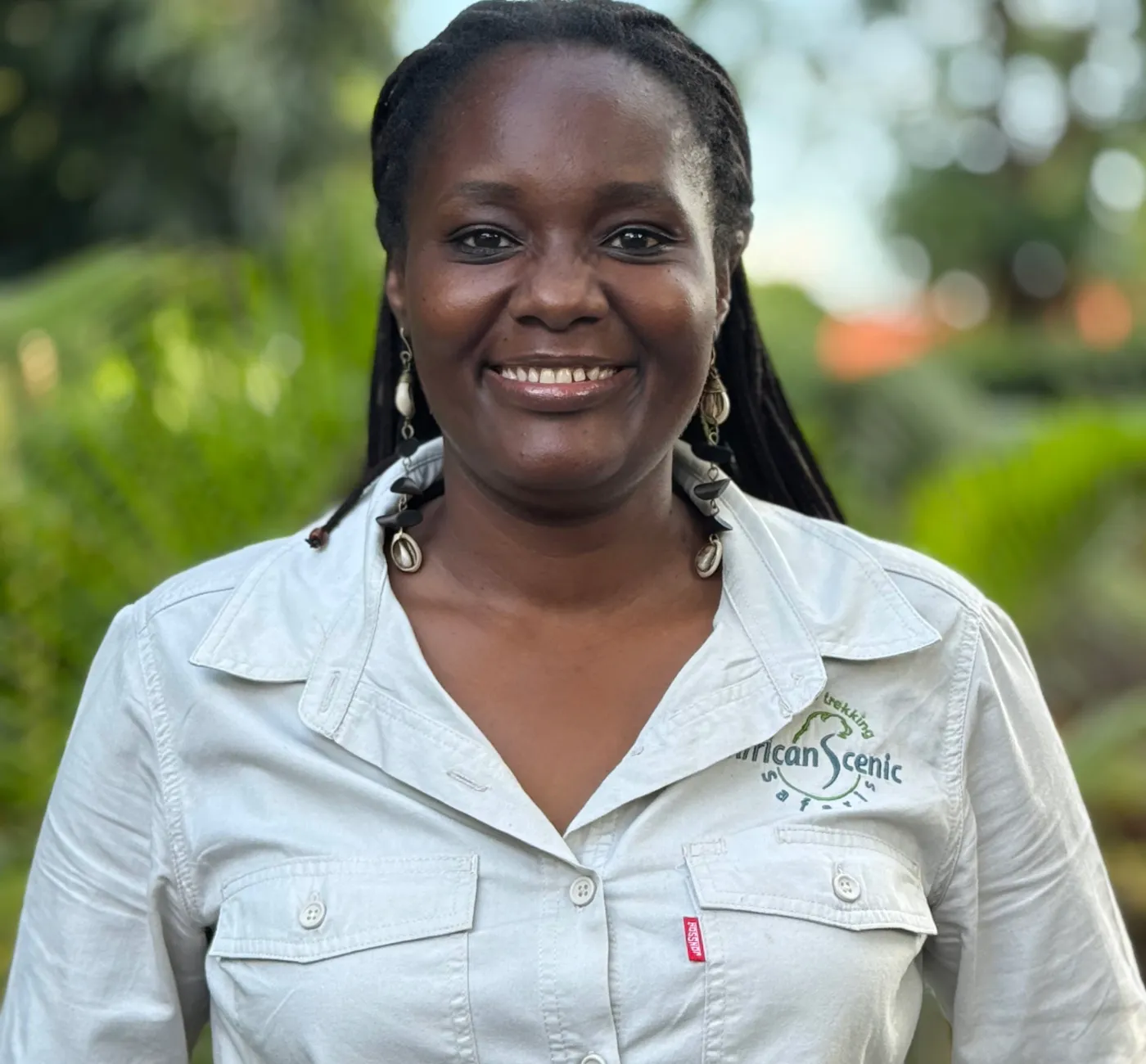
Mary Njuguna
Mary Njuguna

Sustainability coordinator

mary@africanscenicsafaris.com

Talk to Our Sustainability Coordinator

"If you would like to know more about how we approach responsible tourism, conservation, community support, or sustainability on your Tanzania journey, please contact Mary directly."
The Tanzania Travel Journal

Tanzania, delivered to your inbox

Get practical travel tips, safari inspiration, Kilimanjaro advice - everything you need to plan your trip with confidence.

×