Hakuna Matata: Meaning, Origin, Culture & Real Use in Africa
Post Date: May 25, 2026
Last Updated: May 25, 2026
“Hakuna Matata” is a Swahili phrase that literally means ‘no worries’. It reflects a relaxed, problem-free approach to life in East Africa, proving the real Hakuna Matata meaning beyond movies and catchy songs.
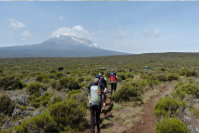
At AfricanScenic Safaris, we embody this Swahili phrase through exciting Tanzania Safaris and a resilient Mount Kilimanjaro Climb. We indulge our guests in the famous “Jambo Bwana” song, along with “polepole” to maintain slow, safe, and stress-free adventures. This plays a great deal in comforting our guests that we are on top of things, allowing them to fully enjoy.
Based on real travel experiences in Tanzania and cultural insights from Swahili-speaking communities, “hakuna matata” reflects emotional resilience, patience, and community peace. This guide discusses the origin of Hakuna Matata, helping users understand the rich cultural meaning behind the phrase.
Hakuna Matata is widely known in Tanzania and other East African countries. It immediately creates a friendly atmosphere for tourists. Locals also use it to encourage guests to enjoy the moment and reassure them of good vibes.
Hakuna Matata In Tanzania
Literal breakdown:
“Hakuna” = there is no.
“Matata” = problems or troubles.
Key highlights:
Used in everyday conversations in Swahili regions.
Simple and friendly expression across East Africa.
Based on real travel experiences in Tanzania, the phrase is super easy for travelers to understand because of Disney’s “The Lion King”. It is also a famous pop-culture wonder because it spans from a local greeting to a universally recognized mantra of stress-free living. The phrase has different meanings based on the tone and context. From acting as a friendly greeting for tourists to reassurance and a polite way to calm someone down.
Most travelers ask, “What does Hakuna Matata mean?” The phrase originates from the Swahililanguage and is mostly spoken in Tanzania, Kenya, and the surrounding East African regions. In 1982, the Kenyan band “Them Mushrooms” (Uyoga) released the hit song “Jambo Bwana, referencing stress relief.
Origin Of Hakuna Matata
In 1990, the Disney team discovered the phrase when they visited Kenya for research on The Lion King, magnifying pop-culture awareness. Currently, the term is used a lot in the tourism industry to show warm hospitality.
The chorus goes like:
Jambo, jambo bwana
Habari gani, nzuri sana
Wageni mwakaribishwa
Kenya yetu hakuna matata
Hello, hello, sir
How are you? Very well
Visitors, you are welcome.
In Kenya, there are no worries.
Bridge:
Hakuna matata, hakuna matata
Safari experts and cultural guides emphasize that Hakuna Matata is a natural part of Swahili communication, not just a tourist phrase. Just like Tanzanian languages, it deeply shapes the cultural values of fairness, acceptance, and global African harmony. The Swahili language developed from the Indian Ocean trade, containing a combo of Arabs, Persians, and Indians. Understanding the language is more important than mispronunciations for authentic human exchanges and respectful communication.
Among Swahili phrases in Tanzania, “hakuna matata” is commonly used in daily interactions. Locals use it when responding to thanks, helping tourists, or encouraging a chilled attitude during conversations. Truly, the phrase mirrors the friendly, resilient, and welcoming spirit of Tanzania.
Hakuna Matata” is not about ignoring life challenges —it is about facing them with patience, hope, and the belief that peace of mind is part of true wealth.
Where and when it is used:
Responding to apologies, thanks, or mistakes.
Reassuring someone to relax.
Casual conversations among friends.
Used in tourist interactions.
Expressing calm or problem-free situations.
Experienced travel experts suggest that while popular globally, Hakuna Matata is still genuinely used in everyday Tanzania conversations. Locals use it with the concept of “polepole” (slowly) to encourage patience, accept delayed schedules, and to avoid the fast pace of modern life. On a Safari, guides use the phrase a lot with an alternative of “hamna shida” (no problem). From welcome briefings to flat tires on a rough road and cultural village visits.
Hakuna Matata is among East Africa culture phrases that carry a deep cultural meaning of living in the present and not stressing over life’s challenges. In Swahili Culture, it maintains a belief of peace, human connection, and positivity— that is passed down to generations.
Cultural Tanzania
Key takeaways:
Represents calm and relaxed mindset.
Encourages positive thinking.
Reflects resilience in daily life.
Common in informal communication.
Associated with hospitality and friendliness.
Based on cultural observations and real travel experiences in Tanzania, this phrase reflects a broader African philosophy of adaptability and positivity. It goes beyond being a phrase as it shapes warm and relaxed social interactions that reduce personal anxiety. It not only fosters genuine human connections but also serves self-reflection purposes. Also it makes individuals value inner peace more than holding onto things that trouble them.
Ready to discover the deep cultural spirit behind Hakuna Matata? Contact our experts for meaningful and educational cultural visits that last with you forever.
Understanding Hakuna Matata Beyond the Words
Hakuna Matata emphasizes focusing on the good rather than the bad. Understanding and living by the Swahili phrase helps travelers value patience, unity, respect, and peace.
At African Scenic Safaris, we invite travelers to experience the true meaning of Hakuna Matata during their journey—where every safari is guided with calm, care, and a deep appreciation of Tanzania’s warm culture and unforgettable landscapes.
Ready to explore East Africa’s language, culture, and traditions through the true spirit of Hakuna Matata? Check out our Tanzania safari itinerary and contact us to plan your African Safari Tanzania experience today.
Simbo Natai, founder of African Scenic Safaris, crafts sustainable, meaningful Tanzanian journeys rooted in his deep local knowledge and passion.