
Best Time to Visit Tanzania to Experience the Ultimate Dream Safari

Choosing the Best Time To Visit Tanzania to experience the ultimate safari dream will depend on several factors, including weather, migration patterns, and personal preferences.

However, the high season in Tanzania, which runs from June to October, is considered the Best Time to visit Tanzania. It offers some of the best game-viewing opportunities. The grass is shorter, and the animals are easier to spot as they congregate around waterholes and rivers.

Tanzania is a country that can be visited all year round, depending on what you want to experience. Whether it’s wildlife, beaches, or cultural heritage, Tanzania Safari has something to offer to every traveller. Plan your visit accordingly, and you’ll have an unforgettable experience in this beautiful African country.

Understanding Tanzania’s Climate and Seasons

Tanzania’s climate is mainly tropical, and its weather patterns are influenced by the Indian Ocean and the country’s location near the equator. There are two distinct seasons in Tanzania:

  • The Dry Season- It runs from June to October and is characterised by cool, dry weather. This is the Best Time to visit Tanzania’s National Parks, as the vegetation is not as dense, making it easier to spot wildlife. The temperatures during this season range from 15°C to 27°C (59°F to 81°F) in most parts of the country.
  • The Wet Season- The wet season in Tanzania runs from November to May and is characterised by hot, humid weather and frequent rainfall. This season is divided into two:
  • The short rains, which occur from November to December,
  • The long rains occur from March to May.

During the wet season, the vegetation is lush, and the wildlife is more dispersed. The temperatures during this season range from 20°C to 30°C (68°F to 86°F) in most parts of the country.

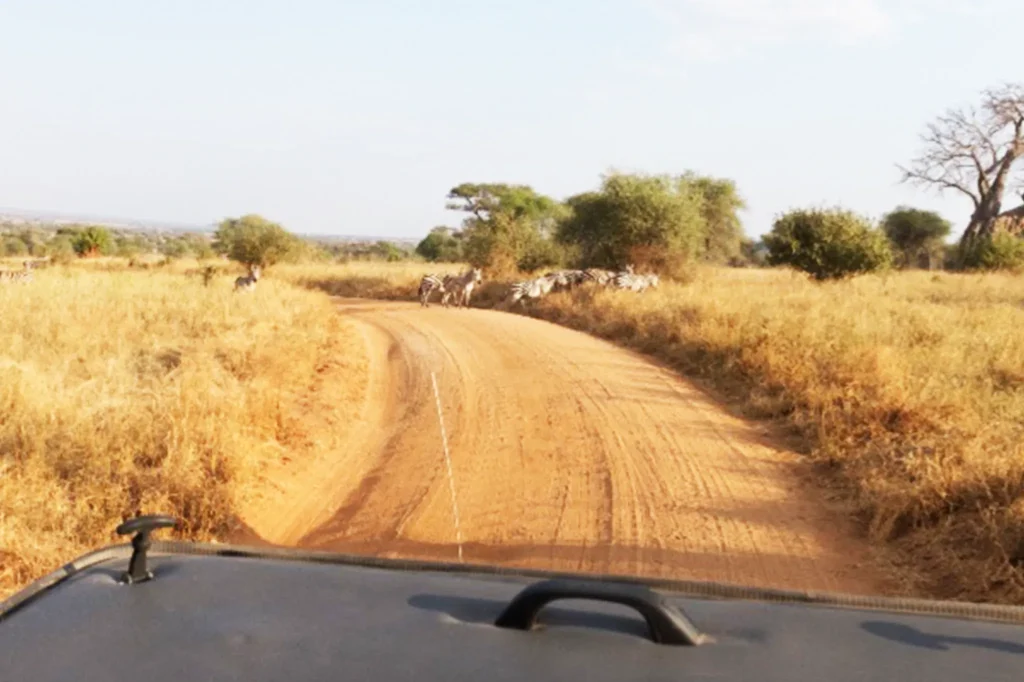
It’s important to note that Tanzania’s climate varies from region to region. The coastal areas are generally hot and humid, while the highlands can be cool and temperate. In addition, Tanzania’s weather patterns can be unpredictable, and it’s not uncommon to experience rain during the dry season or a sudden temperature change.
Understanding Tanzania's Climate
Understanding Tanzania’s Climate

High Season vs. Low Season in Tanzania

Tanzania’s high and low tourist seasons are primarily determined by the country’s weather patterns and wildlife movements.

  • The high tourist season in Tanzania– It runs from June to October, which coincides with the dry season, the Best Season To Visit Tanzania. During this time, the weather is cool and dry, and wildlife is more concentrated around water sources.

Additionally, this period coincides with the northern hemisphere’s summer vacation period, which means that more tourists tend to visit the country during this time. The high tourist season is also associated with higher prices for accommodation and tours, as demand is high.

  • The Low Tourist Season in Tanzania– It runs from November to May, which coincides with the wet season. During this time, the weather is hot and humid, and rainfall can be unpredictable. However, this period is still a good time to visit as the country’s landscape is lush and green, and wildlife is more dispersed. Additionally, during the low season, accommodation and tour prices tend to be lower as demand is lower.
SeasonHigh Tourist SeasonLow Tourist Season
Time of YearJune to OctoberNovember to May
WeatherDry season, coolerWet season, warmer
CrowdsBusyFewer visitors
AccommodationMore expensiveMore affordable
Wildlife ViewingExcellentGood (with some exceptions)

Best Time for Wildlife Viewing in Tanzania

The Best Time For Wildlife Viewing In Tanzania is during the dry season, which runs from June to October. During this time, the vegetation is less dense, and the wildlife tends to gather around water sources, making them easier to spot. Additionally, the dry weather conditions mean that the animals are more active and visible, which makes for excellent game-viewing opportunities.

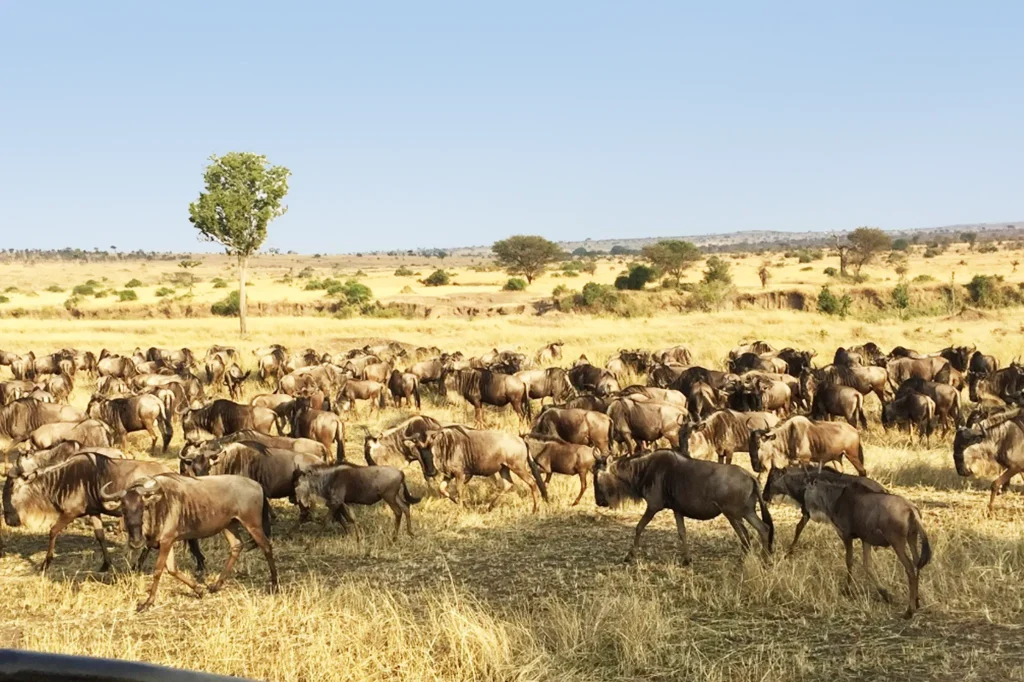
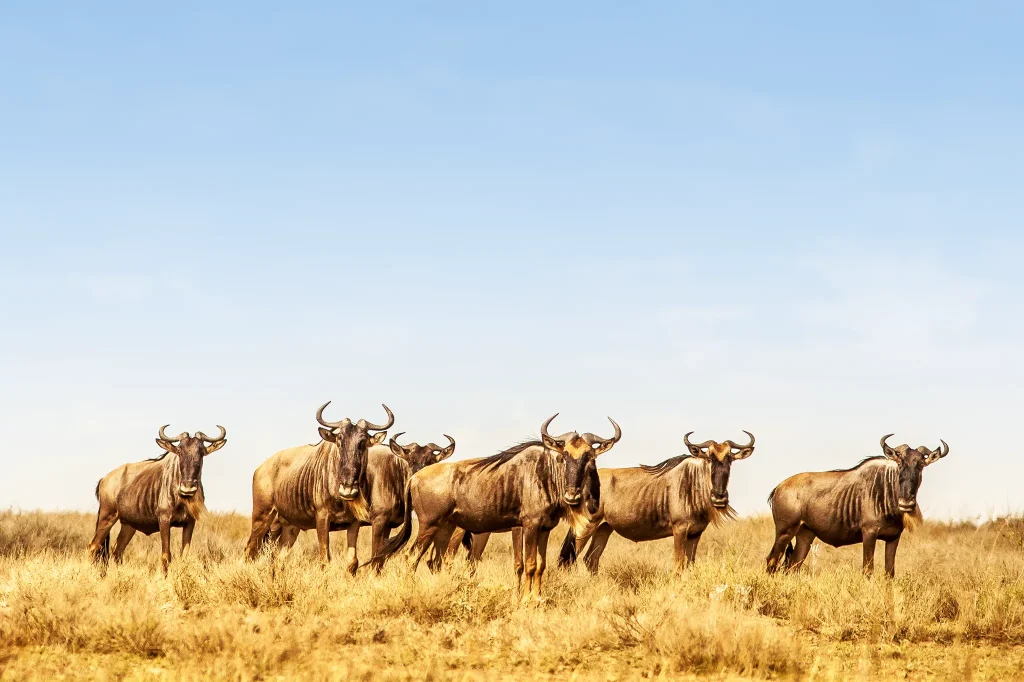
  • July to October is the time when the annual wildebeest migration takes place in the Serengeti. So, it is considered the peak time for wildlife viewing in Tanzania.
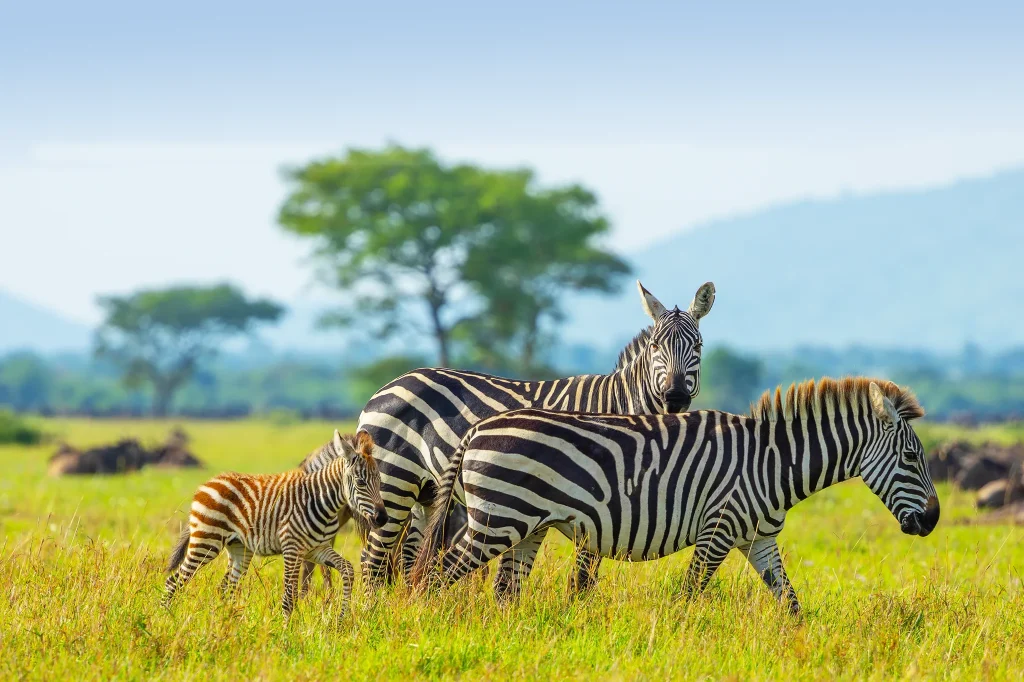
  • The migration involves over a million wildebeest, zebras, and other grazing animals moving across the plains in search of fresh grazing. This is one of the most spectacular wildlife events in the world and is a must-see for any wildlife enthusiast.
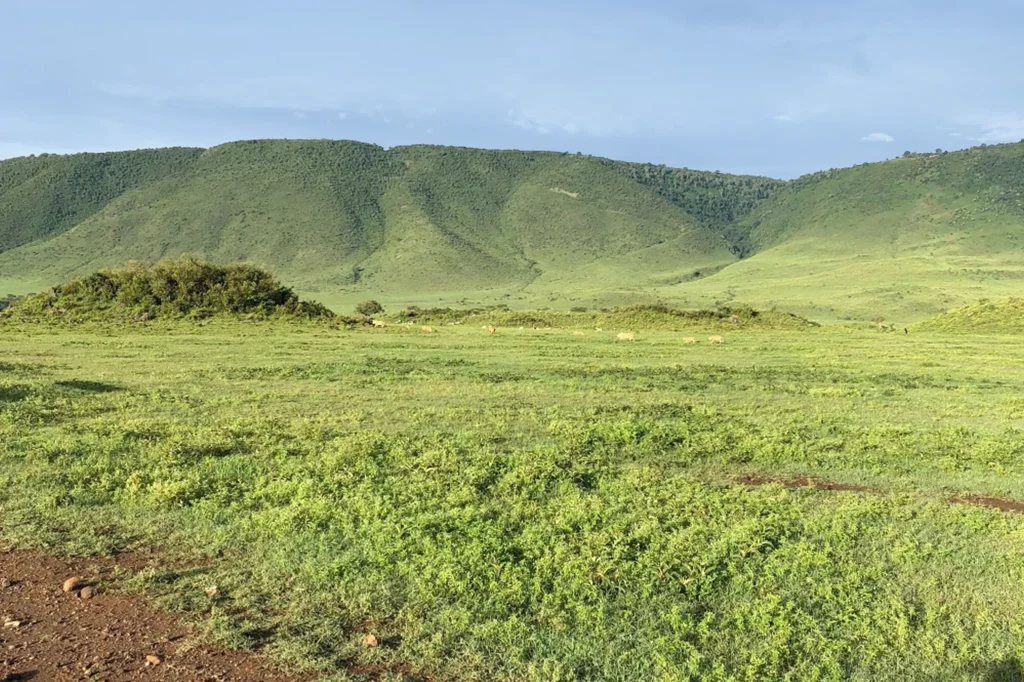
  • However, it’s important to note that the best time for wildlife viewing in Tanzania also depends on the specific national park or wildlife reserve being visited. For example, in the Ngorongoro Crater, wildlife viewing is excellent all year round due to the crater’s unique ecosystem.
  • In contrast, in the Selous Game Reserve, the best time for wildlife viewing is during the dry season when the animals are more concentrated around water sources.
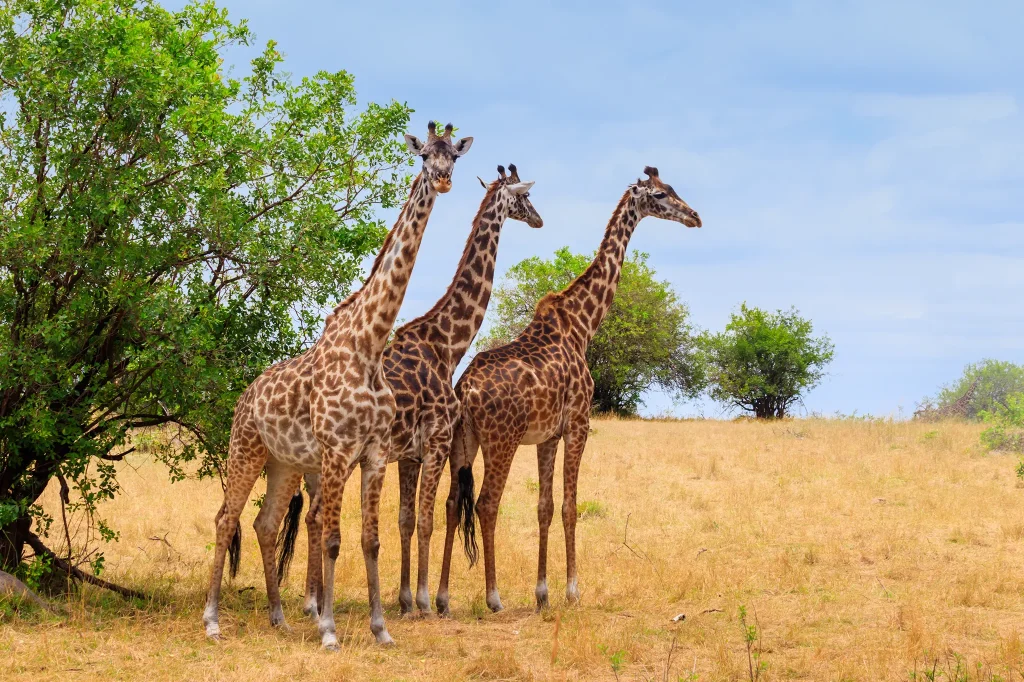
Best Time to see Wildlife

Best Time to See Wildebeest Migration in Tanzania

The Best Time to see the Wildebeest Migration in Tanzania is from late June to early September.  This is the time when the wildebeest herds make their way through the Serengeti and cross into the Maasai Mara in Kenya.

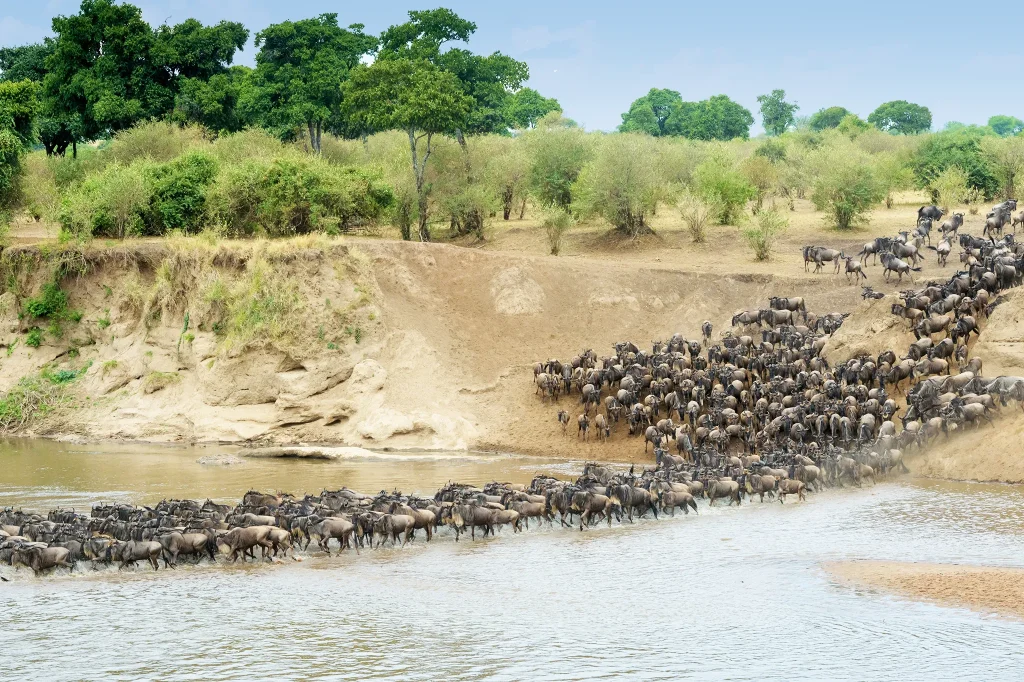
During this time, you’ll have a good chance of seeing the iconic river crossings as the wildebeest brave the crocodile-infested waters of the Mara River. It’s worth noting that the exact timing of the migration can vary slightly from year to year, depending on the weather and other factors.

NOTE: If you want to catch the migration, it’s best to consult with a reputable safari company or tour operator who can help you plan your trip for the optimal time.
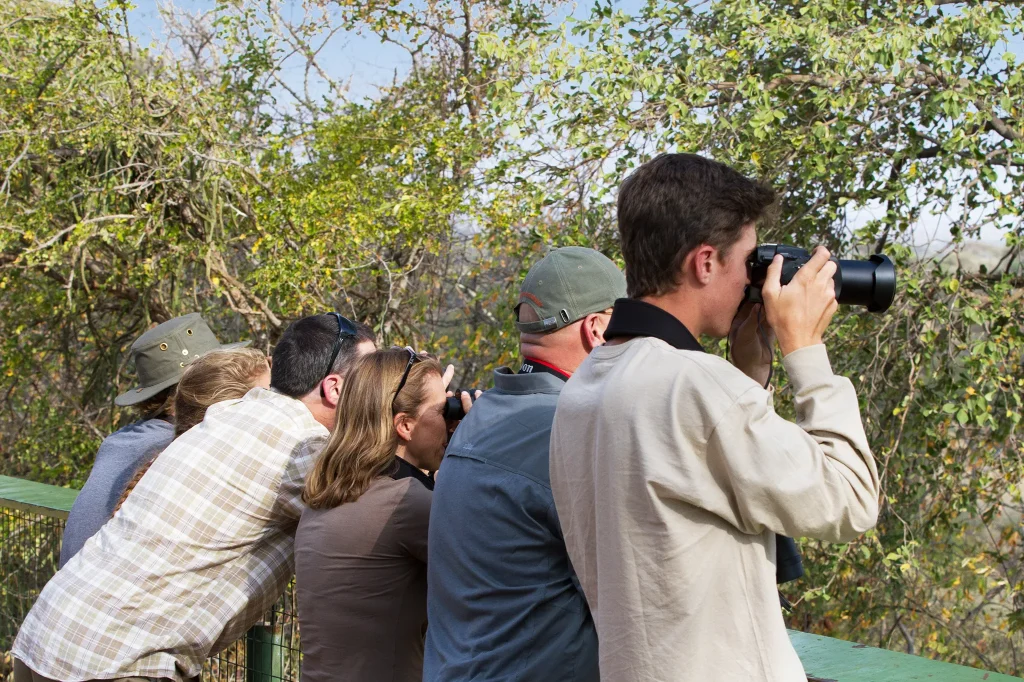
Best Time to see Wildebeest Migration

Best Time for Different Safari Activities in Tanzania

The best time for different safari activities in Tanzania can vary depending on individual preferences and the specific national park being visited. Get more insights about the Best Time Of The Year To Visit Tanzania according to different safari activities:

Wildlife Viewing:

The best time for wildlife viewing in Tanzania is during the dry season, from June to October. During this time, wildlife tends to congregate around the waterholes due to the scarcity of water. The thin vegetation makes the wildlife easier to spot.

Additionally, the dry weather conditions mean that the animals are more active and visible, which makes for excellent game-viewing opportunities. The peak season for wildlife viewing is from July to October when the annual wildebeest migration takes place in the Serengeti.

Bird Watching:

The best time for bird watching in Tanzania is during the wet season, from November to May. During this time, many migrant bird species are present in the parks. They are seen as abundant due to the increased water and food sources. However, the wet weather conditions can make bird watching more challenging.

Walking Safaris:

Walking safaris are best during the dry season, from June to October, as the weather conditions are more suitable for walking. Additionally, the dry weather conditions make the animals more concentrated around water sources, making them easier to spot while on foot.

Hot Air Balloon Safaris:

Hot air balloon safaris are best during the dry season, from June to October. This is because the dry weather conditions make for clear skies. The wildlife is more concentrated around water sources, making it easier to spot them from above.

Chimpanzee Trekking:

The Best Time for Chimpanzee Trekking in Tanzania is during the dry season, from June to October. This is because chimpanzees are more active and easier to spot in drier weather conditions. The best place for chimpanzee trekking in Tanzania is in the Mahale Mountains National Park.

Tanzania runs on seasons and surprises from dusty lion chases in June to feathered fiestas in February, there’s always a wild reason to book that safari now.

Planning Your Safari Trip to Tanzania Based on Seasons

If you’re planning your Safaris in Tanzania, it’s important to take the season into account when planning your trip.

Planning for High Season (June to October):

  • Book your safari well in advance as this is the peak season and demand for accommodation and tours is high.
  • Expect higher prices for accommodation and tours.
  • Pack warm clothing for early morning and late afternoon game drives as the temperatures can be cool.
  • Focus on visiting the northern parks, such as the Serengeti, as this is the best time for wildlife viewing and the wildebeest migration.

Planning for Shoulder Season (November to December, and March to May):

  • This is a good time to visit if you’re looking for lower prices and fewer crowds.
  • Expect some rainfall, so pack a rain jacket and waterproof shoes.
  • This is a great time to visit the southern parks, such as the Selous Game Reserve, as this is the best time for wildlife viewing in these areas.

Low Season (January to February):

  • This is the least popular time to visit due to the long rains, but it can still be a good time for wildlife viewing in some areas.
  • Expect lower prices for accommodation and tours.
  • Pack a rain jacket and waterproof shoes as the rainfall can be heavy.

Regardless of the season, it’s important to choose a reputable safari operator to ensure a safe and enjoyable Tanzania Safari Tour.

NOTE: It’s important to research the specific national parks and wildlife reserves you plan to visit and their unique features and wildlife, so you can plan your trip accordingly.

Experience the Magic of Tanzania: Timing Your Safari for the Ultimate Adventure

Tanzania’s climate is suitable for travel throughout the year, but the best time to visit depends on your priorities and preferences.

But we recommend the dry season to make the most out of your Tanzania Safari Packages. However, this is also peak season, so you can expect crowds and higher prices.

If you’re looking for a more budget-friendly option, we recommend the long rainy season from March to May.  It can offer lower prices and fewer crowds.

Are you interested now? Why not chat with an expert in African Scenic Safaris? They are well-experienced and will plan your Tanzania Safari that lasts for lifetime!

Simbo Natai
Simbo Natai, founder of African Scenic Safaris, crafts sustainable, meaningful Tanzanian journeys rooted in his deep local knowledge and passion.
Director, African Scenic Safaris

The Best Time to Visit Tanzania in Various Seasons Of 2023/2024

What’s the Best Time to Visit Tanzania? This question is probably the first thing that will come to mind when you start planning for a Tanzania Safari in 2023/24.

The country’s diverse climate and seasons can affect your Safari experience and the availability of activities. Therefore, it is essential to understand the best time to visit Tanzania to ensure you make the most of your trip.

Below, we will explore the Best Time to visit Tanzania in various seasons of 2023-2024. We will discuss the climate, wildlife, two seasons, and migration. This will help you plan the perfect Tanzania Safari Tour.

Wildebeest Migration

Tanzania’s Dry Season In 2023-2024 (From June to October)

This season is also called the high season in Tanzania. The weather in these months is dry and cooler with plenty of sunshine.

Wildlife viewing is most convenient during this time because of the shorter vegetation and gathering of animals around water sources. This season is generally considered to be the Best Time to visit Tanzania.

This is also a great time to see the Great Wildebeest Migration in the Serengeti. In June and July, the chances of catching sight of the Mara River Crossings are high.

Tanzania’s Dry Season

Weather In the Dry Season

MONTH(S)TEMPERATURESTIPS
June, July, and AugustBetween 20° Celsius and 30° CelsiusLow Humidity and Rainfall, still pack warm clothing because morning game drives and nights tend to be cold.
September and OctoberBetween 25° to 30° CelsiusMost days have clear blue skies and sunny weather – perfect for game drives and photographic safaris.

Advantages And Drawbacks of Visiting Tanzania in The Dry Season

There are some benefits as well as a few drawbacks to visiting Tanzania in the Dry Season. So, before you plan Safaris in Tanzania in 2023/24, you need to know what the pros and cons are. The following list will offer you useful insights:

ADVANTAGES OF TANZANIA’S DRY SEASONDRAWBACKS OF TANZANIA’S DRY SEASON
Great time to see the Great Wildebeest Migration in Serengeti National ParkBecause this is the high season, there are a lot more crowds. So, book your accommodations and safari activities well in advance.
Convenient wildlife sightingsThe morning and nighttime temperatures get very cold. To counter this, bring a few pairs of warm clothing items.
Fewer mosquitoes, so fewer chances of contracting malaria 
Clear skies and lots of sunshine 

Some specific activities are perfect to do during the dry season in Tanzania. Make sure to include the activities listed below in your 2023/24 Tanzania Safari Itinerary:

ACTIVITIESBEST LOCATIONS
Game DrivesSerengeti National Park, Ngorongoro Conservation Area, Lake Manyara National Park, Tarangire National Park, etc.
Day TripsDar es Salaam, Arusha, Moshi, etc.
Hot Air Balloon SafarisSerengeti National Park

Tanzania’s Wet Season In 2023/24 (From November to May)

The wet season in Tanzania is characterized by two showers of rain. These are the long rains (called Masika) and the short rains (called Vuli). The long rains occur from mid-March to May and the short burst of rain happens from November to late February.

Tanzania’s Wet Season

Average Rainfall In The Wet Season

MONTH(S)TYPICAL RAINFALL (in inches)
November4.7 in.
December4.1 in.
January2.5 in.
February3.0 in.
March5.4 in.
April8.8 in.
May3.3 in.

Even though it’s the wet season, Safaris in Tanzania aren’t completely off-limits. The dry season is superior when it comes to wildlife viewing opportunities. But this doesn’t mean that you can’t see animals in the wet season. Far from it, the Serengeti, Ngorongoro, and Lake Manyara still offer great wildlife sightings in the wet season.

But the major draw of Tanzania’s wet season is the exceptional birdwatching. Tanzania is home to one of the largest bird species in Africa. This includes over 1,100 different species of birds, of which around 800 are residents and over 200 are migrants.

Birds Of Tanzania

COMMON SPECIESENDEMIC SPECIESMIGRANT SPECIES
Secretary BirdMoreau’s SunbirdBustard
Ashy StarlingBanded green SunbirdAsian Openbill
Fischer’s LovebirdPemba Green PigeonWoodland Kingfisher
Rufous-tailed WeaverUluguru BushshrikeHamerkop
Red-and-yellow BarbetKilombero WeaverCaspian Lapwing
Black CraneUsambara HyliotaLesser Kestrel
Greater and Lesser FlamingoMalagasy Pond HeronEuropean Bee-Eater

Best Tanzania Destinations to spot birds – Lake Manyara National Park, Ngorongoro Conservation Area, Serengeti National Park, Arusha National Park, etc.

Advantages And Drawbacks Of Visiting Tanzania In The Wet Season

Before you plan for your Tanzania Safari in 2023/24, you should know the pros and cons of visiting Tanzania in the wet season. The list below will offer a helpful understanding:

ADVANTAGES OF TANZANIA’S WET SEASONDRAWBACKS OF TANZANIA’S WET SEASON
Birdwatching is at its best, due to the presence of migrant species.A less ideal time for wildlife viewing. But, you’ll still see plenty of animals, especially in the northern circuit parks.
The landscapes are lush and wonderful, perfect for photographic safaris.This is the peak of the rains, so road conditions are less favourable.
This is the low season, meaning fewer crowds and discounted costs 

Some Tanzania Safari activities are at their best in the wet season. So, if you plan to visit Tanzania in the wet season, make sure you try the following Things To Do in Tanzania.

ACTIVITIESBEST LOCATIONS
Birdwatching SafarisLake Manyara National Park, Ngorongoro Conservation Area, Serengeti National Park, etc.
Photographic SafarisLake Manyara National Park, Ngorongoro Conservation Area, Serengeti National Park, Arusha National Park, etc.
Calving Season Safaris (from January to March)Serengeti National Park

Best Time to Visit Tanzania for Seeing Wildlife

Seeing wildlife in Tanzania National Parks is the primary draw for visitors in Tanzania. The Dry Season (from June to October) is typically considered to be the Best Time to visit Tanzania for wildlife viewing.

Best Time to Visit Tanzania
  • The reason for this is that the dry season receives less amount of rainfall (virtually none at all).
  • This results in shorter grass and vegetation in the savannahs of the national parks. Thus, this means you’ll get to see wildlife easily.

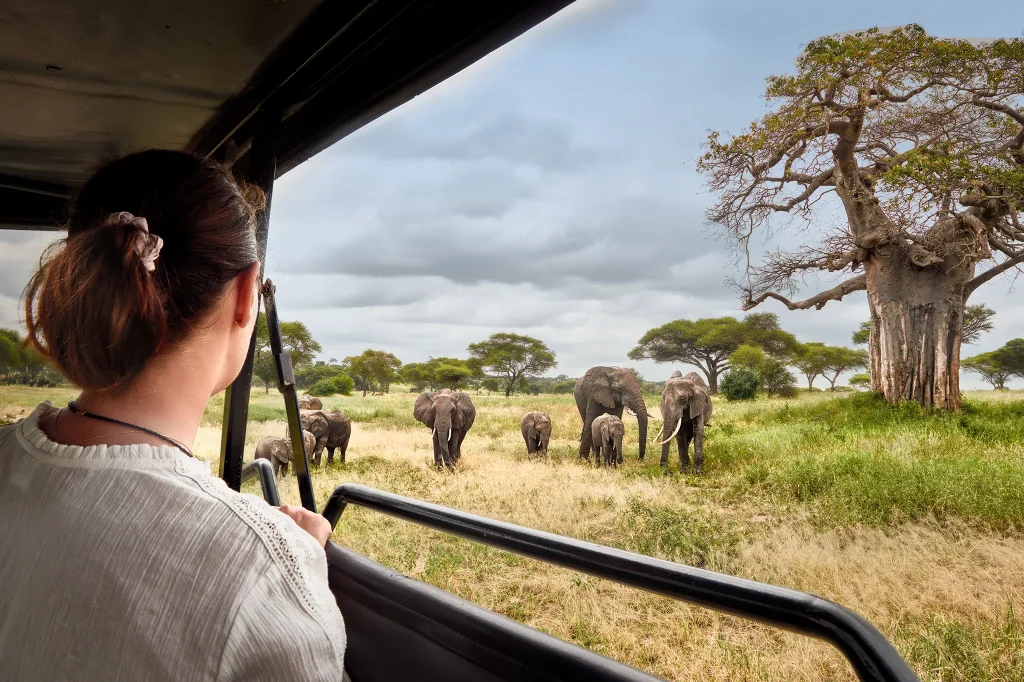
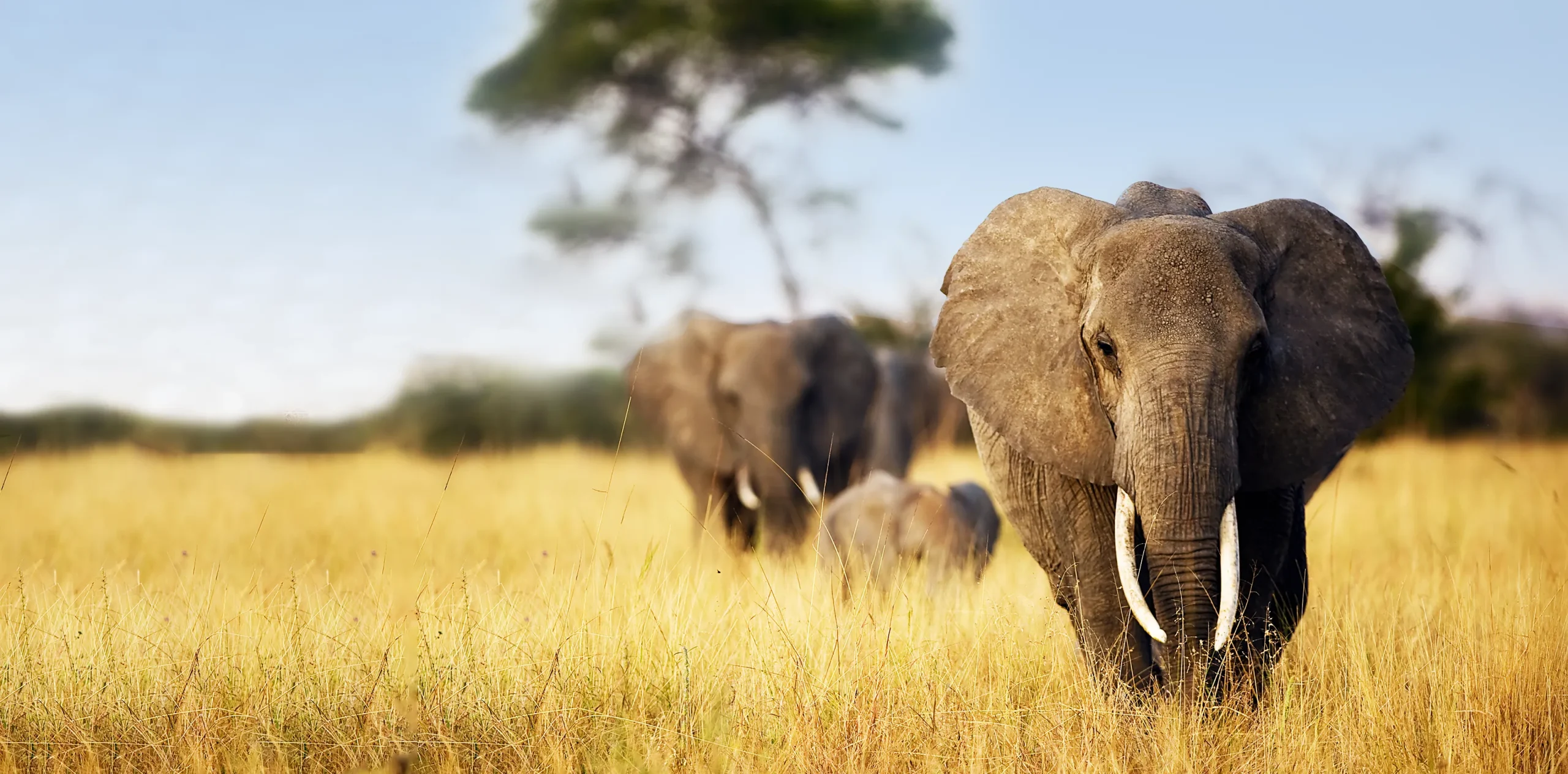
Furthermore, several herds of wildebeests, zebras, and elephants gather around the different water sources to quench their thirst. You will get to see this natural phenomenon right from the comfort of your safari lodge.

Sunshine brings wildlife to watering holes while showers fill the skies with birds and Tanzania never stops showing off its seasonal magic.

Best Time to Visit Tanzania for Seeing the Wildebeest Migration

You have to know what the Best Time of Year to Visit Tanzania is to admire one of the last remaining natural wonders of the world – The Great Migration. Below is a detailed list of events and the Best Time to Visit Tanzania to see them first-hand:

Best Time to Visit Wildebeest Migration

Seeing The Great Wildebeest Migration In The Serengeti

MIGRATION EVENTBEST TIME
Calving SeasonJanuary to March
Intense Predator ActionJanuary to March
Rutting SeasonJanuary to March
Grumeti River CrossingsMay to July
Mara River CrossingsJuly to September

The dry or winter season (from June to October) is the best time to see these supersized groups in Southern Serengeti. Although June and July are the Best Time to Visit Tanzania for Migration in the Western Corridor of the Serengeti. August and September are perfect months to witness the herds in the northern region of the park.

Know The Best Time to Visit Tanzania and Plan Your Safari In 2023/24

In conclusion, the Best Time to visit Tanzania depends on various factors such as weather, wildlife, and personal interests.

By understanding the different seasons and the advantages they offer, visitors can plan their Trip To Tanzania effectively and make the most of their experience. From the dry season offering ideal conditions for a safari to the wet season bringing out the lush greenery and migratory birds, each season has something unique to offer.

When you choose one of our Tanzania Safari Packages, our team at African Scenic Safaris go into detail about when you should visit Tanzania. After gauging through the information, you can decide what time suits your interests and preferences.

Read some of our other blogs on Tanzania Safaris by clicking the links below:

Simbo Natai
Simbo Natai, founder of African Scenic Safaris, crafts sustainable, meaningful Tanzanian journeys rooted in his deep local knowledge and passion.
Director, African Scenic Safaris

What’s Included in Kilimanjaro Climbing Packages – A Detailed Breakdown

Climbing Kilimanjaro is a challenging and rewarding experience, but it requires careful planning and preparation.

Many tour operators offer Kilimanjaro Climbing Packages that include a range of services to help climbers reach the summit safely and comfortably.

These vary widely in terms of budget, level of support, services provided, and itinerary. So, it’s important to choose a package that meets your needs and preferences.

In this response, we will provide a detailed breakdown of what’s typically included in Kilimanjaro climbing Packages. It includes pre-climb preparations, trekking permits, accommodations, meals, guides and porters, equipment rental, medical support, and optional extras.

What's Included
What’s Included

Basic Kilimanjaro Climbing Packages

Basic Kilimanjaro climbing packages typically offer a more affordable option for those who wish to climb Kilimanjaro without breaking the bank. These packages may have fewer inclusions than more expensive packages. But it still provides a safe and enjoyable climb. Here are some examples of basic Kilimanjaro climbing packages:

  • 6-Day Machame Route Trek: This Mount Kilimanjaro Package includes park fees, meals, camping equipment, and the services of a guide and porters. Accommodations are provided in tents throughout the trek.

The Machame Route is a more challenging route to the summit, but it offers beautiful scenery and good acclimatisation. The prices of this package range approximately from $2,000 to $2,800 per person.

  • 7-Day Rongai Route Trek: This package includes park fees, meals, camping equipment, and the services of a guide and porters. Accommodations are provided to the climbers in tents throughout the trek. The Rongai Route is a less crowded and more remote route to the summit. The prices typically range from $2,300 to $3,000 per person.
  • 8-Day Lemosho Route Trek: The Lemosho Route is a longer and more challenging Kilimanjaro Route that offers beautiful scenery and good acclimatisation.

This package includes park fees, meals, camping equipment, and the services of a guide and porters. Accommodation options are in tents throughout the trek. The prices typically range from $2,500 to $3,500 per person.

Note: When choosing a basic Kilimanjaro climbing package, it’s important to consider the level of support provided, the quality of equipment and accommodation, and the experience and reputation of the tour operator and guides.

Basic Kilimanjaro Climbing Packages

Mid-Range Kilimanjaro Climbing

Mid-range Kilimanjaro climbing packages typically offer a balance between price and quality. It provides a good level of service and equipment without being the most expensive option available. Have a look at some examples of mid-range Kilimanjaro Packages:

  • 6-Day Machame Route Trek: This package includes park fees, meals, camping equipment, and the services of a guide and porters. It also includes airport transfers, a pre-trek briefing, and a post-trek celebration dinner.

You will be provided with a tented house throughout the trek, and the itinerary allows for good acclimatization. The prices usually range from $2,500 to $3,500 per person.

  • 7-Day Lemosho Route Trek: This package includes park fees, meals, camping equipment, and the services of a guide and porters. It also includes airport transfers, a pre-trek briefing, and a post-trek celebration dinner.

Trekkers will be provided with tents to stay in throughout the trek, and this longer itinerary allows for better acclimatisation. The prices range from $3,000 to $4,000 per person in this package.

  • 6-Day Rongai Route Trek: This 6-day Rongai Route package includes park fees, meals, camping equipment, and the services of a guide and porters. It also includes airport transfers, a pre-trek briefing, and a post-trek celebration dinner.

The route offers a unique perspective on Mount Kilimanjaro, and the prices typically range between $2,500 and $3,500 per person.

  • 8-Day Northern Circuit Route Trek: The Northern Circuit Route is one of the newest and most scenic routes to the summit. The 8-day package of the Northern Circuit Route Kilimanjaro provides accommodations in tents throughout the trek.

It includes airport transfers, a pre-trek briefing, and a post-trek celebration dinner. The summit success rate is relatively high in this package. The longer itinerary allows for excellent acclimatisation, and prices typically range between $3,500 and $5,000 per person.

Note: When choosing a package, it’s important to consider the level of support provided, the quality of equipment and accommodation, and the experience and reputation of the tour operator and guides.

Pick your Kilimanjaro package like your hiking boots, not too tight on comfort, not too loose on safety, just the right fit to summit in style.

Luxury Kilimanjaro Climbing Packages

Luxury Kilimanjaro climbing packages typically offer the highest level of service and comfort, with high-end accommodation and top-quality equipment. Here are some examples of luxury Kilimanjaro climbing packages:

  • 8-Day Lemosho Route Trek with Luxury Staying: This package includes park fees, meals, camping equipment, and the services of a guide and porters. Climbers of this 8-day Lemosho Route have a stay at Shira 1 Camp, Mti Mkubwa Camp, and Moir Hut, provided with private bathrooms and hot showers.

This package also includes airport transfers, a pre-trek briefing, and a post-trek celebration dinner. Prices typically range from $7,000 to $9,000 per person.

  • 9-Day Northern Circuit Route Trek with Luxury Staying: This package includes park fees, meals, camping equipment, and the services of a guide and porters. Accommodations are provided in luxury tented camps with private bathrooms and hot showers.

The Northern Circuit Route is one of the newest and most scenic routes to the summit. This package also includes airport transfers, a pre-trek briefing, and a post-trek celebration dinner. Prices typically range from $8,000 to $10,000 per person.

  • 7-Day Machame Route Trek with Luxury Staying: This package includes park fees, meals, camping equipment, and the services of a guide and porters. Hikers who climb Mount Kilimanjaro through the Machame Route can stay at Machame Camp and Shira Cave Camp on their way to Barranco Camp, provided with high-quality bedding, en-suite toilets, and hot showers.

This package includes airport transfers, a pre-trek briefing, and a post-trek celebration dinner. Prices typically range from $5,000 to $7,000 per person.

Note: When choosing a luxury Kilimanjaro climbing package, it’s important to consider the level of service and comfort provided, the quality of equipment and accommodation, and the experience and reputation of the tour operator and guides.

Comparison of Kilimanjaro Climbing Packages

Inclusions/ ExclusionsBasic PackageMid-Range PackageLuxury Package
InclusionsTransportation to and from Kilimanjaro airport, Park fees, camping equipment (tents, sleeping pads, dining tent, chairs), cook and porters. Three meals per day on the mountain, Water for washing and drinkingAll inclusions of the basic package plus, additional meals and snacks, Portable toilet facilities, additional porter services, emergency oxygen, hot water for washing, Hot drinks with mealsAll inclusions of the mid-range package plus, private toilet tents, hot showers, gourmet meals, alcoholic beverages, a Portable library, and extra amenities (such as hot water bottles and massages)
ExclusionsAirfare, visas, tips for guides and porters, Personal gear (such as sleeping bag and warm clothing), travel insurance, extra snacks, and beveragesAll exclusions of the basic package plus, personal gear (such as a sleeping bag and warm clothing), tips for guides and porters, and Travel insuranceAll exclusions of the mid-range package plus: personal expenses (such as souvenirs and laundry), additional tips for staff

Our Recommended Kilimanjaro Climbing Package

With African Scenic Safaris, you can find some most exclusive and amazing Kilimanjaro climbing packages. These include the best trekking experience with an experienced guide and other staff with impressive services to provide. Those are:

We Create Bewitching Adventures on Kili!

Know how to plan and prepare for a Kilimanjaro climb and then succeed by making it possible! Choose a Kilimanjaro Climbing Package that meets your needs. By doing this, you can ensure that you get the right features relevant to your specific use case. This can help you save time, resources, and costs associated with using multiple packages or customising the package to meet your needs.

When comparing the packages and the prices, consider the services and comforts provided by your tour operator. Do not worry more! Reputable tour operators like us monitor your vitals throughout your Mount Kilimanjaro climb. We will make your Kilimanjaro climbing trip once in an lifetime experience!

Simbo Natai
Simbo Natai, founder of African Scenic Safaris, crafts sustainable, meaningful Tanzanian journeys rooted in his deep local knowledge and passion.
Director, African Scenic Safaris

What Makes the Northern Circuit Route Different from Other Kilimanjaro Routes?

The Northern Circuit Route, Kilimanjaro, is the longest and newest route on Kilimanjaro and ultimately the best. With the highest rate of around 95% summit success, it might be the most beautiful Kilimanjaro climbing route.

Northern Circuit Route can be completed in a minimum of 8 days, but we recommend the 9-day of trekking.  This extra day will give you more time to acclimatise.

Impressively, this is also known as the Grand Traverse or 360 route offers the complete experience of Mount Kilimanjaro Climbing. It offers picturesque scenery, excellent acclimatisation, and a quick climb. It is also less crowded than the other Kilimanjaro Routes.

Northern Circuit Route

How the Northern Circuit Route Differentiates from Other Kilimanjaro Routes

There are some key differences between the Northern Circuit Route Kilimanjaro and other Kilimanjaro routes in terrain, altitude gain, and acclimatization.

The Marangu Route is the only route that offers hut accommodations instead of camping.

The Machame Route is a popular and challenging route that offers stunning views and varied landscapes. It includes the Shira Plateau and Barranco Wall. The route is known for its steep and rocky terrain, making it a difficult but rewarding option for experienced trekkers.

Coming to the Lemosho Route is a newer and less crowded option and is known for its diverse landscapes, including the lush rainforest. The route is more gradual, allowing for better acclimatisation and increasing the chances of summit success.

Another well-known Rongai Route is the only route that approaches Kilimanjaro from the north and is known for its beautiful wilderness areas. It offers climbers a chance to see various wildlife such as buffalo, elephants, and monkeys.

Northern Circuit Route and Other Kilimanjaro Routes

RouteAltitude GainDurationCrowdsSceneryWildlifeCultural Encounters
Northern CircuitGradual9-12 daysFewerVaried and stunningDiverse and abundantUnique and immersive
MaranguSteep5-6 daysMoreLess variedFewer speciesMinimal
MachameSteep6-7 daysMoreVaried and beautifulSome speciesMinimal
LemoshoGradual8-9 daysModerateVaried and beautifulDiverse and abundantSome
RongaiGradual6-7 daysModerateLess variedFewer speciesSome

Overall, each Kilimanjaro Climbing Route offers its unique features and challenges. It’s on you to choose the right route based on your trekking experience, fitness level, and personal preferences. But in our opinion, the Northern Circuit Route offers some unique experiences among others.

Scenery and Wildlife

The Northern Circuit Route on Kilimanjaro is known for its dynamic scenery and wildlife sightings.

It is considered to be one of the most scenic routes on Kilimanjaro, with a variety of landscapes including lush rainforest, high-altitude desert, and alpine meadows. You will be able to see stunning views of the surrounding Mount Meru and the Great Rift Valley.

Apart from the scenic showcase, the Northern Circuit Route passes through areas that are home to a variety of wildlife, including elephants, buffalo, and other animals that inhabit the dense rainforest.

Trekkers may also see a variety of bird species, including the African crowned eagle and the silvery-cheeked hornbill as well. The route also offers a chance to see some of the Serengeti’s famous wildlife, including wildebeest, zebras, and giraffes.

Take the long way up Kilimanjaro and you’ll gain more than altitude—more scenery, more success, more silence, and a full-circle adventure most climbers never get to see.

Longer Acclimatization Time

The acclimatisation time of the Northern Circuit Route can vary depending on the individual’s fitness level and ability to acclimatise to high altitudes. This route is the longest route on Mount Kilimanjaro, with a recommended trekking time of 9-10 days.

While trekking, climbers will gradually ascend through different altitude zones, allowing their bodies to acclimatise to the increasing altitude.

The Northern Circuit route has an excellent acclimatisation profile, with a long and gradual ascent, which makes it one of the best routes for acclimatisation.

Typically, most climbers take 9-10 days to complete the Northern Circuit Route, allowing for proper acclimatisation.

However, some experienced climbers may opt for a faster ascent, which could potentially increase the risk of altitude sickness.

Longer Acclimatization

Varied and Adventurous Terrain

The Northern Circuit Route on Kilimanjaro is known for its varied and enthralling terrain, offering climbers a diverse range of landscapes to explore as they make their way to the summit. Have a look at some highlighted ones.

  • Forest zone: The route starts in the lush forest zone, where climbers can enjoy the shade of tall trees and spot wildlife such as monkeys and birds.
  • Moorland zone: As climbers ascend higher, the terrain changes to moorland, characterised by grassy plains and heather-covered hills.
  • Alpine desert zone: The terrain becomes more barren and rocky as climbers enter the alpine desert zone, where they can enjoy views of the surrounding mountains and valleys.
  • Lava tower: One of the most iconic landmarks on this route is the Lava Tower, a tall volcanic rock formation that climbers pass by on day three of the trek.
  • Crater rim: The final ascent to the summit takes climbers along the crater rim, offering stunning views of the glaciers and crater below.
  • Northern slopes: This route also takes climbers to the remote northern slopes of Kilimanjaro, where they can experience a more rugged and less-travelled terrain.

Unique Cultural Encounters in Northern Circuit Route

The Northern Circuit route on Kilimanjaro provides exclusive cultural experiences that other mountain routes do not offer. Those are:

  • Visiting local villages

Along the way, climbers on the Northern Circuit route have the chance to visit local villages and interact with people who live in the shadow of Kilimanjaro. This provides a unique insight into the daily lives of meeting the people who call the area home.

  • Meeting Chagga people

The Chagga people are one of the largest ethnic groups in Tanzania and are known for their traditional farming practices. The Northern Circuit route takes climbers through the Chagga homeland, allowing them to meet locals and learn about their culture and way of life.

  • Visiting schools and orphanages

Some tour operators include visits to local schools and orphanages as part of their itineraries. This allows climbers to meet local children and learn about the challenges they face in accessing education and healthcare.

  • Learning about local wildlife and conservation efforts

The Northern Circuit route passes through some of the most biodiverse areas in Tanzania, including Kilimanjaro National Park. Climbers can learn about the efforts being made to protect the unique flora and fauna found in the area.

  • Participating in cultural events

Depending on the time of year, climbers may have the opportunity to participate in local festivals and events, such as harvest festivals or traditional dance performances.

Cultural Encounters
Cultural Encounters

Choose Your Path to The Summit: Why the Northern Circuit Route Is Exceptional

The Northern Circuit Route on Kilimanjaro is a great option for those looking for a longer, more diverse, and less crowded trekking experience. The route allows better acclimatisation and higher chances of reaching the summit.

With varied terrain, breathtaking views, and a high success rate, the Northern Circuit Route is unique and challenging compared to other routes.

If you’re looking for a trekking adventure on this off-the-beaten-path route that offers a more serene and peaceful experience, the Northern Circuit Route is worth considering.

The African Scenic Safaris team is always delighted to make the guests happy. Just let us know about your choice, and we will make your Kilimanjaro climb memorable!

Simbo Natai
Simbo Natai, founder of African Scenic Safaris, crafts sustainable, meaningful Tanzanian journeys rooted in his deep local knowledge and passion.
Director, African Scenic Safaris

Climbing Mt. Kilimanjaro – The Ultimate Adventurous Journey to the Roof of Africa!

Conquering one of the world’s seven summits and accomplishing a remarkable task are the primary elements of Climbing Kilimanjaro. The highest free-standing mountain on our planet is at the top of every adventurous trekking enthusiast.

Climbing Kilimanjaro is a challenging but rewarding expedition that attracts hikers from across the world.

Below, we’ll explore the various components of what makes a Kilimanjaro climb the ultimate adventure you could ever hope for.

We’ll cover everything from the preparation and journey to the summit, route options, the best time to climb the mountain, etc. This will help you prepare for one of the best trekking experiences.

Roof of Africa
Roof of Africa

Picking Out the Right Path – Kilimanjaro Route Options

There are 8 available options when it comes to Kilimanjaro Routes. All of them have a variety of natural splendour, difficulty, duration, and success rates. Your success could entirely rely on the route you select.

Machame Route – This is one of the most scenic routes of Kilimanjaro. The trail will take you through some of the most charming parts of the mountain.
Lemosho Route – This route strikes the perfect balance between beauty and the number of crowds. The route is a bit on the expensive side. But, if you don’t mind paying a bit more for lower traffic, then it’s one of the Best Routes on Kilimanjaro.
Marangu Route – If you’re short on time and money, then this is the perfect route. The trek from this route can be done in just 5 days. The route isn’t the most scenic or hardest, but it’s popular mostly due to how short it is.
Shira Route – This route is almost similar to the Lemosho Route but with more traffic. So, the costs will be almost the same and you’ll have plenty of time to acclimatize for the summit day.
Rongai Route – This is the only Kilimanjaro Route that approaches the mountain from the north.
Umbwe Route – This route is only advised for experienced trekkers who are looking to challenge themselves.
Mweka Route – This route is only utilised for descending the mountain. No one is allowed to hike up this trail unless they are officials or rangers.
Northern Circuit Route – This is the longest Kilimanjaro Route and has the highest success rate. It has a great acclimatization profile and has an average of 9 days, though the 10-day itinerary is the most popular.

The Best Time to Climb Mount Kilimanjaro

The dry or warm season is generally regarded as the Best Time to climb Mt. Kilimanjaro. This period is from December to mid-March and mid-June to October. This season offers the best trekking conditions alongside clear weather and the best scenery.

But Mt. Kilimanjaro can be climbed throughout the year. Even the short-wet seasons (March to May and November and December) have occasional showers that can be refreshing during the trek.

If your bucket list doesn’t include climbing Africa’s tallest free-standing mountain, battling altitude, chasing sunrises, and earning bragging rights at 5,895 meters, it’s time to rewrite it now.

Prepare Yourself Both Mentally and Physically

Climbing Kilimanjaro isn’t a walk in the park! So, you shouldn’t take the trek lightly. It’s a challenging quest that requires physical and mental training.  To prepare for the climb, you must engage in some physical exercises. This includes cardio workouts and strength training.

  • Just as important is acclimatising to the altitudes. This can be easily achieved by spending some time in high-altitude conditions or using altitude simulators before the climb.
  • One thing that shouldn’t be forgotten is mental preparation, as the climb can be mentally challenging.
  • Trekkers must be fully prepared to push themselves to their limits and be ready for altitude sickness.

NOTE – One thing you may be concerned about is carrying your heavy bags and tent supplies up the mountain. But you don’t have to be worried, as Kilimanjaro Porters will come to the rescue and do all of this for you.

Experience Of the Journey To The Summit

The saying goes, ‘it’s in the journey, not in the destination.’ This is also the case when it comes to Climbing Kilimanjaro. The journey to Uhuru Peak is full of unique and rewarding experiences.

  • You’ll get to encounter varied surroundings – from lush rainforests and alpine deserts to icy arctic zones.
  • This won’t just be it, though, because you’ll be rewarded with spectacular vistas throughout your climb.
  • So, keep your cameras handy because photographic chances will be plenty.

The journey to the summit will take around 5-9 days, depending on which route you opt for. Each day will be spent hiking, with breaks in the middle for rest and meals. At nighttime, you’ll get to sleep in campgrounds, outdoor tents, or huts, again depending on the route.

Journey To The Summit

Reaching The Summit – A Triumph!

Reaching the Uhuru Peak of Mt. Kilimanjaro is undoubtedly going to be an astonishing achievement and a milestone for trekkers.

  • Kilimanjaro’s summit is the highest point in the entire African continent, standing at an enormous 5,895 metres.
  • When you eventually reach the summit, the sense of accomplishment and the splendid views from atop will make all the challenges worthwhile.

Though it’s important to note that reaching the summit isn’t guaranteed. So, you must be prepared for the possibility of making it to the top. Remember that above all, safety should be your utmost priority on the mountain.

Moreover, we have other blogs on Kilimanjaro Climbing too, just follow the links below to get more insights about the Roof of Africa:

Memorable Experiences and Iconic Triumphs!

Climbing Mount Kilimanjaro offers an adventure that few will have in their lifetime. Rewarding experiences are the essence of climbing the mountain. Some notable considerations that you have to make are choosing the right route, preparing yourself mentally and physically, and climbing exactly at the right time.

Whether you’re a complete novice or an experienced trekker, Kilimanjaro never fails to deliver a truly unforgettable adventure. The journey to the Roof of Africa is challenging. But the feeling of conquering a milestone and some of the most otherworldly panoramas make it all meaningful.

We at African Scenic Safaris have a range of Mt. Kilimanjaro Climbing Packages that will appeal to trekkers from all over the world.

Simbo Natai
Simbo Natai, founder of African Scenic Safaris, crafts sustainable, meaningful Tanzanian journeys rooted in his deep local knowledge and passion.
Director, African Scenic Safaris

Lemosho Vs Machame Route: Which One Is Right for Your Kilimanjaro Adventure?

Even though no technical experience is required for Climbing Kilimanjaro, there are some challenges you’ll face with this trek. Thankfully, there are two Kilimanjaro Routes that make things a heck of a lot easier for trekkers. Particularly when they are combined with a suitable level of physical preparation and training.

These are the Lemosho Route and Machame Route. Both of these routes will take you on a splendid expedition through snow-capped scenery, rugged terrains, and vibrant rainforests. And, by the end, you’ll feel like you’ve conquered the world along with Kilimanjaro’s summit.

Both routes have pros and cons, so it’s worth assessing them so you can make a definitive choice according to your needs. Below is a comparison and assessment of the logistics of the Lemosho and Machame Routes.

Lemosho Vs Machame
Lemosho Vs Machame

Overview Of the Lemosho and Machame Route

Lemosho and Machame Routes are among the most popular Mount Kilimanjaro Routes. Both offer diverse surroundings, wonderful views, and challenging terrains. Granting, they differ in difficulty, length, popularity, and altitude.

So, before we get into the deeper logistics of both Kilimanjaro Routes, below is a basic overview of the routes.

CLIMBING COMPONENTSLEMOSHO ROUTEMACHAME ROUTE
Distance67 km. (41.6 miles)62 km. (38.5 miles)
Average DifficultyModerateModerate
Average Duration6-8 Days6-7 Days
Highest PointUhuru Peak – At 5,895 metres (19,635 feet)Uhuru Peak – At 5,895 metres (19,635 feet)

Route Length And Duration of Both Kilimanjaro Routes

The overall distance of the Lemosho Route is a bit longer than the Machame Route, at 67 kilometres. This distance also includes the descent via the Mweka route. The average duration of the route is 6-8 Days.

On the contrary, the distance of the Machame route is a touch less compared to the Lemosho Route, at 62 kilometres. The average duration of the Machame Route is 6-7 Days.

The total length and distance difference are minimal enough that it won’t factor much into your route decision-making.

Difficulty Level and Altitude Gain of Both Kilimanjaro Routes

Both routes have the same average difficulty, i.e. moderate. You should expect some steep inclines on both routes. Generally speaking, the Lemosho Route has a bit of a steeper incline compared to Machame. But the difference isn’t that much, so it won’t factor much into your choice of route.

The following is a day-wise altitude gain of both Kilimanjaro Routes:

DAY(s)LEMOSHO ROUTE ALTITUDE GAIN (in feet)MACHAME ROUTE ALTITUDE GAIN (in feet)
DAY 11,6404,000
DAY 22,2963,100
DAY 31,640500
DAY 42,460100
DAY 5984 (Ascend), 460 (Descend)2,200
DAY 62,4604,045
DAY 73,5924,685 (Descend)
DAY 84,593 (Descend) 

Scenery And Landscape

Both the Lemosho and Machame Routes offer stunning scenery. They’re among the most beautiful of all Mount Kilimanjaro Routes. Though after crossing the Lava Tower, the scenery is the same. It’s the first few days that offer the best scenic landscapes.

The Lemosho Route is probably the favourite among tourists when it comes to the scenery. That said, the Machame Route also offers fabulous scenery. On both routes, you’ll get to trek up through vibrant rainforests and then enter the captivating moorland zone.

  • After this point, you can start enjoying sweeping views over the enormous plains.
  • The two routes are not vastly different from each other in terms of scenery and landscapes.
  • This is because they both include some time in the rainforest, and both are on the way to the western slope of Kilimanjaro.

All things considered, you can undoubtedly expect a wonderfully scenic climb on either route.

Number Of Climbers and Popularity

Regarding the number of climbers and popularity, the Lemosho Route overshadows the Machame Route by far. Lemosho Route offers unmatched and splendid views of the gorges that feature the western side of Kilimanjaro. It also has one of the highest success rates and best acclimatisation of all the Mount Kilimanjaro Routes.

Lemosho Route Vs Machame Route – Pros And Cons

Both of these Mount Kilimanjaro Routes have advantages and drawbacks. It’s worth balancing them out so you can choose your most preferred option and make your experience as memorable as Kilimanjaro’s natural beauty.

Pros Of The Lemosho Route

Scenically Beautiful – There are many Barrancos (deep canyons) on Kilimanjaro, the most notable being the Barranco Wall. When you take the Lemosho Route to climb Kilimanjaro, you’ll pass this wall near the Lava Tower. The views here will be simply stunning.
Wildlife Sightings – Because the Lemosho Route is remote, there are fewer crowds along the trail. So, the chances of seeing antelopes and elephants are significantly higher. Also, there are several primates in the lush rainforest zone, which you’ll also get to see.
Remote Trekking Adventure – As many people undertake the climbing expedition up Mount Kilimanjaro each year, the routes tend to get very crowded.
Though this isn’t the case when it comes to the Lemosho Route. This is a perfect choice for those who want to take an off-beaten track and enjoy a tranquil hiking experience.

Cons Of The Lemosho Route

Bit Expensive – Lemosho is one of the most expensive Kilimanjaro trekking routes. But if you want a more relaxing and quitter trekking adventure, then the extra costs will be worth it.
Takes a Long Time – The ideal itinerary of the Lemosho Route is for 8 days. Some may consider this a drawback, but this is a great advantage. Due to the extended time, your body will be able to acclimate to the altitude range, and you’ll avoid any serious illnesses.

Pros Of The Machame Route

Cost-Effective – The Machame Route is the most popular choice among trekkers. Thus, this results in considerably reduced costs. So, if you want a more cost-effective Kilimanjaro Climb, then the Machame Route is the way to go.
Shorter Distance – The Machame Route is one day shorter compared to Lemosho, yet it has a great success rate. The seven-day itinerary involves a day of high-altitude ascent and low-altitude sleep. This aids in acclimatisation and increases the odds of reaching Kilimanjaro’s summit.

Cons Of The Machame Route

Fewer Wildlife Sightings – Fewer wildlife sightings will be along the Machame Route. But what it may lack in animals, it more than makes up for in the stunning vistas. The natural beauty of Kilimanjaro is in full flow along the Machame Route.
More Crowded – The Machame Route has risen in popularity in recent years, so the trail has grown rather crowded. But if you find comfort in having a large group of people around to share your trekking experience, then Machame is for you.

OUR VERDICT: Lemosho is our preferred Kilimanjaro Climbing Route mainly due to the tons of positive feedback we get from hiking enthusiasts. Though that’s not to say the Machame Route is not ideal. Not at all, both these Kilimanjaro Routes offer breathtaking surroundings, different climatic zones, and great altitude acclimatization that increases success rates.

Logistics Of the Lemosho and Machame Route

Now that we’ve got the pros and cons out of the way, you need to know all the logistics for both the Lemosho and Machame routes. The following aspects will help you decide what the Best Kilimanjaro Climbing Routes are.

Starting Elevation Of Both Kilimanjaro Routes

The starting point of the Lemosho Route is at the Lemosho Gate, which is to the northwest of Kilimanjaro’s summit. The Machame Route, on the other hand, has the starting approach from a southwestern point at Machame Gate.

This means that hikers on both routes first walk different trails, stay at different campgrounds, and enjoy different scenic landscapes.

Necessary Equipment And Supplies

When it comes to what equipment and supplies you need for Kilimanjaro, they are the same for both routes. So, make sure to include the following items in your Kilimanjaro Packing List.

BASIC EQUIPMENTFOR YOUR HEADFOR YOUR HANDS AND FEETFOR YOUR UPPER BODYFOR YOUR LEGSOTHER MISCELLANEOUS ITEMS
DaypackSun HatLightweight GlovesInsulated JacketTrekking TrousersPlug Adapters
Waterproof Duffle BagBeanie-style hatTrekking BootsHard shell outer jacketHard Shell TrousersSun and Lip Screen
Trekking PolesSunglassesTraining SneakersSoft-shell/Fleece JacketMerino wool leggingsCamera and extra batteries, and lenses
Sleeping BagHeadlampGaitersLong-Sleeved ShirtInsulated Synthetic PantsTravel-sized toothbrush and toothpaste
ScarfWool/Ski HatA few pairs of socksThermal Base LayerHeavy Baselayer BottomsEar Plugs

Accommodation And Camping Options

One of the major differences in terms of surroundings and experience between the two routes relates to the campgrounds of the early days. Before reaching Barranco Camp, hikers of the Lemosho and Machame Route stay over at different campgrounds.

Accomodations
Accomodations
  • On the Machame Route, the two itineraries diverge only after the Barranco Camp.
  • The six-day itinerary takes trekkers to Barafu Camp and skips the Karanga Camp.
  • Whereas, climbers of the seven-day itinerary make a stop at Karanga Camp.

Those hikers who climb Kilimanjaro through the Machame Route stay at Machame Camp and Shira Cave Camp on their way to Barranco Camp.

  • Those who climb the seven-day Lemosho Route stay at Mti Mkubwa Camp and Shira Two Camp before reaching the Barranco Camp.
  • While climbers of the eight-day Lemosho Route have a stay at Shira 1 Camp, Mti Mkubwa Camp, and Moir Hut.

Of all the campgrounds used by trekkers of both routes, Shira 2 Camp is known for its amazing location. Sunsets here are a thing of wonder. Moreover, situated high up on Kilimanjaro, Karanga Camp is a terrific site for both sunrises and sunsets. On the seventh day of the Machame route, you’ll get to stay at this camp. And, all trekkers on the Lemosho Route spend an overnight stay at the camp.

Acclimatization

Acclimatisation is when your body adjusts to the reduced oxygen that normally comes with a higher altitude. To give your body enough time to adjust to the higher altitude, you should increase your elevation gradually.

Both the Lemosho and Machame routes offer great acclimatization. This is even truer when you choose the longer itinerary over the shorter one.

Lemosho whispers with wilderness and slow climbs, Machame chats with crowds and quick steps, either way, Kilimanjaro’s peak is ready for your victory photo shoot.

Lemosho Route Vs Machame Route – Deciding Factors

The Lemosho and Machame routes should be chosen based on the duration and length of the climb. The Lemosho Route takes 7 to 8 days to complete, whereas the Machame Route takes 6-7 days.

Lemosho Vs Machame Deciding Factor
  • If your budget permits and you want the simplest trekking path with less walking per day, then the 7-Day Machame Route itinerary works well.
  • And, if you have the time, choose the 8-Day Lemosho Route to strengthen your acclimatisation process.

You should choose the Machame Route if you want a shorter climb. But, we advise that you climb for at least 7 days to better acclimate to the higher altitude conditions. This will also maximize your chances of reaching the summit.

We have some other blogs that are just as informative as this one. Follow the links below to read them:

https://africanscenicsafaris.com/blog/reaching-the-top-10-tips-for-a-successful-mount-kilimanjaro-climbing/

https://africanscenicsafaris.com/blog/where-does-kilimanjaro-rank-in-height/

Which Kilimanjaro Route Is Right for You?

We have a preferred option regarding Kilimanjaro Routes, and that is the Lemosho Route. But you may have a different choice, based on your personal preference and needs.

If you want the best scenic surroundings coupled with high success rates and great acclimatisation, then the  Lemosho Route is a perfect choice. But, if you’re backed on time and want a more cost-effective Kilimanjaro Climbing Adventure, then the Machame Route offers just that. At African Scenic Safaris, we have itineraries for both of these Kilimanjaro Routes, so you can choose a route and go on a thrilling ascent up Kilimanjaro.

Simbo Natai
Simbo Natai, founder of African Scenic Safaris, crafts sustainable, meaningful Tanzanian journeys rooted in his deep local knowledge and passion.
Director, African Scenic Safaris

Off Beaten Path – Why Lemosho Route Is the Best Way to Climb Kilimanjaro?

Choosing the right Mount Kilimanjaro Route is one of the most crucial aspects of Climbing Kilimanjaro. When it comes to the Lemosho Route, the path and success rate are higher. So, how is it? Let’s explore!

The Lemosho Route is one of our most preferred routes and for good reason. It’s the most scenically gorgeous and diverse Kilimanjaro Route. The route is designed specifically for trekkers. Lemosho incorporates longer times, longer distances on the mountain, and shorter elevation gains.

What’s more, you ask? Lemosho Route is dotted with panoramic vistas on various corners and has a perfect balance of success rates and low crowds. Below is a detailed outlook as to why the off-beaten trail of the Lemosho Route is ideal for trekkers of all experiences and abilities.

A Longer and More Gradual Ascent

The Lemosho Route was created with acclimatisation in mind. This makes it one of the Kilimanjaro Routes with the highest rate of success. The route can be completed in seven days (and six nights) or eight days (and seven nights). This ascent to Climb Kilimanjaro increases the chances of success because you’ll have more time for acclimatisation with a gradual ascent.

Gradual Ascent
Gradual Ascent
  • Lemosho Route advances Mount Kilimanjaro from the west and begins with a drive from Moshi to the Londorossi Gate.
  • From there on out, the first two days will be spent trekking through the lush rainforests to Shira Ridge.
  • The route crosses the entire Shira plateau from west to east in a relatively flat and pleasant hike.
  • A major attraction of the Lemosho Route is the low number of crowds. Though when the route connects with the Machame Route near Lava Tower, you’ll encounter some crowds.

From the Lava Tower, the route goes underneath Kilimanjaro’s Southern Ice Field. This path is called the Southern Circuit. You’ll eventually summit the mountain from Barafu and descend via the Mweka Route.

The following is what an 8-day Lemosho Route Ascent itinerary looks like:

DAYSTARTING POINTALTITUDE (in feet)FINISHING POINTALTITUDE (in feet)DURATION (in hours)DISTANCE (in Kilometres)DISTANCE (in miles)
1Londrossi Gate7,742Mti Mkubwa9,4983-464
2Mti Mkubwa9,498Shira 1 Camp11,5005-685
3Shira 1 Camp11,500Moir Hut13,8005-7117
4Moir Hut13,800Lava Tower13,0442-332
5Barranco Camp13,044Karanga Camp13,1064-553
6Karanga Camp13,106Uhuru Peak19,3417-853
7Uhuru Peak19,341Mweka Camp (Descending Point)10,0654-6127
8Mweka Camp10,065Mweka Gate5,3803-4106

Untouched Wilderness and Scenery

The Lemosho Route is an off-beaten track that is renowned for being one of the most scenic Kilimanjaro Climbing Routes. The route will take you through some of the most untouched wilderness regions on Mt. Kilimanjaro. You’ll get to walk through alpine meadows, high-altitude plateaus, dense rainforests, and rocky terrains.

  • These wilderness regions offer splendid views of the surrounding landscapes.
  • The Lemosho Route is relatively less crowded than other routes, so you’ll get plenty of time to take in the natural beauty of Kilimanjaro.
  • During the first couple of days, the Lemosho Route will lead you through dense and lush rainforests.
  • You’ll see wonderful flowers, trees and primates such as black and white colobus monkeys.
  • As you make your way further up, the vegetation becomes thinner and the moorland areas come to the forefront.
  • Here, you’ll get to see heathers and giant groundsel.

As you reach the higher altitude zones, the alpine desert regions will dominate the surroundings. The landscapes here are simply stunning with rocky terrains set on the backdrop of high peaks and valleys. Ultimately, you’ll reach the summit where the sunrises will be a sight to behold.

If Kilimanjaro had a VIP entrance, it would be the Lemosho Route, all peaceful trails, wild views, and higher chances of planting your flag.

Diverse Wildlife and Ecological Zones

One of the primary reasons why Lemosho is considered one of the Best Routes on Kilimanjaro is because of the diverse wildlife and different ecological zones. The Lemosho Route will take you through five different ecological zones, each with its unique vegetation and wildlife.

NAME OF THE ZONEELEVATION (in feet)ELEVATION (in meters)
Cultivation Zone2,600 – 6,000 ft.800 – 1800 m.
Rainforest Zone6,000 – 9,000 ft.1,800 – 2,800 m.
Heather and Moorland Zone9,000 – 13,000 ft.2,800 – 4,000 m.
Alpine Desert Zone13,000 – 16,000 ft.4,000 – 5,000 m.
Arctic Zone16,000 – 19,340 ft.5,000 – 5,895 m.

From the lush rainforests to the alpine deserts, you’ll have an opportunity to relish the full range of Kilimanjaro’s diversity. When it comes to the wildlife of Kilimanjaro, there are some primate species that you will get to see.

These include blue, black, and white colobus monkeys. Bush babies and four-striped mice can also be seen around the tree hollows. Mount Kilimanjaro is also home to the beautiful three-horned Jackson’s chameleon and two-horned Dwarf Fischer’s chameleon.

Professional Guides and Excellent Support

When it comes to safety and success, the Lemosho Route is one of your best choices for Kilimanjaro Climbing Routes. And, a helping hand and support go a long way to conquering the summit of Mount Kilimanjaro.

Professional Guides
Professional Guides
  • Professional guides with an extensive range of experience in their belt offer excellent support throughout your Mount Kilimanjaro Trekking expedition.
  • Our team has a range of qualified and professional guides that will make your trek through the Machame Route easy and offer plenty of support and backup.

Although, the underrated heroes of your climbing experience will undoubtedly be Kilimanjaro Porters. They will offer you support in terms of making camp each day, carrying equipment and supplies, and supporting you physically and mentally.

A Challenging Yet Rewarding Trek

Even though the Lemosho Route is regarded as one of the easiest Kilimanjaro Climbing Routes, there are a few challenges along the way. This is mainly due to the long distance and the Lemosho Route Elevation Gain. But the up and down movement is very advantageous for acclimatisation because of the ‘climb high, sleep low’ rule.

A Challenging Yet Rewarding Trek
  • This rule is an approach by which you can sleep at a lower elevation than from which you have ascended during the daytime.
  • This approach stimulates the body and produces more red blood cells that carry oxygen. This helps significantly in acclimatisation.

Although there might be some challenges along the Lemosho Route, you’ll be highly rewarded when you summit Uhuru Peak.

Good to know – Keep in mind that you’ll still need to ascend the Barranco Wall and climb steeply on the night of the summit. Though no technical climbing is needed, a good level of fitness is highly advised.

Success Rates of Other Mount Kilimanjaro Trekking Routes

NAME OF THE ROUTESUCCESS RATES
6-Days Trek7-Days Trek
Machame Route60% – 70%80% – 90%
Marangu Route60% – 70%80% – 90%
Rongai Route60% – 70%70% – 80%
Shira Route60% – 70%70% – 80%
Umbwe Route60% – 70%70% – 80%

Note – The Northern Circuit Route has a success rate of 90% – 95%. Though the trek takes more days – 8 and 9 Days.

Whereas, the average summit success rate of the Lemosho Route is:

  • For the 7-Day (6-Night) Trek – 85%
  • For the 8-Days (7-Nights) Trek – 90%

There’s a 6-Day (5-Nights) Trek available as well for the Lemosho Route. Though it’s not very popular and also not recommended. The average success rate for this trek is 70 – 75%.

Do make sure to read some of our other related blogs on Mount Kilimanjaro Climbing:

Conquer Kilimanjaro’s Summit in the Most Effective Manner

The somewhat new, remote, and off-beaten trail of the Mount Kilimanjaro Lemosho Route is one of the most convenient and effective ways to Climb Mount Kilimanjaro. With a perfect blend of beautiful scenery, fewer crowds, and a huge success rate, Lemosho has a bit of everything for trekking enthusiasts. So, take on your Quest from the West with our Mount Kilimanjaro Climbing Packages selection.

Simbo Natai
Simbo Natai, founder of African Scenic Safaris, crafts sustainable, meaningful Tanzanian journeys rooted in his deep local knowledge and passion.
Director, African Scenic Safaris

Tips For Successful Climbing on Kilimanjaro’s Northern Circuit Route

The Northern Circuit Route is becoming so popular as it is the most scenic and longest route to climb Kilimanjaro. With its relatively low traffic and high success rate, the Northern Circuit Route offers an ideal opportunity to successfully summit the peak. However, Climbing Mount Kilimanjaro is challenging, and preparation is the key to ensuring a successful and safe journey.

You need essential gear and equipment, physical and mental preparation, and practical advice to ensure a safe and enjoyable climb. Whether you are an experienced climber or a first-timer, our tips will help you have a successful and memorable experience on Northern Circuit Route Kilimanjaro.

The northern circuit route has the lowest difficulty level of all the Kilimanjaro Routes. Although it is the longest route, the longer itinerary means it has the best acclimatisation profile, making the trek less difficult.

Northern Circuit Route

Why Choose the Northern Circuit Route?

The Northern Circuit Route is one of the newer routes to climb Mount Kilimanjaro. It is quickly becoming a popular choice for climbers seeking a less-crowded, scenic, and less physically challenging route.

So, reasons why you may want to consider the Northern Circuit Route for your Kilimanjaro Climb are:

Stunning Scenery

The Northern Circuit Route is the most stunning route to climb Kilimanjaro. It offers spectacular views of the mountain from different angles, and an opportunity to experience the unique landscapes of Kilimanjaro.

Less Crowded Route

Compared to other Kilimanjaro Climb Routes, the Northern Circuit Route has a lower number of climbers, making it a quieter and more peaceful climb. This means that you will have more privacy and intimate time to enjoy the mountain’s natural beauty and tranquillity.

High Success Rate

The Northern Circuit Route has one of the highest success rates for summiting Kilimanjaro, at around 95%. This is due to the long acclimatisation period, which reduces the risk of altitude sickness and increases the chances of success.

Remote and Wild

The Northern Circuit Route passes through some of the most remote and wild regions of Kilimanjaro, giving climbers a true wilderness experience. This is especially true on the first few days of the climb, which go through rarely visited areas, with a high likelihood of spotting wildlife like buffalo, elephants, and monkeys.

Good for Acclimatisation

The Northern Circuit Route has a more gradual ascent and a longer acclimatisation period, which is essential for climbers to adjust to the altitude and prevent altitude sickness. The route’s extra days also give climbers time to rest and recover, which helps improve overall health and energy levels, increasing the chances of a successful climb.

Take the longest route with the least rush, breathe better, see wilder, climb smarter — the Northern Circuit quietly wins the Kilimanjaro game with altitude and attitude.

Training and Preparation for the Northern Circuit Route

Kilimanjaro Northern Circuit Route requires cardiovascular and endurance training, altitude training, mental preparation, and proper gear and equipment. By preparing yourself physically and mentally, you’ll have a better chance of reaching the summit and enjoying a safe climb.

Altitude Training

Kilimanjaro’s high altitude can cause altitude sickness, which is why it’s essential to acclimate your body to the altitude before your climb. Consider incorporating high-altitude training into your fitness regimen. If possible, plan a pre-climb trek to other high-altitude locations, such as the Andes or the Himalayas.

Physical Preparation

Climbing Kilimanjaro is a physically demanding activity that requires a good level of fitness. In the months leading up to your climb, you should focus on improving your physical strength through regular exercise.

Mental Preparation

Climbing Kilimanjaro can be mentally challenging, especially during the summit push. You must prepare mentally by practicing visualization, positive self-talk, and meditation to help you stay focused and motivated.

Gear and Equipment

Make sure you have all the necessary gear and equipment, including warm clothing, proper hiking boots, waterproof clothing, a good quality sleeping bag, and a backpack. Proper gear and equipment will help ensure you are comfortable and safe throughout your climb.

Hire Experienced Guides

Climbing Mount Kilimanjaro can be dangerous if you do not have the right experience, skills, and knowledge. It’s crucial to hire experienced and knowledgeable guides who can help you navigate the route and keep you safe throughout your climb.

Northern Circuit Route Itinerary

Climbing Mount Kilimanjaro is worth visiting, and the Northern Circuit Route is the longest and most scenic route to climb Kilimanjaro. It takes around nine days to complete the climb, allowing for ample time for acclimatization and rest.  The itinerary includes rest and acclimatisation days to help climbers adjust to the altitude, increasing the chances of a successful summit. It also takes you through some of the most beautiful parts of the mountain.

Itinerary DaysStayingElevation Gain
Day 1Arrival
Climbing Day 1Lemosho Trailhead (2,400m/7,880ft) to Big Tree Camp (2,800m/9,190ft).400m/1,310ft
Climbing Day 2Big Tree Camp (2,800m/9,190ft) to Shira 1 Camp (3,550m/11,650ft)750m/2,460ft
Climbing Day 3Shira 1 Camp (3,550m/11,650ft) to Shira 2 Camp (3,850m/12,650ft)300m/1,000ft
Climbing Day 4Shira 2 Camp (3,850m/12,650ft) to Moir Huts (4,200m/13,780ft) via Lava Tower (4,600m/15,090ft)750m/2,400ft
Climbing Day 5Moir Huts (4,200m/13,780ft) to Buffalo/Pofu Camp (4,020m/13,190ft)180m/590ft
Climbing Day 6Buffalo/Pofu Camp (4,020m/13,190ft) to Third Cave Camp (3,870m/12,700ft)150m/490ft
Climbing Day 7Third Cave Camp (3,870m/12,700ft) to School Huts (4,750m/15,580ft)880m/2,880ft
Climbing Day 8School Huts (4,750m/15,580ft) to Uhuru Peak (5,895m/19,340ft), then descending to Mweka Camp (3,110m/10,200ft)1,145m/3,760ft
Climbing Day 9Mweka Camp (3,110m/10,200ft) to Mweka Gate (1,830m/6,000ft)1,280m/4,200ft
Day 10Departure

Tips for a Successful Climb Via The Northern Circuit Route

Here are tips and tricks below to climb the Northern Circuit Route on Kilimanjaro. Follow them for a safe and successful summit of the mountain.

TipsExplanations
Start slow and pace yourself.Don’t rush or push too hard, take breaks and listen to your body.
Stay hydrated and eat well.Drink plenty of water and eat high-energy foods to fuel your climb.
Dress in layersBe prepared for fluctuating temperatures and changing weather conditions.
Use trekking polesReduce stress on your joints and improve balance and stability.
Practice good hygieneStay clean and healthy to avoid altitude sickness and other illnesses.
Stay positive and enjoy the journey.Focus on the experience and the incredible natural surroundings.
Respect the mountain and its ecosystem.Leave no trace and follow responsible climbing practices.

Altitude Sickness and Health Concerns

Altitude sickness is a common concern for those who climb high-altitude Mountains, including Mount Kilimanjaro. It occurs when the body is unable to adjust to the decreased oxygen levels at high altitudes.

Symptoms can include headache, vomiting, nausea, dizziness, shortness of breath, and difficulty sleeping. In more severe cases, altitude sickness can lead to life-threatening conditions that require immediate medical attention.

To reduce the risk of altitude sickness on the Northern Circuit Route, it is essential to properly acclimatize to the higher altitudes. This means taking enough time to climb and sleeping at a lower altitude to allow your body to adjust. It’s also important to stay hydrated and eat enough food to maintain your energy levels.

Northern Circuit Route

Weather and Climate Considerations

The climate of Kilimanjaro varies with altitude and the time of year. At lower elevations, the weather is generally warm and wet, while at higher elevations, it’s cold and dry. The best time to hike the Northern Circuit Route is during the dry season, which runs from December to February and from June to September. The weather is generally clear and dry during these months, with sunny days and cool nights. This makes for good hiking conditions and clear views of the mountain.

Ready To Climb Via the Northern Circuit Route!

Climbing Kilimanjaro’s Northern Circuit Route requires careful planning and preparation. With the right mindset, the right gear, and the assistance of a reputable tour operator, climbers can increase their chances of success.

If you are also heading for a successful climb on the Northern Circuit Route, you can choose us as your guide. We at African Scenic Safaris will make your itinerary unforgettable.

Simbo Natai
Simbo Natai, founder of African Scenic Safaris, crafts sustainable, meaningful Tanzanian journeys rooted in his deep local knowledge and passion.
Director, African Scenic Safaris

7 Best Tanzania Safari Packages for Your Next Safari Adventure

Tanzania safari offers visitors an opportunity to experience the country’s wildlife and natural beauty first-hand with a range of options to suit different interests and budgets. From budget camping safaris to luxury lodge experiences, a Tanzania Safari Adventure caters to a diverse range of travellers.

Visitors can experience the thrill of game drives and witness the great wildebeest migration depending on the itinerary. They can also interact with local communities and learn about Tanzania’s rich cultural heritage.

Tanzania Safari Packages usually include transportation, accommodation, park fees, and meals. You will also be offered additional activities such as hot air balloon safaris, guided walks, and night game drives.Discover wildlife, beauty, and culture during your Safari Tours in Tanzania– a must-visit for every adventure enthusiast after a unique experience.

1. Classic Tanzania Safari Package

Classic Tanzania Safari is an immersive wildlife experience in Tanzania’s national parks and game reserves. Tanzania is home to some of the world’s most iconic wildlife species and diverse ecosystems.  A safari here offers an opportunity to witness these animals in their natural habitat. Classic Safari in Tanzania typically spans 6-8 days.

It covers some of Tanzania’s most famous wildlife reserves and parks that offer amazing safari experiences. For example:

  • Serengeti National Park
  • Ngorongoro Conservation Area
  • Tarangire National Park
  • Lake Manyara National Park
  • Selous Game Reserve
  • Ruaha National Park.

Some Highlights of the Classic Tanzania Safari Package:

  • Visiting some of the most iconic Tanzania national Parks and game reserves.
  • Seeing a wide range of wildlife, including the Big Five, giraffes, zebras, and hundreds of bird species, results in the Best Adventures Safari in Tanzania.
  • Staying at luxury lodges and camps, with top-notch facilities and services. For example, Tanzania cuisine, private decks, and swimming pools.
  • Enjoying diverse safari activities, such as game drives, guided walks, and cultural visits.
  • Experiencing the stunning landscapes of Tanzania.
Want to dive deeper into safari planning? Check out our blog – A Week-Long Tanzania Classic Safari – Explore Wildlife In The African Wilderness!
Classic Tanzania Safari Package

2. Serengeti Migration Safari

Serengeti Wildebeest Migration safari package typically includes several days of game drives in the Serengeti National Park. It generally focuses on witnessing the annual wildebeest migration. You can also combine your Serengeti Migration safari package with other national parks in northern Tanzania.However, the Best Time to Witness the Great Migration in the Serengeti is typically between late June and October. During this time, the great herds are found in the northern part of the park, near the Mara River. You can enjoy your Safaris In Tanzania with a high chance of witnessing dramatic river crossings.

Highlights Of Serengeti Migration Package:

  • Witnessing the Great Migration while on Tanzania Adventure Tours, one of the most spectacular natural events in the world.
  • Exploring some of Tanzania’s most iconic national parks, such as Tarangire, Ngorongoro, and the Serengeti.
  • Seeing a wide range of wildlife, including the Big Five, giraffes, zebras, and thousands of wildebeest.
  • Staying at luxury tented camps and lodges, with exclusive access to the best viewing areas of the migration.
  • Enjoying diverse safari activities, such as game drives, guided walks, and cultural visits.
For a detailed look at the migration, read –  Mapping The Serengeti Wildebeest Migration With Our Monthly Guide!
Serengeti Migration Safari

3. Northern Circuit Safari

A Northern Circuit Tanzania Safari Trip typically includes a visit to several of Tanzania’s most famous national parks, with a focus on wildlife viewing and cultural experiences. After arriving at Kilimanjaro International Airport, you will transfer to your accommodation in Arusha.

The Northern Tanzania Safari Adventures Packages include many fascinating Tanzania safari destinations. Those are:

  • Tarangire National Park
  • Lake Manyara National Park
  • Serengeti National Park
  • Ngorongoro

Some Major Highlights Of This Itinerary Are:

  • Visiting some of the most popular and diverse national parks and game reserves in Tanzania during Tanzania Adventures Safari Tours.
  • Witness a wide range of wildlife, including the Big Five and hundreds of bird species.
  • Staying at luxury lodges and camps, with amazing facilities and services.
  • Enjoying diverse safari activities like game drives, guided walks, and cultural visits.
  • Experiencing the stunning landscapes of Tanzania, from the savannahs and woodlands to the highlands and volcanic craters.
Discover more about Serengeti’s hidden gems on a Northern Circuit Safari in the  Corner of the Serengeti Ecosystem – A Safari in the Ndutu Plains!
Northern Circuit Safari

4. Southern Circuit Safari Package

Typically, a Southern Circuit Tanzania Safari Package includes some of the less well-known but equally exciting national parks in southern Tanzania. The Southern Circuit offers a more remote and off-the-beaten-path experience, with fewer crowds and more opportunities for close-up wildlife encounters.

You can cover some renowned national parks during your southern circuit Tanzania Safari Tour. Those are:

  • Selous Game Reserve
  • Mikumi National Park
  • Ruaha National Park.

Some Highlights Of This Itinerary Are:

  • Get an off-the-beaten-path African Safari Tanzania experience.
  • Explore the parks on foot and get up close to the wildlife and the landscapes.
  • Experience diverse safari activities like hot air balloon safaris, cultural visits, beach holidays, and boat trips.
  • Staying at luxury tented camps and lodges, with all-inclusive services and personalised attention.
Compare safari regions in our blog  - Northern Tanzania Vs Southern Tanzania – Which Is The Best For Tanzania Safari?
Southern Circuit Safari Package

5. Luxury Tanzania Safari Package

Tanzania Luxury Safari Packages typically include visits to some of the most exclusive and luxurious lodges and camps in Tanzania, as well as private game drives, amazing dining experiences, and other high-end amenities.

This Tanzania Safari Adventure Package includes many rewarding National Parks and game reserves in Tanzania, including:

  • Serengeti National Park.
  • Ngorongoro Conservation Area.
  • Tarangire National Park.
  • Lake Manyara National Park.
  • Zanzibar

Some Highlights of This Itinerary Are:

  • Enjoy personalised services and amenities at luxury lodges and camps.
  • Experiencing exclusive game drives with professional guides and private vehicles throughout Best Adventures Luxury Safari Tanzania.
  • Seeing the Big Five, the Great Migration, and other wildlife in their natural habitat.
  • Flying on a private charter plane and taking a hot air balloon ride
  • Relaxing in a hot tub while enjoying panoramic views of the savannah.
  • Having a gourmet picnic lunch in the Ngorongoro Crater.
  • Understanding Tanzania Safari Cost to plan a luxury experience that fits your travel goals and expectations.
For more on high-end adventures, read –  Luxury Tanzania Safari Packages – Experiencing The Best Of Tanzania In Style
Luxury Tanzania Safari Package

Safari dreams don’t come in one size, so why should your itinerary? Instead, mix game drives, luxury lodges, migration thrills, and family fun into a wild Tanzanian adventure that fits you perfectly.

6. Family Tanzania Safari Package

A family Tanzania safari package is designed to provide a fun and safe adventure for families with children of all ages. Moreover, it is a great way to combine experience, learning, and quality.

This itinerary covers some of the popular Tanzania National Parks, including:

  • Tarangire National Park
  • Lake Manyara National Park
  • Serengeti National Park
  • Ngorongoro Conservation Area
  • Zanzibar

Some Highlights of This Itinerary:

  • Family-friendly accommodations
  • Private safari vehicles for personalised experiences
  • Expert guides with extensive knowledge of local wildlife
  • Diverse wildlife encounters
  • Educational and engaging safari experience for the whole family

A recent client review of our esteemed guest who chose to go on safari in Tanzania with us, as given on TripAdvisor, is suggested below:

INCREDIBLE SAFARI EXPERIENCE WITH GAME DRIVER BEN!

This was an incredible, inspiring and educational experience for my family and me. There was a total of (5) of us and every day was an adventure. Hanson and his team worked closely with our family, building a tailored itinerary based on what we wanted to experience, and it was excellent. We were able to engage in a rich cultural experience before and after our safari, learning more about Tanzania’s history and culture while immersing ourselves in beautiful outdoor hikes.

We cannot thank African Scenic Safaris enough for this once in a lifetime experience. I will for sure recommend this company and ensure you ask for Ben to show you an incredible time while on safari.

Asante Sana & Mahalo African Scenic Safaris! – Nicole

Tanzania Family Safari
Looking for family itineraries? Check out – 12-Day Tanzania Family Safari Tours – Explore the Best Family Safari Adventure In Tanzania

Book Tanzania Safari Packages Today!

Step out for the ultimate African adventure with our best Tanzania Safari Packages, curated to make your journey extraordinary. Whether you’re looking for a luxury safari experience or a more budget-friendly option, Tanzania has something to offer everyone.

Explore Tanzania’s wonders with African Scenic Safaris – an opportunity not to be missed. Contact us today, and together, we’ll create a Tanzania Safari Adventure tailored to your dreams. Get set to unleash your inner explorer and experience Tanzania’s magic like never before!

To discover more about Tanzania Safari Packages, read our other related blogs linked below:

Simbo Natai
Simbo Natai, founder of African Scenic Safaris, crafts sustainable, meaningful Tanzanian journeys rooted in his deep local knowledge and passion.
Director, African Scenic Safaris

Choose The Best Time for Tanzania Safari Packages – Booking Tips and Recommendations

Choosing the right time to book your adventure can make all the difference in your Tanzania Safari Packages experience.

From witnessing the dramatic Great Migration to enjoying peaceful game drives in the Ngorongoro Crater, timing shapes every moment of your journey.

In this guide, we help you understand the Best Time for Tanzania Safari Packages, with booking tips and seasonal recommendations to ensure your safari is everything you’ve imagined—and more.

Understanding the Best Time to Go on a Tanzania Safari

The Best Time To Visit Tanzania For Safari largely depends on what you want to see and do, as well as your personal preferences and budget. Generally, the dry season from June to October is the best time for wildlife viewing.

At the same time, the wet season from November to May can offer lush greenery and bird watching. The shoulder and low seasons offer quieter and more affordable options, though it can be harder to spot the animals.

Tanzania has two main seasons:

  • The dry season (June to October)- The dry season offers mild and comfortable temperatures, low humidity, and clear skies, which are ideal for photography and outdoor activities.
  • The wet season (November to May)- The wet season is characterised by occasional rains, high humidity, and lush greenery. It makes for beautiful scenery and bird watching. In contrast, conditions are challenging to see animals, due to the dense vegetation and dispersal.
Best Time to Go
Best Time to Go

Best Time For Wildebeest Migration

The Great Wildebeest Migration takes place in Tanzania and Kenya from November to July, as millions of wildebeest, zebras, and gazelles move in search of fresh grazing and water.

  • The Best Time of Year For Safari in Tanzania to witness the migration is from December to April. The great herds are found in the southern Serengeti, Ndutu area during this time.
  • From June to July, they cross the Mara River in the northern Serengeti and Masai Mara.

Seeing the migration is a highlight of any safari trip, but it also means higher prices, more crowds, and potentially unpredictable weather.

Pros and Cons of High and Low Season

 Dry/High Season (June to October)Wet/Low Season (November to May)
Pros– Good Weather with plenty of sunshine and less rain. – Excellent wildlife sightings. – Best Time To Go to Tanzania Safari and take part in cultural experiences – More accommodation options – Access to more areas– Fewer crowds – Low accommodation price – Off-the-beaten-track experience – Great for bird watching – Lush and beautiful scenery
Cons– More crowded safari experience – Higher accommodation price – Weather can be quite hot, and the humidity– Wet weather conditions – Limited accessibility – Limited wildlife sightings – Fewer amenities – Higher risk of diseases

Further Reading:

Tanzania Safari Packing List Comparison – High Season Vs Low Season

Dry Season Vs Wet Season – Choose The Best Season For Tanzania Safari

Tips for Making the Most of Your Tanzania Safari Experience

Choosing the Best Time For Safari In Tanzania can make a big difference in the quality of the experience. Here are some important tips to keep in mind when planning your trip:

  • Tanzania has a tropical climate with two rainy seasons. So it’s important to consider the weather while planning your Tanzania Safari Tour.
  • The great wildebeest migration usually takes place from July to October, and it’s a spectacular sight to behold. If you’re interested in seeing this natural wonder, you should plan your trip accordingly to the Best Time to Visit Tanzania Serengeti.
  • Tanzania has a lot to offer beyond wildlife watching, and different times of the year can be better for different activities. So, choose your time according to your choice.
  • Tanzania has high and low seasons. Prices for accommodation, flights, and activities can vary significantly between these periods. If you’re on a budget, you might want to consider visiting during the low season when prices are generally lower.

Tanzania has many cultural events and festivals throughout the year. Check for local holidays and festivals. These events will affect your travel plans, as they can cause crowded roads, closed attractions, or other disruptions.

Further Reading:

The Ultimate Tanzania Safari Packing List: Tips For All Seasons

7 Tips For Travelling To Tanzania From Australia

Impact of Seasonal Changes on Wildlife Viewing in Tanzania

Seasonal changes significantly impact wildlife behaviour and sighting opportunities in Tanzania. For example,

During The Dry Season

  • The animals are seen gathering around the water sources.
  • And, the vegetation is also less dense, making them easier to spot.
  • Some of the animals you are likely to see during this time include elephants, lions, leopards, cheetahs, and giraffes.

During The Wet Season

  • During this time, vegetation is dense and green, and many animals give birth to their young.
  • The wet season can make it more difficult to spot wildlife as they disperse to different areas, and the roads can be hard to navigate.
  • However, the wet season is a great time for bird watching, as many migratory birds come to Tanzania during this time.

Further Reading:

Dry Season Vs Wet Season – Choose The Best Season For Tanzania Safari

In Tanzania, the magic isn’t just in the animals you see, but when you see them. So, time your safari like nature wrote the script.

How to Plan Your Tanzania Safari According to Your Budget

Planning for a Tanzania Safari can be overwhelming, especially if you are trying to stick to a budget. It requires some research and careful consideration. By determining your priorities, choosing the right season and accommodations, and working with a reputable safari tour operator, you can create a budget-friendly Tanzania safari package that meets your needs and expectations. Follow our tips to plan your Tanzania safari Packages according to your budget:

Determine your budget: Start by deciding how much you can afford to spend on your Tanzania safari. This will help you narrow down your options and avoid overspending.

Decide on your priorities: Think about what you want to see and experience during your Tanzania safari. Do you want to see the wildebeest migration? Are you interested in bird watching? Knowing your priorities will help you focus your budget on the experiences that matter most to you.

Choose the right season: As mentioned earlier, choosing the right season can greatly impact yourTanzania safari Cost. Consider travelling during the low season when prices are lower, but keep in mind that some experiences, such as the wildebeest migration, are only available during certain times of the year. Though the Best Time to go to Tanzania For Safari is during the dry season, it is not perfect for budget travellers.

Choose the right accommodations: Accommodations are one of the biggest factors affecting the cost of your Tanzania safari packages. So, consider staying in budget-friendly lodges or camps, or camping if you are on a tight budget.

Consider group tours: Group tours can be a more affordable way to experience Tanzania’s wildlife and landscapes. These adventures typically offer shared accommodations, transportation, and activities, which can help you save on costs.

Plan with a safari tour operator: Working with a reputable safari tour operator can help you plan your Tanzania Safaris within your budget. They can provide you with various options and help you customise your itinerary to fit your budget.

Further Reading:

Is It Possible To Plan A Responsible Serengeti Safari In Tanzania?

How To Travel Safely During a Tanzania Safari In 2023?

How to Prepare for Your Tanzania Safari

To visit Tanzania, you need careful planning and preparation. Bringing essential items such as your passport, visa, travel insurance, vaccinations and medications, appropriate clothing and gear, camera and binoculars, cash and credit cards, and electronic devices and adapters will ensure that you have a safe and enjoyable safari experience.

Your passport must be valid for at least six months from the date of entry into Tanzania. Most visitors to Tanzania require a visa. You can obtain a visa on arrival at the airport or apply for it in advance through the Tanzanian embassy or consulate in your home country. You also need travel insurance for your Safaris In Tanzania. It should include coverage for medical emergencies, trip cancellations or interruptions, and loss or theft of personal items.

Make sure you are up-to-date on routine vaccinations and consider getting vaccinations for yellow fever, typhoid, and hepatitis A and B. It is also recommended to bring medications for malaria.

Further Reading:

The Week Before Your Tanzania Safari – Top Most Steps To Prepare Yourself!

Final Thought and Recommendations

The Best Time For Tanzania Safari package booking depends on your preferences, budget, and the wildlife and landscapes you want to experience. The high season offers better weather and wildlife sightings, but also higher prices and more crowded parks. Low season offers lower costs, fewer crowds, and unique opportunities, such as bird watching and calving season. At the same time, Mid-season is a good compromise option for booking Tanzania Safari Packages as there’s a balance between weather, wildlife sightings, and affordability.

If you’re looking for an adventure of a lifetime, consider booking a Tanzania safari today with African Scenic Safaris! We will craft your adventure based on the Best Time for Tanzania Safari and offer a memorable experience that will captivate your heart and soul.

Simbo Natai
Simbo Natai, founder of African Scenic Safaris, crafts sustainable, meaningful Tanzanian journeys rooted in his deep local knowledge and passion.
Director, African Scenic Safaris
×