Tanzania Safari Packages – Top 6 Reasons Why You Should Go for a Tanzania Safari

Tanzania has a full spectrum of unusual adventures just waiting for you. Home to many Tanzania National Parks and a variety of activities, the country is a one-of-a-kind destination for all travellers.

Unique  Tanzania Safari Packages on wildlife safaris and game viewing are provided by the northern, western, and southern safari circuits. Furthermore, cultural trips are ideal if you like to discover the rich culture of Tanzania!

The Tanzania Tour Packages will let you in on the wonderful experiences and take you on a memorable trip to every region of Tanzania. Here are six justifications for starting a Tanzania Safari.

Witness The Great Migration

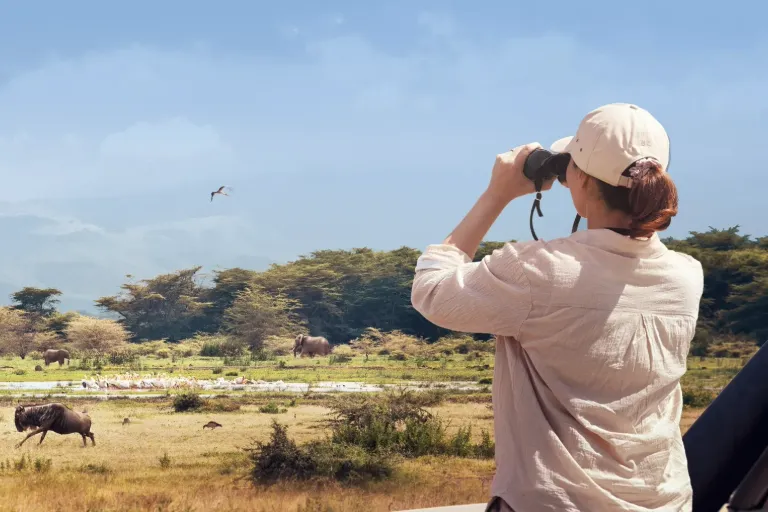
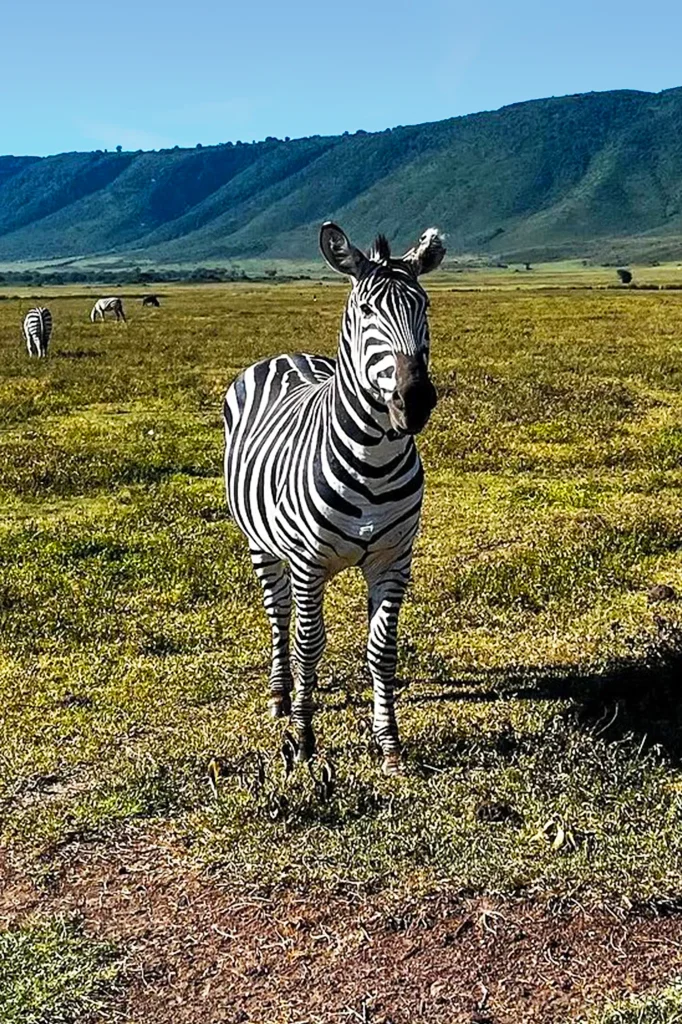
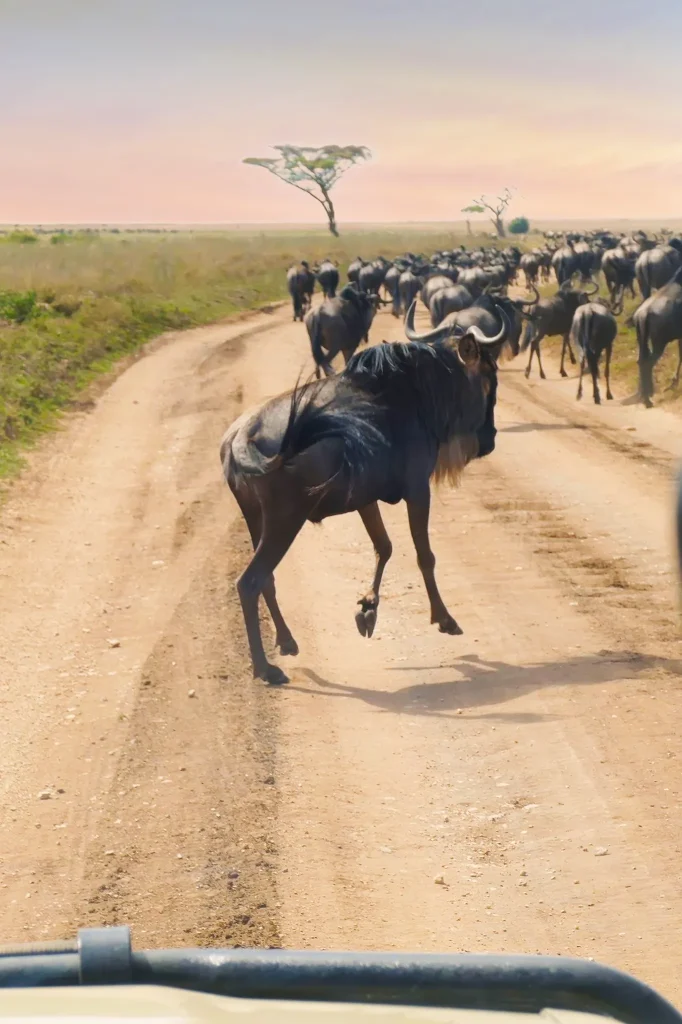
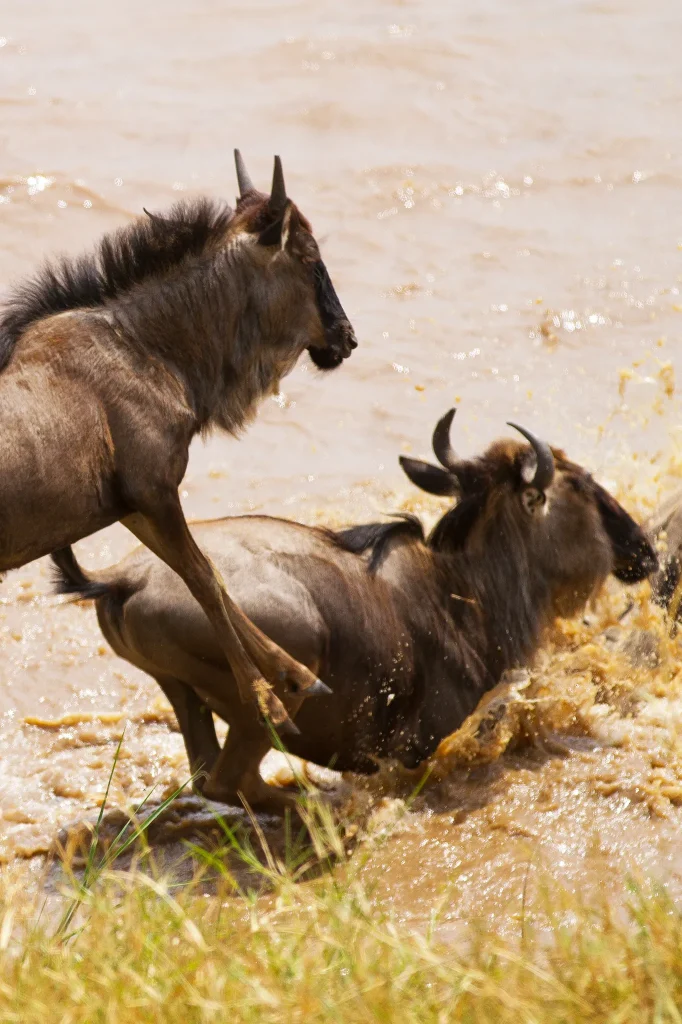
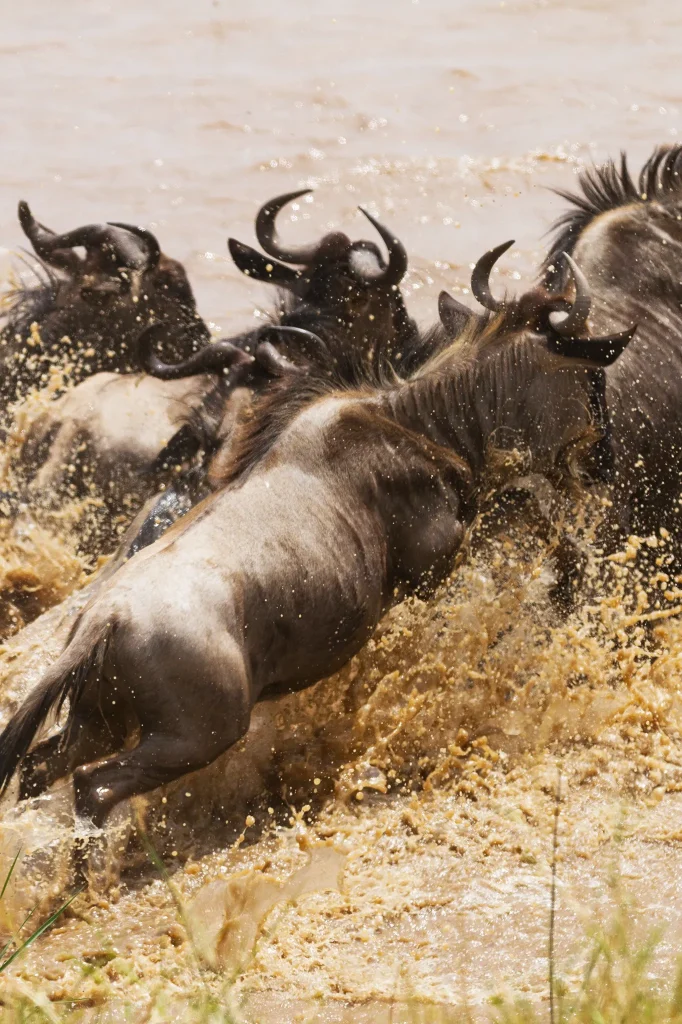
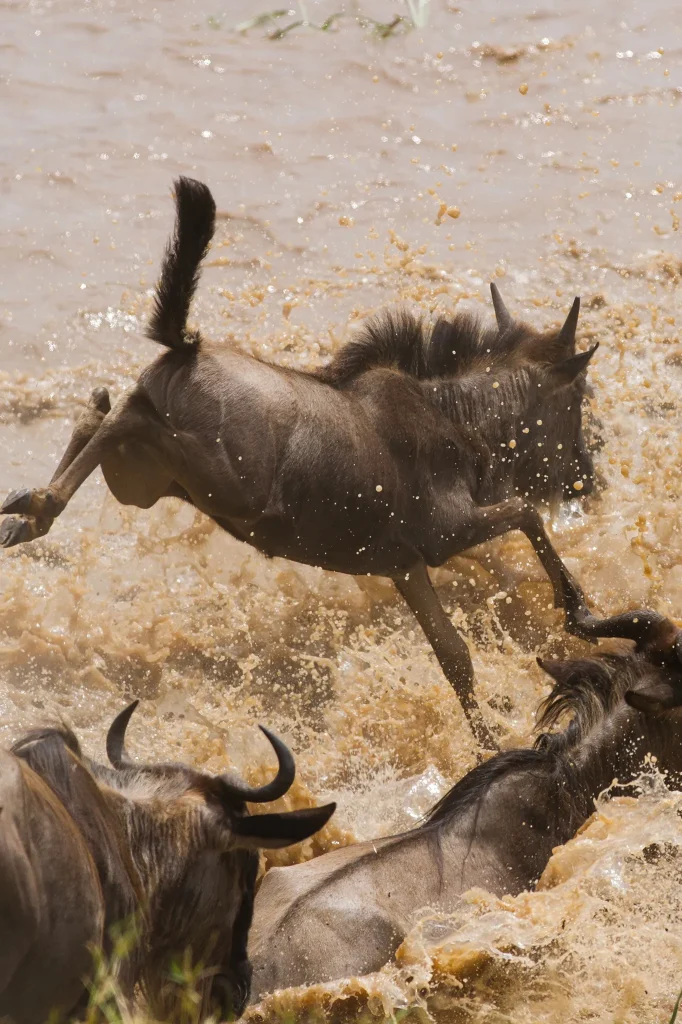
More than 1.5 million wildebeests migrate in a huge loop every year from Serengeti National Park to the Masai Mara in Kenya. Safari In Tanzania will let you witness this host of animals following an age-old route in search of greener pastures and water. Dramatic river crossings and enthralling predator-prey action are major highlights along the way.

Your chances of witnessing the Mara River crossings and the supersized herds are higher in the months from Mid-July to Mid-September.

When it comes to the best national park to see the Great Migration the answer is the Serengeti. And regarding accommodations, you must stay over at the Four Seasons Serengeti Safari Lodge or any other accommodation of your choice.
Recommended Packages

Serengeti Wildebeest Migration – This will take you to the heart of the migration action – the endless golden savannahs of the Serengeti. The combination of being at the perfect place at the perfect time with our experienced squad of experts will let you witness the Greatest Show on Earth.

Get Up Close with The Big Five with Tanzania Safari Packages

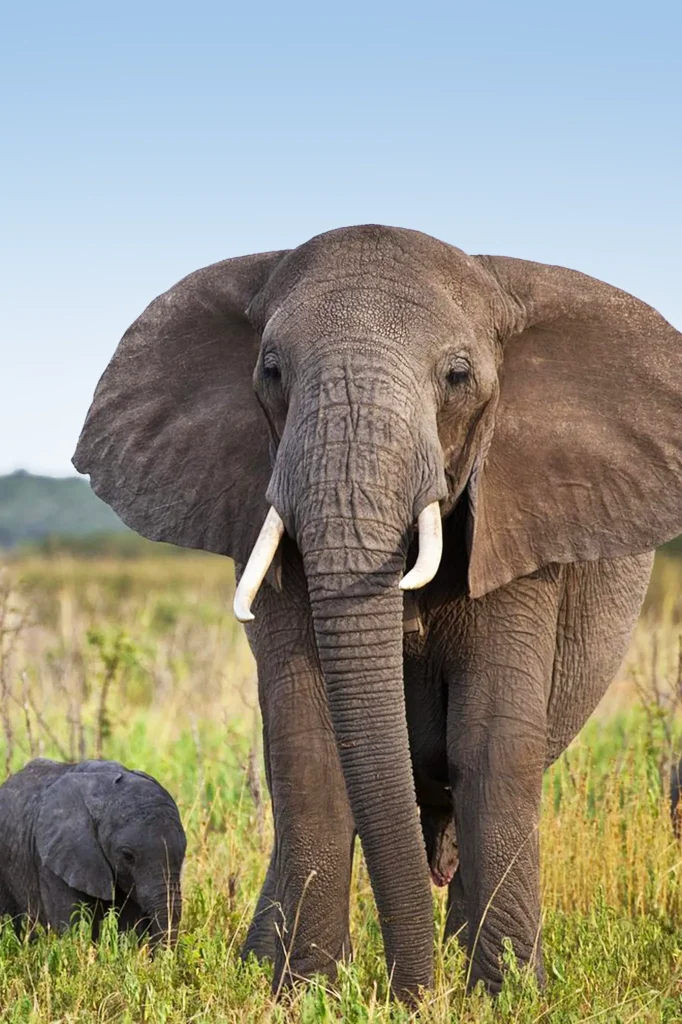
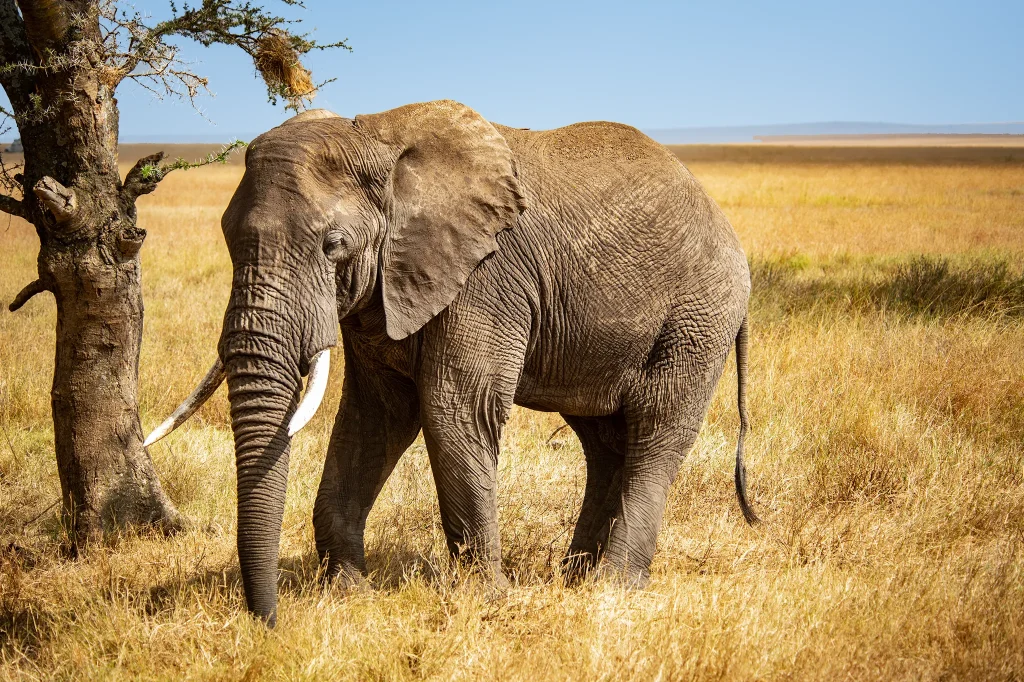
The wilderness of Tanzania has its hierarchy of animals, and the African Big Five are the ones on top. The Big Five include leopards, lions, elephants, cape buffaloes, and rhinos. These are among the most ferocious animals across the continent and certainly, the ones you should look out for on your Tanzania Safari.

NAME OF THE ANIMAL(S)BEST TANZANIA DESTINATION TO SEE THEM
African LionsSerengeti National Park, Ngorongoro Crater, Lake Manyara National Park
African LeopardsSerengeti National Park, Ngorongoro Crater, Ruaha National Park
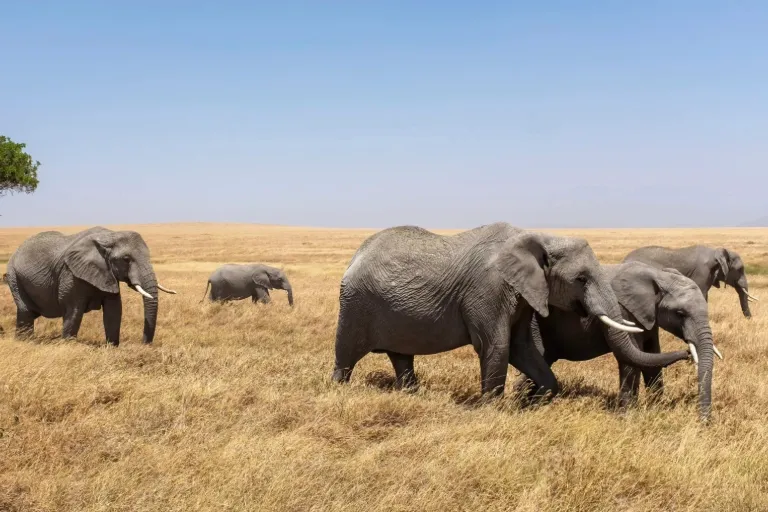
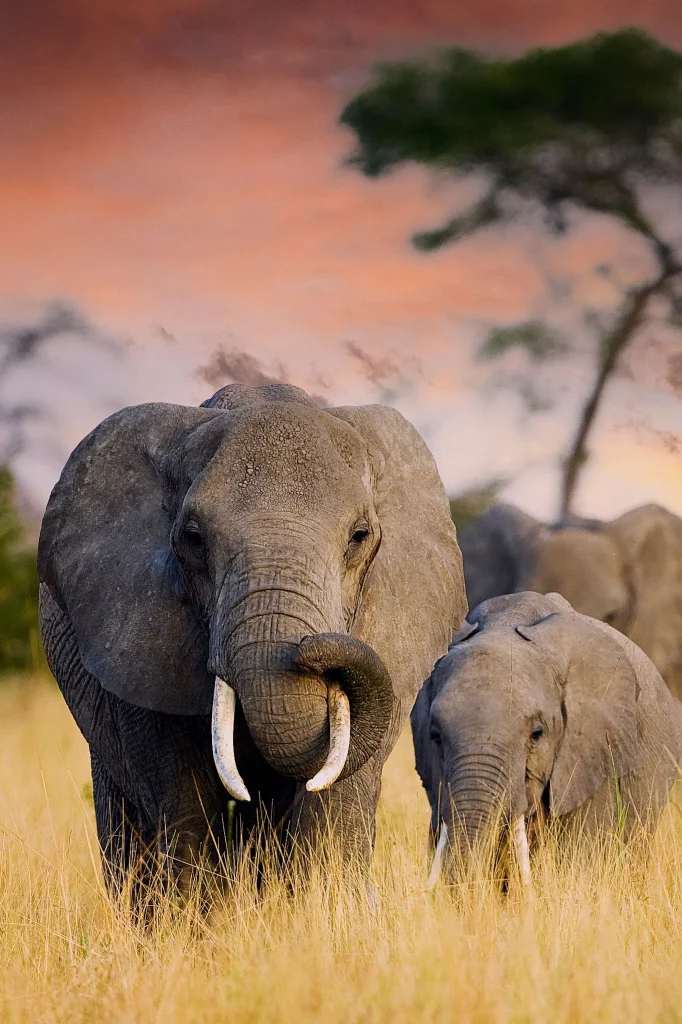
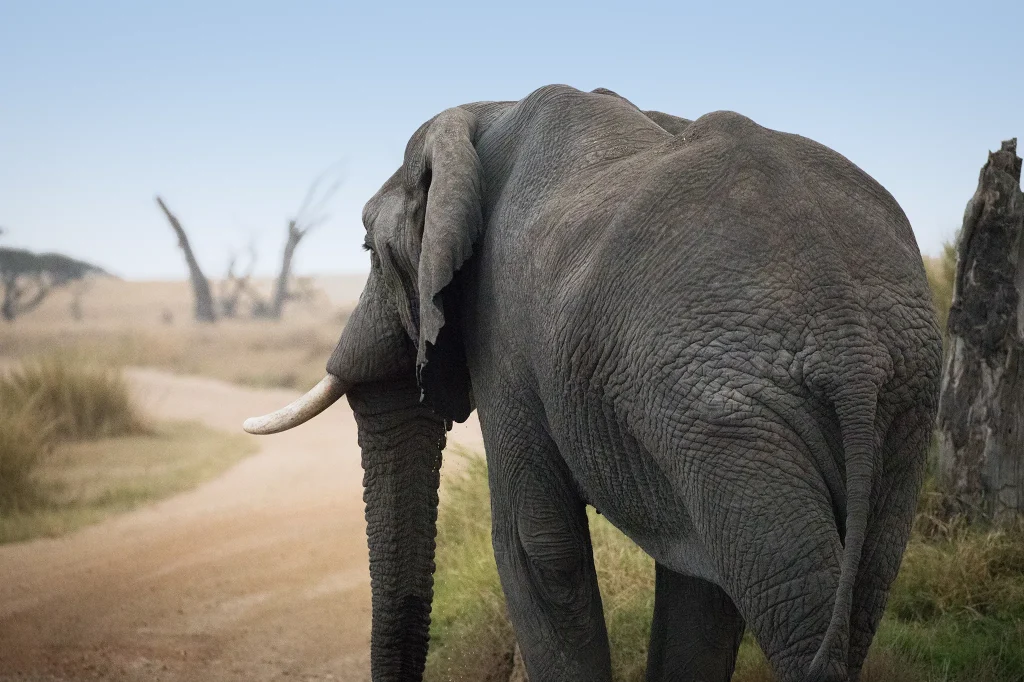
African ElephantsTarangire National Park, Serengeti National Park, Ngorongoro Crater
RhinocerosNgorongoro Crater, Serengeti National Park
Cape BuffaloesNgorongoro Crater, Serengeti National Park

Our Recommended Big Five Safari Packages

  1. 7 Days Big Five Safaris In Tanzania – This Tanzania Safari Tour Package is designed specifically for the big five safari quest. In your expedition to spot the big five, you’ll travel to some of the iconic Tanzania National Parks. This includes the Ngorongoro Crater and Conservation Area and the Serengeti National Park.
  2. 8 Days Tanzania Classic Safari – This Safari Tanzania Tour Package will also take you to the lands of Serengeti and Ngorongoro. Therefore, maximising your chances of seeing the majestic big five.
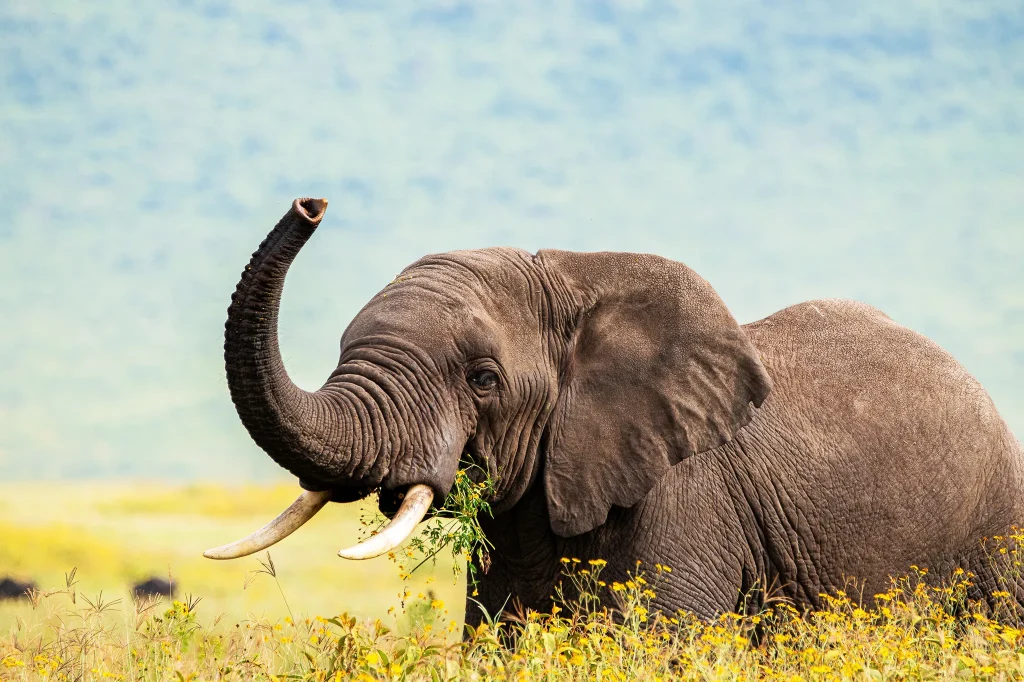
Big Five
Big Five

Enjoy Stunning Landscapes

The endless plains, scenic lakes, vibrant forests, and panoramic highlands and craters of Tanzania evoke a sense of natural wonder. The flora and vegetation of Tanzania are equally as rich as the wildlife. And these rich habitats offer a range of stunning vistas that travellers can enjoy on their Safaris in Tanzania.

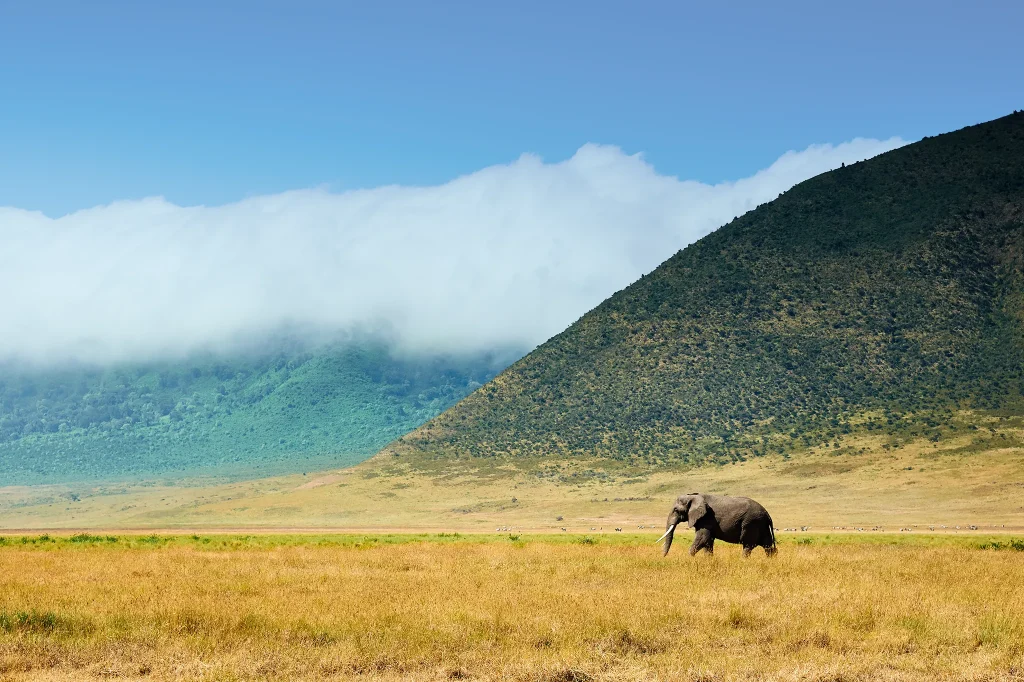
The splendid backdrop of Lake Manyara National Park is a source of joy and inspiration for keen photographers. Whereas, the plains of the Serengeti are renowned across the planet. On the other hand, the volcanic caldera of Ngorongoro offers a unique perspective of Tanzania’s varied landscapes.

Our Recommended Tanzania Safari Package

10 Days Tanzania Closer To Nature – Get up close and personal with the stunning vistas of Tanzania with this Tanzania Safari Package. This itinerary will take you on an excursion to the iconic parks of the Northern Safari Circuit. And, where you’ll get to feel the wind blowing across, smell the dusty roads, and bask in the gorgeous sunrises and sunsets.

Experience The Maasai Culture

Safaris in Tanzania isn’t just about seeing wildlife and participating in safari activities! It’s also an indication of the lifestyle of the native tribes. Tanzania Cultural Tours will take you across the attractions of the diverse heritage and will offer opportunities to interact with the native communities.
Maasai Culture
Maasai Culture
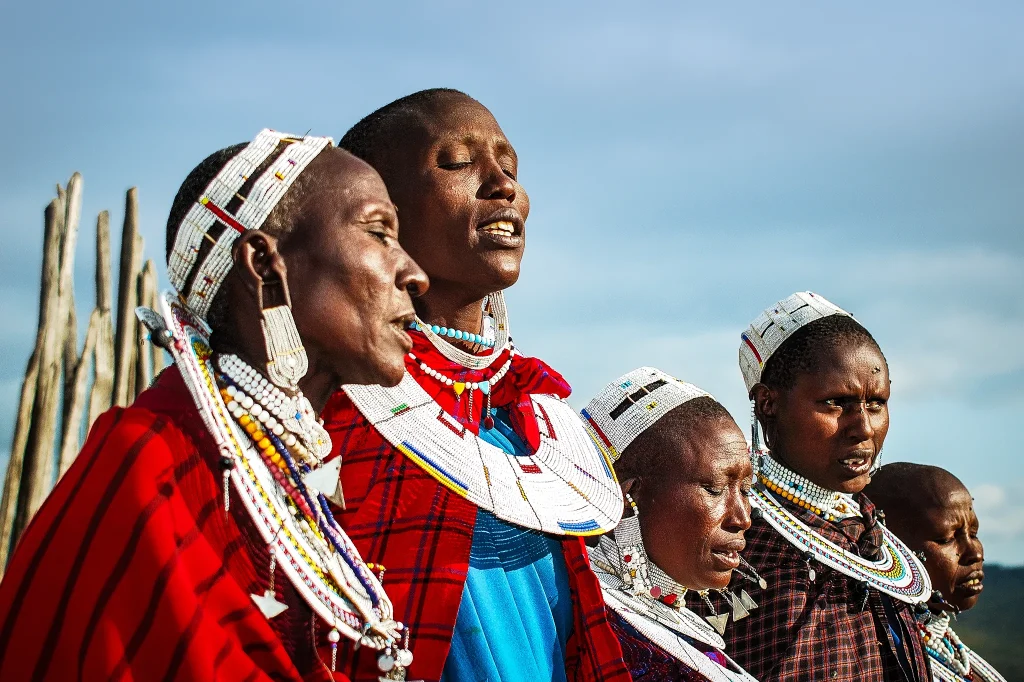
  • One of them is the Maasai people who generally live on the eastern and southern slopes of Mount Kilimanjaro and around the Ngorongoro Crater region.
  • They’re known for their joyous spirit and colorfully vibrant dressing sense. Singing and dancing ceremonies are central to their lifestyle.

These communities live in kraals and bomas. Many of them are also highly skilled bead workers. Our Tanzania Safari Packages include cultural tours where you can visit their villages and take some beadwork classes.

Our Recommended Cultural Tanzania Safari Packages

Tanzanian Cultural Tours – Visits to the bomas of the Maasai communities are a part of this unique Tanzania Safari Package. By opting for this itinerary, you’ll get to explore the village of the Maasai people, see traditional dances, and pick up a few native souvenirs along the way.

13 Days Cultural Wildlife Hiking – This package will take you to the authentic lands of the native communities of Tanzania. You’ll get to learn about the indigenous practices and flora and admire the local art and beadwork of the Maasai people.

Explore Diverse National Parks with Tanzania Safari Packages

Each of the Tanzania National Parks offers its own unique experiences. They include adventure activities and cultural experiences that will amaze even the most experienced travellers. You’ll get to spot the stalking predators looking for their next source of meal, see throngs of wildebeests cross the river for their survival, and discover unique species of wildlife.

Before you commence your safari adventure, you must make the ultimate decision. I.e. which national park to visit. But worry not, fellow travel enthusiasts, below are the key features of Tanzania’s National Parks. This will help you to zero in on a suitable choice.

NAME OF THE NATIONAL PARK(S)KEY FEATURES
Serengeti National ParkGreat Migration, Big Five, Scenic Landscapes.
Ngorongoro Conservation AreaNgorongoro Crater, Big Five, Maasai culture
Tarangire National ParkLarge elephant herds, birdwatching, Baobab trees
Lake Manyara National ParkFlamingos, tree-climbing lions, diverse wildlife
Selous Game ReserveBoat safaris, wild dog sightings, off-the-beaten-path

Our Recommended Tanzania Safari Packages That Cover Multiple National Parks

12 Days Tanzania Family Safaris – This Tanzania Safari Package offers delightful moments for the whole family. You’ll get to visit Serengeti National Park, Ngorongoro Conservation Area, Tarangire National Park, Lake Manyara National Park, and even some days at the Zanzibar archipelago.

13 Days Ultimate Southern Tanzania Safari – Want a large and diverse range of Tanzania Safari experiences? Then you’re exactly in the right place! This Tanzania Safari Package delivers visits to some iconic Southern National Parks including Selous Game Reserve, Ruaha National Park, Mikumi National Park, etc.

Experience Luxury Safari Accommodations With Tanzania Safari Packages

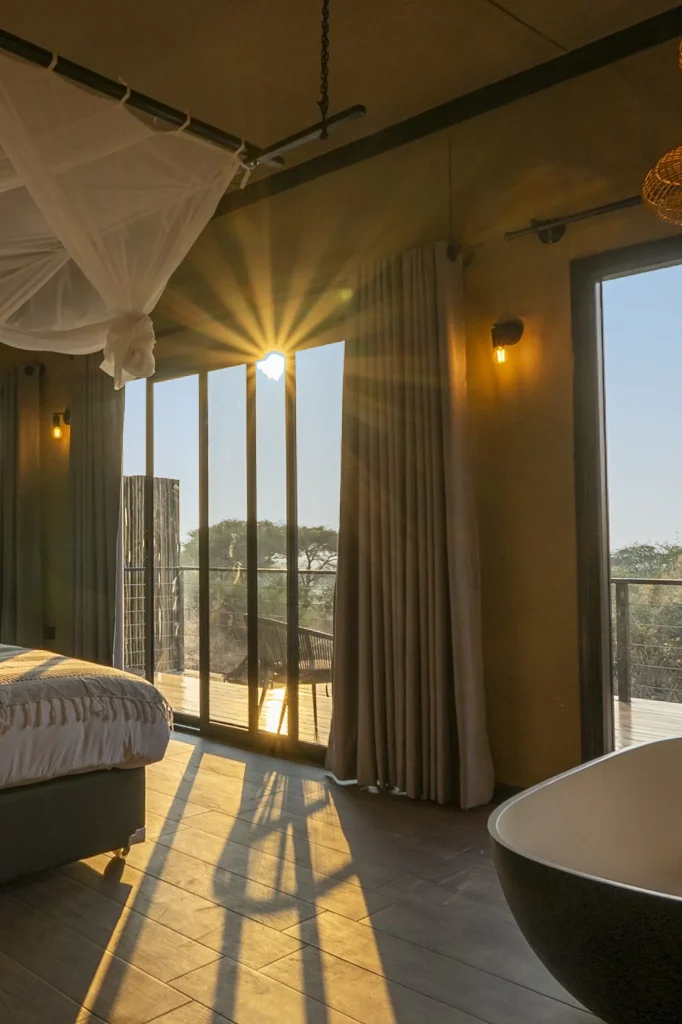
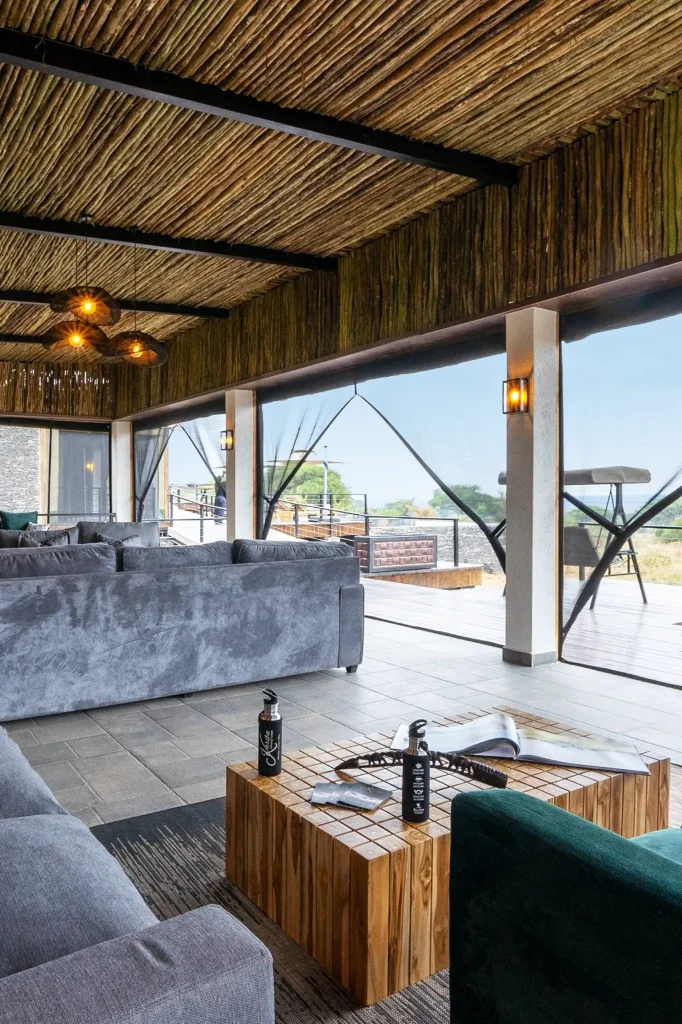
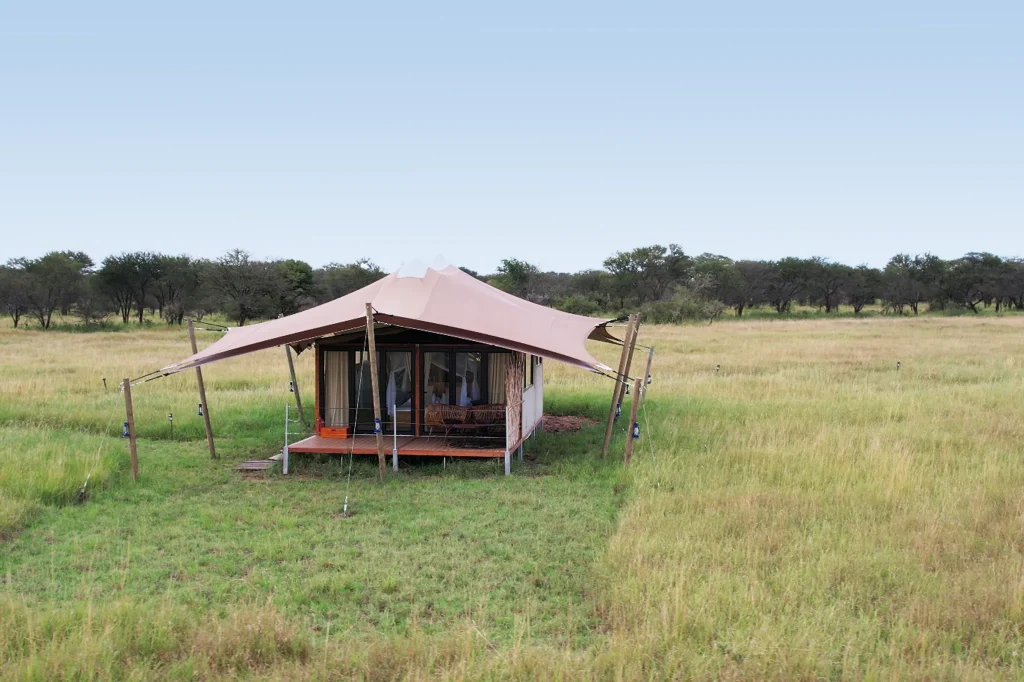
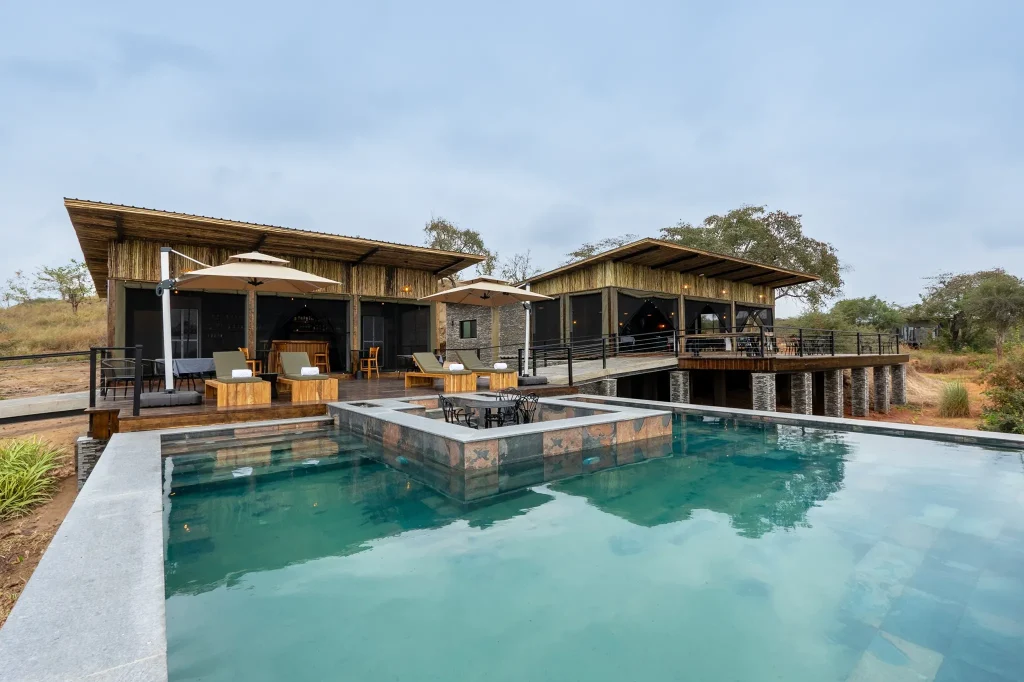
The perfect approach to enjoy a Safari in Tanzania is by staying in the wonderfully luxurious Tanzania Accommodations. You’ll have a range of options to select from – Game lodges, tented camps, and mobile camps.
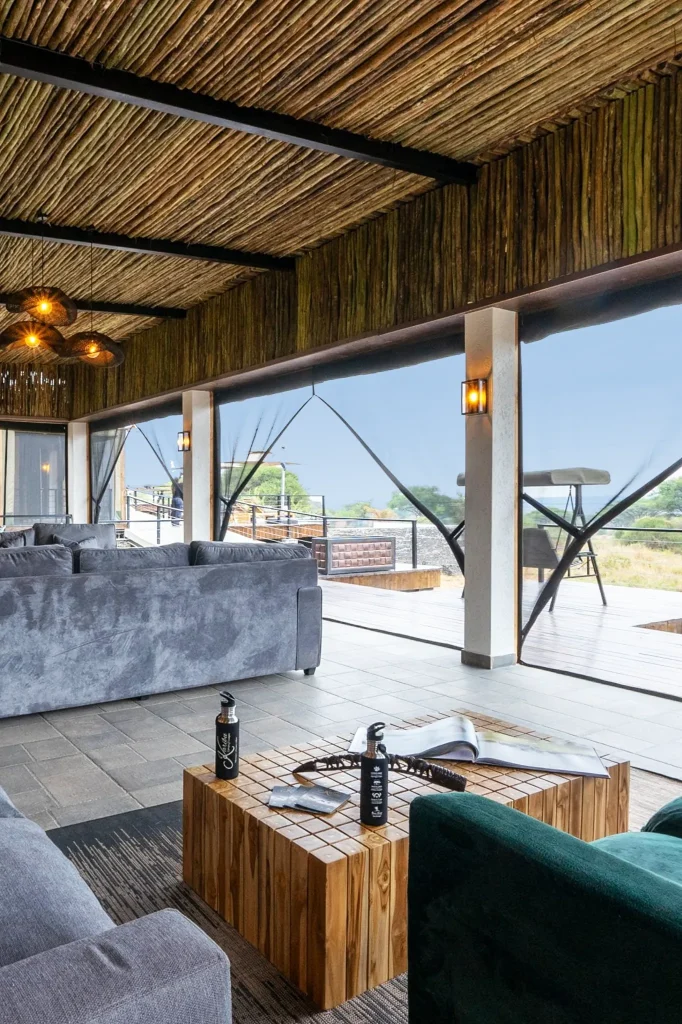
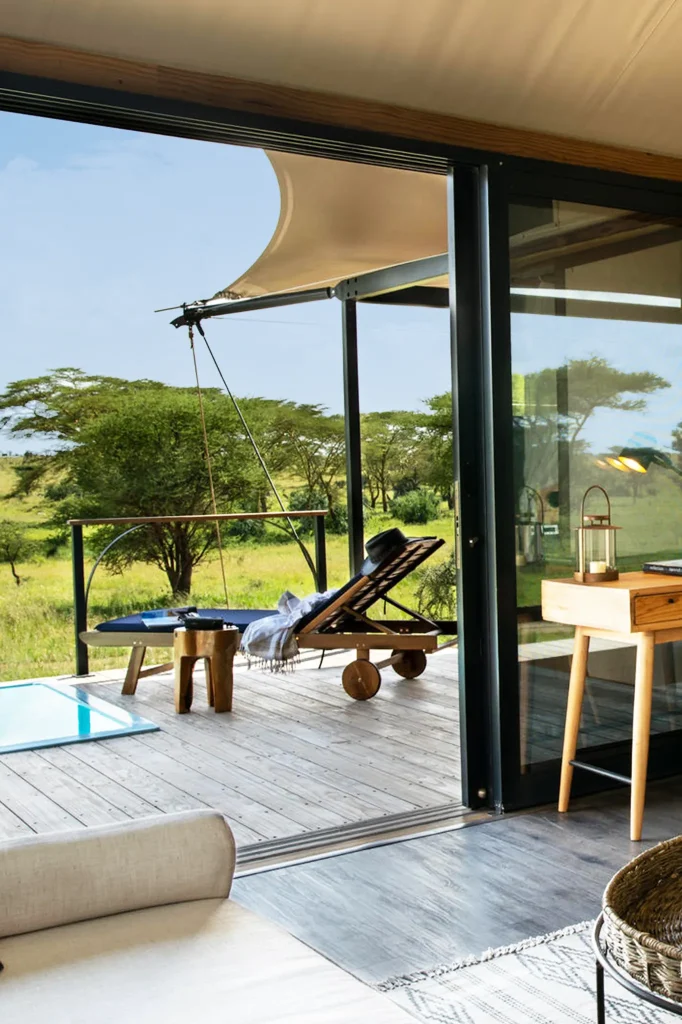
So are you thrilled to spend your safari nights under the skies filled with a million stars? The following are our selections of the best Accommodations in Tanzania:

NAME OF THE LODGE/CAMPCENTRAL TAKEAWAYS
Singita Grumeti ReservesExclusive location, high-end amenities, and fine dining.
Four Seasons Safari LodgePrivate villas, infinity pool, spa.
AndBeyond Ngorongoro Crater LodgeStunning views, luxury suites, and Maasai-inspired décor.
Asilia Highlands CampPrivate fireplace, eco-friendly design, access to Olmoti Crater
The Manta ResortUnderwater room, private beach, snorkeling, and diving opportunities

Ready For Tanzania Safari

From hiking volcanic craters and splendid game viewing to natural wonders and the Great Migration, Tanzania is truly a land of wonders! A Tanzania Safari Tour will exceed even your wildest expectations. If you want a foolproof way to enjoy these terrific experiences, then choose from one of our varied Tanzania Safari Packages, and you won’t be left hanging.

Because at African Scenic Safaris, we design safari-inclusive packages and include everything that you expect from Tanzania Safaris.

Simbo Natai
Simbo Natai, founder of African Scenic Safaris, crafts sustainable, meaningful Tanzanian journeys rooted in his deep local knowledge and passion.
Director, African Scenic Safaris

The Best Time of Year to Climb Kilimanjaro – A Route–By–Route Guide

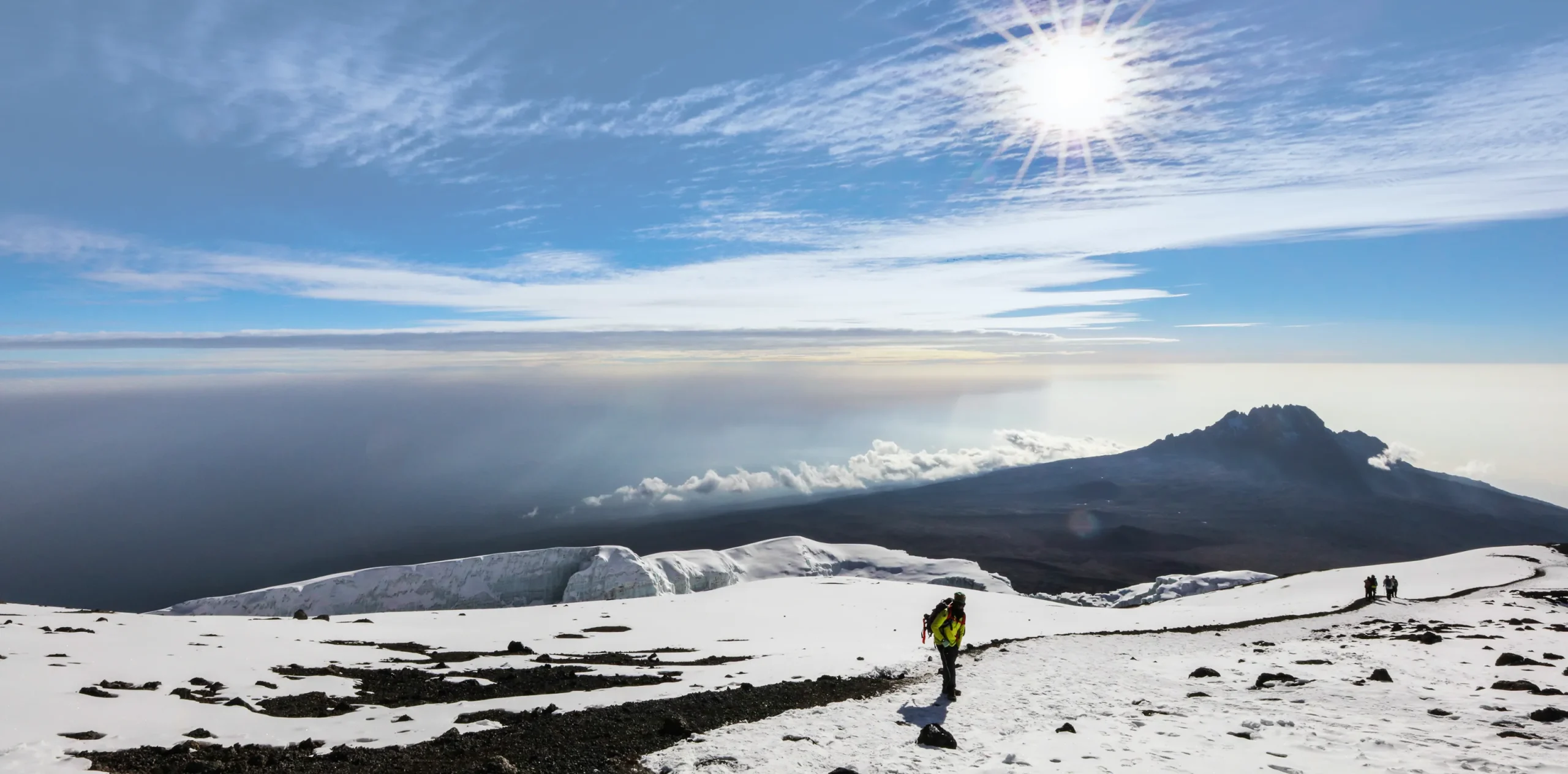
When planning to climb Africa’s tallest peak, one of the biggest challenges is choosing the  Best Time To Climb Kilimanjaro. Both timing and the right Kilimanjaro Routes can greatly affect your overall experience and determine your chances of reaching the summit of Uhuru Peak.

In this guide, we share insights into the best time to climb Kilimanjaro, based on weather conditions, trail situations, and the high and low seasons. These details will help both new and experienced climbers deal with the mountain’s changing environment.

With clear information about each of the Kilimanjaro Climbing Routes and what makes them unique, you’ll have the guidance you need to choose the right time and route for your adventure.

Understanding Kilimanjaro’s Weather Patterns

The weather conditions on Mount Kilimanjaro can differ from scorching hot to extremely cold within just a day. But the temperatures don’t vary much from season to season. Instead, the temperatures on the mountain are determined primarily by the time of day and altitude profile.

Kilimanjaro’s Weather Patterns
  • The average temperature at the base of Kilimanjaro is about 21 to 27 Celsius.
  • Nighttime temperatures at Uhuru Peak range between -8 to -29 Celsius.
  • Kilimanjaro creates extremely varied weather, so the patterns are difficult to predict.
  • Thus, climbers need to prepare for every type of weather profile. This includes warm, sunny conditions, wind, rain, and even snow.
  • The temperatures will indeed remain the same no matter which Kilimanjaro Route you pick for your climbing expedition.

The best way to interpret the weather forecasts of Kilimanjaro is by understanding the trade and anti-trade winds. These winds dictate the weather profiles of the mountain. The following are the two sets of trade winds that influence the Kilimanjaro Weather.

SOUTH-EAST TRADE WINDSNORTH-EAST ANTI-TRADE WINDS
These winds arise from the Indian Ocean.These winds come from the north and end the effect of the South-East trade winds.
They arrive in March and last till May.They arrive between late May and last through early November.
They bring a lot of moisture that eventually turns into torrents of rain.They force their way through the space between the Kibo and Mawenzi peaks.

Best Time to Climb Kilimanjaro by Route Wise

The primary months for Climbing Kilimanjaro are from December to March and June to October. However, if you want an exclusive climbing experience through the trails of the Kilimanjaro Routes, then November, April, and May are great.

These months have fewer crowds, and the Rongai Route is recommended because it’s much drier than the Machame and Lemosho routes. For your better understanding, we’ll cover the Best Time to climb Kilimanjaro according to the 5 routes below.

Kilimanjaro by Route Wise

The Marangu Route

The best time to climb Mt. Kilimanjaro via the Marangu Route is between January to March and June to October. However, climbing is possible throughout the year on this Kilimanjaro Route. It can get cold and wet during April, May, and November. So, consider packing the right waterproof gear and warm clothing items.

There are pros and cons of climbing Kilimanjaro through the Marangu Route trail based on the time of the year. The following is a detailed outlook.

TIME OF YEARPROSCONS
January – February-Clear and dry weather conditions
-lower crowd levels
-Cooler temperatures at night and higher altitudes
-Potential for snow and ice on the trail
March – April-Lower crowd levels 
-cheaper prices for tours
-Rainy season with the potential for heavy rainfall and mud on the trail.
-Cooler temperatures at night and higher altitudes
May – June-Clearer weather conditions than the rainy season
-lower crowd levels
-Cooler temperatures at night and higher altitudes
-Potential for fog and limited visibility
July – September-Dry weather conditions
-Warmer temperatures
-Higher crowd levels than other times of the year.
-Clear skies can make for colder temperatures at night and higher altitudes
October – December-Clear and dry weather conditions
-lower crowd levels than in the summer months
-Cooler temperatures at night and higher altitudes
-Potential for snow and ice on the trail

The Machame Route

The best time for climbing Kilimanjaro through the Machame Route is from June to October. Although, this scenic Kilimanjaro Route can be climbed throughout the year. The trails can get wet and temperatures can be cold in the wet season. So, bring waterproof shoes and warm clothing essentials.

Let’s look at the pros and cons of the Machame Route:

TIME OF YEARPROSCONS
January – March– Clear weather and good visibility
– Lower crowd levels
– Cold temperatures, especially at night
– Potential for snow and ice on the trail
April and May– Lower rates for tours and accommodations
 – Fewer crowds
– Heavy rainfall and slippery trail conditions
– Cooler temperatures at night and higher altitudes
June – October– Good weather and visibility
– Warm temperatures
– Crowded trail and accommodations
– Higher rates for tours and accommodations
November and December– Clear weather and good visibility
– Fewer crowds
– Cooler temperatures at night and higher altitudes
– Potential for snow and ice on the trail

The Lemosho Route

The ideal time for climbing Kilimanjaro via the Lemosho Route is in the months from June to October. The rainy season is in April, May, and November, so the trails can be muddy and wet. We advise you to not use this Kilimanjaro Climb Route in the rainy season.

Before you set off on the Lemosho Route trails, you should know its pros and cons. They’re listed below for your convenience:

TIME OF YEARPROSCONS
January – March-Clear weather and good visibility
-Lower crowd levels
-Cold temperatures, especially at night
-Potential for snow and ice on the trail
April – May-Lower rates for tours and accommodations
-Fewer crowds
-Heavy rainfall and slippery trail conditions
-Cooler temperatures at night and higher altitudes
June – October-Good weather and visibility
-Warm temperatures
-Crowded trail and accommodations
-Higher rates for tours and accommodations
November – December-Clear weather and good visibility
-Fewer crowds
-Cooler temperatures at night and higher altitudes 
-Potential for snow and ice on the trail

The Rongai Route

January and February, and August to October are considered the best months to climb Kilimanjaro via the Rongai Route. We recommend that you avoid climbing via this Kilimanjaro Route in the wet season (April, May, and November).

The following are the pros and cons of climbing Kilimanjaro on the Rongai Route:

TIME OF YEARPROSCONS
January – March-Clear weather and good visibility
-lower crowd levels
-Cold temperatures, especially at night
-Potential for snow and ice on the trail
April – May-Lower rates for tours and accommodations.
-Fewer crowds
-Heavy rainfall and slippery trail conditions
-Cooler temperatures at night and higher altitudes
June – October-Good weather and visibility
-Warm temperatures
-Crowded trail and accommodations
-Higher rates for tours and accommodations
November – December-Clear weather and good visibility
-Fewer crowds
-Cooler temperatures at night and higher altitudes
-Potential for snow and ice on the trail

Best Time to Climb Kilimanjaro Via the Northern Circuit Route

Just like some of the other Mount Kilimanjaro Routes, climbing the Northern Circuit Route is best from June to October. Trekking is possible in the wet season on this trail. But, we generally advise you to skip the rainy season (April, May, and November) when planning your Kilimanjaro Climb.

Below are the pros and cons of trekking Kilimanjaro through the Northern Circuit Route:

TIME OF YEARPROSCONS
January – March-Clear weather and good visibility
-Lower crowd levels
-Cold temperatures, especially at night
-Potential for snow and ice on the trail
April – May-Lower rates for tours and accommodations.
-Fewer crowds
-Heavy rainfall and slippery trail conditions
-Cooler temperatures at night and higher altitudes
June – October -Good weather and visibility
-Warm temperatures
-Crowded trail and accommodations
-Higher rates for tours and accommodations
November – December-Clear weather and good visibility 
-Fewer crowds
-Cooler temperatures at night and higher altitudes
-Potential for snow and ice on the trail
Key Insight -The pros and cons of all the above Mt Kilimanjaro Routes might vary based on different factors. So, it’s important to research thoroughly before planning your Kilimanjaro Climb. This is where our team of specialists can assist you by providing you with all the information you need.

Other Factors to Consider When Choosing the Best Time to Climb Kilimanjaro

There are some other factors that you should consider when you choose the Best Time To Climb Kilimanjaro. They are listed below:

Other Factors
Other Factors

Altitude Sickness – When you descend the mountain, you may get symptoms of altitude sickness, especially at higher altitudes. The weather in the arctic zone of Kilimanjaro is where trekkers face the challenge of AMS (Acute Mountain Sickness).

Remember that mild symptoms are to be expected. They can be treated via over-the-counter medications like ibuprofen and paracetamol.

Crowd Levels – The peak season of Kilimanjaro is during July and August, and December and January. This is the time when there are more crowds around. If you want a more secluded trekking experience, then consider the low season. This runs from March to May, and there are fewer crowds during this time.

Visibility – This is important for photographers and people who want to enjoy amazing views of Kilimanjaro and the surrounding landscapes. The dry season generally offers clearer and more panoramic views. On the contrary, the wet season may be cloudier and have more limited views.

Choose The Right Time to Climb Via Kilimanjaro Routes

To sum things up, the success of Climbing Kilimanjaro depends on many factors, including the Kilimanjaro Routes you choose and the time of year you climb. Each route has its unique challenges, and the weather conditions fluctuate depending on the time of year.

Thus, choosing a route that suits your fitness level and increases your chances of success is essential. Ultimately, with the right preparation, Climbing Kilimanjaro can be an incredibly rewarding adventure that’ll be impossible to forget for the rest of your life.

If you have any questions regarding Kilimanjaro Routes, reach out to one of our safari experts at African Scenic Safaris. We would be happy to answer you.
Simbo Natai
Simbo Natai, founder of African Scenic Safaris, crafts sustainable, meaningful Tanzanian journeys rooted in his deep local knowledge and passion.
Director, African Scenic Safaris

Want To Explore the Safari in Tanzania as A Solo Traveller?

Ah, beautiful, dreamy Safari in Tanzania – land of a million wild animals, home to the highest free-standing mountain, and fringed by the most stunning beaches. As you watch it on screen, you can’t help but dream of embracing it in person. But one question keeps coming back—how?

Are you, too, feeling that pull?

As a solo traveller in Tanzania, you’ve probably done your research. Yet, a quiet dilemma remains—Is it possible? We’re here to tell you: absolutely, yes!

Tanzania is one of the safest countries in Africa and continues to receive love from travellers across the globe. You just need to know how to do it right.

Why is Tanzania Ideal for Solo travellers?

Tanzania is not only ideal for families or honeymooners but also offers some amazing experiences for solo travellers. A Safari In Tanzania for a solo traveller opens up new ways to experience: the vast landscapes, rich wildlife, friendly people, and culture altogether.

A solo safari can give you the flexibility to choose your next destination as per your wish. You can spend as much quality time as you want without any objection. Most importantly, you can choose your itinerary without compromising with someone else.

Is it safe to travel solo in Tanzania?

Often, you ponder over the question of whether it will be safe to travel solo in Tanzania. The answer is a big ‘yes’. Though no place is completely safe on earth, Tanzania is considered a safer country, especially for solo travellers.

Especially for Solo Female Travellers, the county is welcoming as well as the best place for new adventures. The Tanzanians are friendly and helpful to tourists, so you won’t have any problems communicating with them.

But still, there are some precautions you need to follow if you are planning to Travel Solo in Tanzania. Just remember to be careful when you travel outside alone.  Always keep your things noticeable, especially on night travel.  

How Can You Travel Solo During Safari In Tanzania?

Travelling alone can be quite tough, especially in a country you don’t know much about. So, travel smartly and with peace of mind. Below are some essential factors to consider while on your Safari In Tanzania.

1. Book a travel-friendly safari expert company

Many companies charge a reasonable amount for solo travel to Tanzania, especially for females.

  • So, before going for your Tanzania Safari Tour, book with a top-rated company. Just make sure it’s a reliable travel company.
  • Double-check to confirm if the company is genuine or if it’s a scam.
  • Search for the owner, their address, and their phone number.
  • After reaching there, clearly know about the Tanzania safari guide.
  • Before going for a night drive, make sure the guide has a special license for that.

Remember, this is the most important thing to do while planning a Tanzania safari for the success of your journey.

2. Be safe with Tanzania travel insurance

It’s necessary to get travel insurance when you are planning a long trip outside your country. And in Tanzania, it’s important to get travel insurance for any unfortunate happenings during travel.

  • Travel health insurance is important because there are dengue fever and cholera are common in Tanzania.
  • As Tanzania is a malaria-risk country, so better you get covered by travel health insurance.

Tanzania Travel Insurance is a must for tourists for further needs.

3. Stay connected with your family or friends

As you are going on Solo Travel to Tanzania, it’s better to keep yourself connected with your family and friends.

  • Set your cell phone in roaming mode when you are ready to go for your solo safari.
  • You can also buy an international SIM card after arriving in Tanzania.

You are in another country now and need to be updated with your loved ones.

4. Take your responsibility to keep yourself safe

Generally, you can find Tanzanians are very friendly and welcoming to tourists. But still, you need to be careful during your Solo Travel to Tanzania, as no place on Earth is completely safe. Here are some tips-

  • Know more about your destination, where you want to go and also about the problem areas.
  • Always carry cash with you and keep other valuables back in your lodge.
  • Don’t wear expensive jewellery while travelling in the town.
  • Avoid going outside to travel at night unless you have a trustworthy guide.

Prevention is better than a cure. So, keeping yourself safe is completely your responsibility.

5. An experienced guide can make a difference

An experienced guide can help you explore your dream destination, Tanzania, as a solo traveller.

  • The guide must be knowledgeable about the places you want to go.
  • An experienced guide will help you communicate with the locals if you don’t know the local Swahili language.
  • If you are a solo female traveller, it’s better to hire an experienced guide.
  • Your guide can tell you where to go and where not to go, especially at night.

You can learn more about Safari In Tanzania from a knowledgeable safari guide.

Places To Visit as A Solo Traveller

Tanzania is a vast country with many breathtaking safari destinations that also fit perfectly for solo travellers. For example, the famous Serengeti National Park offers excellent safari experiences to every traveller.

Some other destinations to explore for solo travellers are-

  • Tarangire National Park
  • Ngorongoro Crater
  • Arusha National Park
  • Mount Kilimanjaro
  • Zanzibar

Where Can You Stay During Your Safari in Tanzania?

Whether going on a safari or a trek, the cost of your accommodation is included in your Tanzania Safari Packages.

Accommodations vary from one destination to another. It can be a tented safari camp or lodge with a more permanent style. That completely depends on what you want to witness and how luxurious you want.

As a solo traveller, you can find an option for your accommodations that suits your budget. You can also get the chance to meet different types of people and also can take part in communal dinners.

Some other tips you may need for your solo travel to Tanzania

  • Keep your important documents like your passport, visa, and insurance in a safe place.
  • Don’t carry much luggage with you at the time of your safari.
  • Always prefer group travel during the night.
  • Remember you are a solo traveller, so always follow your guide’s instructions.
  • Take taxis only from your hotel and keep connecting with your hotel concierge.
  • Walk confidently when you walk in the street, don’t let anyone know your weakness.

These are some additional Tanzania Safari Guides you must follow.

Ready To Explore Safari in Tanzania as a Solo Traveller?

Tanzania is a great hub for eco-friendly travellers, and it will give you a lifelong experience as a Solo traveller in Tanzania. Travelling alone in such a tourist place will make you more open to interacting with people of different cultures.

Our safari experts can help you design your solo safari, whether group or luxury. So, what are you waiting for? Get ready for your solo adventure and don’t forget to let us know about your experience.

Simbo Natai
Simbo Natai, founder of African Scenic Safaris, crafts sustainable, meaningful Tanzanian journeys rooted in his deep local knowledge and passion.
Director, African Scenic Safaris

Tanzania Safari – An Adventure for Every Generation!

You can travel when you’re young, before settling down—and even more meaningfully with your family later in life. Multi-Generational Travel brings together parents, children, and grandparents to create lasting memories.

“Life is either a daring adventure or nothing at all.” – Helen Keller

Safaris in Tanzania are perfect for this kind of bonding. Whether it’s watching elephants roam the savannah or sharing stories by the campfire, every moment becomes a treasured experience across generations.

“In the end, kids won’t remember that fancy toy you bought them.
They will remember the time you spent with them.” – Kevin Heath

Tanzania Safari Activities to Engage for a 3-g family travel

Discovering a new world often makes you learn new things. At home, every person may have their hobbies and pastimes.

But when different generations of a family travel together, they often find new activities to try together.

This allows everyone the opportunity to broaden their understanding, knowledge, and perceptions about each other.

Tanzania Safari Activities

Twins and Teens

In general, children under 12 years should always be accompanied by a responsible guardian at all times, and no one, child or adult, should wander without a guide.

Children over three years are welcome at Tarangire Treetops, a boutique tree lodge in a baobab grove on a private Maasai concession just outside Tarangire.

A range of activities is available in Tanzania where children will start to engage themselves.

  • They can go on a 4wd safari to visualise the finest wilderness of Africa with their own eyes rather than on television.
  • Tanzania is blessed with beautiful beaches. So after your safari, spend some family time on the beach.
  • Do snorkelling, scuba diving, kayaking, kite surfing, paddle boarding, and much more.

Mixed ages and young persons

As Tanzania is a dream holiday destination for the entire family, there are also many adventurous things to do for you.

  • You can go for a game drive in the Serengeti and Ngorongoro to explore the wildlife.
  • A walking safari is also an excellent way to witness the animals by stepping into their habitat.
  • You can be the hero of your little one by biking around the savannah plains.
  • Canoeing and bird watching are also unique things to do during your Family Holiday In Tanzania.

Senior members

For elderly persons, Tanzania is also a fit-around safari destination. It’s all about your unique choice, priorities, and choosing experiences that are close to your heart.

However, you may need to focus more on the relaxation and luxury side of things, rather than on a hectic, action-packed vacation.

  • You can go on a birding safari in Lake Manyara National Park.
  • Many older safari goers love to get off the beaten track by cycling safari.

Where To Go in Tanzania on A Multi-Generation Safari

Tanzania is suitable for every generation of safari-goers. It offers some rewarding safari destinations that can give unique experiences to all ages.

The Serengeti – From witnessing the Great Migration to catching sight of predators, you and your children will be amazed by this national park.

Ngorongoro Crater – The views from the Crater rim are sure to have your little ones gasping with awe. The scenic vistas alone are worth a visit for elderly members, too.

Selous Game Reserve – The Selous Game Reserve, filled with palm trees, boat cruises, and of course, some wonderful wildlife, is perfect for a quieter Family Safari To Tanzania!

Zanzibar Island– You can afford to miss spending quality time with your family on the white-sanded beaches of Zanzibar!

From Kilimanjaro hikes to Maasai culture and the Great Migration — this family’s 12-day adventure with African Scenic Safaris was nothing short of marvellous. Read the entire review here.

MARVELOUS ONCE IN A LIFE TIME SAFARI EXPERIENCE

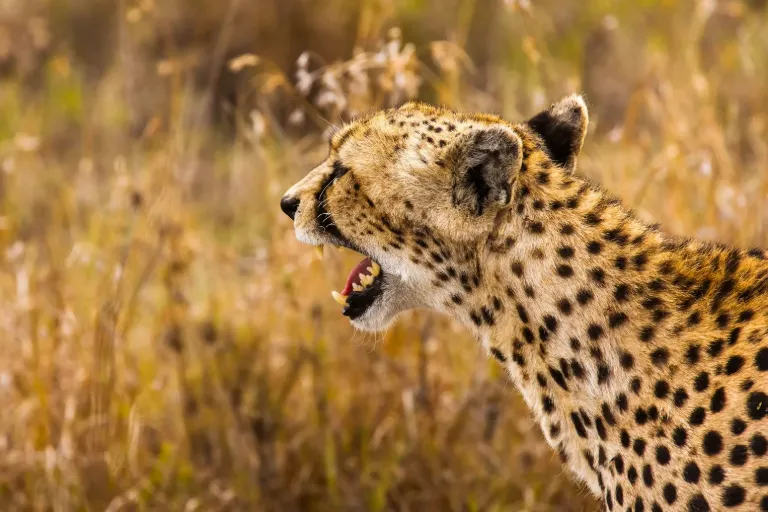
My family of 5 visited Tanzania for 12 days from Aug 16 to 27. We did a Kilimanjaro day hike, learned much about the Chagga and Maasai cultures, saw the Big Five, and witnessed The Great Migration at the Mara River. The last two involved some luck, especially seeing leopards and The Great Migration’s river crossing. As a bonus, we also saw a cheetah.

We were very fortunate to have selected African Scenic Safaris based in Moshi, Tanzania for this trip. The planned itinerary went smoothly and each day brought new experiences. We were also paired with a very knowledgeable driver/field guide. Travelbug

The Best Time when every generation can enjoy the Tanzania safari

Generally, the Best Time To Visit Tanzania is the dry months of July to October, when wildlife viewing is dramatic, easy, and action-packed.

However, there are pros and cons to every month of the year, as the peak season also has the con that it’s generally crowded. So, travelling in the festive season runs in December, is excellent for Multi-Generation travellers.

This is the best time to celebrate Christmas with your family and kids.

The Best Family-Friendly Accommodations In Tanzania

Choosing a truly family-friendly accommodation is important. And many family-friendly safari properties in Tanzania provide activities for children.

Below is a list of some best Tanzania Accommodations fit for multi-generational safari

Lemala Ndutu Camp

Lemala Ndutu Camp, located in the Serengeti is the best accommodation for every generation. Whether you are 5 or 80 years old, it offers well-connected tents that perfectly fit every family.

Elewana The Manor at Ngorongoro

The Manor at Ngorongoro, located in North West Tanzania. With its 9 luxurious cottages (18 Suites), family cottage, and magnificent main Manor House, it is one of the best safari accommodations for multi-generation tourists.

Legendary Serengeti Mobile Camps

The legendary Serengeti camp is a mobile tented camp located nearby to the migration. This camp is suitable for families with 3 generations.

Ang’ata Serengeti Camps

Located in the centre of Serengeti, Ang’ata Serengeti Camp is a luxury camp suited for every generation.

Serian’s Serengeti Camps

Also located in Serengeti, Serian Serengeti Camp is a luxury camp that offers an authentic bush experience. This is also a great accommodation option for every generation in a family.

To get the best accommodation options for your Family safari in Tanzania, just let us know here. We will help you plan an unforgettable safari experience suitable for every generation.

We create bespoke Tanzania Safaris for every generation!

To make you remember the Safari in Tanzania forever, we’ve carefully selected safari lodges and tented camps.  Those are specialised for family-trained staff, child-friendly menus, and sporting and cultural excursions.

Explore our tailor-made Tanzania Family Safaris options—designed so everyone, from birdwatching Dad to giraffe-loving Junior, enjoys a truly memorable adventure.

Simbo Natai
Simbo Natai, founder of African Scenic Safaris, crafts sustainable, meaningful Tanzanian journeys rooted in his deep local knowledge and passion.
Director, African Scenic Safaris

Is It Possible to Support Conservation During a Tanzania Safari?

Yes, it is possible to support conservation during Safaris in Tanzania. The country’s rich wildlife and wilderness face several complex challenges, and preserving them for future generations requires awareness and thoughtful action.

By choosing Sustainable Safaris in Tanzania, every traveller has the power to make a positive impact. Supporting conservation doesn’t just protect nature—it also uplifts local communities and ensures that Tanzania’s natural beauty remains intact for years to come.

How Do Tourists Able to Support Conservation in Tanzania?

“Conservation” is a host of activities relating to habitats and wildlife. Ultimately, by the sustainable use of nature, we can support conservation, which will be beneficial for both present and future generations. Let’s see how-

Conservation in Tanzania

1. Paying Your Park Fees

In Tanzania, national parks and game reserves are tasked with providing an expansive natural habitat for various wildlife. And collecting park fees is among their top ways to increase funding.

However, by paying park fees, you automatically provide an incentive to preserve the national parks and their wildlife.

Take a look at the Tanzania National Park Entrance Fees. Refer to the TANAPA website for all the latest details.

2. Beat Plastic Pollution: If You Can’t Reuse It, Refuse It!

As we all know, plastic is not biodegradable and is one of the world’s leading pollutants. The harmful chemicals released from plastic products can pose a serious risk to humans and the environment as well.

That’s why to avoid the use of plastic bottles, we provide big refillable water containers to our guestss, helping to reduce the use of plastic bottles. 

Recently, we have introduced the use of plastic-free bottles. These are made from food-grade steel and are effective in reducing our environmental footprint.

3. Choose the Designed Route way and Don’t Go Off-The-Beaten

The rules of national parks, game reserves, and conservation areas aim to protect tourists, wildlife, along the environment.

Do not roam unguided and on uneven paths. It may cause losses to both you and wildlife. Many animals often feel challenged or threatened if you wander into their habitat.

So, always stick to the designated routes followed by your local guide.

Tanzania National Park

4. Do not get more excited by seeing the wild animals

It may go wrong if your actions provoke any animals. So, always keep in mind to keep a healthy distance from the animals while on your Safari In Tanzania.

Don’t get excited by seeing the vast numbers of animals at a time, it can be risky for you and wildlife.

With our expert and trained guide, you can enjoy the Tanzania Safari Experience with peace of mind and heart.

Safari in Tanzania
Safari in Tanzania

5. Ensure your Safari Supports Wildlife Conservation & Local People

Your Safaris in Tanzania can impact on local communities by enhancing their economic sources. This also plays a vital role in wildlife conservation.

When researching and booking a Tanzania Safari, make sure to ask specific questions about where your budget is going and who the money will help. It will make you take informed decisions and ensure your visit will have a positive impact on conservation.

  • Revenue from tourism activities in 2021 reached USD 1,396.34 million in Tanzania
  • In the period from January to July 2022, a total of 742,133 tourists visited Tanzania.
  • The Ministry of Natural Resources and Tourism of Tanzania is hoping that the revenue will increase accordingly by the year 2022-23.

African Scenic Safaris owns and operates a local volunteering hostel, Hostel Hoff.  It believes you shouldn’t pay a high price for the experience if you want to volunteer. Accommodation costs are kept to a minimum, ensuring volunteering remains affordable. This is an incredible way to help tourism by supporting the community in Tanzania.

Wildlife Conservation & Local People

6. Engage with cultural works and support the local community!

Look for Tanzania Safari Packages that allow you and your family to have a safari experience that can help the local community.

  • The type of itineraries that focus on small private group outings balances wildlife game viewing with cultural immersion experiences.
  • Some destinations like Serengeti National Park and Ngorongoro Conservation Area are also there, where you can do some useful activities by visiting the local community.
Tanzania Cultural Tours

7. Be a Sensible Consumer

Make consumer choices that are ultimately better for animals and the environment.

  • Choose valid products that are energy-efficient and made from genuine sources.
  • Don’t purchase souvenirs with endangered animal products.
  • Prefer those consumer choices that are better for both animals and the environment.
  • Support ecotourism, photo safaris, or community-based education programs that keep wildlife safe in the wild.

A client who was concerned about the environment chose to travel with African Scenic Safaris. Read her full review to find out her experience: 
From the first contact, we felt confident with Vanessa. She was swift to make any modifications to our program and listened to all our desires. Within a week, the trip of our dreams was booked. On the square, Vanessa remained reachable day and night, ready to provide support if needed.
The agency provides bottles and drinking water (once with your safari guide), in addition to binoculars, chargers (multi-plugs), and fly taps in the car.”

Safari Tours in Tanzania

Some organisations that help to protect wildlife- Donate from the heart!

Like the national parks and game reserves, there are several organisations out there in Tanzania that are dedicated to protecting and preserving wildlife. Know about them in detail and donate while you are on your Tanzania Safari. Here are some-

  • Honeyguide Foundation- This organisation aims to help Tanzanian communities by conserving their resources and wildlife.
  • PAMS Foundation- This organisation protects endangered species and environments.

African Scenic Safaris has been organizing sustainable safaris in Tanzania for 16 years. Please take a look at our Responsible Safaris in Tanzania video to learn more about environmentally friendly tourism in Tanzania. 

Learn, Serve & Immerse on a Tanzania Safari!

Tourism is essential for the preservation of wilderness in Tanzania. By supporting and promoting local communities and conservation projects, you can also help develop Cultural Tourism In Tanzania.

Our Tanzania Safari Tours emphasise authentic cultural tour experiences that will give you a true taste of the country’s origins. Your fees help us fund our charity. We do every possible to ensure all of our guests’ visits benefit this beautiful country and its people.

Simbo Natai
Simbo Natai, founder of African Scenic Safaris, crafts sustainable, meaningful Tanzanian journeys rooted in his deep local knowledge and passion.
Director, African Scenic Safaris

High Season Vs. Low Season Tanzania Safari – Time Can Make the Difference!

The Tanzania Safari Season is generally divided into two seasons: High Safari Season runs between May and October. Low Safari Season runs from November to April.

However, Tanzania is a year-round safari destination that offers unexpected safari experiences at any time of the year.

Still, the common question of every traveller is: When is the Best Time to visit Tanzania?

We hope with this breakdown of the seasons in Safaris In Tanzania, you will find your answers related to different Safari Seasons in Tanzania and when you can visit the safari destination to get the best possible safari experience.

Differentiate between the High & Low season Tanzania safaris

In Tanzania, timing is everything from the perspective of a safari. The dilemma of choosing the perfect time of the year for your Tanzania Safari has come to an end with this breakdown of the seasons.

FactsHigh/peak SeasonLow/Green Season
TimeRuns from May to OctoberRuns from November to April
Weather/ClimateThe weather remains Cool & DryThe weather remains Hot and occasionally wet
Wildlife viewsEasy to spot animalsA little hard to spot animals
Newborn animalsNot many baby animals  can be foundLots of baby animals are found around
Bird watchingNot many migrant birds can be seenThe best time for bird watching
Wildebeest MigrationThe epic Serengeti-Masai Mara River crossingCalving Season in Serengeti, Tanzania
CrowdsNational parks and game reserves are found to be the most crowdedNational parks and game reserves are less crowded
AccommodationsLess availability of accommodations because of more visitorsEasy availability of accommodations because of fewer visitors
Landscape and NatureDry & cracked landscape with no natural beautyEverywhere looks green and alive with full of natural beauty
Safari CostThe highest safari costLowest safari cost
Safari BookingsNeed to book in advanceNeed to book too far in advance

Accommodation (High vs Low Season)

  • During the high safari season in Tanzania, many tourists from all over the world come for a safari experience. That’s why the national parks and other game reserves are crowded in the high season.

It causes less the availability of lodges and camps. Especially the accommodations inside the park fill up quickly. This time, many accommodations charge more.

  • But in the low season, fewer tourists are visiting Tanzania. The rain starts, and it demotivates the travellers from planning a trip in this wet season. Because of the lower crowd, lodges and camps are not fully booked and are available.

You can find luxurious accommodation options at a very affordable price. Many lodges and hotels provide offers and discounts in this low season.

Tanzania Safari Cost (High vs Low Season)

When setting out on a Tanzania Safari Tour, budgeting is the prime task. And there are several ways to calculate the Tanzania Safari Cost.  The tourism season is one of them that affects the safari budget highly.

  • However, Tanzania Safari is more lavish in the high season if you book from May to October. Due to a large number of tourist visits, some national parks, accommodations, and tourist operators raise their prices.

For example, the entrance fee of national parks like Serengeti and Ngorongoro is around $70 in the high season, while reduced to $60/$50 in the low season.

  • On the other hand, you can visit Tanzania on a Budget-Friendly Safari Tour.The low season is the best for a budget safari, and the experience is no less than the high safari season.

Weather & Climate (High vs Low Season)

  • The high-season weather is generally dry and sunny, making it the Best Time To Visit Tanzania. Generally, the mornings and the evenings are cold while the afternoons remain warm.

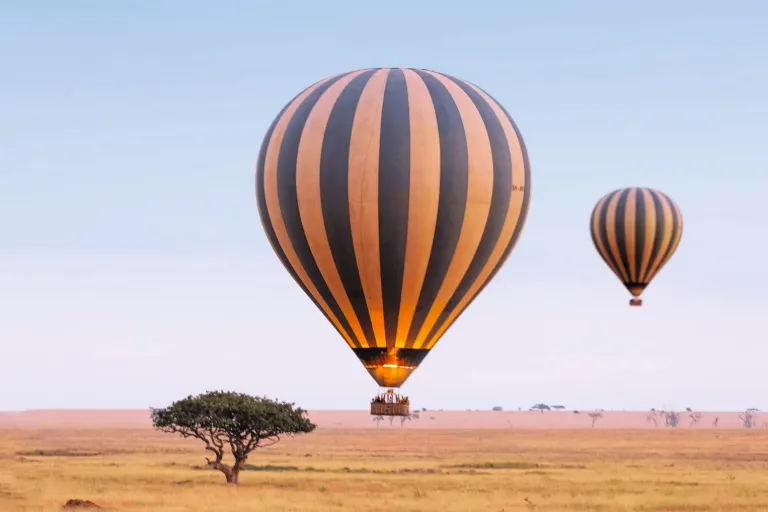
This is perfect for various Tanzania safari activities within the national parks such as nature walks, game drives, Hot Air Balloon Safaris, and so on.

  • The low season is also considered the wet season. The weather remains hot and sometimes rainy. Generally, clouds build up during the day and break down in the afternoon with thunderstorms. This makes wildlife hard to spot. You can see wildlife at this time, but not as good as in the dry months.

What to pack (High vs Low Season)

  • In the high safari season, the mornings and evenings are quite cold. So, you should pack a fleece jacket, gloves, a scarf, long trousers, and closed shoes.

You can dress up in layers for a morning and afternoon game drive. Because you may feel the cold breeze while game viewing.

  • The sun is at its highest intensity, and it may be harmful to you while moving in the open plains. So don’t ever forget to bring sunscreen and a sun hat. Apart from that, 2-3 pairs of shorts and t-shirts, one pair of trousers and long-sleeved shirts are also highly suggested to pack.

The Great Wildebeest Migration (High vs Low Season)

The great migration is a year-round cycle of vast animal movement. Still, according to your choice, you can choose the specific time of the year for Tanzania Safari Tours.

  • The high season is best known as the River Crossing season. During this time between June and August, tourists can enjoy the dramatic Mara River Crossing. This is the most spectacular view as the wildebeests and the zebras cross the dangerous Mara River, followed by the predators.
  • If you love baby animals, the low season is the best for you. Because between December and May, the calving season starts in the southern Serengeti. Many wildebeests give birth to their babies. Between late January and March, around 8,000 calves are born in a day.

Pros and Cons of High Season and Low Season

Every month of the safari year in Tanzania has advantages along with some disadvantages. The high and low seasons are the two main parts of the year for Tanzania Safari Tours. So, tourists must also know their pros and cons before their trip.

An overview-High Season or Low Season?

Traditionally, the high season is considered the best time for wildlife games because they’re easier to spot with less vegetation and water around.

But it’s important to note that the same number of animals are found during the low season. At this time, they just have more options to drink and eat, so they may wander more widely.

If you are like to go on a Safari in Tanzania with less crowded parks, consider visiting during the wet/low season. You may feel like you are on a private safari, and the entire hotel is your own!

If you aim to witness a river crossing of Serengeti’s Great Wildebeest Migration and the great wildlife game, choose the dates between June and October (the high season).

High Season or Low Season

Plan a Tanzania Safari according to your standpoint!

Tanzania’s wildlife is always evergreen! Every month is the best time to experience the wonders of Tanzania.

The flora of the national parks continually moves rhythmically with life. So, choose a time that best suits you for your Tanzania Safari, whether it is high or low season. Then get ready to experience the wonders of the natural beauty and thrilling wildlife of this beautiful country.

We, being true experts, collectively work 365 days on safari to ensure you will enjoy the trip of a lifetime. We go above and beyond by designing your dream Safaris to Tanzania, by providing valuable advice.

Simbo Natai
Simbo Natai, founder of African Scenic Safaris, crafts sustainable, meaningful Tanzanian journeys rooted in his deep local knowledge and passion.
Director, African Scenic Safaris

The Lake Manyara National Park or Ngorongoro Crater – Which One to Choose on Safaris in Tanzania?

Choosing between Lake Manyara National Park and the Ngorongoro Crater can be a challenge for anyone planning Safaris In Tanzania. Both destinations offer unique landscapes, rich wildlife, and distinct safari experiences.

Lake Manyara is known for its tree-climbing lions and birdlife, while Ngorongoro Crater showcases a dense concentration of wildlife within a breathtaking volcanic caldera.

In this blog, we’ll explore the key highlights of each park to help you decide which destination best fits your travel goals and enhances your Tanzania safari Experience.

Lake Manyara National Park or Ngorongoro Crater

Top Factors to Choose the Best between the Two Tanzania Safari Destinations!

At A Glance

Lake Manyara National ParkNgorongoro Crater
Located in the Arusha Region of northern Tanzania.Located in the west of Arusha.
Lake Manyara National Park has diverse landscapes. It has dense acacia woodland, marshland, and steep rocky slopes.Ngorongoro Crater is a conservation area for wildlife and the Maasai population.
The National Park is famous for tree-climbing lions, elephants, and vast flocks of flamingos.It is an essential habitat for safeguarding animal diversity.
Lake Manyara is the centrepiece of the Tanzania National Park.The caldera has excellent biodiversity of flora and fauna.
Park entry fee – $53.10 per adult/per day.Entrance fee – 70.8 USD per adult/per day.  

Wildlife and Bird

Lake Manyara National Park Ngorongoro Crater 
Famous for its tree-climbing lions.

Flamingos and pelicans thrive at Lake Manyara.    

Lake Manyara National Park has 400 bird species- a paradise for bird enthusiasts.    

The National Park has zebras, water buffaloes, antelopes, and the largest concentration of baboons.  
The dense population of gentle giants, elephants.  
See thousands of flamingos during the wet season.  

Home to 30,000 wildlife species.  

See plenty of wildlife in the dry season.  

The high population of cheetahs and lions.  

Find predators like lions, leopards, cheetahs, African wild dogs, hyenas, jackals, and golden cats.  

Home to over 500 bird species.  
See the rarest animals, like the black male lion and the black rhino.  

Reasons To Visit

Lake Manyara National Park Ngorongoro Crater 
Although it’s a year-round destination for wildlife safari and sightings. The dry season, June to October, is the best to visit the Lake Manyara National Park!  

Tree-climbing lions are the park’s unique attraction that attracts tourists.  
Known for its beautiful scenery and picturesque views of the Great Rift Valley escarpment.  

Excellent birding destination in Tanzania.  

The wet season from November to April makes the Tanzania National Park the best place to see many bird species around the lake shores.  
Enjoy a unique activity- night game drives in search of nocturnal wildlife like civets.  

Indulge in a treetop walkway experience during a safari. It helps you see various wildlife and bird species. You get awe-inspiring Lake Manyara National Park views.  

Cultural experiences by visiting the neighbouring towns around the park, like Mto wa mbu! Visit the local market and craft shop, and enjoy village walks.  
See the African Big Five (lion, rhino, elephant, buffalo, and leopard) at the Ngorongoro Crater daily.  

An enchanting Tanzania Safari destination with plenty of predators. See cheetahs, hyenas, leopards, and lions hunting on the open plains.  

Ngorongoro Crater is a Garden of Eden in Tanzania. The crater has blue water, greenery, and diverse animals.  
Magical scenic views from the crest of the crater.  

It is the world’s largest caldera, having high game concentration.  

You can spot the endangered black rhino at the Ngorongoro Crater.  

Perfect terrain for the best wildlife sightings.  

You get to see an authentic Africa with a glimpse of the rich Maasai culture.  

Accommodation

Lake Manyara National Park Accommodation Ngorongoro Crater Accommodation 
Lake Manyara Tree Lodge- the luxury lodge offers night safaris within the park.  

Chem Chem Safari Lodge- the lodge offers eight spacious, tent-style suites and is perfect for travellers looking for a private space.  

Lake Manyara Ranch Conservancy- It is within a private conservancy outside the Lake Manyara National Park.

The camp has eight spacious tents with seven-foot beds.  
 The Highlands- one of the best accommodations in the area! It offers exceptional service and scenic views over the Ngorongoro plains.  

Lemala Ngorongoro- Each tent of the Lemala Ngorongoro has a toilet, a traditional safari bucket shower, and a dressing room.  

Kirurumu Ngorongoro Camp- It is a mobile camp at a beautiful location in the Ngorongoro highlands.

The Kirurumu Ngorongoro camp has seven customised camping tents with sustainable solar-panelled lighting.  

Best Time To Visit

Lake Manyara National Park Ngorongoro Crater 
 Peak season is from July to September (dry season).  

Mid-December – early March is a short dry season and the best time to visit the Lake Manyara National Park!  

Bird enthusiasts can visit during the short rainy season from the end of October to December.  
The best time to visit the Ngorongoro Crater is from June to February if the Great Migration is your target!  

The peak season is July to September for the best wildlife viewing.  

Which One to Choose on Safaris In Tanzania – Lake Manyara National Park or Ngorongoro Crater?

1. Ngorongoro Crater is one of the big sisters of Lake Manyara National Park.

2. Ngorongoro Crater is the second-best safari destination after the Serengeti in Tanzania.

3. Ngorongoro Crater is a popular destination for luxury safari enthusiasts.

4. If you want to see tree-climbing lions, opt for Lake Manyara National Park

5. Indeed, both safari destinations exude scenic landscapes and beauty.

6. If your safari is for dense wildlife viewing, consider Ngorongoro Crater for the best experience!

Tanzania National Parks and reserves have unique features and attractions. It makes Tanzania the best safari destination in Africa. Regardless of which Tanzania destination you choose, it ensures the best safari adventure!

Are you thinking of having the best safari adventures in Tanzania? Consider combining Ngorongoro CraterLake Manyara National Park, and Serengeti! It ensures a once-in-a-lifetime safari experience in Tanzania, contact our safari experts to design a beautiful itinerary.

Ngorongoro Conservation area

Explore Both Stunning Destinations on Safaris In Tanzania

What concludes the comparison? Which one to choose as the best Tanzania Safari Destination?

The comparison will give more insights into Ngorongoro Crater and Lake Manyara National Park facts. Surprisingly best destinations are known for offering the best wildlife viewing and safari activities. So, why not explore both Ngorongoro Crater and Lake Manyara instead of visiting one?

Trust a reliable tour operator like African Scenic Safaris to get you a well-planned Tanzania safari itinerary! It helps you explore the top safari destinations in Tanzania.

All things considered, let’s plan a customised Tanzania safari Tour that ensures unforgettable memories regardless of the destination.

Lake Manyara National Park
Simbo Natai
Simbo Natai, founder of African Scenic Safaris, crafts sustainable, meaningful Tanzanian journeys rooted in his deep local knowledge and passion.
Director, African Scenic Safaris


Is It Possible to Plan a Responsible Serengeti Safari in Tanzania?

When planning a Serengeti Safari, most travellers dream of witnessing the Great Migration or spotting the Big Five. But there’s much more to consider—especially if you want your journey to be meaningful and sustainable.

A well-planned, responsible safari in Serengeti National Park not only protects wildlife and supports local communities but also enriches your entire Tanzania safari tour.

In this blog, we’ll explore how to plan sustainable Serengeti Safari Tours that balance adventure with impact, ensuring you experience the best of Tanzania while giving back to the land that hosts you.

Things To Consider When Getting Started for A Serengeti Safari

Serengeti National Park is the best-known wildlife sanctuary in Tanzania. The endless plains, diverse wildlife, and ancient Maasai tribes are some of the best attractions of the Serengeti. The star of Serengeti Safari tours is the Great Wildebeest Migration

The Best Flight Option

Reaching Serengeti- The Best Flight Option

The Kilimanjaro International Airport is a favorite among visitors heading to the Serengeti National Park. Arusha is around fifty kilometers drive from the Kilimanjaro International Airport. 

Many flights operate between Arusha and Dar Es Salaam’s Julius Nyerere Airport.  

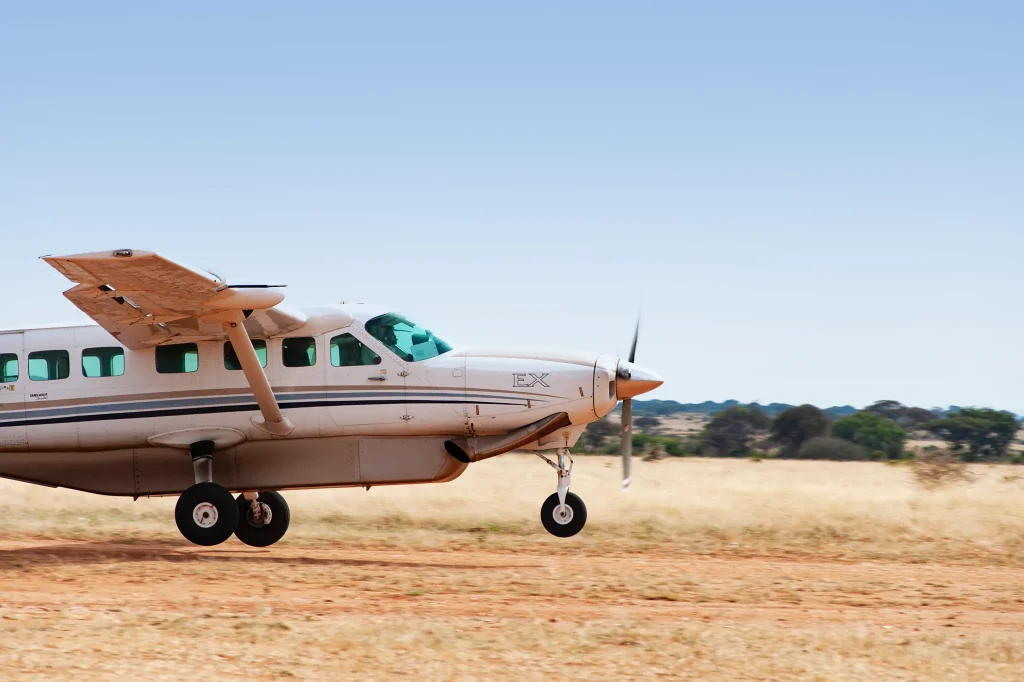
You can reach the Serengeti National Park via Arusha on a small plane. It takes you to one of the airstrips in the Serengeti. 

If you choose road transportation from Arusha to reach Serengeti, it offers spectacular wildlife sightings and scenery along the way. 

When to Go For Serengeti Safari Tours?

Serengeti National Park offers the most spectacular wildlife sightings regardless of the time and season of the year. Most areas of Serengeti Park prove the best platform for wildlife viewing due to migration and season change. 

The warm and dry season is the best time to visit Serengeti Park. The dry season from June to October results in thinner vegetation and limited water sources. It makes wildlife easier to spot. The dry season in Serengeti has few mosquitoes and clear sunny skies. 

In June and July, you can see the Serengeti Wildebeest Migration! During this period, the Grumeti River crossing takes place. August will be the perfect time for you to see Mara River Crossing.

November, April & May are the wet seasons in Serengeti! It is the time when the grassy plains in Serengeti turn lush green due to the short afternoon showers. Planning a Serengeti tour during this period can help you witness the migratory birds from Europe and Asia. You can see the wildebeest calving in January and February!

Do Not Miss Out on Medical Check-Ups and Travel Insurance!

Before starting  Tanzania safari tours, make sure you are in perfect health by consulting a doctor. Make sure to get all the necessary documents ready for your Tanzania Tours.

You can apply for an e-visa for your Tanzania trip. Take care of the essential things, like vaccinations, disease immunisation, a visa, a valid passport, and an approved prescription. It helps you to get the best out of your Serengeti Safari Experience in Tanzania.

Travel Insurance
Travel Insurance

Why Go for Medical Check-Ups?

  • Tanzania is a malaria zone! So, malaria prophylaxis is necessary.
  • Some recommended immunisations are Typhoid, Rabies, Hepatitis A and B, and Tetanus.

Why Tanzania Travel Insurance?

  • The Tanzania Travel insurance covers trip cancellation, crisis departure, and baggage.
  • The cost of Tanzania travel insurance depends on the cost of the safari.
  • Tanzania travel insurance gives you the liberty to get the necessary medical attention during the trip.

How Can You Make the Most of Your Serengeti Safari Tour?

Stay Calm and Enjoy The Safari! Do not rush!

During your Serengeti Safari, stay relaxed and enjoy everything! Sometimes you can come across unexpected wildlife sightings. Have patience and enjoy the safari in the Serengeti! A safari in the Serengeti National Park will never disappoint you! 

Appreciate What You See

Appreciate whatever you come across during a Serengeti Safari! The UNESCO World Heritage Site- Serengeti National Park offers you a rare and unique experience. So, appreciate whatever comes to you during the safari or game drive! 

Know Your Guide

An experienced guide has knowledge and information about the wildlife and the Serengeti. Your guide can give the best insight during the safari in the Serengeti. You will enjoy seeing the incredible wildlife encounters and knowing more about them from your guide.

Wake Up Early

During your safari in the Serengeti, waking up early in the morning can help you enjoy unique experiences. Waking up early in the Serengeti bush allows you to enjoy the morning game drive and watch the scenic sunrise. Being an early bird during your Serengeti Safari helps you encounter once-in-a-lifetime experiences. 

Stay In The Serengeti Sustainable Camps

The best thing to plan a sustainable and responsible Serengeti Safari is by booking camps or lodges for accommodation. Sustainable camps or lodges offer you comfort in an environmentally friendly way during your safari stay. 

Serengeti Sustainable Camps

Eco-Friendly Accommodation for Serengeti Safari

Going on a safari creates the best impact on the community and wildlife conservation in Tanzania. 

Booking Tanzania Accommodation at eco-friendly lodges or camps in Serengeti helps create jobs for local community members. 

Choosing Eco-friendly accommodation minimises the damage you do when visiting safari locations like Serengeti National Park! The environmentally-friendly camps use eco bathrooms and rely on sustainable energy sources like solar energy. It causes minimal harm and damage to the environment around them.

Eco camps and lodges in Serengeti offer something unique and different from everyday life. It helps the environment and allows tourists to enjoy a comfortable safari stay experience. 

Accommodation for Serengeti

Serengeti Wilderness Camp

The eco-camp is in the heart of the Serengeti National Park. The Serengeti Wilderness Camp offers comfort and unique safari experiences. You can view the beautiful area, relax, and enjoy safari activities like balloon safaris and game viewing. The Serengeti Wilderness Camp offers facilities, delicious food, and hospitable staff.

Serengeti North Wilderness Camp

The eco-camp in the Serengeti National Park utilises solar power. You can enjoy an exciting game viewing and safari experience during your stay at the Serengeti North Wilderness Camp. The eco-camp offers luxury, comfort, and privacy. 

You can get facilities like comfortable beds, wifi, a reference library, and entertainment for children. Serengeti North Wilderness Camp offers the best wildlife sightings, like buffalo and hyenas.

Read what travellers think about a responsible Serengeti safari

Trip of a Lifetime

Wow! What an incredible experience!!! Going on a safari was a bucket list item for me, and my expectations were exceeded! Jackson, our guide, was so nice and accommodating, and really focused on making sure we saw all the animals in their natural habitat! We truly felt like we were inside a National Geographic documentary! Simbo, the owner, was also extremely nice, accommodating, and had a great sense of humour! I would absolutely use African Scenic Safaris again!!

 Debby

Read all reviews 

Things To Follow on A Responsible Serengeti Safari Tour

When visiting the Serengeti bush, consider that you are someone’s home as a visitor. So, show respect to earn respect in return! Follow the correct ways to make your safari more enjoyable and sustainable. It helps the Serengeti National Park environment and its inhabitants.

Serengeti Safari Tour

Here are some Responsible Safari Travel Tips to Follow in Serengeti National Park:

  • Respect the environment and local cultures. Familiarise yourself with the local beliefs, culture, and etiquette. Try learning a few words in the native Swahili language, like hello, thank you, and goodbye! Showing respect to everyone on your safari will help you build a rapport with the people around you.
  • You can find eco-friendly toiletries at lodges or camps during your safari stay. The eco-friendly toiletries are chemical-free and come with biodegradable packaging.  
  • Remember that water supplies are scarce in many Tanzanian destinations. So, please use water carefully! Many camps or lodges in the Serengeti offer branded reusable water bottles during your stay. If you have a bottle from your first camp, keep it with you for the duration of your safari. Turn down the offer of additional bottles to avoid collecting or leaving behind bottles and avoid waste.

Why Plan A Responsible Serengeti Safari?

People fly from around the world to enjoy exciting Serengeti Safari tours! Tanzania National Park- Serengeti welcomes visitors to see diverse wildlife in their unspoiled natural habitats.

Despite the influx of visitors, the Serengeti’s natural wonders and animals continue to exist. It is due to maintaining a sustainable and responsible Tanzania safari tour.

As a visitor or tourist, you must respect the land and minimise your carbon footprint. Disrespecting and polluting the environment can lead to the deterioration of wildlife and natural wonders. 

COVID-19 had a devastating impact on world tourism! Through a sustainable and responsible safari, you have the opportunity to give back. So, consider a safari in the Serengeti with a purpose! 

If you want to plan a responsible Serengeti Safari, contact us today at +255 (0) 784 413 801 | info@africanscenicsafaris.com. We will be glad to help you.

Serengeti Safari
Serengeti Safari

Choose Your Responsible Safari Operator in Tanzania! 

All the above tips will help you to make your dream Serengeti safari true. You should come to the Serengeti once in your life. Believe us, you will come again and again. Serengeti will make you fall in love with its untouched nature and wildlife. You can consider relying on African Scenic Safaris for a responsible Serengeti safari. We know conservation issues and pay attention to the local economy. It helps us to provide you with a tailor-made, reliable safari experience!  

Simbo Natai
Simbo Natai, founder of African Scenic Safaris, crafts sustainable, meaningful Tanzanian journeys rooted in his deep local knowledge and passion.
Director, African Scenic Safaris

Northern Tanzania vs Southern Tanzania – Which Is the Best for Tanzania Safari?

Thinking of an authentic Tanzania Safari but still feeling puzzled between visiting the northern or southern territories? This article will draw a point-to-point comparison of northern and southern Tanzania.

Tanzania has a prestige that is echoed through its rich and diverse wilderness. This prestige attracts tourists across the globe to dive into a life-changing experience. But covering the entire nation within a Tanzania Safari Package seems difficult for sure.

Understanding what northern and southern Tanzania offer in their bowl is better. So that you will choose the better option for yourself. This flora and fauna-rich country is undeniably unforgettable at each stage. However, choosing your destination for a well-planned trip is equally important.

Wildlife in (Northern vs Southern) Tanzania Safari:

Tanzania’s northern region is excellent for wildlife viewing, while the southern region also offers a large number of wildlife experiences. The north circuit is popular for the African Big Five, including Lion, Elephant, Rhino, Buffalo, and Leopard.

But at the same time, you can’t see any rhinos besides Ruaha and Selous Game Reserve. But you get the chance to see all the Big 5 in the northern circuit national parks like Serengeti and Ngorongoro.

In addition, you will see the Great Wildebeest Migration in the Serengeti National Park in northern Tanzania. But you can only see the wildebeests in southern Tanzania, not the migration.

Tanzania Safari
Tanzania Safari

Birdlife in (Northern vs Southern) Tanzania Safari:

More birdlife is seen in the northern safari circuit in Tanzania as compared to the southern region. The northern national parks like Tarangire and Arusha are home to a large number of bird species, around 500 each.

The Lake Manyara National Park also hosts around 450 bird species and is more famous for the pink flamingos.  Serengeti National Park is also a perfect destination for over 500 bird species.

At the same time, southern Tanzania destinations are also considered heaven for different bird species. The Ruaha National Park is home to more than 550 resident and migratory bird species.

The Lake Manyara National Park in northern Tanzania is a popular destination for bird viewing. That’s why the northern region is more popular than the southern region in Tanzania for bird species. 

Tanzania Birding Safari
Birding Safari in Tanzania

Things To Do In (Northern vs Southern) Tanzania Safari:

The northern circuit offers a variety of wildlife activities to attract tourists.

  • Game drives in various national parks.
  • Walking safaris that allowed in some destinations like the Ngorongoro Crater
  • Hot Air Balloon Safari in Serengeti National Park.
  • Canoe ride in Tarangire National Park

In contrast, southern Tanzania offers more wildlife activities. Because the national parks and the private reserves are less restricted as compared to the northern circuit.

  • Also can enjoy the game drives in every national park.
  • Here you enjoy the guided walking safari for close views of wildlife as well as nature.
  • Boat safari can be easily experienced here.
  • Fly camping is also offered in Selous Game Reserve and Ruaha National Park.

Here we see that both northern and southern regions offer amazing wildlife activities for tourists.

Our Opinion on Northern vs Southern Debate

Both Northern Tanzania and the Northern regions of Tanzania have the best wildlife and wilderness. As a responsible travel guide in Tanzania, we highly recommend the Northern Circuit of Tanzania. To learn more about northern Tanzania destinations, click the links below –

But it doesn’t mean that we deny visiting southern Tanzania. If you want to visit Southern Tanzania at your leisure, then you are most welcome to our southern region! You are going to love the absolute untamed wilderness and vast landscapes, where you will hardly find crowds near your car.

North for the Drama, South for the Peace — both Fun and Wild.

With this most discussed debate, we learn many amazing facts about Tanzania’s northern and southern safari regions. We’re clear that the Tanzania safari tour will leave you with unforgettable memories, no matter whether it is northern or southern.

To know more about Tanzania safari destinations and other travel guides, visit our website https://africanscenicsafaris.com/. Our Tanzania travel experts are there to help you 24/7. We offer our tourist guests wonderful Tanzania safari packages at affordable prices. For all bookings and inquiries, contact us – +255 (0) 784 413 801 | info@africanscenicsafaris.com.

Simbo Natai
Simbo Natai, founder of African Scenic Safaris, crafts sustainable, meaningful Tanzanian journeys rooted in his deep local knowledge and passion.
Director, African Scenic Safaris

Make Your Way to Serengeti for A Longer and Remote Stay Experience!

Serengeti Safari in Tanzania has a reputation for hosting the largest herd movement on the planet Earth- Wildebeest Migration! The diverse wildlife and Wildebeest Migration attract travellers to visit Serengeti National Park.

One of the busiest Tanzania National Parks– the Serengeti- welcomes hundreds and thousands of visitors. Are you thinking of enjoying a remote Serengeti safari experience? Can you enjoy a long and remote stay experience in Serengeti National Park? Yes, it is!

You can enjoy an exclusive remote Serengeti experience without sacrificing the Migration and wildlife sighting opportunities. Read this post to find more!

Serengeti Experience

Exclusive Serengeti Safari Experience That Takes You Away from The Crowd!

The high season of the Serengeti National Park is from July to October! The Northern Region of Serengeti Park experiences a high influx of tourists during the peak season. With many mobile and permanent tented camps or lodges, it becomes hard to say that the Serengeti is a remote destination. 

You can still find your remote paradise in Serengeti National Park! Consider exploring the best Serengeti experiences at the Eastern Serengeti, Grumeti Reserve, and Mwiba Wildlife Reserve from November to June. 

It is the best time to come across excellent wildlife sightings and migration viewing opportunities. You can indulge in many exciting activities beyond traditional game drives to make your remote and longer stay worthwhile. 

Exclusive Serengeti Experience

What Are the Best Regions in Serengeti for Remote and Quieter Safaris?

Eastern Serengeti Safari – Enjoy the Best Off-Beaten-Track

The Eastern Serengeti is a beautiful region of the Tanzania National Park. The remote area of the park- Eastern Serengeti- is perfect for adventurous travellers looking to enjoy an off-beaten-track safari experience. 

The Eastern Serengeti region offers year-round wildlife sightings. November to February is the best time to witness the Great Migration. It is the time when the migrating herds move towards the Southern Serengeti. During the green season- December to May, you can see the plains become lush, which attracts game. The Eastern Serengeti is home to the dense cheetah concentration.

Visiting the famous landmark in the Eastern Serengeti- Gol Kopjes is the area known for leopard, cheetah, and lion sightings. Spotting cheetahs is the best highlight of the Eastern Serengeti. The Gol Kopjes is a Japanese rock garden having granite rock formations.

During the rainy season, January to June, the Gol Kopjes offer some of the best game viewing opportunities in Serengeti. You can see the Great Migration passing through the area.  

Eastern Serengeti is a year-round safari destination! If you are chasing the Great Migration, consider visiting the Eastern Serengeti from April to June or November to January. 

Highlights

  • Experience Remote wilderness.
  • Little tourist influx.
  • Find the highest cheetah concentrations
  • Awe-inspiring for game viewing.
  • The stunning landscape of 3,200 square miles.
  • Dense wildlife concentration includes cheetah, zebra, wildebeest, lion, hyena, African wild dog, and giraffe.

Mwiba Wildlife Reserve – A Privately Managed Wildlife Reserve

Mwiba Wildlife Reserve in the Serengeti National Park offers exclusive footage of the Great Migration calving season. After the short rains in November, the migrating herds move to the southern Serengeti. The short grasses in the Southern Serengeti are best for the newborn. January to February is the calving season and the best time to visit the reserve.

You may find many camps and lodges in Southern Serengeti from December to March. Mwiba Wildlife Reserve is for the guests staying at its lodge or camp. 

Guests can access the Mwiba Reserve and an exclusive concession near the Ngorongoro Conservation Area.

Compared to other game-viewing areas in the Southern Serengeti, Mwiba Reserve has a greater diversity of wildlife. At the Mwiba Private Wildlife Reserve, guests can drive off-road!

Highlights

  • A privately managed reserve located close to the southern area of the Serengeti. 
  • Fifty thousand hectares of remote wilderness.
  • Find a healthy wildlife population like an elephant, giraffe, buffalo, eland, giraffe, kudu, and predators.
  • Host the Great Migration Calving season in the Serengeti ecosystem.

Grumeti Reserve- Best-Kept Secret Of Serengeti Safari

The Grumeti Reserve in the north of the Serengeti Western Corridor is one of the exclusive reserves in Tanzania. It is a beautiful, private wildlife reserve and a remote corner of Serengeti National Park.

If you are looking for the best-kept secret of remoteness in the Serengeti, consider the Grumeti Reserve. You can enjoy an amazing and intimate game-viewing opportunity. Grumeti Reserve allows you to enjoy a private Serengeti safari experience.

The Grumeti River offers exceptional game viewing. The private reserve boasts of the black rhino- a critically endangered species.

Only the guests at one of the properties can watch the Grumeti River Crossing. The river crossing by the migrating herds is one of the best parts of the Wildebeest Migration. The Grumeti River Crossing takes place from May to early July.

When the Great Wildebeest Migration is here from May to early July, guests staying at one of the properties can watch as the great herds of wildebeests cross the Grumeti River.

It is worth visiting when the Serengeti migration moves northwards from the Seronera. The Migrating herds face the fatal challenge of jumping across the crocodile-infested Grumeti River.

Highlights

  • The 140,000 hectares of the Grumeti ecosystem are home to many predators and herbivores.
  • The Grumeti game reserve was created in 1994 by the Tanzanian government to preserve its migration route.
  • A popular destination for witnessing Grumeti River crossings by the migratory herds.
  • Find the best bird species at the Grumeti Reserve, like raptors, waterbirds, songbirds, and owls.

Top Accommodations for A Remote and Longer Serengeti Safari Stay

Accommodations in the Eastern Serengeti

Lemala Nanyuki

Lemala Nanyukie camp has fifteen luxury tents above the ground on the foundation of a wooden platform. The tent’s spacious interiors have a lounge area, private plunge pool, bathtub, and indoor or outdoor showers. You can enjoy pre-dinner drinks around the Lemala Nanyukie camp’s cosy fire pit.

The camp activities include day game drives, a walking safari with a Maasai guide, and a hot air balloon safari.

  • Picturesque location near the Seronera area that has the best big cat populations.
  • Beautiful camp with Serengeti views.
  • Spacious tented suites with outdoor lounges and private plunge pools.
  • Enjoy candlelit dinners at multiple dining locations.
  • April – June, and November- January: best to stay at the camp for the Wildebeest Migration.
  • Hot-air balloon rides to see the herds.

Namiri Plains

You can see plenty of big cats at the Namiri Plains camp. Namiri, in the Swahili language, means Big Cat! Namiri Plains camp features ten large tents with swimming pools, indoor showers, a spa, and outdoor bathtubs. The common area of the Namiri Plains camp has a cheetah-themed décor.

You can enjoy the camp activities in the concession area of the Namiri Plains. It allows the guests to enjoy safari activities like walking safaris in the camp concession area.

  • Reliable predator sightings, like spotting lions and cheetahs.
  • Remote stay in pristine wilderness.
  • Large decks that offer plenty of wildlife sightings.
  • Enjoy bush breakfasts and sundowner drinks.

Accommodations in the Mwiba Wildlife Reserve:

Mwiba Lodge

The luxury lodge, Mwiba, has only eight tented suites. Each tented suite overlooks a rocky gorge. The airy, spacious Mwiba Lodge tents have floor-to-ceiling windows and spacious bathrooms with copper accents. You can access the Mwiba Lodge’s full-service spa, expansive lounge, and infinity pool.

Guests staying at Mwiba Lodge can go on night game drives in the wildlife reserve. Night game drives in Mwiba Wildlife Reserve are the best opportunity to see unique nocturnal wildlife! Other lodge activities include walking safaris, day game drives, visits to the Hadzabe Bushmen, and fly camping. The Mwiba Lodge is the best for enjoying a stay with a remote experience during your Serengeti safari.

  • Unique cultural expeditions
  • Picturesque views from the lodge
  • A wide variety of activities, like day and night game drives
  • Enjoy the Jacuzzi overlooking the natural springs

Mila Tented Camp

Mila Tented Camp allows you to stay in a classic East African accommodation. The camp comprises five tented rooms and a family tent (with two bedrooms).

Each tent of the Mila Camp overlooks the wildlife and waterhole areas. A stay at the Mila Tented Camp in the Mwiba Wildlife Reserve helps you to enjoy excellent game viewing.

  • Authentic Tanzania bush experience.
  • Enjoy a private safari in the untouched wilderness.
  • The best opportunity for wildlife viewing.
  • Private dining for two.
  • Cultural visits and walking safaris.
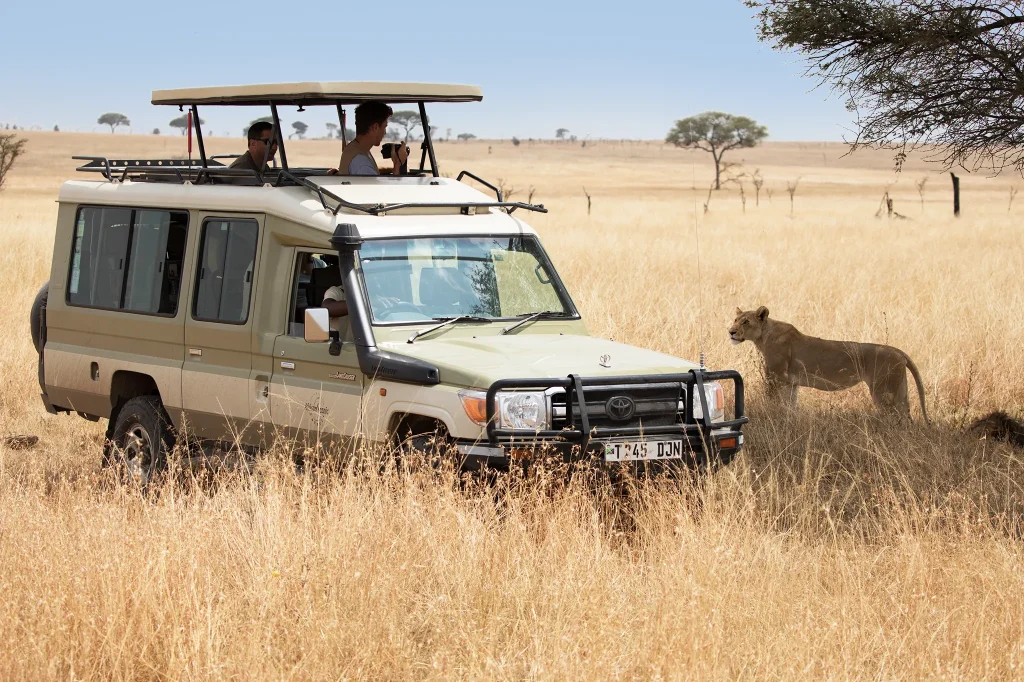
Songa Migrational Camp

From July to October, the Legendary Songa Migrational Camp is in the Northern Serengeti. The Legendary Songa Migrational Camp moves to Mwiba Wildlife Reserve from December to March. It’s the only mobile camp in the entire Southern Serengeti area!

The Legendary Songa Migrational Camp has two parts. Each part has nine luxury tents.

You will enjoy your stay in one of the most comfortable stays at the migratory camp- Legendary Songa. Enjoy walking safaris, game drives, and the Datoga tribe visit during your stay.

  • Authentic luxurious mobile camp experience.
  • Guaranteed Wildebeest Migration sightings.
  • Option to book the family tent area for private camping.
  • Breakfast and lunch in secure settings in the wilderness.
  • Access to exclusive safari vehicles and guides
  • Walking safaris and night game drives

Accommodations in the Grumeti Reserve:

Singita Sasakwa Lodge

The Singita Sasakwa Lodge sits atop a hill and has an exceptional view of the Serengeti plains. The lodge comprises ten luxury air-conditioning cottages, a heated infinity plunge pool, and a lounge with a fireplace.

During your stay in the Singita Sasakwa Lodge, you get access to the spa, gym, and two tennis courts. The Sasakwa lodge activities include day/night game drives, walking safaris, and a visit to the anti-poaching unit.

  • Excellent Great Migration sightings.
  • Year-round opportunity to spot the Big 5.
  • Go for a guided walking safari.
  • Internet connectivity and butler service
  • Babysitting service and Children’s entertainment.
  • Plunge pools in private cottages.

Singita Sabora Tented Camp

The Singita Sabora Tented Camp in the Grumeti Reserve is an integral part of the Serengeti ecosystem. Guests at the Singita Sabora Tented Camp can enjoy an exceptional wildlife-viewing experience.

The elegance of Sabora Tented Camp can make your stay memorable with a remote and private experience. You can add comforts to your Serengeti safari with a spa treatment and other luxurious amenities at the Sabora Tented Camp.

  • Experience an unrivalled wilderness.
  • Personalised suites
  • Private decks
  • Open-air bush banquets
  • Best wildebeest migration sightings during July
  • Fully inclusive remote safari experience
  • Hot-air balloon safaris

Singita Faru Faru Lodge

The Singita Faru Faru Lodge allows you to experience the Serengeti Migration far away from the crowds. Guests are guaranteed exceptional game-viewing experiences and can indulge in pampering themselves at the camp. The Singita Faru Faru Lodge has seven-bedroom suites, one villa suite, and one family suite. The Singita Faru Faru Lodge suites are air-conditioned and have a private deck.

  • A family-friendly luxury lodge in the unspoiled northern Serengeti wilderness.
  • A wide range of camp activities like archery and game drives
  • Guided walks
  • Five-star amenities like a spa and infinity pool
  • Dedicated children’s programs

How To Avoid the Crowds on A Serengeti Safari?

The Serengeti National Park in Tanzania has the world’s largest wildlife concentration. The Tanzania National Park set the stage for an annual Great Wildebeest Migration.

Do you want to avoid the masses and enjoy an intimate Serengeti National Park safari experience? If you want to enjoy Serengeti safari tours away from the crowds, there are a few things to consider for a remote experience.

How About a Safari Bubble? The Safe Way to Enjoy a Private Serengeti Safari

If you desire to travel safely in the Serengeti away from the crowds, consider safari bubbles without the crowds as paramount.

  • A safari bubble is a close group that comprises family members, couples, or friends.
  • In your safari bubble, you can share a private vehicle, dine together, and avoid large crowds.
  • A safari bubble is perfect for Serengeti safari tours in the peak season.

Never Allow the Rains to Drain Your Dream!

The short rains from October to December are the most rewarding times to go on the Serengeti safari. You can enjoy a memorable game-viewing experience during this time of the year.

The endless plains of Serengeti National Park ensure the presence of an elephant, buffalo, giraffe, and plenty of other resident games. The African wild dog, cheetah, lion, and leopards are ruling the Serengeti plains.

  • As safari-goers, you can enjoy game-viewing opportunities peacefully in the Serengeti wilderness without competing with other safari vehicles.
  • The Serengeti is quieter during the long rains from March to May.
  • A few tourists visit the Serengeti during the wet season. It ensures less crowded Serengeti areas around prime sightings.
  • You can make the most of your safari during the wet season in the Serengeti.

Consider Safari Accommodation in Private Reserves

You can avoid the crowds and experience the best of the Serengeti by selecting accommodation in private reserves.

  • Private game reserves in Serengeti allow you to experience the best of both worlds.
  • A stay at the private reserve accommodation helps you enjoy activities like an off-road intimate game, guided bush walks, and night drives.
  • You can get access to Great Migration hotspots in the Serengeti National Park.
  • Staying at an exclusive private wildlife reserve provides a remote and authentic Serengeti safari experience.
  • You can enjoy iconic Serengeti wildlife from close and in private without being surrounded by the crowd.

An experienced safari operator has the knowledge to assist and guide travellers to enjoy a more intimate, quieter Serengeti safari. As safari experts in Tanzania, we have in-depth knowledge of the logistical details, an understanding of the seasons, and the best travel times.

You can contact us for an exclusive tailor-made safari experience. Here are our contact details-

Tell +255 (0) 784413801

info@africanscenicsafaris.com

Explore The Bliss of Nature In Serengeti

A remote safari experience in Serengeti National Park means exclusive game viewing. Far from the crowd, find the bliss of nature!  Serengeti is made for exclusiveness. Come and unfold the best surprise it has kept for you.

Simbo Natai
Simbo Natai, founder of African Scenic Safaris, crafts sustainable, meaningful Tanzanian journeys rooted in his deep local knowledge and passion.
Director, African Scenic Safaris
×