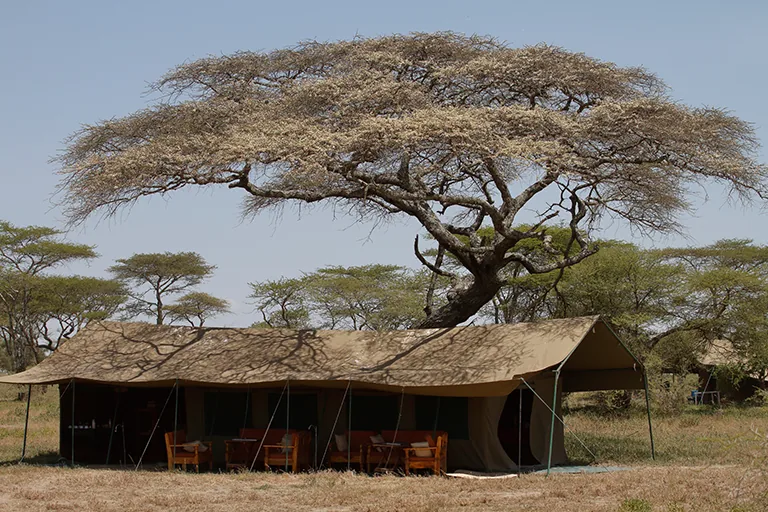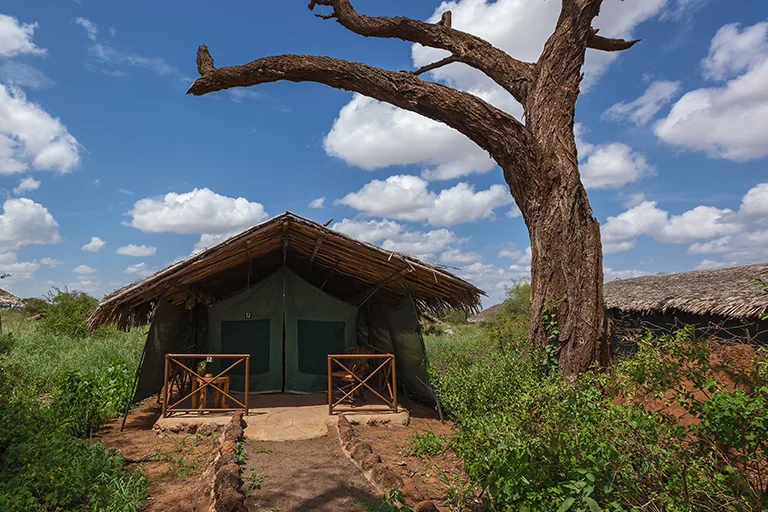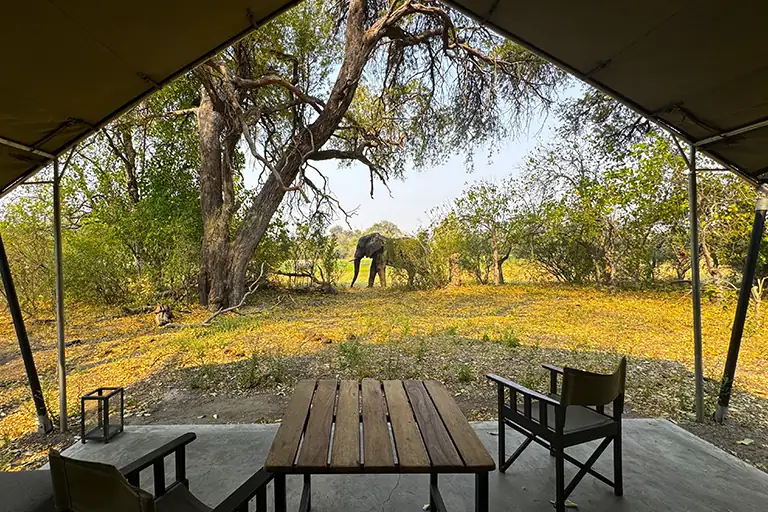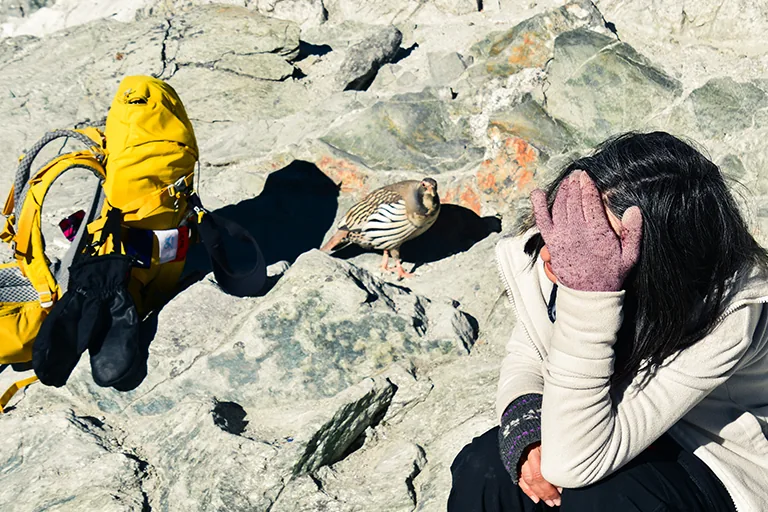
Top 10 Tanzania Tour Operators for Ethical Wildlife Safaris (2026 Guide)

When you book your Tanzania Safari, you’re not just buying a trip; you’re making a big choice. This is because money spent on the trip can either support conservation efforts or enable harmful practices. Luckily, Ethical Wildlife Safaris Tanzania has become a key consideration for travelers. Therefore,  for that case, choosing the Best Tanzania Tour Operator 2026 is important. This’ll ensure ethical travel is fulfilled.

Ethical travel comes with several clear rules. First, we need responsible wildlife viewing. This means we watch animals quietly. Next, the Tanzania National Park Authority regulations must be followed. This shows respect. Furthermore, good companies ensure fair treatment of staff and porters. They are vital to your tour. Moreover, ethical safaris mean community involvement. 

Please note that not all tour operators keep these promises. Thus, identifying genuine ethical partners among Tanzanian tour operators requires effort. Therefore, this guide will show you the Top 10 Tanzania Tour Operators with real evidence of ethical practices. We ranked them by action and record. 

Thus, if you’re planning Tanzania Safari Tours for 2026 or in the future, this list will help you choose the best operator.

Ranking Criteria

We checked every Tanzania Tour Operator using the same scorecard. We’ve looked for action, not just nice words.

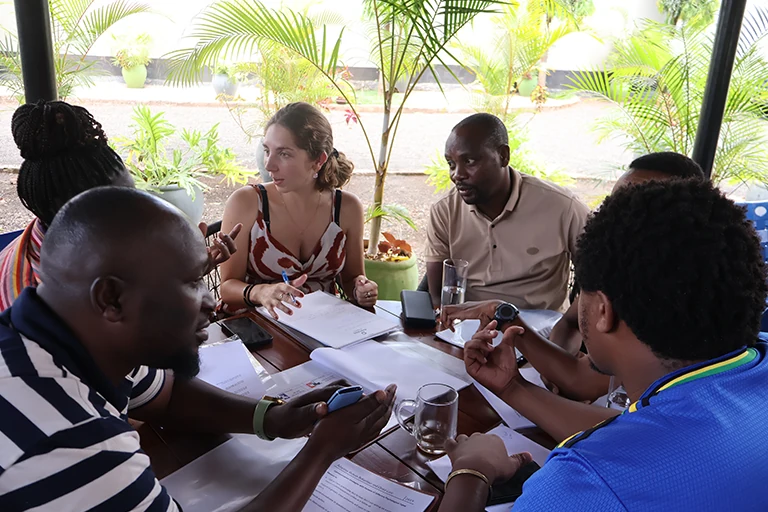
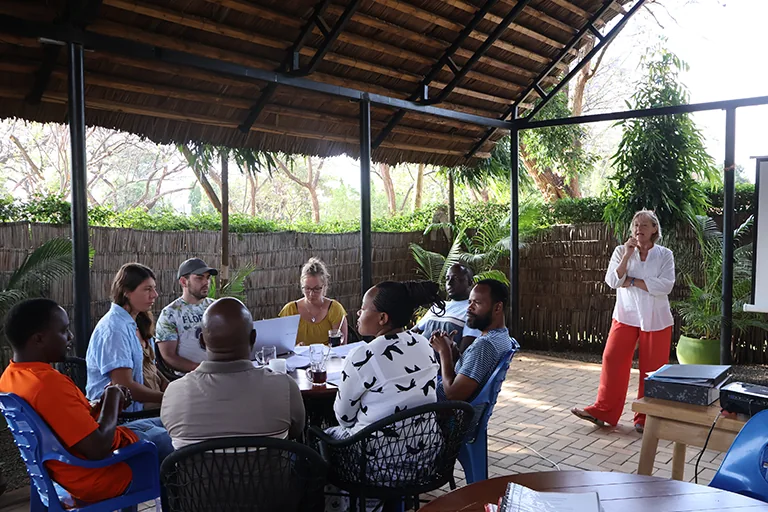
Tanzania Tour Operator
Tanzania Tour Operators

We used the following criteria:

  • Wildlife viewing ethics and park conduct: Do guides watch animals kindly? Do they stay on the road?
  • Commitment to responsible tourism practices: This means low waste. Are they cutting pollution? Are they cutting plastics? Small actions help a lot.
  • Treatment of staff, guides, and porters: Fair pay and good gear for the local team are musts. 
  • Community engagement or local employment: Does the company hire locally? Also, do they invest profits back into villages?
  • Transparency and industry recognition: Do they share their plans openly? Have they earned trusted quality stamps?
  • Long-term presence in Tanzania tourism: Operators with a long history generally know the land better. Therefore, consistency shows true dedication.

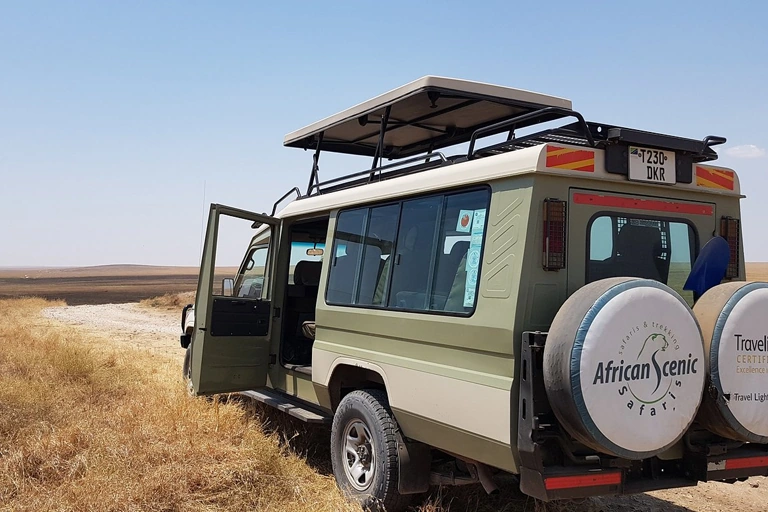
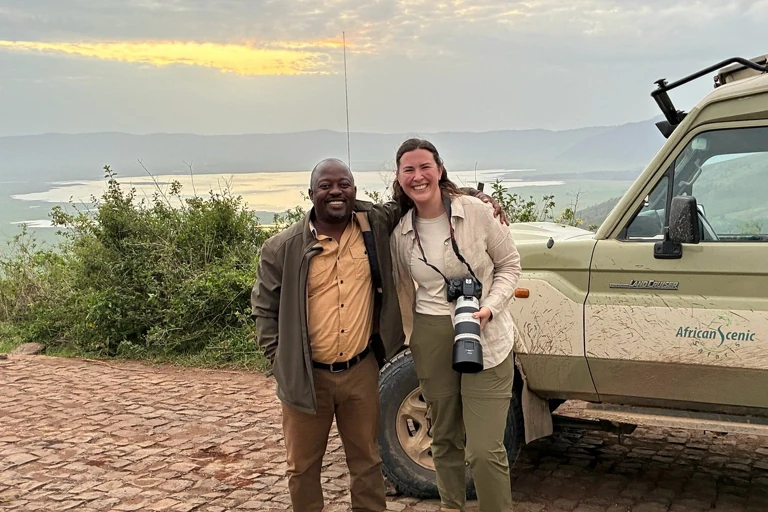
1 – African Scenic Safaris

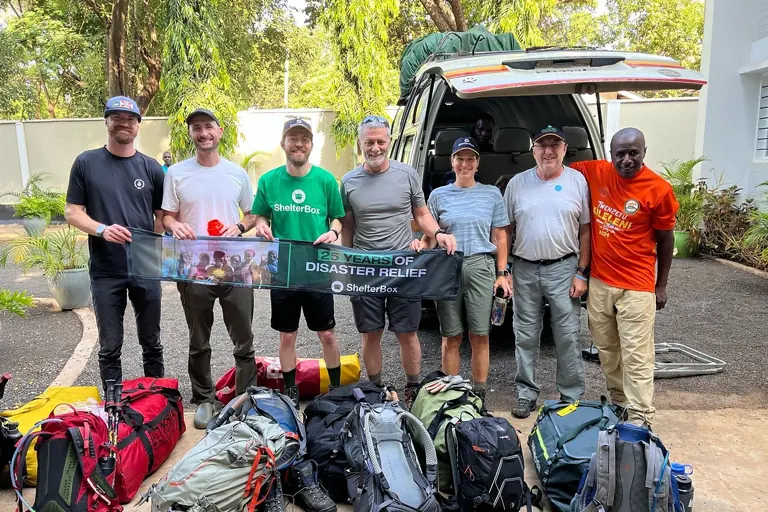
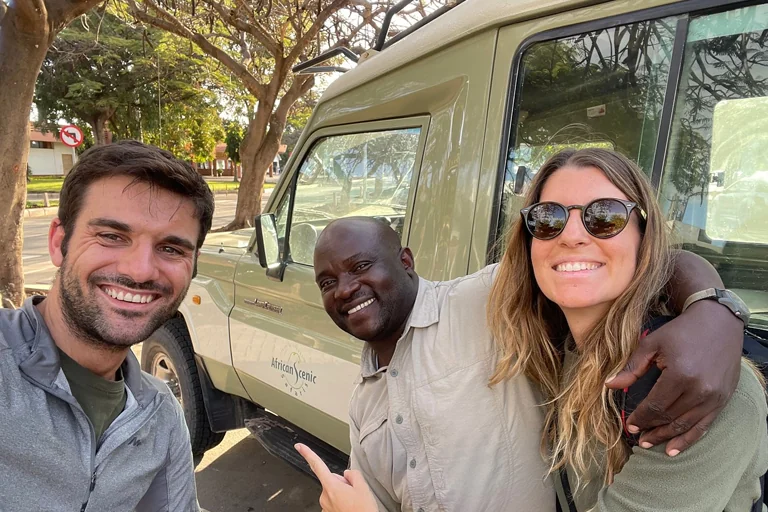
When we review the Top 10 Tanzania Tour Operators, African Scenic Safaris ranks at the top. We deeply commit to honest ethics. In short, we set the standard for Ethical Wildlife Safaris Tanzania.
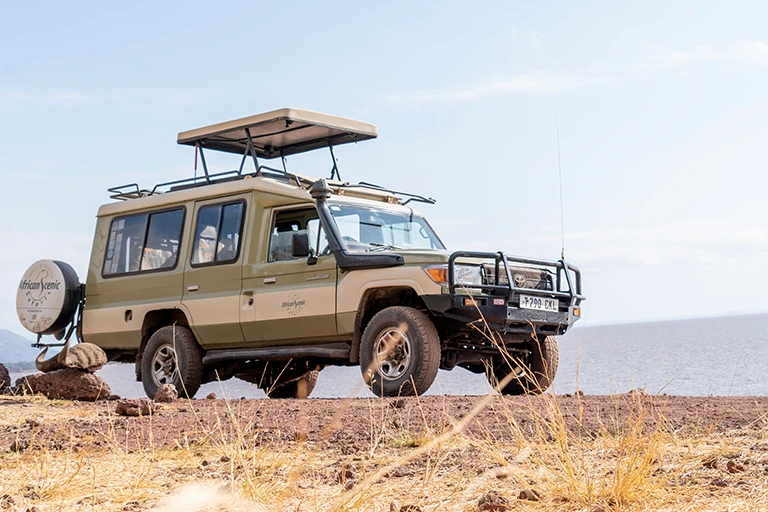
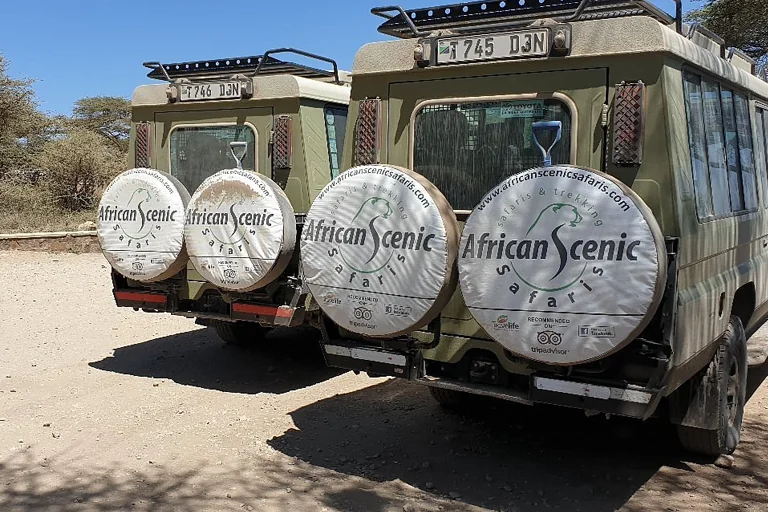
African Scenic Safaris

Company Background

This leading Tanzania tour operator was founded in 2009. Moreover, Tanzanian people founded it and still run it today. Consequently, local voices lead decisions, keeping Tanzania’s needs at the forefront. Additionally, over 95% of our staff are Tanzanian citizens. We focus only on Tanzania Safari Tours and Kilimanjaro trips.

Ethical Strengths to Highlight

Our ethics show in official proof. For example, we earned the Travelife Certificate in 2023. Then, we renewed it in 2025. We also follow KPAP rules, which protect porters. To fight pollution, we partner with Carbon Tanzania. We’ve already offset 117 tonnes of CO₂. This is very impressive.

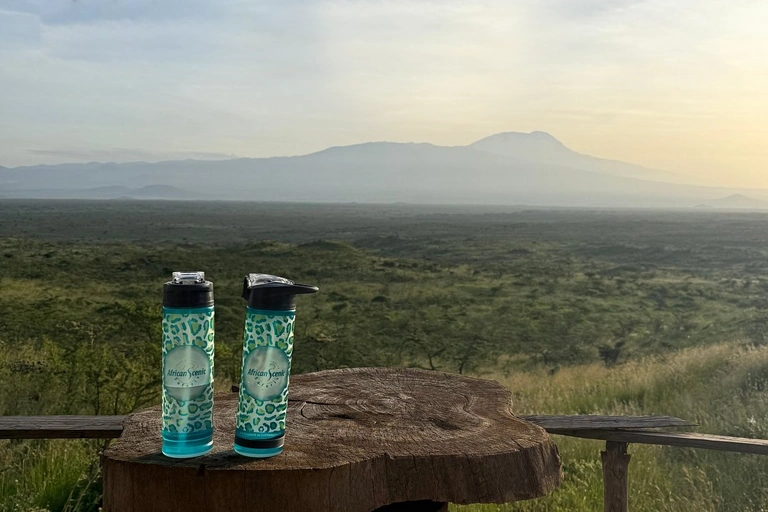
Furthermore, we have completely stopped using disposable plastic bottles for guests. This greatly helps to cut waste. With respect to that, our guides ensure responsible wildlife viewing and always teach respect for animals.

Community & Responsibility

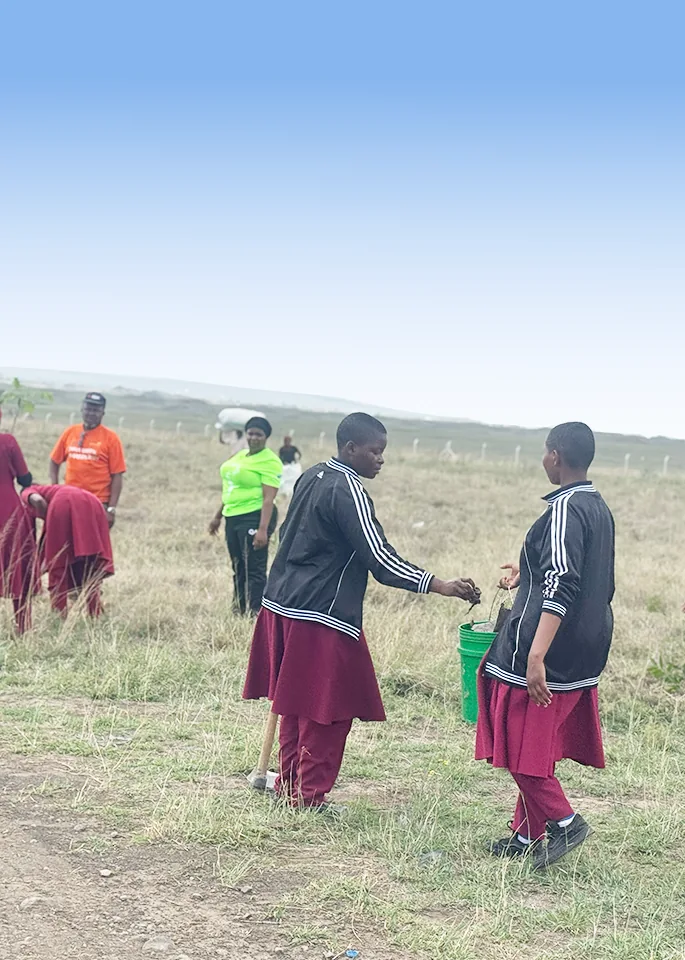
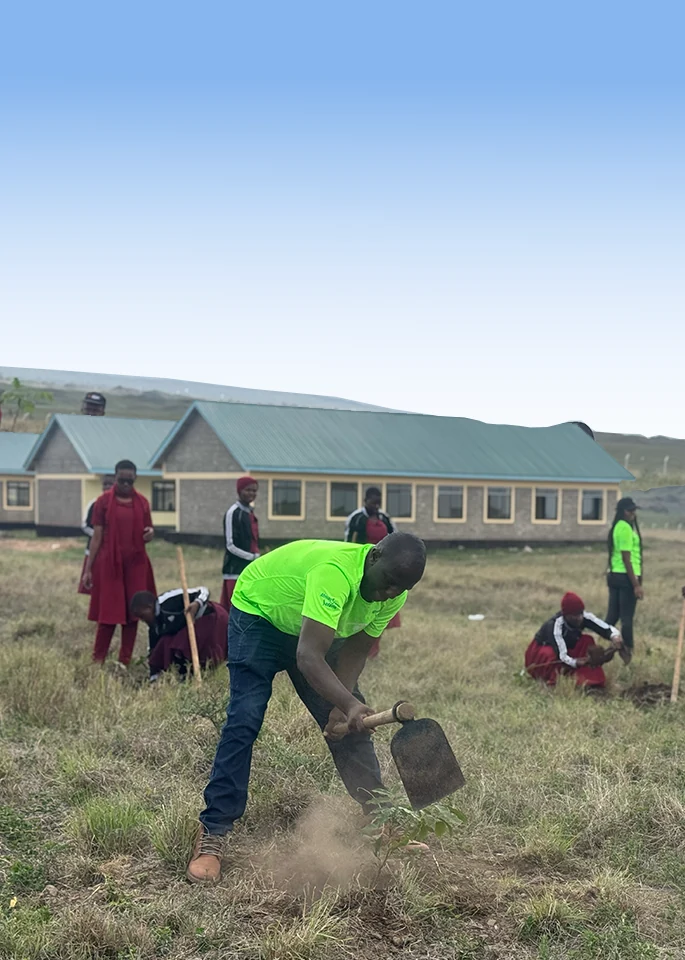
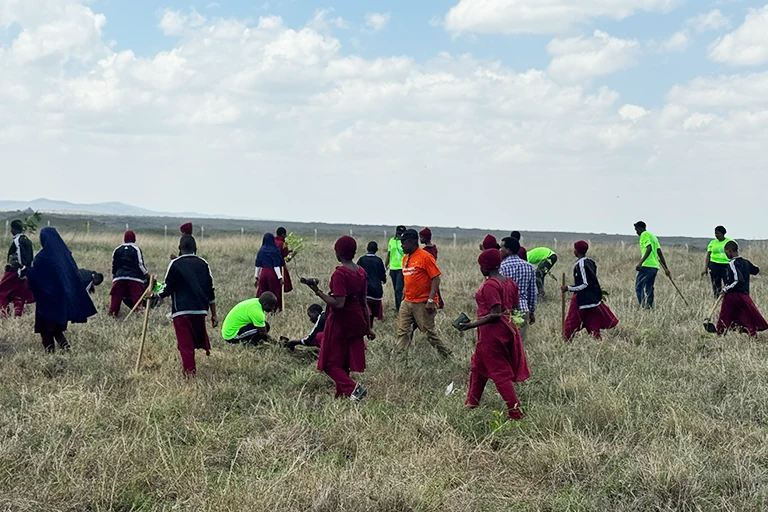
African Scenic Safaris cares for people, too. For example, we plant trees near schools around Kilimanjaro. This helps the area and supports learning. We also focus on a range of health projects. In addition, we launched the Twenzetu Kileleni campaign to increase participation in conservation among Tanzanians. 

2 – Altezza Travel

Next, we list Altezza Travel. They are another strong choice among the Top 10 Tanzania Tour Operators. People say their trips run very smoothly. Altezza is based in Tanzania and offers safaris and climbs. Because logistics are organized, your travel stays calm. Hence, choosing their Tanzania Safaris means you benefit from great planning.
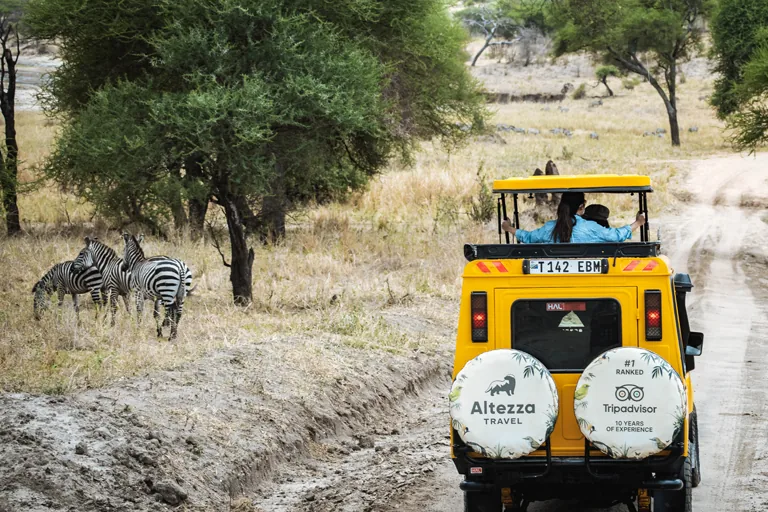
Altezza Travel
Altezza Travel

Ethical Wildlife Safari Practices

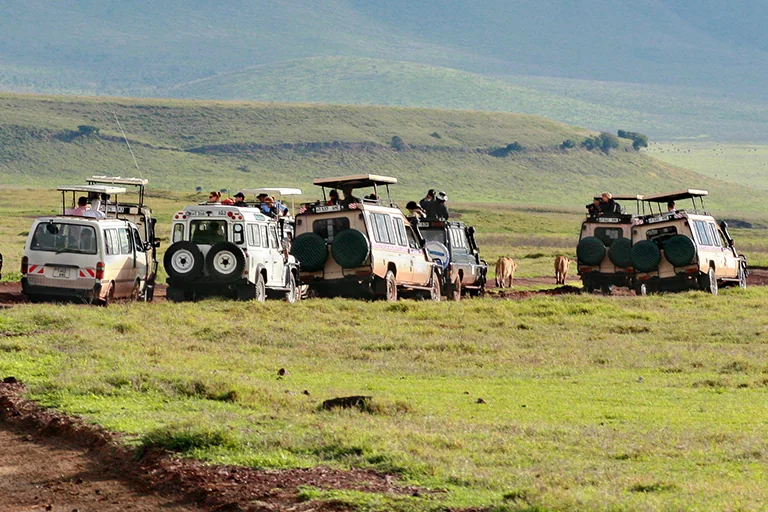
They keenly focus on ethical game drives. Drivers must follow all park speed limits. This keeps wildlife safe. Also, they keep vehicles at appropriate distances so animals remain undisturbed.

Responsibility Indicators

Altezza invests in training all its guides. Guides know safety and ethics equally well. Because their systems are strong, they can enforce rules that truly protect wildlife.

3 – Makasa Safaris

Makasa Safaris is a local Tanzanian Safari Company. Their main focus stays on the northern circuit parks. This business keeps its operations focused, primarily handling trips to the Serengeti and Ngorongoro. They aim to give authentic nature experiences.
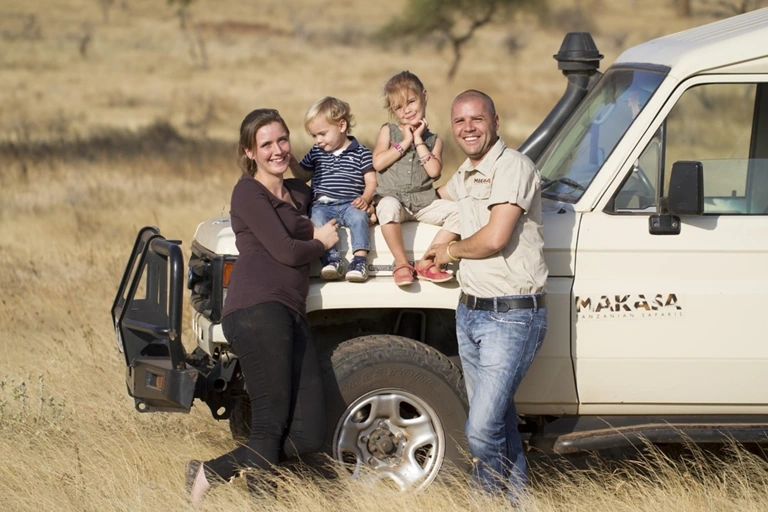
Makasa Safaris
Makasa Safaris

Ethical Wildlife Safari Practices

Makasa strictly insists on respectful viewing. They forbid chasing animals or driving off-road. Instead, they always plan low-impact game drives.

Responsibility Indicators

Before a safari begins, guests receive clear ethical briefings. They also hire local drivers and guides. This helps the local economy directly. Furthermore, they aim to include community activities in Tanzania Safari Packages

4 – Gosheni Safaris

Gosheni Safaris covers a large area. They offer tours in the Serengeti, Ngorongoro Crater, and Tarangire National Park. Also, they have grown strongly across Tanzania’s key wildlife spots. They manage varied routes well.
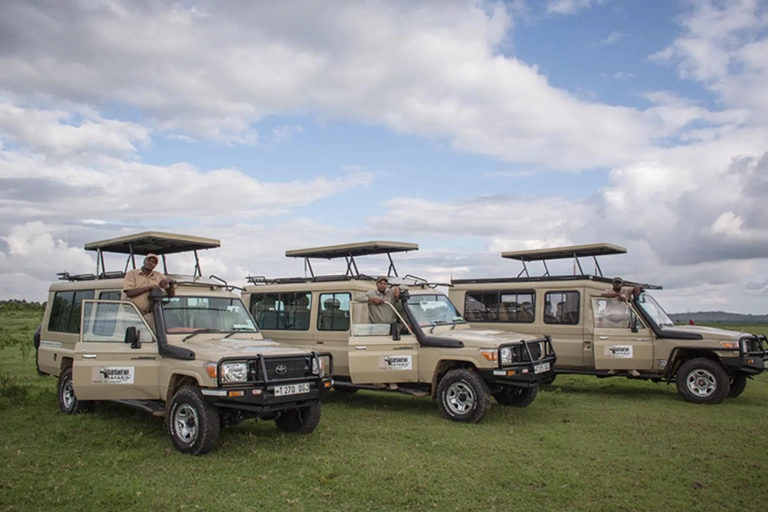
Gosheni Safaris
Gosheni Safaris

Ethical Wildlife Safari Practices

Following all park rules is a core part of the job. You should expect good driver actions; they wait patiently. They often plan drives around wildlife needs, sometimes changing times to skip crowds.

Responsibility Indicators

Gosheni actively includes the local workforce in its plans. They use professional guide systems. Your guide is likely well-trained and ethical. Their plans consistently demonstrate sound thinking, guided by Tanzania Responsible Tourism.

5 – Easy Travel

Easy Travel is an older company. Thus, they bring extensive expertise to travelers seeking reliable Tanzania Safaris. Easy Travel has offered Safaris in Tanzania for many years. This history means they use proven, reliable methods.
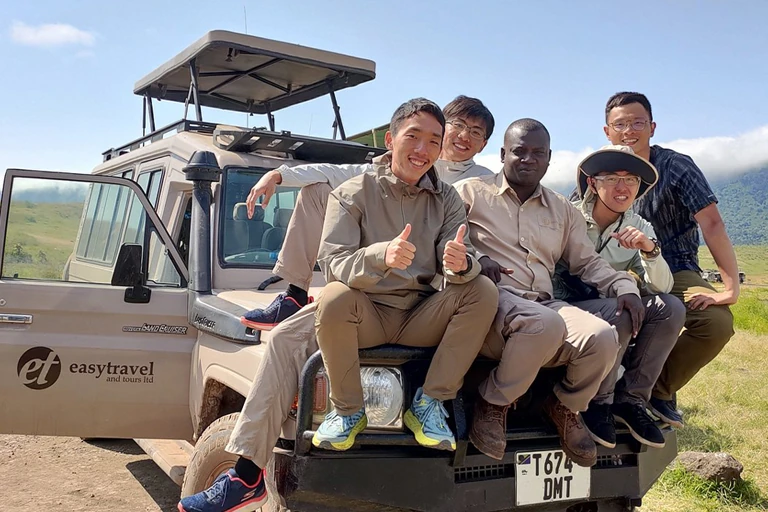
Easy Travel
Easy Travel

Ethical Wildlife Safari Practices

They maintain professional conduct during drives. This sets a good example. Most importantly, they strictly follow all park access rules. They also coach guests on respectful photo-taking.

Responsibility Indicators

They fund formal guide training on safety and ethics. Their vehicles remain well-maintained, ensuring reliable service. This consistency helps them maintain high ethical standards every year.

6 – Bright African Safaris

Bright African Safaris focuses on private trips for smaller groups. This Tanzania tour operator prefers a personal travel style. They usually help guests plan private Tanzania Tailormade Safaris.
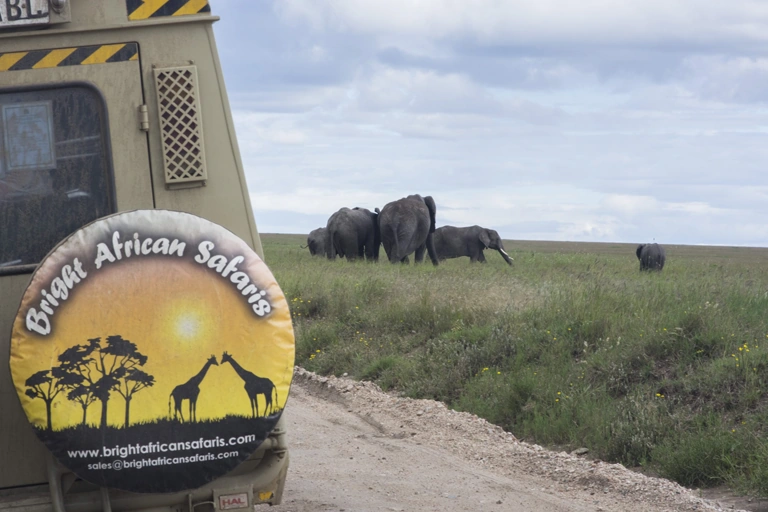
Bright African Safaris

Ethical Wildlife Safari Practices

Small groups naturally have less impact on the land. This is good for nature. They show deep respect for animal behavior in their homes. Their main goal is to view wildlife without causing disturbance.

Responsibility Indicators

They ensure they hire local guides. This supports local incomes. Their private tours often include chances to connect with local communities. Plus, they clearly explain the responsible travel rules up front.

7 – Suricata Safaris

Suricata Safaris expert guiding is the core of their Safari in Tanzania, Africa. They’re known for great guided trips. 
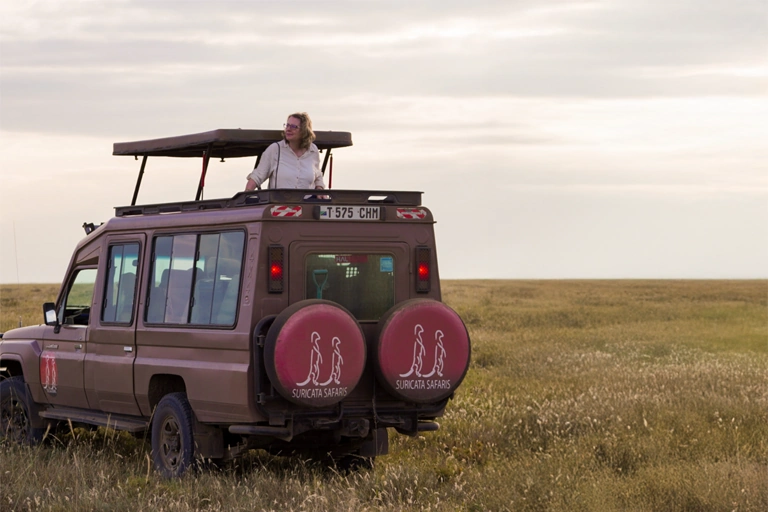
Suricata Safaris
Suricata Safaris

Ethical Wildlife Safari Practices

Their style emphasizes low-impact safari practices. Guides train to respect animal movement. They move vehicles carefully. Proper placement is key to not blocking an animal’s way.

Responsibility Indicators

They actively support steady local jobs. They teach clear ethical standards that all employees follow. In short, their operations aim to be thoughtful under Sustainable Tourism Tanzania

8 – Nomad Tanzania

If nature protection is your main goal, Nomad Tanzania’s work strongly reflects those beliefs. Nomad is famous for its conservation-oriented mindset in everything they do.
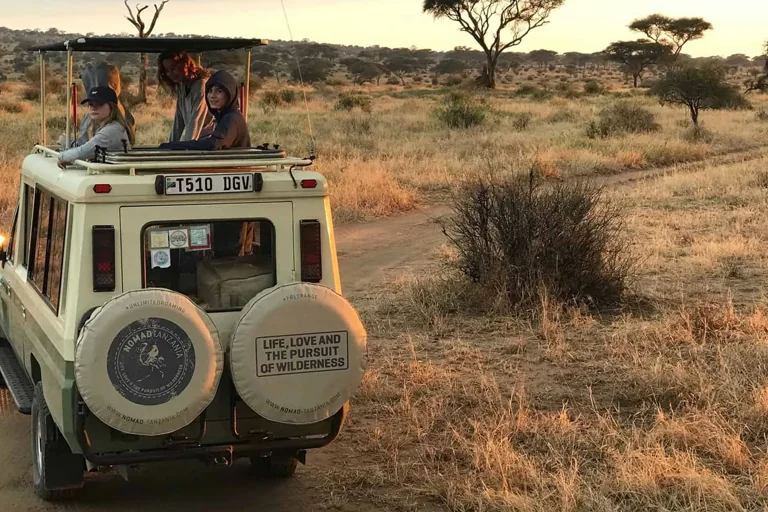
Nomad Tanzania
Nomad Tanzania

Ethical Wildlife Safari Practices

They prefer safari camps that blend into nature. This is good for the environment. Their whole process puts wildlife first. Day plans change based on animal movement. They also use their platform to share vital conservation ideas.

Responsibility Indicators

Nomad has a long history inside protected zones. They directly support many real conservation projects. Furthermore, they push for better Sustainable Tourism Tanzania practices across the country.

9 – African Wildcat Expeditions

African Wildcat Expeditions is another strong, local Tanzania tour operator. They offer great wildlife trips. This company is truly based in Tanzania. They use their skills to give excellent wildlife journeys.
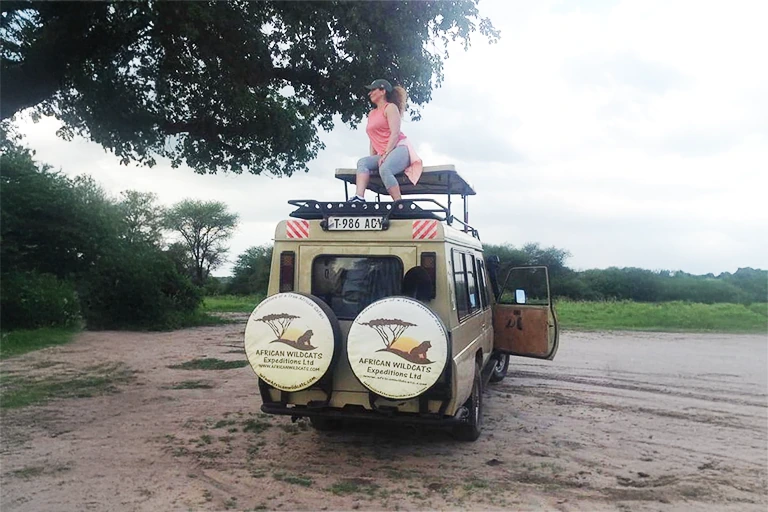
African Wildcat Expeditions

Ethical Wildlife Safari Practices

They keep strict rules for game drives. They ensure guides always act professionally. Following park rules is a must. They ensure animal viewing remains ethical at all times.

Responsibility Indicators

Hiring local staff is a main way they operate. Through tourism, they actively help community projects. They work hard to keep all safari operations responsible, especially for Tanzania Tailormade Safaris.

10 – Leopard Tours

Leopard Tours is established. Thus, they bring extensive expertise to travelers evaluating the Top 10 Tanzania Tour Operators. With decades in travel, they have adapted well to new needs. This includes clear pricing for the Tanzania Safari Cost.
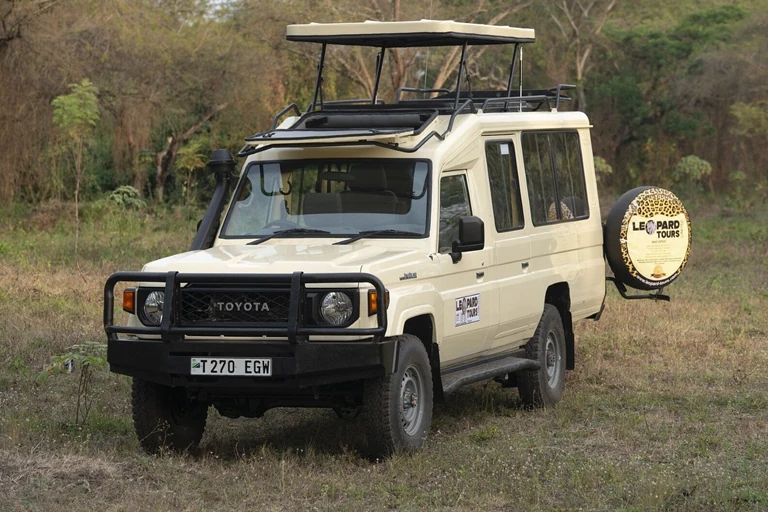
Leopard Tours
Leopard Tours

Ethical Wildlife Safari Practices

They make sure guides explain sightings thoughtfully. They don’t just point things out fast. Also, they constantly check that conservation rules are followed across all Tanzania Safari Tours.

Responsibility Indicators

They keep paying for guide training. Thus, ethics and safety knowledge stay fresh. Their operations are stable. This helps them reliably follow all park rules during Safari in Tanzania Africa.

Making a Positive Impact with Your Travel Choice.

As we have seen, good ethical wildlife safaris depend on picking the right, responsible Tanzania Tour Operators. Choosing any of the companies listed helps improve Tanzania’s tourism.

Responsible Tourism Tanzania

However, for 2026 travelers wanting proven ethics, African Scenic Safaris truly stands out. Their work is proven by certifications and carbon offsetting efforts.  They also have local accountability, long-term consistency, and public sustainability.

Lastly, when you plan your next trip, pick a partner whose beliefs match yours. Think about saving animals. Also, think about lifting local people.

Simbo Natai
Simbo Natai, founder of African Scenic Safaris, crafts sustainable, meaningful Tanzanian journeys rooted in his deep local knowledge and passion.
Director, African Scenic Safaris

How a Tanzania Tour Operator Prepares Between Safaris Inside The Low Season

Tanzania safaris definitely have busy times and slow times. Most travellers see only the sunny, busy months of peak tourism. You’ll see many safari vehicles then, with all the hustle and bustle around. But what really happens inside a Tanzania Tour Operators office when the bookings slow down due to the rains?  If this question intrigues you, then let’s proceed. 

The low season happens mainly from March through May. Sometimes, November can also see slower visitor numbers. During this period, heavy rains alter the landscape. They also affect road conditions and where wildlife wanders. Just because fewer guests are coming for Tanzania Safaris, though, doesn’t mean the work inside the safari company stops. Not at all.

This article will examine in depth how the African Scenic Safaris team, the leading Tanzania Tour Operator, handles the quiet months. We’ll use real insights from our safari and mountain teams to show you the truth.

Understanding Low Season from a Tanzania Tour Operator’s Perspective

Operationally, the low season changes everything for Safari Operations Tanzania. On the other hand, rainfall significantly impacts how we work. 

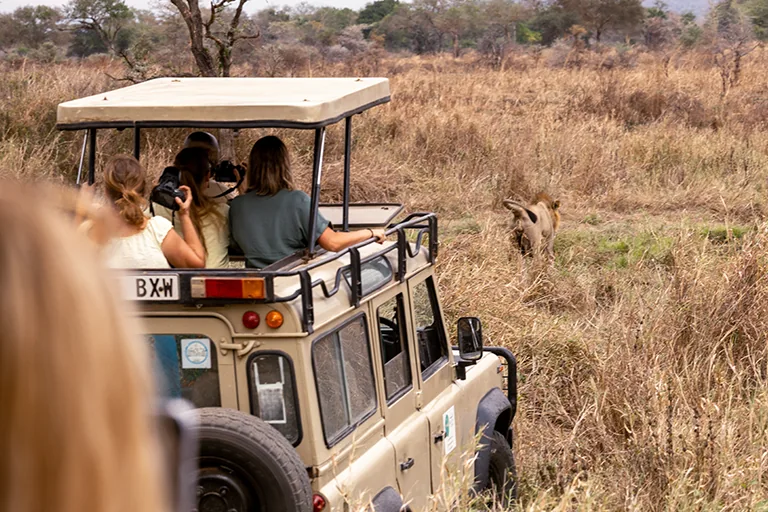
Tanzania Safari
Tanzania Safari
  • Heavy rains are affecting road conditions across the parks. This, in turn, affects our vehicle access to the park. 
  • Naturally, this limits our overall safari logistics for the time being.
  • As a result, guest numbers always drop during these months.

Nevertheless, the low season demands more flexibility from our teams, not less skill. It’s important to know this isn’t a “bad season.” Instead, it’s simply a time that requires different kinds of work from everyone involved in our team’s operations.

Work Reality When Bookings Slow Down

We must be honest about the financial and emotional reality for dedicated safari professionals. 

Tanzania Safari Vehicles

Fewer trips mean fewer driving days for our expert guides, who are otherwise busy carrying out Safari Trips in Tanzania. Many people in tourism are freelancers or seasonal staff. 

They may face long gaps without any work lined up. Generally, this stress and uncertainty are common feelings across the whole Tanzania Safari Industry.

Our guides often share how this affects them personally. You’ll hear about the financial pressure they face when income stops. They speak of their deep responsibility toward families waiting nearby. Moreover, there’s sometimes an emotional toll felt when you’re just waiting for the next high season to start again. 

Voices from Our Guides – Low Season Reality

“Low season brings fewer tourists, sometimes very few. For safari workers whose income depends heavily on guest numbers, this creates a tough period financially.”

Tanzania Safari Guide

“Seasonal contract workers and freelancers cannot get any job, so it’s so difficult for them to make a living.”

“Most of the workers in this tourism industry get stressed. Due to a lack of jobs and many responsibilities, it takes a long time to recover.”

Low Season as Personal Time for Safari Teams

With more than 16 years in the safari industry, we recognise that our guides and staff are people first. They aren’t just uniforms and vehicles waiting for guests. 

Tanzania Low Season Safari
  • The quiet period gives them important downtime. It offers needed time away from the long, dusty safari months.
  • This time lets them spend time with family they’ve missed. 
  • They can also reflect on the previous season’s challenges. 
  • Also, they get a chance to rest physically after months of hard work guiding guests through long days. 

It’s a time for them to prepare mentally for the exciting push that the next high season will bring. This quiet time helps them refresh their minds completely.

Want to learn more about our team? Browse the Meet our Team page to learn more about the incredible faces who make all your super entertaining, safe, and successful. 

Training, Learning & Professional Growth

Moreover, most Responsible Tanzania Tour Operators, like us, use this slow period to invest in quality that lasts. 

Tanzania Travel Training

For us, low season isn’t just downtime; it’s when we build better quality for you. African Scenic Safaris uses this quiet time for important development.

  • We ensure our teams gain refreshed skills. This includes crucial sustainability training updates. 
  • We also run customer care refreshers yearly. Everyone refreshes their safety and first-response awareness, too. 
  • We also use this time to learn more about conducting Safari In Tanzania more effectively. Our guides explore lesser-known park areas to deepen their own knowledge.

This period is surely a preparation time. The high quality you experience on safari is actually built when the cameras are put away. Low season is when we build unmatched Safari Training Tanzania for tomorrow’s adventures.

How do we train our people during the low season?

During the low season, guides at African Scenic Safaris focus on learning and preparation. 

Time is set aside for refresher trainings that sharpen guiding skills and deepen understanding of wildlife, landscapes, and conservation practices. 

Tanzania Safari Training
Tanzania Low Season Training

It’s also when guides explore areas they rarely reach during busy months, building stronger local knowledge beyond standard routes.

Quiet weeks are used to study wildlife guides, maintain equipment, and reflect on past seasons, what worked, what needs adjusting, and how to guide better next time.

This steady investment in people and knowledge ensures every Tanzania Safari is led by guides who are prepared, informed, and grounded in real experience.

Wildlife & Guest Experience Benefits Few Travellers Expect

Because the months of June to October are considered the Best Time to visit Tanzania, many assume this is the only time safari-goers visit our country. But that’s not the entire truth. 

Tanzania Travel Experience

Travellers who love solitude prefer Tanzania Safaris in the low season over the high season. When fewer vehicles travel through the parks, the safari experience, undoubtedly, improves.

  • Fewer Tanzania Safari Vehicles mean wildlife encounters are far quieter and more natural. 
  • Photographers, for instance, really benefit from having the space and the patience to wait for that perfect shot. 
  • The Tanzania National Parks also feel more natural and less rushed when crowds aren’t present.
  • You often find much lower Tanzania Safari Prices during this time. Additionally, the best lodges typically offer more availability to choose from.

It gives you a calmer, more unhurried experience. But we don’t promote it as a sales deal. Because we believe it’s about enjoying the experience itself, not chasing a discount.

How Responsible Tanzania Tour Operators Use Low Season for Sustainability

Low season isn’t treated as a time of emptiness. For Responsible Tanzania Tour operators, it’s when some of the most important work actually happens.

Tanzania Tour Operators

When the parks are quieter and the vehicles are parked, our responsibility doesn’t pause. At African Scenic Safaris, this period is closely tied to the long view, such as caring for places and people long after guests have gone home. Sustainability doesn’t need an audience to matter.

This is when teams head out to plant trees around Kilimanjaro-area schools and along riverbanks that need protection. 

It’s when community health programs are planned and run, often quietly, without banners or cameras. 

Time is set aside for girls’ health initiatives, including reusable pad programs that make a real difference in everyday life. 

And it’s also when staff slow down enough to train, reflect, and strengthen the way sustainability is practised across the company.

So, while the roads are calmer and the camps quieter, the work continues. In many ways, this is when Sustainable tourism in Tanzania shows its truest shape—behind the scenes, steady, and driven by long-term care rather than seasonal demand.

Preparing Operations for the Next Safari Season

Our team takes operational readiness very seriously. Anyone can operate when things are running smoothly in the high season. But the true test is preparation. 

Kilimanjaro Climbing Gear

Some measures we take during this time that exhibit our preparedness for the future are: 

  • We conduct thorough vehicle inspections and maintenance checks during this time. 
  • We inspect all Kilimanjaro Climbing Gear after heavy use. 
  • Similarly, we use structured cycles for equipment replacement to ensure everything meets our high standards. 
  • We also allocate sufficient time to route and logistics planning for the busy months ahead.

African Scenic Safaris shows its depth here. We own over 40 Safari vehicles in Tanzania. This is the time we utilise to maintain them in our own cleaning and service areas. There are structured preparation systems in place to check everything twice.

Why Low Season Reveals the True Character of a Tanzania Tour Operator

This is the insight that matters most. Because when things slow down, the real story comes out.

Anyone can look good during the Peak Tanzania Safari season. Vehicles are full, bookings are steady, and decisions feel easier when income is flowing. But low season strips all that away. What remains is a company’s core—its values, its priorities, and the way it treats people when there’s less coming in.

Tanzania Tour Operator

This is when you see who continues to show up for their staff. Who still commits to the land. Who views tourism as something deeper than a good year on paper.

African Scenic Safaris is locally owned, and that matters here. Even when visitor numbers dip, investment doesn’t stop. Staff are supported. Sustainability programs continue. Community and environmental responsibilities are not paused just because the parks are quieter.

For us, tourism isn’t seasonal. It’s a long-term commitment to Tanzania—one that holds steady when it would be easier to pull back. And that, more than anything else, is what low season quietly reveals.

The Quiet Months Shape Better Safaris

In short, the Tanzania safari low season isn’t a gap. It’s working time. It’s when responsibility shows up and people’s time is used with purpose.

Tanzania Safaris
Tanzania Safaris

Good experiences don’t disappear in the quiet months—they grow there. And the strongest Tanzania Tour Operators aren’t defined by busy days alone. The low season is when teams train, pause, reflect, and give back.

For travellers, seeing this cycle clearly helps them make better choices. Thoughtful travel supports people, communities, and landscapes long before you ever step into a safari vehicle.

Simbo Natai
Simbo Natai, founder of African Scenic Safaris, crafts sustainable, meaningful Tanzanian journeys rooted in his deep local knowledge and passion.
Director, African Scenic Safaris

What Additional Expenses Must You Include in a Northern Circuit Route Cost

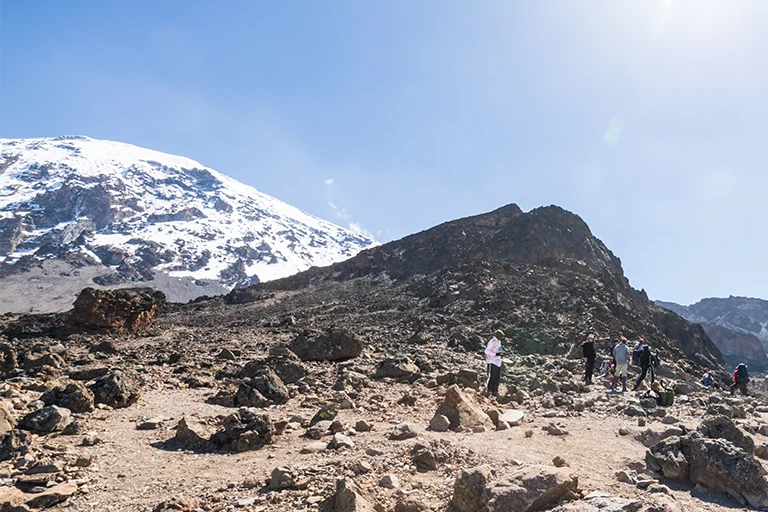
Are you planning to conquer Mount Kilimanjaro’s Northern Circuit Route in 2026? That’s a brilliant goal! First things first, you have to total up the Northern Circuit Route Cost.  We’re talking about park entry fees, paying your guides, meals, and lodging. 

However, we’ll share a little truth that trips up many climbers. Several extra costs pop up before, during, and even after your hike. These Northern Circuit trek costs aren’t just small add-ons. They can easily stretch your total budget by $800 to $1,500 or more if you don’t account for them. 


To help you plan, you can consult official guidelines from TANAPA or seek advice from the Tanzania Tourist Board.

In this guide, we’ll break down all those overlooked expenses. We want to make sure you feel zero money stress when you aim for Uhuru Peak. Our team at African Scenic Safaris has led thousands of successful climbs over 15 years. We see clearly where people spend too much. We’ll show you how to avoid those exact spots and design a successful Mount Kilimanjaro Climbing expedition.

Gear and Equipment Rentals ($200 – $500)

Even if you hike often, Kilimanjaro’s extreme cold and elevation require specialized, rugged gear. Many climbers end up renting at least some of what they need upon arrival in Moshi or Arusha.

Northern Circuit Route Gear

You will likely need to rent these key items:

  • A strong four-season sleeping bag and a clean liner.
  • Good trekking poles to help support your legs on the downhill.
  • A very warm down jacket plus extra thermal clothing layers.
  • Small but necessary things like gaiters, good gloves, and powerful headlamps.

Expert Insight:
Renting gear in Tanzania is almost always better. If you rent a full package, budget $30 to $50 per day. This truly helps lower your initial Kilimanjaro Climbing budget.

Flights and Visa Costs ($600 – $1,200)

These are the high costs your Kilimanjaro Climbing Packages won’t cover. 

Kilimanjaro Flight Cost
  • International Flights: You should plan to spend $600 to $1,000 for your return ticket if you fly from places like North America or Europe. Prices vary a lot, so book wisely.
  • Tourist Visa: You must get a visa. This typically costs between $50 and $100, depending on your passport type.
  • Transit Fees: Also, check if your flying route requires a small visa if you stop over in another African nation, like Kenya.

Before you book anything at all, take a minute to check the official Tanzania Immigration website. This lets you view the most up-to-date entry rules you must follow.

Pre- and Post-Trek Accommodation ($150 – $400)

Your Northern Circuit Trek Cost covers your sleep on the trails. Still, you typically need a safe place to stay the night before and the night after your climb in towns like Moshi or Arusha. Hotels that offer great hot showers and reliable Wi-Fi often cost more than planned for those comforts.

Kilimanjaro Accommodation Cost

Here’s a quick look at average room rates:

  • Mid-range hotels: Expect these decent rooms to be about $70 to $120 per night.
  • Premium lodges: If you want a bit more high-end lodging, start budgeting at $150 or more nightly.

Expert Tip:
Book your rooms ahead of time to keep your Northern Circuit Climbing Budget in check. When the weather is best for trekking, hotel prices jump way up. 

Travel Insurance & Medical Expenses ($100 – $250)

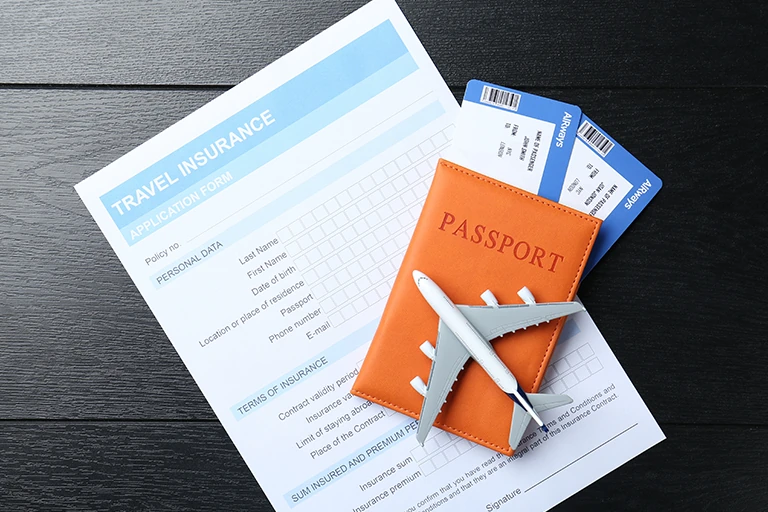
Kilimanjaro Travel insurance is not optional when you plan to climb. Your policy must state that it covers high-altitude trekking, meaning up to 6,000 meters. It also needs to include emergency helicopter rescue.

Kilimanjaro Travel Insurance

You really must have this coverage in your plan:

  • Emergency evacuation: Aim for coverage of at least $100,000.
  • Medical expenses abroad: Paying for any doctor visits while you are using your Kilimanjaro Climb time in Tanzania.
  • Trip cancellation: Money-back protection if you fall ill right before you leave home. ·
  • Lost luggage: A backup just in case your bags don’t arrive when you do.

Read health advisories from the CDC and Wilderness Medical Society highlight how anyone hiking above 4,000 meters needs that air rescue coverage. This cost will give you peace of mind while Climbing Mount Kilimanjaro.

Meals and Drinks in Moshi/Arusha ($50 – $150)

All your food while you are hiking is covered within your Kilimanjaro Climbing Packages. But what about the days leading up to and following your trek? You will definitely spend money eating out in town.

Meals and Drinks in Moshi

Think about these normal costs when eating out:

  • Budget meals: $5 to $10.
  • Mid-range spots: $15 to $25.
  • Celebration dinners:  $30 to $50+.

It’s simple to forget these small food bills, but they grow quickly over the extra days you spend relaxing off the trail.

Tips for Guides and Porters ($150 – $300)

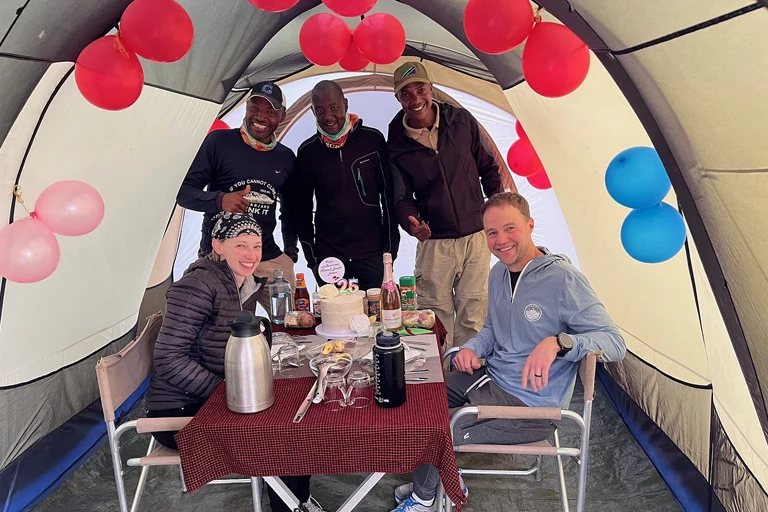
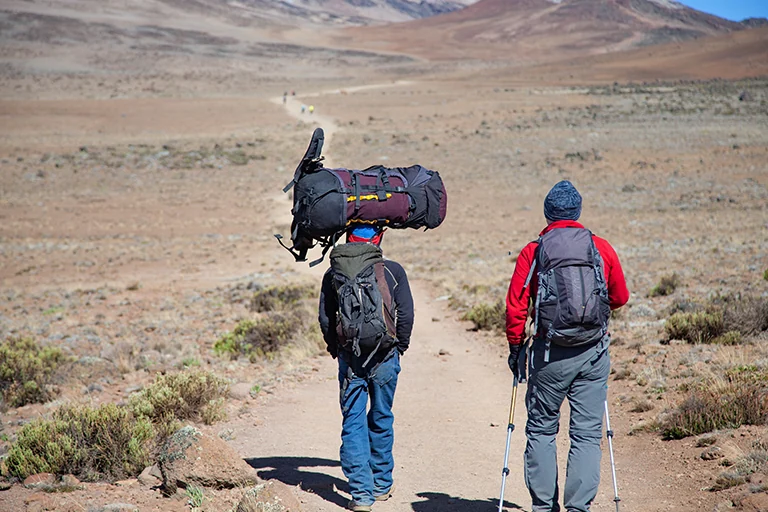
Tipping is a traditional and very expected part of the Mount Kilimanjaro Climbing Tours experience. To be direct, tips are how the amazing support crew earns most of their money. They carry your heavy gear and cook amazing meals for you daily.

Guides & Portes Fee
Guides & Portes Fee

Here are the standard suggestions for showing your thanks:

  • Lead guide: About $20 each day is the usual amount.
  • Assistant guide: Please plan around $15 daily for them.
  • Porter: Budget about $8 per day for their very hard labor. · Cook: They usually receive around $12 each day.

Pro Tip:
For a long, scenic 9-Day Northern Circuit Route trek, you should set aside about  $200 – $300 for tipping. Showing this appreciation means the world to the people making your success possible.
Optional Add-Ons and Activities ($100 – $500+)

Some adventurers choose to add fun extra activities to make their entire Tanzania trip even more memorable. Please note that these choices can increase your total spending if you choose to proceed.
Things To Do In Kilimanjaro

Good choices people often add include:

  • Day trips: Quick excursions, like seeing Materuni Waterfalls or local hot springs, usually cost $100 to $150.
  • Post-climb safaris: Adding a short 2-day wildlife trip to Tarangire or Ngorongoro is fantastic. This typically costs $400 to $800.
  • Zanzibar extension: If you have more vacation days left, spending 3 to 5 days by the ocean can run around $600 to $1,000 for those extra package days.

Expert Insight:
Many climbers end up regretting that they skipped adding a short safari after their big hike. Budget for it right at the start so you don’t miss out later.

Example of Additional Expenses Breakdown

To help you easily see where extra money is needed for your Northern Circuit Kilimanjaro Price, look at this simple chart:

Expense CategoryEstimated Range% of Total Extras
Gear Rentals$200 – $50020%
Flights & Visas$650 – $1,20035%
Hotels & Meals$200 – $50020%
Tips$150 – $30015%
Insurance$100 – $2505%
Optional Add-Ons$100 – $500+5–10%

This breakdown shows how additional costs for a Northern Circuit Kilimanjaro climb typically add up. Flights and visas take the largest share, followed by gear rentals and accommodation before and after the climb. Tips for the mountain crew and travel insurance are also important to plan for, while optional add-ons vary based on comfort and travel style. Planning these expenses helps avoid last-minute surprises and provides a more realistic total budget for your climb.

Final Tips to Budget Smartly

To make sure your final Cost is accurate, keep these easy tips nearby:

  • Add 15–25% extra to your original budget to cover these hidden costs.
  • Book early; flights and accommodations are cheaper when secured months in advance.
  • Rent gear locally if you’re climbing once, but buy if you plan multiple treks.
  • Don’t skip insurance; medical evacuation can cost $10,000+ without coverage.
Kilimanjaro Climbing Tips

If you want to dive deeper into the numbers, check out our post on How to plan a realistic budget for a Northern Circuit climb in 2026. We also have a great article on How Route Length and Extra Acclimatisation Days Affect the Northern Circuit Cost.

Final Thoughts on Your Budget

The Northern Circuit is wonderfully scenic and has a high success rate for reaching the top. But its true value shows only if you plan out all your money needs very well. Once you account for the hidden costs we shared, you can put those worries behind you. You can put all your focus on the amazing physical test ahead.

Northern Circuit Route

Climbing Mount Kilimanjaro is a huge, life-changing event. A budget that’s planned carefully is the best tool you have to enjoy every single part of that adventure without money anxiety.

Ready to climb Kilimanjaro the smart way? Contact African Scenic Safaris today to get a detailed, all-inclusive quote for your 2026 Northern Circuit expedition — with no hidden costs.

Simbo Natai
Simbo Natai, founder of African Scenic Safaris, crafts sustainable, meaningful Tanzanian journeys rooted in his deep local knowledge and passion.
Director, African Scenic Safaris

15 Eco Items to Pack for a Responsible Tanzania Safari

Making smart packing choices during your Safaris In Tanzania helps protect water sources and local communities. Now, when you’re preparing, you should keep in mind that every item you bring can affect that. Referring to the right Tanzania Safari Packing List ensures you not only stay comfortable but also protect wildlife and the community. Additionally, you’ll travel light yet travel right always. 

This guide breaks down 15 eco-friendly items you should include in your Packing List For Tanzania Safari. These items help you reduce waste while traveling well and support responsible tourism across Tanzania Destinations.  

Key Takeaways:

  • Know which eco items truly matter on safari here.
  • Reduce plastic and chemical waste while you travel now. 
  • Pack lighter and smarter for game drives and camps.
  • Support conservation through your smart travel choices.

Reusable or Water-Purifying Water Bottle

You’ll need to drink lots of water on Tanzania Safari Tours. Hydration is vital in the hot African sun. This item helps you skip buying many plastic bottles. Instead of single-use plastic, you refill your strong bottle. 

Reusable Water Bottle

Airports and lodges offer refill stations openly. Purification benefits mean you’re safe drinking from safe sources.

At African Scenic Safaris, we have made a conscious decision to switch from reusable plastic bottles to steel bottles in the year 2025. This will reduce our environmental footprint. We provide our guests with non-plastic bottles on safaris. This way, we make a small shift that will have a big impact on the wild places we are exploring. 

Reusable Cutlery and Straw Set

This small kit helps you avoid trash every day. Think about your long travel days first. You might get a packed lunch for a game drive. Skip using plastic forks or disposable plastic straws, then. Consequently, you cut down on the waste you create. This supports sustainable safari in Tanzania on the move.

Reusable Cutlery and Straw Set

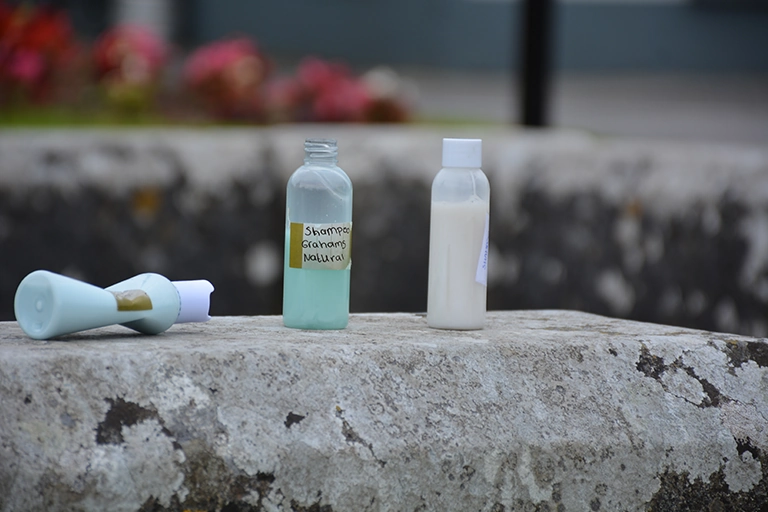
Solid Soap Bar

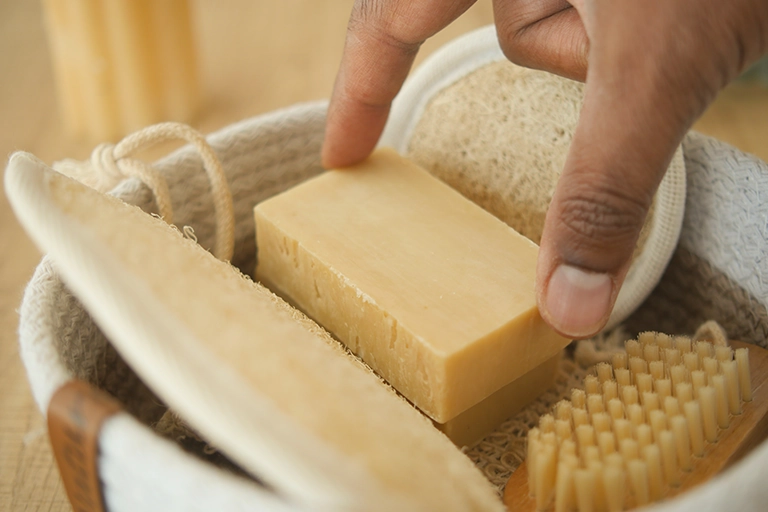
Solid bars are an effective way to reduce waste on your African Safari Tanzania. They usually come wrapped in paper, which is easy to remove. Traveling with them saves space in your luggage. Furthermore, they last a long time with careful use. Such practical use suits camp life perfectly.

Solid Soap Bar
Soap Bar

Solid Shampoo Bar

Solid bars save you weight when packing your bags. They help you stay compliant with strict airline liquid rules. You won’t worry about spills on your Tanzania Safari Trip. In addition, they generate very little packaging waste overall. It’s smart, eco-friendly safari packing.

Solid Shampoo Bar
Solid Shampoo Bar

Solid Conditioner Bar

These small bars are extremely durable for rough travel. They hold up well in the heat of Tanzania Destinations. You use less product, which means less gets washed away. This helps keep waterways cleaner for the wildlife. Thus, it’s a great piece for your Tanzania Safari Packing List.

Solid Conditioner Bar

Plastic-Free Deodorant Stick

Look for deodorants in cardboard tubes or tins now. These options significantly reduce bathroom plastic waste. Good safari brands resist melting in the strong heat. Making this small switch helps the planet overall. It’s simple, eco-friendly safari packing.

Plastic-Free Deodorant Stick

Bamboo or Recycled Toothbrush

Plastic toothbrushes cause huge landfill problems globally. They don’t break down easily when you travel. Consider swapping to one made from bamboo wood. These brushes break down much faster after use. Therefore, you lessen your impact when you travel in the wild on your Tanzania Safari Tours.

Bamboo or Recycled Toothbrush

Paper Cotton Swabs

A surprising amount of plastic ends up in streams and rivers. Plastic cotton swabs often cause this pollution, sadly. They don’t break down naturally in water systems. Consequently, choose paper sticks instead for your safari stay. This small swap helps keep Tanzania Safari wildlife safe.

Bamboo or Recycled Toothbrush

Reef-Safe Sunscreen

Many creams contain chemicals harmful to water life. Even inland water sources can be affected by runoff. These chemicals harm fish and other creatures there. Although you’re not near the ocean, use reef-safe options. This is a must-have for any African Safari Tanzania visit.

Reef-Safe Sunscreen
Reef-Safe Sunscreen

Eco-Friendly Laundry Detergent Sheets

You might need to wash some clothes by hand at camp. Harsh powders can create bad chemical runoff. Detergent sheets dissolve completely in water easily. They use fewer harsh chemicals. Therefore, you protect the surrounding soil and water.

Laundry Detergent Sheets

Mosquito Repellent Wristbands

Traditional sprays use many aerosols and chemicals. Some strong scents also attract unwanted insects to you. Botanical repellent wristbands often offer a gentler way. They reduce the chemicals you spray on your skin. This is a safer option for Tanzania’s animals, too.

Tanzania Safari Packing List
Mosquito Repellent Wristbands

Compostable Lip Balm

The dry safari air will surely chap your lips badly. Most balms come in plastic tubes that you throw out. Look for balms in small metal tins instead. You can refill these tins easily from greener sources back home. This significantly reduces packaging waste on your Safari Packing List in Tanzania.

Compostable Lip Balm

Toothpaste Tablets

No more worrying about messy, squeezed-out toothpaste tubes forever. These tablets let you brush easily with just water. They are available either package-free or in small glass jars. As a result, you significantly reduce plastic tube waste. They’re small, light, and perfect for Travel in Tanzania.

Tanzania Safari Packing List
Toothpaste Tablets

Reusable Cloth Shopping Bag

You might visit local markets near Tanzania Destinations for souvenirs. Markets often rely on single-use plastic bags there. Bring your own light cloth bag for all your purchases. This simple tool stops you from needing a plastic sack. It’s a key part of sustainable safari travel.

Reusable Cloth Shopping Bag

Refillable Travel Containers

Hotels often give tiny, single-use plastic bottles of washing items. You can easily eliminate these with reusable bottles. Fill them with your favorite eco-friendly products before you fly. Ultimately, this cuts down on massive plastic waste creation. It makes your bag lighter for the game drives, too.

Tanzania Safari Packing List
Refillable Travel Containers

Completing Your Greener Safari Journey

Referring to a Tanzania Safari Packing List that has a list of eco-friendly items doesn’t complicate your safari; instead, it helps you travel a little more wisely. It protects the landscapes and wildlife that make Tanzania unforgettable. Every small choice you make echoes across the vast plains beautifully. Travel with care to keep these Tanzania Destinations safe for years to come.   

Tanzania Safari Packing List
Simbo Natai
Simbo Natai, founder of African Scenic Safaris, crafts sustainable, meaningful Tanzanian journeys rooted in his deep local knowledge and passion.
Director, African Scenic Safaris

Simple Eco-Friendly Travel Practices That Make a Real Difference on Tanzania Safaris

Tanzania’s wildlife is currently thriving in a delicate balance. Every small safari choice deeply shapes that balance. Where you stay matters a lot for the land environment. How you watch animals affects the ecosystem much, therefore. Good planning makes your trip great for everyone. This is the start of Eco-friendly Tanzania Safaris.

In this guide, we’ll explain easy ways travelers can help out. You’ll learn key steps for Responsible Tourism In Tanzania. Subsequently, as a Travelife-certified company, we’ll share simple habits to support nature conservation. You’ll also see how local people benefit from your stay. These steps align well with the African Scenic Safaris theme. They support our idea of “Travel Light, Travel Right.” 

Key Takeaways:

  • Learn how daily safari choices affect wildlife now.
  • Understand what an eco-friendly Safari In Tanzania truly means here.
  • Furthermore, discover simple habits supporting parks and people well.
  • Learn how good operators cut their footprint down.

Why Where You Stay Matters for Tanzania’s Environment.

Your hotel choice significantly affects Tanzania’s natural environment. Consequently, we must pick wisely for the Sustainable Tanzania Safari. Seek out eco-lodges near Tanzania Destinations. These places are built to touch the land lightly. They often use solar power instead of loud generators. This significantly reduces fuel use and noise pollution.

Tanzania Safari Accommodations

Water is very precious in dry savanna lands. Smart lodges conserve water every single day. In addition, they manage all waste removal with great care. Truly eco-friendly Tanzania Safaris favor local food sourcing. They often buy food from nearby farms and small villages. This choice helps local businesses grow instantly.

Being sustainable isn’t just for luxury spots only. Both budget campers and rich guests can choose green options. TANAPA sets clear sustainability rules for all lodges. These rules help keep national parks healthy over the long term.

Our African Scenic Safaris team states this well. They say, “We seek lodges with proven ecocertifications. It’s not just talk; it’s about audited energy use.” Choosing such places greatly supports Responsible Tourism.

How Responsible Wildlife Viewing Protects Animal Behavior

Right viewing always protects animals and their natural ways. This practice is central to Sustainable wildlife tourism in Tanzania. We must remember that we are guests in their home and act accordingly at all times.

Tanzania Wildlife Viewing
  • Keeping a safe distance is rule number one for you. 
  • Avoid getting too close to resting animals near you now. 
  • Moreover, keep the Tanzania Safari Vehicle noise to a minimum when you stop nearby. 
  • Don’t interfere if you see animals mating or hunting prey. That moment is crucial for nature’s cycle. 
  • Never stop them from feeding their young ones.

Staying on marked tracks saves the land for years ahead. Tire tracks scar the ground for a long time ahead. As a result, they often disturb smaller life forms unnecessarily. Roads usually follow clear paths that already exist. So, staying on them keeps the area pristine overall.

The Tanzania Wildlife Research Institute (TAWIRI) sets rules for this. These guide ethical game drives for everyone. A guide shared thoughts on good driving rules. 

He said, “We turn off our engine if a leopard hunts near our car. We give the wildlife the space to move freely. As a result, we let nature play out without our car’s shadow.” This shows a true eco-friendly Safari Tanzania spirit.

Activities That Support Conservation Instead of Exploitation

Select Tanzania Safari Activities that consistently support conservation goals. Eco-safari practices strongly boost ethical safaris in the region. For instance:

  1. Walking safaris offer powerful, low-impact ways to explore the ground. 
  2. Birdwatching tours focus on small details very well. 
  3. Photography trips encourage slow, patient watching overall, too.
Tanzania Cultural Tours

However, you must sadly avoid certain promises made out there. Steer clear of tours promising extremely close animal contact near you. These setups often cause animals great stress levels daily. In short, such closeness harms them just for one single photo. That goes against Responsible tourism aims always.

African Scenic Safaris plans trips that help the parks for the future. We link travelers to programs that benefit wildlife areas. Finding these good experiences is the trick to true ethical travel. Therefore, this supports responsible Tanzania safari travel going forward nicely.

Want to see how safaris can be exciting and responsible at the same time? Watch our Things to Do in Tanzania video to explore safari activities that respect wildlife, protect natural spaces, and still deliver unforgettable moments in the wild. 

How Tanzania Safaris Can Strengthen Local Livelihoods

Your safari money holds much power for local people nearby. Eco-friendly Tanzania Safaris must help communities, too, importantly. 

  • Hire guides who know the land and culture very well. 
  • Support camps owned by local groups if you are able to do so.
  • Cultural visits need to be respectful for both sides present. 
  • Always ask permission before you take anyone’s picture. 
  • Buying local crafts helps artisans earn needed money right there. 
Responsible Tourism Tanzania

These sales support families with income streams for basics. This means tourism funds help with schools and health clinics.

A local guide shared his thoughts on this subject. He noted, “When my guide pays for my family’s school fees, I feel proud inside. I work hard to share our culture in a good way. What’s more, our community sees tourism as respect, not just free money.” This shows how tourism amplifies local voices. This is key to good Tanzania Cultural Tourism growth.

To experience this kind of meaningful exchange firsthand, explore our Tanzania Cultural Tours, journeys designed with local communities, guided by local voices, and shaped to ensure tourism supports real lives, not just visits.

Why Smart Packing Reduces Your Tanzania Safaris Footprint

Packing smart cuts down your overall travel footprint a lot. How you pack greatly impacts plane and car fuel use overall. 

  • Lighter bags mean less fuel burned for your African Safari Tanzania trip. This reduces bad carbon smoke naturally for good, you see. Therefore, try to carry only what you truly need. 
  • Throw out all single-use plastics from your bag now. Bring one strong, reusable water bottle instead for refills.  Most good Tanzania Safari Camps have filtered water ready for you. 
  • Likewise, refrain from bringing big plastic bottles of soap or lotion. Instead, use small travel-sized refillable containers. Lodges often supply basic, eco-friendly soap bars to use there. Using what they provide cuts down on the trash you bring in. 
Tanzania Safari Packing List
Smart Tanzania Safari Packing

These small changes support Sustainable wildlife tourism in Tanzania. Our team at African Scenic Safaris gives simple advice here. They state, “We tell guests to check lodge amenities first. This helps avoid bringing extra plastic into the bush.” This simple tip aids your Responsible Tourism goals well now.

For a clearer idea of what to bring and what to leave behind, refer to our Tanzania Safari Packing List. You can also read our blog that shares 15 eco-friendly items to pack for a responsible Tanzania safari. These simple choices help reduce waste, support sustainable lodges, and keep Tanzania’s wild spaces cleaner for the future.

How Travel Timing and Emissions Affect Destinations

When you travel can affect the parks a great deal overall. Avoiding the busiest times spreads out visitor numbers evenly. This reduces stress on park resources for wildlife. Less crowding means animals feel less worried while on your Tanzania Safari.

Best Time To Visit Tanzania

In the same vein, we must also think about flight emissions greatly. Air travel adds much to your trip’s footprint from the start. Carbon offset plans try to balance this impact out. Offsets fund things like tree planting projects, also. But offsets should only follow cutting your own footprint first.

At African Scenic Safaris, we take this responsibility seriously. Through our partnership with Carbon Tanzania, we have offset 117 tonnes of CO, helping protect forests and support local communities in the Ntakata Mountains. These efforts fund conservation work while empowering people who depend on healthy ecosystems.

Good behavior is step number one for everyone present. Offsetting is a nice help, but not the whole answer for eco-friendly Tanzania Safaris. True care starts with your daily choices on the ground today.

To plan smarter travel windows that reduce pressure on parks, explore our Best Time to Visit Tanzania guide.

Giving Back Through Conservation Initiatives

You can make a real difference even outside your tent door. Small, thoughtful acts create lasting good results for all. 

  • Try to support recognized conservation groups directly. 
  • Many popular Tanzania Tour Operators link with local rangers or research teams nearby.
  • Ask your tour operator about ways to give back now. 
Responsible Tourism Tanzania

Some plans allow guests to help plant new trees on the property. Others use things like ‘Pack for a Purpose’ ideas. This allows you to carry essential supplies for a local school. 

African Scenic Safaris consistently supports these local projects. We believe that real change happens through steady partnerships. We’re proud to work with conservation partners like Carbon Tanzania, Path to Africa (PTA), Travelife, and KPAP, among others.

Our team emphasizes community support more often now. They state, “We think we must give back to this great land. Your support helps those protecting wildlife every day.” These focused acts build a better future for Responsible safari travel in Africa.

Making Your Responsible Safari Journey Complete

Eco-friendly safari travel isn’t about doing more; it’s about doing better. Thoughtful choices let Tanzania’s nature and people thrive long after you leave. Embracing Responsible Tourism Tanzania ensures future guests enjoy this paradise too.

Tanzania Safaris
Tanzania Safaris

Plan Your Responsible Tanzania Safaris with African Scenic Safaris!

Simbo Natai
Simbo Natai, founder of African Scenic Safaris, crafts sustainable, meaningful Tanzanian journeys rooted in his deep local knowledge and passion.
Director, African Scenic Safaris

The Best Things to Do in Tanzania When Traveling with Kids

Tanzania is one of the few safari destinations where wildlife, beaches, culture, and comfort come together seamlessly for families.  You won’t just see animals; you’ll create bonds that last a lifetime. This lets you blend adventure with much-needed rest. Every Tanzania Family Safari here requires careful planning for lasting memories.  Fortunately, there are many Things to do in Tanzania that suit everyone.

This guide highlights the best Fun Things to do in Tanzania with kids. We’ll focus on safe, engaging, and educational experiences for all ages. We balance wildlife sightings, local culture, and needed relaxation for your family trip. We’ll show you the Best Things to see in Tanzania for your crew.

Key Takeaways:

  • Discover the most kid-friendly experiences across Tanzania.
  • Learn which spots suit younger kids versus older teens well.
  • Balance wildlife, culture, and needed downtime on your trip.
  • Understand safety and comfort points for your Tanzania Family Safari.

Serengeti National Park Safari

Serengeti National Park offers top-tier wildlife experiences for youngsters. Shorter game drives keep younger kids happy and engaged well. Seeing the Big Five brings pure magic to children’s eyes. The vast visuals of the Great Wildebeest Migration impress people of all ages. Furthermore, storytelling guides really engage young listeners well.

Serengeti National Park

A guide quoted his approach to family drives recently. He said, “We keep drives shorter for little ones. We stop often for breaks and water supply. We focus on small details they spot first.” 

Furthermore, we follow TANAPA safari rules to ensure everyone stays at a safe distance from the wildlife.  

Family-Friendly Zanzibar Beach Resorts

After the safari dust, Zanzibar offers needed relaxation for your whole family. You’ll find many good resorts built just for Tanzania Family Holidays. Look for places with safe pools and play areas for the kids. Shallow, calm beach waters are ideal for safe swimming later on. Downtime feels so good after long days out in the bush.

Zanzibar Beach Resort

Safety is a big deal in these resorts. They use supervised activities for younger children mostly. We always check on resort safety standards carefully for families. 

One traveler from Switzerland shared on TripAdvisor about her family’s time there. She wrote: “We’re a family with 2 kids, 14 and 17. We visited Tarangire from Arusha, then Serengeti and Ngorongoro. The dirt roads were endless, but the beauty made every bit of it worth it. Our beachstay in Kendwa was amazing – the spot’s gorgeous and the hotel was perfect for families with teens.” It offers a perfect contrast to the wild safari.

Check out our most popular Tanzania Safari Package for combined trips: Tanzania Family Bush and Beach Safari. 

It brings together classic wildlife days and laid-back coastal moments in a way that feels natural and unrushed. The pace is easy, the transitions are smooth, and the experiences are tailored for families. It’s a well-rounded journey that balances adventure, rest, and time together.

Maasai Cultural Visits

Guided visits to Maasai villages teach kids a lot about life. They learn about different traditional ways of living there. More importantly, children develop a deep respect for diverse cultures. Storytelling sessions are usually not too overwhelming for them. This is a key part of Family Safari Tanzania.

Tanzania Cultural Tours

We follow best practices for responsible cultural touring on all our Tanzania Cultural Tours

Our guide offered sound advice for young visitors there. He shared, “We ask kids to watch quietly at first. Then, we let them try a small, respectful activity with the warriors.” This thoughtful approach works best for everyone present.

Lake Victoria Day Experiences

Lake Victoria shows a nice change of pace from the dry parks on your Safaris in Tanzania. You can enjoy lovely boat rides on the large water body. 

Lake Victoria
Lake Victoria

Birdwatching is excellent along the shores near there. Kids often love trying simple local fishing methods by hand. Markets offer great sights and smells for curious young ones. 

Ngorongoro Crater Game Drives

The Ngorongoro Crater feels perfectly sized for kids’ attention spans. Wildlife density here is very high inside the big bowl shape. Kids see many animals quickly without long, boring vehicle rides. Additionally, the crater offers stunning viewpoints from the high rim.

Ngorongoro Game Drive

According to TANAPA wildlife statistics, the crater has the highest density of large mammals in Africa. A guide noted that viewing is easy for children. He said, “In the crater, kids see rhinos and lions in just one hour. It’s amazing, Tanzania Things to See are packed so closely.”

Kilwa Kisiwani and Songo Mnara Ruins

These ruins now hold UNESCO World Heritage status. They tell tales of ancient Swahili trade history there. Small ferries take you out to the island sites easily. 

Kilwa Kisiwani
Kilwa Kisiwani

However, this deep history appeals more to older kids currently. Teens might find what they read about history exciting and relatable. Younger kids might get tired of walking among so much old stone.

Viewing Mount Kilimanjaro Without Climbing

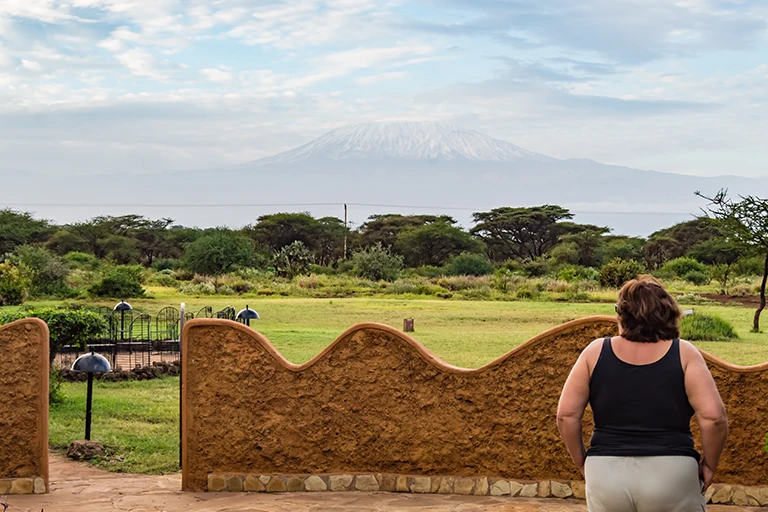
You can see amazing views of Kilimanjaro easily from the ground. You won’t need to climb the whole huge mountain at all. Easy, close viewpoints near Moshi or on the lower slopes of Kilimanjaro National Park give great morning sights. 

Kilimanjaro Climbing

Watching the sun light up the icy peak is a breathtaking sight. This is a perfect, low-stress activity for any family group.

Lake Manyara Tree-Climbing Lions

Lake Manyara National Park holds a special surprise that kids love a lot. Their famous tree-climbing lions are rare to see elsewhere. 

Lake Manyara Tree Climbing Lion

You can spot them resting high up in the big acacia trees there. The park also has huge flocks of bright pink flamingos nearby. Shorter, easier game drives, a part of our Tanzania Safari Package, suit kids’ energy levels well.

Stone Town Walking Tours

Stone Town in Zanzibar is full of old history to explore in depth. You can take gentle walking tours here together. Guides adapt routes to keep the pace comfortable for young children. You’ll see old markets and historical spots up close. In summary, it’s history you walk through, not just read about in a book.

Stone Town Walking Tours

You can see more planning ideas when booking Tanzania Family Safari Packages in our Memories With Our Family-Friendly Tanzania Safari Packages blog.

Planning the Perfect Family Safari Itinerary

Good Tanzania Family Vacation planning needs a good balance always. 

Don’t try to rush between parks every single day you’re here. Slow the pace down for everyone’s total comfort level. 

Choose family-friendly Tanzania Accommodations or resorts easily available. This gives you space to rest together there well. 

Match all Tanzania Safari Activities to what your kids’ age group enjoys best.

Tanzania- The Fun Family Vacation Destination

Tanzania offers families a rare blend of wildlife, learning, and comfort. This makes it one of Africa’s most rewarding destinations for traveling with kids. You’ll return home with more than just photos; you’ll have stories that your children will tell for years.

African Scenic Safaris is here to guide you while you plan your Tanzania Family Safari. Our team is ready to help you pick the best lodges and Things To Do in Tanzania.

Start Planning Your Tanzania Family Safari With African Scenic Safaris.

Simbo Natai
Simbo Natai, founder of African Scenic Safaris, crafts sustainable, meaningful Tanzanian journeys rooted in his deep local knowledge and passion.
Director, African Scenic Safaris

Enjoy the Simple Joys of Moshi from Coffee Farms to Hot Springs

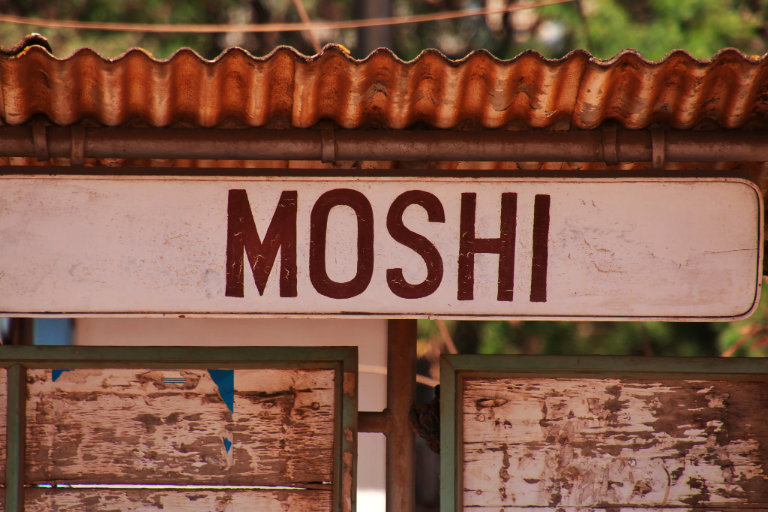
Moshi sits quietly at the base of Kilimanjaro, known for coffee farms, small towns, and a relaxed daily rhythm influenced by local routines.

Afternoons invite soaking in warm, turquoise waters surrounded by ancient fig trees. For travelers needing a break, the Things To Do in Moshi can offer genuine local moments. 

Specifically, many visit Kilimanjaro but miss the Moshi Day Trips piece right below the mountain.

This blog will show you Moshi’s calm beauty. It’ll cover everything from Coffee Farms in Moshi to relaxing at Chemka Hot Springs. Consequently, slowing down here greatly improves your trip. You’ll find many great Moshi Attractions nearby. It’s for those wanting authentic local encounters, food, and quiet nature.

Key Takeaways:

  • Learn about Coffee Tours Tanzania.
  • Find the best way to visit Chemka Hot Springs for a full day.
  • Discover simple activities showing Moshi’s friendly life.
  • Get tips on routes and timing for a relaxed plan.

Morning Simplicity – Discovering Moshi’s Coffee Heritage

Moshi is often called Tanzania’s coffee capital. A bit of history explains this. Specifically, German missionaries brought Arabica coffee here late in the 1800s. Since then, coffee has shaped Moshi’s growth. The Kilimanjaro Native Co-operative Union (KNCU) clearly shows this history. They guide growers, keeping quality fair. 

Things To Do In Moshi
Moshi Coffee Farms

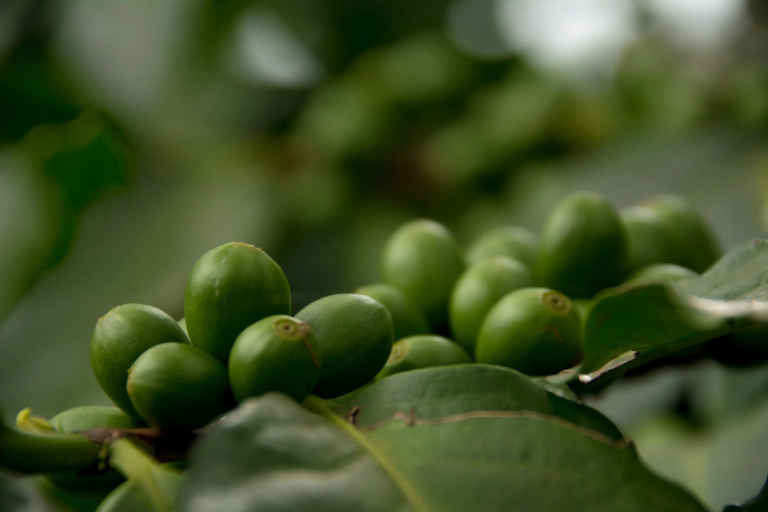
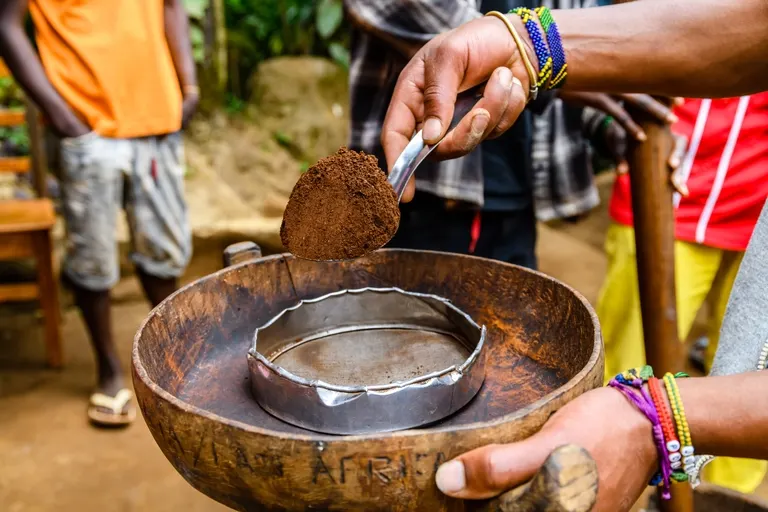
Moshi is rich with hundreds of small farms run by Chagga families. Therefore, remember this: it’s not just about the drink; it’s about the entire journey. When you visit Kilimanjaro Coffee farms, you aren’t just a guest; you’ll walk among coffee plants. Next, you’ll watch farmers pick bright red cherries that hold the precious bean. In addition, you can learn old ways of roasting and brewing coffee. 

Mornings are normally social times. Perhaps, you might join locals in songs over a few cups. Such interactions will show you how Coffee Farms Moshi matter to the community. As one local guide noted, “In Moshi, coffee isn’t just a drink — it’s our way of life.” 

Late Morning Wandering – The Slow Life Around Town

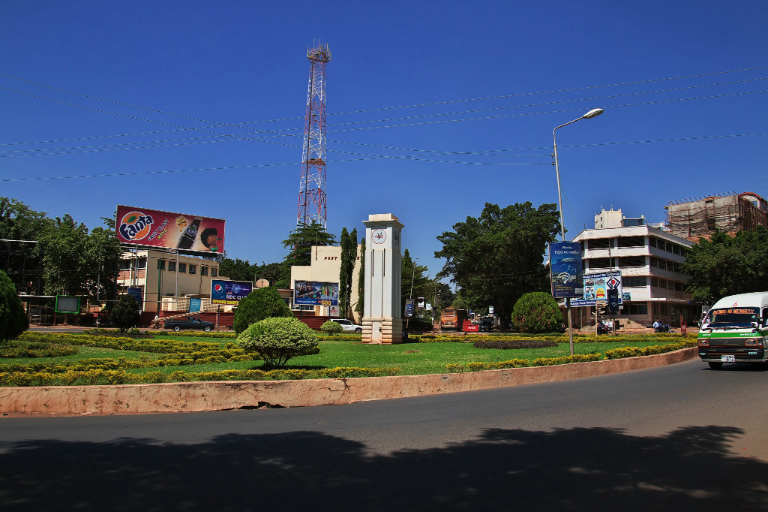
After visiting the coffee farms, exploring the town on foot follows. Your guide will walk you around the Moshi Attractions. The center is small, and you can start visiting the Moshi Clock Tower; it’s a great daily marker.

Things To Do In Moshi
Moshi Clock Tower

As you walk, you’ll also see local produce markets. Vendors here sell fruits and clothes. For example, you can stop for fresh juice. Perhaps, try some mandazi, light, sweet local doughnuts. These taste great with tea. You can talk with the shop owners. They’re mostly kind to guests. This easy vibe shows Moshi’s charm. For inspiration on local restaurants, check out some popular opinions on TripAdvisor. Finding these spots makes your list of Things to Do in Moshi more exciting.

Afternoon Adventure – The Road to Chemka Hot Springs

As morning turns to afternoon, switch focus to rest. We will drive south toward Boma Ng’ombe. That ride takes about 1.5 hours. To clarify, the green slopes turn into drier bushland. You might spot acacia trees. Occasionally, Maasai herders watch animals nearby. This short drive is a trip itself.

Chemka Hot Springs
Chemka Hot Springs

Your spot is Chemka Hot Springs, also known as Kikuletwa Hot Springs. Getting there needs a plan. For instance, many use a guide who handles details. Or, get a private car. Although local transport works, you might walk the last rough path. Entry costs are fair, usually around $10–$15 per person. Inside, you’ll find basic facilities like toilets and picnic tables. As a result, these springs make excellent destinations for Tanzania Day Trips.

Floating Freedom – Inside Chemka Hot Springs

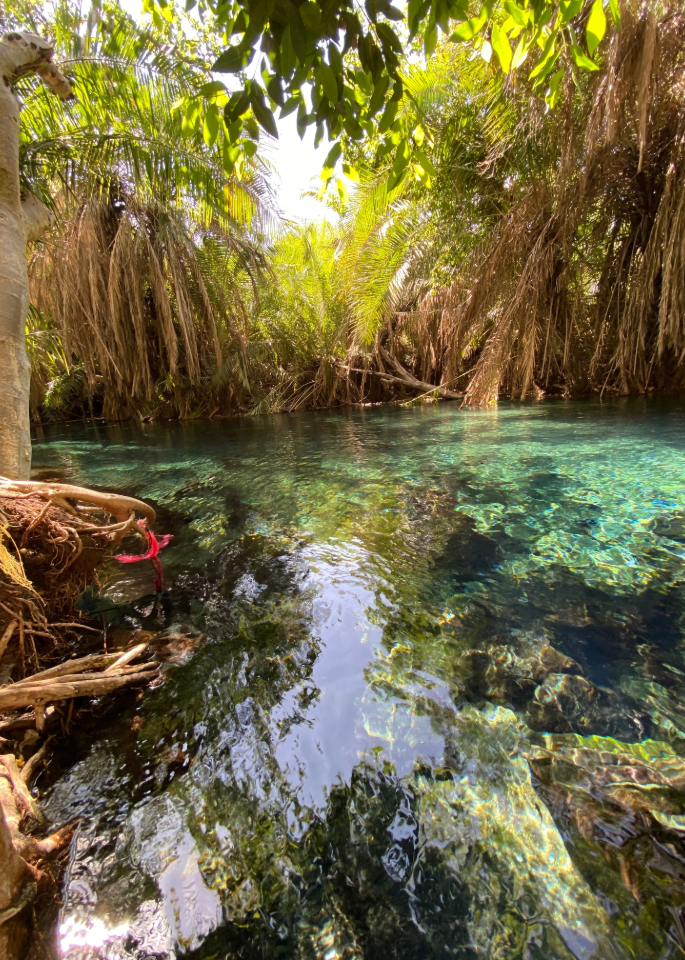
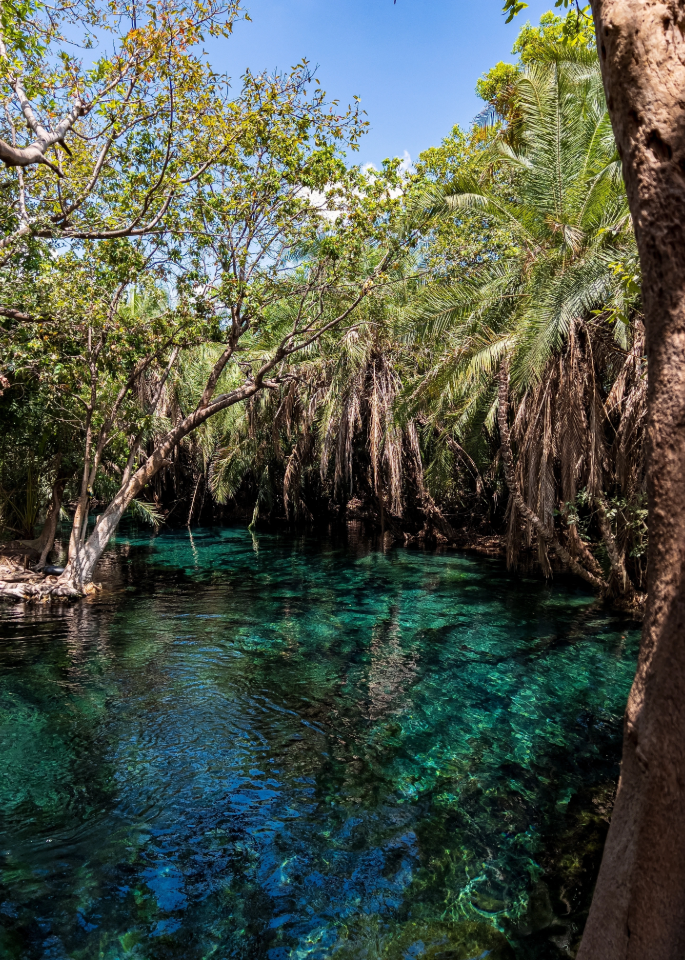
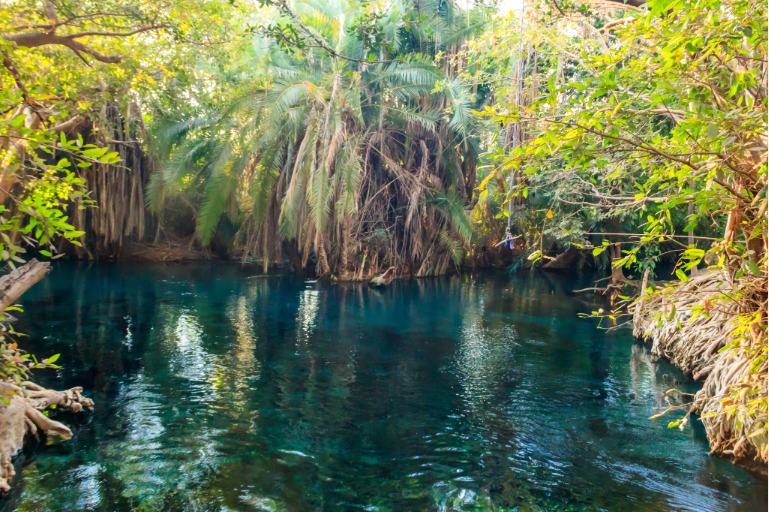
Reaching Chemka feels like finding a secret haven in the dry land. The water’s color is amazing, a clear blue-green. It looks great against the dry background. Sunlight filters through huge fig tree leaves. Hence, this makes pretty patterns on the water. This is a sight for the camera. The place is a joy for your senses. 

Moshi Activities To Do
Chemka Hot Springs

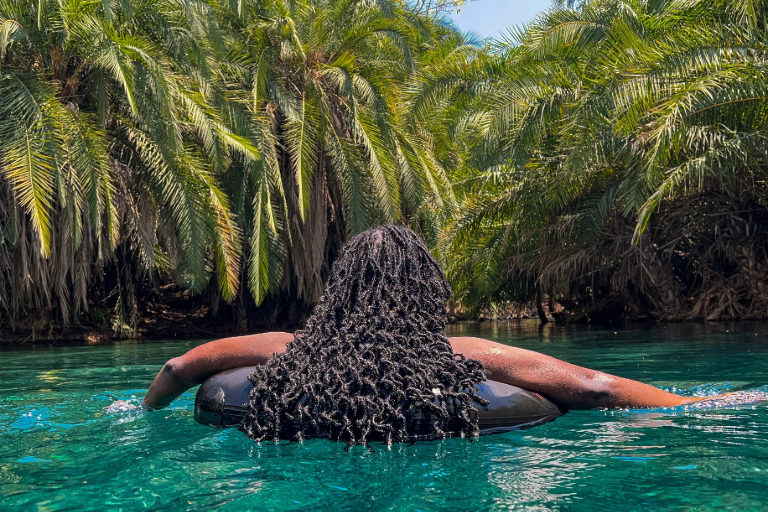
Moreover, you can dip in the water, which stays warm all year. This is because the springs get their supply from underground streams, not volcanic rock. The water stays around 25–30°C. Pools go from about 1 to 5 meters deep. You’ll spot rope swings, great for a jump. Also, watch for tiny fish in the pools. They might nibble your feet, which feels like a natural massage.

One of our visitors shared, “It felt like nature’s own spa, calm and healing.” It’s one of the best Things to do in Moshi.

For the best light, aim to get there between 2 and 5 PM. You can take the best photos with such light. 

Chemka Hot Springs Quick Facts

  • Temperature: 25–30°C
  • Depth: 1–5m
  • Travel Time from Moshi: About 38 km
  • Entry Fee: ~$10 USD
  • Best Time to Be There: 2–5 PM

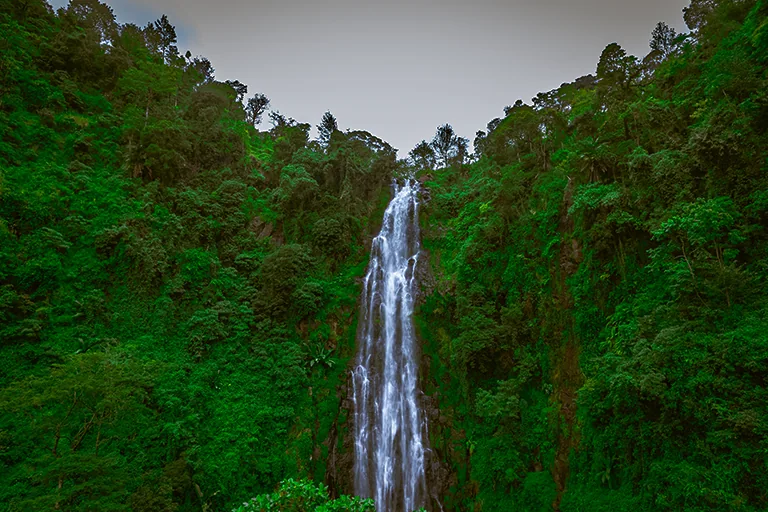
While enjoying Chemka Hot Springs, many travelers also choose to visit Materuni Waterfalls during their stay in Moshi. Set on the lower slopes of Kilimanjaro, Materuni offers forest walks, cool mist, and a tall waterfall framed by banana farms. It’s an easy addition for those wanting to see more of Moshi’s natural side without rushing their plans.

Balancing It All – How to Plan Your Moshi Days

Scheduling is simple because Moshi rewards slow travelers. To fully enjoy the local pace, we suggest setting aside two easy days. Because this speed helps you soak it up.

Things To Do In Moshi
Coffee Tours Tanzania

Guides familiar with the region often advise this slower travel method. A great expert tip is: “Don’t try to do everything in a day — Moshi rewards slow travelers.” Thus, this mindset unlocks the best Things to Do in Tanzania away from safari crowds.

Here is a simple time plan:

Day 1: Coffee Life and Town Exploration

First, start your morning with Coffee Tours Tanzania. Then, spend time at a working farm. Afterward, head back to Moshi town. Use the afternoon to check markets and have a slow lunch. You’ll see how easy it is to connect with daily life there.

Day 2: Nature Time and Moving On

Next, save the second day for Chemka Hot Springs. Since the springs are outside town, give yourself a half-day or more for the trip. That way, you enjoy the ride and the swim without stress. Later, return to Moshi for gifts or rest.

Moshi has lovely places to stay. For example, try smaller lodges for comfort. Alternatively, look for a stay on a coffee ranch for a deep cultural feeling. 

Responsible Travel – Supporting Moshi’s People and Nature

When you visit Moshi Nature & Culture sites, your money directly supports locals. When you pick a coffee tour or guide for the Hot Springs Near Moshi, you do more than have fun. Your fees and tips go straight to Moshi’s neighborhoods and farm groups.

Moshi Things To Do
Moshi Responsible Travel

For instance, fees at Chemka often pay for local upkeep and good causes. This might mean funding trash clean-up or supporting school programs. In the same way, money spent with coffee cooperatives keeps families secure. It also encourages good, earth-friendly farming. 

This is what Tanzania Community-Based Tourism (TCT) promotes. By choosing these real Moshi Experiences, your money helps things grow. Exploring Moshi Attractions is an investment in its future health.

Moshi isn’t visited alone. Most travelers incorporate it into a broader Tanzania Safari Tour. This can include exploring the region’s incredible National Parks in Tanzania, like Serengeti, Ngorongoro, and Tarangire. 

Lastly, to keep the area beautiful, be responsible. Always use refillable bottles. Moreover, never leave trash behind. Always respect local customs.

Now, understanding how your investment supports conservation and communities across all destinations is essential. Here’s a quick look at how your spending helps:

Where Your Travel Money Goes

  • Local Guides & Services: 45%
  • Community Projects: 25%
  • Conservation Efforts: 20%
  • Administration & Maintenance: 10%

For a comprehensive breakdown of Tanzania Safari Cost, visit our detailed Safari Cost & Impact Guide.

The Lasting Calm of Moshi

Moshi’s beauty isn’t loud. It’s in the happy sounds of farmers working. It’s the smell of beans roasting, right? Also, it’s the soft blue ripples of water under the sun. Simple days here feel like hitting a reset button for your spirit. 

Moshi Attractions
Moshi Attractions

Even though you won’t find the excitement of the wild migration, you will find quiet connection and deep rest. If you want Tanzania Safaris that leave you feeling better, this place is perfect.

Plan Your Relaxed Moshi Getaway with African Scenic Safaris – Book Your Coffee & Hot Springs Tour Today!

Simbo Natai
Simbo Natai, founder of African Scenic Safaris, crafts sustainable, meaningful Tanzanian journeys rooted in his deep local knowledge and passion.
Director, African Scenic Safaris

7 Amazing African Wild Animals to See on a Tanzania Safari Beyond the Big Five

Most travelers arrive in Tanzania dreaming of seeing the Big Five. But honestly, people often overlook some of the other best wildlife moments. These infamous animals offer surprisingly deep African Safari Tanzania moments.

In this guide, we’ll share seven wonderful animals beyond the Big Five. These animals play key roles in keeping nature balanced. Indeed, they often become your best memories later on. Prepare to see why Tanzania Safari Wildlife offers such rich depth.

Key Takeaways:

  • Discover special animals beyond the Big Five when you visit.
  • Learn why these other species matter to Tanzania’s health.
  • Understand where and how you’ll spot them on safari.
  • Gain insight into their behavior from our keen guides.

Why the Big Five Aren’t the Whole Safari Story

The Big Five often dominate the marketing we all see. They surely draw big tourist crowds to Tanzania Destinations. However, a truly deep safari means appreciating every creature. Real Tanzania Safari Wildlife viewing respects all animal types.

Tanzania Big Five Safari

Grazers like the wildebeest keep the grasslands strong for the whole area. Scavengers like vultures clean the bush very well. Even smaller cats help keep their populations balanced nicely. Therefore, every single species plays an important part here. According to Tanzania Wildlife Research Institute (TAWIRI), this balance is what keeps parks like Serengeti healthy. 

A guide recently shared a story about a guest’s reaction. He said, “The guest truly loved seeing the giraffe more than all the lions we found.” This shows how joy pops up in new places.

The Wildebeest

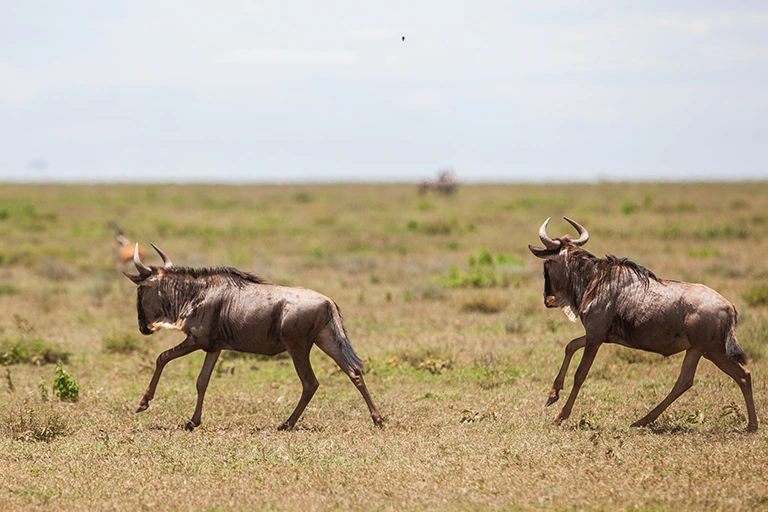
The wildebeest is a crucial animal to watch beyond the Big Five. They actively drive the massive yearly Great Migration cycle. Their collective behavior always causes large-scale herd movements. This movement keeps the larger predators fed well. Thus, it maintains the overall predator-prey balance.

Great Wildebeest Migration
Wildebeest

These animals travel vast areas in search of fresh green grass. This journey is central to life in Serengeti National Park. Research on migration shows that wildebeests actually follow the rain. Nevertheless, seeing a crossing in person is truly unforgettable.

A guide noted the grand scale of this event for us. He said, “When you see a million animals move as one entity, you finally grasp raw nature’s power.” This powerful sight defines a great Tanzania Wildlife Safari moment.

Check our Serengeti Wildebeest Migration Safari.

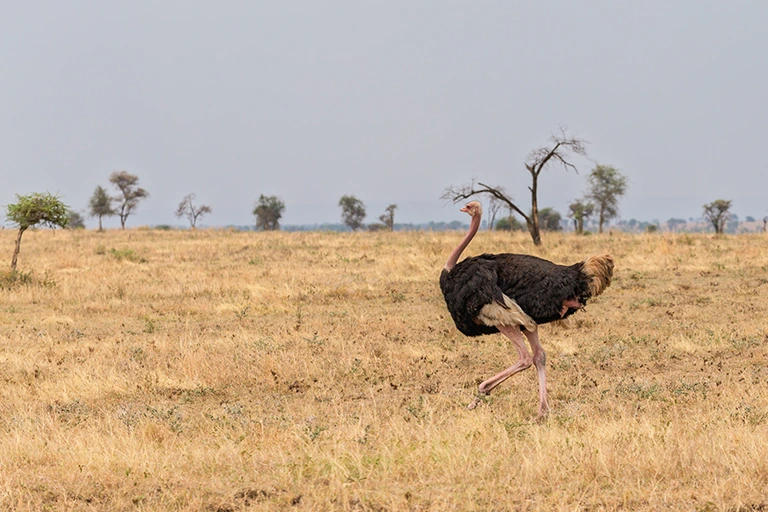
The Ostrich

The ostrich is another amazing bird that African wild animals in Tanzania boast. Travelers often miss this giant bird at first glance. Ostriches are Africa’s largest birds, for sure they are. They make quite a surprise on the wide, flat plains.

Ostrich
Ostrich

Did you know an ostrich’s eye is bigger than its brain? Despite this, they’re very smart at avoiding predators.

These birds move incredibly fast when they must escape danger. They can run up to 45 miles per hour easily when needed. Their large size and speed can make them easy to spot. Guide insight often points them out in open areas right away. They thrive where grass growth remains low.

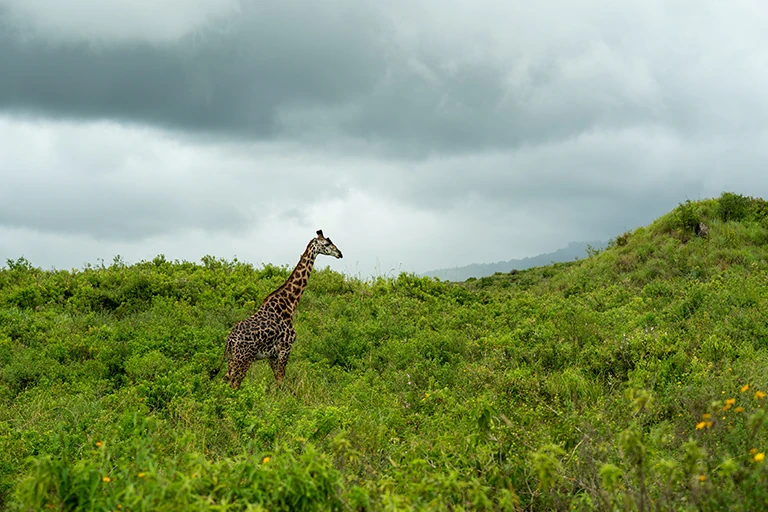
The Giraffe

Giraffes are among the gentlest Tanzania Safari animals to encounter. They are truly gentle giants on the savanna plains we see. Giraffes live in loose groups that change often with the seasons. They spend most of their day eating tasty leaves from high trees. Their long necks help them reach food that others simply can’t get.

Giraffe
Giraffe

Regrettably, giraffe numbers are sadly falling in some places now. Hence, seeing them reminds us why Tanzania Responsible Tourism matters. We must protect their homes closely together. Seeing their calm feeding habits brings a calm feeling to any African Safari in Tanzania.

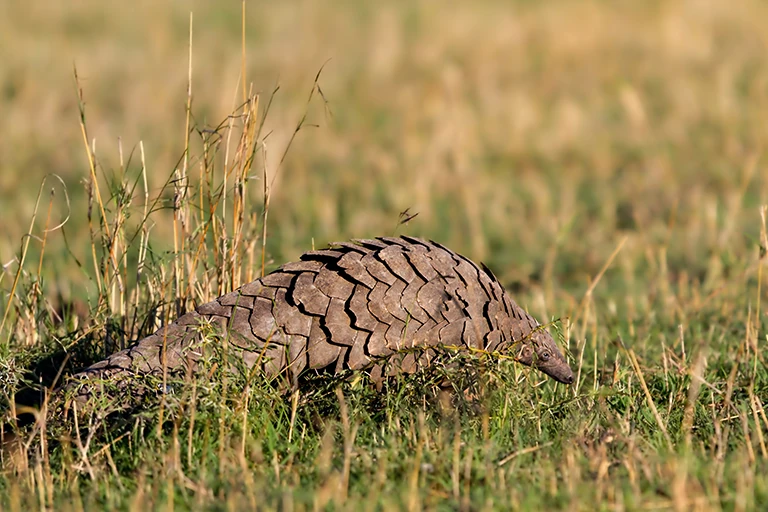
The Pangolin

The pangolin is one of Africa’s shiest mammals. It’s also sadly listed as very endangered right now. Pangolins roll right into a tough, scaled ball when they feel scared. They eat ants and termites using one very long, sticky tongue. Because of this unique look, folks rarely see them while driving.

Pangolin
Pangolin

These mammals hunt strictly at night when it’s dark out. They are only active when most people are asleep in their nice tents. Therefore, spotting one takes amazing luck and a very late, quiet drive. Their rarity makes them a real prize for any Tanzania Safari Wildlife fan. 

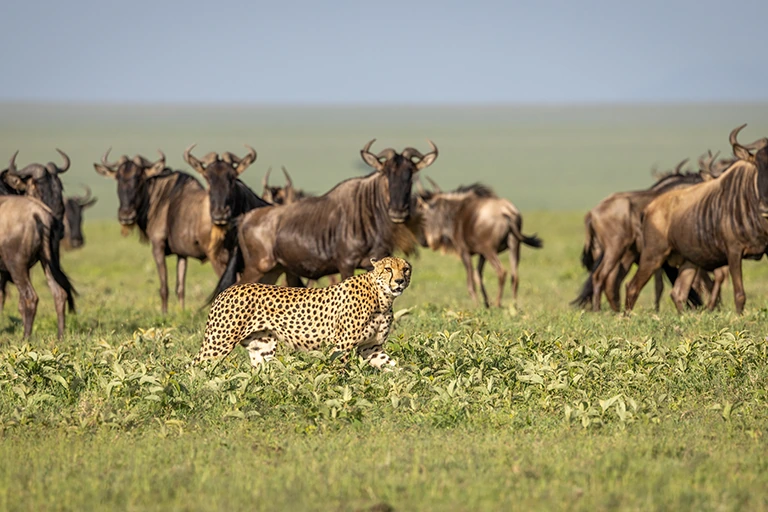
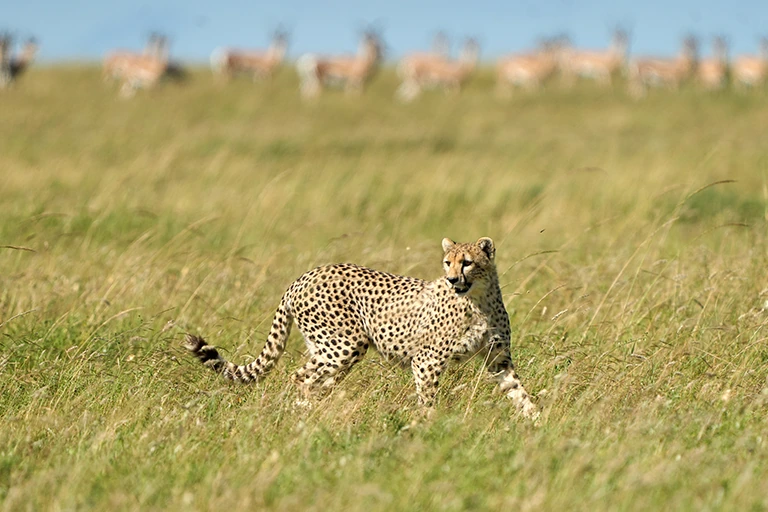
The Cheetah

The cheetah is the top speed champion among all cats. It’s a highly specialized, unique hunter unlike others. Cheetahs use short bursts of amazing speed to catch fast prey. They need open, flat land to use this special hunting style well. Thus, they love the flat, open areas of the plains. Watching a cheetah sprint across the Serengeti or Ndutu plains is a memory that stays with you forever.

Cheetah
Cheetah

Unlike other big cats, cheetahs usually hunt during the cooler times of the day, you see. Cheetahs aren’t very social like lion prides usually are. Males sometimes form small groups made up of brothers only. Seeing one on a successful hunt is a true highlight for any African Safari Tanzania trip. Places like Serengeti National Park offer famous viewing chances.

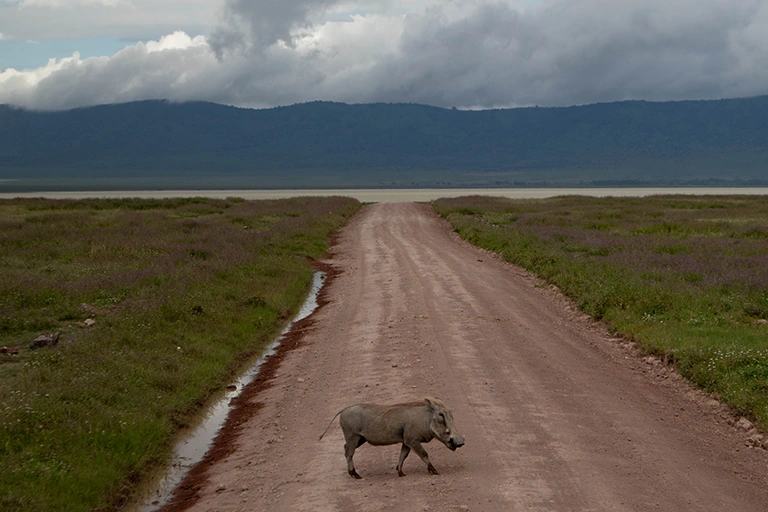
The Warthog

The warthog is a common sight on Safaris In Tanzania. Yet, they are still very fun animals to watch closely. These tough creatures are surprisingly social animals at home. They live in small family groups called sounders quite often. Warthogs often make you smile when you watch them run fast. They must run with their tails held straight up in the air.

Warthog
Warthog

Warthogs play an important part as the ecosystem’s cleaners. They root around in the dirt looking for tasty bulbs and roots. In essence, they help turn over the top soil layer well. Watching them defend their space shows real, surprising intelligence. They’re an important part of Tanzania Safari Wildlife.

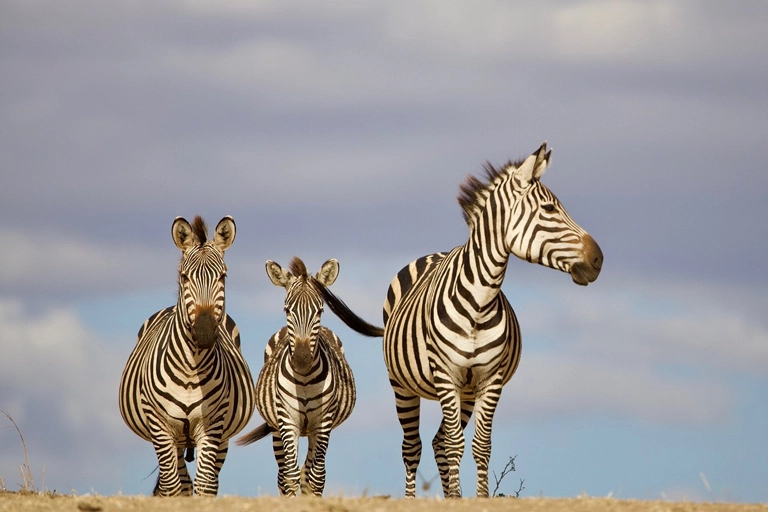
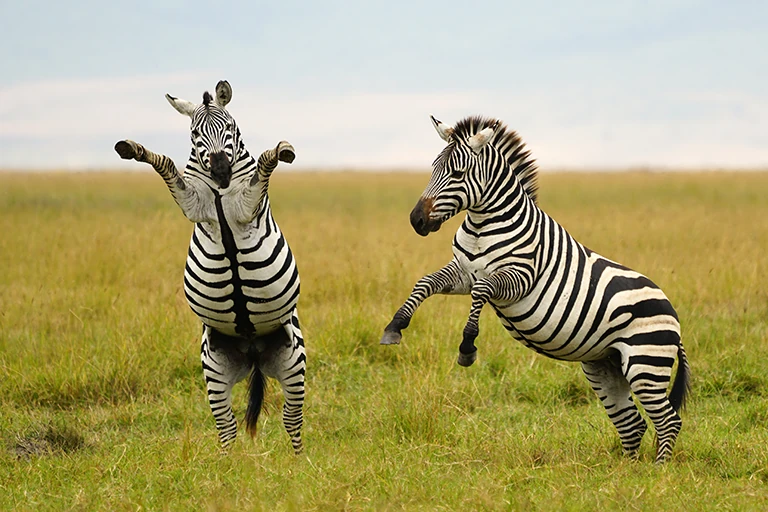
The Zebra

Zebra stripes aren’t just a pretty decoration, you know that now. Scientists debate their real purpose quite a lot these days. Some experts think stripes confuse predators within a big herd. That mass of black and white makes it hard to target one animal.

Zebra
Zebra

Zebras travel right along with the big migration herds yearly. They often eat slightly different grass types than the wildebeest eat. For this reason, they keep the land balanced together well. Conservation matters for them in some areas still. They are gorgeous African wild animals that Tanzania is truly known for.

Making Your Safari Journey Complete

The magic of a Tanzania safari often lies in the animals you didn’t expect to fall in love with. Every single sighting adds beautiful texture to your African Safari Tanzania journey. 

African Safari Tanzania

By looking past the main stars, you see the whole picture clearly. This deep view honors the land and upholds the Responsible Tourism ethic you embrace.

Simbo Natai
Simbo Natai, founder of African Scenic Safaris, crafts sustainable, meaningful Tanzanian journeys rooted in his deep local knowledge and passion.
Director, African Scenic Safaris

7 Helpful Tips for Camping on an African Safari in Tanzania

Camping on a Tanzania safari is not just sleeping in a tent. It’s about sharing space with wildlife and the rhythms of the bush. It’s a choice that offers closeness to nature that many travellers dream about. For adventurers, an African Safari Tanzania often includes sleeping under the stars. However, this trip has unique considerations. These aspects set it apart from regular camping.

In this guide, we’ll break down simple, safety-focused tips. This will help you understand what camping entails on Tanzania Safari Tours. We’ll show you how to do it comfortably, yet responsibly. You’ll see good planning changes worry into memories.

Key Takeaways:

  • You’ll grasp what safari camping in Tanzania truly feels like.
  • We’ll explain how safety measures operate locally.
  • You’ll learn where camping on an African Safari In Tanzania is allowed.
  • Know what to expect from different camp styles.

What Makes Camping on a Tanzania Safari Unique?

When you pick Safari camping in Tanzania, you get a front-row seat to a great show. Imagine waking without an alarm clock sound. Instead, you hear wildlife sounds passing your tent slowly. This closeness sets this travel style apart.

African Safari In Tanzania

Comfortable Tanzania Safari Lodges are nice. They usually place you in developed spots. But camping on an African Safari in Tanzania puts you in the environment. You see the sun paint the horizon before anyone stirs. This deep connection enhances your appreciation of nature.

City camping differs greatly from the controlled safari trips you take. City camping needs you to manage all supplies yourself. You hope no curious animals find your food. 

Safari camping in Serengeti National Park, conversely, obeys firm rules. The Tanzania National Parks (TANAPA) authority sets these rules. These rules keep parks wild for the animals. Yet, they offer guests a safe, spectacular way to explore.

One guide shared thoughts on new campers in an African Safari Tanzania. He noted, “People feel anxious the first night. But by the second morning, they ask when to return. That raw link can’t be built indoors.” 

If you want to see other great travel options, read our guide on Tanzania Safari Experiences

Is Camping on an African Safari Safe?

A top concern when camping on an African Safari In Tanzania is safety. Rest assured, safety is the top priority for all reputable Tanzania Tour Operators.

African Safari Camping

TANAPA enforces strict rules for all Tanzania Safari Camps. These rules cover fire control and waste disposal closely. Most importantly, they cover human-animal contact protocols. When you stay at a managed site, clear systems keep you secure.

Tanzania Safari Camps are never left alone at night; staff are present. They hire local guides and support teams nearby who know animal behaviour deeply. Additionally, they secure the camp perimeter after sunset. 

One of our safari guides explained night safety: “We give every guest clear night rules. This usually means moving only with a staff member after dark. We carry backup lights at all times. Sound is your biggest clue for the night. If you hear something large, stay very still inside your tent.” 

Following these firm rules helps ensure a peaceful camping experience on an African Safari in Tanzania.

Are You Safe from Animals Inside a Tent?

Being close to amazing animals can feel intense. So, let’s address tent security directly. If you follow the rules, you’ll be safe. Wildlife near the tent usually feels only curiosity. They might just be following their normal travel paths. Remember, you are visiting their home.

Tanzania Safari Camps

You must recall these key points at all Tanzania safari camps:

  • Silence Works Best: Loud sounds or sudden movements can startle an animal nearby. 
  • Scents Must Be Controlled: Never leave food or scented items near your sleeping tent area. 
  • Tent Discipline is Important: Once you are tucked in for the night, stay put inside your sleeping tent. Only exit if staff directs you during an emergency. 

Guides explain that animal trouble rarely happens at all. This is true when guests follow these simple rules closely. Respectful distance and low scent levels protect you during safari camping in Tanzania.

Where Can You Camp on a Tanzania Safari?

Planning a Tanzania Safari Trip can be confusing with so many options. Not every place you sleep is the same type. Where you sleep greatly shapes your journey experience.

African Safari Tanzania
African Safari Camp Tanzania

TANAPA runs many designated campsites around Tanzania Destinations. These spots are often more basic for travellers. You might need to bring most of your own gear. Then there are many private tented camps. These range from simple to very upscale lodging. These private Tanzania safari camps offer more exclusivity. 

Mobile camps, arranged often by African Scenic Safaris, move seasonally. This perfectly follows the Great Wildebeest Migration herds’ progress. It offers the best travel flexibility overall.

Think about planning your African Safari Tanzania trip based on these spots:

  • Serengeti National Park: It has good public sites available for use. However, private mobile camps place you right near the migrating herds.
  • Ngorongoro Conservation Area: Tanzania Safari Camps here are strictly controlled. Camps are often on the crater rim, which gives amazing views.
  • Tarangire National Park: This park boasts big elephant groups. Camping here brings close encounters, always supervised by experts.

A planner from African Scenic Safaris notes that location choice matters greatly. They explained, “We pick our mobile Tanzania safari camps based on what animals are doing right now. A spot great last year might not work today. Our job is matching top wildlife viewing with safe, prime spots for Safari camping in Tanzania.” This deep knowledge truly helps your whole trip succeed.

Can You Camp in the Serengeti? 

Camping in the Serengeti experience truly defines the classic African Safari Tanzania adventure. The atmosphere feels wild yet deeply calm after dark. During the day, you bounce along, thrilled by sightings. At night, the sounds change everything for you. You might hear hyenas whooping in the distance there.

Serengeti Camps
Serengeti Camps

Wildlife closeness is guaranteed at these sites. Since mobile camps follow the herds, you might wake where elephants grazed hours before. Early game drives often start right after breakfast. This saves you from long drives from outside towns.

However, we must mix romance with reality. It won’t stay completely quiet all night long. Some nights, the animal sounds will be loud and very close by. When you trust your guides, camping in Serengeti becomes your trip’s best moment. It gives you a view that few lodge guests will ever see.

Choosing the Right Type of Safari Camp

When travellers look at Tanzania camps, they assume camping means losing all comfort. That is not the case for modern trips. There are clear levels even in tented stays now. What changes a lot is the service level you get. Comfort increases as you move up the options list. African Scenic Safaris maintains high standards across all tiers to ensure your trip is enjoyable and secure.

Tanzania Safari Camps

Here is a quick look at camping options:

  • Budget Camping: You sleep in smaller, plain tents. Often, you need your own sleeping bag to stay warm.
  • Mid-Range Camping: You get bigger canvas tents. These boast real beds with fresh linens on them. Private washrooms are often attached to your tent space.
  • Luxury Tented: These tents are very spacious. They feature large beds and sometimes small decks to relax on.

Moreover, safety rules remain firm across all levels on your African Safari In Tanzania. Comfort easily increases between the different tiers. A guide noted guests often expect rough travel, but are surprised by the quality. “Once guests see a hot shower and great food, they see the value. They prefer our mid-range or luxury Tanzania safari camp over basic camping setups.”

Why Travellers Love Camping on Tanzania Safaris

People love safari camping because of its slower pace. You spend your evenings sitting around a campfire, sharing stories with your guides and fellow travellers. The stargazing is unmatched. It’s a quiet, humbling experience. Many of our guests return year after year because they miss the sounds of the night. It’s a reset for the soul.

Tanzania Safaris
Tanzania Safaris

One of our guests on Slane 25 on TripAdvisor shared: “It is super fun and memorable to sleep out in the park camping grounds themselves, and though a bit anxiety-provoking to hear the animals up close, would not have missed that experience -now twice..for anything.”

The Magic of the African Wild

Camping on an African safari isn’t about roughing it. It’s about experiencing Tanzania in its most natural form, with comfort, safety, and expert guidance. You now know that good planning matters a lot. This means understanding animal behaviour and complying with park rules. 

African Safari Wild Camp

Choosing the Best Tanzania Tour Operator makes safari camping in Tanzania a reward. From wild sounds near your tent to great service in Tanzania Safari Camps, every moment is a treasure.

Simbo Natai
Simbo Natai, founder of African Scenic Safaris, crafts sustainable, meaningful Tanzanian journeys rooted in his deep local knowledge and passion.
Director, African Scenic Safaris

What Pre-Trip Fitness and Breathing Exercises Reduce AMS Risk on Kilimanjaro?

Climbing Kilimanjaro needs smart preparation now, not just brute strength, folks. Before you step on that massive African peak, your body must learn to handle thin air kindly. The right Pre-trip fitness training for Kilimanjaro lowers your risk of Acute Mountain Sickness (AMS). Moreover, good prep makes the whole Kilimanjaro Climbing adventure much better.

In this Kilimanjaro Fitness Guide, we explain how exercises boost your body’s oxygen use. We also cover lung strengthening for a safe summit. Great Kilimanjaro Altitude Sickness prevention tips start before you book your flight. Being proactive means you cheer at the top, not feel sick!

Key Takeaways:

  • Why does AMS often strike climbers unexpectedly?
  • How fitness and breathing stop altitude sickness early.
  • Best pre-climb exercises for stamina building.
  • Daily breathing routines to boost oxygen efficiency.
  • Expert ways to acclimatize more safely.

Understanding AMS and Why Fitness Helps Prevent It

At nearly 6,000 meters, Kilimanjaro has only half the oxygen you find at sea level. Without AMS prevention exercises, your body struggles hard to adjust. This brings headaches and heavy breathing. These are classic AMS signs, and they slow everyone down. Therefore, your Kilimanjaro preparation workouts matter a lot.

Kilimanjaro Climbing

AMS prevention exercises focus on making your heart and lungs work better together. When your heart’s strong, it pumps blood with more ease. This means even when there’s less oxygen in the air, your blood can still deliver what’s available to your brain and muscles. 

According to health experts, a fit body recovers much faster during rest times. CDC’s High Altitude Health Advisory notes that good heart training aids acclimatization. If you’re wondering how to stay healthy, you should also read our guide on Altitude Sickness Prevention Strategies for Kilimanjaro Climbers. Knowing how to prevent AMS on Kilimanjaro builds your inner confidence.

Furthermore, a fit body doesn’t have to work as hard for simple tasks. On the mountain, even putting on your boots can feel like a workout. By training early, you’re making sure that your heart doesn’t race too fast, which helps you keep your cool when the Kilimanjaro Climb gets tough.

Essential Fitness Training Before Kilimanjaro

Strong legs and a healthy heart are your best AMS defenses. Building stamina improves the blood’s oxygen-carrying power. This readies your system for long trekking days. Smart workout focus is key for your Kilimanjaro Training Plan. You are training for lasting endurance, not speed.

Training For Kilimanjaro

Here are the Kilimanjaro Preparation Workouts:

  • Cardiovascular Training: Run, swim, or cycle for 30 to 60 minutes. Aim for this four times each week. Subsequently, this builds your core endurance steadily.
  • Strength Training: Focus on weighted squats, step-ups, and lunges. These moves support all your uphill travel later.
  • Weighted Hiking: Practice hiking on rough ground. Wear a backpack carrying 6 to 8 kilograms for realism. This mimics the actual climb weight you’ll carry.
  • HIIT (Interval Training): Try short bursts of hard exercise followed by rest. This improves heart and lung action very effectively.

A guide shared how training helped a climber succeed:

“Training made the long final push feel manageable instead of impossible, honestly.” 

For more depth on stamina, see our full Training for Kilimanjaro guide. Indeed, this preparation will show you a clear, positive difference on the trail.

Breathing Exercises to Improve Oxygen Efficiency

When you hit high altitude, slow, deep breaths help you pull in more thin air. Training your lungs pre-trip is as vital as physical fitness. These High altitude breathing techniques are tools for Lung training for high altitude.

Kilimanjaro Breathing Exercises

Here are the best exercises you should practice often before you go:

  • Diaphragmatic (Belly) Breathing: Breathe deeply into your stomach for three seconds. Then, let the air out slowly over six seconds. Conversely, shallow breathing starves your system fast.
  • Pursed-Lip Breathing: Breathe in slowly through your nose first for air. Then, exhale gently through tightly pursed lips to control the flow. This controls your outbreath timing well.
  • Box Breathing: Inhale deeply for four seconds to start. Next, hold that breath count for four steady seconds. Finally, exhale slowly for four seconds, then hold again for four counts.
  • Breath-Hold Practice: Try to hold your breath slightly longer, but only do this gradually. This teaches your lungs how to conserve precious oxygen better. 

Health bodies like the NHS suggest good respiratory habits for wellness. When you’re on the mountain, these habits become your second nature. They help you maintain the “pole pole” pace that we always talk about.

The same way you prepare your body, prepare your bag too. Pack cleverly; review our Kilimanjaro Packing List: Essentials for Health & Safety. This will help you ensure you have everything needed for health and safety.

Combining Fitness & Breathing for Maximum Acclimatization

Good fitness helps your blood circulation speed everywhere. Breathing exercises boost how much oxygen you take in per breath. When you combine both, your body learns to work well with less oxygen present. This preparation is vital for Kilimanjaro’s thin air. These methods form key Kilimanjaro acclimatization preparation steps you control. Consequently, you’ll handle altitude shifts with more grace.

Kilimanjaro Fitness Training

Here are simple tips you can use every day:

  • Pair 30 minutes of cardio with 10 minutes of deep breathing daily for best results.
  • Always keep up great hydration levels. Also, please make sure you never over-train your muscles needlessly.
  • Schedule necessary rest days each week. This lets your system naturally balance oxygen levels effectively.

Experienced guides notice the difference between groups clearly. They see trained climbers adjust faster than others who avoided prep. Hence, this dual approach is one of the best Kilimanjaro Success Tips.

Your Gentle Climb’s End

A successful Kilimanjaro Climb starts before you reach the mountain slopes. Pre-trip fitness Training For Kilimanjaro trains your body and lungs correctly, cutting down your AMS risk so much. Moreover, this smart training boosts your full stamina. It turns a tough trek into a powerful, self-discovery journey for you. 

Mount Kilimanjaro Climbing

Consistency is truly the most important factor for your success here. Fitness and breathing combined create the perfect safety net between struggling and finally reaching that amazing summit smile. 

Therefore, start building these healthy habits today, without excuses!

Start preparing today! Download our free Kilimanjaro Fitness & Breathing Planner (available after signup).

Simbo Natai
Simbo Natai, founder of African Scenic Safaris, crafts sustainable, meaningful Tanzanian journeys rooted in his deep local knowledge and passion.
Director, African Scenic Safaris
×