
The Top Guide to Kilimanjaro Travel Insurance & Its Measures

Kilimanjaro Travel Insurance is what will cover you in times of unexpected losses, theft, or unforeseen circumstances while climbing Kilimanjaro. It’s really important to have Kilimanjaro Travel Insurance before you start climbing.

It covers all sorts of unforeseen events that you could face during your climb. But the concern is how to choose the right Kilimanjaro Travel Insurance that covers all aspects.

Don’t worry. Below, we’ll analyse the different components of Kilimanjaro Insurance, including types, providers, policies, etc., while also offering some suggestions along the way.
Kilimanjaro Travel Insurance

Types Of Kilimanjaro Travel Insurance

There are 4 primary types of Kilimanjaro Travel Insurance. They include medical evacuation, trip cancellation, and personal property insurance. All of them are available for those planning to climb Kilimanjaro. They will cover different aspects like:

  • High-Altitude Sickness Medications and Evacuation
  • Trekking Accidents
  • Financial Protection
  • Stolen Property and Damage Coverage

The following comparison offers useful information about the different Kilimanjaro Insurance policies, including things like benefits and features.

TYPE OF INSURANCECOVERAGE OPTIONSBENEFITS
Medical InsuranceEmergency medical treatment and hospitalisation expenses, transportation costs, and medical evacuations.Peace of mind in case of unanticipated injury or illness.
Evacuation InsuranceEmergency evacuation from the mountain in case of illness, injury, or another emergency.Ensures timely and safe evacuation in case of emergency.
Trip Cancellation InsuranceReimbursement for prepaid expenses such as flights, accommodations, and tour fees in case of trip cancellation.Financial protection against unforeseen circumstances such as illness or injury.
Personal Property InsuranceProtection for loss, theft, or damage of personal belongings such as equipment, clothing, and gear.Reimbursement for lost or damaged items.

What To Look for In a Kilimanjaro Travel Insurance Policy

You should consider some important features before choosing a Kilimanjaro Travel Insurance Policy. Ask yourself the following questions before selecting a policy:

  • Can the insurance pay your medical bills immediately while you are still in Tanzania, or will you have to wait until you return home?
  • Does your policy include rescue services like helicopter evacuation?
  • How much is deductible in case, in case you cancel your Kilimanjaro Trips and claim Kilimanjaro Insurance?

After figuring these out, you can go to the next step. I.e. Comparing the  Travel Insurance For Climbing Kilimanjaro. The following comparison of different insurance providers will help you with this.

Name Of The Insurance ProviderFeaturesBenefitsCosts (Per Person, For A 7-Day Tour)
AIGComprehensive medical and evacuation coverage

24/7 travel assistance
Coverage for pre-existing conditions

Optional adventure sports coverage
Worldwide network of medical providers, $1,000,000 in emergency medical and evacuation coverage, 100% coverage for pre-existing conditions$150 – $300
World NomadsMedical and evacuation coverage

Trip interruption and cancellation coverage.
No age limit, high coverage limits for medical and evacuation expenses, flexible policy options$130 – $300
Travel GuardMedical and evacuation coverage

Trip cancellation and interruption coverage

coverage for lost or stolen luggage and personal belongings
24/7 emergency travel assistance, customizable policy options, and optional coverage for adventure sports$150 – $350
IMGComprehensive medical and evacuation coverage

Trip cancellation and interruption coverage

Coverage for adventure sports and activities
Access to a worldwide network of medical providers, no age limit, customizable policy options$150 – $400

How To Buy Kilimanjaro Travel Insurance

Buying Kilimanjaro Insurance is a relatively easy task, but most people tend to get lost during the different stages. But you don’t have to worry about this! Here are the major steps that you should follow to buy Kilimanjaro Insurance:

Research insurance providers and compare policies – This process will be fairly comfortable because we’ve provided all the information above. But, after that, make sure to follow the steps below.

Acquire a Quote – Utilize the website of your preferred insurance provider or call their customer service to get a quote for the coverage you want. Then, provide the travel dates and any pre-existing medical conditions.

Purchase and Receive the Policy – This step you can do over the phone or online. You will be required to provide the travel and payment details. After completing the purchase, you’ll receive the policy documents over regular mail or e-mail.

A Piece of Advice – Review the policy sensibly and ensure that you understand the coverage, trip inclusions, exclusions, and limitations. Moreover, make it a point to carry a physical or digital copy of the policy with you during your Kilimanjaro climbing adventure.

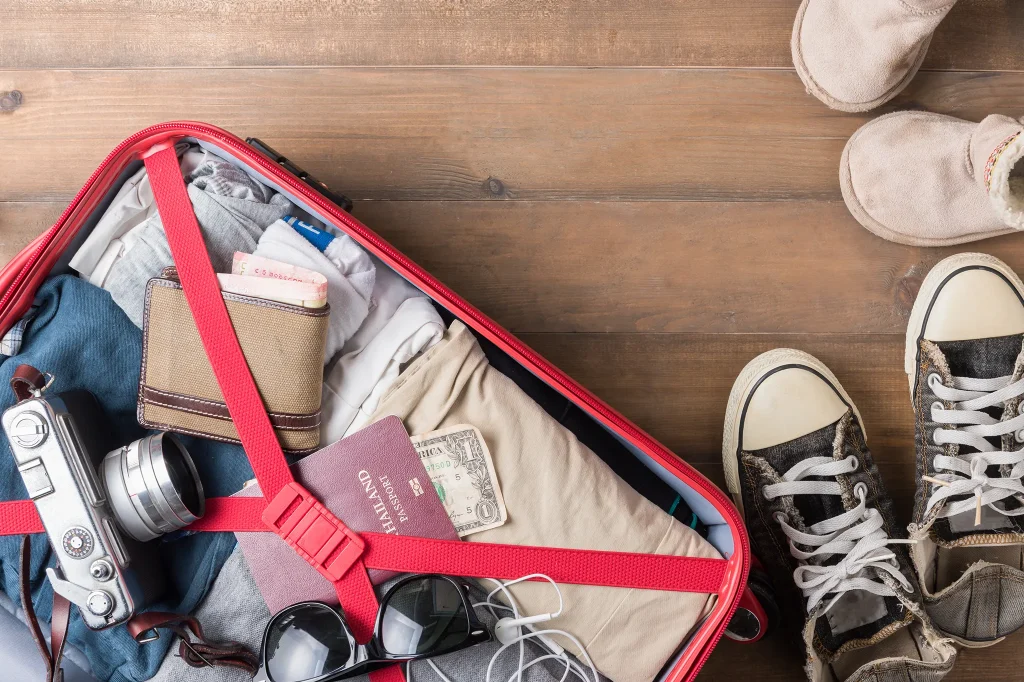
Kilimanjaro doesn’t hand out second chances, so pack smart, insure right, and climb knowing even unexpected turns on the trail won’t trip your summit dreams.

Tips For Choosing the Right Kilimanjaro Insurance

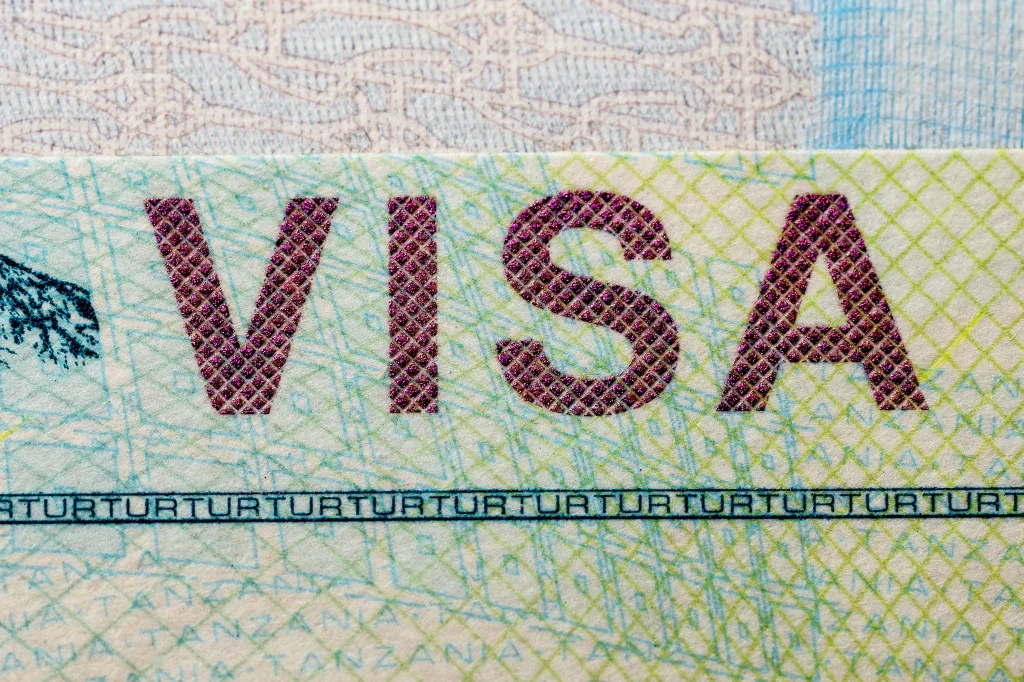
Tanzania Visa
Tanzania Visa

There are some essential things that you should keep in mind before choosing Insurance for Kilimanjaro.

Here are some general suggestions that will help you with the process of picking the Best Travel Insurance for climbing Kilimanjaro:

  • Make sure that the insurance policy covers trekking 6,000 m above sea level.
  • Check the fine print! Because some policies function on a reimbursement basis, meaning that there’s a large cost if any emergency arises.
  • Certify that your Insurance for climbing Kilimanjaro covers components such as loss of personal possessions, baggage delay, accidents, and injuries.
  • Picking an insurance policy that covers altitude sickness and AMS (Acute Mountain Sickness) in its coverage is highly recommended.

Some Useful Info – The insurance provider named World Nomads provides an Adventure activities insurance policy upgrade that includes hiking up to 6,000 m above sea level.

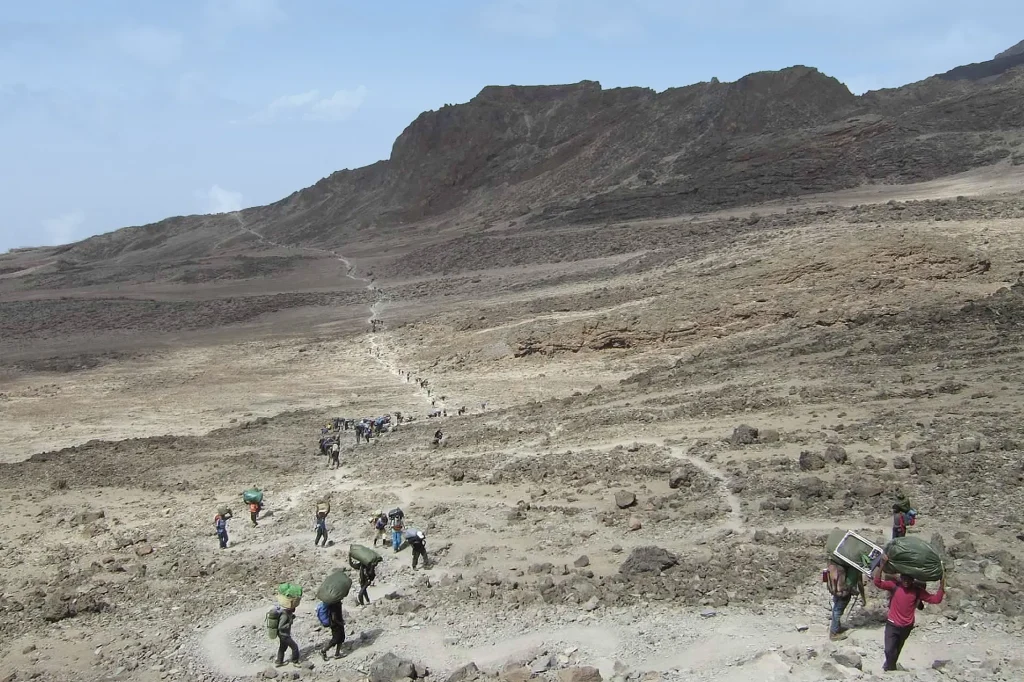
Most of the Kilimanjaro Routes are completely hiking-based paths. So, if you want to engage in mountaineering with ropes (on the Western Breach of Kilimanjaro), you need to inform the insurance provider. This will also increase your premium, and you’d need to add mountaineering to your coverage plan.

Take Your Pick of The Kilimanjaro Travel Insurance – Better to Be on The Safe Side!

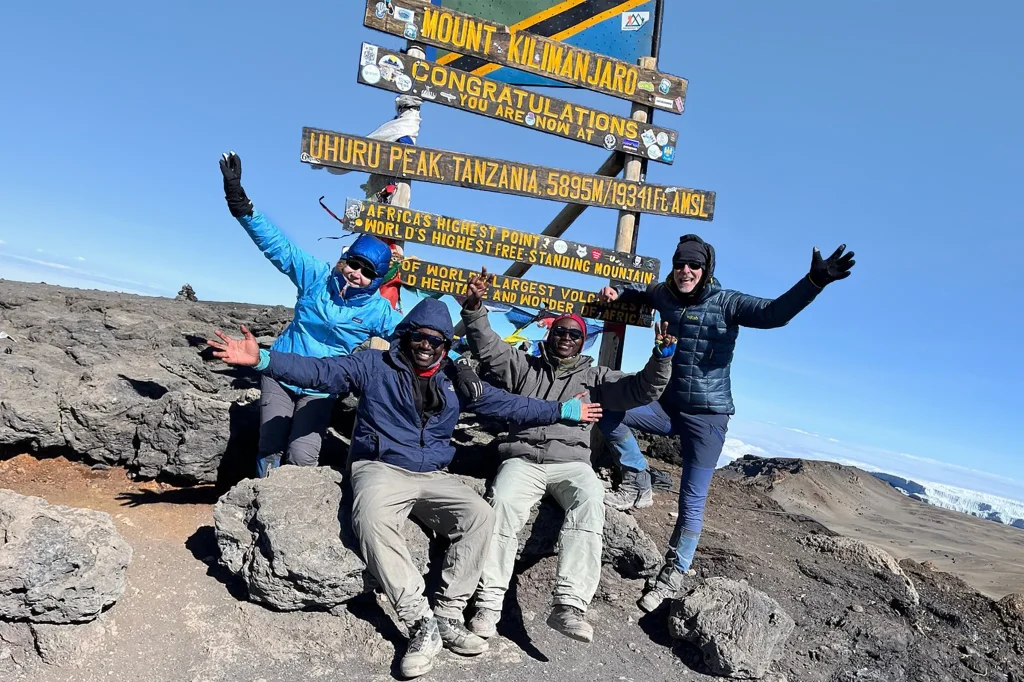
All in all, we want your Kilimanjaro Climb to be more exciting and adventurous. And, to make it successful, having the right policy and measures of Kilimanjaro Travel Insurance is a must. The trails of Kilimanjaro routes don’t need technical expertise to climb, but it is way better to be on the safe side than regret your choices later on.

Even though no one likes to imagine things going wrong, nonetheless, unforeseen circumstances can unfold. So, to ensure a safe and satisfying summit up the mountain, follow the above information.

On top of your insurance coverage, we at African Scenic Safaris also have a special insurance policy that covers incidents like theft and accidents. If you have any more queries related to Kilimanjaro Insurance, you can contact our travel experts, who will solve your queries.

We hope you got some valuable insights on Kilimanjaro Travel Insurance. Now, if you want to know more about Kilimanjaro Climbing Packages, take a look at our newly added blog post, What’s Included In Kilimanjaro Climbing Packages – A Detailed Breakdown.

Simbo Natai
Simbo Natai, founder of African Scenic Safaris, crafts sustainable, meaningful Tanzanian journeys rooted in his deep local knowledge and passion.
Director, African Scenic Safaris

How To Choose the Right Kilimanjaro Climbing Packages for You

Choosing the right Kilimanjaro Climbing Packages is one of the most important factors when it comes to Climbing Kilimanjaro. There’s a range of packages that offer special services, different budgets, and routes.

Below, we’ll discuss the three types of Kilimanjaro Climbing Packages, the deciding factors of Kilimanjaro Routes, and the best time to climb the mountain. This will help you figure out which is the right package for Mount Kilimanjaro climbing according to your needs and preferences.

Choosing The Right Route

Types Of Kilimanjaro Climbing Packages

When planning to ascend the slopes of Mount Kilimanjaro, it’s necessary to choose the right Kilimanjaro climbing package that suits your budget, needs, and inclinations. Here we have discussed the different types of packages available for climbing Kilimanjaro.

Budget Climbing Packages 

As the name implies, this type of package is suitable for those climbers who want to keep their climbing costs on an affordable budget. These Climbing Mount Kilimanjaro packages include all the basic amenities like camping tents, meals, and sleeping tents.

Though additional services, high-end Kilimanjaro gear, private toilet tents, etc., won’t be covered if you choose these types of Kilimanjaro Climbing Packages.

Mid-Range Climbing Packages 

These packages offer a great balance of costs with comfort levels. They generally include a variety of food options, high-end tents, and comfortable sleeping arrangements (like comforters and mattresses). Additional services like experienced guides and portable toilets are also included.

Luxury Climbing Packages 

Luxury Kilimanjaro Climbing Packages are the preferred option for those who want ultimate comfort while climbing Kilimanjaro. Expect top-of-the-line climbing equipment, luxurious tents, and gourmet meals when you choose this package.

All of the additional services and amenities will also be covered in these types of Mount Kilimanjaro Packages. These include things like portable toilets with a flushing system and hot shower facilities with experienced guides.

When selecting the most suitable Kilimanjaro Climbing Packages, it’s important to consider your budget and needs. A budget package is ideal for climbers looking for a more affordable climb. A luxury climbing package is an ideal choice if you prefer a more comfortable and pampered experience.

Kilimanjaro Route Options

Kilimanjaro Climbing Route Options

Kilimanjaro, the iconic peak in Tanzania, offers climbers a variety of routes to choose from. Each provides a unique experience and level of challenge. Here are some popular Kilimanjaro climbing options:

Name Of the Kilimanjaro RouteHighlights
Machame Route– One of the best Kilimanjaro Routes with excellent success rates – Great acclimatisation, with a walk high, sleep low approach – Incredible scenery, with 5 distinctive climatic zones – All-inclusive camping options
Lemosho Route– An excellent route to climb Kilimanjaro, along with a high success rate – Plenty of time for acclimatisation – Stunning scenery of gorges and western Kilimanjaro – One of the most remote Kilimanjaro Routes.
Rongai Route– A true wilderness experience in the northern rainforest zone of the mountain – A challenging summit night – Less ideal for acclimatisation with no chances for a walk high sleep low approach  – All-inclusive camping options
Marangu Route– The shortest route to the summit, meaning less time for acclimatization – A relatively low success rate – Less scenic trail, because the ascent and descent are on the same route

Furthermore, there are some key factors that you need to consider when you’re looking for the best fit for Kilimanjaro Packages. They include:

  • Acclimatization Opportunities
  • Difficulty during the summit night
  • Is the Kilimanjaro Route crowded or not?
  • Safety Considerations
  • The success rates
  • The Accommodation Options

Another equally important factor is visibility on the mountain. This is because you want to witness the scenic surroundings while climbing Kilimanjaro and even take some photographs.

Not every climber needs luxury, and not every route suits all trekkers, so choose your Kilimanjaro package like your boots, carefully fitted to support every step to the summit.

Our Specialized Kilimanjaro Climbing Packages

Our prices for Kilimanjaro climb in 2022 and 2023 are provided below. Please note that these prices are subject to change and may vary based on specific requirements. For private and tailor-made climbs, we recommend contacting us directly with your specific needs and preferences.

Route NameDurationPrice
Northern Circuit9-10$2,500-3,500
Lemosho Route8-9$2,000-3,000
Machame Route7-8$1,800-2,500
Marangu Route5-6$1,500-2,000
Rongai Route6-7$2,000-2,500
Umbwe Route6-7$1,800-2,500

Choosing A Kilimanjaro Package According to The Climbing Season

Before you choose a Kilimanjaro climbing package, you should consider when you plan to hike up the mountain. The Best Time To Climb Kilimanjaro is from December to mid-March and mid-June to the end of October.

There are some pros and cons of Mount Kilimanjaro Climb according to the time of the year. The following comparison will help you with a more detailed analysis.

TIME OF YEARPROSCONS
January and FebruaryClear and dry weather conditions lower crowd levels-Cooler temperatures at night and higher altitudes
-Possibility of snow and ice on the trails
March and AprilLower crowd levels and lower prices for tours-Rainy season with the potential for heavy rainfall and mud on the trail.
-Cooler temperatures at night and higher  altitudes
May and JuneClearer weather conditions than the rainy season lower crowd levels-Cooler temperatures at night and higher altitudes
-Potential for fog and limited visibility
July – SeptemberDry weather conditions, Warmer temperatures-Higher crowd levels than other times of the year.
-Clear skies can make for colder temperatures at night and higher altitudes.
October – DecemberClear and dry weather conditions lower crowd levels than in the summer months-Cooler temperatures at night and higher altitudes
-Potential for snow and ice on the trail

Although it’s possible to climb the mountain throughout the year. If you don’t mind the showers of rain and cold temperatures, climbing in April, May, and November is possible. But remember to pack the right waterproof Kilimanjaro Gear and warm clothing items. However, we do not recommend climbing Mount Kilimanjaro during this time. During this period, the trails can be very wet, muddy, and snowy, making your climbing less enjoyable. And, it means you’ll miss out on the spectacular views and photo opportunities.

Season And Routes – Determining Factors of Choosing the Right Kilimanjaro Climbing Packages

When it comes to booking your Kilimanjaro climb, African Scenic Safaris stands out for several reasons. First and foremost, we offer great value for your money.

Our trip packages include essential items such as accommodations, experienced guides, National Park fees, meals, ground transportation, sightseeing, and entry fees.

This all-inclusive approach allows you to budget better for your adventure, ensuring that you have everything you need without any unexpected expenses.

Another reason is our commitment to safety. We have an excellent safety record and provide continual health monitoring throughout your climb.

Moreover, we pride ourselves on outstanding service and responsible travel practices. Lastly, we prioritise acclimatization, which is crucial for summit success. So, without any ado, let us be your guide to planning your best-ever Tanzania Safari Packages!

Simbo Natai
Simbo Natai, founder of African Scenic Safaris, crafts sustainable, meaningful Tanzanian journeys rooted in his deep local knowledge and passion.
Director, African Scenic Safaris

Best Hiking Boots for The Northern Circuit Route on Kilimanjaro

Trekking on the Northern Circuit Route of Kilimanjaro is a challenging and demanding experience. It requires proper planning, preparation, and necessary gear like high-quality boots. As you are going to spend hours with your hiking boots on, a misfit or bad boot can create a lot of nuisance and almost ruin your climb.

So, choosing a good pair of comfortable, durable hiking boots will help you. Not only, it will help you survive the weather conditions on Kilimanjaro Routes, but also, prevent injuries and discomfort during the trek.

Additionally, ahead in this blog, we are also going to discuss points regarding what to look for in boots when shopping for them. Because only choosing the right pair of hiking boots can save your climb and ensure a successful and enjoyable climb.

Hiking Boots for The Northern Circuit Route

What To Look for In Hiking Boots

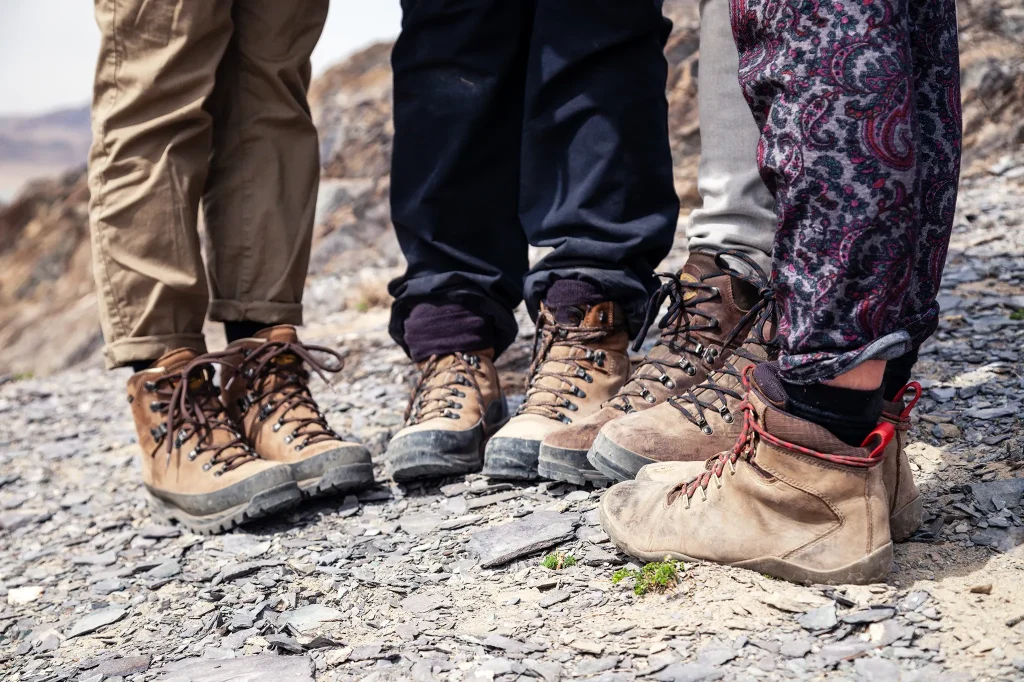
Hiking boots are not regular boots. These boots are specially designed for hiking rugged trails. Most travellers to the  Northern Circuit of Kilimanjaro opt to wear sturdy, waterproof, and high-cut boots.

Earlier, hiking boots used to be heavy on the feet. But recent advancements in technology have made it possible to manufacture lightweight hiking boots which also ensure good quality support.

Out of all the features that a climber to the Kilimanjaro Northern Circuit Route looks for, the primary ones are comfort and safety. Other key features to consider when looking for hiking boots are given in the table below.

Features to consider for good-quality hiking bootsHow the features help during the Northern Circuit Kilimanjaro Climb
DurabilityBoots are made from durable, high-quality leather or synthetic materials that protect against punctures, abrasions, and wear and tear.
SupportProvide ankle support while traversing the uneven terrain.  
WaterproofingWaterproof boots with breathable membranes can keep your feet dry and comfortable amidst the rain, snow, and wet ground.
TractionA sturdy and reliable sole with a non-slip pattern provides good traction against wet, slippery, and rocky terrain.
ComfortComfort is the most crucial factor. Comfortable boots fit well and provide cushioning so that they do not hurt when trekking.

Tips and Recommendations for Finding Boots

  • Measure your foot size accurately and try on boots with the right fit.
  • Break in the boots before they feel comfortable. Wear them around the house or for short walks before embarking on a long trek. More about the importance of breaking into the boots in the later section.
  • Check for ankle support and stability of the boots by trying them out and walking with them on uneven surfaces.
  • Check for any kind of hotspots. These are the points that can cause blisters or discomfort on the Northern Circuit Kilimanjaro trail.
  • Do not forget about the right kind of socks! Wear the types of socks you plan to use on the trail when trying on boots to ensure the perfect fit.

Top Hiking Boots for The Northern Circuit Route, Kilimanjaro

There are numerous hiking boots available on the market. Choosing the best one might be a challenging task. However, we have reviewed some of the best hiking boots with their features, pros, and cons to make it easier for you to make an informed decision.

BRAND/ MODELMATERIALWATERPROOFINGWEIGHTPRICEPROSCONS
Salmon Quest 4D 3 GTXLeather and textileGORE-TEX2.35 lbs (per boot)US $230Provide good traction, high ankle support, lightweight and durable.Relatively expensive. Take some time to break in.
La Sportiva Nucleo High GTXNubuck leatherGORE-TEX Surround2.5 lbs (per boot)US $199Lightweight and breathable. Good waterproofing.  Comfortable right out of the box.Not as durable as some other options. It may not offer enough ankle support for some hikers.
Scarpa Zodiac Plus GTXNubuck leatherGORE-TEX2.2 lbs (per boot)US $269Durable and long-lasting. Good ankle support.  Good traction on rocky terrain.It may not be as comfortable as some other options. May run small and require sizing up.
Lowa Renegade GTX MidNubuck leatherGORE-TEX2.4 lbs (per boot)US $240Excellent ankle support and stability. Comfortable right out of the box. Good traction on varied terrainIt may not fit well for hikers with wider feet. It may not be as durable as some other options
Vasque St. Elias FG GTXLeatherGORE-TEX2.8 lbs (per boot)US $ 200Excellent traction and stability. Good ankle support.  Durable and long-lasting.May run small and require sizing up.  It may be too heavy for some hikers.

Note: Prices may vary based on location and availability. It is recommended to try on hiking boots in-person before purchasing to ensure the best fit and comfort.

How To Break in Your Hiking Boots for The Northern Circuit Route, Kilimanjaro

Breaking in your hiking boots is essential to ensure a comfortable and enjoyable hiking experience. This is especially when going on a challenging trail like the Northern Circuit Route on Kilimanjaro. Wearing boots that have not been broken in can lead to blisters, hot spots, and discomfort, making it difficult to complete the hike.

Breaking in Your Hiking Boots is crucial for several reasons, including:

Preventing blisters –New boots are stiff and can rub against your feet, causing blisters. Breaking in your boots gradually allows them to conform to your feet and reduces the risk of blisters.

Improving comfort- Breaking in your boots allows them to soften and mould to your feet, making them more comfortable to wear.

Enhancing support –Properly breaking in your boots can also improve the support they provide to your feet, ankles, and legs.

Hiking Boots to Prevent Blisters and Discomfort on The Northern Circuit Route, Kilimanjaro

  • Start by wearing your boots around the house for a few hours daily. This allows your feet to adjust to the new boots gradually.
  • Take your boots on short walks around your neighbourhood or Local Park. Increase the distance and duration gradually over a few days.
  • Wear your boots with the same socks you plan to wear on the Northern Circuit Route. This ensures a proper fit and reduces the risk of blisters.
  • Experiment with different lacing techniques to find the most comfortable fit for your feet. Make sure that your boots are snug but not too tight.
  • Try walking on steeper or uneven terrain to gradually increase the break-in process’s intensity.

Your summit dreams can sink with sore toes—pick boots that hug your feet, fight the weather, and walk you confidently through every mile of Kilimanjaro’s toughest trail!

Other Essential Hiking Gear Except For Hiking Boots

When preparing for the Northern Circuit Route Kilimanjaro, having the right hiking gear can make all the difference in your comfort, safety, and overall experience. In addition to high-quality hiking boots, there are several other essential gear items to consider. Here are some of the most important:

  • Hiking socks– Wearing proper hiking socks is crucial to prevent blisters. It will keep your feet dry and warm, and provide extra cushioning. Look for socks made from moisture-wicking materials like merino wool or synthetic blends, and make sure they fit well with your hiking boots.
  • Gaiters– Gaiters are protective covers that go over your boots and lower legs. They keep debris, snow, and water from entering your boots. They can be especially useful on Kilimanjaro Routes, where you may encounter snow, loose rocks, and other obstacles.
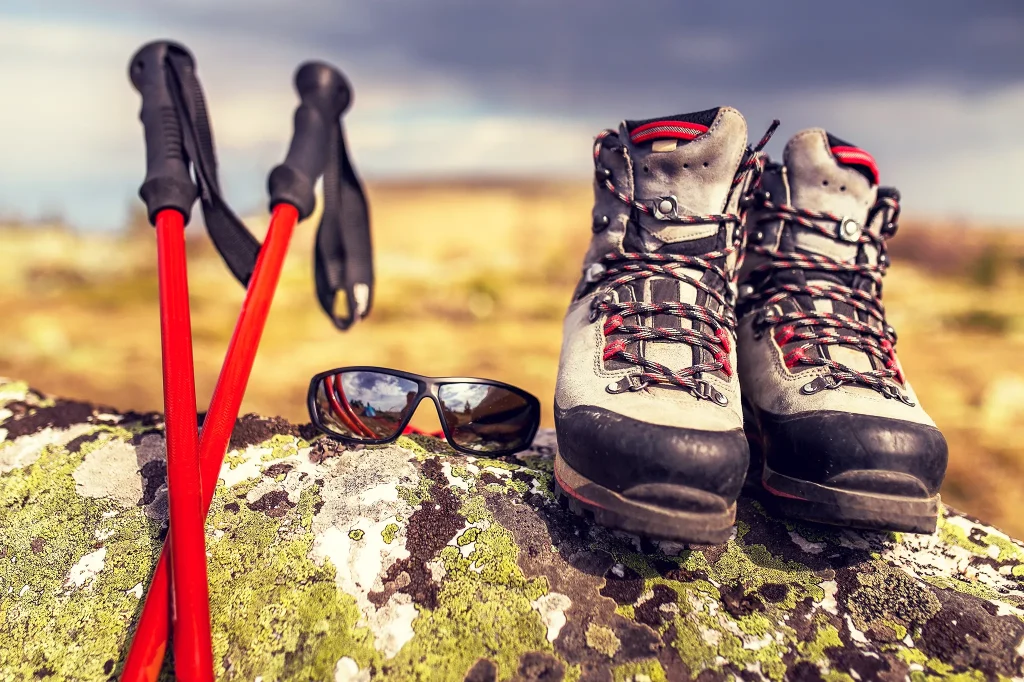
  • Trekking poles– Trekking poles can help reduce the strain on your knees and legs. They provide extra support on steep terrain and improve your balance. Look for adjustable poles made from lightweight and durable materials. Also, make sure they fit your height and hiking style.

Invest In the Best Hiking Boots and Get Started with Your Journey

We hope that the above read will help you make an informed decision while finding the best possible boots for Northern Circuit Route Kilimanjaro. We are sure that buying a pair of hiking boots is a one-time investment that you won’t regret. Furthermore, after ascending Kilimanjaro, you may also want to venture out on other trekking expeditions. So, they can be used then too.

In case you have got inhibitions left, and don’t want to invest, do not worry about that also. We at African Scenic Safaris offer Kilimanjaro Climbing Packages that include everything for a successful and memorable hike. We include everything starting from experienced guides and porters to high-quality gear and equipment. Our team of experts will help you choose the best hiking boots and properly break them in before your climb.

So, don’t hesitate to contact us today to learn more about our Kilimanjaro Climbing Packages and start planning your adventure!

Simbo Natai
Simbo Natai, founder of African Scenic Safaris, crafts sustainable, meaningful Tanzanian journeys rooted in his deep local knowledge and passion.
Director, African Scenic Safaris

A Guide to A 2023-24 Serengeti Wildebeest Migration Safari

Serengeti wildebeest migration Safari is a spectacle to behold, with a constant stream of animals on the move. They are seen crossing rivers and plains and facing challenges such as predators and the elements. For wildlife enthusiasts, photographers, and nature lovers, the Serengeti wildebeest safari is a dream come true.

To plan a successful 2023-24 Serengeti Wildebeest Migration Safari, it’s essential to have a good understanding of the event’s timeline and the best times to visit. The exact timing of the migration varies each year, so it’s essential to keep up to date with the latest information.

To get the most out of your safari, it’s advisable to book your Safari in Tanzania with an experienced and reputable tour operator like African Scenic Safaris. We will guide you through the best locations to witness the migration, taking into account your specific interests and preferences.

Understanding The Serengeti Wildebeest Migration

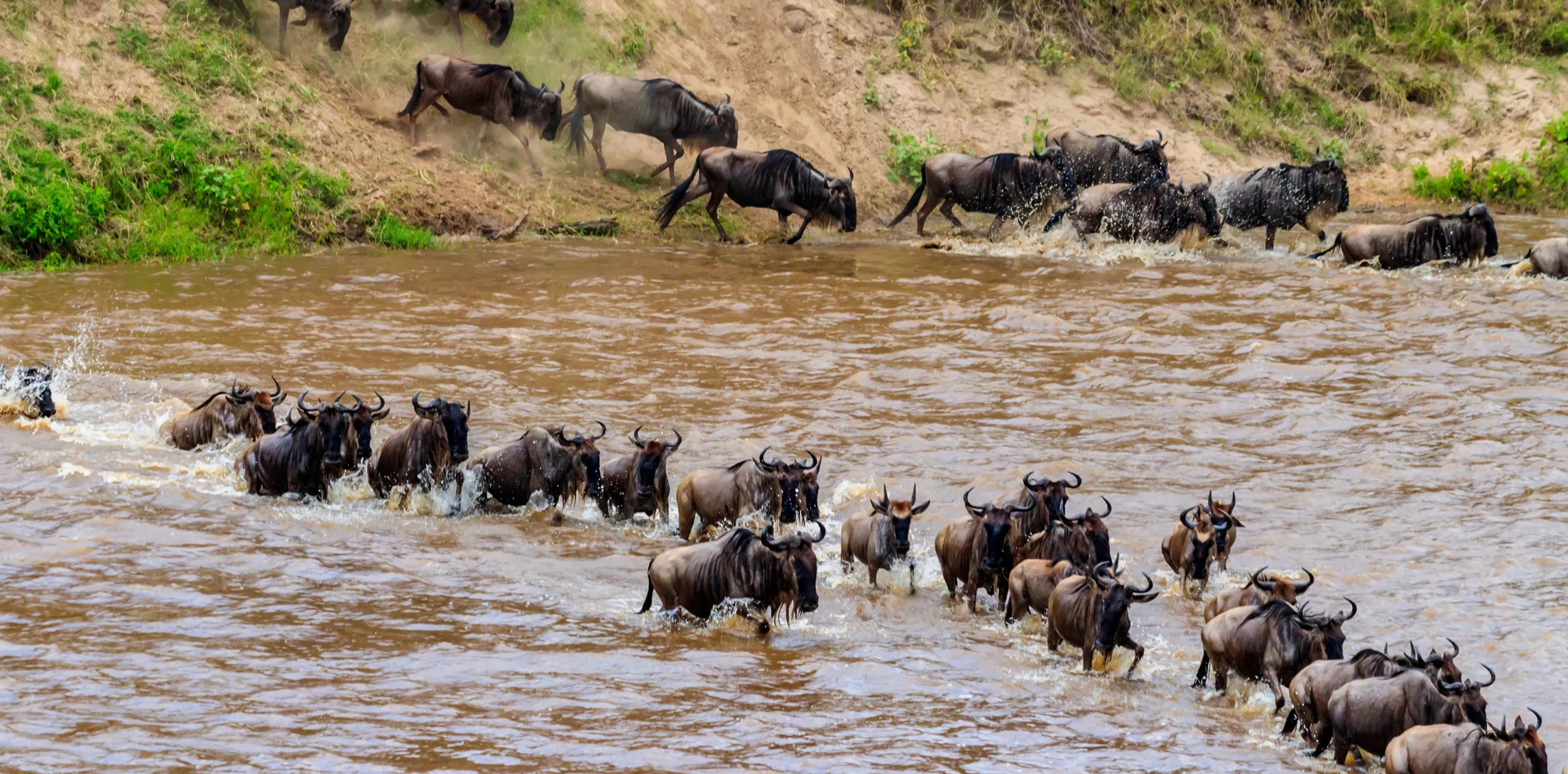
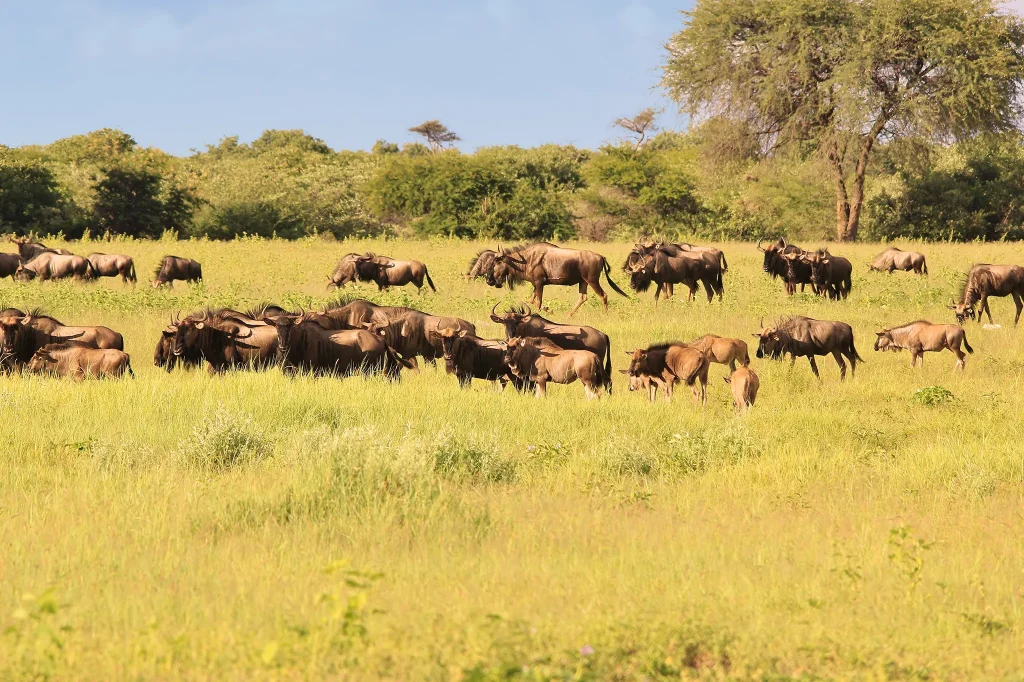
The Serengeti Wildebeest Migration is one of the most remarkable natural events in the world. It involves the movement of millions of wildebeest, along with thousands of zebras and gazelles, in the Serengeti-Mara ecosystem. The migration is a continuous cycle of movement, as the animals travel over 1,800 miles in search of food and water.

  • The migration usually begins in the southern Serengeti, usually around December, when the rainy season starts. They give birth to their calves during this time, and the abundance of new grass provides an excellent source of food for the young animals.
  • The herds then start moving northwards, towards the central and western Serengeti, in search of more grass and water. In April and May, the migration reaches the Grumeti River, a dangerous obstacle for the wildebeest, as it is infested with crocodiles. Many animals lose their lives during this crossing. But the majority manage to make it to the other side, where they continue their journey towards the Maasai Mara.
  • In June and July, the migration reaches the northern Serengeti and the Maasai Mara.  There, the animals encounter even more danger in the form of lions, leopards, and hyenas.
  • In September and October, the migration starts heading back towards the southern Serengeti. There, the animals will give birth to their young, and the life cycle will begin again.

The Serengeti Wildebeest Migration is not only a remarkable natural event but also plays a crucial role in the Serengeti ecosystem.

Understanding The Serengeti Migration

Planning Your Serengeti Wildebeest Migration Safari

Here are some essential tips to help you plan a successful and memorable Serengeti Wildebeest Safari. By considering these careful factors and working with a reputable tour operator, you can ensure a safe and enjoyable trip that you will never forget.

Best Time To See

The Serengeti Wildebeest Migration is a year-round event.  But the best time to witness it is from late June to early October when the herds cross the Mara River in the northern Serengeti and the Maasai Mara.

During this time, you can see the wildebeest moving in large numbers, which makes for an unforgettable experience.

However, keep in mind that this is also the busiest time of the year, so you will need to plan well in advance and book your accommodations early.

Budget

Safari costs greatly depending on the level of luxury, the trip duration, and the activities included. It’s important to decide on a budget before you start planning your trip so that you can prioritise the experiences that matter most to you. Consider using a reputable tour operator that can help you design your Tanzania Safari Packages that fit your budget.

Accommodations

The Serengeti offers a range of accommodations, from budget-friendly campsites to luxury lodges. You will need to decide on the type of accommodation that suits your budget and preferences. If you prefer a more rustic experience, then a tented camp may be a good option. If you prefer more luxury, then a well-set-up lodge may be a better choice.

Transportation

There are several options for transportation in the Serengeti, including flying, driving, or taking a guided tour. If you are short on time, flying is a good option, as it allows you to reach the more remote areas of the Serengeti quickly. A guided tour or self-drive option may be better if you prefer a more leisurely pace.

Health and Safety

Before you head on your Serengeti Wildebeest Migration safari, make sure to get all the necessary vaccinations and medications. Also, take precautions to protect yourself from the sun, bring insect repellent, and stay hydrated.

The Serengeti migration is not just a safari—it’s a moving masterpiece where hooves thunder, predators lurk, and nature writes the greatest show on Earth with no need for rehearsal.

What to Expect on Your Serengeti Wildebeest Migration Safari

A safari to the Serengeti Wildebeest Migration is a truly incredible experience. It offers the opportunity to witness one of the world’s most awe-inspiring natural phenomena. You can expect some amazing and this great spectacle never disappoints you, entertaining:

  • Witness the Great Migration

Witness the great wildebeest migration, the largest mammal migration in the world. With over 1 million wildebeest, as well as zebras and gazelles, making their way across the Serengeti in search of food and water. You’ll have the opportunity to see the vast herds in motion, as well as the predators that stalk them.

  • Game Drives

Your safari will involve multiple game drives, allowing you to explore different areas of the Serengeti. Also, you can get a chance to witness the diverse wildlife that calls it home. You’ll be accompanied by a knowledgeable guide who will help you spot animals and provide insights into their behaviour.

  • Comfortable Accommodations

You’ll be staying in a comfortable lodge or camp, often with spectacular views of the surrounding landscape. Some camps are designed to be mobile and will move with the migration, allowing you to be right in the heart of the action.

  • Wildlife beyond the migration

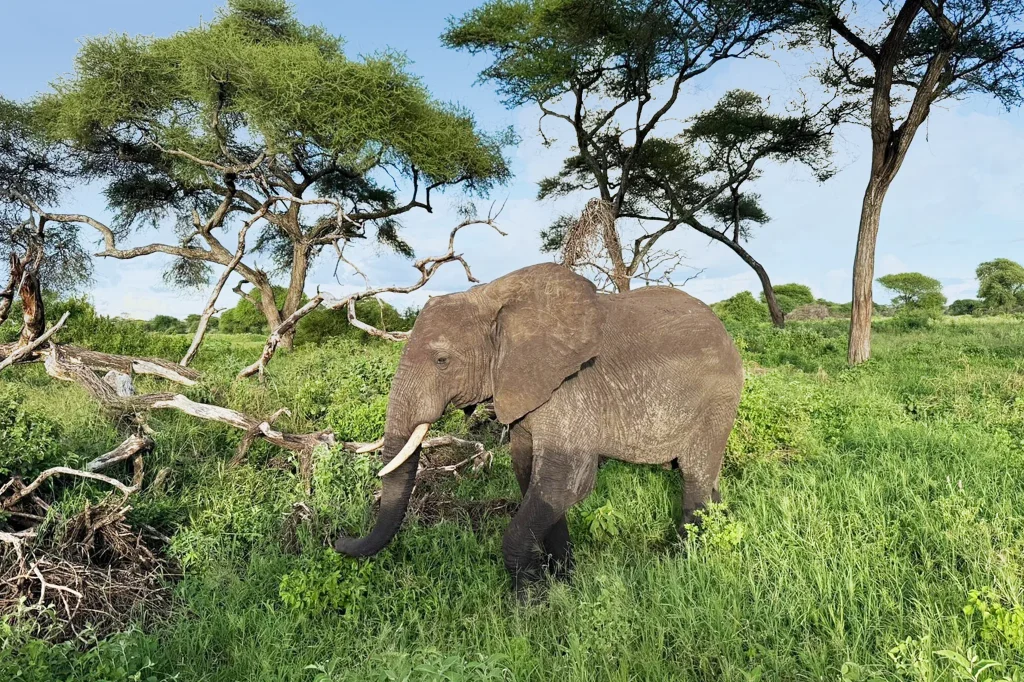
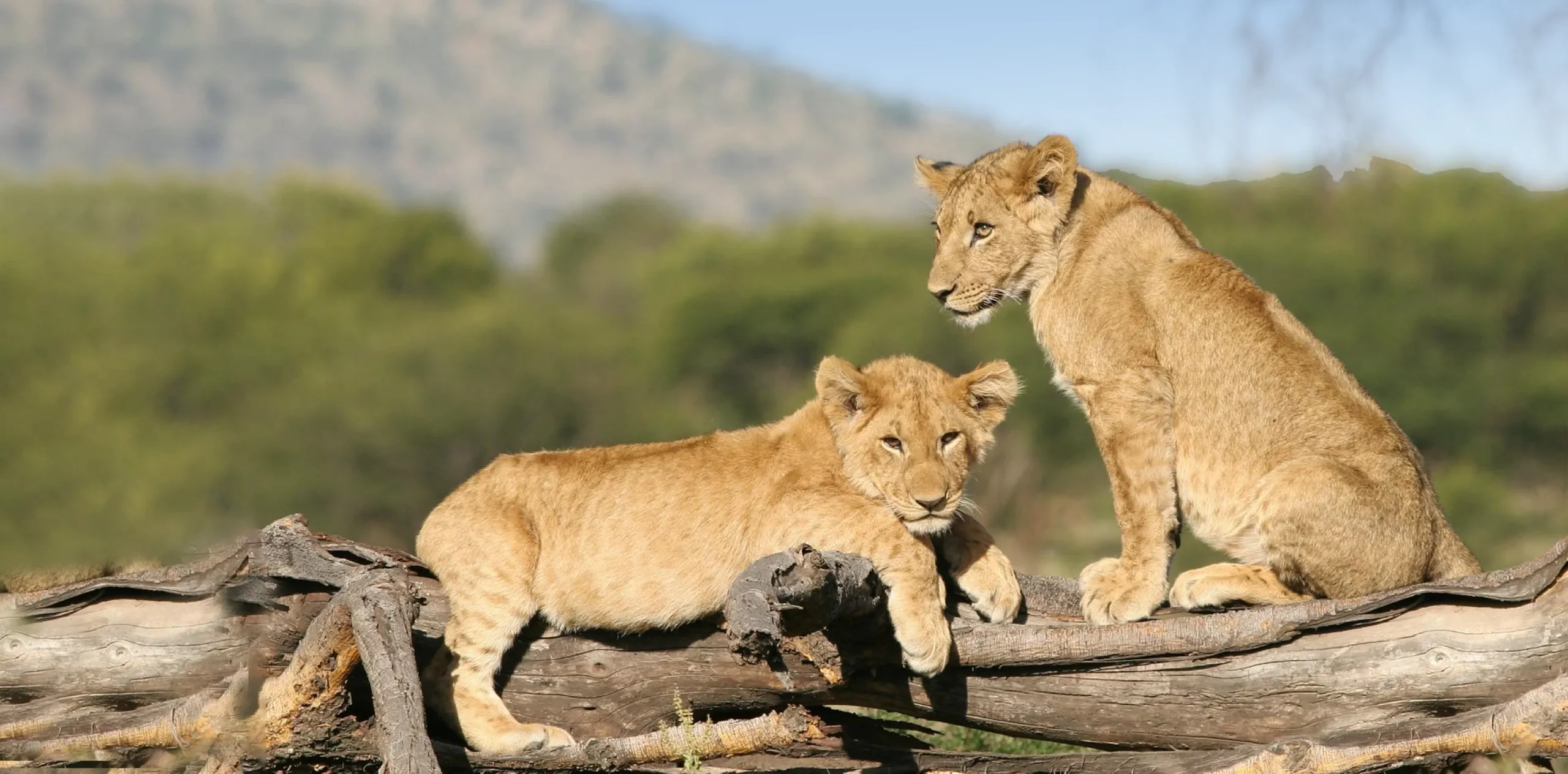
In addition to the wildebeest migration, Serengeti National Park is home to lions, leopards, elephants, cheetahs, hyenas, and many other species of wildlife.

The park also has a diverse bird population, with over 500 species recorded. Visitors can witness the famous prey-predator actions that take place in the park, as well as the annual wildebeest calving season.

Tips for a Successful Serengeti Wildebeest Migration Safari

Serengeti Wildebeest Migration Safari is a once-in-a-lifetime experience, and a few tips can help you make the most of it. By following these tips, you’ll be well-prepared to have a safe, enjoyable, and unforgettable Serengeti wildebeest migration safari.

  • Plan Ahead

It’s important to plan your safari ahead and book your safari well in advance. This will ensure that you will get the best accommodations and guides, and also the opportunity to witness the migration at its peak.

  • Choose a Reputable Tour Operator

Many tour operators offer safaris in the Serengeti. So, it’s essential to do your research and choose a reputable one. Look for a tour operator with knowledgeable guides, comfortable accommodations, and years of experience in the Serengeti Wildebeest Migration.

  • Be prepared for the Environment

The Serengeti can be hot and dusty. So, it’s important to bring appropriate clothing, including a hat, sunglasses, and sunscreen. You should also bring insect repellent and any necessary medications.

  • Bring the Right Equipment

A good camera with a long lens is essential for capturing the stunning wildlife and landscape of the Serengeti. You may also want to bring binoculars for closer viewing of the wilderness.

  • Listen to Your Guide

Your guide will have extensive knowledge of the Serengeti and the wildlife that lives there. Listen to their advice and follow their instructions to ensure a safe and successful safari.

  • Respect the Wildlife

Respecting wildlife and their natural habitat is important. Do not approach or disturb the animals; always follow your guide’s instructions.

Ready to plan your bespoke wildebeest safari

Overall, a Serengeti Wildebeest Migration Safari is a once-in-a-lifetime experience. It offers a unique window into the natural world. With comfortable accommodations, expert guides, and unforgettable wildlife encounters, it’s an adventure that’s sure to stay with you for years to come.

African Scenic Safaris has years of experience in the migration journey. We have preferred our safari to ensure that you witness the massive herds at the right time in the right place. So, why think more? Let us plan your dream safari in Tanzania!

Simbo Natai
Simbo Natai, founder of African Scenic Safaris, crafts sustainable, meaningful Tanzanian journeys rooted in his deep local knowledge and passion.
Director, African Scenic Safaris

6 Days of Tanzania Safari Bliss – A Life-Changing Adventure You Will Never Forget

Tanzania is a country of immense natural beauty and diverse wildlife, making it a popular destination for adventurers and safari enthusiasts from around the world. A 6-day Tanzania safari is an ideal way to explore the country’s stunning landscapes, majestic animals, and rich cultural heritage.

The adventure of this 6-day Tanzania Safari itinerary begins in Arusha, the gateway to the world-renowned Serengeti National Park.  There, you will meet your guide and set off on your journey. Over the next six days, you will visit some of Tanzania’s most iconic national parks and reserves, including the Serengeti, Lake Manyara, and the Ngorongoro Conservation Area.

Throughout your Tanzania Safari, you will stay in comfortable lodges or tented camps, where you can relax and soak up the incredible scenery and wildlife around you. This 6-day safari in Tanzania will be an unforgettable experience that will stay with you forever.

Tanzania Safari Bliss

Day 1: Arrival and Transfer to Arusha

Your first day will start upon arrival at the Kilimanjaro International Airport (JRO). After reaching, you will be transferred to your accommodation by your tour operator. There, you will be briefed about your 6-day safari Tanzania itinerary by your safari guide and spend that night at your lodge.

Day 2: Lake Manyara National Park

The next morning after your breakfast, you will travel to Lake Manyara National Park for an approximately 3-4 hour drive from Arusha. You can explore the park and its highlights on both game drives and walking safaris. Enjoy the sightings of the unusual tree-climbing lions and large herds of elephants. However, the park is famous for these two attractions. After the whole day of exploring the park, spend your second night there in the park.

Lake Manyara National Park

Day 3: Lake Manyara -Serengeti National Park

On the third morning of your  6-day safari in Tanzania, take your breakfast with the rising sun. Then you will continue your drive toward one of the most famous national parks in Tanzania, the Serengeti National Park. This is world-renowned for the Great Wildebeest Migration.

So, spend your whole day here by engaging in various activities, including game drive safari, walking safari, and hot air balloon safari. See the best of wildlife in this national park, including the African Big 5 and other animals. After your whole day safari, spend your night in the middle of the rich savannah plains in Serengeti.

Lake Manyara to Serengeti

Day 4: Serengeti National Park

On the third morning of your 6-day safari in Tanzania, take your breakfast with the rising sun. Then you will continue your drive toward one of the most famous national parks in Tanzania, the Serengeti National Park. This is world-renowned for the Great Wildebeest Migration.

Serengeti National Park

So, spend your whole day here by engaging in various activities, including game drive safari, walking safari, and hot air balloon safari. See the best of wildlife in this national park, including the African Big 5 and other animals. After your whole day safari, spend your night in the middle of the rich savannah plains in Serengeti.

Six days in Tanzania will teach you that true adventure lives in lion roars, sunrises, dusty trails and the quiet magic of seeing wild beauty right outside your tent flap.

Day 5: Ngorongoro Crater

The next morning is your fifth day of Safari in Tanzania. You are in Ngorongoro now. After an enjoyable African breakfast in the wilderness, explore the rest of the Ngorongoro Conservation Area. As this is a vast wilderness area, it will need almost one full day to explore its true charm. You will spot the most endangered species, the rhinoceros, regularly here, which can be hard to spot in any other place in Tanzania.  You will also encounter many other predators, including lions, leopards, and cheetahs. After a long time of game drive safari, take your lunch by the hippo pond. Then, after a delicious African special lunch, start your journey of 6-day Tanzania Safari towards Arusha. Stay at your hotel/lodge that night in Arusha.

Day 6: Departure

This is the 6th day of the Tanzania Safari Tours, and after a morning breakfast, you will be transferred back to Kilimanjaro International Airport.  You will be picked up on time by your tour operator to catch your outbound flight on your way back home.

Trip includesTrip excludes
All Game Drives; Vehicle; Park Entry Fees Accommodation At Lodges/Tented Camps/Basic Camping English Speaking Driver/Guide All Food and Drinking Water Accommodation in Arusha Airport TransfersTipping for your driver/guide. Tipping for your cook, Drinks (unless specified) Visas & vaccinations Spending money during your travel

NOTE: If you want to give tips to your guide, the recommended is approximately USD$30-$40 per day. This is divided among everyone in the vehicle.

Your Life-Changing Tanzania Safari Awaits

Interested in this 6 days Tanzania safari? Plan with African Scenic Safaris for this short and sweet Tanzania Safari itinerary. We will be delighted to plan your Tanzania Safari Packages best suited to your choice and preferences.

Tanzania Safari Awaits
Simbo Natai
Simbo Natai, founder of African Scenic Safaris, crafts sustainable, meaningful Tanzanian journeys rooted in his deep local knowledge and passion.
Director, African Scenic Safaris

Tanzania National Parks- Explore the Best of Tanzania’s Wildlife & Natural Wonders

Tanzania National Parks are some of the world’s most iconic and diverse protected areas. Located in East Africa, Tanzania is home to a vast range of wildlife and some of the most breathtaking natural wonders on the planet. From the vast plains of the Serengeti to the stunning Ngorongoro Crater, Tanzania’s National Parks offer an unforgettable opportunity to explore the best of Africa’s wildlife and natural beauty.

The country boasts 16 national parks, as well as numerous conservation areas and game reserves, which are home to a wide variety of wildlife. Tanzania National Parks are a treasure trove of natural wonders and unforgettable experiences of a Tanzania Safari. These stunning safari spots make Tanzania a must-visit destination for anyone looking to explore the best of Africa.

Tanzania’s National Parks: A Wildlife and Nature Lover’s Paradise

Tanzania is a country blessed with some of the world’s most stunning landscapes and an incredibly diverse array of wildlife. With over 16 national parks, Tanzania is a paradise for nature and wildlife enthusiasts.

The country boasts a range of ecosystems, from the vast Serengeti Plains to the Ngorongoro Crater, from the tropical forests of Mahale to the vast savannahs of the Selous.

Each of the National Parks In Tanzania has unique features and characteristics that make it stand out. Some parks are well-known for their abundance of big game, while others are home to rare primates, colourful bird species, and lush vegetation.

Among all, the 5 major national parks capture the main highlights of a Tanzania Safari Tour:

  • Arusha National Park
  • Serengeti National Park
  • Ngorongoro Conservation Area
  • Tarangire National Park
  • Lake Manyara National Park

Discovering the Serengeti National Park: Home of the Great Wildebeest Migration

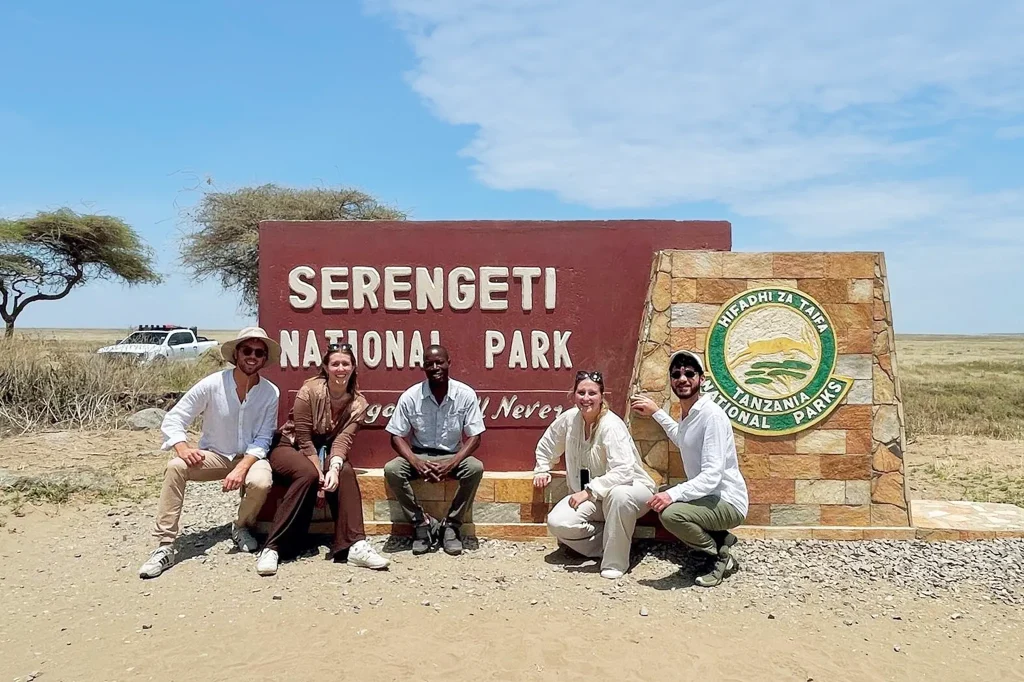
Serengeti National Park is a world-renowned wildlife reserve in Tanzania, East Africa. The park covers an area of 14,763 square kilometres (5,700 square miles). It comprises vast plains, savannas, and woodlands, including the Serengeti Plains, the Grumeti River, and the Ngorongoro Conservation Area, a UNESCO World Heritage Site.

Serengeti National Park

The Serengeti is famous for its annual wildebeest migration, which sees millions of wildebeests and zebras move across the park for food and water. You should include the Serengeti in your Tanzania Safari Packages to see this natural wonder. The park can be visited at any time of the year, but the best time is during the dry season (from June to October).

LocationWildlifeActivitiesMajor Highlights  
Located in the eastern Mara Region and the northeastern Simiyu Region in northern Tanzania.Big five (Elephant, buffalo, lion, leopard, rhino)Different antelopesWildebeestsSpotted hyena Golden and black-backed jackal 500 bird speciesguided game drives hot air balloon rides guided nature walks Cultural tours to the Maasai people birding safariThe Great Wildebeest MigrationAbundant wildlife, including the “Big Five”Stunning landscape with vast grasslands,Hot air balloon safaris  

Ngorongoro Conservation Area: Exploring the Cradle of Mankind

The Ngorongoro Conservation Area is a protected area in northern Tanzania. It covers an area of 8,292 square kilometres (3,202 square miles) and is home to a diverse array of wildlife and landscapes.

Ngorongoro Conservation Area

The area includes the Ngorongoro Crater, the world’s largest unbroken caldera and home to a concentration of wildlife. It also includes grasslands, forests, and mountains, and is part of the Serengeti ecosystem. The best time to visit the conservation area is during the dry season (from June to October).

Location              wildlifeActivitiesMajor Highlights
Located in the Ngorongoro district, 180 km west of Arusha city in northern TanzaniaAfrican Big 5 (elephant, buffalo, lion, leopard, rhino)HippoElandBlue wildebeestsWaterbucksThomson’s gazelles500 bird species guided game drivesHike around the craterRevisit Maasai villages Walking safarisA UNESCO World Heritage Site and the world’s largest unbroken calderaAbundant wildlife, including the Big 5The Olduvai Gorge, the cradle of mankind Best of hiking and walking safaris

Tarangire National Park: A Hidden Gem of Tanzania’s Wildlife Reserves

Tarangire National Park is a protected area and one of the best Tanzania National Parks, located in northern Tanzania. Stretching an area of 2,850 square kilometres, it is known for its large concentration of elephant herds and baobab trees.

Tarangire National Park

The park features a mix of savannah, woodland, and wetland habitats and is crossed by the Tarangire River, which attracts a variety of wildlife during the dry season.

The best time to visit the park is during the dry season (from June to October) when the wildlife sightings are excellent.

LocationWildlifeActivitiesHighlights
Located in northern Tanzania, south of Lake Manyara.ElephantsZebraWildebeestsCape buffaloWaterbuckGiraffeDik-DikImpalaElandVervet monkeyLionsLeopards cheetahs  4wd game drive safari,night game driveswalking safaris,Maasai  Giant baobab treeLarge herds of elephants500 bird species

Lake Manyara National Park: A Haven for Flamingos and Tree-Climbing Lions

Lake Manyara National Park is a protected area located in northern Tanzania. It covers an area of about 330 square kilometres and is famous for its diverse range of wildlife and beautiful landscapes. Lake Manyara National Park is named after Lake Manyara, a shallow alkaline lake that covers about two-thirds of the park’s area.

Lake Manyara National Park

Lake Manyara National Park is also known for its tree-climbing lions, and also a bird watcher’s paradise. It houses over 400 species of birds, including flamingos, pelicans, storks, and cormorants.

LocationWildlifeActivitiesHighlights
Located 126 km southwest of Arusha in northern TanzaniaTree-climbing lionsHippoGiraffeImpalaZebraBuffaloWhite rhinoLeopardCheetahHyena400 bird speciesBirding safariNight game drivesWalking toursCanoeing safari,Maasai Bombas  Tree-climbing lionsAbundant wildlifeOver 400 bird speciesA variety of landscapes,Canoeing on Lake ManyaraGuided walks and game drives

Tanzania’s national parks are not just places on a map, they are wild open theatres where nature performs daily, and every game drive writes a story worth remembering forever.

Discover Tanzania’s Amazing National Parks for An Unforgettable Adventure

Tanzania National Parks is a must-visit destination for anyone looking to explore the best of Africa’s wildlife and natural wonders. From the iconic Serengeti, home to the Great Migration, to the stunning Ngorongoro Crater and its abundant wildlife, Tanzania’s National Parks offer a diverse range of experiences and breathtaking landscapes.

Whether you are an adventure seeker, a nature enthusiast, or a wildlife lover, Tanzania’s national parks offer something for everyone. With African Scenic Safaris, you can get a lifetime Tanzania Safari experience that fits your choice and comfort. So, stay connected!

Whether you’re a first-time safari-goer or a seasoned traveller, Tanzania’s national parks offer an unforgettable experience that will leave you in awe of the beauty of the natural world.

Simbo Natai
Simbo Natai, founder of African Scenic Safaris, crafts sustainable, meaningful Tanzanian journeys rooted in his deep local knowledge and passion.
Director, African Scenic Safaris

The Ultimate Tanzania Safari Packing List- Tips for All Seasons

Planning a Tanzania safari adventure can be an exciting but overwhelming experience. One of the most important things to consider is packing the right items for your trip. To help you prepare, we’ve put together a Tanzania Safari Packing List with everything you need to know.

To ensure your comfort and safety on your Tanzania Safari, it’s essential to have a comprehensive Tanzania Safari Packing List for every season, whether you’re travelling during the dry or wet season.

By following the right tips and suggestions for what to include in your packing list, you’ll be well-prepared for your adventure no matter what time of year you’re visiting.

Dress for Success: Clothing and Footwear Essentials

Comfort and versatility are key when it comes to clothing and footwear for a Tanzania Safari. Pack lightweight shirts, breathable pants, shorts, and a jacket for cooler evenings. Sturdy and comfortable walking shoes or hiking boots are essential for footwear. Each season requires a different Packing List For Tanzania Safari to ensure that you’re comfortable and prepared for your trip.

Tanzania Safari Packing List

Protecting Yourself Against the Elements: Sun, Insects, and Weather

Tanzania’s weather can vary greatly depending on the season and region you’re visiting. Protect yourself from the elements by packing sunscreen, hats, and sunglasses. Insect repellent is also a must, especially during the rainy season when mosquitoes are more prevalent. For a Tanzania Packing List, it’s crucial to include insect repellent, a sun hat, and comfortable walking shoes on your packing list to protect yourself from mosquitoes, sunburn, and rough terrain.

Packing Tips for Different Seasons

The weather in Tanzania can vary greatly depending on the season you’re visiting. During the dry season, temperatures can be hot during the day and cool at night, so it’s important to pack items that can be layered. In the rainy season, you’ll want to pack items that can dry quickly, such as synthetic clothing and quick-drying towels.

Packing for a Tanzania safari is not just folding shirts; it is folding smart decisions into your bag so the only thing you forget is how many lions you counted.

Other Essential Items to Pack for Tanzania Safari

In addition to the above items, there are a few other essentials you’ll want to bring along. Below are some items for different seasons:

Packing ListDry Season (June to October)Wet Season (November to May)Shoulder Season (December to February)
Clothing and ShoesT-shirts and tank tops, Long-sleeved shirts, Light long pants, Long trousers, Sweater, Sturdy boots or sandals, Safari hatRaincoat and rain trousers, Umbrella, Waterproof shoes and boots, Quick dry clothes, long-sleeved shirts and pants, Swimsuit    Lightweight and breathable clothing, light layers, hat, Comfortable walking shoes, Raincoat, Swimsuit, Scarf or shawl
Travel DocumentValid passport, visa, Yellow fever vaccination certificate, Travel Insurance, Credit card, Copy of flight itineraryValid passport, visa, Yellow fever vaccination certificate, Travel Insurance, Credit card, Copy of flight itineraryValid passport, visa, Yellow fever vaccination certificate, Travel Insurance, Credit card, Copy of flight itinerary
Gadgets and ElectronicsBinoculars, Camera and memory cards, Chargers and extra batteries, Power adapterBinoculars, Camera and memory cards, Chargers and extra batteries, Power adapterBinoculars, Camera and memory cards, Chargers and extra batteries, Power adapter
Toiletries And Basic Medical KitMosquito repellent Malaria pills Sunscreen Any pain killer such as Aspirin, Ibuprofen or Tylenol  Mosquito repellent Malaria pills Sunscreen Pain killer such as Aspirin, Ibuprofen or Tylenol   Mosquito repellent Malaria pills Sunscreen Pain Killer such as Aspirin, Ibuprofen or Tylenol  

Other Packing Tips for Tanzania Safari

Packing Tips for Tanzania Safari

While planning your Tanzania Safari Tours, it’s important to consider the luggage restrictions to ensure that you are well-prepared for your trip. The specific luggage restrictions may vary depending on the type of safari you’re embarking on and the operator you’re using. Follow these other essential Tanzania safari packing list tips before going on a safari to Tanzania:

  • Before packing, check with your safari operator to know about any specific luggage restrictions or guidelines they may have.
  • In general, it’s best to bring soft-sided luggage like duffel bags or backpacks.  These are easier to pack in safari vehicles and small planes.
  • There may be weight restrictions for both checked and carry-on luggage on small planes. So be sure to check with your safari operator for their weight limits. Usually, the weight limit is around 15-20 kg per person for checked luggage and 5-7 kg for carry-on bags.
  • When preparing for a Tanzania safari, you should consult with a healthcare provider well in advance.
  • He may recommend vaccines for diseases such as yellow fever, typhoid, hepatitis A and hepatitis B.
  • Malaria is prevalent in Tanzania, so taking prophylactic medication is often recommended.

In case of an emergency, it’s important to have the contact information of local medical facilities and emergency services.

Essential Packing Tips for a Tanzania Safari in Any Season

To ensure a successful Tanzania Safari, it’s important to consider the Tanzania Safari Packing List for different seasons, weather conditions, and planned activities during your trip. Whether you’re embarking on a dry or wet season safari, including specific items in your packing list is essential.

African Scenic Safaris pro tips can help you pack for a comfortable and enjoyable trip, regardless of the season. Simply let us know your preferred peak time for the Tanzania Safari Tour and the activities you’d like to do, and we’ll handle the rest!

Simbo Natai
Simbo Natai, founder of African Scenic Safaris, crafts sustainable, meaningful Tanzanian journeys rooted in his deep local knowledge and passion.
Director, African Scenic Safaris

Tanzania Safari Packing List for First-Time Visitors – What You Need to Know

Packing for Tanzania Safaris can be a very daunting task. And, if you are visiting for the first time, it can be all the more overwhelming. The following Tanzania Safari Packing List aims to help first-time visitors feel fully prepared and confident in their packing choices.

This Tanzania Packing List will also ensure that first-time safari-goers can focus more on enjoying the incredible wildlife and natural beauty rather than getting bothered by missing out on some essential stuff.

Must-Have Clothing Items in a Tanzania Safari Packing List

When it comes to clothing for a Safari in Tanzania, it’s essential to prioritise function and comfort over fashion. The right clothing makes for a more enjoyable experience overall. Here are some clothing considerations that should be kept in mind for first-time visitors.

Lightweight and Breathable Materials

The climate in Tanzania can be quite hot and humid. So, it’s important to pack lightweight and breathable clothing. Avoid heavy fabrics. These fabrics don’t allow air to circulate and can cause discomfort and overheating.

Long-sleeved Shirts

Long-sleeved shirts are a great way to protect against the sun, bugs, and other environmental factors. Look for shirts with breathable materials and a loose fit for maximum comfort.

Comfortable Shoes

When it comes to footwear, it’s important to prioritise comfort and support. Closed-toe shoes with good traction are ideal.  They can help protect against rocks, thorns, and other hazards.

Dressing in Layers

The weather in Tanzania can be unpredictable, with temperature changes throughout the day and night. Dressing in layers can help ensure that you’re prepared for different conditions.

Bring a lightweight jacket or sweater for cooler evenings. A hat and sunglasses also protect against the sun.

Here is a checklist for clothing recommendations for a Tanzania Safari Packing List for first-timers.

Tanzania Safari Packing List
ClothingDescriptions
Lightweight shirtsLong-sleeved, breathable shirts to protect from the sun and bugs
PantsLightweight, comfortable pants that can be rolled up or converted into shorts
Fleece jacketWarm layer for early morning and evening game drives
Rain jacketWaterproof and windproof jacket for the rainy season and unexpected weather changes
HatA wide-brimmed hat to protect from the sun
Hiking bootsComfortable and sturdy shoes or boots for walking on uneven terrain                 

Essential Equipment for Tanzania Safaris: Packing List

In addition to suitable clothing, visitors to Tanzania for a Safari should also pack essential equipment to enhance their experience.  These gadgets will help you capture the incredible wildlife and natural beauty of the region. Here are some essential pieces of equipment that must be included in the Tanzania Safari Packing List.

Camera

A camera is a must-have item for capturing stunning landscapes and wildlife. It is recommended to bring a high-quality camera with a zoom lens. A DSLR or mirrorless camera with a focal length of at least 300mm is best. Extra batteries, memory cards, and a lens cleaning kit are also recommended.

Binoculars

Binoculars are essential for observing wildlife up close and personal. A pair of high-quality, waterproof binoculars with a magnification of at least 8x is recommended.

Flashlight

A flashlight is essential for navigating campsites, lodges, and tents in the evenings and early mornings. A headlamp is recommended, as it allows for hands-free use and eases accessibility in the dark.

A checklist for essential equipment that should be added to your Tanzania Safari Packing List is given below.

EquipmentDescriptions
CameraHigh-quality camera with a zoom lens for wildlife photography
BinocularsLightweight binoculars for bird watching and animal spotting
FlashlightCompact and powerful flashlight for nighttime activities
Power bankPortable charger to keep electronic devices charged during long game drives
Memory cardsPlenty of memory cards to store photos and videos
Safari bagA durable and lightweight bag to carry equipment and personal items during drives.

Personal Items and Accessories For Tanzania Safari Packing

In addition to appropriate clothing and essential equipment, visitors on a Tanzania Safari should also pack personal items to ensure their comfort and well-being throughout the trip. A checklist for different personal items and accessories that you cannot forget in the packing list for a Tanzania Safari is:

  • High SPF sunscreen to protect from the strong African Sun.
  • Effective and long-lasting insect repellent (DEET) to prevent bug bites and diseases.
  • Prescriptions and over-the-counter medications for any personal medical needs.
  • Comprehensive first-aid kit with essentials such as bandages, gauze, and antiseptic.
  • Reusable water bottles to stay hydrated during long game drives.

Bring your essential travel documents like a passport, e-visa, tickets, cash, bank cards, vaccination booklet, and travel insurance policy.

Packing smart for a Tanzania safari means fewer hassles, more animal sightings and zero regrets because no one wants to miss a lion chase just to borrow sunscreen or socks.

Tanzania Safari Packing List

Other Considerations During Tanzania Safaris

Some other considerations that first-time safari-goers to Tanzania must keep in mind are luggage restrictions, cultural references, and respecting the local wildlife.

  • Luggage restrictions vary depending on the type of safari and transportation used. But, in general, visitors should aim to pack lightly. They should avoid bringing bulky and unnecessary items.

Tip: Consider bringing in soft-sided duffel bags or backpacks over hard-shell suitcases. They are more flexible and easier to pack into safari vehicles.

  • When visiting any foreign country, it is important to be respectful of the local culture and customs. Visitors should dress modestly and be respectful of local customs and beliefs.
  • In addition, should also be respectful of the local wildlife. It is important to follow the rules and guidelines set by your guides. Also, avoid getting too close to the animals in their natural habitat.

Final Packing Suggestions for Tanzania Safaris

Apart from the above set guidelines, some other packing suggestions for Tanzania Safari Tours that should be followed are keeping your luggage locked at all times, keeping cash handy in some places in your bag, and not bringing any expensive jewellery during the journey.

Lastly, we hope the above recommendations for Tanzania Safari Packing List are the ultimate list that any first-timer to Tanzania would need.  By following the above guidelines, we hope visitors can travel comfortably and safely and fully enjoy their once-in-a-lifetime experience.

Simbo Natai
Simbo Natai, founder of African Scenic Safaris, crafts sustainable, meaningful Tanzanian journeys rooted in his deep local knowledge and passion.
Director, African Scenic Safaris

5 Reasons Why You Need Kilimanjaro Travel Insurance

Kilimanjaro Travel Insurance covers trekkers for the high-altitude climb up to 6000 meters.

As with climbing, this majestic mountain involves a wide range of risks such as medical emergencies, trip cancellations, and evacuation expenses, getting these insurances has become all the more important.

Not only that, the Tanzanian government has made it mandatory for mountain climbers to get Kilimanjaro Travel Insurance before embarking on this challenging trek. Anyone who is taking up the Kilimanjaro Climb is bound to display proof of insurance before starting their journey.

Heading into the blog post, we will describe why buying an appropriate Kilimanjaro Travel Insurance is all the more important and explain the details of it.

Importance Of Kilimanjaro Travel Insurance In Case Of Medical Emergencies

Treating yourself in case of the above medical emergencies in Kilimanjaro can be expensive. And, the evacuation expenses can quickly add up, too.

Evacuation by helicopter can cost upwards of $10,000, while hospitalisation can cost over $1,000 per day. Depending on the severity of the condition, emergency medical treatment can also range from $100 to $500.

Looking at these high costs that might add up to your budget, in case of any medical emergency, the significance of getting you covered with Kilimanjaro Travel Insurance can be well understood.

Therefore, it’s crucial to purchase travel insurance that covers emergency medical treatment, evacuation, and repatriation.

With the right Kilimanjaro Travel Insurance coverage, you can have peace of mind because you will know that medical emergencies will always be taken care of.

Kilimanjaro Travel Insurance

Protecting Your Investment with Kilimanjaro Travel Insurance

Planning a climb of Mount Kilimanjaro requires a significant investment of time and money. However, unexpected events such as flight cancellations, illness, or personal emergencies can occur anytime.  This can disrupt your trip and cause financial losses.

These trip cancellations or interruptions can be significant setbacks.  They also may lead to the loss of non-refundable expenses such as airfare, accommodation, and tour packages.

In such scenarios, Insurance for climbing Kilimanjaro can be your saviour. You can cover all the non-refundable expenses incurred if you have purchased adequate travel insurance. In this way, you can protect yourself not only financially but also emotionally.

Travel insurance turns your Kilimanjaro climb into a fearless adventure giving you the freedom to focus on the summit while staying protected from unexpected surprises every step of the way.

Kilimanjaro Travel Insurance

Travel Insurance for Lost or Stolen Luggage and Personal Items

Theft or loss of personal items on Kilimanjaro can be a frustrating and stressful experience.

Losing luggage or important documents such as passports or permits can have a significant impact on your trip.

Also, you might lose important gear and miss out on some dream experiences you have planned for months.

So, it’s important to be aware of such potential risks and take measures to protect your belongings. 

Travel Insurance Kilimanjaro will come in handy in such situations. They will cover lost or stolen luggage as well as the cost of getting new documents such as passports or permits.

Travel Insurance Kilimanjaro 

Kilimanjaro Insurance for Accidental Injury or Death

Accidental injury or death is a potential risk. While we don’t want to dwell on the negative, it’s important to be aware of such potential risks. It will only help you get prepared for worst-case scenarios.

Accidents can happen when you least expect them.  Being prepared can help you and your loved ones in the event of an unfortunate accident or death.

One way to be prepared is by purchasing travel insurance that provides coverage for accidental injury or death. This type of coverage can help cover the costs of repatriation of remains, funeral expenses, and accidental death benefits.

Travel Insurance Coverage During Emergency Evacuation and Rescue

Emergency evacuation or rescue can be necessary during a Kilimanjaro climb.  Particularly due to altitude sickness, injuries, or when taking up Kilimanjaro Climbing Routes with the least acclimatization opportunities.

However, these evacuations on the mountain can be challenging due to its remote location and high altitude. The cost of evacuation or rescue can also be high. Expenses such as helicopter evacuation or emergency transportation can add up quickly.

By having travel insurance that covers emergency evacuation and rescue, you can ensure that you are financially protected in case of any untoward incidents.

Play It Safe with Kilimanjaro Travel Insurance

Climbing Kilimanjaro can be a life-changing experience. But it’s essential to be prepared for potential risks and unexpected events.

Kilimanjaro Travel Insurance is a crucial investment that can provide financial protection and peace of mind during a climb.

With the right Kilimanjaro Travel Insurance Policy, trekkers to the mountain can climb with confidence. Because they know there is nothing that holds them back, as they are now equipped to deal with any kind of adversity.

We at African Scenic Safaris value our guests’ sanity and ensure any unfortunate incidents during the Kilimanjaro trekking experience are taken care of.

For that, we also have a company insurance policy that covers incidents such as accidents and thefts, in addition to travel insurance.

For more information on Kilimanjaro Climbing Packages with appropriate Kilimanjaro insurance coverage, you can write to us.

Simbo Natai
Simbo Natai, founder of African Scenic Safaris, crafts sustainable, meaningful Tanzanian journeys rooted in his deep local knowledge and passion.
Director, African Scenic Safaris

Climbing To the Top – A Guide to Selecting the Best Kilimanjaro Route

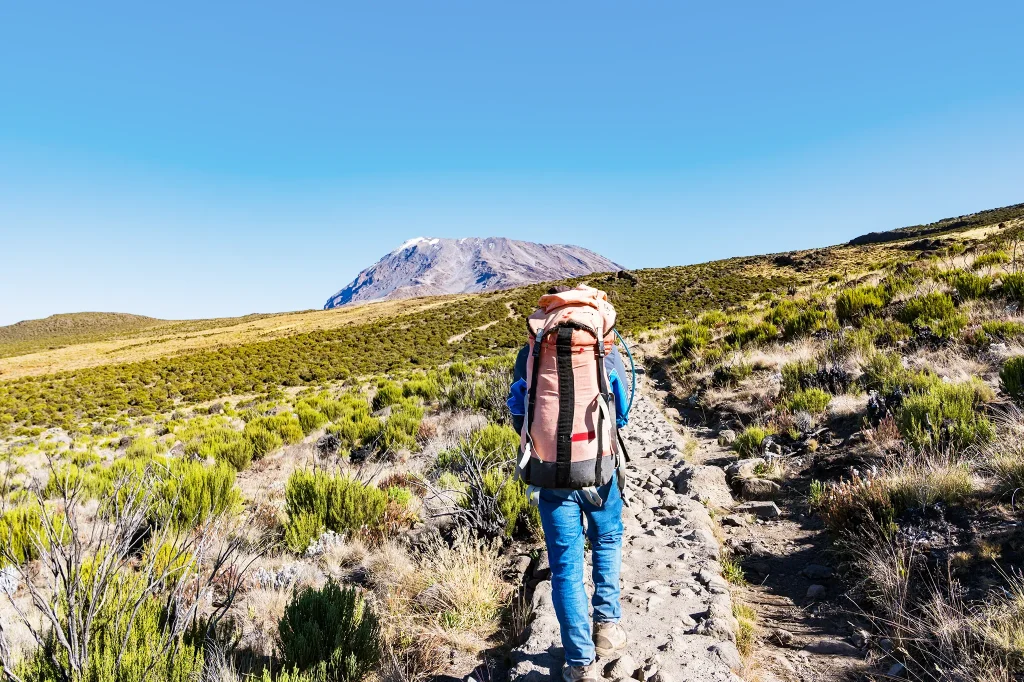
With its majestic beauty and unique ecosystem, Mount Kilimanjaro offers a once-in-a-lifetime experience for those who are willing to take up the challenge of climbing to the top. Yet, with seven different Kilimanjaro Routes to choose from, selecting the best one can be a little overwhelming.

The correct route can make all the difference in the success and enjoyment of your climb. Whether you are a seasoned hiker or a first-time climber, the following guide will provide you with all the information you need to select the best Kilimanjaro Route.

The guide has been designed considering our climbers’ goals, expectations, and physical capabilities. So, let’s begin our journey to the top of Kilimanjaro and find the route that’s perfect for you!

Overview Of Kilimanjaro Routes

After you have decided to climb Kilimanjaro, the next big step is choosing your route. There are seven Kilimanjaro Routes to choose from. Each with unique features and characteristics.

Here’s an overview of each route, including the length, difficulty level, scenery, altitude profile, and traffic.

Kilimanjaro Routes
Kilimanjaro Routes

Marangu Route

Also known as the “Coca-Cola Route,” Marangu is the most popular and easiest. It is the only route with huts for accommodation. The route is recommended for those who are new to hiking. Climbers who have limited time or prefer the comfort of sleeping indoors can choose the route.

  • Length: 5-6 days
  • Difficulty Level: Moderate
  • Scenery: Least scenic route as ascent and descent are on the same route.
  • Altitude Profile: Gradual ascent, but the shortest time to acclimatise
  • Traffic: Most popular and crowded route
  • Success Rate: Much lower summit success rates (around 50 % for a 5-day itinerary).

Machame Route

The Machame route is the second most popular and one of the most scenic Kilimanjaro Climb Routes. It is recommended for experienced hikers who are up for the challenge and want to enjoy stunning views of the mountain.

  • Length: 6-7 days
  • Difficulty Level: Challenging
  • Scenery: Beautiful and varied
  • Altitude Profile: Steep ascent with good acclimatisation opportunities
  • Traffic: Popular route with moderate traffic
  • Success Rate: This route has the best success rate (around 85% for the seven-day route)

Lemosho Route

The Lemosho route is a less crowded and longer route up Kilimanjaro. It offers stunning views of the mountain. This Mt Kilimanjaro Route is recommended for those who want a less crowded experience and have more time to spare.

  • Length: 7-8 days
  • Difficulty Level: Moderate to Challenging
  • Scenery: Beautiful views of dramatic gorges and west Kilimanjaro.
  • Altitude Profile: Gradual ascent with good acclimatization opportunities
  • Traffic: Less crowded route
  • Success Rate: An excellent route with a high success rate.

Rongai Route

The Rongai route is the only route that approaches Kilimanjaro from the north. It is recommended for those who want a unique experience and prefer a steady ascent.

  • Length: 6-7 days
  • Difficulty Level: Moderate
  • Scenery: Less scenic than other routes
  • Altitude Profile: Gradual ascent with good acclimatization opportunities
  • Traffic: Less crowded route
  • Success Rate: The summit success rates are increased with longer trek options. For example, there is an 80% success rate for the 7-day trek and a 65% success rate for the 6-day trek.

Northern Circuit Route

The Northern Circuit Route is the newest and longest Kilimanjaro route. The route offers stunning views of the mountain, with a 360-degree panoramic view from the summit. It is recommended for those who have more time to spare and are looking for a challenging but rewarding climb.

  • Length: 9-10 days
  • Difficulty Level: Moderate
  • Scenery: Beautiful and varied
  • Altitude Profile: Gradual ascent with good acclimatization opportunities
  • Traffic: Less crowded route
  • Success Rate: Highest Kilimanjaro success rate (around 98 %).

Umbwe Route

The Umbwe Route is the shortest and most challenging route up Kilimanjaro. It is recommended only for experienced hikers who are up for the challenge and want a less crowded experience.

  • Length: 5-6 days
  • Difficulty Level: Very Challenging
  • Scenery: Beautiful and varied
  • Altitude Profile: Steep ascent with limited acclimatization opportunities
  • Traffic: Least crowded route
  • Success Rate: One of the hardest Mt Kilimanjaro Routes with a very low success rate (around 70%).

Shira Route

The Shira Route is a less popular and longer route that joins the Lemosho route. It is recommended for those who want a less crowded experience and more time to acclimatize to the altitude.

  • Length: 7-8 days
  • Difficulty Level: Moderate to Challenging
  • Scenery: Beautiful and varied
  • Altitude Profile: Gradual ascent with good acclimatization opportunities
  • Traffic: Less crowded route
  • Success Rate: As this Kilimanjaro Climb Route is similar to Lemosho, it has an equally high success rate.

Factors To Consider When Choosing a Kilimanjaro Route

When choosing among various Kilimanjaro Climb Routes, there are several factors to consider. These will in turn affect the climber’s experience and chances of success.

Here are some of the important factors to take into account and how they relate to the different route options:

Factors To Consider
Factors To Consider

Fitness Level of Climbers

Climbing Kilimanjaro is a physically demanding activity. Thus, climbers should choose a route keeping in mind their fitness level.

Also, it has been well established that the Kilimanjaro Routes vary in difficulty. While some require more physical strength and endurance, others are relatively easy.

Those new to hiking or have limited physical ability can choose the less challenging route such as the Marangu route. More experienced hikers can go for Kilimanjaro Routes like Machame, Lemosho, or Northern Circuit.

Previous hiking experience

Climbers should consider previous hiking experience when selecting a route. For those who have never climbed a mountain, it’s recommended to choose a less demanding route. Experienced climbers can choose a more challenging route.

For beginners, Marangu, Rongai, or Shira Kilimanjaro Routes are best suited. Intermediate hikers can go for Lemosho or Machame routes. The Northern Circuit Route and Umbwe routes are suitable for experienced hikers.

Time-constraints During Climbing Kilimanjaro

Different routes require different amounts of time. Climbers should choose a route that fits their schedule.

Those with limited time can go for Marangu, Rongai, or Shira routes.

Those climbers who have more time in hand can opt for Lemosho, Machame, or Northern Circuit routes.

Budget Factors

Climbing Kilimanjaro can be an expensive affair. Therefore, climbers should select a route that fits their budget. Affordable travelers to Mount Kilimanjaro can select any route out of Marangu, Rongai, or Shira routes.

High-budget mount Kilimanjaro climbers can choose one among Lemosho, Machme, or Northern Circuit routes.

Scenery and wildlife along the Kilimanjaro Routes

Climbers may also have personal preferences regarding the scenery and wildlife they wish to see on the route. Those travelers interested in varied and stunning scenery can go for Lemosho, Machame, or Northern Circuit. And, anyone interested in unique wildlife sightings can also go for Lemosho, Machame, or Rongai routes.

Acclimatization on Mount Kilimanjaro Routes

The only rule that is to be followed when climbing Kilimanjaro is to walk high and sleep low. The risk of altitude sickness is minimized to a larger extent when climbers follow it. The chances of summiting the mountain become high too. Considering this aspect, the best route to climb Kilimanjaro is the Machame and Lemosho routes.

Challenges of the summit night

The summit night is the toughest on theMaranguand Rongai routes. This route reaches the crater rim of the mountain on the North which is opposite Uhuru Peak. From here on, you need more than 2 hours to reach the summit.

To avoid this, climbers can choose Machame and Lemosho Routes as these reach the crater rim at Stellar’s point which is less than an hour’s walk to the summit.

Accommodations are available on the Kilimanjaro Routes

All the routes leading to Mount Kilimanjaro offer fully catered camping accommodations. The only route that does not provide tent accommodations is the Marangu Route. Instead, they provide stay-in basic huts. So, if you are someone who hates tents, go for the Marangu route.

Every Kilimanjaro route has its own personality, from slow scenic climbs to wild, steep trails Pick the one that matches your pace and makes your summit story unforgettable.

Pros And Cons of Popular Kilimanjaro Routes

Different popular Kilimanjaro Routes, their unique features, challenges, and highlights are summarised in the table below.

Name of Kilimanjaro RoutesPROSCONS
Marangu RouteWell-established and easy to follow, Has hut accommodations and Can be completed in 5-6 days.  Least scenic route. High traffic and crowded.   Lower success rate due to fast ascent and limited acclimatization time.
Machame RouteScenic route with diverse landscapes.  Good acclimatization profile. Higher success rate due to longer climb and slower ascent. Well-established and popular route.  Higher traffic and can be crowded. Challenging ascent to Barranco Wall. Strenuous and requires a good fitness level  
Lemosho RouteThe longest and most scenic route. Good acclimatization profile. Higher success rate. Remote and uncrowded. Chances to spot wildlife  Longer and more expensive routes. Can be challenging due to higher altitude  
Rongai RouteQuiet and less crowded. Beautiful alpine desert scenery.  Limited views and less scenic. Less time for acclimatization. Fewer route options for descent
Northern Circuit RouteLongest and most scenic routes. Low traffic and uncrowded. Good acclimatisation opportunities. Crater Camp option for an extra night. Chances to spot wildlifeWith the longer and more expensive route. Less established and fewer amenities. Some sections can be challenging.
Umbwe RouteSteep and direct ascent. Beautiful rainforest scenery. Quiet and uncrowdedLeast established and has fewer amenities. The Shorter route with less time for acclimatisation. Steep and challenging ascent  

NOTE: The above data is for general informational purposes only and may vary depending on factors such as weather, time of year, and individual abilities and preferences. It is important to consult with a reputable guide or tour operator when planning a Kilimanjaro climb.

A Few Words to Wrap Things Up on Choosing the Best Kilimanjaro Routes

Undoubtedly, choosing the right Kilimanjaro Route is a crucial aspect of a successful and memorable climb. But remember that climbing Kilimanjaro is a challenging and physically demanding endeavour. The right route can make all the difference in your success and enjoyment.

Best Kilimanjaro Routes

So take your time, do your research, and choose a route that offers the best chance to reach the summit of Kilimanjaro. You can consult our safety experts and guides, who are highly trained and certified to provide you with the best possible climbing experiences on four famous Kilimanjaro Routes. For more information on these routes and our exclusive Kilimanjaro Climbing Packages, contact our team of experts at African Scenic Safaris.

Also, remember the fact that the journey to the summit of Kilimanjaro is just as important as the destination, so choose your route wisely and enjoy the experience!

Simbo Natai
Simbo Natai, founder of African Scenic Safaris, crafts sustainable, meaningful Tanzanian journeys rooted in his deep local knowledge and passion.
Director, African Scenic Safaris
×