How a Tanzania Tour Operator Prepares Between Safaris Inside The Low Season
Post Date: February 12, 2026
Last Updated: February 12, 2026
Tanzania safaris definitely have busy times and slow times. Most travellers see only the sunny, busy months of peak tourism. You’ll see many safari vehicles then, with all the hustle and bustle around. But what really happens inside a Tanzania Tour Operators office when the bookings slow down due to the rains? If this question intrigues you, then let’s proceed.
The low season happens mainly from March through May. Sometimes, November can also see slower visitor numbers. During this period, heavy rains alter the landscape. They also affect road conditions and where wildlife wanders. Just because fewer guests are coming for Tanzania Safaris, though, doesn’t mean the work inside the safari company stops. Not at all.
This article will examine in depth how the African Scenic Safaris team, the leading Tanzania Tour Operator, handles the quiet months. We’ll use real insights from our safari and mountain teams to show you the truth.
Understanding Low Season from a Tanzania Tour Operator’s Perspective
Operationally, the low season changes everything for Safari Operations Tanzania. On the other hand, rainfall significantly impacts how we work.
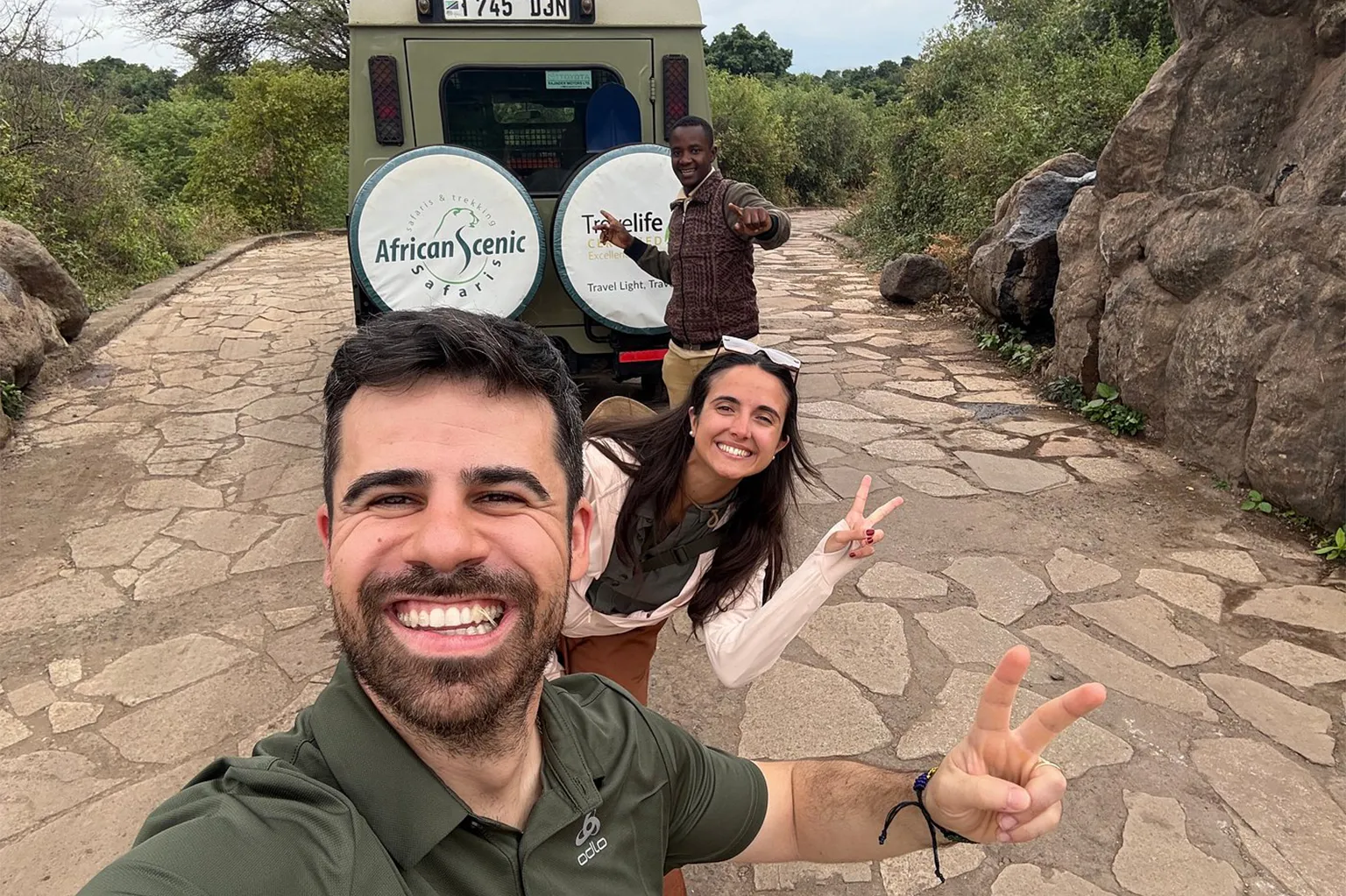
Tanzania Safari
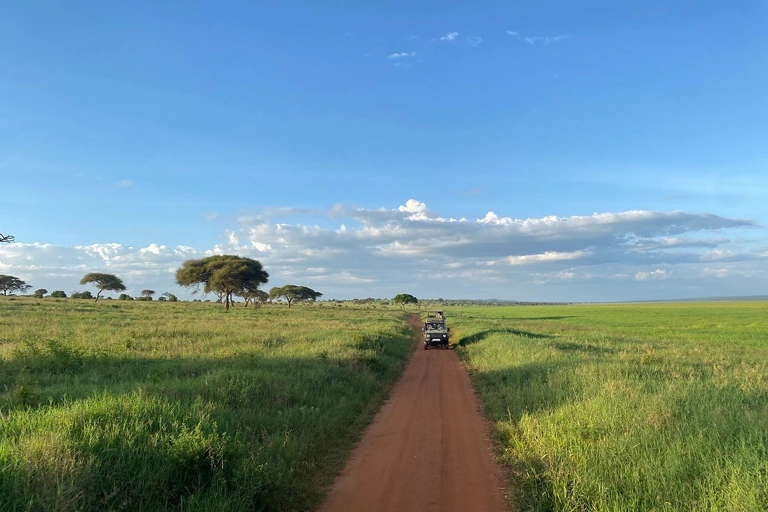
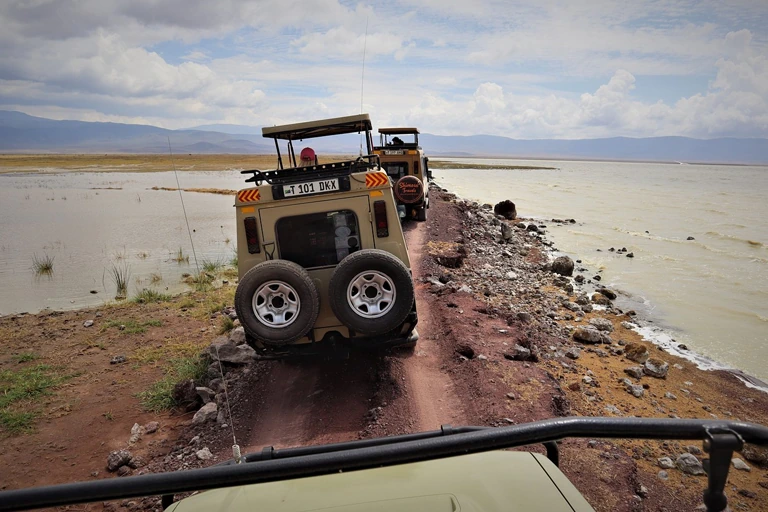
Heavy rains are affecting road conditions across the parks. This, in turn, affects our vehicle access to the park.
Naturally, this limits our overall safari logistics for the time being.
As a result, guest numbers always drop during these months.
Nevertheless, the low season demands more flexibility from our teams, not less skill. It’s important to know this isn’t a “bad season.” Instead, it’s simply a time that requires different kinds of work from everyone involved in our team’s operations.
We must be honest about the financial and emotional reality for dedicated safari professionals.
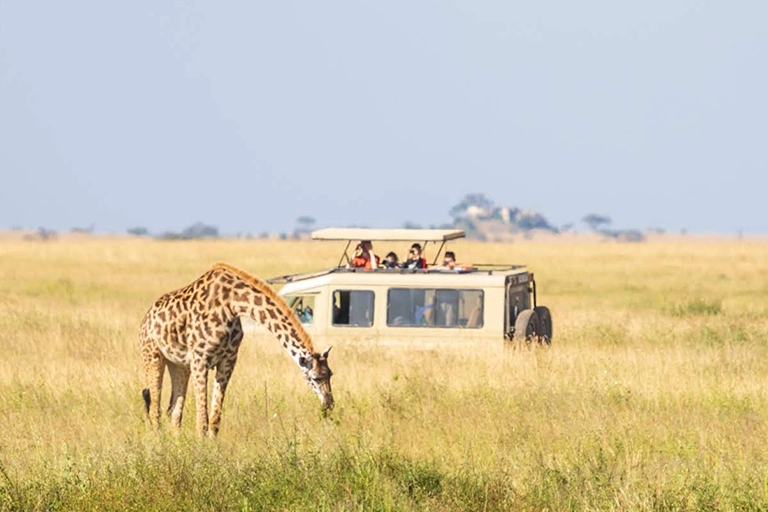
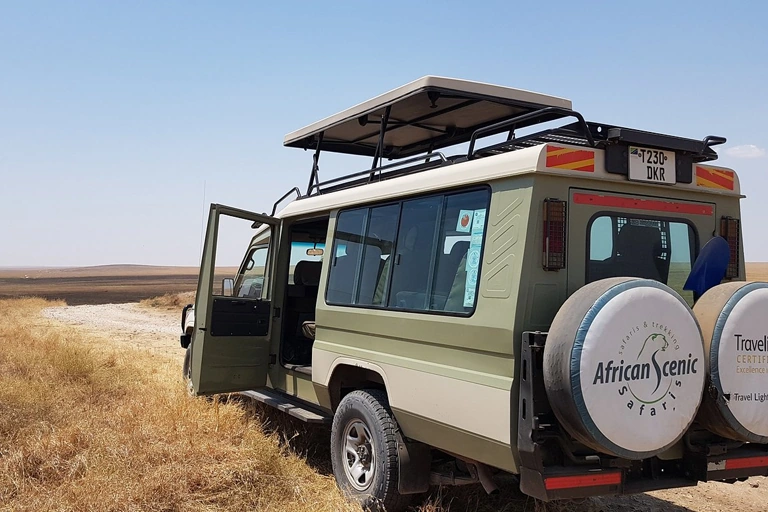
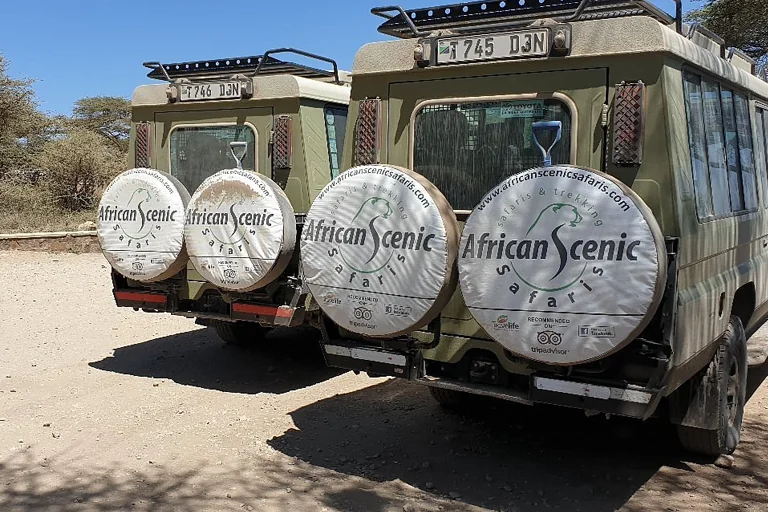
Tanzania Safari Vehicles
Fewer trips mean fewer driving days for our expert guides, who are otherwise busy carrying out Safari Trips in Tanzania. Many people in tourism are freelancers or seasonal staff.
They may face long gaps without any work lined up. Generally, this stress and uncertainty are common feelings across the whole Tanzania Safari Industry.
Our guides often share how this affects them personally. You’ll hear about the financial pressure they face when income stops. They speak of their deep responsibility toward families waiting nearby. Moreover, there’s sometimes an emotional toll felt when you’re just waiting for the next high season to start again.
Voices from Our Guides – Low Season Reality
“Low season brings fewer tourists, sometimes very few. For safari workers whose income depends heavily on guest numbers, this creates a tough period financially.”
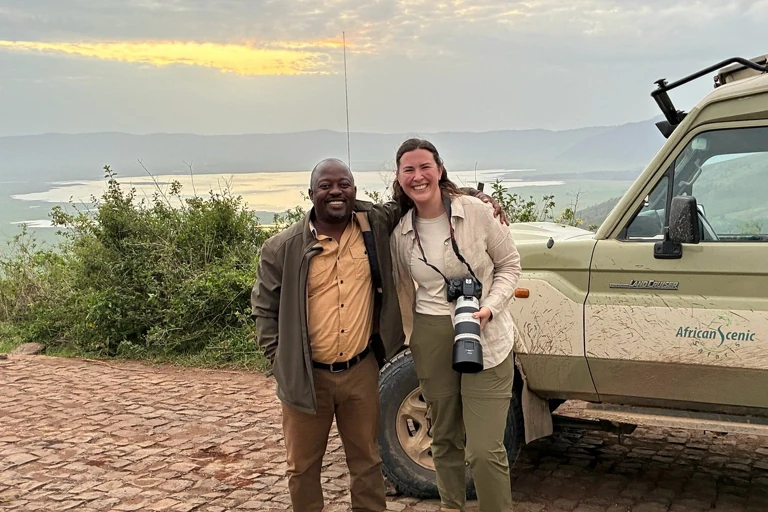
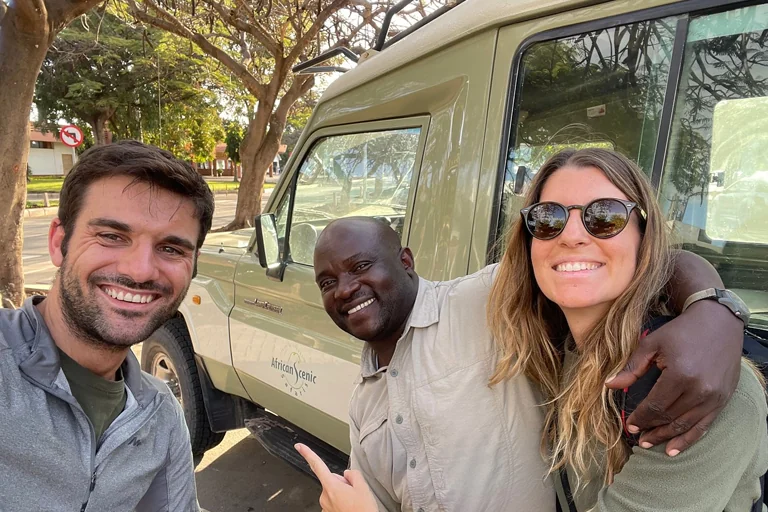
Tanzania Safari GuideTanzania Safari GuideTanzania Safari Guide
“Seasonal contract workers and freelancers cannot get any job, so it’s so difficult for them to make a living.”
“Most of the workers in this tourism industry get stressed. Due to a lack of jobs and many responsibilities, it takes a long time to recover.”
Low Season as Personal Time for Safari Teams
With more than 16 years in the safari industry, we recognise that our guides and staff are people first. They aren’t just uniforms and vehicles waiting for guests.
Tanzania Low Season Safari
The quiet period gives them important downtime. It offers needed time away from the long, dusty safari months.
This time lets them spend time with family they’ve missed.
They can also reflect on the previous season’s challenges.
Also, they get a chance to rest physically after months of hard work guiding guests through long days.
It’s a time for them to prepare mentally for the exciting push that the next high season will bring. This quiet time helps them refresh their minds completely.
Want to learn more about our team? Browse the Meet our Team page to learn more about the incredible faces who make all your super entertaining, safe, and successful.
Training, Learning & Professional Growth
Moreover, most Responsible Tanzania Tour Operators, like us, use this slow period to invest in quality that lasts.
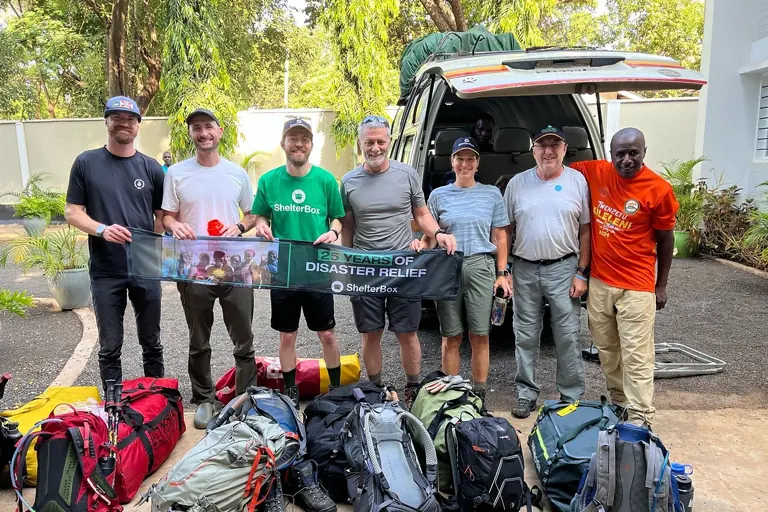
Tanzania Travel Training
For us, low season isn’t just downtime; it’s when we build better quality for you. African Scenic Safaris uses this quiet time for important development.
We ensure our teams gain refreshed skills. This includes crucial sustainability training updates.
We also run customer care refreshers yearly. Everyone refreshes their safety and first-response awareness, too.
We also use this time to learn more about conducting Safari In Tanzania more effectively. Our guides explore lesser-known park areas to deepen their own knowledge.
This period is surely a preparation time. The high quality you experience on safari is actually built when the cameras are put away. Low season is when we build unmatched Safari Training Tanzania for tomorrow’s adventures.
How do we train our people during the low season?
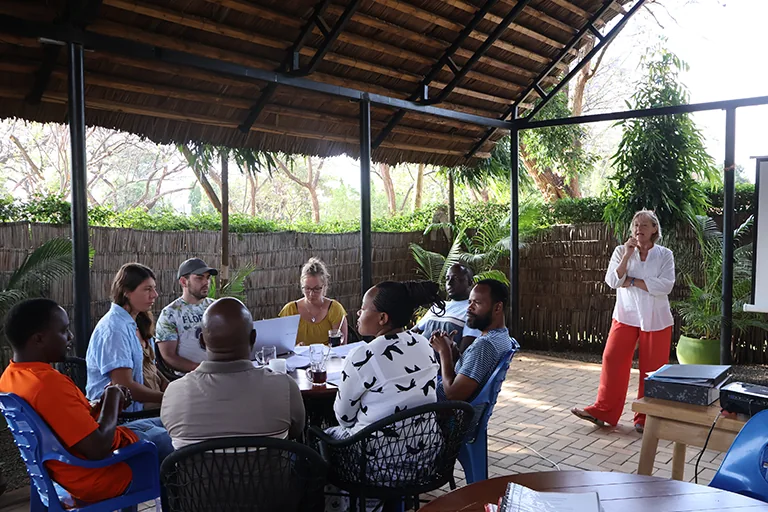
During the low season, guides at African Scenic Safaris focus on learning and preparation.
Time is set aside for refresher trainings that sharpen guiding skills and deepen understanding of wildlife, landscapes, and conservation practices.
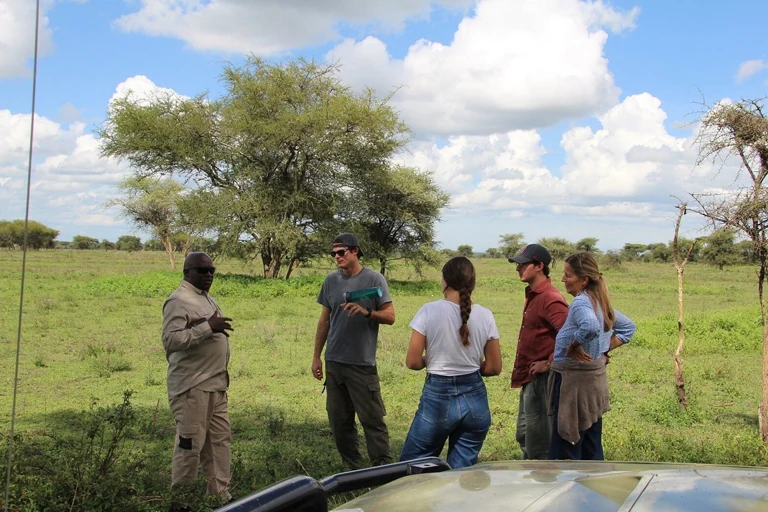
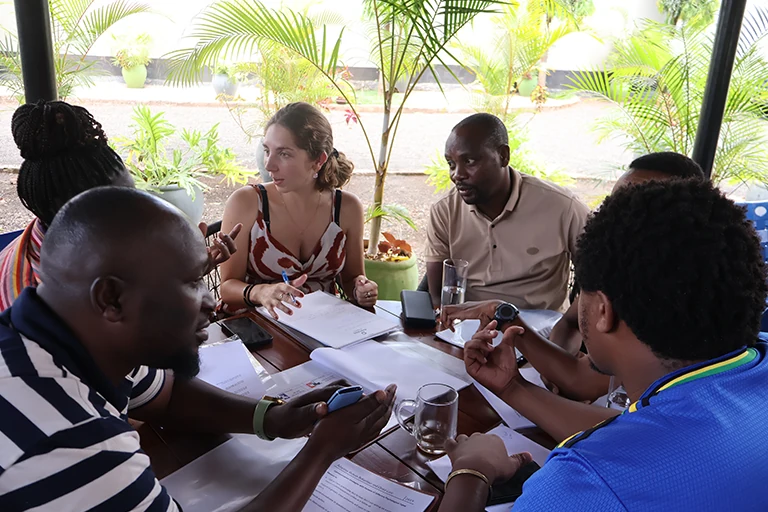
Tanzania Low Season Training
It’s also when guides explore areas they rarely reach during busy months, building stronger local knowledge beyond standard routes.
Quiet weeks are used to study wildlife guides, maintain equipment, and reflect on past seasons, what worked, what needs adjusting, and how to guide better next time.
This steady investment in people and knowledge ensures every Tanzania Safari is led by guides who are prepared, informed, and grounded in real experience.
Wildlife & Guest Experience Benefits Few Travellers Expect
Because the months of June to October are considered the Best Time to visit Tanzania, many assume this is the only time safari-goers visit our country. But that’s not the entire truth.
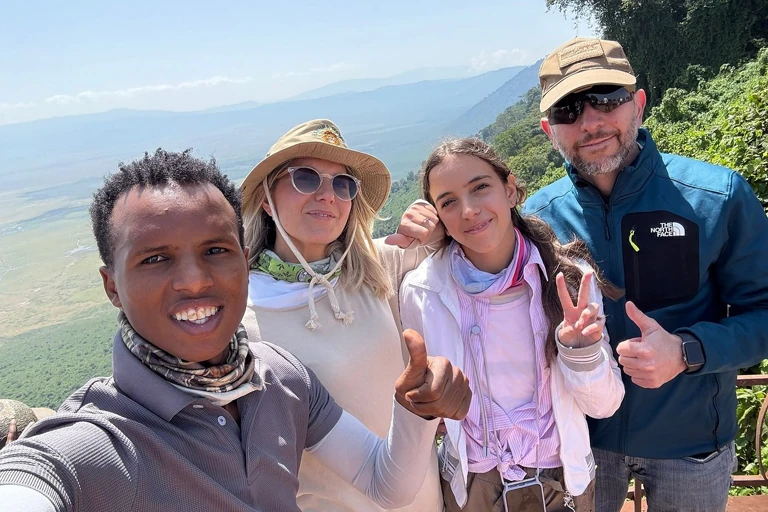
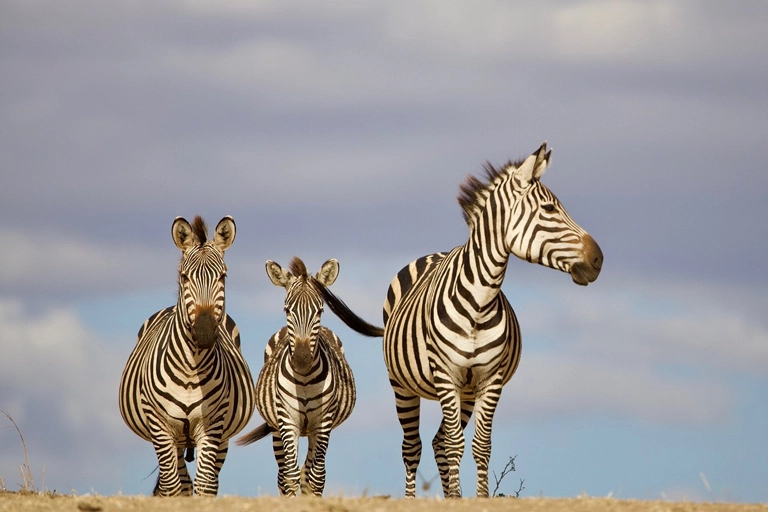
Tanzania Travel Experience
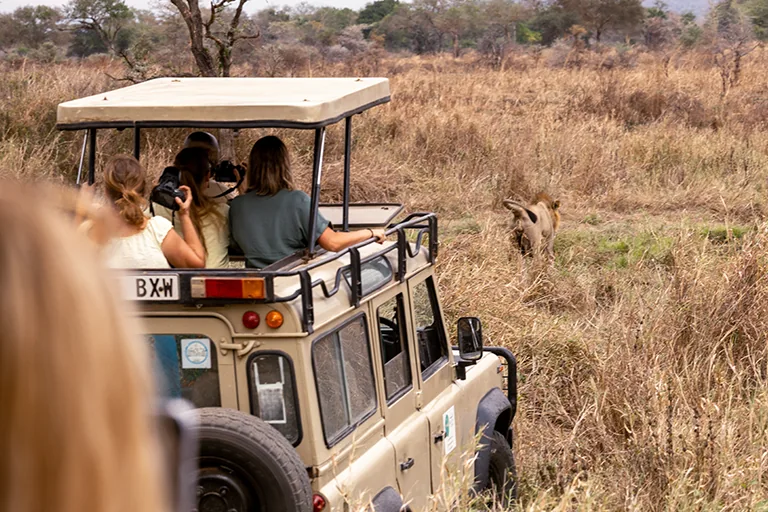
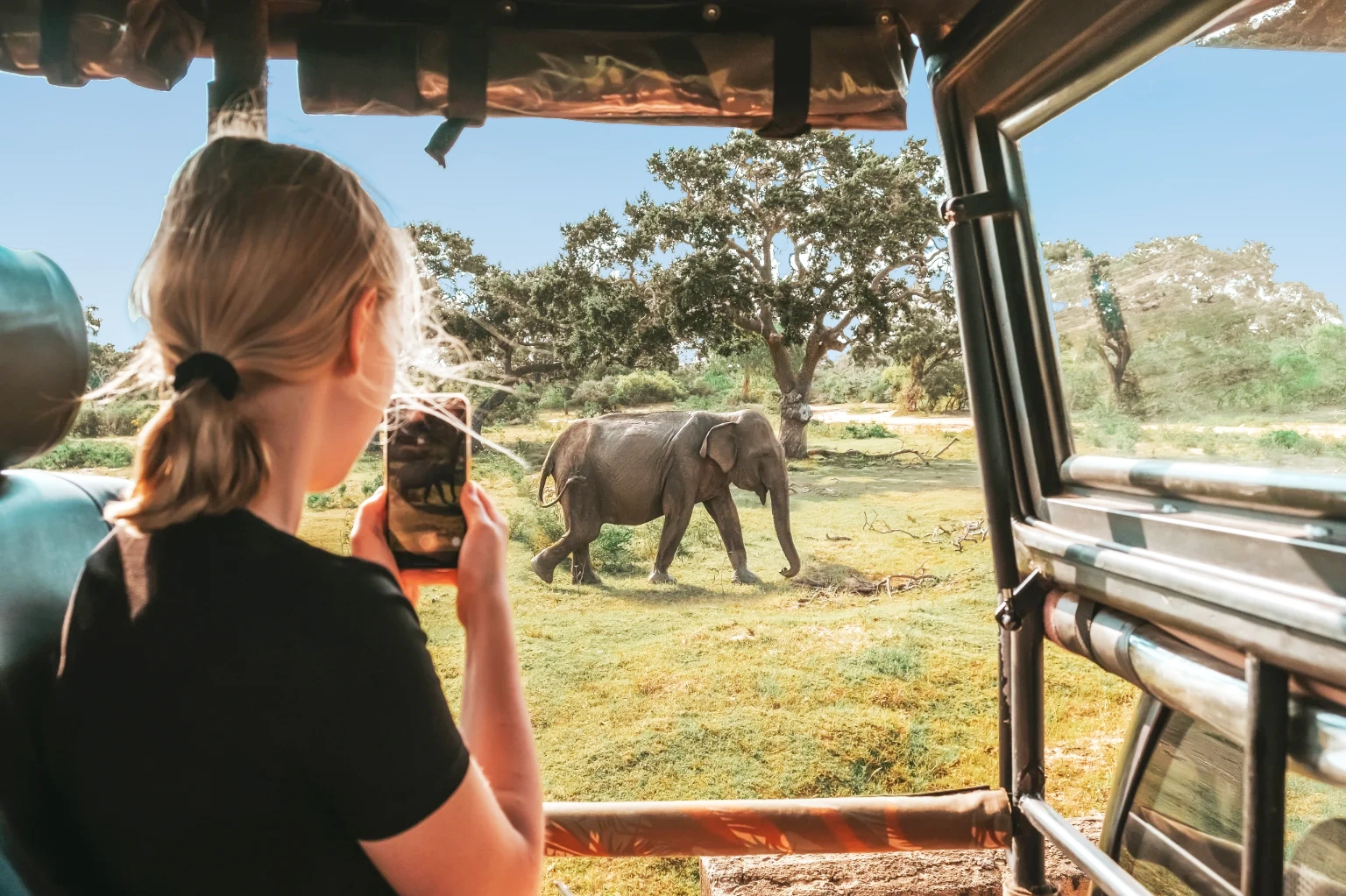
Travellers who love solitude prefer Tanzania Safaris in the low season over the high season. When fewer vehicles travel through the parks, the safari experience, undoubtedly, improves.
Photographers, for instance, really benefit from having the space and the patience to wait for that perfect shot.
The Tanzania National Parks also feel more natural and less rushed when crowds aren’t present.
You often find much lower Tanzania Safari Prices during this time. Additionally, the best lodges typically offer more availability to choose from.
It gives you a calmer, more unhurried experience. But we don’t promote it as a sales deal. Because we believe it’s about enjoying the experience itself, not chasing a discount.
How Responsible Tanzania Tour Operators Use Low Season for Sustainability
Low season isn’t treated as a time of emptiness. For Responsible Tanzania Tour operators, it’s when some of the most important work actually happens.
Tanzania Tour Operators
When the parks are quieter and the vehicles are parked, our responsibility doesn’t pause. At African Scenic Safaris, this period is closely tied to the long view, such as caring for places and people long after guests have gone home. Sustainability doesn’t need an audience to matter.
This is when teams head out to plant trees around Kilimanjaro-area schools and along riverbanks that need protection.
It’s when community health programs are planned and run, often quietly, without banners or cameras.
Time is set aside for girls’ health initiatives, including reusable pad programs that make a real difference in everyday life.
And it’s also when staff slow down enough to train, reflect, and strengthen the way sustainability is practised across the company.
So, while the roads are calmer and the camps quieter, the work continues. In many ways, this is when Sustainable tourism in Tanzania shows its truest shape—behind the scenes, steady, and driven by long-term care rather than seasonal demand.
Our team takes operational readiness very seriously. Anyone can operate when things are running smoothly in the high season. But the true test is preparation.
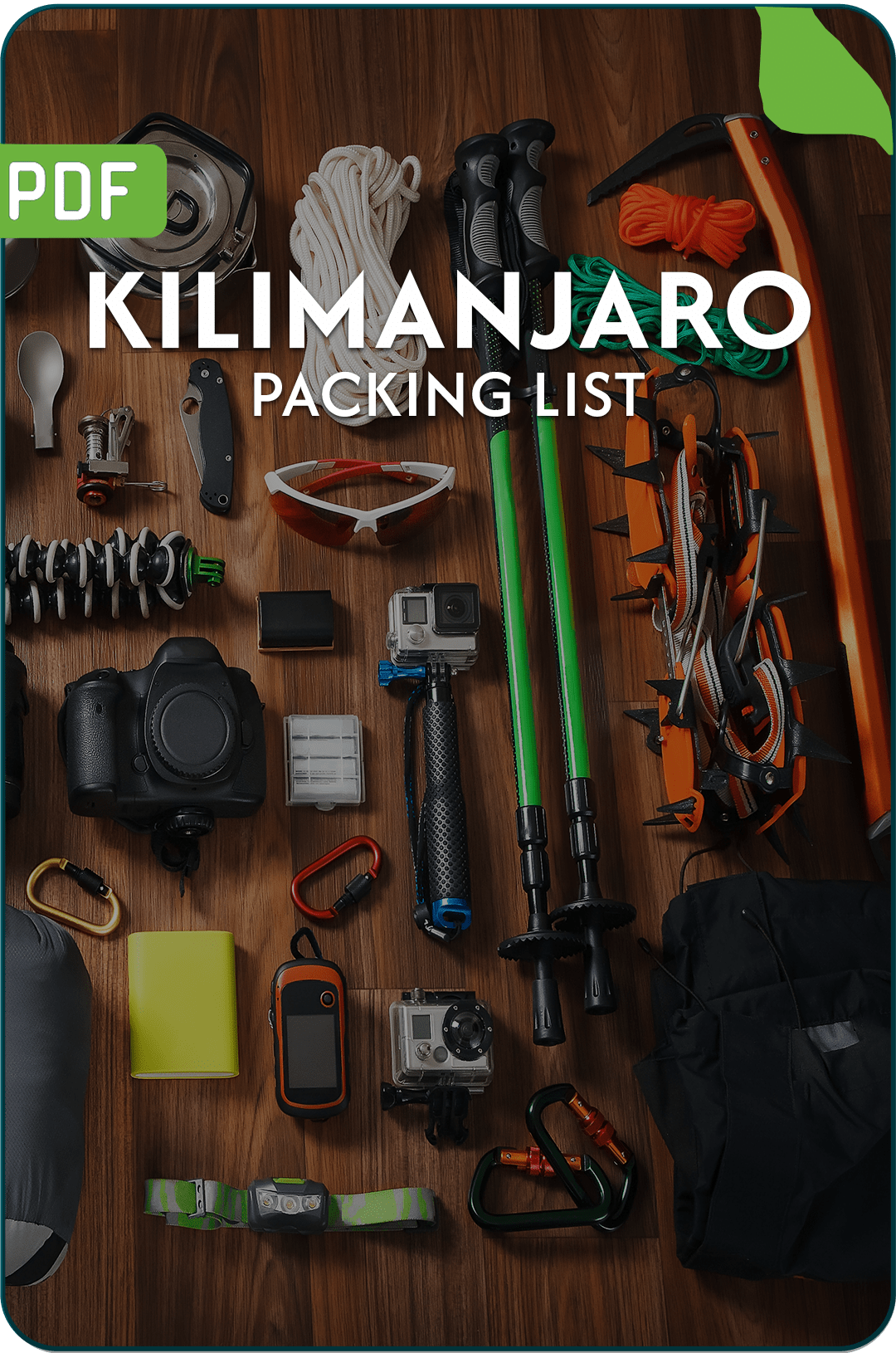
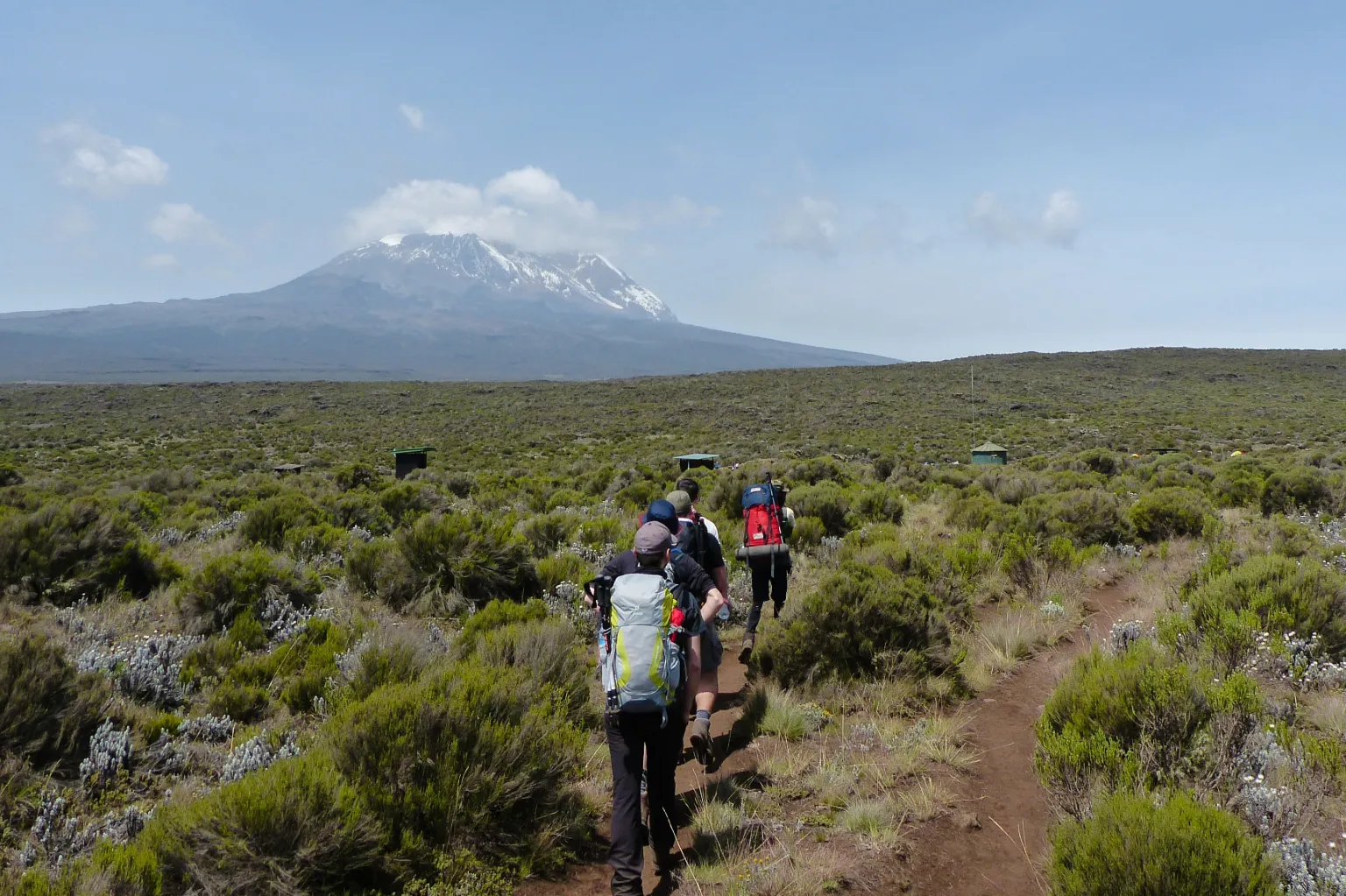
Kilimanjaro Climbing Gear
Some measures we take during this time that exhibit our preparedness for the future are:
We conduct thorough vehicle inspections and maintenance checks during this time.
Similarly, we use structured cycles for equipment replacement to ensure everything meets our high standards.
We also allocate sufficient time to route and logistics planning for the busy months ahead.
African Scenic Safaris shows its depth here. We own over 40 Safari vehicles in Tanzania. This is the time we utilise to maintain them in our own cleaning and service areas. There are structured preparation systems in place to check everything twice.
Why Low Season Reveals the True Character of a Tanzania Tour Operator
This is the insight that matters most. Because when things slow down, the real story comes out.
Anyone can look good during the Peak Tanzania Safari season. Vehicles are full, bookings are steady, and decisions feel easier when income is flowing. But low season strips all that away. What remains is a company’s core—its values, its priorities, and the way it treats people when there’s less coming in.
Tanzania Tour Operator
This is when you see who continues to show up for their staff. Who still commits to the land. Who views tourism as something deeper than a good year on paper.
African Scenic Safaris is locally owned, and that matters here. Even when visitor numbers dip, investment doesn’t stop. Staff are supported. Sustainability programs continue. Community and environmental responsibilities are not paused just because the parks are quieter.
For us, tourism isn’t seasonal. It’s a long-term commitment to Tanzania—one that holds steady when it would be easier to pull back. And that, more than anything else, is what low season quietly reveals.
In short, the Tanzania safari low season isn’t a gap. It’s working time. It’s when responsibility shows up and people’s time is used with purpose.
Tanzania Safaris
Good experiences don’t disappear in the quiet months—they grow there. And the strongest Tanzania Tour Operators aren’t defined by busy days alone. The low season is when teams train, pause, reflect, and give back.
For travellers, seeing this cycle clearly helps them make better choices. Thoughtful travel supports people, communities, and landscapes long before you ever step into a safari vehicle.
Simbo Natai, founder of African Scenic Safaris, crafts sustainable, meaningful Tanzanian journeys rooted in his deep local knowledge and passion.