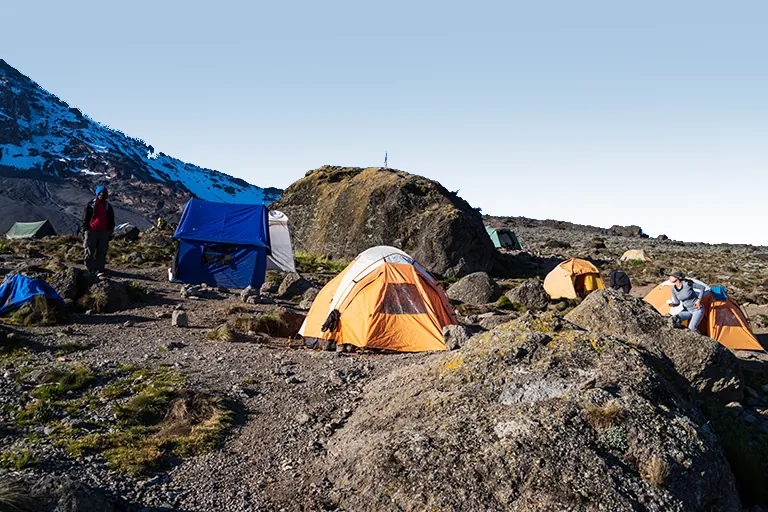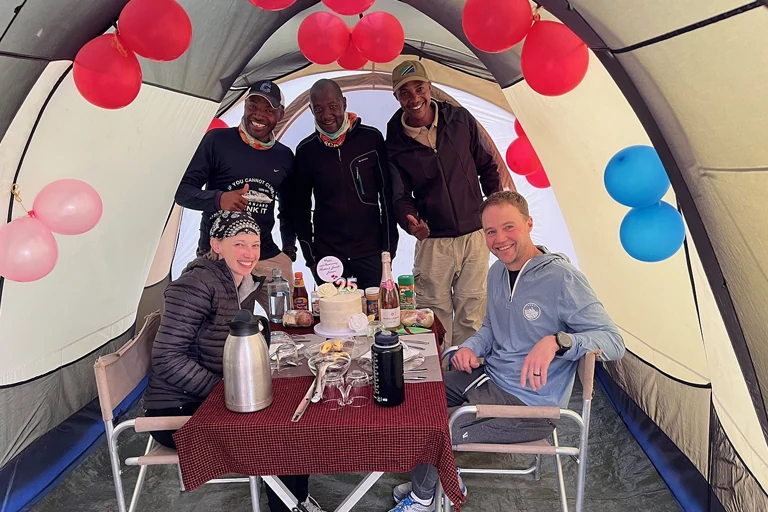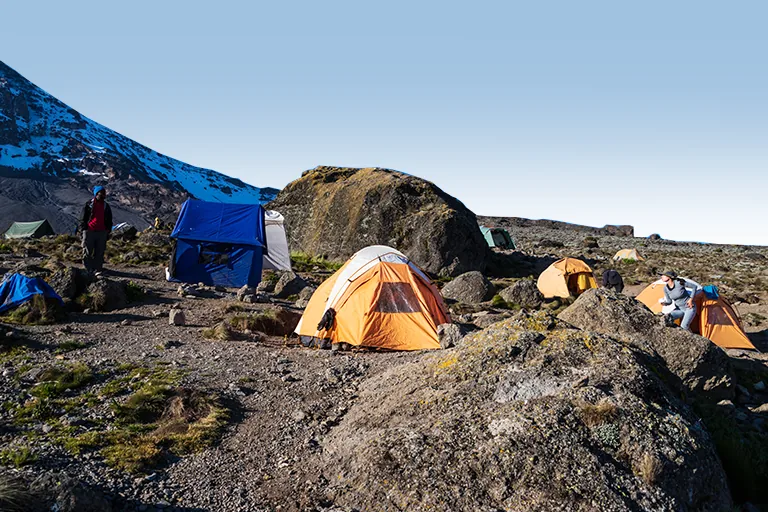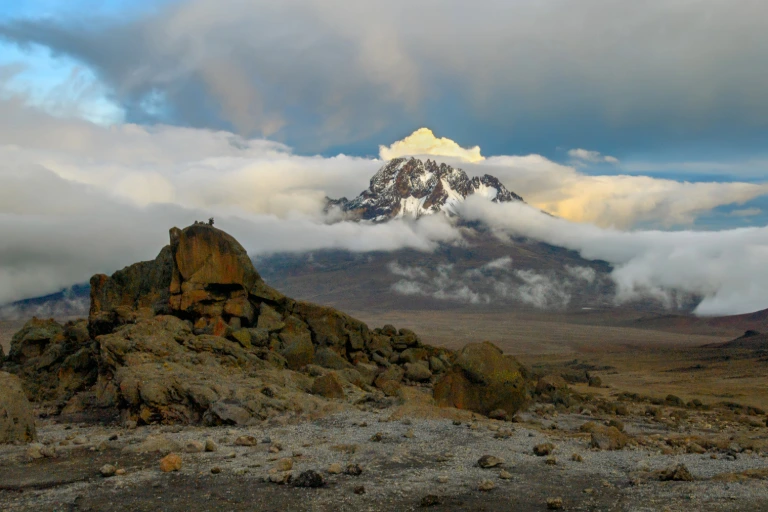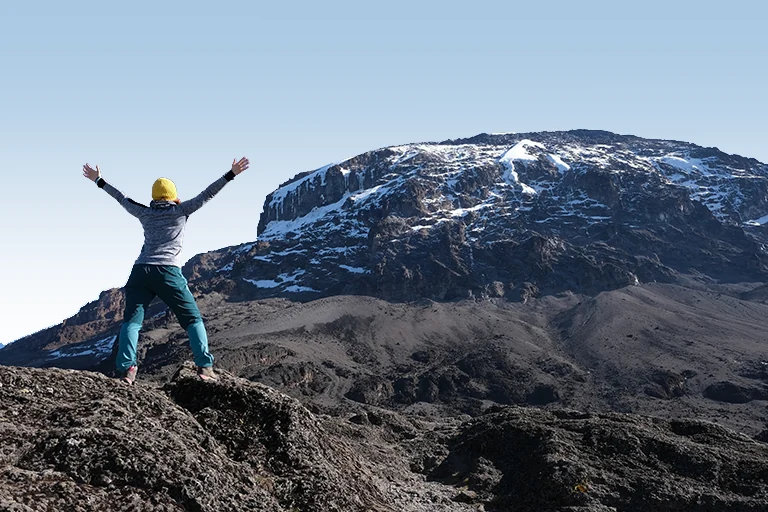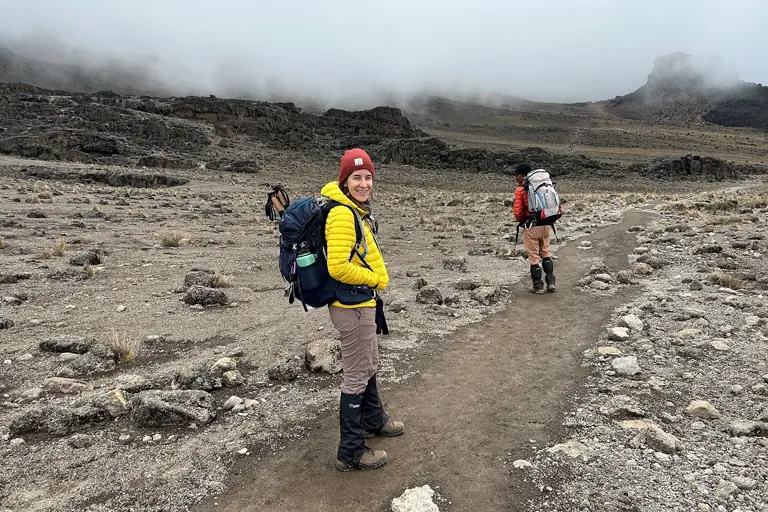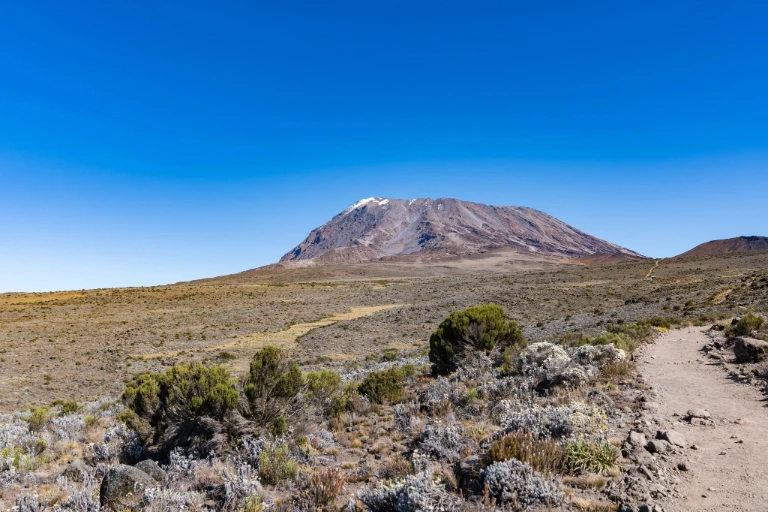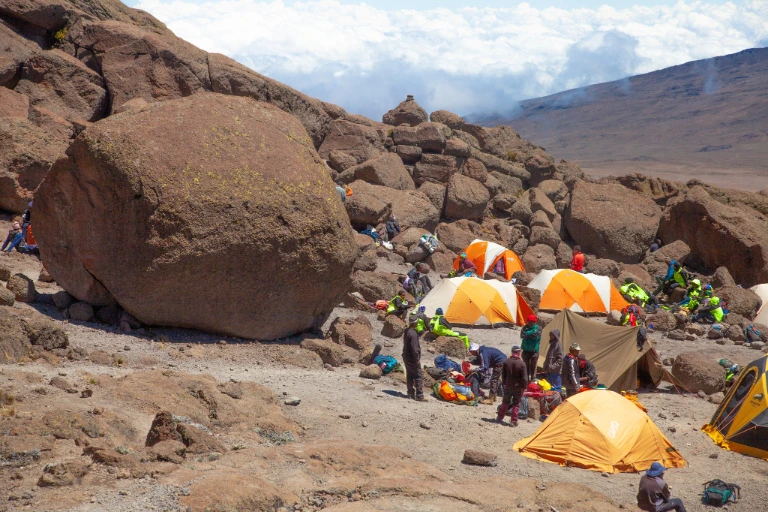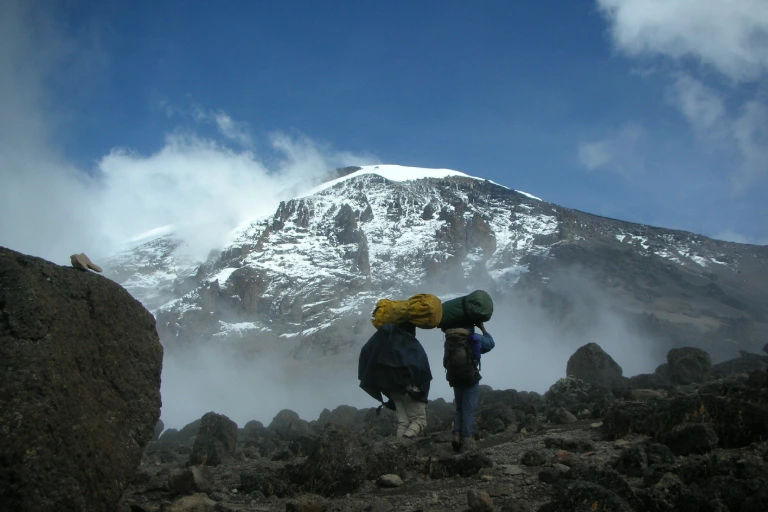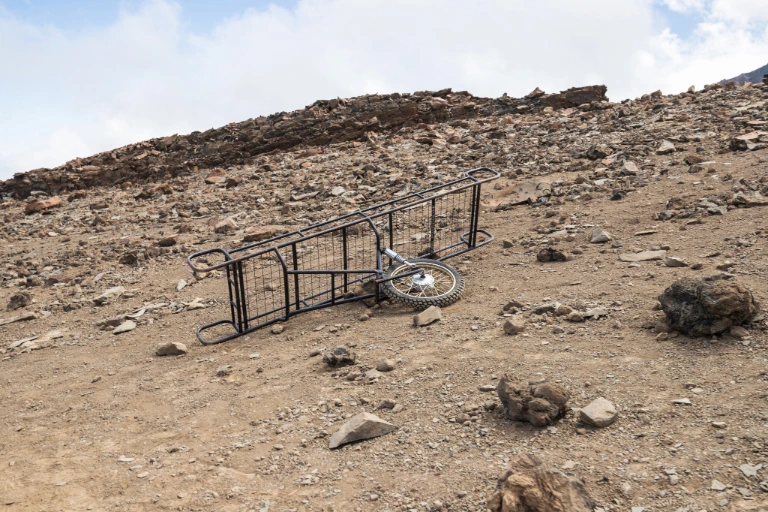
Altitude Sickness Prevention Strategies for Kilimanjaro

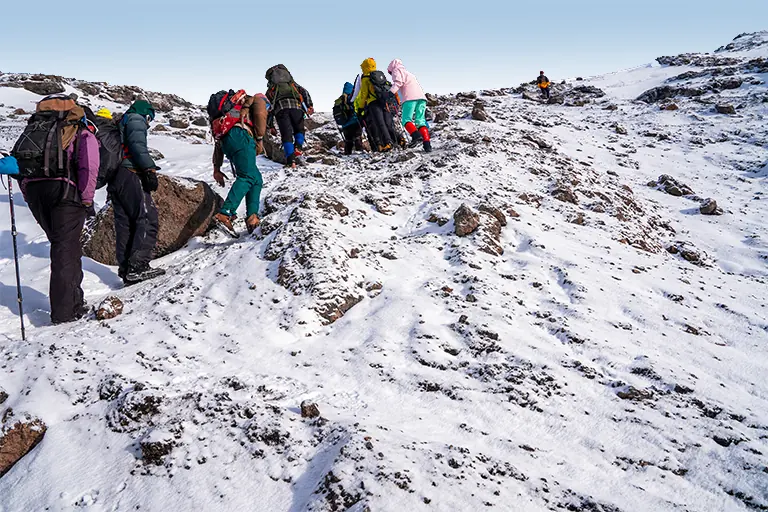
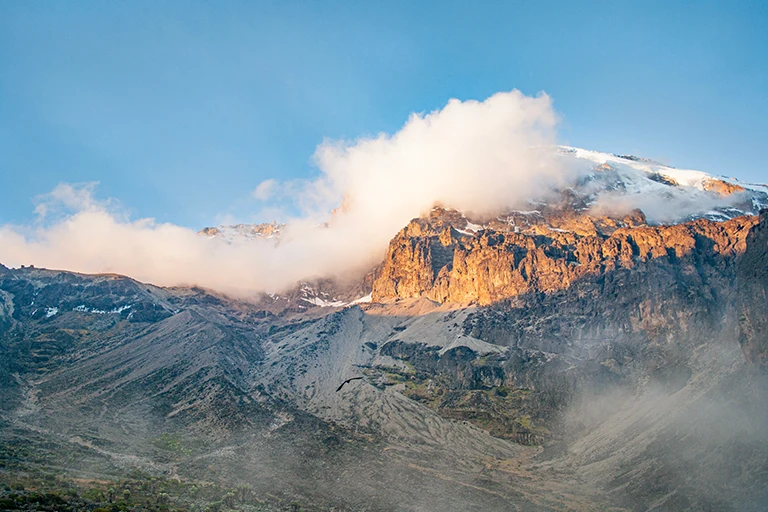
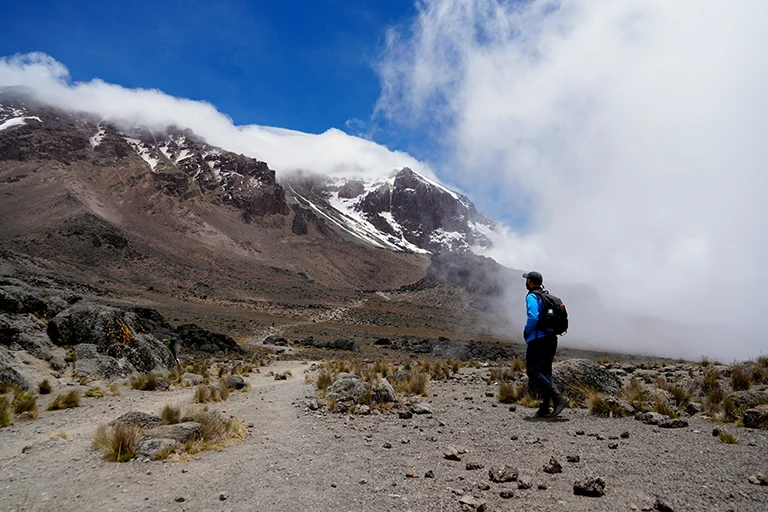
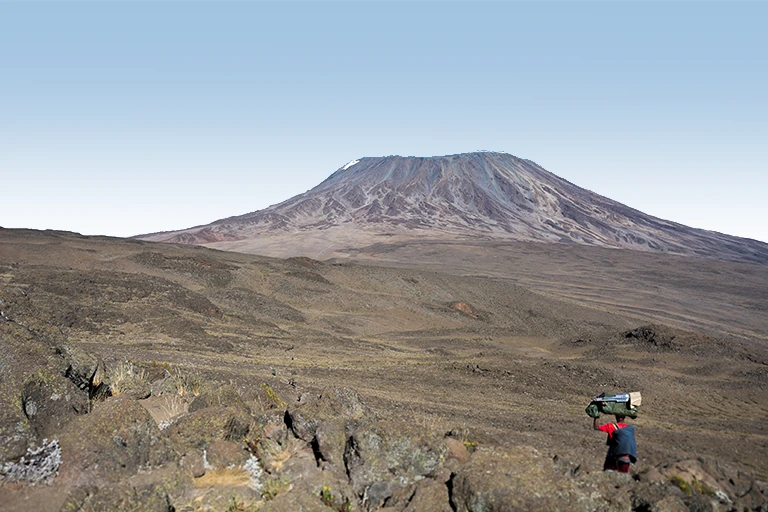
Nobody really warns you about this part. You can train for months, smash the gym, and feel unstoppable… then Kilimanjaro Altitude Sickness hits you with thin air at 5,895 meters, and suddenly your body is like, “Hey, bestie, what is going on up here?”

Altitude sickness is the real boss level on this mountain. It doesn’t care about muscles or motivation; it cares about how well your body adapts to the decreasing oxygen as you climb higher.

But here’s the good news: Altitude sickness is predictable, preventable, and totally manageable when you know what you’re doing.

In this guide, we break down everything you need to stay safe, from understanding symptoms and Preventing AMS on Kilimanjaro to the most effective prevention strategies, to what African Scenic Safaris guides do during emergencies.

You’ll walk away knowing exactly how to protect your body, listen to your limits, and climb with confidence.

Section 1: Understanding Altitude Sickness

“Why Altitude Affects Every Climber Differently”

Altitude sickness (AMS) is one of those sneaky things. You can be young, fit, hydrated, mentally strong, and still get hit by it. And it’s not because your body “failed.” It’s because oxygen levels drop drastically as you go higher.
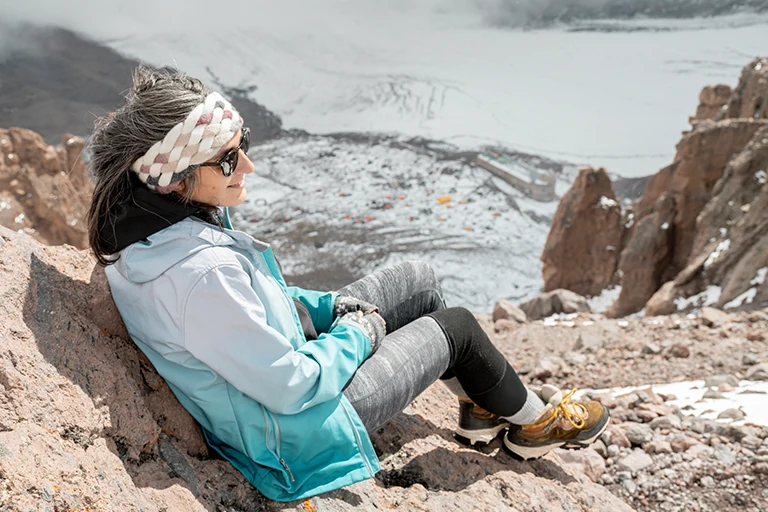
Kilimanjaro Altitude Sickness

Sometimes altitude sickness strikes you in the most humbling way. One minute you’re vibing, taking cute photos, feeling like the main character of your own adventure film, and the next, your body is like, “Hey, we’re way up here, slow down.” It’s not a weakness. It’s literally just your system trying to make sense of the thin air. When that light headache or sudden wave of fatigue hits, it reminds you that the mountain doesn’t respond to confidence, only respect and patience.

When we talk about Kilimanjaro Altitude Sickness or more formally, acute altitude illness, we talk about a real, scientifically documented condition that pops up because, as you climb higher, the air pressure drops and your body gets less oxygen per breath. The CDC warns that even healthy, fit people are at risk the moment they head above roughly 2,500–2,750 meters without adequate time to adjust. CDC

During Mount Kilimanjaro Climbing, the air gets thinner. That means:

  • less oxygen per breath
  • lower air pressure
  • And your body is forced to work harder just to keep everything running smoothly.

AMS happens when your body isn’t adapting fast enough. And everyone’s tolerance is different; some people acclimatize easily, others need extra time.

African Scenic Safaris guides say it best: “You can’t cheat altitude. The only thing that wins is time and a slow pace.”

This is why acclimatization days matter so much; they give your body room to breathe and adjust.

Section 2: Common Symptoms & Early Detection

“How to Recognize the Early Signs of Altitude Sickness”

One thing about altitude sickness is that it almost always starts subtly. And catching it early is 90% of the battle.
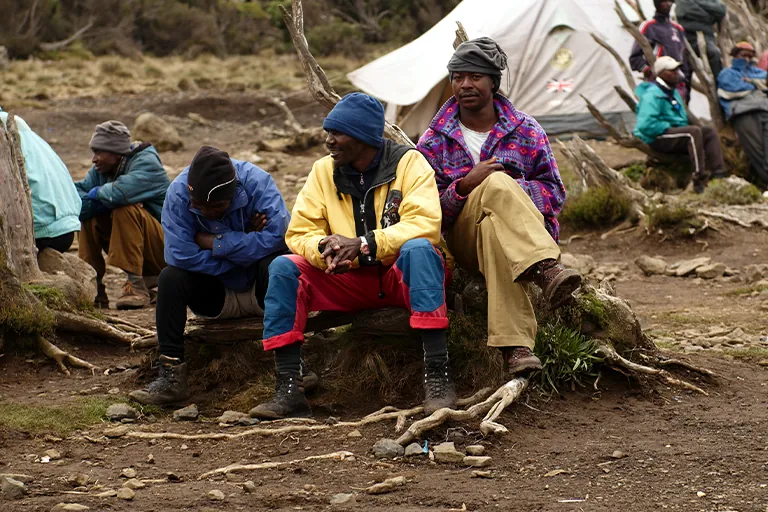
Altitude Sickness Kilimanjaro

You know, the first signs of altitude sickness sometimes can feel almost too normal to take into consideration unless you pause for a second and think, “Why does my head feel kind of floaty?” or “Why am I breathing like I just ran upstairs when I barely walked 20 meters?” It’s not dramatic, it’s not scary. It’s just this quiet shift in your body that makes you go, hmm, something’s different. 

You can even lose your appetite even though you know clearly you should eat, the random wave of fatigue that surrounds you in this critical moment. On the mountain, all these and more tiny changes matter; your body is telling you to slow down for a moment. It’s not about panicking and losing focus; it’s about being aware, being kind to yourself, and remembering that listening to your body is part of the adventure too.

Mild AMS Symptoms

These are common and manageable:

  • Headaches
  • Loss of appetite
  • Fatigue
  • Trouble sleeping
  • Light nausea

It’s your body saying, “I’m trying my best, but give me a sec.”

Severe AMS Symptoms

These are red flags and require immediate action:

  • Persistent vomiting
  • Confusion or disorientation
  • Trouble walking straight (ataxia)
  • Breathlessness even while resting
  • Blue lips or fingertips
  • Wet, heavy cough

For tips and guidelines on staying safe while climbing, visit the Kilimanjaro Safety.

A traveler once said:

“I didn’t realize my headache was AMS until my guide checked my oxygen and helped me rest. That quick response saved my summit.”

Section 3: Why Acclimatization Is the Key

“How the Body Adjusts to Altitude Over Time”

Acclimatization is basically your body learning to live with less oxygen. It increases your breathing rate, produces more red blood cells, and strengthens your circulation. But here’s the kicker: it takes time.
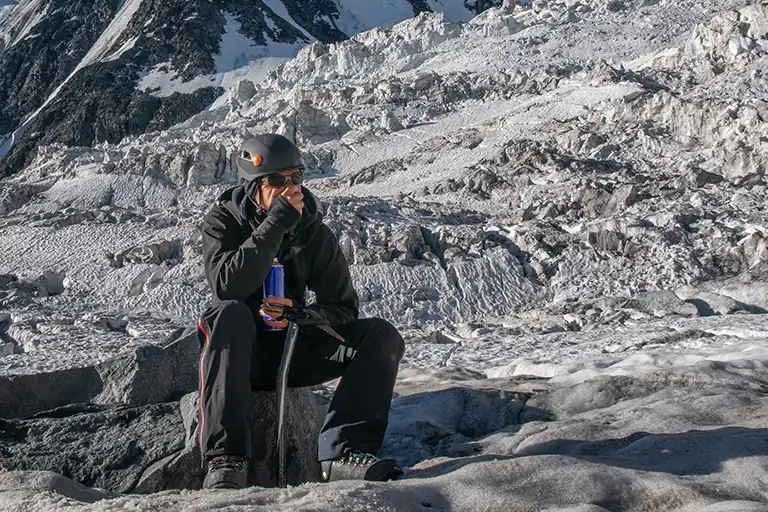
Kilimanjaro Climbing Route

This is why 8–9-day routes like Lemosho and Northern Circuit are the Best Routes for Acclimatization. Kilimanjaro has the highest summit success rates. They give your body room to adapt instead of rushing to the peak. 

Kilimanjaro Acclimatization Strategies is one of the things that isn’t easy to understand until you are in the mountains. This is where you realize that Kilimanjaro is more than something you need to conquer; it’s something you learn to move with. Each slow step, each pause to breathe, each sip of water becomes part of this gentle conversation between you and the altitude. And it’s humbling, in the best way. 

You start the climb thinking you’re in charge, but somewhere between the first camp and the second, you understand that the mountain sets the pace and your job is just to listen. When you do, something beautiful happens: your body slowly catches up. 

The best human part of it is that you learn to be soft and gentle with yourself. You move at your own pace, and not everybody else’s. This slowness is what brings peace, noticing the little things and the crunch of the volcanic gravel under your boots, the way the light hits the glaciers at sunrise, 

In that space, acclimatization stops being a technical step in the climb and becomes a reminder that sometimes, the best way to reach a big dream is to honor your limits, breathe deeply, and trust every small step you take.

African Scenic Safaris guides live by the mantra: “Pole pole — slowly, slowly. The mountain is not going anywhere.”

Section 4: Prevention Strategies – Step-by-Step

“How to Prevent Altitude Sickness Before and During the Climb”

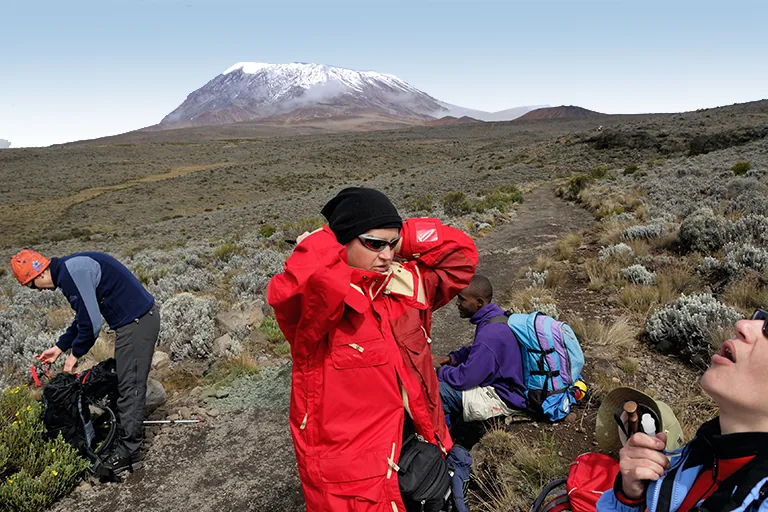
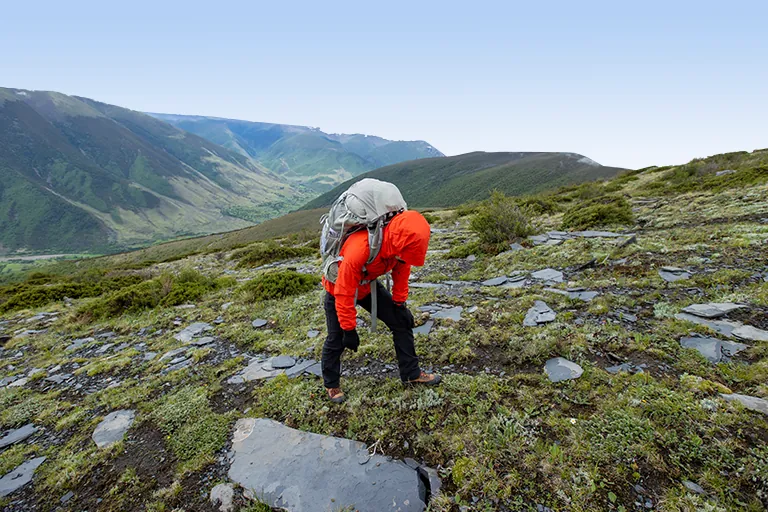
For Altitude Sickness Prevention Kilimanjaro is not about who is the strongest or the fittest; it’s about being kind to your body and giving it the space to adjust. Your guides are there for you, your mountain family always reminding you to slow down, checking how you’re feeling, and literally matching their steps to your rhythm so you don’t push too hard too fast.
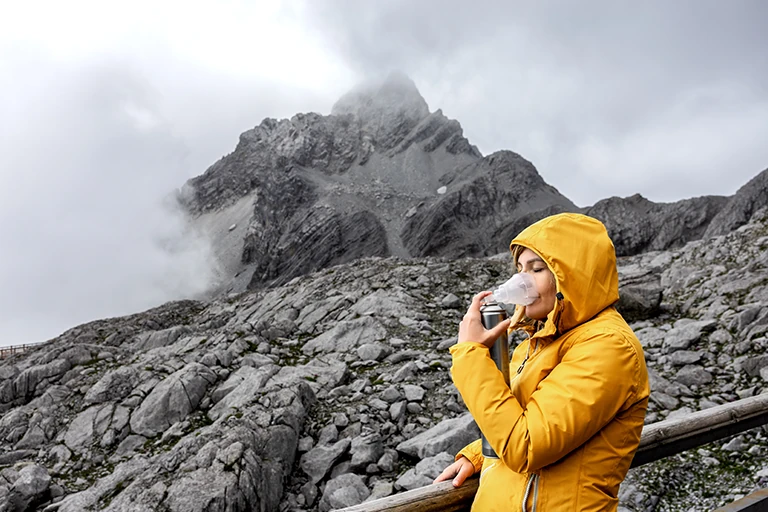
Altitude Sickness Prevention Kilimanjaro

When you embrace the slow pace, the mountain starts to feel less intimidating and more like a journey you’re slowly growing into. You realize that every careful decision you make is you choosing to protect your summit dream, one mindful choice at a time.

Here’s your Kilimanjaro Altitude Tips for AMS prevention plan:

StrategyWhy It HelpsReal-Life Example on the Mountain
Choose a longer route (8–9 days)Gives your body more time to adaptYou wake up on Day 4 feeling less dizzy because your body has had an extra night to adjust
Hydrate 4–5 liters dailyPrevents dehydration, a major AMS triggerYour guide reminds you to sip water every 10–15 minutes during the hike
Walk slowly, the Pole Pole mindsetReduces stress on your lungs & heartYou match your guide’s slow rhythm and avoid early exhaustion
Eat light, high-carb mealsKeeps your energy up and digestion steadyPorridge, fruit, and potatoes are easy on the stomach, great for energy
Avoid alcohol & sleep aidsPrevents slow breathing at altitudeYou skip the celebratory drink so your body can focus on adapting
Pre-acclimatize (e.g., Mt. Meru)Train your body for high-altitude conditionsYou arrive on Kili already used to thin air

A medic from African Scenic Safaris said, “Hydration and pacing prevent more AMS cases than any pill.”

Check out our guide, “8 Essential Items to Pack for Your Kilimanjaro Adventure,” to make sure you have the perfect Kilimanjaro Packing List for the best climb!

Section 5: Hydration & Nutrition

“Why Drinking Enough Water Can Save Your Summit”

For Kilimanjaro Health and Safety, Dehydration is one of the fastest ways to trigger altitude sickness. At high altitudes, you lose water without realizing it through breathing, sweating, and cold air.
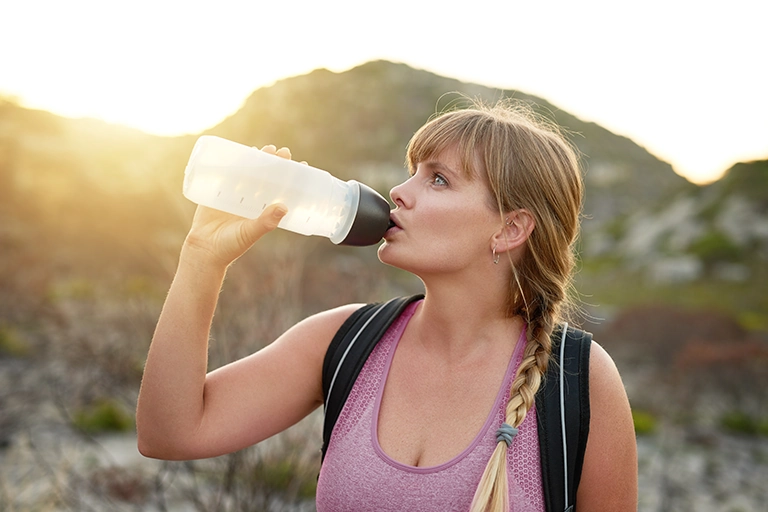
Kilimanjaro Health and Safety

The easiest hydration test? Check your urine color. Pale = good. Dark = drink more.

Your energy will also depend heavily on:

  • Electrolytes
  • Salty snacks
  • High-carb meals
  • Regular hydration breaks

The CDC recommends that travelers to high altitudes, like Kilimanjaro, ascend gradually, increase sleeping elevation by no more than about 1,600 ft per day above 9,000 ft, and stay well-hydrated to help reduce the risk of altitude illness.

Section 6: Medication and Natural Remedies

“Medicines and Natural Aids That Help With AMS”

As you are up on Kilimanjaro, some days your body just can’t keep up, and that’s okay. Your head is pounding so hard, and your chest feels tight, and every step is a struggle. That’s when painkillers feel like a lifeline. But it’s not about taking them blindly. The guides and the Kilimanjaro Medical Support sit with you, explain what’s going on, and tell you exactly how each medicine works. They make sure you feel safe. 
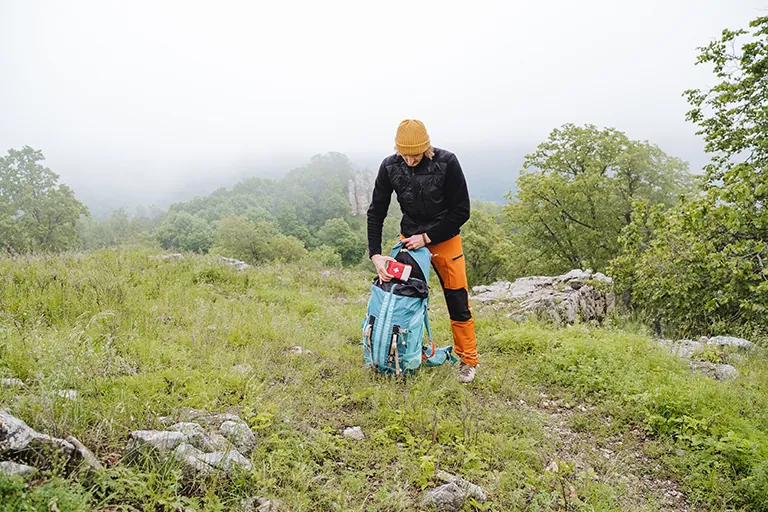
Kilimanjaro Medical Support

Then there are the natural fixes the crew swears by: ginger for nausea, garlic tea to ease your breathing, and lavender oil to calm your nerves. Learning from both science and nature like this feels human. Taking care of yourself is a smart way of showing that you care and you’re gentle with yourself, as you are surviving and enjoying the climb.

Here’s what climbers commonly use (with medical guidance):

Medications

  • Diamox (Acetazolamide) – helps prevent AMS
  • Ibuprofen – headaches
  • Promethazine – nausea

Natural Remedies

  • Ginger (nausea)
  • Garlic (circulation)
  • Lavender (calming during sleepless nights)

For prevention, the NHS notes that a medication called Acetazolamide (brand name sometimes “Diamox”) may be prescribed by a travel health professional if you are going to a high-altitude location or ascend quickly. But this drug does not replace the need for gradual ascent and acclimatization. – NHS.UK

Always consult your doctor before taking anything.

“I recommend staying well-hydrated and eating small, frequent meals rich in carbohydrates and protein, as proper nutrition and hydration are essential for safe acclimatization on Kilimanjaro,” says our medical professional partner.

Section 7: Emergency Procedures & Trained Guides

“What Happens If Severe Altitude Sickness Occurs”

If things ever take a turn on Kilimanjaro and sometimes altitude hits harder than expected, this is where your guides truly shine. These aren’t just people who walk with you up the summit; they’re trained responders who know exactly what to do when someone’s struggling. 
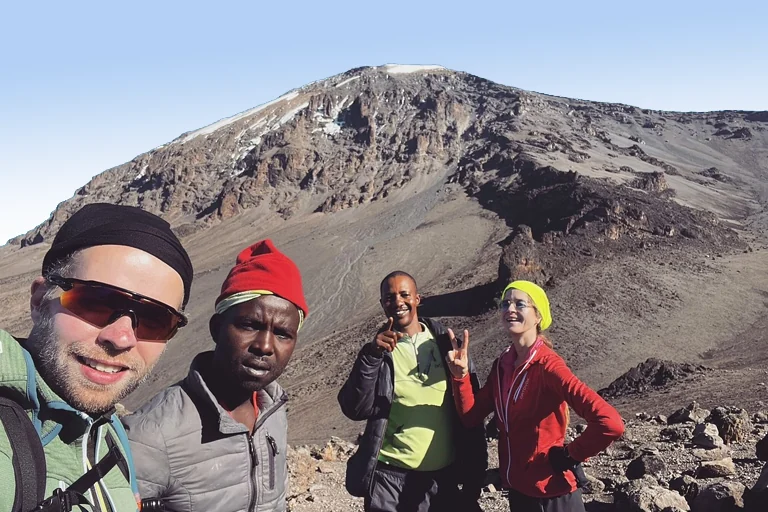
Kilimanjaro Climbing Guide

They ensure that your Kilimanjaro Health & Safety is taken into consideration, verify the Kilimanjaro Oxygen Levels are okay, ask the right questions, and remain so calm that their energy instantly settles you. The moment they sense and realize that something is not right, they take immediate action, whether that means administering supplemental oxygen, assisting you in descent, or calling for evacuation. And honestly? It’s in those moments that you realize how deeply they care. They treat your safety like it’s personal, not just professional. You never feel alone up there, not even for a second.

If your symptoms progress, guides follow strict safety protocols:

  • Immediate oxygen level check, using an oximeter.
  • Administer oxygen if needed
  • Controlled descent

Descending even 300–500 meters can reverse symptoms.

  • Stretcher evacuation

If you’re unable to walk.

  • Hospital transfer

For severe cases like HACE or HAPE.

African Scenic Safaris guides are Wilderness First Responder (WFR) certified, meaning you’re literally in safe hands.

A past climber said, “My guide checked my oxygen every night. I felt safer with him on the mountain than at home.”

Section 8: Mental Preparation & Mindset

“Preparing Your Mind for High-Altitude Challenges”

Your mind will carry you further than your legs. Altitude sickness can make you doubt yourself, cause headaches, nausea, and short breath. It’s a lot. But knowing these feelings are normal changes everything.
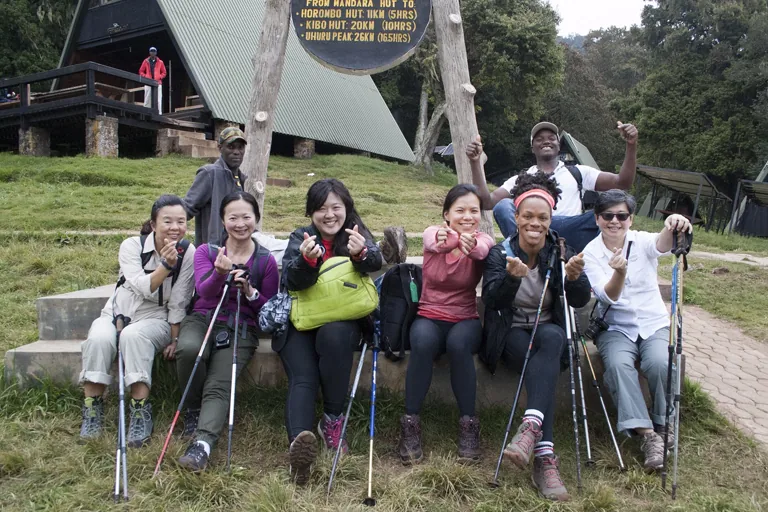
Mount Kilimanjaro Climbing

Mount Kilimanjaro Climbing can hit you in ways that you never expected. You will be surprised how you can wake up on some mornings being determined, and the other mornings you feel tired and unsure if you can continue. 

What you need to keep in mind is that you are not alone; the guides and teammates are there quietly cheering for you and lending you a hand with words of encouragement, and you get to realize that fear and strengths are states that can co-exist together.

Trust your body, mind, and soul, feel Kilimanjaro’s rhythm, and learn that patience and self-kindness are important just as you take one step at a time. Stay open with your guides, share what you’re feeling, and push through pain in silence. Because climbers who stay mentally flexible and positive handle altitude better than those who panic or stay quiet.

Altitude sickness is real — but with the Best Kilimanjaro Tour Operators and the right guidance, it’s preventable. Trust experienced Kilimanjaro guides who monitor your safety every step of the way.

Be Kind To Yourself, Cause That’s what Matters

We can fill pages on Kilimanjaro Altitude Sickness with clinical strategies, discuss pO2 levels, and talk about ascent profiles. But the truth you learn up here is simpler, and much harder: the Best Kilimanjaro Acclimatization Strategies are just learning to be kind to yourself.
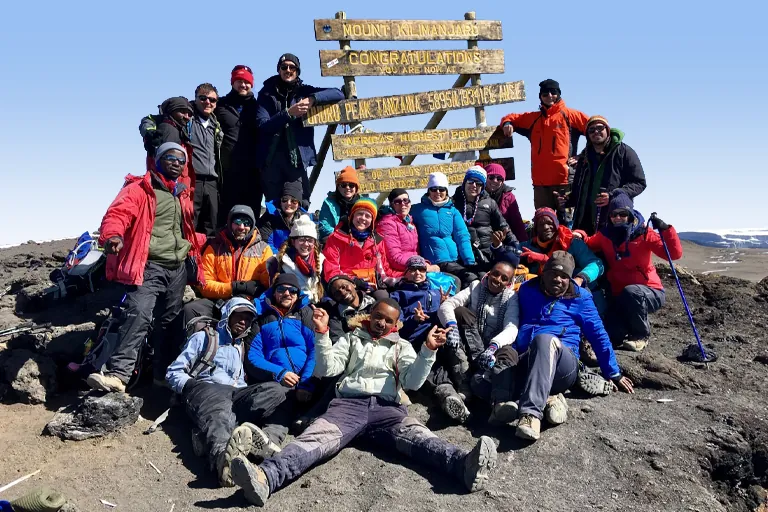
Kilimanjaro Altitude Sickness

Altitude sickness isn’t about luck; it’s about strategy. When you climb slowly, stay hydrated, listen to your guides, and choose the right route, your chances of reaching Uhuru Peak safely skyrocket.

There will be a point, maybe Day 2, maybe 4, where the numbers stop mattering. Your head pounds a dull rhythm, the air tastes like dust, and every step feels like you’re hauling cement.

Could you be wondering, How to Avoid Altitude Sickness on Kilimanjaro? That’s the moment the whole prevention plan boils down to this:

  • Pace is not an option; it’s the law. You must fight the instinct to rush. You must embrace pole pole. Slowing down is not a sign of failure; it’s the smartest thing you can do to give your body the time it desperately needs to adjust.
  • The small stuff keeps you alive. That disgusting energy bar? That sip of lukewarm water? Those are your medicine. You must be relentless about hydration and nutrition, even when you hate the thought of it. 
  • You are not alone. The guides aren’t just pathfinders; they are your early warning system. Your teammates are your psychological backup. That community is the invisible safety net preventing a crisis.

When you finally stand on Uhuru Peak, you realize you didn’t just win a physical battle. You won a battle of patience, humility, and self-awareness. It wasn’t the science alone that got you there; it was the strategy of listening, slowing, and trusting the process. 

Your summit begins with preparation. Your success comes from climbing smart.

Simbo Natai
Simbo Natai, founder of African Scenic Safaris, crafts sustainable, meaningful Tanzanian journeys rooted in his deep local knowledge and passion.
Director, African Scenic Safaris

Why You Shouldn’t Skip Arusha on Your Tanzania Safaris

Most travelers breeze through Arusha without even looking up; they’re too focused on beating the crowds in the Serengeti or getting mentally ready for Kilimanjaro. But the moment you learn about Things to do in Arusha and decide even to give a single day of your time, it shifts. The city slows you down in the best way. The view of Mt. Meru peeking through the morning clouds, the friendly “karibu” from strangers passing by, the rhythm of everyday life. It all blends into a feeling that’s way more special than anyone tells you.

Honestly, give yourself some time to just wander around Arusha. It’s amazing how it stops feeling like a simple stopover and starts pulling you in. You might plan for a quick coffee tour, but you look up, and suddenly you’re deep in the conversation, learning exactly how real Tanzanian coffee gets grown and roasted. Or you duck into an art studio, and bam, you’ve spent an hour totally absorbed by the artists because their stories are just that excellent.

This blog is just a gentle nudge to show you what makes Arusha special beyond safaris. Because when you’re not rushing, you get the opportunity to enjoy Local experiences to enjoy in 24 hours. You get to notice things: Family-friendly activities, cultural insights, and local markets, best stays, cafés, and Arusha City Tour, and how African Scenic Safaris curates meaningful, ethical experiences in and around Arusha during Tanzania Safari Tours. Because sometimes the places we don’t plan for end up being the ones that stay with us the longest.

Why Arusha Deserves Your Time 

Forget treating Arusha as just a quick stop on the way to the Tanzania Safaris; honestly, you have to slow down and give this place some time! This city is literally designed to make you pause and feel Tanzania. Seriously, one minute you’re just grabbing a cup of amazing, locally roasted coffee, and the next you’re completely absorbed wandering through markets that are just absolutely buzzing with color and life. And the people! You meet these guides who drop stories on you that you’d never find printed in any book. Every little moment here is your upfront ticket to the culture and the genuine rhythm of life before you head out into the wild.

Things To Do In Arusha

More Than a Stopover – Arusha’s Hidden Warmth

Arusha is one of those places that you can’t fully understand unless you are there, like a little hidden gem in plain sight at the foot of Mount Meru. The air here is different, cool and soft, telling a story of this amazing city. It’s volcanic soil. Majestic! Makes everything grow beautifully in green, tourists can’t pass this beauty without blinking. Most people snap a photo from the car and speed off toward the next big safari moment, never noticing the small things that make Arusha feel alive.

One of the guides from African Scenic Safaris once said, “Don’t just pass through Arusha, this is where Tanzania greets you first.” And honestly, that stuck with me. TANAPA and the Tanzania Tourist Board officially call it a major tourism hub, but living there feels deeper than a title. 

But the magic here moves more slowly, and that’s the whole point. The streets have this gentle rhythm; vendors calling out with fresh fruit, people laughing like they’ve known each other forever, and that warm “mambo” energy that makes you feel like you belong even if you’re just passing through and somehow, what was supposed to be a simple stopover can turn into one of those unexpectedly meaningful experiences your heart replays weeks later. Arusha does that; it sneaks up on you.

Tanzania can be unpredictable sometimes, and that is why we recommend you look carefully at the Best Time to Visit Tanzania, and while you are at it, don’t forget to explore the best Tanzania Cultural Tours with African Scenic Safaris alongside you!

How To Spend One Day In Arusha 

Forget the checklist before your Tanzania Safari! Seriously, use those Arusha Day Trips to just slow way down and actually live in the city first. You absolutely must start the day by grabbing a cup of that ridiculously fresh, local coffee. Then, just wander right into those bustling markets—get lost in the noise! Let the streets themselves tell you the history of the place; those old buildings have seen things! You can take a quick stroll or link up with a local guide, but the key is just chatting with them, absorbing that wild, friendly energy. You’ll get so plugged into the vibe, you’ll start wondering if you accidentally grew up here instead of coming for a trip!

Arusha National Park

A Full Day of Culture, Coffee, and Connection

Morning – Coffee, Crafts, and Calm

Morning hits, and Arusha feels alive but chill. The air is fresh, and you can actually breathe. First stop coffee. Locally grown Arabica bitter, warm, a little messy, but somehow perfect. You sip, and it’s like tasting the land itself.

Next, the Cultural Heritage Centre in Arusha. Artists are everywhere, heads down, hands moving, quiet but focused. You wander slowly, touch a carving, peek at a painting, and for a second, you forget you’re just passing through. It’s peaceful. Real. Human.

Midday – Markets and Food

By noon, the city will be humid. The Maasai Market is a vibrant hub of colors, smells, and chatter. You will find spots for ugali and nyama choma, no frills, no fuss, just food that hits your stomach and soul, swapped stories, and people watching. Somehow, in the middle of all that chaos, you feel part of it.

Evening – Rooftops and Quiet

The sun sets behind Mount Meru. Streets calm. Rooftops glow. You sip tea, watch locals head home, and the city feels soft. Arusha isn’t just a stopover. By the end of the day, it sneaks into you quietly, gently, and doesn’t let go.

Coffee, Culture, and Community

You know what the heartbeat of Arusha is? The coffee, people, and culture are what keep the Arusha spirit alive. Feel free to grab a cup of the arabica coffee from the local plantations as you wake up and chat with the beautiful people around you.

Arusha Culture
Arusha Culture

Three Experiences That Capture Arusha’s Soul

Coffee Tours – Taste the Highlands 

One of the many Things to do in Arusha includes this amazing coffee. Coffee is more than something you sip to wake up; it’s a whole story of life. The tales of the way families have lived for generations, the rhythm that local farms embody, and a huge part of the region’s identity. From the old colonial days to now, smallholder farmers have carried this legacy with heart and skill.

During your Arusha Coffee Tours, you’ll learn more than just beans and aroma; you’re stepping into someone’s daily life. You walk through lush plantations, breathe in the smell of freshly roasted coffee, and taste that deep, rich flavor straight from the source

As our guide from African Scenic Safaris likes to say with a smile, “Every cup you drink here has a Tanzanian story behind it.” And honestly… You feel it.

Cultural Encounters – From Art to Architecture

The Cultural Heritage Centre and the Shanga Foundation are where Arusha’s creativity really comes alive. Shanga especially hits different. They make beautiful, sustainable jewelry and crafts with local artisans, including people with disabilities. 

And honestly, the best way to experience it is to slow down and be present. Grab a piece that speaks to you, watch a performance, talk to the artists, not in a touristy way, but in that “I actually want to learn” way. 

That’s when Arusha opens to you through stories, through handmade work, through people creating right in front of you.

Community Spirit – People Behind the City 

Okay, listen up, because if you need to know Arusha’s real superpower, its ultimate flex is the folks who live there. Hands down. I’m talking about the sheer, wild energy you get watching the local youth soccer matches, or stumbling into some community workshop, or even just standing back and watching an artisan totally absorbed in their craft. 

Because you know what truly sticks with you. Those tiny, totally unscripted, human moments—like helping some kid finally get their handmade kite soaring or getting deep into a chat with a potter about how they get that perfect curve in the clay. Those are the things that stay etched in your brain way after you’ve left. You walk away with real, breathing stories, not just a gallery of flat pics!

Family-Friendly & Short Stays 

Perfect for Families, Solo Travelers, and Slow Explorers

There are many Things to do in Arusha, honestly, they usually work for everyone: families, couples, solo explorers, all of them. The city moves at this soft, easy pace that makes it super friendly for kids. They can play safely, enjoy little parks, or take short nature walks without the rush of a full-day Tanzania Safari. And if you want something light but still exciting, half-day adventures like kayaking at Lake Duluti or popping into Arusha National Park hit the sweet spot.

Things To Do In Arusha

Couples get their own kind of magic here, too, think cozy garden lodges, quiet dinners on rooftops, and those calm moments before a sunrise drive into the wild. And if you’re rolling solo? Arusha is a whole vibe. You can bike around the city, wander with your camera, or join a photography walk and catch the city’s everyday pulse.

The best part? You don’t have to choose between exploring the city and your safari plans. The Family-Friendly Arusha flows with your rhythm, letting you soak in the experience without feeling like you’re missing out on anything.

Tips For Slowing Down In Arusha 

Add a Local Day Without Losing Safari Time

Seriously, slotting a day in Arusha before hitting the road? It’s a total breeze and zero stress on your Tanzania Safari Tours plans. Kilimanjaro Airport is literally just an hour away, and even the big parks like Tarangire or Lake Manyara are only a quick couple of hours’ drive once you’re ready to roll out.

Things To Do In Arusha

When you arrive, just dump your bags, find the nearest killer cup of coffee, and then ignore the clock. Just wander! Really feel those streets, smell what’s cooking, soak up those little bursts of city life happening all around you. A day in Arusha is super easy and won’t mess with your plans. Kilimanjaro Airport is just an hour away, and Tarangire or Lake Manyara are only a couple of hours’ drive.

A few small things make it smoother: have a local driver-guide, keep some cash in handy, wear something comfy, and balance indoors and outdoors stops so the sun doesn’t beat you down with your Tanzania Travel Guide in hand.

Do it this way, and you’ll leave Arusha feeling like you lived it, not just passed through.

Where To Stay In Arusha 

Relax Before the Wild Begins

Forget just memorizing hotel names; think about the kind of vibe you want. If you’re after quiet and charm, boutique coffee lodges are gold. They’re cozy, often on coffee plantations, and just feel… peaceful.

Arusha Accommodations

Got the family with you? Garden hotels give you space for everyone to stretch out and feel safe. All you have to do is choose the perfect Tanzania Safari Packages that align with your budget.

Need something easy for transfers or airports? City stays keep you close and hassle-free.

The cool part? African Scenic Safaris works with Arusha Lodges that care—eco-friendly, comfy, and they sort out pickups, safari briefings, and all the little things so you can just enjoy the trip without sweating the details.

Extend The Experience 

Beyond Arusha – Short Adventures Nearby

One Day in Arusha is more than you can imagine. If you have some extra time, this will be the best opportunity to explore its worth before your safari. 

Things To Do In Arusha

Lake Duluti is the perfect spot for calm and peaceful moments. Paddle a kayak, listen to the birds, and walk the forest trails. It’s the kayaking of place that makes you slow down and really notice your surroundings. 

Wait, stop! You seriously cannot finish your time here without hitting Arusha National Park, right? It’s basically a built-in mini-safari! Think about it: you can take a canoe out on these unbelievably quiet little streams, maybe take a short walk, and look up to see Colobus monkeys just chilling and swinging through the trees. It’s the perfect little taste before the main event on your bigger safari kicks off.

And hey, if you’re secretly fascinated by snakes—and I mean really want that safe, close-up look while the guides tell you all the details—then Maserani Snake Park is genuinely where you need to go.

Look, these small excursions aren’t just time-wasters you squeeze in! They are how you get to feel Tanzania’s nature and culture, all without the pressure of a schedule. When your actual Tanzania Safari finally starts rolling, you’ll already feel completely dialed in and connected to the place.

Since you are already in Arusha, how about you decide to get closer to Arica’s highest mountain in Moshi? Check out our blog, Things to Do in Moshi, to get more Motivation!

Every Coffee Sip Here Tells a Whole Story About Arusha

Listen, if you’re thinking Arusha is just some random spot where you catch your shuttle or wait for the safari jeep to finally show up, you’re missing the entire point! This city is where Tanzania quietly, gently, pats you on the shoulder and says, “Welcome.”

Things To Do In Arusha

The second that rich aroma of freshly roasted coffee hits you, or you’re drowning in the absolute explosion of color from the Maasai fabrics in the markets… trust me, you get pulled in. Even if you only dedicate one day here, the city’s personality is so strong, it just sneaks right under your skin, turning what should be a basic stopover into a vivid story you’ll remember.

What makes Arusha truly unforgettable? It’s the faces. It’s the guides who greet you with a smile that reaches their eyes, the market sellers who are genuinely eager to show off their craft, and the local artisans pouring their hearts into shaping something beautiful with their bare hands. You can’t capture this connection on your phone camera alone!

And something is soothing about starting your Tanzania Safaris in Arusha. Watching the sunset over Mount Meru with a cup of coffee in hand, wandering through Arusha Cultural Experiences Centers, or paddling on Lake Duluti allows you to slow down, breathe, and prepare for the wild adventures ahead. In Arusha, even a single day isn’t just a pause; it’s a gentle introduction to what Things to Do in Tanzania, a warm welcome, and the perfect beginning to a journey you’ll never forget.

In Arusha, even a single day isn’t just a pause; it’s the essential, warm introduction to the vibrant heartbeat of Tanzania, setting you up perfectly for the journey ahead.

Start Your Tanzania Journey the Local Way, Stay, Connect, and Explore Arusha!

Simbo Natai
Simbo Natai, founder of African Scenic Safaris, crafts sustainable, meaningful Tanzanian journeys rooted in his deep local knowledge and passion.
Director, African Scenic Safaris

8 Essential Items You Must Pack for Your Kilimanjaro Adventure

Climbing Mount Kilimanjaro isn’t just a test of fitness or pure grit; it’s a low-key lesson in respecting the mountain. Because honestly? Preparation is your real bestie up there. The gear you include on the Kilimanjaro Packing List makes all the difference between feeling steady and comfortable, or questioning all your life choices at 4,700 meters when the wind slaps you, as if it has a personal vendetta against you. And when that moment hits, and it will, you’ll be quietly thanking your past self for every smart item you packed.

Mount Kilimanjaro Climbing is wild in the best way. One minute you’re vibing in warm sunshine, trekking in a simple t-shirt, taking in the views like you’re on a casual nature walk. Then out of nowhere, the weather switches up like it’s in its villain arc, and suddenly you’re layering up like you’re heading straight into the Arctic. That’s why knowing What To Pack For Kilimanjaro isn’t just about a boring checklist; it’s literally how you protect your body, your comfort, and your summit dreams.

In this guide, we’re breaking down the 8 Kilimanjaro Packing List categories every climber needs. Not just the basics but the real-life stuff: what’s a must-pack, what’s just nice to have, what you can easily rent in Moshi, and those insider gems from African Scenic Safaris guides who’ve climbed this mountain more times than we’ve gone on morning walks.

Think of this less like a packing list… and more like a friendly survival cheat code for the Roof of Africa. Your future self at Uhuru Peak is going to be proud.

Clothing & Layering System

“Stay Warm from Base to Summit: Your Kilimanjaro Layering Guide”

Every seasoned climber will tell you: you don’t beat Kilimanjaro Weather; you prepare for it.
This mountain shifts moods faster than a Nairobi matatu lane change. One second, you’re sweating, the next you’re shivering. That’s why the layering principle is your secret weapon.

Kilimanjaro Clothing

The Three-Layer System (Your Survival Kit)

Base Layer – “Your Heat Keeper”

This is your foundation. Choose moisture-wicking synthetics or merino wool. Cotton? Absolutely not. Cotton holds sweat and can legit drop your body temperature at higher altitudes.

Mid Layer – “Your Warmth Booster”

Fleece jackets or lightweight down sweaters. These hold your heat in and protect you when temps start dipping into the negatives.

Outer Layer – “Your Weather Shield”

Think waterproof, windproof, Gore-Tex-level protection. Summit winds are no joke — this layer keeps the cold, snow, and biting gusts OUT.

Summit Night Clothing Breakdown

  • Thermal base layer (top and bottom)
  • Fleece mid-layer
  • Insulated jacket (down recommended)
  • Waterproof outer shell
  • Warm gloves (inner and thick outer)
  • Wool socks
  • Neck gaiter or balaclava

African Scenic Safaris guides emphasise this exact combo. One of their senior guides once said, “On summit night, your layers don’t just keep you warm, they keep you moving.”

Trekking Essentials To Add to Kilimanjaro Packing List

“Gear You’ll Use Between Camps”

This is the category people underestimate the most, yet it’s the stuff you use every single day of your climb. If your boots are uncomfortable or your daypack isn’t fitting right, trust me, you’ll feel it by day two.

Kilimanjaro Packing Essentials

Your Daily Kilimanjaro Trekking Accessories include:

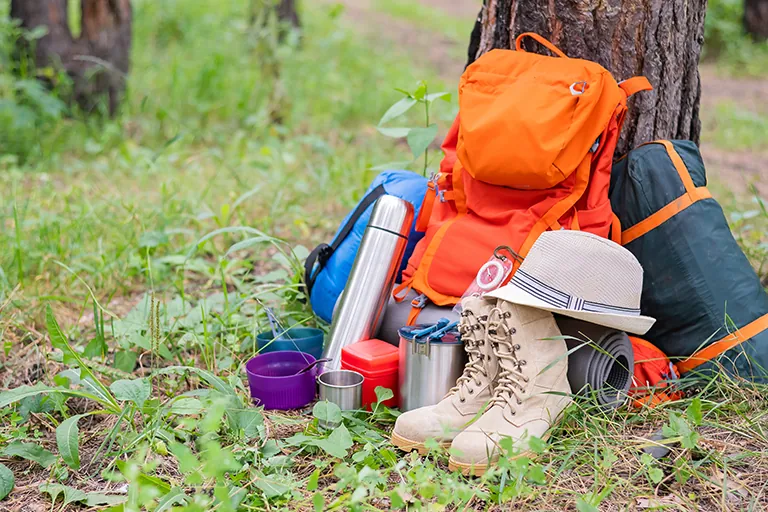
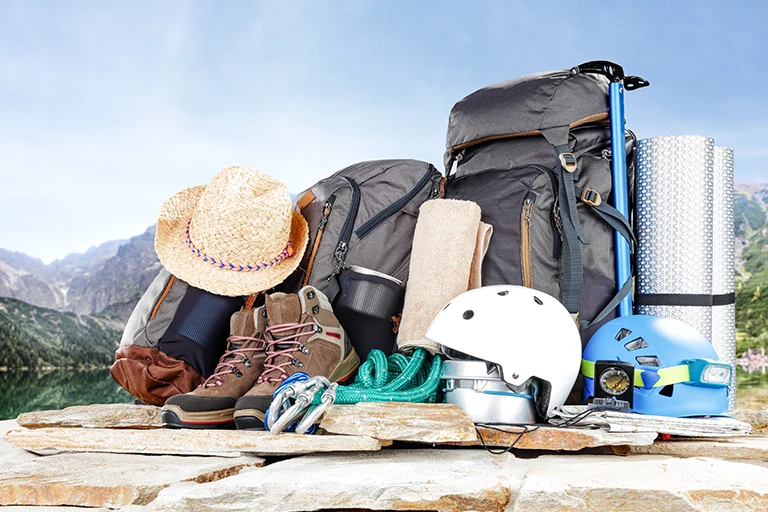
  • Kilimanjaro Trekking Boots and Jackets: Sturdy. Waterproof. Broken in. Boots are your relationship; if it’s toxic, you’ll know.
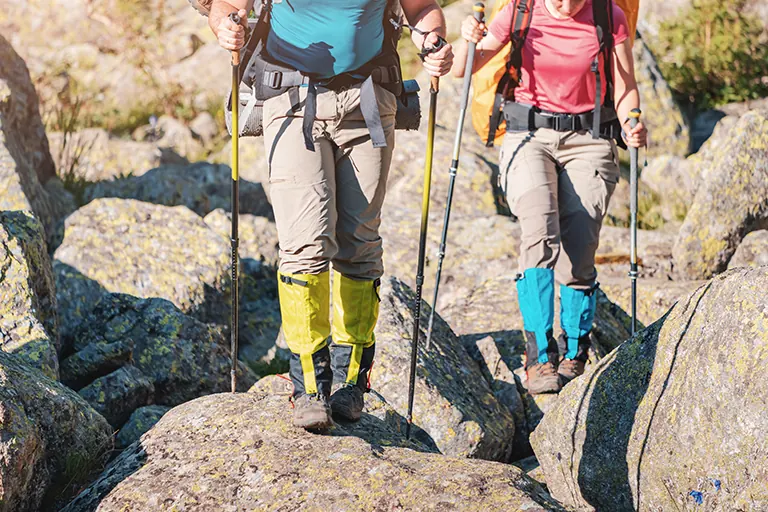
  • Gaiters: These keep mud, rocks, and dust out of your boots.
  • Daypack (20–30L): This carries what you need during the day: water, snacks, layers, camera, and personal meds. Porters only carry up to 15 kg, but your daypack (5 kg max) stays with you.
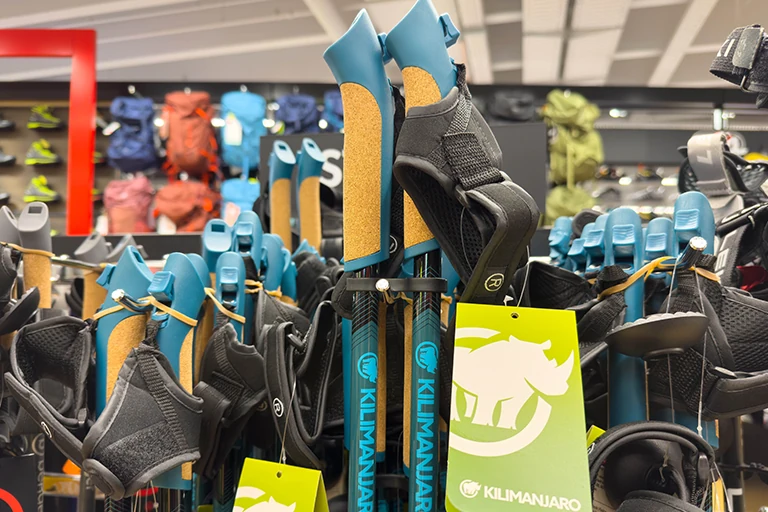
  • Trekking Poles: Your knees will thank you during steep descents. Best part? You can rent them cheaply in Moshi.
  • Rain Gear: This is not optional. Kilimanjaro weather plays games — from misty drizzles to full-on “why now?” downpours.

A porter from African Scenic Safaris once said, “Good bags and covers save you from wet clothes and wet clothes ruin a climb.”

When planning your Kilimanjaro adventure, it’s important to prioritise not just your own experience, but also the well-being of the porters and the environment. Following Kilimanjaro Porter Welfare & Responsible Trekking Practices ensures everyone on the mountain is treated fairly and sustainably.”

Summit Night Gear

“Conquer the Cold: Summit Gear Breakdown”

Summit night is the boss level, and your Kilimanjaro Summit Night Gear is the only thing standing between you and brutal Arctic-like conditions. Temperatures can drop below -15°C with wind chill pushing it even lower.

Kilimanjaro Summit Night Gear

Here’s what you absolutely must have:

  • Insulated jacket
  • Thermal base layers (top & bottom)
  • Balaclava or fleece face mask
  • UV-protected sunglasses (snow glare is real!)
  • Windproof mittens and inner gloves
  • Warm beanie
  • Headlamp with extra batteries
  • Neck gaiter

CDC and Wilderness Medical Society both note that properly insulated extremities reduce the risk of frostnip and cold stress dramatically.

African Scenic Safaris guides who’ve summited 100+ times swear by double-layer gloves and fleece-lined balaclavas; they literally save your face from freezing winds.

Health & Medication Kit

“Stay Safe on the Climb: Essential Medical Items”

No one heads up Kilimanjaro thinking, “Yeah, I might get sick today.” We all start the climb with good vibes and big dreams, but altitude? Altitude minds its own business. That’s why having a solid health kit isn’t just “smart” … it’s your quiet little safety net. It’s the thing that gives you control when the mountain decides to switch things up.

Kilimanjaro Health & Medications

Your medical kit becomes that one friend who’s always prepared, the one who pulls out lip balm when everyone’s lips are cracking, or offers rehydrated salts when someone’s starting to feel a bit off.

Altitude sickness (AMS) doesn’t discriminate; even super-fit climbers can feel it. The early warning signs? Headache. Nausea. Dizziness. Loss of appetite. Fatigue.

The CDC even emphasises how important it is to catch those symptoms early before they escalate.

The good news? African Scenic Safaris gives you a full medical briefing before every Kilimanjaro Climb, so you’re not out there guessing. 

ItemWhy You Need It
Headache medication Helps ease altitude-related headaches so you can keep pushing comfortably.
Anti-nausea tabletsKeeps your stomach steady when altitude starts acting up.
Diamox (doctor-approved!)Supports acclimatisation and reduces AMS risk.
Rehydration saltsReplaces lost minerals, prevents dehydration headaches.
Electrolyte tabletsBoosts energy and keeps your body balanced on long trekking days.
Anti-diarrheal medicationA lifesaver if your stomach decides to misbehave mid-climb.
Blister treatmentProtect your feet when friction hits because blisters can ruin your mood fast.
Lip balm with SPFPrevents painful cracked lips from dry mountain air.
Sunscreen SPF 50+Sun at high altitude? Brutal. Protect that skin.
Hand sanitizerHelps you stay clean when water sources are limited.
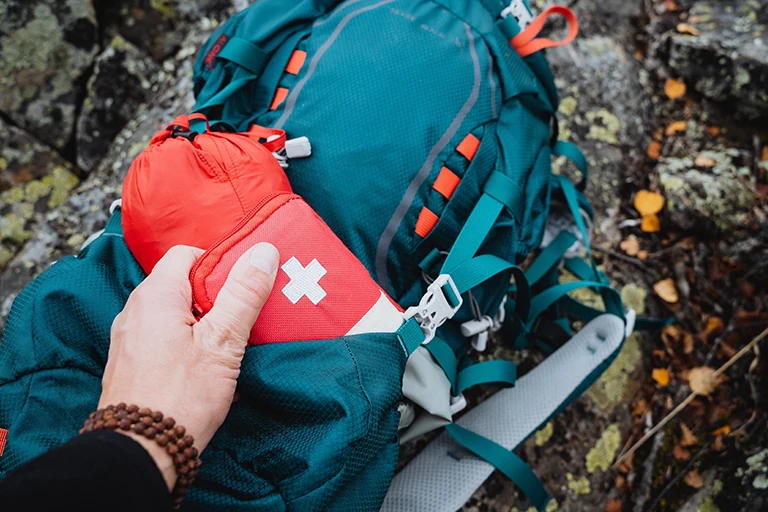
Basic first-aid suppliesBandages, tape, alcohol wipes, the small stuff that saves the day.

Climbing Kilimanjaro comes with incredible views, but the high altitude can sneak up on you. Knowing how to recognise and prevent it is key.

Snacks & Nutrition

“Fuel for the Climb: Energy Snacks & Supplements”

When you’re on Mount Kilimanjaro Climbing process, food stops being… well, food. It becomes energy. Comfort. Motivation. It’s literally the thing that keeps your legs from giving up when you’re staring at yet another uphill stretch thinking, “Wow… this mountain is really showing me flames today.”

Kilimanjaro Snacks & Nutrition

Your body works overtime up there, the cold, the altitude, the long hours on your feet. Even when you feel like you’re just walking, you’re burning calories like crazy. That’s where your snacks come in. They fill in quiet spaces between meals, keeping your energy steady and your mood from dipping too low.

Here’s your snack list, but with the real reasons they matter:

SnackWhy Your Body Loves It Up There
Nuts (almonds, cashews, peanuts)Slow, steady energy. They’re like tiny power banks in your pocket.
Protein barsWhen you need something filling now, these hit the spot.
ChocolateYes, it’s a treat — but it also boosts your mood when the climb gets mental.
Energy chewsInstant pick-me-up during steep, “why am I doing this?” moments.
Electrolyte powdersHelp your body keep up with altitude + prevent fatigue headaches.
Dried fruitsSweet, light, and quick energy when you don’t feel like eating much.
Salty crackersPerfect when your stomach gets weird from altitude — gentle but effective.
Granola barsThat slow-burn energy your body needs on long trail days.

One African Scenic Safaris cook summed it up perfectly, “On the mountain, snacks are not snacks. They are fuel. Eat often.”

And he’s right. Don’t wait until your back before you need it. Keep your energy steady, keep your spirits up, and you’ll feel your body thanking you with every step.

Tech & Accessories

“Capture, Light, and Power: Smart Packing Tips”

Your phone battery is not beating Mount Kilimanjaro’s cold; let’s start there. Anything electronic needs protection and backup, and that’s why you should make sure that Kilimanjaro Trekking Accessories are included.

Kilimanjaro Tech & Accessories

Tech Items You Need

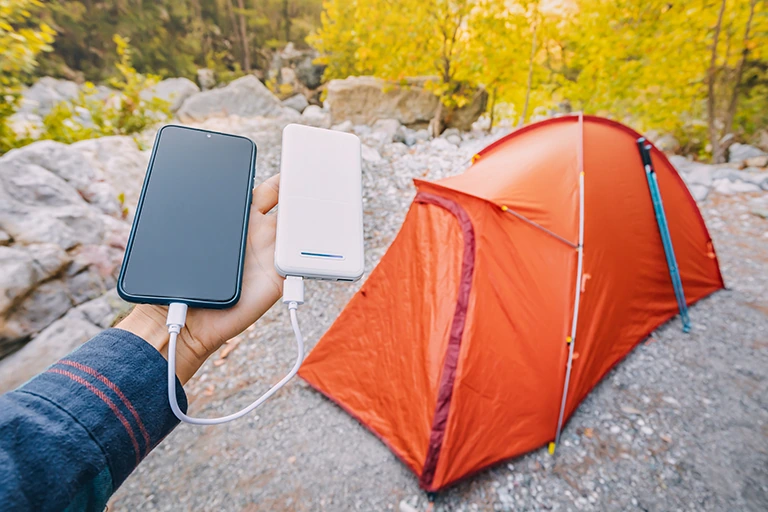
  • Power bank (20,000 mAh minimum)
  • Solar charger (optional but helpful)
  • Headlamp (cold kills battery, so pack extra batteries)
  • Camera + memory cards
  • Charging cables
  • Weatherproof case

National Geographic photographers swear by keeping batteries close to your body to prevent freezing; literally, your inner jacket pocket becomes a battery incubator.

A traveller once shared, “My phone died every night except the night I kept it in my sleeping bag.” Lesson learned: cold is the enemy.

Hygiene & Toiletries

“Staying Clean on the Mountain: The Hygiene Checklist”

Hygiene might sound “extra” on a mountain, but trust me — staying clean boosts your mood, your energy, and your overall comfort.

Kilimanjaro Hygeine & Toiletries
Kilimanjaro Hygiene & Toiletries

Your Cleanliness Lifesavers

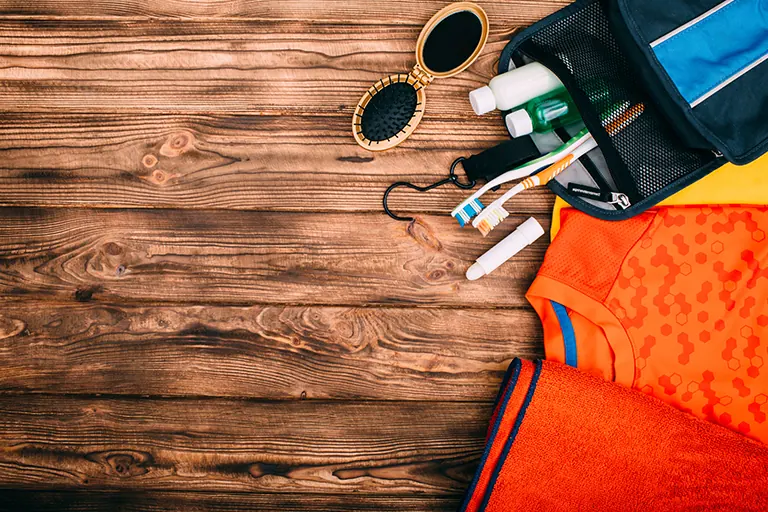
  • Toothbrush + toothpaste
  • Hand sanitizer
  • Baby wipes/eco wipes
  • Quick-dry towel
  • Biodegradable soap
  • Face cloth
  • Deodorant
  • Toilet paper (yes, bring your own!)
  • Feminine hygiene products (if needed)

The Leave No Trace principles strongly encourage biodegradable products. You want to protect yourself and the mountain. African Scenic Safaris conducts Responsible Tourism Tanzania by providing washing water at camp, but your personal items make all the difference.

Packing Strategy & Rentals

“Rent, Buy, or Borrow: Kilimanjaro Gear Made Simple”

Packing is not just stuffing items into a bag; it’s a strategy. It’s knowing what to rent, what to buy, and how to balance comfort with weight limits.

Kilimanjaro Packing List

The following are the Kilimanjaro Equipment Rental Moshi offered (USD 100–200)

  • Sleeping bag (expedition-rated)
  • Trekking poles
  • Gaiters
  • Insulated jacket
  • Headlamp
  • Duffel bag

What You MUST Buy Yourself

  • Hiking boots (non-negotiable)
  • Base layers
  • Socks
  • Underwear
  • Personal medication
  • Daypack

A recent climber said, “Renting saved me money, but bringing my own boots saved my climb.”

African Scenic Safaris offers a reliable Kilimanjaro Packing List rental system, providing clean, high-quality, and affordable options. Ready to climb Africa’s highest peak? Let African Scenic Safaris handle your Kilimanjaro logistics from gear rental to professional guides.

Pack Right, Climb Right – Kilimanjaro Packing List

Okay, forget the guidebooks for a second. Packing smart and Kilimanjaro Trek Preparation is basically the cheat code for Kili. Seriously, you win the first battle right there in your living room.

Kilimanjaro Packing List

Listen up. Nailing your Kilimanjaro Packing List? That’s the first boss you absolutely must beat. If you screw this up, the mountain will make you pay for it.

Every piece of clothing that’s weird-looking thermal, those expensive socks, it’s not just stuff; it’s the only thing standing between you and misery. It keeps you safe, it keeps you warm, and it keeps you sane when that altitude starts messing with your head. Seriously, think of your Kilimanjaro Hiking Gear as your superpowers up there.

Kili is going to punch you in the face. It just is. But if you show up organised, if you stay chill, and if you listen to your body, this mountain is so incredibly rewarding.

This whole thing? It’s not a vacation. It’s not just a photo op. This is where you meet yourself. You’re going to find out who you are when you’re freezing, nauseous, and totally exhausted, the stubborn idiot who just refuses to quit even when the path looks like it goes on forever.

Get your Kilimanjaro Clothing Guide right, keep the drama low, and stick with your team. When you finally crawl onto that summit, you won’t just be at the top of a rock pile; you’re going to realise that you are a total legend.

Simbo Natai
Simbo Natai, founder of African Scenic Safaris, crafts sustainable, meaningful Tanzanian journeys rooted in his deep local knowledge and passion.
Director, African Scenic Safaris

Five Common Mistakes To Avoid When Climbing Kilimanjaro

Common Mistakes When Climbing Kilimanjaro can take place because climbing this gigantic mountain isn’t just another trek; it’s a test of preparation, patience, and respect for altitude. At 19,341 feet, success depends on how you plan, train, and adapt, not just how much you want it.

If you’ve ever dreamed of standing on Africa’s highest peak, trust me, the journey starts long before you even step onto the trail. What separates successful summits from forced turn-backs isn’t luck or bravado. It’s smart choices, good preparation, and avoiding the simple mistakes that catch thousands of climbers off guard every year.

This blog breaks down the five biggest Kilimanjaro Climbing Mistakes people make, plus expert-approved strategies from African Scenic Safaris, a top-tier guide service with hundreds of successful summits under their belt. Whether you’re aiming for the Lemosho Route, Machame Route, or the more peaceful Rongai Route, the insights here will boost your Kilimanjaro Success Rate and prepare you mentally, physically, and emotionally for the adventure of a lifetime.

Underestimating Acclimatisation: Why Slow and Steady Is the Secret to Kilimanjaro’s Summit

When it comes to Climbing Mount Kilimanjaro, the altitude is the real boss. Many climbers believe that fitness alone will carry them to Uhuru Peak, but altitude sickness doesn’t care about how many marathons you’ve run. The biggest mistake people make is underestimating the importance of gradual acclimatisation, especially on shorter, rushed itineraries.

Kilimanjaro Climbing

A lot of people think acclimatisation is just some technical hiking term guides throw around, but when you’re on the mountain, you realise it’s the whole game. Your body is basically trying to understand why the air suddenly feels “thin” and why breathing feels like work.  You start to appreciate the pace, the breaks, the slow breathing, the “pole pole” rhythm. It’s not about walking slowly for the sake of it; it’s about giving yourself a chance to adapt, one gentle step at a time.

Acute Mountain Sickness (AMS) happens when your body can’t adapt fast enough to decreasing oxygen levels. According to the CDC Travel Health Guidelines and the Wilderness Medical Society, the safest way to climb high is straightforward: ascend slowly, sleep at a lower elevation, hydrate well, and allow the body time to acclimate. Rapid ascent dramatically reduces your success rate among climbers on short routes like Marangu, resulting in far higher turn-back rates.

Longer routes, such as Lemosho and Rongai, naturally build in acclimatisation days. These routes offer the perfect “climb high, sleep low” rhythm your body needs to adapt safely, and having the best Kilimanjaro acclimatisation tips is important.                                                         

As our African Scenic Safaris’ head guide often says, “Pole pole isn’t just a phrase, it’s a life-saving strategy. Slow climbers summit; fast climbers struggle.”

Bringing Improper or Incomplete Gear: Don’t Freeze on Summit Night

Picture this: you’ve finally reached Summit Night, the coldest, windiest, toughest part of the trek, and now you realise that the jacket you carried is sadly not warm enough, and your boots are brushing against your toes – the pain is unexplainable. This is normal and does happen sometimes, and it’s one of the mistakes people make while Climbing Mount Kilimanjaro.

Kilimanjaro Climbing

Kilimanjaro has five distinct climate zones:

  1. Cultivation Zone
  2. Rainforest
  3. Moorland
  4. Alpine Desert
  5. Arctic Summit Zone

Each zone requires specific gear, especially layers, insulation, and waterproofing. Many climbers arrive with thin jackets, worn-out hiking boots, or no rain cover for their backpacks. Even worse, some underestimate the temperature drop at the summit (which can reach -20°C with wind chill).

Following the layering principle is essential:

  • Base layer (moisture-wicking)
  • Mid layer (fleece/insulation)
  • Outer layer (windproof + waterproof)

The table below summarises the Kilimanjaro Gear Checklist you need to include for your climb.

Gear You Honestly NeedWhy It’s a Big DealIf You Skip It… Here’s the Chaos
Thermal Base LayersThese are your “don’t-freeze” layers that keep your body heat from escaping.You’ll start shivering before the hike even begins.
A Proper Down JacketSummit night is brutal. This jacket is what stands between you and the kind of cold that makes you rethink your life choices.You’ll feel the cold in your bones. Turning back won’t be a choice; it’ll be a necessity.
Waterproof Jacket & PantsMountain weather switches moods fast. Wind, snow, and random rain protect you.If you get wet, you lose heat instantly. And cold + wet = pure misery, no matter how strong you are.
Good Hiking Boots Warm feet, steady footing, no blisters Blisters… slipping… frozen toes… basically, your feet will scream louder than your guide.
Warm Gloves (inner + outer)Your fingers need serious protection; the temperature up there can be disrespectful.Your hands will get numb, hurt, and stop cooperating. Try holding a trekking pole with frozen fingers; it’s not fun.
Warm Hat or BalaclavaMost body heat escapes through your head and face.Expect headaches, burning ears, and icy wind smacking your face with no mercy.
Wool Socks (multiple pairs)Dry and warm feet Cold, wet socks will ruin your mood… and your entire climb.
Headlamp (with extra batteries!)Summit night is pitch black; you literally can’t see without this.Without it, you’re basically walking blind. Dangerous, scary, and stressful.
Trekking PolesThey save your knees, your balance, and your energy.You’ll feel every step in your joints and risk slipping more often.
Insulated Water BottleWater freezes up there, which keeps it drinkable.Dehydration hits differently at altitude, and it’ll slow you down fast.

According to TANAPA guidelines and the African Scenic Safaris Gear Guide, climbers should also consider renting quality gear in Moshi, especially if buying new equipment is expensive. Rental typically costs USD 100–200 and can save your summit night.

African Scenic expedition leaders often say, “Good gear doesn’t have to be expensive, it just must be reliable. Your summit depends on staying warm, dry, and comfortable.”

Neglecting Physical Preparation: Train for the Mountain Before You Meet the Mountain

Kilimanjaro may not require ropes or hardcore mountaineering skills, but trust me, it’s no walk in the park. You’re out there hiking 5–10 hours a day, moving through rocky paths, steep climbs, and altitude shifts that keep your body on its toes. One of the biggest mistakes people make is thinking, “Ah, anyone can do it without training.” Yeah… no. The mountain will humble you real quick.

Training For Kilimanjaro

Training for Kilimanjaro Climb is your secret weapon. It builds your stamina, strengthens your legs, and helps your body handle that thin, high-altitude air. Experts from ACE Fitness and Harvard Health consistently emphasise the same key principles: solid cardio, strong legs, good stamina, and a stable core. All of that is exactly what Kilimanjaro demands from you.

If you give yourself about three months to prep, your Kilimanjaro Climbing Fitness Plan should look something like this:

  • Weekly long hikes
  • Stair workouts or hill climbs
  • Cardio sessions running, cycling, elliptical, whatever you vibe with
  • Strength training for your legs and core
  • Practice hikes with a weighted backpack

One African Scenic climber even said, “I trained for 12 weeks and reached Uhuru Peak comfortably. Without the training, summit night would have crushed me.” And that’s the truth, summit night is intense.

Training doesn’t just shape your body; it shapes your mindset, too. It teaches you consistency, patience, and how to listen to yourself when things get tough. Because on that mountain, your mental game matters just as much as your physical strength.

Failing to Take Summit Day Seriously: How to Survive Kilimanjaro’s Toughest Day

Summit Day is the moment everyone dreams about, but it’s also the part that breaks the most climbers. You’ll start hiking around midnight, push through freezing temperatures, and fight against thin air for 8–12 hours before reaching the summit. This day is mentally and physically demanding, and underestimating it is one of the biggest Kilimanjaro Climbing mistakes ever.

The key Kilimanjaro Summit Day Advice is pacing. African Scenic guides are trained under IFMGA/AMGA safety standards, and they always repeat the same mantra: “Pole pole, sip water, trust the process.”
Speed kills. Slow, steady steps protect your breathing, heart rate, and stamina.

Nutrition becomes critical, too. You’ll burn thousands of calories on Summit Day, so snacks, electrolytes, and warm drinks are essential. And hydration? Absolutely non-negotiable.

National Geographic Adventure notes that summit attempts fail mostly because people underestimate the altitude shock, the cold, and the emotional weight of this final push.

Mentally, Summit Night requires determination. You’ll feel tired, emotional, maybe even doubtful, but with a calm mindset and strict adherence to guide instructions, the peak becomes achievable.

Choosing the Wrong Guide Service: Why Your Guide Determines Your Kilimanjaro Success

This one seems obvious, but so many people fall into it, picking a cheap or low-quality guide service just to save money. And honestly, it’s risky. Some companies keep their prices low by cutting corners on the things that matter most: safety, acclimatisation, good food, proper gear, and even the treatment of porters. On a mountain like Kilimanjaro, those shortcuts don’t just make the climb harder… they can put you in real danger.

Climbing Kilimanjaro

Your operator is basically your lifeline on the mountain. A good one makes the whole experience safer, smoother, and way more enjoyable. Certified, reputable Kilimanjaro Tour Operators stick to correct acclimatisation plans, make sure you’re eating well, set you up with solid tents, hire trained guides, and treat porters with respect and fairness.

African Scenic Safaris is one of the operators known for doing things right. They follow KPAP (Kilimanjaro Porters Assistance Project) standards, meaning their porters get fair pay, the right clothing, manageable loads, and safe working conditions. KPAP puts it perfectly: “Ethical climbing protects both climbers and crews and ensures long-term sustainability for Kilimanjaro.”

One climber even said, “My success was 100% because of my guides. Their experience, encouragement, and pacing strategies carried me to the summit when I doubted myself.”
And honestly, that’s the magic of having the right team.

Choosing the Kilimanjaro Guide Services isn’t just a detail; it’s the thing that can make or break your journey to Uhuru Peak. A good team gets you there safely, confidently, and with a smile you’ll remember forever.

Don’t let simple mistakes stop your dreams. Choose an expert-led, safety-first climb with African Scenic Safaris — built on experience, training, and local expertise.

The Safer the Kilimanjaro Climb, The Better the Journey

When you’re finally back from Kilimanjaro, that’s when everything settles in. Not in some big “my life has changed forever” moment, more like a gentle wave that hits you when you’re not even expecting it. You might find yourself thinking about how tired you were, how cold it got, and how the overall experience and the Kilimanjaro Climbing Guide you got from the guides, and somehow, it makes you smile. Because even with all of that, you kept going. You didn’t quit. And realising that feels weirdly comforting, like discovering a strength you didn’t even know you had.

Uhuru Peak Kilimanjaro

What really stays with you, though, are the moments that make us feel like humans, the tiny things that felt small at the time but mean everything after. The way someone shared their snacks without hesitation. How your guide kept checking in, reading your face before you said anything, and the Kilimanjaro Safety Tips you kept in mind. How someone cracked a joke that made the whole group laugh when the mood was low. Those little moments become the real story of your climb. They remind you that you weren’t alone up there, even when it felt tough.

Kilimanjaro Climb Preparation won’t give you any magical transformation; it shows you your real self and what you are capable of. The fighter that doesn’t give up even when tired, the version that keeps walking, even scared, the version that trusts the process, even when nothing feels easy. And once you see that side of yourself, you can’t see it.

By the time the journey ends, Kilimanjaro becomes more than just a mountain you climbed. It becomes proof that you can survive tough days, overcome doubt, and still rise at the end. And that quiet confidence? It stays with you long after you leave the slopes behind.

Simbo Natai
Simbo Natai, founder of African Scenic Safaris, crafts sustainable, meaningful Tanzanian journeys rooted in his deep local knowledge and passion.
Director, African Scenic Safaris

Best Photo Spots on Mount Kilimanjaro You Can’t Miss

Climbing Kilimanjaro hits way deeper than just “walk up, get to Uhuru, take the summit pic.” The whole mountain is like this emotional slideshow you didn’t even know you needed. Every step you take leads to a life-changing moment, without forgetting the best Kilimanjaro Instagram Spots.  

Your Mount Kilimanjaro Climbing starts from the warm, wet rainforest with water dripping and birds singing beautiful songs from afar. This adventurous journey doesn’t end here: you finally break out into the wide moorlands and the final countdown… the summit just above the clouds. It feels like a dream and unreal, the ice sparkles, and the sky opens, that perfect moment to capture those jaw-dropping Mount Kilimanjaro Pictures!

And that’s the thing: Kilimanjaro Climbing isn’t only an action, it’s a vibe. It’s a whole experience that begs to be captured. Whether you’re rocking a proper camera or just your phone, this mountain will hand you moments you’ll want to keep forever.

Mount Kilimanjaro Climbing

So, in this guide, we’re breaking down the 10 Most Photogenic Places on Mount Kilimanjaro, the ones trekkers always talk about afterward.  You will get real tips on the best lighting, when to shoot, what gear matters, and how each route gives you its own version of magic.

Basically, this is your visual roadmap to Kilimanjaro, the Kilimanjaro Photography Tips you will need… so you don’t just climb it, you bring the story back home.

Introduction to Kilimanjaro’s Visual Journey

“Climbing Kilimanjaro Through a Photographer’s Lens”

Have you ever seen a place giving you a view of different scenery in the blink of an eye? That’s what the Kilimanjaro Scenic Views experience offers. You get to move through different environments, each with its own uniqueness. 

Kilimanjaro Climbing Packages

Mount Kilimanjaro isn’t just a bucket-list climb; it’s literally a 750,000-year-old stratovolcano made of layered ash, lava, and rock, rising like a giant frozen monument above the African sky. Even though it’s dormant, the energy around it still feels alive. From colors, texture, moods, and light, just as our African Scenic Safaris guides love to say, “Kilimanjaro is basically five national parks stacked on top of each other.” And honestly, they’re not lying.

The mountain is divided into officially recognized ecological and route zones as outlined by the Tanzania National Parks Authority (TANAPA), guiding climbers from lush rainforest floors all the way to the icy crown of Uhuru Peak, the highest point in Africa.

ZoneElevationWhat It Looks LikeWhat Stands Out
Rainforest1,800–2,800 mWarm, green, mistyWaterfalls, thick trees, golden light
Heather & Moorland2,800–4,000 mOpen views, soft mistGiant groundsels, volcanic rocks
Alpine Desert4,000–5,000 mDry, silent, “Mars-like”Huge skies, sharp shadows
Arctic Zone5,000+ mSnowfields & glaciersBlue-tinted ice, cloud layers
Summit~5,895 mHarsh, bright, emotionalIce formations & panoramic views

These changes are dramatic visually, emotionally, and photographically. And they’re part of what makes each Kilimanjaro Climbing Route a unique canvas.

Shira Plateau – The First Great Viewpoint

 “Capture Your First Glimpse of Kilimanjaro’s Majesty”

Hitting the Shira Plateau feels unreal, like you’ve stepped onto the rooftop of Africa without even reaching the summit yet. The air gets colder and clearer, the sky somehow feels bigger, and the world just opens around you.  For climbers coming in through the Lemosho Route, Shira, or Northern Circuit Route, this is usually the very first moment you lock eyes with the summit… and honestly, it’s one of those “yo, I’m really doing this” moments.

At 12,500 ft, Shira Plateau offers a sense of open-air magic. Golden grasslands stretch endlessly, with Kibo Peak looming ahead. Why are photographers obsessed with Shira Plateau?

  • Warm, dreamy golden hour colors that turn every shot into desktop wallpaper material
  • Wide, open plains that make your wide-angle lens feel like it was built for this place
  • Insane cloud inversions that move like slow-motion waves beneath your feet
  • Night skies so clear you can feel the Milky Way hanging above you, and honestly, the pros feel it too.

“We aim to achieve our vision for forests by increasing protected areas and bringing more forests under improved management, halting deforestation, particularly in deforestation fronts, and restoring degraded forest landscapes” – WWF Tanzania

If you’re trekking the Shira, Lemosho, or Northern Circuit Routes, this is the first spot where the mountain truly shows its soul. The Shira Plateau photos will make you want to breathe it all in, because it feels like you’ve finally arrived. 

Expert insight from African Scenic Safaris:

“Shira Plateau is where climbers suddenly pull out their cameras. The mountain finally reveals itself — and it’s usually a very emotional moment.”

Lava Tower – A Volcanic Masterpiece

“Frame the Towering Landmark Formed by Fire”

This 300-ft volcanic plug is visible from multiple Kilimanjaro Routes, offering a dramatic natural sculpture perfect for contrast photography. 

Lava Tower Kilimanjaro

Reaching Lava Tower (4,600 m / 15,000 ft) feels like walking straight into the mountain’s memory. You’re trekking along, minding your altitude pace, and suddenly this 300-foot volcanic giant rises out of the mist like something carved by time itself. Most climbers literally stop mid-step, look up, and whisper, “No way… this can’t be real.” And honestly? That reaction is valid.

Safety Note: While Shira Plateau is breathtaking, remember that you’re already at a high altitude. Take your time, stay hydrated, and listen to your body. All safety guidelines are verified by Tanzania National Parks Authority (TANAPA), so follow your guides’ instructions — the mountain is beautiful, but it demands respect.

Photographers go crazy here because the Lava Tower Kilimanjaro pictures you take will give you drama without you doing anything. You don’t need a fancy setup; the mountain basically composes the shot for you.

Why can’t photographers resist Lava Tower:

  • High-contrast silhouettes that look editorial-level against the sky
  • Rich textures perfect for tight detail shots
  • Misty reveals that it makes the tower appear and disappear like a portal
  • Ridiculous sense of scale — climbers look tiny, almost fragile, next to it
Pro Tip: Capture Lava Tower when the clouds are dancing around it. The mix of dark volcanic stone + pale mist creates visuals that feel poetic, almost literary, the kind of shots that end up framed on someone’s wall, not just on Instagram.

Barranco Wall – The Iconic Climb

“The Most Photographed Cliff on Kilimanjaro”

The first time Barranco Wall appears in front of you, it genuinely feels like you’ve stumbled into a fantasy world. It rises 843 feet straight into the sky, this massive, rugged wall of volcanic rock with a tiny zigzag trail etched across its face. Most climbers stop in their tracks and just stare for a minute, trying to process the fact that yes, this is the path… and yes, you’re actually going up there.

Barranco Wall Kilimanjaro

But here’s the magic: the moment people start climbing, fear slowly melts into fascination. You see climbers ahead of you forming a long, winding line, their silhouettes tiny against the wall, like characters ascending a giant stone staircase built by nature. It’s dramatic, it’s humbling, it’s unbelievably beautiful, and honestly, it’s one of the most iconic scenes on the entire mountain.

Industry Truth: So many of the famous “Kilimanjaro Instagram shots,” the ones everyone saves for inspiration, are taken right at the top of this wall.

Why Barranco Wall photography is a loved activity:

  • Wide shots of climbers silhouetted dramatically against the morning sky
  • Intimate close-ups of hands gripping volcanic rock, showing grit and determination
  • The breathtaking panorama from the top valleys, clouds, light, everything
  • Early sunlight hits the wall’s surface, creating warm gold tones

What African Scenic Safaris guides always say:

“People look at Barranco Wall and panic. Then they reach the top, see that view, and suddenly the fear is gone. Beauty wins every time.”

The Saddle – Between Two Peaks

“Where Desert Meets the Sky”

The moment you step into The Saddle Kilimanjaro view, everything changes. The noise, the trees, even the sense of time, all just… fall away. Suddenly, you’re in this enormous, open plain stretched between Mawenzi and Kibo, about a 14-square-mile alpine desert; this is the largest high-altitude tundra in Africa. It feels almost impossible that something so empty can feel so beautiful.

The Saddle Kilimanjaro

For photographers, The Saddle is basically nature telling you, “Slow down… look around… this is special.” Every direction looks like a scene from a quiet, beautifully shot film. And because everything is so open, your camera picks up details you’d miss anywhere else — tiny footprints in the dust, the soft gradients in the horizon, the way Kibo glows when the sun shifts just a little.

Why photographers love The Saddle:

  • Huge, cinematic open spaces that make every shot feel dramatic
  • The beautiful loneliness of one person in the frame looks powerful
  • Clear skies that make distances feel endless
  • The simple contrast of warm earth and cool clouds
Lighting Tip: Midday light looks amazing here. The ground bounces light upward and softens everything, so your photos come out clean, warm, and dreamy without harsh shadows. One of the Best Views on Mount Kilimanjaro.

Temperatures here can drop below freezing even during the day (Tanzania Meteorological Authority). On the Shira, Lemosho, or Northern Circuit routes, this is often the first place where the mountain truly reveals itself, and it’s impossible not to pause and take it all in.

Mawenzi Peak – The Jagged Beauty

 “A Dramatic Skyline for High-Contrast Photography”

One thing about Mawenzi is that it will hit you with a raw attitude the moment you see it. At 16,893 ft and the second-highest Kilimanjaro peak, Mawenzi’s rugged spires are ideal for silhouette Mount Kilimanjaro Photography: its sharp, jagged, almost violent structure cuts deep into the sky. This side of Kilimanjaro feels ancient and untamed and is visible from all major Kilimanjaro Climbing Routes, but especially striking from Rongai and Marangu camps.

Mawenzi Peak Kilimanjaro

For photographers, it’s a playground with no rules. Every angle feels bold. Every shadow tells a story. And when does the sun rise behind Mawenzi? The sky turns orange, and the peaks turn black, the kind of silhouette that makes you whisper, “yo… that looks unreal.” This spot should not be missed from one of your best Mount Kilimanjaro Pictures.

Why photographers love Mawenzi:

  • Deep shadows that carve out powerful, dramatic outlines
  • Sunrise silhouettes that set the sky on fire
  • Raw ridges and spires that feel ancient and untouchable
  • Rare glimpses of ice behind it that look surreal and cinematic
Insider Tip: If you can, shoot Mawenzi at dusk. That’s when it turns deep purple, a moment that always guides us to point out because it makes the mountain feel almost otherworldly.

At 12,500 ft, Shira Plateau is one of the most breathtaking spots on Kilimanjaro,” says an African Scenic Safaris guide. “From the eastern edge at sunrise, the grasslands glow golden, and Kibo Peak catches the first light in an almost unreal way. The light changes fast here — climbers often miss the perfect shot because the shadows move before they even notice. Temperatures can drop below freezing even during the day, so I always remind people to pause, breathe, and take in the view rather than just rushing to snap a photo.”

Barranco Valley – A Surreal Landscape

“Snap the Alien Beauty of Dendrosenecio Forests”

The giant groundsels tower over you as if they belong in another world. Welcome to the Barranco Valley. With thick trunks, spiky crowns, silhouettes glowing in the sunrise… It’s unbelievable because this place will make you feel peaceful and alive. 

Barranco Valley Kilimanjaro

This valley is not only about the plants; its ravens glide overhead while the cliffs echo and the sunlight flickers a beam of hope across the valley, highlighting each spiky crown. Tiny details like rough bark, dew drops, and small critters moving through the undergrowth make the mountain show off its moorland landscape beauty just for you, creating a cinematic background.

Why photographers love it:

  • Textured trunks and close-up details that feel sculpted by the mountain
  • Misty mornings that turn everything alien and magical
  • Wide shots with cliffs and plants for epic scale
  • Wildlife glimpses — ravens, lizards, and insects — adding life to the frame

Every photographer leaves with at least one shot that stops them in their tracks, a moment that reminds them why Kilimanjaro’s scenic views should not be taken for granted.

Kilimanjaro is more than rocks and ice glaciers; it also embodies life in its existence. Check out the most amazing Kilimanjaro Wildlife and Kilimanjaro Plants made just for you from African Scenic Safaris.

Southern Ice Field – Frozen in Time

“Capture Kilimanjaro’s Vanishing Glaciers Before They Disappear”

You need to reach here for those Kilimanjaro Instagram Spots that can have millions and millions of likes. When you get a chance to stand in front of Kilimanjaro’s glaciers, you will feel your boots crunch on the rocky path, and the wind will beat your face, making you feel alive. Those walls of ice rise before you, looking blue and old; it’s like they have been watching the mountain for ages, quietly, while watching the mountain evolve. It is at this moment that you will realize how gigantic Kilimanjaro is and how small you are.

The ice in the southern area spreads across the summit, and catching the morning sun is advised since it will make you feel great; you don’t want to miss the Kilimanjaro vitamin D! 

With its fresh air and clouds drifting below like a moving sea. You will be humbled and lucky watching the ice glows from within in this quiet, massive, and breathtaking view.

The Hard Truth: These glaciers are disappearing fast. Every photo you take now is a rare chance to capture something fleeting — a living memory of a frozen giant before it fades.

Why photographers lose themselves here:

  • Sunrise and low-angle light make the ice glow in otherworldly blues
  • Reflective surfaces shimmer like the ice itself is alive
  • Cracks and textures give every close-up an intimate, dramatic story
  • Clouds rolling below turn every shot into a dreamlike, surreal landscape

According to WWF Climate Impact Reports and USGS Glacier Studies, Kilimanjaro’s ice fields continue to thin and retreat each year.”

“African Scenic Safaris guides often point out how the glaciers look slightly different each season — edges shifting, walls shrinking, and light hitting new angles no one saw the year before.”

For more information on shrinking glaciers, read our blog: Why Kilimanjaro’s Shrinking Glaciers Are a Wake-Up Call for the Planet?

Crater Camp – High-Altitude Wonder

The quest to reach the Crater Camp is more than a milestone; it’s a privilege. At nearly 18,900 feet, the experience is unforgettable. Only a handful of climbers ever sleep this high. The thin air only reminds you every time that you are closer to the sky, and the silence is sacred. 

Crater Camp Kilimanjaro

The nights here are majestic, the stars shine brighter than you’ve ever seen, scattered across the sky in a way that makes Reusch Crater images feel like a portal to another universe. When the sun rises, the glaciers glow in such a way that you will be able to capture amazing photos that can even open portals to another universe. Occasionally, rare views of Furtwängler Glacier peek through, reminding you that this is a place frozen in time, fragile and magnificent.

“There are professionally designated camping sites with toilet facilities on the wilderness routes of Rongai, Mweka, Umbwe, Machame, Lemosho, Kilema, and Londorosi. Also, Kilimanjaro Rescue services for the sick and injured, including first aid and radio communications, are available in all mountain stations.” – Tanzania Parks

Why photographers fall in love with Crater Camp:

  • Night sky shots with glaciers softly glowing below
  • Sunrise blue-hour lighting that feels almost cinematic
  • Stunning, rare glimpses of Furtwängler Glacier
  • Endless shadows and dramatic textures across the crater floor
  • The feeling of being alone with the mountain and the stars

As one high-altitude guide said: “Crater Camp feels like walking on the moon — with ice.” And it’s true. The combination of extreme height, surreal ice, and the night sky makes every moment here feel impossible to forget.

Uhuru Peak – The Summit Shot

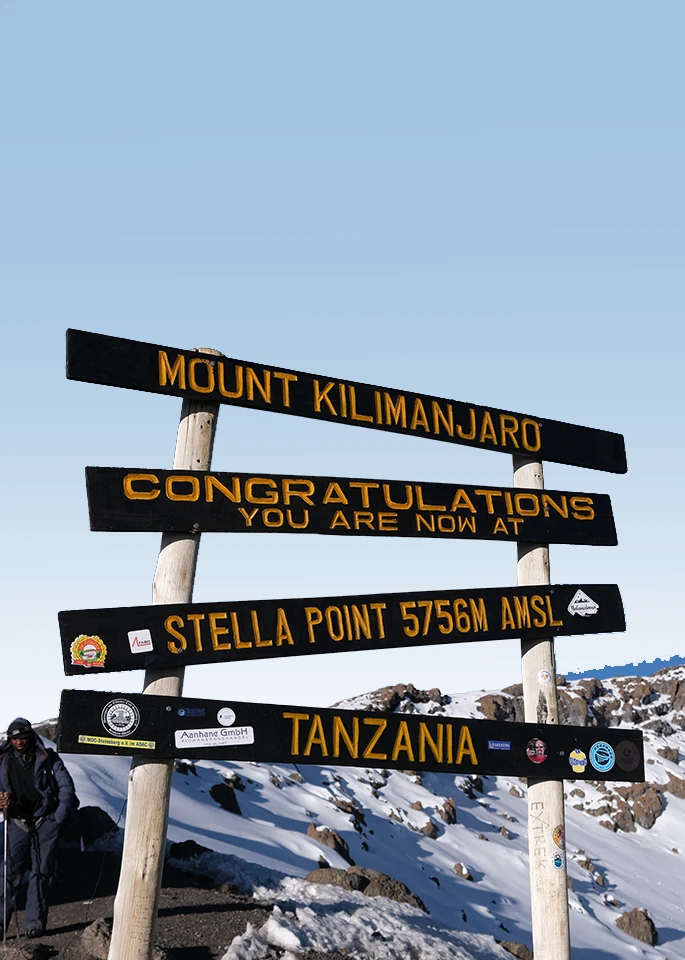
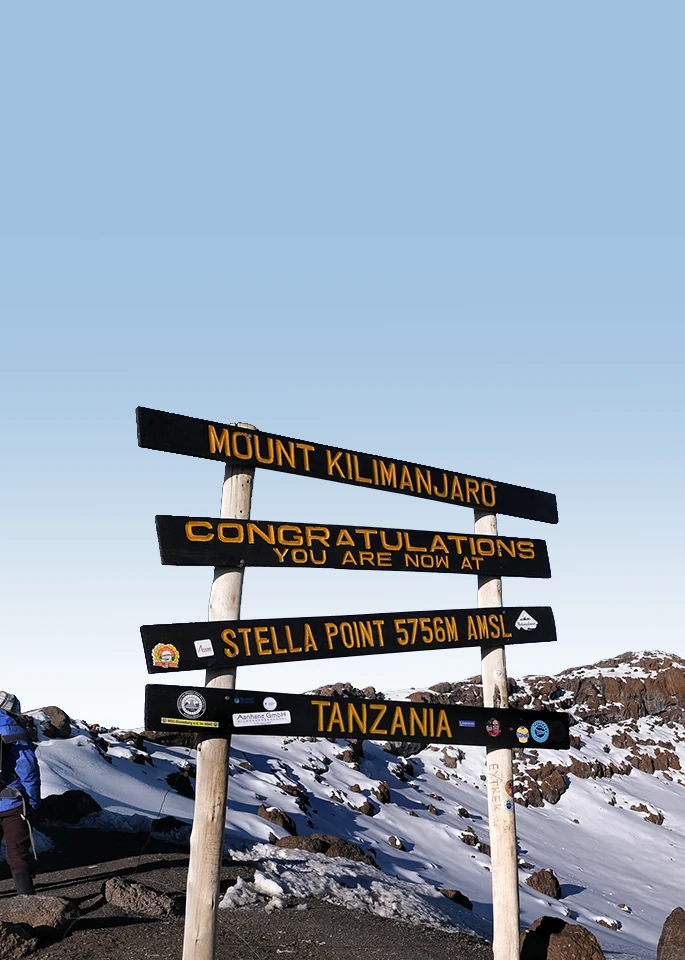
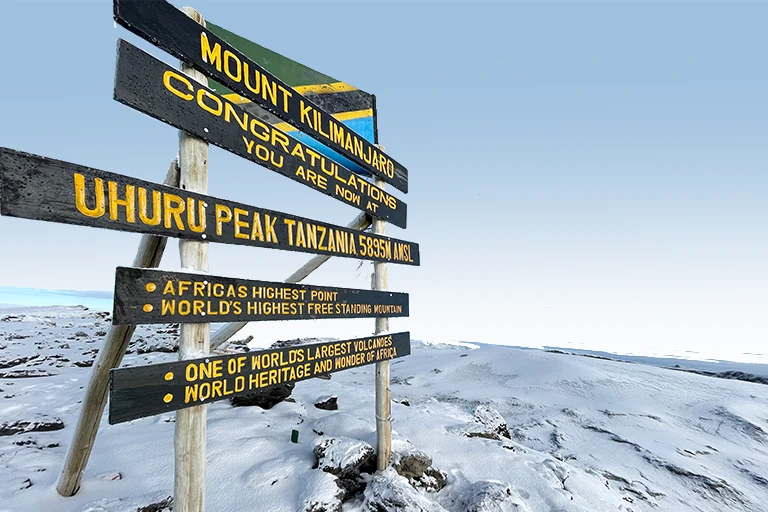
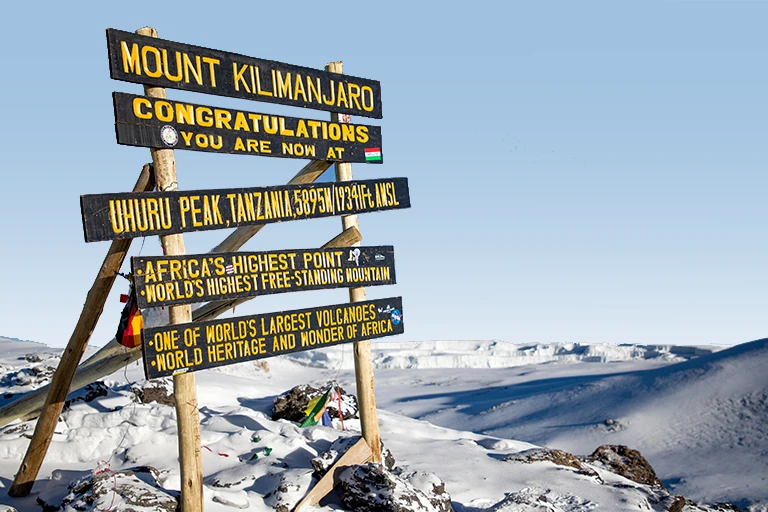
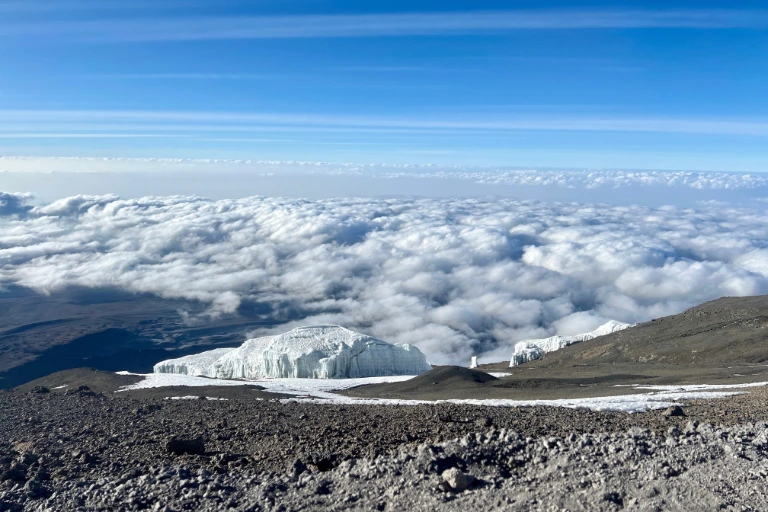
The final moment you’ve been chasing for days is here, and you are tired with sore legs, sweat, and probably tears. At 19,341 ft, the summit sign isn’t just wood — it’s a symbol of every struggle, every shaky step, every tough day, and almost giving up that brought you here.  Here, the clouds stretch behind like an endless ocean with ice glaciers shining from the first golden sun rays, the magical moment you’ve been looking forward to that makes you feel like a champion.

Uhuru Peak Kilimanjaro

For photographers, it’s impossible not to be drawn in because Uhuru Peak summit photos are the best. Every exhausted smile, every raised fist, every glance at the horizon becomes a story. The clouds below create a dreamlike backdrop. The ice catches the light perfectly. Every shot is more than a picture — it’s a memory, a feeling, a moment frozen forever.

Why climbers and photographers can’t look away:

  • Faces full of raw, human emotion
  • Endless clouds create dramatic, almost cinematic backgrounds
  • Golden sunlight paints the ice in soft, magical hues
  • Every frame tells a story of endurance, awe, and triumph

As African Scenic Safaris summit leaders remind you: “Take a deep breath. Take your time. This photo is part of your story.” And they’re right — it’s not just a photo. It’s proof that you made it, that every step, every struggle, every moment of doubt led you to stand on top of the world.

Dreaming of your own Kilimanjaro photo adventure? Then, Preparing for Your Kilimanjaro Summit – A Complete Guide is what you need! Here are 10 Effective Ways of Preparing for a Kilimanjaro Climb

Join the best Kilimanjaro Tour Operators, African Scenic Safaris, for a guided climb where every step is a shot worth framing.

Kilimanjaro: A Photographer’s Paradise

Explore the best Photogenic Places on Mount Kilimanjaro. From the misty greens of Shira Plateau to the icy crown of Uhuru Peak, Kilimanjaro hits you in ways you can’t explain. Your lungs burn, your legs ache, and your heart? Somehow it feels enormous, like it’s stretching to hold the mountain itself. Stop for a second. Watch the mist swirl around the giant groundsels. Let sunlight hit the glaciers just right. Feel the wind slice across the moorlands.

Kilimanjaro Climbing

This isn’t just Africa’s tallest mountain. It’s alive. It moves with you. Every sunrise feels like it was painted for you alone. Every starry night feels like the universe is pressing close, whispering in your ear. And every step, every shaky breath, every moment when you think you can’t go on, it’s the mountain talking, and you’re listening. And when you finally reach the top, standing at the summit, all of it hits you at once: the struggle, the beauty, the silence, the wind. Kilimanjaro doesn’t just challenge you. It changes you.

So, prepare your Kilimanjaro Packing List. Bring your camera. But bring your heart even more. Let the mountain show you its magic — in golden plains, wind-sculpted deserts, shimmering ice, and endless skies. Go on Mount Kilimanjaro Climbing for the views and everlasting memories. Stay for the story. Laugh at the struggle. Feel every step. And when you leave, don’t just take a photo. Take the memory. Take the feeling. And take the part of Kilimanjaro that will live inside you forever.

Simbo Natai
Simbo Natai, founder of African Scenic Safaris, crafts sustainable, meaningful Tanzanian journeys rooted in his deep local knowledge and passion.
Director, African Scenic Safaris

Climb the Northern Circuit and Explore Every Side of Kilimanjaro

If climbing Africa’s highest mountain has been sitting in the back of your mind, not just as something to brag about, but as a full-on soul experience, then the Northern Circuit Route Kilimanjaro is honestly the route you should be looking at.

It’s the longest trail on Kili, wrapping around the entire mountain like you’re taking a slow, intentional walk with nature itself. One minute you’re in a lush rainforest, the next you’re strolling through quiet moorlands, then crossing these wild, ancient volcanic deserts, and finally stepping onto those iconic snowy ridges. The whole thing feels like moving through a living postcard, no filters needed.

And the best part? This route doesn’t rush you. Like, at all. It allows your body time to adjust to the altitude naturally, which is precisely why it boasts one of the highest summit success rates on the mountain. We’re talking more than 90%. So if your goal is to hit Peak Summit Route without stress and drama, the Northern Circuit literally sets you up to win.

This guide you’re diving into? It breaks down everything that each day looks like, how acclimatization actually works, the weather you’ll deal with, the full cost breakdown, what to pack, and all the small, magical moments that make this route unforgettable. And it’s all backed by legit sources like Kilimanjaro National Park (KINAPA), Tanzania Tourist Board (TTB), KPAP, plus insights from Best Kilimanjaro Tour Operators at African Scenic Safaris who’ve taken countless climbers up this exact route.

So go ahead… tie your imaginary boots a little tighter. We’re about to walk around the entire mountain step by breathtaking step.

“The Northern Circuit grabs you the second you step on it, wild monkeys, rare high-altitude creatures, sunsets that stop you in your tracks. With African Scenic Safaris guiding the way, you see it all, feel it all, and actually live it.” – Guide Expert

Why the Northern Circuit Stands Out

Before diving into the daily journey, let’s talk about why this route is the favourite Kilimanjaro Route 2026 of guides, experienced trekkers, and first-time climbers who want the best odds of reaching the summit.

Northern Circuit Route

It’s the longest route, which means the best acclimatisation

The Northern Circuit spans 8–9 days, allowing your body ample time to adjust to the thin air. The principle “climb high, sleep low” is baked into this route’s DNA. That slow ascent is what makes the summit success rate so impressive.

360° views of Kilimanjaro

You’re not just approaching Kili from one angle; you’re circling it completely. Every day gives you a new horizon, a new angle of the mountain, a new story to carry home.

Fewer crowds, more peace

This is the quietest route on Kilimanjaro. The northern slopes in particular feel untouched, vast spaces, crisp air, and a silence that feels ancient.

You experience all five ecosystems

From tropical rainforest to high alpine desert to glaciers, you get it all. It’s like journeying through different worlds in a single climb.

African Scenic Safaris guides often say that the Northern Circuit is the most “complete Kilimanjaro experience.” If you want scenery, acclimatisation, solitude, and success, this is your trail.

Do you know your Kilimanjaro 2026 climb depends on the best Northern Circuit Route Cost

Itinerary Breakdown (Day-by-Day Guide)

Arrival Day — Landing in Moshi/Arusha

Your adventure honestly starts the moment you land, you get off the plane, or step out of the car, and boom, you get hit by that warm Tanzanian air. It’s this mix of dusty, sweet, calm energy that immediately tells you, “Yeah… I’m here.”

Northern Circuit Route Itinerary

Your guides scoop you up with those big, friendly smiles, go through your gear with you, and suddenly everything that felt like a plan on paper… becomes real. You’re finally climbing Kilimanjaro. The following is a summary of what a Kilimanjaro 9-Day Trek Northern Circuit Itinerary looks like:

Day 1: Lemosho Trailhead Big Tree Camp

The full rainforest vibes, towering trees, and wild jungle at Lemosho Trailhead will welcome you, directly relaxing your body, mind, and soul with the colobus monkeys jumping up and down, excited to see you, and almost everything in this place is alive.

Highlights:

Distance: ~6 km | Time: 3–4 hrs
Altitude: 2,100m → 2,780m
Habitat: Rainforest 

By the time you reach Big Tree Camp on the Lemosho Route, night has already fallen, and the stars flicker on like someone slowly brightening a giant, dark canvas. The longer approach of Lemosho means you spend hours winding through lush forest and open glades, so hitting the camp at this hour feels just right — quiet, peaceful, and a little magical. It’s that exact moment when you realise, “Okay… this is really happening.”

Day 2: Big Tree Camp Shira 1 Camp

Now you get to leave the forest behind, and the mountain opens up. Wide views. Rocky trails. A little chill in the air. Shira 1 sits on this huge plateau, and the sunset here is actually insane. That Pure golden hour perfection.

Highlights:

Distance: ~8 km | Time: 5–6 hrs
Altitude: 2,780m → 3,500m
Habitat: Moorland

Day 3: Shira 1 Shira 2

The amazing Shira Plateau will make you feel like you are walking on an ancient land that carries a story of a thousand years. To the side of the Shira Cathedral, you’ll see a huge rock formation that will definitely make you feel small. 

Highlights:

Distance: ~7 km | Time: 3–4 hrs
Altitude: 3,500m → 3,900m
Habitat: Plateau

Day 4: Shira 2 Lava Tower Moir Huts

Here you climb up to Lava Tower at 4,600m, high enough for your body to go completely tired.
After that, you descend to Moir Huts to sleep, rest after the classic “climb high, sleep low” move. It’s one of the smartest ways to acclimatise.

Moir Huts is remote and quiet, the kind of quiet where you look up at the sky and feel like the stars are too close.

Highlights:

Distance: ~14 km | Time: 6–7 hrs
Altitude: 3,900m → 4,600m → 4,200m
Habitat: Alpine desert

Day 5: Moir Huts Buffalo Camp

You swing to the northern side of Kilimanjaro, a side most climbers never touch. It’s empty, wide, and peaceful. In the night, the moon looks dusty, silent, and dramatic. This is where Kilimanjaro starts to feel personal, just you and the trail. 

Highlights:

Distance: ~12 km | Time: 5–7 hrs
Altitude: 4,200m → 4,020m
Habitat: High alpine desert

Day 6: Buffalo Camp Third Cave

This day is gentle. The views stretch out so far that you can see into Kenya. The trail is calm. Your breathing feels more natural again. It’s one of those days when you can hear yourself think.

Highlights:

Distance: ~8 km | Time: 4–5 hrs
Altitude: 4,020m → 3,970m
Habitat: Semi-desert

Day 7: Third Cave School Huts

Here you will notice things slowing down, the air is thin, and your steps become heavy; you are reaching for the summit. Situated at the high-altitude basecamp, the School huts are the right place. 

You eat early. Rest early. And try to get some sleep… because summit night starts before midnight.

Highlights:

Distance: ~5 km | Time: 4–5 hrs
Altitude: 3,970m → 4,750m
Habitat: Alpine desert

Day 8: Summit Day — School Huts Uhuru Peak Mweka Camp

This is the day. You leave camp in total darkness, headlamps glowing like tiny stars moving up the mountain. It’s cold. It’s slow. And it’s emotional. But you keep going. Then sunrise hits. The sky burns gold behind you. The glaciers glow ahead. And suddenly, you’re standing on Uhuru Peak, the roof of Africa.

It’s overwhelming in the best way, a rare mix of joy, exhaustion, disbelief, and gratitude. People cry. People laugh. Some just stare. After photos and celebration, you start the long descent to Mweka Camp, where your legs are done but your heart is full.

Highlights:

Distance: 6 km up + 12 km down | Time: 10–15 hrs
Altitude: 4,750m → 5,895m → 3,100m
Habitat: Arctic → Rainforest

Day 9: Mweka Camp Mweka Gate

The final countdown is at this muddy, leafy, and cheerful walk through the forest, reminiscing on the journey you just made and being proud of what you’ve accomplished. You reach the gate, grab your summit certificate, look at your dusty boots, and it hits you: You climbed Kilimanjaro. Every step. Every altitude gain. And every breath. You earned it.

Highlights:

Distance: ~10 km | Time: 3–4 hrs
Altitude: 3,100m → 1,640m
Habitat: Rainforest

Northern Circuit Route Kilimanjaro

The table below summarises a 9-day Northern Circuit route.

DayRouteDistanceTimeAltitude ChangeHabitat
ArrivalMoshi/ArushaTown / Lowland
1Lemosho Trailhead → Big Tree~6 km3–4 hrs2,100m → 2,780mRainforest
2Big Tree → Shira 1~8 km5–6 hrs2,780m → 3,500mMoorland
3Shira 1 → Shira 2~7 km3–4 hrs3,500m → 3,900mMoorland / Plateau
4Shira 2 → Lava Tower → Moir Huts~14 km6–7 hrs3,900m → 4,600m → 4,200mAlpine Desert
5Moir Huts → Buffalo Camp~12 km5–7 hrs4,200m → 4,020mHigh Alpine Desert
6Buffalo Camp → Third Cave~8 km4–5 hrs4,020m → 3,970mSemi-desert
7Third Cave → School Huts~5 km4–5 hrs3,970m → 4,750mAlpine Desert
8School Huts → Uhuru Peak → Mweka Camp6 km up, 12 km down10–15 hrs4,750m → 5,895m → 3,100mArctic → Rainforest
9Mweka Camp → Mweka Gate~10 km3–4 hrs3,100m → 1,640mRainforest

Acclimatisation and Altitude Strategy

The Kilimanjaro Northern Circuit Route doesn’t just happen to have high success rates; it’s designed that way.

Northern Circuit Route

Why this route helps climbers succeed:

  • Gradual ascent over 8–9 days gives your body ample time to adapt.
  • Multiple high-altitude exposure points, like Lava Tower, help you adjust safely.
  • Sleep-low patterns stabilise your breathing and prevent sudden altitude strain.
  • Longer distances spread out the altitude gain, reducing the pressure.

Due to Kilimanjaro Acclimatisation, medical guidelines & mountain experts provide you with the following Tips:

  • Sip water constantly — 3–4 litres per day.
  • Keep your pace slow enough that you can talk while walking.
  • Eat even when your appetite is low — your body needs the fuel.
  • Watch for early signs of altitude sickness (headache, nausea, dizziness).
  • Listen to your guides; they monitor your oxygen levels daily.

Guides from African Scenic Safaris often say: “The mountain gives you what you give it: patience, respect, and consistency.”

High-altitude environments expose travelers to cold, low humidity, increased ultraviolet radiation, and decreased air pressure, all of which can cause health problems. The biggest concern, however, is hypoxia, due to the decreased partial pressure of oxygen (PO2). At around 3,050 m (approximately 10,000 ft), for example, the inspired PO2 is only 69% of that at sea level; acute exposure to this reduced PO2 can lower arterial oxygen saturation to 88–91%. – CDC

Packing & Preparation Tips For Northern Circuit Route

During Mount Kilimanjaro Climbing, Layering is honestly the secret sauce; the weather switches up on you fast, from warm, humid rainforest air to cold, icy winds near the summit. 

Northern Circuit Route

It’s not about carrying one big jacket; it’s about building your own climate system. Go for light base layers since they help keep the sweat off your skin, and a warm mid-layer is also important since it keeps the chill away.

Even the optional extras can make the climb way smoother, things like gaiters for dust, electrolytes to keep you balanced, and a portable charger for your camera or phone. 

And honestly, having a downloadable Kilimanjaro Packing Checklist is clutch when you’re prepping months in advance and don’t want to forget a single thing.

Item CategoryEssentialsOptional but Helpful
Clothing LayersBase layers (moisture-wicking)
Fleece/insulated mid-layer
Down jacket (summit night)
Waterproof jacket & trousers
AccessoriesThermal gloves + heavy summit glovesGaiters
Warm hat & buffQuick-dry towel
GearTrekking polesPortable charger
HeadlampElectrolyte tablets
2–3L hydration bladder
Footwear & SleepQuality hiking boots
Sleeping bag (-15°C rating)

As you are prepping for your Kilimanjaro Climb in 2026, you need to know what clothes to carry because who knows, you might find yourself stressed! Check out our blog Mountaineering Gear – Pack for Northern Circuit Route Kilimanjaro to see what goes into that bag.

Cost Breakdown & What’s Included

Kilimanjaro Climb Cost is no joke; it’s an investment, but once you get to understand that the cost goes into getting you safely to the top, it makes total sense. You pay for things such as logistics that run like a small expedition: permits, gear, food, transport, medical support, and an entire team working behind the scenes to make sure you’re safe and comfortable. This is not just a hike, it’s an extremely careful, coordinated adventure tailored for you.

Northern Circuit Route Kilimanjaro

On top of that, you’re supported by an entire human ecosystem: Kilimanjaro Tour Operators, guides with years of experience, cooks who somehow make magic at high altitude, and porters who carry the weight of the trek literally. Ethical companies pay and treat their crews well, follow KPAP standards, and make sure safety isn’t compromised at any point. African Scenic Safaris typically falls in the mid-to-premium category, offering excellent service and KPAP-affiliated porter care.

Cost CategoryWhat It CoversNotes
Park Fees (TANAPA)Conservation fees, camping fees, rescue fees, VATOne of the biggest cost components
Support TeamGuides, cooks, KPAP-regulated portersEnsures safe, ethical, well-supported climbs
Meals & EquipmentHot meals, drinking water, tents, mess tents, and medical suppliesAll included during the trek
AccommodationHotel stays before and after the climbUsually 1-night pre + 1 night post
TransfersAirport pickup, mountain gate transfersFull ground transport coverage
Safety CoverageEmergency planning, evacuation readinessEssential at high altitude
Total Trip Cost$2,500 – $4,000Depends on mid-range vs premium package

Climbing the Northern Circuit with African Scenic Safaris means you get the full 360° Kilimanjaro experience without having to worry about the details. Park entry fees, as set by TANAPA, range from $70 to $90 per day for international climbers, and they already include camping fees and the conservation levy. This means you can focus on the climb, the wildlife, and the incredible scenery instead of logistics.

African Scenic Safaris offers Kilimanjaro Climbing Packages to match your pace and goals. Their 9-Day Northern Circuit Route gives you a complete experience with careful acclimatisation and guidance from lead experts. For those who want a truly personalised adventure, custom packages are available with private guides and tailored routes.

Best Time to Climb the Northern Circuit Route

You can climb Kilimanjaro basically any time, but the mountain gives off completely different vibes depending on the season. It’s kinda like choosing which “mood” you want your adventure to have.

Northern Circuit Route Kilimanjaro

January–March

These months are calm. The trails aren’t crowded, the air feels cleaner, and the views? Chef’s kiss. It’s colder up near the summit, but the silence and space you get are honestly worth it. If you love quiet moments, fewer people, and taking photos that look unreal, this is your season.

June–October (Peak Season)

This is the mountain’s “everyone’s outside” era. The weather is at its best with warm days, crisp nights, and super stable conditions. It’s the busiest time, but in a fun way. You meet a ton of people, there’s good energy everywhere, and it just feels like the safest, smoothest time to climb. Perfect for first-timers because it’s the Best Time to Climb Kilimanjaro.

November (Short Rains)

November is chilly, green, and kinda dreamy. The trails open, the forests get lush, and the occasional rain makes everything smell fresh and earthy. Hardly any crowds. It’s the month you pick if you want peace, quiet, and a more personal connection with mountain climbing, like the whole thing is your private hike.

Before booking that flight to Africa’s highest mountain, you need to know the Best Month to climb Kilimanjaro so that you can climb at the right pace and time.

Experiences & Highlights On the Northern Circuit Route

The Northern Circuit… man, it grabs you the second you start, especially if it’s a Climbing Kilimanjaro for Beginners moment. You see blue monkeys swinging through the trees, hear colobus monkeys yelling at each other like they own the place, and sometimes, if you’re lucky, you spot these tiny, weird high-altitude animals and you just… stop. You can’t help it. You’re just there, staring. It’s alive. It’s wild. And it’s kind of magical.

Northern Circuit Route Kilimanjaro

And then there’s the Shira Plateau at sunset. The sun hits the lava fields, everything glows gold, and for a second… You forget about everything else. You just stand there. Later, in the alpine desert, the quiet hits you really hard in your chest. It’s raw. It’s peaceful. And it’s nothing like anywhere else.

Practical Planning Guide For Northern Circuit Route

Planning for Climbing Mount Kilimanjaro can feel a little overwhelming at first. There’s fitness to think about, visas to sort out, health checks, gear… the whole package. But honestly? Once you break it down, it becomes way less scary and way more exciting. This is how you prepare for one of the biggest wild adventures of your life.

Northern Circuit Route

And because Kilimanjaro isn’t just a casual weekend hike, having a simple, friendly guide makes a huge difference. Think of this as your “Kili prep buddy” giving you the real talk on fitness, travel requirements, vaccines, and even tipping etiquette so you walk into Tanzania feeling ready, confident, and low-stress. We keep it practical, honest, and human… exactly how it should be when you’re gearing up for a once-in-a-lifetime trek.

Fitness Prep: 8–12 Weeks Out

Think of this as your “get comfy with the mountain” phase. Nothing extreme, just building the kind of strength that makes the climb feel less intimidating.

  • Get in the habit of doing one long hike a week.
  • Show your legs and core some love: squats, lunges, planks, all that good stuff.
  • And if you can, walk with a Kilimanjaro backpack that has some weight in it, because summit night will thank you later.

Visa & Travel Stuff (Super Simple)

Before you fly in, hop onto the Tanzania eVisa portal and make sure everything is sorted. It’s quick, and it saves you from airport stress.

Vaccinations & Health Prep

Nothing scary here, just the basics. The CDC recommends keeping your routine vaccines up to date and making sure you’re ready for high-altitude conditions. It’s all about keeping yourself safe so you can enjoy the climb fully.

Tipping Guidelines 

Tipping is a big part of Kilimanjaro culture, and KPAP has solid guidelines to make sure guides, cooks, and porters are treated fairly.
Most groups simply chip in together at the end of the climb, super organised, super fair, no weird pressure.

Northern Circuit, An Explorer’s Dream

The Northern Circuit Route Kilimanjaro isn’t a climb you rush through just to say you did it. It’s slow, it’s calm, and honestly… it gives you space to feel the whole thing. You’re not stressing, you’re not fighting the trail, you’re just walking, taking in the views, laughing with your group, and realising, “Okay, this is actually nice.” Every day looks different, and after a while, you stop focusing on the summit and just enjoy being there.

Northern Circuit Route

What makes this route special is how quiet it is. You’re not stuck in big crowds or bumping into people every two minutes. It’s just you, your crew, and the mountain. And that sunrise at Uhuru Peak? Yeah… it hits. You can’t fake that moment. You’re freezing, tired, emotional, but also kind of in awe because nothing else looks like that.

And if you’re thinking of going for the Best Kilimanjaro Route 2026 but don’t want the planning to stress you out, we’ve got you. For real. We’ll help you sort everything out, gear, training, timing, all of it, in a way that feels simple and supportive.

Just tell us when you’re ready, and we’ll walk you through it. Talk to our Kilimanjaro specialists and start planning your 2026 Northern Circuit climb today.

Simbo Natai
Simbo Natai, founder of African Scenic Safaris, crafts sustainable, meaningful Tanzanian journeys rooted in his deep local knowledge and passion.
Director, African Scenic Safaris

How Route Length and Extra Acclimatisation Days Affect the Northern Circuit Cost

Thinking about tackling Kilimanjaro’s Northern Circuit? Before you book, it’s worth pausing to understand something crucial: how the length of your climb plus any extra acclimatisation days can really impact your total Northern Circuit Route Cost.

If you’ve ever imagined yourself standing on Africa’s “rooftop,” you know the Northern Circuit isn’t just a hike. It’s an 8- to 9-day adventure through some of the most breathtaking scenery Kilimanjaro has to offer. But here’s the thing: the longer you stay on the mountain, the more Northern Circuit climbing budget. Every extra day means more parking fees, guide and porter wages, meals, and camp accommodation. It’s easy for costs to grow without even noticing.

Before you sign up for Climbing Mount Kilimanjaroon, the Northern Circuit, it helps to get a feel for what the route is like. It’s slow, relaxed, and gives you space to adjust instead of pushing you too hard, too fast. And yeah, staying out there longer means the cost goes up a bit, but once you’re on the trail, it honestly feels fair. You settle into the walk, you notice the little changes in the scenery every day, and your body gets time to catch up. It stops feeling like a big, stressful mission and starts feeling like a journey you’re really part of, calm, steady, and surprisingly personal.

In this guide, we’ll break down how extra days influence your total cost, why adding time on the trail can dramatically improve your summit success, and how to budget smartly without cutting corners. Along the way, you’ll hear insights from African Scenic Safaris’ 15+ years of guiding experience and get the lowdown straight from official sources like TANAPA (Tanzania National Parks) and the UNESCO Kilimanjaro Profile.

Route Length: The #1 Factor That Affects Cost

The Kilimanjaro’s longest route is the Northern Circuit, which usually takes 8–9 days, and that extra time is what changes everything. You get the opportunity to wander through every kind of landscape, from the thick green forests at the bottom to the stark, windy alpine desert near the top, and when you finally reach the Uhuru Peak, it feels like an achievement. 

Northern Circuit Route

Here’s the reality: every extra day adds up. More parking fees, support from guides and Kilimanjaro Porters, extra food, extra tents, even little things like water and snacks. 

To put numbers on it, a 6-day Machame Route trek typically costs around $3,500–$4,000, while a 9 Day Northern Circuit Route can range from $4,000 to $4,500. Adding an extra acclimatisation day can increase the cost to $4,300–$4,900.

Cost Breakdown: 6-Day vs 9-Day Kilimanjaro Trek

Cost Element6-Day Trek (e.g., Machame)9-Day Northern Circuit
Average Total Cost$3,500 – $4,000$4,500 – $5,000
Park FeesLower (fewer days charged)Higher (charged per day)
Guide & Porter Wages6 days of wages9 days of wages
Meals & Water6 days of supplies9 days of supplies
Accommodation (tents/camps)5 nights8 nights
Acclimatization TimeLimitedExcellent slow pace and boosts success
Summit Success RateModerateHigher due to better acclimatization
Overall ExperienceFaster, more intenseSmoother, more comfortable, more scenic

According to TANAPA’s official Kilimanjaro fee structure, park fees are charged per day, so literally every day counts. One climber said, “Adding that extra day on Shira Plateau felt expensive at first, but by the summit, I knew every dollar was worth it. My body had time to adjust, and I enjoyed the trek instead of just surviving it.”

How Extra Days for Acclimatisation Influence Your Budget

Adding an extra day during Mount Kilimanjaro Climbing isn’t just a luxury; it can literally make the difference between summiting and turning back early. Experience shows that moving slowly can bump your chances of reaching the top from about 80% to 90%. Acute Mountain Sickness (AMS) is real, and going gradually through zones like Shira Plateau or Moir Hut helps you avoid headaches, nausea, and just feeling wiped out.

Northern Circuit Route Cost

Most climbers handle it in a few smart ways:

  • Shira Plateau: Most climbers take a chill acclimatisation hike here, nothing crazy, just a gentle walk to help the body ease into the altitude.
  • Moir Hut or Third Cave: This is where people really slow down and let their bodies catch up. Moving gradually here makes the higher sections feel way more manageable.
  • Buffer Day Before Summit: Think of this as a “deep breath” day, a chance to rest, refuel, and get your energy back before the final push to Uhuru Peak. It makes the summit night feel a lot less overwhelming.

The extra day, usually for the Northern Circuit Kilimanjaro Price, costs around $350–$450, covering park fees, crew wages, meals, and basic accommodation. Yeah, it’s more money, but compared to the disappointment of descending early because your body can’t keep up, it’s a tiny price for peace of mind and a real shot at enjoying the summit moment.

Our guides have noticed that climbers who take at least one extra day on the Northern Circuit not only reach the summit more often, but they also enjoy the climb way more, no rushing, no panic, just soaking in the mountain.

Detailed Cost Breakdown: Per-Day Expenses

When it comes to Climbing Mount Kilimanjaro, being aware of your per-day expenses will make your planning process less stressful. The cost may include park fees, guide and porter wages, meals, and camping logistics. Even little things, like bottled water, snacks, or a cup of coffee at a higher camp, can add up over several days.

Northern Circuit Route Cost
Northern Circuit Route

These daily Kilimanjaro Climbing Costs might surprise you at first, but when you’re on the mountain, you clearly see what they cover. Every day, someone is there cooking your meals, carrying your bags, checking the tents, making sure you can walk, breathe, and enjoy climbing. It’s not just numbers on a page; it’s safety, comfort, and having people look out for you while you pursue that summit. 

CategoryDaily Range (Per Person)Notes
Park Fees$150 – $180Entry, camping, rescue, VAT
Crew Fees$100 – $130Guides, porters, cooks
Food & Logistics$50 – $80Meals, tents, equipment
Accommodation$50 – $70Pre- and post-trek hotels

Park fees alone are calculated daily, so every day you spend on the mountain matters financially. According to TANAPA’s official Kilimanjaro fee structure, park fees are charged per day, so every extra night on the mountain does impact your budget, but it’s worth it. Many climbers who add an extra acclimatisation day report huge benefits. 

Total Extra Day Cost can be around $350–$450, meaning even one additional day adds roughly 10% to your total climb budget, but with measurable benefits in safety and summit odds.

One climber shared: “I wasn’t sure about spending an extra day on Shira Plateau, but it made all the difference. I reached the summit feeling strong and enjoyed the trek instead of just surviving it.”

Cost vs Success Rate: Why Extra Days Are Worth It

Summit success isn’t just a numbers game; it’s health, endurance, and patience. A typical 7-day trek sees a success rate of 80–85%, while 8–9 days with acclimatisation can push this to 90–95%. Data from climbing medical studies confirm that slower ascents significantly reduce the risk of altitude sickness.

Northern Circuit Route

Giving yourself extra days on Mount Kilimanjaro Climbing Tours is honestly one of those choices you only appreciate once you’re on the mountain. On paper, the extra cost feels annoying — we get it — but when you’re up there trying to breathe in thin air, you’ll be so grateful you didn’t rush it. That extra day? It can be the difference between turning back at 4,700m… and standing on the summit with tears in your eyes because you made it.

“Adding one extra acclimatisation day may increase your cost by 10%, but it can improve your summit success rate by over 15%,” says a veteran African Scenic Safaris guide.

Sample Budget Comparison:

DurationTotal Cost (Per Person)Success Rate
8 Days$4,000 – $4,500~90%
9 Days$4,300 – $4,900~95%

And the wild part? Those extra days also make the whole climb so much better. As you are climbing, you will notice the little things: how the air changes as you climb, how the stars look brighter than anything back home, how your team becomes like family. You’re not just buying time; you’re buying calmness, confidence, and a climb that feels meaningful instead of rushed. And honestly? That kind of experience is worth every cent.

Even though the extra day costs around $400–$450, consider it an investment in memories, health, and your chance to see Uhuru Peak without compromise.

Cost-Saving Tips Without Sacrificing Safety

One of the smartest ways to save money on the Kilimanjaro Climb without risking your safety is by choosing reliable Kilimanjaro Tour Operators instead of the cheapest or the most luxurious. A good company gives you trained guides, proper gear, and solid meals, all without the premium price tag. You can also join a group climb instead of going private. It cuts costs instantly, and honestly, sharing the trail with new people often makes the whole experience more fun and encouraging.

Northern Circuit Route

You can also save a lot just by creating a wise Kilimanjaro Packing List. Buy only the essentials and rent the rest. High-quality rentals can save you hundreds while keeping you safe and warm. And try to skip unnecessary extras like hotel upgrades or gear you won’t use. With a little planning, you can keep your budget in check while still having a safe, supported, and memorable climb.

  • Travel in small groups (2–4 people) to split crew and logistics costs.
  • Bring your own gear instead of renting on the mountain.
  • Choose standard accommodation before and after your trek instead of premium lodges.
  • Book during the low season (March–May) for slightly lower park fees and fewer crowds.

These small adjustments can make a tangible difference while keeping your climb safe and ethical.

Get a custom Northern Circuit budget breakdown tailored to your group — talk to our Kilimanjaro experts today.

Plan Smart, Summit Strong

Climbing Mount Kilimanjaro via Northern Circuit is honestly one of those adventures that changes you a little, the kind you think about for months before and remember for years after. And part of getting it right is knowing how the costs work. Yes, adding extra days will raise the Northern Circuit Route Cost, but those days also give you a safer climb, a calmer pace, and a real chance to enjoy the mountain instead of fighting through it.

Northern Circuit Route

Halfway up, you just feel it, this climb isn’t about standing on the summit. It’s about the mornings when the mountain feels quiet and yours, the silly laughs with your guides, the small moments that catch you off guard, those times when you wonder if you can even make it. Every slow step, every little break, every tiny win hits differently. And when you finally reach the top, it’s not just about the mountain, it’s about everything you felt getting there, the struggle, the awe, and the moments you’ll remember forever.

When you plan your Northern Circuit Climbing Budget with care, choose the number of days that feel right for your body, and get support from people who’ve lived and breathed this mountain like the African Scenic Safaris team, the whole journey becomes so much smoother. You’re not just paying for a trek; you’re creating a once-in-a-lifetime experience that feels good, feels safe, and feels like you. Every dollar you spend goes back into making your climb more meaningful.

Take it easy, trust your guides, and let your body catch up. Suddenly, the mountain stops feeling scary and starts feeling like magic. The money, the effort, the sweat all melt away when you’re standing there, looking out over Africa, and thinking, “I actually did this.” That feeling? Totally worth it.

Ready to start planning the Northern Circuit your way? Talk to African Scenic Safaris for a personalised budget and real, helpful guidance for your 2026 climb.

Simbo Natai
Simbo Natai, founder of African Scenic Safaris, crafts sustainable, meaningful Tanzanian journeys rooted in his deep local knowledge and passion.
Director, African Scenic Safaris

How to Plan a Realistic Budget for a Northern Circuit Climb in 2026

Dreaming of hitting the summit of Kilimanjaro in 2026? The Northern Circuit Route is what everyone talks about – long, quiet, and insanely beautiful, without forgetting that it is one of the pricier options. Most people don’t realise how quickly the Northern Circuit Route Cost escalates until they’re already deeply entrenched in planning. 

But once you understand where your money goes, it becomes way easier to plan according to your budget, your safety, and the kind of Kilimanjaro experience you want. It stops feeling like this huge, impossible mission and starts feeling like something you can plan step by step, expense by expense, until you’re finally standing on that summit in 2026, knowing you did it on your own terms.

This guide breaks everything down clearly and logically. We’re talking about TANAPA park fees, guide and porter wages, gear rentals, hotels before and after the climb, meals, transport, tips, and even those tiny random expenses no one warns you about but somehow always show up. By the time you’re done, you’ll understand what the Kilimanjaro Climb Cost, not the sugar-coated version, and how to prepare without stressing yourself out.

Why Budgeting Matters for a Northern Circuit Climb

The Northern Circuit isn’t your typical Kilimanjaro Climb. It stretches 8–9 days, which means more crew, more logistics, more food, more time spent inside the park, and naturally, a higher price tag. 

Northen Circuit Route Cost

Unlike shorter routes like the Machame Route or Lemosho Route, this one demands patience, endurance, and a bit more money.

African Scenic Safaris offer private tours where you can climb with your set of people, let’s say two, on the same route. This brings different climbing experiences simply because you become comfortable and confident during the climb. 

Budgeting lets you decide what comfort level you want and what you’re willing to compromise on.

A senior Kilimanjaro guide once said, “Most climbers underestimate their total costs by 20–30% because they focus only on the tour price.” And honestly? He’s right. When you know what to expect, the hike becomes easier, not because the mountain changes, but because you remove financial stress.

Kilimanjaro Climb Cost Breakdown for 2026

The following is a clear breakdown of how a Northern Circuit climbing budget is allocated. This applies to most operators and gives you realistic expectations when comparing your Kilimanjaro Climbing Packages.

Kilimanjaro Climb Cost

Typical Northern Circuit Route Cost Breakdown (Per Person)

Expense CategoryEstimated Range (2026)% of Total
National Park Fees$1,000 – $1,25035%
Guides & Support Crew$800 – $1,00025%
Accommodation & Meals$500 – $70015%
Equipment & Gear$200 – $60010%
Transportation & Logistics$200 – $4007%
Tips & Extras$150 – $3008%

These percentages might change depending on the tour operator, but park fees usually dominate. TANAPA fees are fixed and non-negotiable, which is why they take such a big chunk of your budget.

Park Fees & Permits – The Fixed Costs

Park fees are what most climbers are surprised by. TANAPA (Tanzania National Parks Authority) sets these rates, and they apply to everyone equally, whether you’re a solo climber or in a group of ten. These fees cover your presence on the mountain, rescue services, camping spaces, and conservation efforts.

Kilimanjaro Park Fees

For a 9-day climb, the Kilimanjaro Northern Circuit price per person per day includes entry fees, camping fees, rescue fees, and VAT charges. These costs stack fast.

A typical 9-day Northern Circuit breakdown involves:

  • Park entry fee (per day): This is the base fee for being in the park. For non-East African / international adult climbers, it’s typically USD 70 per person per day
  • Camping or hut fees (per day): For routes using public campsites (not the hut-based routes), expect to pay USD 50 per night per person. If you take a route that uses huts instead of campsites (like the classic “huts route”), the fee is USD 60 per night per person.
  • Rescue fee (one-time): This is a one-time fee per trip for rescue services in case of emergencies: USD 20 per person. 
  • Conservation fee: This is the entry fee above, which helps fund park maintenance, conservation, rangers, and infrastructure, and sometimes the same as the entry fee.
  • VAT: On top of all these fees (entry, camping/hut, rescue, etc.), there’s a VAT of 18% that applies.

For a 9-day Northern Circuit climb, most hikers end up paying around $1,000–$1,250 in total park-related fees. That includes the daily TANAPA conservation fee (about $70–$90 per day), seven nights of camping fees, the one-time rescue fee, and the 18% VAT that gets added on top of everything. 

Fee TypeRateCalculationEstimated Total
Conservation / Park Entry Fee$70–$90 per day8 days$560–$720
Camping Fee$50 per night7 nights$350
Rescue Fee$20 one-time1 time$20
VAT (18%)Applied to all fees~18% of subtotal$170–$210
Estimated Park Fees Total$1,000–$1,250

Altogether, you’re looking at approximately $1,000 to $1,250 in mandatory fees. You can’t negotiate them, and no operator can reduce them because they’re literally government-mandated.

For more details, check out the TANAPA Kilimanjaro Fees for 2026!

Guide & Support Crew Costs – The Human Factor

This is honestly where the soul of the whole climb sits. The Kilimanjaro Porters and guides are the ones who make Kilimanjaro possible; they’re the heartbeat of every summit story. If you’ve ever wondered how people make it through the long days, the altitude, the shifting weather… It’s because there’s a whole team behind them. Without these crews, the Northern Circuit simply wouldn’t happen.

Kilimanjaro Guides
Kilimanjaro Guides

For a Northern Circuit climb, you’ll have a licensed lead guide, assistant guides based on your group size, about three porters per climber, a cook (sometimes two), and a camp crew, like a waiter. 

  • If you want an ethical, safe, well-supported Northern Circuit climb, plan for around $800–$1,000 per climber for fair crew wages and services. It’s one of the most meaningful parts of the budget because you’re investing in the people who carry you (literally and figuratively) to the top.

 Most budget Tour Operators usually cut corners by:

  • Underpaying porters
  • Overloading them
  • Skipping safety briefings
  • Not providing proper gear

Author’s tip: That’s why KPAP (the Kilimanjaro Porters Assistance Project)matters. They make sure porters are paid fairly, get proper meals, and work in safe conditions. Best Kilimanjaro Tour Operatorsand African Scenic Safaris are among those that follow these standards closely. It costs more, yeah, but it’s the right way to climb.

Gear, Equipment & Rentals – What to Budget For

Let’s be honest, most of us don’t have a closet full of high-altitude gear just lying around. Especially if you’re coming from a warm country or you’re not the “every-other-weekend mountain warrior” type. And that’s okay. Renting becomes the smart, budget-friendly move for a Northern Circuit Kilimanjaro Climb.

Kilimanjaro Climbing Gear

When you show up in Moshi, your operator will usually give you a gear check. That’s when you realise, oh wait… I actually need way more layers than I thought. Don’t stress, renting is super common, even for experienced hikers.

You’ll probably end up renting things like:

  • A proper 4-season sleeping bag (the kind that won’t betray you at 4,700m)
  • A warm down jacket
  • Trekking poles (lifesavers on summit night)
  • Waterproof gaiters
  • Insulated gloves
  • A reliable headlamp
  • Thermal base layers
  • Rain gear that actually works

And here’s the truth: your comfort literally depends on the quality of these items. A flimsy sleeping bag at -10°C will ruin your night. Cheap gloves? Your fingers will hate you. Wrong boots? Blisters for days.

Item TypeWhat It CoversTypical Cost Range
Rental Gear PackageSleeping bag, jacket, poles, gaiters, gloves, headlamp, thermals, rain gear$200 – $400
Buying Your Own GearFull new set of high-altitude equipment$600 – $1,200+

Renting honestly hits the sweet spot for most climbers: affordable, convenient, and already mountain-proven. But if you’re planning to turn this climb into a lifestyle? Then buying long-term gear starts to make sense.

Transportation, Hotels & Pre/Post-Climb Costs

Climbing Mount Kilimanjaro doesn’t start the moment you land; you need somewhere to sleep before and after. These costs depend on your travel style.

Kilimanjaro Climb Cost

Expect:

  • Airport transfers
  • 1–2 hotel nights before the climb
  • 1 night after the climb
  • Extra acclimatisation nights if needed

For Kilimanjaro Climbing Packages, Hotels in Moshi range from $40–$60 for a budget package to mid-range $80–$150 and more than $200 for a luxury package. 

Remember to book your flights early, especially if you are coming from Europe or North America, as you’ll get better rates. Closer to peak season, flight prices become higher. 

For transportation and hotels combined, budget $200 – $400 for a realistic estimate.

Hidden & Optional Costs Most Climbers Miss

Even the most organised climbers forget a few things. Here are the costs that sneak up on people:

  • Personal gear purchases (like hydration systems, power banks, water filters)
  • Portable toilet rental (~$150 per group)
  • Extra acclimatisation days
  • High-altitude evacuation insurance
  • Tips for crew ($150 – $300 per climber)
  • Visa fees
  • Vaccinations
  • Snacks and personal food

One of the highest hidden costs is Kilimanjaro Travel Insurance with high-altitude coverage. Regular insurance doesn’t cover climbs above 3,000 meters, and Kilimanjaro hits 5,895 meters. Without proper coverage, emergency evacuation becomes insanely expensive.

To help you stay organised, here’s a Common Hidden Costs Checklist quick table.

Hidden CostEstimated Amount
Portable toilet rental$150
Travel insurance (with altitude)$80 – $200
Extra gear purchases$50 – $300
Visa fees$50 – $100
Crew tips$150 – $300

Kilimanjaro cost can be surprising if you are not aware of what’s included. Check out our Hidden Costs and Add-Ons Most Climbers Miss blog to get more details on which costs you need to include in your budget.

Budget Comparison – Northern Circuit vs Other Routes

This will help you compare the Northern Circuit Route Climb Cost to other Kilimanjaro routes, especially if you’re debating which route to take on your journey to the summit.

RouteDurationAverage CostSuccess RateSceneryCrowd Level
Northern Circuit8–9 days$3,200 – $4,800⭐⭐⭐⭐⭐⭐⭐⭐⭐⭐Low
Lemosho7–8 days$2,800 – $4,00z0⭐⭐⭐⭐⭐⭐⭐⭐Medium
Machame6–7 days$2,500 – $3,800⭐⭐⭐⭐⭐⭐⭐High
Rongai5–6 days$2,000 – $3,000⭐⭐⭐⭐⭐High

The Northern Circuit sits at the top because it:

  • Takes the longest
  • Has the highest success rate
  • Offers the quietest trails
  • Gives you panoramic views almost the entire time

If success rate and scenery are your priorities, the extra cost is worth it.

How Season Affects Your Budget

Timing your Kilimanjaro Climb is very important. It’s not just about the weather; it changes how busy the trails are, what you’ll pay for guides and hotels, and even how expensive your flights will be.  

January–March (Mid-Season)
In these months, the weather is cooler, the trails aren’t too busy, and prices are affordable. If you want to climb without big crowds, then this is a great window.

June–October (Peak Season)
These months are perfect for sunrise photos and epic views due to its clear skies, the Best Time To Climb Kilimanjaro. But the cost is high, from the guides, hotels, flights, to the trails being full of crowds. It’s more social, more alive, but also more expensive.

November–December (Shoulder Season)
This is your budget option. Flights and hotels are cheaper, and sometimes operator fees are too. Rain and mud are the trade-offs; the trails are slippery, and it might slow you down. If you are cool with all this, then this time is good.

Pro tip: Book 6–8 months in advance. It locks in your spot, your price, and gives you peace of mind heading into 2026.

Smart Ways to Save Without Sacrificing Safety

Climbing Kilimanjaro doesn’t mean spending a lot for comfort or the best service; there are smart ways you can use to save money and reach the summit successfully without missing out:

  • Share gear rentals with a buddy: why pay double for stuff you can split?
  • Book directly with local operators: it’s easier, cheaper, and you’re helping the people who actually run the climb.
  • Travel in a small group of people you know, of 2–4: it keeps costs down and still feels personal.
  • Bring your own snacks and little essentials: those small things add up if you buy them on the trail.
  • Rent instead of buying gear, especially the expensive high-altitude stuff you probably won’t use again.

Do all that, and you could save $300–$500 on your Northern Circuit Climbing Budget without sacrificing comfort, safety, or the whole experience. It’s about being clever, not cutting corners, so you still get that epic Northern Circuit adventure without the stress of overspending.

The Best Time for the Best Experiences

The Northern Circuit Route Cost for a Kilimanjaro Climb is not cheap, and yeah, that can be nerve-wracking. But here’s the thing: every bit of money you spend comes back to you in moments that hit differently. It’s not just a climb; it’s an experience that sticks with you long after you’re down the mountain.

When you’ve got your Northern Circuit Climbing Budget sorted, pick the right operator, and plan for the essentials, something changes. You step onto the mountain with a calm mind and a full heart. No stress, no surprises, just the excitement of the climb. The Northern Circuit is long, yeah, but every single step is worth it. Every campsite, every view, every conversation with your guides, it all matters.
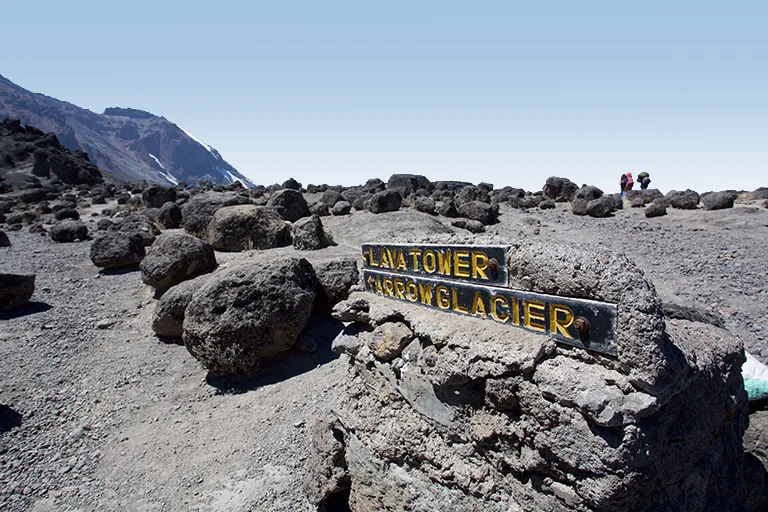
Kilimanjaro teaches you a lot of things you don’t expect. Patience, teamwork, and how to appreciate the little wins, making it to camp after a gruelling day, catching a rare glimpse of wildlife, or seeing that golden light spill across the Shira Plateau. When you finally reach Uhuru Peak, it’s not just about standing at the top. It’s knowing you planned well, trusted yourself, and gave it everything, and that feeling? Nothing else comes close.

Simbo Natai
Simbo Natai, founder of African Scenic Safaris, crafts sustainable, meaningful Tanzanian journeys rooted in his deep local knowledge and passion.
Director, African Scenic Safaris

What Your Support Crew Fees Really Cover on a Kilimanjaro Climb?

Every successful Kilimanjaro summit stands on the shoulders of an unseen team — your guides, porters, and cooks. Yet few climbers understand what those Kilimanjaro Support Crew Fees pay for.

You’ve already nailed the easy stuff: those killer boots are bought, the plane ticket is booked, and you know the mandatory park fees are coming. But then you see the price tag for the whole trip, and a massive chunk of that number goes straight to the support crew.

And honestly? Most people look at that crew cost and think, “That seems high. Are they just inflating the price?”

Here’s the truth: That Kilimanjaro Climb Cost involving the support crewis the best investment you will make when you are on the mountains. It’s not padding the bill. It’s the cost of having safety assurance that guarantees the climbing process goes smoothly, your emergency oxygen on summit night is covered, and, most importantly, that the people carrying the camp and keeping you safe are treated with dignity and paid fairly. If you find a cheap trip that cuts this number, you’re not saving money; you’re risking your climb and supporting exploitation. This is where your money buys your success.

This guide breaks down exactly where your support crew fees go—from fair wages and safety equipment to logistics and porter welfare—and shows why this cost is arguably the most important investment of your entire Kilimanjaro Climb.

Why a Support Crew Is Mandatory on Kilimanjaro

Seriously, let’s clear up the biggest misconception right now: You absolutely cannot go up Kilimanjaro by yourself.

Kilimanjaro Crew Fees

Forget the idea of a solo, independent climb. It’s not just strongly advised against; it’s totally illegal. This regulation comes straight from the top—the Tanzania National Parks Authority (TANAPA) mandates it. If you want to touch that mountain, you must hire licensed guides and the Kilimanjaro Climb Support Team through a certified operator.

Why are they so sceptical about this? Kilimanjaro can be a challenging climb, especially for beginners. It looks majestic, but once you get up past the tree line, especially above 4,000 meters, Climbing Mount Kilimanjaro stops playing nice. Your crew isn’t some optional upgrade. They are your actual lifeline. They are the logistics masters, the high-altitude doctors, and your single best defence against an emergency. You are paying for the team that guarantees your safe ascent and, more importantly, your safe return.

The A-Team: The Critical Roles Watching Your Back

The crew fees you pay cover a complex hierarchy of professionals, each with a specific job that is, quite frankly, life-critical to your success and safety:

The Lead Guide: The Boss and The Doctor. 

This person is your expedition leader, making all the high-stakes calls. Need a route adjustment? They decide. Emergency? They run the show. Most crucially, they are your dedicated altitude management expert. They are trained to spot Acute Mountain Sickness (AMS) hours before you or your climbing partner even feels a headache. They’re the ones holding the radio, the permits, and the responsibility for every life on the mountain.
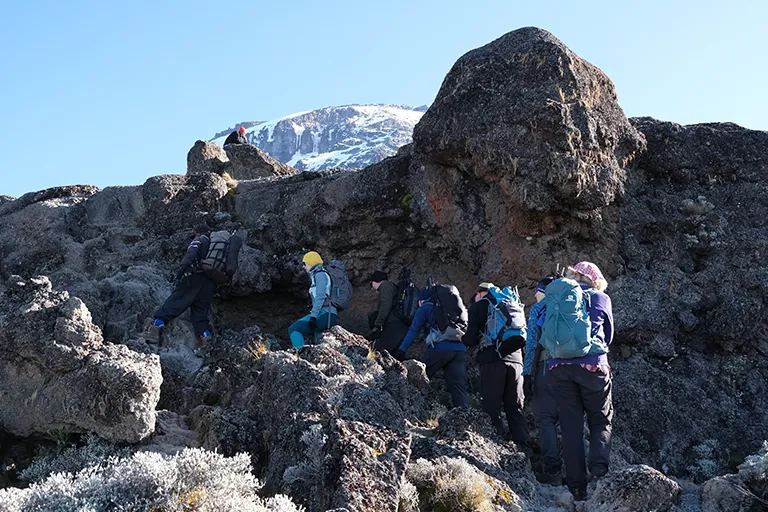
Assistant Guides: The Eyes and Ears. 

Think of them as your personal shadows and vital sign monitors. You’ll usually have one of them for every two or three climbers. Their job is non-negotiable: they stay with the slowest person, constantly checking their pulse, oxygen saturation, and mental status. They ensure absolutely no one is left behind or pushed too hard, too fast. If the main guide is the brain, the assistants are the nervous system.
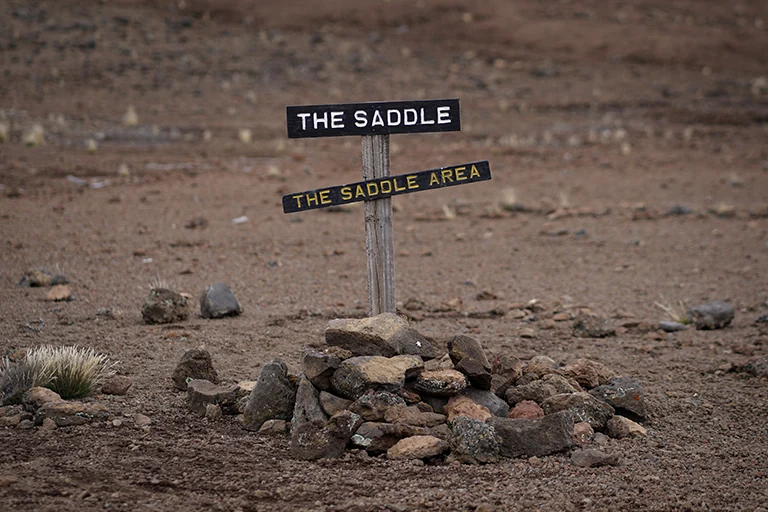
Porters (The Unsung Heroes): 

They carry everything literally: your heavy gear, food, kitchen tents, emergency oxygen, and the camp toilet. On average, you will have 3 to 4 Kilimanjaro Porters dedicated just to you. They carry a maximum of 20 kg (44 lbs.)—a standard enforced by KPAP—, and they are often the last line of defence in an emergency evacuation.

The Cook: 

Your success on Uhuru Peak depends 100% on nutrition and hydration. The cook and the kitchen crew ensure you get hot, easily digestible meals and safe, boiled water multiple times a day. They are the engines that keep your energy reserves topped up.

According to TANAPA regulations, guided climbs were made mandatory to ensure climber safety, protect the environment (UNESCO site), and support the local community.

Breakdown of Support Crew Fees – Where the Money Goes

When you look at the support crew fee, you are paying for professional, reliable service and ethical labour. Here is the actual cost breakdown:

Wages and Fair Compensation 

When you see a considerable number of crew members on a climb of Mount Kilimanjaro, remember that this is the most significant ethical difference between a cheap operator and a reputable Kilimanjaro Tour Operator. Your money isn’t just a fee; it’s a promise to guarantee the team supporting you earns a decent, life-sustaining wage.

Kilimanjaro Porter Fees

Here’s how we know your money is doing good: we only work with operators who meet KPAP Standards. That stands for the Kilimanjaro Porters Assistance Project, an independent watchdog that monitors every single climb. They make sure porters are paid a transparent minimum salary before they even get their tip.

For example, a Lead Guide should earn at least $20 USD a day, while a Kilimanjaro Porter’s Salary is approximately $10 USD a day.

The Impact of Ethical Pay is everything to you. When guides and Kilimanjaro Porters are paid fairly, they’re motivated, well-fed, and rested. This means higher morale, better service, and, most importantly, increased safety for you. Think about it: an overworked, underfed porter is more prone to injury and less capable in an emergency. Paying ethically buys you a safer, more successful climb.

Training, Certification, and Licensing

The crew fees also cover the cost of creating professionals who can save your life:

  • Medical Training: Lead Guides are required to have Wilderness First Responder (WFR) or equivalent high-altitude medical certification. This training is expensive and must be renewed regularly.
  • TANAPA Licensing: Guides must be licensed and registered with TANAPA, ensuring they meet legal standards for competence and safety.

Equipment and Logistics

Your fee isn’t just about your backpack; it’s funding the entire safety and support infrastructure. This is where your money buys life-saving preparedness:

  • Safety Gear is Your Lifeline: 

You pay for the mandated emergency oxygen, first-aid kits, and satellite radios—your only connection to rescue.

  • Porter Welfare Gear is Dignity: 

Your money ensures the porters have proper tents, warm gear, and waterproof boots. This isn’t just nice; it prevents hypothermia, which was once a considerable danger.

  • Logistics Maintenance: 

This covers the constant replacement of reliable tents, kitchen gear, and supplies that constantly wear out under harsh mountain conditions.

Food, Water, and Cooking Supplies

Your crew fee guarantees the most basic but critical thing: everyone on the mountain gets fed properly.

  • The Cost of Energy

Your money provides high-quality, three-times-daily meals for the porters, guides, and cooks. This isn’t a bonus; it’s a necessary fuel source for the extreme work they do.

  • Safety and Morale

Think of it this way: a well-fed crew has the stamina for those long hauls and the mental focus needed in an emergency. Paying for their nutrition prevents them from going hungry, which happens on cheap, unethical climbs, meaning you get a strong, capable team supporting you.

Welfare and Insurance (The Ethical Safety Net)

This is the non-negotiable ethical investment. Your fee buys a promise: that the people working to keep you safe are also safe themselves.

  • Mandatory Crew Insurance: 

This Kilimanjaro Travel Insurance provides medical insurance and compensation for the entire mountain crew. If a guide slips or a porter gets altitude sickness, you ensure they receive treatment without facing financial ruin. It’s the right thing to do, period.

  • Health Checks are Standard: 

Reputable Kilimanjaro Climb Operators use your fee to fund pre- and post-trek health screenings for porters. This requirement keeps them strong for the climb and supports proper recovery afterward. It’s a fundamental part of treating your team with dignity.

How Crew Size Changes with Group Size and Route

Here’s the straight truth: your total crew cost isn’t a fixed menu price. It’s a calculation. The number of people supporting you scales directly with the size of your group and how long you’re staying on the mountain, because the gear, food, and human power needed increase exponentially.

Kilimanjaro Crew Size
You Are…Route ExampleYour Team SizeWhy the Cost Changes
A Solo Adventurer7-Day Machame1 Lead Guide, 6–7 Porters, 1 CookEven for one person, the bare minimum camp (tent, kitchen, toilet) and safety crew must be carried. You can’t shrink the team much more than this.
A Pair of Climbers7-Day Lemosho1 Lead, 1 Assistant, 8–10 Porters, 1 CookNotice how the team only grows by a porter or two? You’re sharing the fixed costs (guide wages, kitchen gear) between two people, which makes your per-person cost much more affordable.
A Small Group9-Day Northern Circuit1 Lead, 2-3 Assistants, 18–22 Porters, 2 CooksLonger routes mean days of extra food and fuel, requiring significantly more porters. More climbers also demand more assistant guides for proper health monitoring and safety on the trail.

The Bottom Line: Therefore, that higher crew cost on a longer trek isn’t padding; it’s you paying for the necessary labour and supplies that keep you safe and fed for longer.

Expert’s Tip: “When a client moves from a 7-day Machame to a 9-day Northern Circuit, we don’t just add two days of wages. We must add significantly more food, which means adding more porters to carry that food, which increases all the costs down the line. That higher crew fee is essentially you buying superior logistics and better safety margins.” — Expedition Planner, African Scenic Safaris.

The Human Impact – Your Investment in Local Life

Honestly, this part of the budget is the soul of your entire expedition. Your fee is much more than a business transaction; it is a direct engine for dignity, fairness, and local social good.

  • Supporting Families is Everything: The money for a Kilimanjaro Climb goes straight into the hands of the porters, guides, and cooks, no corporate detour. This money contributes to paying school fees, food (basic needs), and helps families to become financially stable. By choosing an ethical operator, you’re not only funding your climb but also making an impact through your investment, helping stabilise and uplift entire surrounding communities.
  • Did you know that Ethical Tourism Starts with You? When you choose an Ethical Kilimanjaro Operator that adheres to the KPAP standards (the Porters Assistance Project), you’re not just booking a trip; you are casting a moral vote. You send a clear message to the expedition community: “we will not tolerate exploitation.” This is what forces all operators to treat their teams better, paying them fairly, with dignity, and setting standards for the thousands of Tanzanians whose futures depend on Kilimanjaro Tourism.
  • Conservation Benefits: When the local community benefits directly and transparently from tourism, they actively protect the mountain’s environment for future generations of climbers.

“Fair treatment is transformative. When porters are paid properly and given appropriate gear, the income not only stabilises their family’s lives but allows them to invest in education, agriculture, and small businesses, creating long-term economic stability that far outlasts the climb itself.” — Kilimanjaro Porters Assistance Project (KPAP)

Real Cost Example – Support Crew Fees in a 7-Day Trek

Let’s look at a realistic breakdown of what the total cost for your Kilimanjaro Crew Costs 2025 covers on a standard climb: 

Kilimanjaro Climb Cost

Example Scenario: 2 climbers on a 7-Day Machame Route with a KPAP-certified operator.

CategoryItem DescriptionTotal Crew Cost (7 Days)Cost Per Climber
Wages1 Lead Guide, 1 Asst. Guide, 1 Cook, 8 Porters (KPAP rate, pre-tip)$1,150$575
Food & LogisticsCost of 11 crew members’ food (3 meals/day), fuel, and water transport.$385$192
Equipment & SafetyCrew welfare gear rental, emergency oxygen refill, two-way radio batteries, first-aid supplies, and cleaning.$200$100
Insurance & LicensingMandatory crew medical insurance and TANAPA guide/porter entry fees.$95$47
Total Operator Crew Investment(Wages, Food, Gear, Safety)$1,830$914

This $914 per climber (for the crew) is the bare minimum investment an ethical company makes. If someone quotes you a significantly lower price, they are almost certainly sacrificing wages, food, or safety standards.

Common Misconceptions About Crew Fees

Many myths persist about the crew costs, often driven by budget operators trying to justify dangerously low prices.

MythReality
“Guides are overpaid.”False. Guides are highly skilled emergency first responders. The Kilimanjaro Guide Cost is $20/day, a base salary. They rely on tips to reach a true professional living wage.
“Porters are volunteers or part-time help.”False. Porters are highly valuable, legally required labor. They are paid (or should be) a minimum daily wage, and their work is critical, carrying 20kg (44 lbs.) up the world’s tallest free-standing mountain.
“I can just pack light and skip the cook/extra porters.”Dangerous. The number of porters is often dictated by safety. You need porters to carry emergency oxygen, the crew’s food/shelter, and the toilet. Cutting the cook means poor nutrition, directly lowering your summit chance.
“Cheaper operators mean better value.”Exploitation. The only place a budget operator can significantly cut costs is by paying illegal wages, overloading porters, or cutting essential safety equipment (like oxygen or proper tents for the crew). This makes your climb riskier and unethical.

Next Steps – Plan Your Budget with Crew Costs in Mind

Now that you know exactly where your support crew fees go, you will have a deeper understanding of the difference between a low price and a smart and ethical investment.

With this knowledge, you can now easily budget smarter, choose the best operators who treat their staff fairly, and appreciate the value of the team that does whatever it takes to make your climb possible.

To lock down the rest of your Kilimanjaro Climbing Budget and ensure zero financial surprises, dive into these related guides:

  • How Park Fees Are Calculated on Kilimanjaro: Nail the official, non-negotiable fees.
  • How Route and Duration Impact Total Cost: See how your path directly affects the bottom line.
  • Hidden Kilimanjaro Costs Most Climbers Miss: Don’t get blindside by visa fees, gear rentals, or unexpected transfers.

Plan Smarter, Climb Higher

Look, choosing your Kilimanjaro Route isn’t just about picking the prettiest view—it’s about strategy. The truth is that you can’t control the mountain, but you can control how well you prepare and train for it and know exactly where your money goes.

Kilimanjaro Climb
Kilimanjaro Climb

The biggest takeaway here is simple: The cheapest route isn’t always the smartest. Aim for value, not just savings. Fair treatment and high standards of your support crew directly buy the safety that makes a successful summit priceless.

A Kilimanjaro Climb is not a solo achievement—it’s a team victory. Understanding where your Kilimanjaro Support Crew Fees go helps you climb with confidence, compassion, and deeper respect for the people who make it possible.

Remember: The key to a successful summit isn’t just fitness; it’s preparation!

Talk to our Kilimanjaro experts today for a transparent cost breakdown—including crew fees, permits, and personalized route options that fit your budget.

Simbo Natai
Simbo Natai, founder of African Scenic Safaris, crafts sustainable, meaningful Tanzanian journeys rooted in his deep local knowledge and passion.
Director, African Scenic Safaris

How do Park Fees and Permits Affect the Overall Kilimanjaro Climb Cost?

Before you even lace up your hiking boots or dream about standing on Uhuru Peak, there’s one thing every climber needs to understand clearly — Kilimanjaro’s park fees and permits. These costs form the foundation of your entire climb budget and play a huge role in ensuring safety, conservation, and ethical tourism on Africa’s highest mountain.

If you are climbing Kilimanjaro for the first time, the total price tag can be a shock to you. The items for the Kilimanjaro Climb Cost are likeguides, porters, and food—but that’s only half the story. What sneaks up on everyone are the mandatory, government-regulated park fees. 

Every single climber must pay them. These charges jump around based on which route you pick, how many days you’re up there, where you’re from, and even what kind of tent you sleep in. Oh, and here’s the kicker: an extra 18% VAT (Value Added Tax) gets slapped onto almost everything.

Understanding these costs upfront helps you avoid last-minute shocks and plan a climb that fits your budget and expectations. This guide breaks down all essential fees for your Mount Kilimanjaro Climbing in 2026, explains what each covers, and includes insider insights from African Scenic Safaris’ professional mountain guides, who have been leading successful expeditions for more than 15 years.

Overview of All Mandatory Kilimanjaro Costs

When you book a Kilimanjaro Climb, you’re not just paying for a hiking experience — you’re investing in conservation, local livelihoods, and mountain safety. Here’s a quick overview of the mandatory costs that make up every climb.

Kilimanjaro Climb Cost

So, where is all that money going? It’s not just paying your guide—a huge chunk is mandatory government fees that keep the whole mountain system afloat. Here’s a breakdown of what you’re actually shelling out for:

Park Entry & Conservation Fees: 

This is the massive daily charge. It gives you access to Kilimanjaro National Park and funds the entire operation, including ranger salaries, trail maintenance, and wildlife protection.

Forest Fees: 

You pay extra to hike through that incredible, lush rainforest zone where every climb kicks off. It’s strictly for using the lower slopes.

Camping or Hut Fees: 

Your nightly rent. This depends entirely on your route—you either pay a camping fee for the tents or a hut fee if you’re stuck on the Marangu route.

Kilimanjaro Rescue Fee

This is 100% mandatory for every single climber. It pays for the ranger teams who handle all the ground rescue operations if things go sideways. You cannot skip this one.

Support Team Fees: 

Legally required! Your guides, porters, and cooks aren’t optional—they’re a necessary part of your total Kilimanjaro Climbing Package cost, ensuring safety and fair employment.

Vehicle Entry Fees: 

This covers the transport logistics of getting your team and gear dropped off and picked up from the trailheads.

Special Permits: 

Only applies if you’re doing something totally crazy, like paragliding, climbing Mawenzi, or mountain biking. Most people skip this.

These Kilimanjaro Park Fees are non-negotiable and go directly to the Tanzania National Parks Authority (TANAPA). According to TANAPA’s 2025 tariff schedule, park fees account for roughly 50–60% of your total climb cost — a significant portion of your investment that keeps the mountain protected and functional for future generations.

“Every dollar you spend on park fees is a contribution to conservation. It funds ranger patrols, trail repairs, and community programs that make Kilimanjaro sustainable.” — Guide, African Scenic Safaris

Concession (Entry & Conservation) Fees Explained

The concession or entry and conservation fee is the backbone of your climb budget. Kilimanjaro National Park charges it per person, per day spent inside the park. The amount varies depending on your nationality:

Visitor CategoryDaily Fee (USD)Duration Impact
Foreign Non-Resident$70 per personCharged each 24 hours in the park
East African ResidentTZS 10,000 per personProof of residency required
Tanzanian Citizen$35 per personNational ID required

These fees cover:

  • Trail and campsite maintenance
  • Ranger patrols and emergency facilities
  • Waste management and conservation projects
  • Visitor centre operations
Kilimanjaro Entry Fees

Additionally, a Forest Fee ($20 per person) applies for using the lower rainforest section on routes such as Machame Route and Lemosho Route. Children under 10 are not permitted above 3,700m for safety reasons. (This data is verified from TANAPA’s 2025 tariff schedule)

“These fees ensure that the beauty of Kilimanjaro remains intact — the lush forests, alpine deserts, and summit glaciers all rely on conservation funding drawn directly from your permit.” – Guide, African Scenic Safaris

Camping and Accommodation Costs

Every climber faces a choice: you’re either camping out or sleeping in the mountain huts, depending on the route you pick.

Kilimanjaro Camping Cost

Camping Routes (Lemosho, Machame, Rongai):

  • This is about $50 per person, per night. That money pays for keeping the campsite running, the necessary toilets, and the ranger services. You’re definitely sleeping in a tent under the stars, but it’s a managed, maintained space.
  • Quick Math: A standard 7 Day Machame Route means you’re spending around $350 just on those tent spots.

Marangu Route (The only hut route):

  • This Kilimanjaro Route Costs more, closer to $60 per person, per night. You get an upgrade: bunk beds, a mattress, and those big, communal dining huts. It’s slightly cosier and more protected from the elements.
  • Quick Math: That same 7-day trek on Marangu would run you roughly $420 for the hut fees alone.

Here’s the thing: Some high-altitude Kilimanjaro Camps (like Kosovo) cost slightly more because getting stuff up there is a logistical nightmare.

The real key? Longer climbs cost more, obviously, but that extra day or two dramatically improves your acclimatisation—and that seriously boosts your chance of making the summit. It’s usually worth the additional cost.

“As our Trek Coordinator often says: “Every route has its own rhythm — from the lush forests of Lemosho to the quiet slopes of Rongai. Whether you’re under canvas or gazing at the stars from the Northern Circuit, these park fees make sure your rest stops are safe, clean, and sustainable — and that’s what truly matters.”

Support Team Fees (Guides, Porters & Cooks)

This is non-negotiable. TANAPA regulations state that every Kilimanjaro climb must be led by licensed guides and supported by a crew of Kilimanjaro Porters and cooks. Honestly, these pros are the absolute backbone of your entire expedition. Without them, you don’t even step on the trail.

Kilimanjaro Porters Fee

Here’s a quick look at the typical crew you’d need for a four-person group and what their day rate looks like:

RoleNumberAverage Daily Pay
Lead Guide1$30–$50
Assistant Guide1$20–$30
Porters12–14$10–$15
Cook1$15–$20

When you book with a fair-wage Kilimanjaro Tour Operator, like us at African Scenic Safaris (we proudly partner with KPAP), we make sure every single crew member gets paid correctly, plus proper meals and accommodation. That’s a huge deal, because not every operator guarantees that.

“The thing is, the difference between standing on the summit and having to turn back? That’s your team. A quality guide isn’t just someone pointing the way; they’re trained to spot altitude issues hours before you feel them. They set the perfect, slow pace that conserves your energy. Our porters are trained for much more than just carrying bags. Investing in a strong, fair-wage crew dramatically increases your summit chance. Why? Because they manage every single detail, leaving you 100% focused on putting one foot in front of the other.” – Guide Expert

While these wages are usually not rolled into your total package price, they make up a massive chunk—about 35–40% of the total climb cost. Think of it this way: a strong, experienced crew doesn’t just make your climb possible; they directly contribute to your summit success and overall safety. It’s money well spent.

Emergency Rescue and Safety Fees

Every person Climbing Kilimanjaro must pay a mandatory $20 rescue fee to the National Park. This is a one-time fee that covers the cost of ranger-assisted ground evacuations—think stretchers or park vehicles if you need help on the lower slopes. Once you pay for it, ground rescues are free.

Kilimanjaro Rescue
Kilimanjaro Rescue

Here’s the massive caveat: that $20 fee absolutely does not cover air evacuation or your hospital treatment back in town. That’s why having comprehensive Kilimanjaro Travel Insurance with high-altitude coverage is non-negotiable. Seriously. CDC and WHO both recommend preparing for altitude sickness and emergency evacuation for any trek above 3,000 meters.

During emergencies, rangers use established routes to coordinate ground rescues. However, if you need a helicopter transfer—which is the fastest way to descend from high altitude—those can cost anywhere from $2,000 to $5,000, depending on your location and the provider. You definitely don’t want to be stuck with that bill.

Vehicle Entry Charges

You need to know that vehicles are often necessary to get you to the start and pick you up at the end, especially on routes like Lemosho. Those aren’t free, either; the park charges entry fees for every vehicle.

Kilimanjaro Vehicle Entry Fees

Here’s the quick breakdown of what TANAPA charges for the Kilimanjaro Entry Fee 2026:

Vehicle Category (by Weight)Local Vehicles (Tanzania-Registered)Foreign Commercial Vehicles
Light vehicles – up to 2 tons (4,400 lbs)TZS 20,000USD 40
Medium vehicles – 2 to 3 tons (4,400–6,600 lbs)TZS 35,000USD 150
Heavy vehicles – 3 to 7 tons (6,600–15,400 lbs)TZS 60,000USD 200
Extra-heavy vehicles – 7 to 10 tons (15,400–22,000 lbs)TZS 150,000USD 300
Oversized loads – above 10 tons (special permit required)TZS 300,000USD 500

These fees go straight to the park and can vary slightly depending on which access roads or gates your operator uses. Just know that this cost gets factored into your total trip price!

Special Permits: Optional but Costly Add-Ons

Kilimanjaro isn’t just for walking! If you’re an extreme adventure seeker, the mountain offers specialised trips that require extra permits, so you will encounter additional Kilimanjaro permit costs.

Kilimanjaro Permit Costs

Here’s a quick look at those optional, but costly, add-ons:

ActivityPermit Cost (USD)What You Need to Know
Paragliding$500–$700You need TANAPA approval and a pilot license. This is intense.
Mawenzi Technical Climb$300Strictly restricted to highly experienced climbers. Do not attempt this unless you are a pro.
Mountain Biking$250This is limited to certain routes and must be guided.

Look, these definitely take a big hit out of your budget, but they are absolutely once-in-a-lifetime experiences. The catch? All of these applications submit in advance to TANAPA through a licensed operator. You can’t just decide to paraglide on the spot.

Example Calculation: Real Kilimanjaro Climb Cost Breakdown

Let’s get real with the numbers. If you choose the popular, beautiful 7-day Lemosho Route, here is a transparent look at your mandatory fees. This is roughly what everyone pays per person:

Cost ComponentUnit Cost (USD)DurationTotal (USD)
Entry & Conservation Fees$70 / day7 days$490
Camping Fees$50 / night6 nights$300
Forest Fee$20Once$20
Rescue Fee$20Once$20
Support Crew Wages7 days$700
VAT (18%)$280
TOTAL ESTIMATED FEES≈ $1,810

The actual cost for a quality, all-inclusive Kilimanjaro Tour Package usually falls between $2,500 and $3,500 per person, depending on the operator you choose, the route length, and how comfy your gear is.

This example clearly shows that park fees and crew wages alone account for nearly 60% of your total climbing expenses! The rest of your package cost covers your food, high-quality gear, transport logistics, and everything else you need to succeed.

Here’s the part that genuinely matters and often missed: Every permit you pay for actively supports the people and communities around Kilimanjaro — not just the mountain itself.

One thing you need to note is that your entry and camping fees aren’t just bureaucracy! They fund crucial, hands-on work: reforestation, essential anti-poaching patrols, and even community stuff like building local schools and clinics.

As our tour expert often explains: “We tell our climbers that every permit tells a story—of a ranger’s patrol, a village clean-water project, or a forest being protected.”

By understanding exactly where that money goes, you’re not just paying for Kilimanjaro Fees and Permits; you’re making a direct, positive impact on conservation and responsible tourism in Tanzania. You’re part of the solution.

Final Tips & Key Takeaways

All Climbs Must Be Guided: Independent trekking is not allowed due to safety and conservation requirements.

Longer Routes equal higher cost, better success means more acclimatisation days, which increases both fees and summit success.

Kilimanjaro VAT Adds 18% to All Charges: Always confirm that your quoted price includes this tax.

Use Licensed Operators: Reputable companies like African Scenic Safaris handle all permits transparently.

Book Early: Permit availability can tighten during peak months (June–September and January–March).

Kilimanjaro Climb Cost

“Transparency in fees is part of our commitment. We handle every permit directly through TANAPA, so our clients know exactly what they’re paying for. — Operations Lead, African Scenic Safaris

What’s Next – Deep Dive into Specific Kilimanjaro Climb Cost

Okay, so you just saw the harsh truth: Kilimanjaro park fees and permits are the absolute most significant part of your bill. Now that you know why those mandatory costs are so high and where the money actually goes, you need to stop guessing and start budgeting for real. To help you nail down every single detail, we’ll dive deeper into the crucial money moves that will define your trip—like figuring out how park fees change by route and what the support crew costs really cover.

Kilimanjaro Climb Cost

You need to know that the success of your 2026 climb isn’t just about your fitness; it’s about smart, transparent planning. Stop messing around with vague numbers. Get ahead of the game now! 

Ready to Plan Your Climb with Full Transparency? Request a detailed, personalised cost breakdown and a route recommendation explicitly tailored to your budget and goals from our expert planners today.

Also, keep an eye out for these crucial, upcoming guides since they’ll be more useful to you as you are budgeting for Tanzania Trekking Fees:

  • How Park Fees Vary by Route and Duration: Find out exactly how your route choice (Lemosho vs. Machame) impacts your permit total.
  • What Your Support Crew Fees Really Cover: Understand the human cost—and why paying fair wages matters for your safety.
  • Hidden Costs and Add-Ons Most Climbers Miss: Don’t be surprised by tipping protocols and specialised gear rentals
Simbo Natai
Simbo Natai, founder of African Scenic Safaris, crafts sustainable, meaningful Tanzanian journeys rooted in his deep local knowledge and passion.
Director, African Scenic Safaris

×