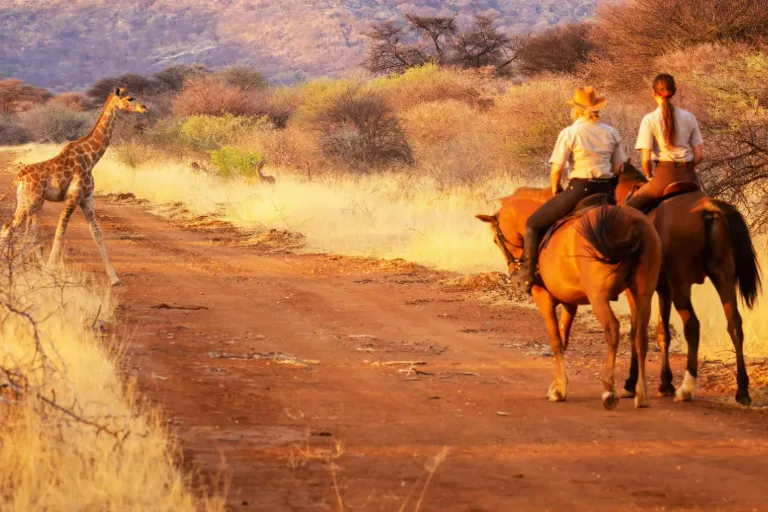
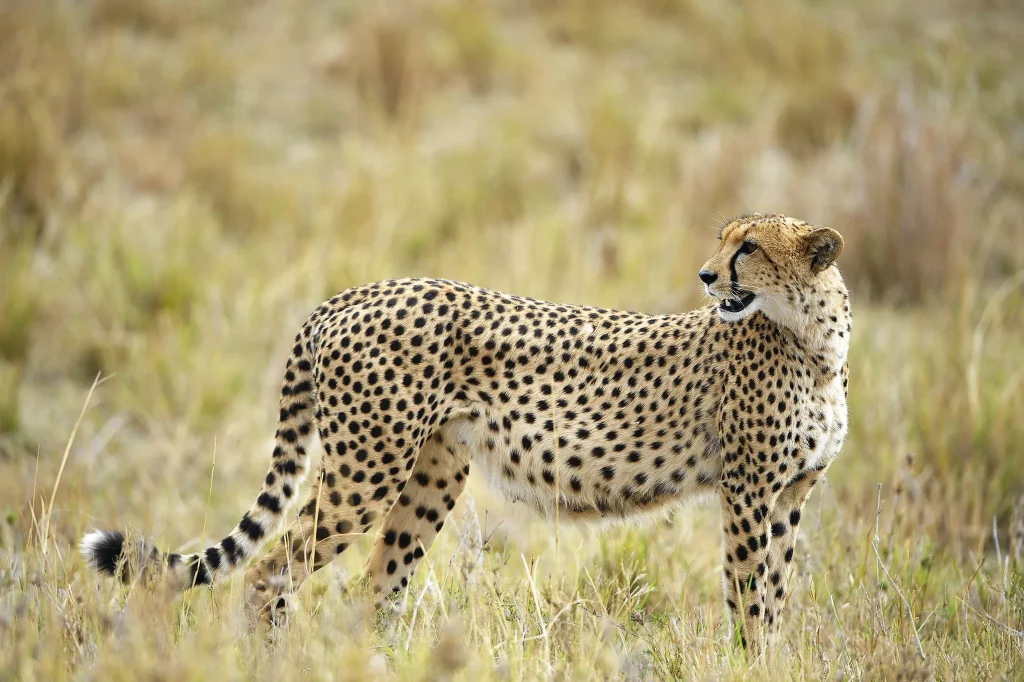
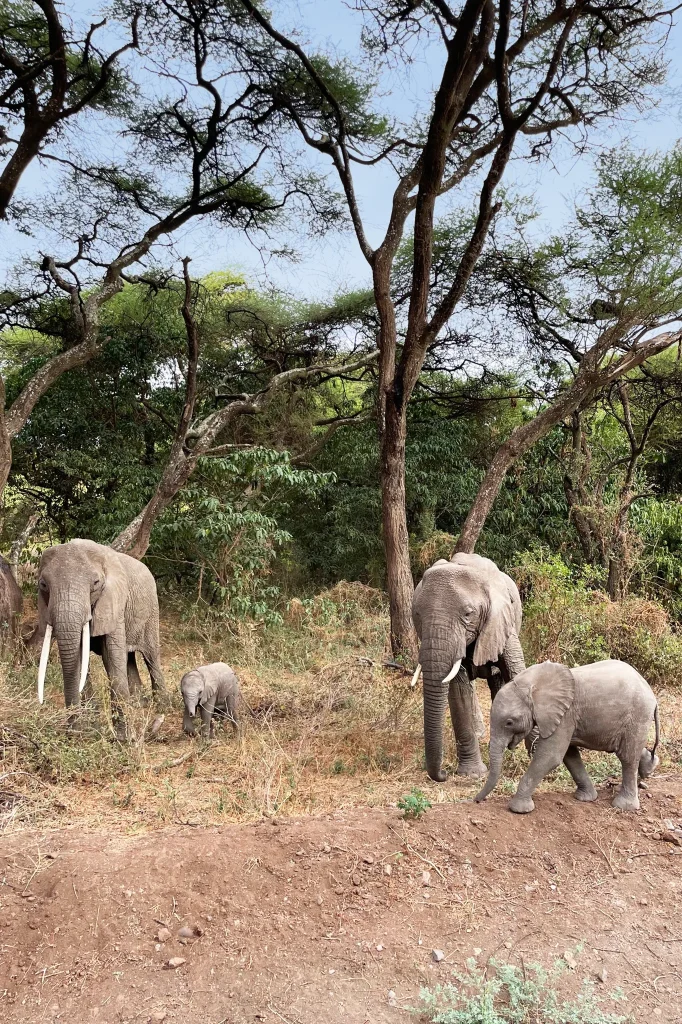
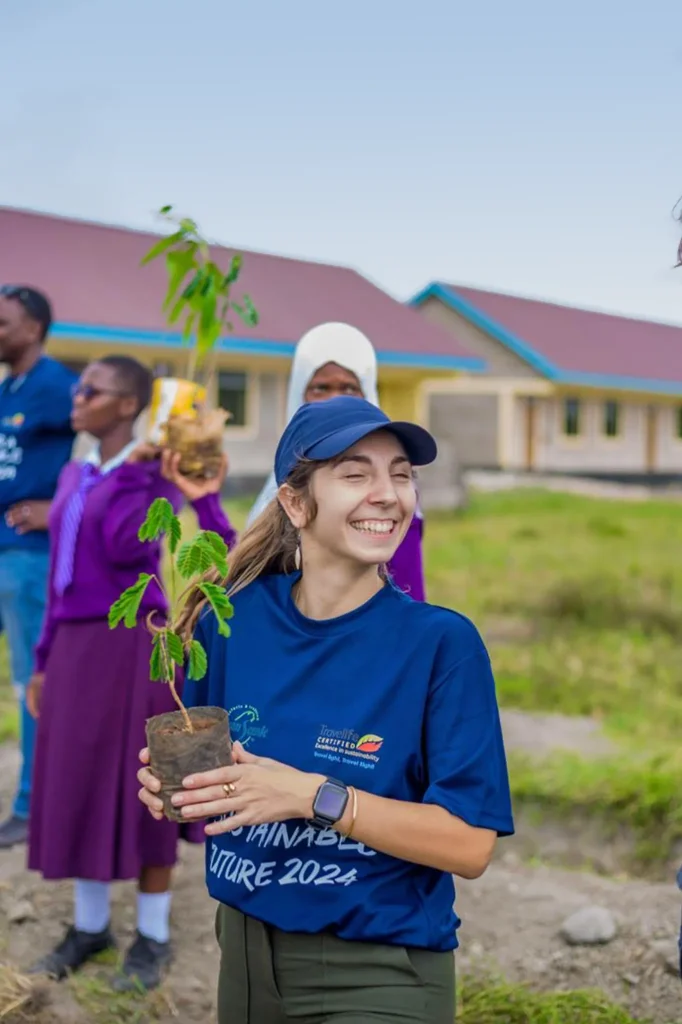
What if your Dream Safari could Harm the Very Wildlife you came to See? It’s a question few travellers stop to ask—but it matters. The truth is, Tanzania’s wild beauty is fragile, and every choice you make as a visitor leaves a mark.
In this blog, you’ll discover how Sustainable Tanzania Safari Travel not only protects animals and landscapes but also uplifts local communities. By the end, you’ll know precisely how your safari can be more than sightseeing—it can be a force for good.
We’ll look at:
Why conservation depends on travelers making responsible choices.
Simple steps you can take to ensure your journey makes a lasting, positive impact.
Safari In Tanzania
Tourism Provides Employment and Promotes Conservation
Tourism is a big source of jobs in Tanzania. Tanzania Operators bring tourists to the Tanzania National Parks, which gives local people work. These jobs help families make money and live better lives.
As a result, many local communities recognize the importance of protecting the land and its animals. That’s why there is now less farming, hunting, and poaching in the parks and reserves.
Here is a testimonial from one of our clients, who appreciates our conservation measures. Read the full review here.
HONEYMOON SAFARI AND KILIMANJARO HIKE
African Scenic Safaris was the best decision we made for our Honeymoon trip to Tanzania. We did a week Safari and hiked Kilimanjaro and before getting into the details, both were well above and beyond a 10/10 experience. The entire planning process was made very easy, and extremely flexible for what we wanted to see and do. And communication throughout was exceptional. On top of that, they are one of the few companies that has a focus in conservation, they pay all their employees fair wages, and belong to numerous organizations that hold them to the highest standards of tourism. You won’t find a better company out there!
Long review…but long story short, African Scenic Safaris is one of, if not the best, company you can find for a Tanzania experience. It was the best honeymoon we could have ever imagined and we owe it all the African Scenic Safaris. – Jared K
Tourism Enables Private Conservation During Tanzania Safari
Much of the land surrounding Tanzania National Parks is owned by local communities and rich in wildlife. Through tourism partnerships, the government negotiates with locals to conserve this land in exchange for financial benefits and long-term support.
Conservation During Tanzania SafariConservation During Tanzania Safari
Here’s how your Tanzania Safari contributes to private conservation:
Wildlife Management Areas (WMAs): Locals manage community-owned land for tourism and wildlife protection.
Revenue Sharing: Part of the income from Tanzania Safari Packages supports nearby villages.
Job Creation: Tourism provides employment for local guides, rangers, and lodge staff.
Sustainable Land Use: Tourism discourages deforestation and promotes eco-conscious land management.
Tourism Helps Create Buffer Zones
Some private conservancies create buffer zones between growing communities and many Tanzania National Parks and reserves. These zones give extra protection to the parks and the wildlife living there.
Now, what exactly are buffer zones? Buffer zones are areas created to enhance the protection of a specific conservation area.
Tourism Brings Money
Tourism Brings Money to Manage Parks Through Tanzania Safari
Tanzania Safari Tours helps to bring in money in the form of entrance fees to national parks and reserves. Entrance fees are charged at national parks and reserves and this income serves as a direct and allocated resource for governments to manage wilderness areas and wildlife.
Want to learn how we promote sustainable travel in Tanzania? Look through our video to find out more about sustainable tourism:
Tourism Contributes to GDP
Tourism is one of the main ways Tanzania gets money from other countries. It helps the country grow and develop. A well-planned safari gives visitors a great adventure and brings in a lot of foreign money.
This money helps many people like safari guides, drivers, lodge workers, tour operators, local artists, and food suppliers. It also supports small businesses, pays government taxes, and helps with wildlife conservation and building projects.
By choosing Tanzania Safari and traveling responsibly, tourists help protect animals and support Tanzania’s future. Every safari helps both people and nature.
Tourism Contributes to GDP
Make a positive impact on your Safari!
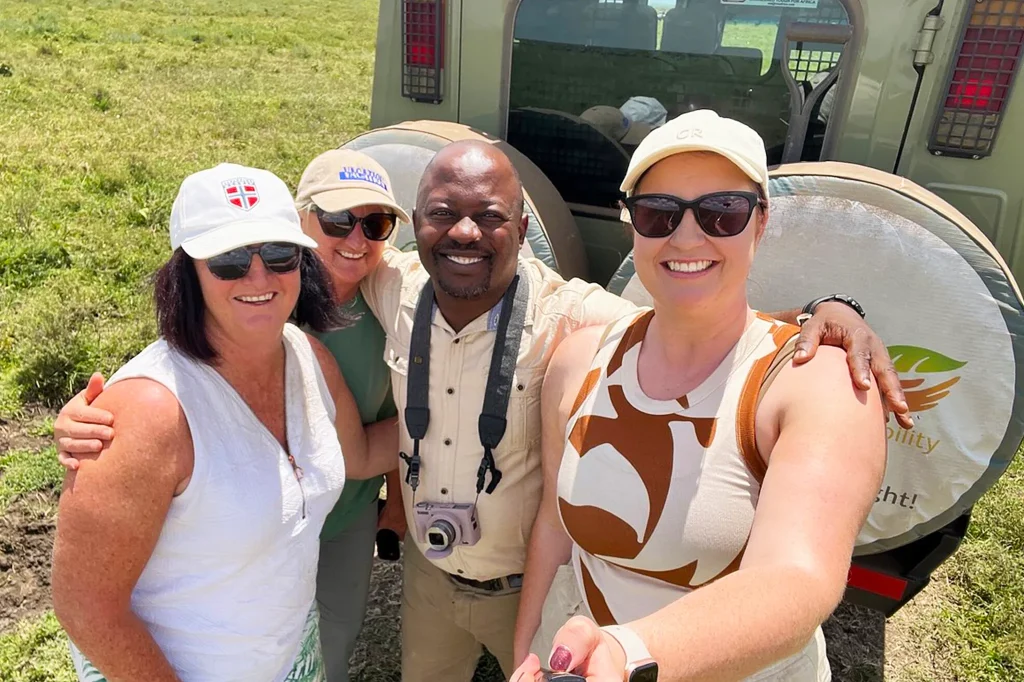
A Safari in Tanzania is more than just an adventure; it’s also a useful way to help protect wildlife, build communities, and make the world a better place. Your decisions matter because they create jobs and protect wildlife. African Scenic Safaris is the here to help you plan your trip as we hold the expertise in combining responsible travel with unique experiences in the wild.
Simbo Natai, founder of African Scenic Safaris, crafts sustainable, meaningful Tanzanian journeys rooted in his deep local knowledge and passion.
Kilimanjaro Climb is a challenging and rewarding experience, but it also requires careful attention to personal hygiene to prevent illness and discomfort.
A Lot of people actually talk about a lot of things. But the most important topic is “how to go about maintaining personal hygiene during days-long hikes”. It is quite vital to keep yourself fresh during the climb and that is only achievable if one follows the basic hygiene rules. In this article, we will provide you with some tips on how to maintain good personal hygiene during your Kilimanjaro Climb.
Kilimanjaro Travel Guides
Kilimanjaro Travel Guides advises hikers to limit the pair of clothes that they may carry along. Therefore, one can opt to carry several pairs of base layers that can be used fresh each day and the same upper layer can be repeated for a few days in a row. But one has to make sure to carry a required number of undergarments as this is quite important for maintaining healthy hygiene. Comfortable cotton underwear is mostly preferred to avoid unnecessary friction due to sweat while Climbing Mount Kilimanjaro.
The availability of toilets is a major concern. Though, there are facilities throughout the way to the peak of Kilimanjaro.
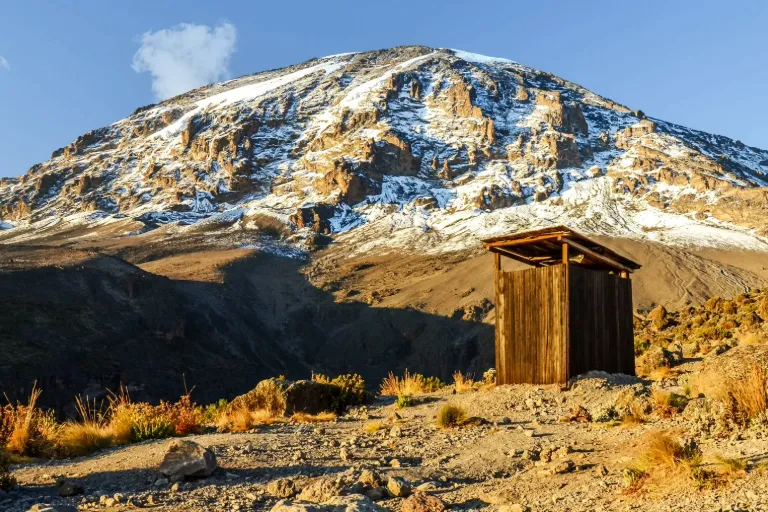
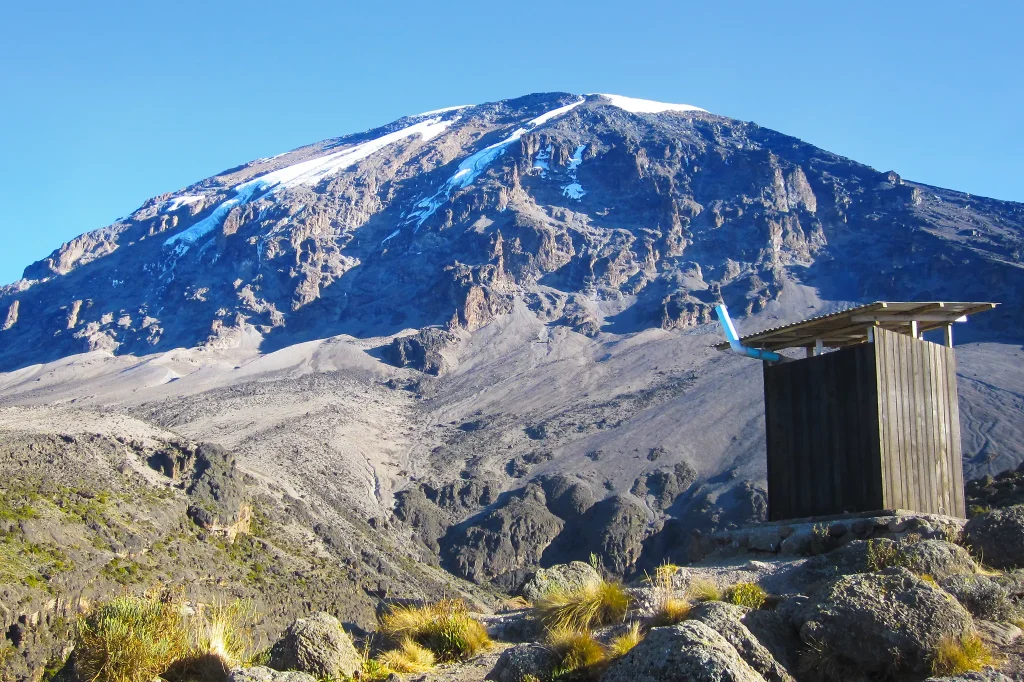
It is easier to locate a public toilet, and facilities within vary greatly with the location of the campsites. Those at the base are flush toilets whereas at higher altitudes there are more chances of spotting a basic wooden toilet without a seat. The cleanliness of such toilets is a little discouraging. Therefore, Kilimanjaro Private Toilet Tents are becoming more popular.
They are tall-sized tents with a chemical toilet unit that has a flush. These toilets can be dismantled and carried along by a porter. They are more likely to be hygienic, clean, convenient, and comfortable. This comes with an additional cost. If you opt for it, this goes into your hiking package.
Accessing Private Toilets During Climbing
You cannot use private toilet tents during your climbing. You can only set up the tents at the camping site and you can access them as soon as you reach the campsite. However, if you are stopping by at any location for a long time then your porter can set up the toilet tent for your use.
Spotting Bathrooms & Showers
There are no such permanent bathroom and shower facilities and it may be tough to take showers at the end of every day but the least you can do is use dampen cloth like a handkerchief or a tissue to wipe away the sweat and dirt from the body. In all the campsites during Mount Kilimanjaro Climbing you will be provided with the requisite quantity of water for basic needs like brushing and washing your face and hands.
Accessing Private Toilets During Climbing
There are no such permanent bathroom and shower facilities and it may be tough to take showers at the end of every day but the least you can do is use dampen cloth like a handkerchief or a tissue to wipe away the sweat and dirt from the body. In all the campsites during Mount Kilimanjaro Climbing you will be provided with the requisite quantity of water for basic needs like brushing and washing your face and hands.
Portable Shower for Kilimanjaro Climbers
However, the demand for a portable shower is not that prominent during the Kilimanjaro hike. But if you wish to pay and opt for such a service, your Kilimanjaro Guide will be happy to help. They even provide hot water and you can flexibly use the portable showers on days you feel like using them. We can pack sachets of eco-friendly shampoo along the Kilimanjaro Routes to make it easier to carry, use and dispose of without polluting,”.
Portable Shower for Kilimanjaro Climbers
Conclusion
Maintaining good personal hygiene is crucial for staying healthy and comfortable during your Kilimanjaro climb. Bring the necessary personal hygiene items, wash your hands regularly, bathe or wash your face, properly dispose of waste, and wear appropriate clothing. So, what are you waiting for?
Contact us and prepare yourself for the moment of your lifetime by accomplishing your dream of reaching the peak of Mount Kilimanjaro! For further information, please feel free to contact African Scenic Safarisvia email at info@africanscenicsafaris.com.
Simbo Natai, founder of African Scenic Safaris, crafts sustainable, meaningful Tanzanian journeys rooted in his deep local knowledge and passion.
Climbing Kilimanjaro is a once-in-a-lifetime adventure that requires determination, physical fitness, and mental fortitude. This Kilimanjaro Climbing Guide offers essential insights for anyone preparing to take on Africa’s highest peak.
As the highest peak in Africa, Kilimanjaro offers climbers a unique opportunity to experience a variety of landscapes, from lush rainforests to rugged alpine deserts. Reaching the summit of Mount Kilimanjaro feels like undertaking an adventure.
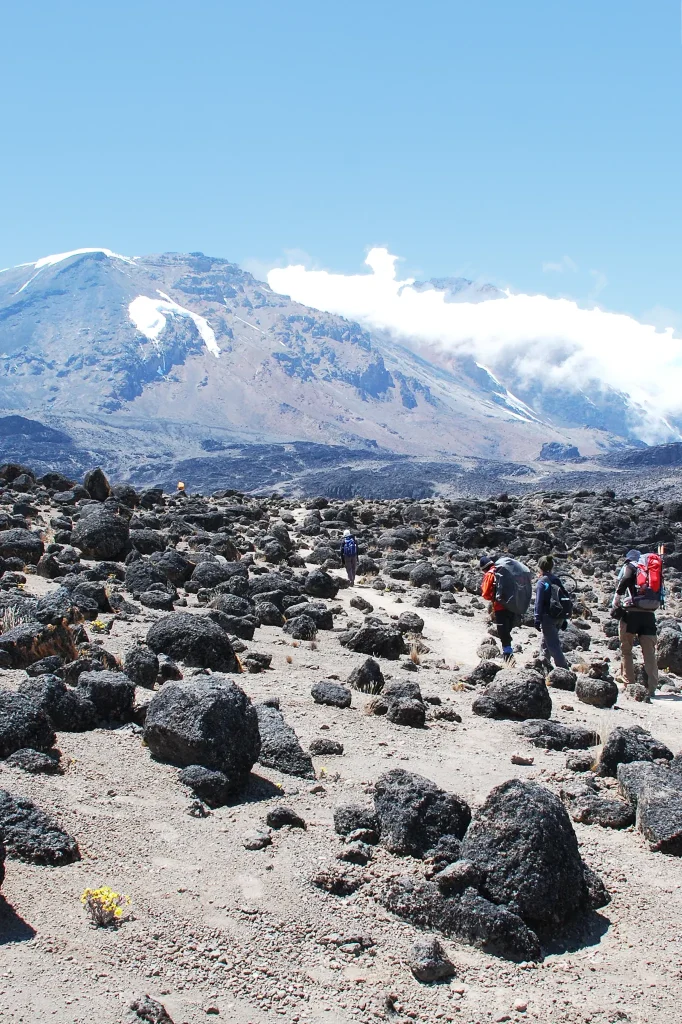
Among the six official Kilimanjaro Routes, the Machame Route remains one of the most favoured. It allows for better acclimatization with gradual altitude gain and scenic diversity. During the trek, you’ll pass through five distinct ecosystems, each shifting with elevation.
Let’s take a closer look at a 7-day Kilimanjaro climb via Machame Route and understand what each day brings during the journey.
DAY 1- The Beginning of Kilimanjaro Climbing
The climb begins much like a walk in the park. It’s very easy. The forest around is a beautiful sight. Even though this part of the stretch is easy, be sure to go slowly. Going slowly will help to tempo your body and reserve your energy for when things get tough. The uphill is like a set of terrace steps that supports the climb. We suggest you stop every 40 minutes for water and a break. Kilimanjaro Travel Tips like these can make a real difference on the trail. The ascent will affect your appetite so make sure to force down as much food as possible.
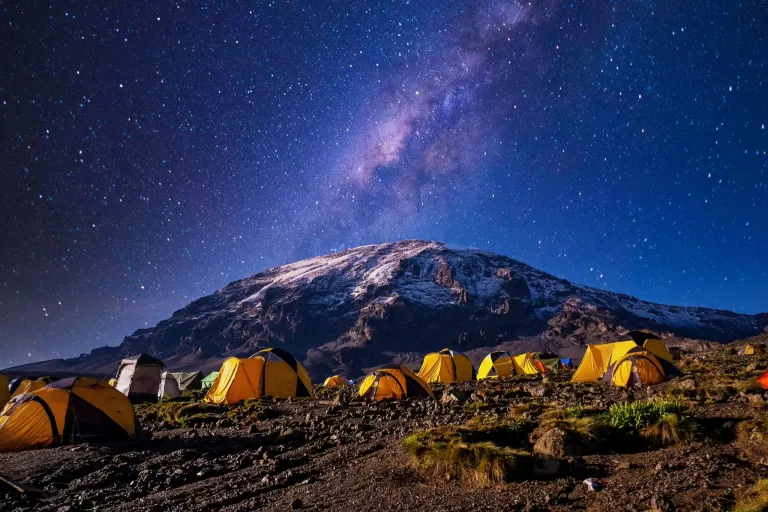
And the night sky in this stretch might be one of the greatest night skies you’ll ever see.
DAY 2 – One Step More to Kilimanjaro Climbing
Day 2 is when the landscape changes from lush rainforest to shrub-strewn moorland. The land becomes perfectly textured. You will have a tasty breakfast, pack up, and get your legs moving by 8:20 a.m.
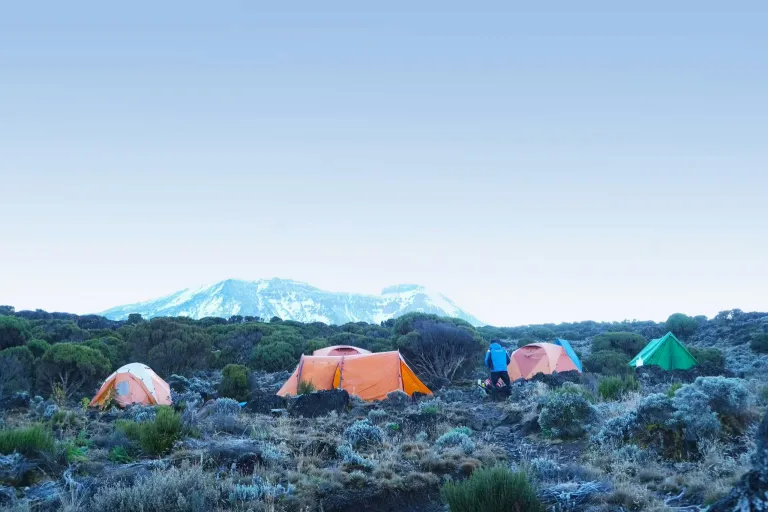
On day 2, at nearly 10,000 ft above sea level, the path is much rockier than expected. It requires paying attention to where you’re walking. It is also when the peaks suddenly begin to appear. The rapid ascent to high altitude will begin to register. First, you catch sight of Mawenzi Peak. And then the snow-capped Uhuru Peak comes into view in the distance.
After dinner, you can sit out and watch the stars. The quietness of the night and the clear sky will create a tranquil moment.
DAY 3- Taking a Break
On day 3, a good and warm night’s sleep will be followed by a refreshing morning coffee. You will get to see a stretch of grasslands covered with Kilimanjaro plants. Kilimanjaro is the unmistakably shaped signature tree of Mount Kilimanjaro.
Accommodation Type
Average Cost per Night (USD)
Budget Campsites
$50 – $150
Mid-Range Lodges
$200 – $500
Luxury Tented Camps
$600 and above
After your lunch, resting in a warm tent in the shadow of Kilimanjaro is fantastic. But the walk does become monotonous. It’s just a barren, brown, and infinite pathway – one of those long stretches common across Kilimanjaro Climb Routes. And you have a long way to go to reach the end.
DAY 4- Don’t give up On Kilimanjaro Climbing
On day 4, after a wonderful night’s sleep – being warm makes all the difference. After the usual morning routine of freshening up and breakfast, you set out on your journey for the day.
At a height of 15,000 feet, it feels like standing on top of the world. The environment became sparse with vegetation and becomes rockier. It is a very gradual, consistent Kilimanjaro Climb.
Off-Peak Travel: Consider the Serengeti National Park Tour during the low season for more affordable rates on accommodation and tours.
Group Travel: Travelling in a group can significantly reduce Serengeti Safari Costs, especially when it comes to transportation and accommodation.
Self-Drive Safaris: If you’re feeling adventurous, opt for a Self-Drive Safari In Serengeti, where you can explore the park at your own pace, saving on guided tour fees.
After several days of climbing, when travellers get exhausted, the porters sing a song to motivate them—one of the many moments that show why they’re among the Best Kilimanjaro Guides. The song goes by:
“Tembea Pole. Hakuna Matata!
Utafika Salama. Hakuna Matata!
Kunywa Maji Mengi. Hakuna Matata!
Kilimanjaro, Kilimanjaro,
Kilimanjaro, Mlima Mrefu Sana.
Walk Slowly, Slowly. No Trouble!
You’ll Get There Safe. No Trouble!
Drink Plenty Of Water. No Trouble!”
DAY 5 – Resting Under the Stars
Day 5 is a familiar routine. A warm and restful sleep followed by a morning coffee. It is also the day when it becomes harder to keep on walking.
A short acclimatization walk, then rest, and then an early dinner. This is how the day goes by. The body starts to feel the altitude, and mental focus becomes just as important as physical strength. Many climbers on Mount Kilimanjaro Guided Tours appreciate this pause to recharge and prepare for the final push.
As the sun sets, the sky fills with countless stars. Lying in your tent under this sparkling ceiling is both peaceful and energizing—reminding you how far you’ve come and what still lies ahead.
DAY 6 – Just One Last Step to Kilimanjaro Climbing
After a relaxing night’s sleep, the morning sun will provide much-needed pleasant warmth.
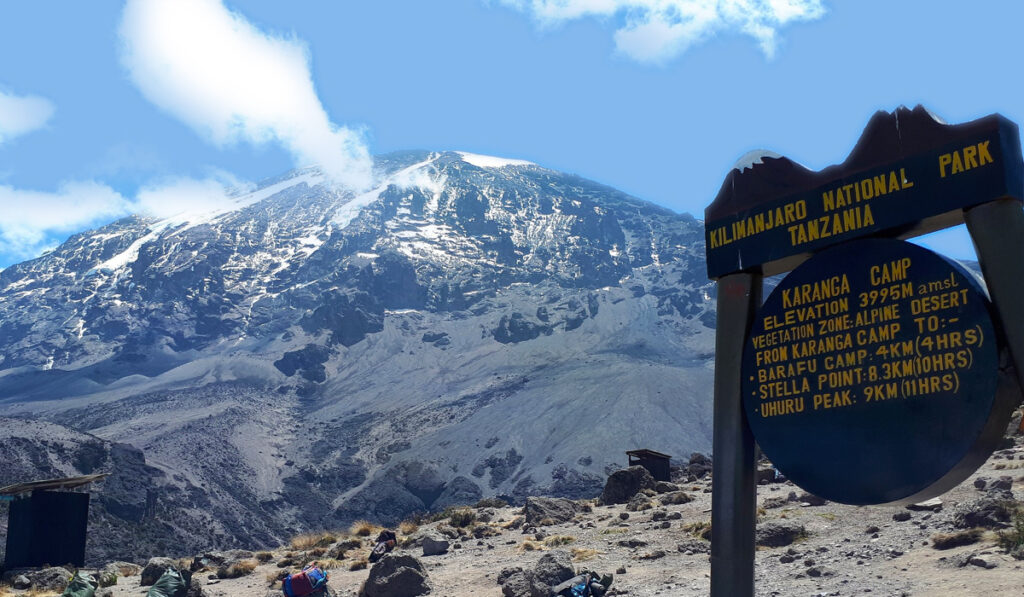
On day 6, you make your way to the base camp from which you will ascend the next morning. As you trek upward, the sun will provide warmth regardless of the cool temperatures.
Many of our Kilimanjaro Climbing Packages are designed to align with this structure—building stamina day by day to reach the pinnacle.
As soon as you reach the base camp, you must prepare for the next day’s challenge. Dinner early and in bed by 7:00 p.m. You have to rise as early as 3 a.m. to head to the summit!
DAY 7 – Standing on the Top
All the hard work of the past few days has finally brought you to the summit night. Only about 4,000 feet are needed to go up and you will finally be able to reach the summit.
The wind is cold and the conversation is minimal. The climbing is hard but everyone just keeps moving forward. Following a reliable Kilimanjaro Climbing Guide is a reliable way that helps you understand what to expect on this intense final push.
When you finally reach Stella’s Point, the hard climbing is over. The joy of having reached this point is overwhelming, and a very emotional moment.
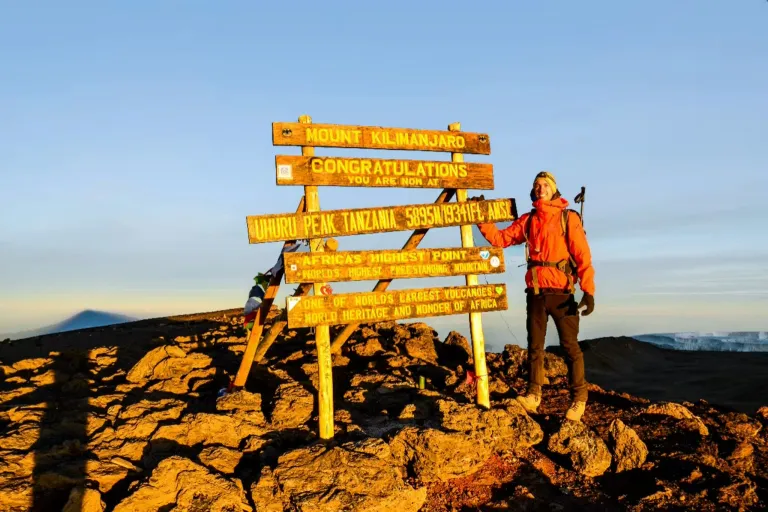
And as you finally reach the Kilimanjaro Summit and Uhuru Peak, you will feel an immense sense of satisfaction.
Descent Day – Retuning with Achievement
The descent isn’t easier. You are going downhill and it’s challenging in its way. You have to watch your every step. The descent follows a different path, which is one of the many Kilimanjaro Climb Routes available for climbers. You can feel the difference. The steps are easier, and the heart is filled with excitement!
Final Steps to the Summit!
Climbing Mount Kilimanjaro through the Machame Route is one of the best decisions. It is a day you will remember for a lifetime. Standing on the top is a different feeling—it’s a sense of achievement. Standing at the peak, you will realize that all your hard work and exhaustion are worth it. As the saying goes, the best view comes after the hardest climb. This Kilimanjaro Climbing Guide gives you a clear idea of what to expect along the way.
Ready to take the next step?
Plan your climb with African Scenic Safaris—where every route is tailored, every detail is real, and your summit moment starts with us.
Simbo Natai, founder of African Scenic Safaris, crafts sustainable, meaningful Tanzanian journeys rooted in his deep local knowledge and passion.
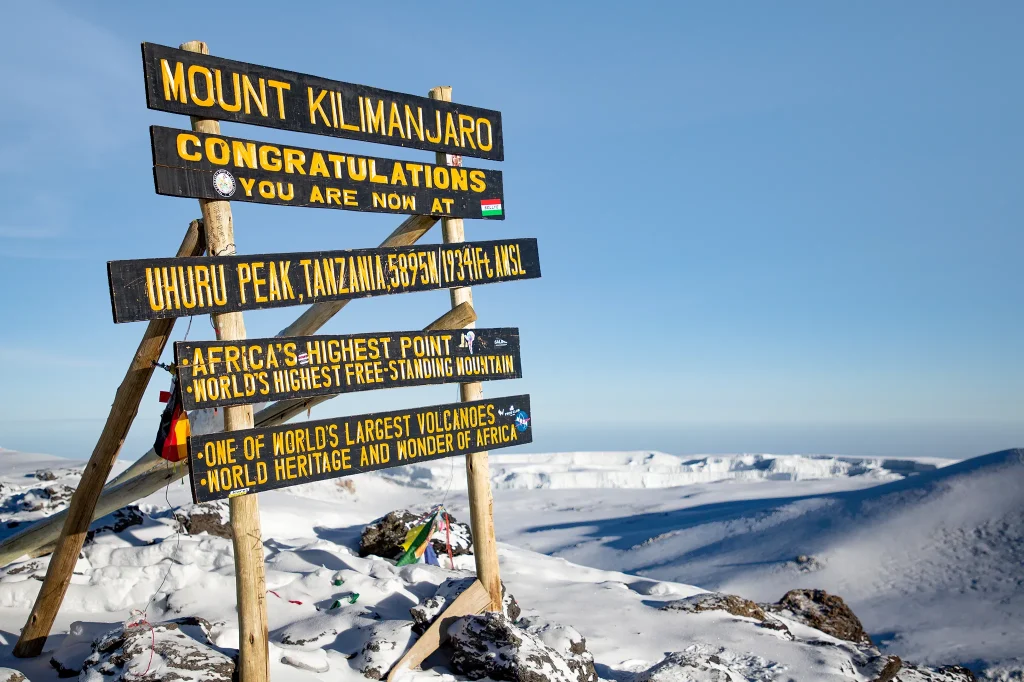
Kilimanjaro’s height of 5,895 meters (19,341 feet) above sea level is what makes it a popular destination for climbers seeking to conquer one of the world’s highest peaks. Among the Seven Summits, Kilimanjaro is one of the most prominent, and Mount Kilimanjaro Climbing is regarded as the best adventure activity. Many Kilimanjaro Climbing Packages are designed specifically to help trekkers acclimatize and enjoy the journey to the summit safely.
Mountains are categorized by height according to how far they stand above sea level. But they can also be measured differently from the Earth’s core. So, when it comes to the Seven Summits, where does Mount Kilimanjaro rank? In this post, we’ll do a deep dive into one of the most asked questions on Kilimanjaro – What is MountKilimanjaro Height? – and look at all the height features.
Height Of Mount Kilimanjaro
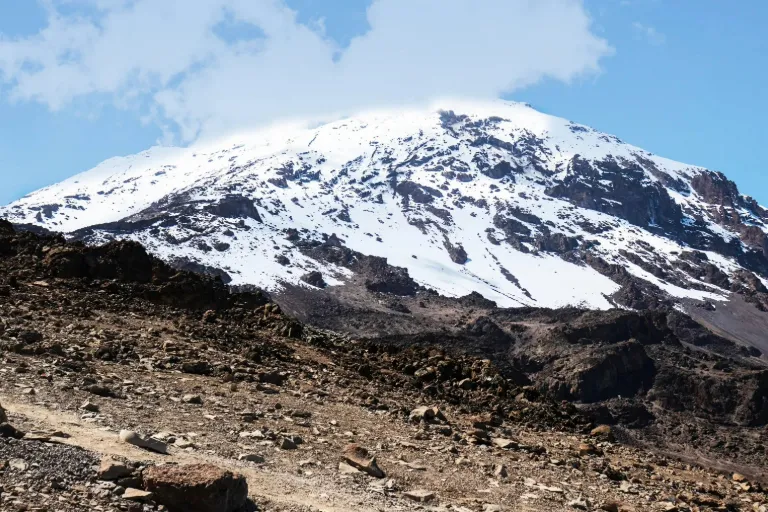
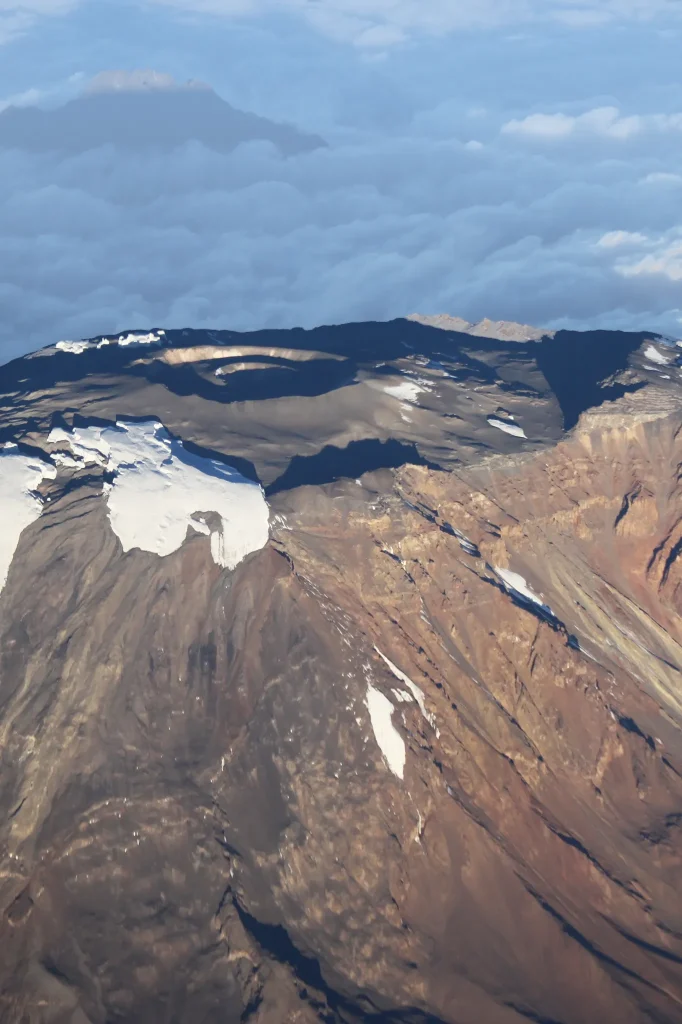
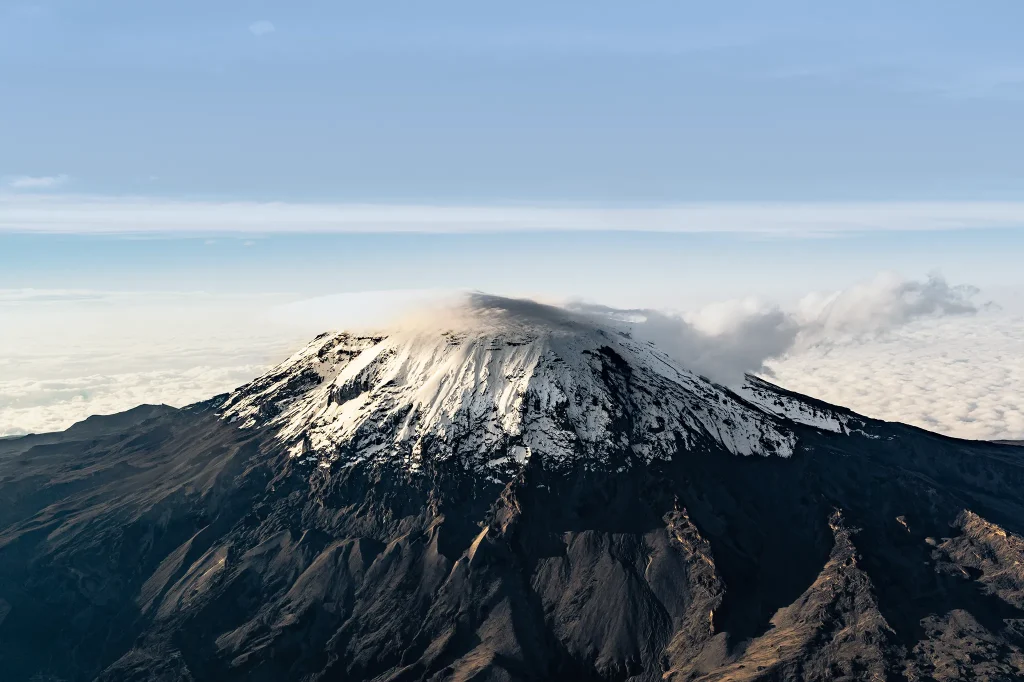
Mount Kilimanjaro stands at 5,895 meters (19,341 feet) above sea level. It is the highest mountain in Africa and also holds the title of the world’s tallest free-standing mountain.
In terms of global height ranking, Kilimanjaro is not among the top 10 tallest mountains in the world—those belong mostly to the Himalayas. However, its prominence, accessibility, and scenic diversity make it a top destination for trekkers and climbers worldwide.
Kilimanjaro Height
Kilimanjaro’s Height Ranking in Africa and Worldwide
In terms of ranking amongst the highest mountains in the world, Mt Kilimanjaro is also the most prominent – with a prominence of 5,882 meters. Prominence is a measure of a mountain’s independent height relative to its surroundings.
But, the prominence of Kilimanjaro doesn’t place it among the highest peaks in the world when it comes to elevation. For example, Mount Everest, the highest mountain in the world has an elevation of 8,848 metres (29,029 feet).
This is more than twice the elevation of Kilimanjaro. Nevertheless, Kilimanjaro’s perfect location and prominence make it a popular destination for mountaineers from all over the globe. Below is a table reflecting the ranking of Mount Kilimanjaro in Africa:
NAME OF THE MOUNTAIN
ELEVATION (in metres)
PROMINENCE (in metres)
Kilimanjaro, Tanzania
5,895
5,882
Mount Kenya, Kenya
5,199
3,325
Mount Meru, Tanzania
4,566
3,050
Mount Stanley, Uganda
5,109
3,103
Ras Dashen, Ethiopia
4,533
3,220
Mount Speke, Uganda
4,890
1,220
Mount Karisimbi, Rwanda
4,507
2,477
As it’s evident from the above, Kilimanjaro is the highest mountain peak in Africa and the fourth most prominent in the world.
Mount Kilimanjaro Compared to the Seven Summits
For mountain climbers, trekkers, and adventurers, Mount Kilimanjaro Climbing is an absolute favourite. Coming back to our question, Where Do You Think Mount Kilimanjaro Ranks in the Seven Summits? When properly analyzed, Mount Kilimanjaro is the fourth most prominent mountain in the world among the seven summits.
Mount Everest (29,035 feet / 8,850 m) in Asia.
Aconcagua (22,829 feet / 6,962 m) in South America.
Denali (20,320 feet / 6,190 m) in North America.
Kilimanjaro (19,340 feet / 5,895 m) in Africa.
Mount Elbrus (18,510 feet / 5,642 m) in Europe.
Mount Carstensz (16,023 feet / 4,884 m) or Mount Kosciuszko (7,310 feet / 2,228 m) in Oceania.
Mount Vinson (16,067 feet / 4,892 m) in Antarctica.
Importance Of Measuring Kilimanjaro Heights
Measuring Kilimanjaro Height Above Sea Level is important for scientific backgrounds such as geology, meteorology, and ecology.
Geologists use Kilimanjaro’s height to understand the geological processes that shaped the mountain and the surrounding landscapes.
Whereas, meteorologists use the Height of Mount Kilimanjaro to forecast /the weather patterns and study the atmospheric conditions around the mountain.
And, finally, ecologists use Kili Height to study the effects of altitude on the flora and fauna and to identify the different biodiversity hotspots.
Hence, measuring Kilimanjaro Height in Feet is crucial to maintain the biodiversity of the region and supporting the different scientific disciplines.
Methods Used to Determine Kilimanjaro’s Height
Several methods are utilized to determine the height of Mt Kilimanjaro, each with its set of advantages and disadvantages. Some of the most commonly used methods are:
Ground-Based Surveys – This is one of the traditional methods used to measure the height of Kilimanjaro. Surveyors use instruments like theodolites and GPS receivers to measure the different Points of Elevation of Mount Kilimanjaro and calculate the height.
The method is labor-intensive and time-consuming but it offers accurate and precise measurements.
Airborne Laser Scanning – This method uses aircraft equipped with lasers to scan the surface of the mountain and create a digital terrain model. The model is then used to calculate the Mount Kilimanjaro Height.
This method is faster than ground-based surveys and can cover a larger area, but it is more expensive and requires specialized pieces of equipment.
Satellite-Based Remote Sensing – This method uses satellite imagery and radar to determine Mount Kilimanjaro Height. The satellites bounce radar waves off the mountain and measure the time it takes for the waves to return to the satellite.
Global Positioning System (GPS) – GPS technology can also be used to determine the height of mountains. Surveyors use GPS receivers to measure the elevation of points on the mountain and calculate its height.
Gravity Measurements – This method uses sophisticated instruments to measure the gravitational pull of the mountain. The mass of the mountain affects the strength of gravity in the surrounding area, and by measuring these variations, scientists can calculate the height of the mountain. This method is highly accurate but requires specialized equipment and expertise.
In practice, a combination of these methods is often used to ensure accuracy and consistency. For example, ground-based surveys may be used to establish reference points, which are then used to calibrate satellite and airborne measurements.
Mount Kilimanjaro Peaks and Their Heights
Kilimanjaro Height
Kilimanjaro is not just the highest mountain in Africa but also one of the world’s most famous peaks. Located in Tanzania, it consists of three distinct volcanic cones, namely Kibo, Mawenzi, and Shira. Each of these peaks has a unique height, making Kilimanjaro a fascinating destination. You’ll get to traverse these peaks by opting for any of the Kilimanjaro Routes.
Kibo, the highest peak of Kilimanjaro, stands at an impressive height of 5,895 meters (19,341 feet). It is also the tallest free-standing mountain in the world. Kibo is a dormant volcano and is home to the iconic Uhuru Peak, which is the highest point on Kilimanjaro and the ultimate destination for trekkers. This is officially recognized as the Kilimanjaro Summit Height.
Mawenzi, on the other hand, is a rugged and jagged peak that stands at 5,149 meters (16,893 feet). It is the third-highest peak on Kilimanjaro and a popular destination for experienced climbers. The peak is characterized by cliffs and jagged ridges, providing a challenging climb for those brave enough to attempt it.
Shira, the oldest of the three peaks, stands at 3,962 meters (12,999 feet). It is the lowest peak of Kilimanjaro and is also a dormant volcano. Shira is characterized by a wide plateau and is a popular starting point for treks to the summit.
To get a better understanding of the heights of each of these peaks, below is a general overlay:
PEAK
HEIGHT (in metres)
HEIGHT (in feet)
Kibo
5,895 m
19,341 ft.
Mawenzi
5,149 m
16,893 ft.
Shira
3,962 m
12,999 ft.
Kilimanjaro In Comparison To Other Summits
Kilimanjaro In Comparison To Other Summits
You’ve gathered information concerning Mt Kilimanjaro Height, so now let’s put Kilimanjaro against some other iconic mountain peaks in the world and see how it measures:
Mt Everest vs. Kilimanjaro
Everyone who has questions about Mt Kilimanjaro Elevation naturally comes to the point of comparing it to Mount Everest.
Mount Everest sees almost 40,000 climbers each year, whereas, Mount Kilimanjaro attracts around 30,000 hiking enthusiasts each year around the globe.
The Kilimanjaro Base Camp Height is at different elevations – 4,670 m and 5,739 m.
On the other hand, the base camp of Mount Everest is at 5,364 metres and its highest peak is at almost 8,848 metres.
If you take a close look at the success rates of both summits, there’s a glaring difference between the difficulty levels. Climbing Mount Kilimanjaro is a bit less challenging than ascending Mount Everest.
Kilimanjaro vs. Aconcagua
Mount Aconcagua is renowned worldwide for its spectacular sceneries and natural beauty. But when it comes to climbing both summits, it’s clear that you should go for Mount Kilimanjaro as it takes two weeks more than it takes to ascend to Uhuru Peak of Kilimanjaro.
Kilimanjaro vs. Denali
Attempting to reach the summit of Mount Denali is significantly more challenging than opting for a Kilimanjaro Climb.
The reason for this is that the steps are very high on Denali and the oxygen levels are comparatively lower than that of Mt Kilimanjaro. Plus, your body will get acclimated to the Kilimanjaro Weather more easily.
Kilimanjaro vs. Elbrus
Similar to Kilimanjaro, Mount Elbrus also doesn’t require any technical expertise but because of the poor visibility, the trails can be more difficult.
Kilimanjaro vs. Mount Carstensz
Compared to Mount Carstensz, Mount Kilimanjaro has a more accessible trekking trail. Plus, proper rock climbing skills are also necessary for scaling Mount Carstensz and the location isn’t that convenient too.
For a refresher, below is a comparison of The Height of Kilimanjaro to some other notable mountains around the globe:
NAME OF THE MOUNTAIN(S)
ELEVATION (in metres)
PROMINENCE (in metres)
Mount Everest, Nepal
8,848
8,848
Mount Aconcagua, Argentina
6,962
6,962
Mount McKinley (Denali), North America
6,190
6,144
Kilimanjaro, Tanzania
5,895
5,882
Mount Elbrus, Russia
5,642
4,741
Mount Vinson, Antarctica
4,892
4,892
Mount Carstensz (Puncak Jaya), Papua
4,884
4,884
Mount Kosciuszko, Australia
2,228
2,228
Kilimanjaro Height Facts
Here are some facts about Kilimanjaro’s Height that you probably didn’t know about: –
Mount Kilimanjaro stands at a height of 19,364 ft. /5,895 meters above sea level.
It is the highest mountain on the African continent.
It is also the highest free-standing mountain not only in Africa but in the world.
It will take 6-9 days to reach the summit of Mount Kilimanjaro depending on the route, with days for acclimatization included as well.
Due to its immense height, half of the climbers trying to reach the summit of Kilimanjaro fail halfway due to altitude problems.
Climate Change and Its Effect on Kilimanjaro’s Height
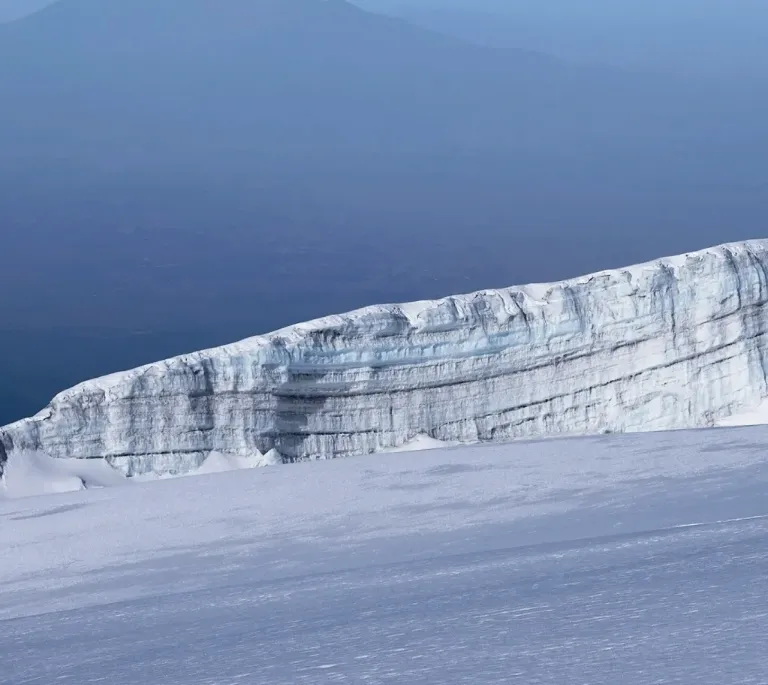
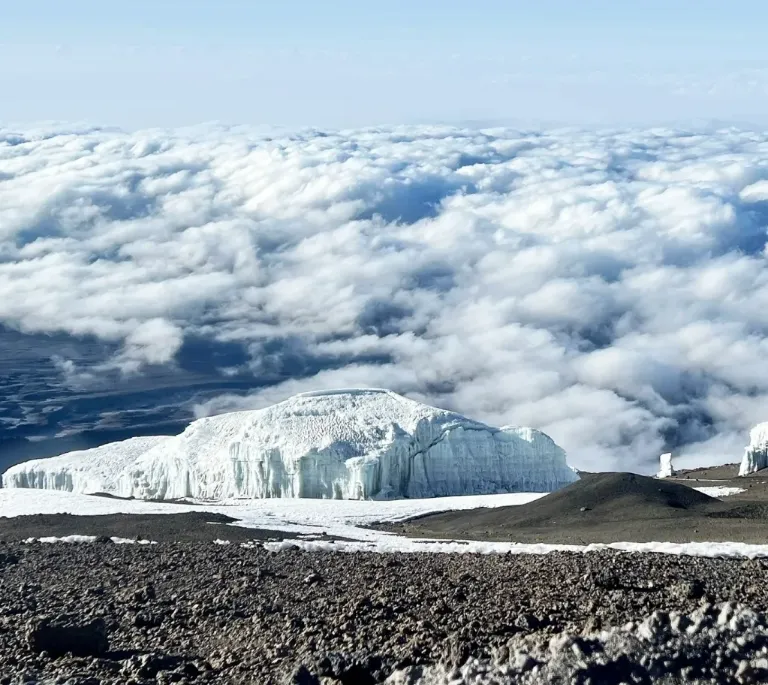
Climate change has been affecting Mount Kilimanjaro in several ways. One of the most major impacts it has left is the melting of the mountain’s glaciers.
Kilimanjaro has different glaciers such as the Northern Icefield and the Furtwängler Glacier, which have been shrinking rapidly over the past century.
According to some estimates, the ice cover on Kilimanjaro has decreased by 85% since 1912.
And, the glaciers on the mountain could disappear completely within the next few decades.
Kilimanjaro’s Height Alterations By Year
YEAR
HEIGHT (in metres)
1889
5,895
1938
5,899
1959
5,892
1978
5,880
1999
5,895
2019
5,892
The melting of the glaciers has several implications for the mountain’s height. First, the loss of ice reduces the mass of the mountain, which can cause the summit to sink.
Second, the melting of the glaciers can lead to the formation of new crevasses and ice cliffs, which can make it more difficult to climb the mountain.
And, finally, the loss of the glaciers can have significant ecological and economic impacts, as the mountain’s glaciers are an important source of water for local communities and support a unique ecosystem of plants and animals.
In addition to the melting of glaciers, Climate change is also affecting Kilimanjaro’s height by altering precipitation patterns on the mountain.
Kilimanjaro’s glaciers are formed by a combination of precipitation and sublimation (the direct conversion of ice to water vapour).
As temperatures warm, the snow line on the mountain rises, reducing the amount of snow and ice that accumulates on the summit.
This can further exacerbate the melting of the mountain’s glaciers, as less snow and ice mean less insulation to protect the glaciers from solar radiation.
Precipitation And Temperature Trends of Kilimanjaro
YEAR
MEAN TEMPERATURE (in Degrees)
PRECIPITATION
1957
6.8 °C
2000 mm
1977
6.8 °C
2000 mm
1997
7.3 °C
1900 mm
2017
8.1 °C
1500 mm
On the whole, the impacts of climate change on Kilimanjaro’s height are complex and multi-layered. While the exact magnitude of these impacts is still uncertain, it is clear that the melting of the mountain’s glaciers is having significant ecological, economic, and social consequences for local communities and mountaineers.
Reaching For the Skies – Kilimanjaro’s Soaring Height!
Imagine standing on the top of the world and gazing down below you. It’s an amazing feeling, right? Well, that’s exactly how it feels standing on the summit of Mount Kilimanjaro. A Kilimanjaro Climb means it will give you a chance to experience Africa’s wildlife and climb one of the world’s Seven Summits. So, what’re you waiting for?
Book Kilimanjaro Climb with African Scenic Safaris and experience Mount Kilimanjaro Climbing in all its glory. We have extensive experience planning Private Kilimanjaro Treks, ranging from solo treks to charity groups of over 30 climbers, and can also accommodate organizations choosing to operate multiple group departures. Contact our trekking experts at info@africanscenicsafaris.com to begin planning your trip of a lifetime.
Reaching For the Skies
Simbo Natai, founder of African Scenic Safaris, crafts sustainable, meaningful Tanzanian journeys rooted in his deep local knowledge and passion.
Director, African Scenic Safaris
Lorem Ipsum
Lorem ipsum dolor sit amet, consectetur adipiscing elit. Sed do eiusmod tempor incididunt ut labore et dolore magna aliqua.
Mount Kilimanjaro is in northern Tanzania, just south of the equator, within Mount Kilimanjaro National Park. All official Kilimanjaro Climbing Routes begin in Tanzania, even though you’ll often see photos of the mountain taken from neighbouring Kenya.
The closest airport is Kilimanjaro International Airport (JRO), located about 50 minutes from Moshi—the town where most Kilimanjaro climbs begin. African Scenic Safaris arranges your airport transfers and makes sure your journey starts smoothly.
Climbing Mt Kilimanjaro can be challenging due to the high altitude and varying terrain, but with proper preparation and guidance, it is achievable for many climbers.
Most climbers fly into Kilimanjaro International Airport (JRO), which is well connected through major airlines like Qatar Airways, Turkish Airlines, and KLM. From the airport, it’s less than an hour by road to Moshi, where most treks begin.
You can also reach Kilimanjaro via domestic flights from Dar es Salaam or by overland travel from Nairobi. African Scenic Safaris helps arrange all transfers to make your trip as easy and stress-free as possible.
We’re one of the Best Kilimanjaro Tour Operators for travellers who want everything handled from arrival to summit.
Mount Kilimanjaro rises to 5,895 meters (19,341 feet) above sea level. The highest point is called Uhuru Peak, a name that means “freedom” in Swahili, given in 1961 to mark Tanzania’s independence. You don’t start from sea level, though—most trailheads begin around 1,600 meters (5,250 feet). That’s still a huge gain in elevation, so your body will need to adjust gradually as you climb.
Climbing Mt Kilimanjaro can be challenging due to the high altitude and varying terrain, but with proper preparation and guidance, it is achievable for many climbers.