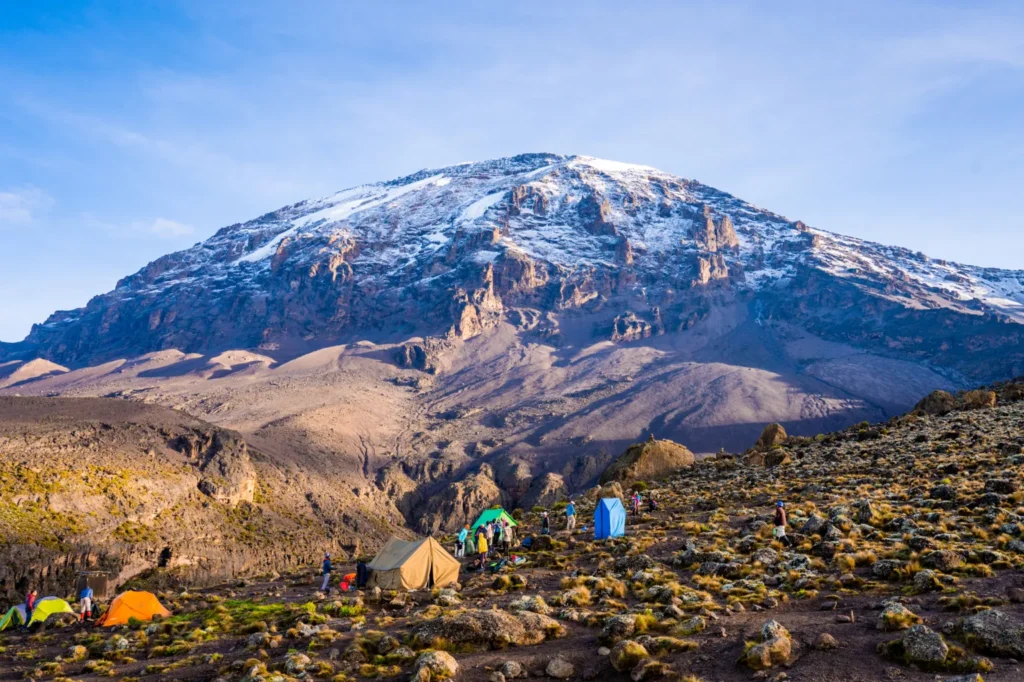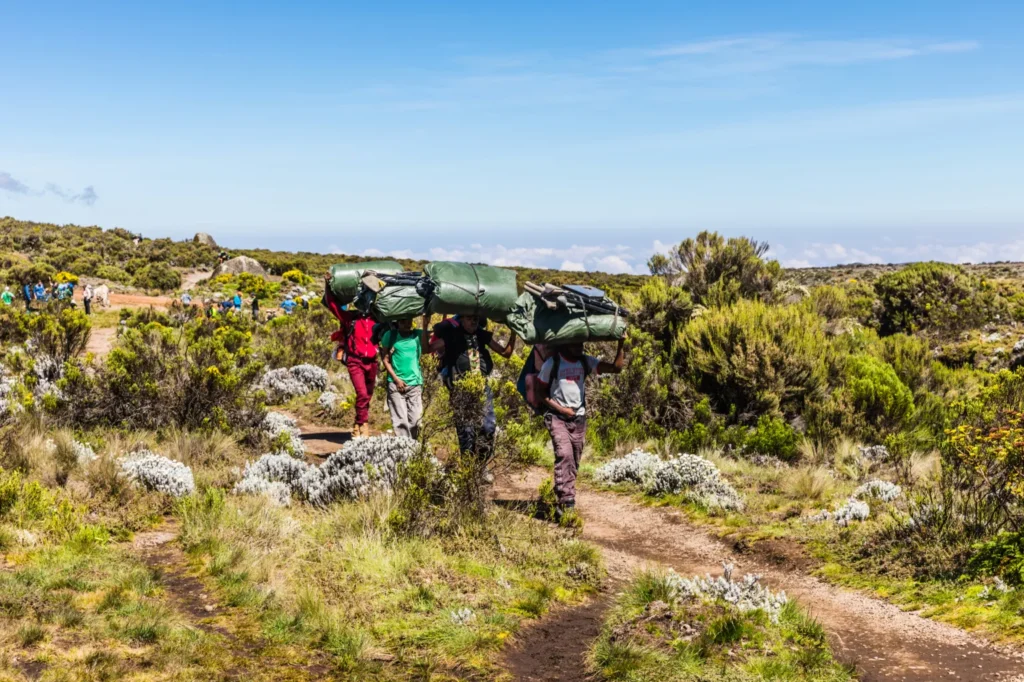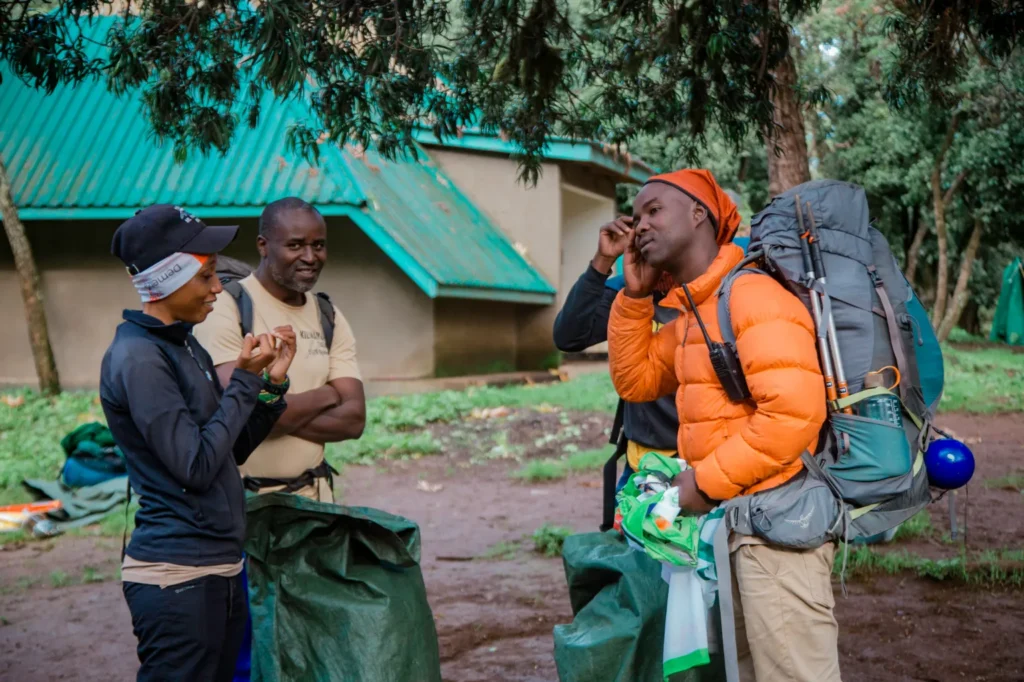

Best Serengeti Safari Tours – Our Top Picks for Tanzania

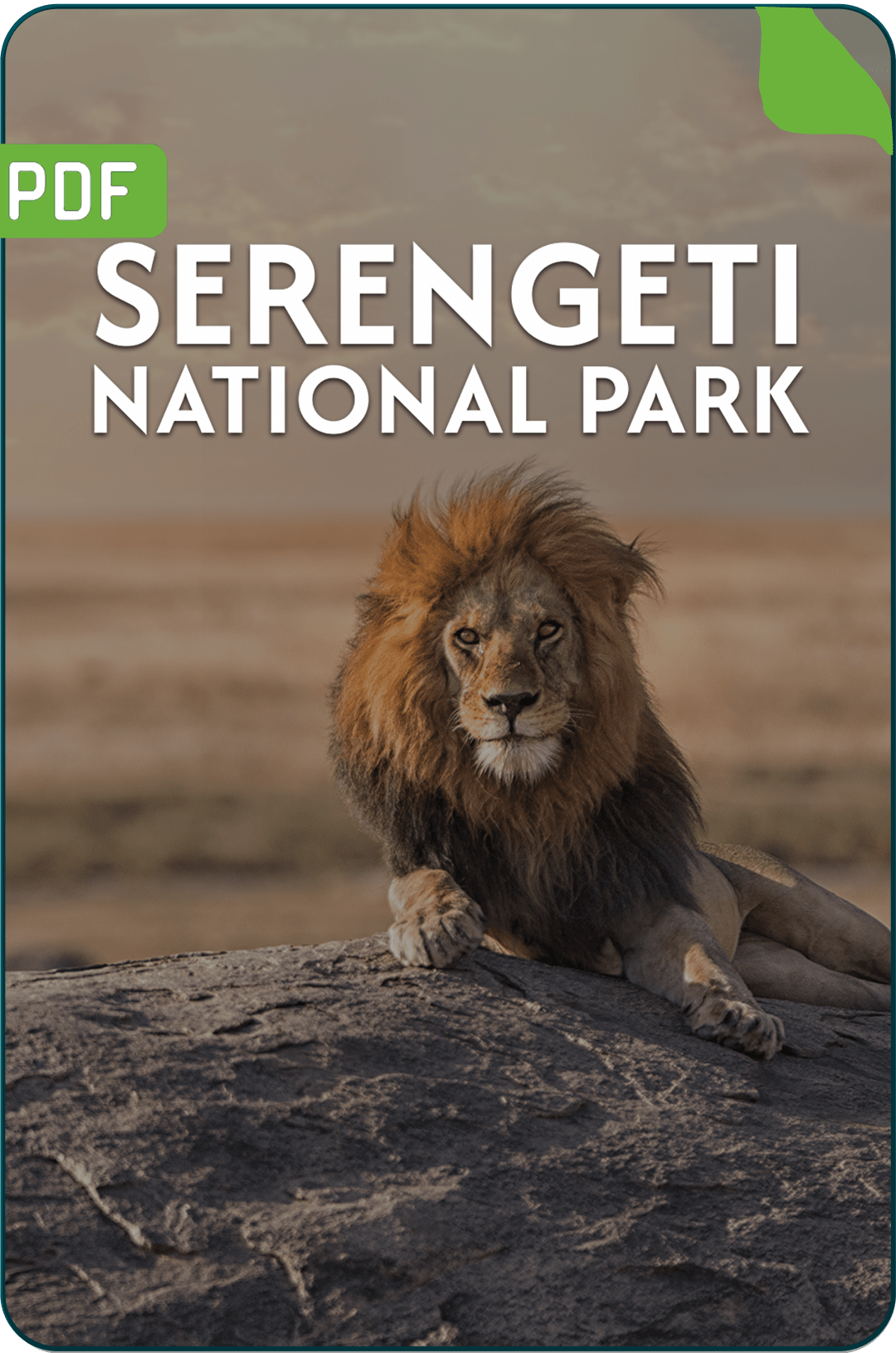
As one of the UNESCO World Heritage sites and biosphere since 1981, Serengeti is a must-visit tourist destination when planning a Tanzania Safari

This world-famous national park, home to the richest flora and fauna diversity, is the only place where you can experience the famous Great Migration Serengeti and the Big Five animals in action.

TRUSTED SOURCES OF TANZANIA SAFARI INFORMATION:

1. Tanzania Tourist Board (TTB): tanzaniatourism.go.tz
2. Tanzania National Parks (TANAPA): tanzaniaparks.go.tz
3. Ngorongoro Conservation Authority: ncaa.go.tz
4. WWF Tanzania: wwf.or.tz
5. Frankfurt Zoological Society (FZS): fzs.org
6. African Travel & Tourism Association (ATTA): atta.travel

For more about Tanzania, explore official tourism resources and trusted conservation organizations to discover authentic travel insights.

From Midrange Tanzania Safari Packages to Tanzania Luxury Safari, we have handpicked the 10 best Serengeti Safari Experiences that promise unforgettable wildlife encounters, stunning landscapes, and expert-guided adventures. 
Tanzania Safari
Tanzania Safari Packages

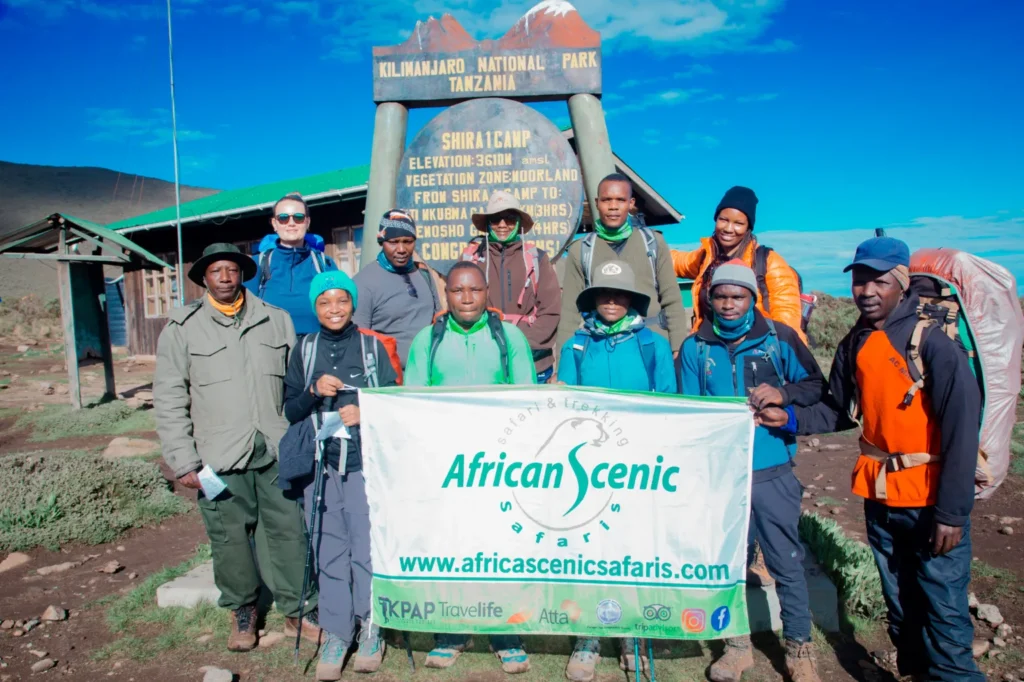
With 16 Years in the Tourism field, African Scenic Safaris has been the most dedicated Tanzania Tour Safari operator. From Itinerary, packing, booking, and tips, to activities to do, we are proud to serve you! As a Travelife-certified and KPAP-registered operator, we are committed to responsible tourism that supports communities and conservation.

Safari Cost & Budget Planning

When planning a Tanzania Safari, one thing’s for sure: the Tanzania safari Price will determine what type of experience you’re looking for when visiting the Serengeti National Park. 
Serengeti Safari Cost

From our midrange and luxury Serengeti Safari Packages, each one comes with an immense variety of options you can choose depending on your budget.

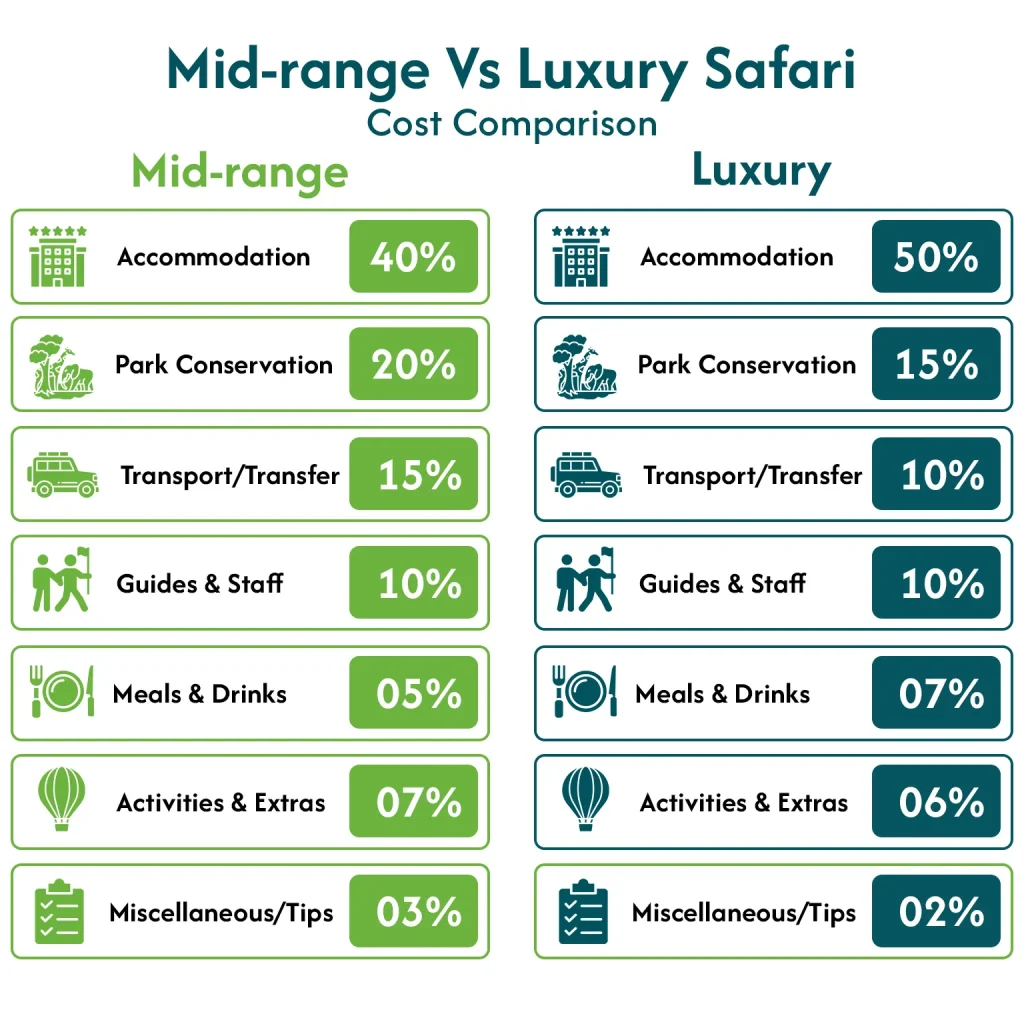
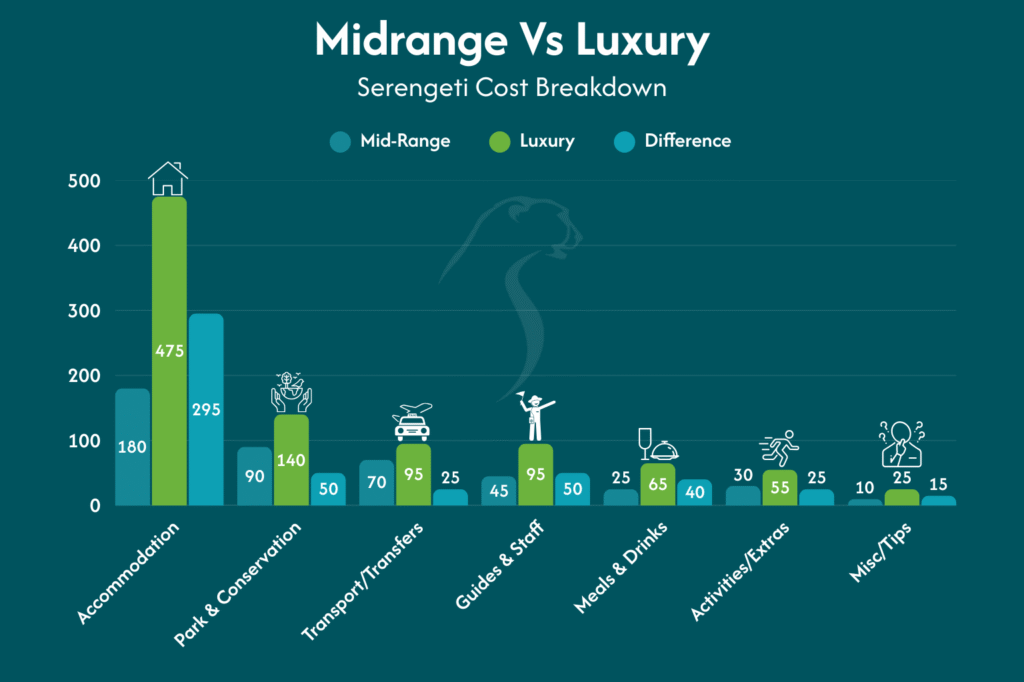
Tanzania Serengeti Safari Cost Breakdown: Luxury Vs Midrange

In this section, we outline the prices and costs associated with planning your Tanzania Tour Safaris during your visit to the Serengeti National Park, depending on the packages you choose.
Serengeti Cost

Serengeti Luxury Package

Indulge in one of the most exclusive safari gateways where luxury treatment becomes a traditional norm. From our classic eco-chic suites catered for you to the best Hot Air balloon Safaris that will leave you marveled. Trust us, nothing ever beats our one -of- a- kind Luxury Serengeti Safari Tours experience.

  • The overall cost is around $600 to $1,500 per person per day, while it can cost about $1,400 to $6,000 per person to witness the Serengeti Wildebeest Migration alone. This includes Luxury lodges with crisp line king-size beds, private guides, exclusive vehicles, and fly-in options.
  • You will also get a chance to experience add-on activities like private dining and, hot air balloon safari through the Serengeti’s vast landscape.
Serengeti Safari Cost Breakdown

Serengeti Midrange Package

Is the luxury package unfit for your budget? Do not worry, the midrange package is a suitable option for you to experience your dream without breaking the bank.

  • The price ranges from $250 to $450 per person per day. Accommodation delivered in style, with our tented camps and lodges bringing you closer to nature and the beautiful wildlife and plants found in the Serengeti ecosystem.

The Tanzania safari Cost varies greatly depending on what type of package you aim for. See this article for more Tanzania Serengeti Safari Cost Breakdown – Luxury vs Midrange to get the best insights on what to choose when planning your dream safari.

Safari Itineraries and Routes Included

You have wondered about how long it takes to reach the Serengeti? There is much to see during the Tanzania Safari, with numerous parks to choose from, and it can be overwhelming to know where to start. 
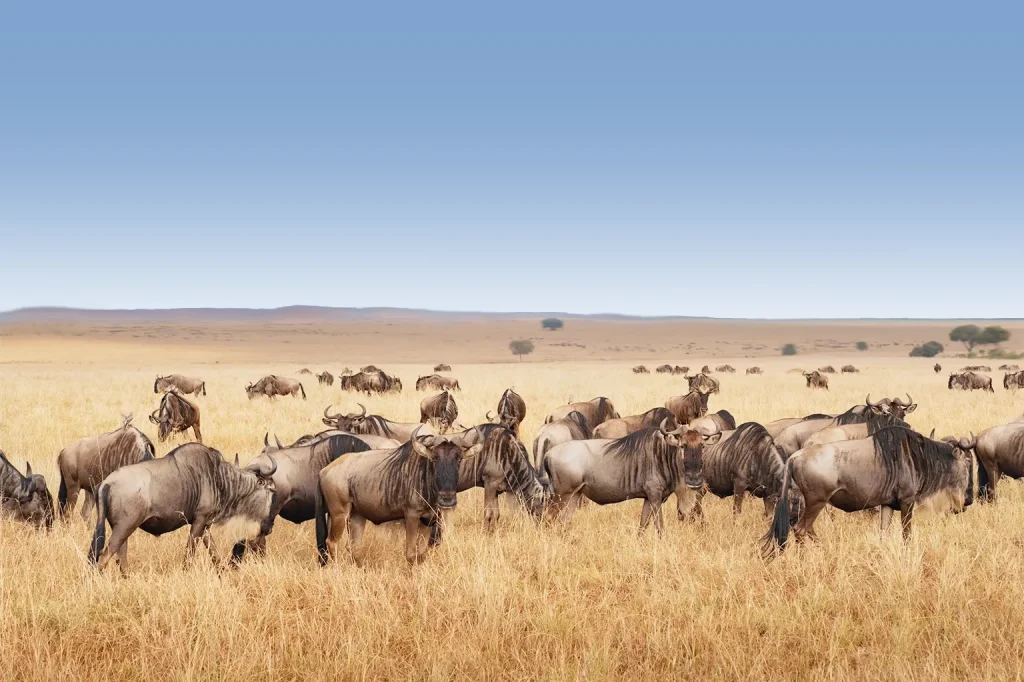
Tanzania Safari Tours

Here is what a 10-day route across Tarangire’s elephant herds, Ngorongoro’s crater floor, and the endless plains of the Serengeti looks like.
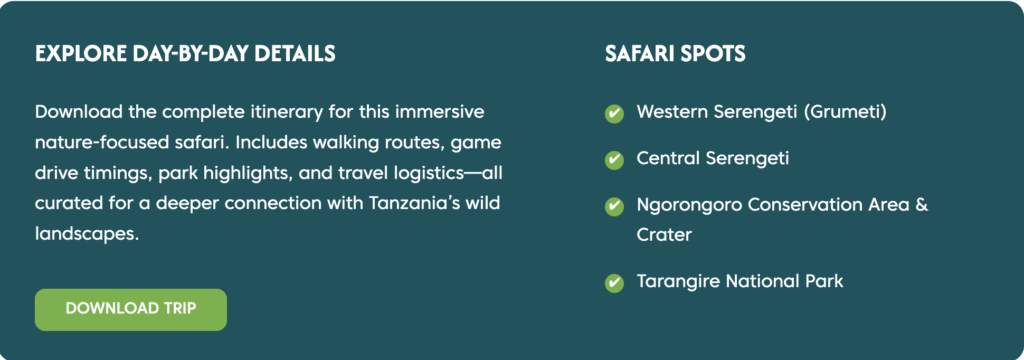
Tanzania Safari Packages

Note: According to TANAPA, Serengeti National Park can be accessed by road and air (source: Serengeti National Park).

Discover our detailed guide on the 10-Day Serengeti Safari Packages with Ngorongoro & Tarangire to explore unforgettable wildlife adventures across Tanzania’s most iconic destinations.

Ready to start your Serengeti safari? Our local tour guide experts are prepared to assist you. For a better personalized plan, contact African Scenic Safaris to plan your itinerary today!

Serengeti Wildlife

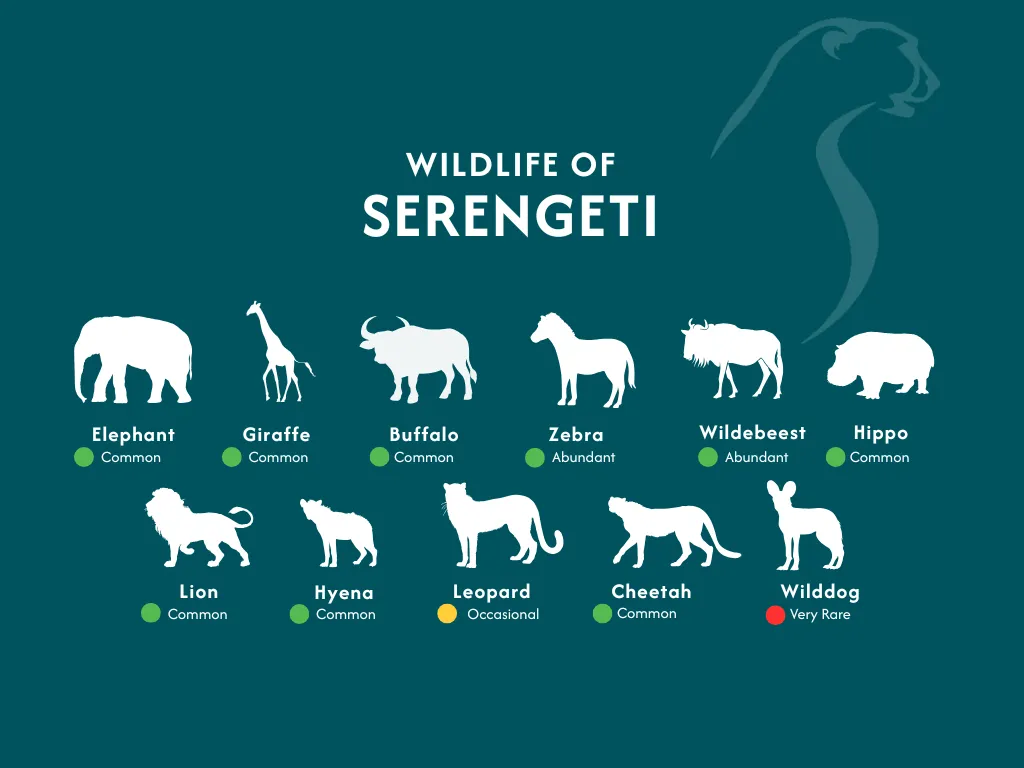
Serengeti, being a world heritage site, tells us a story, a story of flora and fauna that can’t be found and seen elsewhere in the world. From the Great Wildebeest Migration, with the Big Five in sight, the Serengeti offers a great deal of wildlife adventure.
Serengeti Wildlife
Serengeti Wildlife

The Great Migration

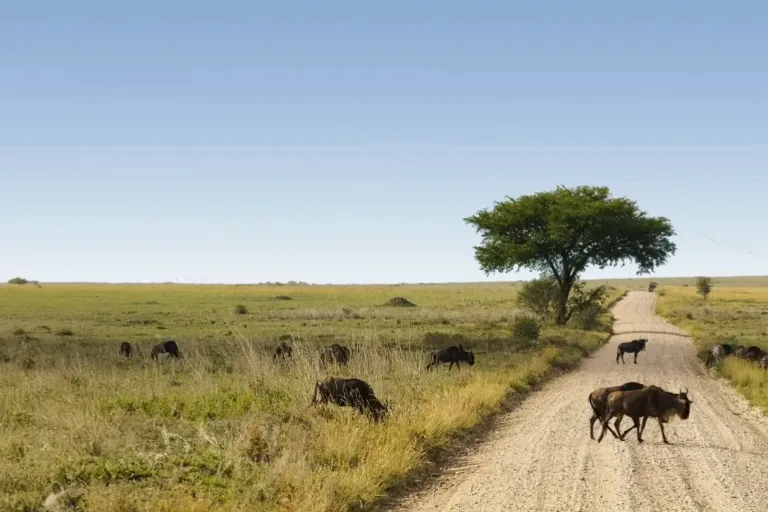
The Serengeti Wildebeest Migration is a phenomenon in which over 1.3 million wildebeest migrate across the Serengeti plains in search of food and water, creating patterns that are both interesting and intriguing to observe.
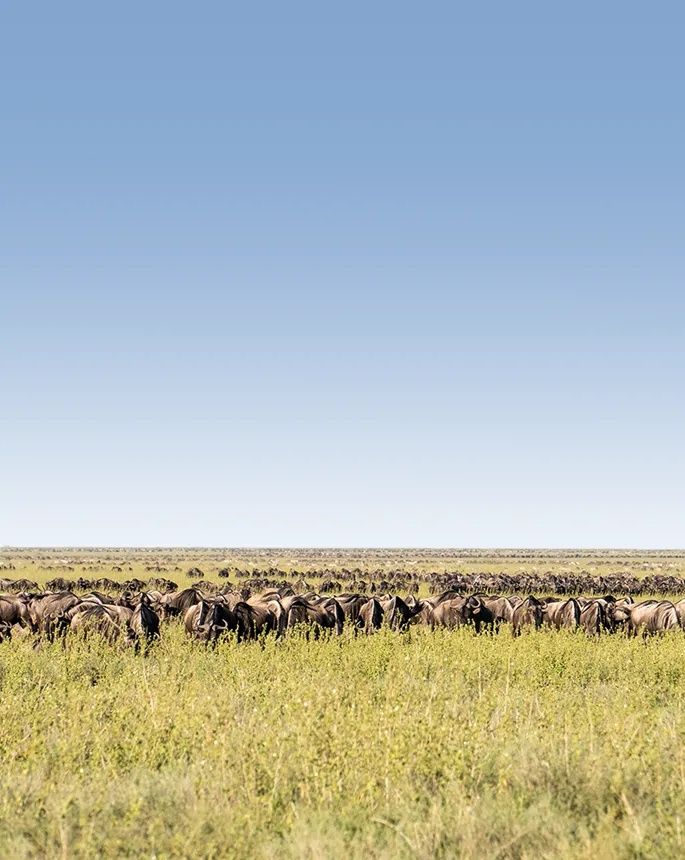
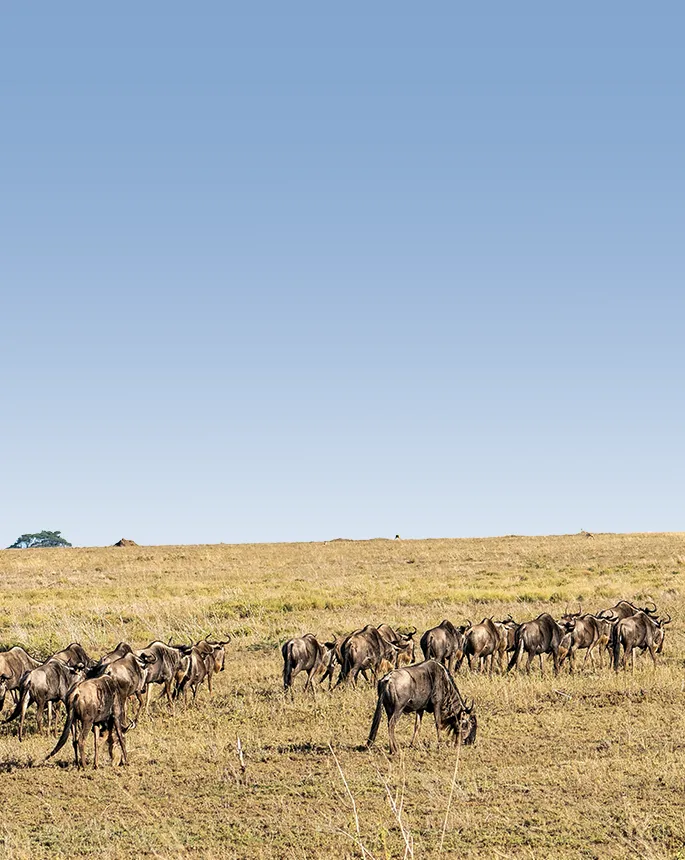
The wildebeest, accompanied by large numbers of zebra, and smaller numbers of Grant’s & Thomson’s gazelle, eland, and impala, with an annual pattern seeking fresh grazing and water. (Source: Serengeti National Park )

A dramatic moment to witness is every safari lover’s dream, one of the must-see things to do when you visit Serengeti, a one-of-a-kind experience that will leave you with an unforgettable memory.

After deciding on and choosing The Best Time to See the Great Migration in the Serengeti, you can definitely start your dream safari.

Here is a YouTube video link taken from the amazing Serengeti showcasing a glimpse of what the Great Migration looks like.

Serengeti Wildebeest Migration

Largest number of Herbivores and Carnivores

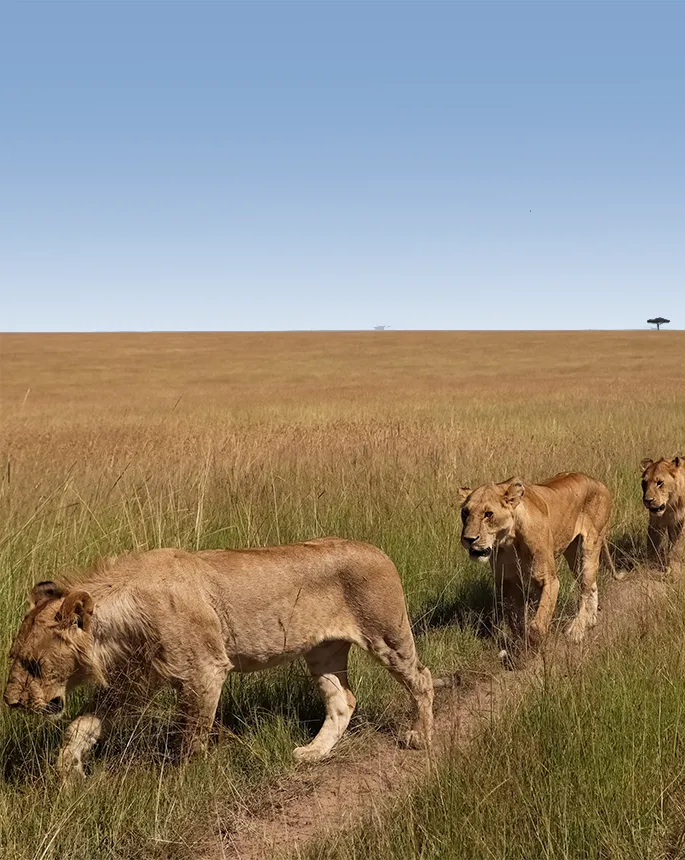
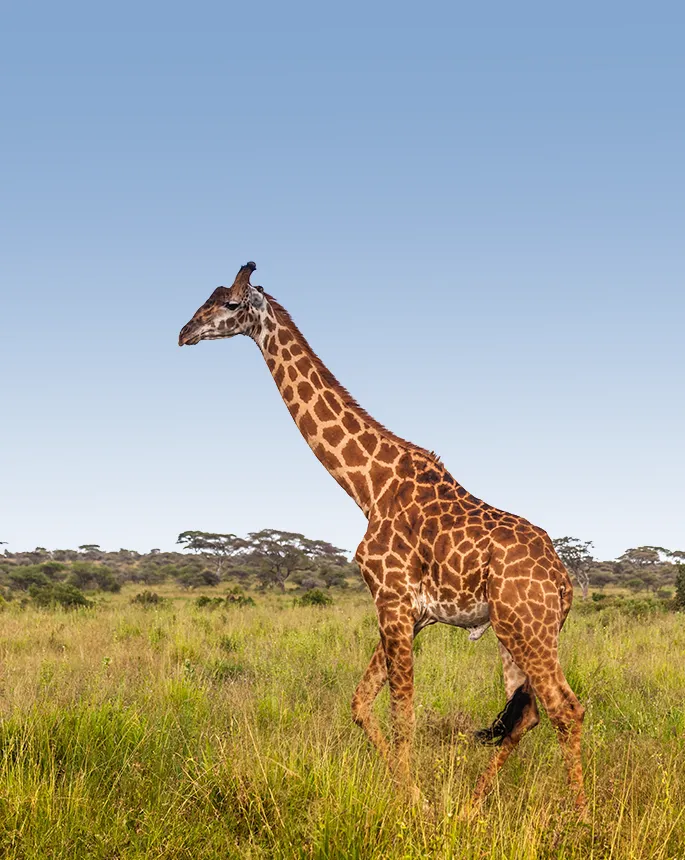
The Serengeti has the largest number of Herbivores, comprising more than 28 species, including wildebeest, buffalo, and zebras. Big cats such as cheetahs, lions, and leopards are also found in large numbers, as are hyenas. Imagine getting a chance to see “Mufasa” and “Pumba” in real life – what a dream, right?
Birdlife ecosystem

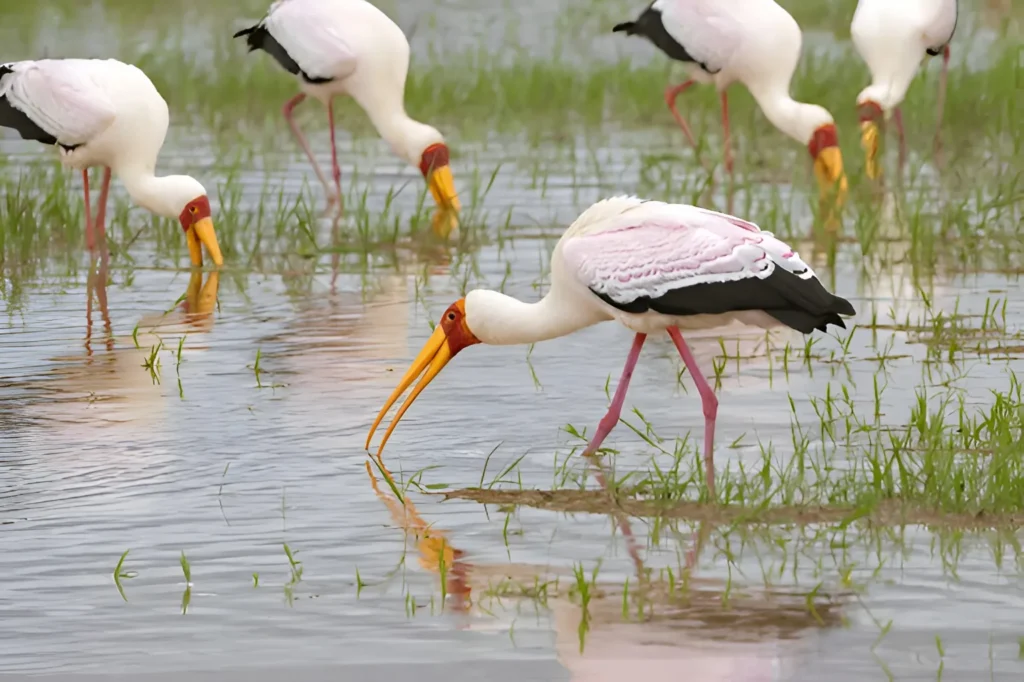
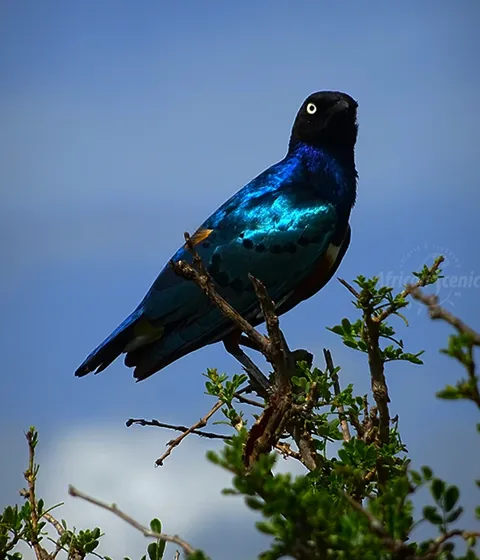
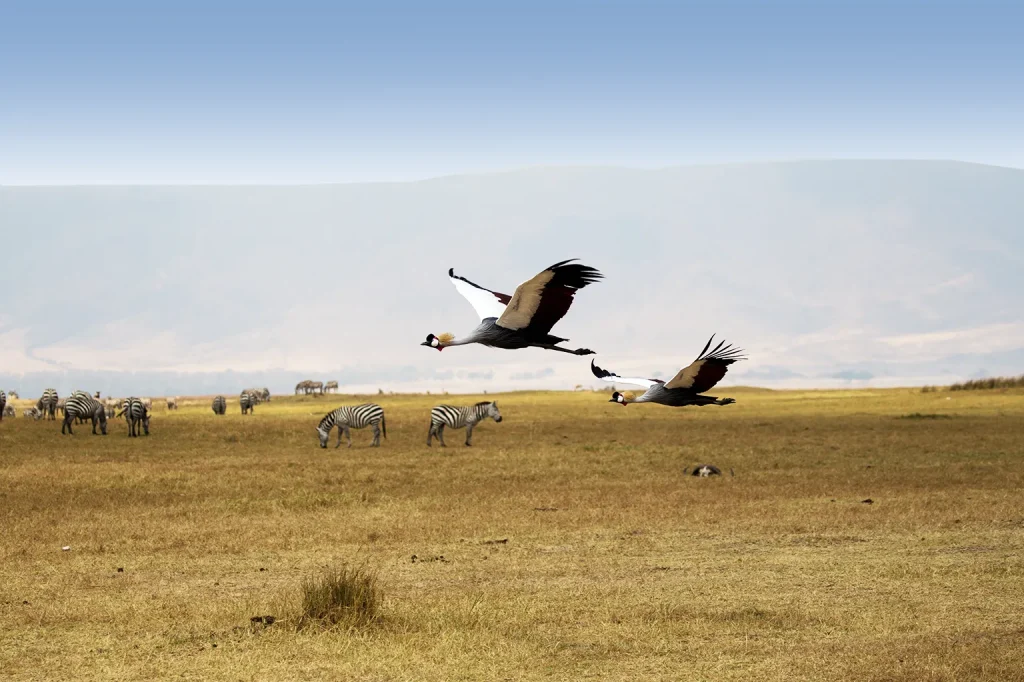
There are more than 530 bird species found in the Serengeti. If you’re a bird lover, then Serengeti is exactly right for you. Here you can see different types of birds from various parts of the world, creating a beautiful bird paradise ecosystem.

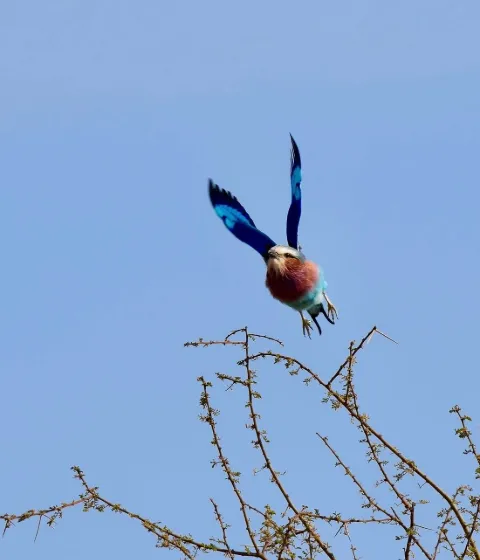
Some of the species commonly seen are European and Abdim’s storks, Eurasian Roller, Barn Swallows, Fish & Martial Eagles, etc. (source: Serengeti National Park)
Serengeti Birdlife
Serengeti Birdlife ecosystem

Get closer to nature with African Scenic Safaris, taking you on a lifetime Tanzania Safari Experience while you’re on the endless plains of the Serengeti, choosing the Luxury Safari Package tailored to fit your needs! 

A Packing List for your Tanzania Safari

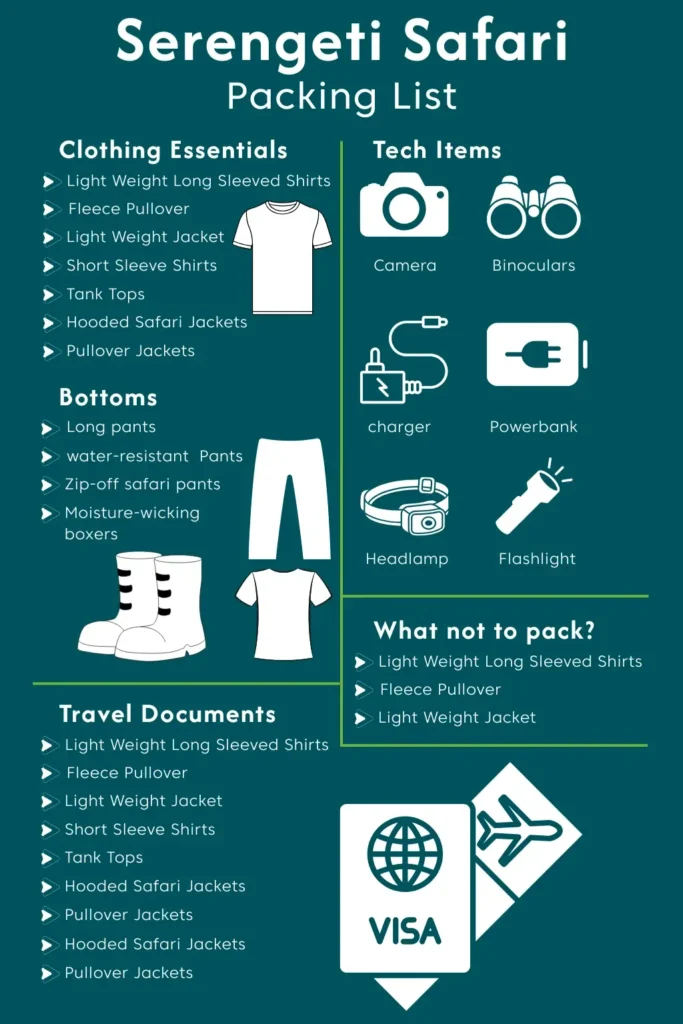
So far, we’re sure you‘ve been somehow convinced, and you have already started planning a Tanzania Tour Safari, and the Serengeti is already on your mind. But you might have questions like what should wear, do I need this, and so that. Well, African Scenic Safari has a list tailored just for you.
Serengeti Safari Packing List

Guide’s Tip: When you’re in Serengeti, you can also have “Walking Safaris”, ultimately the best way to experience nature, you don’t just see from far but get the opportunity to be part of it, accompanied by an armed Park Ranger.

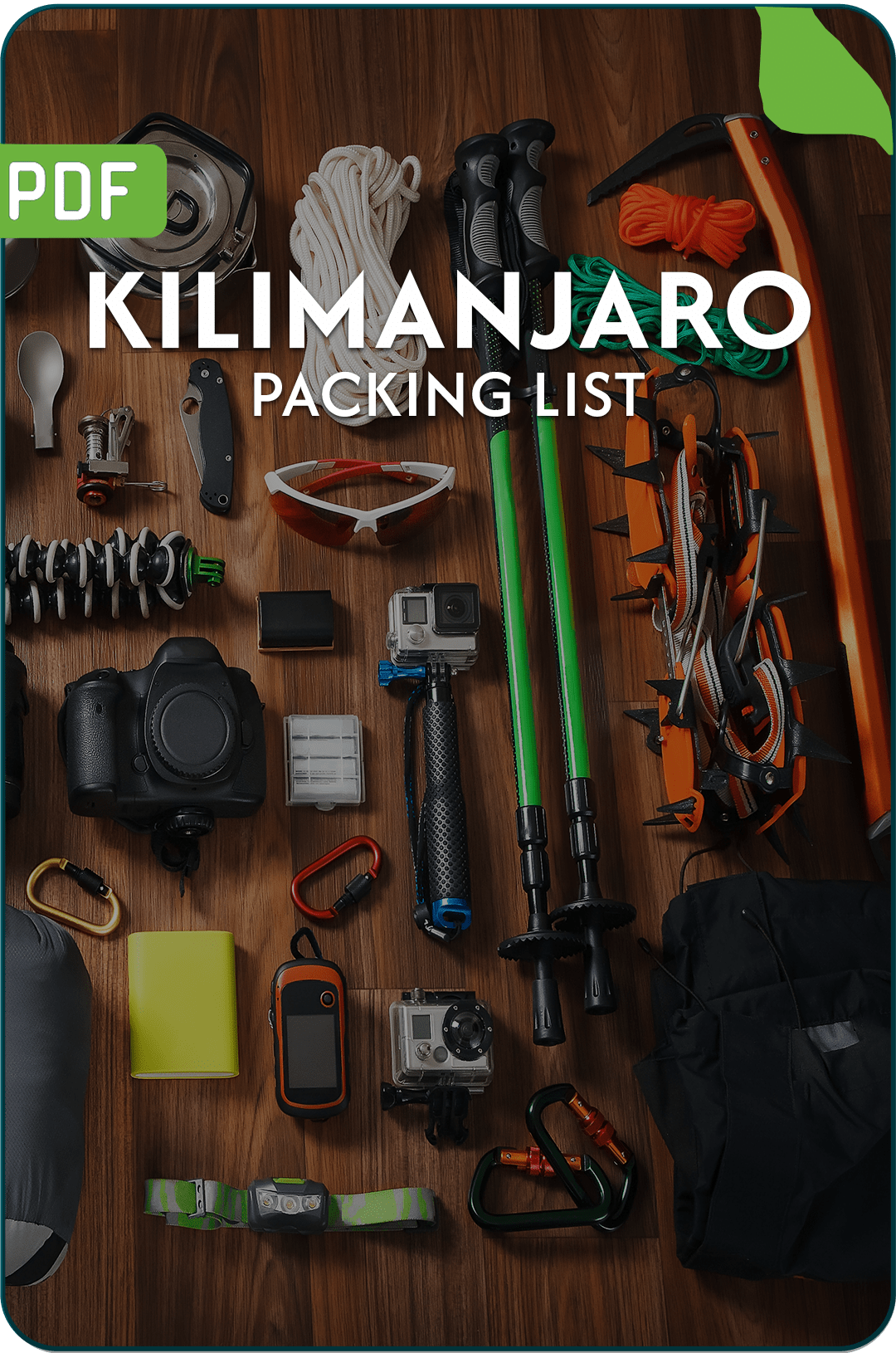
Tanzania Safari Packing List

When you do not know what to pack, the safari planning process can be tiresome. However, African Scenic Safaris provides you with the essential Safari Packing List Tanzania.

Our latest blog, What to Pack for a Serengeti Safari in Tanzania, will guide you with all the essentials needed for a comfortable and unforgettable safari experience.

Serengeti Safari Packing List

How to Book a Serengeti Safari Tour from the USA

So, you’ve decided to give a Serengeti Safari Tours a shot, but you don’t know how to get started, how to get there, or which safari tour operator to trust? 
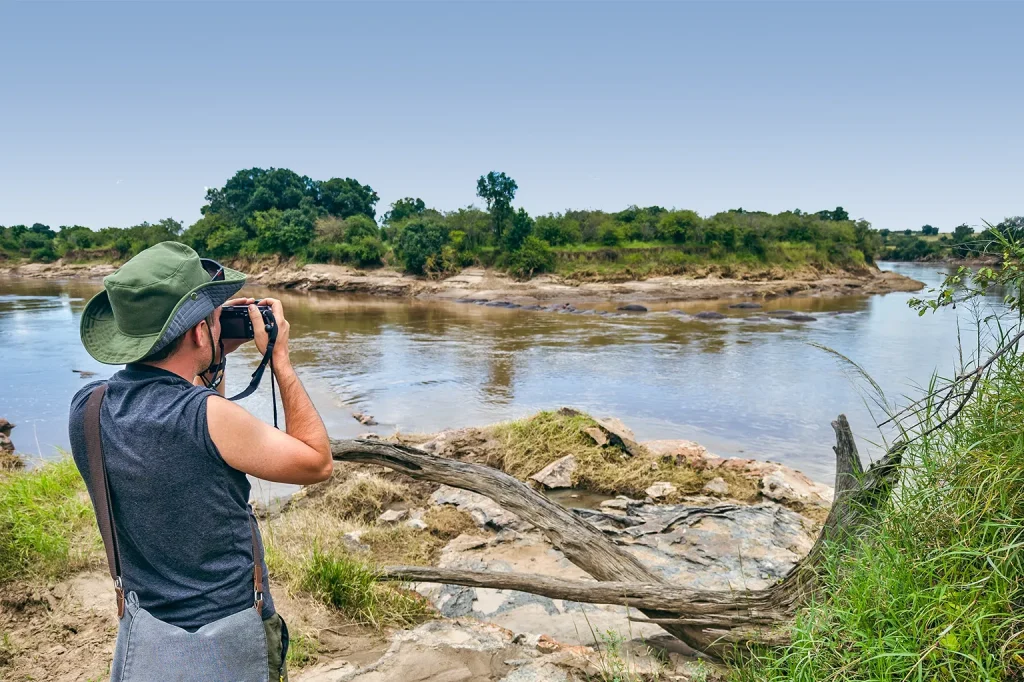
Serengeti Safari Tour from the USA

The good news is that  African Scenic Safaris has got you covered, the number one Tour operator in Tanzania. This is a step-by-step guide on how to book your Serengeti Safari.

Step 1: Research for your Tour Operator

Researching a legitimate safari operator is crucial,  as it involves identifying your chosen safari type and budget and shortlisting them based on the criteria you’re looking for, such as prices, itinerary, and inclusions. 

Step 2: Contact Tour Operators

Reach out to the shortlisted operators with any questions you may have. Inquire about specific details, such as Itinerary specifics.

Step 3: Confirm Availability

Once you have decided on an operator, confirm the availability of your preferred dates. During popular times and high seasons, securing a tour operator can be quite challenging, as it is the busiest time for planning safaris.

Book with African Scenic Safaris today and get the best out of your Serengeti Dream Safari.

Step 4: Visa Application

If you’re a US citizen, then you’ll need a Tanzania Multiple Visa. 

The application can be done online through the Tanzania e-Visa immigration portal. The fee is 100$ with a validity of 1 year. You can also get it upon arrival at airports like JNIA in Dar es Salaam or KIA in Kilimanjaro. 

For Visa application guidelines and requirements, visit the Tanzania eVisa Migration Portal

Step 5: Book your Flight

You can fly from the USA to Dar es Salaam through the Julius Nyerere International Airport (JNIA). If you plan on exploring the busy city of Dar es Salaam, then take another flight to Kilimanjaro International Airport (KIA). 

If you want to cut to the chase and dislike long travels, then you can take a direct flight to KIA if visiting Dar was not part of your plan and budget.

Serengeti Safari Tours

Authors’ Note: Major airlines such as Qatar Airways, Turkish Airlines, KLM, and Ethiopian Airlines have direct routes to Kilimanjaro. Book early to get the best rates.

Step 6: Pack and start your journey!

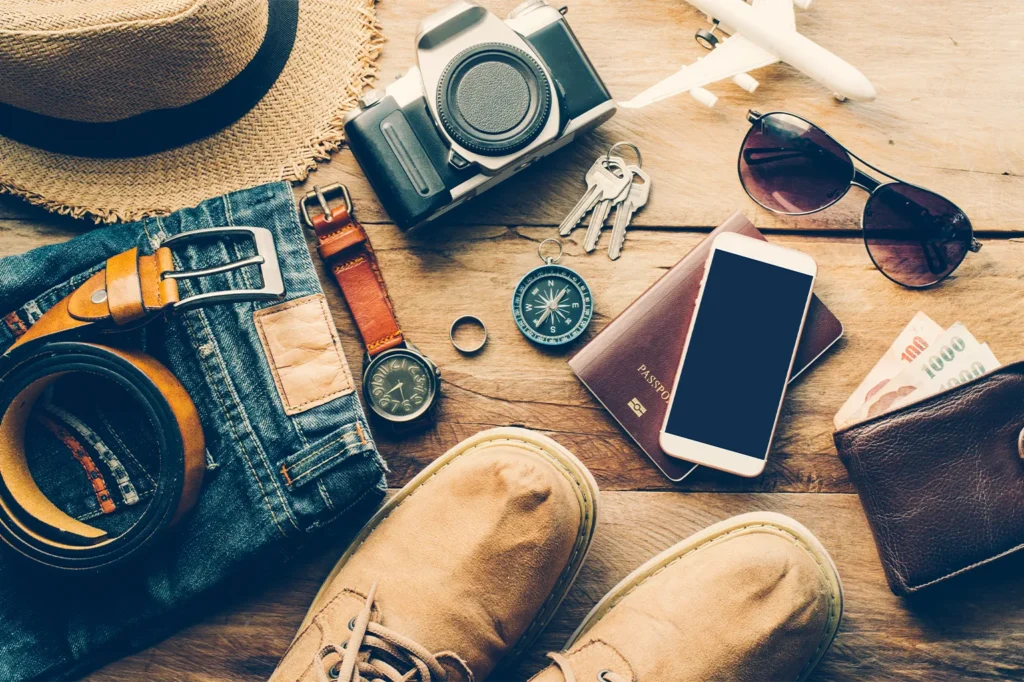
Don’t forget the essential things that you’ll need for your journey, especially that camera for taking photos and beautiful memories you’re about to make on your Serengeti Safari.
Serengeti Safari Packing List

Are you planning to come and explore the Serengeti? Press the link to see How to book a Serengeti Safari Tour from the USA!!!

Are you ready for a Tanzania Safari adventure?

With African Scenic Safaris, your dream Tanzania Safari is just one booking away. Get ready to have an unforgettable safari experience of a lifetime. From our range of Safari packages, having the best experience is a must! 
Tanzania Safaris
Are You Ready For Tanzania Safaris?

Get closer to the Serengeti ecosystem, explore the best flora and fauna with breathtaking views and scenery like no other. From the “Great Migration” to the Hot Air Balloon experience, the best luxurious, heartwarming Tanzania Tour Safari.

Apply for that Visa, book that flight, because your best Serengeti adventure awaits you. Welcome to African Scenic Safaris, Welcome to Serengeti, Welcome to Tanzania!

Simbo Natai
Simbo Natai, founder of African Scenic Safaris, crafts sustainable, meaningful Tanzanian journeys rooted in his deep local knowledge and passion.
Director, African Scenic Safaris

We are Proudly Certified by KRTO for Responsible Kilimanjaro Climbing Practices

The Kilimanjaro Responsible Trekking Organisation (KRTO) ensures fair, safe, and sustainable management of Africa’s most renowned mountain by guiding climbers properly, treating porters fairly, and protecting the environment throughout the climb.

We are pleased to have received the KRTO certification at African Scenic Safaris. This illustrates our dedication to ethical and responsible hiking. We believe every Kilimanjaro climb should honour those who make it possible and protect the mountain that inspires us—principles we have followed for years.

 We have always believed that careful preparation is crucial when climbing.

The Standards Behind KRTO Certification

Kilimanjaro challenges everyone who climbs it. Cold nights, thin air, and long hikes make it demanding for both climbers and crew. To protect those who make these climbs possible, the Kilimanjaro Responsible Trekking Organization (KRTO) was formed.

Working together with Kilimanjaro Porters Assistance Project (KPAP) and the International Mountain Explorers Connection (IMEC), they built clear guidelines to ensure fairness, safety, and care.

Every Kilimanjaro Tour Operator that holds KRTO certification must follow these strict rules:

  • Pay fair wages to porters, directly and in full.
  • Provide proper food, warm gear, and safe sleeping conditions.
  • Limit porter loads to no more than 20 kilograms.
  • Train guides in altitude safety, first aid, and emergency response.
  • Remove all waste from campsites following Leave No Trace principles.
  • Allow regular inspections to confirm standards are being met.

This system gives climbers confidence that their Mount Kilimanjaro Climbing journey supports both people and nature with respect.

KRTO Certification
The Standards Behind KRTO Certification

How African Scenic Safaris Lives by These Standards

Long before the first step is taken on Kilimanjaro’s slopes, careful work happens behind the scenes. Each climb starts with full preparation to make sure the crew is ready for the mountain’s demands.

KRTO Certified Kilimanjaro Climb

Preparations before the Climb

Porters receive full contracts, fair wages, and the right equipment for changing weather conditions. We ensure their Kilimanjaro Gear List includes waterproof jackets, warm sleeping bags, sturdy boots, and layered clothing. No crew member is sent up the mountain unprepared.

Before the climb begins, staff weigh the bags to ensure no porter carries more than the allowed 20 kilograms, inspect the gear, and lead safety briefings for the team.

On the Climb

Once the climb starts, the mountain crew works as one.

  • Cooks prepare hot meals to fuel long trekking days.
  • Kilimanjaro Guides check for any signs of Kilimanjaro Altitude Sickness, watching over both climbers and crew.
  • Medical kits and emergency equipment travel with the group at all times.
  • Campsites stay clean and organised. The team packs up waste daily and carries it back down, leaving nothing behind.

These practices protect Kilimanjaro’s fragile ecosystem, preserving its beauty for future travellers.

After the climb

  • We regularly review feedback from Kilimanjaro Porters and guides to improve safety, comfort, and fairness.
  • Continuous training keeps the team updated on new safety and environmental practices.

This ongoing communication helps African Scenic Safaris continue improving working conditions, safety, and crew support.

Why This Matters to Every Climber

Each Kilimanjaro climb depends on dozens of people working together. Their safety and well-being directly affect the success of every Kilimanjaro Trek.

In some cases, climbing operators cut corners, overworking and underpaying porters while leaving them without proper shelter or food. Unsafe practices endanger both crew and climbers.Overloaded porters can face injury, exhaustion, or worse.

Choosing KRTO-Certified Kilimanjaro Climbs gives travellers a way to support the crew fairly, protect the environment, and ensure proper safety on the mountain. Responsible climbing gives back to the people who make the journey possible while keeping Kilimanjaro protected for future generations.

Every decision in planning a climb carries weight. Booking with a certified company allows travellers to play a direct role in responsible tourism on the mountain.

Mount Kilimanjaro Climbing

Take Part in a Climb that Respects People and the Mountain

For many years, African Scenic Safaris has built its Kilimanjaro climbs on the same values now reflected in the KRTO certification. These principles have shaped every expedition we’ve led. Fair porter treatment, safety for crew and clients, and respect for the mountain’s delicate environment remain at the heart of every trek.

With every Kilimanjaro climb, we uphold the highest standards, not because we have to, but because it’s the right way to climb.

Join African Scenic Safaris for your Kilimanjaro adventure and be part of a journey where every step supports people, protects the mountain, and reflects the true spirit of responsible trekking.

Simbo Natai
Simbo Natai, founder of African Scenic Safaris, crafts sustainable, meaningful Tanzanian journeys rooted in his deep local knowledge and passion.
Director, African Scenic Safaris

Things to Do in Tanzania Beyond Wildlife Safaris

Undoubtedly, Tanzania is famous for its wildlife. Visitors from all around the world come to watch lions, elephants, and wildebeest wandering freely. But there’s more to this lovely country than just animals. If you’re looking for Things To Do in Tanzania other than safaris, you’ll discover fascinating cultures, tranquil landscapes, welcoming communities, and one-of-a-kind local experiences.

Being one of the leading Tanzania Tour operators, African Scenic Safaris offers more than just game drives. We have customised Tanzania Safari Packages for travellers looking to explore thoroughly.

Tours are arranged by our expert team that mixes wildlife with culture, food, nature, and community. Because we believe in Tanzania, In Tanzania, every route leads to a story.

Cultural Experiences That Stay with You

Tanzania is home to over 120 tribes, each having their unique language, dress, cuisine, and traditions. Spending time with local communities enriches your journey and is one of the most distinctive Tanzania Safari Experiences.

  • In the foothills of Mount Kilimanjaro, the Chaga people welcome visitors to their banana and coffee farms. Experience the process of hand-roasted and brewed coffee, as well as freshly crafted local banana beer.
  • The Iraqw tribe near the Karatu Highlands welcomes visitors to participate in storytelling, traditional grain grinding, and native song.
  • Visits to the vast plains surrounding Ngorongoro and Tarangire provide a look into rural life in northern Tanzania. Maasai communities share their crafts, dances, and boma lifestyle in respectful and realistic settings.

African Scenic Safaris carefully curates each of these experiences to ensure that guests interact with local cultures while also benefiting communities through fair, ethical travel.
These interactions are part of what makes Tanzania Cultural Tours so unique, and one of the most interesting Things To Do In Tanzania outside of the parks.

Tanzania Cultural Experience

Slow Walks, Quiet Views, and Forest Trails

Not all adventures require a vehicle. Some of Tanzania’s most serene moments happen while walking.

  • The Ngorongoro Highlands have smooth trails that run through forested hills. One of the most scenic walks leads to Empakaai Crater, where flamingos circle a tranquil, alkaline lake. The sights are breathtaking, but the silence may be what sticks with you.
  • Closer to Lake Manyara, guided hikes through Mto wa Mbu village show a gentler side of life. Guests drive through banana farms, rice fields, and open gardens, where they meet local farmers and learn about traditional plants and herbs.

These walks are ideal for birders, photographers, and anybody seeking tranquil, low-impact Adventure Activities in Tanzania. They’re also ideal for travellers seeking a change of pace during a longer safari.

Things To Do In Tanzania
Slow Walks, Quiet Views, and Forest Trails

Taste and Cook with Local Communities

One of the finest ways to get to know a place is through its cuisine. Every meal in Tanzania has a tale to tell, from the vegetables cultivated in volcanic soil to the spices passed down through generations of families. Discovering indigenous food is one of the most enjoyable activities for tourists in Tanzania.

  • Visit a banana and coffee plantation near Arusha to harvest, roast, and grind your coffee. Then enjoy it fresh in the shade of banana trees.
  • Take a cooking class with local ladies in Mto wa Mbu. Learn how to make foods like ugali, pilau, and coconut-based beans. It’s interactive, heartwarming, and delicious.
  • Enjoy a farm lunch while surrounded by nature. Taste seasonal fruits, including mango, papaya, and sugarcane juice from roadside booths.
  • Don’t miss the street foods, including chapati, roasted maize, and spicy samosas.

For cuisine and culture lovers, these are some of the top things to see and taste in Tanzania.

Adventure Activities in Tanzania

Quiet Corners for Nature and Photography

Tanzania is rich in beautiful, peaceful areas. Some travellers want excitement, while others seek tranquillity. But these soft experiences are typically the most remembered aspects of a journey.

  • Lake Manyara is a birdwatcher’s heaven. It offers over 400 species, including flamingos, pelicans, and hornbills, making it ideal for peaceful observation.
  • Guests can enjoy scenic drives or walking safaris in the buffer zones of Tarangire to avoid crowds. Although the wildlife remains, the pace has shifted.
  • The Great Rift Valley provides some of the nicest views in the country. On a clear day, the horizon is endless—ideal for landscape photography or peaceful introspection.

The above are examples of some of the moments that define slow travel, It is one of the Best Things To Do In Tanzania if you desire peace, quiet, and a connection to the country.

Best Things To Do In Tanzania

Visit Women’s Groups and Artisan Cooperatives

Art and community go hand in hand throughout Tanzania. For tourists who want to travel with a purpose, visiting local cooperatives is an effective approach to help individuals while learning about their business.

  • The Shanga Foundation in Arusha has a workshop run by individuals with impairments. Recycled materials are used to create exquisite beadwork, fabrics, and glassware.
  • Local women’s organisations in Mto wa Mbu produce baskets, paintings, pottery, and hand-dyed textiles, which can be purchased directly.
  • Every bracelet and necklace at Maasai beading centres has an adventure to tell. Guests may see the process while also supporting education and healthcare for the women who make the crafts.

These visits are not simply shopping excursions; rather, they are part of ethical, community-based tourism. For more ideas like these, visit our Things To Do In Arusha and Things to Do in Moshi pages.

Things To Do In Tanzania
Shanga Foundation in Arusha

Build a Journey That Feels Like You with our Expert team!
Every traveller is different and desires a different type of safari, which is why African Scenic Safaris customises each tour.
Some guests begin their day with a tranquil nature walk and end it by sharing stories around a campfire feast. Others wish to combine major animal experiences with time spent learning from locals.

Some people prefer to photograph, some want to cook, while others simply want to spend time alone in beautiful settings.
That’s the beauty of Private Tanzania Safari Packages: you get to set the pace, concentration, and rhythm. We aim to listen and create a tour that suits your preferences.
No group tours. No rushed schedules. Simply mindful & personal travel.

Final Thoughts – Go Beyond the Safari Jeep

You’ve made it this far, which means you’re not here for just any ordinary kind of safari. You want something personal—something that feels like your own journey.

That’s exactly how we design Tanzania Safari Packages at African Scenic Safaris. We listen to what excites you: walking forest trails, roasting coffee, meeting local families, or simply enjoying Tanzania’s peaceful landscapes. There is no fixed script to follow. Because we believe, in the end, it’s not just about wildlife or ticking off Things to Do in Tanzania. It’s about connection. If this sounds like your kind of safari, let’s start planning your adventure.

Simbo Natai
Simbo Natai, founder of African Scenic Safaris, crafts sustainable, meaningful Tanzanian journeys rooted in his deep local knowledge and passion.
Director, African Scenic Safaris

Summit Stories from the Lemosho Route – A Journey of Scenic Beauty and True Challenge

In this blog, we’re not talking about maps or routes on Kilimanjaro. Instead, we’re sharing real summit stories from climbers who took on the Lemosho Route  one of the most scenic and peaceful Kilimanjaro Climbing Routes. Their journeys reveal what it truly means to face the challenge, embrace the beauty, and stand at the Roof of Africa.

These personal experiences show why so many choose our Kilimanjaro Climbing Packages not just for the climb, but for the story they carry home.

Lemosho Route
Lemosho Route

Linda’s Group – A Thoughtful Trek with Purpose

February 2025 | 8 Days Lemosho Route | Group of 3 from Belgium

Linda and her two friends from Belgium came to Tanzania with more than just a goal to reach the top of Kilimanjaro. They wanted to climb in a way that supported local people, respected porters, and cared for the environment. That is why why they chose African Scenic Safaris.

Kilimanjaro Climbing Routes

Before their climb, Nembris from our team helped them with all the planning. She answered every question quickly and kindly. When they started the trek, they were welcomed by two excellent guides, Godwin and Hiary, who were not only experienced but also made the group feel completely safe. The guides performed daily medical check-ups, carried safety equipment, and explained everything about the mountain and its surroundings.

Each day, the team made sure that everything was handled with care:

  • The tents and camping gear were strong and clean.
  • The food was plenty and delicious, with something new every day.
  • Special dietary needs were also taken care of without any issues.

But what touched Linda’s group the most was how the Kilimanjaro Porters were treated:

  • They were friendly, kind-hearted, and hard-working.
  • Our team made sure they were not overloaded, unlike porters from other companies.
  • The porters had proper clothing and equipment for the cold.
  • The company followed Porter’s welfare guidelines strictly.

“We wholeheartedly recommend African Scenic Safaris to anyone thinking of climbing Kilimanjaro,” Linda wrote.

Their trip was more than a climb—it was a journey made with respect and care.

 Read Linda’s full review on TripAdvisor

Giovanna’s Experience – Trusting the Guides Made All the Difference

September 2023 | 8 Days Lemosho Route | Group of 3

Giovanna’s adventure began with a Safari In Tarangire, but the heart of her trip was the climb up Kilimanjaro. She and her two friends chose African Scenic Safaris and found everything ran smoothly from start to finish.

8 Days Lemosho Route
Giovanna’s Experience

Before the climb, Nembris helped them with booking and answered all their questions. The day before they left for the trek, a staff member and their head guide visited them at the hotel for a full briefing and gear check. This helped the group feel calm and prepared.

Their climbing team included- Said, their head guide, and Lion, the assistant guide.

Giovanna said they were both friendly, professional, and incredibly helpful. As the climb got tougher, the group followed the guides’ advice closely, and it paid off.

“I am 100% sure that listening to their advice was the main key to reaching the summit,” she wrote.

Behind the scenes, the porter team did an amazing job:

  • They carried supplies, set up camp, and stayed positive the whole time.
  • Their support made every step easier.

Giovanna was especially impressed with the company’s values. African Scenic is a proud partner of KPAP – Kilimanjaro Porters Assistance Project, which protects porters’ rights and ensures they’re treated fairly.

“They have a strong attitude towards responsible travel and sustainability,” she said. “We would use them again.”

Her story shows how choosing the right team can make the journey feel safe, smooth, and full of heart.

Read Giovanna’s full review on TripAdvisor

Sean’s Story – Safety, Kindness, and a Smart Summit Push

July 2023 | 8 Days Lemosho Route | Couple (Ages 31 & 32)

Sean and his husband were both in their early 30s, fit, and ready for an adventure. But they also knew Kilimanjaro could be unpredictable, especially when it came to Kilimanjaro Altitude Sickness. That’s why they chose African Scenic Safaris, a company known for safety, experience, and flexibility.

Before their trek began, they met Aloyce, their head guide, and Nembris for a full briefing and gear check at their lodge. Aloyce noticed Sean didn’t have enough warm layers, so he arranged to rent ski pants the next morning a small change that made a big difference.

Their crew was strong and supportive. There were two guides Aloyce and August. There were a team of 11 people, including porters, a cook named Albert, and a waiter named Praygog

Each day was handled with care and attention:

  • The guides held daily medical checks and chats to make sure they were okay.
  • When Sean’s husband began to feel altitude sickness on Day 5, the team came up with new options.
  • They skipped Karanga Camp and made the summit push one day early, starting at 2:00 AM to avoid crowds.
  • It worked. They reached the top safely and proudly.

But what stood out most was the company’s ethics:

  • African Scenic is a verified KPAP partner.
  • Porters were paid fairly, ate the same food as the clients, and had the right clothing.
  • The team even carried trash bags, picking up litter along the way.

Even when they descended early, Aloyce helped arrange new lodging, showing how flexible and supportive the team truly was. For Sean, the mountain was unforgettable but the way African Scenic Safaris handled every detail made it extraordinary.

Read Sean’s full review on TripAdvisor

Reflections From the Mountain

There are moments from each climb that stay with our team forever. For example, after their trek, Sean shared something beautiful that still stays in our hearts: “Happy and healthy teams make for a successful trip.” All the appreciation we receive from our climbers stays in our hearts forever.

For us at African Scenic Safaris, that’s what every Kilimanjaro Climbing Package is about — caring for our climbers, looking after our porters, and making sure every step feels safe, supported, and meaningful.

If you’re ready to begin your own Mount Kilimanjaro Climbing journey, we would be honoured to guide you. Contact our team today and let’s plan your climb together.

Simbo Natai
Simbo Natai, founder of African Scenic Safaris, crafts sustainable, meaningful Tanzanian journeys rooted in his deep local knowledge and passion.
Director, African Scenic Safaris

Day-by-Day Breakdown of the Rongai Route Trek

When most people imagine climbing Kilimanjaro, they picture long lines of trekkers, busy camps, and crowded trails. But there is another way to climb Africa’s highest mountain a route far from the crowds, where silence surrounds you and nature speaks in every step. This is the Rongai Route, Kilimanjaro’s only northern approach.

In this blog, we will walk you through the day-by-day itinerary for the Rongai Route, showing you exactly what each day on this beautiful trail feels like.

Rongai Route
Rongai Route

Before the Trek: Arrival and Getting Ready

Every Kilimanjaro Climbing Tour starts before you even set foot on the trail. Our staff will be waiting for you when you arrive at Kilimanjaro International Airport. We will then transfer you to your hotel in Moshi.

You will meet with your main guide later that day. This briefing is crucial. This briefing is crucial. We will review your gear, walk through the route, and ensure you are fully prepared.We’ll take care of renting or changing any equipment you need immediately.
Once everything is set up, you can rest. The next morning, your Rongai Route Trek officially begins.

Kilimanjaro Climbing Tour

Day 1: Into Kilimanjaro’s Quiet Forest

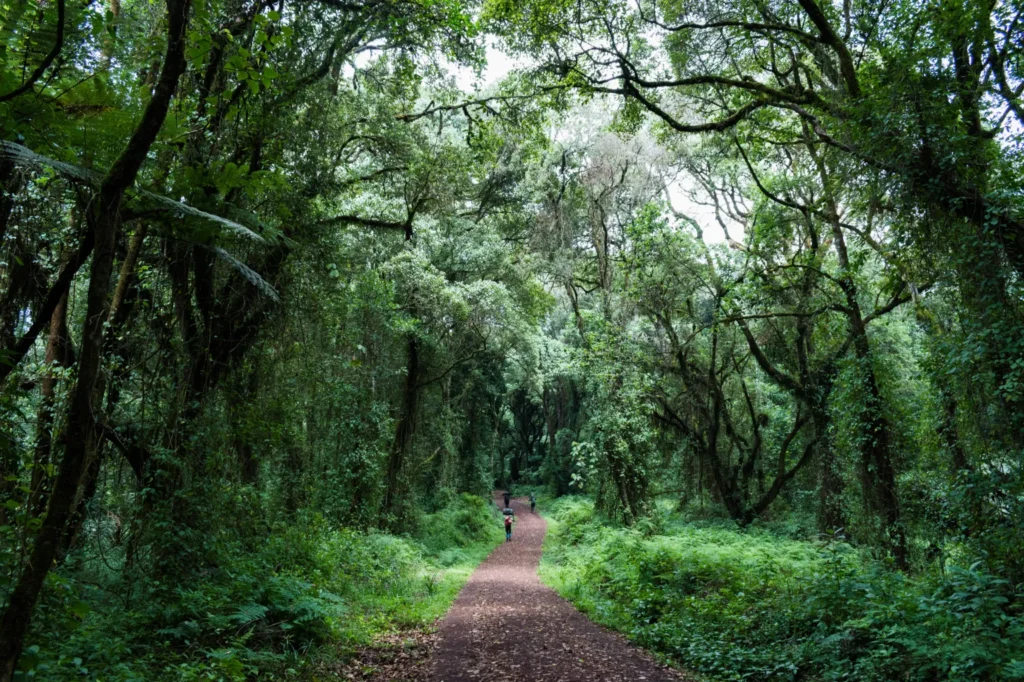
Early in the morning, you drive to the Rongai Gate, sitting near the Kenyan border. Unlike other Kilimanjaro trails, this one begins in dry forest, with fewer people and a stronger sense of wilderness.

The trail starts gently. You hear birds calling in the trees and might even spot black-and-white colobus monkeys swinging above. As the hours pass, the rainforest opens into heather and moorland. The views stretch far across the Kenyan plains.

  • Short 2-3 hour drive to Rongai Gate.
  • Gentle trek through forest and heather zones.
  • Possible monkey and bird sightings.
  • Overnight at Simba Camp (2,600 meters).

By evening, you will rest at Simba Camp, already feeling the fresh mountain air.

Rongai Gate
Rongai Gate

Day 2: Walking into the Moorland

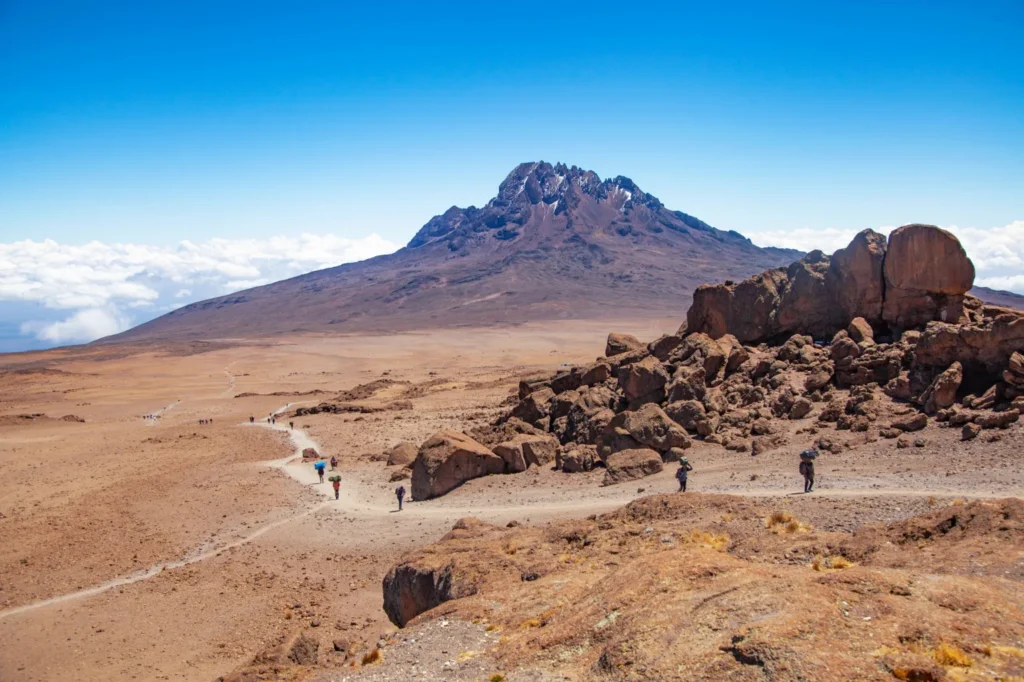
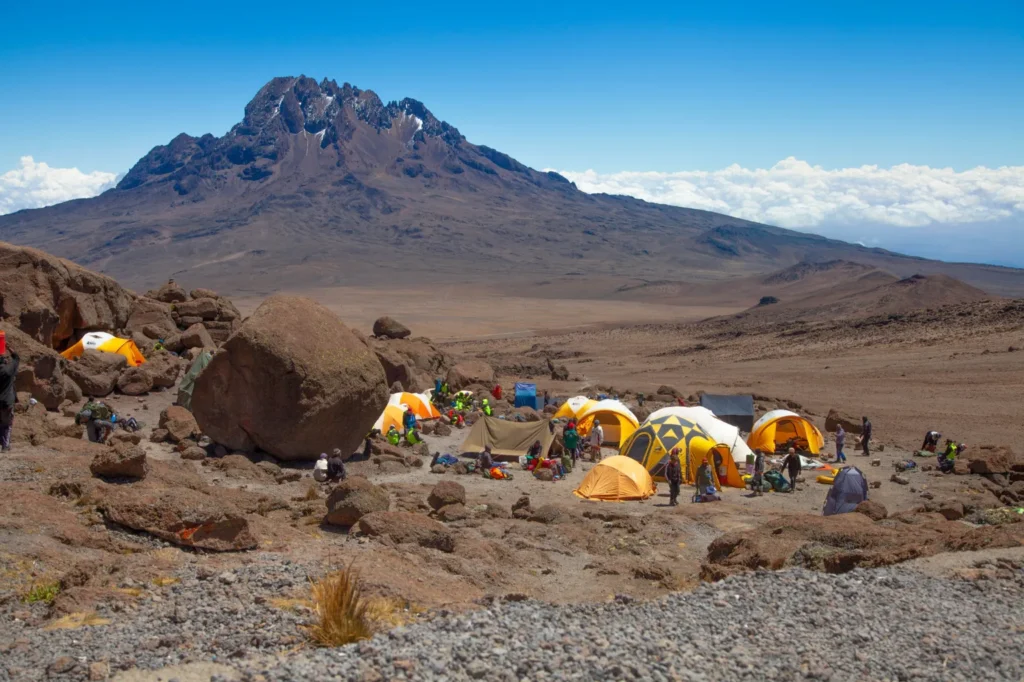
As you leave the forest behind, the wide, open landscape of the moorland takes over. The trail rises slowly, letting you adjust to the higher Kilimanjaro Altitude. Today, you’ll see Mawenzi Peak in the distance, its sharp spires pointing toward the sky.

You stop for lunch near Second Cave — a natural resting point on the trail — before continuing across the open moorland toward your next campsite.

  • Walk across open moorland with clear mountain views.
  • Picnic lunch near Second Cave.
  • Gradual climb to Kikelewa Camp (3,600 meters).
  • Stunning sunset views under Mawenzi Peak.

At Kikelewa Camp, you feel even closer to the mountain’s heart. The peace here is worth visiting.

Mawenzi Peak
Mawenzi Peak

Day 3: The Steep Push to Mawenzi Tarn

This morning, the climb grows steeper as you head towards one of the most beautiful Kilimanjaro Camps. The path winds upward, but with each step, the views become more dramatic.

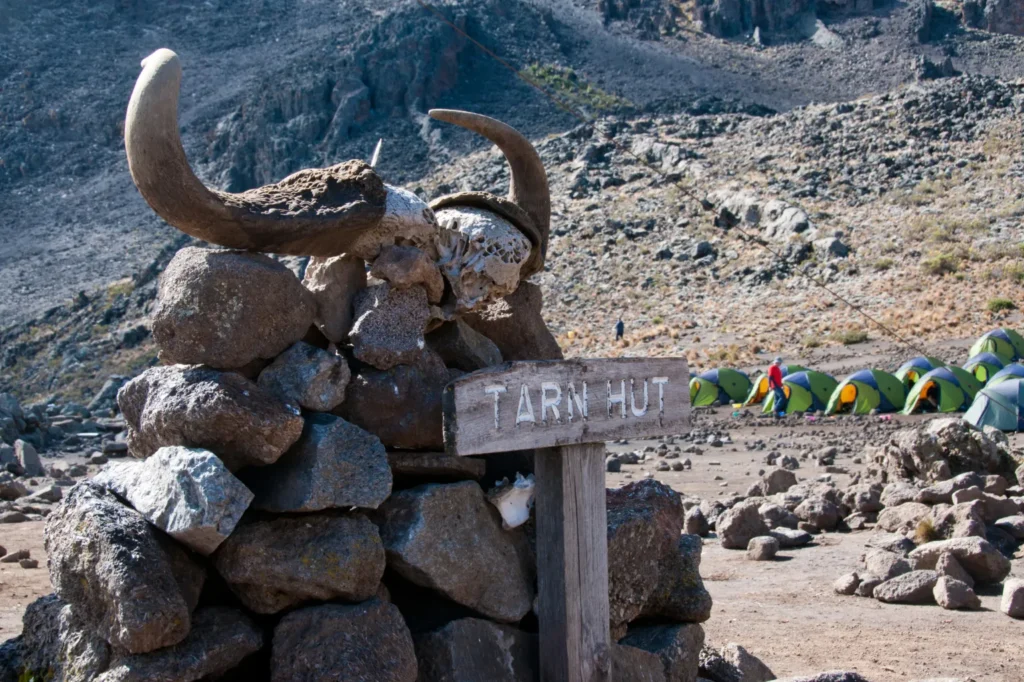
Suddenly, the ground flattens, and you arrive at Mawenzi Tarn Camp, sitting beneath the towering cliffs of Mawenzi Peak. The reflection of the mountain in the tarn (small lake) adds to the beauty.

  • Steeper climb to Mawenzi Tarn (4,330 meters).
  • Surrounded by dramatic volcanic scenery.
  • Afternoon rest for better acclimatisation.
  • One of the most scenic camps on Kilimanjaro.

By afternoon, you’ll settle in and let your body adjust to the thinner air. Hydration becomes even more important here.

Mawenzi Tarn Camp
Mawenzi Tarn Camp

Day 4: A Day to Acclimatize

Altitude is often what makes Mount Kilimanjaro Climbing so challenging. To help your body adapt, you stay a second night at Mawenzi Tarn.

This is not a full rest day. Instead, you take short acclimatisation hikes up the nearby ridges. These walks are slow, steady, and important for your summit success. The rule here is simple: climb high, sleep low.

  • Light hikes around Mawenzi ridges for altitude adjustment.
  • Learn how your body responds to the higher elevation.
  • Warm meals and plenty of fluids to help your system adjust.
  • Relax and enjoy the views of both Mawenzi and Kibo.

This acclimatization day is one reason why many see the Rongai Route as one of the safest Kilimanjaro Climbing Routes for summit success.

Mount Kilimanjaro Climbing

Day 5: Crossing the Saddle to Kibo Huts

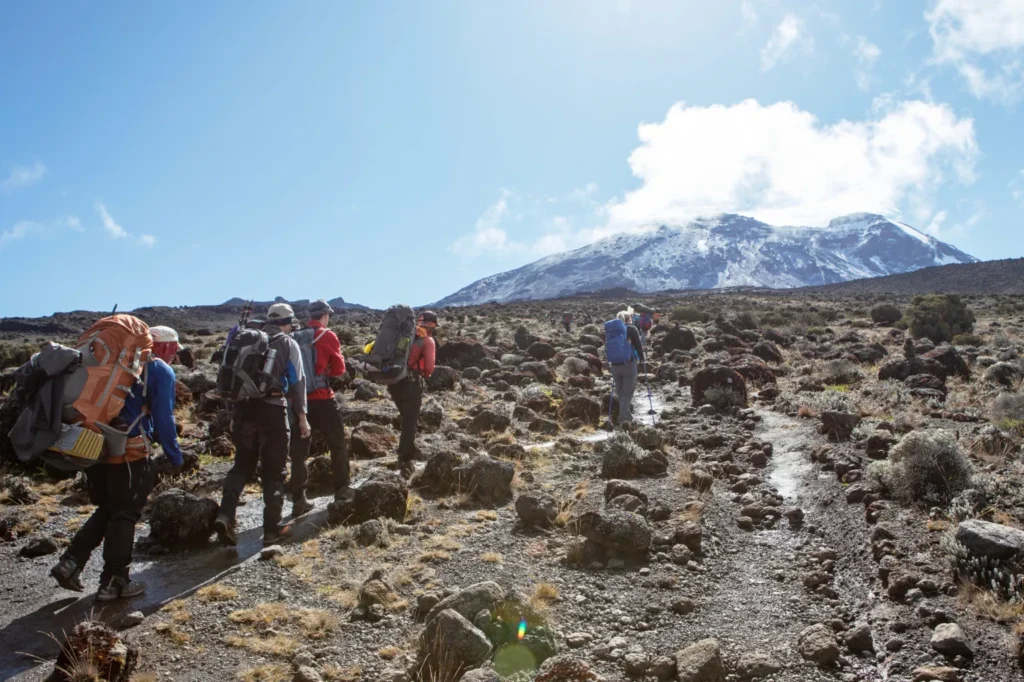
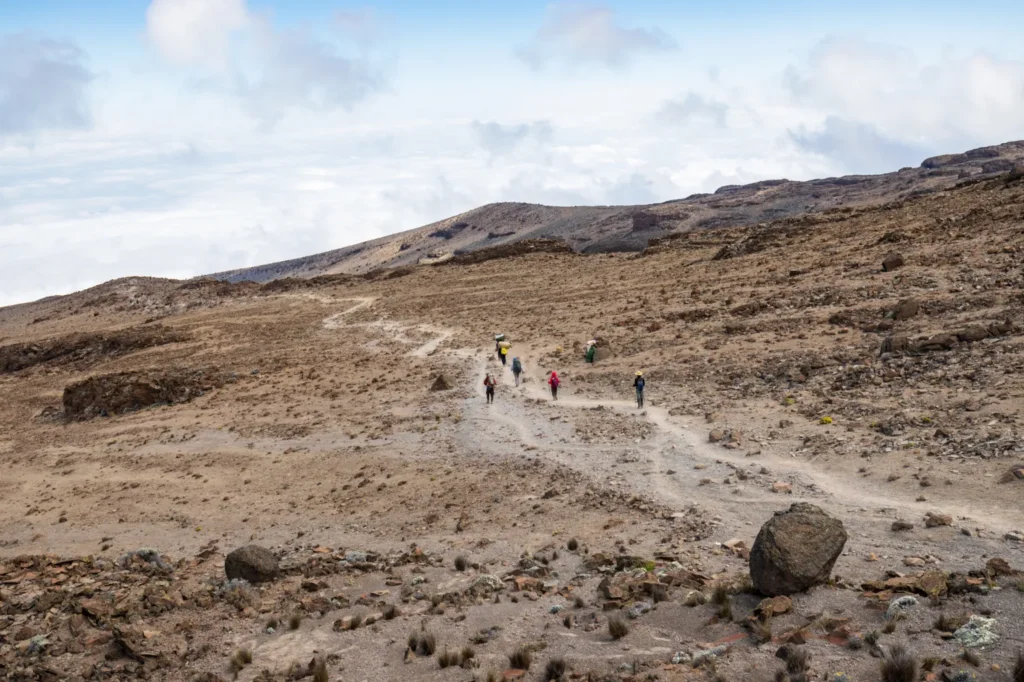
Today, you cross the wide, empty landscape known as The Saddle, a barren stretch between Mawenzi and Kibo Peaks. It feels like walking on another planet. The wind can blow strongly here, and the silence is deep.

As you approach Kibo Huts , the summit cone of Kilimanjaro looms above you. The excitement grows. Tonight, you sleep early, because summit day starts long before sunrise.

  • Cross the Saddle’s wide alpine desert.
  • Arrive at Kibo Huts (4,700 meters).
  • Early dinner followed by full summit briefing.
  • Sleep early in preparation for summit night.

The energy at camp is quiet but electric as everyone prepares for the big climb ahead.

Kibo Huts
Kibo Huts

Day 6: The Summit Push to Uhuru Peak

Around midnight, you wake, dress warmly, and step into the darkness. Headlamps light the steep trail ahead as you begin your final climb to the top of Africa.

The route is tough. The air is thin. The climb is slow. But as dawn breaks, you reach Gilman’s Point and then Stella Point, both high spots along the crater rim.

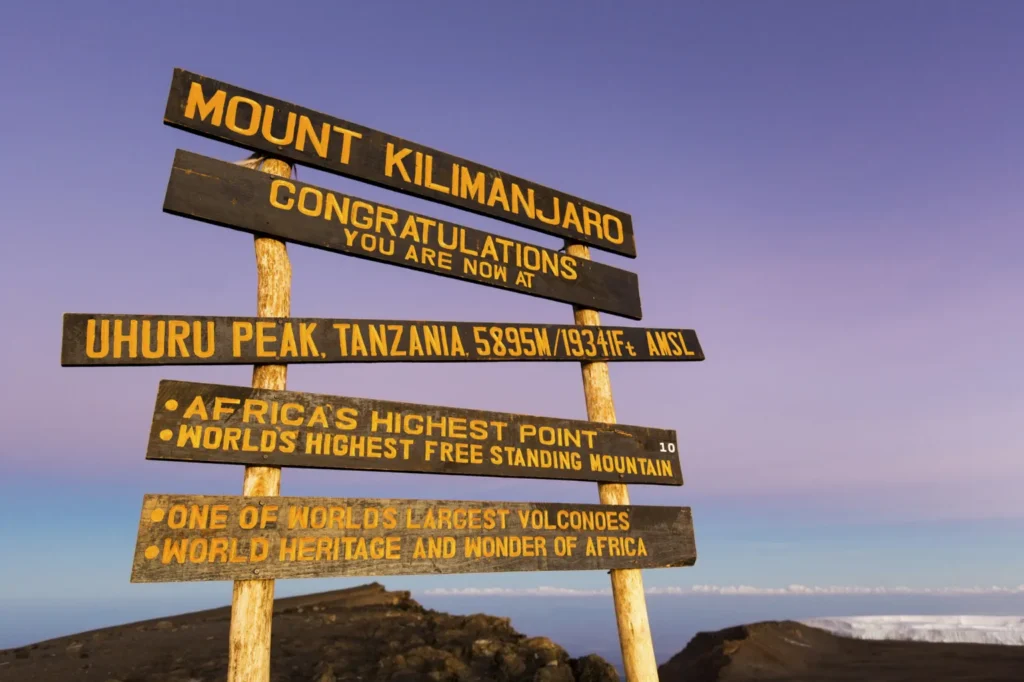
Finally, after hours of determination, you will arrive at Uhuru Peak (5,895 meters) — the roof of Africa. You take photos, breathe the thin air, and celebrate the achievement.

  • Midnight start toward the summit.
  • Reach Gilman’s Point and Stella Point.
  • Sunrise at Uhuru Peak.
  • Celebrate your successful climb of Kilimanjaro via the Rongai Route.
  • Long descent back to Kibo Huts and then Horombo Huts for the night.

This is the hardest but most emotional day of the entire 7 Days Rongai Route journey.

Uhuru Peak
Uhuru Peak

Day 7: The Final Descent

Your last day on Kilimanjaro is much easier. The trail now drops quickly through moorland and then back into the rainforest. The thick air feels wonderful again, and soon the songs of birds welcome you as you descend.

  • Trek down to Marangu Gate.
  • Check out and receive your climbing certificate.
  • Private transfer back to your hotel.

Your adventure on Kilimanjaro’s quieter northern side has come to a successful end.

Kilimanjaro Descent
Kilimanjaro Descent

Why Many Climbers Choose the Rongai Route

Among all Kilimanjaro Climbing Packages, the Rongai Route remains a favourite for several reasons:

  • Less crowded than the busy southern routes.
  • Drier weather on the northern side.
  • Gentle, steady ascent that improves acclimatization.
  • Unique scenery with views of both Mawenzi and Kibo Peaks.
  • Higher success rate due to better acclimatization days.

For many, it offers a more personal and peaceful Kilimanjaro Climbing Experience.

Your Quiet Path to Kilimanjaro’s Summit!

You’ve already seen what each day on the Rongai Route looks like, from the tranquil forest start to the summit push under the stars. This detailed look should help you understand what it’s like to climb Kilimanjaro with African Scenic Safaris.

Every step on this path is meticulously planned, not only to bring you to the summit but also to ensure you have a safe, comfortable, and enjoyable experience at your own pace. So, this time when you’re climbing Kilimanjaro with African Scenic Safaris, remember, you’re entrusting a team to handle every detail while you enjoy the journey.

Let’s start your climb with one day at a time, to Africa’s highest peak.

Simbo Natai
Simbo Natai, founder of African Scenic Safaris, crafts sustainable, meaningful Tanzanian journeys rooted in his deep local knowledge and passion.
Director, African Scenic Safaris

7 Reasons to Choose the Lemosho Route for Your Kilimanjaro Trek

It is easy to picture the summit the moment you think about climbing Kilimanjaro. But long before you get there, you need to decide which route you’ll take. That choice can shape your entire experience, like how you feel on the mountain, what you see, and even whether you reach the top or not.

Many climbers who have walked these trails agree  the Lemosho Route stands out. With its quiet trails, incredible scenery, and gentle approach to the altitude, it offers something special for anyone serious about reaching the summit.

Every climb we organise on the Lemosho Route is carefully planned through our Kilimanjaro Climbing Packages, focusing on safety, comfort, and responsible travel. Let’s explore why this route continues to win the hearts of so many climbers.

Lemosho Route
Lemosho Route

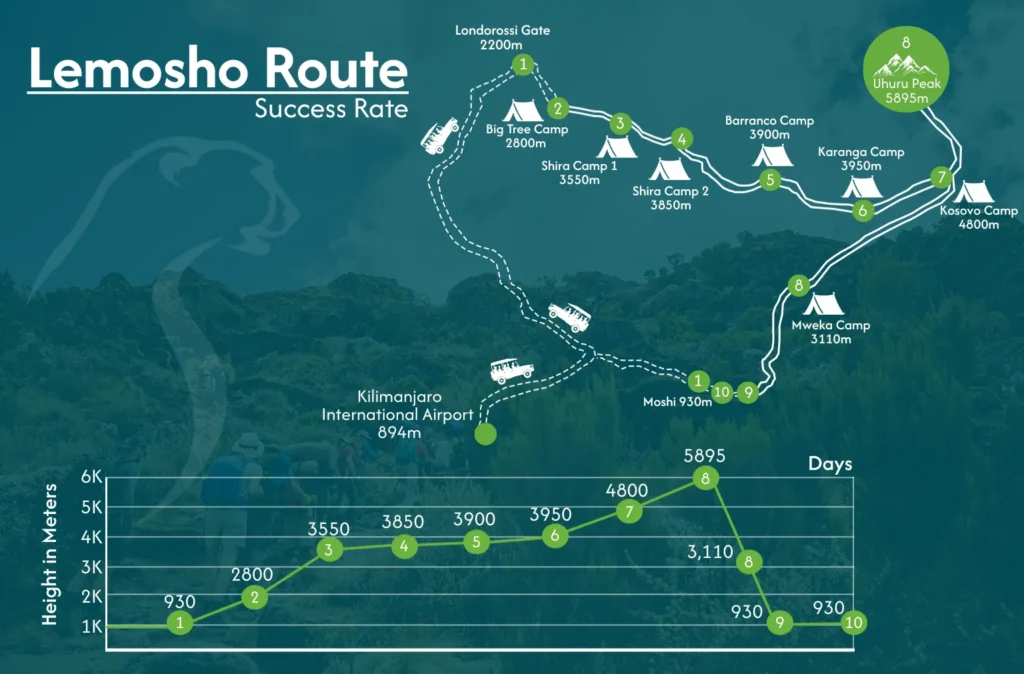
1. The Lemosho Route Success Rate Is Higher

Kilimanjaro isn’t a technical climb, but the altitude tests every climber. Many who don’t make it to the top fall short because their bodies don’t have enough time to adjust. This is where the Lemosho Route Kilimanjaro makes a real difference.

Instead of rushing, the 8 Days Lemosho Route gives your body time to adapt slowly. With each step, you rise carefully, letting your system catch up. The route follows the simple rule many climbers trust: “climb high, sleep low.”

  • The steady pace helps prevent altitude sickness.
  • Extra days offer more time for rest and recovery.
  • With less stress on the body, energy stays high for summit night.

That’s why the Lemosho Route Success Rate is among the highest among all Kilimanjaro Climbing Routes. The mountain itself does not get easier, but your body becomes stronger as it adjusts to the altitude.

Lemosho Route Success Rate

2. The Most Scenic Route on Kilimanjaro

Every day on the Lemosho Route feels like a new chapter. This trail is famous not just for where it leads, but for what it reveals along the way.

You start your journey walking under thick forest canopies, where monkeys swing through the trees. As you climb, the trees open into the wide, empty spaces of the Shira Plateau. From there, the mountain’s rocky ridges rise sharply, leading to alpine deserts, before finally giving way to icy glaciers near the top.

  • Forests are alive with birds and colobus monkeys.
  • Endless views across the Shira Plateau.
  • Strange, quiet beauty in the alpine deserts.
  • The dramatic cliffs of Barranco Valley.
  • Sparkling glaciers at the summit.

More than just reaching the top, the Lemosho Route Trekking experience is all about seeing the mountain unfold with every step.

3. Enjoy A Less Crowded, Quieter Trail

Few Kilimanjaro routes offer this level of peace and solitude. Some get busy, with large groups crowding the paths and camps. The Lemosho Route Kilimanjaro begins far to the west, away from the busiest starting points.

  • Early days feel remote and quiet.
  • Campsites aren’t packed with people.
  • Nature feels closer without the noise of crowds.
  • Space to breathe, reflect, and enjoy the silence.

For many, this quiet rhythm becomes one of the most beautiful parts of the entire trek.

Lemosho Route Kilimanjaro

4. A Great Option for First-Time Trekkers

For many climbers, Kilimanjaro is their first high-altitude adventure. The Lemosho Route was made for people who want their first attempt to feel safe, supported, and possible.

With the right team from African Scenic Safaris guiding you all the way, even those with no previous mountain experience find themselves well prepared.

  • The gradual pace is kind to first-timers.
  • Guides monitor your health and adjust as needed.
  • Camps are ready and waiting after each day’s hike.
  • Nutritious meals keep energy levels steady.

Kilimanjaro will always present a challenge, but with gradual pacing and expert support, even first-time climbers can succeed on the Lemosho Route.

Kilimanjaro Climbing

5. Cross the Unique Shira Plateau

Crossing the Shira Plateau is a highlight of the Lemosho Route trekking trip. This high-altitude moorland is one of the world’s largest plateaus of its kind, with expansive landscapes rarely seen elsewhere on Kilimanjaro. The Shira Plateau offers:

  • Panoramic views from Kilimanjaro’s western slopes.
  • Excellent photo opportunity with clear skies and distant peaks.
  • Occasional sightings of unusual species, such as antelopes and birds.

This portion of the trail offers a unique and memorable experience to the Mount Kilimanjaro Lemosho Route.

Shira Plateau
Shira Plateau

6. Diverse Campsites and Terrain Add Variety

Long days on the mountain can feel monotonous but not on the Lemosho Route. The trail keeps changing, offering something new almost every day.

  • You will camp under forest canopies in the early days.
  • Open ridges bring endless views as you climb higher.
  • The famous Barranco Wall tests your confidence but rewards you with stunning views.
  • Glacier fields near the summit feel like stepping onto another planet.

This daily variety keeps your mind and body engaged, turning the long journey into something that feels new each morning.

7. Wildlife Encounters Along the Way

Beyond the mountain, the Lemosho Route provides a unique opportunity for wildlife sightings, adding to the wonder of the adventure. While large animals are uncommon on the upper slopes, the lower rainforest zone along the Kilimanjaro Lemosho Route is home to a diverse range of wildlife that brings the trail to life. Wildlife sightings that can be experienced include:

  • Colobus monkeys swing through the woodland canopy at daybreak.
  • Blue monkeys are peacefully foraging around the campsites.
  • Various bird species, including brightly coloured turacos and hornbills.
  • Antelopes are occasionally spotted on the lower slopes and surrounding the Shira Plateau.

The sounds of the jungle, particularly at first light, are frequently remembered by climbers long after they have completed the climb. These rare wildlife encounters enrich the Lemosho Route trekking experience and improve the connection with Kilimanjaro’s complex ecology.

Climbing with African Scenic Safaris Means Climbing with Care

Yes, choosing the right route matters. But choosing who guides you matters even more. At African Scenic Safaris, every Kilimanjaro Climbing Package is private, carefully paced, and built with care.

  • We make sure to take care of all your requirements during the climb.
  • Expert guides watch your health closely each day.
  • Camps and meals are prepared and waiting.
  • Porters are treated fairly and with respect, as verified by KPAP partners.
  • Every climb is built on sustainability, protecting Kilimanjaro for the future.

When you climb with African Scenic Safaris, you’re never just another climber on the mountain. You’re part of a team that believes every trek deserves both safety and heart.

Climbing Kilimanjaro

The Right Route Makes All the Difference

Hopefully, you now understand why the Lemosho Route stands out among all the Kilimanjaro climbing options. It offers it all: quiet trails, stunning views, a higher summit success rate, and a thoughtfully designed acclimatization path.

Kilimanjaro Climbing Tour

And with African Scenic Safaris as your guide, every detail is handled with care, safety, and professionalism. If you are ready to experience all this and more, book your Mount Kilimanjaro climbing package via the Lemosho Route and let us help make your summit dream a reality.

Simbo Natai
Simbo Natai, founder of African Scenic Safaris, crafts sustainable, meaningful Tanzanian journeys rooted in his deep local knowledge and passion.
Director, African Scenic Safaris

Meaningful Things to Do in Tanzania for Travellers Who Care

You already know that Tanzania is known for its national parks, the Serengeti fields, and its wildlife.  But Things To Do In Tanzania aren’t limited to landscapes and animals. There’s a much better story waiting for travellers who care for the planet. Every trip has the potential to help people, protect fragile ecosystems, and build a better future for the country.

On Tanzania Safari Tours, you can help with humanitarian projects, participate in local education programs, support women’s businesses, and have real cultural exchanges led by local families. You explore the highlands or wander through quiet forests to get out into nature without cars or crowds.

By following these Responsible Tourism Practices In Tanzania, you can travel with a purpose, making a real difference while getting to know the real heart of the country. African Scenic Safaris takes you on trips that connect you not only to nature but also to the people who live here.

Things To Do In Tanzania

Humanitarian Projects in Moshi- Travel with Impact

A lot of travellers use Moshi as the starting place for Safaris In Tanzania or climbs of Kilimanjaro. But this vibrant town is also home to a number of local charities that positively impact lives every day.

These projects give tourists a chance to engage beyond sightseeing and contribute to local initiatives.

Good Hope

Good Hope is a community-driven organisation in Moshi that provides educational and youth development programs for underprivileged children in Moshi.

We encourage tourists to learn about their work by visiting their school. You can even choose to intern at their youth centre or volunteer in community social work programs with the team.

In case you plan to do donations, your contribution will directly fund school supplies, teacher salaries, and scholarships for students.

NAFGEM

The Network Against Female Genital Mutilation (NAFGEM) is a strong community group that fights for human rights and against harmful practices like FGM to protect girls and women. Travellers can go to their centre, take part in educational classes, or give money to help with outreach efforts.

Ways You Can Engage:

  • Join educational tours organised with proper permissions.
  • Make donations that directly fund ongoing programs.
  • Understand the local context and challenges through face-to-face conversations.
  • Support long-term change while respecting local leadership.

All visits are arranged responsibly through African Scenic Safaris, ensuring proper coordination and respectful engagement with these organisations. Engaging in these humanitarian activities is one of the most interesting Things To Do In Moshi.

Things To Do In Tanzania
Network Against Female Genital Mutilation (NAFGEM)

Cultural Encounters With Purpose

Cultural experiences can sometimes feel staged or inauthentic. But real culture exchange is based on understanding, participation, and respect for each other.

Our team organises Responsible Tanzania Safari itineraries that give visitors a chance to meet local families through our trusted local guides. These interactions focus on daily life rather than just artificial displays where everyone is just pretending.

Examples of Respectful Cultural Visits include:

  • Visit the homes of Chaga or Iraqw families known and trusted by local guides.
  • Share a home-cooked meal made with products that were grown nearby.
  • Join a coffee ceremony or explore smallholder farms.
  • Witness real livelihoods without intrusion or exploitation.
  • Engage in community-led tours that provide direct income to hosts.

These cultural interactions go beyond simply observing. They allow visitors to step into daily life while respecting the dignity and privacy of the communities involved.

Responsible Tanzania Safari

Empower Women through Ethical Artisan Visits

In Tanzania, many women’s groups create beautiful crafts that also help support their families. By visiting these cooperatives, travellers not only see how items like beadwork, fabrics, and baskets are made, but also help provide a steady income for local women. Each purchase contributes to education, household stability, and economic independence. These visits offer a chance to connect with real stories while taking home handmade, meaningful pieces of Tanzanian Culture.

Where to Visit:

  • Women’s craft cooperatives producing textiles, beadwork, jewelry, and basketry.
  • Fair-trade artisan centres in Arusha, Moshi, or Karatu.
  • Workshops where visitors learn how products are made.

What Makes These Visits Ethical?

  • Purchases support local women’s financial independence.
  • Prices reflect fair wages for artisans.
  • Visitors hear the stories behind the crafts, creating meaningful connections.

Choosing these shopping experiences supports Responsible Tourism In Tanzania by ensuring that money stays in the community, preserving traditional skills while creating new opportunities.

Tanzania Safari Activities

Travel Light, Travel Right: Low-Impact Nature Experiences

If you want to Travel In Tanzania in a way that doesn’t harm the environment, we would suggest you to ditch engines and large groups as well. Instead, you can choose to join walking safaris. It helps you establish a personal connection with Tanzania’s diverse landscapes and wildlife.

Some low-impact Tanzania Safari Activities you can engage with are:

  • Guided hikes through the Ngorongoro Highlands give you great views and close encounters with nature
  • Forest walks in Lake Manyara can help you see monkeys, birds, and lots of different plants
  • Birdwatching tours led by local experts show off Tanzania’s wide range of birds
  • Nature education walks help explore native plants, their uses as medicine, and the local ecosystem.

Walking safaris and guided nature walks are a quiet alternative to game drives in vehicles. These activities help people get in touch with nature’s rhythms without leaving big marks. They reflect the true essence of Travel light and Travel right.

Things To Do In Tanzania
Travel Light, Travel Righ -Low-Impact Nature Experiences

Stay Green: Eco-Friendly Lodging Choices

Where you stay matters, especially if you want to make responsible choices on your Safaris in Tanzania. Eco-friendly accommodations let you be comfortable while also helping to protect the environment.

African Scenic Safaris carefully chooses partner hotels that care about the environment and put money into helping local communities.  Some common eco-friendly Practices include:

  • Solar-powered energy systems
  • Collecting rainwater for daily use
  • Recycling and responsible waste management
  • Organic gardens that feed restaurants on-site
  • Help for nearby schools, health centres, or conservation projects

These hotels don’t just put out “eco” labels; they live sustainably every day. Travellers can relax in comfort while knowing that their stay helps support ethical Tanzania tour practices.

Tanzania Sustanable Tourism
Stay Green – Eco-Friendly Lodging Choices

Travel That Protects Wildlife and People

Even traditional safaris can promote sustainability when managed responsibly. With us, every Tanzania safari package is carefully designed to protect wildlife, respect communities, and avoid mass tourism pitfalls.

How Safari Travel Contributes to Conservation:

  • Park entry fees directly fund wildlife protection, anti-poaching patrols, and habitat management.
  • Private safaris reduce crowding and minimise environmental strain.
  • Partnerships with conservation lodges strengthen research and protection efforts.
  • Visits to buffer zone projects support coexistence between wildlife and communities.

Travellers who choose private guided safaris not only enjoy exclusive experiences but also contribute directly to preserving Tanzania’s most iconic parks for future generations.

Things To Do In Tanzania
Travel That Protects Wildlife and People

Travel That Leaves a Positive Footprint

There are a lot of Things To Do In Tanzania, but the ones you choose to be a part of will define your experiences.

We at African Scenic Safaris plan every trip around Sustainable Tourism Practices In Tanzania. This lets travellers see the country’s beauty while also helping to make sure it stays beautiful for future generations to come.
Plan your customised, responsible Tanzania Safari Tours with us, and make your little contribution towards protecting nature.

Simbo Natai
Simbo Natai, founder of African Scenic Safaris, crafts sustainable, meaningful Tanzanian journeys rooted in his deep local knowledge and passion.
Director, African Scenic Safaris

Top 10 Must-Do Activities in Moshi for Every Traveler

There’s something calm and refreshing about life in the foothills of Kilimanjaro. Among the fresh air and green views, you’ll find plenty of Activities To Do In Moshi, from scenic day trips to cultural and food experiences.

If you’re planning a Mount Kilimanjaro Climbing adventure or joining one of the many Tanzania Safari Tours, you’ll likely pass through this easy-going town—with more to explore than meets the eye. Set against the backdrop of Africa’s tallest mountain, Moshi is peaceful, green, and full of character. While many travellers stay just one night, those who take their time here discover quiet beauty, charming culture, and plenty of things to enjoy. In this guide, we’ll walk you through the most exciting things to do in Moshi, from nature escapes and local eats to markets, coffee spots, and more.

1- Materuni Waterfall and Coffee Tour

A typical day in Kilimanjaro often involves a mix of quiet nature, friendly locals, and hands-on experiences—and the Materuni Waterfall and Coffee tour delivers exactly that.

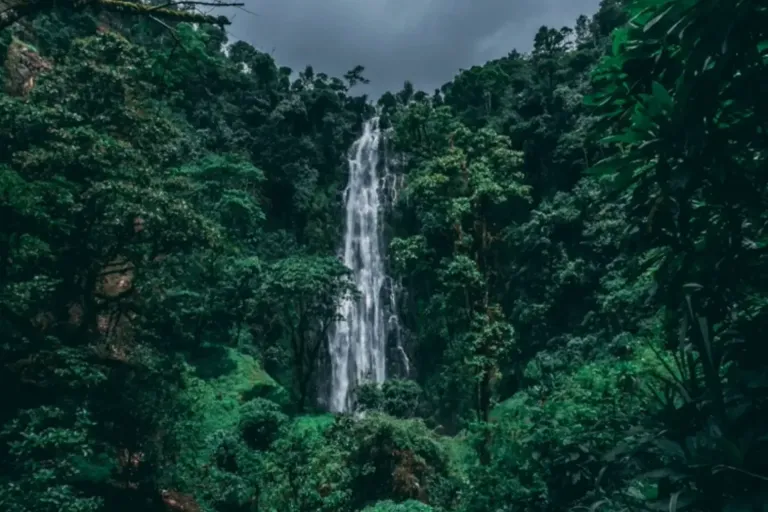
Located just outside Moshi, Materuni Village is one of the most recommended spots for those looking to enjoy things to do in Moshi Tanzania. The short hike to the 80-meter-high waterfall winds through green farmlands, local trails, and scenic views of Mount Kilimanjaro. Once there, you can cool off with a swim in the fresh mountain pool.

Afterwards, the tour continues with a warm welcome into the world of Chagga coffee-making—grinding, roasting, and sipping the rich Arabica brew made right on the slopes.

  • The hike to the waterfall takes about 30 minutes on a trail through the farmlands. and local trails.
  • Watch how Arabica beans are processed by hand using traditional methods.
  • Join the roasting, grinding, and brewing of coffee over an open fire.
  • Get yourself a hearty local lunch of banana stew, greens, and rice.

Enjoy a peaceful day near Moshi with mountain views, fresh coffee, and a waterfall swim. Visit Materuni Village for the full experience — Check out the full post here.

Matureni Coffee Tour

2- Chemka Hot Springs – A Warm Swim in Nature

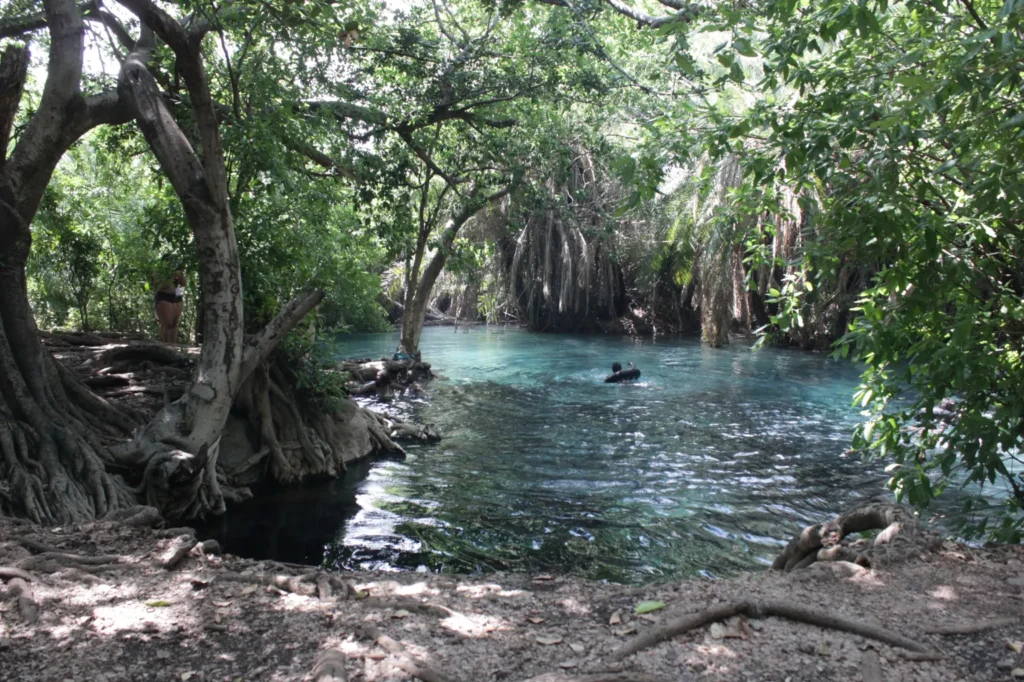
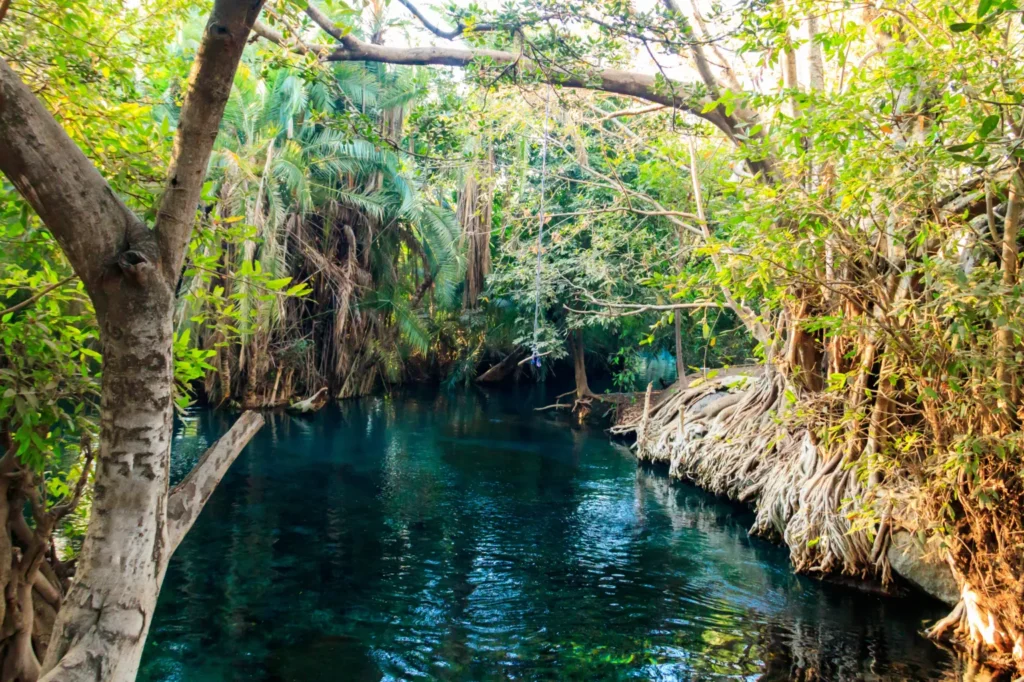
Looking for fun things to do in Moshi? Chemka Hot Springs, also called Kikuletwa or Maji Moto, is a favourite escape. These turquoise pools are naturally heated and surrounded by lush greenery. The drive takes about 1.5 hours from Moshi, but the calm atmosphere and warm water make it worth the ride. You can swim, snorkel, relax, or have a picnic with friends.

Chemka Hot Spring
Chemka Hot Spring
  • The hot springs stay warm all year at around.
  • The water is clear and deep enough to swim with ease.
  • Picnic spots and local food vendors are available nearby.
  • Don’t forget your swimsuit and a towel for a relaxing day.
An Interesting Fact: Chemka Hot Springs is fed by underground streams from Kilimanjaro, creating crystal-clear pools with year-round temperatures around 27°C (81°F).

3- Rau Forest Reserve – A Quiet Place Near Town

While most visitors head straight to the national parks, spending time in Rau Forest Reserve shows a different side of the region—and adds real value to your list of things to do in Tanzania.

Just 3km from Moshi, this peaceful forest is perfect for walking or cycling through tall trees, spotting monkeys and birds, and enjoying a picnic in nature. It’s quiet, scenic, and ideal for those who love slow travel and simple beauty.

  • The forest is only 3km from Moshi, so it’s great for a short trip.
  • It contains over 70 types of trees, some of which are centuries old.
  • Look out for black-and-white colobus monkeys and colourful birds.
  • There’s a picnic area near the forest’s oldest tree for a lunch break.

A peaceful forest walk with wildlife, ancient trees, and space to breathe.

4- Lake Chala – A Crater Lake on the Kenyan Border

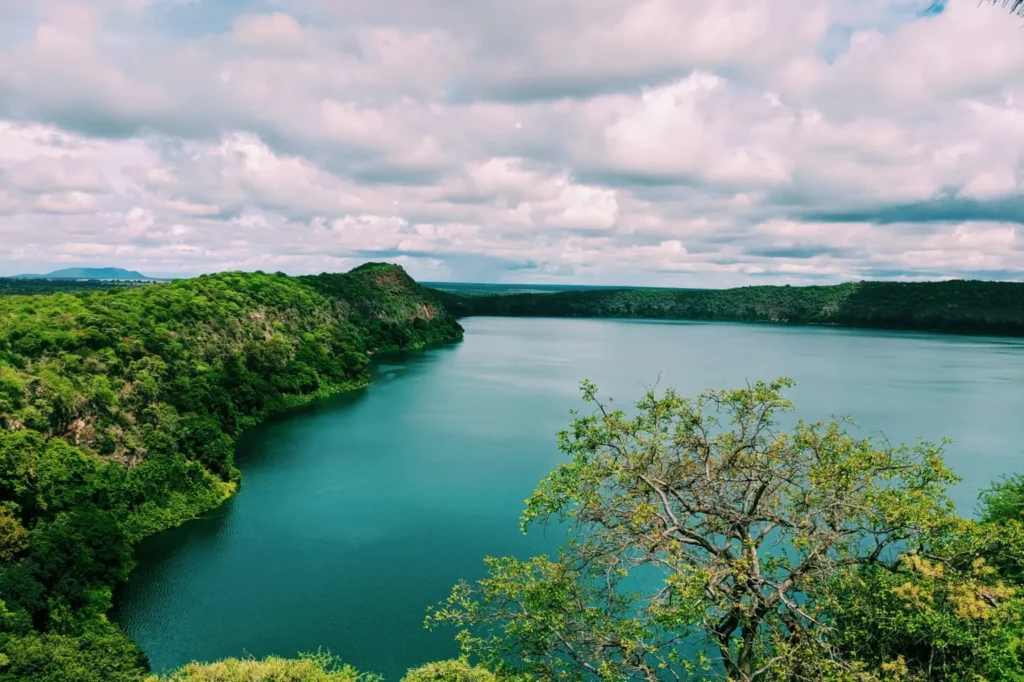
If you’re thinking about what to do in Moshi and you have time for a day trip, head to Lake Chala. This crater lake sits on the Tanzania-Kenya border, surrounded by hills and woodland. It’s one of the safest lakes for swimming in East Africa. Visitors usually come for kayaking, hiking, or just enjoying the view.

  • The lake is about 100 meters deep with clean, safe water.
  • The border runs through the lake—half in Tanzania, half in Kenya.
  • Look out for monkeys, antelopes, and birds in the area.
  • There are no hippos or crocodiles, so it’s safe to swim.
A Fun Fact - Lake Chala changes colour throughout the year—from deep blue to turquoise—depending on the time of day and season.
Lake Challa
Lake Challa

5- Walk Around Moshi – See the Town at Your Own Pace

For more relaxed moments during your Tanzania travel experience, take time to explore Moshi on foot.

Begin on the Double Road and then wander along Arusha Road or Market Street. You can also hop into a bajaji (local tuk-tuk) for a breezy ride around town.

Along the way, you’ll pass coffee spots, friendly street vendors, and small local shops. It’s a casual way to feel the town’s rhythm while enjoying some quiet time between your adventures.

  • Stop by the Union Coffee for a taste of history and great espresso.
  • Walk safely and avoid carrying valuables to prevent street theft.

Easy going town vibes, good coffee, and local smilesin every direction.

6- Taste Local Food in Moshi

One of the best things to do in Moshi is enjoy a good meal—and the town doesn’t disappoint. From street-side snacks to sit-down meals, Moshi’s food scene is simple, fresh, and full of flavour. Try a warm plate of chipsi mayai (potato omelette), grilled meat skewers, or a spicy cup of ginger tea. For a meaningful experience,

Don’t miss out on Moshi’s famous coffee culture while you’re at it. The town is known for its Kilimanjaro Arabica, grown on the mountain’s slopes and brewed with care.

  • Sip a cup at the historic Union Coffee, serving locals since 1939.
  • Explore local food at Maembe Gardens, Courage Café, Dawn Café, Eddo’s, Moshi Pazuri and many more…

Want to know where all that rich Kilimanjaro coffee comes from? The slopes of the mountain are home to generations of small-scale farmers who still grow and harvest coffee by hand. It’s a tradition that runs deep in the region and adds something special to every cup you drink in Moshi.

Take a closer look at coffee growing in the Kilimanjaro region—see the full post here.

7- Local Markets and Shopping

If you’re wondering what to do in Moshi between tours, take a walk through the town’s lively markets. From colourful displays to friendly banter, shopping here is more than just buying things—it’s an experience. Handmade crafts, fresh produce, second-hand fashion, and plenty of local snacks line the streets. And don’t be shy to bargain—locals enjoy the back-and-forth, and it’s all part of the fun.

  • Mbuyuni Market is great for fruits, vegetables, and local spices.
  • Memorial Market offers vintage clothing and bargain finds.
  • Say “Hapana, Asante” to politely turn down persistent vendors.
  • Viva Supermarket is the best spot for groceries and snacks.
An Interesting fact: Mbuyuni Market has been serving Moshi for decades and remains a hub for local farmers and artisans—many families have run stalls here for generations.

Looking for more local tips to explore the streets of Moshi? Check out our full guide on 29 Things to Do in Moshi and make the most of your stay!

8 – The tallest tree in Africa

Located on the southern slope of Kilimanjaro, this tree reaches over 81 meters tall. Not many know about it, so it’s a quiet, unique hike. The trail starts from Tema village and winds through forests, rivers, and rolling slopes. It’s a short and calm walk with stunning views.

  • The tree is a species called Entandrophragma excelsum, also known as mkukusu.
  • The walk to the tree takes about an hour from the trailhead.
  • Cross small rivers and forest paths on the way.
  • Great place for photos and quiet reflection.
A little more information: Discovered in 2016, this 81.5-meter (268-foot) tree remains one of Kilimanjaro’s lesser-known gems. Starting from Moshi, it takes just half an hour to reach the trail. Its hidden location keeps the area quiet, making the hike calm and crowd-free—perfect for those who enjoy nature without the rush.

9- Birdwatching Near Moshi

Although most people focus on big game in Tanzania National Parks, bird lovers will enjoy the Kilimanjaro region too. The sugarcane fields south of Moshi, along with nearby parks like Arusha and Mkomazi, offer great birdwatching.

  • Arusha National Park is home to over 600 bird species.
  • Mkomazi Park has more than 350 species in a quiet setting.
  • The TPC plantation is a good nearby spot for birdwatching.
  • Many birds also visit Lake Jipe and Nyumba ya Mungu reservoir.
Special note: The irrigation canals around the sugar plantations south of Moshi attract a variety of birds due to constant water and abundant insects. Early mornings and late afternoons are the best times to spot bee-eaters, weavers, and colourful starlings. During the wet season, you might also catch migratory species making a stop in the region.

10 – Try Traditional Banana Beer with the Locals

Looking to experience something beyond game drives and scenic views? Add a cultural twist to your trip with a traditional banana beer tasting in Moshi.

Known as mbege, this local brew is made by the Chagga people using ripe bananas and finger millet. It’s usually enjoyed in village gatherings and is a big part of local celebrations.

If you’re in town before or after your Tanzania Safari Tours, this is a fun way to connect with real life in northern Tanzania.

  • Brewed using ripe bananas, millet, and natural fermentation.
  • Typically shared in a large communal cup as part of village traditions.
  • Best experience with a local guide in a nearby Chagga village.
  • A rare cultural activity not found on most tourist itineraries.
Interesting fact: Mbege is sweet, slightly tangy, and always served with stories—an authentic sip of Chagga tradition.

Why Moshi is More Than a Stop?

As we wrap up our list of Things To Do In Moshi, it’s clear that this town is more than just a resting point for Mount Kilimanjaro Climbing.

Natural wonders, cultural experiences, quiet forests, and bustling markets all come together in Moshi, offering a real glimpse into everyday life in Tanzania. The town also serves as a perfect base for beginning your Tanzania Safari Tours, with easy access to iconic Tanzania National Parks such as Tarangire, Arusha, and Serengeti—making it a place worth spending more than just one night.

Plan your trip with African Scenic Safaris and explore Moshi alongside expertly crafted Tanzania Safari Packages and cultural experiences.

Simbo Natai
Simbo Natai, founder of African Scenic Safaris, crafts sustainable, meaningful Tanzanian journeys rooted in his deep local knowledge and passion.
Director, African Scenic Safaris

From Coffee Tours to Waterfalls – What to Do in Moshi in 2025

In 2025, Things To Do In Moshi offers far more than just its proximity to Mount Kilimanjaro. This friendly Tanzanian town is a vibrant blend of nature, culture, and everyday life. Whether you’re visiting before or after a climb or simply exploring on its own, Moshi has plenty to offer. From learning the art of traditional coffee making, hiking to breathtaking waterfalls, strolling through lively town streets and embarking on scenic nature excursions, there’s something for everyone to enjoy.

In this article, you’ll find the best things to do in Moshi, tips to make the most of your visit, and how African Scenic Safaris can help you plan a fun and meaningful experience—especially when booking your Tanzania Safari Tours with us!

Start with the Materuni Waterfall and Coffee Tour

One of the most popular activities around Moshi is a day trip to Materuni Village. It’s simple, fun, and full of local charm. You’ll take a short hike through banana farms and lush green trails to reach the impressive Materuni Waterfall, which drops from a height of over 70 meters.

After the hike, the coffee tour begins. You’ll join the Chagga people in learning how coffee is grown, roasted, and brewed—from bean to cup. What makes it special is that you’ll take part in every step. Singing, dancing, and even a tasty local lunch are included.

Here’s what to expect on this tour:

ExperienceDetails
Waterfall HikeAround 3 miles round trip, scenic and moderately easy
Local GuideExplains plants, animals, and village life
Coffee ExperienceHands-on activity with traditional roasting and grinding
LunchHot, homemade local meal served with fresh fruit
ShoppingBuy fresh coffee and handmade banana-leaf postcards
Client Experience Highlight
"After a long journey from Canada, we spent an extra day in Moshi to rest. During our stay, we visited a Chagga village near the Kilimanjaro entrance. It was a great way to ease into the trip, learn about local life, and enjoy the peaceful setting before starting our safari." — Les B, February 2025 Read the full review here.
Materuni Waterfall and Coffee Tour

Want to see what Materuni looks like?

Check out our Instagram post that captures the beauty of Materuni Waterfall, the coffee-making fun, and the vibrant energy of the Chagga community. From short hike clips to smiling guests brewing their own coffee—it’s all there!

Follow us on Instagram for real stories, travel inspiration, and behind-the-scenes moments from our Moshi day tours.

See the magic of Materuni come alive—swipe through our journey on Instagram!

Soak your feet or swim at Kikuletwa Hot Springs

Just an hour away from Moshi is the relaxing Kikuletwa Hot Springs. The water is clear, warm, and perfect for swimming. A rope swing adds a fun touch, and the trees around the spring create a feeling of remoteness and tranquillity. It’s a great way to spend a half-day with friends or family.

There are small food stalls nearby, so you can grab a snack, relax, and even meet local families. It’s one of the Fun Things To Do In Moshi if you’re looking for something simple and refreshing.

Swim in warm, clear waters under shady trees and forget the rush of life.

Kikuletwa Hot Springs

Spend a Day in Moshi Town

Walking around Moshi town gives a close look at everyday life in Tanzania. The streets are busy with small shops, markets, and cafes. You can try local dishes like pilau, grilled meat, or sweet banana stew. The people are friendly, and many speak English, making it easy to connect.

You can explore a local art shop and open-air markets. They are a great place to buy handmade crafts and souvenirs. This is one of the most relaxed but rewarding things to do in Moshi town.

Wander the streets, eat like a local, and bring home handmade treasures.

Short Mount Kilimanjaro Hikes

You don’t have to climb to the summit to enjoy Mount Kilimanjaro. Many visitors choose a one-day hike to Mandara Hut via the Marangu route. These shorter hikes give amazing views, forest walks, and a small taste of Kilimanjaro.

African Scenic Safaris also arranges full climbs for those who are ready. But even a day hike offers a unique perspective to Tanzania’s highest peak.

Experience Africa’s highest mountain with short, scenic hikes made for everyone.

Plan a Wildlife Safari from Moshi

Moshi is perfectly located, making it a great base to begin your safari in Tanzania National Parks.

Many visitors choose a 3 to 5-day safari from Moshi to explore places like Tarangire, Lake Manyara, Ngorongoro Crater, and even the world-famous Serengeti. These parks are rich in wildlife—from elephants and lions to flamingos and colourful birdlife.

Adding Moshi to your Tanzania Safari Itinerary is one of the most exciting Things To Do In Tanzania, especially if you’re looking to see the Big Five or witness the great wildebeest migration.

Here’s a quick look at a 3-day Tanzania Safari Tour starting from Moshi:

DestinationMain Experience
TarangireElephants, baobab trees, and peaceful game drives
NgorongoroSpot the Big Five in the famous crater
Lake ManyaraFlamingos and tree-climbing lions

These safaris can be planned as mid-range, or luxury depending on your preferences and budget. With thoughtful Tanzania Safari Planning, African Scenic Safaris ensures each journey fits your travel style and timing—making it easy to combine your Moshi experience with the wild beauty of Tanzania.

Tanzania hosts 364 mammal species, 1,108 bird species, 130 amphibian species, and 275 reptile species—making it the world’s richest wildlife destination.

Local Cooking and Food Tours

Food is a big part of Travel in Tanzania. In Moshi, you can take cooking lessons where locals teach you how to prepare Tanzanian Foods. You might visit the market, pick vegetables, and learn to cook using charcoal stoves. It’s simple, tasty, and fun.

You’ll learn more about the ingredients used every day and enjoy a meal you helped to prepare. This is one of the fun things to do in Moshi that also supports the local community.

Cook with locals, taste real flavours, and learn stories through simple homemade meals.

Coffee Tasting and Shopping in Moshi

Back in Moshi, visit a local coffee shop where beans are roasted fresh. These shops often sell ground coffee in beautiful bags you can take home. Some even offer banana leaf cards and small crafts. It’s a quiet and sweet way to end your day.

Many of these businesses work with farmers from nearby villages like Materuni. Buying from them helps support local jobs.

Sip fresh-roasted coffee andbring a little taste of Moshi home with you.

Best Time to Visit Moshi and Plan a Safari

The Best Time To Visit Tanzania is during the dry season from June to October. The weather is clear and cool, which makes it good for safaris and walking tours. November to March is also pleasant, with fewer people and greener landscapes.  If you’re planning a Kilimanjaro hike, January to early March is also a good window.

Dry Season Benefits:

  • Easy hiking trails
  • Better animal sightings on safari
  • Good views of Mount Kilimanjaro

Green Season Perks:

  • Fewer crowds
  • Lush scenery around waterfalls
  • Great birdwatching

Pick the dry months for clear viewsor travel green for peace and colour.

Wrap Up Your Trip with the Right Partner

Peaceful hot springs, scenic village trails, and cultural coffee tours make Moshi a perfect stop for easy and enriching experiences. There are many Things To Do In Moshi that feel relaxed yet meaningful—perfect for travellers who enjoy nature, local life, and a touch of adventure. These moments also connect beautifully with the wider list of amazing things to do in Tanzania.

African Scenic Safaris specializes in private, expertly crafted trips tailored to your interests. Whether you’re trekking Kilimanjaro, immersing yourself in local culture on a day tour, or embarking on a customized Tanzania safari, we handle all the details—so you can focus on enjoying every moment of your journey.

Come walk the peaceful trails of Moshi to sip the coffee, meet the people, andEnjoy every simple moment.

Simbo Natai
Simbo Natai, founder of African Scenic Safaris, crafts sustainable, meaningful Tanzanian journeys rooted in his deep local knowledge and passion.
Director, African Scenic Safaris

Photographer’s Paradise-Capturing the Beauty of a Tanzania Luxury Safari

Every sunrise in Tanzania paints the sky golden, animals roam freely against huge vistas, and every moment tells a tale. To make this experience even more memorable, we craft exceptional Tanzania Luxury Safari experiences that combine world-class photographic opportunities with luxury, expertise, and the perfect settings for breathtaking shots.

The country gives amateur and professional photographers ample opportunities to capture nature at its best. Inspiration abounds in the Serengeti, Ngorongoro Crater, and Tarangire. This land makes photography magical, whether it’s a predator-prey hunt or an elephant bathing in the vibrant light of the setting sun.

This visual feast is best experienced through Tanzania Luxury Safari Packages that take you to the most picturesque areas. Expert guides, luxurious lodgings, and well-planned game drives make every photo memorable while while on a Safari in Tanzania.

Tanzania Luxury Safari
Tanzania Photographic Safari

The Perfect Location for a Photography Safari

Tanzania is home to some of the world’s most stunning national parks and game reserves. Each location offers a unique setting, from the endless plains of the Serengeti to the misty walls of the Ngorongoro Crater.

Serengeti National Park

Serengeti Safari Packages transport photographers to the untamed wilderness to see the Great Migration. Imagine hundreds of wildebeests galloping across the plains, creating unique and spectacular backdrops.

Lions stand out in the morning light, while leopards gracefully sit on acacia trees. The Serengeti National Park is perfect for action-filled wildlife photos as well as images of breathtaking scenery.

Ngorongoro Crater

The Ngorongoro Safari Packages take you to a wonderful world tucked away inside an ancient caldera. The crater floor is a thriving ecosystem where elephants stroll past flamingo-filled lakes, and rhinos graze quietly, undisturbed by the outside world.

The elevated viewpoints along the crater rim allow for breathtaking wide-angle shots, capturing the entire scene in one frame.

Tarangire National Park

For those looking for something different, Tarangire Safari Packages offer a landscape dominated by iconic baobab trees and massive elephant herds.

The play of light and shadow against the twisted trunks of these ancient giants creates compositions that stand out in any portfolio.

Tarangire is also an excellent place to photograph elusive leopards and tree-climbing lions, making it a must-visit destination.

From vast savannahs to hidden craters, Tanzania’s landscapes provide the ultimate canvas for photography.

Tanzania Photography Safari

What to Expect on a Tanzania Safari as a Photographer

A Luxury Tanzania Safari Holiday is a photographers paradise,  but capturing the wild in its truest form requires planning, patience, and an eye for detail. The magic often happens in fleeting moments, making preparation key.

  • Early mornings and late afternoons offer the softest, most flattering light, turning every shot into a work of art.
  • Game drives during these hours bring a golden glow, making wildlife stand out dramatically against the vast landscapes.
  • The wilderness is unpredictable—a lioness stalking her prey or a cheetah surveying the plains can be witnessed at any moment.
  • Quick reflexes and the right camera settings can make the difference between an ordinary photo and a once-in-a-lifetime shot.
  • Beyond wildlife, cultural encounters add richness to the Tanzania Safari Experience. The Maasai, with their striking attire and time-honoured traditions, offer powerful storytelling opportunities.
  • Respectful engagement allows for authentic portraits of daily life, ceremonies, and community interactions.

A well-thought-out planning approach helps photographers maximize their chances of capturing breathtaking moments in the wild.

Photography Safari
Tanzania Photography Safari

What Sets African Scenic Safaris Luxury Photography Package Apart

More than a game drive, a photography safari captures story-telling moments. From carefully planned trips to expert-guided placement, African Scenic Safaris tailors your trip to allow you the best possible chance to capture amazing moments! Our specialised approach makes Tanzania Safari Tours easy and rewarding, letting you focus on your photography.

Custom-Built Safari Vehicles

Our Tanzania Safari Vehicles are designed with photographers in mind. Removable windows, pop-up roofs, and spacious interiors provide flexibility, while built-in charging ports keep your gear powered throughout the journey. With nothing obstructing your view, every frame is yours to compose freely.

Best Light, Best Shots

Lighting can make or break a photo. We arrange early departures and late returns, ensuring you’re in the field when the light is at its best. Whether it’s the golden hues of sunrise or the deep ambers of sunset, our itineraries align with nature’s perfect lighting conditions.

Exclusive Locations

Great photography requires unique perspectives. Our safaris take you beyond the usual tracks, providing access to remote areas with fewer crowds. These hidden gems offer rare photographic opportunities, from elusive predators on the hunt to breathtaking landscapes untouched by mass tourism.

Precision Positioning

A perfect shot isn’t just about timing—it’s about positioning. Our Tanzania Safari Guides are trained to align your vehicle with the best lighting and background while anticipating animal behaviour. This precision ensures that every frame you capture has the depth and detail worthy of a masterpiece.

Expert guides and carefully chosen locations turn every photography safari into an effortless success.

Tanzania Safari Experience

Best Time and Cost Consideration for a Luxurious Tanzania Photography Safari

Timing is everything when planning a luxury photography safari. The season you choose shapes the landscapes, wildlife encounters, and overall photographic opportunities. Equally important is budgeting for an experience that ensures comfort, exclusivity, and access to the best locations.

  • Dry Season (June – October)

Clear skies, minimal rainfall, and high wildlife concentration near water sources make this the Best Time to Visit Tanzania for sharp, well-lit shots. From July to September, the Great Migration’s river crossings create breathtaking scenes of wildebeests plunging into crocodile-infested waters.

  • Wet Season (November – May)

If you prefer lush green landscapes and dramatic skies, this is the best time. Bird photography thrives, and from January to March, the Southern Serengeti’s calving season offers touching moments of newborn animals taking their first steps.

Our Tanzania Luxury Safari Packages which come with private guides, exclusive accommodations, and tailor-made itineraries are designed for photographers. While prices vary, the investment guarantees access to prime locations, logistics, and an unparalleled photography experience.

Make Every Click Count with African Scenic Safaris!

A Tanzania Luxury Safari Holiday is a dream for photographers seeking the perfect balance of wildlife, landscapes, and cultural encounters. The right guide, well-timed game drives, and expert insights turn fleeting moments into extraordinary images.

At African Scenic Safaris, we specialize in Private Tanzania Safari Tours, designing tailor-made journeys that put you exactly where you need to be. With exclusive access to prime locations and guides who understand photography, every shot captures the true essence of Tanzania.

Book your dream photography safari today and let Tanzania’s untamed wilderness be your canvas.

Photograph Tanzania’s wild splendour, where each shot tells a wildlife narrative.

Simbo Natai
Simbo Natai, founder of African Scenic Safaris, crafts sustainable, meaningful Tanzanian journeys rooted in his deep local knowledge and passion.
Director, African Scenic Safaris
×