
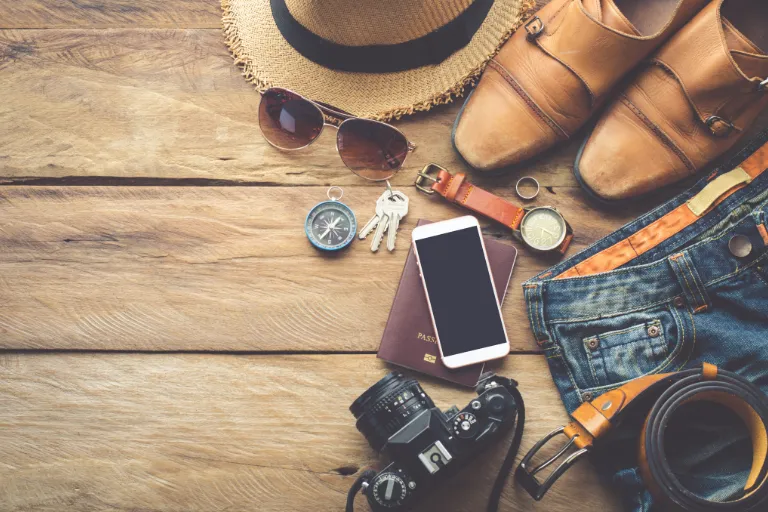
Tanzania Safari Packing List Comparison – High Season vs Low Season

The excitement of planning a Tanzanian Safari is real, but so is the need for a brilliant Tanzania Safari Packing List. The secret to a successful safari experience lies in your itinerary and heavily in what’s inside your suitcase. Also, because Tanzania’s high and low seasons are so different, your packing list should match those differences.

One definitive Tanzania Safari Packing List is not a standard uniform list, it should be tailored based on the season of our trip. We’re here to help make your adventure comfortable, unforgettable, and perfectly planned. Let’s break down each season’s specific needs and how they should influence your packing.
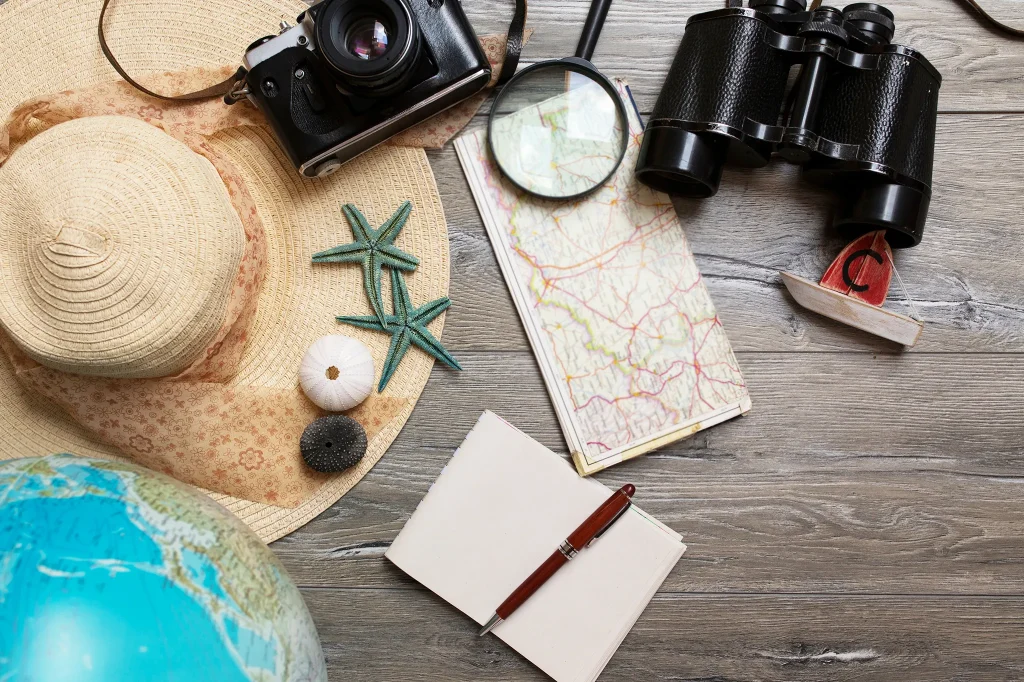
Safari Packing List
Safari Packing List

Understanding Tanzania’s Seasons

Before we dive into the Safari Packing List Tanzania, it’s essential to understand Tanzania’s seasons. A year-round destination, Tanzania is ever-welcoming, but its high and low seasons offer different experiences and necessitate a tailored packing approach.

  • High Season (June – October) – This dry, remarkable period sees wildlife congregating around scarce watering holes, facilitating spectacular sightings. However, the clear skies can lead to colder nights.
  • Low Season (November – May) – The wetter months paint the landscape lush green. Thinner crowds mean more intimate encounters with nature, but you must prepare for rain and higher temperatures.

Tanzania Safari Packing List for High Season

The high Season coincides with the dry season in Tanzania. Expect warm, dry days and cooler nights. Coming to the packing list for Safari in Tanzania during high season, this is how it looks:

Clothing Essentials

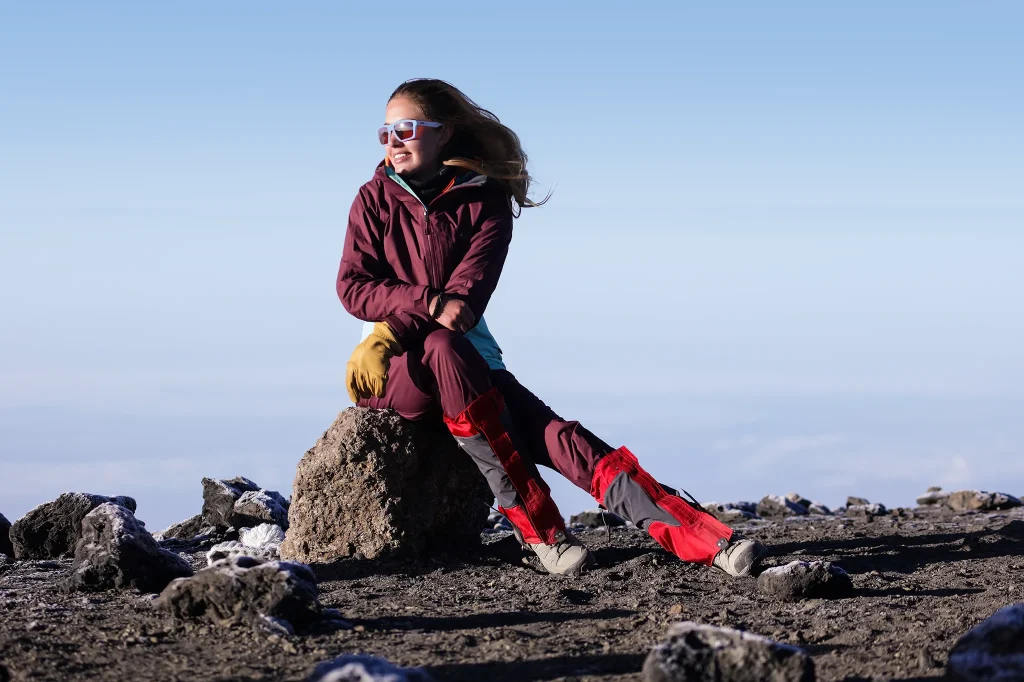
  • Lightweight clothing: The days are warm and dry, so pack light, breathable clothes. A mix of short-sleeved and long-sleeved shirts will do the job.
  • Warm Layers: Despite the warm days, temperatures plummet at night. Pack a fleece or lightweight down jacket for those chilly early morning game drives and evening campfires.
  • Neutral colours: Aim for colours that blend with the environment (think khaki, green, or brown). Avoid bright colours that might startle animals, and steer clear of blue and black, which can attract tsetse flies.

Accessories

  • Sunglasses and Sun Hat: With little shade out on the savannah, these must protect you from the strong African sun.
  • Binoculars: Wildlife won’t always come to you, so a good pair of binoculars is essential to spot distant animals.

Other essentials

  • With strong sun all day, sunscreen is an absolute necessity.
  • Although less prevalent during the dry season, insects can still be a nuisance. A good insect repellent is a must.

Sunny or soggy, lions don’t care—so pack smart! From binoculars to bug spray, your safari bag decides if the wild gets wow or whoops.

Tanzania Safari Packing List for Low Season

The low season coincides with the wet season, which means fewer tourists, greener landscapes, and slightly more unpredictable weather. Let’s see what to pack for a Tanzania Safari in the low seasons.

Clothing Essentials

  • Waterproof Jacket: The wet season can bring sudden showers. A lightweight, waterproof jacket will keep you dry without adding unnecessary weight to your bag.
  • Quick-Dry Clothes: Pack clothing that can dry quickly post those unexpected showers. It’ll ensure your comfort throughout the safari.

Accessories

  • Waterproof covers for your equipment: Ensure you have waterproof covers for your camera and binoculars. The last thing you want is water damage to your safari essentials!

Other essentials

  • Insect repellent: Rain can mean more mosquitoes, so an effective insect repellent is essential.
  • Malaria tablets: Although it’s advised to take these regardless of the season, it’s particularly important during the wet season when mosquito populations spike.

Shared Essentials for Safari Packing List Tanzania – Regardless of Season

Whether you’re visiting in high or low season, certain items are always essential and an integral part of your Tanzania Packing List.  

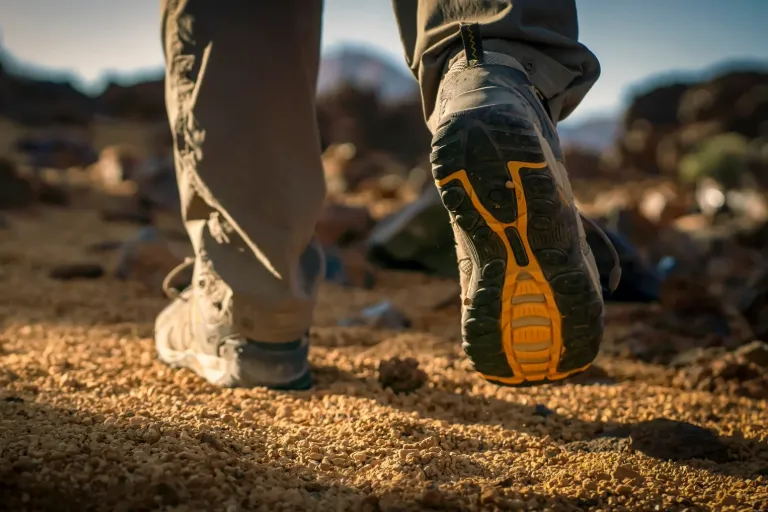
  • Good walking shoes. Regardless of the season, a sturdy, comfortable pair of walking shoes will make your safari experience much more enjoyable.
  • First aid kit. Always have a basic first aid kit handy. It should include band-aids, antiseptic wipes, tweezers, and any personal medication.
  • Reusable water bottle. Staying hydrated is key on a safari. Plus, using a reusable bottle helps to reduce plastic waste in the parks.
  • Camera and spare batteries. No Tanzania Safari Tours would be complete without a camera to capture your incredible wildlife encounters. Don’t forget to pack extra batteries or a power bank!
  • Travel insurance. It’s essential. Ensure your insurance covers any medical emergencies and any potential trip interruptions due to unpredictable weather or other unforeseen circumstances.
  • Swimwear. Many safari lodges have pools, so don’t forget your swimsuit. There’s nothing quite like cooling off with a dip while you take in the African vistas.
  • Headlamp or flashlight: This is particularly useful for finding your way around your campsite after dark.

Pro Packing Tips for Tanzania Safaris

Regardless of the season, remember to pack light. Many internal flights within Tanzania have strict weight restrictions for luggage. Prioritise essentials and remember, laundry services are often available at safari lodges. Other packing tips include:

  • Items like your passport, money, camera, and binoculars should be easily accessible, preferably in a day pack.
  • Charging facilities might be limited to certain accommodations. A power bank ensures your camera and other devices won’t run out of power.
  • Tanzania uses Type D and G plugs. Ensure you have a suitable adapter for charging your devices.
  • Pack a small first aid kit and any necessary medications. Don’t forget your malaria tablets if travelling during the wet season.

Our Suggestions: At African Scenic Safaris, our experts have curated a Tanzania Safari Packing List for specific travel types.

  • For family-friendly safaris in Tanzania,  take a look at the list by clicking the link here.
  • For those opting for remote camping, your safari packing list is here.
  • For solo travellers, this is your Packing List for Safari in Tanzania.

Pack Smart and Experience More on Tanzania Safaris

To enjoy Tanzania’s spectacle to the fullest, be it in the bustling high season or the tranquil low season, smart packing is your golden ticket. Remember to prioritise comfort, protection, and must-have safari gear like binoculars and cameras for those priceless wildlife snapshots.

Now that you’re armed with all the Tanzania Safari Packing List insights, your journey to the heart of Africa is only a suitcase away. So, gear up, embrace the adventure, and prepare for a lifetime of memories. All that’s left to say is, have a wondrous journey on Tanzania Safari Tours.

Simbo Natai
Simbo Natai, founder of African Scenic Safaris, crafts sustainable, meaningful Tanzanian journeys rooted in his deep local knowledge and passion.
Director, African Scenic Safaris

Footprints of Adventure – Discover the Best Shoes for Tanzania Safari Trails

When it comes to adventures, there’s nothing quite like the Tanzania Safaris. The African sun, the wildlife, and the diversity of the landscape all blend to offer an experience of a lifetime.

However, seasoned adventurers know that the secret to a successful safari lies in a meticulously crafted packing list, with special attention given to one crucial element of footwear.The right Shoes for a Tanzania Safari can make all the difference in ensuring comfort, protection, and mobility throughout your journey.

Your Shoes for the Tanzania Safari can significantly shape your experience by withstanding the test of this extraordinary expedition.

So, for those gearing up for a remarkable journey, let’s explore the essential shoes to include on your Safari Packing List Tanzania.

The Safari Shoes – Importance and Purpose

Your Tanzania Safari Shoes must cater to the diverse landscapes this country offers.

From the vast grasslands of the Serengeti to the rugged terrains of Kilimanjaro, each region calls for the perfect pair of shoes to ensure comfort and safety on your adventure.

Also, at the start of this post, we want to clear out one particular aspect when it comes to Safari Shoes in Tanzania. The shoes that might be right for one person during their trip may not be suitable for another. There is no standard rule when it comes to picking the best shoes. And, it ultimately depends on the specifics of your trips and your needs and preferences.

Moreover, picking the right pair of shoes for such a versatile environment can be challenging. Remember, functionality trumps fashion on the safari trails.  Ideal Shoes for Tanzania Safari provide the necessary support and comfort, enabling you to venture on various trails without any discomfort.

Special Mention: This blog post specifically talks about Safari Shoes in Tanzania. Here, we haven’t included the special hiking boots required for climbers when going on Mount Kilimanjaro Climbing expeditions. If you also want to learn about those specialised boots, refer to our blog, which focuses on the Best Hiking Boots on Kilimanjaro.

Picking The Right Safari Shoes

Points to Consider When Picking the Best Safari Shoes in Tanzania

Every safari adventure is unique, and thus, your Safari Shoes in Tanzania should be chosen based on several factors:

  • Length of your Tanzania Safari Tours: The duration of your safari directly impacts the type of shoes you need.

 For shorter trips, a couple of pairs of different shoes might be good. For short trips, weight is never a limitation. Also, you have your suitcase where you can pack a few pairs of shoes without any hassle.

However, for longer tours such as overland trips which involve travelling through many destinations, one durable pair of safari boots would be ideal. As you carry a backpack that is already heavily loaded with other stuff, you don’t want many safari shoes.

  • Place and Time of Your Safari: The location and time of your safari affect the type of shoes you need. During the rainy season, waterproof boots are a must. However, during drier months, breathable shoes or sandals may be more appropriate.
  • Type of Tanzania Safaris: The kind of safari you choose also affects your footwear choice. For safaris that involve lots of walking or hiking, your Packing List for Tanzania Safaris should include high-quality hiking boots. For game drive safaris, where you will mostly be in a vehicle, comfort should be your priority.

Types of Safari Footwear for Tanzanian Trails

When planning a Tanzania safari adventure, two types of footwear, namely, sandals and boots, are commonly recommended.

  • Safari Sandals – You’ll find two varieties of safari-friendly sandals. One features a thick bush-style sole for outdoor use, and the other is a thin-soled version for indoor use. The thin-soled option also serves to guard against thorns damaging your feet.
  • Safari Boots The importance of boots in your Tanzania Safari Tours ensemble is clear. However, selecting the right boots depends on the type of safari you’re embarking on.

If your safari adventure involves hiking and mountaineering, sturdy boots are essential. These allow you to navigate challenging trails and rough terrain with ease. High-quality boots may also be a necessity if you plan on doing some bird-watching.

Picking the Right Safari Shoes – Function Over Fashion

When choosing your shoes for Tanzania Safaris, prioritise functionality over style. Look for shoes that are comfortable, durable, breathable, and waterproof.

In general, comfortable safari boots with light but thick soles and flexible upper parts are excellent for safari trips. Here are six crucial aspects to consider when shopping for quality Shoes for Tanzania Safaris.

  • Boot Weight

Lighter boots make walking easier. But they should also support your arches and provide rigidity on the sides and length of your foot.

  • Water Resistance

In wet seasons, moisture can be an issue. This same moisture can cause painful blisters, so it’s important to ensure your boots help keep your feet dry.

  • The Tongue

The tongue of the boots, where you slide your feet, should be completely attached. This means it should be sewn not only at the base but also on the sides to the upper part to prevent sand, pebbles, and water from entering the boots.

  • Scree Collar

The scree collar guards your ankle and Achilles tendon against friction and should have padding that blocks sand from getting into the boots. The most effective scree collars have a half-moon cut-out at the rear. This design allows your ankle to bend more when walking and also prevents friction.

  • Sole

The sole should feature a robust tread for a secure grip. Additionally, it should contain a rigid shank – a thin piece of metal embedded within the sole. This shank shields your foot against sharp objects like thorns, glass, and rocks that could pierce through.

  • Laces

Opt for braided nylon cords for laces, as they tend to be more durable. If the boots come with flat laces, they may lean more toward fashion than authentic hiking boots.

The Safari Shoes
The Safari Shoes

Top Picks – Best Tanzania Safari Shoes

With the vast variety of shoes in the market, we’ve handpicked the best options, meeting the stringent safari requirements. Let’s deep dive into these champions:

Safari ShoesDescription
Merrell Moab 2 Ventilator-Renowned for their superior comfort and breathability. -Perfect for long treks on Tanzanian trails.
Salomon X Ultra 3 GTX-Excellent for tough terrains, offering robust support. -Perfect for the wet season.
Keen Targhee III-Offers a blend of comfort, durability, and traction. – They are great all-rounders for various safari activities.
New Balance 880v9 GTX– A light-wear safari shoe. (Weigh less than 300 grams) -Waterproof, durable and offers good protection.
Asics Metarun– Super responsive and flexible -55% lighter than the standard pair of runners.

On a Tanzania safari, your shoes do more than walk—they climb, splash, sprint, and explore. So, choose wisely, because every wild tale begins from the ground up.

Selecting Safari Shoes as Per Activities

Different safari activities require different types of shoes. Here’s a brief guide:

  • Walking Safari: For walking safaris, boots with good ankle support, a robust sole for rough terrains, and breathability for comfort are ideal. Brands like Merrell and Salomon are renowned for these features.
  • Game Drives: For luxury safari vehicles, a lighter pair of safari sandals or trainers would be sufficient as you will mostly be sitting comfortably.

For budget 4wd safari vehicles, a sturdy pair of shoes that can help you prevent bumpy rides might be a better choice.

  • When Staying in the Lodge: After a long day on the trail, you’ll want to relax. Comfortable sandals or even flip-flops are perfect for lounging around the lodge. But if you are camping around, then you might need something that gives you protection during toilet trips at night.

Don’t Forget the Socks – Packing Right

Your Tanzania Safari Packing List is incomplete without the right socks. They play a crucial role in keeping your feet dry, preventing blisters, and providing cushioning.

Look for socks with moisture-wicking capabilities and consider Merino wool socks for their breathability and odour resistance. Brands like Smartwool and Darn Tough are popular choices.

How to Size Safari Shoes: Finding Your Perfect Fit

The wrong shoe size can make even the best shoe uncomfortable. When sizing your Tanzania Safari shoes:

  • Try them on in the evening: Our feet tend to swell during the day. Trying on shoes in the evening gives you a more accurate fit.
  • Wear your safari socks: Wearing the socks you’ll use on the safari will provide a more accurate fit.
  • Leave room for your toes: Ensure there’s a thumb’s width space between your longest toe and the end of the shoe.
  • Walk around: Take a stroll around the store. Your foot should not slide or feel squeezed.

Shoe Care: Extending the Lifespan of Your Safari Shoes

Taking good care of your Shoes for the Tanzania Safari can prolong their lifespan. Here are some tips:

  • Clean your shoes: After each safari, remove dirt and mud. This helps maintain the integrity of the material.
  • Dry them properly: Never leave them wet. Dry them in indirect sunlight or air-dry them indoors. Avoid putting them near direct heat or using a hair dryer.

Condition your shoes: If your shoes are made of leather, use a conditioner to keep the material supple.

Concluding Thoughts

The right items from your Tanzania Safari Packing List, including the best Shoes for Tanzania Safaris, are key to a great trip. Not only will these shoes help you walk comfortably on Tanzania’s trails, but they’ll also be part of the unforgettable experiences you’ll have.

Ready to start the journey of the adventure of a lifetime? African Scenic Safaris is here to guide you. Our expert team is committed to making your safari experience unforgettable.

Don’t wait – pack your bags by following our Tanzania Safari Packing List and let’s step into the wild, one amazing story at a time. Adventure awaits with African Scenic Safaris!

Simbo Natai
Simbo Natai, founder of African Scenic Safaris, crafts sustainable, meaningful Tanzanian journeys rooted in his deep local knowledge and passion.
Director, African Scenic Safaris

Roaming with Wildlife- Exploring the Untamed Tanzania National Parks

With its vast wilderness and diverse flora and fauna, Africa continent has always intrigued travellers. Yet, among its numerous wildlife reserves, Tanzania National Parks hold a unique charm.

Tanzania National Parks are not merely protected areas for wildlife conservation; they are gateways to an adventurous safari experience in the untamed African landscapes. Join us as we journey through Best Tanzania National Parks, each an escapade to a unique wildlife adventure.

Serengeti National Park – The Wilderness Epicentre

In the heart of Tanzania’s preserved landscapes, you’ll find the extraordinary  Serengeti National Park. Honoured as a UNESCO World Heritage Site, the Serengeti is a must-see for anyone seeking an authentic Tanzania safari.

Serengeti National Park

Serengeti National Park Facts

  • The land area encompasses 13,250 square kilometres.
  • The altitude range varies from 1,139 meters to 2,174 meters.
  • Wildebeest, giraffes, gazelle, large cats, elephants, zebra, eland, topi, and kongoni are regularly seen.
  • The optimal Visit Period is from mid-year (June-July) and the start of the year (January-February)
  • Attractions in the vicinity are Ngorongoro Conservation Area, Lake Natron, Tarangire National Park
  • Entry Charges are USD 60 for individuals not from Africa
  • Annual Visitor Count Exceeds 350,000

Major Highlights of Serengeti National Park

The Great Migration  Witness the largest mammal migration on earth, the Great Wildebeest Migration. The sight of this monumental movement is simply breathtaking and humbling. Also, it is a testament to the resilience and relentless drive of life.  
African Big Five  The Serengeti is also home to the iconic African ‘Big Five’. These include the African lion, African leopard, African elephant, Cape buffalo, and rhinoceros. Tracking these magnificent creatures across the sprawling plains is a thrilling adventure in itself.
Hot Air Balloon Safaris  For a unique perspective of the Serengeti, try a hot air balloon ride at dawn. Floating above the endless plains, spotting herds of wildlife from a bird’s-eye view makes for an incredible experience.  
African PredatorsSerengeti National Park is one of the best places in Africa to spot African Predators. Around 3000 lions, 1000 leopards, and 7700 spotted hyenas reside within the park premises.

Note: For more information on Tanzania Safari Packages for animal lovers,  refer to the blog link here- https://africanscenicsafaris.com/blog/tanzania-safari-packages-for-animal-lovers-spotting-the-big-five-and-more/

Ngorongoro Conservation Area- A Natural Wonder

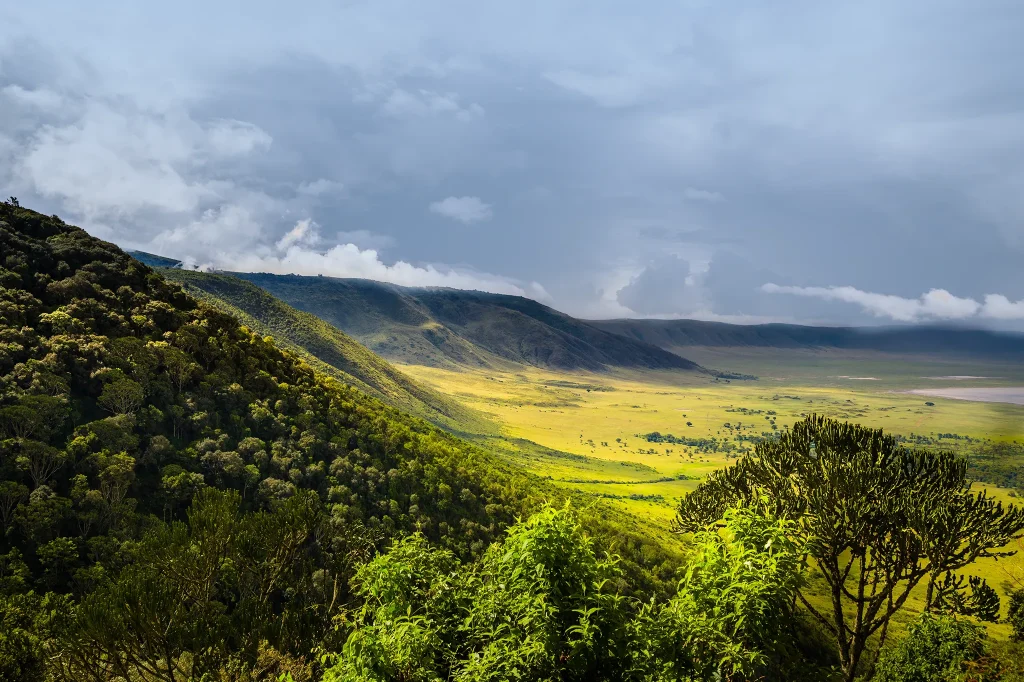
The Ngorongoro Conservation Area is an outstanding example of coexistence between humans (the Maasai people) and wildlife. The Ngorongoro Crater located inside NCA was once a gigantic volcano. It is now the largest intact caldera in the world and houses a high concentration of wildlife.

Ngorongoro Conservation Area

Ngorongoro Conservation Crater Facts

  • The geographical size is 8,228 square kilometres.
  • The elevation ranges from 1008 to 597 meters.
  • Typical wildlife sightings include black rhinos, wildebeests, zebras, gazelles, elephants, topi, cheetahs, lions, spotted hyenas, and leopards.
  • The ideal time to visit Ngorongoro is June through September.
  • Adjacent attractions are Serengeti National Park, Empakaai Crater, and Mount Kilimanjaro.
  • Entry Charges are USD 71.
  • Annual Visitor Count is approximately 400,000

Major Highlights of Ngorongoro Conservation Crater

Ngorongoro Crater  Within the caldera’s walls, you can spot a wide range of wildlife, including all members of the Big Five. The density of wildlife here means your chances of witnessing these animals up close are significantly high.
Oldupai Gorge  Known as the Cradle of Mankind, the Oldupai Gorge has yielded numerous fossils, showcasing millions of years of human evolution. A visit to this archaeological site offers a fascinating diversion from wildlife viewing.
Maasai cultural tour  The Ngorongoro Conservation Area is also home to the Maasai, an indigenous tribe known for their distinctive customs and dress. A cultural tour offers insights into their traditional lifestyle and coexistence with wildlife.
See the Big FiveA safari in the Ngorongoro Area guarantees the spotting of the African Big Five, including the endangered black rhinos.

Selous Game Reserve – Unexplored Territory

The Selous Game Reserve is Africa’s largest game reserve and a UNESCO World Heritage Site. Relatively undisturbed by human intervention, this reserve offers an authentic Tanzania Safari Experience.

Selous game Reserve
Selous game Reserve

Selous Game Reserve Facts

  • The game reserve covers an area of 47,665 square kilometres.
  • The altitude varies between 36 meters to 1460 meters.
  • Usual wildlife sightings include elephants, wild dogs, black colobus monkeys, hippos, crocodiles, sable, reedbuck, waterbucks, and bushbucks.
  • The ideal time to visit Ngorongoro is June through November.
  • Adjacent points of interest are Dar es Salaam and Zanzibar.
  • Entry Charges are USD 50.

Major Highlights of Selous Game Reserve

Walking Safaris  One of the best Tanzania Destinations for walking safaris. These walking safaris allow you to observe the small yet intriguing details often overlooked during vehicle safaris.
Boat safaris  Drifting down the Rufiji River offers a different pace and perspective while encountering aquatic life. Be ready to watch hippos bobbing in the water, crocodiles basking in the sun, and a myriad of bird species adorning the riverbanks.
Fly camping  Spend a night under the African sky for an immersive wilderness experience on Tanzania Safari Holidays. Reside in the temporary camps surrounded by the nocturnal sounds of wildlife.
Elephant MigrationThe dry season is the best time to watch elephants migrate between the Selous and Mozambique’s Niassa Game Reserves. According to estimates, it is believed that around 64,000 elephants move between these two parks.

Lions nap in trees, elephants roam in crowds, and flamingos paint the lakes—Tanzania’s national parks are where wildlife parties and you’re always on the guest list.

Lake Manyara National Park: The Birdwatcher’s Paradise

Despite being one of the smaller National Parks in Tanzania, Lake Manyara offers an incredibly diverse ecosystem. The park, teeming with birdlife, is an avian enthusiast’s dream destination. It’s also renowned for its tree-climbing lions, a rare behaviour exhibited by the lions here.

Lake Manyara National Park

Lake Manyara National Park Facts

  • The National Park spans an area of 330 square kilometres.
  • The altitude ranges from 953 meters to 1445 meters.
  • Frequently spotted animals include baboons, flamingos, wildebeests, elephants, blue monkeys, buffaloes, warthogs, zebras, Kirk’s dik-dik, lions, and leopards.
  • The ideal time to visit Ngorongoro is between July and October.
  • Adjacent attractions are Serengeti National Park and Ngorongoro Conservation Centre.
  • Entry Charges are USD 53.

Major Highlights of Lake Manyara National Park

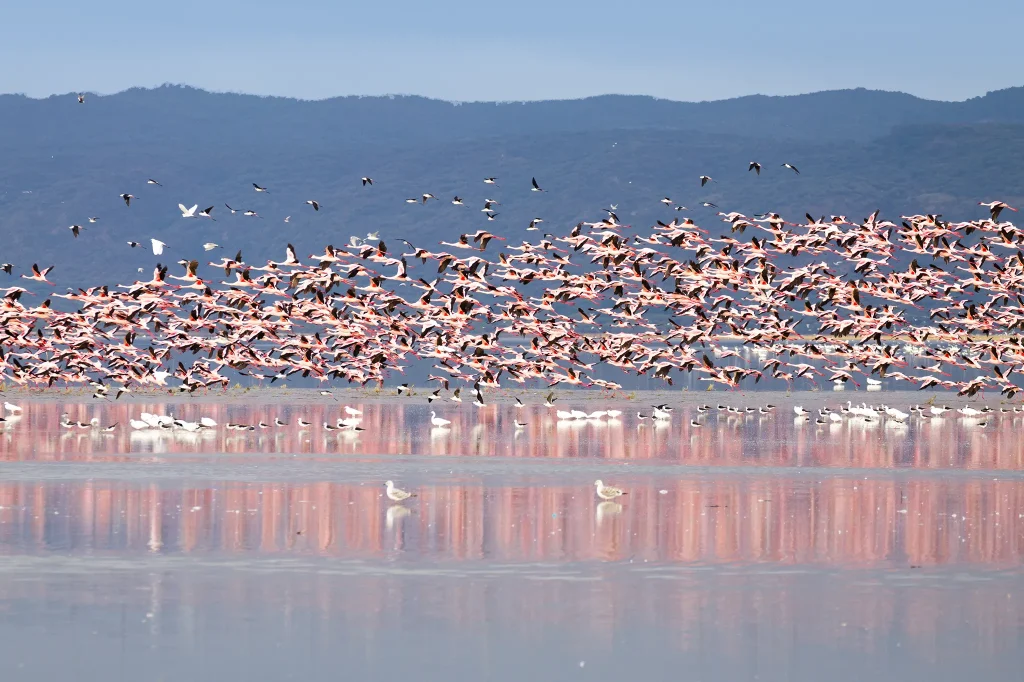
Birdwatching   With over 400 species of birds, Lake Manyara is a birdwatcher’s dream. From thousands of pink-hued flamingos to herons, storks, and pelicans, the park is a riot of colours and sounds.
Tree-climbing lions  While lions usually prefer to stay on the ground, those in Lake Manyara are special. They have developed a unique habit of climbing trees. Spotting these majestic predators lounging on tree branches is a truly rare and delightful sight on Tanzania Safaris Tours.
Maji Moto hot springs  At the southern end of the park, you’ll find the Maji Moto hot springs. This geothermal hot spring set amidst the green landscape offers a scenic spot for relaxation.  
Night SafarisThe night safari drives, trekking and hiking are the best possible ways to experience the wilderness of the national park.

Tarangire National Park- The Elephant’s Haven

Tarangire National Park is often overshadowed by the Serengeti and Ngorongoro but offers a unique safari experience with far fewer crowds. With the largest elephant population, this Tanzania National Park is fondly known as the Elephant’s Haven.

Tarangire National Park

Tarangire National Park Facts

  • The National Park occupies an area of 2850 square kilometres.
  • The altitude ranges from 982 meters to 1646 meters.
  • Typical wildlife encounters include elephants, lions, cheetahs, leopards, gazelles, impalas, elands, hartebeest, wildebeests, and giraffes.
  • The ideal time to visit Ngorongoro is between July and October.
  • Nearby places of interest are Arusha National Park, Serengeti National Park, Lake Manyara National Park, and Ngorongoro Conservation Area.
  • Entry Charges are USD 45.
  • The annual Visitor Count is around 160,000.

Major Highlights of Tarangire National Park

Baobab Trees   Tarangire’s landscape is dotted with ancient baobab trees, some of which are thousands of years old. These towering landmarks provide a magnificent backdrop for your safari photographs.
Large herds of Elephants  Tarangire is home to thousands of African elephants, to be precise around 4000 of them. This National Park in Tanzania offers exceptional opportunities for viewing these magnificent creatures in their natural habitat.
Birding Paradise  With over 500 bird species, Tarangire is a prime bird-watching destination in the country. Keep an eye out for vibrant bee-eaters, elusive nightjars, and the world’s largest bird, the ostrich.
Night Safaris and walking safarisThe night safaris and walking safaris offered inside the Tarangire help travellers explore all the intricate details of wildlife and their surrounding habitat.

Ruaha National Park- The Unspoiled Wilderness

Tanzania’s largest national park, Ruaha, is a remote, unspoiled wilderness that offers an authentic African safari experience. It may not possess a globally renowned status, yet it undeniably delivers the most untamed encounters for those with keen observation.

Ruaha National Park Facts

  • The National Park spans an area of 10,300 square kilometres.
  • The altitude ranges from 720 meters and 1886 meters.
  • Frequently spotted animals include giraffes, greater kudus, antelopes, lesser kudus, buffalos, gazelles, waterbucks, elephants, lions, cheetahs, spotted hyenas, and African wild dogs.
  • The ideal time to visit Ngorongoro is between June and October.
  • Surrounding attractions are Dar es Salaam and Zanzibar.
  • Entry Charges are USD 30.
  • The annual Visitor Count is around 20,000

Major Highlights of Ruaha National Park

Diverse Landscapes  From rolling hills to sprawling plains and rocky kopjes, Ruaha’s diverse landscapes are home to an equally diverse array of wildlife.
Large Carnivore Population  Ruaha boasts a large carnivore population, including lions, leopards, cheetahs, and African wild dogs. It’s particularly famous for its large pride of lions.  
Birdlife  Ruaha is another hot spot for bird enthusiasts with over 570 bird species recorded. Look for the endemic Ruaha red-billed hornbill among others.  
Cultural SitesThe burial site of Chief Mapenza, a significant historical and cultural figure, lies within the park. It can be reached via a full-day excursion from Msembe to Mpululu, but it is recommended to be accompanied by a guide. Additional historical sites in the vicinity include Ganga la Mafunyo, Nyanywa, Chahe, Painting Rock, Ismila Pillars near Iringa town, Kalenga, Mlambasi, Lugalo, and God’s Bridge.

Discover the Uncharted Beauty of Tanzania National Parks with Us!

Roaming with wildlife in Tanzania National Parks is like stepping into a live nature documentary. If this peek into Tanzania’s wildlife has kindled your spirit of adventure, it’s time to answer the call of the wild! African Scenic Safaris invites you to experience the thrill of a real safari, to be a part of this incredible journey.

So, are you ready to roam with the wildlife and explore its untamed Tanzanian parks? Our tailored Tanzania Safari Packages cater to all types of travellers.

By choosing us, you’re opting for unforgettable Tanzania Safari Tours that transport you into the untamed wilderness. Connect with us today and let’s bring your dream safari to life.

Simbo Natai
Simbo Natai, founder of African Scenic Safaris, crafts sustainable, meaningful Tanzanian journeys rooted in his deep local knowledge and passion.
Director, African Scenic Safaris

Mount Kilimanjaro – Summiting the Best of The Seven Summits!

Mount Kilimanjaro is by far the most iconic and popular of the Seven Summits – the highest peaks on each continent. One of the major factors for this is the otherworldly and impossible-to-fathom Kilimanjaro Height. For hiking enthusiasts around the globe, scaling this unbelievable height is right at the top of their dream journals.

If you have a question floating around in your mind about the Kilimanjaro Height aspects and why it’s considered one of the best of the seven summits, then we’ll tell you exactly why in this blog post. So, let’s get going!

Why Is Kilimanjaro’s Height an Important Factor?

The Height of Kilimanjaro is one of the critical factors that attract climbers from across our planet. It provides a sense of untapped potential, adventure, accomplishment, and yes, even awe, that’s almost impossible to replicate elsewhere.

Climbing Kilimanjaro requires considerable physical and mental effort, and the Kilimanjaro Height adds an extra layer of challenge and excitement to your voyage up the mountain.

Words of Wisdom – A Kilimanjaro Climb also requires climbers to acclimate to the altitude slowly. This process involves the body adapting to the lower atmospheric pressure and lower oxygen levels at higher altitudes, and it takes time. Climbers need to pace themselves and ascend gradually to avoid altitude sickness.

Kilimanjaro Climb

Kilimanjaro Height Compared to the Other Seven Summits

The Kilimanjaro Height above Sea Level is one of the most significant factors that draws out several adventurers seeking a challenge. The following is a height comparison of Kilimanjaro to the other six summits:

MOUNTAINHEIGHT (in metres)HEIGHT (in feet)
Kilimanjaro5,895 m19,341 ft.
Mount Elbrus5,642 m18,510 ft.
Mount Vinson4,892 m16,050 ft.
Aconcagua6,962 m22,841 ft.
Mount McKinley (Denali)6,194 m20,320 ft.
Puncak Jaya (Carstensz Pyramid)4,884 m16,024 ft.
Mount Everest8,848 m29,029 ft.

As it’s evident from the above representation, Mount Kilimanjaro is the fourth highest of the seven summits, behind Mount Everest, Aconcagua, and Denali. Despite being the fourth highest, though, it’s still a significant height for climbers on the lookout for a challenge.

Kilimanjaro’s Elevation Gain

Another aspect that makes Climbing Kilimanjaro stand out is its elevation gain. On your expedition, you start at the base of the mountain and climb to the summit, Uhuru Peak, which is at an elevation gain of over 4,800 metres (15,750 feet).

Below is the Elevation of Mt Kilimanjaro in comparison to the other six summits:

NAME OF THE MOUNTAINELEVATION GAIN (in metres)ELEVATION GAIN (in feet)
Mount Kilimanjaro4,869 m15,984 ft.
Mount Elbrus4,741 m15,554 ft.
Mount Vinson2,155 m7,070 ft.
Aconcagua3,962 m13,022 ft.
Mount McKinley (Denali)4,145 m13,796 ft.
Puncak Jaya (Carstensz Pyramid)4,884 m16,024 ft.
Mount Everest3,900 m12,795 ft.

Kilimanjaro has the second-highest elevation gain of the seven summits, behind only Mount Everest. So, if you want a high-altitude trekking challenge, then Mount Kilimanjaro Elevation will offer you precisely that.

Mount Kilimanjaro may not be the tallest, but its height, accessibility, and unmatched beauty make it the most inspiring summit for climbers chasing both adventure and personal achievement.

Other Factors that Make Kilimanjaro the Best of the 7 Summits

Now that we’ve laid rest to the Kilimanjaro Climb Height, let’s put some other factors under the microscope and see why Mount Kilimanjaro is regarded as the best of the Seven Summits.

Impressiveness – Kili’s stately wonders!

Kili’s towering grandness is sure to leave everyone shell-shocked, and why not? Standing at Uhuru Peak is an experience that’s best left to the otherworldly imagination. It rises above the Maasai land of Tanzania in royal form, and simply put, it is in a word – iconic. Thus, who doesn’t want to tick off such an iconic destination from the bucket list of their dreams?

Achievability – Within everyone’s reach!

While climbing any of the seven summits is an impressive feat, Kilimanjaro stands out as one of the most achievable mountains to climb.

The mountain’s gradual ascent and varied routes mean that climbers can adjust their pace to their fitness level and acclimatise slowly, reducing the risk of altitude sickness. Additionally, the mountain has a high success rate for summit attempts, with more than 90% of climbers successfully reaching the top.

Uniqueness – So unmatched that you’ll become attached!

Kilimanjaro is a unique mountain in many ways. It is the only mountain in Africa with glaciers and is home to several distinct ecological zones, each with its unique flora and fauna. Mount Kilimanjaro Climbing is also a unique experience due to the different routes, each offering a unique perspective and scenery of the mountain.

Accessibility – Express Access!

Even though Kilimanjaro is located in a remote region, in terms of accessibility travelling here is straightforward. Plus, the mountain has several routes with varying degrees of difficulty, making it possible for almost anyone to climb it. And, Kilimanjaro doesn’t require any technical climbing skills, making it an excellent choice for those who want to experience high-altitude trekking without the need for specialised gear or training.

The People – Communal Experiences that Matter!

Did you know that Mount Kilimanjaro Tours is also a cultural experience? Seems unlikely, right? Let us then clear some things up! The area surrounding the mountain is also home to the Chaga and Maasai communities. Along your hiking voyage, you’ll also learn a lot about the way of life.

This will be right out of the voices of the people who have grown right in the shadow of Kilimanjaro, from guides and chefs to porters and rangers.

Accept The Uniqueness Of Kilimanjaro Height with Open Arms!

So, there we have it, that was all about the importance of Kilimanjaro Height and some reasons why it is the best of the Seven Peaks. And, why wouldn’t it be? Because who doesn’t want to tick such an iconic mountain off their bucket list?

Even though it’s not among the tallest of the seven peaks (that honour belongs to Mount Everest).

Yet a Mount Kilimanjaro Climbing experience is assured to knock you off your feet, and believe us, we aren’t exaggerating one bit.

Ready to find this out for yourself? Then, book one of our wide range of Kilimanjaro Climbing Packages and marvel at Kilimanjaro’s height in the flesh.

Simbo Natai
Simbo Natai, founder of African Scenic Safaris, crafts sustainable, meaningful Tanzanian journeys rooted in his deep local knowledge and passion.
Director, African Scenic Safaris

Beyond The Clouds: Conquering Kilimanjaro Via Northern Circuit Route

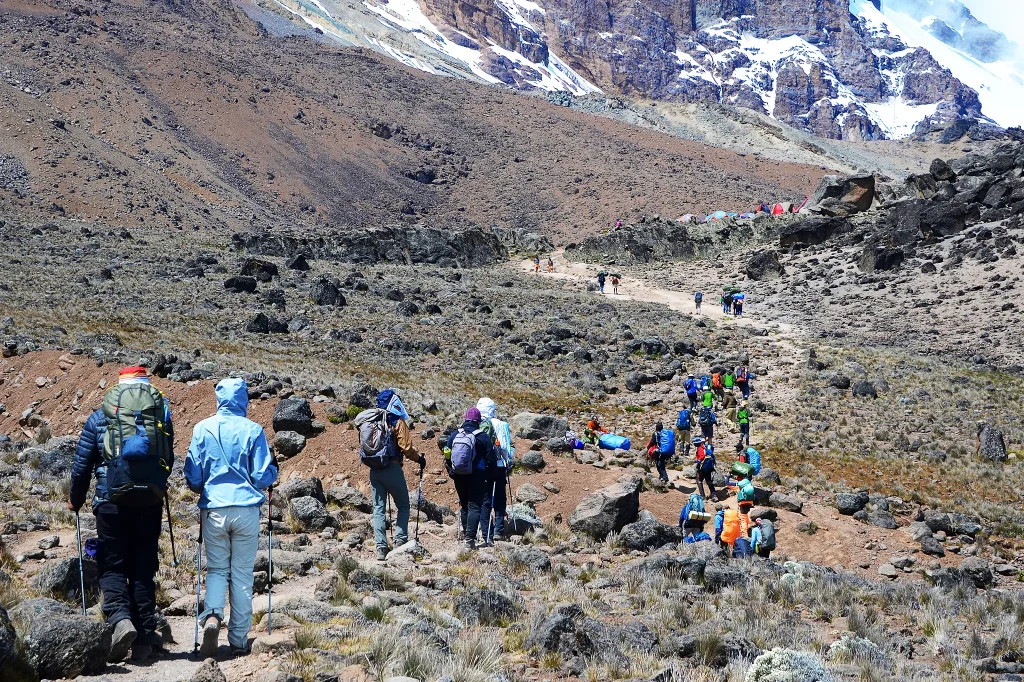
Conquering Kilimanjaro via the Northern Circuit Route is one of the best approaches to a Mount Kilimanjaro Climbing expedition.

The route offers panoramic scenery, including the beautiful northern slopes. Along with this, it’s also the longest Kilimanjaro Climbing Route, offering the most time for acclimatisation and thus, a higher success rate.

This blog will offer a detailed breakdown of the Northern Circuit Route features and why it’s one of the best ways to experience your climb.

Northern Circuit Route
 Northern Circuit Route

Brief Overview of the Northern Circuit Route

Kilimanjaro’s Northern Circuit Route approaches the mountain from the west, starting with a long drive from Moshi to Londorossi Gate. From there on, the first two days are spent trekking through the lush rainforest to Shira Ridge, before arriving at the Shira Plateau.

The route then heads north from Moir Hut to Buffalo Camp to School Hut, before finally summiting from the east.

  • Distance – 98 km/61 miles
  • Duration – 9 Days
  • Difficulty – Medium
  • Success Rate – High

Northern Circuit Route – Duration and Difficulty Level

The minimum number of days that one can conquer Kilimanjaro using the Northern Circuit Route is eight. But we highly recommend using the nine-day Northern Circuit Route Itinerary. This is because the extra day allows more time for acclimatisation.

  • The whole idea of Climbing Mt Kilimanjaro is to take your time and soak in everything that the experience has to offer.
  • And most climbers who have done all the necessary preparation and training will have no problems in conquering the mountain. Explore more about training for the Northern Circuit Route here.

No Kilimanjaro Climb is not easy, though the Northern Circuit Route is one of the easier climbs due to its ideal acclimatization profile. The route has great climb-high-sleep-low opportunities and is one of the Kilimanjaro Routes that have the best success rates.

 Climbing Mt Kilimanjaro

Accommodation and Crowd Levels

Only camping accommodation is available on the Kilimanjaro Northern Circuit Route. All the tents are pitched and taken down by our dedicated guides and Kilimanjaro Porters throughout your trek.

Moreover, the Northern Circuit Kilimanjaro Route is one of the least frequented of all the routes. It circles the tranquil northern slope to Kilimanjaro’s eastern section. This ultimately means you’ll enjoy rarely used camps and remote slopes. It certainly is a perfect choice if you want a relaxed and quieter climb.

Take the long way up Kilimanjaro—quiet trails, sweeping views, and more days to adjust mean the Northern Circuit gives you the best shot at standing tall on Uhuru Peak.

Northern Circuit Route Itinerary in Detail

Now that we have looked at the significant features of the Northern Circuit Route, let’s take a look at the 9-day Northern Circuit Route itinerary in detail:

Day 1 – Lemosho Gate to Mti Mkubwa Camp

You’ll drive to Londorossi Park and start the trek from Lemosho Gate. Afterwards, you’ll go through the rainforest zone for three to four hours and reach Mti Mkubwa Camp, where you’ll spend the night.

Elevation – 2,100 m to 2,895 m

Distance Covered – 6 km

Time Taken – 3-4 hours

Habitat – Montane Forest

Day 2 – Mti Mkubwa Camp to Shira 1 Camp

On this day, you’ll hike through the last remaining rainforest zone and enter the moorland terrain. The trail will lead you towards the Shira Plateau and Shira 1 Camp, where you’ll stay over for the night.

Elevation – 2,895 m to 3,505 m

Distance Covered – 8 km

Time Taken – 5-6 hours

Habitat – Rainforest

Day 3 – Shira 1 Camp to Shira 2 Camp

You’ll make your way across the Shira Plateau to Shira 2 Camp on a Kilimanjaro Climb that lasts about four to six hours. Temperatures tend to change at this point of the climb, with nighttime temperatures dropping below freezing.

Elevation – 3,505 m to 3,810 m

Distance Covered – 7 km

Time Taken – 4-6 hours

Habitat – Semi-Desert

Day 4 – Shira 2 Camp to Moir Hut

On this day, via the Kilimanjaro Northern Circuit Route, you can expect a trek through the high alpine desert. You’ll climb to Lava Tower and the Shark Tooth’s rock formation. Then, head back down to Moir Camp. This day is important for acclimatisation.

Elevation – 3,810 m to 4,206 m

Distance Covered – 14 km

Time Taken – 2-3 hours

Habitat – Alpine Desert

Day 5 – Moir Hut to Pofu Camp

The day begins with a steep incline trek as you venture around Kibo’s north face. Then, you’ll traverse through the alpine desert and reach Pofu Camp, where you’ll stay overnight.

Elevation – 4,206 m to 4,033 m

Distance Covered – 12 km

Time Taken – 5-6 hours

Habitat – Alpine Desert

Day 6 – Pofu Camp to Third Cave

The Kilimanjaro Climbing experience today is going to be challenging, but equally as rewarding. You’ll cross valleys and end at the Third Cave, which will also be your accommodation for the night.

Elevation – 4,033 m to 3,870 m

Time Taken – 4-5 hours

Habitat – Arctic

Day 7 – Third Cave to Kibo Hut

On Day 7, you’ll undertake a steady Kilimanjaro Climb over the Saddle. This is a stretch of barren land that connects the two peaks named Kibo and Mawenzi. After a climb of four to five hours, you’ll arrive at the School Hut for some rest before the big summit day.

Elevation – 3,870 m to 4,750 m

Distance Covered – 5 km

Time Taken – 4-5 hours

Habitat – Arctic

Day 8 – Kibo Hut to Uhuru Peak to Mweka Camp

This is the summit day of the Kilimanjaro Northern Circuit Route itinerary. This day is generally divided into two sections:

1st Section: Kibo Hut to Uhuru Peak

You’ll wake up around midnight and start your trek to the Kilimanjaro Summit. The Northern Circuit Route ascends northwest into the night. And, in about five to seven hours, you’ll reach Stella Point on the crater rim located at 5,685 m above sea level.

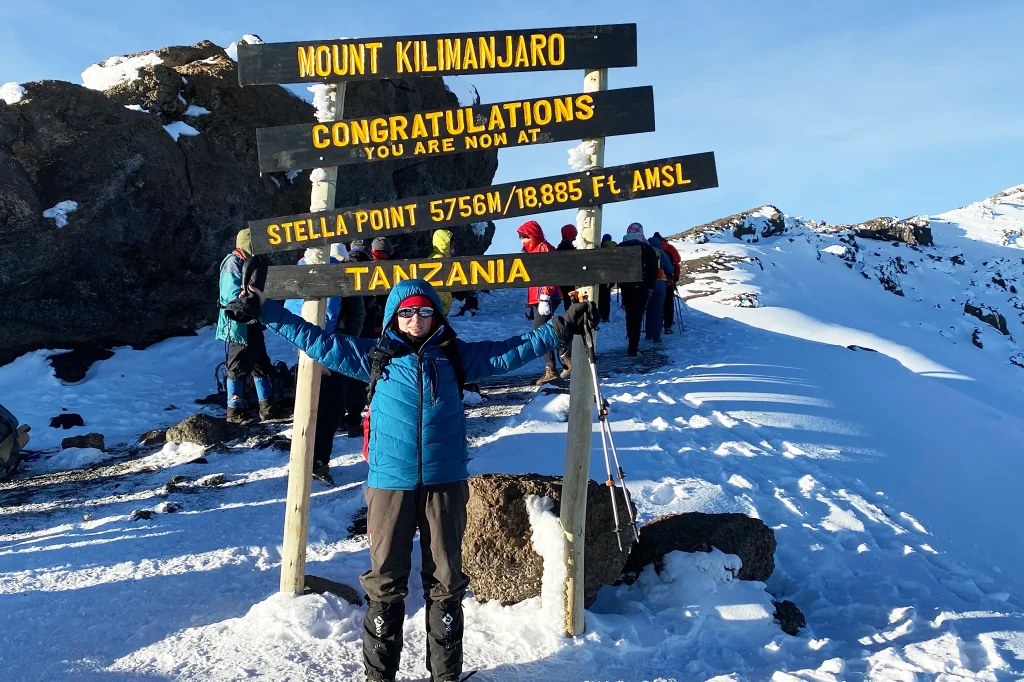
Then, you’ll continue for an hour and reach Uhuru Peak at 5,895 m. Now, you’ll be standing at the very top of the Roof of Africa.

Elevation – 4,750 m to 5,895 m

Distance Covered – 6 km

Time Taken – 6-8 hours

Habitat – Arctic

2nd Section – Uhuru Peak to Mweka Camp

After reaching the summit, you will descend to Mweka Camp at 3,110 m above sea level. This will be where you’ll spend the final night on the mountain.

Elevation – 5,895 m to 3,068 m

Distance – 12 km

Time Taken – 6-8 hours

Day 9 – Mweka Camp to Mweka Gate

This is the day on the Northern Circuit Route where you’ll complete the descent to the foot of the mountain and celebrate a major milestone!

Elevation – 3,068 m to 1,640 m

Distance Covered – 10 km

Time Taken – 3 hours

Habitat – Rainforest

Uncover the Best Way to Climb Kilimanjaro!

Summing up, the combination of amazing scenery in the different zones, excellent acclimatisation profile, and a peaceful climbing experience makes the Northern Circuit Route the perfect choice to conquer Kilimanjaro.

We at African Scenic Safaris utilise the full potential of the Northern Circuit Route with tailor-made Kilimanjaro Climbing Packages that increase your chances of reaching Uhuru Peak.

If you want to add a little adventure to the end of your Kilimanjaro climb, we recommend going on a Tanzania safari – you won’t find a better African safari! 

Simbo Natai
Simbo Natai, founder of African Scenic Safaris, crafts sustainable, meaningful Tanzanian journeys rooted in his deep local knowledge and passion.
Director, African Scenic Safaris

Climbing Mount Kilimanjaro – Where Attitude Is the Altitude

The Kilimanjaro Height presents a unique set of challenges for climbers looking to scale the mountain, with the effects of altitude being the most glaring one. A major ratio of hikers who climb over 9,000 feet develop some sort of symptoms related to high altitudes.

Your overall climbing experience and altitude sickness that will eventually occur during the process of conquering Kilimanjaro Height go hand in hand.

In this blog post, we will cover what exactly the high-altitude effects are, what you should expect during your Mount Kilimanjaro Climbing adventure, and measures to overcome them.

Climbing Mount Kilimanjaro

Kilimanjaro Height And High Altitude – What’s The Relation?

Kilimanjaro stands at a staggering height of 5,895 metres, and at Kilimanjaro’s Highest Point, there is approximately 49% less oxygen than at sea level. But, it’s not the percentage of oxygen in the air that changes; it’s the atmosphere’s barometric pressure (the air pressure) that’s reduced.

The percentage of oxygen in the air remains the same (20.9%), but the availability is reduced by the change in air pressure. This boils down to the fact that for any volume of air you breathe in, fewer oxygen molecules are available.

  • The mountain’s height and its location in a high-altitude environment are directly related.
  • As altitude increases, the air pressure and oxygen levels decrease, making it increasingly difficult for the human body to function properly.
  • The effects of high altitude can range from mild symptoms such as headaches and nausea to more severe conditions such as altitude sickness.
COMPONENTKILIMANJARO HEIGHT AND HIGH ALTITUDE
Elevation5,895 meters (19,341 feet) above sea level
RelationHeight and high altitude are directly related
Effects of high altitudeDecreased air pressure and oxygen levels lead to difficulty in the functioning of the human body
Symptoms of high altitudeHeadaches, nausea, and altitude sickness (in severe cases)

Is There a Way to Prepare Myself for Kilimanjaro’s Height and Altitude?

Being well prepared for the Mount Kilimanjaro Elevation level is going to put you one step closer to a successful, stress-free, and most importantly, a safe climb.

But, it’s important to know that there’s no way in the world that you will completely overcome the effects of high altitude (even seasoned trekkers around the world have experienced some mild symptoms).

We are not medical professionals, so we can’t offer by-the-book advice that has a stamp of full proofness. But, a way that we can help you during your Climbing Kilimanjaro experience is to provide some suggestions that are right out of the brains of our trekking experts.

Kilimanjaro’s Height
  • A good fitness level is essential, and you should aim to train for several months before the climb.
  • Cardiovascular and endurance training, along with strength training, is especially recommended to help prepare the body for the physical demands of the climb.
  • In addition to physical preparation, you should also mentally prepare yourself for the journey ahead.
  • Mental preparation involves developing the right attitude and mindset to face the challenges that come with climbing Kilimanjaro.

An Interesting Fact– There have been some instances of climbers training for the Height of Mt Kilimanjaro with altitude masks. This is a mask that mimics the decrease in oxygen that you will experience while climbing the mountain. This allows you to experience the effects beforehand. Whether or not this method is effective is up for debate, but if there’s an option, why not take a swing at it?

Kilimanjaro Height And Why Does Attitude Matter?

The right attitude is important when it comes to tackling such a high altitude. 

Climbing Mt Kilimanjaro requires a positive attitude, determination, and mental toughness. The journey to the summit can be physically and mentally demanding, and climbers must be prepared to face the challenges head-on.

A positive attitude can help climbers push through tough times and significantly impact their overall experience. A negative attitude, on the other hand, can hinder progress and even lead to altitude sickness.

Climbing Kilimanjaro isn’t just about reaching the top, it’s about preparing your body, training your mind, and understanding how altitude affects every breath you take along the way.

Techniques For Preparing For Kilimanjaro’s High Altitude

Aerobic, Cardiovascular, and Strength Training are some of the techniques that you should consider practising a few weeks before your Kilimanjaro Climb. This includes elements like:

  • Jumping jacks
  • Squats
  • Box Jumps
  • On the spot, high knee running
  • Warm-up and stretching

Note – Breathing exercises, interval training, and simulated altitude training are some other elements you can practice right a few weeks before your trekking voyage.

Symptoms of Altitude Sickness

As mentioned earlier in the post, avoiding the symptoms of altitude or acute mountain sickness when tackling the Height of Kilimanjaro isn’t altogether avoidable. So, knowing about the symptoms and treating them properly is a concept that you should emphasise to.

The symptoms of altitude sickness usually appear within 6 to 24 hours after arriving at high-altitude areas. The severity of symptoms may vary depending on individual susceptibility, rate of ascent, and altitude reached.

Altitude Sickness
Altitude Sickness
  • The most common symptom of altitude sickness is a persistent headache that doesn’t go away with common painkillers.
  • A feeling of nausea and vomiting can occur due to the body’s inability to adjust to the change in altitude.
  • Encountering a sense of dizziness and light-headedness when you move around or stand up.
  • You may feel short of breath even after mild exertion.
  • Difficulty sleeping or poor quality of sleep is common in altitude sickness.
  • You may lose your appetite, leading to weight loss.

And, you may also feel extremely tired and weak, making it difficult to perform physical activities.

Treatment Strategies for Altitude Sickness

If you suspect that you have altitude sickness, it is essential to take immediate action to avoid severe complications. Some of the proper treatments for altitude sickness include:

Rest and Acclimatization: It is essential to rest and take time to acclimatize to the new altitude before resuming physical activities.

Oxygen Therapy: In severe cases, oxygen therapy can help to relieve symptoms.

Medications: Medications such as acetazolamide can help to reduce symptoms.

Descend: If symptoms persist or become severe, it is crucial to descend to a lower altitude.

Hydration: Drinking plenty of fluids helps to keep your body hydrated, reducing the risk of altitude sickness.

Note – If you experience major symptoms like shallow breathing and chest congestion, then you should descend straightaway.

Mind Over Matter – Spike Up Your Mental Fortitude And Come Out On Top!

Thus, as has been demonstrated, coming out on top against the intimidating Kilimanjaro Height, though not an easy task, is certainly probable.

With the right acclimatization profile, following the training routine, and having the right mindset and attitude, your Mount Kilimanjaro Climbing adventure is going to reach the next level or reach new heights – no pun intended!

Simbo Natai
Simbo Natai, founder of African Scenic Safaris, crafts sustainable, meaningful Tanzanian journeys rooted in his deep local knowledge and passion.
Director, African Scenic Safaris

Roam With Giants – Get Up Close and Personal with Wildlife on Tanzania Safaris

Tanzania Safaris offer nothing short of the ultimate wildlife experience. From the big five, the great migration, and some special animals, there’s a whole cast of special animals just waiting to be discovered.

In this blog post, we’ll see the major wildlife highlights of Tanzania and see exactly how you can get up close and personal with them. Let’s get you going to Tanzania’s wild side.

Wildlife Highlights of Tanzania Safaris

Tanzania Safaris has the honour of being blessed with some of Earth’s largest concentrations of wildlife.

When you’re in Tanzania, it’s impossible not to hear the wild calling out your name. You can put your faith in the untamed wilderness to give you the best game-viewing experiences. Below is a taste of the wildlife highlights in Tanzania:

Wildebeest Migration

The Great Migration

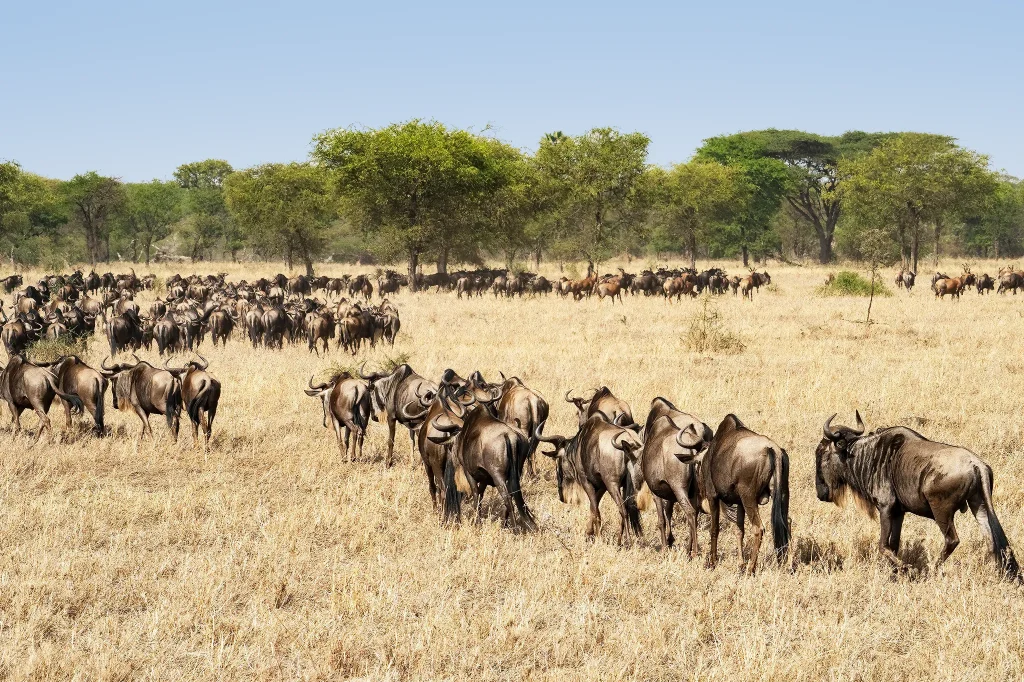
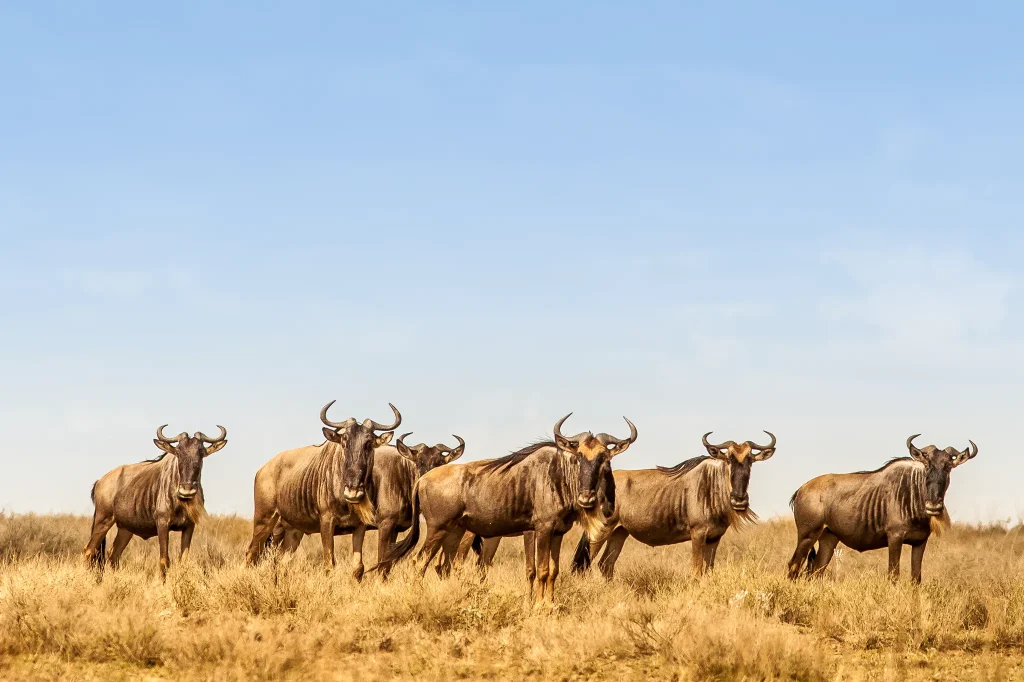
The Great Wildebeest Migration is a phenomenon that spans several months and covers a vast distance as immense herds of herbivores traverse the savannahs of East Africa. This journey is driven by the need to find fresh grazing lands and water sources. The primary participants of this migration are wildebeests, zebras, and gazelles, but other species such as elands and impalas also join in.

  • One of the major events of the Great Migration is the river crossings. As the herds reach the rivers, most notably the Grumeti and Mara Rivers, they face a challenging obstacle.
  • Crocodiles hide beneath the water’s surface. Whereas, hungry predators such as lions, cheetahs, and hyenas await on the other side.
  • Then, the scene is set for some of the most heart-stopping Tanzania Safari Tours! As thousands of animals gather at the water’s edge and plunge into the river with a determination to survive.

We have mapped out the best times to see this natural phenomenon based on the different paths of migration. Have a look below:

PATH OF THE MIGRATIONBEST TIME FOR SIGHTINGS
Masai MaraJuly to October
Serengeti National ParkDecember to July
Ndutu Region (southern Serengeti)December to March
Grumeti Game ReserveJune and July
Tarangire National ParkJune to September

The Big Five

These are the animals that make the Tanzania Safari Experience more worthwhile and unforgettable. Whether it’s a leopard stalking its prey, an elephant having a bath, or a lion prowling the savannah, the Big Five is certainly one of the major standouts of Tanzania’s Wildlife.

Best Sightings in – Serengeti National Park and the Ngorongoro Crater

Rarest Animal to See on Tanzania Safaris – The Rhino!

Tanzania’s rarest wildlife species is the black rhinoceros. They are listed as critically endangered according to the IUCN and are closely protected wherever they’re found in the country. A sighting of a black rhino is the perfect ingredient for the Best Safari Tours in Tanzania.

Best Places to see Rhinos – Ngorongoro Crater and Serengeti National Park

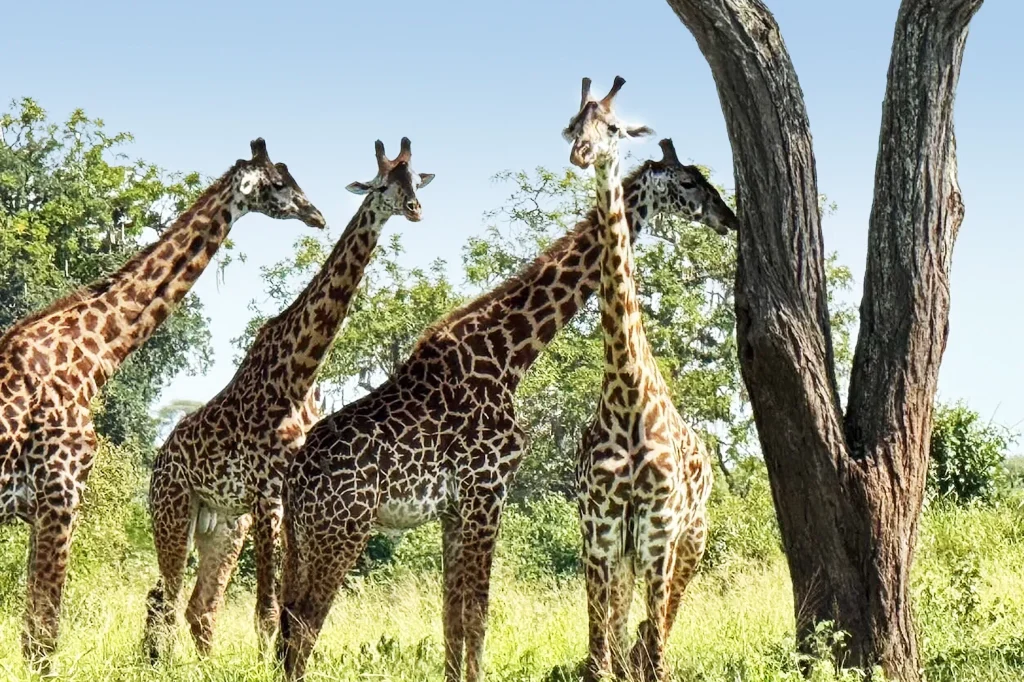
Tallest Animal in Tanzania – Giraffes!

The tallest land mammal in the world, the giraffe, is Tanzania’s official national animal. According to the Tanzania Wildlife Research Institute (https://tawiri.or.tz/), the estimated population of Masai Giraffes is around 28,850 individuals.

Tanzania picked the giraffe as their national animal because of its grace and long neck, representing the skill to be visionary. And, they serve as a reminder for people to see life from different perspectives.

Best Places to see them – Tarangire, Serengeti, and Arusha National Parks

Tanzania’s Largest Animal – The Gentle Giants!

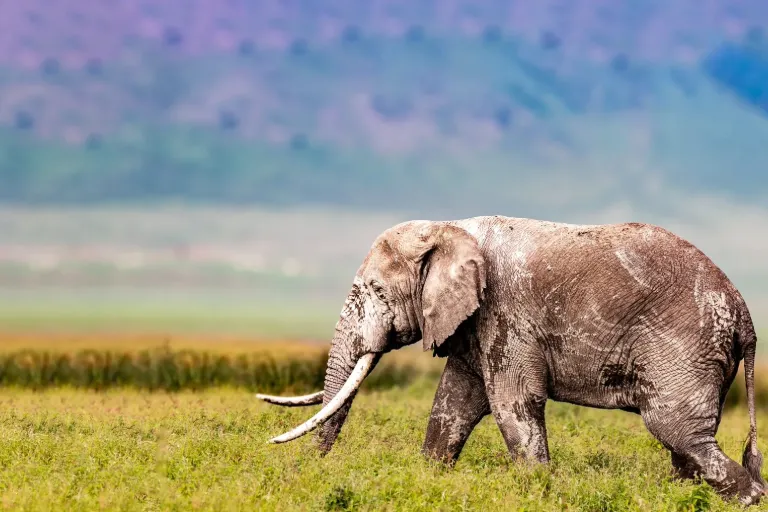
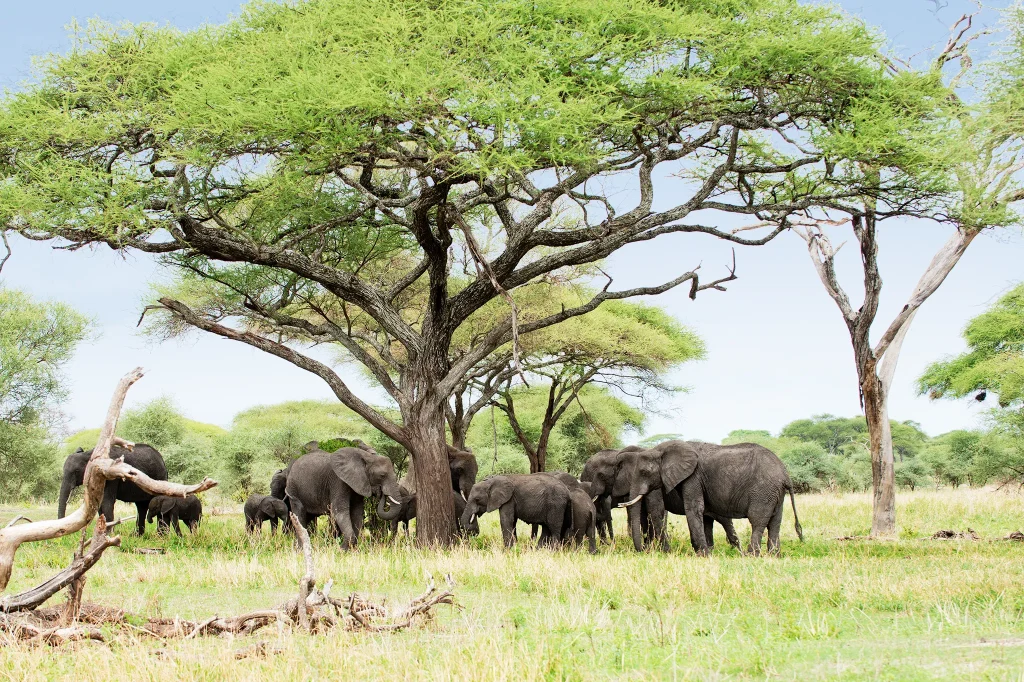
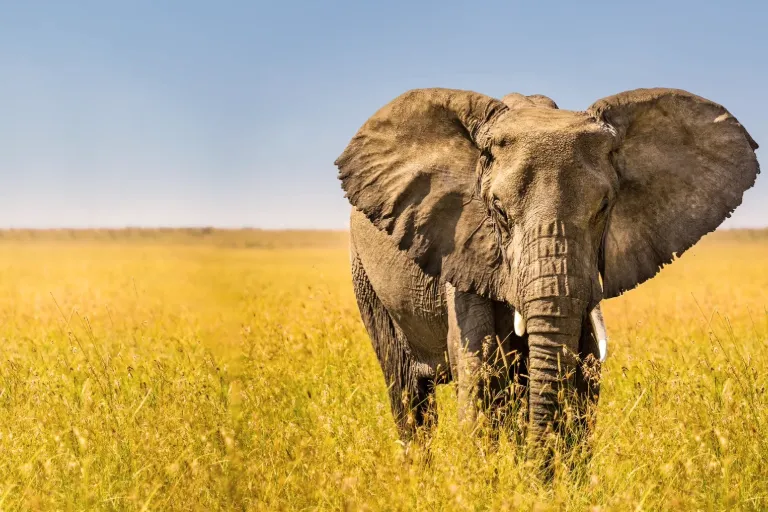
The African Savannah Elephant is the largest animal in Tanzania. With their iconic curved tusks, elongated trunks, and massive frames, they command attention and inspire awe for visitors on Safaris to Tanzania. Some of the best Tanzania National Parks to see elephants are listed below:

Serengeti National Park – Although Serengeti’s main claim to fame is the Great Migration, the park also has a sizable population of elephants. Expect to see several herds when on a Tanzania Safari here, as the numbers go over 7,000.

Tarangire National Park – Located in the northern section of Tanzania, Tarangire is home to more than 2,500 elephants. One of the park’s major highlights is the sheer size of the elephant herds. They gather in great numbers at the Tarangire River during the dry season.

Want to learn more about the extensive wildlife population of Tanzania? Then be sure to click on this link – https://africanscenicsafaris.com/blog/safaris-to-tanzania-travel-for-a-great-wildlife-experience/

Tanzania Safaris bring you face-to-face with the wild—roaming beside elephants, spotting rare rhinos, and discovering nature’s wonders in their purest form, all guided by respect and curiosity.

Getting Personal on Tanzania Safaris!

Now that we’ve gone over the primary Tanzania Wildlife highlights, let’s see the best way to see these animals in an up-close and personal manner. The answer is walking safaris!

These are all about getting the authentic game-viewing experience and acquiring a deeper appreciation of Tanzania’s varied wildlife.

Experience – Walking safaris offer a unique and exhilarating way to explore Tanzania’s diverse ecosystems.

  • Led by experienced guides, these safaris take you away from the confines of a vehicle and onto the untamed landscapes.
  • This is where you’ll become part of the wilderness.
  • The thrill of venturing on foot through the bush heightens your senses, enabling you to fully immerse yourself in the sights, sounds, and scents of the natural environment.

Advantage – On foot, you can quietly approach animals without disrupting their natural behaviour, allowing for more authentic and intimate encounters.

Here’s an overall idea of what you can expect on Walking Safaris in Tanzania:

SAFARI DESTINATIONWALKING SAFARI HIGHLIGHTSWILDLIFE ENCOUNTERSRECOMMENDED TIME TO VISIT
Serengeti National ParkSerengeti offers thrilling walking safaris accompanied by experienced guides.Lions, elephants, giraffes, zebras, wildebeests, buffaloes, cheetahs, etc.Dry Season (June to October)
Ngorongoro Conservation AreaThe area provides unique walking opportunities around the crater rim and surrounding highlands.Rhinos, lions, elephants, hippos, zebras, etc.Year-Round (except during heavy rains)
Tarangire National ParkTarangire offers walking safaris for an intimate wildlife experience.Elephants, lions, leopards, giraffes, zebras, wildebeests, etc.Dry Season (June to October)

Leave A Footprint On Nothing But Your Memories!

On the whole, you will have gathered by now that the best way to get up close and personal with animals on Tanzania Safaris is by opting for walking tours. Now the question is do you want to leave as little a footprint on the wildlife of this country and go on a safari with an operator that emphasizes sustainability?

Then, there’s no better choice than booking a Tanzania Safari Package with us at African Scenic Safaris! With the combination of your priority, tailor-made experiences, and all the wildlife you could ever want, you’ll leave with nothing but prized memories.

Leave a Footprint
Leave a Footprint
Simbo Natai
Simbo Natai, founder of African Scenic Safaris, crafts sustainable, meaningful Tanzanian journeys rooted in his deep local knowledge and passion.
Director, African Scenic Safaris

How High Is Mount Kilimanjaro? Everything You Need to Know

There have been some uncertainties over the factual Kilimanjaro Height, but the most agreed-upon figure (and the one on the board at the top of the mountain) is 5,895 metres (19,340 feet) above sea level.

Consider Mount Kilimanjaro Climbing, the highest free-standing mountain in the world and the fourth highest of the seven summits. Yet, you’ll be surprised to know that its height has changed over the years.

Mount Kilimanjaro Height? Is it 5895 m, 5893 m or 5892 m? Well, if you’re thinking about how these changes came to light, then in this post, we’ll go over all the height characteristics of Mount Kilimanjaro.

The Established Kilimanjaro Height

It was in 1889 when Dr. Hans Meyer became the first person to reach the summit of Mount Kilimanjaro. Afterwards, he claimed he had climbed to around 6,045 metres (19,833 feet).

  • The colonial German authorities later amended this figure to 5,892 metres. This remained the official Mount Kilimanjaro Height until 1952.
  • Later that year, The Height of Kilimanjaro was measured again by British cartographers, and they adjusted it to 5,895 metres or 19,340 feet.
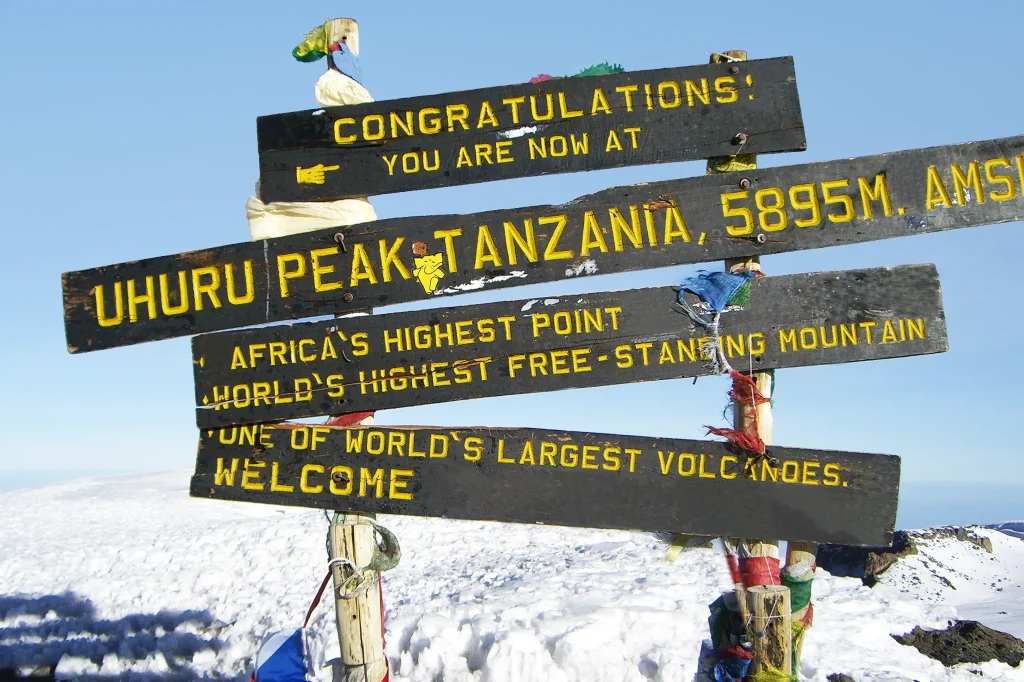
  • This figure was further written on the signpost of Kilimanjaro’s Uhuru Peak and is the figure you’ll find in most resources, as well as information materials on Kilimanjaro.

When Mt Kilimanjaro’s Height was measured again in 2008, the gauge showed the height was 5,891.8 metres.

Interesting Fact – It should be noted that the UNEP-WCMC (United Nations Environment Programme-World Conservation Monitoring Centre) in their official fact sheet of Kilimanjaro National Park, stated the height of Mount Kilimanjaro to be 5,893 metres.

The Latest Kilimanjaro Height Figures

Even though the Kilimanjaro Height Above Sea Level has been amended several times, one constant figure is 5,895 meters. The following is an insight into the Kilimanjaro Height changes:

Official Kilimanjaro Height – 5895 metres (19,340 feet), used by almost everyone.

More Accurate Kilimanjaro Height – 5,892.55 metres (19,332 feet), used in the UNEP-WCMC fact sheet.

The latest Height is 5,891.8 metres (19,330 feet), according to the 2008 Precise Height Measurement Expedition.

Kilimanjaro Height
Kilimanjaro Height

The Height of Kilimanjaro’s Peaks

Mount Kilimanjaro consists of three distinct cones, Kibo, Shira, and Mawenzi. Kibo is the highest peak, and Uhuru Peak is the highest point on Kibo’s crater rim. The Height of Kilimanjaro’s Peaks is constantly changing because of atmospheric and geological factors like volcanic activity, snow accumulation, and erosion.

The following representation reflects the current atmospheric heights of Kilimanjaro’s three peaks:

KILIMANJARO PEAKELEVATION (in metres)ELEVATION (in feet)
Kibo5,895 m19,340 ft.
Mawenzi5,149 m16,893 ft.
Shira3,962 m13,000 ft.
  • Kibo is the highest and most popular of Kilimanjaro’s peaks, with its summit reachable by several Kilimanjaro Climbing Routes such as Lemosho, Rongai, Machame, and Marangu.
  • Mawenzi is the third-highest peak and is considered a more technical climb due to its rugged terrain and challenging sections that require skilled rock climbing knowledge.
  • And, finally, Shira Peak is the lowest of the three in terms of Kilimanjaro Climb Height and is not usually climbed, but is a good starting point for treks.

Note – Shira once used to be Kilimanjaro’s third volcanic cone, but one of its early eruptions completely eradicated the rim and a flat plateau ultimately developed, known as the Lemosho Glades.

Mount Kilimanjaro’s height might change on paper, but its towering presence and adventure-filled slopes continue to challenge and inspire climbers around the world.

How High Is Mount Kilimanjaro, exactly?

Mount Kilimanjaro is the highest peak in Africa and the world’s highest free-standing mountain. The Kilimanjaro Summit Height is 5,895 m above sea level, and to give you an inkling of Kilimanjaro’s Height, Mount Everest stands at 8,848 metres. This is just over 2,950 metres higher than Mount Kilimanjaro.

Interestingly enough, both Everest Base Camp and (EBC) – South and North are below the summit of Kilimanjaro. Having said that, though, most climbers take more than 8-10 days to reach the Everest Base Camp.

Good to Know – Even though it is possible to start a Kilimanjaro Climb within 4-5 days but it’s not recommended. This is due to the rapid ascent of the mountain,   which in turn poses a risk of Kilimanjaro Altitude Sickness.

Kilimanjaro Height
Kilimanjaro Height

Kilimanjaro Height – Elevation Vs Prominence Vs Climbing Height

Kilimanjaro has various measurements that are used to describe its height, including elevation, climbing height, and prominence. Below, we will explore the differences between these measurements.

  • The elevation is the vertical distance between the base of the mountain and its highest point.
  • The Kilimanjaro Elevation summit, known as Uhuru Peak, is 5,895 meters (19,341 feet) above sea level.
  • The elevation is an important measurement because it is used to determine the difficulty level of a climb and the oxygen levels at higher altitudes.
  • Climbing height is the vertical distance from the base of the mountain to the highest point that a climber can reach.
  • The Kilimanjaro Climb Height is approximately 4,900 meters (16,100 feet), which is the elevation of the last camp before the final ascent to Uhuru Peak.
  • Climbing height is essential because it helps climbers determine the level of fitness and preparation required to reach the summit.
  • Prominence is the distance between a mountain’s summit and its highest saddle, which is the lowest point on a ridge that connects it to a higher mountain.
  • Kilimanjaro’s prominence is 5,885 meters (19,308 feet), making it the fourth most prominent peak in the world. Prominence is important because it reflects the mountain’s dominance within its surroundings.

The following summarizes the differences between Kilimanjaro’s elevation, climbing height, and prominence:

MEASUREMENTVALUE
Elevation5,895 meters
Climbing height4,900 meters
Prominence5,885 meters

Scaling New Heights – A Voyage Up Kilimanjaro!

Picture yourself making your way up Kilimanjaro, air thinning, and the cold soaking into your bones. Yet the sight of the sun rising beyond the horizon, painting the sky with hues of orange, red, and gold, will warm your heart.

This is a glimpse into what conquering the Kilimanjaro Height experience will be. Why not heighten your senses and get your fill of wonder by opting for one of our Kilimanjaro Climbing Packages that will allow you to stand in awe at the height of Kili?

Simbo Natai
Simbo Natai, founder of African Scenic Safaris, crafts sustainable, meaningful Tanzanian journeys rooted in his deep local knowledge and passion.
Director, African Scenic Safaris

Why Is the Height of Mount Kilimanjaro So Tall?

When picturing the African land, the image of a towering mountain isn’t the first thing that pops into the mind. However, in the eastern section of Africa, the continent’s highest peak stands, reaching an impressive altitude of 5895 meters. This is Mount Kilimanjaro which serves as a magnet for hiking enthusiasts from across the planet to conquer its height and come out on top.

In this post, we will assess the various components of this majestic mountain, along with providing insightful background information on the Kilimanjaro Height. Hoping, it will ultimately prove invaluable for your forthcoming Mount Kilimanjaro Climbing expedition.

Kilimanjaro Height – Background

The Kilimanjaro Height in Feet is officially 19,364 ft. and its height in metres is 5,895. Also, the signpost on Uhuru Peak reads the same. British cartographers were the first ones to calculate this figure in 1952.

But some sixty years before that, Hans Meyer, the first ever person to reach Uhuru Peak estimated a rough height of Mt Kilimanjaro on his trailblazing climb. They estimated the Mt Kilimanjaro Elevation to be 6045 metres at that time, and this figure was widely believed to be the exact one for six decades.  

Let’s understand the chronological events that have happened thereafter, to find the answer to the most intriguing question- Where Does Kilimanjaro Stand in Height?

  • Revised measurements have been made with the advancement of technology.
  • In 1999, a team remeasured the Height of Kilimanjaro, declaring it to be 5892.55 metres. The margin was not too large.
  • In 2008, Kilimanjaro was measured again; this time, the readings were 5,891.8 metres.
  • The research team which conducted the task applied a combination of gravity methodologies and GPS.

Regardless, the difference between both estimations isn’t that significant, and most sources prefer to stick to the conventional number when it comes to Kilimanjaro Summit Height. The figure that is widely believed to be accurate is 5,895 metres above sea level.

Kilimanjaro Height
Kilimanjaro Height

Where does Mount Kilimanjaro Rank in the World?

Mount Kilimanjaro holds great appeal for hikers, mountain climbers, and adventurers, making it a popular destination of choice. Now, turning our attention back to the initial question- as compared to the other renowned peaks known as the Seven Summits, Where Does Mount Kilimanjaro Rank in Height in the World? 

Among these magnificent Seven summits, Mount Kilimanjaro secures an impressive position as the fourth most significant mountain globally. Below, we provide Mount Kilimanjaro Ranking among the illustrious group of the Seven Summits.

  • Mount Everest in Asia -29,035 feet/8,850 m
  • Aconcagua in South America- 22,829 feet/6962 m
  • Denali in North America – 20,320 feet/6190 m
  • Kilimanjaro in Africa- 19,340 feet/ 5895 m
  • Mt. Elbrus in Europe- 18,510 feet/5642 m
  • Mt. Carstenz or Mount Kosciuszko in Oceania- 16,023 feet/4884 m or 7310 feet/2228 m, respectively.
  • Mt. Vinson in Antarctica -16,067 feet/4892m

Another important point that deserves a mention here is that Mount Kilimanjaro is one of the easiest of the Seven Summits to scale up to the top. Also, the climb is not technical at all and doesn’t require any mountaineering skills.

Highest Free-Standing Mountain on Earth

The Kilimanjaro Height makes it not only the highest peak in Africa but also the highest free-standing mountain in the world.

All of the other mountains in the world are usually parts of a mountain range, meaning there’s a combination of other mountains. For example, Mount Everest belongs to the Himalayas, Aconcagua to the Andes massif, and Elbrus to the Caucasus Mountains.

However, the mountains of Tanzania stand in contrast to other mountain ranges in the world. And, Mount Kilimanjaro follows the same suit.

It stands freely amid the tropical rainforest while rising from a flat plain, and doesn’t belong to any mountain range. Thus, bagging it the honour of being the highest free-standing mountain in the world.

The nearest mountain to Kilimanjaro is Mount Meru, with a distance of 100 km between the two peaks.

This is why, Kilimanjaro looks isolated and towers over the African savannah landscape while evoking feelings of awe and amazement.

Mount Kilimanjaro stands tall through time, shaped by fire and ice. Its height, history, and majesty continue to inspire climbers and nature lovers worldwide.

Kilimanjaro’s Peaks

Free-standing mountains similar to Mount Kilimanjaro are generally a result of volcanic activity. When molten rocks erupt and pile up on the surface, they form these volcanic mountains.

One of the most fascinating facts about Mount Kilimanjaro is that it is made up of three volcanic cones – Kibo, Shira, and Mawenzi. Below is an in-depth look into each of Kilimanjaro’s peaks:

Kibo – Kili’s Highest Point

The place where the true Mount Kilimanjaro Climbing experience culminates is Kibo Peak. The peak is crowned by Uhuru Peak and is the highest point of Kilimanjaro. The famous Ash Pit and Kilimanjaro glaciers can be seen in the crater area.

While the southern slope of Kibo is home to the Barranco Wall. Climbers traverse the peak on the way from Barranco Camp to Karanga Camp and the views from the top are nothing short of spectacular.

Mawenzi Peak – Kili’s second-highest point

Located on the eastern part of Kilimanjaro, Mawenzi stands at a height of 5,148 metres. Hikers can expect excellent views from the Mawenzi Camp when Climbing Mt Kilimanjaro via the Rongai Route.

Point to Note – The slopes of Mawenzi are very rocky and steep which is why only those who have skilled alpine skills are allowed to climb Mawenzi. One should be able to use carbines, ropes, and other safety gear to navigate the difficult trail.

Shira Peak – Home to the scenic Shira Plateau

At one point in time, Shira was the third volcanic cone of Mt Kilimanjaro. One of its early eruptions led to the destruction of the rim and over time a flat plateau was formed.

Now, this plateau is called the Lemosho Glades or Shira Plateau and has since become one of the most scenic sights to see when Climbing Kilimanjaro. Climbers reach the plateau by travelling through Lemosho and Northern Kilimanjaro Routes.

The following is a brief rundown of some of the prime Kilimanjaro Peaks:

PEAK NAMEELEVATION (in metres)
Uhuru Peak5,895
Mawenzi Peak5,149
Shira Peak3,962
Kibo Peak4,900
The Saddle4,400

Kilimanjaro’s Elevation Gain

On a Kilimanjaro Climb, you should be ready to gain several metres in elevation daily. The fact that the mountain stands at 5,895 metres doesn’t mean that this is the exact Mt Kilimanjaro Elevation gained during the climb.

The whole region of Kilimanjaro is located in the highlands which are already significantly above sea level. For instance, the regional capital known as Moshi lies at 800 m above sea level.

Most of the trailheads are even higher, meaning that you will not climb 5,895 metres throughout your climb but stand at that elevation upon reaching Uhuru Peak.

For further information on Kilimanjaro Height Ranking, prominence, and altitude gain, you can read our related blog linked here.

Elevation Gain
Elevation Gain

Kilimanjaro Height – Starting Levels and Proper Acclimatization

All the climbing expeditions begin at one of the Kilimanjaro Climbing Routes trailheads designated by the Kilimanjaro National Park Authority (KINAPA). They are represented below:

STARTING POINTKILIMANJARO ROUTESTARTING ALTITUDE (in metres)ELEVATION GAIN
Londorossi GateLemosho and Northern Circuit Routes2,360 m above sea level2,395 m
Marangu GateMarangu Route2,700 m above sea level3,195 m
Machame GateMachame Route1,740 m above sea level4,155 m
Nalemuru GateRongai Route1,950 m above sea level3,945 m

Note – The challenging Umbwe Route starts at 5,250 feet, which means that you will have to climb 4,295 metres up the mountain. Never fall into the trap of thinking that the higher you start, the easier your climbing Kilimanjaro experience will be. Proper acclimatization is the most crucial aspect of a Kilimanjaro Climb, which is why we suggest that you should always pick a Climbing Mount Kilimanjaro Package that has an itinerary of 7 or more days.

Deducing the mysterious Kilimanjaro Height!

The Kilimanjaro Height is a result of complex geological and environmental factors that have shaped the mountain over millions of years. From tectonic plate movements to volcanic activity and glaciation, each process has contributed to the mountain’s impressive height.

Why not inspire curiosity and fascination for years to come by booking a Mount Kilimanjaro Climbing Package from our wide selection?

Simbo Natai
Simbo Natai, founder of African Scenic Safaris, crafts sustainable, meaningful Tanzanian journeys rooted in his deep local knowledge and passion.
Director, African Scenic Safaris

Height, Prominence, And Altitude Gain When Climbing Kilimanjaro!

The classic question that comes up most often when climbers plan to tackle Kili’s summit is What is the Kilimanjaro Height? Kilimanjaro rises a colossal 5,895 metres (19,431 feet) above sea level.

In this blog post, we’ll get a closer look at the height of each of the three volcanic cones of Kilimanjaro, its prominence, and the altitude you’ll gain during Mount Kilimanjaro Climbing. And, yes, we won’t forget to include some personalized recommendations for your benefit too!

The Mt Kilimanjaro Height

The topmost point of Mount Kilimanjaro is on the rim of its tallest crater and is known as Uhuru Peak. The peak is situated at 5,895 metres above sea level and this is the Mount Kilimanjaro Elevation you’ll find on the Uhuru Peak sign marking the top spot. For those who want to know Mt Kilimanjaro Height in Feet, it is 19,431 feet.

Mount Kilimanjaro Height

The Altitudes of Kili’s Three Volcanic Cones

Mount Kilimanjaro isn’t a neat triangular pyramid-shaped mountain. Rather, the mountain has three spaced-out volcanic cones:

  • Kibo is the highest cone and the one that you’ll summit while Climbing Mount Kilimanjaro and reaching 5,895 metres (19,431 feet) above sea level.
  • Mawenzi, the second-highest cone is located at an elevation of 5,149 metres (16,893 feet).
  • Shira, the lowest cone is at 4,005 metres (13,140 feet).

Uncertainties over the exact Uhuru Peak Height

Kilimanjaro’s Uhuru Peak’s official height until 1952 was 5,892 metres. This figure was assigned to Kilimanjaro by German cartographers during colonial times. In 1952, they mapped the mountain again and amended the Mt Kilimanjaro Elevation to 5,895 metres.

This is the figure almost everyone uses when talking and thinking about Kilimanjaro Summit Height. That being said, the United Nations Environment Programme claims the height of Kilimanjaro to be 5,893 metres above sea level. It’s not much of a difference, but it is a fact to be noted.

The Fourth Highest of the Seven Summits

Standing atop the Free-Standing Mountain List (meaning it’s not part of a mountain range), Kilimanjaro is also the fourth highest of the seven summits (tallest mountains of each continent).

Many people don’t realize just how tall Kilimanjaro Height is! This is perhaps because it is not part of a sizeable snowy range but Kilimanjaro is far taller than any mountain in the European continent.

Read our blog on Kilimanjaro Height Ranking to learn more about the height mysteries of this majestic mountain.

Kilimanjaro’s Prominence

The prominence of Mount Kilimanjaro is around 4,900 metres (16,100 feet). This means that the base of the mountain is about 1,000 m above sea level, and the mountain itself rises about 4,900 from the plateau base. Because Mt Kilimanjaro lies far from the Indian Ocean coastline its prominence is not its full altitude.

The following is a representation of the mountain’s Topographic prominence and itselevation according to the different Kilimanjaro Routes:

ROUTE NAMEPROMINENCE (in metres)DISTANCE (in kilometres)ELEVATION GAIN (in metres)
Marangu3,95064.43,840
Machame4,65049.54,040
Lemosho4,07555.83,975
Rongai2,49042.22,870
Northern Circuit4,42083.14,380

Climbing Kilimanjaro isn’t just about reaching 5,895 meters — it’s knowing the altitude, embracing the challenge, and preparing mentally and physically for the path to the summit.

Altitude Gain while Climbing Kilimanjaro

Even though Kilimanjaro is 5,895 m above sea level, you don’t climb all that elevation. This is because you don’t begin your climb at sea level. The ascent to the summit of Mount Kilimanjaro is a gradual process that typically takes 5-9 days.

The altitude gain on a Kilimanjaro climb can vary depending on the route, but generally, it ranges between 3,000-4,000 metres (9,800-13,100 feet). Below is the altitude of all the different trailheads of Kilimanjaro:

NAME OF THE ROUTEALTITUDESTARTING POINT
Lemosho Route2,100 metres; 6,890 feetLemosho Gate
Shira Route3,414 metres; 11,200 feetMorum Barrier
Machame Route1,640 metres; 5,380 feetMachame Gate
Marangu Route1,843 metres; 6,047 feetMarangu Gate
Rongai Route1,950 metres; 6,398 feetRongai Gate
Northern Circuit Route2,100 metres; 6,890 feetLemosho Gate
Umbwe Route1,800 metres; 5,906 feetUmbwe Gate

Now that you know the altitude of all the trailheads let’s shift our focus toward the altitude gain for the most popular Kilimanjaro Climbing Routes to the summit:

ROUTE NAMEALTITUDE GAINDAYS TAKEN
Marangu3,000 meters (9,800 feet)5-6
Machame4,000 meters (13,100 feet)6-7
Lemosho3,800 meters (12,500 feet)7-8
Rongai3,400 meters (11,200 feet)6-7
Northern Circuit3,700 meters (12,100 feet)8-9

Scenic’s Tips for Successful Kilimanjaro Elevation Gains

Taking on the challenge of conquering Mt. Kilimanjaro Height is not easy; proper physical preparation beforehand is necessary to ensure a successful climb to the summit. Here are some of our personalized suggestions to make sure that your Mount Kilimanjaro Climbing expedition is as successful as possible:

What’s Included
  • First of all, ensure that you are physically fit before attempting any of the Kilimanjaro Routes.
  • Begin the training early and prioritize strengthening strength, endurance, and cardiovascular health.
  • Include all the right essentials in your Kilimanjaro Gear List.
  • Ensure to stay hydrated throughout your trek.

Ace Suggestion – Mental preparation is just as important as physical one. A great way to do this is by visualizing yourself reaching Uhuru Peak and making it through all the challenges that might arise while Climbing Mt Kilimanjaro.

A Special Note on Elevation vs. Ascent on Kilimanjaro

The altitude difference or Elevation is different from the ascent. Elevation refers to the height of a mountain above sea level. And, as you ascend the Height of Kilimanjaro the air will get thinner.

Whereas, ascent, on the contrary, is the height gained during a Kilimanjaro Climb. The whole climbing expedition takes between six to nine days, depending on the preferred route.

During this time, climbers gain significant Kilimanjaro Elevation, often over 1,000 metres per day. However, it’s important to point out the fact that a gradual ascension is recommended to allow the body proper time to acclimatize to the higher elevation. This is because it will ultimately reduce the risk of altitude sickness.

Below, we’ll look at the distance, ascent, elevation gain, and time to summit for each of the five main routes up Mount Kilimanjaro:

ROUTEDISTANCE (km)ASCENT (meters)ELEVATION GAIN (meters)TIME TO SUMMIT (days)
Marangu64.63,8402,7855-6
Machame49.64,0403,3106-7
Lemosho56.04,0503,5857-8
Rongai65.22,8701,9956-7
Northern Circuit98.64,3804,0358-9

Reaching New Altitudes – Push Yourself To The Top Of Kilimanjaro!

In general, it can be said that climbing Kilimanjaro is an adventure that demands physical endurance, mental fortitude, and a passion for exploring the heights of our world. The Kilimanjaro Height, prominence, and altitude gain make it a unique challenge that leaves a lasting impact on anyone who undertakes it. Kilimanjaro’s towering beauty and grand views are rewards for those who persevere to reach its summit.

So, if you’re ready for a life-changing adventure, fasten up your trekking boots and prepare to climb the heights of Kilimanjaro! Want some recommendations? Then, we can assuredly say that our Kilimanjaro Climbing Packages won’t leave any stone unturned!

Simbo Natai
Simbo Natai, founder of African Scenic Safaris, crafts sustainable, meaningful Tanzanian journeys rooted in his deep local knowledge and passion.
Director, African Scenic Safaris
×