

African Scenic Safaris – Why Sustainable Tourism Tanzania Is the Future of Safaris in Tanzania (2026–2027)

The way we see the world is changing fast. The more you travel, the more you realise this. Moreover, this holds when you are travelling into the wild in East African countries such as Tanzania. Your choice of tour operator has become inevitable now.
In fact, Sustainable Tourism Tanzania is no longer just a slogan. It is the foundation on which Tanzania’s tourism industry will remain strong through 2026 and beyond. Also, travellers today ask many hard questions about the true impact of their trip. Many places claim to be “green.” However, finding real, verified sustainability is quite rare.
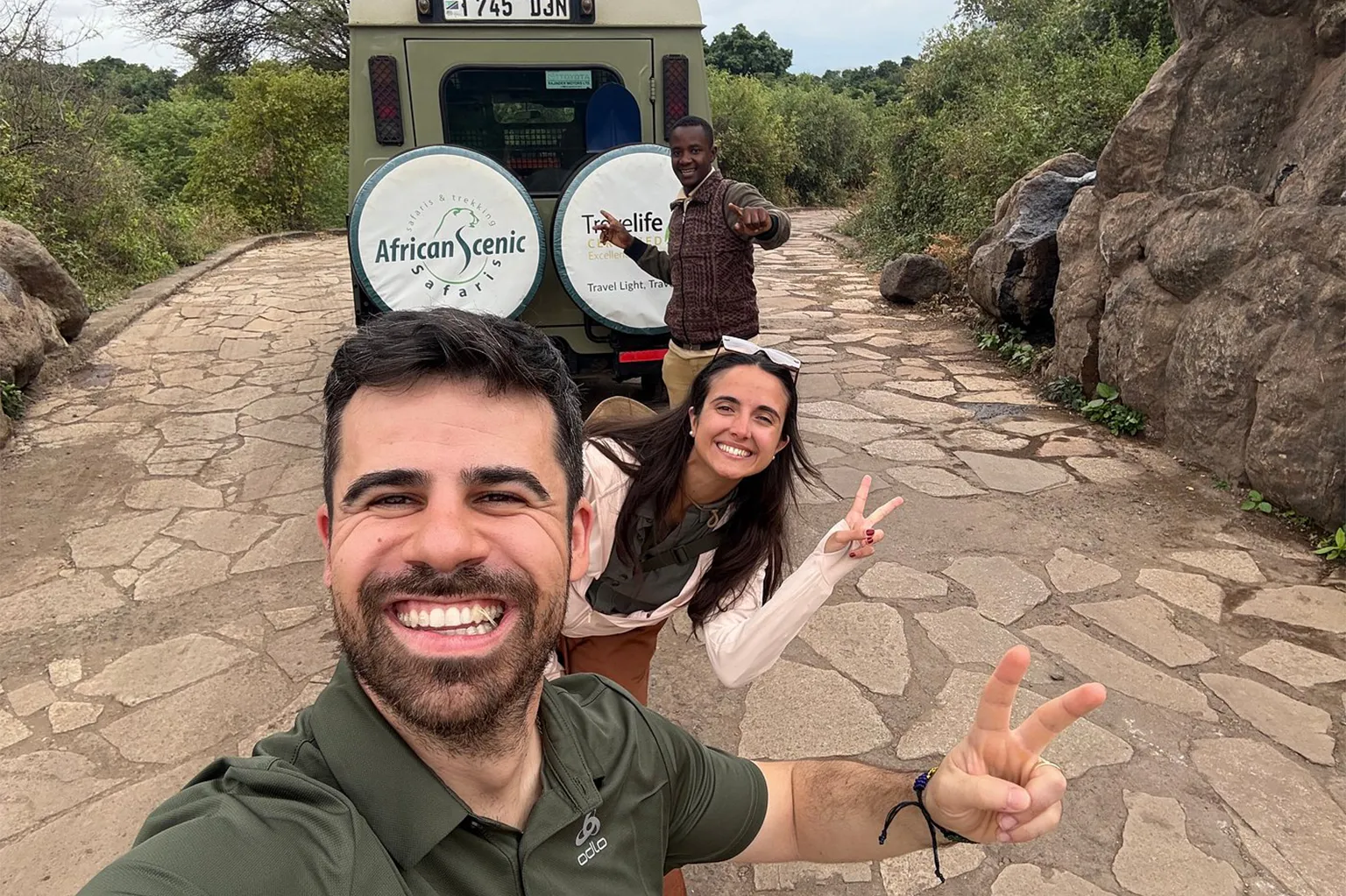
This blog explains why embracing Responsible Safari Tanzania is the only way forward. We will then show you how African Scenic Safaris has been built on this idea since we started in 2009. We are fully Tanzanian-owned. This means our commitment involves true, measurable action, not just flowery words.
Why Safari Tourism Must Change to Remain Viable
The old ways of safari travel simply cannot last long. If we continue like this, we risk harming the very things people come to see. Our National parks in Tanzania are under significant pressure from increased visitor volume. More jeeps mean more stress on the animals and the land itself.
In addition, think about how travel happens. Most trips involve extensive driving. These travel-intensive plans result in a noticeable carbon footprint. Thus, this air pollution worries anyone seeking a Responsible Safari Tanzania.
We must also look at the local people. Communities near tourism zones often see very little long-term gain. When tourism extracts value without contributing much to conservation or growth, the whole system becomes weak. Therefore, this pattern must change if we want a healthy future here.
What Responsible and Sustainable Tourism Really Means in Tanzania
So, what does Sustainable Safaris Tanzania look like in reality? It means much more than just a few small good deeds. We follow our motto: Travel Light and Travel Right. This requires establishing clear, robust systems every day.
Responsible tourism in Tanzania demands these simple, clear actions:
- First, we must work hard to measure and then cut down our total impact on nature right away.
- Second, we must actively support conservation work that happens outside the main park gates.
- Moreover, tourism must truly benefit local people in ways that last for many years, not just in the short term.
- We also insist on the fair and good treatment of every single person who works for our company.
- Finally, this means always pushing for better ways of doing things, not just resting on old successes.
Anyone can easily claim to be green. But without clear systems to show proof, those kind words do not hold much real value for you.
Why Independent Verification Matters in Sustainable Tourism
Because so many businesses use “greenwashing” today, you need real proof of their claims. This is why outside checks are so important when you look for a Travelife Certified Tour Operator in Tanzania.
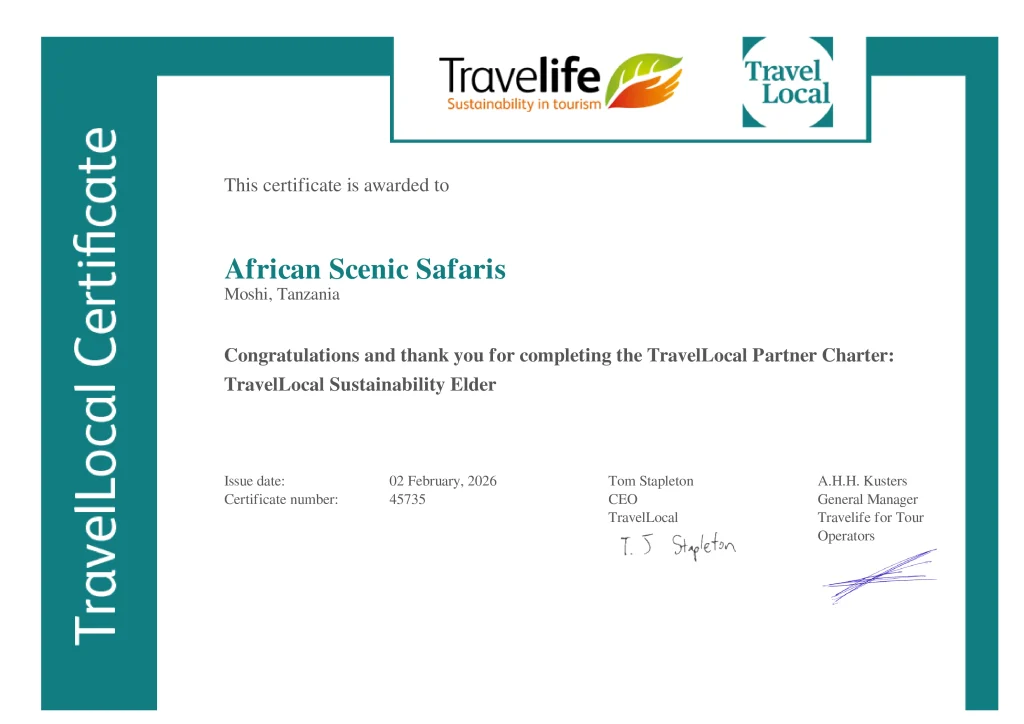
African Scenic Safaris earned the Travelife Certification in 2023. Even better, we proved we kept those same high standards with our Travelife Recertification in 2025. Travelife does not hand out awards lightly. Their audits check every part of our business very closely. They inspect our:
- Everyday Environmental practices in action.
- Our ongoing efforts in Social responsibility for people.
- Our openness and detail regarding Business transparency.
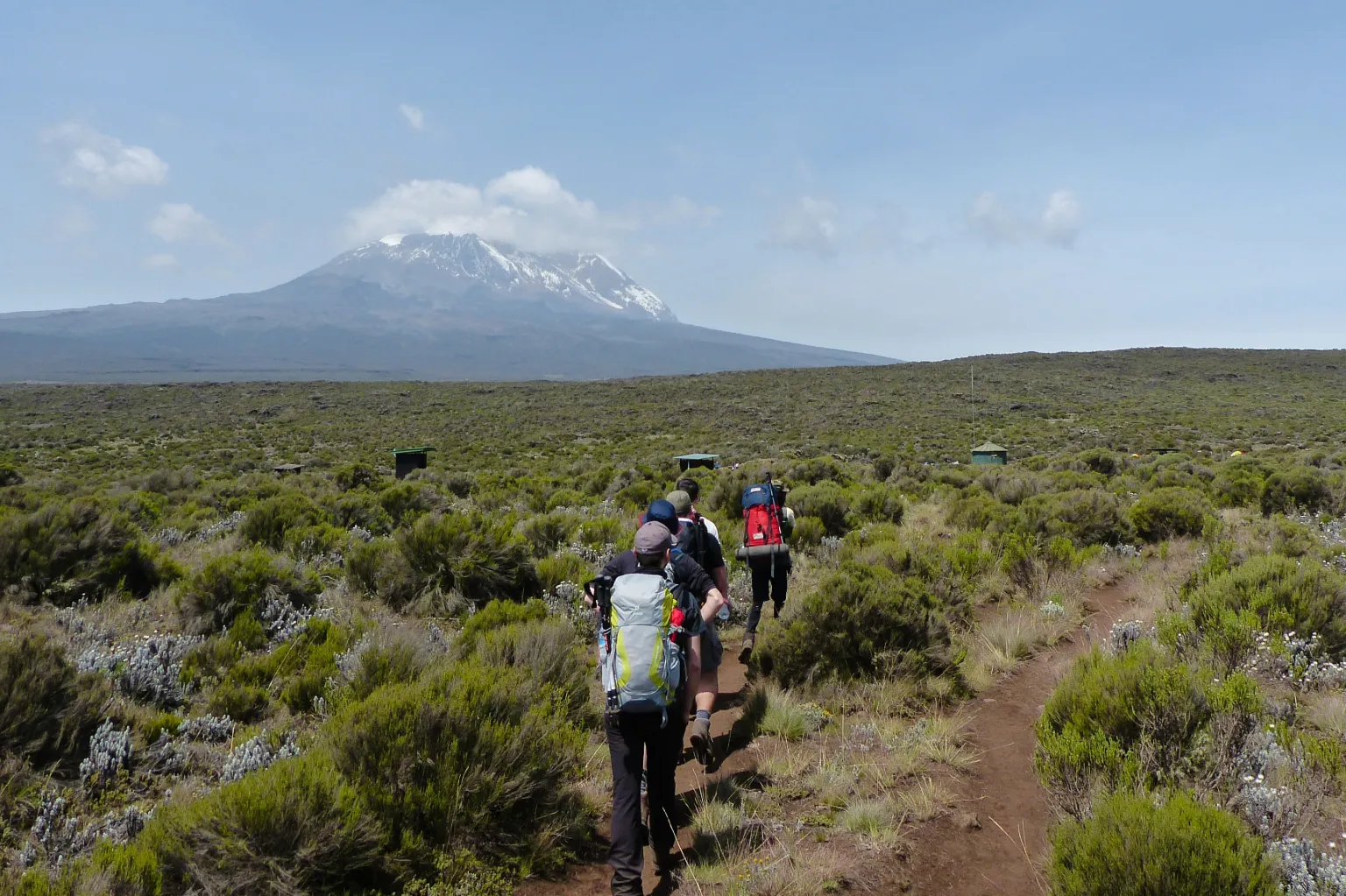
Also, our support for the KPAP (Kilimanjaro Porters Assistance Project) clearly shows we care for our mountain support teams well. These outside reviews protect you, the traveler, from believing false marketing. They confirm that our dedication to Sustainable Kilimanjaro Tourism is truly built into how we operate daily.
Environmental Action in A High-Impact Industry
It is honest to admit that running safaris involves travel, which creates pollution. We face this fact directly to lead Responsible Safari Tanzania effectively.
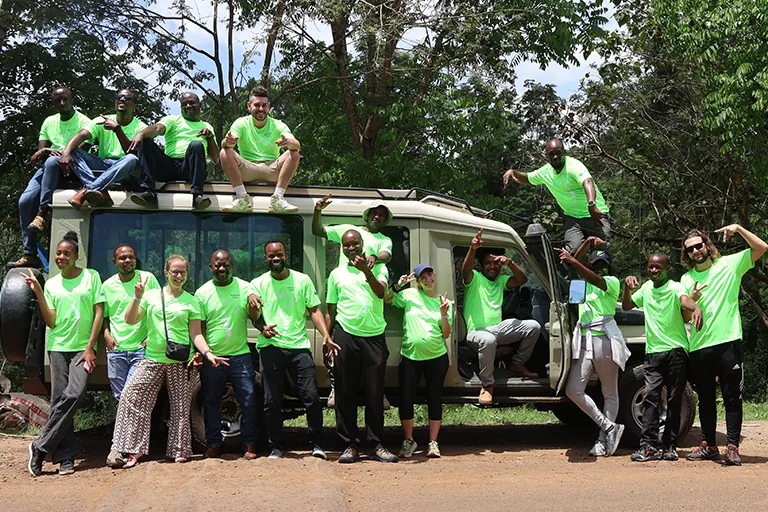
- Before we offset any pollution, we first try to reduce it within our control.
- We carefully track pollution from our main impact areas. This includes our safari vehicle mileage, daily electricity usage, and cooking gas consumption at our camps.
- This tracking helped us see exactly where we needed to make changes.
- Through these reduction efforts in 2024, we successfully offset 117 tonnes of CO₂ with our partner, Carbon Tanzania. These verified offsets directly help save vital forests.
This effort protects areas such as the Ntakata Mountains, helping keep the climate more stable there. Remember this main rule: we must reduce impact first. Offsetting is the next necessary step.
Conservation That Extends Beyond National Parks
True care for nature never stops at the large park fences. We believe protecting the land surrounding the parks is equally important for the overall environment. Therefore, we actively work to restore nature nearby on community lands.
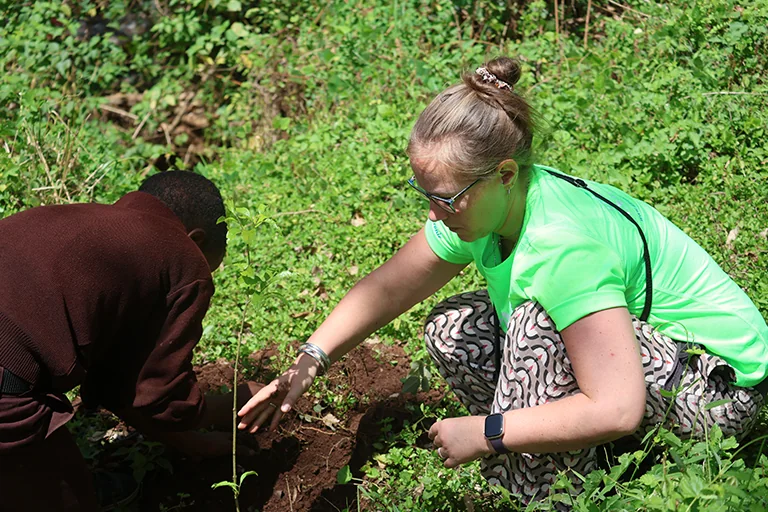
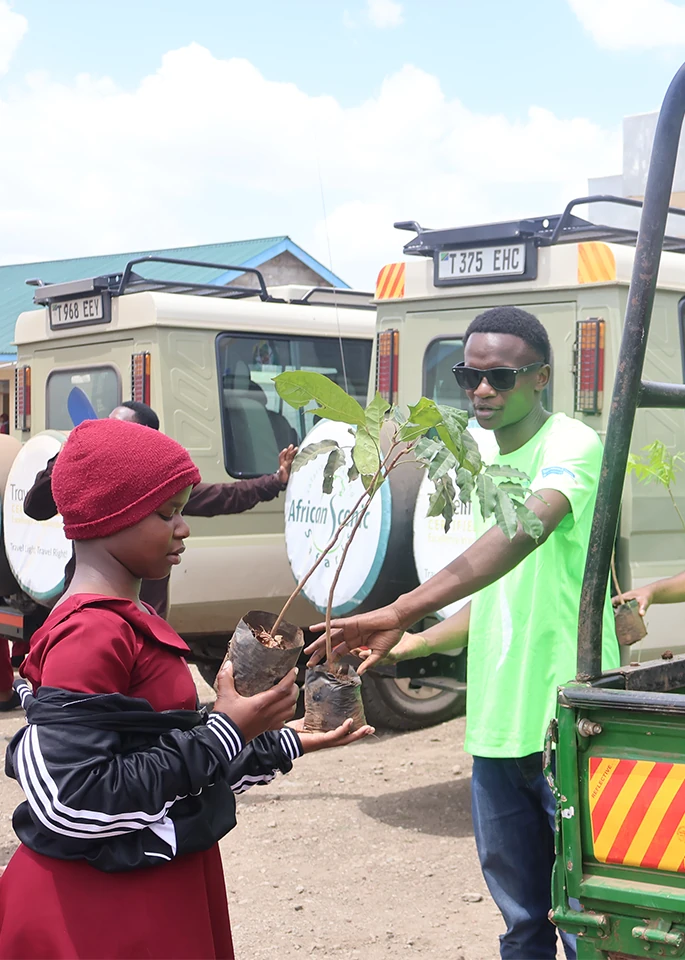
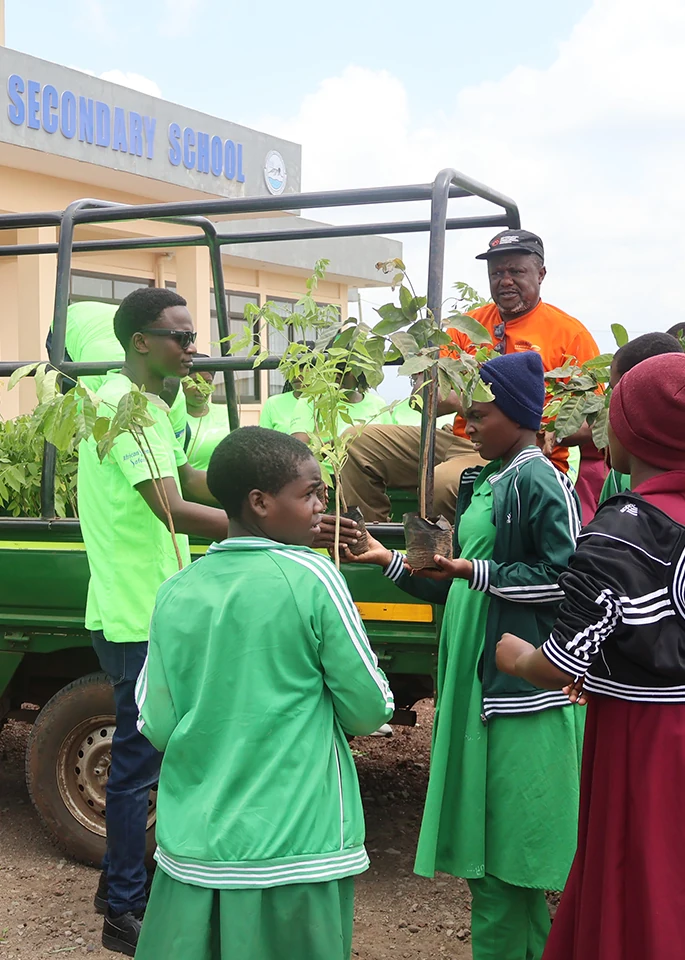
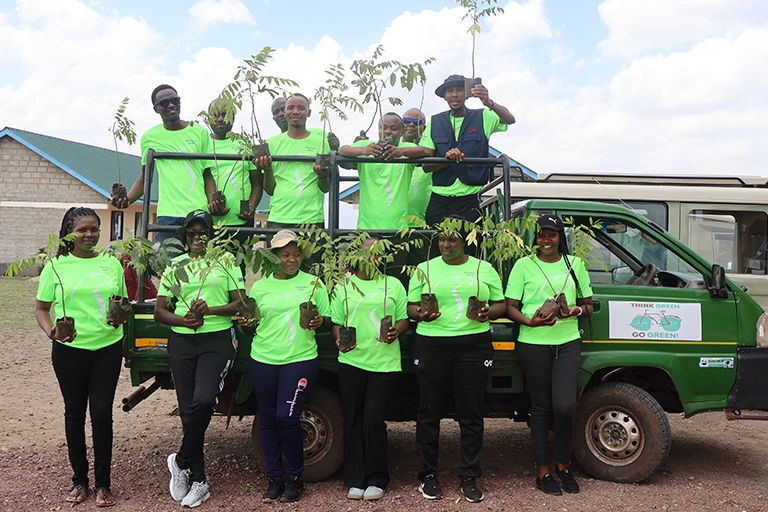
Planting trees is a tangible way we demonstrate this belief in action. For example, lately we have:
- Helped plant over 1,000 trees near local schools in the area.
- Planted 500 trees on November 18th, right along the Gomberi River Bank.
- Continued necessary reforestation along the Lobanga River corridor.
Why does this work outside the Tanzania National Parks matter so much?
- Trees planted near riverbanks and on community land stop vital soil from washing away into the water.
- This also helps the ground retain precious rainwater during drought.
- This naturally builds safe travel paths for wildlife moving between protected areas.
- Working with students builds true, local care for nature from a young age.
Community Empowerment as A Core Sustainability Pillar
For Sustainable Safaris Tanzania to work well, it must bring real, positive help to the people of Tanzania. We see tourism as a strong tool to fairly include locals in the revenue generated.
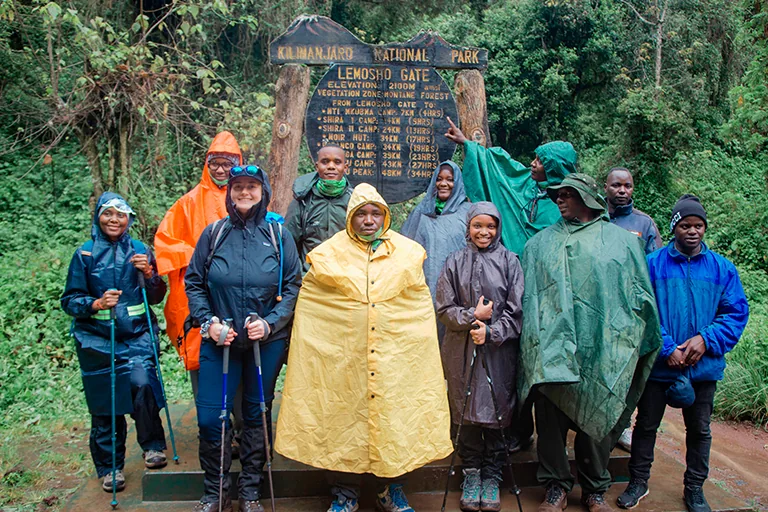
This effort starts with good jobs for local people. We are proud that over 95% of our staff worldwide are Tanzanian citizens. Furthermore, our special Twenzetu Kileleni campaign boosted the number of Tanzanian climbers by 40%, building skills right here at home.
We also focus our support where we see the greatest local need in three key areas:
- Running medical camps with trusted partners like Kibosho Hospital.
- Actively backing local youth sports initiatives for healthy community fun.
- Donating needed supplies to local orphanages and community groups.
When locals see direct, positive returns from tourism, they naturally become the best protectors of the land and its wildlife. That local support ensures the long-term success of conservation.
Women, Education, And Long-Term Social Impact
A significant part of adhering to Tanzania’s Responsible Tourism rules is advancing girls’ education and ensuring fairness between women and men. Empowering young women builds stronger communities for everyone’s future.
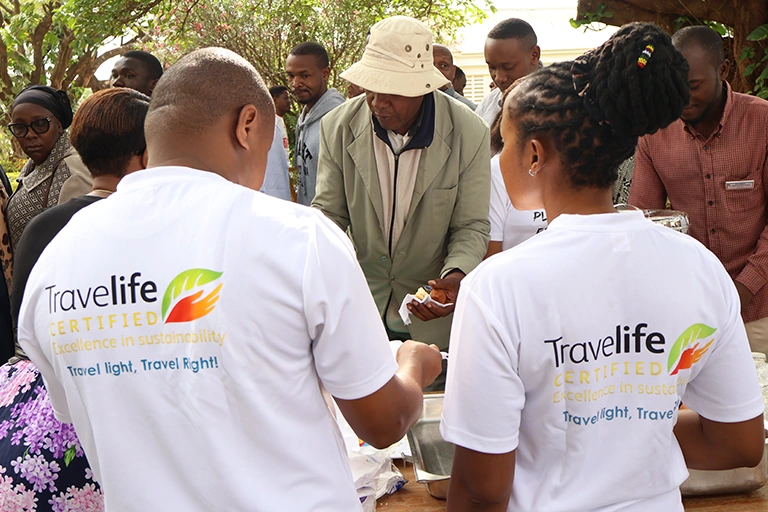
We work hard to remove barriers that prevent girls from attending school, such as a lack of sanitary supplies. For example, we recently helped donate 64 reusable menstrual pad kits to Tinga Tinga Secondary School. This effort works with Ree Pads. That group purposefully hires local women tailors to make all these needed kits.
By also hosting vital health education and empowerment talks with the girls, we aim for specific results:
- We help end period poverty so no girl must miss class because of this issue.
- This action helps improve school attendance rates throughout the entire month.
- We show them clear paths toward creating future opportunities through awareness of stable jobs.
Building Sustainability Through Training And Internal Systems
Sustainability is not just a promise we make to our clients; it is built into how our team works every day. A well-trained team makes the right choices without needing constant checking. This creates real, lasting impact where it matters. A company touting Eco Safari Tanzania means little if the guide lacks on-the-ground skills.
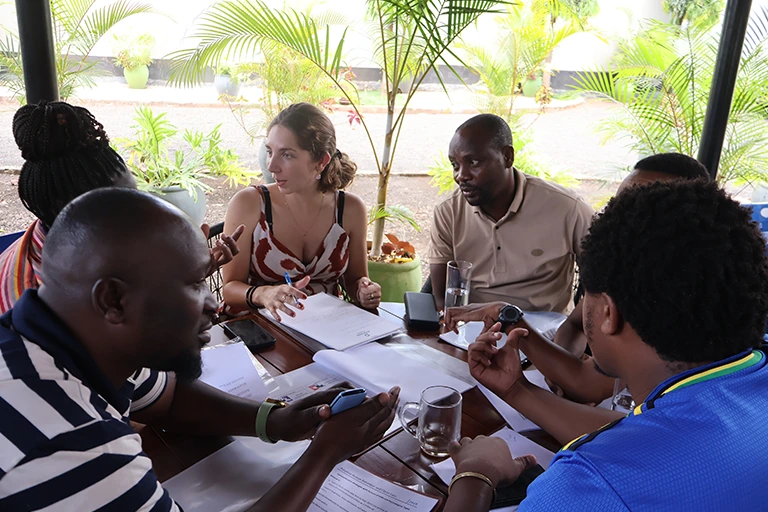
We spend much time training our staff, especially during slower times. Recently, over 100 staff members finished strong classes on several key daily responsibilities:
- Specific Sustainability practices related to their different job roles.
- Advanced Safety rules are needed for the mountains and the bush.
- High-level Customer care that fully respects the local culture.
We use trusted external experts, such as Tieranjani Africa, for this coaching. When our guides truly understand the reason behind these responsible methods, they lead tours ethically and with confidence. This internal learning has a positive impact across the entire local tourism sector.
Transparency, Public Scrutiny, And Industry Accountability
Real trust comes only from what honest outside groups say about your actual work. Being open about our actions keeps us fully honest with ourselves. It also correctly encourages other companies offering Tanzania Safari Packages to improve their own standards.

We welcome being watched carefully. Our verified results were recently published in the Sunday News Tanzania. That report focused on our proven results and how our Travelife-aligned practices truly benefit the region. More proof comes from our actually happy travelers.
We are very thankful to win the TripAdvisor Travelers’ Choice Awards for four years in a row: 2022, 2023, 2024, and 2025. Being fully open forces us to continually aim for the highest standards.
Charting the Course Forward
Sustainability is clearly setting the road map for all future African Safari Tours Tanzania. Tour companies that fail to adapt responsibly will quickly struggle to remain relevant. This path forward requires smart, sound decisions from everyone involved.
If you want Tanzania Safari Tours that combine great adventure with genuine care for the place and its people, look closely at the details.
Operators like African Scenic Safaris are not just waiting for a green future. We are building it right now through careful tracking and strong local support.
Ultimately, the choice you make when booking your Tanzania Safari today will shape Tanzania’s tourism health tomorrow.