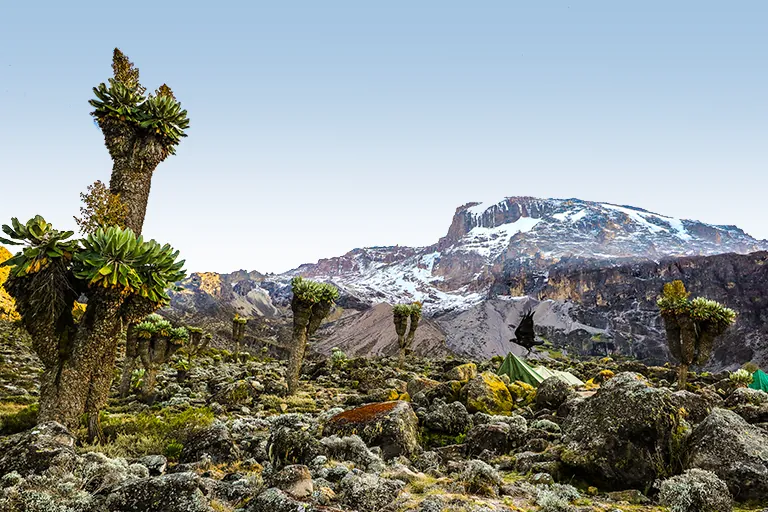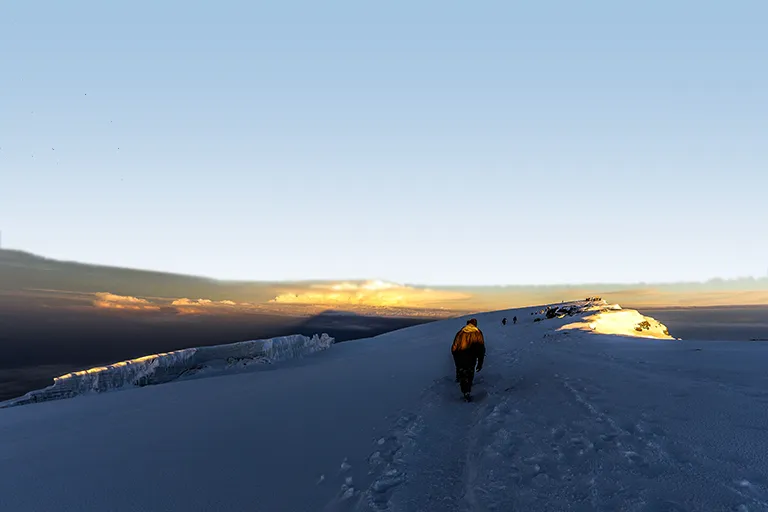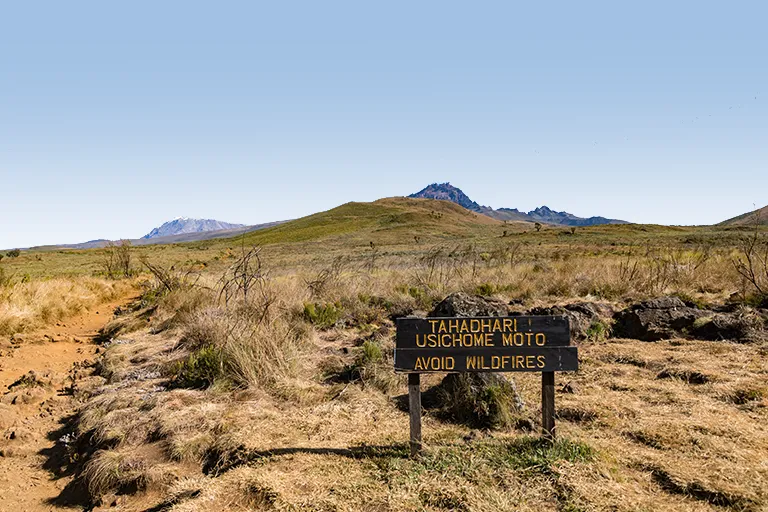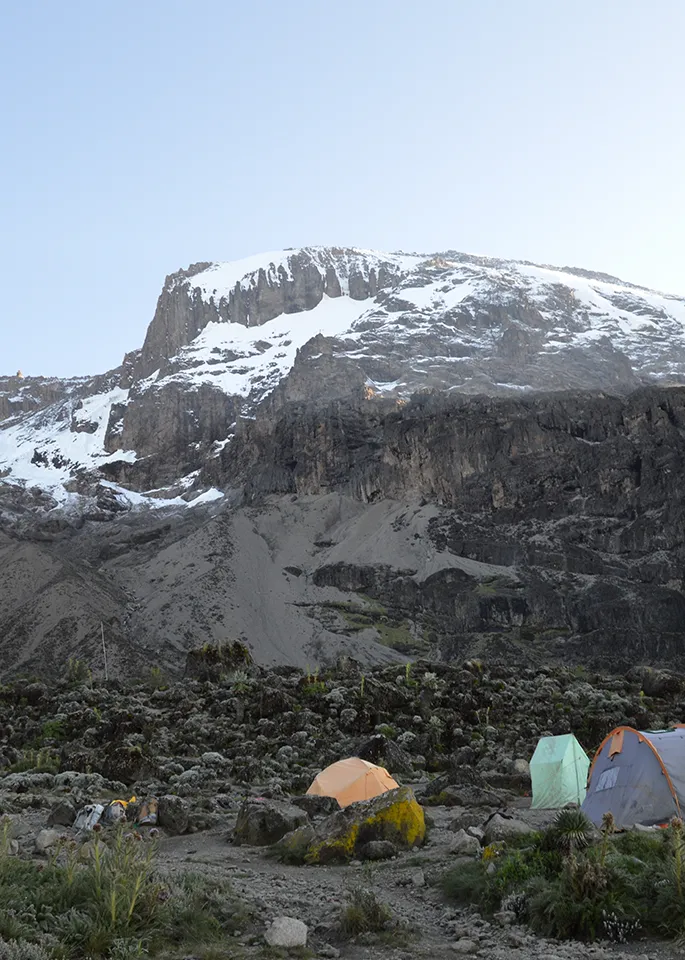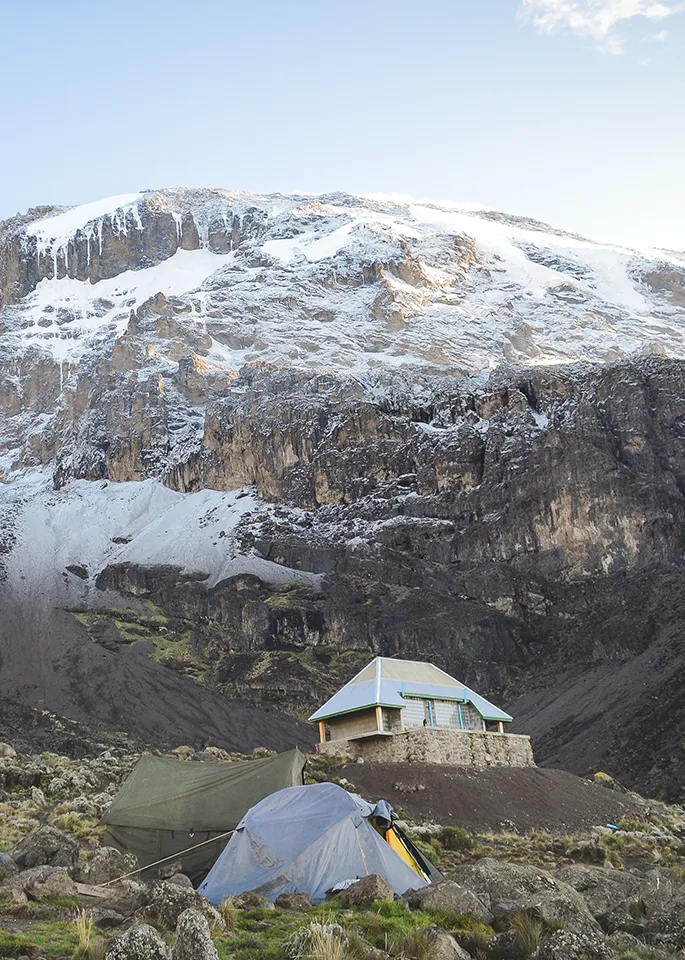
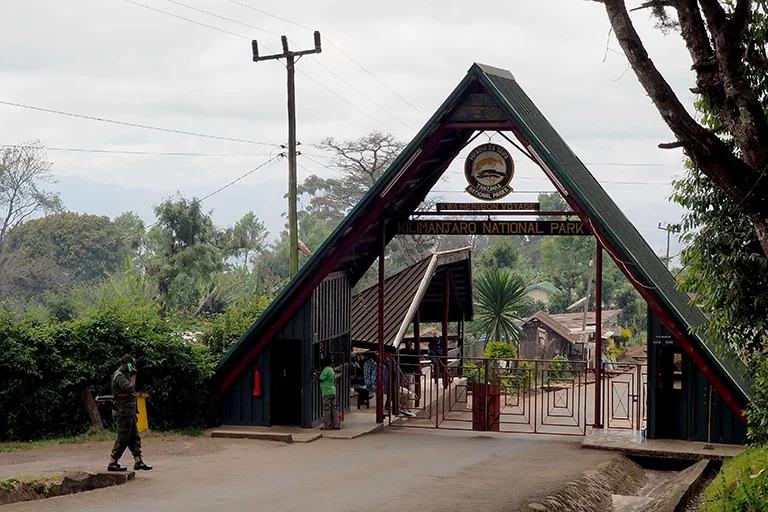
How Kilimanjaro National Park Fees Vary by Route and Duration

Not all Kilimanjaro climbs cost the same; the route you choose and how long you spend up there can easily swing your total bill by hundreds of dollars. Everyone prepares for gear and training, but people miss the absolute biggest catch: Kilimanjaro Park Fees, charged per person per day by route. 

This means the number of days you spend trekking—and even the specific route you choose—ultimately controls your final budget. For instance, a shorter 6-day Machame trek can look cheaper. Still, a longer 8- or 9-day route like Lemosho or Northern Circuit will offer better acclimatisation and a higher chance of reaching the summit—the ultimate trade-off: saving on the Kilimanjaro Climb Cost while making it to the top.
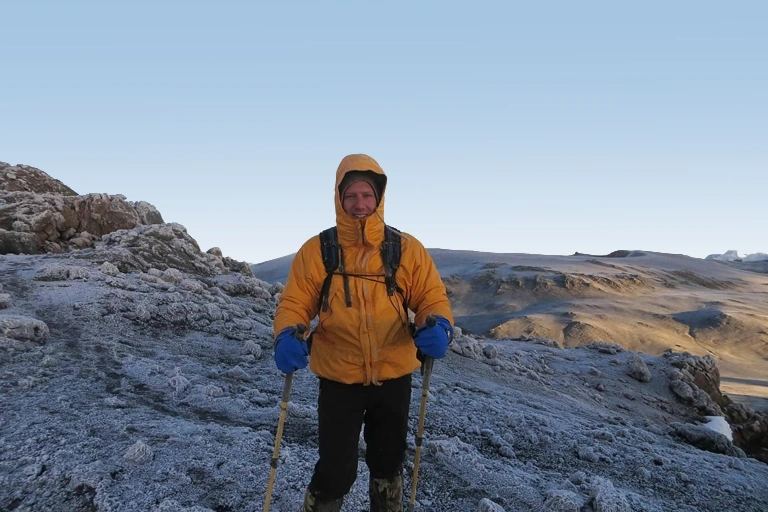
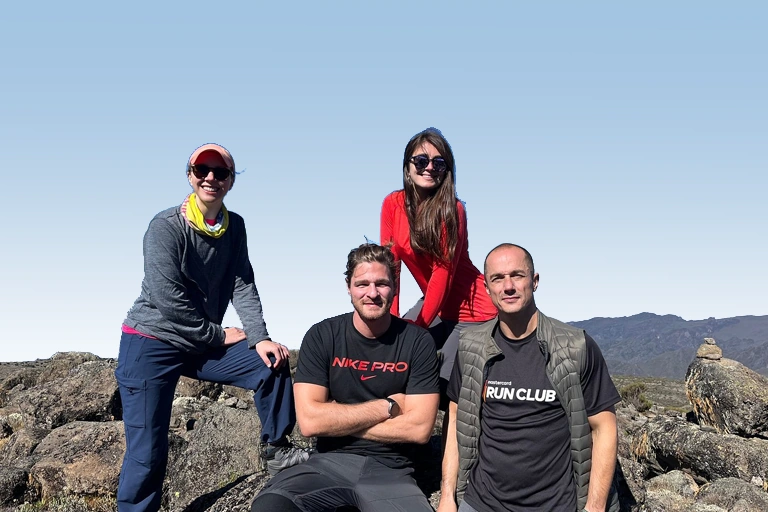
Kilimanjaro Climbing Travellers

In this breakdown, we’re showing you exactly how those Kilimanjaro park fees break down by route and duration, what hidden costs you need to watch for, and how to strike that perfect balance between price, comfort, and success. With insights straight from our seasoned African Scenic Safaris guides, this is your definitive guide to planning smarter for your 2025–2026 Kilimanjaro adventure.

Why Route and Duration Matter for Kilimanjaro Park Fees

Every Kilimanjaro climber pays a set of mandatory park fees — covering entry, conservation, camping or hut accommodation, and rescue services. But what many don’t realise is that all of these are charged per day per person, meaning that every additional night you spend on the mountain increases your Total Kilimanjaro Climb Cost.
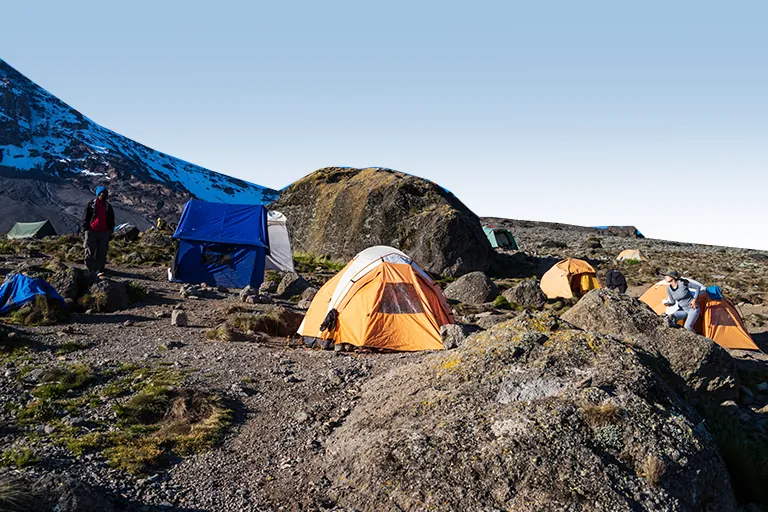
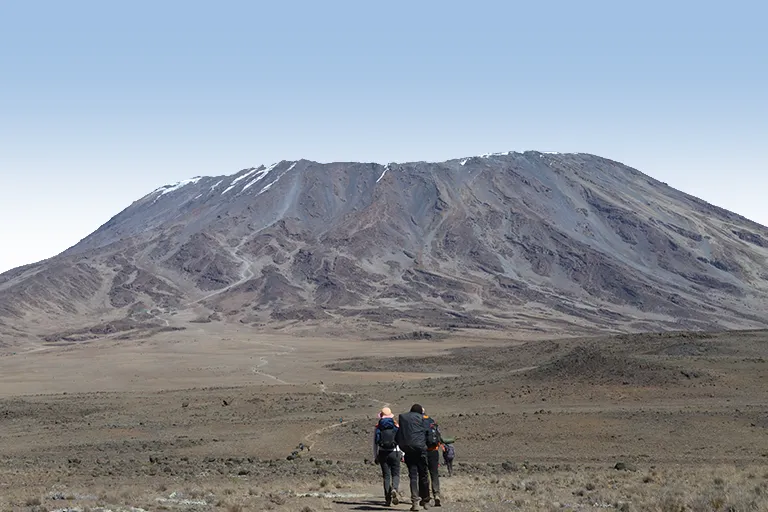
Kilimanjaro Routes
Kilimanjaro Routes

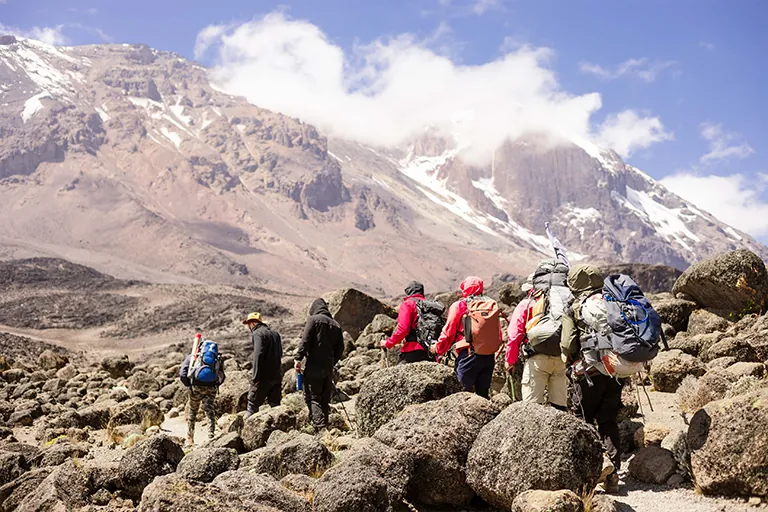
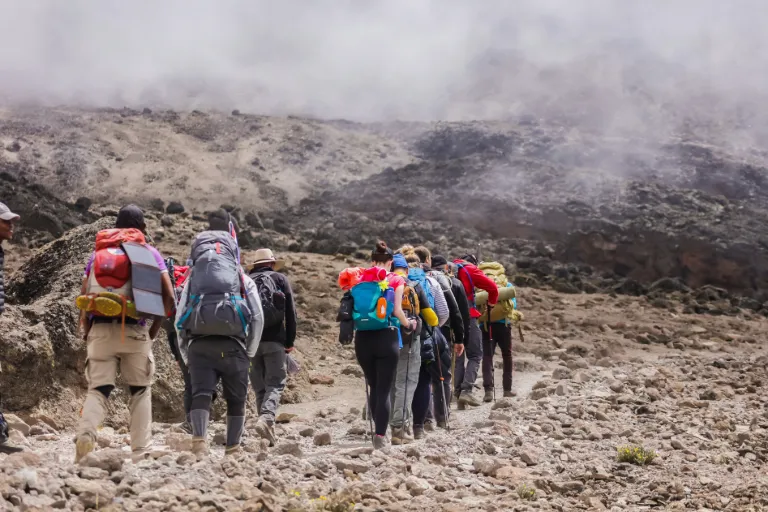
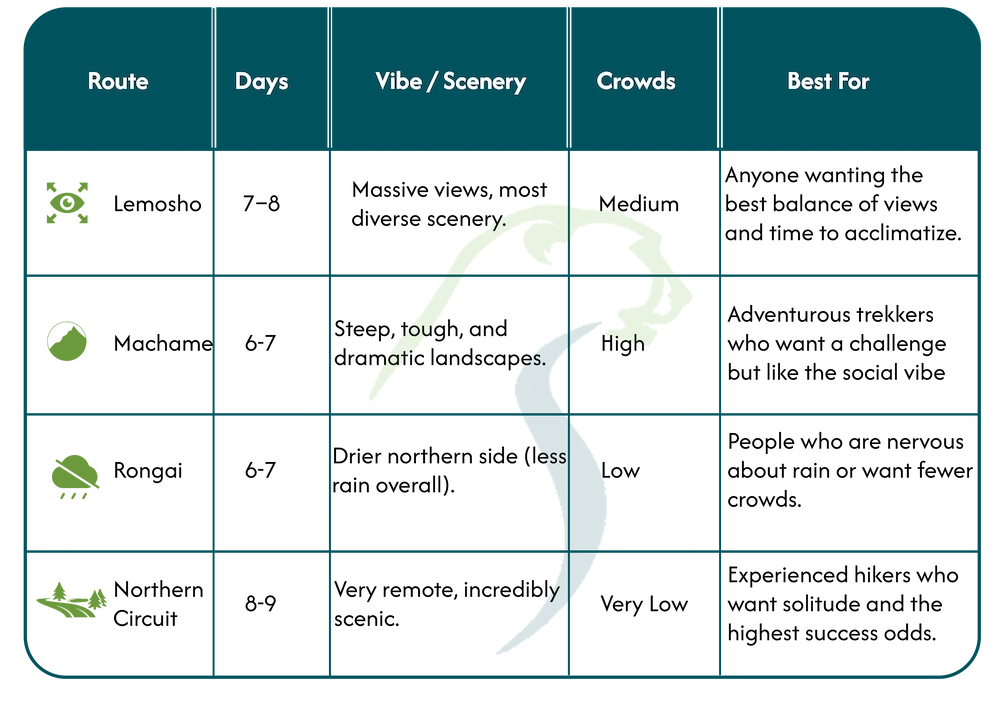
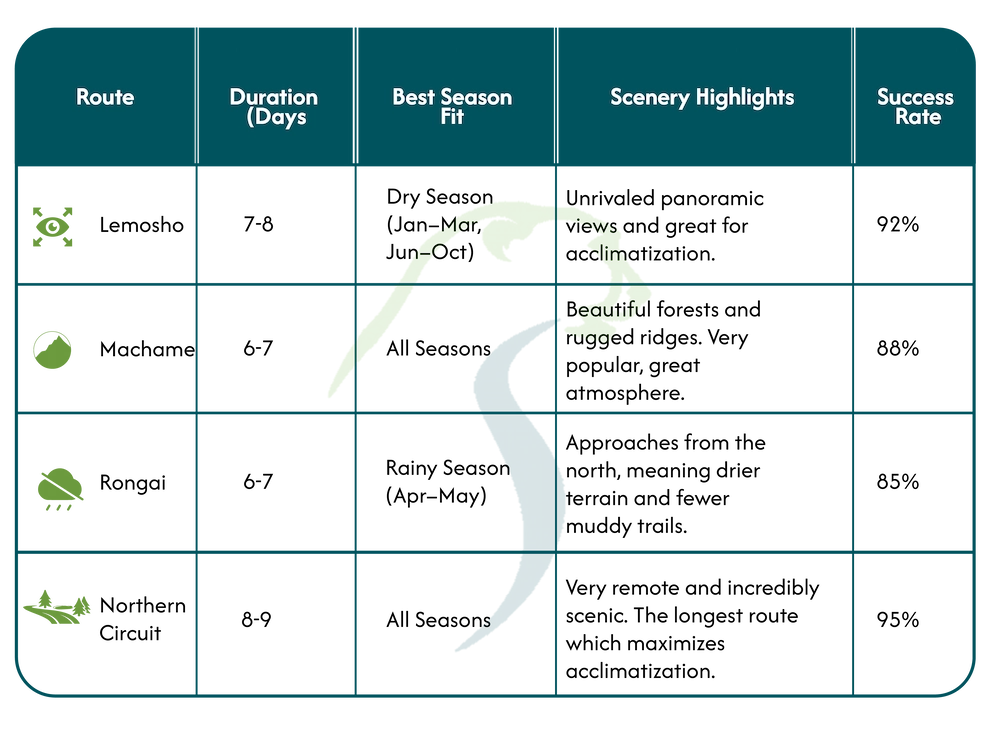
The route you pick determines how long you’ll trek and which zones of the park you’ll pass through — each with its own charges. African Scenic Safaris offers four routes that you can choose from to complete your Kilimanjaro Climb.

  • Machame Route: Takes 6–7 days, a balance of affordability and scenery.
  • Lemosho Route: 7–8 days; It is more remote and scenic, slightly pricier.
  • Northern Circuit Route: 8–9 days: This is the longest, most expensive, but has the highest success rate.
  • Rongai Route: 6–7 days: This is drier, quieter, with moderate costs.

How Daily Fees Add Up

Here’s how the main TANAPA park charges typically apply:

Fee TypeAmount (USD)ChargedNotes
Conservation / Entry Fee$70Per person, per dayAccess to Kilimanjaro National Park
Camping Fee$50Per night (camping routes)Covers the use of designated campsites
Rescue Fee$20One-timeMandatory for all climbers
Forest Fee$20One-timeFor routes starting in the forest zone
VAT18%On all servicesAdded to the final bill

So, a 6-day climb typically incurs 6 × ($70 + $50) = $720 in daily park charges, plus fixed fees and VAT — totalling around $950–$1,100 per person. An 8-day route, on the other hand, raises that to $1,250+, and a 9-day Northern Circuit Route can exceed $1,400 in park fees alone.

Pro Tip: TANAPA’s official policy states that “all climbers are charged park fees per 24-hour period spent within the park, regardless of the operator or route.”

Fee Breakdown by Route – Quick Overview

Every route to the summit comes with its own feeling and experience, its own level of pain, and, most importantly, Kilimanjaro Route Costs

Kilimanjaro Park Fees By Routes

Here’s a super simplified look at how the park fees change across the primary paths:

RouteAverage DurationAccommodation TypeApprox. Park Fees (USD)Summit Success Rate
Machame6–7 daysCamping$950–$1,15085–90%
Lemosho7–8 daysCamping$1,100–$1,35090–95%
Northern Circuit8–9 daysCamping$1,300–$1,60095%+
Rongai6–7 daysCamping$950–$1,15085–90%

Quick Breakdown of Your Options

  • Machame Route (The Whiskey Route): This one’s dramatic, cutting through forests and glaciers. The 6-day version is cheaper, but it’s a sprint—you risk poor acclimatisation. The 7-day option costs a bit more but seriously boosts your odds. Fees range from $950 to $1,150.
  • Lemosho Route: This is the premium option. You get spectacular views and way fewer people, but because it’s longer and requires a vehicle entry fee through the western side, your total park fees jump up to $1,100–$1,350.
  • Northern Circuit Route: This is the Rolls-Royce of routes for acclimatisation. It’s the most prolonged and most gradual, so you’re spending 8 to 9 days in the park. Yes, fees climb to $1,300–$1,600, but that 95% success rate makes it completely worth every extra penny.
  • Rongai Route: It approaches from the drier, quieter north. It’s perfect if you crave solitude. Fees are right in line with Machame, around $950–$1,150.

Here’s the key takeaway, straight from our team. As Lead Guide reminds everyone: “Climbers often think a shorter route means saving money—but a failed summit can be more costly than an extra day of park fees.”

How Duration Directly Impacts Total Park Fees

You hit the nail on the head: Kilimanjaro’s fee system is dead simple but completely strict. You pay for every single day you spend inside the park gates. Whether you’re trying to blitz it in 5 days or take a bright, slow 9 days, your daily costs—for conservation and for sleeping (camping or hut fees)—keep adding up. That’s why the longer Kilimanjaro Climbing Routes cost more money.
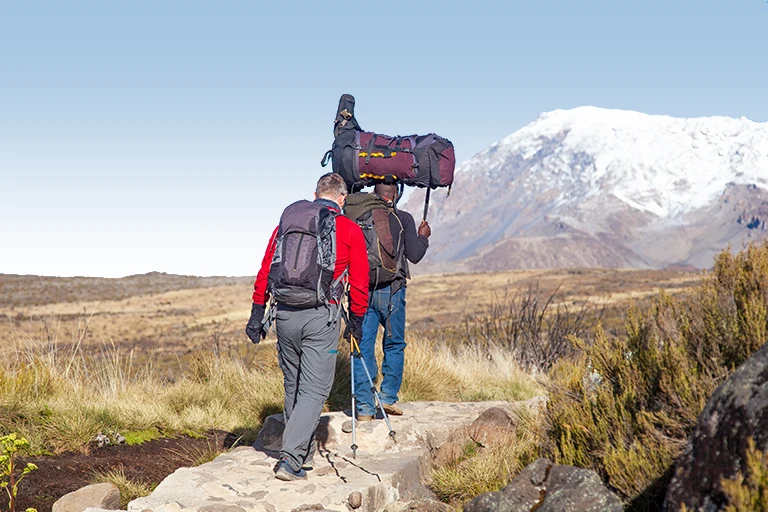
Total Kilimanjaro Climb Cost

But here’s the key shift in thinking: don’t see those extra days as an expense, see them as insurance. Adding a day or two, especially on routes like Lemosho or Northern Circuit Route, is a calculated investment in your body’s ability to handle Kilimanjaro Altitude Sickness. A 9-day climb hits your wallet harder than a $6-day rush, but the success rate is so much higher. You’re paying for time, and on Kili, that extra time is what gets you the crucial acclimatisation needed to reach the top.

Let’s break down a real Kilimanjaro Climb Duration Fees comparison:

Duration (Lemosho Route)Daily Fees (USD)Fixed Fees (Forest + Rescue)SubtotalVAT (18%)Total Park Fees (USD)
6 Days72040760137$897
8 Days960401,000180$1,180

Adding two acclimatisation days costs about $280 more but statistically improves summit success by nearly 25% according to African Scenic Safaris’ 2024 data.

“Every extra day on the mountain gives your body more time to adjust to altitude. That’s why we recommend 8 days as the golden standard for both comfort and success.”

— Expedition Leader, African Scenic Safaris

Did you know that Studies on altitude acclimatisation (UIAA, 2022) show that gradual ascent over 8 or more days will reduce Acute Mountain Sickness (AMS) risk by up to 40%, and that is why we at African Scenic Safaris offer the 8-Day Lemosho Route package to make sure you reach the Uhuru summit in 2026.

Hidden Fee Differences Most Climbers Miss

Even experienced trekkers often overlook what seem like smaller fees—but these little add-ons can absolutely inflate your total Kilimanjaro Climb Cost and trash your budget, surprise-free planning. Think beyond the hefty park fees. We’re talking about specific charges that only apply to certain routes or niche activities, or costs that your operator might not include transparently.

Hidden Fee TypeApplies ToAverage Cost (USD)Details
Forest FeeLemosho, Machame$20Charged for forest entry zones
Vehicle EntryLemosho, Shira$40–$100Depends on the access gate and distance
High Camp SurchargeKosovo Camp (Lemosho/Machame)$15–$30Extra fee for remote, high-altitude camping
Additional Day (Weather Delay)All routes$120–$150/dayIncludes food, guides, and park fees
VATAll routes+18%Automatically applied to all services

Skipping these details risks unexpected fees for a mandatory high-altitude camp or extra transport charges for a remote trailhead. These hidden costs can easily sneak in another $100–$200 per person, especially if you’re on a longer route that requires vehicle transfers or if weather forces a summit delay.
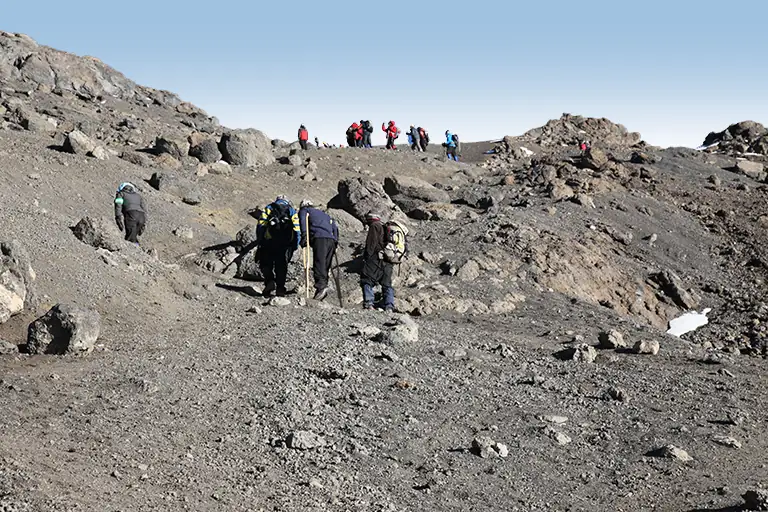
Kilimanjaro National Park Fees

“We always walk clients through these extras before they book — that’s what transparency means. There’s nothing worse than hidden fees at the gate.”Safari & Trek Consultant, African Scenic Safaris

Real-World Cost Example – 7-Day vs. 9-Day Comparison

This comparison cuts straight to the financial core: Is the extra money for a longer route worth it? Absolutely.  The high-traffic route stacks up quickly against the optimal, longer route for an international climber:

Fee TypeLemosho Route (6 Days)Northern Circuit (9 Days)
Entry & Conservation ($70/day)$420$630
Hut / Camping Fees ($50–$60/night)$300$450
Rescue Fee (Mandatory)$20$20
Forest Fee (Route-dependent)$20
VAT (18%)$133$202
Total Estimated Park Fees$873$1,322

The takeaway is crystal clear: the 9-day trek hits your wallet for about $450 more in mandatory park fees. But what does that extra $450 buy you? It buys you nearly double the summit success rate and a much smoother, much less painful climb with way less risk of getting altitude sickness.
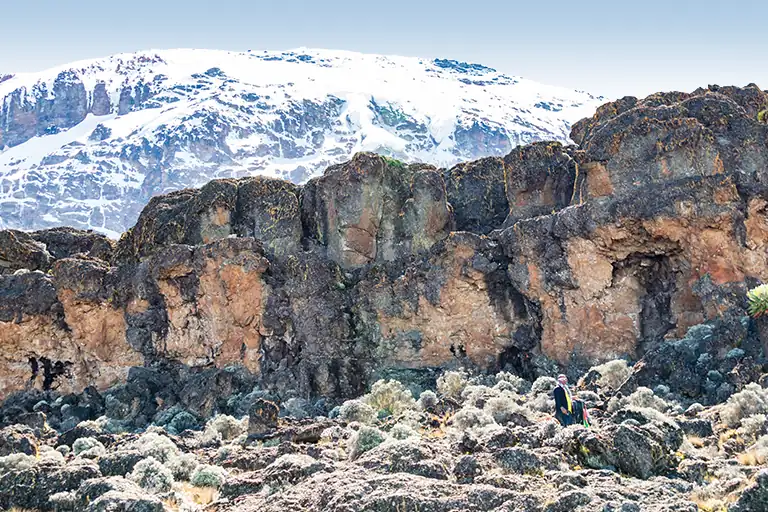
Kilimanjaro Climb Cost Comparison

As our Climb Operations Supervisor has seen a thousand times: “Many of our guests who tried a shorter route and didn’t reach the summit came back for an 8-day climb—and succeeded. That’s the power of time. Your health is not where you want to save money.”

Tips to Choose the Right Route for Your Budget

Choosing your Kilimanjaro route isn’t just about reaching the summit; it’s also about planning your budget by understanding the Route vs. Cost Kilimanjaro as a major factor, without forgetting time and personal goals. This will be a new story of your life, based on who you meet, the pace, and the memories; all of these depend on the right route you choose.
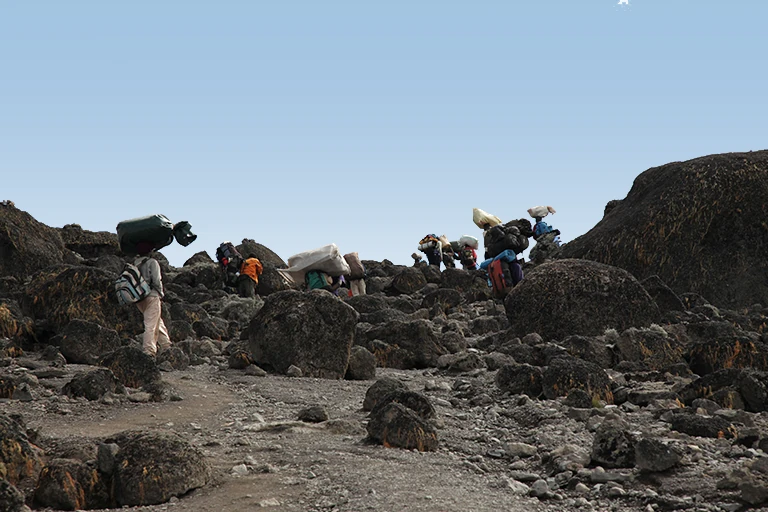
Kilimanjaro Climbing Guide

Here are key takeaways to help you decide:

  1. If you’re short on time but fit: Choose the Machame (6 days) or Rongai (6 days) routes. Affordable, scenic, but demanding. They’re full of stunning scenery, and perfect if you’re seriously fit. Just know they move fast—your legs (and lungs!) will feel the pressure.
  2. If you want the best summit odds, opt for the Lemosho (8 days) or Northern Circuit (9 days) routes. Longer acclimatisation, higher success. They usually take longer, but that extra time will help your body adjust to the altitude, giving you the absolute highest chance of standing proudly at Uhuru Peak. Totally worth the additional cost.
  3. If you’re budget-conscious: Climb in shoulder months (March or October) — same routes, lighter crowds, sometimes discounted fees. These shoulder months are quieter, and some operators offer better package deals. You’ll still get a great experience, just with fewer crowds.
  4. Always ask for a transparent quote. Reputable Kilimanjaro Climb Operators itemise all park fees, VAT, and staff wages so there are no surprises later.

“The cheapest route isn’t always the smartest. Aim for value — not just savings. A safe, successful summit is priceless.”— African Scenic Safaris Guide Team

Plan Smarter, Climb Higher

Look, choosing your Kilimanjaro route isn’t just about picking the prettiest view—it’s about strategy.
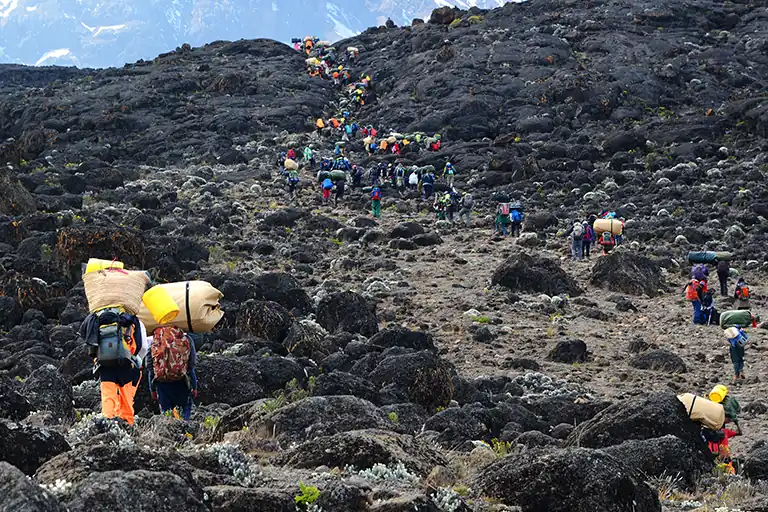
Mount Kilimanjaro Climbing

The duration of your climb and the path you select will absolutely determine three things: how much you pay, how well you acclimatise, and, ultimately, whether you get to see that sunrise from the summit. By taking the time to truly understand the Kilimanjaro Park Fees by Route structure, you’re not just organising money; you’re making smart, informed decisions that prioritise your safety and your success over saving a few dollars.

You’ve learned the costs; now use that knowledge to your advantage. Your Next Step to Summit Success is now!

Next Steps – Explore Related Guides

You’ve already done heavy lifting by figuring out how route and duration affect your wallet! You know those costs are directly tied to your success rate. But to truly win your budget, you need the final details.
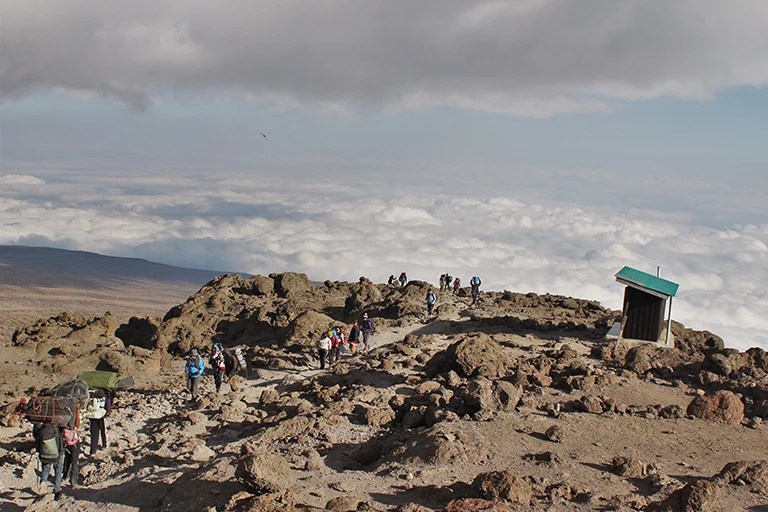
Plan Kilimanjaro Climb Today

It’s time to take your preparation to the next level, the expert level. Dive into these essential guides to make sure absolutely nothing catches you by surprise:

  • How Park Fees Are Calculated (Per Day Breakdown): We show you the exact math behind the $70 conservation fee and why it matters.
  • What Your Support Crew Fees Really Include: This isn’t just salary; it’s the cost of your safety and fair treatment for the team carrying your gear.
  • Hidden Kilimanjaro Costs Most Climbers Forget to Budget For: Don’t let a surprise $150 vehicle transfer or special camp fee ruin your budget!

“You can’t control the mountain, but you can control how well you prepare for it—and that starts with knowing what you’re paying for.” — African Scenic Safaris Team.

Seriously, don’t leave anything to chance. Grab our free Printable Kilimanjaro Fee Checklist (2025–2026) or use our interactive Budget Planner Tool and our free Kilimanjaro Fee Calculator to estimate your full trekking cost, from the permits all the way down to the final tips. 

Simbo Natai
Simbo Natai, founder of African Scenic Safaris, crafts sustainable, meaningful Tanzanian journeys rooted in his deep local knowledge and passion.
Director, African Scenic Safaris

Why Sustainable Kilimanjaro Treks 2026 Are the Future of Adventure Travel?

Mount Kilimanjaro Climbing has always been about one thing: pursuing that incredible dream—standing above the clouds, inhaling that crisp African air, and reaching the edge of the sky. But for your 2026 trip, this legendary mountain is calling for something bigger than just a personal goal: to achieve Kilimanjaro Sustainable Tourism.

This guide is your deep dive into how sustainability on Mount Kilimanjaro is totally evolving—from waste-free trekking and renewable energy at camp to proper porter welfare, carbon offset programs, and incredible community-led projects. Think of this as your complete guide to Climbing Kilimanjaro ethically, ensuring your adventure leaves nothing but a positive footprint on Africa’s highest peak.

Author’s Note: Adventure travel is no longer a free-for-all, and Kilimanjaro is leading the charge.

The people who run this mountain—the Tanzanian National Parks Authority (TANAPA), the ethical tour operators, and the unsung heroes at the Kilimanjaro Porters Assistance Project (KPAP) — have completely rewritten the climbing rulebook.

As of 2026, it’s official: New sustainability standards are in force. We’re talking mandatory waste-free trekking, solar power at camps, fundamental porter welfare reforms, and major reforestation projects. This is a massive new chapter for Kili. From now on, protecting this mountain and paying the community what they deserve is as important as standing on the summit.

So, if you’re planning to climb in 2026, you need to know this. This is your insider’s guide to the transformation and why you should care about every single detail.

Waste-Free Climbing: The 2026 “Leave No Trace” Initiative

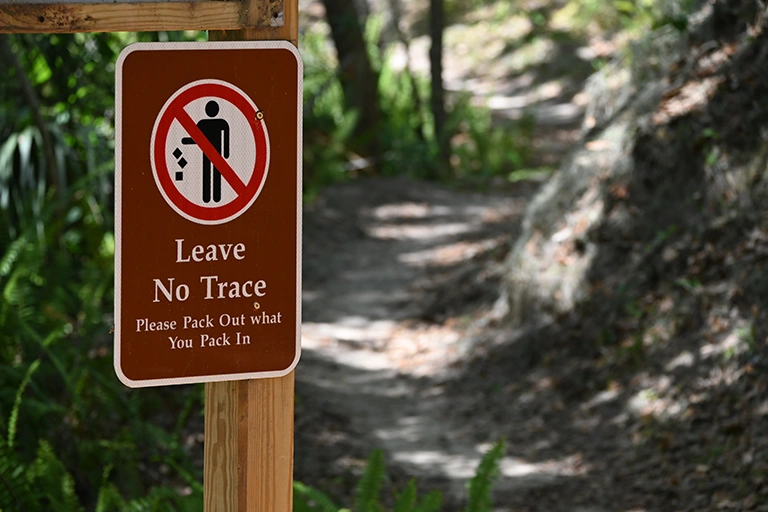
There is no doubt that the days of finding plastic bottles lying around Kilimanjaro’s trails are thankfully long gone. For 2026, Kilimanjaro National Park has achieved full sustainability, going fully waste-free. This “Leave No Trace” policy is more than a slogan—it is the absolute law.

Kilimanjaro Climbing - Leave No Trace
Kilimanjaro Climbing – Leave No Trace

This means a lot of changes you need to know about:

Every Kilimanjaro Climb Operator is now required to log every single ounce of waste digitally they bring down using a tracking system monitored by TANAPA. Plastic packaging is totally banned. You, the trekker, must bring your own reusable water bottles and use only biodegradable toiletries. Camps are now inspected after every expedition to ensure zero waste is left behind.

“The environment is the backbone of all livelihoods. However, humans often ignore environmental water needs. The emphasised uses include agriculture, investments, and pastoralism. These uses often contribute to water pollution.” – TANAPA

A park ranger at Machame Gate summed up the feeling perfectly: “We want the mountain to look the same tomorrow as it did a hundred years ago.”

The change is visible—and honestly, it’s beautiful. Trails that were once scattered with snack wrappers now glisten with dew, and the forest floors are genuinely returning to their natural state. Operators like African Scenic Safaris have already stepped up, introducing eco-bins, reusable meal kits, and biodegradable soap kits for all of us.

Travel Tip: Do yourself and the mountain a favour: Bring a reusable filtration bottle or a LifeStraw. It not only protects the environment but also reduces your overall cost of buying or relying on bottled water. We offer our guests a stainless-steel water bottle they can reuse.

Ready to start a one-of-a-kind Kilimanjaro adventure? Here is the Kilimanjaro Packing List – Eco Essentials for Trekkers, a guide tailored perfectly just for you.

Renewable Energy on the Roof of Africa

“Solar-Powered Camps and Eco Kitchens: The 2026 Energy Shift”. When you’re camping at 4,000 meters above sea level, you probably wouldn’t expect to see the Renewable Energy Kilimanjaro camps—but guess what? They are shining right there on the slopes of Kilimanjaro!

Mount Kilimanjaro Climbing

This is massive. From Horombo Hut all the way up to Shira Camp, solar panels are now powering lights, charging crucial safety radios, and running eco-friendly cooking stoves. As of 2026, a huge 70% of all Kilimanjaro Campsites have officially transitioned from old, dirty kerosene and charcoal to solar systems and rechargeable lithium kits.

The impact is incredible. According to the WWF Tanzania, this simple switch has already cut down annual emissions from Kilimanjaro Tourism by nearly 40%.

Our own Sustainability Coordinator hits the nail on the head: “Solar power isn’t just cleaner—it’s safer. It drastically reduces fire hazards, keeps camps quieter, so you can sleep. And most importantly, protects our guides and porters from toxic fumes.”

These changes are turning Kilimanjaro into one of the most forward-thinking trekking destinations in the entire world—proof that adventure and sustainability can absolutely climb the same mountain.

Fair Climbs: Porter Welfare and Ethical Practices

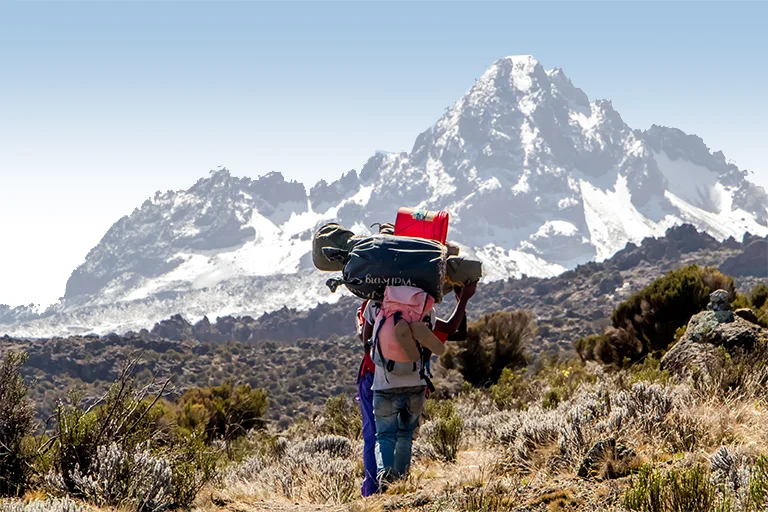
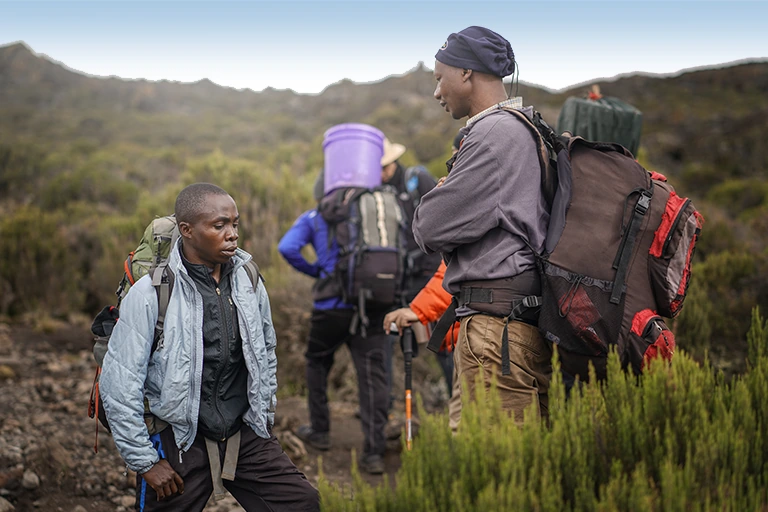
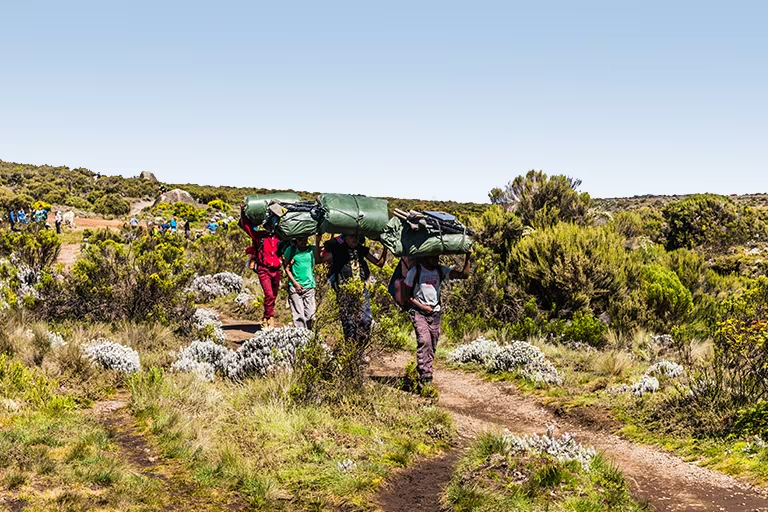
For years, the unsung heroes of Mount Kilimanjaro Climbingthe porters—have literally carried your dreams through thin air, often while carrying heavy loads themselves. Their hard work is finally being honoured with new, enforceable welfare standards under the Kilimanjaro Porters Assistance Project’s (KPAP) updated certification system.

Kilimanjaro Porters
Kilimanjaro Porters

This is a massive step forward. These standards now mandate:

  • Fair Pay Audits: Every certified operator must prove they are paying their staff ethically.
  • Digital Load Tracking: To ensure no porter, under any circumstance, carries more than the legally mandated 20kg (44 lbs).
  • Mandatory Training: Health and safety training for every single member of the support crew.

We’re proud to say African Scenic Safaris was among the first to receive this KPAP certification, which guarantees fair treatment and ethical working conditions for everyone on our team. This shift changes everything. 

One of our Kilimanjaro Porters, from Moshi, shared the difference it makes:

“Before, some of us carried too much and slept cold. Now, we have proper meals, fair pay, and warm tents. We climb with pride.”

This is sustainability at its core, not just about the mountain’s wellbeing, but also about the people who make your summit possible.

Carbon Offsetting & Eco-Certified Tour Operators

Every flight you take, every campfire, every step on the mountain, all leave a footprint. We can’t escape that. But the great news for 2026 is that Kilimanjaro’s tourism industry is actively working to turn those footprints into forests!

Kilimanjaro Climbing

Through incredible partnerships with the Tanzania Forest Service (TFS) and our own “Climb for Trees” project here at African Scenic Safaris, every single trek now contributes directly to massive reforestation zones around Moshi, Marangu, and the lower slopes of the National Park.

Here’s the powerful part: For every climber, up to 10 native trees are planted! This restores soil, improves biodiversity, and actively offsets the carbon generated by your trek.

The numbers are already huge: According to the TFS, over 50,000 new trees were planted in 2025 alone, all funded by Kilimanjaro treks.

Our Director puts the feeling simply:

“We’re no longer just climbing for ourselves. We’re climbing for the planet.”

The best part? The Carbon offset Kilimanjaro program isn’t just good for nature; it directly helps local farmers through agroforestry, where those trees provide shade, moisture, and fruit—proving that environmental protection can absolutely be an economic blessing for the community.

Sustainable Routes & Infrastructure Development

If you’re planning your 2026 climb, you might notice that the Northern Circuit has suddenly become the new “it” route—and it’s not just because it’s beautiful. It’s because it’s genuinely gentler on the mountain.

Kilimanjaro Climbing Routes

Think about it: Unlike the packed Machame and Marangu routes, the Northern Circuit Route spreads climbers out over less-trodden paths. This drastically reduces erosion and campsite congestion. TANAPA’s “Green Route Initiative” has focused infrastructure upgrades here first: we’re talking composting toilets, proper greywater recycling systems, and smart, localised waste stations all along the trail.

The result is fantastic. Trekkers are not only reporting better acclimatisation (thanks to the longer duration) but also more solitude, more wildlife sightings, and much quieter camps.

As one of our guides explained:

“The Northern Circuit honestly feels like Kilimanjaro used to be—peaceful, wild, and untouched.”

The focus on smarter infrastructure means you get more eco-toilets, better drainage, and cleaner water access. And all of that translates into a safer, quieter, and far more ethical adventure for you while preserving the Kilimanjaro National Park’s Sustainability.

Wondered how the Northern circuit will give you a thrilling wildlife experience? Check out our 9 Days Northern Circuit – The Most Sustainable Kilimanjaro Route guide to see what Kilimanjaro can offer.

Eco-Education for Trekkers and Guides

For your 2026 trek, the journey doesn’t actually start when your boots hit the trail—it begins with a crucial, short eco-orientation session right before you set out.

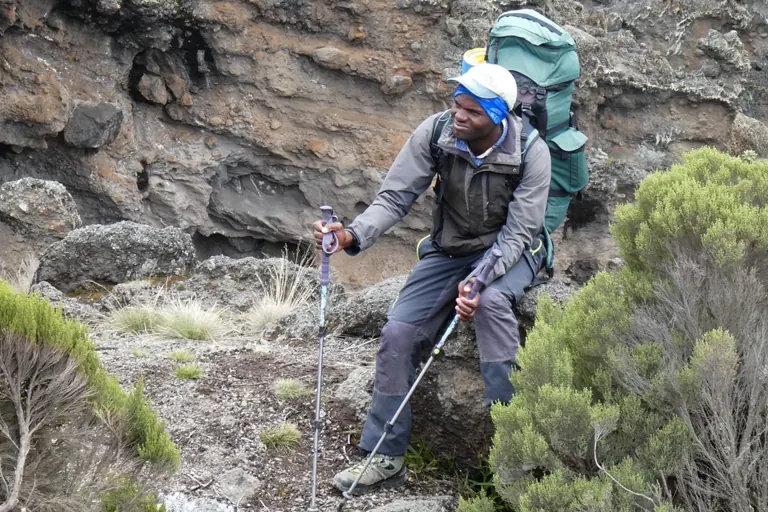
Kilimanjaro Guides
Kilimanjaro Guides

This isn’t boring classroom stuff; it’s essential knowledge developed under the UN’s Sustainable Mountain Tourism Framework. It’s designed to help you climb consciously. Every climber and guide now attends this session covering:

  • How to eliminate waste and totally ditch plastic use on the mountain.
  • How to respect wildlife and protect the incredibly fragile alpine ecosystems you’ll be walking through.
  • The absolute importance of porter welfare and responsible photography practices.

The goal for Eco education for Kilimanjaro trekkers is simple. You leave the mountain not just with stronger legs, but with a deeper understanding of its ecosystem and the amazing people who live here.

Our Guide-turned-eco-trainer sums up this cultural shift perfectly:

“We used to climb just for the summit. Now, every climb is a classroom—for our guests and us.”

This change is creating a generation of climbers who see adventure not as conquest, but as a genuine connection to the place they’re visiting.

“The aim is to help each site develop a sustainable tourism strategy using the guidance tools to enhance broad stakeholder engagement in planning, development, and management of sustainable tourism.” – UNESCO.

Climbing Kilimanjaro is not for the weak; you need to be prepared mentally and physically to reach the Uhuru summit. The Kilimanjaro Climb Preparation Guide 2026 contains all you need to have and do to conquer this African Giant Mountain.

Uplifting Communities Beyond the Summit

Sustainability doesn’t end when you take your last step off the mountain. In fact, that’s really where the impact begins.

Kilimanjaro Climbing Communities

Just look at what happened recently: On October 7, 2025, our team at African Scenic Safaris spent a whole day at the Kilimanjaro Christian Medical Centre (KCMC) in Moshi—serving breakfast and lunch to over 1,000 patients, staff, and students. Led by our Director, Neema Natai, and Sustainability Coordinator, Mary Njuguna, this wasn’t just a day of service; it was a powerful symbol of what responsible tourism truly means.

As Neema says:

“Sustainability begins with compassion. We climb for people, not just peaks.”

Our 2026 plan for Responsible Tourism is to expand this into a comprehensive Community Partnership Program that supports schools, clinics, and local markets in Moshi and Arusha. The goal is simple: We want to make sure tourism revenue actually stays and circulates within the community that sustains the mountain and supports our crew.

So, when you book a Sustainable Kilimanjaro Treks 2026? You’re not just paying for guides and tents—you are funding meals, education, and futures for the people who make your dream possible.

Why Sustainability Is the Future of Adventure Travel

Kilimanjaro’s 2026 shift is part of a much bigger movement happening across the world. Travellers are choosing meaningful experiences over luxury, connection over consumption, and purpose over profit.

Sustainable Kilimanjaro Climb

Sustainability isn’t a trend — it’s the new definition of adventure. And Kilimanjaro is setting a global standard.

Want to see more interesting stories about what we do at African Scenic Safaris for the good of the community? Read our Sustainability Report 2024 guide to get motivated!

Download: The Kilimanjaro 2024 Sustainable Impact Report

Ready to climb with purpose in 2026? Join African Scenic Safaris for a trek that gives back to nature and community.

The Final Summit View: A New Era on the Mountain 

As the sun finally rises over Uhuru Peak, casting gold over the glaciers and the clouds below. Kilimanjaro whispers a quiet truth: We don’t just climb mountains anymore; we climb for meaning.

Sustainable Kilimanjaro Trek

The year 2026 marks a new beginning for one of the world’s greatest treks. A movement where adventure travellers aren’t just visitors but are genuinely recognised as guardians of this incredible place.

So, when you plan your expedition, remember this:

Every single eco-bottle refill, every fairly paid porter, every tree planted—it all adds up. Together, we are actively shaping a future where the mountain keeps smiling back at the world. Welcome to the new era of sustainable Kilimanjaro Climb. This is where your adventure meets real responsibility, and every step you take is guaranteed to leave a positive footprint.

Climb responsibly. Travel consciously. Leave the mountain better than you found it.

Simbo Natai
Simbo Natai, founder of African Scenic Safaris, crafts sustainable, meaningful Tanzanian journeys rooted in his deep local knowledge and passion.
Director, African Scenic Safaris

Why Kilimanjaro’s Shrinking Glaciers Are a Wake-Up Call for the Planet?

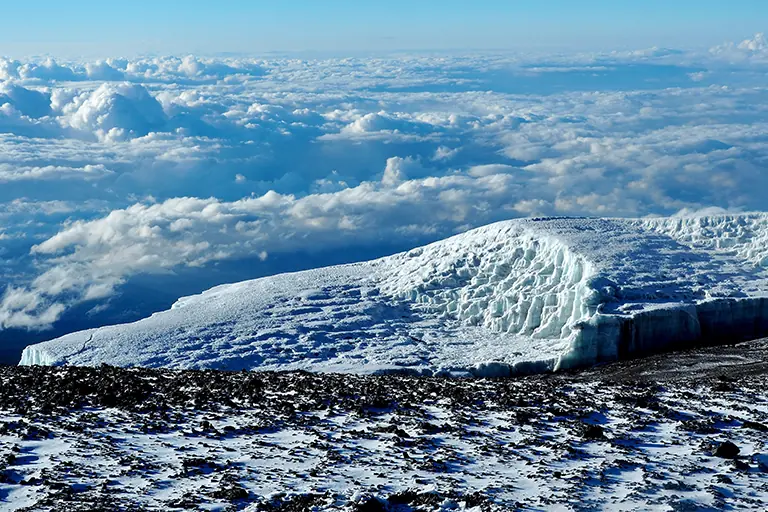
From above the clouds of northern Tanzania, before the sun beams of the plains, Mountain Kilimanjaro sparkles from afar; the legendary Kibo peak is crowned with this majestic ice cap, which acts as a throne, watching over Africa. But during Mount Kilimanjaro Climbing in 2026, when you stand on the Shira Plateau at sunrise, that crown looks thinner… quieter… almost ghostlike, you will see the story of the       Kilimanjaro Shrinking Glaciers being written before you.

Kilimanjaro is still magnificent, still towering, still magnetic. Tens of thousands of trekkers climb it each year, dreaming of Uhuru Peak and the pride of standing on the “Roof of Africa.” But something extraordinary — and unsettling — is happening here. The glaciers are retreating at a pace so dramatic that scientists use words like “vanishing,” “rapid,” and “irreversible.”

Kilimanjaro’s icy crown has shrunk by almost 90% since the 1880s, according to long-term measurements from the USGS and Tanzania Meteorological Agency. What was once a 20-square-kilometer stretch of blinding white ice has now dwindled to less than 3 square kilometers. And yet — this isn’t simply a story about Melting Glaciers Kilimanjaro. It’s a story about a changing planet. About invisible forces shaping the mountain silently.

In this guide, we’re going to explore why Kilimanjaro’s shrinking glaciers matter, what science says is really happening, explain why the Kilimanjaro Glacier Melt isn’t caused by temperature alone, and explore how solar radiation, moisture loss, and human-driven climate shifts are reshaping the world’s most iconic mountain. How the changes on this mountain reflect a much bigger global warming.

The Vanishing Crown of Africa

Kibo Ice Cap — The Disappearing Icon of Kilimanjaro

There’s a particular moment on the mountain when the loss feels real. It’s usually near Barafu Camp, just before the summit attempt. Most trekkers look up expecting to see the classic thick ice shelves from old expedition photos, as Ernest Hemingway described in The Snows of Kilimanjaro.

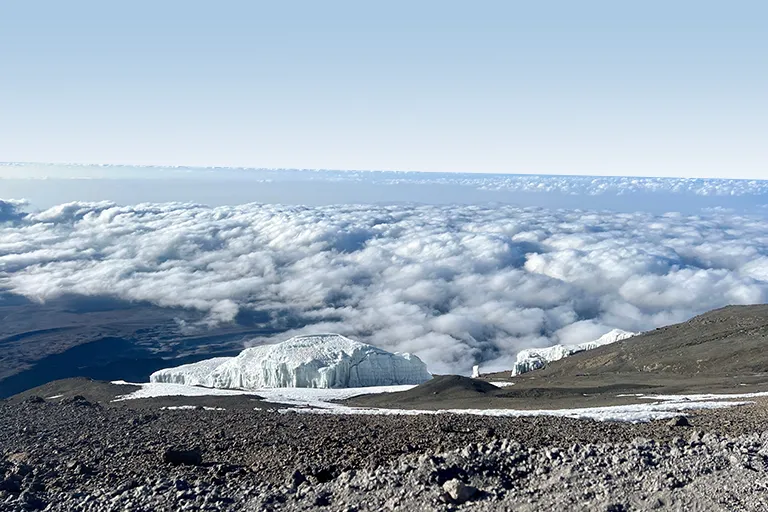
Instead, you see scattered blocks. Fading cliffs. Patches of ice where there should be massive glowing towers. The Kibo, Mawenzi, and Shira glaciers aren’t just shrinking — they are retreating in shape, depth, and thickness at an alarming pace. Despite being the famous of them all, the Kibo ice cap is melting taking place,, once spread across the plateau like a vast white shield. Today, it’s fractured into isolated remnants.

By comparing:

  • 1889 sketches from the first European expeditions,
  • 1960s aerial photography, and
  • recent NASA satellite imagery,

Scientists have documented one of the most dramatic glacier retreats on Earth.

  • According to the USGS (EROS), Kilimanjaro’s glacier area has dropped from ~ 20 km² in 1880 to just ~ 1.7 km² by 2016.  – Eros Data Center
  • In Mount Kilimanjaro environmental studies published by PNAS, scientists found that summit ice cover shrank by about 1% per year from 1912 to 1953, but that rate almost tripled (≈ 2.5% per year) between 1989 and 2007.  – PMC
  • According to the Tanzania Meteorological Agency, data reported in the National Climate Change Report show that Kilimanjaro’s annual mean maximum temperature was around 30.6 °C for 2012–2018, indicating warming conditions in the region. – National Bureau of Statistics

This is why the mountain became a symbol in global Climate change and tourism in Tanzania campaigns — from major climate documentaries to United Nations climate summits. The disappearing ice on Kilimanjaro isn’t subtle; it’s an undeniable visual metaphor for a warming, drying, destabilizing world.

And yet, here’s the twist… Kilimanjaro isn’t losing ice because it’s “melting” like glaciers in the Alps.
Its ice is fading for another surprising reason — one that makes the story even more alarming.

How Do Glaciers Survive in the Tropics?

Understanding Kilimanjaro’s Rare High-Altitude Ice

The Glaciers On Kilimanjaro have always been a bit of a mystery. Just think about it — the mountain sits right on the equator. The sun is brutal. The lowlands around it stay warm all year. So how does ice even exist up here?

Kilimanjaro Glacier
How Do Glaciers Survive in the Tropics

The secret is the altitude. Once you get to Mount Kilimanjaro Height of around 5,700 meters (18,700 ft), the temperatures are below freezing for most of the year, especially at night. Kilimanjaro’s ice survives because of a few key factors:

  • the summit’s extremely cold temperatures
  • snowfall carried in by moist winds from the Indian Ocean
  • and a very delicate balance between how much ice is added and how much is lost

Scientists call this the mass balance system, and it basically works like this:

Accumulation: New ice forms through snowfall, rime ice, and moisture freezing onto the surface
Ablation: Ice is lost through melting, sublimation, wind erosion, and intense solar radiation

When those two sides are equal, the glacier stays steady. When accumulation wins, the glacier grows. But when the loss starts beating again, the glacier retreats. And on Kilimanjaro, that balance has been off for more than 100 years.

In the article “American Scientist, Volume 95 (2007)”, Georg Kaser and Philip Mote explain that the ice fields of Mount Kilimanjaro are disappearing not primarily because of air-temperatures climbing above freezing, but rather due to a mix of diminished snowfall, strong solar radiation, and sublimation at high altitude.

“The ice fields atop Kilimanjaro have gained and lost ice through processes that bear only indirect connections, if any, to recent trends in global climate.” — Kaser & Mote

Source: UW Homepage

What makes it even more interesting is how the mountain’s height allows glaciers to survive in a tropical climate despite the strong sunlight. But now, altitude alone isn’t enough. The region is getting warmer and drier, and that dryness is one of the biggest clues behind why the ice is disappearing so fast due to the Impact of global warming on Kilimanjaro.

A guide from African Scenic Safaris notes that “at summit levels, you’re dealing with extremely thin air, very low moisture, and intense solar exposure — meaning that even with sub-freezing temperatures, the ice is vulnerable because it loses moisture directly.”

The Real Cause: Solar Radiation & Sublimation

High up on Kilimanjaro’s roof — where the air feels thin and the world looks tiny — something wild is happening. And honestly, most people get it wrong. Everyone thinks the ice on Kili is just melting away like an ice cube under the sun. But the summit is way too cold for that. Like, freezer-on-steroids cold.

Kilimanjaro Climbing
The Real Cause: Solar Radiation & Sublimation

The real plot twist? The Tropical glaciers are disappearing without even melting. They’re literally vanishing into thin air. The process is called sublimation, which is just a fancy way of saying:
the ice skips the melting phase and turns straight into vapor.

And why is that happening? Because the summit is basically a natural dehydrator:

  • The air is too dry.
  • The sunlight hits the ice with intense, almost cosmic-level radiation.
  • The ice absorbs energy and evaporates.
  • And the wind? It snatches away any moisture instantly as if it never existed.

Think of it like hanging your clothes outside on a cold, windy day. They still dry fast, right? Same vibe, just at Africa’s highest peak. That’s why scientists say the glaciers are “vanishing without melting.” They’re literally fading away, day by day, molecule by molecule. And here’s the trippy part… The sun doesn’t just shrink the glaciers, it sculpts them.

From the University of Innsbruck (Glaciology Department), Dr.GeorgKaser has offered this insight into Kilimanjaro’s glacier decline:

“The shrinking glacier is an iconic image of global climate change … but extensive field work … reveals a more nuanced and interesting story.” – stephenschneider.stanford.edu

Kilimanjaro ends up with:

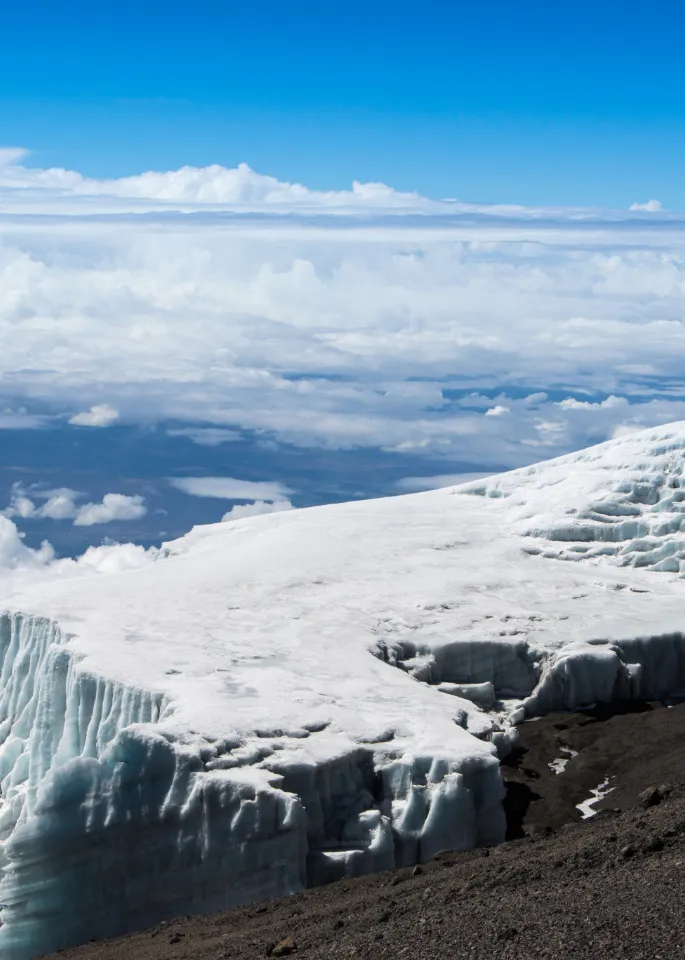
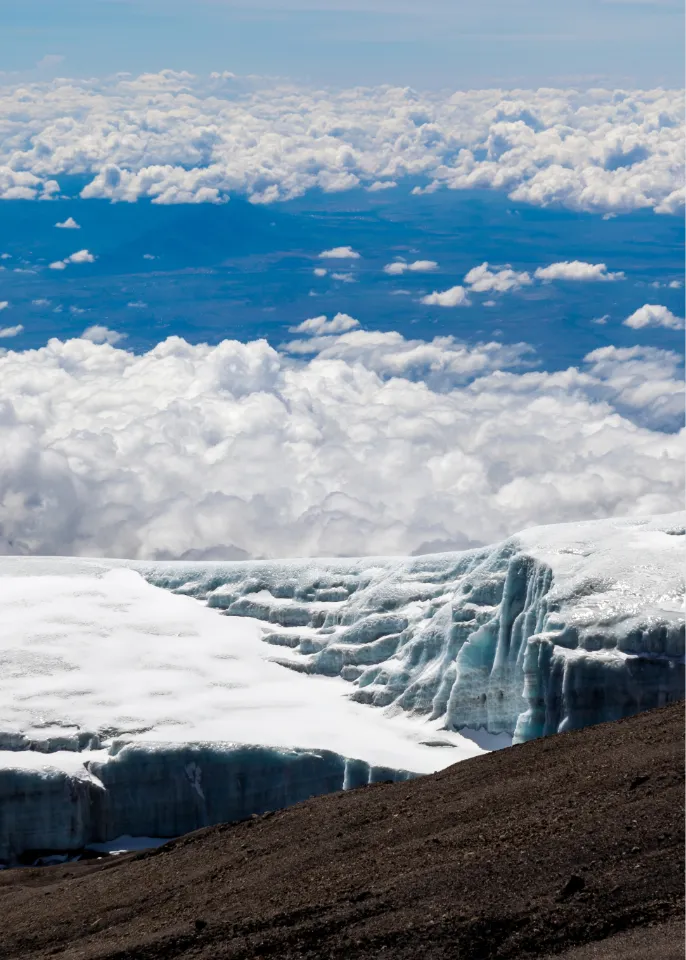
  • Sharp vertical ice walls
  • Knife-like ridges you could almost slice your shadow on
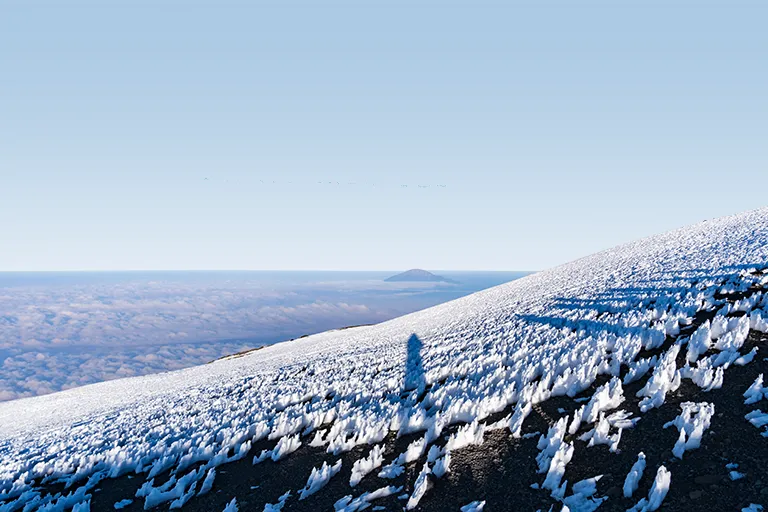
  • Penitentes — tall, spiky ice formations that look like nature’s own cathedral
  • And layers of ice thinning from the inside out

If you ever decide to go on a 9-day Northern Circuit routetrek or via the Lemosho Route and reach the crater rim, you can see these crazy shapes cut by the sun, wind, and sky.

What’s happening on Kilimanjaro isn’t just about Climate Change in Africa, making things hot. It’s the entire energy balance of the mountain shifting — a fragile system that’s now out of sync. The glaciers aren’t just melting; they’re quietly vanishing.

Drier Skies, Thinner Ice

If sublimation is the thief, then dry air is its loud, messy accomplice. For years, people assumed Kilimanjaro’s disappearing ice was all about heat. But the deeper story? The mountain just isn’t getting the snowfall it needs to stay alive. And yeah, that hits harder once you realize how much this glacier depends on fresh snow, not just cold temperatures.

Kilimanjaro Climbing
Drier Skies, Thinner Ice

Kilimanjaro used to get steady moisture from the Indian Ocean, drifting inland as clouds and falling as clean, reflective snow. That snow is like armor; it protects the ice beneath it. But today, that supply line is breaking down.

According to the Tanzania Meteorological Agency, their 2023 climate statement notes that meteorological stations in the Kilimanjaro region have recorded unusually high rainfall variability, with some months seeing up to five to six times more rain than the long-term average in the northeastern highlands. - www.meteo.go.tz

So why is East Africa drying out? Scientists point to a combo of significant climate drivers shifting all at once:

  • The Indian Ocean is warming, changing how moisture moves inland.
  • Monsoon patterns are wobbling, so storms don’t behave like they used to.
  • ENSO events (El Niño / La Niña) are becoming more intense and irregular.
  • And the mountain itself is seeing less high-altitude cloud cover, which means less moisture reaching the summit.

In simple terms: The clouds that used to feed the mountain… don’t show up as often.

What does this look like on the mountain?

Trekkers and guides are seeing:

  • fewer proper snowstorms
  • almost no rime-ice buildup on the crater rim
  • long stretches of dry, windy weather
  • seasons that feel “off,” arriving earlier or later than expected

This means the glacier’s entire survival system breaks down:

  • Less snow = less accumulation
  • Thinner snowpack = older ice exposed to direct sunlight
  • Exposed ice = faster sublimation
  • Faster sublimation = less surface area

And thus, the cycle keeps feeding itself. It’s like watching someone get weaker because they’re not eating… even though the environment around them looks the same.

Local expert Note:
Tharsis
M.Hyera, a veteran meteorologist formerly with TMA and co-author of Kilimanjaro glacier studies, has stressed that:

“The decline of Kilimanjaro’s ice is not just about warmer air — the drying of the atmosphere at high elevations is starving the glaciers of moisture needed to sustain themselves.”

The Science of Balance

The Glacier’s Energy Equation — Why Balance Matters

Every glacier has an invisible line called the Equilibrium Line Altitude (ELA) — the point where accumulation equals loss.

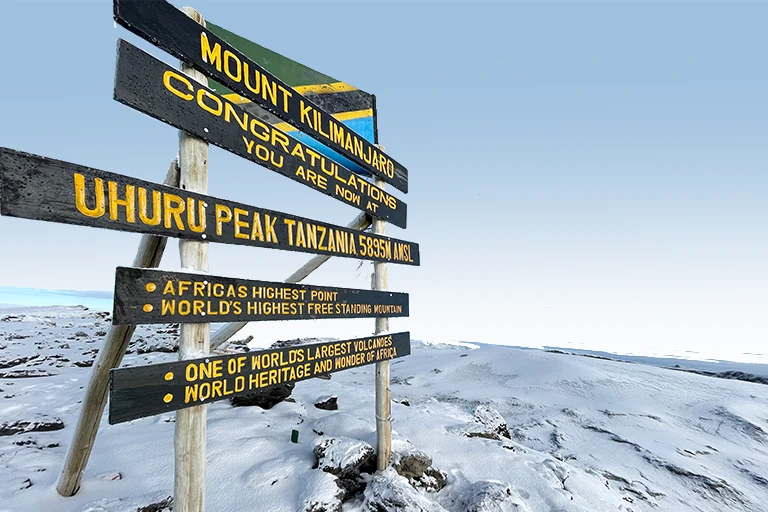
Uhuru Peak
The Science of Balance

Below the ELA, glaciers grow. Above it, glaciers shrink. Kilimanjaro’s ELA has shifted dramatically upward over the decades. The higher it moves, the less of the glacier remains below the “safe zone,” making ice loss accelerate.

Today, the ELA sits so close to the summit plateau that almost no part of Kilimanjaro’s ice cap lies in the accumulation zone anymore. This is essentially a death sentence for the glacier unless regional snowfall increases significantly.

NASA’s Earth Observatory reports show that Kilimanjaro’s energy balance has shifted so drastically that even years with above-average snowfall aren’t enough to compensate.

Trekkers often remark that on summit night, you can feel the wind sucking the moisture out of your breath. That same dryness strips the mountain’s ice relentlessly. The glacier loss you see today isn’t random — it’s the mathematical outcome of a system pushed too far out of balance.

Why It’s a Global Warning

When trekkers ask, “Why is the ice disappearing?” guides never have a one-line answer — because the story is way bigger than the mountain itself. Kilimanjaro’s Glacial retreat and global warming aren’t some isolated mysteries. They’re part of a global trend we’re seeing across the tropics:

  • In Peru’s Cordillera Blanca, glaciers have been shrinking for decades.
  • Uganda’s Rwenzori Mountains might lose all their ice by 2035.
  • Mount Kenya has already lost most of its historic glacier cover.
Kilimanjaro Glacier
Why It’s a Global Warning

Kilimanjaro is one of the last three major tropical glacier systems on Earth — and every single one of them is in fast decline.

What makes Kili stand out, though, is how visible the change is. People hike it every day. Researchers constantly monitor it. Documentaries show the ice cliffs, then compare them to photos from 20 or 30 years ago. The world literally watches it shrink.

According to the IPCC’s 2023 Synthesis Report (AR6), mountain glaciers are projected to keep losing mass for decades, even if warming stabilizes — and higher emissions will only make it worse. – Source: IPCC

NOAA’s data shows that as of 2024, glaciers in the World Glacier Monitoring Service network have lost more than 27 meters of water equivalent since 1970 — that’s like slicing a 98foot-thick layer off each glacier.  -Source: Climate.gov

So over time, Kilimanjaro has become a symbol — just like polar bears, dying coral reefs, and disappearing Arctic ice sheets. It’s something everyone recognizes, something that makes climate change feel closer and harder to ignore.

This mountain is a reminder that the planet is shifting. A reminder that even giants can change.
And a reminder that climate change isn’t some distant, abstract idea, it’s unfolding right here, on a peak that thousands of people climb every single week.

Commentary from African Scenic Safaris’ sustainability team:

In their 2024 Sustainability Impact Report, African Scenic Safaris highlights how seriously they take eco-awareness: they offset over 117 tons of CO, expand “eco-conscious” Kilimanjaro itineraries, and support practices like waste collection along trails.
They say: “On Kilimanjaro, sustainability isn’t just a buzzword — it’s part of how we climb, leave no trace, and protect the mountain for future trekkers.”
African Scenic Safaris

Can Kilimanjaro Be Saved

Is There Hope for the Ice on Africa’s Roof?

This is the part everyone wants to know. Is it too late? Maybe, but maybe not. Some climate crisis awareness models suggest that if regional moisture increases and cloud forests around the mountain are restored, snowfall could return. Not to historical levels, but enough to stabilize parts of the ice.

Uhuru Peak
Can Kilimanjaro Be Saved

Local reforestation efforts led by the Tanzania Forest Service, NGOs, and community groups aim to:

  • restore cloud forests,
  • increase humidity,
  • improve local microclimates, and
  • support water cycles around the mountain.
The Tanzania Forest Service (TFS) is leading a major climate‑biodiversity initiative (2025–2030) across Kilimanjaro and Tanga regions, targeting forest reserves like Chome, Magamba, and Amani to strengthen community-based forest management and green-energy adoption. “ -Source: Daily News

Projects near Moshi and the Machame Route have planted hundreds of thousands of indigenous trees. Trekkers sometimes see these nurseries during village tours. Will this stop the glacier’s retreat? Not entirely. But could it slow it down? Possibly because Kilimanjaro’s ice is fragile, but not hopeless. And that hope matters not just for the mountain, but for the planet.

On the ground, African Scenic Safaris’ Director (Neema Natai, closely aligned with the company’s mission) has emphasized their commitment to sustainability: “We design every tour with care … minimizing our footprint while protecting Tanzania’s wild beauty.”

Witness the story of Kilimanjaro’s ice before it’s gone. Join African Scenic Safaris for a guided trek where science meets sustainability — and every step supports conservation.

A story beyond snow & stone

Mount Kilimanjaro Climbing has always been that one thing people dream about, the big challenge, the “one day I’ll climb it” goal, the place everyone wants to stand on top of at least once. But right now, it’s also something else:

Mount Kilimanjaro Climbing
A story beyond snow & stone

A wake-up call.

The Tropical glaciers disappearing up there isn’t some random thing happening in the background. It’s the planet literally showing us that the balance is off. The climate is shifting, and even a giant like Kilimanjaro can’t escape it.

And yet this isn’t simply a story about Melting Glaciers Kilimanjaro. It’s a story about a changing planet. About invisible forces shaping the mountain silently. About how solar radiation, moisture loss, wind, and global climate shifts interact in the most delicate, unforgiving way. It’s a story about Us, travelers, and the local community, the guides, and the operators. An important thing to consider is that the choices we make for the coming years determine what it will be like for future generations.

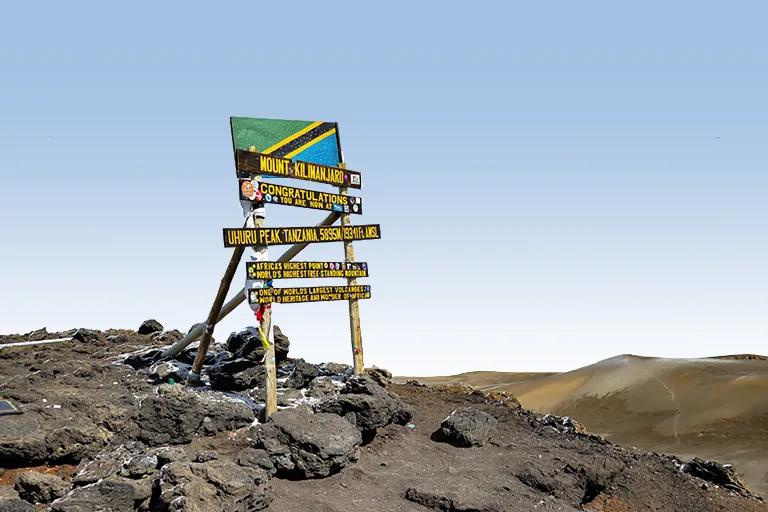
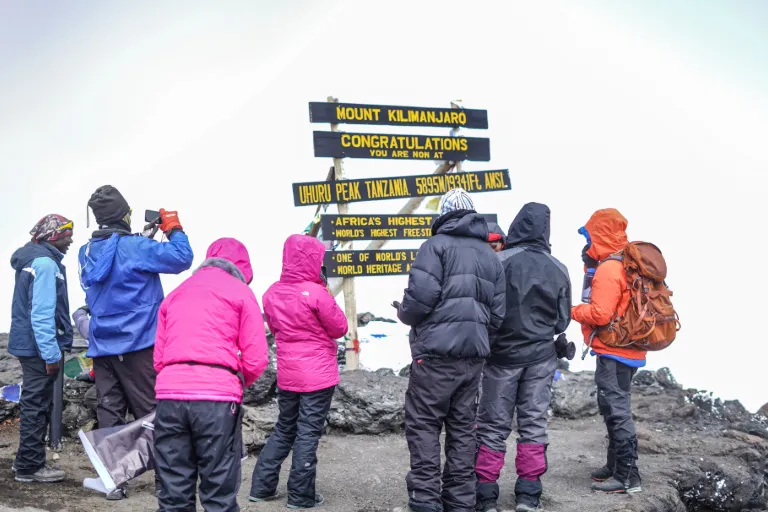
And when you get to Uhuru Peak, tired, freezing, excited, and you look out at everything below you, it’s hard not to think about the future.

Will this place still look like this in a few decades? Will the next generation even see ice up here? The truth? What happens to these glaciers depends on decisions that go way beyond Tanzania alone. It depends on what the whole world does about climate change. But one thing is obvious: Kilimanjaro isn’t just asking people to climb it anymore. It’s asking us to care about what’s happening to it.

Hidden Costs and Add-Ons Most Climbers Miss when Climbing Kilimanjaro

“Think you’ve budgeted for your Kilimanjaro Climb? Think again.”

You might be surprised that the planning and budgeting made for climbing Africa’s tallest peak could be completely useless when you finally arrive in Moshi or Arusha. The excitement is high, the air feels different, and then — reality hits: the hidden Kilimanjaro Climb Cost that you weren’t aware of!

Beyond the obvious fees like park permits and guide wages, Kilimanjaro comes with an entire list of hidden costs that many climbers discover too late. Gear rentals, tipping, airport transfers, visa fees, insurance, and optional upgrades — they all sneak up one by one. Individually, they seem minor, but together, these small charges can raise your total Kilimanjaro Climbing Cost by 20–30%.

But worry not because this guide is here to empower you by giving you the required information on the Kilimanjaro Extra Fees found, so that you can plan better and wisely and concentrate only on the important matter, reaching the Uhuru Peak, the Roof of Africa.

We will dig deeper into every important thing that usually affects the final Kilimanjaro Climb Cost, from before climbing to after reaching the summit, and celebrating victory. We’ll also include expert commentary from African Scenic Safaris, real client insights, and official data from TANAPA (Tanzania National Parks Authority), KPAP (Kilimanjaro Porters Assistance Project), and TTB (Tanzania Tourist Board).

A realistic budget isn’t about cutting corners — it’s about prioritizing comfort, safety, and fair wages for the crew,” explains the Operations Coordinator at African Scenic Safaris. “You can save a few dollars skipping insurance or a private toilet, but that decision can turn costly later on the mountain.”

Why Hidden Costs Matter More Than You Think

Imagine you’ve just booked your dream Kilimanjaro Climb. You calculated the cost, and your budget is $2,800 for an 8 Day Lemosho Route. But by the time you’re done with your climb, the price reaches $3,800 or even more. What happened?

Kilimanjaro Climbing Cost
Why Hidden Costs Matter More Than You Think

That extra thousand dollars comes from what we call “silent add-ons.” These aren’t scams — they’re simply the practical realities of a mountain that sits 5,895 meters above sea level, governed by a park authority, and supported by hundreds of porters, guides, cooks, and logistics staff.

Most online quotes show the base price, which covers park fees, food, tents, and staff. Usually, things like gear rental, tipping, visa fees, travel insurance, private toilets, or extra acclimatisation days are not included; these are Hidden Trekking Costs. As a result, climbers arrive unprepared, short on money, or forced to skip essentials like insurance or gear quality, which significantly affects comfort and summit success.

“The biggest budgeting mistake we see is people underestimating how many small costs stack up. Kilimanjaro isn’t a budget mountain — it’s a life experience that demands full preparation.”
— Trek Consultant, African Scenic Safaris

Pre-Climb Hidden Costs Most People Overlook

Before your plane even lands in Tanzania, costs are waiting for you. Think of these as the absolute essentials—some you can’t avoid, and others depend entirely on how prepared you were when you booked.

Mount Kilimanjaro Climbing
Pre-Climb Hidden Costs Most People Overlook

Gear Rental & Equipment Purchase: The Big Decision

Unless you’re a seasoned high-altitude mountaineer with a closet full of $300 down jackets and negative-rated sleeping bags, you are going to rent or buy gear. This is a crucial early budget shocker.

ItemRental Cost (USD / Whole Climb)Why You Need It
Down Jacket$20–$60For summit night. A non-negotiable item to prevent hypothermia.
Sleeping Bag (-20°C)$25–$50Essential. Nights at high camp are brutally cold (below freezing). Never compromise on this.
Trekking Poles$10–$20They save your knees, especially on the descent. Don’t skip them!
Headlamp$10You start at midnight. You literally cannot climb without this.

These Kilimanjaro Gear Rental fees can easily add up to $150–$250 per person just for the significant items.

Author’s Tip: Renting locally is smart because it saves you from hauling bulky, heavy gear across international airports. However, only rent from your reputable, certified operator. You need to be 100% sure the sleeping bag is clean and rated correctly for extreme cold. Don't cheap out on the things that keep you alive and warm!

Vaccinations & Travel Insurance

When coming to Tanzania, you will be required to take several vaccinations, such as Yellow Fever (mandatory if from endemic areas), Typhoid, Hepatitis A & B, and Tetanus. Vaccines usually cost between $100–$200, depending on where you live.

Tanzania Travel Safety
Vaccinations & Travel Insurance

Then there’s Kilimanjaro Travel Insurance, which is non-negotiable for the mountain. Most policies covering high-altitude trekking cost between $100 and $300, but can save you thousands in the event of a medical evacuation.

“Where can I get travel vaccines?

If the yellow fever vaccine is recommended or required for your destination, you’ll need to go to a vaccine centre authorised to give yellow fever vaccinations. Many yellow fever vaccine centres also provide other pre-travel health care services. Find an authorised US yellow fever vaccine centre. “

Source:  Centers for Disease Control and Prevention

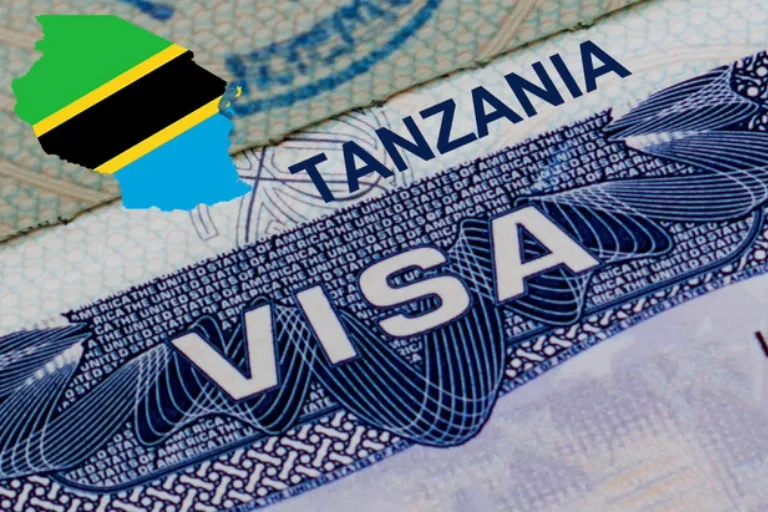
Visa Fees & Entry Requirements

It is a must for Climbers to have a Tanzanian visa. Typically, Tanzania Climb Visa Cost:

  • $50 USD for most nationalities
  • $100 USD for U.S. citizens
    Apply online via the eVisa portal or pay on arrival.
Tanzania Visa
Visa Fees & Entry Requirements

Airport Transfers & Domestic Flights

Airport Transfers are NOT Always Included: Don’t assume that the ride waiting for you at Kilimanjaro International Airport (JRO) is free. The transfer between JRO and your hotel in Moshi or Arusha often costs extra. You should budget for about $40–$80 one-way unless your operator explicitly confirmed it’s complimentary.

Thinking about exploring the beaches in Zanzibar or looking at the Serengeti safari after your Kilimanjaro Trek? The domestic flights will add cost, typically running between $100–$250 per person.

The True Cost of Pre-Climb Prep

When you tally up all the necessities before the mountain, the total is eye-opening. This is the money you need sitting in your bank account before your trek even begins:

CategoryEstimated Range (USD)What It Pays For
Gear Rental$150–$250Warmth and safety—do not skimp on your sleeping bag!
Vaccinations$100–$200Health checks, required shots (like Yellow Fever), and malaria medication.
Travel Insurance$100–$300Your emergency evacuation policy. This is mandatory (see below!).
Visa$50–$100Your entry permission into Tanzania.
Transfers$40–$80Getting from the airport to the starting line (your hotel).
Total Pre-Climb Add-Ons$440–$930Your total minimum extra cost before day one of trekking.

Hidden Costs During the Climb

Once the trek begins, most costs are prepaid — but not all. Certain expenses can appear mid-climb, especially if you opt for comfort upgrades or encounter unexpected delays.

Tipping Your Mountain Crew

This is the most significant “hidden” cost that often surprises climbers. According to KPAP (Kilimanjaro Porters Assistance Project), fair and ethical tipping is a crucial part of the Kilimanjaro experience.

Tipping cost Ranges (per climber):

Crew RoleAverage Tip/Day (USD)
Lead Guide$20–$25
Assistant Guide$15–$20
Cook$10–$15
Porter$8–$10

A 7-day Mount Kilimanjaro Climbing with a crew of 1 guide, 1 assistant, 1 cook, and 6 porters for 2 climbers can cost from to $300–$400 per person in tips. Most groups organize themselves, and the tip is presented in envelopes on the final day before descending.
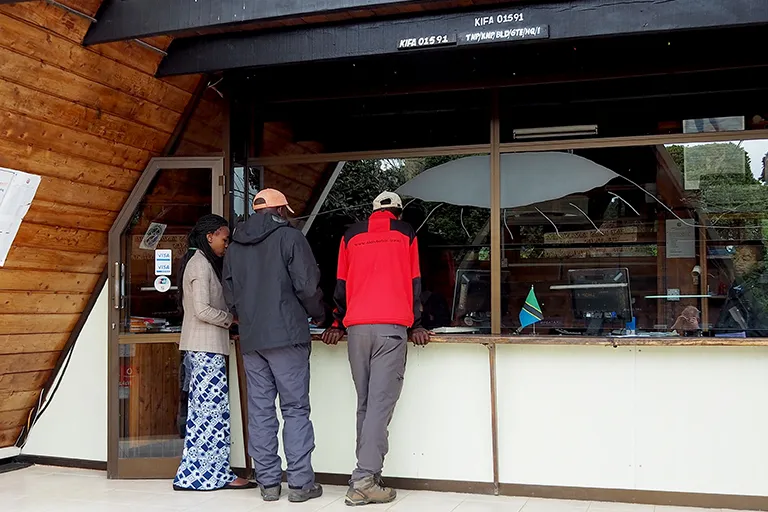
“Our porters are the heartbeat of Kilimanjaro. Without them, no one reaches the summit.”

— KPAP Representative, Ethical Trekking Alliance

Extra Meals, Drinks, and Snacks

Meals are included, but you might need snacks, coffee, or energy bars, you know that craving you get! There is also a post-summit celebration dinner at the lodges after completing this tough challenge of Climbing Mount Kilimanjaro; the cost is usually $20–$50.

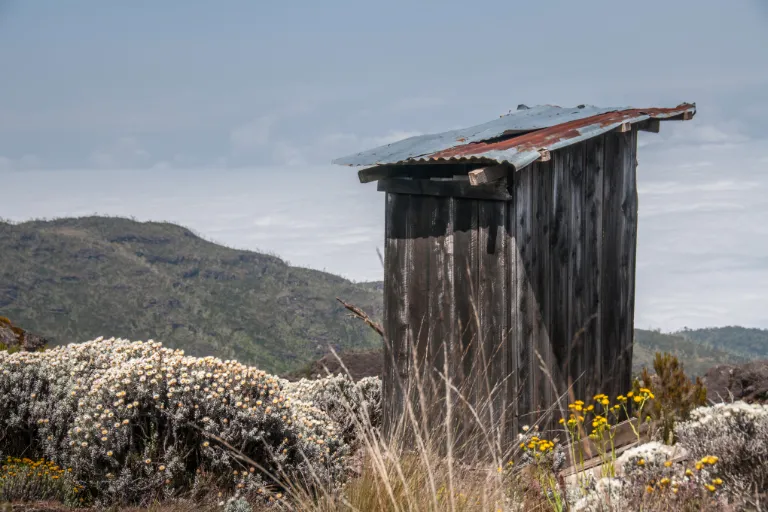
Portable Toilets & Private Facilities

Luxury and midrange climbs offer optional private toilet tents (yes, it’s a thing!) for an additional $150–$200 per group. Private dining tents and upgraded sleeping tents are also available for an extra $100–$150.

Kilimanjaro Toilet
Portable Toilets & Private Facilities

Extra Days for Acclimatisation

If your body struggles with altitude, an extra acclimatisation day might be added on the spot — costing an additional $150–$200 per person per day, including food, staff wages, and park fees.

On-Mountain Hidden Costs Snapshot:

CategoryRange (USD)
Tipping$300–$400
Snacks/Meals$20–$50
Private Toilet Tent$150–$200
Extra Day$150–$200
Total (During Climb):$620–$850

Optional Permits and Add-Ons Few People Know About

If you’re looking to add adventure or film content to your trek, special permits, Kilimanjaro Permit Fees are required by TANAPA. These aren’t for everyone, but they’re essential to budget for if relevant.

Kilimanjaro Permit Fees

Mawenzi Technical Climb Permit

This rarely attempted add-on allows climbers to explore Mawenzi Peak, Kilimanjaro’s jagged eastern summit. Requires technical equipment and costs around $250–$400 per person for the permit and extra guide supervision.

Filming and Drone Permits

 Want to capture your summit moment with a drone shot or film a documentary? Hold your horses. These permits are serious business and can cost at least $500, often rising to $1,000 or more, depending on your equipment and the size of your camera crew. In addition to the fee, you need special clearance from TANAPA and the Tanzanian government. Do NOT just show up with a drone; it will be confiscated immediately.

Mountain Biking Access

 If you want a unique hybrid experience, some routes (like Kilema) actually allow you to bike up to specific points. If you wish to have this access and the required supervision, budget an extra $100–$200 on top of your standard fees. It’s a cool alternative, but it costs extra for the privilege.

Add-OnPermit Cost (USD)
Mawenzi Climb$250–$400
Paragliding$500+
Filming$500–$1,000+
Mountain Biking$100–$200

“Kilimanjaro isn’t just a hike; it’s an evolving adventure hub. More climbers are requesting film permits and drone access each year.”
TANAPA Official, 2024  Tariff Release

Hidden Post-Climb Costs No One Talks About

When you think you’re done spending money, there are a few final expenses that sneak in after your summit success. The adventure isn’t over—and neither are the costs!

Kilimanjaro Climb Cost
Hidden Post-Climb Costs

 Extra Tips and Bonuses

Tipping your crew is mandatory and already a large part of your budget, but it’s customary to offer extra tips and bonuses if you successfully reach the summit. This is a personal gesture of gratitude for the life-changing support you received on the most challenging day. Kilimanjaro Tipping Guide: Expect to set aside an additional $20–$50 to give to your Lead Guide and maybe the Assistant Guides and Cook for a job well done.

Hotel, Laundry & Final Meals

After seven days of freezing camping, you are going to want a real bed! You’ll likely spend a night or two in Moshi or Arusha to clean up, rest, and celebrate.

  • Hotel Extensions: Extra nights cost about $60–$120 per night, depending on your hotel.
  • Cleaning Up: Budget around $10–$20 for laundry—trust me, you’ll need it!
  • Celebration Meals: You’ll finally have a proper, non-camp dinner! Add $20–$50 for those final hotel meals and celebration drinks.

 Souvenirs and Certificates

The actual summit certificate from the park is free, but you’ll want proof! You might wish to frame versions, commemorative T-shirts, or local art from Moshi’s markets. It’s easy to spend another $30–$100 here on meaningful mementoes of your accomplishment.

Real Budget Example – Hidden Costs in Numbers

Let’s see how it all stacks up for a 7-day Lemosho Route climb for two people:

CategoryBase/Advertised CostHidden Costs
Base Trek Package$3,000
Gear Rental$200
Visa & Insurance$350
Tipping$700
Snacks/Meals$50
Extra Day$150
Post-Climb Costs$200
Total Estimated Cost$3,000$1,650
Final Budget Total $4,650 for 2 climbers

That’s nearly a 55% increase from the advertised cost — not because of hidden fees from your Kilimanjaro Tour Operator, but because of the natural add-ons every climber faces. The key is to plan for them in advance.

How to Plan for These Extras Without Breaking Your Budget

  1. Add a 20–25% Buffer
    Whatever your operator quotes, add a 20–25% cushion to your budget for flexibility. It provides peace of mind in case of an unexpected event.
  2. Ask for a “Full Cost Breakdown”
    A good operator will be transparent. Ask them to itemise park fees, crew wages, and Kilimanjaro Add-Ons so you know exactly what’s included.
  3. Prioritize Essentials Over Luxuries
    Invest in good insurance, gear, and tips first. Optional extras like private tents or custom meals can wait.
  4. Join a Group Climb
    Shared climbs split the cost of porters, transfers, and tips, saving up to $300–$500.
  5. Download a Hidden Cost Checklist
    Use a printable planner or budgeting app to keep track of all pre-, during-, and post-climb expenses.
Mount Kilimanjaro Climbing
Planning To Climb Kilimanjaro
“Budgeting smart isn’t about cutting corners — it’s about respecting the mountain, the crew, and yourself by preparing completely.”
— African Scenic Safaris Finance Team

Stop Fearing Hidden Costs, Start Preparing!

Don’t let the Kilimanjaro Hidden Costs catch you off guard — let them remind you what this journey is truly about. Every small fee and extra service goes far beyond paperwork and numbers. It’s the smile of a porter who carries your gear through the clouds, the rangers keeping the trails safe, and the quiet efforts that protect one of the most beautiful mountains in the world. These aren’t just expenses — they’re contributions to something bigger than yourself.

Planning, understanding what’s included, and preparing for those “unexpected” costs let you climb with peace of mind. Because truthfully, Kilimanjaro Climb is not just a test of endurance — it’s a journey of gratitude. When you are well prepared, aware, and focused, you won’t just conquer the mountain itself but also create an everlasting legacy. And that’s something worth every shilling.

Plan Your Kilimanjaro Budget with Confidence!

Get a transparent, all-inclusive breakdown of your 2026 climb from our expert team at African Scenic Safaris.

Simbo Natai
Simbo Natai, founder of African Scenic Safaris, crafts sustainable, meaningful Tanzanian journeys rooted in his deep local knowledge and passion.
Director, African Scenic Safaris

Tanzania Safari Cost vs Kenya Safari Cost – What to Expect

Your big African dream safari might probably land you in one of two places: Tanzania or Kenya. These destinations are the global superstars of East African tourism, and knowing the Kenya and Tanzania Safari Cost is essential to deciding on your next destination. 

But trying to figure out which one actually gives you the best value? That’s far more complicated than simply picking a country on a map. It totally depends on your style of travel, how long you’re staying, the standard of the lodge you want, those park fees, the whole transport situation, and those crazy, intangible “once-in-a-lifetime” moments.

It is without a doubt that both places will offer you an immersive safari experience, but the truth is, the safari experience between the two destinations can be quite different. Why do you ask? This is because each destination has its own unique features, such as its landscape, people, culture, and wildlife.

If you’re a savvy traveler looking at a Tanzania or Kenya safari, getting a precise cost comparison is essential. When you actually break down the numbers — lodging, park fees, the guide/transport costs, meals, drinks, and those little add-ons—you end up with a much more realistic budget blueprint. That’s the key.

Tanzania Safari Price

This guide is here to show the real stuff. We’ve pulled recent pricing data directly from tourism boards, plus genuine feedback from people who’ve actually been there. The goal is to provide totally transparent, credible insights. 

With this info in your hand, you can build your ideal African safari—whether that’s in Tanzania or Kenya—that perfectly hits your budget, your comfort level, and that ultimate dream you have.

Ready to dive in? Let’s figure out exactly how the costs stack up in these two spots—and which safari is the perfect fit for you!

Accommodation Costs: Luxury, Mid-Range, and Budget Options

Where Can You Get More Value for Your Stay — Tanzania or Kenya? Accommodation is usually the single most significant factor in determining your safari cost. 

Tanzania Safari Cost

The price range? It’s huge. It depends on the location, the exact time of year, what kind of lodge you want, and what’s included (meals, drinks, transfers). So, quick breakdown: how do Tanzania and Kenya actually stack up?

Below is a table showing the accommodation costs for different Kenya and Tanzania Safari Packages, per person per night.

Type of safari package TanzaniaKenyaHighlights
Budget$50–$120$40–$110 off-peak or a fundamental place, shared hostels 
Mid-Range $150–$350 $120–$300 Well-tented camps and lodges, full board meals, and private bathrooms
Luxury$400-$1500$350–$1,200+ Gourmet dining, private plunge pools, and personal in-room services

What This Means for You:

  • If you’re trying to save money on the lodge but still want to be comfortable, Kenya might be the better option at the mid-range price point.
  • But listen: Tanzania gives you extreme high-end exclusivity and those insane, unique locations—like seeing the whole Migration or the Ngorongoro Crater. The Safari In Tanzania might be more expensive, but sometimes that experience is just worth it. It all depends on your priority.

Choose accommodation that aligns with your budget and comfort preferences — and we can help craft accurate cost estimates. 

Park Entry and Conservation Fees

Entry fees are a massive part of the bill—they directly impact your final cost. How do Tanzania Safari Prices and Kenya’s stack up?

Park fees and those conservation levies are essential components, but people often forget about them until the final budget meeting. They change based on the country, the specific park, the season, and where you’re from.

Tanzania Safari
Tanzania Safari

Tanzania Park Fees

They are typically US$50–100+ per person, per day in significant places like the Serengeti or Ngorongoro. Destinations located in remote areas may charge more.

For more information about the entry fees at different tourism locations in Tanzania, visit TANAPA/ Tariffs. 

Kenya Park Fees

These run roughly US$40–90 per person, per day in well-known spots like the Masai Mara or Amboseli.

Visit: KWS/Tariffs for more information on park entries

But Why the Difference?

It’s pretty simple: Tanzania’s parks are just bigger. Their sheer size, more remote locations, and the conservation models they use generally mean higher fees. Kenya’s infrastructure and easier accessibility can often help keep costs somewhat lower.

When budgeting your safari, make sure you put in park and vehicle fees early. They definitely add a meaningful amount to your daily cost.

Transportation & Guide Costs

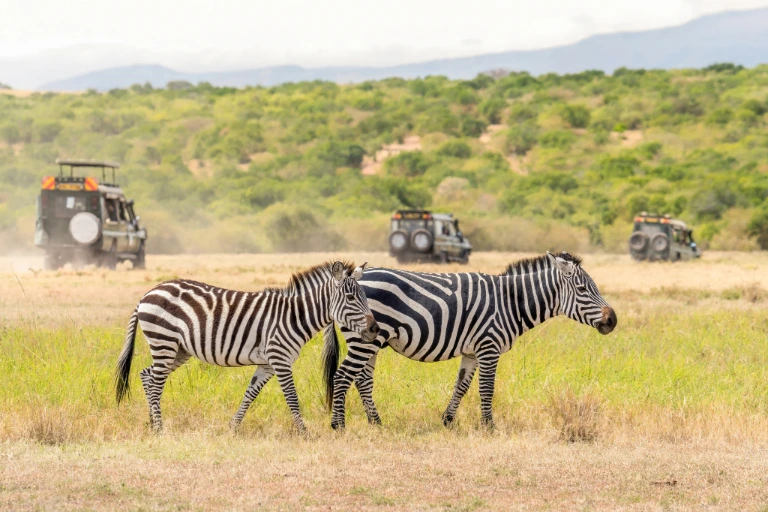
Getting around the parks requires reliable transport—so, what are the typical costs? How you move significantly influences the price. Think about it: private 4×4 versus shared vehicle? Long internal drives versus quick short hops? Fly-in safaris versus just road transfers.

Tanzania Safari Transportation Cost
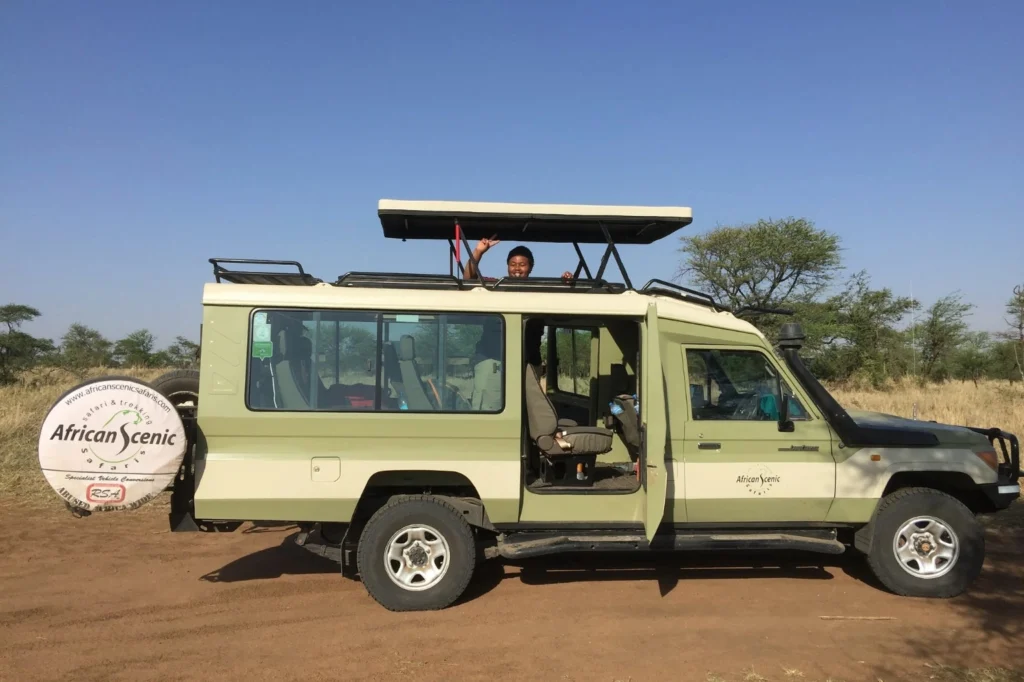
Tanzania Safari Vehicle

For a Tanzania Safari, hiring a private 4×4 vehicle and guide usually costs about US$60–180 per day. The range depends on the type of vehicle, how many people you have, and the distance between those parks. Shared vehicles usually lower transportation costs by far more than private vehicles because the expenses are divided equally among participants.

On the other hand, in Kenya, a private safari vehicle and guide typically costs between US$50 and US$150 per day. The price range depends on the type of vehicle and the group size you are travelling with.

Because Safari Tours In Tanzania often involve longer road drives or internal flights to the major parks (Serengeti, Ngorongoro, Tarangire), your overall transport costs will generally be higher. Kenya’s parks tend to have shorter transfer times, which can help reduce the final cost.

You need to decide on vehicle type (private vs. group) and guide options based on both cost and comfort—we can help you estimate realistic figures.

Meals, Drinks, and On-Safari Extras

Look, food and beverage costs can really creep up on you—so, what’s the deal between the two countries? Meals, snacks, drinks, tips, and those little extras (like a quick spa or a special lodge activity) form a part of your safari budget that people consistently underestimate—every time making your Safari in Tanzania low-cost.

Tanzania Food & Drink Costs

  • Meals usually run about $20–60 per day.
  • Drinks can totally hit $40–80+ per day, depending massively on how luxurious the place is and what you’re ordering from the bar.

Kenya Food & Drink Costs

  • Meals are often slightly less, maybe $15–50 per day.
  • Drinks are in a similar range, though sometimes they can be marginally lower than in Tanzania.

While the food costs are slightly different, the variation here is way smaller than what you see with the accommodation or transport. The real secret? Check what’s included: some lodges are all-inclusive (meals and drinks), and others charge separately for everything. That makes a HUGE difference!

Optional Activities and Extra Costs

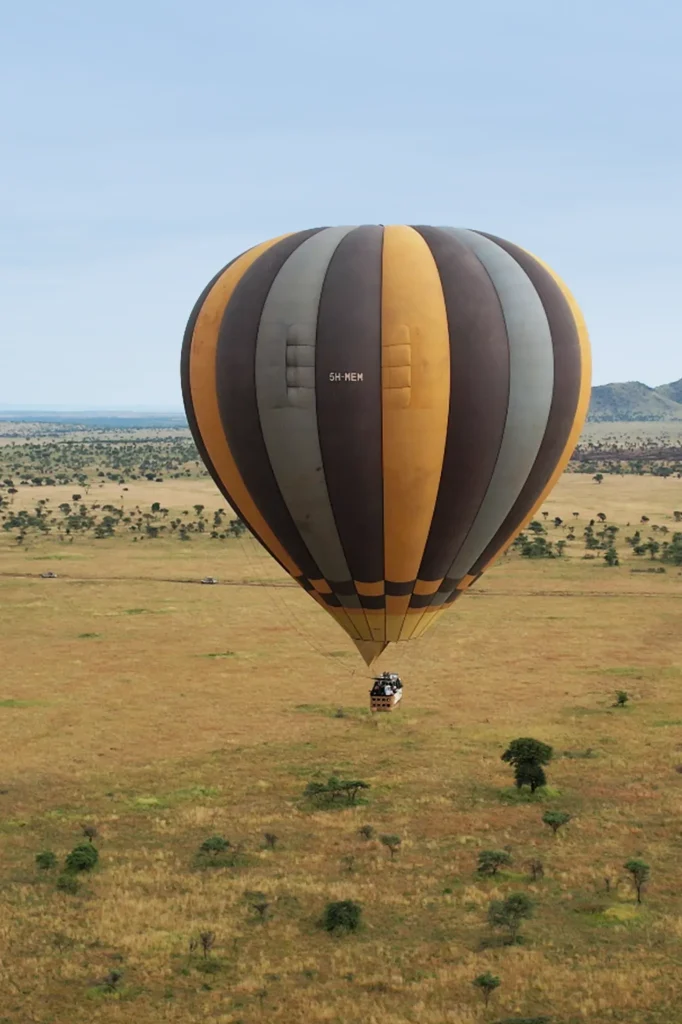
Balloon safaris, walking tours, and cultural visits are optional (add-on) activities that provide magic moments—but they definitely come with a price. These activities contribute largely to the overall safari cost.

Look, your standard safari package covers your lodging, park entry, and daily game drives. That’s great. But it’s the optional experience that truly kicks your adventure from ordinary to unforgettable. Both Tanzania and Kenya offer a range of these add-on activities—each one adding depth, a new perspective, and those crucial once-in-a-lifetime memories.

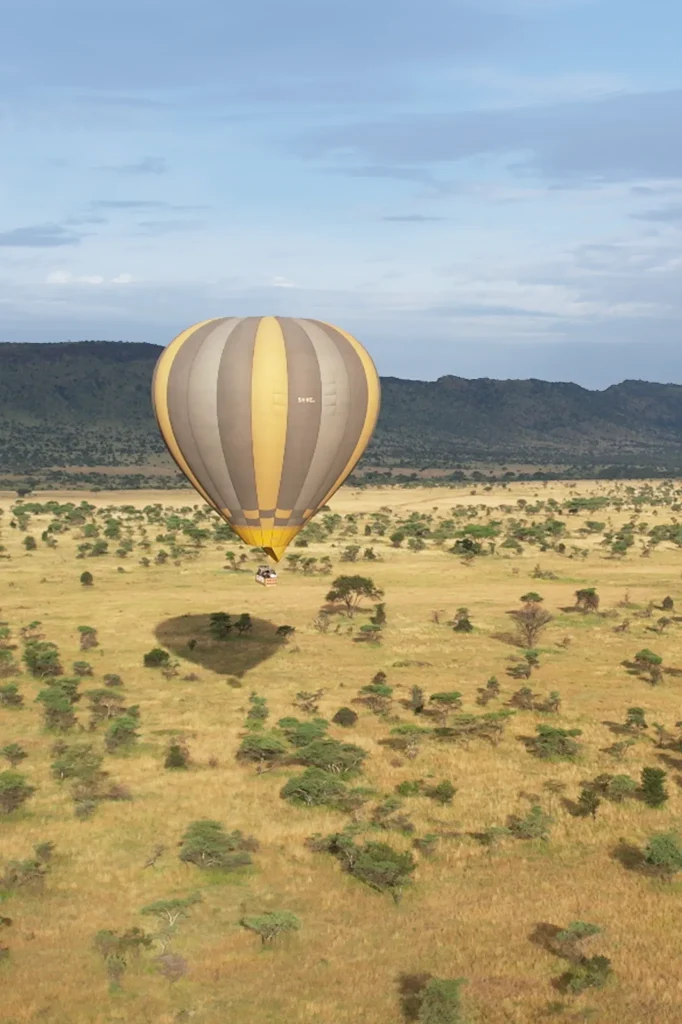
Hot Air Balloon Safaris – Soaring Over the Wild

Honestly, few things compare. Drifting silently over the Serengeti or Masai Mara at sunrise, watching huge herds of elephants and wildebeest move below? Incredible.

  • In Tanzania, the Serengeti safari cost is usually between US$400–600+ per person, depending on the operator and the season.
  • In Kenya, expect a similar range of US$400–550+, typically launching around the Mara River area.

That price usually covers transfers to the launch site, a scenic one-hour flight, and a champagne bush breakfast right after you land.

Walking Safaris and Night Game Drives

Walking safaris—getting out there on foot with an armed guide—are allowed in specific areas like Tanzania’s Nyerere (Selous) or Tarangire and Kenya’s private conservancies. These cost about US$50–100 per person.

Night drives, which showcase nocturnal wildlife such as leopards, civets, and bush babies, are mostly permitted only in private reserves. Those run around US$60–120.

Cultural and Village Visits

During your African Safari In Tanzania, you can truly immerse yourself in the traditions of the Maasai, Datoga, or Chagga through guided cultural visits. We’re talking beadwork, dance, coffee farming, and local storytelling. These experiences usually cost a reasonable US$20–50 per person, and that money goes right back to supporting those local communities.

This kind of activity, supported by programs like the Tanzania Cultural Tourism Programme (TCTP), empowers local people while absolutely enriching your understanding of the country’s heritage.

Other Premium Experiences Don’t forget to budget for things like:

  • Private bush dinners or sundowners: $60–$150 per person
  • Photography safaris with expert guides: $200–$400 extra per day
  • Fly camping or mobile luxury setups: $250–$500+ (depending on how exclusive you want to go)

This pricing information is curated directly by verified safari operators and official park authorities, so you can trust that the numbers are accurate.

You absolutely must reserve budget for at least one “wow” experience—it might cost more, but it’s the memory that will stay with you forever.

Example Cost Analysis: 7-Day Safari Cost Comparison

Planning a 7-day safari is one of the most exciting parts of your African adventure—but let’s be real, it’s also the most crucial part of your budgeting. Both Tanzania and Kenya offer world-class safaris, but the final bill can vary significantly depending on park fees, the type of lodge you choose, travel logistics, and when you go.

Tanzania Safari Cost

At first glance, Tanzania Safaris might look slightly pricier than Kenya’s. That difference usually comes down to the sheer size of Tanzania’s parks, the exclusivity of the lodges, and the longer drives between destinations. Kenya, on the other hand, benefits from more compact routes and better mid-range pricing, making it a fantastic value destination if you want accessibility and variety.

Cost AspectTanzania (USD)Kenya (USD)
Accommodation$700 – $4,000$560 – $3,500
Park & Conservation Fees$350 – $700$280 – $630
Transport & Guide$420 – $1,260$350 – $1,050
Meals & Drinks$210 – $490$210 – $490
Optional Activities$400 – $600$400 – $550
Estimated Total (Per Person)$2,080 – $7,040$1,800 – $6,220

Accommodation: 

Comfort vs. Wilderness Connection. Lodging is the biggest chunk of your budget. Tanzania’s famous parks—Serengeti, Ngorongoro Crater, Tarangire—have those incredible, high-end luxury camps. 
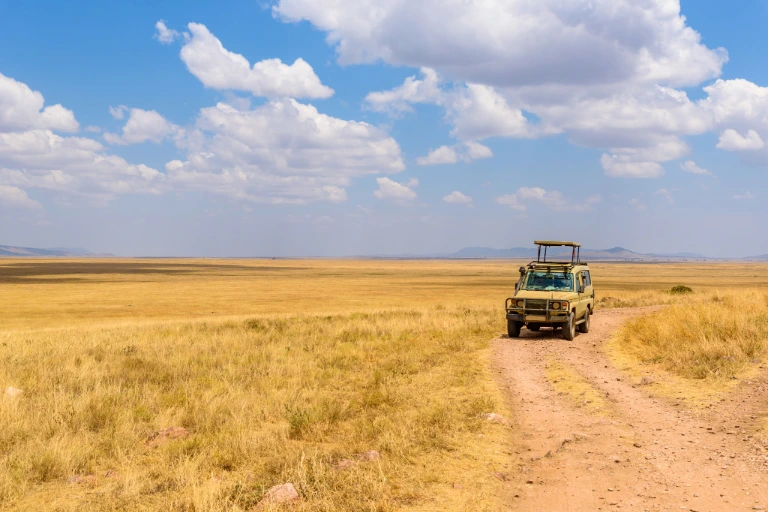
Their remote locations mean higher operating costs, which is why Tanzania’s accommodation range is higher. Kenya’s Masai Mara and Amboseli offer a wider spread of great mid-range camps closer to city centers, keeping their costs relatively lower. 

Park & Conservation Fees: 

Paying for Protection, both countries use these fees to fund anti-poaching and park upkeep. Tanzania’s fees are slightly higher—averaging $50–$100+ per day—due to the enormous size of conservation areas like the Serengeti and Ngorongoro. Kenya’s fees range from $40 to $90 per day. 

Transportation & Guides

The Backbone of getting around is a significant cost factor, especially in Tanzania, where the drives are often long. A private 4×4 with a guide costs roughly $60–$180 per day. Kenya’s more compact circuits mean shorter drives and slightly lower costs, around $50–$150 per day. 

Meals, Drinks & On-Safari Extra Food costs 

They are pretty similar. Tanzania’s remote camps might charge a bit more due to the logistics of sourcing ingredients. Expect $20–$60 per day for meals and $40–$80 extra for drinks. In Kenya, meals are marginally cheaper—around $15–$50 daily—but both destinations usually include full-board in your package.
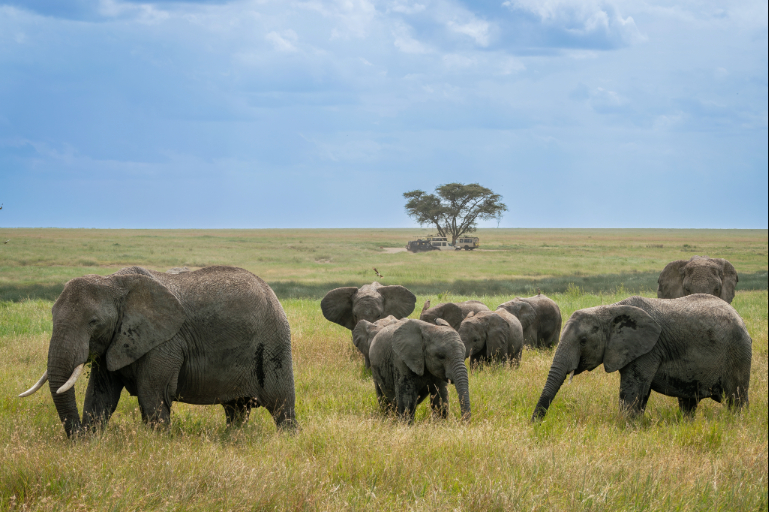
Optional Activities

Where the Magic Happens: Balloon safaris, cultural visits, and walking safaris add that extra magic. These experiences cost almost the same in both spots, but Tanzania’s vast landscapes make the balloon ride feel more cinematic. 

ActivityTanzania (USD)Kenya (USD)
Hot Air Balloon$400 – $600 +$400 – $550 +
Walking Safaris$50 – $100$40 – $80
Cultural Visits$20 – $50$15 – $40

These experiences aren’t just photos—they are transformational moments. Kenya wins on efficiency and affordability because of its compact layout. However, Tanzania’s premium reflects its exclusivity: fewer crowds, more pristine wilderness, and that spectacular, full-scale Great Wildebeest Migration experience.

This cost data is based on verified 2024–2025 information from the Tanzania National Parks Authority (TANAPA), Kenya Wildlife Service (KWS), and our own African Scenic Safaris pricing models—so you can trust the numbers.

Ready to plan your adventure? Get a personalized cost estimate and itinerary crafted by African Scenic Safaris experts. Whether you choose Tanzania’s vast plains or Kenya’s iconic Mara, we’ll help you design a safari that matches your dream, budget, and purpose. 

Pros and Cons: Value vs Experience in Tanzania and Kenya

This is the final decision point. It’s about weighing the value you get against the experience you crave.

Tanzania Safari Price

Tanzania: Go Big or Go Home

CategorySummary
ProsVast, iconic parks (Serengeti, Ngorongoro) that offer true, raw wilderness and the full, spectacular Great Migration experience. High-end, often more exclusive lodges and custom itineraries.
ConsGenerally, a higher total cost for lodging, transport, and park entry. You deal with longer drives and more complex, remote logistics.

Kenya: Accessible and Charming

CategorySummary
ProsVast, iconic parks (Serengeti, Ngorongoro) that offer true, raw wilderness and the full, spectacular Great Migration experience. High-end, often more exclusive lodges and custom itineraries.
ConsGenerally higher total cost for lodging, transport, and park entry. You deal with longer drives and more complex, remote logistics.

This entire cost comparison and analysis is built on information we’ve curated from the most reliable sources available for the 2024–2025 safari season. It’s information based on verified, concrete data from:

  • Tanzania National Parks Authority (TANAPA): Official fee and regulation updates.
  • Kenya Wildlife Service (KWS): Official fee and park regulation details.
  • African Scenic Safaris’ Field Reports & Client Testimonials: Our own, direct, ground-level feedback and real-world pricing models.
  • Traveler Feedback: Genuine, unvarnished reviews from people who actually went—pulled from platforms like TripAdvisor

We ensured the numbers and insights are up to date and trustworthy so that you can plan your trip with confidence.

Choose based on your priorities—do you want the ultimate, spectacular wilderness with a higher price tag (Tanzania), or a slightly lower cost and much higher convenience (Kenya)? That’s the real question.

Tips for Saving on Both Tanzania and Kenya Safaris

You want magic without the massive bill? You need to be smart about how and when you book.

Tanzania Safari Price
  • Book Early: The early bird catches the best deals. Book 6–12 months out, especially for peak season. You save money and get the best lodges and guides. 
  • Right Timing: Aim for the Shoulder Season (April–May or November). The scenery is gorgeous, and crowds vanish, even though it might affect your Serengeti Safari Cost.
  • Share the Bill: Join a Safari Group (if you prefer). It instantly cuts per-person costs for the vehicle, fuel, and guide. As African Scenic Safaris does not offer group tours, you can travel during the off-season to save some bucks. 
  • Mix Your Lodges: Don’t book all luxury. Combine three nights in a nice mid-range place with two nights in an authentic tent camp. It balances comfort and cost perfectly.
  • Be Selective: Those “Wow” moments are indeed pricey. Don’t do every optional activity. Choose just one or two significant experiences—like the balloon safari—to make the highlight of your trip.
  • Explore Smarter: You can check out parks like Tarangire (Tanzania) or Tsavo (Kenya). Fantastic wildlife, lower fees than the Serengeti or Mara.
  • Drive In: Skip the expensive domestic flights. Opting for a drive-in safari saves serious cash, and the scenic route often becomes part of the adventure.

This advice is solid, based on real 2024–2025 data and feedback from actual travelers.

Want to save up to 25%? Let us customize a cost-effective itinerary that still hits all your must-sees. Request a Free Safari Plan Today!

Which Safari Fits Your Budget and Dream?

Look, both Tanzania and Kenya deliver an incredible trip—the ultimate choice comes down to what you want to feel: raw, humbling scale, or great value and easy convenience.

Tanzania Safari Cost

Suppose your dream requires that ultimate, sprawling wilderness — things like The Migration, the Ngorongoro Crater, and zero crowds —then Tanzania is absolutely worth the extra money. If you have a tighter budget but still want tons of wildlife, culture, and high convenience, Kenya is your best bet.

Our Final Tip: The Tanzania Safari Costs more, but it pays for the biggest, most iconic parks. Kenya offers substantial value and is perfect for first-timers. Whatever you choose, make sure it matches your budget and your dream.

Ready to plan? Let’s figure this out: Download our “Safari Planner PDF” today! It breaks down all the real costs for both countries.

Simbo Natai
Simbo Natai, founder of African Scenic Safaris, crafts sustainable, meaningful Tanzanian journeys rooted in his deep local knowledge and passion.
Director, African Scenic Safaris

Through the Words of a Guide on Safari in Tanzania

When you’re on a Safari In Tanzania, your guide isn’t just holding binoculars, right? They’re carrying something way bigger—a whole bunch of stories. Stories about the pure wild, about animals moving with this crazy, ancient grace, and seriously, about how people who arrive as strangers end up leaving feeling like genuine family.

Your guide? They’re not just someone who drives the car, they are the bridge—the connection between you and the real, deep rhythm of nature. They’re the ones who spot the little, invisible stuff everyone else misses, who can read the whispers of the wild long, long before you ever hear a roar echo out there.

And these guides at African Scenic Safaris? They’re more than pros; they’re the actual custodians of Tanzania’s heritage. Every single day, they’re navigating those huge savannahs, those thick woodlands, the dusty trails—all while sharing real tales of survival, of how things coexist, and of pure wonder.

“The best part of my job, though, is watching the guests just go completely silent when they see their first lion. In that silence, you can see something change in them—that is the exact moment they truly connect with Africa.”- Guide, African Scenic Safaris

Safari In Tanzania
Tanzania Safari Guide

These, my friend, are the voices of the people who live and breathe safari life every day. When you listen to them, you stop being just a tourist in Tanzania; you become a student of nature, soaking up the lessons, one incredible story at a time.

A Guide’s Role on Safari in Tanzania

Look, during a Tanzania Safari Tour, most people think a safari guide is just the guy behind the wheel, right? The truth is, they’re seriously so much more. They are your storyteller, your safety expert, your nature professor, and your cultural bridge, all rolled into one amazing human being.

Tanzania Safari Guide
Guide’s Role In Safari In Tanzania

From the second they pick you up at the lodge, their job totally starts—and it’s all about shaping the entire journey using knowledge, empathy, and pure intuition. They’re reading your mood, they’re reading the animals’ tracks, they’re reading the clouds in the sky. It’s this incredible mix of experience and gut instinct.

And get this: Guides don’t just tell you what you’re seeing; they help you feel it. They’ll point out that absolute stillness before a herd of elephants walks up to drink. They catch the tiny, subtle alarm calls from the impalas that tell you a predator is sneaking nearby. Also, they explain the whole meaning behind a Maasai warrior’s dance. They are the true epitome of Tanzania Wildlife Safari.

Here’s the thing: A truly great Tanzania Safari isn’t even measured by how many animals you spot. It’s about all the awesome stories you share between those sightings—the laughter, quiet reflection, the lessons they give you about balance and respect. That’s the stuff you actually remember.

“A guide is basically the voice of the wild. Our work is to translate what nature is actually saying—because out here, every sound and every movement has a meaning.” – Expert guide, African Scenic Safaris

Ready to meet your guide? 👉 Explore Tanzania Safari Packages.

Reading Nature’s Language: Wildlife Through a Guide’s Words

Okay, seriously. Out in the wilderness, the silence isn’t actually silent—it’s yelling secrets, and the guides know exactly how to listen.

To you or me, the landscape might look totally still. But to a Tanzanian Safari Guide? Every little print, every broken branch, every weird bird call is a piece of a story. They read the bush like it’s a living, breathing book. They’re tracking lions by examining fresh paw marks, following vultures that circle high in the sky to locate a distant kill, or identifying elephants by observing the specific curve of their tusks. It’s wild.

A little rustle in the tall grass might mean a leopard is crouched right there, completely camouflaged. A random snort from a wildebeest way off in the distance is actually a warning that lions are close by. The bush is talking constantly—and your guide interprets every single whisper for you.

“Once you’ve been in the wild long enough, you stop seeing chaos. You see patterns. You can tell if elephants passed an hour ago or if a lioness is hunting just by watching how the birds are acting.”Expert, African Scenic Safaris

Tanzania Safari Guide

“Animal behaviour is varied and fascinating, but it is sometimes very difficult to understand why animals behave the way they do. Because of this, a number of wonderful myths have grown up around animals. For instance, it is believed that the ostrich buries its head in the sand when faced with danger. This is not true! Here are some remarkable animals and some amazing facts and myths that surround them.” – WWF Tanzania

During a game drive, you’ll be in total awe of how easily they spot things you totally miss—a tiny flick of an ear, a strange shadow under a tree, or a faint trail you can only see when the light hits the dust right.

Through their eyes, wildlife stops being just “animals” and becomes a full-on ecosystem of unfolding stories happening right in front of your window.

Cultural Knowledge Shared by Guides

Perhaps you think it’s only the animals that you get to explore Tanzania Safaris And Tours, for sure. But another entirely different thing that will make your safari even more memorable: the people. Especially the guides and the stories they share, which make the whole experience something you never, ever forget.

Tanzania Safari Guide

The best thing about African Scenic Safaris is that most of the guides grew up in the local communities. Do you know what this means? This means they have this incredible, deep understanding of Tanzania’s culture, history, and traditions. On a Tanzania Safari, they don’t just explain how the animals act; they also explain human heritage. 

When you get to visit a Maasai village or take part in one of the cultural programs, your guide is basically your personal cultural ambassador and translator. They explain the real meaning behind the traditional dances, the beautiful beadwork, and those important ceremonies. They make sure you connect with Tanzania in a way that’s totally respectful and real. People always leave with this brand-new, deep appreciation for the Tanzanian people.

The good news is that groups like the TCTP (the Cultural Tourism Programme) help make sure these visits are authentic, sustainable, and actually help the local people. Your guide is the crucial bridge here, making sure the respect and understanding flow both ways.

Challenges & Rewards From a Guide’s Perspective

Listen, being a safari guide in the Tanzania Safari Tour, it’s not some easy vacation job—it is seriously hard work. 

Tanzania Safari Guide
Challenges Of A Guide

Every single day kicks off before sunrise, right? When the bush is still covered in that cool mist, and it’s quiet. Guides are already busy: getting the trucks ready, checking the roads, and making sure every single person has their coffee, their binoculars, and this perfect little feeling of anticipation, all at the same time. The days drag on—so much heat, dust, and totally unpredictable stuff—yet they just move with this calm, happy vibe. That only happens when you really, truly love the wild.

The unpredictable nature of the job makes it incredible; no two Tanzania Safaris are ever, ever the same. Guides are constantly switching gears—for the weather, for where the animals are, even for what you’re hoping to see. They’re not just driving experts; they’re experts at patience.

And the reward? It’s that moment when you finally spot something insane—a cheetah at full speed, a tiny baby elephant taking those first steps, or that epic, crimson Tanzanian sunset.

“The very best moment of my whole career was when one guest actually just cried quietly after seeing rhinos for the first time. She told me, ‘I’ve waited my whole life for this.’ That’s when I knew my work mattered.” – Expert guide, African Scenic Safaris 

It’s cool, too, that African Scenic Safaris is big on protecting the place—they teach sustainable driving and conservation. Every single guide knows they aren’t just showing you Tanzania; they are dedicated to promoting Responsible Travel in Tanzania by indulging in ethical practices. 

Want to learn more? Check out the page for Sustainable Safaris in Tanzania.

Practical Advice from Tanzania Safari Guides

Okay, look. These guides? After decades in the bush, they know exactly what makes a safari safe, comfortable, and actually worthwhile. This is their advice—you should listen.

Tanzania Safari Guide
Advice From A Guide

When to Go for Action:

  • Be Early. Be Late – Your best shot is the early morning (6–9 AM) or the late afternoon (4–6 PM). That’s your golden hour window. 
  • Dry Season (June to October): This is when things get easy mode in the Tanzania Wildlife Safari calendar. The animals have to gather around the waterholes, so you see them way more often. It’s almost guaranteed.
  • Green Season (November to March): Now, this is for the dedicated photographers. Everything is lush and beautiful, and seriously, there are almost no crowds. Perfect timing.

Stuff People Always Forget to Pack:

  • Mask Up: You are going to need a dust mask or a scarf. Trust me. Those open vehicles are windy, and they get filthy.
  • Water: Bring your own reusable bottle. Stay hydrated and stop using all that plastic. Simple.
  • Your Eyes: Binoculars are a must-have. Your guide can spot things miles away, and you want to actually see what they’re seeing. Imagine not being able to enjoy the Big Five Safari Tanzania just because you forgot your binoculars. Lame, right?
  • Clothes: Stick to those neutral colors—khaki, beige, olive. You want to blend in, not look like a tourist signpost.

Keep It Safe & Smart:

  • Obey the Boss: Always, always follow whatever your guide says, especially when you’re close to the animals. They know the risks; you don’t.
  • Be Chill: No bright colors and keep the noise down. You’ll just scare wildlife away.
  • Prep: Grab some good bug spray and throw some light rain gear in your bag, just in case the weather turns.

“People often think a great safari is all about the luxury stuff, but really, it’s the simple things—patience, curiosity, respect—that make the whole thing unforgettable.”- Expert Guide

Tanzania Safari Guide

Plan for the unexpected. It is important to plan for unexpected events as much as possible. Doing so can help you get quality health care or avoid being stranded at a destination. A few steps you can take to plan for unexpected events are to get travel insurancelearn where to get health care during travelpack a travel health kitand enroll in the Department of State’sSTEP.

Some travel medical insurance policies do not cover certain types of adventure activities. Check your policy’s coverage before taking part in adventure travel. – CDC

Need the full clothing breakdown? Jump to: What to Pack for a Tanzania Safari

The Guide’s Words That Stay With You

So, listen. The Tanzania Safari ends. The plane takes off, right over those massive, vast plains of Tanzania. But the memories that stick with you? They’re not just of the lions, or those crazy sunsets. It’s totally about the people who made the whole damn thing real.

Tanzania Safari Guide
Word From A Safari Guide

The guides. They are the heartbeat. They protect you; they teach you; they inspire you. They’re the ones who really hammer home that the wild isn’t something you fight with; it’s something you work to understand.

When you listen to them, you stop seeing Tanzania as just a list of sights. It becomes a living story. A story is told through the roars, the whispers of the wind, the big laughs, and those quiet, perfect sunsets.

So, when are you planning to go on that Safari In Tanzania? Choose the people who actually speak the language of the land—the guides at African Scenic Safaris. They don’t just show you Tanzania. They help you feel it.

Because a guide doesn’t just drive you, he drives your imagination—and that thing never, ever stops.
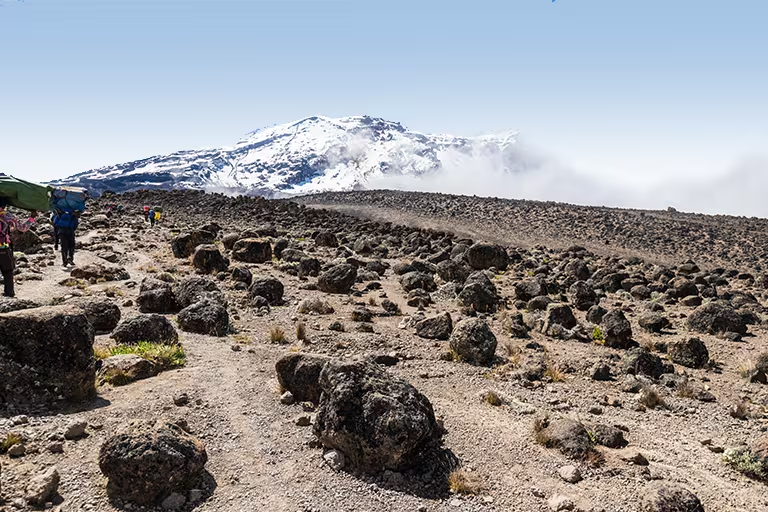
Simbo Natai
Simbo Natai, founder of African Scenic Safaris, crafts sustainable, meaningful Tanzanian journeys rooted in his deep local knowledge and passion.
Director, African Scenic Safaris

Why the Dry Season Might Be the Best Time for Your Kilimanjaro Climb

If you’ve already checked out when to hit Kilimanjaro or what each month feels like up there, you know this: timing changes everything. Every season on Africa’s tallest peak tells a different story, but let me tell you, the magic truly unfolds in the dry season. This is when the mountain shows off its clearest skies, its safest trails, and gives you the highest chance of actually making the summit, the Best Time To Climb Kilimanjaro.

The Kilimanjaro Dry Season runs from January to March and then again from June to October—completely transforming Kili into a climber’s dream. You get golden sunlight cutting through the morning mist, glaciers that look like pure glass, and an air of anticipation you can practically taste. Hikers always say, “The mountain smiles during the dry season,” and it’s 100% true—every sunrise is a brand-new masterpiece painted right across the horizon.

Kilimanjaro Climbing

This season isn’t just about beautiful views, though. It’s about balance. The weather is more stable, the paths are firm, and summit nights feel way less like a gamble. That means fewer risks, more comfort, and the ability to totally focus on what you came for: the journey itself.

We’re taking everything you already know from our other guides and diving even deeper into why the dry season wins, hands-down. You’re about to find out what makes it the safest, most scenic, and most successful time to climb, plus you’ll get insider tips to plan your Kilimanjaro Trek 2026 expedition with total confidence.

For more than 15 years of experience and being in action, African Scenic Safaris has taken a quest to help trekkers reach the Roof of Africa.

“The dry season offers a perfect balance of beauty and safety. You get clear mornings, breathtaking views, and a calm summit youth. It’s the ideal time for both first-time and experienced climbers.” – Expert, African Scenic Safaris

Understanding Kilimanjaro’s Seasons Before You Plan Your Climb

Before we even get into why the dry season is the best for Mount Kilimanjaro Climbing, you need to know that this mountain is so massive—it goes from hot, tropical plains right up to basically Arctic conditions—you actually climb through five different climate zones. Each zone has its own weird temperature, plants, and weather. You’re talking about rainforest humidity at the bottom, then icy, freezing winds near the top. This isn’t just about going higher; it’s a full-on journey through the world’s climates.
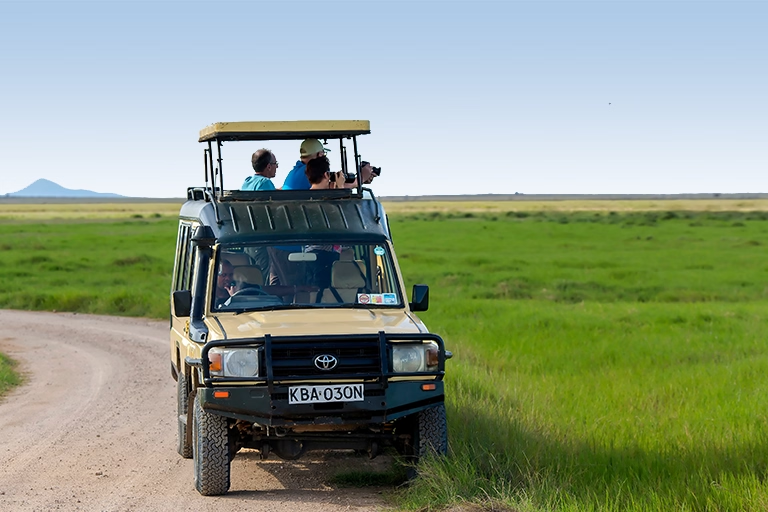
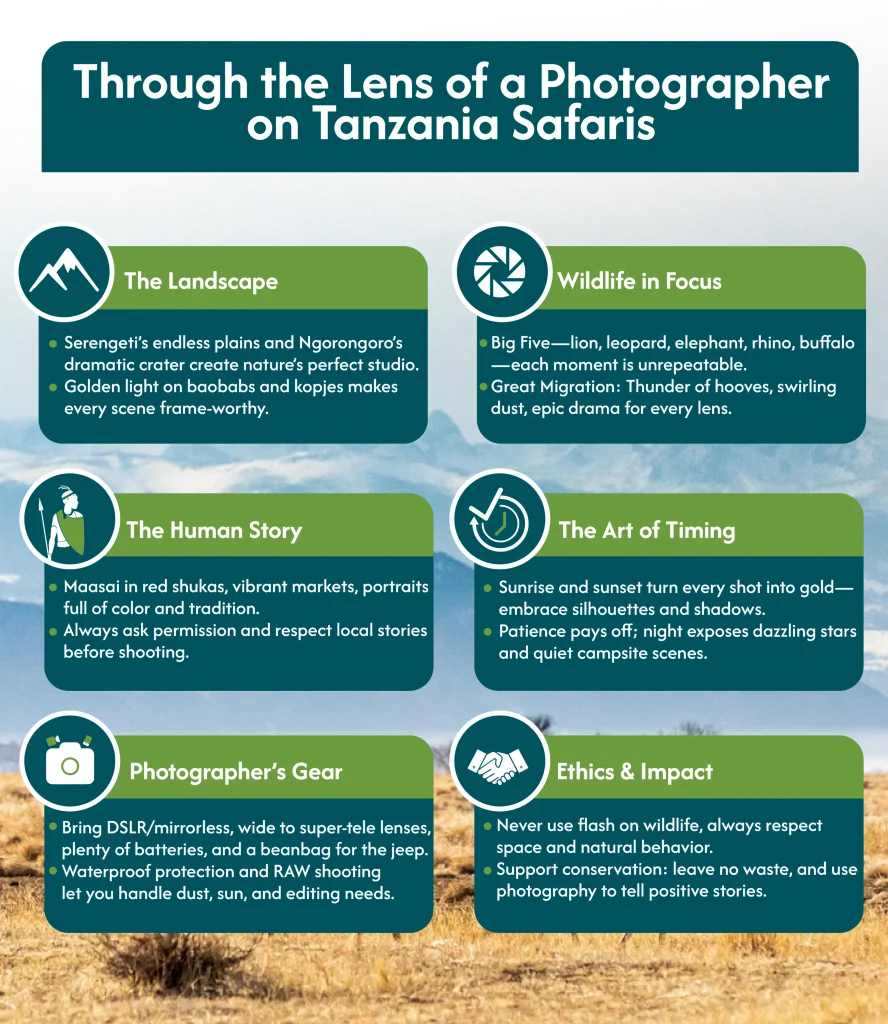
Best Time To Climb Kilimanjaro

Now, Kilimanjaro sits right near the equator, but don’t let that fool you—altitude screws everything up. Down at the base, it’s warm, maybe 25 to 30 degrees Celsius during the day. Up at the summit? You’re looking at minus 10 degrees Celsius or even colder.

 The official weather authorities, the TMA, and the WMO, confirm it: rainfall and wind are completely different depending on the time of year. That gives us two dry seasons and two wet seasons.

The two dry seasons are:

  • June to October: Warm, super stable conditions, and unbelievable visibility. This is the most popular time, hands down.
  • January to March: Cooler in the mornings, with crisp air and clear skies. Crowds are moderate.

The Kilimanjaro Rainfall Patterns during the wet seasons are April to May and then again in November; these are the bad times for climbing. That’s when you get heavy rain, muddy trails, and poor visibility. Most companies tell people to skip those months entirely unless you’re looking for a serious challenge and solitude. However, we have a trick: we often recommend the Rongai Route during this time, as its eastern trails stay significantly drier when the rest of the mountain is soaked.

The weather doesn’t just affect how comfortable you are; it affects your safety, what you can see, and how your body adjusts to the altitude. Knowing these cycles is the only way to make sure you don’t just climb the mountain, but you truly experience it at its absolute best.

Planning to go on a Mountain Hike next year? Here’s What Each Month in Kilimanjaro Is Really Like in 2026

5 Reasons Why Dry Season Is Considered the Best Time to Climb

Choosing the right season can make or break your Kilimanjaro Climbing experience. The dry season stands out for its stability, comfort, and higher success rates. Below are the five key advantages the dry season provides, making it the best time to plan your climb.

Best Month To Climb Kilimanjaro

Views You’ll Never Forget

During the dry months, the mountain completely opens. You get the opportunity to see the clear blue skies and spectacular scenic views. From the amazing Shira Plateau, you can see the peaks of Mawenzi and Meru absolutely shining. The sunset views are magical, and the stars keep on shining at night, and just go on forever. With almost no cloud cover, your summit morning will greet you with breathtaking panoramas of the glaciers shining in the sun.

Photographers call this season a dream, the one for that Kilimanjaro Summit Success. The visibility lets you snap perfect shots from the start, right up to the summit. Every ridge and horizon looks sharp, and you’ll get pictures that honestly look like they came straight out of a National Geographic magazine.

Stable Weather and Safer Trails

Listen, the dry season on Kili hands you one totally priceless gift: predictability. And when you’re climbing a mountain, you need that more than anything. I’m talking about the difference between a nightmare and a great trek. When the mountain’s soaking wet, the rain and mist turn those trails into pure, slippery hell. When it’s dry, though? The ground gets firm, the air clears right up, and the path becomes way easier to walk. It makes the whole thing smoother and, honestly, a lot less likely to end with you sliding down on your backside.

You’re Way More Likely to Reach the Summit

The data doesn’t lie: summit success rates during the dry months (June to October and January to March) are significantly higher. We’re talking 90% or more for groups that have acclimatised well. Those consistent, stable conditions let climbers pace themselves better and adapt to the altitude without fighting the elements.

In contrast, wet-season treks often get bogged down with delays, freezing exposure, and gear that’s always soggy, which totally crushes morale and stamina. Simply put, stable weather equals a higher chance of success.

Perfect if You’ve Never Climbed Before

If you’re a first-time trekker, then this Kilimanjaro Best Season for you. The weather is predictable, letting you indulge completely in getting fit and adjusting yourself to that high altitude rather than battling the stormy weather. The campsites stay dry and comfortable, so you won’t need to haul heavy, specialised rain gear. 

Kilimanjaro In Dry Season

More Daylight and Easier Hiking

More daylight hours mean you have more time to hike, more time to rest, and more time to actually enjoy the trip. It takes the pressure off your pacing and lets you reach camp early, soak in the views, and recover properly. The daytime temperatures are warm but not boiling, which makes the whole trek pleasant and keeps your energy up.

As our own Guide, who’s been up Kili over 100 times, says: “We always recommend June to October or January to February for the best experience — you get the views, the rhythm, and the summit success you’ve trained for.”

A Closer Look at Kilimanjaro’s Dry Months

Every single dry month has its own vibe and its own tricky spots. Here’s the Kilimanjaro Weather Guide on how they stack up:

Best Time To Climb Kilimanjaro

Top Kilimanjaro Routes to Choose During the Dry Months

The dry weather means every major trail is open, but each one is better for different reasons, depending on what you want from your trip.

Best Month to Climb Kilimanjaro
Best Time To Climb Kilimanjaro Route

These routes are at their best when it’s dry; you will have clear views, solid footing, and comfortable campsites during trekking. Lemosho and Machame are the most popular routes for a reason: the amazing views and smooth acclimatisation. But if you want to escape people, the Northern Circuit, even though it takes longer, can’t be beat for solitude.

As our guide says, “Dry months bring Kilimanjaro to life. You get to enjoy both the journey and the summit—not just endure them.”

How the Dry Season Affects Kilimanjaro Climb Prices

Because everyone wants to climb during the dry weather, it’s the peak climbing period, and yes, that means things cost a little more. You have to pay more for guides and porters, lodges and hotels are booked solid months ahead of time, and permits are limited. It’s simple supply and demand.

Here’s the rough idea of what you’ll pay per person:

  • Dry Season (June–Oct): $2,300–$3,500
  • Dry Season (Jan–Mar): $2,000–$3,000
  • Wet Season (Apr–May): $1,800–$2,200

The Data is taken directly from TANAPA fee schedules and African Scenic Safaris 2024 pricing trends.

Here is what a breakdown of Kilimanjaro Climbing Packages during the dry season looks like:

Kilimanjaro Climb Cost

How to get better Rates:

  • Combined itinerary: Ask about combining your climb with a Serengeti safari or a Zanzibar beach trip. Tour operators often give big discounts if you book a full package.
  • Book early: If you want the best of the best experiences from guides to campsites, book your trip six to nine months in advance.
  • Go in the ‘Shoulder’ Dry: Choose January or October. You get great conditions without the absolute highest prices of the summer rush.

What to Pack and How to Prepare for a Dry Season Kili Climb

Packing the right way for the dry season seriously simplifies your climb. You can forget heavy waterproof boots or those bulky ponchos, but here’s the absolute truth: layering is everything. 

Kilimanjaro Packing List

The following is the Kilimanjaro Summit Tips on what to pack:

  • Base Layers: Stuff that can breathe for warm daytime hiking.
  • The Big Jacket: A heavy-duty insulated jacket for that freezing summit night.
  • Pants: Lightweight trekking pants—skip the heavy stuff.
  • Sun Protection: Killer polarised sunglasses and SPF $50$ sunscreen. You need both.
  • Hydration: A 3 Litre hydration pack. Drink constantly.

Some of the best tips from our guide include: 

  • Batteries: Bring an extra battery pack or power bank. You’ll drain your phone taking photos on summit night.
  • Do NOT forget to carry sun-blocking lip balm, SPF sunscreen, polarised glasses, and a wide-brimmed hat.
  • Carry some snacks or protein bars if you can. They help keep energy levels up and come in handy when that dry air sucks the energy right out of you faster than you think.
Kilimanjaro Packing List

Make sure your equipment is appropriate for the weather, climate, and your activities.

  • In wet conditions, choose waterproof shoes that have good traction.
  • For water activities, choose an appropriately thick wetsuit to prevent hypothermia.
  • Use personal flotation devices. They are lifesaving if someone becomes unable to swim due to injury or the cold

How to Plan Flights and Logistics for a Dry Season Kilimanjaro Climb

Planning flights and logistics is a crucial part of preparing for a dry-season climb. With higher demand and limited availability, organising your travel early ensures a smoother, stress-free experience. Here’s how to plan effectively and make the most of the ideal Kilimanjaro Climbing Season.

Kilimanjaro Climb In Dry Season

How can you get to Kilimanjaro?

For this destination, the best place to land is Kilimanjaro International Airport (JRO). There are major airlines like Qatar, KLM, Ethiopian, and Turkish flying there. Critical warning: If your climb is in August or September, you need to buy those tickets six to eight months ago. If you wait, the prices will be completely insulting.

Paperwork & Your Body

Permits & Visas: Your climbing operator will deal with the mountain permit. For your actual entry visa, do not wait until the last minute. Get the Tanzania e-Visa handled online (immigration.go.tz) before you even pack your bags.

Health Checks: Follow whatever the CDC and WHO tell you. Heads up: you might need a Yellow Fever card depending on your travel history, and seriously, grab some malaria pills.

What to Do After the Climb

The dry season is also the best safari season in Tanzania since it has the best Kilimanjaro Climbing Conditions! Find yourself in the middle of the Serengeti’s Great Migration safari season and the best beaches in Zanzibar. It’s the ideal time to add a safari or just crash out on the beach right after you finish the mountain.

The Final Word: Don’t Wait, Start Planning Now!

Let’s wrap this up simply: with solid weather, crystal-clear views, and a much better chance of actually summiting, the dry season is hands-down the Best Time To Climb Kilimanjaro. Whether you’re after the cool, calm mornings of January, the golden summer horizons of July, or the slightly quieter trails of October, every dry month offers something unique.

Best Time To Climb Kilimanjaro

Choosing this season isn’t just smart, but also the most strategic move you can make during planning. You’ll have a better experience with fewer risks associated with weather, and most importantly, you’ll get the unforgettable Kilimanjaro visibility and the thrill of standing on top of Africa’s highest peak and the world’s highest free-standing mountain under a perfect, clear blue sky.

As the head guide at African Scenic Safaris told us: “Every dry season climb is magical—you see the mountain as it’s meant to be seen, pure, majestic, and alive.”

Let 2026 be the year you conquer Kilimanjaro by starting your plans now. Kilimanjaro is waiting, the skies are clearing just for you, because your summit story is yet to be written. Go get it.

Simbo Natai
Simbo Natai, founder of African Scenic Safaris, crafts sustainable, meaningful Tanzanian journeys rooted in his deep local knowledge and passion.
Director, African Scenic Safaris

Through the Vision of Conservationists Protecting Tanzania Safaris

Going on a Tanzania Safari with African Scenic Safaris is not just about seeing a few lions, elephants, or giraffes. It is a promise. A promise to protect the wildlife, the landscapes, and the communities that make this place totally extraordinary.

Every Safari Tour In Tanzania we put together is built on one simple, huge idea: travel has to give back way more than it ever takes. From those massive Serengeti plains to the gentle slopes of the Ngorongoro Crater, our trips revolve completely around conservation, education, and empathy. That’s how we make sure Africa’s wild heart keeps on beating for the next generation. 

“We don’t just take people out to see the wildlife—we show them how literally every choice, every moment, can protect what makes Tanzania special.”

We vow to:

Protect Tanzania’s ecosystems through eco-conscious safaris.

Minimize our environmental footprint while maximizing contributions to conservation.

— The Sustainability Team here at African Scenic Safaris 

One thing about our eco-safaris is that they’re unforgettable, absolutely. But they are also a direct investment in Tanzania’s conservation goals. We balance comfort with a clear conscience—you get to explore all of nature’s wonders while actively helping to safeguard them at the same time.

Travel Sustainably – Book Your Eco-Safari in Tanzania. Get ready for the trip that actually matters.

African Scenic Safaris’ Commitment to Conservation

One thing about African Scenic Safaris, conservation isn’t some extra thing we decided to add; it is absolutely the foundation of everything we do. We don’t see safaris as just sightseeing tours. We see them as a living partnership with nature. Every single Tanzania Safari Trip we organize helps support that delicate balance between protecting the wildlife, ensuring tourism is responsible, and allowing the communities to stay well.

Our Eco-Safari Philosophy

A real Tanzania Safari Tour should never leave a footprint that the land can’t heal itself. That’s our philosophy. We combine incredible wildlife experiences with seriously sustainable practices. It’s luxury, but with a legacy built in.

We work super closely with the Tanzania National Parks Authority (TANAPA) and local NGOs. That means our safaris always align with the national conservation goals. It means we follow park rules, limit our waste to almost nothing, support anti-poaching efforts, and contribute money to wildlife management programs.

Promoting Sustainable Safaris In Tanzania, African Scenic Safaris runs on four main ideas for conservation:

  • Eco-Lodging: We only work with lodges that use solar power, recycle their water, and keep their waste to a minimum.
  • Wildlife Protection: We put money into anti-poaching education and make sure all our tourism is ethical.
  • Community Empowerment: We share revenue with the local villages and make a point of employing locals
  • Environmental Awareness: We educate you, the traveler, about conservation every single day of your journey.

Put together, those four things create a safari model that works for the traveler and for Tanzania’s whole ecosystem. That’s the key.

“Every safari should leave the land better than we found it.”

— Conservation Manager here at African Scenic Safaris 

Tanzania Eco Safari
Tanzania Eco Safari

Interested in learning more about Responsible & Sustainable Safaris in Tanzania? See the details of our commitment.

Protecting Wildlife on Safaris

One thing to note is that Tanzania’s wildlife is not only the crown jewel, but it’s also so fragile. Every lion, elephant, rhino, and zebra face growing, tough challenges: climate change, poaching, and habitat loss. 

Tanzania Wildlife Safaris

That’s precisely why we see ourselves as more than just people running tours. We are the protectors of the wild. We are the pioneers of ethical game viewing and Responsible Safaris In Tanzania.

Our guides are trained to follow some stringent rules about wildlife ethics. It’s simple stuff, but it matters:

  • We keep a safe, respectful distance. Always.
  • We make sure there’s no noise and no vehicle crowding.
  • We never feed or disturb the animals. 

This is how we guarantee the animals stay truly wild. During your Tanzania Safari Trip, you get to witness natural behavior—the hunting, the resting, the playing—with zero interference.

Anti-Poaching Partnerships

African Scenic Safaris actually works directly with the TANAPA rangers and community patrol units. We support anti-poaching education in local communities. A portion of the money from your safari goes straight to ranger equipment and programs that help protect those critical wildlife corridors between the Serengeti, Tarangire, and Ngorongoro.

Corridors: The Lungs of the Ecosystem

These natural routes? They are vital. They allow animals to migrate safely between the parks—a massive, essential part of Tanzania’s ecosystem. By funding these corridors through tourism, we make sure the Great Migration keeps rolling for decades to come.

As you Travel In Tanzania, seeing a leopard in a tree is special, absolutely. But seeing it undisturbed, behaving naturally? That is absolutely priceless.”

— Guide expert, African Scenic Safaris

If you have not gone on a Tanzania safari yet, what are you waiting for? Tanzania Wildlife Safari, it’s time to see the wild and help protect it.

Community-Led Conservation Efforts

Look, conservation absolutely cannot succeed without the communities. The people who live closest to the wildlife are their first, and best, protectors.

Tanzania Cultural Tours

That’s why African Scenic Safaris is so proud to back community-led conservation programs. It ensures that your tourism dollars directly benefit the people who share their land with Tanzania’s animals.

Revenue Sharing for a Greater Cause

A chunk of our safari revenue goes straight into funding schools, clean water projects, and healthcare in the villages near the national parks. This is smart: these initiatives reduce pressure on wildlife resources and build absolute trust between conservationists and local folks.

We’re also actively empowering Maasai and Chagga communities near Ngorongoro and Tarangire. This opens up education opportunities, supports women’s entrepreneurship, and helps preserve their amazing culture.

Turning Culture into Conservation

Through the TCTP (the Tanzania Cultural Tourism Programme), you can join cultural experiences that provide villagers with direct income. That’s the key: every song sung, bracelet sold, or dance performed helps sustain lives and protects the nearby habitat.

For instance, we funded a water project generously in Karatu. It helped over 500 villagers and, as a considerable bonus, reduced the conflict between people and elephants fighting over the same old water. Win-win.

Ready for the trip that does well?

Eco-Friendly Safari Operations

In Tanzania Safari Tours, Eco-luxury isn’t about giving up comfort—no way. It’s about finding the beauty in doing things sustainably.

Tanzania Safaris
Tanzania Safaris

At African Scenic Safaris, every single thing we do, every operational choice, is made with the planet right at the forefront. Everything from the trucks we drive to the excellent lodges we choose to partner with. The following are Our Green Choices: 

  • Sun Power: We seriously prioritize lodges that run on solar energy. They also collect rainwater and operate with absolutely zero single-use plastics. Plus, tons of our partner lodges grow their own organic food, which means way less transport is needed and a smaller carbon footprint. You Travel In Tanzania, but you travel smart!
  • Plastic Ban: We got rid of all single-use plastics from our safaris entirely. Instead, you get a cool refillable metal bottle and filtered water. Easy, clean, done.
  • Green Wheels: We keep our vehicles running efficiently, and we push for those carbon offset programs that fund reforestation. We create an ecological environment for our Sustainable Safaris In Tanzania by aligning with the UN Sustainable Development Goals, such as Climate Action, Life on Land, and Decent Work. Your Tanzania Safaris contribute to overall global progress.

“Eco-travel isn’t about compromise at all. It’s about connection—with nature, with people, and with having a real purpose.”

— A snippet from our African Scenic Safaris Eco-Policy. 

African Scenic Safari works directly in line with the UN Sustainable Development Goals—specifically #13 (Climate Action), #15 (Life on Land), and #8 (Decent Work and Economic Growth). We make sure your safari contributes to real, global sustainability progress.“Significantly reduce waste and ensure that any unavoidable waste is utilized to the fullest degree (e.g., organic waste as fuel or fertilizer).” – tourism4sdgs.org

Conservation Stories from the Field

Behind every single safari that works out, you’ve got these quiet heroes—the rangers, the guides, the conservationists. They literally put their entire lives into protecting the wild.

Tanzania Safari Conservation

A Ranger’s Story

“I was tracking a snare near Tarangire one time,” recalls one local ranger. “We found a gazelle trapped—weak, but alive. We cut it loose and watch it just run free? Man. That moment told me everything about why we fight so hard to protect this land.”

A Guide’s Perspective

“The best part of my job is just seeing the travelers start to care,” says a senior safari guide. “When they pick an eco-friendly place, or they donate to a community project, I know they’ve actually become part of the conservation story.”

Here is a traveler’s testimony on eco-tourism: 

I would highly recommend African Scenic Safaris to anyone looking to book a Tanzanian safari. Communication via email with Hanson was excellent, and booking was easy. We requested eco-friendly, lower-budget accommodation, and Hanson offered great options that turned out to be exactly what we were looking for. Our guide, Jackson, was very friendly and knowledgeable. We learned so much from him about the wildlife and culture. Jackson was also very flexible, allowing us to make daily plans based on our preferences. This was our first safari, and the experience far exceeded our expectations.” -William B, from Tucson

These aren’t just safaris. They’re journeys that change things. Guests leave Tanzania with those unforgettable memories, and Tanzania continues to grow and thrive because of that support. That’s the legacy.

Ready to join the story? Visit our Through the Footsteps of Local Communities in Tanzania Tours Blog!

Your safari can help preserve Tanzania’s wild legacy. With African Scenic Safaris, every trip supports conservation, empowers communities, and promotes sustainable tourism practices that make a difference.

Safaris That Protect the Wild

A Tanzania Safari is more than just a vacation. It is a vow—a solemn promise to truly see, to learn absolutely, and to protect actively.

Tanzania Safari Tours

African Scenic Safaris stands for one thing above all: a future where travel becomes a force for good. That means when you watch a lion, you’re funding its protection. When you visit a Maasai village, you’re helping keep a living culture alive.

We don’t just promise responsible tourism, we live it. Every safari is designed to leave Tanzania more vibrant than we found it. From low-impact excursions to community-based conservation programs, your travel journey becomes part of a greater movement: one that protects wildlife, supports local livelihoods, and preserves Africa’s legacy.

Through all our work—conservation, local partnerships, sustainable luxury—we are altogether redefining what “responsible travel” means.

When you choose us, you instantly become part of something massive—a movement that keeps Tanzania’s whole heartbeat strong and completely untamed.

Simbo Natai
Simbo Natai, founder of African Scenic Safaris, crafts sustainable, meaningful Tanzanian journeys rooted in his deep local knowledge and passion.
Director, African Scenic Safaris

When Is the Best Time to Summit Kilimanjaro in 2026?

Are you planning to climb Mount Kilimanjaro in 2026? That’s fantastic. But listen up: figuring out the Best Time To Climb Kilimanjaro is the most crucial decision you’ll make. It’s the difference between celebrating a win and facing some major struggles. But honestly, what truly matters is that feeling after you finally reach the peak—that vast, proud moment of completing a mission few people even dare to attempt.

Kilimanjaro, or the “Mountain of Greatness,” is the tallest freestanding mountain in the world. Every year, people from all over take on the quest to reach the “Roof of Africa.” This epic, multi-day journey crosses five totally different climate zones, and that famous, snow-capped summit delivers both incredible thrills and formidable challenges.

The one thing you need to stop doing right now is stressing over all the conflicting advice and random forum posts. The fundamental difference between a truly fantastic trip and a totally mediocre one comes down to choosing the right window of opportunity.

Best Time To Climb Kilimanjaro

This guide is here to cut through the noise and give you the absolute straight talk on the two best climbing seasons. We’re going to dive into the nitty-gritty: the actual statistical chance of getting dumped on by rain, how cold your fingers will get on summit night, and whether you’ll be alone on the trail or stuck queuing for a picture at the sign.

African Scenic Safaris, which has been guiding expeditions for over 16 years, the climb isn’t just about a calendar date—it’s a calculated logistical puzzle. We emphasise that while dry months offer the best weather, the real secret to summit success lies in acclimatisation. They specifically push clients toward the longer routes like the 8-day Lemosho, explaining that the extra day spent sleeping lower after climbing higher is the most critical factor in mitigating altitude sickness. In their view, weather is manageable with the right gear, but time on the mountain is non-negotiable. 

Best Time To Summit Kilimanjaro

That’s why their 2026 scheduling focuses on maximising that crucial “climb high, sleep low” strategy, giving clients the highest possible chance of standing safely at Uhuru Peak.

Understanding Kilimanjaro’s Seasons: What Climbers Need to Know

Climbing Kilimanjaro is a wild experience because you’re essentially trekking through five entire climate zones in one trip—starting in thick rainforest and ending on a freezing, Arctic-like summit at 5,895 meters (19,341 ft). It’s an epic journey, no doubt. But honestly, your overall success and enjoyment—how clear those legendary views are, whether the trails are firm or a muddy nightmare, and crucially, your safety—hinges entirely on hitting the right weather window. This mountain is completely ruled by Tanzania’s specific wet and dry cycles, so everything you plan has to revolve around nailing one of the two main dry seasons.

Kilimanjaro Climbing Time

The following table shows the Kilimanjaro Weather by month. This will help you plan for which month based on the climate and, most importantly, your comfort. 

Best Time To Summit Kilimanjaro

Do you crave that stunning, solitary view and don’t mind bundling up against the intense cold? Or do you prioritise guaranteed sunshine, even if it means sharing the trail with a few more hikers? Maybe now it will be a little easier to make that decision, but don’t worry —over time, you will learn and explore more about the Kilimanjaro Climb 2026.

“Mount Kilimanjaro’s weather is unpredictable. It could be nice for your entire trip, or it could rain and/or snow. Be prepared for anything with many layers of clothing. Including a shell, insulating clothes like a puffy coat, and a good rain jacket. If you have any experience backpacking in the Rockies or Sierra Nevadas, you’ll know that the rain generally starts in the afternoon. Most days, you’ll be done hiking and at camp, so you can hang out in your tent or the dining tent. Have a great trip!” Review from one of the clients from the KINAPA TripAdvisor Forum.

The Best Months to Summit Kilimanjaro in 2026

When you start planning your Mount Kilimanjaro Climb In 2026, honestly, the month you choose is just as important as the months you spend training. Kili’s weather is its own thing—it doesn’t follow those temperate four seasons we’re used to. Everything is controlled by the equatorial winds, which bring alternating wet and dry periods. If you truly understand these cycles, you make a massive difference to your success rate and how much you enjoy the entire experience.

Best Month To Climb Kilimanjaro

Here at African Scenic Safaris, we’ve been running these expeditions and have seen firsthand how choosing the right month turns a good trip into a genuinely life-changing one. Our guides plan everything around making the mountain manageable, and that always starts with getting the calendar right.

Let’s explore the variations of each season and see which month fits your dream climb and the Kilimanjaro Routes included.

Best Time To Summit Kilimanjaro

January to Early March – Clear Skies, Crisp Air, and Quiet Trails

The start of the year—January, February, and early March—is the short dry season, and it’s gorgeous. You get clear skies, cool mornings, and unbelievable summit visibility. If you are a photographer or a first-timer, then these months offer some of the most breathtaking views you’ll see all year.

Why This Is the Best Time to Climb Kilimanjaro?

  • Perfect balance of genuinely good climbing weather and minimal crowds.
  • The mountain peaks are often dusted with snow, making for stunning sunrises.
  • Beware, because those higher camps get properly cold at night. Expect some light snow near the summit.
  • The Machame Route and Lemosho Route are excellent choices at this time.

African Scenic Safaris Insight: “January climbs are peaceful and scenic. “You can actually hear the mountain breathe — the forests are alive with birdsong, and the trails are quiet.”  – Guide expert, African Scenic Safaris

June to October – The Ultimate Climbing Window

If you want the absolute best all-around conditions, the stretch from June to October is peak season for a reason. This is Tanzania’s long dry season: minimal rain, firm, reliable trails, and visibility that stretches for miles.

This is the most popular time for Mount Kilimanjaro Climbing, especially since it aligns perfectly with Great Migration safaris. The weather is stable, the days are warm, though you’ll still freeze at night up high.

  • Excellent, dry trail conditions and the highest summit success rates (90–95%).
  • Crystal-clear skies for stunning, miles-long photography, giving you a Stable and energetic experience.
  • Expect to see a lot more people, especially on these popular Machame and Lemosho Route. Crowded trails and fully booked camps during those peak weeks. You have to book this window early.

Shoulder seasons – April and May, November to mid-December 

April and May come with the long rains, making this traditionally the worst time to climb. Heavy rainfall can turn those lower trails into straight mud, and you can forget those stunning summit views because at this time they’ll be completely socked in by clouds. But if you are the type who craves solitude, loves ridiculously lush landscapes, and wants lower prices.

  • During these months, you can have the entire mountain virtually to yourself. The rich vegetation, the absolutely stunning forest waterfalls, and the amazing birdlife are everywhere, and discounted rates are available.
  • Be cautious! The slippery trails, high humidity, and poor summit visibility are the trade-offs.
  • The Rongai Route or Northern Circuit Route, as they approach from the mountain’s drier northern slopes.

The short rains that fall from mid-November through early December are a transitional phase—think short afternoon downpours followed by surprisingly clear, beautiful evenings. While it’s less predictable than the dry season, it offers a great mix of solitude, affordability, and vivid scenery.

  • Many experienced trekkers actually prefer November for the sense of adventure and the quiet trails. In this month, the air is cool, wildflowers pop up along the moorland, and sunsets can paint the mountain in golden hues.
  • It’s a solid blend of lower prices and generally manageable conditions.
  • Fewer climbers, dramatic cloud formations, and an excellent opportunity for photography, giving you a real wilderness feel.
  •  Expect potential for slick trails, especially on those forested lower routes.
  • The Rongai Route (it faces north and gets less rainfall) and the Machame Route (best left for experienced hikers during this window).

Still thinking about what the best season is to climb Kilimanjaro? Visit our Dry Season vs Wet Season: What’s Better for Kilimanjaro? blog for more details so that you can have the most effective Kilimanjaro Climb Planning!

How Weather and Altitude Affect Your Summit Success

When you are about to climb Mount Kilimanjaro in Tanzania, one of the most significant factors in your success is just how well you will have to handle the constantly changing weather and the extreme altitude. From thick rainforest to icy glaciers, every day brings new challenges, and being aware of this will help you mentally and physically prepare for the adrenaline of that summit.

Kilimanjaro Weather
Kilimanjaro Weather

Here at African Scenic Safaris, we’ve guided literally hundreds of people to Uhuru Peak, and one thing always holds: Kili is as unpredictable as it is breathtaking. Trust us, knowing exactly how weather patterns shift as you gain elevation can genuinely be the entire difference between making it to the top and facing a frustrating struggle.

Kilimanjaro’s weather keeps changing the higher we go. Don’t mean to scare you, but when people talk about climbing this mountain, you’re not just walking up a hill; you’re literally passing through five entirely different worlds. Yes, worlds.

Every route hits these five zones, and you need to know exactly what’s waiting in each one’s temperature, the wetness, and what the ground feels like:

Best Time To Climb Kilimanjaro

On the summit nights, the temperature can drop below -15°C, with wind chill making it even colder. Usually, climbers start around midnight to reach Uhuru Peak at sunrise, the final countdown, where endurance meets euphoria.

“Climbers who understand the mountain’s rhythm, the layering, how to hydrate, and the pace required have the highest success,” – Mountain Guide, African Scenic Safaris.

Best Routes for Each Climbing Season

Different seasons favour different routes because of the rain and the ground conditions. We need to match the time of year to the path that gives you the best chance of dry, stable footing. We stick to the four most popular routes—they’re time-tested and have the best success rates. Also, we know them better than anyone.

Kilimanjaro Season
Kilimanjaro Season

Here is a quick breakdown to help you choose the right Kilimanjaro Routes for your 2026 climb:

Best Time To Summit Kilimanjaro

The choice really comes down to your time and how much you want to prioritise acclimatisation. The Northern Circuit and Lemosho are longer, giving you that crucial extra time for your body to adjust, which is why they boast the highest success rates.

Expert Tip: “Choose your route not just for the scenery, but for the acclimatisation time,” advises African Scenic Safaris guide Daniel. That’s the most crucial factor we see. Simply put: Longer routes equal higher success rates.

How Season Affects Costs, Crowds, and Availability

Your Kilimanjaro Climb Cost vary widely by season, mainly because the park fees, permits, and all our logistics have to be factored in. Remember, no matter the price, a massive chunk of this money covers mandatory park fees and ensuring our crew gets fair wages—if you see a price that looks too cheap, that’s where they’re cutting corners.

Here is what you can expect to pay for a quality, ethical climb, based on the Kilimanjaro Climbing Packages you choose:

Kilimanjaro Climb Cost

As you are choosing the Best Month to climb Kilimanjaro, it’s also important to note that:

  • During the Peak Dry season (Jun–Oct), with the Highest cost midrange around $2,800–$4,200, best weather, and highest success rates, but very crowded routes. Book early for fair prices 
  • During the short Dry season (Jan–Mar), with moderate crowds, the midrange cost can be around $2,500–$3,500, which is a great value, coming with stable, clear weather with significantly fewer crowds, the true definition of balance of cost and conditions. Don’t forget to review what to pack based on your Kilimanjaro Packing List and the month you’ll be visiting.
  • In the Wet Season (Apr–May), the cost is Low for a mid-range package $2,000–$2,800, often with discounts, but expect heavy mud and poor visibility. A more arduous climb, which comes with maximum solitude.

Expert Tip:

“Choose your route not just for the scenery, but for the acclimatisation time. The fact is: Longer routes equal higher success rates. Don’t cut a day to save a few dollars; it’s an investment in your summit. – Guide, African Scenic Safaris

What to Pack Based on Your Climbing Month

Another essential thing to note is that your gear can make or break this climb. We can provide you with the best guides and routes, but if you’re cold, wet, or blistered, you won’t reach the summit —you won’t win. The main difference in what you bring comes down to the season.

Kilimanjaro Packing List

During the Dry Season (Jan–Mar, Jun–Oct), you can get by with slightly lighter gear, but don’t skimp on insulation for the summit. The essential gears during this season include:

  • Base Layers: You need moisture-wicking material next to your skin; avoid cotton materials
  • Summit Jacket: A heavy, insulated jacket is a must for the freezing summit night.
  • Eye & Skin Protection: Polarised sunglasses for the glare off the intense snow and strong SPF 50+ sunscreen.

High season fills up fast — early bookings ensure the best guides and tents” – African Scenic Safaris Operations Team

In the Rainy Season (Apr–May, Nov–Dec), if you climb during the rains, you need to prepare for a truly wet and muddy experience. When we say waterproof, we mean waterproof everything. Rainy Season Essentials are:

  • Foot Armor: Truly waterproof boots, plus gaiters to seal the gap between your pants and boots.
  • Rain Cover: A heavy-duty rain cover for your backpack 
  • Pants: Quick-dry hiking pants are key, as damp pants never warm up at altitude.
  • Socks: Pack double the number of extra thermal socks you think you’ll need. Nothing is worse than cold, wet feet.

Ready to prepare your Kilimanjaro Packing List? Download Your Free “Kilimanjaro Packing Checklist 2026” PDF.

How to Time Your Flights, Visas, and Bookings for a 2026 Climb

As you are on your Kilimanjaro Climb Planning process, you’ve picked the route and the month. Now let’s talk about the hard deadlines that make your trip run smoothly. Messing up a flight or a visa is a guaranteed way to stress yourself out before the climb even starts.

Kilimanjaro Climbing

The Travel Essentials

  • Flights: You will fly into Kilimanjaro International Airport (JRO) easy way to reach Moshi and Arusha. Book your flight 6 to 9 months out; that’s where the best prices and schedules are, especially for those peak-season climbs.
  • Visa: You must apply online through the official Tanzania Immigration Portal before you travel. Do this 1–2 months before your departure date.
  • Health: Talk to your doctor now about recommended vaccinations (Yellow Fever is a common one) and get the prescription for your Altitude Sickness (AMS) medication well in advance

We advise you to arrive 1–2 days early. This isn’t only optional; it’s essential time for you to prepare and us to brief you, check your gear, and allow your body a crucial 24 hours to adjust to the higher altitude in Moshi/Arusha before the trek begins.

A simple Final Pre-Climb To-Do List:

Attend the arranged mandatory pre-climb briefing and gear check with your guides.

  • Confirm your travel insurance will cover a high-altitude mountain trek.
  • Secure medical clearance specifically for the altitude you are about to go to.
  • Complete your final payment.

Kilimanjaro Awaits You; It’s Time to Show Your Greatness!

Climbing Kilimanjaro isn’t a test you pass; it’s a journey you commit to, the one that can change the course of your life’s history. And the success you will get out of that journey is all about timing, preparation, and respecting the sheer power of the mountain.

Kilimanjaro Climb
Kilimanjaro Climb

Listen, it doesn’t matter whether you pick the crisp, clear cold of January; knowing the best time to climb Kilimanjaro will make your experience unforgettable. Every trip up will reveal a completely different side of Africa’s highest peak.

Because after all, this is your moment to be great. You bring the commitment, and we at African Scenic Safaris will bring the guides and the plan. And with that, 2026 will be the year you finally stand on the Roof of Africa with pride. Let’s get you there.

Simbo Natai
Simbo Natai, founder of African Scenic Safaris, crafts sustainable, meaningful Tanzanian journeys rooted in his deep local knowledge and passion.
Director, African Scenic Safaris

Through the Lens of a Photographer on Tanzania Safaris

Picture this: You’re out there on Tanzania Safaris, and every single time that camera clicks? That’s not just a snapshot; it’s a whole new story being told. It’s about the crazy patience you need, the moment you catch the light perfectly, and feeling that deep, quiet connection with the wild.

As you are on the Tanzania Safari Tours, you’re not just taking wildlife shots; you’re grabbing these quick, fleeting whispers of truth from nature. Think about it: a lion’s glorious, golden mane just blinding you in the sunrise, or the ground shaking beneath you as the absolute thunder of hooves rolls through the Great Migration. Every image you capture instantly becomes a memory that transcends time.

Tanzania Safari

This entire guide is designed to let you experience the safari through a photographer’s eyes: we’re going to delve into the landscapes that practically beg for a photo, the incredible wildlife that commands your awe, and all those tiny, hidden details that truly reveal the soul of a Tanzania Safari.

What do other photographers say about a Tanzania safari experience with African Scenic Safaris?

Get ready to dive deep on a Tanzania safari adventure that is curated with African Scenic Safaris’ professional guides and guest photographers!

Tanzania as a Photographer’s Canvas

If you had to pick one place on earth that’s basically a giant, ready-made art studio? It’s Tanzania. Just it’s not a landscape; it’s a living masterpiece where every horizon is just a painting waiting for you to finish it. It’s not only what is present, but also about how you see it.

Tanzania Photographic Safari

In the Tanzania Safari Trips, the first stop must be the Serengeti National Park. Those plains? They never end. You get out there early, that morning light hits everything, and suddenly, every little shadow turns into something… poetic. Photographers literally flock here, flying in from everywhere to catch the Great Migration. We’re talking millions of wildebeests and zebras. They move in this crazy, hypnotic rhythm—it’s honestly the most significant, coolest motion blur shot nature offers—no wonder it’s a UNESCO site. The textures, the light, the sheer life, nothing compares.

“The Serengeti plains harbour the largest remaining unaltered animal migration in the world, where over one million wildebeest plus hundreds of thousands of other ungulates engage in a 1,000 km long annual circular trek spanning the two adjacent countries of Kenya and Tanzania. This spectacular phenomenon takes place in a unique scenic setting of ‘endless plains’: 25,000km2 of treeless expanses of spectacularly flat short grasslands dotted with rocky outcrops (kopjes) interspersed with rivers and woodlands.” – UNESCO

Then, you have to dip into the Ngorongoro Crater. It’s another incredible UNESCO spot, but with totally different vibes. You take your camera and drop down into this massive, ancient bowl—a caldera—that’s just packed with animals, and the light in there? It dances. It filters through the mist and the mountains, somehow soft yet incredibly intense. Every single shot you get feels like it’s holding a thousand years of history. Wild, right?

Oh! And definitely don’t forget to hit the Tarangire National Park. That’s where you find the incredible, towering baobab trees standing next to these gentle elephant herds, all silhouetted against a crazy, deep amber sky because “Tarangire isn’t just a landscape, it’s rhythm. It’s mood. Wait for sunset, it will tell you its own incredible story.”

Word from our guide:

 “If you are a photographer and want to capture the best Tanzania safari iconic moments, you wouldn’t want to miss the great wildebeest migration in July–September, but remember that for the best views, early bookings are essential to photograph the best safari wildlife adventure!” – Tour expert, African Scenic Safaris

Struggling to find the right safari package? Visit our Tanzania Safari Packages page to learn more about what you need.

Wildlife in Focus – Iconic Subjects to Capture

So, real talk: if you have a camera, Tanzania’s wildlife is the best thing you will ever point it at.  Every single second you’re out there, it’s completely unrepeatable. The light shifts, the animals move, and then— whoosh — that perfect shot jumps out at you.

Tanzania Safaris

Everyone wants to go on the Tanzania Big Five Safari, obviously (that’s the lion, leopard, elephant, rhino, and buffalo). They totally dominate your lens time. But hey, each one demands a different rhythm, right? You need to be totally stealthy for a leopard hanging out on an acacia branch, you need insane patience for those elephants crossing a river, and you need to be ready for that crazy half-second before a lion’s yawn goes from sleepy to a full-on roar. That heart-rate spike is worth it.

And then there’s the Great Migration, iconic. We’re talking millions of wildebeests just surging across the Serengeti, heading for the Mara River. The dust swirls, the ground thunders, and the whole horizon is moving like a wave. Trust me, it’s a spectacle you will never, ever forget as a photographer, the Best Time To Visit Tanzania.

But don’t just chase the big stuff. Honestly, the real gold is in the quiet, intimate moments: Like a giraffe, just this massive animal, bending down so gracefully to drink, or seeing a cheetah actually sprinting through the early dawn light. Those little lion cubs tumbling in the grass, totally defining the words “wild joy.” Just depending on the Tanzania Travel Packages, you can enjoy the best wildlife experiences ever seen.

“Switch that camera to continuous burst mode for action. That’s how you get the whole story, frame by frame, instead of just a single moment.” – National Geographic

Need to know when to go on a Safari Tour In Tanzania? Check out our guide to find the 👉Best Month To Visit Tanzania..

Light, Angles & Timing: The Photographer’s Challenge

Alright, this is where art meets the gear. Light is the whole soul of safari photography—it’s unpredictable, it’s raw, it’s straight-up emotional. You know that Golden Hour? That magical window right after the sun pops up and right before it drops? That’s when the savannah gets painted with fire. Every single blade of grass glows. The animals look amazing in that honeyed light. This is when you make your favourite photos, for sure.

Tanzania Safari Tour

Beware that midday sun is brutal. It burns hard, it kills your colours, and it flattens your shadows. The secret your guide will tell you? Play with contrast. Look for dust, look for reflections, look for those awesome silhouettes. You can even shoot right into that harsh light—it can turn a bad situation into a total drama shot.

And get this—when the sun finally gives up, the story keeps going. Tanzania’s night sky? It’s literally a cathedral of stars. If your camera can handle a long, low-light exposure, you’ll be framing constellations over the acacia trees or capturing your tent glowing under the Milky Way. You absolutely can’t beat that.

“We coordinate all transfers to ensure a smooth arrival in the Serengeti; there is no need to worry about reaching your safari destination. With African Scenic Safaris, you are in safe hands.”

-Expert, African Scenic Safaris.

Ready for the Thrilling Tanzania safari adventure? Visit our Best Time to Visit Tanzania Safaris page to know what time you should come to Tanzania.

Beyond Wildlife: People, Culture & Details

Okay, listen, the real heartbeat of Tanzania isn’t just the lions, right? It’s the people, the colours, and the stories they carry. You know, the most potent images often aren’t out on the savannah at all. They’re in the smiles and traditions of the Maasai communities. The deep reds of their cloths—their shukas—look absolutely incredible against those earthy tones of the plains. And the markets in places like Arusha or Moshi? They are an explosion of colour. We mean, fruits, fabrics, laughter—it’s portrait photography that’s just as vivid as any crazy sunset shot.

African Scenic Safaris works with organisations like the TCTP to make sure everything is super respectful and honest. We’re encouraged to capture, yes, but not intrude. You’ve got to learn the story before you even lift the camera.

Tanzania Culture & People

And sometimes, the absolute best photos, they’re the most minor details. The way a footprint curves in the red dust, the flicker of a campfire at night, or just that quiet, intimate look of your tent under the moonlight, especially if you’re going on a Family Safari In Tanzania.

At African Scenic Safaris, we work closely with local communities and conservation organisations to ensure that your visit contributes positively to the environment and local livelihoods during Sustainable Safari Tanzania.

Photography Tips & Packing Essentials

Alright, let’s get practical. A Tanzania Safari Tour is just as much about preparation as it is about inspiration. You need to make sure your camera is ready to go when the moment strikes.

Tanzania Photography Safari

Essential Gear You Must Have:

  • Camera Bodies: Definitely bring your DSLR or mirrorless camera. If you have a full-frame, even better.
  • Lenses: You’ll need at least three, trust me. Something wide, like a 24–70mm for landscapes. A solid mid-range 70–200mm for animals nearby. And if you want the epic close-ups, you absolutely need a 400mm+ lens for distance.
  • Accessories: Tons of extra batteries, lens cloths (dust is everywhere!), and this is crucial: a super sturdy beanbag. It’s the only way to stabilise your shots from the jeep.
  • Protecting Your Investment: Dust and that harsh sun are your enemies out there. Be smart! Use waterproof camera covers, keep your spare lenses zipped up in plastic bags, and when you’re moving, everything goes back in padded cases. 

Do’s

  • Shoot everything in RAW. It’s non-negotiable; it gives you all the control you need when you edit later.
  • Learn how animals behave. Seriously, the best photos happen when you wait for them, not when you’re chasing them around.

Don’ts

  • Use your flash near wildlife. It totally startles them, and it ruins the natural light of the shot anyway.

Word from the expert:

“Seriously, always carry a beanbag for stability in those jeeps. Tripods are great for your campsite, but the beanbag is the hero when you’re on the road.”

“Understand how you can influence the output from your camera by changing the settings – or join a local camera club affiliated to the Photographic Alliance of Great Britain, as many camera clubs include beginner tuition nights and the club can be a great informal place to learn from like-minded people even from the basics of how to “turn the camera off automatic, to take the photograph you want it to take””. – BBC

Need to know what clothes to bring? Check out our What To Pack For A Tanzania Safari Tour.

Telling Stories Beyond the Lens

Honestly, that’s the real magic of this whole thing. A photo catches a second, right? But on Tanzania Safaris, that entire experience completely transforms the person behind the camera.

Tanzania Safari Story

You know, the land out there teaches you patience. The light forces you to be totally present. And the people and the wildlife? They teach you pure gratitude. You’re going to come home with your memory cards packed full of amazing images—yes—but you’re also going to bring back something way rarer: a crazy deep sense of awe.

In every single frame you look at later, you’ll hear those echoes of laughter, the hum of cicadas, and the quiet, effortless grace of animals living exactly as they have for centuries. You realise that photography isn’t about getting the perfect shot; it’s about actually feeling the pulse of the moment.

And that’s the real gift of Tanzania—it gives you stories that live forever, way beyond the lens. So, here’s the big question: Are you ready to take the shot that completely changes how you see the entire world?

Simbo Natai
Simbo Natai, founder of African Scenic Safaris, crafts sustainable, meaningful Tanzanian journeys rooted in his deep local knowledge and passion.
Director, African Scenic Safaris
×