


What Your Support Crew Fees Really Cover on a Kilimanjaro Climb?
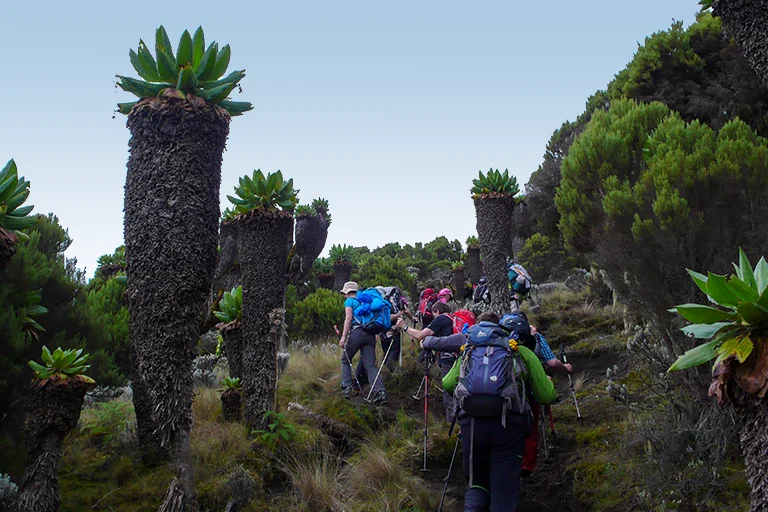
Every successful Kilimanjaro summit stands on the shoulders of an unseen team — your guides, porters, and cooks. Yet few climbers understand what those Kilimanjaro Support Crew Fees pay for.
You’ve already nailed the easy stuff: those killer boots are bought, the plane ticket is booked, and you know the mandatory park fees are coming. But then you see the price tag for the whole trip, and a massive chunk of that number goes straight to the support crew.
And honestly? Most people look at that crew cost and think, “That seems high. Are they just inflating the price?”
Here’s the truth: That Kilimanjaro Climb Cost involving the support crewis the best investment you will make when you are on the mountains. It’s not padding the bill. It’s the cost of having safety assurance that guarantees the climbing process goes smoothly, your emergency oxygen on summit night is covered, and, most importantly, that the people carrying the camp and keeping you safe are treated with dignity and paid fairly. If you find a cheap trip that cuts this number, you’re not saving money; you’re risking your climb and supporting exploitation. This is where your money buys your success.
This guide breaks down exactly where your support crew fees go—from fair wages and safety equipment to logistics and porter welfare—and shows why this cost is arguably the most important investment of your entire Kilimanjaro Climb.
Why a Support Crew Is Mandatory on Kilimanjaro
Seriously, let’s clear up the biggest misconception right now: You absolutely cannot go up Kilimanjaro by yourself.
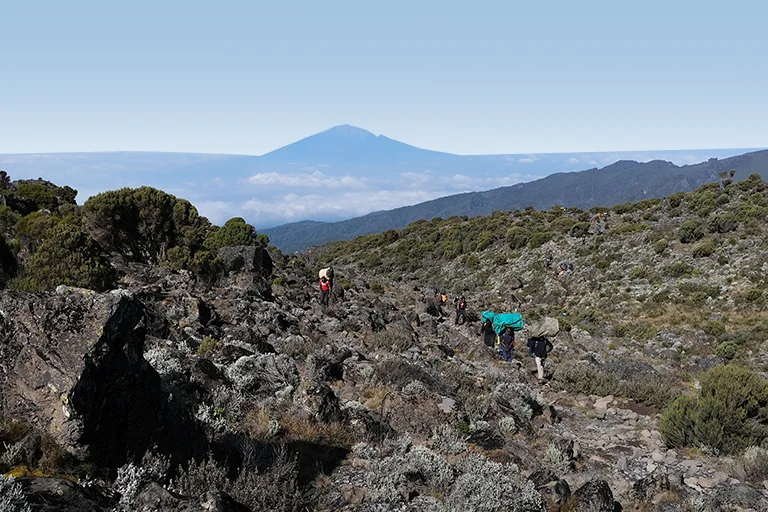
Forget the idea of a solo, independent climb. It’s not just strongly advised against; it’s totally illegal. This regulation comes straight from the top—the Tanzania National Parks Authority (TANAPA) mandates it. If you want to touch that mountain, you must hire licensed guides and the Kilimanjaro Climb Support Team through a certified operator.
Why are they so sceptical about this? Kilimanjaro can be a challenging climb, especially for beginners. It looks majestic, but once you get up past the tree line, especially above 4,000 meters, Climbing Mount Kilimanjaro stops playing nice. Your crew isn’t some optional upgrade. They are your actual lifeline. They are the logistics masters, the high-altitude doctors, and your single best defence against an emergency. You are paying for the team that guarantees your safe ascent and, more importantly, your safe return.
The A-Team: The Critical Roles Watching Your Back
The crew fees you pay cover a complex hierarchy of professionals, each with a specific job that is, quite frankly, life-critical to your success and safety:
The Lead Guide: The Boss and The Doctor.
This person is your expedition leader, making all the high-stakes calls. Need a route adjustment? They decide. Emergency? They run the show. Most crucially, they are your dedicated altitude management expert. They are trained to spot Acute Mountain Sickness (AMS) hours before you or your climbing partner even feels a headache. They’re the ones holding the radio, the permits, and the responsibility for every life on the mountain.
Assistant Guides: The Eyes and Ears.
Think of them as your personal shadows and vital sign monitors. You’ll usually have one of them for every two or three climbers. Their job is non-negotiable: they stay with the slowest person, constantly checking their pulse, oxygen saturation, and mental status. They ensure absolutely no one is left behind or pushed too hard, too fast. If the main guide is the brain, the assistants are the nervous system.
Porters (The Unsung Heroes):
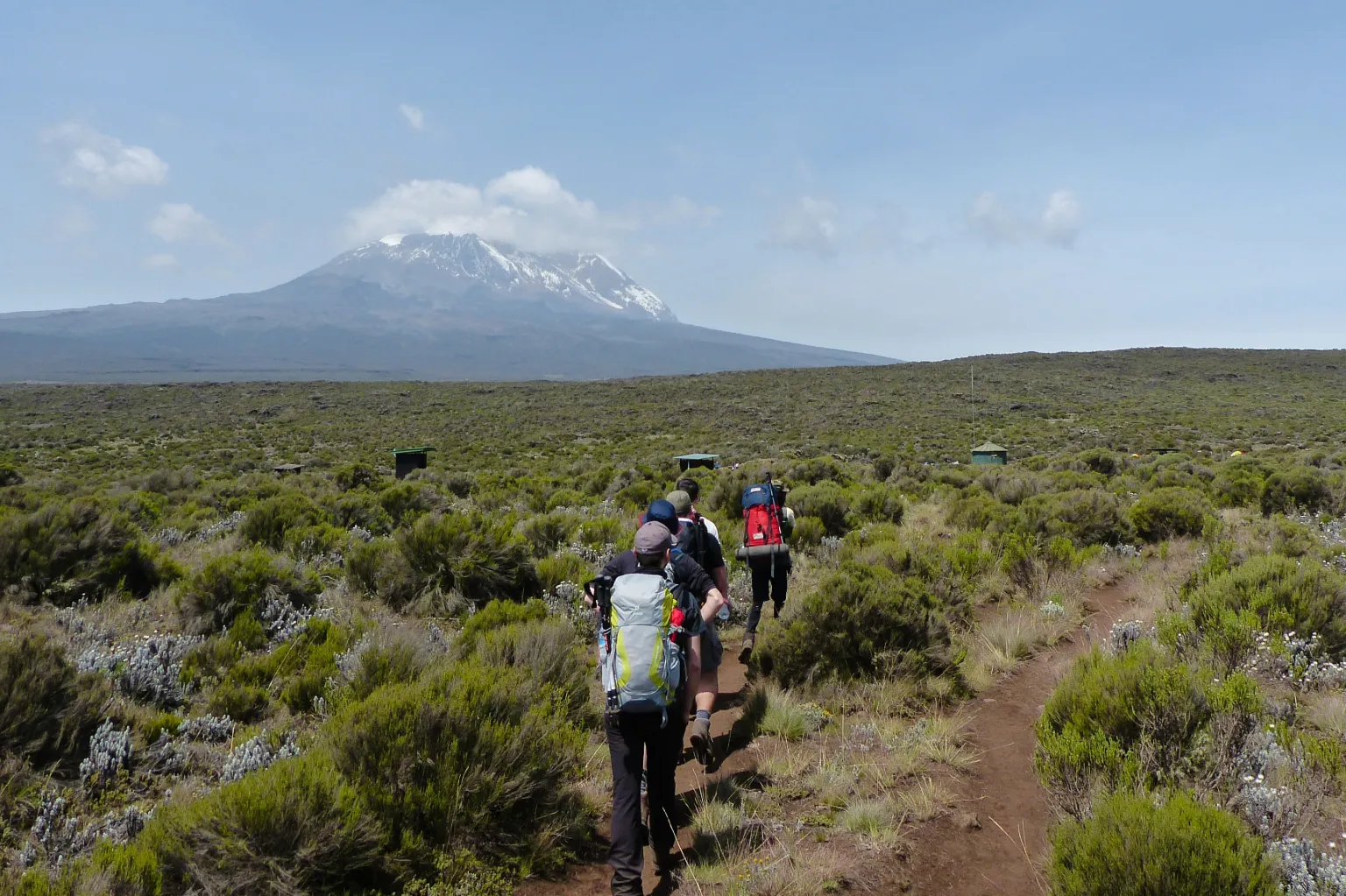
They carry everything literally: your heavy gear, food, kitchen tents, emergency oxygen, and the camp toilet. On average, you will have 3 to 4 Kilimanjaro Porters dedicated just to you. They carry a maximum of 20 kg (44 lbs.)—a standard enforced by KPAP—, and they are often the last line of defence in an emergency evacuation.
The Cook:
Your success on Uhuru Peak depends 100% on nutrition and hydration. The cook and the kitchen crew ensure you get hot, easily digestible meals and safe, boiled water multiple times a day. They are the engines that keep your energy reserves topped up.
According to TANAPA regulations, guided climbs were made mandatory to ensure climber safety, protect the environment (UNESCO site), and support the local community.
Breakdown of Support Crew Fees – Where the Money Goes
When you look at the support crew fee, you are paying for professional, reliable service and ethical labour. Here is the actual cost breakdown:
Wages and Fair Compensation
When you see a considerable number of crew members on a climb of Mount Kilimanjaro, remember that this is the most significant ethical difference between a cheap operator and a reputable Kilimanjaro Tour Operator. Your money isn’t just a fee; it’s a promise to guarantee the team supporting you earns a decent, life-sustaining wage.
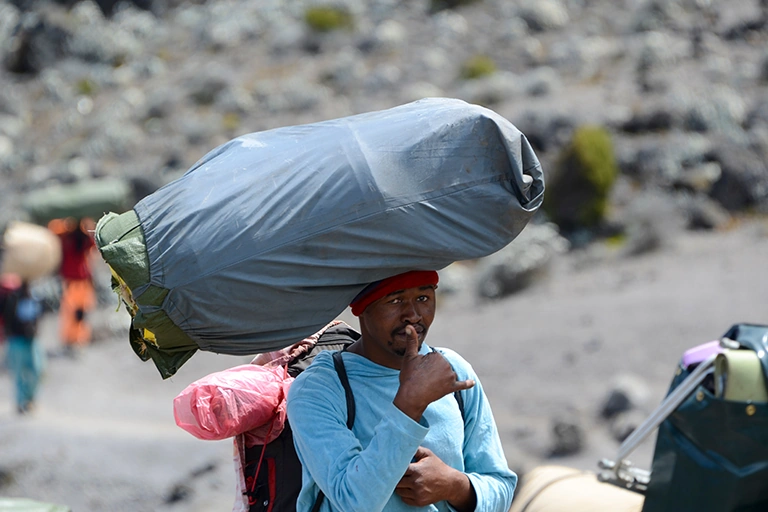
Here’s how we know your money is doing good: we only work with operators who meet KPAP Standards. That stands for the Kilimanjaro Porters Assistance Project, an independent watchdog that monitors every single climb. They make sure porters are paid a transparent minimum salary before they even get their tip.
For example, a Lead Guide should earn at least $20 USD a day, while a Kilimanjaro Porter’s Salary is approximately $10 USD a day.
The Impact of Ethical Pay is everything to you. When guides and Kilimanjaro Porters are paid fairly, they’re motivated, well-fed, and rested. This means higher morale, better service, and, most importantly, increased safety for you. Think about it: an overworked, underfed porter is more prone to injury and less capable in an emergency. Paying ethically buys you a safer, more successful climb.
Training, Certification, and Licensing
The crew fees also cover the cost of creating professionals who can save your life:
- Medical Training: Lead Guides are required to have Wilderness First Responder (WFR) or equivalent high-altitude medical certification. This training is expensive and must be renewed regularly.
- TANAPA Licensing: Guides must be licensed and registered with TANAPA, ensuring they meet legal standards for competence and safety.
Equipment and Logistics
Your fee isn’t just about your backpack; it’s funding the entire safety and support infrastructure. This is where your money buys life-saving preparedness:
- Safety Gear is Your Lifeline:
You pay for the mandated emergency oxygen, first-aid kits, and satellite radios—your only connection to rescue.
- Porter Welfare Gear is Dignity:
Your money ensures the porters have proper tents, warm gear, and waterproof boots. This isn’t just nice; it prevents hypothermia, which was once a considerable danger.
- Logistics Maintenance:
This covers the constant replacement of reliable tents, kitchen gear, and supplies that constantly wear out under harsh mountain conditions.
Food, Water, and Cooking Supplies
Your crew fee guarantees the most basic but critical thing: everyone on the mountain gets fed properly.
- The Cost of Energy
Your money provides high-quality, three-times-daily meals for the porters, guides, and cooks. This isn’t a bonus; it’s a necessary fuel source for the extreme work they do.
- Safety and Morale
Think of it this way: a well-fed crew has the stamina for those long hauls and the mental focus needed in an emergency. Paying for their nutrition prevents them from going hungry, which happens on cheap, unethical climbs, meaning you get a strong, capable team supporting you.
Welfare and Insurance (The Ethical Safety Net)
This is the non-negotiable ethical investment. Your fee buys a promise: that the people working to keep you safe are also safe themselves.
- Mandatory Crew Insurance:
This Kilimanjaro Travel Insurance provides medical insurance and compensation for the entire mountain crew. If a guide slips or a porter gets altitude sickness, you ensure they receive treatment without facing financial ruin. It’s the right thing to do, period.
- Health Checks are Standard:
Reputable Kilimanjaro Climb Operators use your fee to fund pre- and post-trek health screenings for porters. This requirement keeps them strong for the climb and supports proper recovery afterward. It’s a fundamental part of treating your team with dignity.
How Crew Size Changes with Group Size and Route
Here’s the straight truth: your total crew cost isn’t a fixed menu price. It’s a calculation. The number of people supporting you scales directly with the size of your group and how long you’re staying on the mountain, because the gear, food, and human power needed increase exponentially.
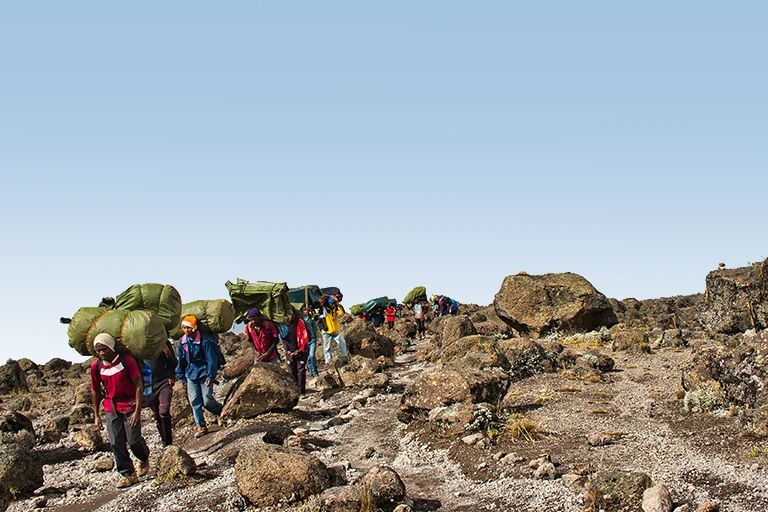
| You Are… | Route Example | Your Team Size | Why the Cost Changes |
| A Solo Adventurer | 7-Day Machame | 1 Lead Guide, 6–7 Porters, 1 Cook | Even for one person, the bare minimum camp (tent, kitchen, toilet) and safety crew must be carried. You can’t shrink the team much more than this. |
| A Pair of Climbers | 7-Day Lemosho | 1 Lead, 1 Assistant, 8–10 Porters, 1 Cook | Notice how the team only grows by a porter or two? You’re sharing the fixed costs (guide wages, kitchen gear) between two people, which makes your per-person cost much more affordable. |
| A Small Group | 9-Day Northern Circuit | 1 Lead, 2-3 Assistants, 18–22 Porters, 2 Cooks | Longer routes mean days of extra food and fuel, requiring significantly more porters. More climbers also demand more assistant guides for proper health monitoring and safety on the trail. |
The Bottom Line: Therefore, that higher crew cost on a longer trek isn’t padding; it’s you paying for the necessary labour and supplies that keep you safe and fed for longer.
Expert’s Tip: “When a client moves from a 7-day Machame to a 9-day Northern Circuit, we don’t just add two days of wages. We must add significantly more food, which means adding more porters to carry that food, which increases all the costs down the line. That higher crew fee is essentially you buying superior logistics and better safety margins.” — Expedition Planner, African Scenic Safaris.
The Human Impact – Your Investment in Local Life
Honestly, this part of the budget is the soul of your entire expedition. Your fee is much more than a business transaction; it is a direct engine for dignity, fairness, and local social good.
- Supporting Families is Everything: The money for a Kilimanjaro Climb goes straight into the hands of the porters, guides, and cooks, no corporate detour. This money contributes to paying school fees, food (basic needs), and helps families to become financially stable. By choosing an ethical operator, you’re not only funding your climb but also making an impact through your investment, helping stabilise and uplift entire surrounding communities.
- Did you know that Ethical Tourism Starts with You? When you choose an Ethical Kilimanjaro Operator that adheres to the KPAP standards (the Porters Assistance Project), you’re not just booking a trip; you are casting a moral vote. You send a clear message to the expedition community: “we will not tolerate exploitation.” This is what forces all operators to treat their teams better, paying them fairly, with dignity, and setting standards for the thousands of Tanzanians whose futures depend on Kilimanjaro Tourism.
- Conservation Benefits: When the local community benefits directly and transparently from tourism, they actively protect the mountain’s environment for future generations of climbers.
“Fair treatment is transformative. When porters are paid properly and given appropriate gear, the income not only stabilises their family’s lives but allows them to invest in education, agriculture, and small businesses, creating long-term economic stability that far outlasts the climb itself.” — Kilimanjaro Porters Assistance Project (KPAP)
Real Cost Example – Support Crew Fees in a 7-Day Trek
Let’s look at a realistic breakdown of what the total cost for your Kilimanjaro Crew Costs 2025 covers on a standard climb:
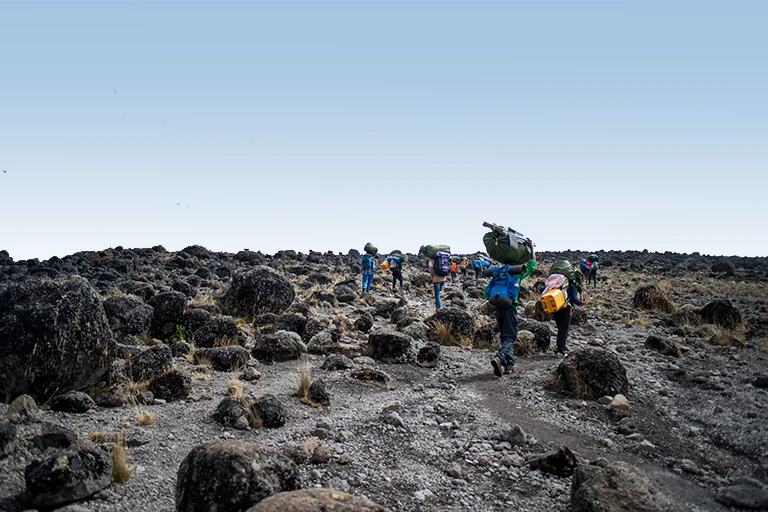
Example Scenario: 2 climbers on a 7-Day Machame Route with a KPAP-certified operator.
| Category | Item Description | Total Crew Cost (7 Days) | Cost Per Climber |
| Wages | 1 Lead Guide, 1 Asst. Guide, 1 Cook, 8 Porters (KPAP rate, pre-tip) | $1,150 | $575 |
| Food & Logistics | Cost of 11 crew members’ food (3 meals/day), fuel, and water transport. | $385 | $192 |
| Equipment & Safety | Crew welfare gear rental, emergency oxygen refill, two-way radio batteries, first-aid supplies, and cleaning. | $200 | $100 |
| Insurance & Licensing | Mandatory crew medical insurance and TANAPA guide/porter entry fees. | $95 | $47 |
| Total Operator Crew Investment | (Wages, Food, Gear, Safety) | $1,830 | $914 |
This $914 per climber (for the crew) is the bare minimum investment an ethical company makes. If someone quotes you a significantly lower price, they are almost certainly sacrificing wages, food, or safety standards.
Common Misconceptions About Crew Fees
Many myths persist about the crew costs, often driven by budget operators trying to justify dangerously low prices.
| Myth | Reality |
| “Guides are overpaid.” | False. Guides are highly skilled emergency first responders. The Kilimanjaro Guide Cost is $20/day, a base salary. They rely on tips to reach a true professional living wage. |
| “Porters are volunteers or part-time help.” | False. Porters are highly valuable, legally required labor. They are paid (or should be) a minimum daily wage, and their work is critical, carrying 20kg (44 lbs.) up the world’s tallest free-standing mountain. |
| “I can just pack light and skip the cook/extra porters.” | Dangerous. The number of porters is often dictated by safety. You need porters to carry emergency oxygen, the crew’s food/shelter, and the toilet. Cutting the cook means poor nutrition, directly lowering your summit chance. |
| “Cheaper operators mean better value.” | Exploitation. The only place a budget operator can significantly cut costs is by paying illegal wages, overloading porters, or cutting essential safety equipment (like oxygen or proper tents for the crew). This makes your climb riskier and unethical. |
Next Steps – Plan Your Budget with Crew Costs in Mind
Now that you know exactly where your support crew fees go, you will have a deeper understanding of the difference between a low price and a smart and ethical investment.
With this knowledge, you can now easily budget smarter, choose the best operators who treat their staff fairly, and appreciate the value of the team that does whatever it takes to make your climb possible.
To lock down the rest of your Kilimanjaro Climbing Budget and ensure zero financial surprises, dive into these related guides:
- How Park Fees Are Calculated on Kilimanjaro: Nail the official, non-negotiable fees.
- How Route and Duration Impact Total Cost: See how your path directly affects the bottom line.
- Hidden Kilimanjaro Costs Most Climbers Miss: Don’t get blindside by visa fees, gear rentals, or unexpected transfers.
Plan Smarter, Climb Higher
Look, choosing your Kilimanjaro Route isn’t just about picking the prettiest view—it’s about strategy. The truth is that you can’t control the mountain, but you can control how well you prepare and train for it and know exactly where your money goes.
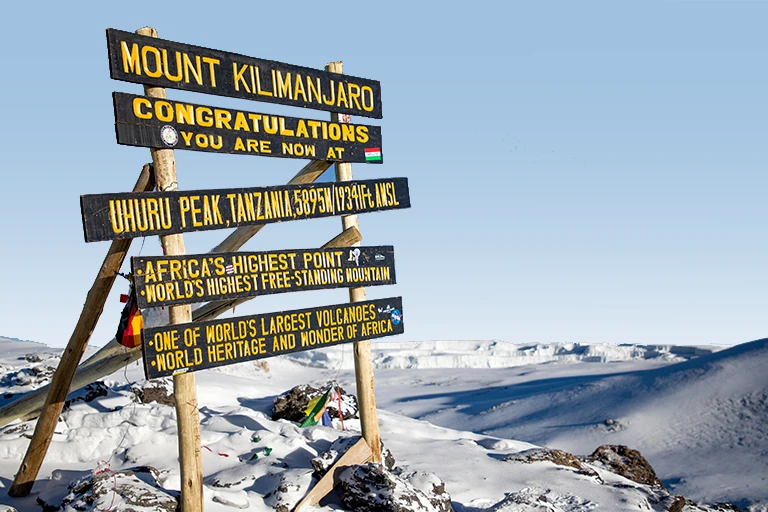
The biggest takeaway here is simple: The cheapest route isn’t always the smartest. Aim for value, not just savings. Fair treatment and high standards of your support crew directly buy the safety that makes a successful summit priceless.
A Kilimanjaro Climb is not a solo achievement—it’s a team victory. Understanding where your Kilimanjaro Support Crew Fees go helps you climb with confidence, compassion, and deeper respect for the people who make it possible.
Remember: The key to a successful summit isn’t just fitness; it’s preparation!
Talk to our Kilimanjaro experts today for a transparent cost breakdown—including crew fees, permits, and personalized route options that fit your budget.