


How to Plan a Realistic Budget for a Northern Circuit Climb in 2026
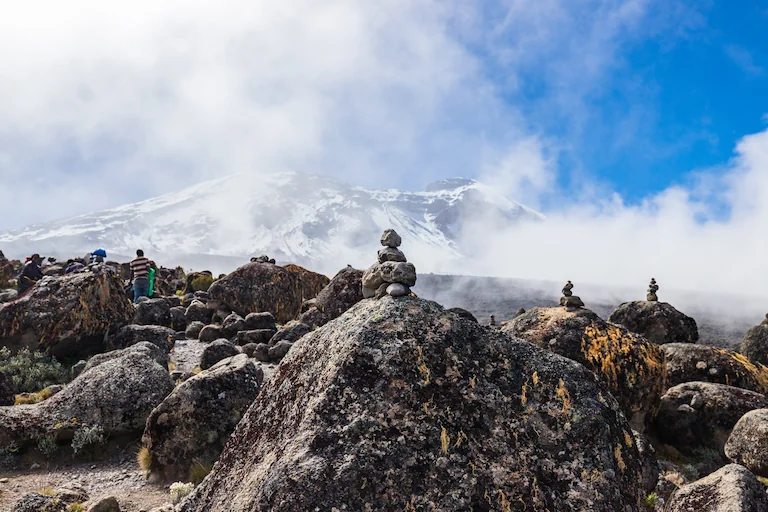
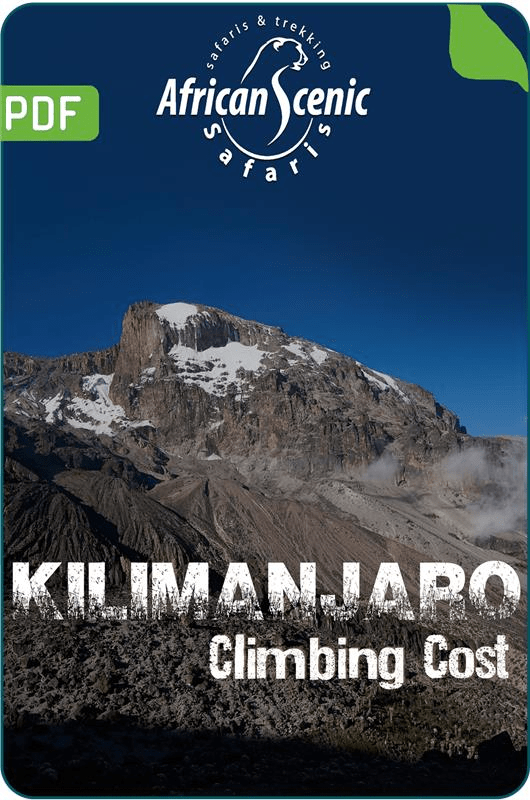
Dreaming of hitting the summit of Kilimanjaro in 2026? The Northern Circuit Route is what everyone talks about – long, quiet, and insanely beautiful, without forgetting that it is one of the pricier options. Most people don’t realise how quickly the Northern Circuit Route Cost escalates until they’re already deeply entrenched in planning.
But once you understand where your money goes, it becomes way easier to plan according to your budget, your safety, and the kind of Kilimanjaro experience you want. It stops feeling like this huge, impossible mission and starts feeling like something you can plan step by step, expense by expense, until you’re finally standing on that summit in 2026, knowing you did it on your own terms.
This guide breaks everything down clearly and logically. We’re talking about TANAPA park fees, guide and porter wages, gear rentals, hotels before and after the climb, meals, transport, tips, and even those tiny random expenses no one warns you about but somehow always show up. By the time you’re done, you’ll understand what the Kilimanjaro Climb Cost, not the sugar-coated version, and how to prepare without stressing yourself out.
Why Budgeting Matters for a Northern Circuit Climb
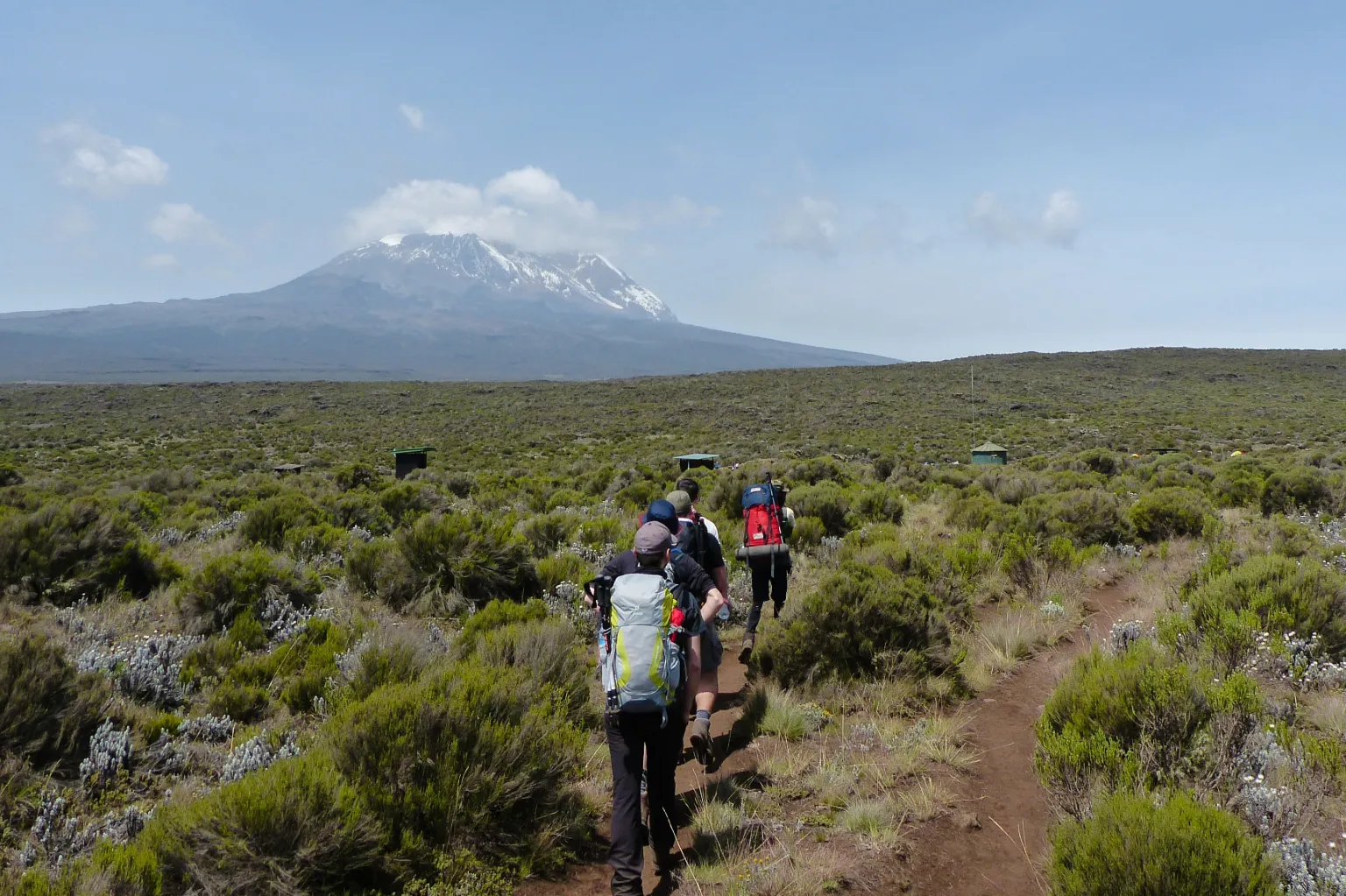
The Northern Circuit isn’t your typical Kilimanjaro Climb. It stretches 8–9 days, which means more crew, more logistics, more food, more time spent inside the park, and naturally, a higher price tag.

Unlike shorter routes like the Machame Route or Lemosho Route, this one demands patience, endurance, and a bit more money.
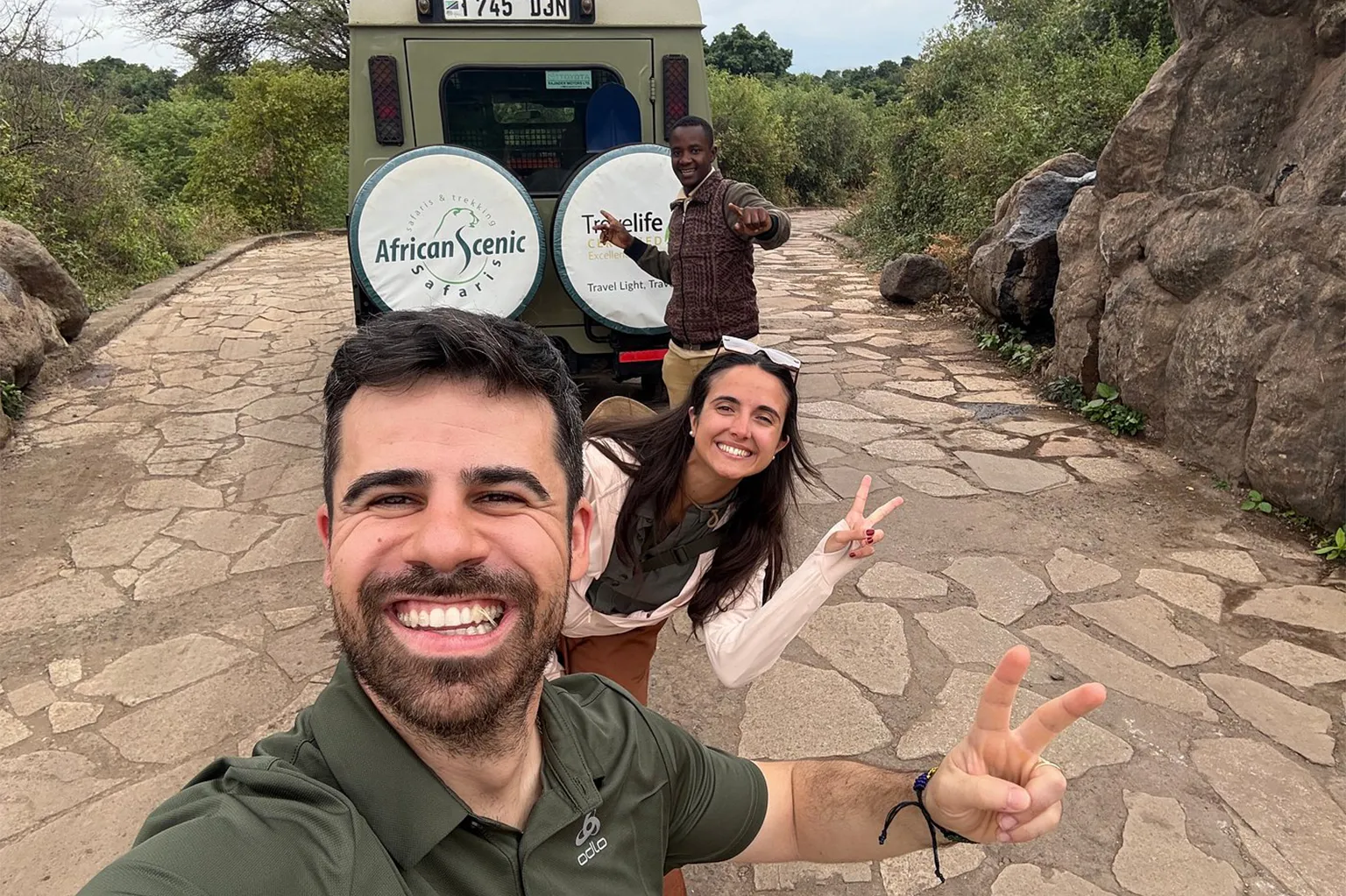
African Scenic Safaris offer private tours where you can climb with your set of people, let’s say two, on the same route. This brings different climbing experiences simply because you become comfortable and confident during the climb.
Budgeting lets you decide what comfort level you want and what you’re willing to compromise on.
A senior Kilimanjaro guide once said, “Most climbers underestimate their total costs by 20–30% because they focus only on the tour price.” And honestly? He’s right. When you know what to expect, the hike becomes easier, not because the mountain changes, but because you remove financial stress.
Kilimanjaro Climb Cost Breakdown for 2026
The following is a clear breakdown of how a Northern Circuit climbing budget is allocated. This applies to most operators and gives you realistic expectations when comparing your Kilimanjaro Climbing Packages.

Typical Northern Circuit Route Cost Breakdown (Per Person)
| Expense Category | Estimated Range (2026) | % of Total |
| National Park Fees | $1,000 – $1,250 | 35% |
| Guides & Support Crew | $800 – $1,000 | 25% |
| Accommodation & Meals | $500 – $700 | 15% |
| Equipment & Gear | $200 – $600 | 10% |
| Transportation & Logistics | $200 – $400 | 7% |
| Tips & Extras | $150 – $300 | 8% |
These percentages might change depending on the tour operator, but park fees usually dominate. TANAPA fees are fixed and non-negotiable, which is why they take such a big chunk of your budget.
Park Fees & Permits – The Fixed Costs
Park fees are what most climbers are surprised by. TANAPA (Tanzania National Parks Authority) sets these rates, and they apply to everyone equally, whether you’re a solo climber or in a group of ten. These fees cover your presence on the mountain, rescue services, camping spaces, and conservation efforts.

For a 9-day climb, the Kilimanjaro Northern Circuit price per person per day includes entry fees, camping fees, rescue fees, and VAT charges. These costs stack fast.
A typical 9-day Northern Circuit breakdown involves:
- Park entry fee (per day): This is the base fee for being in the park. For non-East African / international adult climbers, it’s typically USD 70 per person per day
- Camping or hut fees (per day): For routes using public campsites (not the hut-based routes), expect to pay USD 50 per night per person. If you take a route that uses huts instead of campsites (like the classic “huts route”), the fee is USD 60 per night per person.
- Rescue fee (one-time): This is a one-time fee per trip for rescue services in case of emergencies: USD 20 per person.
- Conservation fee: This is the entry fee above, which helps fund park maintenance, conservation, rangers, and infrastructure, and sometimes the same as the entry fee.
- VAT: On top of all these fees (entry, camping/hut, rescue, etc.), there’s a VAT of 18% that applies.
For a 9-day Northern Circuit climb, most hikers end up paying around $1,000–$1,250 in total park-related fees. That includes the daily TANAPA conservation fee (about $70–$90 per day), seven nights of camping fees, the one-time rescue fee, and the 18% VAT that gets added on top of everything.
| Fee Type | Rate | Calculation | Estimated Total |
| Conservation / Park Entry Fee | $70–$90 per day | 8 days | $560–$720 |
| Camping Fee | $50 per night | 7 nights | $350 |
| Rescue Fee | $20 one-time | 1 time | $20 |
| VAT (18%) | Applied to all fees | ~18% of subtotal | $170–$210 |
| Estimated Park Fees Total | — | — | $1,000–$1,250 |
Altogether, you’re looking at approximately $1,000 to $1,250 in mandatory fees. You can’t negotiate them, and no operator can reduce them because they’re literally government-mandated.
For more details, check out the TANAPA Kilimanjaro Fees for 2026!
Guide & Support Crew Costs – The Human Factor
This is honestly where the soul of the whole climb sits. The Kilimanjaro Porters and guides are the ones who make Kilimanjaro possible; they’re the heartbeat of every summit story. If you’ve ever wondered how people make it through the long days, the altitude, the shifting weather… It’s because there’s a whole team behind them. Without these crews, the Northern Circuit simply wouldn’t happen.

For a Northern Circuit climb, you’ll have a licensed lead guide, assistant guides based on your group size, about three porters per climber, a cook (sometimes two), and a camp crew, like a waiter.
- If you want an ethical, safe, well-supported Northern Circuit climb, plan for around $800–$1,000 per climber for fair crew wages and services. It’s one of the most meaningful parts of the budget because you’re investing in the people who carry you (literally and figuratively) to the top.
Most budget Tour Operators usually cut corners by:
- Underpaying porters
- Overloading them
- Skipping safety briefings
- Not providing proper gear
Author’s tip: That’s why KPAP (the Kilimanjaro Porters Assistance Project)matters. They make sure porters are paid fairly, get proper meals, and work in safe conditions. Best Kilimanjaro Tour Operatorsand African Scenic Safaris are among those that follow these standards closely. It costs more, yeah, but it’s the right way to climb.
Gear, Equipment & Rentals – What to Budget For
Let’s be honest, most of us don’t have a closet full of high-altitude gear just lying around. Especially if you’re coming from a warm country or you’re not the “every-other-weekend mountain warrior” type. And that’s okay. Renting becomes the smart, budget-friendly move for a Northern Circuit Kilimanjaro Climb.

When you show up in Moshi, your operator will usually give you a gear check. That’s when you realise, oh wait… I actually need way more layers than I thought. Don’t stress, renting is super common, even for experienced hikers.
You’ll probably end up renting things like:
- A proper 4-season sleeping bag (the kind that won’t betray you at 4,700m)
- A warm down jacket
- Trekking poles (lifesavers on summit night)
- Waterproof gaiters
- Insulated gloves
- A reliable headlamp
- Thermal base layers
- Rain gear that actually works
And here’s the truth: your comfort literally depends on the quality of these items. A flimsy sleeping bag at -10°C will ruin your night. Cheap gloves? Your fingers will hate you. Wrong boots? Blisters for days.
| Item Type | What It Covers | Typical Cost Range |
| Rental Gear Package | Sleeping bag, jacket, poles, gaiters, gloves, headlamp, thermals, rain gear | $200 – $400 |
| Buying Your Own Gear | Full new set of high-altitude equipment | $600 – $1,200+ |
Renting honestly hits the sweet spot for most climbers: affordable, convenient, and already mountain-proven. But if you’re planning to turn this climb into a lifestyle? Then buying long-term gear starts to make sense.
Transportation, Hotels & Pre/Post-Climb Costs
Climbing Mount Kilimanjaro doesn’t start the moment you land; you need somewhere to sleep before and after. These costs depend on your travel style.

Expect:
- Airport transfers
- 1–2 hotel nights before the climb
- 1 night after the climb
- Extra acclimatisation nights if needed
For Kilimanjaro Climbing Packages, Hotels in Moshi range from $40–$60 for a budget package to mid-range $80–$150 and more than $200 for a luxury package.
Remember to book your flights early, especially if you are coming from Europe or North America, as you’ll get better rates. Closer to peak season, flight prices become higher.
For transportation and hotels combined, budget $200 – $400 for a realistic estimate.
Hidden & Optional Costs Most Climbers Miss
Even the most organised climbers forget a few things. Here are the costs that sneak up on people:
- Personal gear purchases (like hydration systems, power banks, water filters)
- Portable toilet rental (~$150 per group)
- Extra acclimatisation days
- High-altitude evacuation insurance
- Tips for crew ($150 – $300 per climber)
- Visa fees
- Vaccinations
- Snacks and personal food
One of the highest hidden costs is Kilimanjaro Travel Insurance with high-altitude coverage. Regular insurance doesn’t cover climbs above 3,000 meters, and Kilimanjaro hits 5,895 meters. Without proper coverage, emergency evacuation becomes insanely expensive.
To help you stay organised, here’s a Common Hidden Costs Checklist quick table.
| Hidden Cost | Estimated Amount |
| Portable toilet rental | $150 |
| Travel insurance (with altitude) | $80 – $200 |
| Extra gear purchases | $50 – $300 |
| Visa fees | $50 – $100 |
| Crew tips | $150 – $300 |
Kilimanjaro cost can be surprising if you are not aware of what’s included. Check out our Hidden Costs and Add-Ons Most Climbers Miss blog to get more details on which costs you need to include in your budget.
Budget Comparison – Northern Circuit vs Other Routes
This will help you compare the Northern Circuit Route Climb Cost to other Kilimanjaro routes, especially if you’re debating which route to take on your journey to the summit.
| Route | Duration | Average Cost | Success Rate | Scenery | Crowd Level |
| Northern Circuit | 8–9 days | $3,200 – $4,800 | ⭐⭐⭐⭐⭐ | ⭐⭐⭐⭐⭐ | Low |
| Lemosho | 7–8 days | $2,800 – $4,00z0 | ⭐⭐⭐⭐ | ⭐⭐⭐⭐ | Medium |
| Machame | 6–7 days | $2,500 – $3,800 | ⭐⭐⭐ | ⭐⭐⭐⭐ | High |
| Rongai | 5–6 days | $2,000 – $3,000 | ⭐⭐ | ⭐⭐⭐ | High |
The Northern Circuit sits at the top because it:
- Takes the longest
- Has the highest success rate
- Offers the quietest trails
- Gives you panoramic views almost the entire time
If success rate and scenery are your priorities, the extra cost is worth it.
How Season Affects Your Budget
Timing your Kilimanjaro Climb is very important. It’s not just about the weather; it changes how busy the trails are, what you’ll pay for guides and hotels, and even how expensive your flights will be.
January–March (Mid-Season)
In these months, the weather is cooler, the trails aren’t too busy, and prices are affordable. If you want to climb without big crowds, then this is a great window.
June–October (Peak Season)
These months are perfect for sunrise photos and epic views due to its clear skies, the Best Time To Climb Kilimanjaro. But the cost is high, from the guides, hotels, flights, to the trails being full of crowds. It’s more social, more alive, but also more expensive.
November–December (Shoulder Season)
This is your budget option. Flights and hotels are cheaper, and sometimes operator fees are too. Rain and mud are the trade-offs; the trails are slippery, and it might slow you down. If you are cool with all this, then this time is good.
Pro tip: Book 6–8 months in advance. It locks in your spot, your price, and gives you peace of mind heading into 2026.
Smart Ways to Save Without Sacrificing Safety
Climbing Kilimanjaro doesn’t mean spending a lot for comfort or the best service; there are smart ways you can use to save money and reach the summit successfully without missing out:
- Share gear rentals with a buddy: why pay double for stuff you can split?
- Book directly with local operators: it’s easier, cheaper, and you’re helping the people who actually run the climb.
- Travel in a small group of people you know, of 2–4: it keeps costs down and still feels personal.
- Bring your own snacks and little essentials: those small things add up if you buy them on the trail.
- Rent instead of buying gear, especially the expensive high-altitude stuff you probably won’t use again.
Do all that, and you could save $300–$500 on your Northern Circuit Climbing Budget without sacrificing comfort, safety, or the whole experience. It’s about being clever, not cutting corners, so you still get that epic Northern Circuit adventure without the stress of overspending.
The Best Time for the Best Experiences
The Northern Circuit Route Cost for a Kilimanjaro Climb is not cheap, and yeah, that can be nerve-wracking. But here’s the thing: every bit of money you spend comes back to you in moments that hit differently. It’s not just a climb; it’s an experience that sticks with you long after you’re down the mountain.
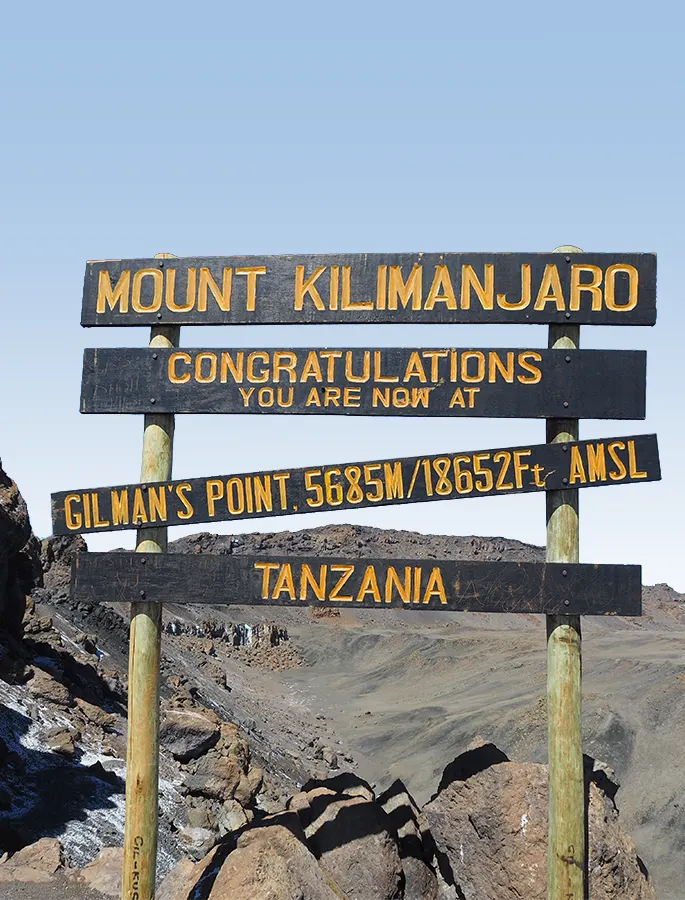
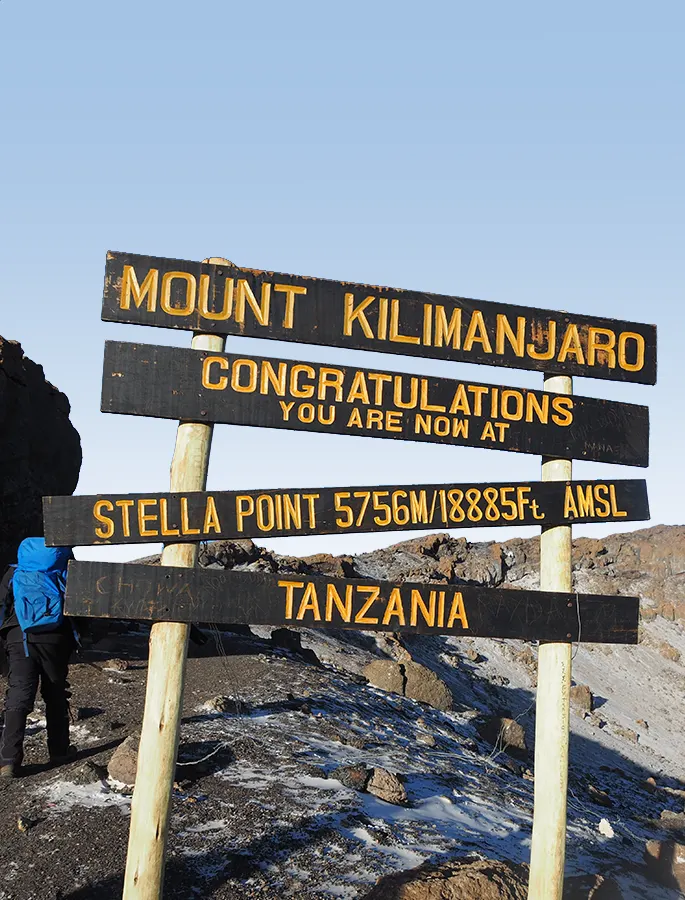
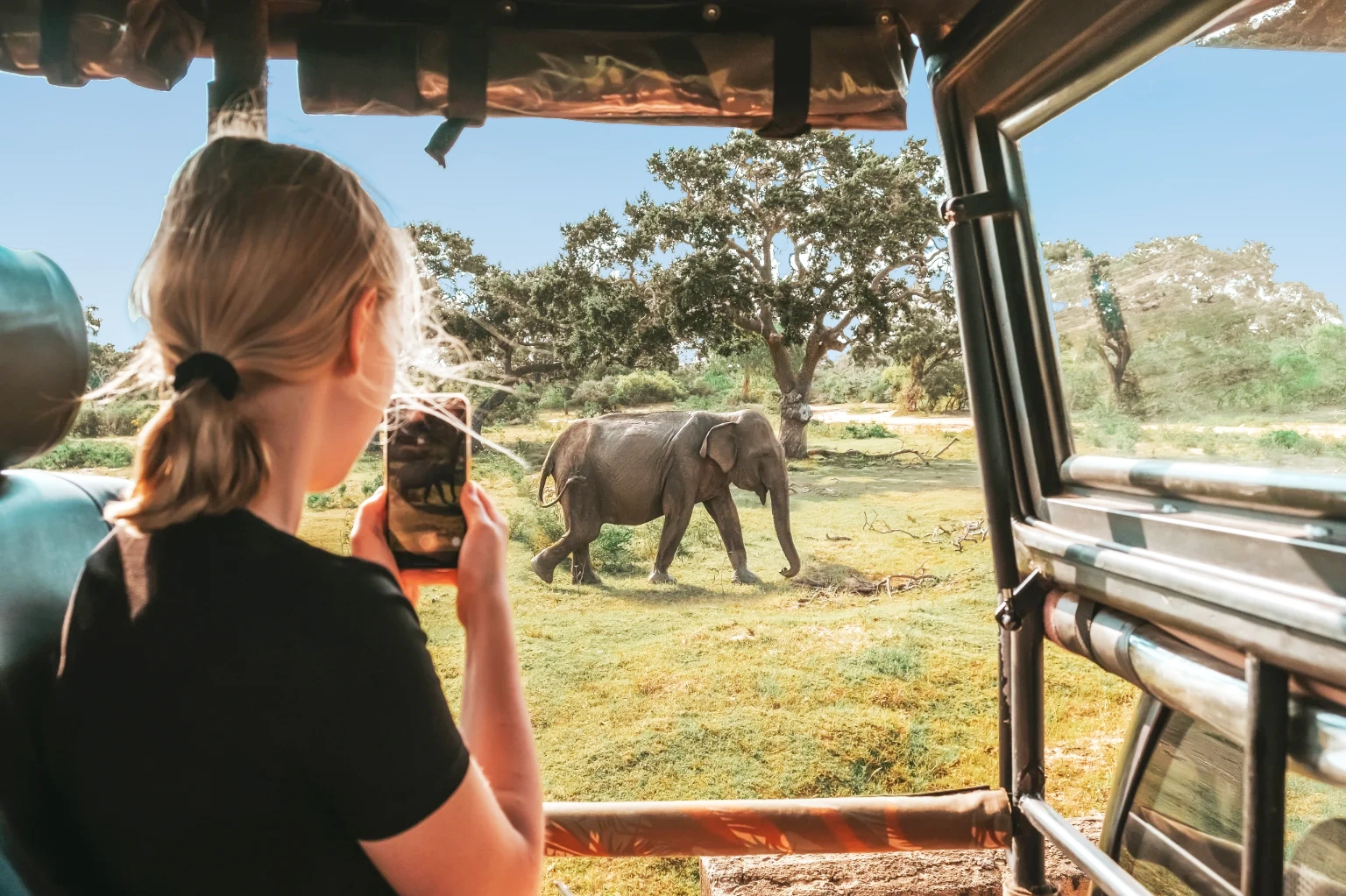
When you’ve got your Northern Circuit Climbing Budget sorted, pick the right operator, and plan for the essentials, something changes. You step onto the mountain with a calm mind and a full heart. No stress, no surprises, just the excitement of the climb. The Northern Circuit is long, yeah, but every single step is worth it. Every campsite, every view, every conversation with your guides, it all matters.
Kilimanjaro teaches you a lot of things you don’t expect. Patience, teamwork, and how to appreciate the little wins, making it to camp after a gruelling day, catching a rare glimpse of wildlife, or seeing that golden light spill across the Shira Plateau. When you finally reach Uhuru Peak, it’s not just about standing at the top. It’s knowing you planned well, trusted yourself, and gave it everything, and that feeling? Nothing else comes close.