


How Route Length and Extra Acclimatisation Days Affect the Northern Circuit Cost
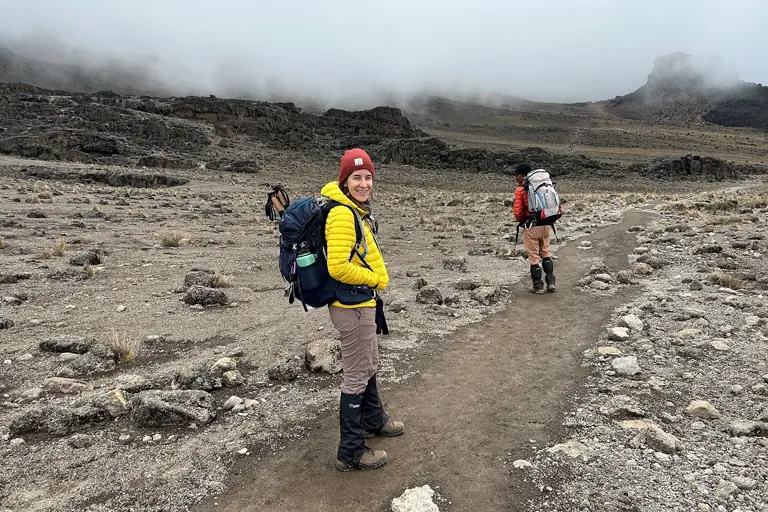
Thinking about tackling Kilimanjaro’s Northern Circuit? Before you book, it’s worth pausing to understand something crucial: how the length of your climb plus any extra acclimatisation days can really impact your total Northern Circuit Route Cost.
If you’ve ever imagined yourself standing on Africa’s “rooftop,” you know the Northern Circuit isn’t just a hike. It’s an 8- to 9-day adventure through some of the most breathtaking scenery Kilimanjaro has to offer. But here’s the thing: the longer you stay on the mountain, the more Northern Circuit climbing budget. Every extra day means more parking fees, guide and porter wages, meals, and camp accommodation. It’s easy for costs to grow without even noticing.
Before you sign up for Climbing Mount Kilimanjaroon, the Northern Circuit, it helps to get a feel for what the route is like. It’s slow, relaxed, and gives you space to adjust instead of pushing you too hard, too fast. And yeah, staying out there longer means the cost goes up a bit, but once you’re on the trail, it honestly feels fair. You settle into the walk, you notice the little changes in the scenery every day, and your body gets time to catch up. It stops feeling like a big, stressful mission and starts feeling like a journey you’re really part of, calm, steady, and surprisingly personal.


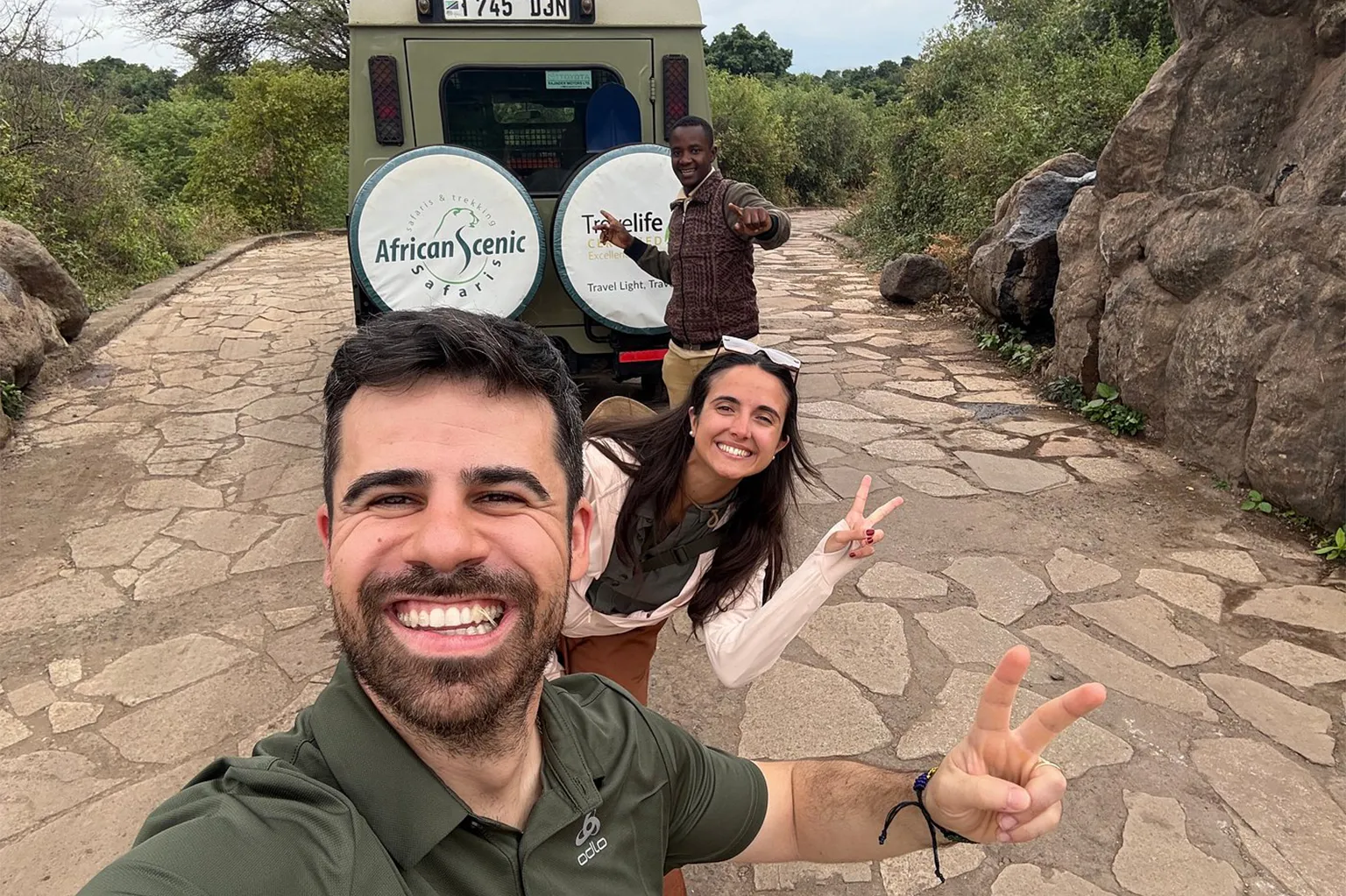
In this guide, we’ll break down how extra days influence your total cost, why adding time on the trail can dramatically improve your summit success, and how to budget smartly without cutting corners. Along the way, you’ll hear insights from African Scenic Safaris’ 15+ years of guiding experience and get the lowdown straight from official sources like TANAPA (Tanzania National Parks) and the UNESCO Kilimanjaro Profile.
Route Length: The #1 Factor That Affects Cost
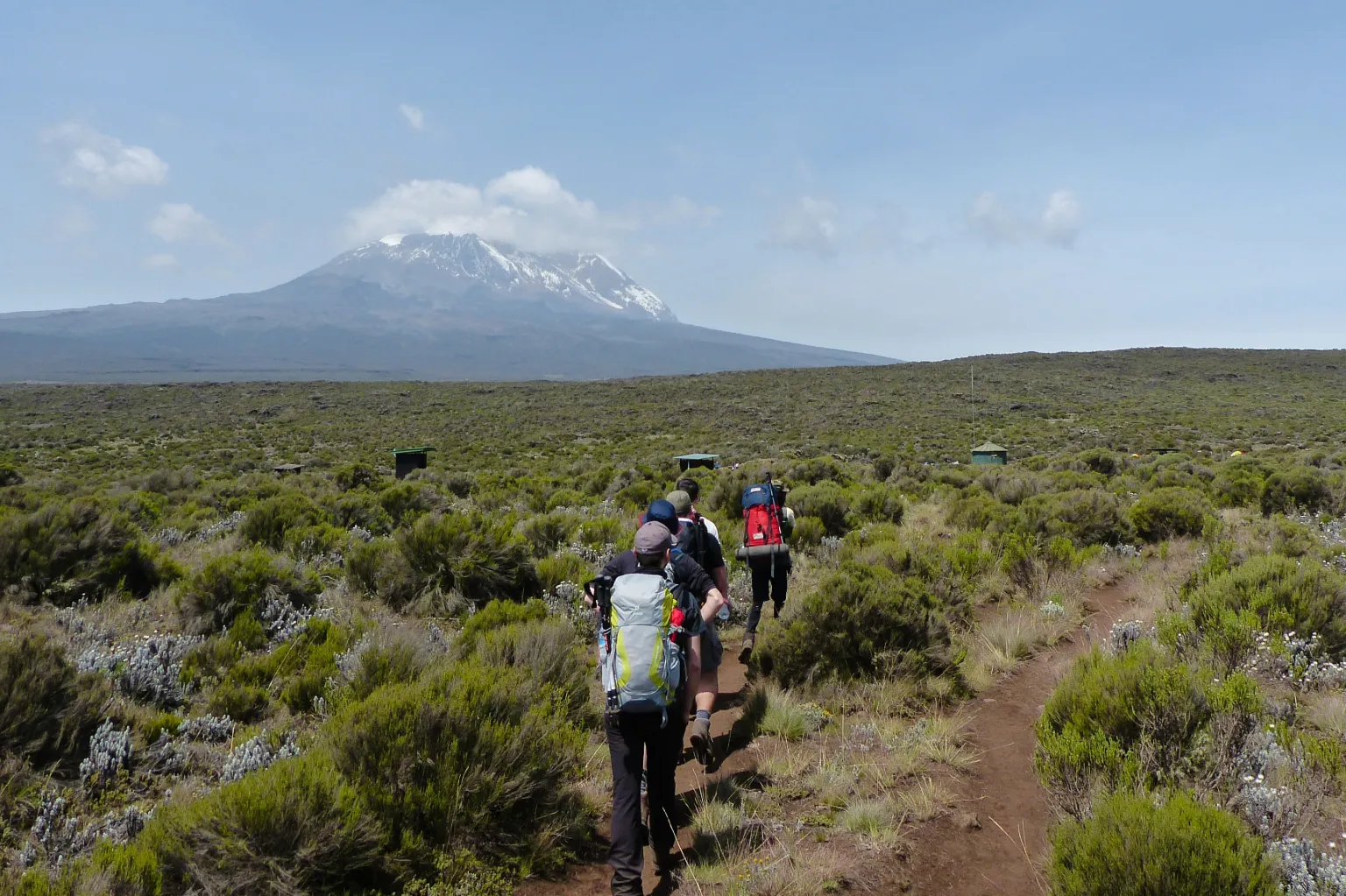
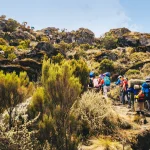
The Kilimanjaro’s longest route is the Northern Circuit, which usually takes 8–9 days, and that extra time is what changes everything. You get the opportunity to wander through every kind of landscape, from the thick green forests at the bottom to the stark, windy alpine desert near the top, and when you finally reach the Uhuru Peak, it feels like an achievement.

Here’s the reality: every extra day adds up. More parking fees, support from guides and Kilimanjaro Porters, extra food, extra tents, even little things like water and snacks.
To put numbers on it, a 6-day Machame Route trek typically costs around $3,500–$4,000, while a 9 Day Northern Circuit Route can range from $4,000 to $4,500. Adding an extra acclimatisation day can increase the cost to $4,300–$4,900.
Cost Breakdown: 6-Day vs 9-Day Kilimanjaro Trek
| Cost Element | 6-Day Trek (e.g., Machame) | 9-Day Northern Circuit |
| Average Total Cost | $3,500 – $4,000 | $4,500 – $5,000 |
| Park Fees | Lower (fewer days charged) | Higher (charged per day) |
| Guide & Porter Wages | 6 days of wages | 9 days of wages |
| Meals & Water | 6 days of supplies | 9 days of supplies |
| Accommodation (tents/camps) | 5 nights | 8 nights |
| Acclimatization Time | Limited | Excellent slow pace and boosts success |
| Summit Success Rate | Moderate | Higher due to better acclimatization |
| Overall Experience | Faster, more intense | Smoother, more comfortable, more scenic |
According to TANAPA’s official Kilimanjaro fee structure, park fees are charged per day, so literally every day counts. One climber said, “Adding that extra day on Shira Plateau felt expensive at first, but by the summit, I knew every dollar was worth it. My body had time to adjust, and I enjoyed the trek instead of just surviving it.”
How Extra Days for Acclimatisation Influence Your Budget
Adding an extra day during Mount Kilimanjaro Climbing isn’t just a luxury; it can literally make the difference between summiting and turning back early. Experience shows that moving slowly can bump your chances of reaching the top from about 80% to 90%. Acute Mountain Sickness (AMS) is real, and going gradually through zones like Shira Plateau or Moir Hut helps you avoid headaches, nausea, and just feeling wiped out.

Most climbers handle it in a few smart ways:
- Shira Plateau: Most climbers take a chill acclimatisation hike here, nothing crazy, just a gentle walk to help the body ease into the altitude.
- Moir Hut or Third Cave: This is where people really slow down and let their bodies catch up. Moving gradually here makes the higher sections feel way more manageable.
- Buffer Day Before Summit: Think of this as a “deep breath” day, a chance to rest, refuel, and get your energy back before the final push to Uhuru Peak. It makes the summit night feel a lot less overwhelming.
The extra day, usually for the Northern Circuit Kilimanjaro Price, costs around $350–$450, covering park fees, crew wages, meals, and basic accommodation. Yeah, it’s more money, but compared to the disappointment of descending early because your body can’t keep up, it’s a tiny price for peace of mind and a real shot at enjoying the summit moment.
Our guides have noticed that climbers who take at least one extra day on the Northern Circuit not only reach the summit more often, but they also enjoy the climb way more, no rushing, no panic, just soaking in the mountain.
Detailed Cost Breakdown: Per-Day Expenses
When it comes to Climbing Mount Kilimanjaro, being aware of your per-day expenses will make your planning process less stressful. The cost may include park fees, guide and porter wages, meals, and camping logistics. Even little things, like bottled water, snacks, or a cup of coffee at a higher camp, can add up over several days.

These daily Kilimanjaro Climbing Costs might surprise you at first, but when you’re on the mountain, you clearly see what they cover. Every day, someone is there cooking your meals, carrying your bags, checking the tents, making sure you can walk, breathe, and enjoy climbing. It’s not just numbers on a page; it’s safety, comfort, and having people look out for you while you pursue that summit.
| Category | Daily Range (Per Person) | Notes |
| Park Fees | $150 – $180 | Entry, camping, rescue, VAT |
| Crew Fees | $100 – $130 | Guides, porters, cooks |
| Food & Logistics | $50 – $80 | Meals, tents, equipment |
| Accommodation | $50 – $70 | Pre- and post-trek hotels |
Park fees alone are calculated daily, so every day you spend on the mountain matters financially. According to TANAPA’s official Kilimanjaro fee structure, park fees are charged per day, so every extra night on the mountain does impact your budget, but it’s worth it. Many climbers who add an extra acclimatisation day report huge benefits.
Total Extra Day Cost can be around $350–$450, meaning even one additional day adds roughly 10% to your total climb budget, but with measurable benefits in safety and summit odds.
One climber shared: “I wasn’t sure about spending an extra day on Shira Plateau, but it made all the difference. I reached the summit feeling strong and enjoyed the trek instead of just surviving it.”
Cost vs Success Rate: Why Extra Days Are Worth It
Summit success isn’t just a numbers game; it’s health, endurance, and patience. A typical 7-day trek sees a success rate of 80–85%, while 8–9 days with acclimatisation can push this to 90–95%. Data from climbing medical studies confirm that slower ascents significantly reduce the risk of altitude sickness.

Giving yourself extra days on Mount Kilimanjaro Climbing Tours is honestly one of those choices you only appreciate once you’re on the mountain. On paper, the extra cost feels annoying — we get it — but when you’re up there trying to breathe in thin air, you’ll be so grateful you didn’t rush it. That extra day? It can be the difference between turning back at 4,700m… and standing on the summit with tears in your eyes because you made it.
“Adding one extra acclimatisation day may increase your cost by 10%, but it can improve your summit success rate by over 15%,” says a veteran African Scenic Safaris guide.
Sample Budget Comparison:
| Duration | Total Cost (Per Person) | Success Rate |
| 8 Days | $4,000 – $4,500 | ~90% |
| 9 Days | $4,300 – $4,900 | ~95% |
And the wild part? Those extra days also make the whole climb so much better. As you are climbing, you will notice the little things: how the air changes as you climb, how the stars look brighter than anything back home, how your team becomes like family. You’re not just buying time; you’re buying calmness, confidence, and a climb that feels meaningful instead of rushed. And honestly? That kind of experience is worth every cent.
Even though the extra day costs around $400–$450, consider it an investment in memories, health, and your chance to see Uhuru Peak without compromise.
Cost-Saving Tips Without Sacrificing Safety
One of the smartest ways to save money on the Kilimanjaro Climb without risking your safety is by choosing reliable Kilimanjaro Tour Operators instead of the cheapest or the most luxurious. A good company gives you trained guides, proper gear, and solid meals, all without the premium price tag. You can also join a group climb instead of going private. It cuts costs instantly, and honestly, sharing the trail with new people often makes the whole experience more fun and encouraging.

You can also save a lot just by creating a wise Kilimanjaro Packing List. Buy only the essentials and rent the rest. High-quality rentals can save you hundreds while keeping you safe and warm. And try to skip unnecessary extras like hotel upgrades or gear you won’t use. With a little planning, you can keep your budget in check while still having a safe, supported, and memorable climb.
- Travel in small groups (2–4 people) to split crew and logistics costs.
- Bring your own gear instead of renting on the mountain.
- Choose standard accommodation before and after your trek instead of premium lodges.
- Book during the low season (March–May) for slightly lower park fees and fewer crowds.
These small adjustments can make a tangible difference while keeping your climb safe and ethical.
Get a custom Northern Circuit budget breakdown tailored to your group — talk to our Kilimanjaro experts today.
Plan Smart, Summit Strong
Climbing Mount Kilimanjaro via Northern Circuit is honestly one of those adventures that changes you a little, the kind you think about for months before and remember for years after. And part of getting it right is knowing how the costs work. Yes, adding extra days will raise the Northern Circuit Route Cost, but those days also give you a safer climb, a calmer pace, and a real chance to enjoy the mountain instead of fighting through it.

Halfway up, you just feel it, this climb isn’t about standing on the summit. It’s about the mornings when the mountain feels quiet and yours, the silly laughs with your guides, the small moments that catch you off guard, those times when you wonder if you can even make it. Every slow step, every little break, every tiny win hits differently. And when you finally reach the top, it’s not just about the mountain, it’s about everything you felt getting there, the struggle, the awe, and the moments you’ll remember forever.
When you plan your Northern Circuit Climbing Budget with care, choose the number of days that feel right for your body, and get support from people who’ve lived and breathed this mountain like the African Scenic Safaris team, the whole journey becomes so much smoother. You’re not just paying for a trek; you’re creating a once-in-a-lifetime experience that feels good, feels safe, and feels like you. Every dollar you spend goes back into making your climb more meaningful.
Take it easy, trust your guides, and let your body catch up. Suddenly, the mountain stops feeling scary and starts feeling like magic. The money, the effort, the sweat all melt away when you’re standing there, looking out over Africa, and thinking, “I actually did this.” That feeling? Totally worth it.
Ready to start planning the Northern Circuit your way? Talk to African Scenic Safaris for a personalised budget and real, helpful guidance for your 2026 climb.