

How do Park Fees and Permits Affect the Overall Kilimanjaro Climb Cost?
Before you even lace up your hiking boots or dream about standing on Uhuru Peak, there’s one thing every climber needs to understand clearly — Kilimanjaro’s park fees and permits. These costs form the foundation of your entire climb budget and play a huge role in ensuring safety, conservation, and ethical tourism on Africa’s highest mountain.
If you are climbing Kilimanjaro for the first time, the total price tag can be a shock to you. The items for the Kilimanjaro Climb Cost are like—guides, porters, and food—but that’s only half the story. What sneaks up on everyone are the mandatory, government-regulated park fees.
Every single climber must pay them. These charges jump around based on which route you pick, how many days you’re up there, where you’re from, and even what kind of tent you sleep in. Oh, and here’s the kicker: an extra 18% VAT (Value Added Tax) gets slapped onto almost everything.
Understanding these costs upfront helps you avoid last-minute shocks and plan a climb that fits your budget and expectations. This guide breaks down all essential fees for your Mount Kilimanjaro Climbing in 2026, explains what each covers, and includes insider insights from African Scenic Safaris’ professional mountain guides, who have been leading successful expeditions for more than 15 years.
Overview of All Mandatory Kilimanjaro Costs
When you book a Kilimanjaro Climb, you’re not just paying for a hiking experience — you’re investing in conservation, local livelihoods, and mountain safety. Here’s a quick overview of the mandatory costs that make up every climb.
So, where is all that money going? It’s not just paying your guide—a huge chunk is mandatory government fees that keep the whole mountain system afloat. Here’s a breakdown of what you’re actually shelling out for:
Park Entry & Conservation Fees:
This is the massive daily charge. It gives you access to Kilimanjaro National Park and funds the entire operation, including ranger salaries, trail maintenance, and wildlife protection.
Forest Fees:
You pay extra to hike through that incredible, lush rainforest zone where every climb kicks off. It’s strictly for using the lower slopes.
Camping or Hut Fees:
Your nightly rent. This depends entirely on your route—you either pay a camping fee for the tents or a hut fee if you’re stuck on the Marangu route.
Kilimanjaro Rescue Fee
This is 100% mandatory for every single climber. It pays for the ranger teams who handle all the ground rescue operations if things go sideways. You cannot skip this one.
Support Team Fees:
Legally required! Your guides, porters, and cooks aren’t optional—they’re a necessary part of your total Kilimanjaro Climbing Package cost, ensuring safety and fair employment.
Vehicle Entry Fees:
This covers the transport logistics of getting your team and gear dropped off and picked up from the trailheads.
Special Permits:
Only applies if you’re doing something totally crazy, like paragliding, climbing Mawenzi, or mountain biking. Most people skip this.
These Kilimanjaro Park Fees are non-negotiable and go directly to the Tanzania National Parks Authority (TANAPA). According to TANAPA’s 2025 tariff schedule, park fees account for roughly 50–60% of your total climb cost — a significant portion of your investment that keeps the mountain protected and functional for future generations.
“Every dollar you spend on park fees is a contribution to conservation. It funds ranger patrols, trail repairs, and community programs that make Kilimanjaro sustainable.” — Guide, African Scenic Safaris
Concession (Entry & Conservation) Fees Explained
The concession or entry and conservation fee is the backbone of your climb budget. Kilimanjaro National Park charges it per person, per day spent inside the park. The amount varies depending on your nationality:
| Visitor Category | Daily Fee (USD) | Duration Impact |
| Foreign Non-Resident | $70 per person | Charged each 24 hours in the park |
| East African Resident | TZS 10,000 per person | Proof of residency required |
| Tanzanian Citizen | $35 per person | National ID required |
These fees cover:
- Trail and campsite maintenance
- Ranger patrols and emergency facilities
- Waste management and conservation projects
- Visitor centre operations
Additionally, a Forest Fee ($20 per person) applies for using the lower rainforest section on routes such as Machame Route and Lemosho Route. Children under 10 are not permitted above 3,700m for safety reasons. (This data is verified from TANAPA’s 2025 tariff schedule)
“These fees ensure that the beauty of Kilimanjaro remains intact — the lush forests, alpine deserts, and summit glaciers all rely on conservation funding drawn directly from your permit.” – Guide, African Scenic Safaris
Camping and Accommodation Costs
Every climber faces a choice: you’re either camping out or sleeping in the mountain huts, depending on the route you pick.
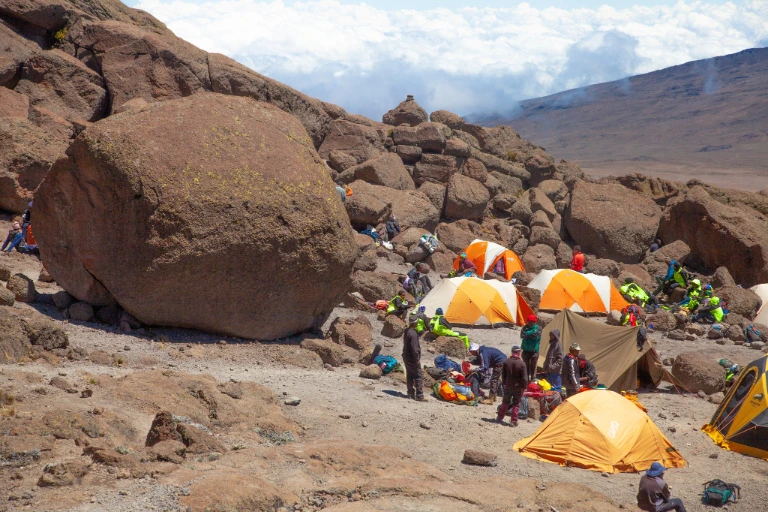
Camping Routes (Lemosho, Machame, Rongai):
- This is about $50 per person, per night. That money pays for keeping the campsite running, the necessary toilets, and the ranger services. You’re definitely sleeping in a tent under the stars, but it’s a managed, maintained space.
- Quick Math: A standard 7 Day Machame Route means you’re spending around $350 just on those tent spots.
Marangu Route (The only hut route):
- This Kilimanjaro Route Costs more, closer to $60 per person, per night. You get an upgrade: bunk beds, a mattress, and those big, communal dining huts. It’s slightly cosier and more protected from the elements.
- Quick Math: That same 7-day trek on Marangu would run you roughly $420 for the hut fees alone.
Here’s the thing: Some high-altitude Kilimanjaro Camps (like Kosovo) cost slightly more because getting stuff up there is a logistical nightmare.
The real key? Longer climbs cost more, obviously, but that extra day or two dramatically improves your acclimatisation—and that seriously boosts your chance of making the summit. It’s usually worth the additional cost.
“As our Trek Coordinator often says: “Every route has its own rhythm — from the lush forests of Lemosho to the quiet slopes of Rongai. Whether you’re under canvas or gazing at the stars from the Northern Circuit, these park fees make sure your rest stops are safe, clean, and sustainable — and that’s what truly matters.”
Support Team Fees (Guides, Porters & Cooks)
This is non-negotiable. TANAPA regulations state that every Kilimanjaro climb must be led by licensed guides and supported by a crew of Kilimanjaro Porters and cooks. Honestly, these pros are the absolute backbone of your entire expedition. Without them, you don’t even step on the trail.
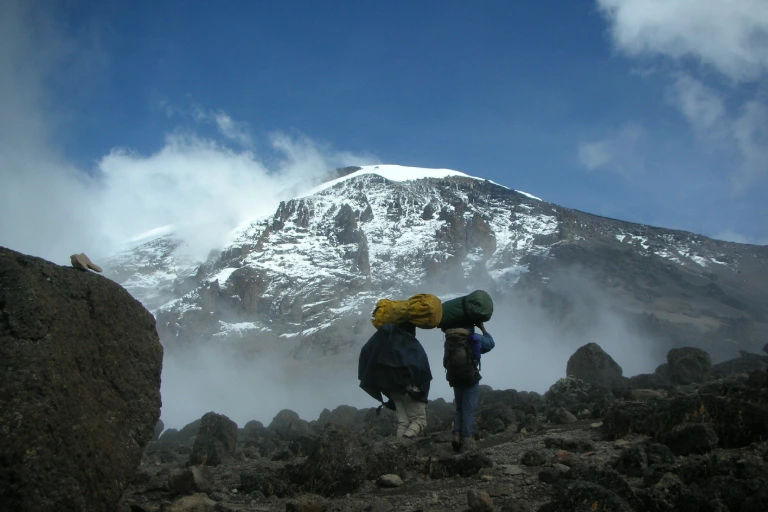
Here’s a quick look at the typical crew you’d need for a four-person group and what their day rate looks like:
| Role | Number | Average Daily Pay |
| Lead Guide | 1 | $30–$50 |
| Assistant Guide | 1 | $20–$30 |
| Porters | 12–14 | $10–$15 |
| Cook | 1 | $15–$20 |
When you book with a fair-wage Kilimanjaro Tour Operator, like us at African Scenic Safaris (we proudly partner with KPAP), we make sure every single crew member gets paid correctly, plus proper meals and accommodation. That’s a huge deal, because not every operator guarantees that.
“The thing is, the difference between standing on the summit and having to turn back? That’s your team. A quality guide isn’t just someone pointing the way; they’re trained to spot altitude issues hours before you feel them. They set the perfect, slow pace that conserves your energy. Our porters are trained for much more than just carrying bags. Investing in a strong, fair-wage crew dramatically increases your summit chance. Why? Because they manage every single detail, leaving you 100% focused on putting one foot in front of the other.” – Guide Expert
While these wages are usually not rolled into your total package price, they make up a massive chunk—about 35–40% of the total climb cost. Think of it this way: a strong, experienced crew doesn’t just make your climb possible; they directly contribute to your summit success and overall safety. It’s money well spent.
Emergency Rescue and Safety Fees
Every person Climbing Kilimanjaro must pay a mandatory $20 rescue fee to the National Park. This is a one-time fee that covers the cost of ranger-assisted ground evacuations—think stretchers or park vehicles if you need help on the lower slopes. Once you pay for it, ground rescues are free.
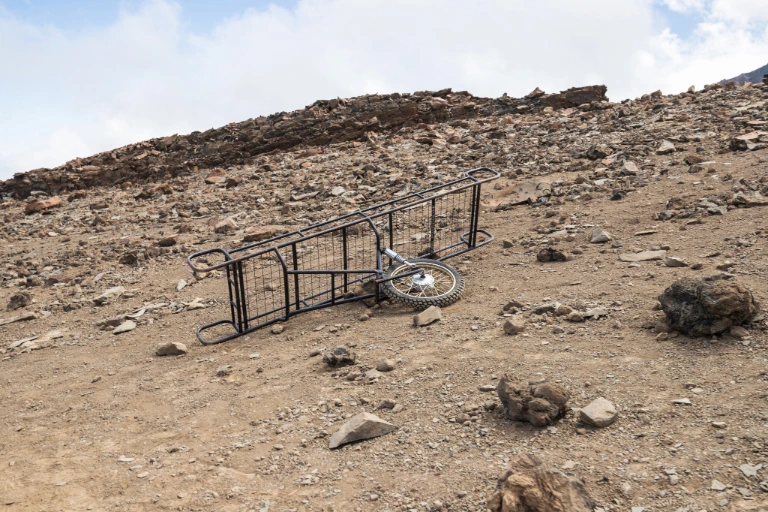
Here’s the massive caveat: that $20 fee absolutely does not cover air evacuation or your hospital treatment back in town. That’s why having comprehensive Kilimanjaro Travel Insurance with high-altitude coverage is non-negotiable. Seriously. CDC and WHO both recommend preparing for altitude sickness and emergency evacuation for any trek above 3,000 meters.
During emergencies, rangers use established routes to coordinate ground rescues. However, if you need a helicopter transfer—which is the fastest way to descend from high altitude—those can cost anywhere from $2,000 to $5,000, depending on your location and the provider. You definitely don’t want to be stuck with that bill.
Vehicle Entry Charges
You need to know that vehicles are often necessary to get you to the start and pick you up at the end, especially on routes like Lemosho. Those aren’t free, either; the park charges entry fees for every vehicle.
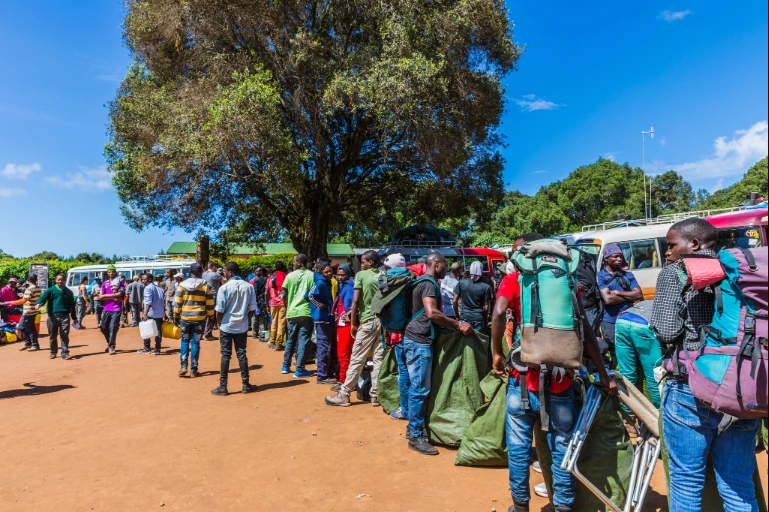
Here’s the quick breakdown of what TANAPA charges for the Kilimanjaro Entry Fee 2026:
| Vehicle Category (by Weight) | Local Vehicles (Tanzania-Registered) | Foreign Commercial Vehicles |
| Light vehicles – up to 2 tons (4,400 lbs) | TZS 20,000 | USD 40 |
| Medium vehicles – 2 to 3 tons (4,400–6,600 lbs) | TZS 35,000 | USD 150 |
| Heavy vehicles – 3 to 7 tons (6,600–15,400 lbs) | TZS 60,000 | USD 200 |
| Extra-heavy vehicles – 7 to 10 tons (15,400–22,000 lbs) | TZS 150,000 | USD 300 |
| Oversized loads – above 10 tons (special permit required) | TZS 300,000 | USD 500 |
These fees go straight to the park and can vary slightly depending on which access roads or gates your operator uses. Just know that this cost gets factored into your total trip price!
Special Permits: Optional but Costly Add-Ons
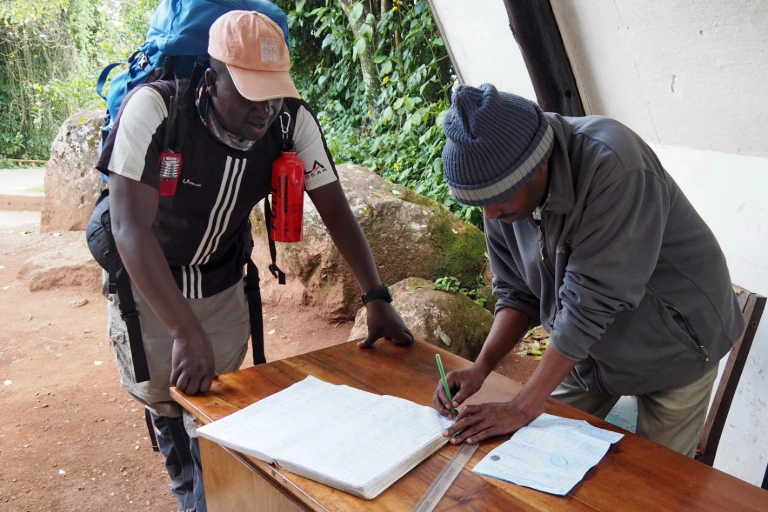
Kilimanjaro isn’t just for walking! If you’re an extreme adventure seeker, the mountain offers specialised trips that require extra permits, so you will encounter additional Kilimanjaro permit costs.
Here’s a quick look at those optional, but costly, add-ons:
| Activity | Permit Cost (USD) | What You Need to Know |
| Paragliding | $500–$700 | You need TANAPA approval and a pilot license. This is intense. |
| Mawenzi Technical Climb | $300 | Strictly restricted to highly experienced climbers. Do not attempt this unless you are a pro. |
| Mountain Biking | $250 | This is limited to certain routes and must be guided. |
Look, these definitely take a big hit out of your budget, but they are absolutely once-in-a-lifetime experiences. The catch? All of these applications submit in advance to TANAPA through a licensed operator. You can’t just decide to paraglide on the spot.
Example Calculation: Real Kilimanjaro Climb Cost Breakdown
Let’s get real with the numbers. If you choose the popular, beautiful 7-day Lemosho Route, here is a transparent look at your mandatory fees. This is roughly what everyone pays per person:
| Cost Component | Unit Cost (USD) | Duration | Total (USD) |
| Entry & Conservation Fees | $70 / day | 7 days | $490 |
| Camping Fees | $50 / night | 6 nights | $300 |
| Forest Fee | $20 | Once | $20 |
| Rescue Fee | $20 | Once | $20 |
| Support Crew Wages | 7 days | $700 | |
| VAT (18%) | $280 | ||
| TOTAL ESTIMATED FEES | ≈ $1,810 |
The actual cost for a quality, all-inclusive Kilimanjaro Tour Package usually falls between $2,500 and $3,500 per person, depending on the operator you choose, the route length, and how comfy your gear is.
This example clearly shows that park fees and crew wages alone account for nearly 60% of your total climbing expenses! The rest of your package cost covers your food, high-quality gear, transport logistics, and everything else you need to succeed.
Here’s the part that genuinely matters and often missed: Every permit you pay for actively supports the people and communities around Kilimanjaro — not just the mountain itself.
One thing you need to note is that your entry and camping fees aren’t just bureaucracy! They fund crucial, hands-on work: reforestation, essential anti-poaching patrols, and even community stuff like building local schools and clinics.
As our tour expert often explains: “We tell our climbers that every permit tells a story—of a ranger’s patrol, a village clean-water project, or a forest being protected.”
By understanding exactly where that money goes, you’re not just paying for Kilimanjaro Fees and Permits; you’re making a direct, positive impact on conservation and responsible tourism in Tanzania. You’re part of the solution.
Final Tips & Key Takeaways
All Climbs Must Be Guided: Independent trekking is not allowed due to safety and conservation requirements.
Longer Routes equal higher cost, better success means more acclimatisation days, which increases both fees and summit success.
Kilimanjaro VAT Adds 18% to All Charges: Always confirm that your quoted price includes this tax.
Use Licensed Operators: Reputable companies like African Scenic Safaris handle all permits transparently.
Book Early: Permit availability can tighten during peak months (June–September and January–March).
“Transparency in fees is part of our commitment. We handle every permit directly through TANAPA, so our clients know exactly what they’re paying for. — Operations Lead, African Scenic Safaris
What’s Next – Deep Dive into Specific Kilimanjaro Climb Cost
Okay, so you just saw the harsh truth: Kilimanjaro park fees and permits are the absolute most significant part of your bill. Now that you know why those mandatory costs are so high and where the money actually goes, you need to stop guessing and start budgeting for real. To help you nail down every single detail, we’ll dive deeper into the crucial money moves that will define your trip—like figuring out how park fees change by route and what the support crew costs really cover.
You need to know that the success of your 2026 climb isn’t just about your fitness; it’s about smart, transparent planning. Stop messing around with vague numbers. Get ahead of the game now!
Ready to Plan Your Climb with Full Transparency? Request a detailed, personalised cost breakdown and a route recommendation explicitly tailored to your budget and goals from our expert planners today.
Also, keep an eye out for these crucial, upcoming guides since they’ll be more useful to you as you are budgeting for Tanzania Trekking Fees:
- How Park Fees Vary by Route and Duration: Find out exactly how your route choice (Lemosho vs. Machame) impacts your permit total.
- What Your Support Crew Fees Really Cover: Understand the human cost—and why paying fair wages matters for your safety.
- Hidden Costs and Add-Ons Most Climbers Miss: Don’t be surprised by tipping protocols and specialised gear rentals