
Explore The Top 9 Unique Things to Do in Tanzania

If you are planning a trip to Tanzania and looking for some exciting things to explore, you have landed at the right place. In this blog post, we will explore the top 9 unique Things to do in Tanzania that will leave you with irreplaceable memories.

You can watch the Great Migration, climb Africa’s highest peak, or dive deep into rich local traditions. Tanzania brings you all this and more. Here are the top 9 safari experiences to enjoy on Safaris in Tanzania.
Things to Do in Tanzania

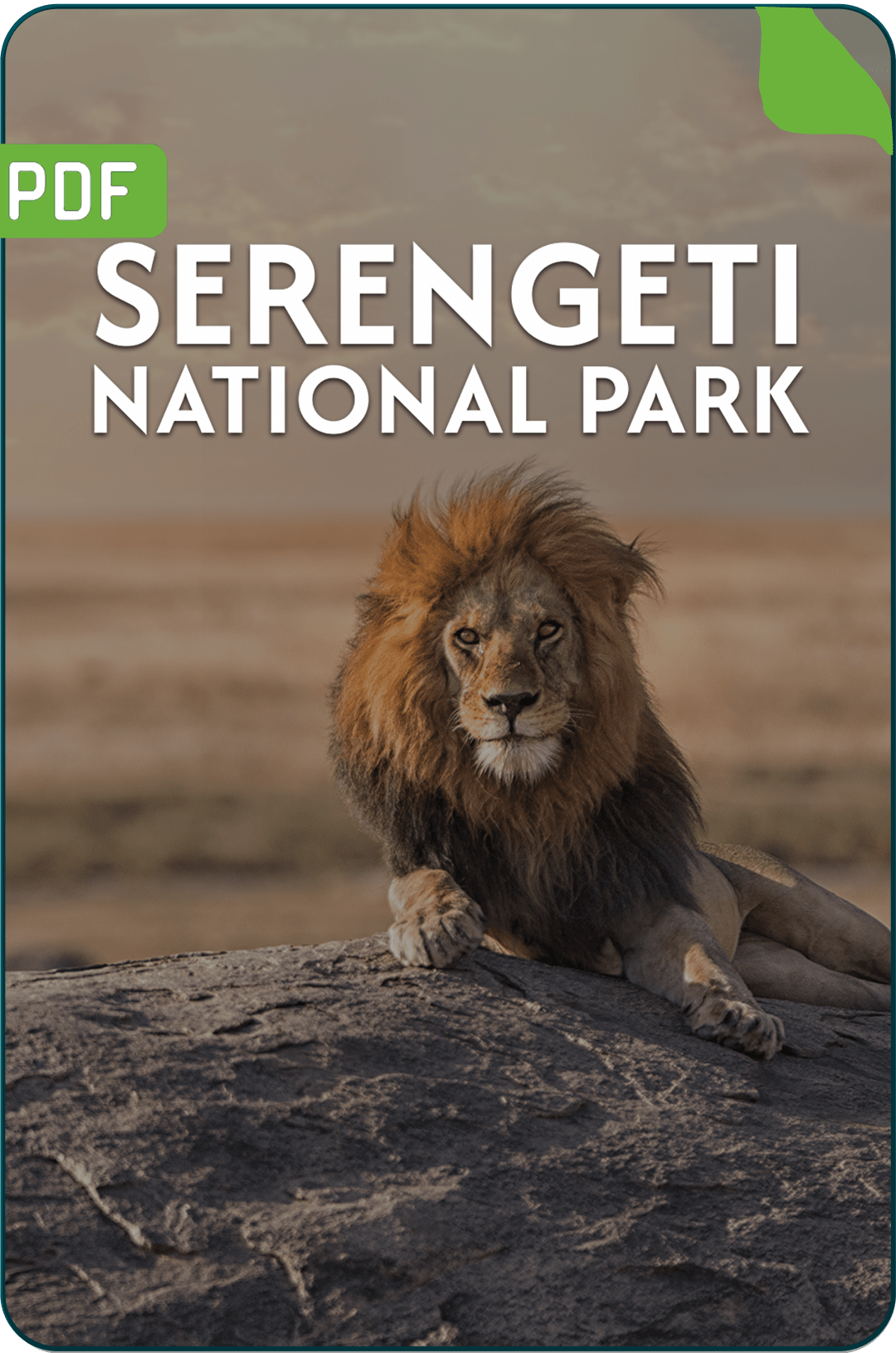
Explore The Serengeti National Park

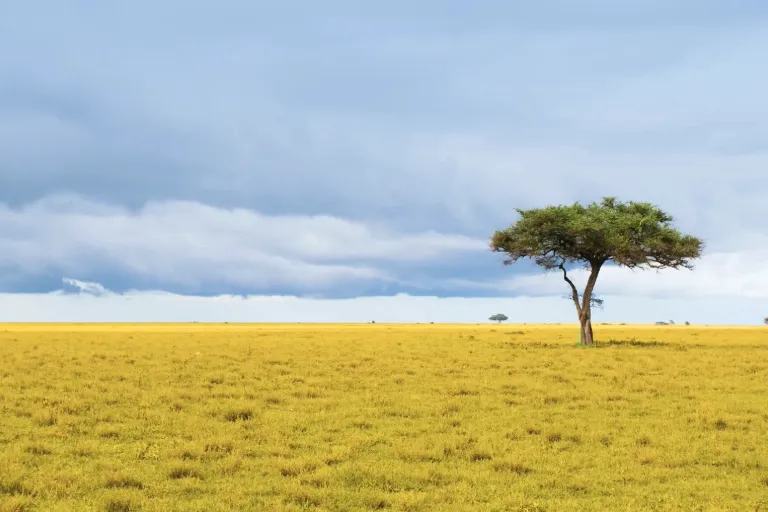
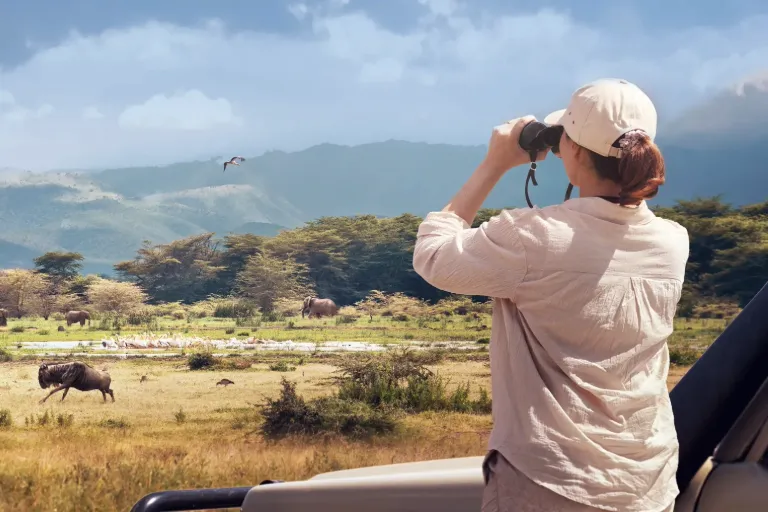
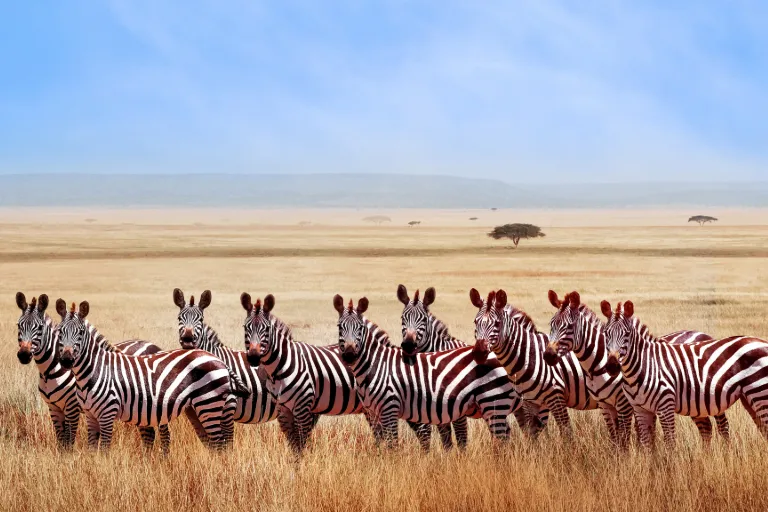
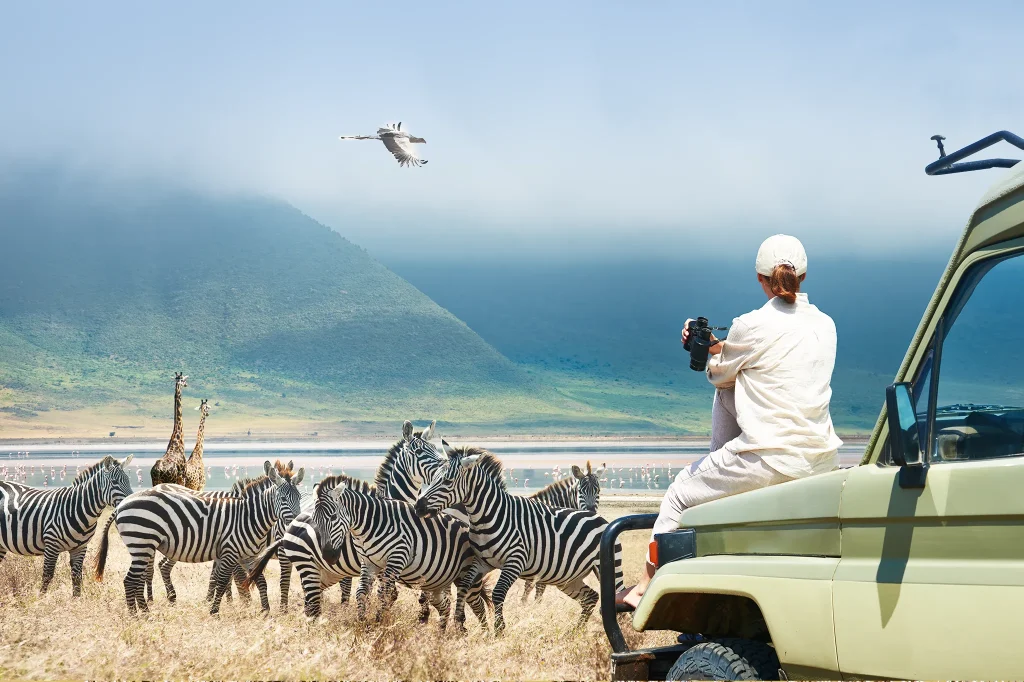
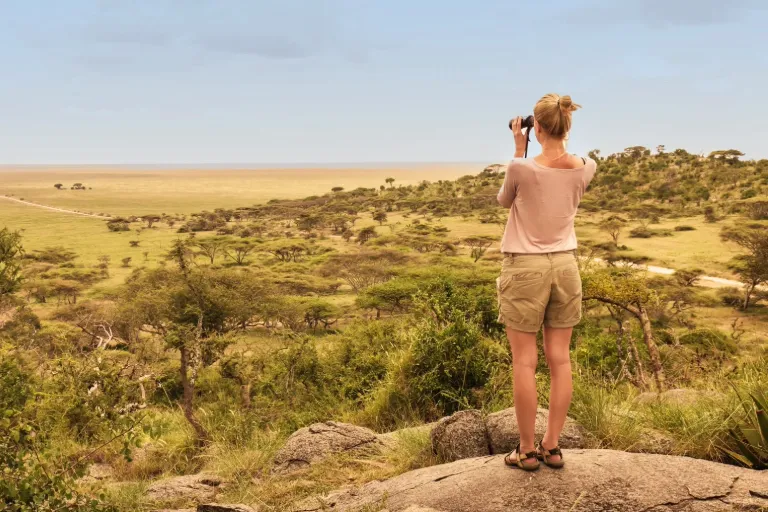
The endless plains of the Serengeti attract tens of thousands of tourists each year. The park is famed for primarily two things, the annual Great Migration and the Big Five. With more than 500 recorded bird species, the place is a great destination for avid bird lovers.

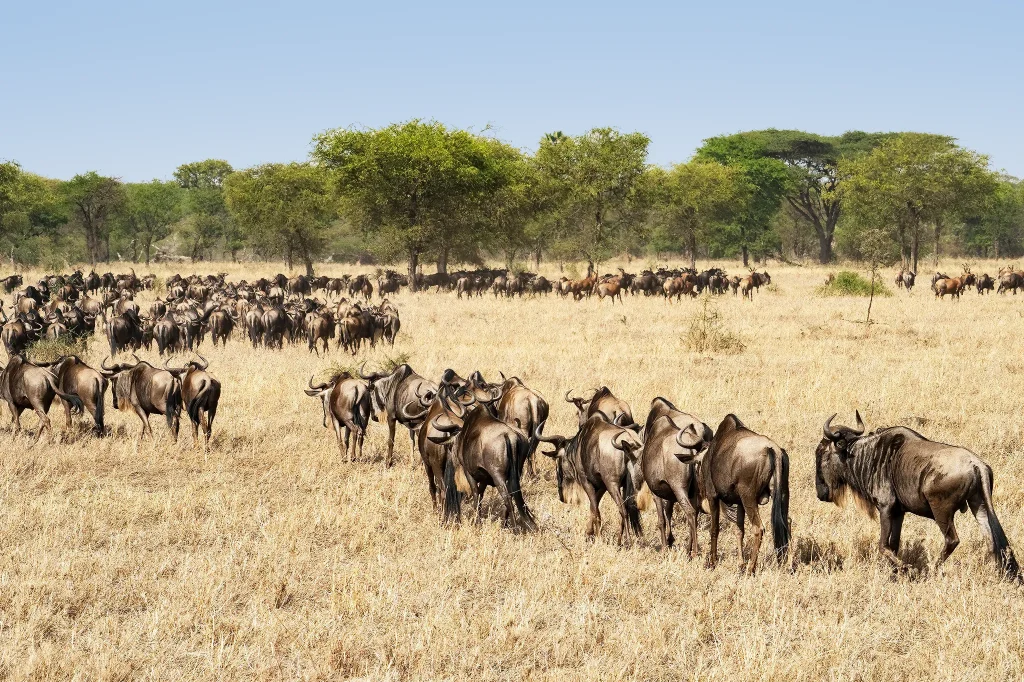
The best months for viewing the plethora of wildlife in the Serengeti are between June and September. The Serengeti Wildebeest Migration is the reason why many travellers come to Tanzania during this period.

Climb Mount Kilimanjaro

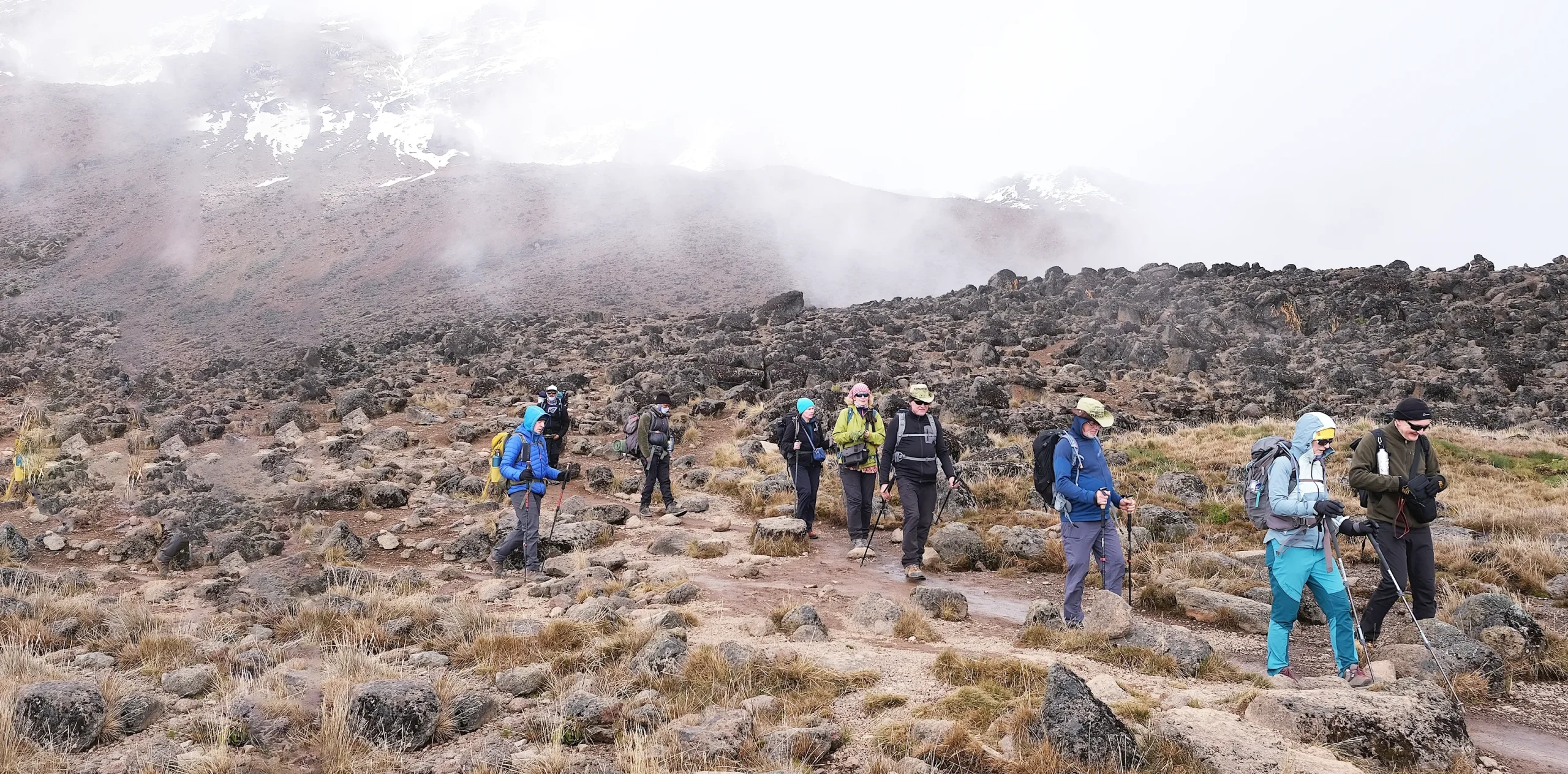
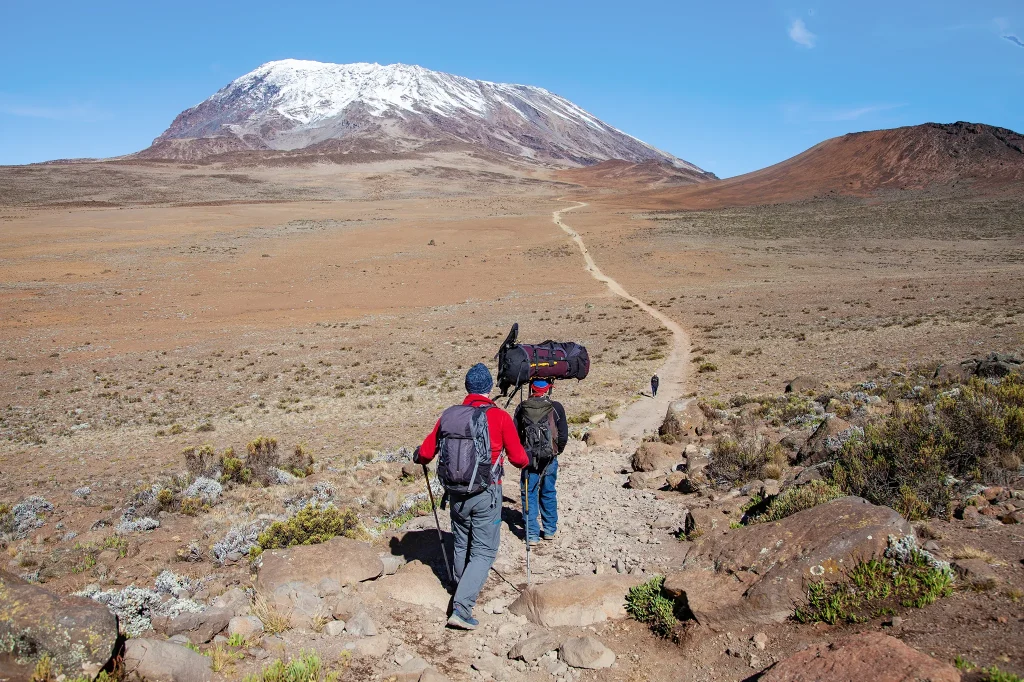
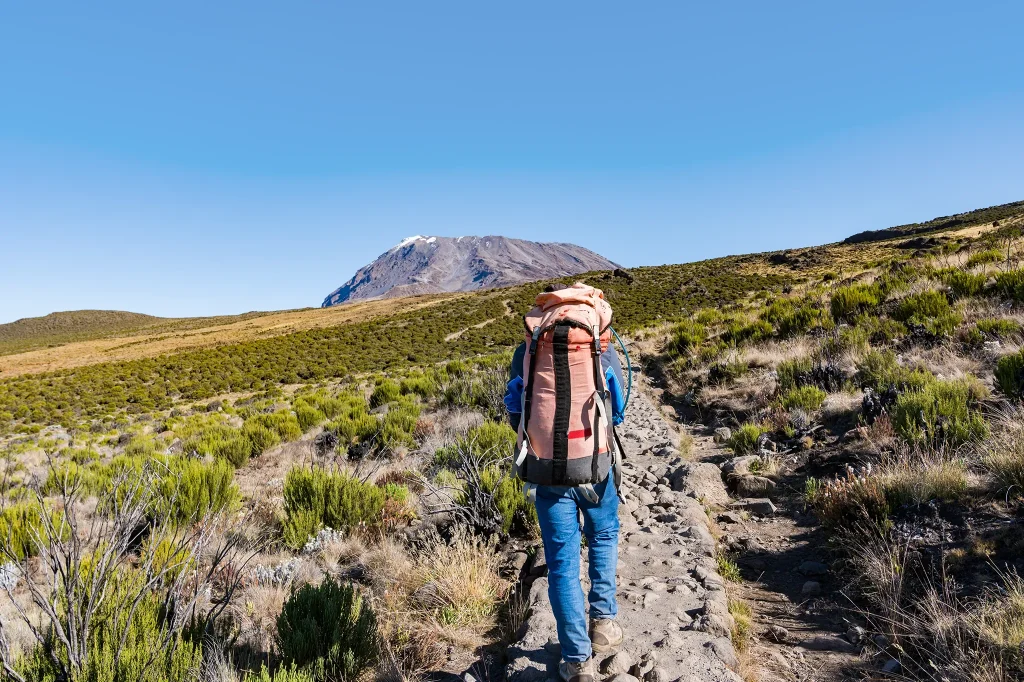
The highest peak in Africa, Mount Kilimanjaro, is a must-visit destination for hikers around the world. Climbing the mountain is challenging but incredibly rewarding. It offers spectacular views of Tanzania’s stunning landscapes. The climb typically takes between five and nine days, depending on the route and your fitness level.

Take Hot Air Balloon Safaris over the Serengeti

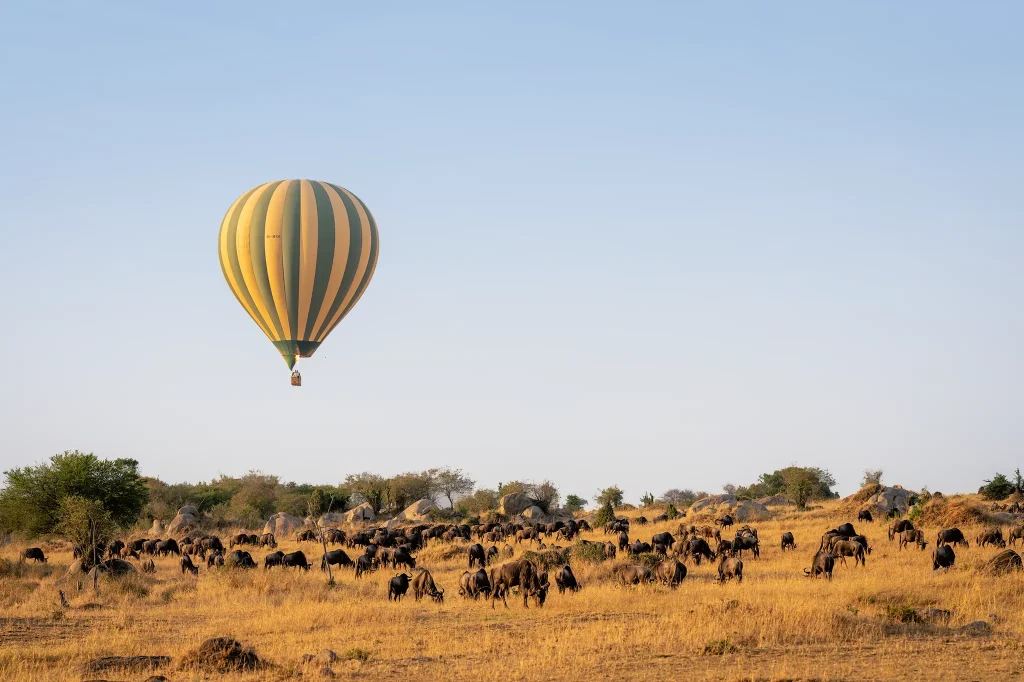
If you want to experience the vastness of the Serengeti, the only way is to go for a hot-air balloon ride over the plains. You will get the feeling of floating over the treetops while experiencing the wildlife below. Although these rides are expensive, they are worth your money. Perhaps one of the Top Things to Do in Tanzania activity to get a unique perspective of the Serengeti’s amazingness.
Hot Air Balloon Safari

Discover the Ngorongoro Crater

This UNESCO World Heritage Site is home to an incredible concentration of wildlife, including lions, elephants, and black rhinos. Visitors can explore the crater on a game drive and take in the stunning scenery of these natural wonders. Lake Migadi, which attracts flocks of flamingos to the shallows, is an incredible spot for bird-watching.

Spot The Tree-Climbing Lions in Lake Manyara National Park

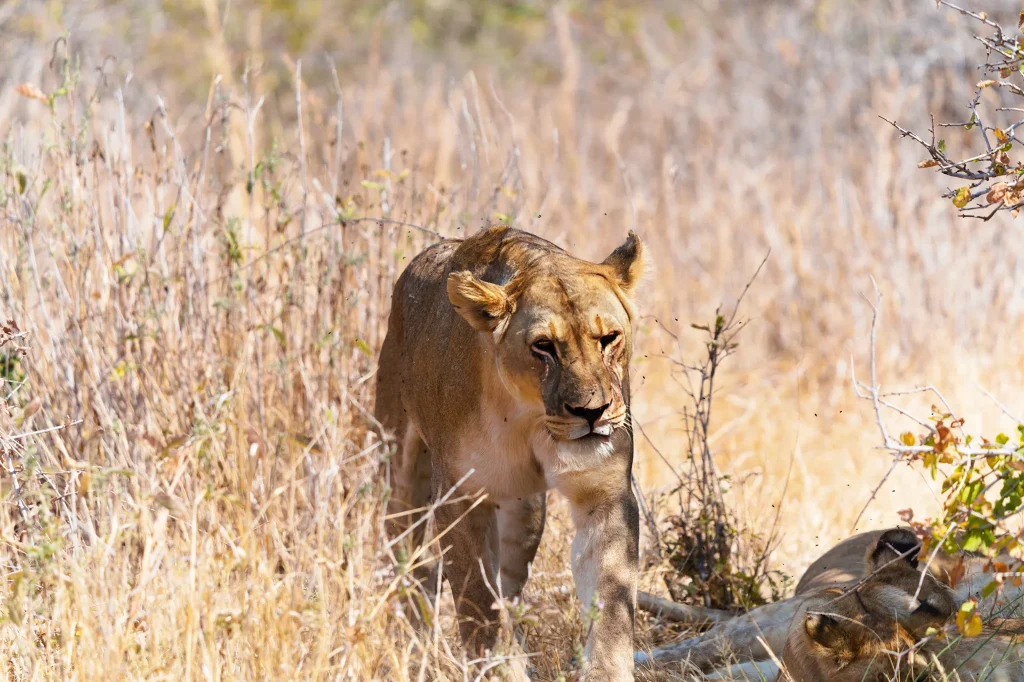
One of the Unique Things To Do In Tanzania is spotting the tree-climbing lions in Lake Manyara National Park.  These tree-climbing lions are the most unique feature of this national park.

These lions are known to be excellent climbers. Many believe that lions climb to protect themselves from mosquitoes and other insects.

You can spot these tree-climbing lions during your Lake Manyara National Park safari.

From tracking tree-climbing lions to floating above the Serengeti, Tanzania is full of once-in-a-lifetime experiences waiting to turn your safari into something truly unforgettable.

Experience Traditional Maasai Culture

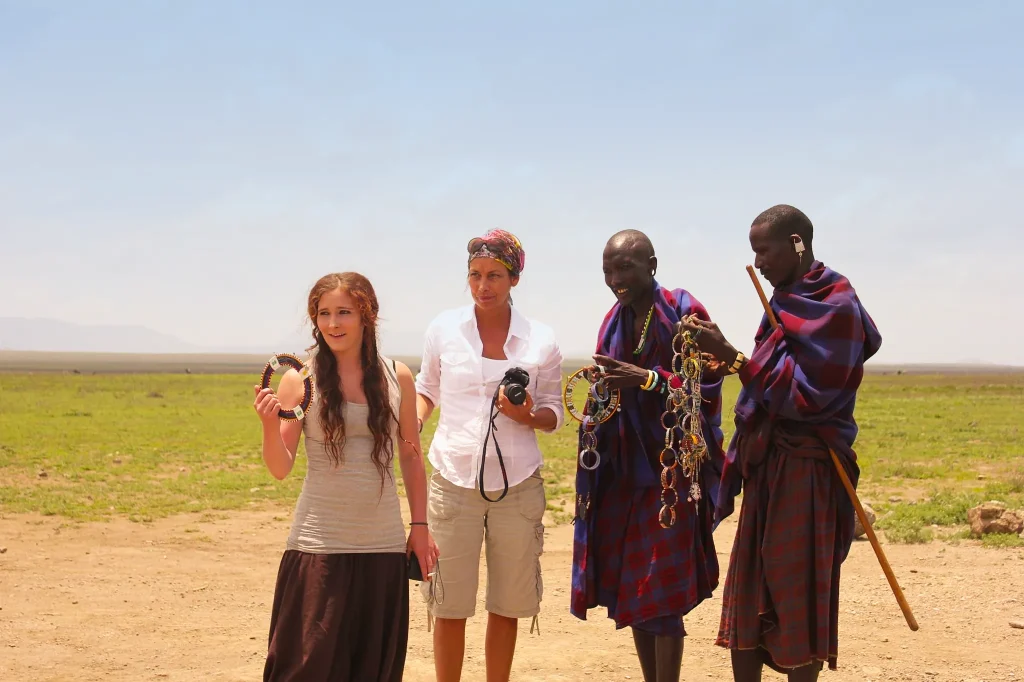
The Maasai are a semi-nomadic tribe that has lived in Tanzania for hundreds of years. Visitors can learn about their culture, traditions, and way of life through guided tours and visits to Maasai villages.

These iconic tribes are known for their distinctive clothing, jewellery, and way of life. Travellers to Tanzania can watch their watching cultural performances and even stay in their homesteads. This activity might sound a little different from traditional safaris, but it is one of the most important Things To Do In Tanzania Safaris.

Witness The Great Wildebeest Migration

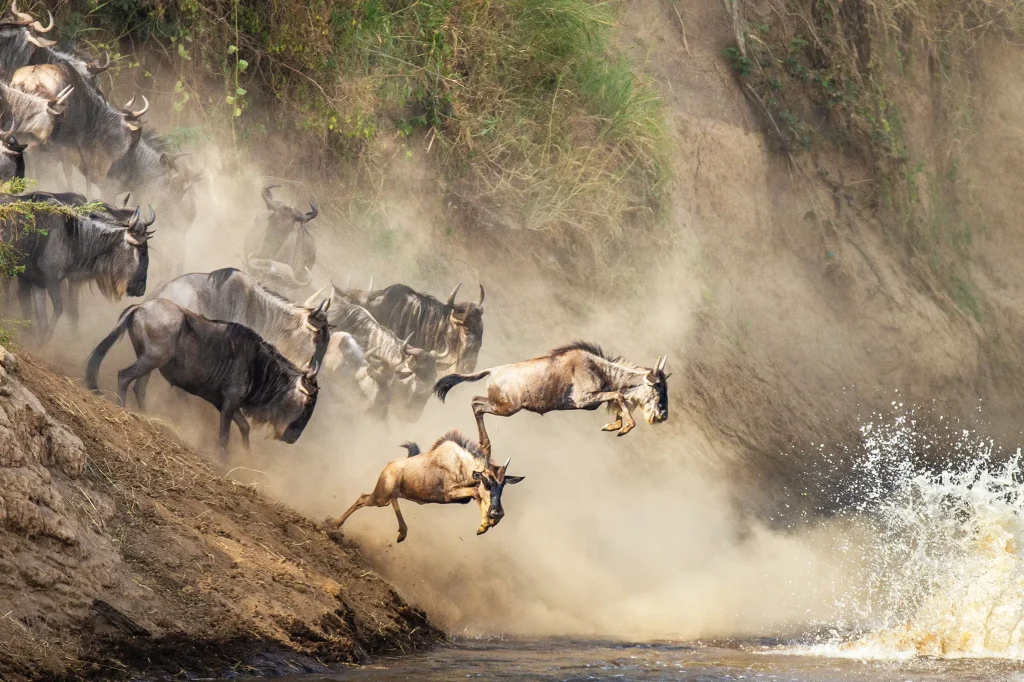
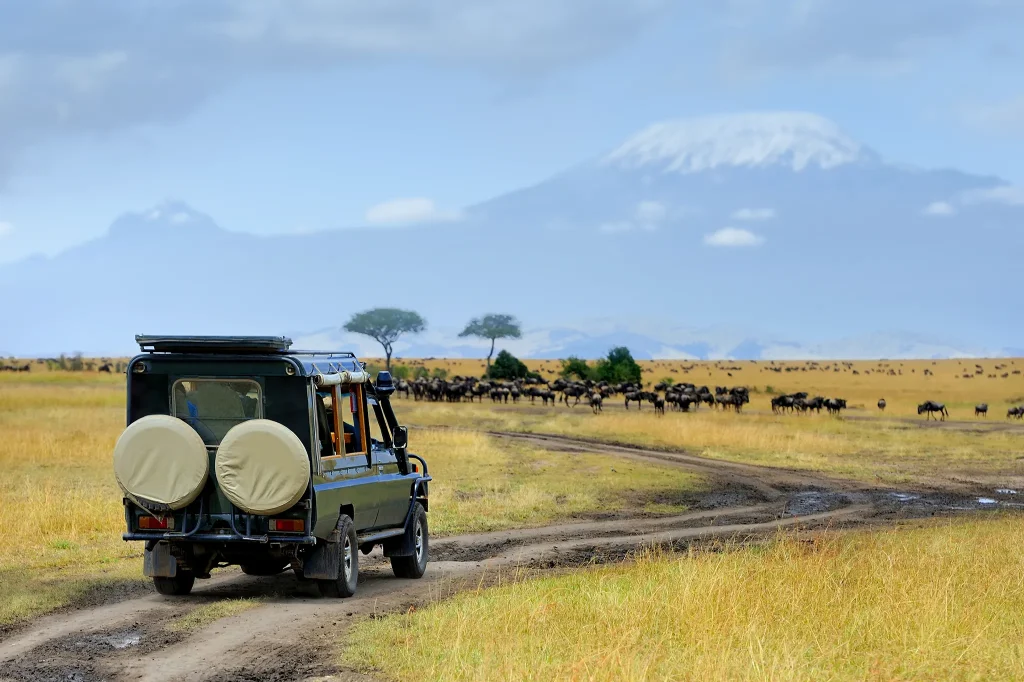
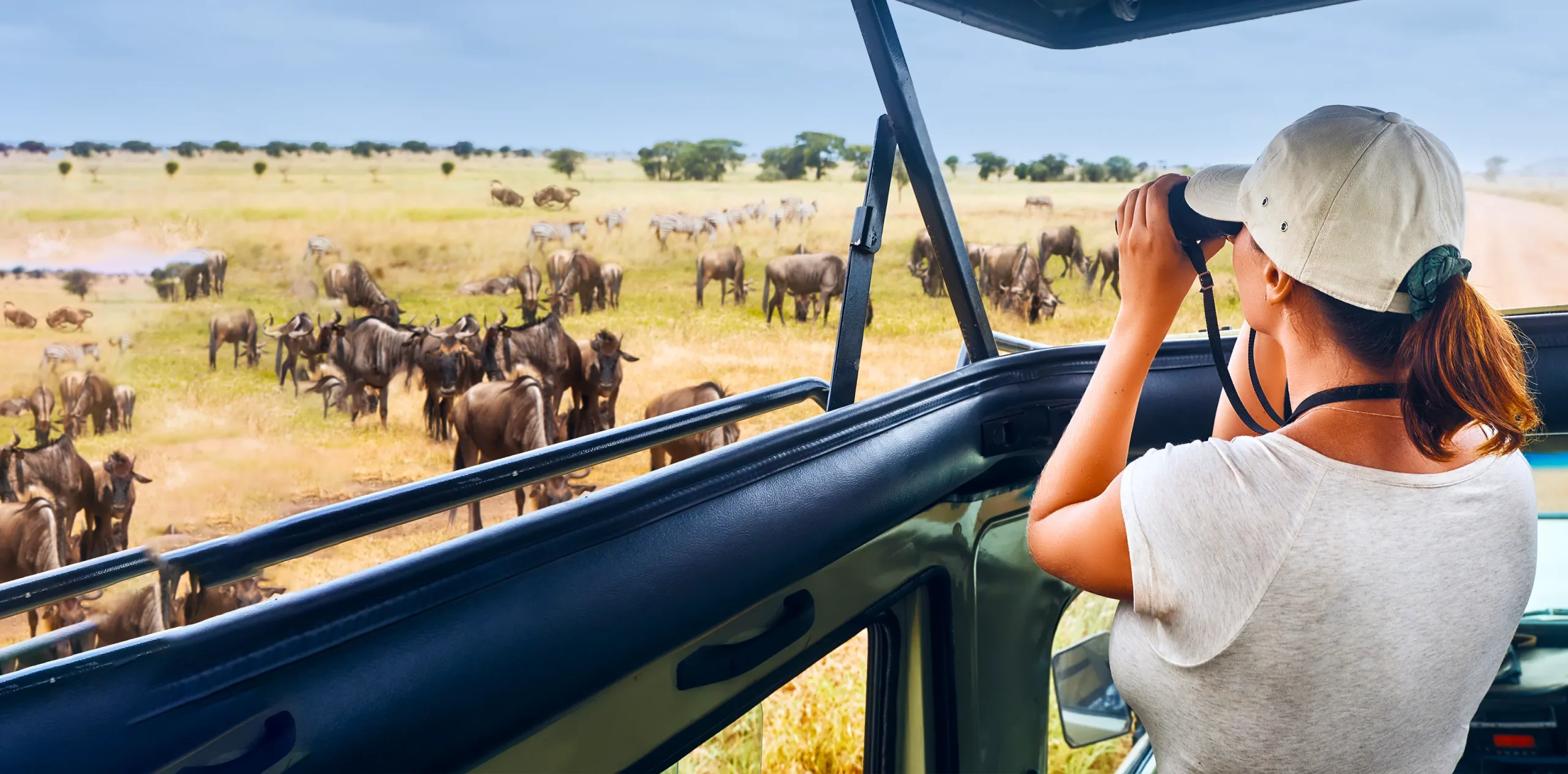
The Great Wildebeest Migration is a natural event that takes place every year. The migration is triggered by seasonal rains and the need for grazing. The wildebeest, zebras, and gazelles move in a circular pattern between Tanzania’s Serengeti National Park and Kenya’s Masai Mara Game Reserve. The migration is a dangerous journey, with predators such as lions, cheetahs, and crocodiles waiting for their chance to attack. And, the only way to witness this amazing natural spectacle is by going on Safaris In Tanzania around the months when the migration takes place, June to October. 

Go on a cultural walking tour of Tarangire

Tarangire National Park is a popular destination for wildlife safaris. The place is also home to several indigenous tribes, including the Maasai, Datoga, and Hadzabe. Going on a cultural walking tour of Tarangire is a unique way to experience the local culture.

You can interact with the locals, ask questions, and take photographs. These tours will provide a unique and intimate look into the lives of indigenous tribes and their rich cultural heritage.

Go On a Bird Watching Safari in The Northern Circuit

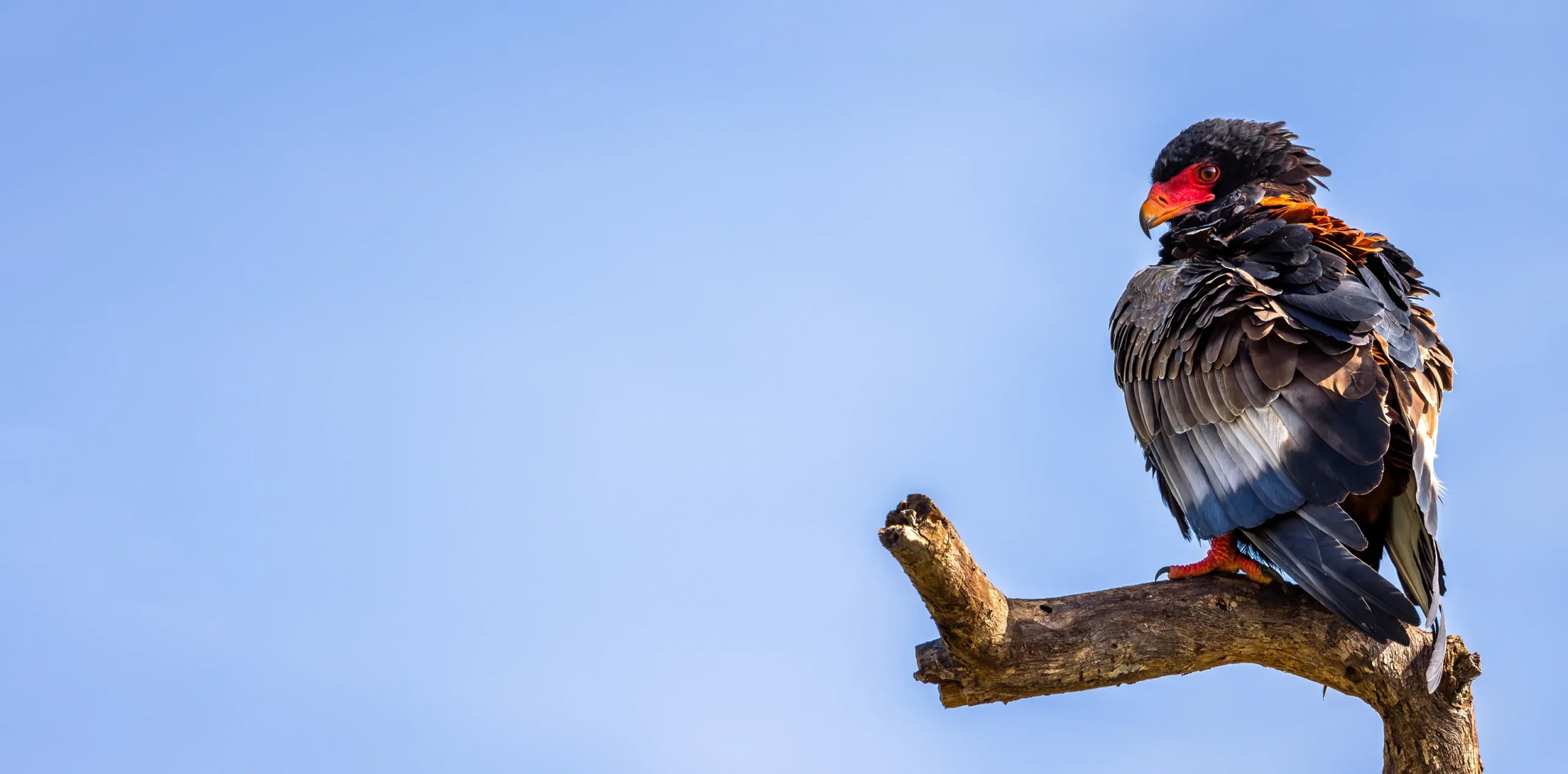
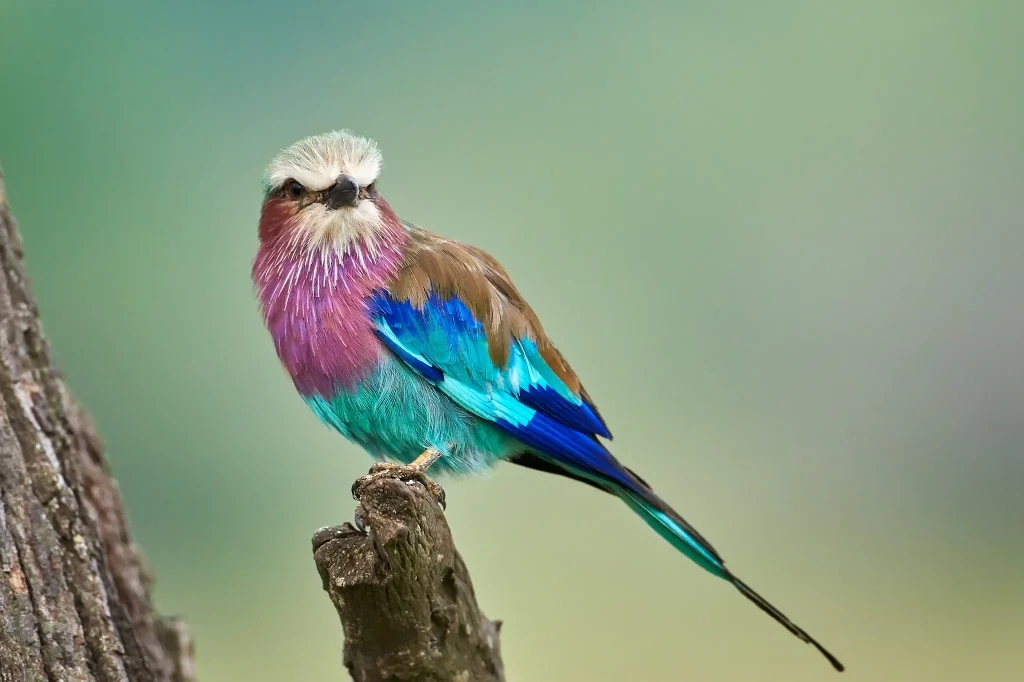
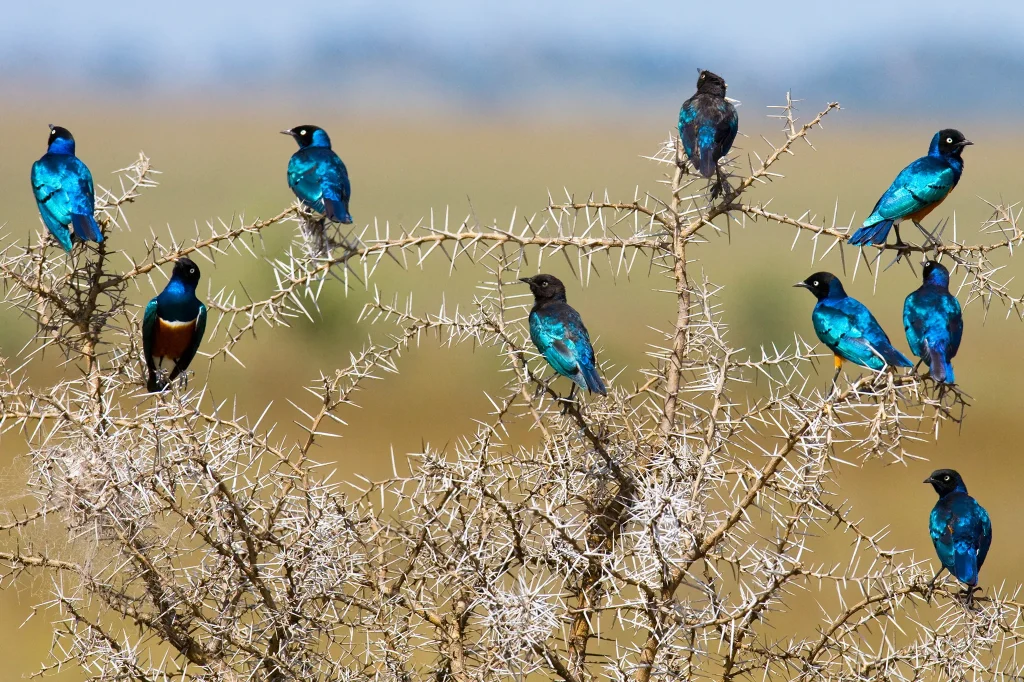
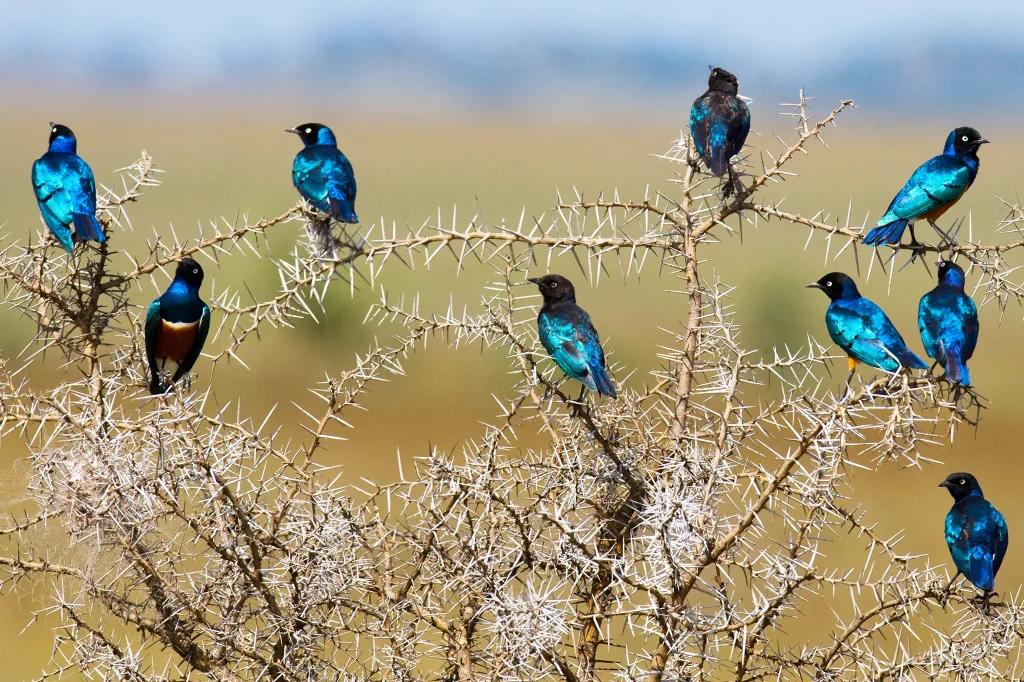
Tanzania’s Northern Circuit is a bird-watching paradise that offers bird enthusiasts the opportunity to spot a wide variety of birds in their natural habitat. With more than 1000 species of birds in the premier Tanzania National Parks, Northern Circuit Bird Watching Safaris are worthwhile for avid bird lovers.

The best time to go bird-watching is during the dry season, between June and October. Some of the most sought-after bird species in the Northern Circuit include Fischer’s lovebird, Schalow’s turaco, and the Usambara eagle owl.
Birdwatching
Birdwatching

Wrapping It Up with Some Definitive Words on Things to Do in Tanzania

Whether you want to witness the Great Wildebeest Migration, climb Mount Kilimanjaro, or experience traditional Maasai dancing, African Scenic Safaris can make it happen.

Our highly experienced guides, luxury accommodations, and high-quality and high-quality vehicles will ensure your experience on Tanzania Safari Tours is nothing short of memorable.

Simbo Natai
Simbo Natai, founder of African Scenic Safaris, crafts sustainable, meaningful Tanzanian journeys rooted in his deep local knowledge and passion.
Director, African Scenic Safaris

Dry Season Vs Wet Season – Choose the Best Season for Tanzania Safari

One crucial consideration when planning a Safari in Tanzania is choosing between the dry season and the wet season. But don’t worry, in this guide, we will explore both advantages and disadvantages of each season, helping you pick the right time for a  Tanzania Safari.

Though both seasons have their fair share of pros and cons, the dry season is the best time to visit Tanzania for wildlife viewing. That doesn’t mean the wet season is not recommended at all. The wet offers an exceptional bird-watching experience.

Dry Season (June to October) in Tanzania Safari

The dry season in Tanzania typically occurs from June to October and is characterised by hot, dry weather with low humidity.

Dry Season
  • During the dry season, the rich landscapes are characterised by brown, yellow, and golden hues as the grass dries up and leaves fall from the trees.
  • The sparse vegetation makes it easier to spot wildlife. Moreover, animals gather around watering holes.
  • Temperatures can reach up to 30-35°C (86-95°F) in some areas, especially in the low-lying areas like the plains of the Serengeti.
  • However, temperatures in higher altitude areas, such as the Ngorongoro Conservation Area and Mount Kilimanjaro, are more relaxed, with temperatures ranging between 10-20°C (50-68°F).
  • The dry season in Tanzania is marked by very little rainfall, with most areas receiving little to no rain at all.

Ultimately, the warm and sunny days of the dry season with clear blue skies produce excellent wildlife photography opportunities.

Note: If you prefer to avoid crowds and want to experience the lush vegetation of Tanzania, you may prefer the Wet Season.

Wet Season (November to May) in Tanzania Safari

The Wet Season in Tanzania typically runs from November to May. During this period, the country experiences rainfall, which can be heavy at times, especially in the coastal and northern regions.

Wet Season
  • The rainy season is also characterised by hot and humid weather with temperatures ranging from 20 to 30 degrees Celsius.
  • In November and December, the rainfall is usually light. But from January to May, the country experiences heavy rain, especially in March and April.
  • During this time, some of the roads and safari tracks in the national parks may become impassable, making it difficult to access certain areas.
  • However, this period is the best time to see the Wildebeest Migration in the Serengeti National Park and the calving season in Ndutu Plains.
  • Despite the challenges posed by the wet season, the landscape is lush and green, and fewer tourists are making it the Best Time To Visit Tanzania for safaris.
  • Additionally, the rain tends to clear the air, making for better visibility during game drives and other outdoor activities.
  • The wet season sees fewer visitors; thus, you can expect fewer crowds in national parks. In addition to this, there is a potential chance of getting accommodation at a discounted rate on Tanzania Safari Tours.

Note: To get the best Tanzania Safari Experience in the wet season, it’s important to pack appropriate clothing and gear to deal with the rain and humidity.

Every season in Tanzania brings something special. Dry days bring wildlife close, wet days bring nature alive. Choose what matters most and let your safari match your dream adventure.

Comparison Table: Dry vs Wet Season

The dry season in Tanzania Safari Holidays is also known as the peak tourist season, with higher prices and more crowded parks, while the wet season is known as the low tourist season, with lower prices and more exclusive safari experiences. To know more differences between these two Tanzanian seasons, check out the table below.

CategoryDry SeasonWet Season
Best time to visitJune to OctoberNovember to May
Main attractionsWildebeest migration, predator-prey interactionsBird watching, baby animals, lush scenery
Popular activitiesGame Drives, Hot Air Balloon rides, walking safarisCanoeing, hiking, cultural tours, and fishing
Accommodation OptionsWide range of accommodations, including luxury lodges and tented campsLimited options, some lodges, and camps close
AccessibilityGood Road conditions, easier to spot wildlifeSome areas may be inaccessible may require 4wd vehicles
Regulations and feesHigher park fees, crowded parksLower park fees, fewer tourists
Wildlife densityHigh concentration of animalsLower concentration
Habitats and landscapesDry and dusty plains, acacia woodlandsGreen and lush savannahs, riverine forests
Cultural experiencesLimited interactions with local communitiesMore opportunities to learn and engage
SustainabilityPotential impact on the environment and wildlifeThe potential risk of floods and erosion

Dry Or Wet Season? Find Out the Best!

Finally, opting for the best season for Tanzania Safaris ultimately depends on your preferences and priorities. The Dry Season is the best time to visit if you’re mainly interested in game viewing and outdoor activities.

Dry Season vs Wet Season

On the other hand, if you prefer to avoid crowds, enjoy lower prices, and experience the lush vegetation of Tanzania, the Wet Season from November to May might be the best choice. Are you ready now for your next holiday on a Tanzania Safari Tour? Why not chat with an expert in African Scenic Safaris? Just let us know your preferred timing and priorities; the rest will be our responsibility.

Simbo Natai
Simbo Natai, founder of African Scenic Safaris, crafts sustainable, meaningful Tanzanian journeys rooted in his deep local knowledge and passion.
Director, African Scenic Safaris

Creating Your Perfect Safari – Tailor-Made Safaris Tanzania

A Safari to Tanzania should feel personal and exciting from the very start. Tailor-Made Safaris Tanzania lets you create a trip that fits your style and pace. You decide what you want to see and how you want to explore. This means your safari is not planned for someone else but made just for you.

In this guide, we will walk you through simple tips and ideas that help you plan your Safari to Tanzania better. From wildlife adventures to relaxing lodge stays, every part of your journey can be shaped by your choices.

Create Your Perfect Safari

Defining Your Tanzania Safari Goals and Interests

On a Tailor-Made Safari to Tanzania, you can choose from many places to stay and things to do based on what you like. Here are a few simple examples to help you decide.

Tanzania Safari Goals

Accommodations

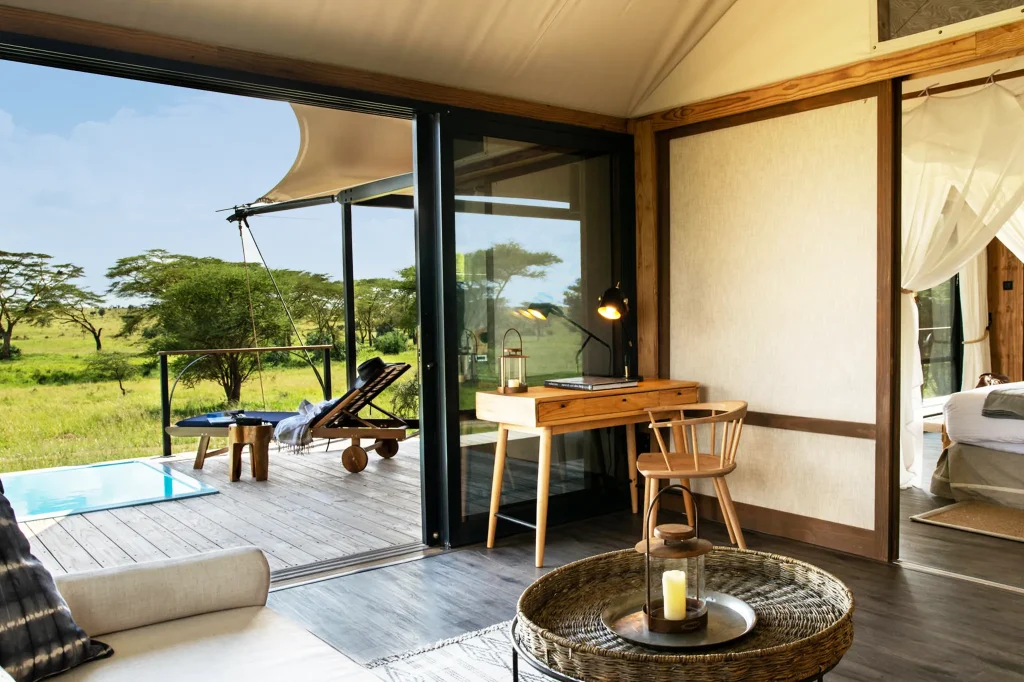
If you are staying in luxury lodges and tented camps, they provide high-end amenities and services. Those include African special meals, spa treatments, and private plunge pools.

At the same time, Mid-range lodges and tented camps offer comfortable accommodations and services at a more affordable price point.

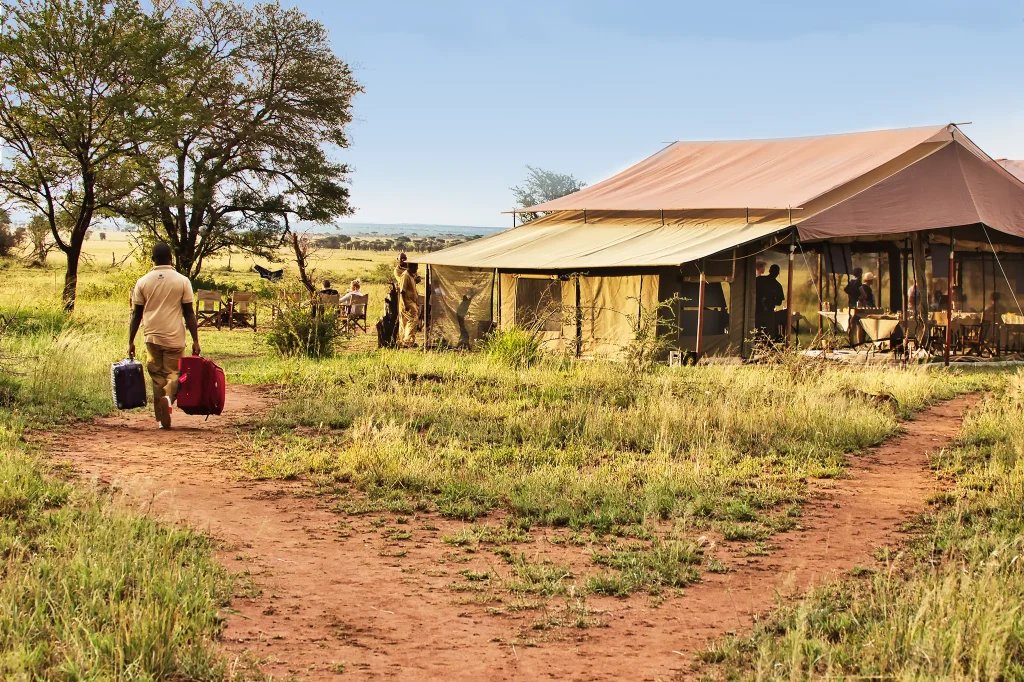
We can arrange camping in designated campsites within Tanzania National Parks and game reserves for those who desire a more adventurous experience.

Activities

Game drives are the most popular activity on a Tanzania safari, where you will explore the national parks and game reserves with a safari vehicle. You can spot various wildlife and the scenic nature of the country.

By heading for a more intimate experience, you can opt for a walking safari in any of the national parks in Tanzania. It allows you to observe the wildlife and nature up close with the guidance of a ranger.

For a unique experience, go for a Hot Air Balloon Safari in Serengeti National Park. It offers a bird’s eye view of the Serengeti plains, where you can observe the wildlife from above the sky.

Apart from that, you can also get engaged in other Tanzania Safari Activities like cultural tours, hiking, and many more to make your Tanzania safari Tour memorable.

Note: By working with a reputable safari operator, you can customise your itinerary to include the accommodations and activities that best suit your preferences and interests.

Your Tanzania safari is more than a trip; it is your story written across wild open lands with every moment shaped by what you truly want to feel and explore.

Working with a Reputable Safari Operator

Finding a reputable and experienced safari operator in Tanzania can seem overwhelming. Here are some steps you can take to find a reputable and experienced safari operator in Tanzania:

  • Do research: The first step is researching safari operators in Tanzania online. Check their websites, read reviews and testimonials from past clients, and look for any red flags or warning signs.
  • Check for license: Ensure that the relevant tourism authorities in Tanzania license the safari operator, such as the Tanzania Association of Tour Operators (TATO) or the Ministry of Natural Resources and Tourism.
  • Check for insurance: Ensure that the safari operator has accountability insurance that covers all medical emergencies.
  • Consider experience and expertise: Look for a safari operator with broad experience organizing Safaris In Tanzania. They should be knowledgeable about the local culture, wildlife, and natural environment.
  • Ask for references: A reputable safari operator will be willing to provide references from past clients. Reach out to those references for exact information about their experiences with the safari operator.
  • Compare packages and pricing: Compare safari packages and pricing from different operators to ensure that you get a fair price and services that meet your needs and preferences.

If you want to skip the stress of searching, African Scenic Safaris is one of the top choices. We are a leading Tanzania Tour Operator known for planning meaningful and sustainable Safaris in Tanzania that truly respect nature and local communities.

Get in touch with us today and let our expert team create a safari experience tailored just for you—one that’s responsible, enriching, and truly unforgettable.

Preparing for Your Tanzania Safari

Preparing for a Tailor-Made Tanzania Safari involves several steps to ensure that you have a safe, and memorable safari experience. Here are some tips and recommendations that you can follow:

Preparing For Safaris
  • Plan ahead: Start planning for your Tanzania Safari well in advance, especially if you’re travelling during peak season. This will give you enough time to research, book accommodations, and make necessary arrangements.
  • Identify your interests: Clearly defining your choices and interests for the safari will help tailor the itinerary to your preferences. This could include the type of wildlife you want to see and the level of luxury you want.
  • Consider your budget: Be genuine about your budget and work with a reputable safari operator to ensure that you get the best value for your money.
  • Get the necessary vaccinations and medications: Consult with your doctor to get the necessary vaccinations and medications for your Tailor-made holiday in Tanzania. These may include vaccinations for yellow fever, hepatitis A and B, and typhoid.
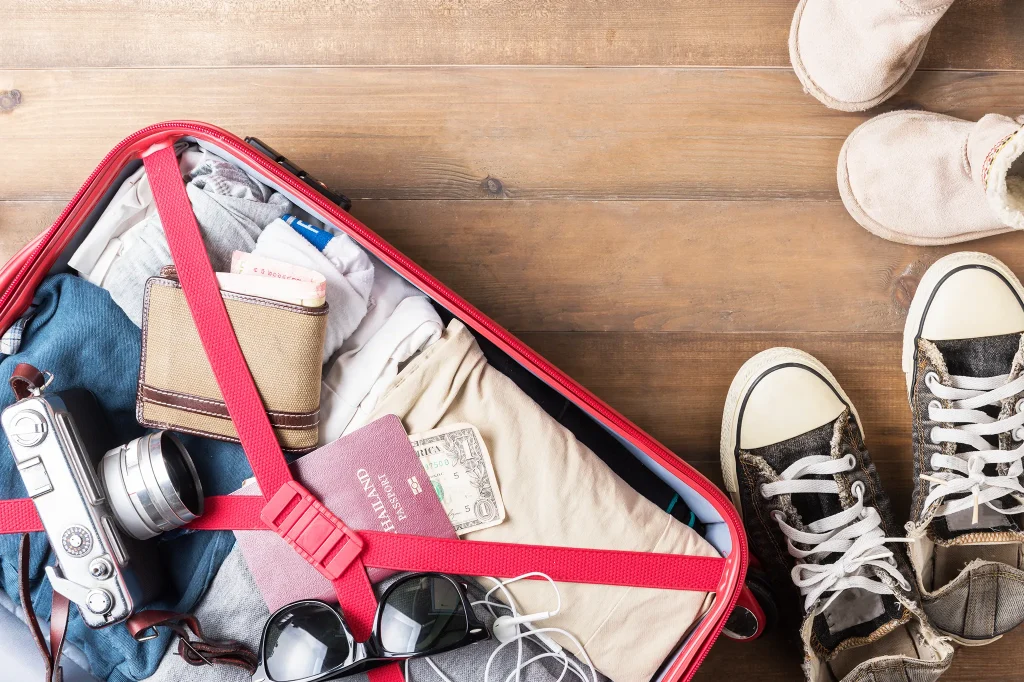
  • Pack appropriately: Pack your bag with appropriate clothing and gear for your Tanzania safari.
  • Understand the local culture and customs: Familiarise yourself with the local culture and customs of Tanzania to ensure that you can learn more about their culture and way of life.

With the right preparation, your Tailor-Made Safari to Tanzania becomes more enjoyable, safe and meaningful from the moment you arrive to the memories you take home.

Plan your Perfect Tailor-Made Safari with African Scenic Safaris

We offer one of the finest Tailor-made Safari Experiences, where you can customise your Tanzania Safari Packages the way you want.

Want varied wildlife encounters, enriching cultural experiences, or a touch of thrill and adventure?

We can cater for the best Tailor-made Safari that will help you make your safari perfect.

So, what are you waiting for………?

Start planning your Tanzanian safari today with African Scenic Safaris and get ready for an unforgettable African adventure!

Simbo Natai
Simbo Natai, founder of African Scenic Safaris, crafts sustainable, meaningful Tanzanian journeys rooted in his deep local knowledge and passion.
Director, African Scenic Safaris

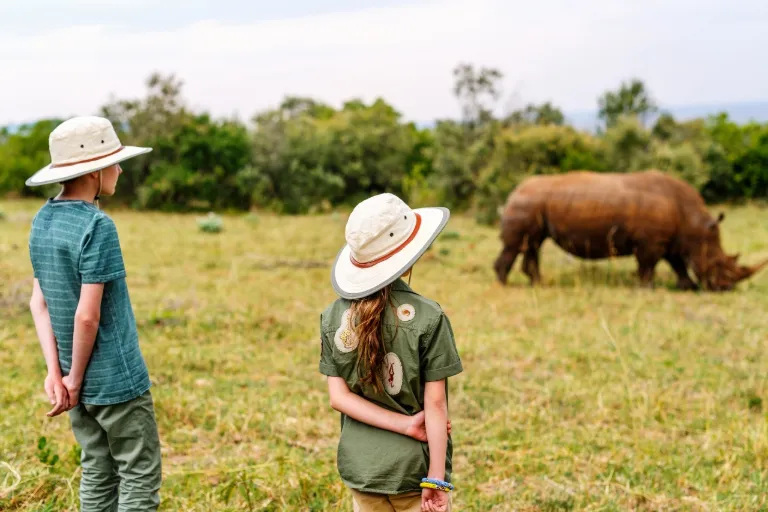
Tanzania Safaris Packing List for Kids- Essential Gear for A Wildlife Adventure

Searching for the ultimate kid-friendly Tanzania Safari Packing List is a task that we don’t want you to go through. We have all the answers for you right here. Yes, it’s hard to believe. But after reading this post, you’ll come to find out that’s the exact case.

Going on a Tanzania Safari Tour with kids will be an enriching experience for the whole family. You’ll need a Tanzania Safari Packing List that emphasises kids’ needs. So, as promised, keep reading to know what these essential items are.

Tanzania Safari Packing List

Essentials For a Wildlife Adventure

Showing your children the wonders of Tanzania will certainly be a rewarding and exciting experience. This offers children a great opportunity to learn about the natural ecosystem, wildlife, and conservation. But, take a step back and wonder what I should include in my Tanzania Safari Packing List so that kids will be able to solely focus on enjoyment.

Here are some essential items you should consider packing for Tanzania Safari Tours with kids.

ESSENTIALSEXPLANATIONS
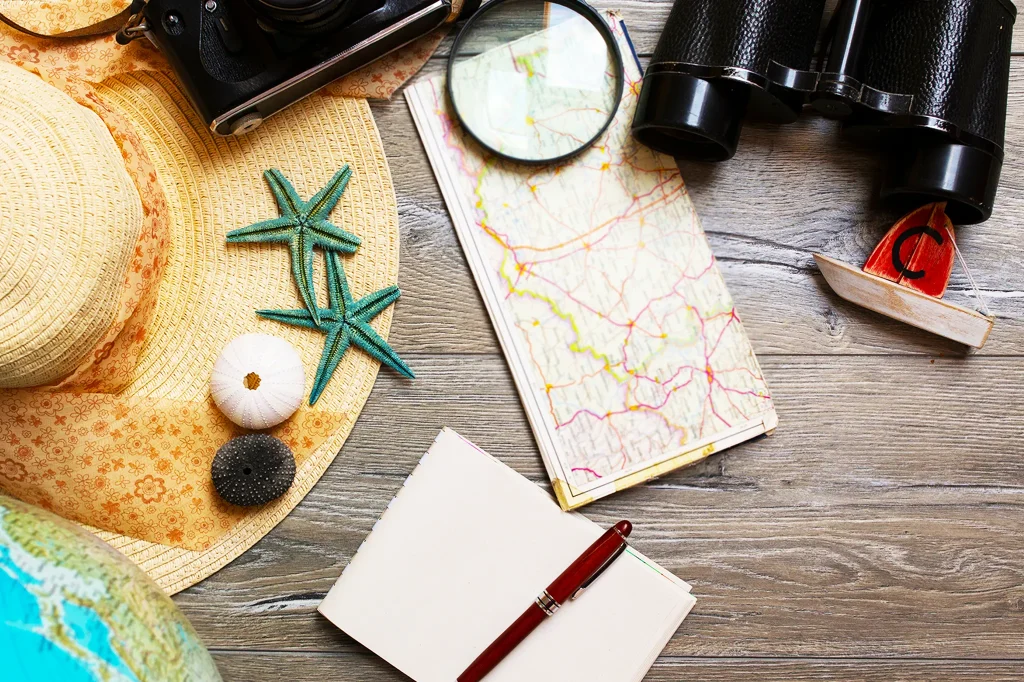
Binoculars– They are a must-have when going on a wildlife adventure with kids. – They allow you and your children to get a closer look at the wildlife without disturbing them. – They also help kids develop their observation skills and engage with nature.
Cameras– Cameras are a great way to capture the memories of your Tanzania safari with kids. – Encourage your children to take pictures of the wildlife, landscapes, and their experiences.
Field Guides– Field guides are an excellent resource for identifying wildlife, plants, and birds. – They provide information about the behaviour, habitat, and distribution of different species.
Insect Repellent– Insects, especially mosquitoes, are prevalent in some regions of Tanzania and can carry diseases such as malaria. – It’s important to pack insect repellent to protect your kids from insect bites.
First Aid Kit– A first aid kit is essential when travelling with kids. – It should include Band-Aids, antiseptic wipes, pain relievers, and any necessary medications for your child.

Some Tips from our Expert Squad:

  • When choosing binoculars for kids, it’s essential to consider the size and weight, as well as the magnification and field of view.
  • Consider purchasing a durable and easy-to-use camera for kids.
  • Choose field guides that are age-appropriate and easy to understand.
  • Choose a repellent that contains DEET or another recommended insecticide, and apply it frequently.

Moreover, Tanzania Safaris can be a long and tiring experience for kids. It’s important to pack snacks and water to keep them hydrated and energized throughout the day.  Include healthy snacks in your Tanzania Safari Packing List that are easy to pack and won’t spoil in the heat.

Tanzania Safari Packing List

Tiny explorers need tiny boots, bug spray, and big curiosity—Tanzania turns family holidays into wild adventures where learning roars louder than lions and packing smart makes all the magic happen!

Kid’s Clothing Considerations for The Tanzania Safari Packing List

It’s important to consider appropriate clothing items for kids in your Tanzania Safari Packing List. The following are some of our recommendations for clothing items for different stages of the day on Tanzania Safaris.

FOR MORNING GAME DRIVESFOR AFTERNOON NAPSFOR SLEEP
Light thermal vest

Long-sleeved t-shirts  

A warm, windproof jacket. Once the vehicle starts moving, the wind-chill factor will kick in..

 Jeans or similar long pants

  Warm socks  

Comfortable bush shoes (trainers or hiking boots are good)  

Gloves 
Shorts or lightweight cargo pants or leggings (for girls)  

T-shirts  

Flip flops
Warm sleepwear – whatever the kids like  

Toiletries

Good to Know – Remember that you want to blend into the surroundings, not stick out like a sore thumb. So, wear neutral-colored clothing and encourage your kids to do the same thing.

Other Miscellaneous Items to Include in the Tanzania Safari Packing List

Now that we’ve got the essentials out of the way, here are some other miscellaneous items you should also include in your Packing List for Safari in Tanzania.

  • Shampoo and conditioners
  • Lip balm
  • Brush and comb
  • Clips and tie-bands for long hair
  • Sun cream (both face and body cream)
  • Hand cream/body lotion
  • DEET or anti-bug and mosquito spray
  • Toothbrush and toothpaste
  • Dental floss
  • Deodorant
  • Soap
  • Small washcloth/towel

A Note – Children can have a bag of all the above miscellaneous items and utilise it as a handbag. They can also include other items such as electronics, books, cards, torches, etc.

The Decisive Child-Friendly Tanzania Safari Packing List

An accurate Tanzania Safari Packing List for kids is going to determine how much your whole family will enjoy their Tanzania Safari Holidays. We hope that the above information has helped to decide what to include in your checklist. Thus, there’s no time like the present! Bring your whole family to Tanzania and let them experience a place away from home, and a destination that breaks out of the norm and delivers exceptional experiences.

We’re not done yet! We want to assist you further, here’s the ultimate Tanzania Safari Package that’s perfect for kids and your family – Just from us, with a cherry on top. (https://africanscenicsafaris.com/family-bush-beach-safari)

Simbo Natai
Simbo Natai, founder of African Scenic Safaris, crafts sustainable, meaningful Tanzanian journeys rooted in his deep local knowledge and passion.
Director, African Scenic Safaris

Tanzania National Parks – Where Adventure Meets Nature

Tanzania National Parks showcase the remarkable biodiversity and natural wonders of East Africa. From the iconic Serengeti, home to the great wildebeest migration, to the majestic Mount Kilimanjaro and the vast Ngorongoro Crater, these protected areas offer breathtaking landscapes, diverse wildlife, and unforgettable safari experiences for nature enthusiasts and adventure seekers alike.

This post will take you on an expedition through each of the major Tanzania National Parks and elaborate on how you can combine adventure with natural wonders (refer to section three). Let’s not waste any time and get into it straight away.

Where Adventure Meets Nature

Tanzania’s Natural Wonders: A Journey Through National Parks

Visiting the National Parks in Tanzania is one of the best ways to experience the natural beauty of Tanzania.  These stunning destinations are blessed with an incredible wealth of natural wonders. This includes the sweeping endless plains of the Serengeti to the highland craters of the Ngorongoro Conservation Area.

Below are some natural features of the major national parks of Tanzania:

Name Of the National ParksNatural Highlights
Serengeti National Park– Cradle of Human life; with vast expanses of untouched wilderness – Habitats ranging from open savannahs to hilly woodlands. – Home to the largest natural spectacle on the planet, the Great Wildebeest Migration.
Ngorongoro Conservation Area– Rich and dense habitats including volcanic calderas, crater highlands, shield volcanoes, alkaline lakes, etc.
Tarangire National Park– Home to the ancient trees of life: Baobabs and other diverse vegetation, including sausage and acacia trees. – Termite mounds dot the surroundings. – The river where the park gets its name is the only water source for thousands of migrating wildlife.
Lake Manyara National Park– Habitats composed of evergreen groundwater forests, permanent springs, gorges, woodlands, an alkaline lake, etc. – Supports a range of flora including yellow fever trees, acacia tortillas, baobab trees, etc.

As evident, each park has its remarkable natural diversity, making Tanzania Safari Tours to these parks an adventurous experience.

Adventure Activities In Tanzania National Parks

If you want to combine adventure and nature on your safaris, then taking part in activities is your best bet. There is a range of regular, unique, and specialised activities that you can do in Tanzania National Parks. Below are the major adventurous things to do in Tanzania according to the national parks:

Name Of The National ParksAdventure Activities To Do
Serengeti National Park– Hot Air Balloon Safaris – Great Migration Safaris – Visits to the natural rock formation wonder: the Moru Kopjes – Stunning sunsets and sunrises on evening and morning game drives.
Lake Manyara National Park– Canopy Treetop Walkway in the lush rainforest region. – Boating safaris – Photographic Safaris – Night game drives
Tarangire National Park– Guided Nature Walks – Game Drives in 4wd safari vehicles – Outdoor Bush Picnics – Stargazing at night
Ngorongoro Conservation Area– Photographic Safaris – Nature Walks – Visit Laetoli and learn about the trails of ancient human footprints.

Tanzania National Parks – Examples of Where Adventure Meets Nature

The Best Tanzania National Parks offer a variety of adventures throughout your safari trip. Here are some examples of how adventurous experiences and natural wonders can be combined in Tanzania National Parks:

Where Adventure Meets Nature

Guided Nature Walks in Tarangire National Park: If you want an immersive experience of the park’s wildlife and landscapes, then Tarangire offers exactly that. Led by experienced guides, you can explore the park’s woodlands and grasslands on foot. And, you can get close to the wildlife.

Hot air ballooning over Serengeti National Park: Hot air ballooning over the Serengeti National Park is an unforgettable experience. It allows visitors to see the park’s vast savannahs and wildlife from a unique perspective. As the sun rises over the plains, the balloon drifts slowly above the treetops, giving visitors a bird’s eye view of the park’s incredible landscapes and wildlife.

Canoeing in Lake Manyara National Park: Canoeing in Lake Manyara National Park is a unique way to experience the park’s stunning landscapes and wildlife. You will paddle through the calm waters of the lake, surrounded by lush forests and with views of the park’s famous tree-climbing lions.

Combining adventure and nature in Tanzania National Parks offers a range of benefits. Firstly, it allows visitors to experience the country’s natural wonders more immersive and meaningfully. Then, it connects them with the environment and wildlife deeper.

Moreover, it also supports the conservation efforts in the parks by encouraging responsible tourism and raising awareness of the importance of protecting Tanzania’s natural heritage.

Soar above the plains, wander ancient trails, and glide through wild waters—Tanzania’s National Parks blend thrill and tranquillity in ways no other place can. Adventure isn’t optional, it’s expected.

How to Book Tours for Adventure Activities in Tanzania National Parks? 

Book your tour of these national parks with African Scenic Safaris. Our tours are designed to offer you a wide range of adventure activities including game drives. Stay in touch with our safari experts or visit our website, to book your next adventure safaris in these national parks in Tanzania.

There is no doubt that Tanzania National Parks offer a unique blend of adventure on top of wonderful natural surroundings. There will be something in it for everyone in these destinations. We’ve set the stage for you, adventure seekers! Now all that’s left for you to do is draw the curtains and set off on an adventurous journey on Tanzania Safaris.

To know more about Tanzania’s wildlife and wilderness, you can check out the following blog posts.

Tanzania National Park vs Game Reserves: Which one is the best for Tanzania Safaris?

Tanzania National Parks: Explore the Best of Tanzania’s Wildlife and Natural Wonders.

Lake Manyara National Park or Ngorongoro Conservation Crater – Which one to choose in Safaris in Tanzania?

Simbo Natai
Simbo Natai, founder of African Scenic Safaris, crafts sustainable, meaningful Tanzanian journeys rooted in his deep local knowledge and passion.
Director, African Scenic Safaris

The Best Tanzania Birding Safari Packages for Bird-Watching Enthusiasts

Discover the wonders of Tanzania’s avian world with our specially designed Tanzania Birding Safari Packages, perfect for those passionate about birdwatching. These custom-tailored tours focus on the diverse birdlife often overlooked amidst Tanzania’s famed wildlife.

Recent trends show an increasing fascination with birdwatching safaris, offering a distinct and captivating safari adventure.

In this blog, we’ll explore the Best Tanzania Safari Packages, highlighting the variety of birds you can encounter.

Explore Tanzania’s diverse birdlife with our guide to the best birdwatching spots. Immerse in vibrant avian wonders for a memorable experience.

Birdwatching
Birdwatching

Explore Birdwatching Destinations With Tanzania Safari Packages

Tanzania, a top African birding safari destination, is home to 1,156 species of Birds.  Apart from being renowned for its diverse wildlife, rich cultural heritage, stunning landscapes, and majestic mountains, the country also offers fantastic birdwatching among the wildebeest.

Key spots for bird enthusiasts include Serengeti, Lake Manyara, Ngorongoro Crater, and Tarangire National Parks. Unique to the region are 22 endemic bird species, along with 43 near-endemics shared with Kenya and Uganda.

Our wide range of Tanzania Birding Safari Packages will take you deep into the heart of Tanzania’s bush. These habitats make for a perfect home for a range of bird species. Below is a table mentioning various destinations for Tanzania Birding Safari and an interesting fact about birdwatching there:

DESTINATION(S)Birds of TanzaniaINTERESTING BIRDWATCHING FACT  
Serengeti National Park> 500 species– Opportunities to spot the ‘Serengeti Specials’ – These are endemic to the park and can’t be seen anywhere else.
Tarangire National Park> 550 species– There are several unique breeding bird species in Tarangire – a dream birdwatching destination for sure!
Ngorongoro Conservation Area> 500 species– The highland rainforests of the crater are a prime spot to spot rare species and plumage during the wet season.
Lake Manyara National Park> 400 species– The best birdwatching destination in Tanzania! – With lots of migrant, raptor, endemic, and rare species present in the park.
Arusha National Park> 400 species-Perfect destination to see waterbirds and raptors.
NOTE- Tanzania Birding Tours are great all year, but the optimal period is from November to April, attracting Migratory Birds in Tanzania from Europe and North Africa. This season sees local birds in breeding colours, but heavy storms in March and April can disrupt birding. For combining birding with wildlife, the dry season is preferable, as the wet season tends to be hot, especially along the coast.

Tanzania isn’t just roaring lions and charging wildebeests—it’s also flamingos waltzing on lakes and owls whispering secrets under moonlight.

Best Bird-Watching Experiences In Tanzania

There are several unique birdwatching experiences that you can have in Tanzania. They include going on tailor-made birdwatching safaris, game drives, and guided nature walks. Below, we’ll go into this in more detail:

Bird-Watching Experiences

Guided Nature Walks – These are a great way to discover the birdlife on Tanzania Safari Tours. You’ll traverse through rich rainforests and walking trails in the national parks along with a guide and spot countless species of birds.

We recommend you carry a good pair of binoculars (with 10×42 magnification capacity) and a birdwatching book to get the best experience.

Game Drives – They are the most convenient way to spot the varied Birds of Tanzania. A knowledgeable guide will always be with you on game drives and will help you spot birds in the Tanzanian Bush.

A Quirky Fact – Did you know that there are night game drives available in some Tanzania National Parks? They offer a distinct opportunity to spot the nocturnal bird species of Tanzania. You can use a flashlight or a headlamp and spot birds that are active at night. They include Verreaux’s eagle owl, Rufous Night-Heron, African Scops Owl, etc. Remember that game drives are included in our Best Tanzania Birding Safari Packages. But night game drives are offered in specific national parks (like the Serengeti) and are not covered in packages.

Further Reading:

The Best Tanzania Safari Packages For Your Next African Safari Adventure

Top Tanzania Safari Packages For Birdwatching Enthusiasts

Let us assure you that our team of talented travel experts has been showing guests the wondrous land of Tanzania for more than a decade. This is exactly why we know what goes into making the Best Tanzania Birding Safari you could ever hope for.

Thus, with that in mind, below are some of our elite Tanzania Safari Packages that are perfect for birdwatching enthusiasts:

NAME OF THE PACKAGE(S)DESTINATIONS THEY COVERBIRDWATCHING HIGHLIGHTS
6 Days Tanzania Short & Sweet Safari Lake Manyara, Serengeti National Park and Ngorongoro Crater– Seeing flocks of greater and lesser flamingos. – Night Game drives to see nocturnal birds in the Serengeti.
10 Days Tanzania Closer to NatureSerengeti, Tarangire National Park, Ngorongoro Conservation Area– Guided walking safaris to see rare and endemic species of birds.
8 Days Tanzania Classic Safari Tarangire, Serengeti, Lake Manyara National Park, and Ngorongoro Crater– Chances to see the Serengeti specials: grey-throated spurfowl, Schalow’s wheatear, red-throated tit, rufous-tailed weaver, grey-crested helmet shrike, and Schalow’s turaco. – Spotting the highland species in Ngorongoro.

You’ll be delighted to learn that you can tailor-make your Safari Tanzania Tour Packages with African Scenic Safaris as well. So, crafting specialised birdwatching safaris according to your needs and inclinations will be a piece of cake.

Safari Facts: The Tanzania Birding Safari Price typically ranges from $400 to $600 per person, per day. This cost can vary based on the specific locations visited and the extent of the safari experience. Additionally, these Tanzania Birding and Beyond Safaris provide options to extend your adventure beyond birdwatching to include broader safari experiences, which may influence the overall cost.

Further Reading

Ultimate 7-10 Days Tanzania Safari Packages & Experiences

Link Reviews: https://www.tripadvisor.com/ShowUserReviews-g317084-d8459743-r882200581-African_Scenic_Safaris-Moshi_Kilimanjaro_Region.html

Simbo Natai
Simbo Natai, founder of African Scenic Safaris, crafts sustainable, meaningful Tanzanian journeys rooted in his deep local knowledge and passion.
Director, African Scenic Safaris

Camping Vs Lodge Accommodation – Luxury Stay During Tanzania Safaris

The best way to enjoy your Safaris in Tanzania is by staying in some of the best, cosy, and most luxurious accommodations. You’ll have your hands full with favourable choices. This includes tented camps that bring you straight into the lap of nature and top-of-the-line safari lodges that have endless amenities.

Below, we’ll deep-dive into the options, provide you with some useful factors before you choose your perfect fit, and give some of our handpicked recommendations (in both the camps and lodges sections). So, are you looking forward to spending your nights under the skies filled with a million stars and experiencing world-class hospitality during your Tanzania Safari Tours?

Camping vs Lodge
Camping vs Lodge

Tanzania Safaris Camping Accommodation

These types of Tanzania Accommodations are typically set against the scenic backdrops of Tanzania. You’ll get to appreciate the gorgeous scenery of Tanzania from here while hearing the distinct sounds of the Tanzanian Bush when falling asleep. Plenty of photographic opportunities will also await you here, and you’ll leave with nothing but memorable experiences.

BENEFITS OF CAMPING ACCOMMODATIONSLIMITATIONS OF CAMPING ACCOMMODATIONS
A True Wilderness experience:   – Camping provides an opportunity to experience Tanzania’s incredible natural beauty up close and personal. – You can wake up to the sound of birds chirping, watch wildlife from your tent, and stargaze at night.Limited Amenities:   – Unlike safari lodges, camping accommodations in Tanzania offer limited amenities.
Flexibility:   – Camping accommodations allow a more flexible itinerary. – Because you are not tied to fixed check-in and check-out times as would be with a hotel or lodge.Lack of Privacy:   Camping can be less private than staying in a game lodge, as you may be sharing your space with other travellers.
Communal experience:   – If you’re travelling solo, camping can be a great way to meet other like-minded individuals and share experiences. 

Our Selection Of The Best Camps In Tanzania

NAME OF THE CAMP(S)LOCATIONRATING
Sanctuary Ngorongoro Crater CampNgorongoro Conservation Area5-Star (Luxury)
Wayo Africa Green Camp, ManyaraLake Manyara National Park5-Star (Luxury)
Tanzania Bush CampTarangire National Park4-Star (Luxury)
Embalaki CampSerengeti National Park5-Star (Luxury)

Note – These handpicked Tanzania Camping Accommodations will help you to eliminate the drawbacks of tented camps. I.e. limited privacy and amenities because they offer the best luxury experiences.

For an even more authentic Tanzania safari experience, luxury mobile camps are a great choice. They are just like tented camps but are located in remote regions and are transferable.

Tanzania Safaris Lodge Accommodation

For the convenience of safari-goers, these types of accommodations are located in close vicinity to the Tanzania National Parks. They provide the best Tanzania Luxury Safari experience you could wish for while offering activities like game drives and outdoor picnics. Below is a representation of the benefits and limitations of safari lodges:

BENEFITS OF LODGE ACCOMMODATIONSLIMITATIONS OF LODGE ACCOMMODATIONS
Top-notch comfort and convenience:   Safari lodges provide comfortable and well-equipped rooms, as well as amenities such as restaurants, swimming pools, and spasLess Immersive:   Staying in a lodge can be less immersive and feel less like a true wilderness experience compared to camping or staying in a more rustic setting. – To counter this, lodges have special outdoor safari activities that visitors can take part in, like game drives, bush picnics, stargazing, etc.
Enhanced Safety and Security – All the potential dangers are covered by the measures set in place in the lodgesLimited flexibility:   Staying in a lodge can limit flexibility in terms of meal times and activities, as schedules and menus are often pre-set.
Professional Staff and the best hospitality:   Lodges have knowledgeable and experienced staff who can provide advice and assistance with activities and offer the best hospitality. 

Note – The above benefits and limitations are generalizations. So, they may differ depending on the specific lodge and individual preferences.

Our Selection Of The Best Camps In Tanzania

NAME OF THE LODGE(S)LOCATIONRATING
One Nature NyaruswigaSerengeti National Park5-Star (Luxury)
ElewanaTarangire National Park5-Star (Luxury)
Asilia HighlandsNgorongoro Conservation Area5-Star (Luxury)
Mawe Mawe Manyara LodgeLake Manyara National Park4-Star (Luxury)

A Suggestion from us – All of the above lodges are located inside special private concessions in the national parks.

Factors To Consider When Choosing Accommodation For Tanzania Safaris

There are some key factors that you have to know before you pick your Tanzania Safari accommodations. These include how much you’re willing to spend, the comfort levels you desire, personal preference, accessibility, etc. Below is a comparison of each criterion and how it differs according to lodges and camps:

CRITERIACAMPING ACCOMMODATIONSLODGE ACCOMMODATIONS
CostsLess expensiveMore expensive
Comfort LevelsMid-range comfortLuxurious comfort facilities
FoodSimple mealsGourmet cuisine
AmenitiesLimited amenitiesFully inclusive amenities
Wildlife viewingCloser to natureLimited sightings, but activities are available in the private concessions.
SafetyPossibility of wildlife encountersSecure and Protected environment

Note – When it comes to safety in the camping accommodations of Tanzania, there’s always a chance of encountering some animals. But the staff and designated park rangers will always be around, so you don’t have to worry about this aspect.

Luxury in Tanzania comes with choices—pitch a tent under starlit skies or sleep like royalty beside roaring lions and gourmet delights.

Have Your Perfect Pick of Tanzania Accommodations!

To sum things up, choosing accommodations during Tanzania safaris depends on your individual preferences and priorities. While some people prefer being closer to nature, others may need a set of fully luxurious amenities.

Tanzania Accommodations!

So, have your perfect pick from our above-recommended Tanzania Safari Accommodations. We have covered all of the major national parks that you’ll likely be visiting, so you won’t have to worry about the location of each accommodation.

Not all the camps and lodges aren’t all the only options we offer our valued fellow travellers. There are a whole lot of other possibilities for a distinct luxurious stay. Contact our travel experts at African Scenic Safaris, and we’ll show you the best of Tanzania Safari Tours.

Simbo Natai
Simbo Natai, founder of African Scenic Safaris, crafts sustainable, meaningful Tanzanian journeys rooted in his deep local knowledge and passion.
Director, African Scenic Safaris

Going Off the Grid – A Tanzania Safari Packing List for Remote Camping

Who would’ve thought you could go off the grid in one of Africa’s most renowned safari destinations? But, remote camping safaris will offer you exactly this. Our team at African Scenic Safaris has made this possible with tailor-made safaris and designated remote campgrounds. We have also compiled a Tanzania Safari Packing List, especially for remote camping.

With our recommendations for the packing essentials, you’ll be able to adequately prepare for your off-the-grid safari adventure. So, without going on about it, let’s get into the Tanzania Safari Packing List for camping in the remote Tanzanian Bush.

Tanzania Safari Packing List

Camping And Gear Equipment Checklist for Tanzania Safari Packing List

Sitting around a campfire and sleeping amidst the sounds of faraway night wildlife are sure to evoke a sense of adventure. For this enhanced experience, you need to know what gear and camping equipment to bring. The essential pieces of equipment you’ll need are listed below:

EQUIPMENTDESCRIPTIONOUR RECOMMENDED BRANDS
Sturdy Tent– This is the most essential piece of gear for remote camping. – Because you’ll need a good night’s rest and it’ll also protect you from the natural elements.– REI Co-op Base Camp 6 – The North Face Wawona 6 – Marmot Tungsten 4P
Sleeping Bag– If you don’t mind sleeping on the ground, then this will come in handy.– REI Co-op Siesta Hooded 25 – Big Agnes Sidewinder SL 20°
Camping Stove– Go old-school and make your food right at the heart of Tanzania’s wilderness.– Camp Chef Outdoorsman – Kovea Slim Twin
Portable Water Filter– Don’t compromise your safety and get a filter that works well outdoors.– Sawyer Mini – Lifestraw – HydroBlu

Good to Know –

During the nighttime and early mornings, the temperatures in Tanzania tend to get very cold. So, don’t skimp out on your gear and only include high-quality and durable items in your Packing List For Safari In Tanzania.

Clothing And Footwear Considerations In Tanzania Safari Packing List

When planning a remote camping Safari in Tanzania, it’s crucial to bring appropriate clothing and footwear for the trip. So, What To Wear On A Safari In Tanzania?

CLOTHING ITEMSFOOTWEAR
Lightweight breathable fabrics that protect you from the sun and cover your skin.A sturdy pair of walking or hiking shoes, especially if you plan on taking walking safaris or walking along the Ngorongoro Crater.
A warm jacket for chilly mornings and nights.A pair of flip-flops for relaxing around the campground.
A raincoat or poncho, especially if you plan on visiting during the wet season (From November to May).Ensure that the footwear is appropriately broken in. This will help prevent swelling on your feet.
A wide-brimmed hat and sunglasses will protect your head and eyes from the sun.Extra pairs of socks.

Overall, the key is to pack lightweight, breathable, and comfortable clothing and footwear. While also making sure they will protect you from the elements and allows you to move freely and comfortably.

Pro Packing Suggestion – Avoid wearing bright colours on camping Safaris in Tanzania. The reasons for this are they attract tsetse flies, and white coloured clothing is likely to get covered in dust. Thus, stick to neutral colours like olive green and beige.

Food And Water Considerations On Camping Safaris

Preparing and storing food and water in the remote camping areas of the Tanzania wilderness can be challenging.

It’s essential to prepare ahead of time so that you’ll have enough food and water to sustain you throughout your trip. So, the following are some suggestions to help you prepare:

Pack Non-perishable Foods: When camping in remote areas, it’s a good idea to pack non-perishable foods such as canned goods, nuts, and dried fruits. These foods can last for an extended period without refrigeration and won’t take up a lot of space.

Bring Water treatment Supplies: To ensure you have access to safe drinking water, pack water treatment supplies such as water filters, purification tablets, or a portable water purification system. These supplies can help remove harmful bacteria and other impurities from the water.

Water is Key: Carry enough water to last for the duration of your off-the-grid Tanzania Safari Tour. If there are no clean water sources nearby, you may need to bring additional water or a water filtration system.

Dispose of Waste responsibly: Properly dispose of food waste and other trash. Carry a trash bag and dispose of it in designated waste containers or take it with you when you leave.

Stick to these suggestions and you’ll have no problems when it comes to food and drinks on your remote camping trip.

When you camp off the grid in Tanzania, your gear isn’t extra—it’s your survival toolkit and your passport to wild freedom.

Safety And Emergency Gear

No one can be prepared for every aspect of a remote camping safari. But, it’s always better to lean on the side of safety rather than question your choices later.

As you will be completely off the grid in Tanzania, it’s a good idea to include some emergency and safety equipment in your Tanzania Safari Packing List. Here are some essential things you should consider while packing for your Tanzania Safari Tour:

Safety EquipmentWhy Should You Include It
Insect RepellentProtect yourself from mosquitoes and other insects carrying diseases like malaria.
Hat with a Mosquito NetPrevent insect bites around your face and neck with a hat featuring a built-in mosquito net.
Satellite Phone– It will help you stay secure in remote areas. – As the name suggests, it uses satellites rather than cell towers to make calls, which is perfect for remote camping safaris.
  
Emergency Signalling DevicesThey will help greatly in times of emergencies. Consider devices like radios and personal locator beacons or even whistles.

There are some additional things to consider when assembling a Tanzania Safari Packing List. For the complete overview follow this link – https://africanscenicsafaris.com/blog/14-essential-things-to-consider-for-your-safari-packing-list-tanzania/

Health And Hygiene EquipmentWhy you should bring it
Hand SanitizerMaintain good hygiene by carrying hand sanitizer for situations when water and soap are unavailable.
Wet Wipes and Toilet PaperPack biodegradable wet wipes and toilet paper for personal hygiene needs.
Medications and First Aid SuppliesBring any necessary prescription medications and a fully stocked first aid kit. Some things you should include in the kit: Prescribed MedicationsAnti-malaria tablets/pillsMosquito repellent with DEETFlu and cold medications   – Ultra lightweight kit recommendations: Welly Quick FixHART Day Hike
Sun ProtectionUse a high SPF sunscreen, lip balm with UV protection, and sunglasses to shield yourself from the sun’s harmful rays.

Health and Hygiene

When venturing into the remote wilderness of Tanzania, it’s important to prioritise your health and maintain good hygiene practices. Here are some essential items to include in your Tanzania packing list to ensure you stay clean, comfortable, and healthy throughout your safari:

Health And Hygiene EquipmentWhy you should bring it
Hand SanitizerMaintain good hygiene by carrying hand sanitizer for situations when water and soap are unavailable.
Wet Wipes and Toilet PaperPack biodegradable wet wipes and toilet paper for personal hygiene needs.
Medications and First Aid SuppliesBring any necessary prescription medications and a fully stocked first aid kit. Some things you should include in the kit: Prescribed MedicationsAnti-malaria tablets/pillsMosquito repellent with DEETFlu and cold medications   – Ultra lightweight kit recommendations: Welly Quick FixHART Day Hike
Sun ProtectionUse a high SPF sunscreen, lip balm with UV protection, and sunglasses to shield yourself from the sun’s harmful rays.

The Only Camping Tanzania Safari Packing List You’ll Ever Need!

Taking all the above aspects into account, going off the grid on a remote camping safari in Tanzania requires careful planning and preparation. As outlined in the Tanzania Safari Packing List, it is essential to pack light, breathable clothing suitable for the semi-arid climate of the Tanzanian Bush.

Additionally, essential items such as a high-quality tent, sleeping bag, and portable water filter must be packed to ensure a comfortable camping experience.

Be assured that our Tanzania Safari Packages are customizable. This means you’ll get to choose your personal designated camping areas where you can have a remote camping safari experience.

Simbo Natai
Simbo Natai, founder of African Scenic Safaris, crafts sustainable, meaningful Tanzanian journeys rooted in his deep local knowledge and passion.
Director, African Scenic Safaris

Safaris To Tanzania – Travel for A Great Wildlife Experience

Tanzania Safaris offer an unmatched wildlife experience in the land of vast golden savannahs and picturesque surroundings. Wildlife sightings are aplenty from the iconic big five and ferocious predators to herbivores and antelopes.

Below, we’ll provide you with a front-row seat to all the iconic wildlife and the best destinations to see them.

While also spotlighting some of the lesser-known and rare wildlife species (in the second section) that you’ll be able to see on Safaris to Tanzania.

So, get set to learn why Tanzania is one of our planet’s most remarkable wildlife destinations.

Safaris To Tanzania
Safaris To Tanzania

Notable Wildlife Sightings During Safaris to Tanzania

A place where the plains are filled with all sorts of wildlife that enjoy the freedom of movement! This is the land of Tanzania, a safari destination where you’ll be awestruck by the sheer amount of wildlife diversity. Tanzania Safari Tours will lead you to the rich plains of the Serengeti and Ngorongoro, where you’ll see the supersized herds of the Great Migration.

The following are the best destinations where you can see the rich wildlife of Tanzania.

WILDLIFEBEST DESTINATIONS
MammalsSerengeti National Park, Tarangire National Park, Ngorongoro Conservation Area, etc.
Big FiveSerengeti National Park and Ngorongoro Conservation Area
Herbivores and AntelopesSerengeti National Park, Arusha National Park, Lake Manyara National Park, etc.
Critically Endangered RhinosNgorongoro Conservation Area
PrimatesMahale Mountains National Park and Gombe Stream National Park

The best time for the above wildlife sightings is during Tanzania’s Dry Season (from June to October). This is when the vegetation of the plains is shorter, making animals easier to spot. Tanzania has over 20% of Africa’s large mammal species. Thus, seeing them in renowned national parks and reserves enhances the Safari in Tanzania.

The Big Five and Beyond – Tanzania’s Diverse Wildlife

Tanzania Safari Tours are unquestionably one of the best ways to have a Big Five safari experience. The Serengeti and Ngorongoro Conservation Area are synonymous with the Big Five across Africa.

There’s a great range of Tanzania Safari Packages that offer a great chance to see all of the Big Five. To maximize your chances, we would recommend an itinerary that includes both the Serengeti and Ngorongoro Conservation Area, just like our 7 Days Big Five Safaris In Tanzania (https://africanscenicsafaris.com/big-5-explorer).

BIG FIVE MEMBER(S)BEST DESTINATIONINTERESTING FACT(S)
LionsSerengeti National Park– The Serengeti has the largest lion population in Africa (with more than 3000 lions). To see tree-climbing lions, Lake Manyara National Park and Tarangire National Park are the best.
Cape BuffaloesAll national parks in the Northern Safari Circuit– Cape Buffaloes often have birds on their backs, and they eat the annoying bugs, indicating a symbiotic relationship.
RhinosNgorongoro Conservation Area– The species of black and white rhinos are considered to be critically endangered. – You can contribute to the conservation efforts by following this link – https://www.savetherhino.org/
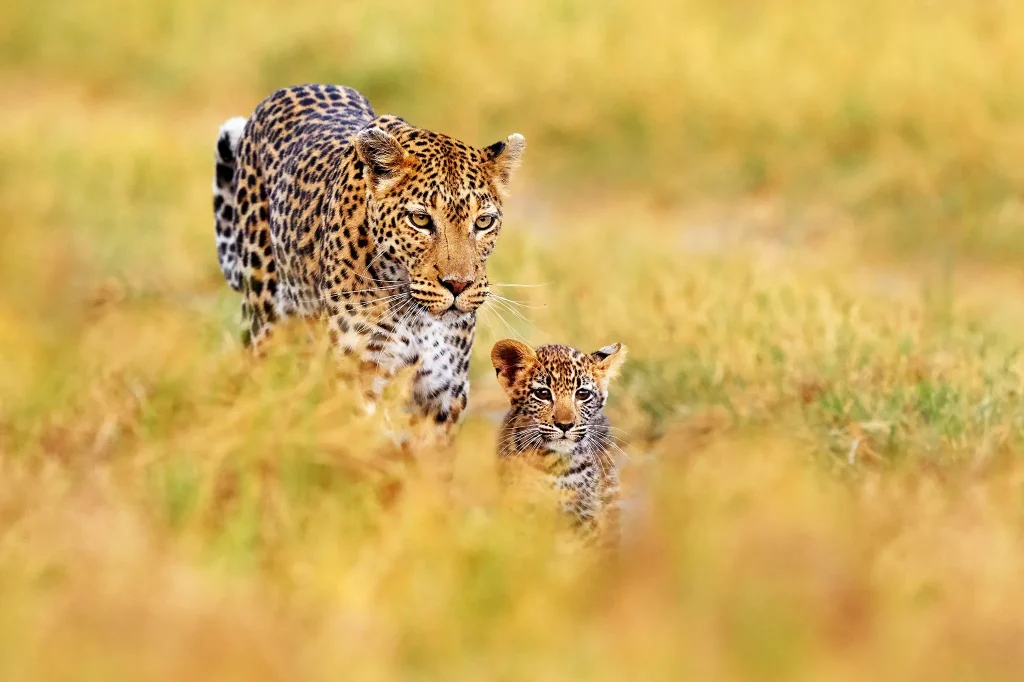
LeopardsSerengeti National Park– The open bush dotted with rocky kopjes of the Serengeti makes a perfect habitat for leopards.
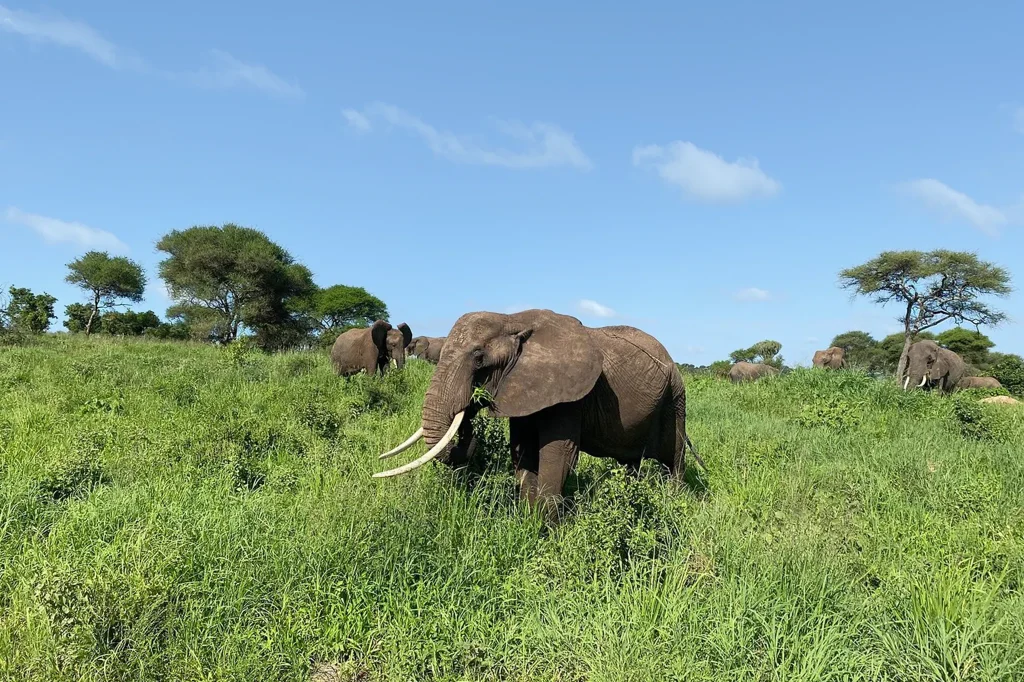
ElephantsTarangire National Park– Tarangire is home to the largest elephant population in Tanzania’s northern region. – These numbers are increasing by 6% every year.

Rare Wildlife Species Of Tanzania

It’s indeed fun to see the famous wildlife species on Safaris in Tanzania. But, there are some lesser-known species that you should also be on the lookout for as well. Below are some examples:

NAME OF THE SPECIESCATEGORISATION (according to IUCN)WHERE YOU CAN SEE THEM
Abbot’s DuikerEndangeredSouthern Highlands and Mount Kilimanjaro
KipunjiEndangeredHighland Forests of Tanzania
Black-and-white colobus monkeyEndangered– Banks of the Grumeti River in the Serengeti – The rainforest zone of Mount Kilimanjaro
African Wild DogEndangeredSerengeti National Park and Tarangire National Park
Striped HyenaNear ThreatenedSerengeti and Lake Manyara National Park
East African OryxEndangeredTarangire National Park
Black RhinosCritically EndangeredNgorongoro Conservation Area

Discover a whole world of other wildlife possibilities on classic Tanzania Safari Trips by reading this blog – https://africanscenicsafaris.com/blog/a-week-long-tanzania-classic-safari-explore-wildlife-in-the-african-wilderness/

From the thunder of hooves in the Serengeti to rare whispers in hidden forests, safaris to Tanzania let you witness wildlife exactly where it was always meant to be.

Does Time Affect Wildlife Sightings on Safaris to Tanzania?

The answer is yes! The time you pick to go on Safari Tours in Tanzania will have an impact on wildlife sightings. The weather in Tanzania is distinguished by two distinct seasons – Dry and Wet. The dry season experiences virtually no rainfall and humidity is very low. Whereas, the wet season has consistently hot afternoon temperatures.

The dry season is generally considered to be the Best Time to visit Tanzania for wildlife viewing. Though some wildlife events can only be seen during the wet season. The comparison between the wildlife sightings during both seasons will help you determine when to visit according to what you’d like to see.

WILDLIFE SIGHTINGS IN THE DRY SEASON (From June to October)WILDLIFE SIGHTINGS IN THE WET SEASON (From November to May)
The best time to see the Great Wildebeest Migration in the Serengeti– A great time to see the calving season in Southern Serengeti – Recommended months: January to March
August to September is an ideal time for seeing the Mara River CrossingsWildlife viewing is still great in the wet season, especially in the northern circuit parks.
Wildlife viewing conditions are perfect because of the thinner grassThe lush surroundings make for some great photographic safaris.

Beyond The National Parks: Alternative Safari Destinations for Wildlife

However, Tanzania is home to a range of lesser-known treasures that are sure to dazzle wildlife enthusiasts. Below are just some alternative destinations that you can visit on Safari to Tanzania:

ALTERNATIVE SAFARI DESTINATIONSPRIMARY TAKEAWAYS
Lake Manyara– The magical plumage of masses of greater and lesser flamingos. – Seeing vervet monkeys and olive baboons around the forest regions and lakeshore.
Lake Tanganyika– The second oldest freshwater lake on Earth, with over 350 different fish species.
Mahale Mountains– A primate paradise! – Sightings of endangered chimpanzees and red-tailed, red colobus monkeys.
Rubondo IslandHome to elephants, giraffes, Sitatungas, and chimpanzees all in a pristine rainforest setting.

Here’s how African Scenic Safaris champions sustainable travel — blending eco-friendly practices, personal connections, and expert guiding into safari journeys that honor nature, culture, and community.

BEST SUSTAINABLE AND ECO-FRIENDLY LOCAL TOUR AGENCY

Best Travel Agency and Best Safari Guide ever! We so much appreciated the sustainable and eco-friendly approach of the agency and the personal and customised planning before the holiday with adorable Nembris who came to meet us once arrived in Arusha. Plus we had the most fantastic Safari Guide Emanuel who was so friendly, wise and full of knowledge with his vast experience that he loved to share with us and gave us an unforgettable safari experience. We learned a lot also on cultural and personal level. We’re forever thankful. – Tatjana B

Wildlife Conservation In Tanzania: Protecting Tanzania’s Wildlife And Habitat

To protect Tanzania’s wildlife and habitat, the government and various organisations have implemented conservation efforts to promote sustainable development and protect endangered species.

Another critical aspect of wildlife conservation in Tanzania is community-based conservation. Various organisations have implemented programs to ensure that these communities benefit from wildlife conservation efforts. And, they helpto provide training, create alternative livelihoods, and promote sustainable resource management.

Our aim at African Scenic Safaris is to ensure guests have a safari experience that emphasises the importance of responsible and community-based tourism.

Every safari we design goes beyond wildlife encounters — it protects Tanzania’s landscapes, empowers communities, and safeguards traditions. With us by your side, your journey becomes a shared commitment to conservation and culture.

Unparalleled Wildlife Sightings On Safaris To Tanzania

On a final note, Safaris to Tanzania are guaranteed to leave a lasting impression of the wildlife. Right from the moment you step inside the national parks, you’ll see animals in their natural habitat. These sightings will be dominated by the supersized migrating herds and the big five primates, and some of the largest mammals.

Thus, engross yourself in the wilderness of Tanzania with our range of diverse Tanzania Safari Packages that’ll take you right to the centre of the wildlife action.

Simbo Natai
Simbo Natai, founder of African Scenic Safaris, crafts sustainable, meaningful Tanzanian journeys rooted in his deep local knowledge and passion.
Director, African Scenic Safaris

Why The Northern Circuit Route Is Perfect for Slow Acclimatization on Kilimanjaro?

The Kilimanjaro Northern Circuit Route is the perfect combination of all the best elements of a Kilimanjaro Climb. And if you want the perfect Kilimanjaro Route that balances out ample time for acclimatization, then the Northern Circuit Route will deliver.

Altitude Sickness or Acute Mountain Sickness (AMS) on Mount Kilimanjaro is not to be taken lightly. Even experienced hikers are guaranteed to experience at least some mild symptoms.

Below, we’ll look at how climbing Kilimanjaro via the Northern Circuit Route helps in the acclimatization process and how you should prepare for AMS at higher altitudes.

The Importance of Slow Acclimatization on Kilimanjaro

To climb to the summit of Mount Kilimanjaro, you have to trek nearly 6,000 m above sea level. At that elevation and high-altitude region, the air is very thin and is sure to affect everyone, even the fittest of hikers. So, one cannot describe Kilimanjaro without going into detail about altitude sickness.

Altitude sickness is a negative health effect of high altitudes. As the percentage of oxygen reduces, the higher you climb up Kilimanjaro. Thus, the body finds it difficult to adapt and function properly.

Slow Acclimatization

Most symptoms of altitude sickness are entirely normal when climbing Kilimanjaro. Mild symptoms of altitude sickness include:

  • Sleep Disturbances
  • Fatigue
  • Dizziness
  • Loss of Appetite
  • Nausea
  • Irritability
  • Muscle Aches
  • Increased heartbeat
  • Swelling of feet and hands
  • Shortness of breath
  • Headaches

Key Insights – Symptoms of altitude sickness depend on the rate of ascent, elevation, and individual sensitivity. Everybody acclimatises at different rates. The symptoms generally begin 12 to 24 hours after arrival at the higher altitude region. And, they tend to decrease in severity around the third day of the climb.

There are three basic rules of thumb you should follow on Kilimanjaro for slow acclimatization. I.e. drink plenty of fluids, go slow, and climb high sleep low approach.

Why The Northern Circuit Route Is Perfect for Slow Acclimatization

The Northern Circuit Route is one of the best Kilimanjaro Routes when it comes to slow acclimatisation. Because it’s the longest route on Kilimanjaro, it offers a great acclimatisation profile and has plenty of climb-high, sleep-low opportunities.

Perfect Acclimatization

The following are even more reasons why the Northern Circuit Route is great for slow acclimatisation:

REASONSDESCRIPTION
Gentle Elevation Gain– The trail involves a few days of hiking at a lower elevation. – This allows the body to slowly adjust to the altitude and increases the chances of reaching the top.
Remote and Less Crowded– This helps to reduce stress and allows for a more relaxed pace, both of which are important for acclimatisation.
Beautiful Sceneries– This helps climbers a great environment to acclimatize and helps to stay motivated throughout the trail.

Note – Even with the slow acclimatization process of the Northern Circuit Route, there still might be some mild symptoms of altitude sickness. So, always follow the advice of the mountain guides and take all the general precautions to stay safe on the mountain.

Climbing high is thrilling, but breathing easy is smarter, so pick the Northern Circuit Route and let your body catch up with your mountain dreams at its own steady pace.

How To Prepare For The Northern Circuit Route

You should devote a significant amount of time to training for Climbing Kilimanjaro. Begin your Kilimanjaro Training at least 8 weeks before your climb, and a routine of 4 times per week exercise should be followed. This includes regular aerobic exercises, strength training, elliptical runs, and hiking.

The oxygen levels at various altitudes along the Kilimanjaro Northern Circuit Route vary, so symptoms of altitude sickness are likely to kick in.

KILIMANJARO ALTITUDES (in metres)KILIMANJARO ALTITUDES (in feet)EFFECTIVE PERCENTAGE OF OXYGEN
Sea LevelSea Level20.90%
2000 feet above sea level609 m above sea level19.40%
3000 feet above sea level914 m above sea level18.60%
4000 feet above sea level1219 m above sea level17.90%

Recommended Exercises Before Climbing Kilimanjaro On The Northern Circuit

NAME OF THE EXERCISETRAINING SCHEDULE
Aerobic Training3-4 Days a week (for 40 minutes)
Strength Training2 Sessions a week (for an hour)
Warm-Up and Stretching Exercises3 Sessions a week (for 7 weeks)

The right gear is also essential before climbing the Kilimanjaro Northern Circuit. So, include the following things in your clothing items:

  • Windproof Jacket and Trousers
  • Mid Layer Fleece or Jacket
  • Down Jacket
  • Base Layer
  • Trekking Trousers
  • A few pairs of underwear
  • Insulated Gloves

For your backpack, choose a rucksack with a capacity of 60-70 litres and a daypack with a capacity of 40 litres. A sleeping bag should also be on your Kilimanjaro Gear List. You won’t have to bring tents as they will be provided by your climbing operator. Also, you can even rent some equipment with the help of our team at African Scenic Safaris.

Prepare For Northern Circuit Route

Orbit Kilimanjaro – Best Itinerary on Northern Circuit

Before you climb Kilimanjaro using the Northern Circuit Route, you should know what the 9-Days Northern Circuit Route itinerary looks like. This will help you figure out what pit stop you’ll make along the way and when you’ll have time for proper acclimatisation.

Orbit Kilimanjaro (9 Days Northern Circuit Route Itinerary)

DAY(S)STARTING AND ENDING POINTELEVATION GAIN (in feet)OVERNIGHT STAY (SLEEP LOW APPROACH)
DAY 1– Lemosho Trailhead – Big Tree Camp1,310 ft.Big Tree Camp
DAY 2– Big Tree Camp – Shira 1 Camp2,460 ft.Shira 1 Camp
DAY 3– Shira 1 Camp – Shira 2 Camp1,000 ft.Shira 2 Camp
DAY 4– Shira 2 Camp – Moir Huts2,400 ft. – Gain 1,310 ft. – Elevation LossMoir Huts
DAY 5– Moir Huts – Buffalo/Pofu Camp590 ft.Buffalo or Pofu Camp
DAY 6– Buffalo/Pofu Camp – Third Cave Camp490 ft.Third Cave Camp
DAY 7– Third Cave Camp – School Huts2,880 ft.School Huts
DAY 8– School Huts – Uhuru Peak3,760 ft. – Gain 9,140 ft. – Elevation LossMweka Camp
DAY 9– Mweka Camp – Mweka Gate4,200 ft. – Elevation LossAmeg Lodge or Pink Flamingo Boutique Hotel

Perfect Acclimatization Is the Lifeblood of The Northern Circuit Route

Because of the longer duration, gentle elevation game, and fewer crowds, the Northern Circuit Route is the name of the game when it comes to acclimatisation on Kilimanjaro. Remember that mild symptoms of Acute Mountain Sickness (AMS) are to be expected. But when you choose the Kilimanjaro Northern Circuit Route, these symptoms can be largely minimised.

So, we encourage you to choose one of our most popular Mount Kilimanjaro Packages – the 9-Day Northern Circuit Route, and you’re sure to have a safe climb with one of the best acclimatization profiles.

Simbo Natai
Simbo Natai, founder of African Scenic Safaris, crafts sustainable, meaningful Tanzanian journeys rooted in his deep local knowledge and passion.
Director, African Scenic Safaris
×