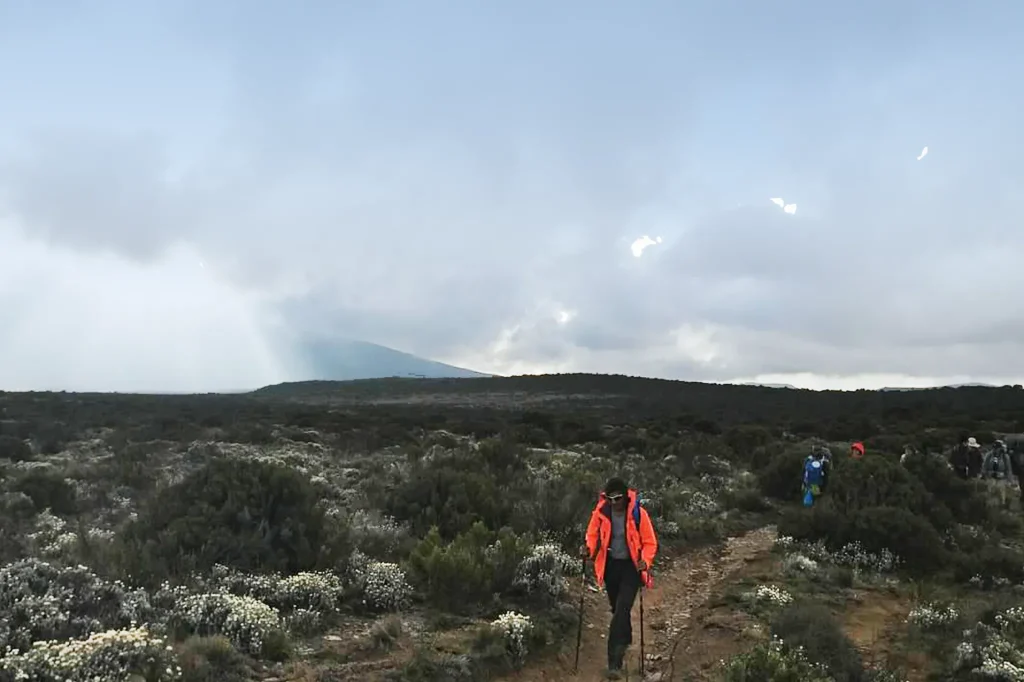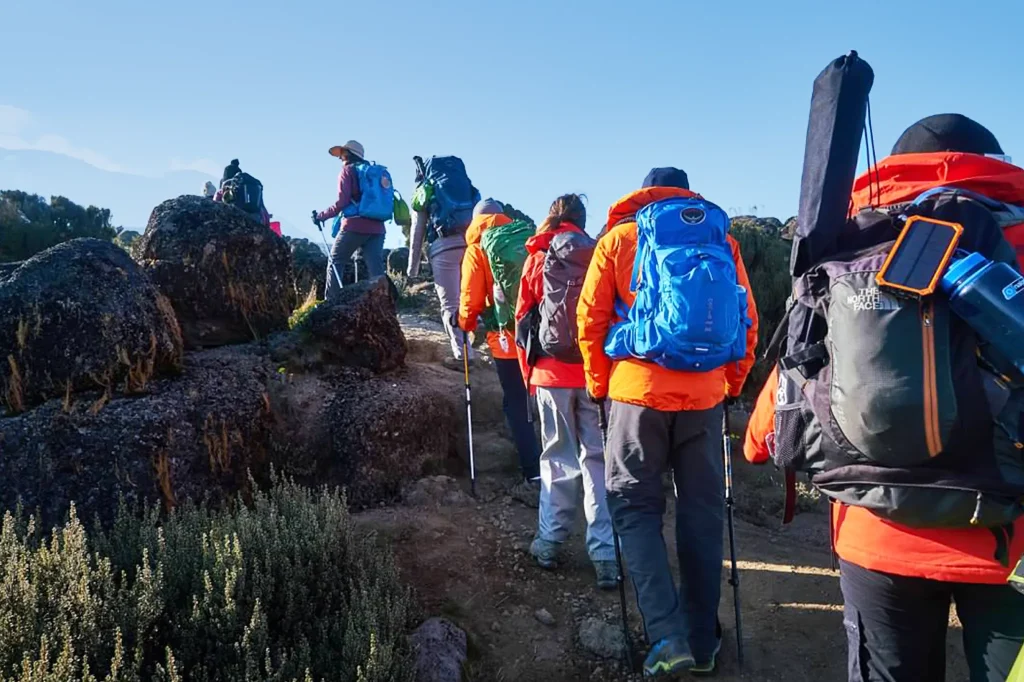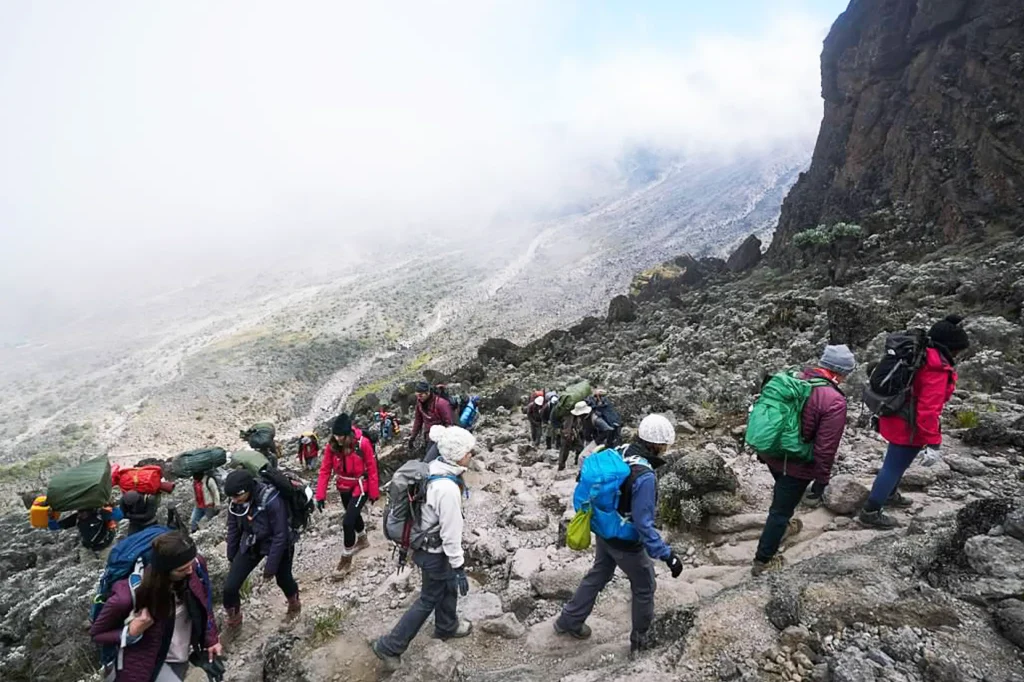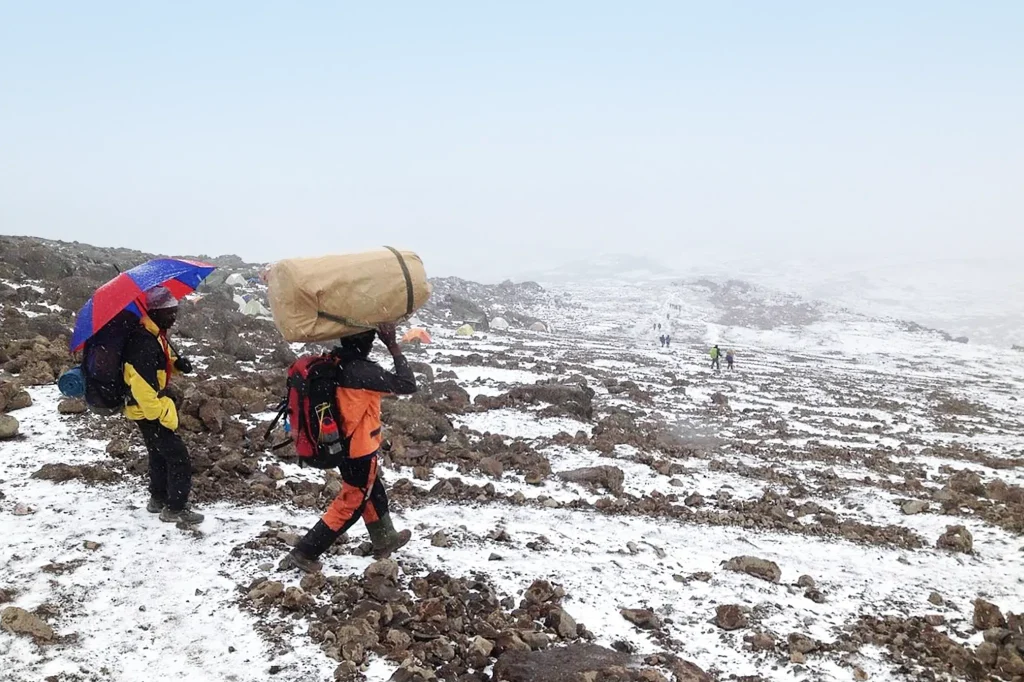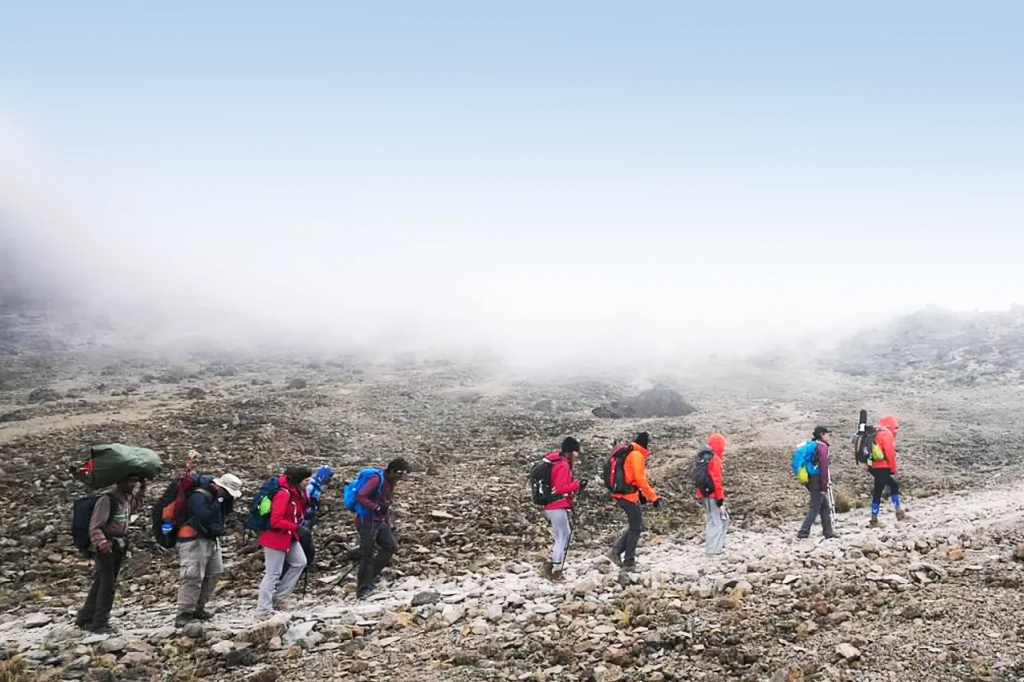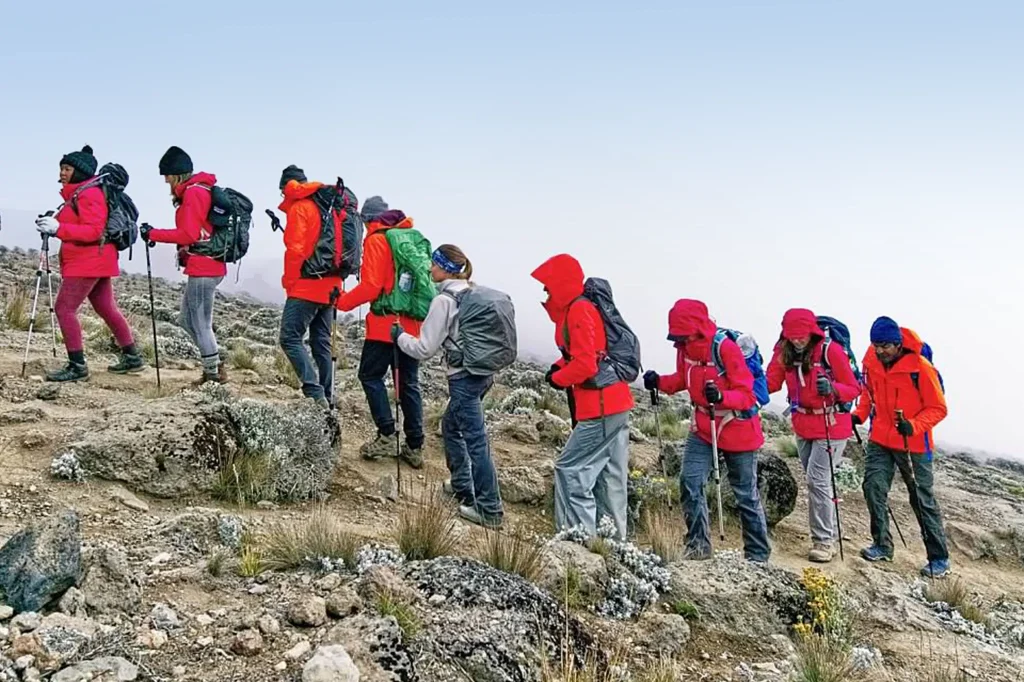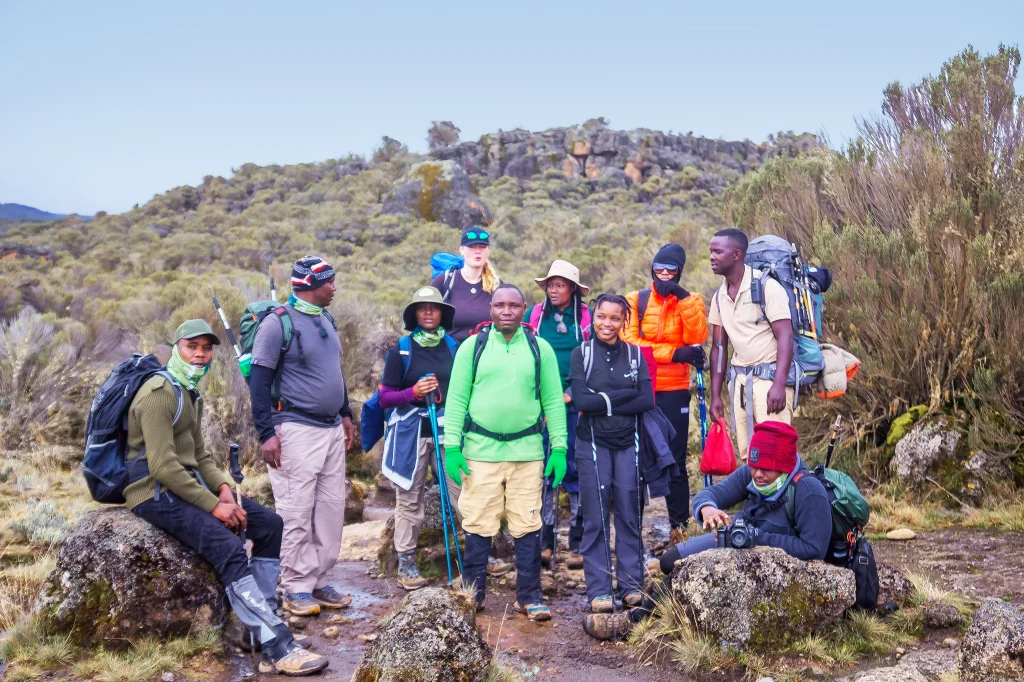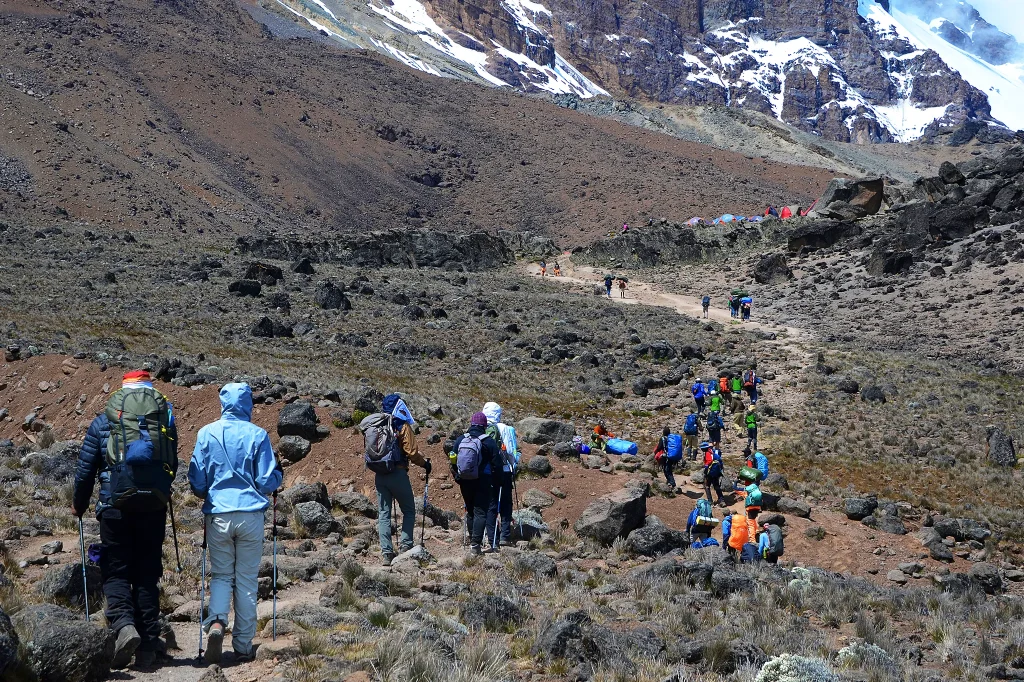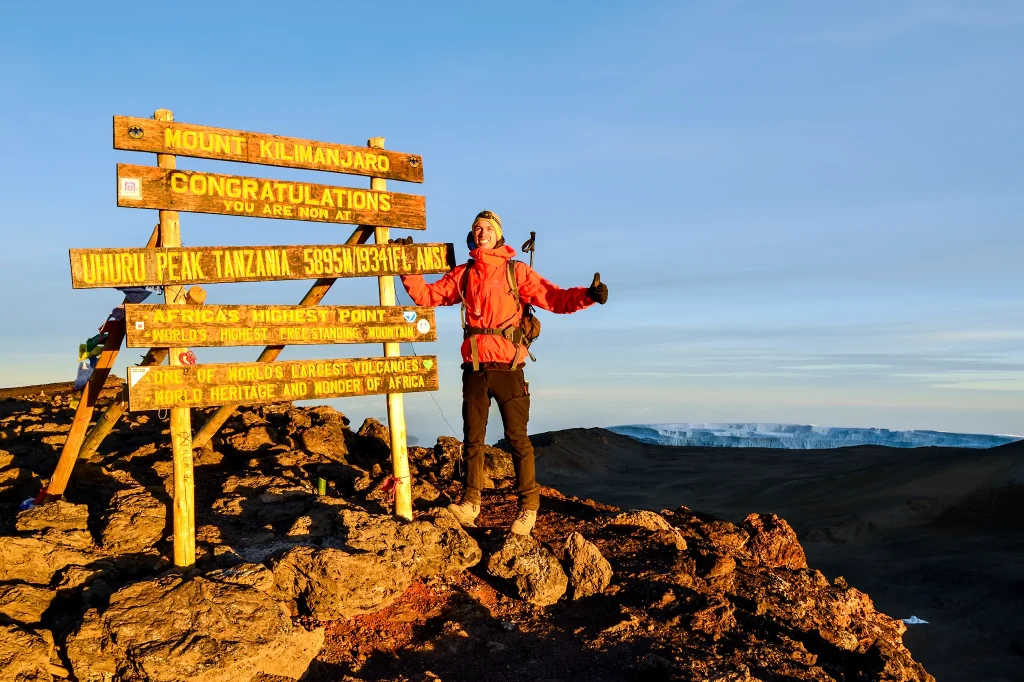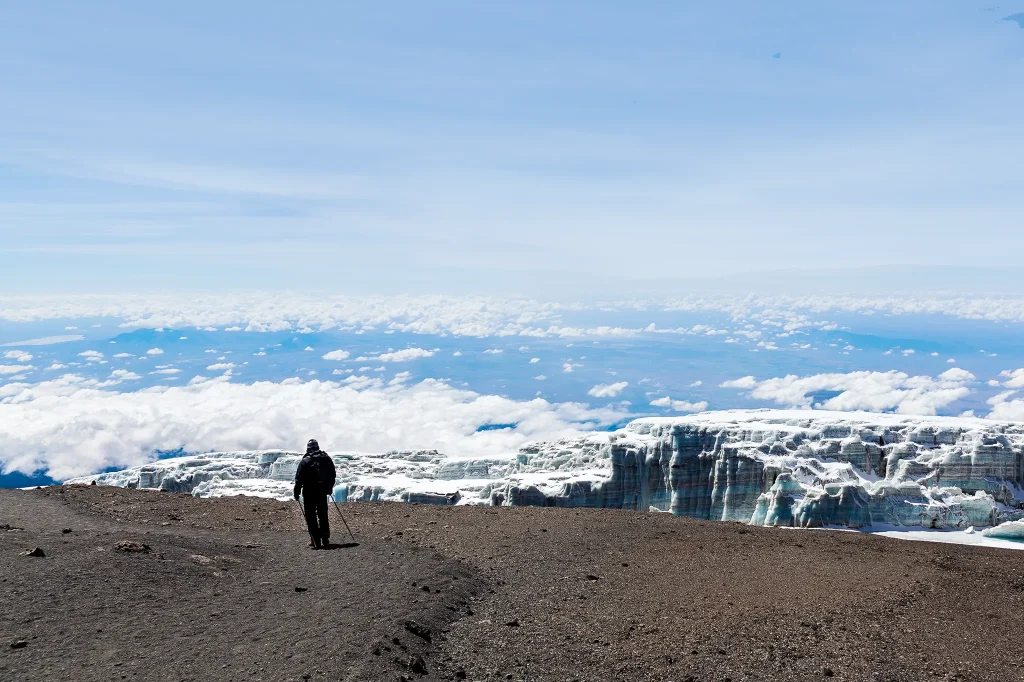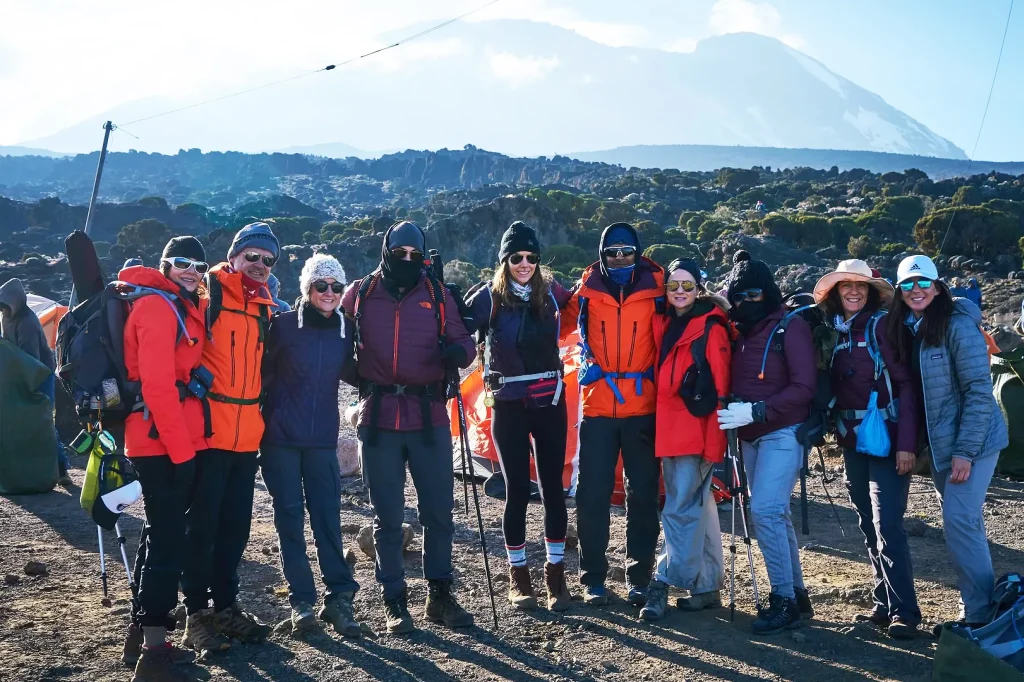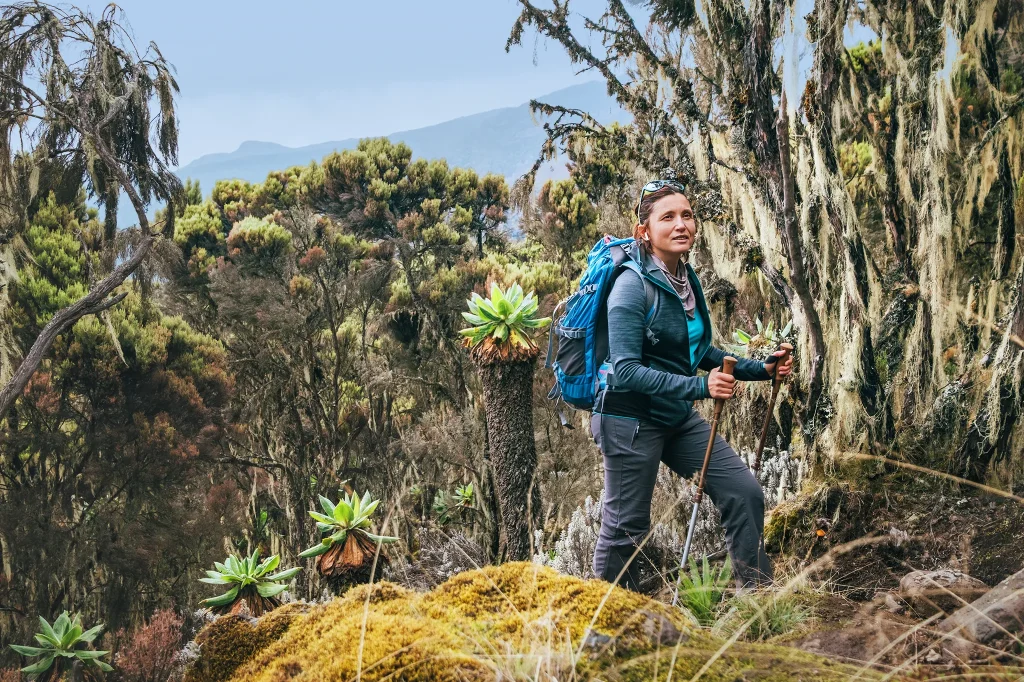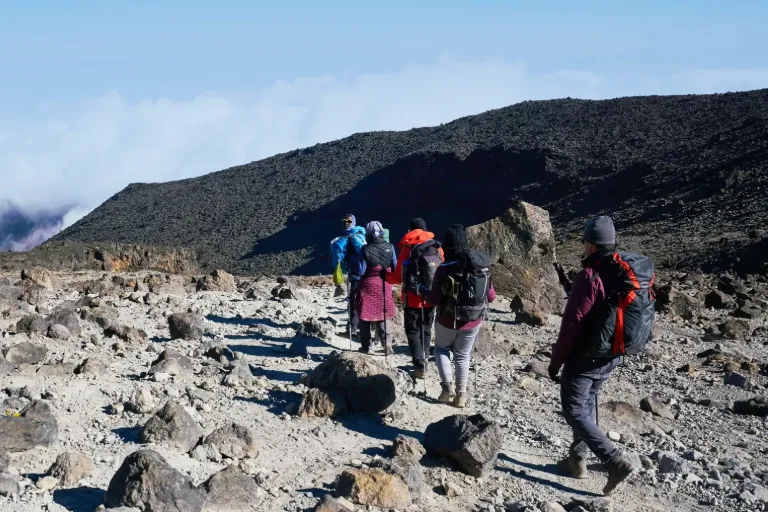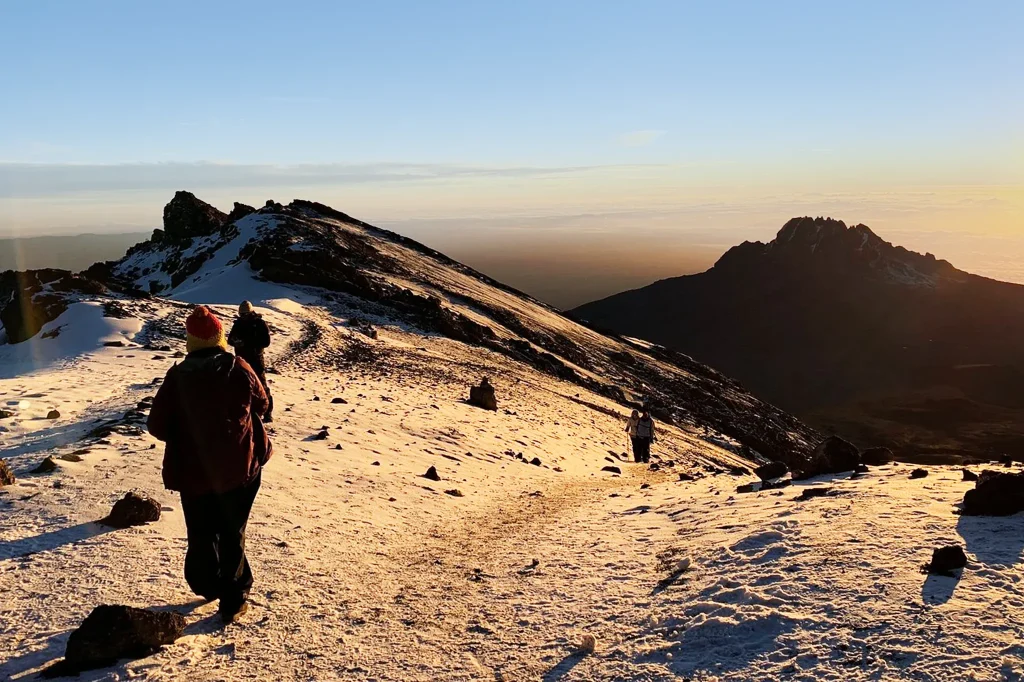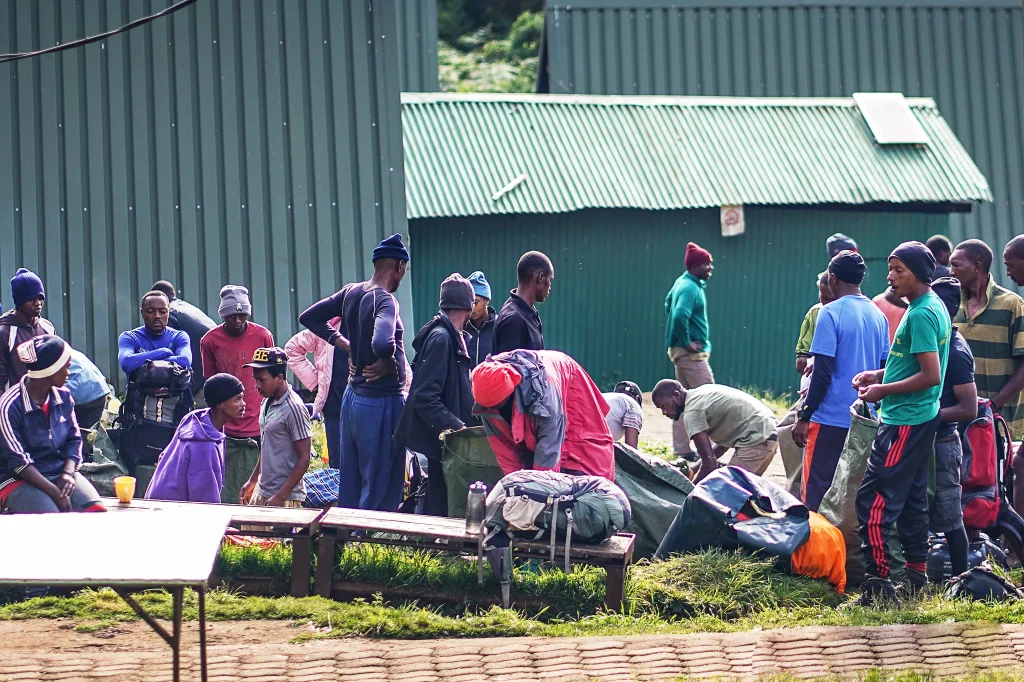

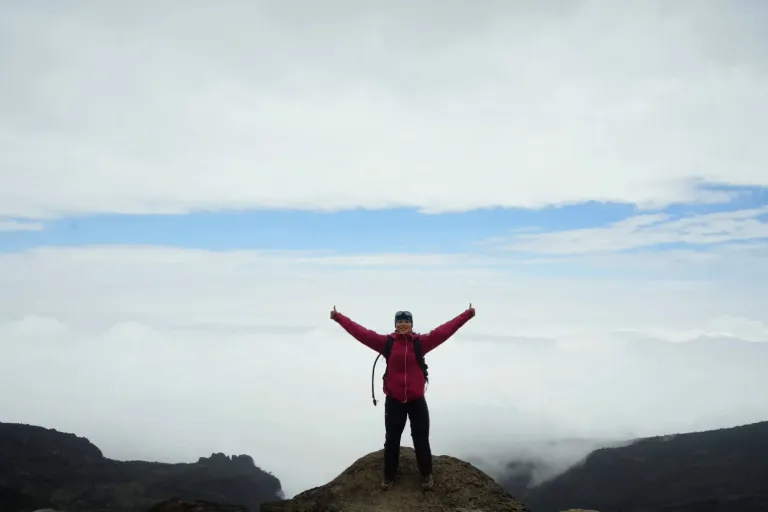
Can An Average Person Climb Kilimanjaro?

Though it might seem unbelievable initially, the answer remains an actual yes! A person with an average build and fitness can Climb Kilimanjaro as long he is physically and mentally prepared.

The average person can successfully summit Kilimanjaro in about seven days, depending upon the route chosen and preparedness. Thousands of people make it to the top of Africa’s highest peak every year, and not all are seasoned mountaineers.

This is because scaling the majestic heights of Africa’s highest peak needs no technical expertise. Instead, all Mount Kilimanjaro Climbing needs is immense determination, mental aptitude, good physical fitness, and proper preparation.

Who is the “Average” Climber?

The “average” climber is someone like you and me. Someone who works a 9-to-5 job loves to travel and perhaps enjoys the occasional hike over the weekend.

This isn’t a seasoned mountaineer with years of experience climbing massive peaks worldwide. However, an average climber desires to take on new challenges and witness the beauty that Kilimanjaro Trek offers.
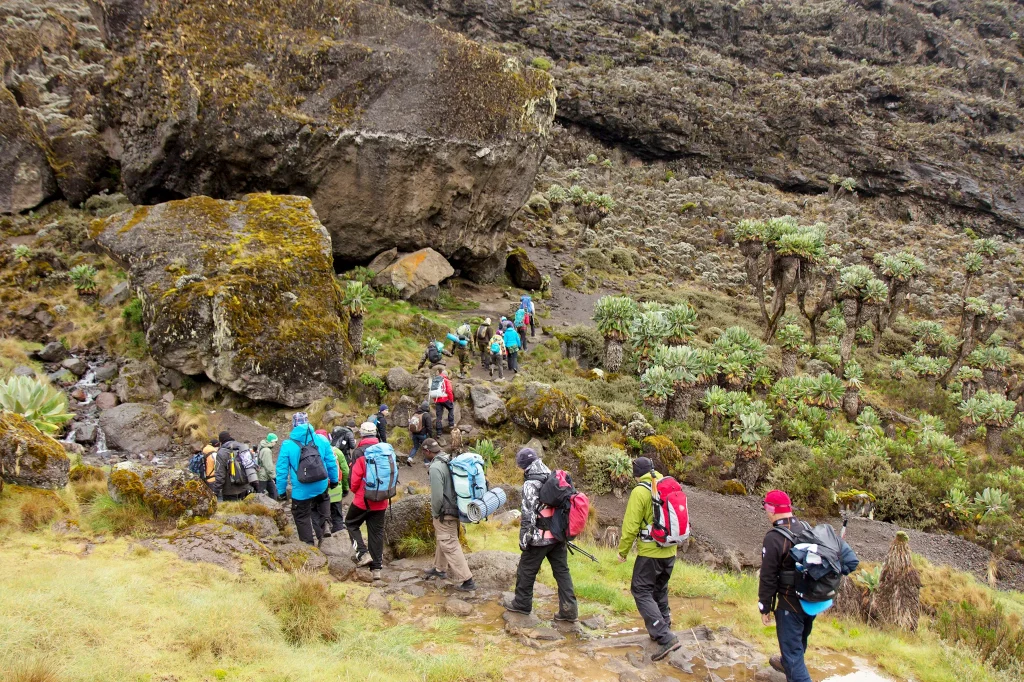
Kilimanjaro Climbing

Physical Fitness

The foundation for Climbing Kilimanjaro success lies in building good physical health. While you don’t have to sprint alongside Olympic athletes like Usain Bolt, your body needs reasonable fitness.

Also, because navigating Kilimanjaro means walking through varied terrains for long hours, your Training for Kilimanjaro should be done accordingly. It should include the following:

  • Consistent aerobic exercises, like jogging and swimming.
  • Muscle-strengthening activities, focusing primarily on the legs.
  • Regular walks or hikes, preferably with a weighted backpack.

The good news is that successfully Climbing Kilimanjaro doesn’t demand extreme physical attributes. You only need to build cardiovascular endurance, strength, and stamina to reach the summit successfully.
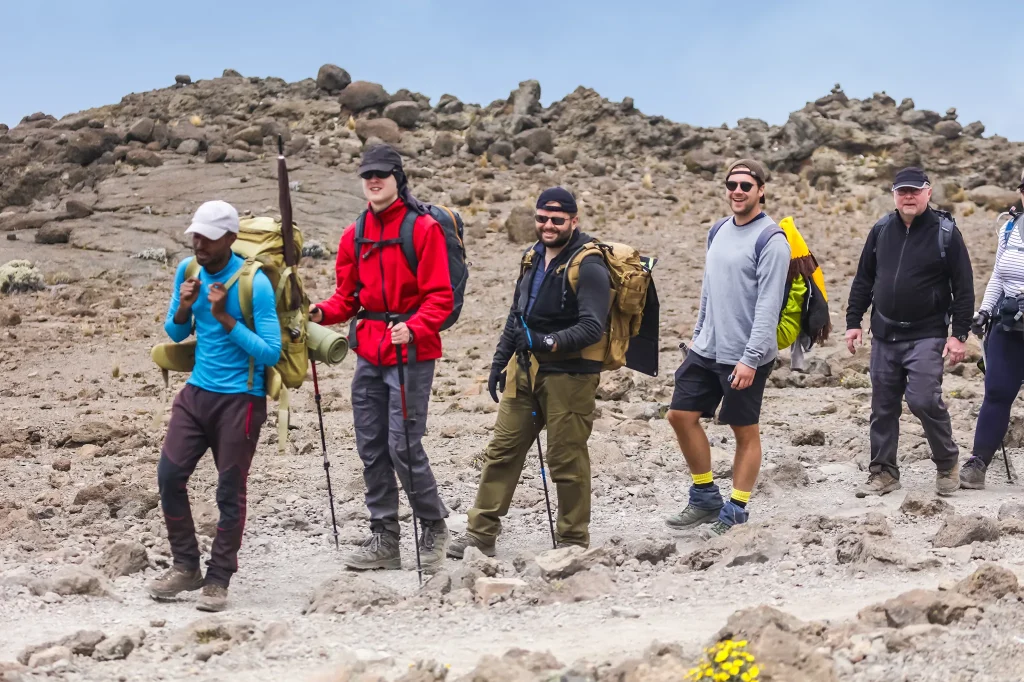
Kiloimanjaro Climbig
Kiloimanjaro Physical Fitness

Mental Preparedness

Taking on the challenge to Climb Kilimanjaro is as much about your mindset as it is about your physical strength. Your mind plays a significant role in helping you get through the challenging parts of the climb.

Think about it: You’ll be up high, walking for long hours, and the weather can change a lot. This means you need to:

  • Know what to expect when you start Mount Kilimanjaro Climbing.
  • Be realistic about how hard it might be and plan for it.
  • Keep a positive attitude, even when things seem complicated.
  • Believe in yourself. Self-doubt can be a more significant barrier than any mountain.

With these thoughts in mind and the assistance of the right Kilimanjaro Guides, any regular person can tackle the climb and feel great when they reach the top.
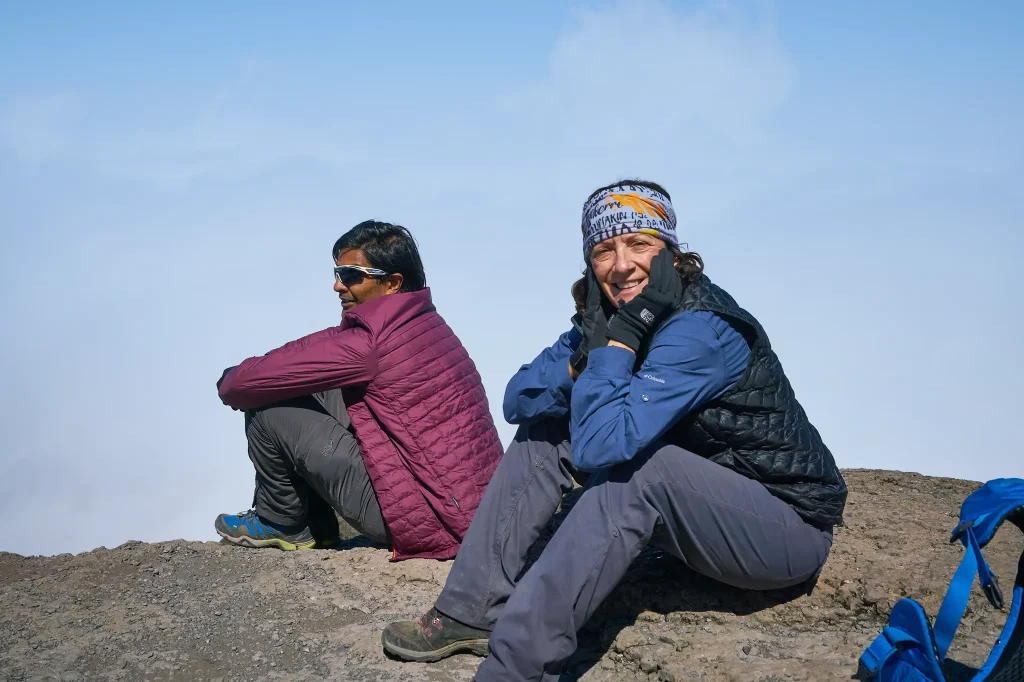
Mount Kilimanjaro Climbing

Acclimatization

As you ascend the mountain, the air there has less oxygen, making some people feel unwell. Symptoms like headaches, dizziness, or fatigue are signs of Kilimanjaro Altitude Sickness.

To make your climb safer and more comfortable, it’s crucial to pick a trusted tour group that understands the importance of acclimatization. They have extra days in their itinerary to let your body gradually adjust to the height, reducing the chances of altitude-related issues.

To make Kilimanjaro Acclimatization smoother, always:

  • Stay hydrated by drinking lots of water.
  • Maintain a balanced diet for sustained energy.
  • Move at a steady pace and walk without rushing.

Special Mention: At African Scenic Safaris, our top priority is your health and safety. We ensure that our climbs are structured to provide the best acclimatization process. We’re with you every step of the way, ensuring you’re feeling good and ready to Climb Kilimanjaro successfully.

The Role of Guides and Support

Success in your goal to Climb Kilimanjaro isn’t just about your physical readiness. It’s also about the team supporting you. While you can technically tackle the mountain solo, the rules say you must have a guide.

For your Kilimanjaro journey, you’ll need some help. This includes:

  • Guides who know the mountain well.
  • Porters to carry heavy gear, food, and water.
  • Expert advice from these knowledgeable guides on moving at the right pace and staying safe.

Highlight: Our Kilimanjaro Guides at African Scenic Safaris are top-notch. They have tons of experience and know how to make your climb safe and unforgettable. With them by your side, you can focus on enjoying the magical environment rather than worrying about your safety.

Testimonials from Average Climbers

At African Scenic Safaris, we’re proud to have over 600 glowing Trip Advisor reviews from our cherished clients. Below, you’ll find experiences from regular folks like you and us.

They braved the climb to Kilimanjaro with the guidance of our dedicated crew. Their stories speak volumes about the unparalleled support and expertise we bring to the table.

Sean M’s Journey to the Top

Sean M. and his partner embraced the 8-day Lemosho trek in June 2023. Both in their early thirties and fit, they were still slightly anxious about how altitude might affect them.

With the support of our guides and an 11-person team, they felt safe and well taken care of. Sean highlighted how our team went the extra mile, focusing on everything from climber safety to supporting the local community and ensuring the well-being of our porters.

Read Sean M’s full review here.

“My husband and I set out for an 8-day Lemosho trek with African Scenic Safaris, and it was an OUTSTANDING experience… do your research.” – Sean M, Jun 2023

Vijay Srinivasan: Conquering Kilimanjaro at 65

Vijay, at 65, chose us for his 9-day Kilimanjaro climb. He was impressed by the tasty meals and guidance from our team. Especially the efforts of his guide, Luchi, and the cook, Shabani, stood out for him. For Vijay, our team’s encouragement and professionalism made all the difference.

Check out Vijay Srinivasan’s detailed review here.

“I went with African Scenic Safari for the 9-day climb to Kilimanjaro… Highly recommend the African Scenic Safari for any climb to Kilimanjaro. They are the best.” – Vijay Srinivasan, Jun 2023

Is Kilimanjaro Right for You? 

Taking on Mount Kilimanjaro Climbing is about challenging yourself. With the proper determination, preparation, and spirit of adventure, even the most ‘average’ individuals can stand atop Africa’s highest point and watch the sunrise.

So, when questioning yourself, “Is Kilimanjaro right for me?” it can be with the proper guidance and support.

Simbo Natai
Simbo Natai, founder of African Scenic Safaris, crafts sustainable, meaningful Tanzanian journeys rooted in his deep local knowledge and passion.
Director, African Scenic Safaris

Climbing Kilimanjaro Via 8 Days Lemosho Route

Navigating the 8 Days Lemosho Route offers the best possible opportunity to witness the scenic beauty of Africa’s highest peak. On this Kilimanjaro Climbing Route, you will cross ecologically rich zones from lush rainforests to the beautiful Arctic zone.

As the route provides a relatively flat hike, it has recently gained popularity. Also, you can expect to stay in comfortable and spacious tents and get served excellent meals when Climbing Kilimanjaro via this route. Join us as we detail this enriching adventure with African Scenic Safaris.

Why Choose the Lemosho Route for Your Kilimanjaro Adventure?

The Lemosho Route is a top pick for many trekkers opting for Kilimanjaro Tours. It’s one of the newer paths leading to the peak and intersects with the renowned Machame route.

However, what sets Lemosho apart are certain unique benefits that cater primarily to those willing to invest a little more time in their ascent. Let’s see what makes the 8 Days Lemosho Route an exceptional choice:

Lemosho Route
Lemosho Route

Lemosho Route Cost

Opting for Lemosho offers excellent value for money. For an eight-day trek, the Lemosho Route Cost starts from

  • $3,249 per person if you’re in for a private climb
  • $3,149 for those joining Group climbs

This Lemosho Route Kilimanjaro Cost incorporates a unique experience through diverse landscapes, with increased summit chances due to proper acclimatization. The slightly elevated price compared to the other Lemosho Route 7 Days itinerary ensures a more paced, and hence, a more enriching experience.

Scenic Beauty

This Lemosho Route Kilimanjaro is a visual treat, offering trekkers an array of landscapes to admire. From dense, vibrant forests to wide-open plateaus, Lemosho encapsulates the best Kilimanjaro offers.

Higher Summit Success Rate Time is on your side with the 8 Days Lemosho Route trek. The extended journey of 8 days ensures you have sufficient time to acclimatize, increasing your chances of reaching Uhuru Peak successfully.

Special Mention: The Lemosho Route Success Rate stands out when examining the numbers. With the 8 Days Lemosho Route trek, climbers have reported an impressive 90% success rate. This is significantly higher compared to other routes. The data showcases the advantage of allowing your body ample time to acclimate, giving you a better chance at conquering Uhuru Peak.

Kick-Starting the 8 Days Lemosho Route

Your Tanzanian adventure of climbing its highest peak begins at the Kilimanjaro International Airport. A swift transfer will take you to your chosen accommodation – either the classic Simba Farm Lodge or the premium Ndarakwai Ranch.
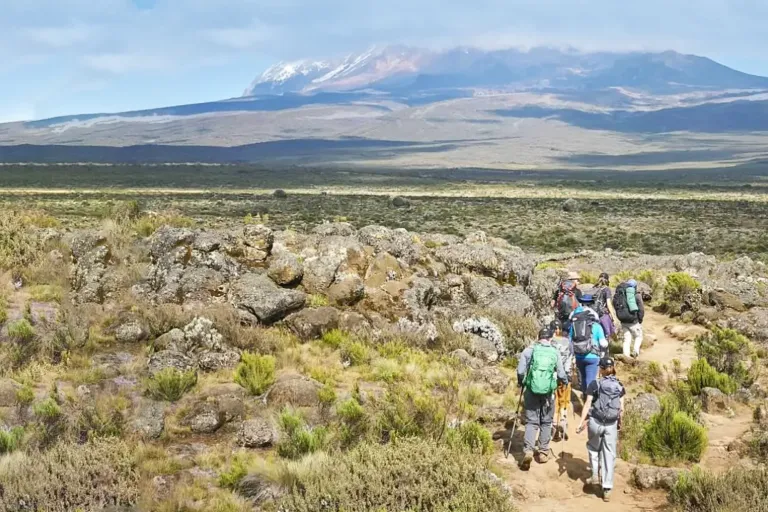
Here, experienced Lemosho Route Guides will provide a comprehensive briefing, ensuring you’re prepared for the days ahead.

Lemosho Route
Lemosho Route

The Lemosho Route Trek Days

In this section, we will elaborate on the day-by-day journey on the 8 Days Lemosho Route, unfolding the challenges and splendors each day presents.

Day 1: Lemosho Trailhead to Big Tree Camp

Elevation Gain: 400m

Duration: 2-3 hours

Key Highlights:

  • Entry formalities at Londorossi gate.
  • A scenic drive leading to the Lemosho trailhead.
  • Trekking through the pristine forest with possible Colobus monkey sightings.

From the Londorossi gate, a drive brings you to the Lemosho trailhead. As you begin this Mount Kilimanjaro Hike, the lush forest welcomes you, where the fortunate might even spot Colobus monkeys. After an oscillating trek, you’ll rest at the Big Tree Camp (Mti Mkubwa).

Day 2: Big Tree Camp to Shira 1 Camp

Elevation Gain: 750m

Duration: 5-6 hours

Key Highlights:

  • The Kilimanjaro Trek begins from the forest and then smoothly transitions into a realm of giant heather and volcanic rock.
  • Lemosho Route crosses the entire Shira Plateau, where you can see the stunning views of Kibo Peak.

Stepping out of the dense forest, your path ascends through giant heather and volcanic rock zones. The day’s climax is reaching the Shira 1 Camp, with magnificent views of Kibo across the plateau – truly a highlight of the Kilimanjaro Climbing Tours.

Day 3: From Shira 1 camp to Shira 2 camp

Elevation Gain: 300m

Duration: 3 hours

Key Highlights:

  • Crossing the majestic Shira Plateau, one of the world’s highest plateaus.
  • Optional ascent to the peak of Shira Cathedral.
  • Culminating the trek with a steady climb to the Shira 2 Camp.

Trekking across the high-altitude Shira Plateau, an optional ascent to Shira Cathedral, is available for daredevil hikers.

Ending the day at Shira 2 Camp, the surroundings serve as a reminder of why this is considered one of the Best Kilimanjaro Tours.

Day 4: Shira 2 Camp to Barranco Camp

Elevation Gain: 750m

Elevation Loss: 700m

Duration: 5-7 hours

Key Highlights:

  • A challenging trek over expansive ridgelines and the high desert landscape.
  • Encounter the Lava Tower, a monumental 300-foot volcanic plug.
  • Experience the enchanting descent into Barranco Valley.

This day is crucial for Kilimanjaro Acclimatization, as you ascend to Lava Tower before descending into the Barranco Valley. The landscapes are diverse, ranging from high deserts to zones dotted with the rare Senecio Kilimanjaro plants.

Day 5: Barranco Camp to Karanga Camp

Elevation Gain: 300m

Elevation Loss: 250m

Duration: 3-4 hours

Key Highlights:

  • Starting with the famous Barranco Wall scramble that offers panoramic views.
  • Descend into the Karanga Valley, followed by a climb to the camp.
  • Marvelous vistas of Kibo and Mount Meru, weather permitting.

A thrilling scramble up the Barranco Wall awaits on Day 5 of the 8 Days Lemosho Route. Once at the top, breathtaking views unfurl in all directions before descending into the Karanga Valley and a steep climb to the Karanga Camp.

Day 6: Karanga Camp to Kosovo Camp

Elevation Gain: 850m

Duration: 4-5 hours

Key Highlights:

  • A continuous ascent to Barafu Camp, followed by a journey through rocky terrains leading to Kosovo.
  • Completion of the South Circuit, revealing varied views of Kilimanjaro Mountain.
  • Glimpses of the twin peaks: Mawenzi and Kibo.

This day marks a significant ascent to Kosovo Camp, a small camp on the ridge beneath Kilimanjaro’s summit cone. This is part of the Lemosho Route Kilimanjarothat offers majestic views of Mawenzi and Kibo peaks.

Day 7: Kosovo Camp to Uhuru Peak and then Mweka Camp

Elevation Gain: 1,095m

Elevation Loss: 2,785m

Duration: 11-14 hours

Key Highlights:

  • The Summit Day consists of a pre-dawn final ascent to Kilimanjaro’s summit.
  • Experiencing the surreal sunrise at Stella Point.
  • Reaching Uhuru Peak, the highest point on Mount Kilimanjaro and the entire African continent.
  • A rewarding descent to Mweka Hut, celebrating the day’s achievements.

A challenging climb in the darkness before dawn will eventually reward you with Africa’s sunrise from Stella Point. From there, a less demanding trek takes you to Uhuru Peak – the zenith of your Climbing Kilimanjaro journey. The descent to Mweka Hut offers a contrasting yet equally mesmerizing experience.

Day 8: Descend from Mweka Camp to Mweka Gate

Elevation Loss: 1,280m

Duration: 2-3 hours

Key Highlights:

  • A tranquil descent through lush forests, reminiscing the entire journey.
  • An opportunity to spot playful monkeys along the way.
  • The official end of the trekking journey, with a warm welcome at Mweka Village.


Your final trekking day leads you through the verdant forest to the Mweka Gate. Monkeys might accompany you as you remember your Kilimanjaro Routes experience. The Kilimanjaro Climb finally ends with a restful evening in Moshi.

Departure or Extending the Adventure

While the Kilimanjaro Climbing trek concludes, the adventure doesn’t have to! Our team always ensures a timely drop at Kilimanjaro Airport for your onward flight.

Now, it’s your choice whether to return to your home or move ahead to experience more of Tanzania’s charm. Dive into the next phase of your Tanzanian adventure with us.

Kilimanjaro Climbing

Lemosho’s Panoramic Spectacle Awaits on Kilimanjaro

At African Scenic Safaris, we believe that the Lemosho Route is one of the most scenically beautiful Kilimanjaro Climbing Route. With its high success rate and good acclimatization conditions, guests will have a great time summiting Kilimanjaro via the 8 Days Lemosho Route.

So, for those contemplating a journey to the top of Africa, book your Mount Kilimanjaro Climbing tours with us and have the experience of a lifetime.

Simbo Natai
Simbo Natai, founder of African Scenic Safaris, crafts sustainable, meaningful Tanzanian journeys rooted in his deep local knowledge and passion.
Director, African Scenic Safaris

Can You Climb Kilimanjaro In December?

Yes, you can Climb Kilimanjaro in December! As the festive spirit envelops the world, many adventure-seekers like you contemplate the thrill of scaling this majestic peak during the season.

Imagine blending the jubilation of year-end festivities with the accomplishment of standing atop Africa’s highest point; the feeling is unparalleled.

If the idea of a unique holiday celebration excites you, you’re on the right track. This read will illuminate whether December is the Best Time to Climb Kilimanjaro and what you can expect on this exceptional journey.

Why do Climbers Ask – Can You Climb Kilimanjaro in December?

Most hikers wonder about the decision to Climb Kilimanjaro in December because of misconceptions about the region’s weather. Actually, Tanzania doesn’t follow the four typical seasons; instead, it has two dry and two rainy seasons.

  • Dry Seasons– December through mid-March and June through October.
  • Wet Seasons Mid-March through May and November.

Kilimanjaro is located in Tanzania, south of the equator, and December is summer there. Also, the month falls in the dry period, with less chance of rainfall. So, this justifies the fact that Climbing Kilimanjaro in December is great, especially in the second half of the month.

Moreover, you will get the opportunity to have Christmas and New Year’s Eve summits in December, making it an excellent month for the Mount Kilimanjaro Climbing experience.

Mount Kilimanjaro Climbing Experience
Why do Climbers Ask – Can You Climb Kilimanjaro in December

The Unique Charm of Kilimanjaro

Mount Kilimanjaro, often called the ‘Roof of Africa’, holds a dual distinction. It’s Africa’s tallest mountain and the world’s highest free-standing peak.

What sets Mount Kilimanjaro Climbing apart from other mountaineering challenges is its approachability. Given its “walkable” nature, people in good health and have a reasonable fitness level can generally reach its summit.

Mount Kilimanjaro Climbing
The Unique Charm of Kilimanjaro

What to Expect in December

December on Mount Kilimanjaro is a unique blend of serene landscapes, lighter crowds, and various climatic conditions.

While transitioning from the short wet season to summer provides climbers with mostly clear skies, there are a few details to remember. Here’s what you can expect when you decide to Climb Kilimanjaro in December:

  • Crowds

December might be your Best Time to Climb Kilimanjaro if you prefer a quieter and less crowded experience. With many preoccupied by holiday festivities, the Routes Up Kilimanjaro are less populated. This gives you a more serene experience.

  • Weather Patterns

Understanding the Mount Kilimanjaro Weather is essential. While it’s the start of summer in Tanzania, it’s worth noting that Kilimanjaro has its microclimate.

Regardless of the month, the summit often gets below freezing. Layered clothing is a must. However, December generally offers favorable weather for trekking.

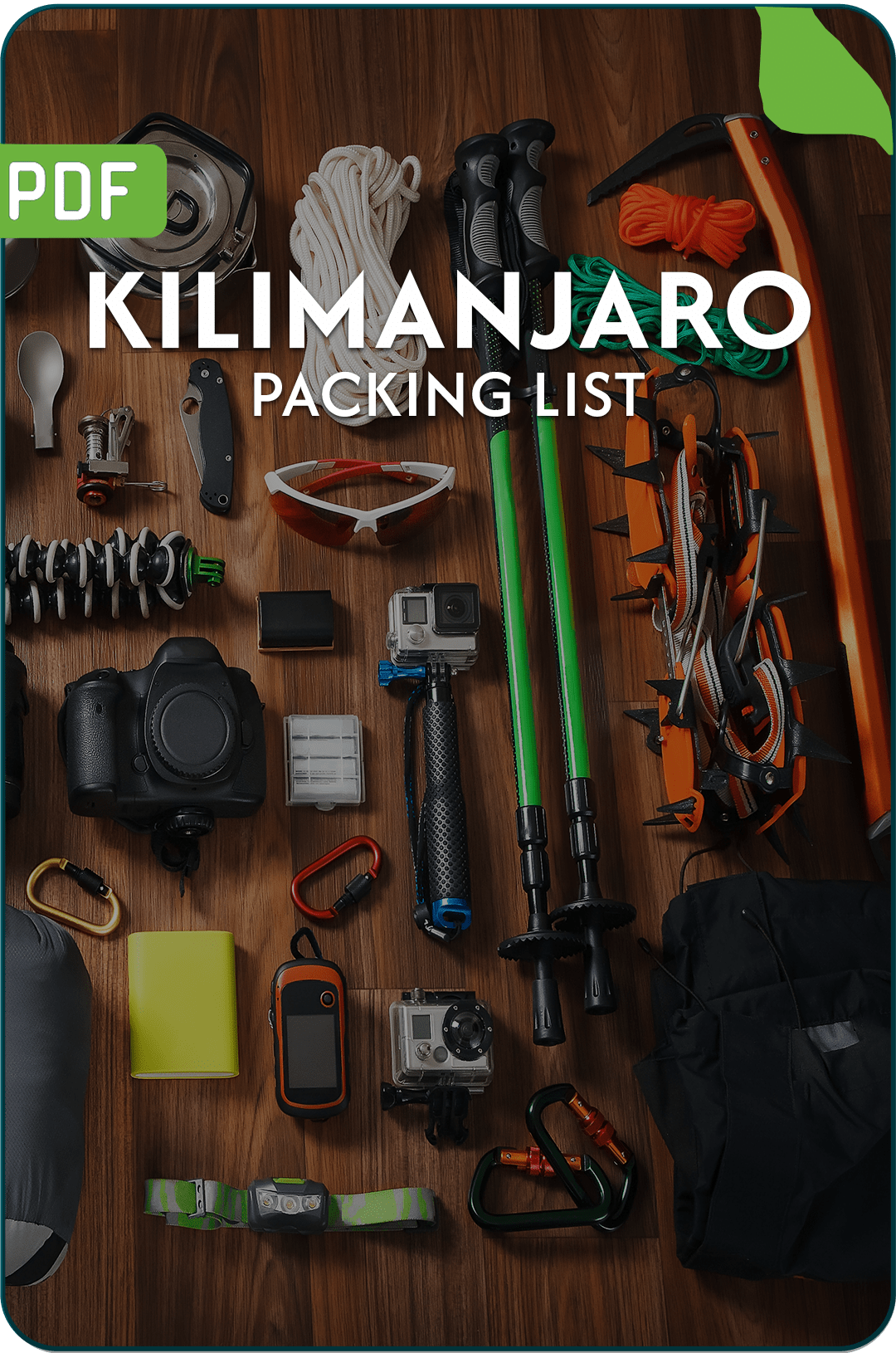
For more information on what to pack for an effective climb, download our Kilimanjaro Packing List.

  • Wildlife and Scenery

The diverse ecosystems of Kilimanjaro are home to various flora and fauna. December offers lush green landscapes due to the preceding rainy season. So, you’re in for a treat with nature and wildlife when Climbing Mt Kilimanjaro.

So, if you’re considering a unique way to spend your holidays, remember that Climbing Kilimanjaro is an experience waiting to be experienced.

Reasons to Climb in December

While every month brings its unique charm to the mountain, December has a certain charm that makes it the Best Month to Climb Kilimanjaro. Here’s why:

  • Unique Christmas ExperienceImagine reaching the summit on Christmas Day instead of the usual festivities! A Mount Kilimanjaro Climbing experience during this time can be a memory that you will cherish for lifetimes.
  • Nature’s Beauty. Witness varied plants, possibly spot wildlife like buffaloes and elands, and enjoy the magnificent sceneries in each zone.
  • Cultural ExperienceAfter your descent, explore the nearby town of Moshi. This Tanzanian town offers cultural experiences, local eateries, and relaxation spots.
  • Social Climbing. December is a month when you can join group climbs. This Mount Kilimanjaro Hike allows you to meet new people and make friends from all over the world.

While the challenge of the ascent remains a key motivator, the stories you collect, the people you meet, and the memories you create define the Mount Kilimanjaro Climbing Tours.

Best Month to Climb Kilimanjaro

Choosing Your Route

In December, the Kilimanjaro Climbing Routes maximize the scenery and allow proper acclimatization. We recommend the following routes:

  • Lemosho Route (8 days)- Known for its scenic beauty, it’s excellent for acclimatization.
  • Northern Circuit Route (9 days)- It’s a longer route, offering vast landscapes and diverse ecosystems.
  • Rongai Route (7 days): Ideal for wildlife enthusiasts. This path is generally shielded from rain, giving clear views.

Explore our Kilimanjaro Routes page to find the perfect match for your December Climb.

Celebrating December from Kilimanjaro’s Top

Considering a Kilimanjaro Climb this December? Remember, December isn’t just about festive lights and jingle bells; it’s one of the best times to conquer Africa’s giant.

The paths are less busy, the skies are mostly clear, and Mother Nature is blooming. Plus, imagine reaching the top with a festive cheer in the air! December might be your jackpot if you’re hunting for the Best Time to Climb Kilimanjaro.

“Step into the year-end magic with African Scenic Safaris, crafting lifetime memories!”

Simbo Natai
Simbo Natai, founder of African Scenic Safaris, crafts sustainable, meaningful Tanzanian journeys rooted in his deep local knowledge and passion.
Director, African Scenic Safaris

Top 7 Questions Every Climber Asks Before Climbing Kilimanjaro

Are you thinking about Climbing Kilimanjaro? You’re not alone! Many people before you have had significant and minor questions about this adventure.

You might be buzzing with excitement and nerves, or perhaps you’re exploring various Kilimanjaro Climbing Packages. Either way, we’re here to guide you through every step.

Here, we’ll address the top seven questions every climber wants answers to before starting their Kilimanjaro journey. Let’s get you ready for the climb of a lifetime!

1. How Difficult Is It to Climb Mount Kilimanjaro?

Climbing Kilimanjaro is unique; it’s not your typical mountain climb. Contrary to what some may believe, you won’t struggle with ropes or lifting heavy climbing equipment.

Instead, Kilimanjaro Routes are more about walking and taking in the serene landscapes.

Key Highlights:

  • No technical climbing skills are required.
  • All Routes Up Kilimanjaro are walkable, with well-defined paths.
  • There is no need for specialized equipment like ropes or helmets.

For instance, one of the notable paths leading to the peak is the Machame Route. Spanning about 39 miles from start to finish, it’s designed as a seven-day journey, translating to around 5.5 miles daily. The slightly longer eight-day Lemosho route covers about 46 miles, averaging 5.75 miles daily.

So, depending on the duration you want to spend in the mountains, you can choose the route to climb Kilimanjaro. For more information, please read our guide to select the Best Kilimanjaro Climbing Route!

Exciting Fact: Kilimanjaro isn't just a challenge; it's also a scenic walk amidst some of Africa's most stunning landscapes! Looking to be at your best for the climb? Our detailed "Effective Ways to Prepare for a Kilimanjaro Climb" guide is a must-read! You'll find handy tips and insights to make your ascent smoother. Prepare for Kilimanjaro
Kilimanjaro Difficulty
How Difficult Is It to Climb Mount Kilimanjaro

2. Why Do So Many People Not Make it to the Summit?

While the Kilimanjaro Climbing Routes are indeed walkable, this shouldn’t mislead you into thinking the trek is easy. Climbing Kilimanjaro requires physical and mental preparedness, and many are caught off-guard by their challenges.

Factors impacting Kilimanjaro Success Rate:

  • Duration of Trek

Many climbers aren’t accustomed to treks spanning multiple days. Kilimanjaro Routes range from six days (Rongai) to as many as nine (Northern Circuit), testing one’s endurance and mental stamina.

  • Camping Challenges

Not everyone is comfortable with the basic amenities on the mountain. Adjusting to things like bathing with minimal water or sleeping in tents under cold conditions can demoralize some climbers.

  • Altitude Issues

The altitude is the primary reason many don’t make it to the Summit. The higher you climb, the thinner the air becomes.

Despite Kilimanjaro Guides ensuring a slow ascent and using the “climb high, sleep low” method for better acclimatization (like hiking up to Lava Tower at 15,100 feet and then descending to Barranco Valley at 12,800 feet to camp), altitude sickness can still strike.

Special Note: Altitude sickness on Kilimanjaro isn't determined by one's physical fitness. It's about how one's body reacts to reduced oxygen levels. Both seasoned athletes and novices can be affected.

The thin air in the mountains, with its reduced oxygen levels, is the leading cause of Kilimanjaro Altitude Sickness and, consequently, why many don't reach the peak.Prepare Better! Discover ways to prevent altitude sickness on Kilimanjaro
 Kilimanjaro Climbing Routes
Why Do So Many People Not Make it to the Summit

3. How Can I Increase My Summit Success Rate?

Increasing your chances of standing atop Uhuru Peak requires preparation and strategy. It’s about sheer will and determination and your decisions even before you set foot on the Kilimanjaro Routes. Let’s break it down:

  • Choosing Your Route Wisely: The Kilimanjaro Climbing Routes are diverse. For seasoned trekkers, shorter paths like Rongai or Machame may suit.

But if you’re new, consider the Lemosho or Northern Circuits. They offer a longer journey, giving your body more time to adjust.

  • Gear Up Right: The climb traverses through varying climate zones. From the verdant rainforest to the icy Summit, gear up accordingly.
    • Clothing: Wondering what attire to pack? Our extensive Kilimanjaro Packing List contains a detailed checklist of what you should carry when climbing the mountains. Find out here.
    • Footwear: The importance of suitable footwear cannot be understated. Ensure your hiking boots are durable, give excellent ankle support, waterproof, and, mostly, comfortable.
  • Train Effectively: Proper Training for Kilimanjaro makes a difference. A fit body can focus more on acclimating than struggling with the trek. Get training tips here.
  • Hydration is Key: You might not feel thirsty on the climb, especially in cold conditions. But hydration is crucial. Listen to the guides when they say, “Maji, Maji” – it’s your hint to drink up!
  • Fuel Your Ascent: Consume the nutritious food provided during your climb. The calories are essential to keep you going. With African Scenic Safaris, rest assured there’s no shortage of delicious meals.

By embracing these guidelines and partnering with the expertise of our team, your Kilimanjaro Success Rate is bound to rise high. Take each step with confidence, knowing you’ve prepared thoroughly.

Summit Success Rate
Summit Success Rate

4. What’s The Best Route on Kilimanjaro?

Selecting the correct Mount Kilimanjaro Route for your climb can make all the difference to your climbing experience. From varied terrains to distinctive views, each route offers something unique. And the better you understand these differences, the more you’ll enjoy your journey with us.

Mount Kilimanjaro presents climbers with six distinct routes to its Summit: Machame, Lemosho, Northern Circuit, Rongai, Marangu, and Umbwe. However, note that Umbwe is primarily for resupplies and not typically used by climbers. We do not offer climbs on the Marangu Route.

For those keen on group climbs, we recommend climbs via the Kilimanjaro Routes:

  • 8-day Lemosho Route
  • 9-day Northern Circuit Route
  • 7-day Rongai Route
  • 7-day Machame Route

Below, we have presented a comparison of different routes. Hopefully, going through the Kilimanjaro Route Comparison will help you find the best route.

Kilimanjaro RouteMiles/DaysDescription
Lemosho46/8It starts from the west, rising to the Shira Plateau. They are celebrated as Kilimanjaro’s most scenic route.  
Northern Circuit54/9It begins from the west, circles the northern side, and approaches the Summit from the eastern side. It is the only route offering a clockwise trek around the mountain.
Rongai Route43/6A quieter experience that starts near the Kenyan border and approaches the Summit from the east.  
Machame Route39/7Known for its captivating views, this route ascends from the south and is fondly named the “Whiskey” route.

To enhance your Climbing Kilimanjaro experience and elevate your summit success rate, we recommend choosing either the Lemosho or the Northern Circuit is a good decision.

Both are highly recommended for their natural beauty and acclimatization advantages.

5. When Should I Climb Kilimanjaro?

Determining the Best Time to Climb Kilimanjaro can profoundly influence your trekking experience. While the Kilimanjaro National Park is open year-round, it’s advisable to be aware of the seasons.

Key Climbing Seasons and Their Characteristics:

  • Long Rainy Season: From mid-March through the end of May. The trails are wetter, making it a less popular time for Climbing Kilimanjaro.
  • Short Rainy Season: Occurs in November. Although shorter, this season sees less foot traffic due to rain.
  • Main Trekking Seasons: Spanning from mid-December to mid-March and June through October. These periods are dry seasons, which means clearer trails and more climbers.

When is the Best Time for Climbing Kilimanjaro?

While African Scenic Safaris believes any time can be right to take on this adventure, still, if we had to pick a specific month, they are:

  • September and October: With the summer rush behind us, these months offer tranquillity and friendly weather conditions.
  • End of February to mid-March: After the holiday hustle, this period presents a serene environment to tackle the peak.

For a more detailed breakdown of Best Time of Year to Climb Kilimanjaro, visit here.

Kilimanjaro Climbing Packages

6. How Much Does It Cost to Climb Mount Kilimanjaro?

Understanding the Kilimanjaro Climb Cost is essential for every aspiring trekker. While you might find tempting offers at cheaper rates, knowing what you’re paying for is crucial.

  • On-the-Spot Deals: These may seem appealing at roughly $1,500, but they’re full of risks. From potential scams to a lack of concern for your well-being, it’s best to stay away.
  • Budget Operators: Priced around $2,000, these services might save you money but often compromise your safety and porter welfare. It’s essential to prioritize ethical companies that align with organizations like KPAP.
  • Mid-Range Companies: These firms, like us, ensure safety, offer daily health checks, and are KPAP members. Without heavy marketing, their Kilimanjaro climb cost balances service quality and affordability.

For more information, read this piece on Kilimanjaro Climb Cost.

  • Luxury Operators: Delivering a premium experience, these services can go up to $5,000. They match their brand with every detail, from uniforms to tents.

Ultimately, Climbing Kilimanjaro isn’t just about the cost but ensuring a memorable and safe ascent. Choose wisely!

Kilimanjaro Climb Cost.

7. What Is Included in The Climb Price?

Want to know what you’re paying for when you decide to Climb Kilimanjaro? Let’s understand the usual things included and what you’ll need to pay separately.

Usually Included:

  • Hotel stays before and after the climb.
  • Rides to and from the mountain.
  • All needed park fees.
  • Food, drinks, and camping gear for the climb.
  • Pay for guides, cooks, and helpers.
  • Oxygen for safety.

Usually Not Included:

  • Flights to Tanzania and back.
  • Tips for the crew.
  • Visa fees for Tanzania.
  • Meals when not climbing.
  • Travel insurance.
  • Shopping souvenirs as a token of remembrance.

Always verify inclusions with your chosen Kilimanjaro Climbing Package, ensuring no hidden climb costs catch you unprepared.

Wrapping Up

Venturing Up on a Kilimanjaro climb often sparks numerous queries. While we’ve covered seven common ones, it’s natural to have more. For additional insights, check out our FAQs page link.

Being curious and seeking clarity ensures you’re well-prepared for the Mount Kilimanjaro Climbing experience. Have a safe journey with African Scenic Safaris!

Simbo Natai
Simbo Natai, founder of African Scenic Safaris, crafts sustainable, meaningful Tanzanian journeys rooted in his deep local knowledge and passion.
Director, African Scenic Safaris

Five Best Exercises to Train for Kilimanjaro

Training for Kilimanjaro is about more than just a casual workout regime. It’s about preparing both mind and body for the thrilling challenge of Mount Kilimanjaro Climbing.

Think of it not just as scaling a mountain but as a means of going on an adventure of a lifetime. But how can you ensure that this adventure is more exhilarating than exhausting? This can only be achieved by doing the right kind of exercise regimen.

In this guide, we’ll explore the top five exercises that will prep you for the Kilimanjaro climb and enhance your trekking experience. Discover the ideal fitness roadmap to the summit of Africa’s iconic peak, Mount Kilimanjaro.

1. Cardiovascular Endurance Training

Before you start thinking about Training for Kilimanjaro, the first and foremost requirement is building cardiovascular endurance. It’s not just about the height but the journey up there.

  • Aerobic Workouts: Engage in regular jogging, brisk walking, or cycling. Start with 30-minute sessions and gradually increase your time.
  • Swimming: An excellent full-body workout that builds stamina and improves lung function, essential for high altitudes.
  • Rowing: This helps build upper body strength and cardiovascular fitness.
  • High-Intensity Interval Training (HIIT): Short bursts of intense activity followed by rest or low-intensity periods. HIIT can effectively build stamina in less time.

Consider enrolling in a specialized Kilimanjaro Training Program to round off your cardiovascular training. Many facilities offer courses focused solely on the requirements for climbing such altitudes.

Kilimanjaro Training
Cardiovascular Endurance Training

2. Strength Training

Once on the Mount Kilimanjaro Hike, you’ll need strength to carry your daypack, tackle rugged terrains, and push forward during the most challenging parts.

  • Leg Workouts: Squats, lunges, and leg presses are key. Your legs will be doing most of the work, so they must be strong.
  • Core Exercises: Planks, sit-ups, and twists. A strong core will support your back and overall balance.
  • Upper Body: Push-ups, pull-ups, and dumbbell presses. You’ll need this strength for those uphill challenges and when using trekking poles.

When focusing on Training to Climb Kilimanjaro, remember that balance is vital. It’s not about bulking up but building lean muscle that supports and sustains you.

3. Altitude Training

One of the challenges when Climbing Kilimanjaro is adjusting to the altitude. While you can’t wholly replicate the mountain’s altitude, you can prepare your body by doing the following exercises to avoid Kilimanjaro Altitude Sickness:

  • Hypoxic Training: Some gyms offer environments that mimic high-altitude conditions. It’s a way to prepare your lungs and body for what’s to come.
  • Mountain Hikes: Engage in hikes on nearby peaks. This allows your body to adjust to different altitudes gradually.
  • Breathing Exercises: Deep breathing, yoga, and other exercises can help improve lung capacity and oxygen utilization.

While Mount Kilimanjaro Climbing offers breathtaking vistas and a profound sense of accomplishment, it also poses unique altitude challenges. So, training smartly is essential, ensuring your body and mind are well-prepared to tackle and enjoy every step of this grand ascent.

Altitude Training
Altitude Training

4. Flexibility and Balance

Maintaining flexibility can help prevent injuries. On Kilimanjaro Climbing Tours, the last thing you’d want is a sprained muscle slowing you down.

  • Doing Yoga while incorporating poses like the Downward Dog and the Warrior series improves flexibility and balance.
  • Pilates enhances core strength and improves overall body flexibility.
  • Tai Chi is a great martial art system that boosts balance and coordination. You must master these two aspects when navigating tricky terrains while Climbing Kilimanjaro.
  • Regular, post-exercise stretching can prevent muscle stiffness and improve range of motion.
  • Practice some balance exercises. Use stability balls or wobble boards to challenge your balance.

As you proceed with your Training for Kilimanjaro Plan, always prioritize warming up before workouts and cooling down to maintain muscle health.

5. Mental Preparation

Though mental preparation can be an overlooked aspect when Climbing Kilimanjaro, it can significantly determine the success of your journey. The heights of Kilimanjaro don’t just test your physical endurance but also challenge your mental resilience.

  • Meditation

Meditationis an age-old practice that can serve as a foundation, building mental grit and resilience.

Regular meditation can teach you to stay calm in adverse situations, allowing you to push through the more challenging phases of the climb with a clear and focused mind.

  • Visualization

It is a powerful tool for any athlete or adventurer; visualizing yourself standing triumphantly atop Kilimanjaro’s peak can instill a deep sense of determination.

Feel the cold breeze, imagine the vastness of the landscape, and see yourself achieving that moment of glory. This internal motivation can be pivotal during tough times on the trail.

  • Research and Reading

Knowledge is power. Dive deep into resources about Kilimanjaro Climbing Tours.

Familiarising yourself with the Kilimanjaro Climbing Routes, challenges, and experiences of past climbers can provide a mental roadmap, allowing you to anticipate and mentally prepare for what lies ahead.

As you lace up your hiking boots and shoulder your pack, remember that conquering Kilimanjaro isn’t just a physical endeavour. Your mindset plays a pivotal role in this journey.

In Closing: Prepare, Persist, and Conquer

Merging a solid mental attitude with rigorous physical training creates an unbeatable combination for Climbing Kilimanjaro. It ensures you’re well-equipped to face and cherish every moment on the majestic slopes of the grand mountains.

Ready to turn this vision into reality? Choose African Scenic Safaris and explore our tailored Kilimanjaro Climbing Packages to begin your once-in-a-lifetime ascent today.

Simbo Natai
Simbo Natai, founder of African Scenic Safaris, crafts sustainable, meaningful Tanzanian journeys rooted in his deep local knowledge and passion.
Director, African Scenic Safaris

Kilimanjaro Climbing Packages for Beginners – Tips and Recommendations

Choosing the right Kilimanjaro Climbing Packages can make all the difference in your experience, especially if you’re a beginner.

With many Kilimanjaro Tour Operators and packages available, it can be challenging to decide which one is right for you. The following tips and recommendations will help beginners choose the best Kilimanjaro Climbing Packages.

We will go over the factors to consider, the packages to choose from, and the best practices for beginners to ensure that they have a safe, enjoyable, and successful climbing experience.

Factors To Consider as A Beginner for A Kilimanjaro Climbing Package

When opting for Kilimanjaro Climbing Packages, there are some key factors that you need to consider. This will help lay the packages in line according to your inclinations, needs, and interests. Some of the principal factors to think through include the following:

Factors To Consider
Factors To Consider

Route and Difficulty Level 

Mount Kilimanjaro has 7 different routes, each with its unique terrain and challenges. Some routes are preferred for experienced climbers, whereas some are great for beginners.

We suggest that you take the Lemosho Route as a beginner. The trails are less challenging, and it has one of the highest success rates of all Kilimanjaro Routes.

Season and Weather Conditions 

Mt. Kilimanjaro experiences two wet seasons. One is from March to May, and the other is from November and December. Climbing during this time is challenging because of the slippery trails and limited visibility.

Budget – The prices of Mount Kilimanjaro Packages can vary depending on factors like duration, route, and services. So, it’s important to have a sense of your budget and what you can afford before choosing a package.

Reputable Tour/Climbing Operators – Another major factor in Climbing Mount Kilimanjaro and choosing a package as a beginner is choosing a reliable climbing operator.

Tackling this factor becomes significantly easier when you choose African Scenic Safaris as your climbing operator.

Included Services and Amenities – The Kilimanjaro Climbing Packages can include a range of services and amenities. For example, meals, tents, permits, guides, porters, equipment, etc. It’s crucial to carefully go over what’s included in each package and consider what services are important to you.

Thus, ensure that you consider the above factors when choosing Mount Kilimanjaro Packages. This will help in choosing a package that suits your experience level, and budget. While also providing an enjoyable and more importantly –safe Kilimanjaro Climbing experience.

Recommended Kilimanjaro Climbing Packages for Beginners

We know you’re a beginner! So, you don’t have a conclusive idea about which Mount Kilimanjaro Climbing Route to choose. But we’re here to make things easier for you. The following are some of our best packages, what Kilimanjaro Route they take, and their major takeaways.

NAME OF THE KILIMANJARO PACKAGE(S)ITS ROUTECENTRAL TAKEAWAYS
Quest from the West8 Days Lemosho Route– Unspoilt, spectacular scenery along the route – Plenty of time for acclimatisation
Orbit Kilimanjaro9 Days Northern Circuit Route– Excellent acclimatisation along the way – Incredible scenery, especially in the rainforest zone – Fewer Crowds – The highest rate of success
Above the African Plains7 Days Rongai Route– Top-of-the-line tents and equipment – Great scenery, making for some awe-inspiring photographs  
Without the Whiskey7 Days Machame Route– A wonderfully scenic trek through different Kilimanjaro ecosystems – Great opportunities for acclimatization – Excellent chances of making it to the summit of the mountain, Uhuru Peak.

Now you know what the major highlights of our Kilimanjaro Climbing Packages are. Next comes what is included and what’s not included in the above itineraries. Below are the details:

KILIMANJARO CLIMBING INCLUSIONSKILIMANJARO CLIMBING EXCLUSIONS
Camping and Tent FeesThe hiring of personal equipment (like sleeping bags, mats, clothing items, etc.)
Rescue FeesTipping Costs
Fees of Guides, Porters, and other staffVisas
All Drinking Water and MealsVaccinations
Accommodations in Moshi and a complimentary dinnerPrivate Toilets

Now that you know what amenities Kilimanjaro Climbing Packages offer, you can easily pick your preferred option. But things aren’t over yet! As a beginner, you need to know some crucial suggestions before beginning your climbing expedition.

Tips For Preparing for A Kilimanjaro Climb

Trekkers tend to underestimate Mount Kilimanjaro, and this is even truer for beginners. It’ll take some preparation, a calm mindset, and teamwork to conquer the Roof of Africa. The following are some tips that will help you accomplish the milestone of reaching Uhuru Peak:

Tips For Preparing
Tips For Preparing

Practice is the go-to word!

If you plan to Climb Kilimanjaro, then you’ll need to work out! You should undertake this task in a focused manner, by concentrating on leg-strengthening exercises and stamina. Remember, you don’t have to be a huge, muscled fitness freak, but some training beforehand will greatly benefit you.

Take your time and remember to go pole by pole!

You’ll often hear the words pole, pole while on a Kilimanjaro Climb. This means slowly, slowly! And it’s an important thing to keep in mind. Don’t just go rushing through the gate immediately. Instead, set an achievable goal in mind and you’ll enjoy your trekking experience a whole lot more.

Expect mild symptoms of AMS.

Some symptoms of altitude or Acute Mountain Sickness are typical while Climbing Kilimanjaro. They happen around the 3,000-metre line, which is usually in the moorland zone. The symptoms associated with altitude sickness are bouts of insomnia, nausea, dizziness, etc.

You can easily counter mild symptoms with over-the-counter medications like paracetamol, acetazolamide, etc. If you experience more intense symptoms, our rescue team will be there to look after you.

Learn Some Native Swahili Phrases!

Everyone appreciates when one makes the extra effort in attempting to speak their language. It doesn’t have to be a whole book, but a few pleasantries and greetings will go a long way in enriching your trekking adventure. Below are some common Swahili phrases that you can use:

PHRASE(S)MEANING
JamboHello
Lala salamaGoodnight
Habari yakoHow are you?
Jina langu niMy name is
Nafurahi kukuonaNice to meet you

Safety And Health Considerations for Climbing Kilimanjaro

Safety should always be your priority when climbing Mt. Kilimanjaro. This means having the right equipment, and clothing essentials, and choosing a Kilimanjaro Route that helps you acclimatize properly.

Every Kilimanjaro Route has certain challenges and uniqueness. Though, most importantly, some offer better acclimatization than others. This is exactly the reason why we offer 4 Kilimanjaro Routes for hikers looking to reach the top of the mountain.

They are Lemosho, Northern Circuit, Rongai, and Machame. They all have a great success rate and take special consideration for better acclimatisation.

Picking the right Kilimanjaro climbing package is not just smart planning; it is the difference between turning back halfway and smiling proudly from the summit with sore legs and big stories.

Follow Our Climbing Kilimanjaro Tips and Beginners Will See the Results!

We hope that this guide has helped provide valuable understanding and information on choosing the right Kilimanjaro Climbing Packages for beginners. We encourage all trekkers to prepare thoroughly, choose the right package, and enjoy a memorable and safe climb. Remember to respect the mountain, take care of yourself, and have a fun and safe adventure!

Craving even more information on Mount Kilimanjaro Climbing. Then, the following blogs won’t disappoint:

The Beginner’s Guide To Fitness Training For Kilimanjaro

Why Climb Kilimanjaro? How Adventure Travellers Make The Decision To Do It?

Simbo Natai
Simbo Natai, founder of African Scenic Safaris, crafts sustainable, meaningful Tanzanian journeys rooted in his deep local knowledge and passion.
Director, African Scenic Safaris

Tanzania Cultural Tour- From Masai Tribes to Hadza Bushmen

Tanzania Cultural Tour take you to discover attractions of the country’s diverse heritage and give you opportunities to meet some of Africa’s most iconic indigenous tribes

Tanzania is a country with 120 tribes. They have their traditional dances, music, rituals, social practices, and traditional religious beliefs. The lifestyle, the history of the people, their art, architecture, religion, and other things help to shape their way of life.

Here in this article, you will come to know details about Tanzania’s famous indigenous tribes.

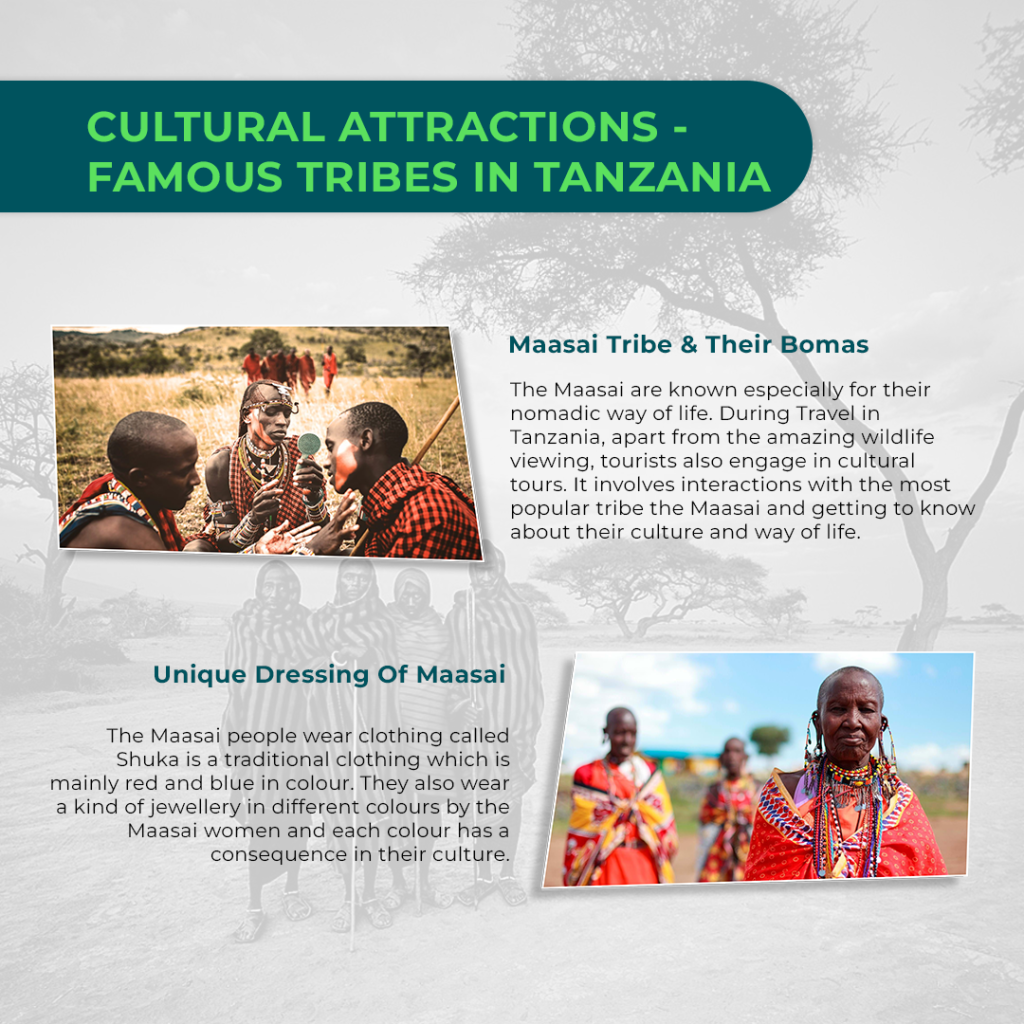
Cultural Attractions- Famous Tribes in Tanzania

Tanzania’s Tour is not just about wildlife and beaches, it is also filled with the most iconic cultures of Africa. The traditions of ancient people and their way of living are one of the best things to experience while visiting Tanzania. Let’s know more about the Cultures of Tanzania.

Tanzania Cultural Tours

Maasai Tribe and Their Bomas:

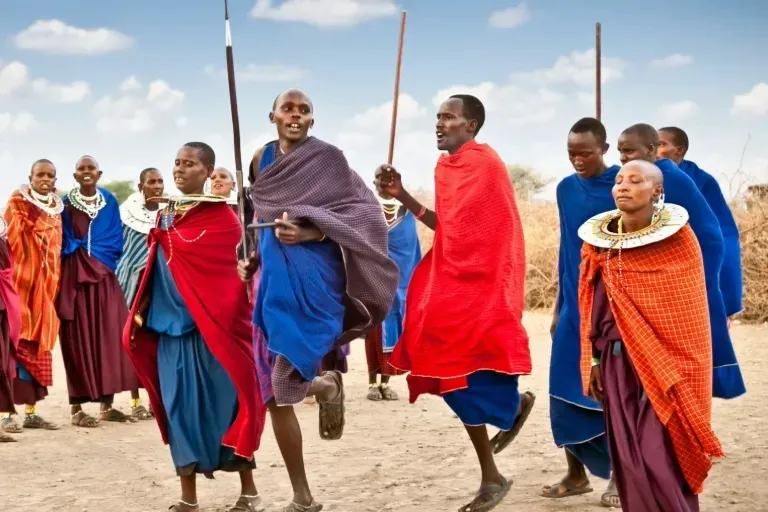
The Maasai are known especially for their nomadic way of life. During Travel in Tanzania, apart from the amazing wildlife viewing, tourists also engage in cultural tours. It involves interactions with the most popular tribe the Maasai and getting to know about their culture and way of life.

Maasai people can be found during safaris around Serengeti National Park and the Ngorongoro Conservation Area. You can also see them in the neighboring areas of the national park. In the Ngorongoro conservation area, the Maasai people can be seen as they graze their livestock in the savannah plains.

Other places where the Maasai and other cultures can be encountered are Mto wa mbu, Babati, Hanang, and Engaruka, among others.

A visit to the Maasai village gives an authentic Maasai experience of their way of living. Like during Safaris in Tanzania, tourists can see cattle being auctioned in Longido Maasai village.

Unique dressing of Maasai:

The most fascinating aspect of Maasai culture is their clothing and jewelry.

  • The Maasai people wear the clothing called Shuka is traditional clothing that is mainly red and blue in color.  
  • They also wear a kind of jewelry in different colors made by the Maasai women and each color has a consequence in their culture.
  • The clothing style and colors change according to age, sex, and social position.

The Maasai are so unique in their dressing sense that one can easily recognize them from their outfit.

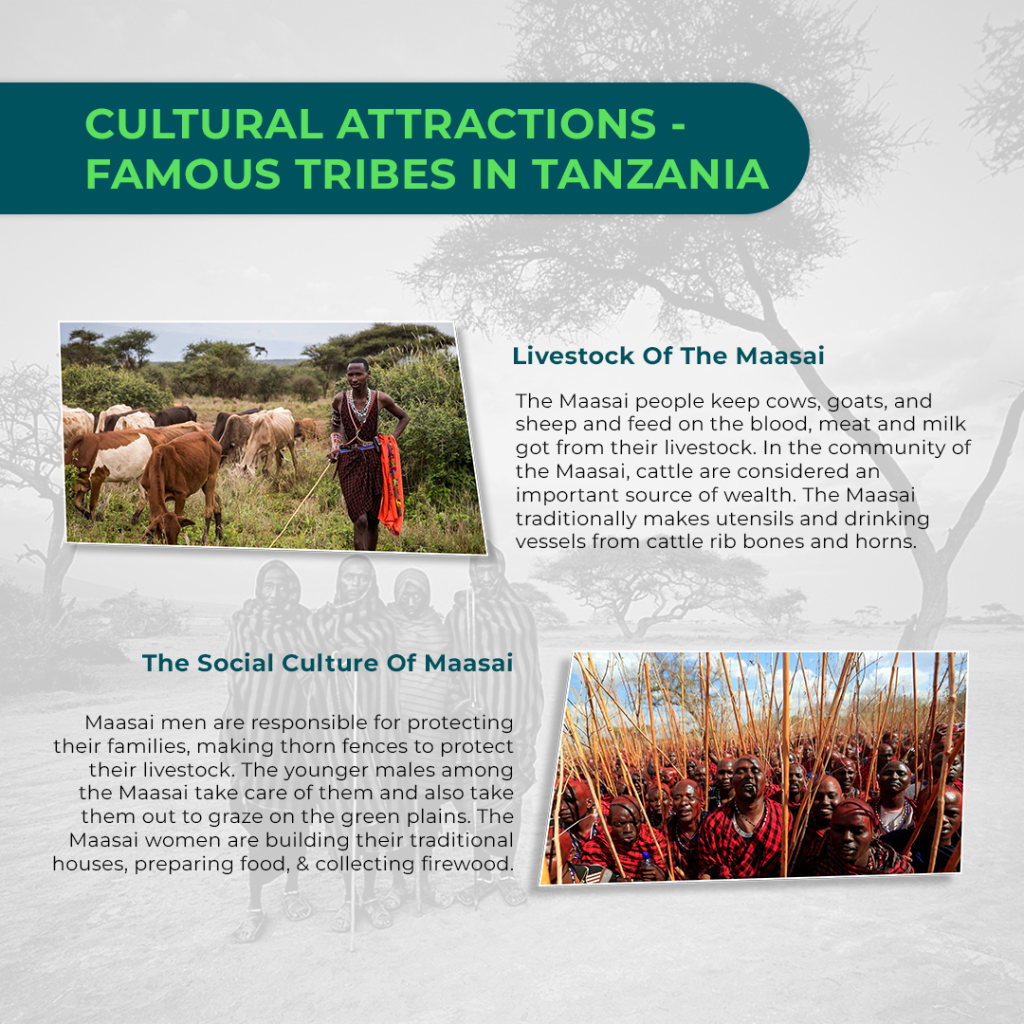
Livestock of the Maasai:

The Maasai have been depending on their livestock for all their basic needs like food, clothing, and shelter.

  • They keep cows, goats, and sheep and feed on the blood, meat and milk got from their livestock.
  • In the community of the Maasai, cattle are considered an important source of wealth.
  • The Maasai traditionally makes utensils and drinking vessels from cattle rib bones and horns.

The future of one of Africa’s proudest and most independent indigenous societies is thus seriously endangered. That’s why many Maasai have taken up other ways of their living, such as farming or working in the tourist trade.

Cultural Tour Tanzania

The Social Culture of Maasai:

Among the Maasai, the families are extended and the houses they live in are enclosed in thorn fences. This is mainly to protect the livestock and the Maasai people from harm.

  • The Maasai men and women have to follow different roles in their society and these roles are divided depending on age groups.
  • Maasai men are responsible for protecting their families, making thorn fences to protect their livestock.
  • The younger males among the Maasai take care of the livestock and also take them out to graze on the green plains.
  • The roles of the Maasai women are building their traditional house, preparing food, and collecting firewood.
  • The Maasai women also make their iconic jewelry. They also make other crafts that tourists can buy during their safaris around the Northern Part of Tanzania.

The land is communally owned by the Maasai community. The Maasai are a semi-nomadic tribe. Although cattle are the main source of food, they also engage in agriculture for their living.

Ancient Hunter-Gatherers-The Hadzabe:

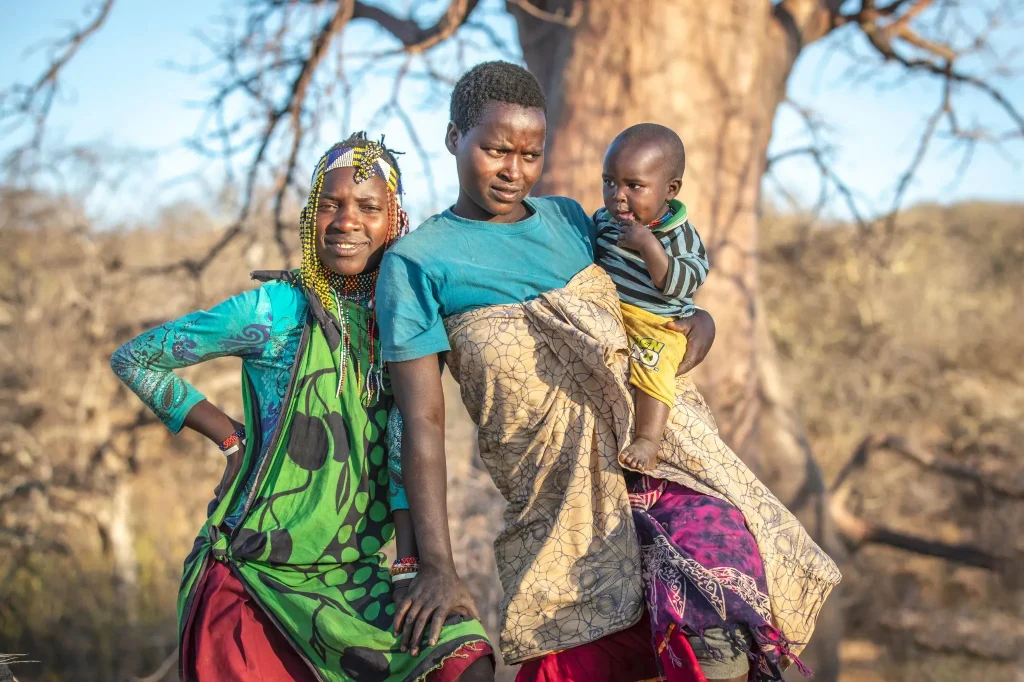
The Hadza people are an ancient group of Central Tanzania living around Lake Eyasi in the central Rift Valley and the neighboring Serengeti Plateau.

The Hadzabe Still leads the same hunter-gatherer lifestyle that has sustained their people for generations. Local-made poisons and ingenious camouflage are used to hunt.

Tourists not only visit with these traditional people but also witness a thrilling sunrise hunt. It will get to know how these people have survived in the Tanzanian wilderness for thousands of years.

Tanzania Tribe

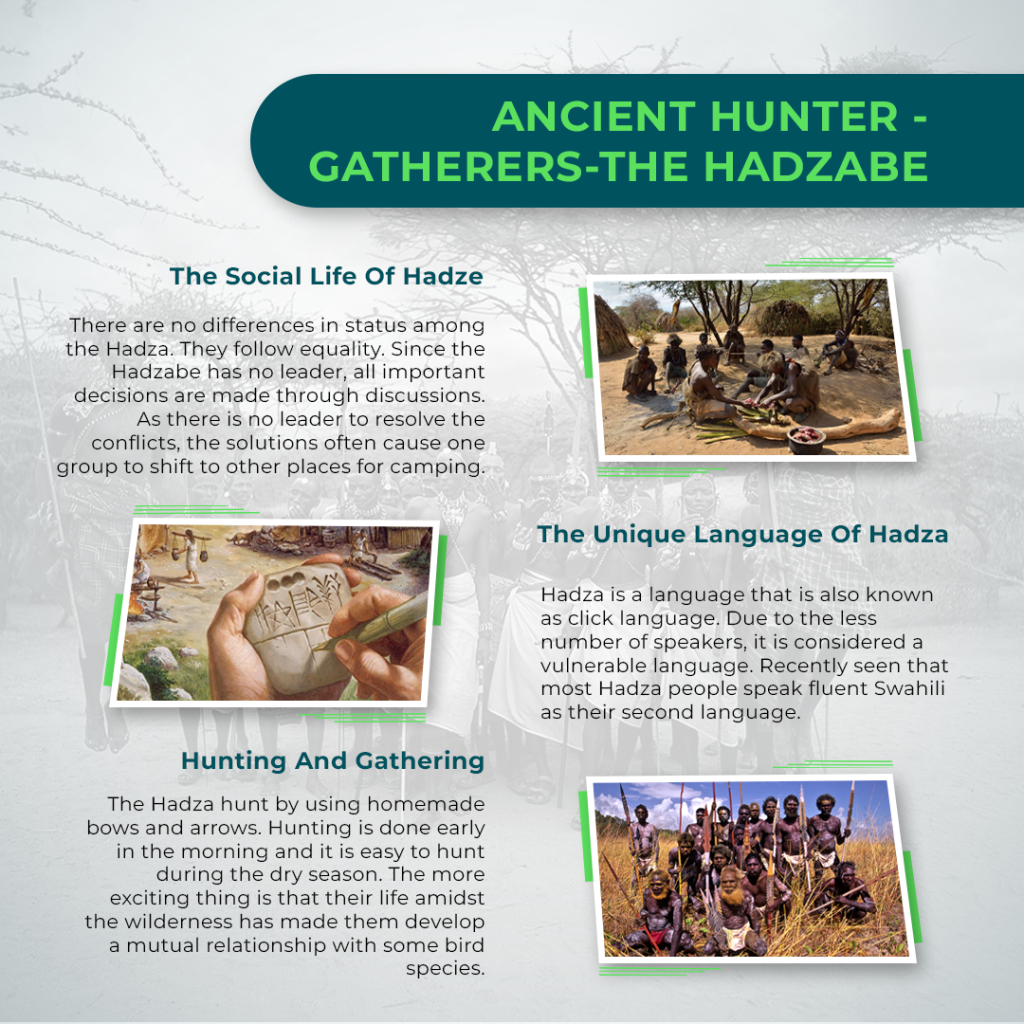
The social life of Hadze:

Hadzabe or simply the Hadza, a tribe that majorly depends on hunting and gathering for their livelihood. They are one of the most ancient tribes found in Tanzania.

  • With an estimated population of around 1300 individuals, the Hadzabe are one of the last tribes to continue their history and culture.
  • Existing far from the crowds and globalization, they still follow their ancient way of living.
  • There are no differences in status among the Hadza. They follow equality and all members have the same status.
  • Since the Hadzabe has no leader, all important decisions are made through discussions.
  • As there is no leader to resolve the conflicts, the solutions often cause one group to shift to other places for camping.

The Hadza people are not much socialized and they do not have domesticated animals like the Maasai tribe.

social life of hadze

The unique language of Hadza:

Like all ancient tribes, the Hadza people have also a special language called ‘Hadzane’.

  • Hadza is a language that is also known as click language.
  • This unique language is believed to relate to the Bushmen in the Kalahari Desert.
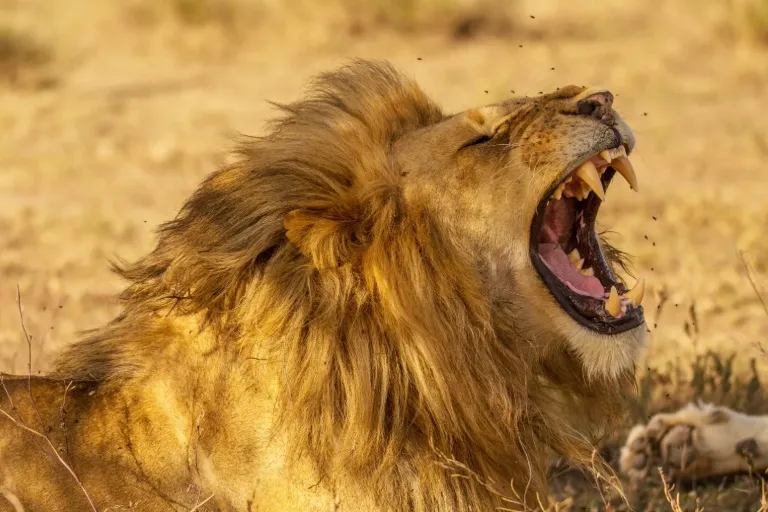
  • Due to the less amount of speakers, it is considered a vulnerable language.
  • They have recently seen that most Hadza people speak fluent Swahili as their second language.

It is believed that the Hadza speech community will remain stable and also continue their traditional style of living.

Hunting and Gathering:

The life of the Hadza people is full of thrill and traditional things. For example, they live their life by hunting animals.

  • The Hadza hunt by using homemade bows and arrows.
  • Hunting is done early in the morning and it is easy to hunt during the dry season.
  • The more exciting thing is that their life amidst the wilderness has made them develop a mutual relationship with some bird species. 
  • Especially the one bird named “honey guide” signalizes the Hadza men by a whistle call.
  • The Hadza women and children gather fruits, roots, berries, and some mushrooms for food.

These are the lifestyle of the Hadza people which are adopted by them for thousands of years.

To visit these famous tribes, plan your Cultural Tour to Tanzania with us. For this contact us at +255 (0) 784 413 801 or email at info@africanscenicsafaris.com.

Visit and Experience The Ancient Tribes of Tanzania! 

Cultural Tours in Tanzania offer wonderful opportunities to meet Africa’s most interesting indigenous tribes like Maasai and Hadza. The cultural tours are often an additional activity but still, a lifetime memory one will earn. For any further queries, stay in touch with African Scenic Safaris. Our experts are there to help you with your concern.

Simbo Natai
Simbo Natai, founder of African Scenic Safaris, crafts sustainable, meaningful Tanzanian journeys rooted in his deep local knowledge and passion.
Director, African Scenic Safaris

Rare Albinos in The Wild- The Growing Phenomenon In Tanzania’s Wildlife

A new trend is evolving in the Tanzania Wildlife scene. Recently, rare albino animals have been spotted in the northern safari parks in Tanzania. This trend, far from random, has mesmerised nature enthusiasts worldwide.

Sightings like these are becoming more common on Tanzania Safari Tourssparking intrigue among travellers and conservationists alike It’s a unique window into the complex workings of nature’s biodiversity.

Let’s uncover this mystery together through our tailor-made Tanzania Safari Packages.

Understanding the Enigmatic World of Albinism in Wildlife

Each Safari Tour in Tanzania comes with the hope of witnessing something remarkable. This expectation has been met with a delightful surprise in recent months and weeks – encounters with albino animals.

From the vast Serengeti plains to the tranquil environs of Arusha National Park, sightings of albino animals include the following list:

  • Giraffe
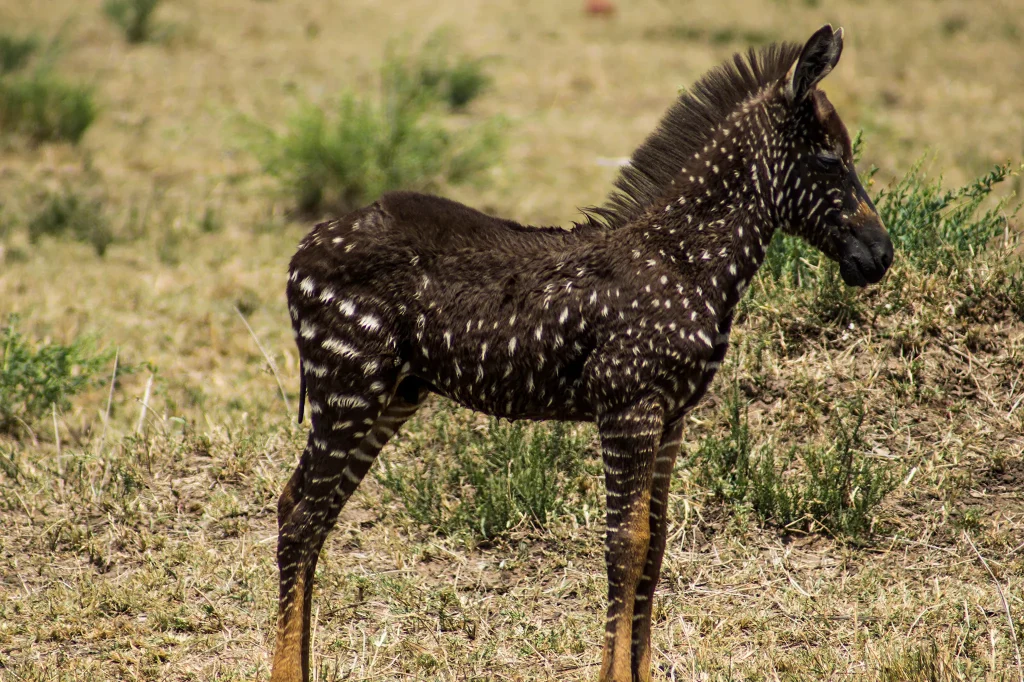
  • Zebras
  • Wildebeest in the Serengeti
  • Even buffalo and baboons in various parts.
Tanzania Wildlife
Tanzania Wildlife

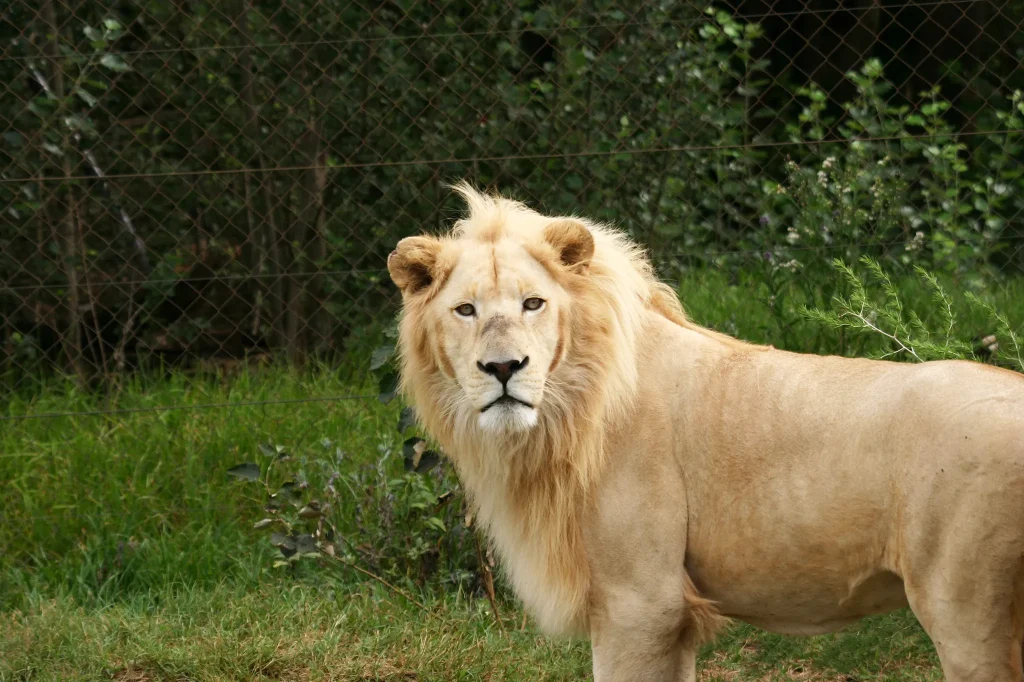
“Picture a white giraffe walking through Tanzania’s grasslands or a pale buffalo eating with its herd. This magical sight is a distinctive experience of Tanzanian safaris.”

What is this Albinism in wild animals?

Albinism is a genetic condition that affects some animals in the wild, including those you might encounter on a Safari in Tanzania. This condition causes animals to lack pigmentation in their skin, hair, feathers, scales, and even eyes, leading to a white appearance and often pink or red eyes.

These unique features are the result of tiny blood vessels being visible through a transparent iris, typically concealed by colour in non-albino animals.

Here are some key points about albinism in wildlife:

  • Albinism is rare, with estimates ranging from 1 in 20,000 to 1 in 1 million births in wildlife. This makes seeing an albino animal during your Tanzania Wildlife Safari a truly special experience.
  • Albinos are more susceptible to predators due to their stark white appearance, which can also hinder albino predators from stalking prey.
  • Albinos often have vision issues, including blindness.
  • Partial albinism, or ‘piebald’, is more common than true albinism. Piebald animals, such as deer, have blotchy white fur but lack the pink eyes of albinos.

This genetic anomaly, although rare, adds a unique aspect to the diversity of Tanzania Wildlife Tours.

The Diversity of Albino Wildlife in Tanzania

What kind of albino sightings can you expect to see on your Safaris in Tanzania? Though the answer varies as these occurrences are rare, a few notable sightings that have been recently reported by our guests include: 

  • The striking sight of an albino giraffe in the Serengeti
  • An albino wildebeest calf in Ndutu
  • Sightings of an all-white buffalo at Tarangire National Park
  • An albino zebra crossing the Mara River in the Serengeti
  • A mother albino baboon with her normal-coloured baby in Arusha National Park

Each interaction is an extraordinary part of the Best Safari in Tanzania, showcasing the biodiversity that these safaris aim to protect.

 Tanzania Wildlife Safari
Tanzania Wildlife Safari

Do You Know?

There is a reason for an increase in albino animal sightings that is visible on Tanzania Wildlife Safari Tours. This is because villages have grown, blocking animal migration routes between various parks in Tanzania and Kenya. This blockage causes animals to stay and breed within one area, leading to an increase in the genetic trait of albinism. This unique phenomenon on a Tanzania Safari underscores how human activity affects wildlife migration and habitats.

Tanzania’s wild isn’t just black and white—it’s white on wild! Spot nature’s rarest surprise, where ghostly giraffes and pale zebras turn every safari into a once-in-a-lifetime sighting.

Conservation Challenges & Strategies to Protect Albino Animals

Unfortunately, albino animals face a range of threats. Their unique colouration can make them more visible to predators and poachers. Superstitions and myths about albinos can also lead to harm.

During our Safari Tanzania excursions, we often address these challenges and explore what’s being done to help. Efforts to dispel harmful myths surrounding albino animals and cultivate understanding and respect for them are crucial.

Through education and community engagement, we aim to ensure the continued survival and well-being of Tanzania Wildlife.

Celebrating the Beauty and Uniqueness of Albino Wildlife

Spotting an albino animal is indeed special, and each Safari Tour in Tanzania is a chance to celebrate this uniqueness. Even though these rare creatures represent less than one per cent of wildlife, their presence adds an extraordinary layer of diversity and intrigue to our Tanzania Safari Tours.

When you select a Tanzania Safari Tour Package from African Scenic Safaris, you not only become a part of an enriching journey but also contribute to the valuable cause of preserving these exceptional albino beings. Your African adventure, therefore, will carry both thrill and purpose.

Simbo Natai
Simbo Natai, founder of African Scenic Safaris, crafts sustainable, meaningful Tanzanian journeys rooted in his deep local knowledge and passion.
Director, African Scenic Safaris

Mapping The Serengeti Wildebeest Migration with Our Monthly Guide!

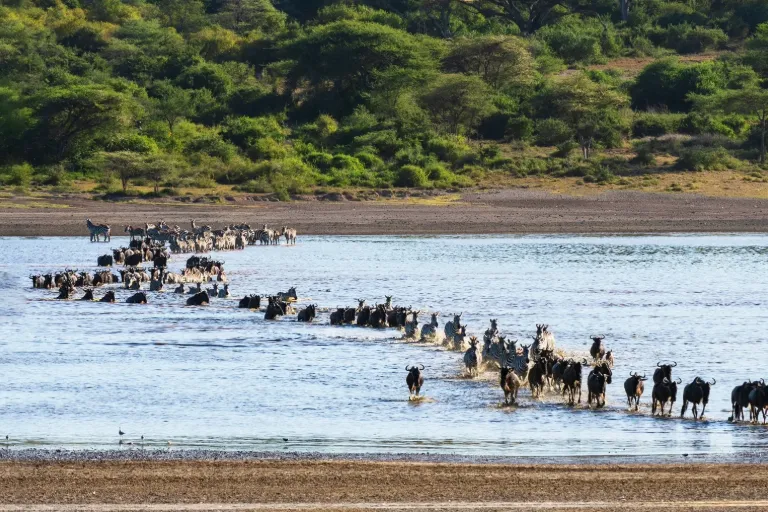
Few sights in the world compete with the grandeur of the Serengeti Wildebeest Migration. Every year, over a million wildebeests, zebras, and other antelope species brave the harshest of conditions and keep on migrating in search of the best water and food.

Rains play a crucial role in mapping the great migration. These wildebeests and other species trust their instincts and keep on moving following the rains. Even though they follow a similar circular route each year, the exact time always varies depending on the rain.

In this blog, we will guide you through this mesmerising migration month by month and talk about Mara River crossings. We will also give you handy tips on avoiding tourists, and conclude with the best tips to witness this natural spectacle on your next Tanzania Safari Tours. So, let’s begin!

Serengeti Migration
Serengeti Migration

Serengeti Wildebeest Migration Month-Wise Guide

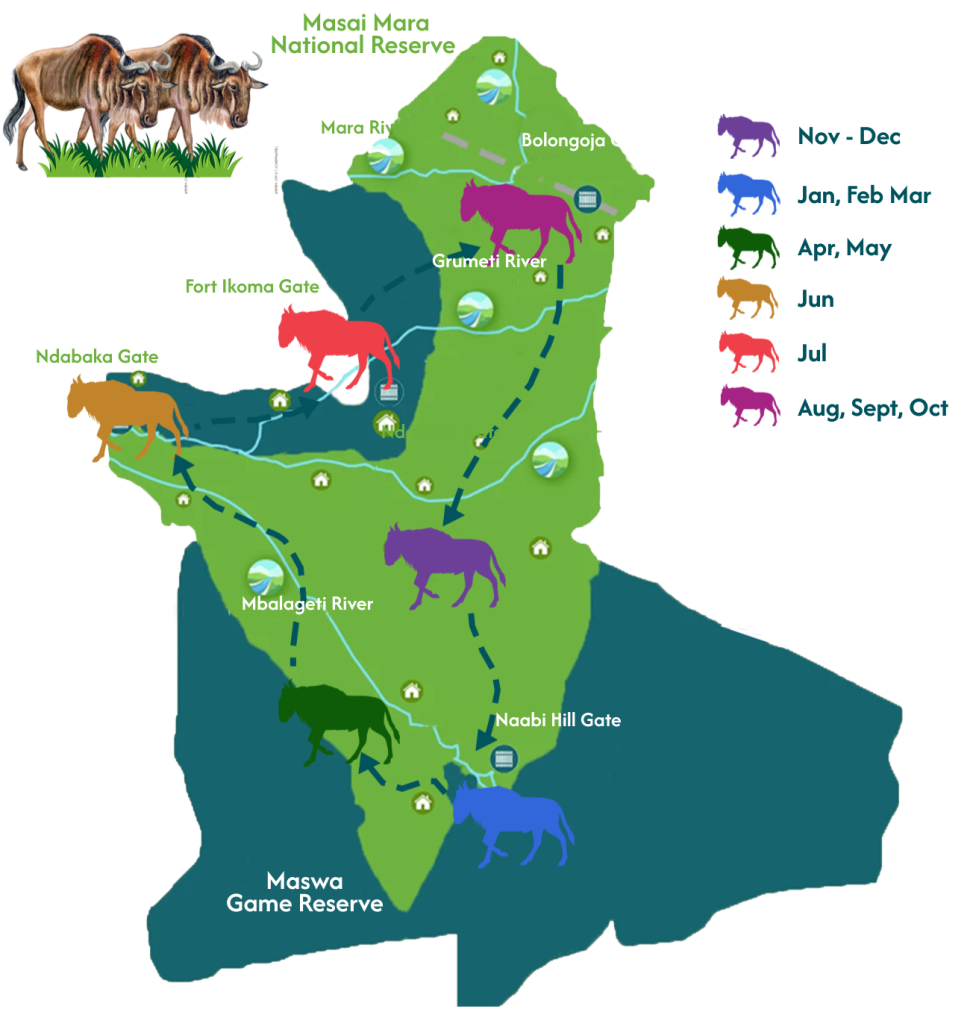
The journey of the wildebeest, a key spectacle of the Serengeti Migration, is dictated by the availability of food. The wildebeest follow the patterns of rainfall and growth of grass, moving in a clockwise direction through the Serengeti and Maasai Mara.

Month-Wise Guide
Month-Wise Guide

JANUARY

In January, the first rains of the year fall on the southern Serengeti plains. This draws the herds to the Ndutu area.

  • The herds gather around Naabi Hill and Lobo, the Best Place to see the Wildebeest Migration at this time.
  • Many females are heavily pregnant and eager to reach greener pastures.
  • Serengeti Safari during this time is marked by the anticipation of the calving season.

FEBRUARY

As February rolls in, the calving season is in full swing. Nearly half a million wildebeest calves are born in the Serengeti plains alone.

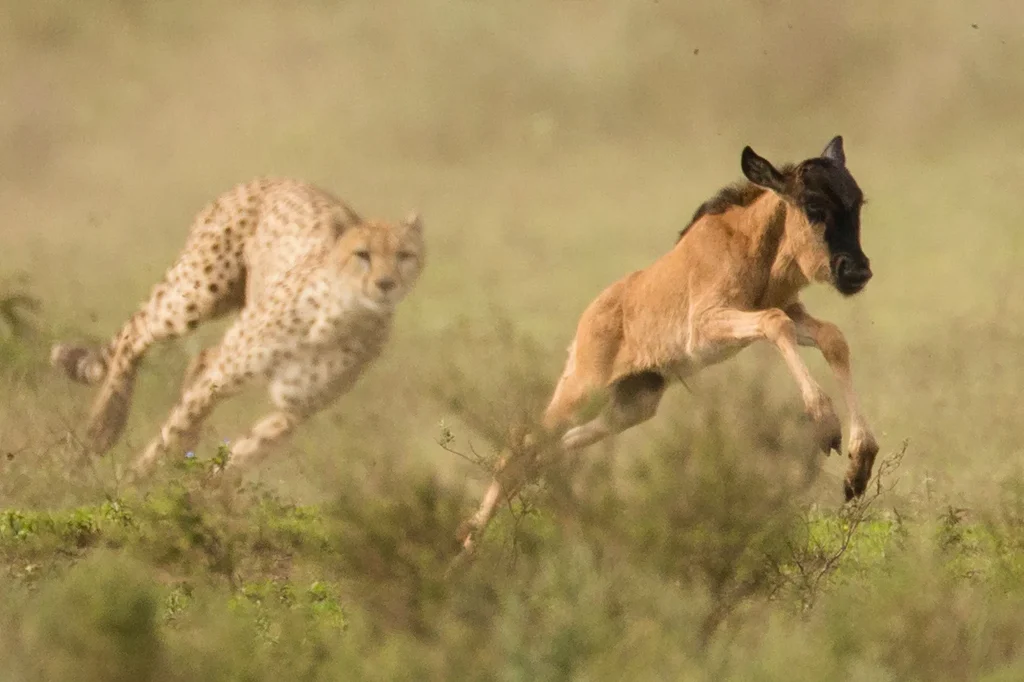
  • The areas around Lake Maek and Lake Ndutu buzz with newborns learning to stand and walk within minutes of their birth – an essential survival skill in the predator-rich Serengeti.
  • This spectacle offers a great opportunity to see a different side of the Great Migration Serengeti.
  • It is often believed that around 8000 calves are born every single day. Quite an astonishing number!
  • The herds stay in the southeast Ndutu area for a while after the wildebeests give birth. Afterwards, they start their clockwise journey to up north.  

African Scenic Suggestions: If you want to spot young and wobbly babies, it is best to go out on a Serengeti Safari Tour at midday. This is when most wildebeests are expected to give birth. You will have an amazing time watching the tender young ones get to their feet in just two or three minutes after giving birth. In no time, they can outrun a lion!

MARCH

By March, the mobile camps in the Serengeti Safari are a vantage point to witness the migration.

  • The herds can be found in the Ndutu and Kusini Maswa regions in the southwest of the park.
  • The presence of newborns means the movement of the herds is slow, adding a unique rhythm to the Serengeti Migration Safari.
  • It does rain in the afternoons in March. Be prepared!

APRIL

April in the Serengeti is characterised by heavy rainfall. The herds move from the Ndutu region, past the Simba kopje, towards Moru.

  • Unlike the massive concentrations seen in the earlier months, the herds are now dispersed into large groups.
  • If lion sightings are on your wish list, Simba Kopje is the place to be!

African Scenic Suggestions: Pack your rain jacket if you are planning for Serengeti Tours in April. Also, the rains can make the plains slippery. Also, it will be difficult for your vehicle to travel anywhere due to mud and rain unless it is a 4×4 vehicle.

MAY

By May, the long rains continue, but the wildebeest keep on moving. As the calves grow stronger, the herd covers longer distances.

  • During this month, they are usually found moving between Moru and Mokoma, heading towards Lake Magadi.
  • This period offers a perfect setting for wildlife photographers during their Serengeti Migration Tours. You are going to get those action shots of prey-predator action, which are worth a million bucks!

JUNE

The rainy season ends by June, and the herds spread out even more. The front-runners reach the Mbalageti River, while the rest can still be found as far back as Lake Magadi or even the southernmost corner of the Simiti and Nyamuma Hills.

  • The rutting season (mating season) usually begins in June.
  • You can anticipate witnessing intense clashes among rival males as they strive to capture the attention of females.

JULY

By July, the wildebeest have made it to the western Serengeti and the Grumeti Reserve, moving past Fort Ikoma.

  • One of the most dramatic river crossings, the Grumeti River crossing usually takes place in July. But the exact time will depend on the rain.
  • The wildebeest and zebra merge into a massive collective before attempting to cross the Grumeti River in their northern journey.
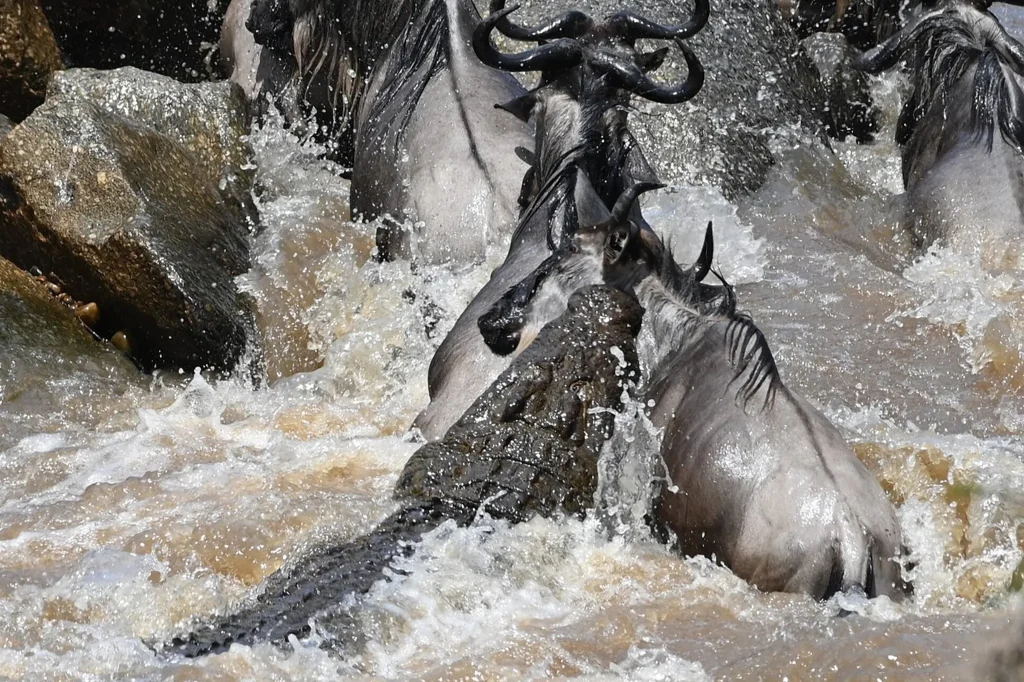
  • With treacherous water currents and the Nile crocodiles hidden in the muddy waters, and lions, cheetahs, and hyenas anticipating their arrival, only the fittest survive.
  • Though the Grumeti River crossings may not be as spectacular as the Mara River crossings, it’s still an event to behold in the Great Migration Serengeti. This is because the Grumeti River does not have as much volume of water volume as the Mara River.  
Serengeti Wildebeest Migrations

AUGUST

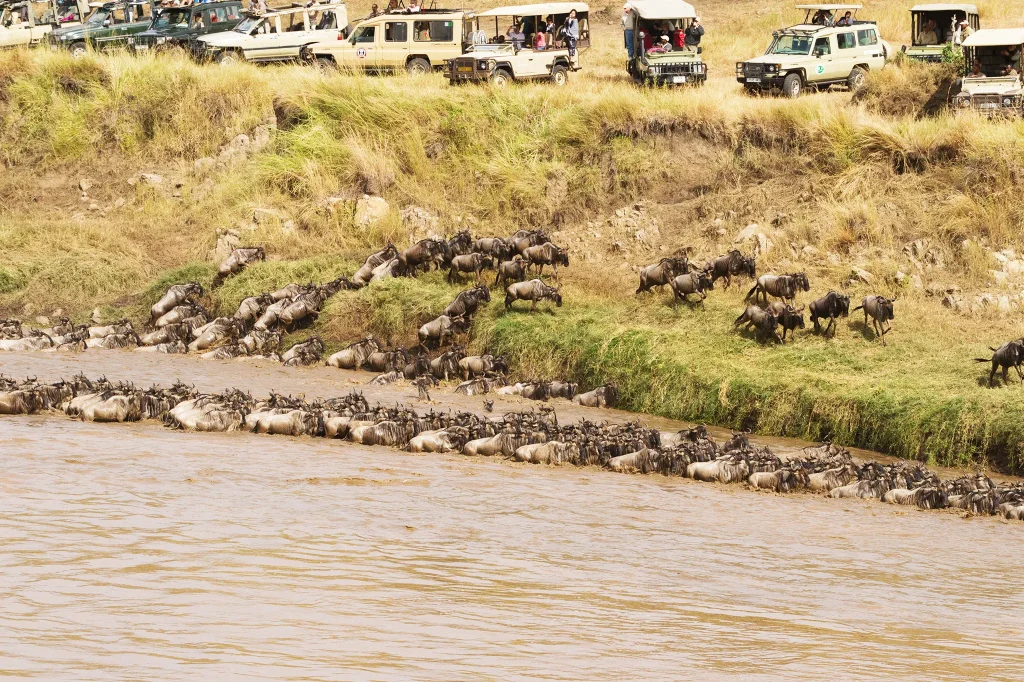
August brings the biggest challenge for the herds – the crossing of the fast-flowing Mara River.

  • This crossing causes one of the highest death tolls during the Great Wildebeest Migration.
  • The deadly river claims many lives, but those who cross it continue their journey into the Maasai Mara.
  •  Nevertheless, it is an adrenaline-pumping spectacle where every death represents nature’s ruthless bounty for crocodiles, birds, and fish.

SEPTEMBER

September presents an opportunity to see the herds in the vast open plains of the Maasai Mara.

  • It is the tail-end of the Mara River crossing and the start of the grazing season.
  • With hot and dry weather, don’t forget your hat for this safari.

OCTOBER

October is a relatively relaxed month for the herds.

  • They enjoy grazing in the Maasai Mara after surviving the treacherous Mara River crossing.
  •  The migration appears calm, but the anticipation of the upcoming short rains keeps the herds and the spectators on their toes.

NOVEMBER

In November, the ‘short rains’ trigger the next big move. The herds head south towards western Loliondo and the Lobo area in Serengeti National Park.

  • This time is marked by smaller family groups seriously engaging in grazing.
  • November Serengeti Migration Safari Tours can be unpredictable, but it’s all part of the experience.

DECEMBER

By December, the herds return to the southern part of the Serengeti, and the cycle begins again.

One moment it’s calm, the next it’s chaos—watch hooves thunder, predators lurk, and nature’s most dramatic show unfold across the Serengeti stage where instinct writes the script and survival steals the scene.

The Mara River Crossings

The Mara River Crossings are the most dramatic moments of the Serengeti Migration Safari.

These crossings depict the raw struggle for survival as the wildebeest and other antelopes face turbulent waters, crocodiles, and opportunistic predators on the banks.

The anticipation, chaos, and drama of this event can be hard to capture, but it is sure to leave an everlasting impression on the minds of every safari-goer.

How to Avoid the Crowds?

While the Serengeti Migration is a popular spectacle, you can avoid the tourist crowds by timing your visit during the rainy season, between late March and late June.

Opting for a Serengeti Safari Tour during the off-peak season not only promises prime viewing but also provides the opportunity to follow a pride of lions in relative solitude.

The Best Tips for Seeing the Serengeti Wildebeest Migration

Choosing the right time for your Serengeti Wildebeest Migration Safari is essential. Decide what you want to witness – river crossings, massive herds, or calving – and plan accordingly.

Opt for lodges that offer easy access to the herds and consider booking Tanzania Safari Packages that align with your preferences.

Wildebeest Migration

Celebrating the Rhythm of Serengeti Wildebeest Migration

In the end, don’t forget that the Serengeti Wildebeest Migration happens at its own pace. It doesn’t rush or pause – it just follows the rhythm of life, guided by nature.

Each moment of the Serengeti Wildebeest Migration offers a unique glimpse into the raw and untamed magic of the wilderness. It turns your Serengeti Safari into a truly deep experience.

At African Scenic Safaris, we offer the best Tanzania Safari Tours. We’ll take you right to the heart of the action, where you can witness this remarkable natural spectacle in all its glory.

Contact us today and let’s start planning your unforgettable African adventure. We can’t wait to share the magic of Tanzania with you!

Simbo Natai
Simbo Natai, founder of African Scenic Safaris, crafts sustainable, meaningful Tanzanian journeys rooted in his deep local knowledge and passion.
Director, African Scenic Safaris

Going Beyond the Expected – The Most Unique Things to Do in Tanzania!

Tanzania is a paradise not just for wildlife lovers but also for adventurers seeking the path less travelled.

While the usual Tanzania Safari Tours led you to awe-inspiring wildlife, this beautiful country hides some lesser-known treasures. From peaceful parks to historical islands, there’s much more to explore in Tanzania.

Let’s go beyond the expected and discover unique Things to do in Tanzania that make this gem special.

Why is going beyond the expected exciting for Tanzania Safaris?

The usual perception of a Tanzania Safari typically revolves around the majestic Serengeti or the unique ecosystem of Ngorongoro Crater.

Undoubtedly, these are experiences of a lifetime, but delving deeper into Tanzania reveals the country’s rich wealth of lesser-known but equally enthralling destinations.

These uncharted territories enrich your safari experience, leading you to the hidden gems beyond the safari trail.

Going beyond
Going beyond

Rubondo Island National Park – Staple of Tranquillity

Tucked away in Lake Victoria’s southwestern corner, Rubondo Island National Park is the epitome of tranquillity. It’s one of the Tanzania National Parks that offers a serene escape away from the crowds.

  • Experience a calm boat ride or charter flight from Mwanza to Rubondo.
  • Witness the diverse birdlife, including fish eagles, herons, and storks.
  • Explore the wilderness with walking tours, hippo spotting, and croc-spotting.
  • Enjoy the tranquil atmosphere of Rubondo Island Camp or park-run cottages.

Tanzania’s magic doesn’t end with lions and zebras—it sparkles in flower fields, echoes through ancient ruins, and dives deep into coral-rich waters where the wild is always full of surprises.

Kilwa Kisiwani – Dhow Sailing

Steer away from the safari routine and set out on a cultural journey to the small island of Kilwa Kisiwani. Situated approximately 300km south of Dar es Salaam, the small island of Kilwa Kisiwani is steeped in history.

It once served as the hub of sultans and a prominent trading network that connected the ancient Shona kingdoms and Zimbabwe’s gold mines with far-flung places like Persia, India, and China.

The unique experience that visiting this place provides undoubtedly makes it one of the Best Things to do in Tanzania.

  • Take a traditional dhow sail from the mainland to this UNESCO World Heritage Site, opening a portal to history.
  • Explore the exceptionally preserved remnants of some of East Africa’s most important Swahili structures, hailing from the 12th to 19th Centuries.
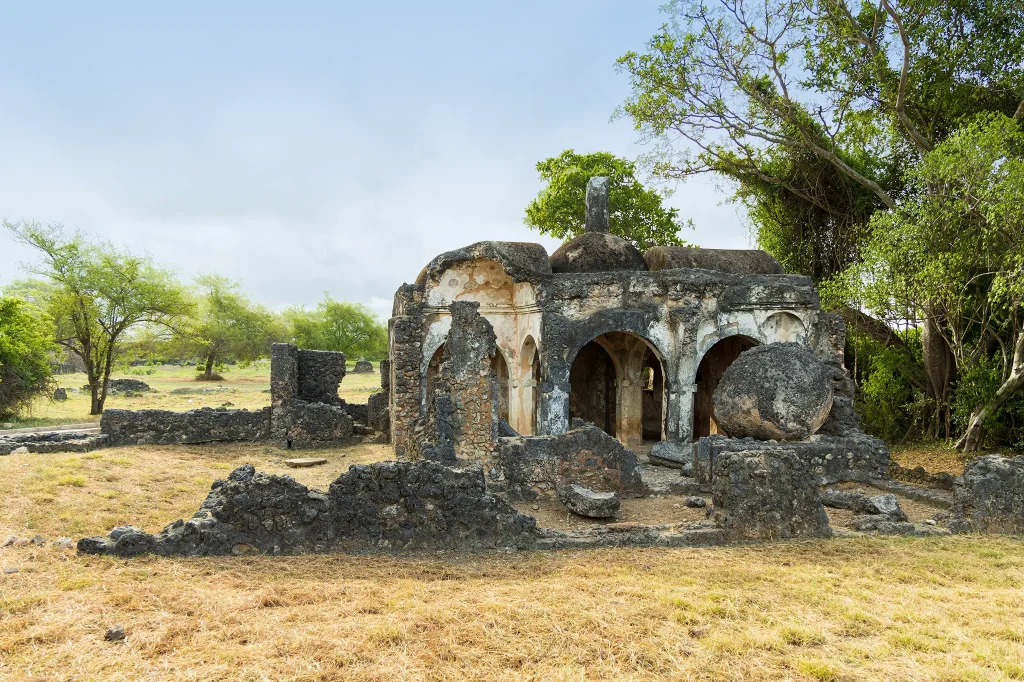
  • Marvel at the architectural beauty of the Great Mosque from the 15th century. Once the region’s largest mosque, it continues to boast intact columns and elegant vaulted roofs.
  • Visit a nearby smaller mosque, also dating back to the early 15th Century, that has been well-preserved.

Kitulo National Park – Secluded Flora Kingdom like no other!

Hidden in the southwestern corner of Tanzania, Kitulo National Park is known for its natural beauty. This park is a riot of colours, with flower-strewn meadows and secluded valleys creating a breathtaking landscape. It is often referred to as the ‘Garden of God,’ which awaits nature enthusiasts looking for the Best Things to do in Tanzania.

  • Navigate through flower-clad valleys and meadows carpeted with over 40 species of orchids, irises, aloes, and geraniums.
  • Visit during the rainy season (December to April) for an explosion of colour.
  • Hike through the meadows and hills of Kitulo, equipped with camping essentials and a reliable compass or GPS.
Kitulo
Kitulo

Mafia Island – Range of Water-Based Things to Do in Tanzania

Step from the land into the sea at the enchanting Mafia Archipelago. This is among the Top Things to do in Tanzania if you’re seeking a water-based adventure.

  • Stroll through sandy lanes and explore the 19th-century ruins of tiny Chole Island.
  • Visit lush Juani, famous for its green turtle nesting sites and rich birdlife.
  • Snorkel in the clear waters surrounding the pristine sandbank of Mange.
  • Stay at upmarket lodges in the town of Utende and enjoy dhow trips between the islands.

Rediscover Tanzania – Go Beyond the usual & Experience the Unexpected!

Tanzania is a place full of surprises. It’s not just about safaris; there are so many other amazing Things to do in Tanzania. So why not add a little extra fun to your Tanzania Safari Tours?

You can explore quiet corners, discover hidden gems, and get to know Tanzania a lot better. African Scenic Safaris is here to help you find all these unique activities and make your trip to Tanzania truly special.

Simbo Natai
Simbo Natai, founder of African Scenic Safaris, crafts sustainable, meaningful Tanzanian journeys rooted in his deep local knowledge and passion.
Director, African Scenic Safaris
×