
What Makes The Serengeti Such A Popular Safari Destination

Ever dreamt of a place where the wild roams free, and every sunrise feels like a scene from a nature documentary? That’s the Serengeti Safari for you. Envision endless plains stretching as far as the eye can see, diverse landscapes that seem to change with every heartbeat, and wildlife so vibrant and alive that it feels like stepping into a living, breathing storybook.

In this post, we disclose what makes the Serengeti Safari a buzzing topic of conversation. Get ready to dive into the wild heart of Tanzania Safari Tours where every moment feels like a page-turner, and nature takes the spotlight.
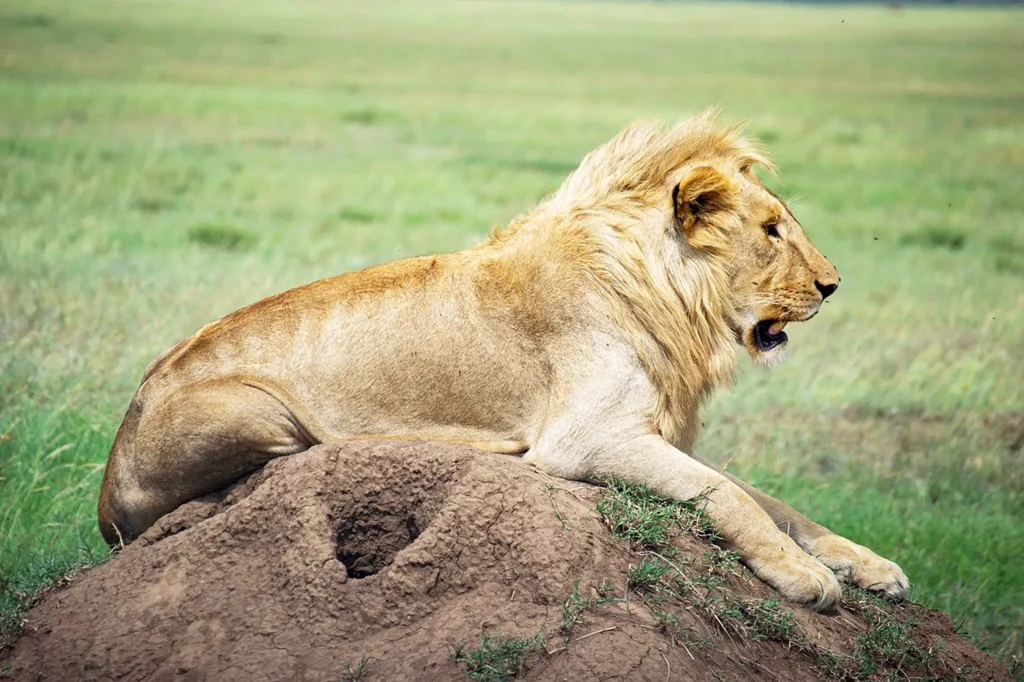
Serengeti Safari
Serengeti Safari

Breathtaking Landscape

Stretching over 14,750 square kilometers, the Serengeti National Park is painted with the stunning colors of the African wilderness.

  • The landscape is a symmetrical blend of open grasslands, acacia-dotted plains, and rocky outcrops, creating a mesmerizing panorama that changes with the seasons.
  • The vastness of the Serengeti is both humbling and awe-inspiring, making it a haven for nature lovers and photographers alike.

The Great Migration

No discussion about the Serengeti would be complete without mentioning the Great Wildebeest Migration, one of the most spectacular wildlife events on the planet.

  • Each year, millions of wildebeest, zebras, and gazelles embark on a circular journey, following the rains in search of fresh grazing lands.
  • Witnessing this mass movement is a surreal experience, as the plains come alive with a sea of hooves.
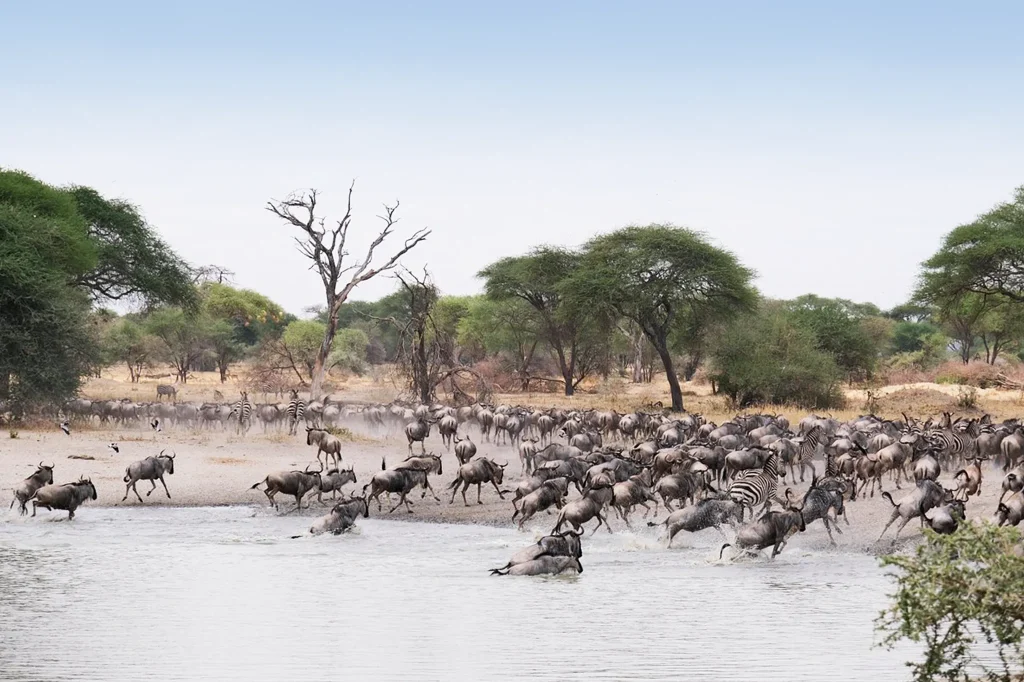
Great Wildebeest Migration
Vital Tip: Plan your visit during the migration season, typically from December to July, for a front-row seat to this breathtaking spectacle.

Abundance of Wildlife

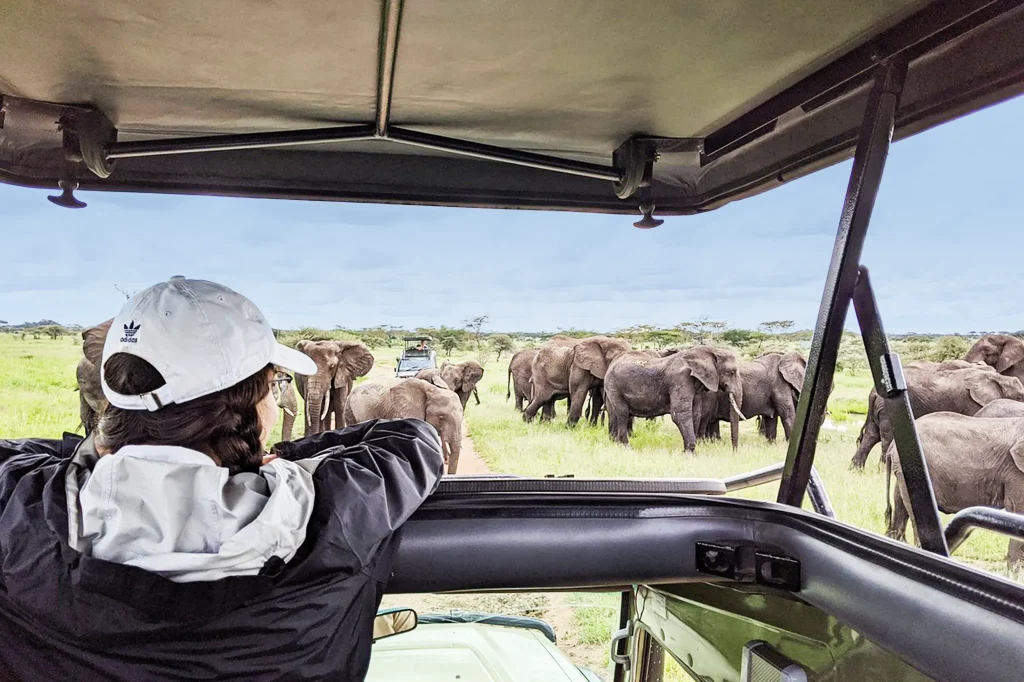
The Serengeti National Park is a haven for wildlife enthusiasts, boasting a diverse array of fauna that includes the “Big Five” – lions, elephants, leopards, buffalos, and rhinoceros.

  • Beyond the iconic Big Five, the park is home to a myriad of other species, from giraffes. Munching on acacia leaves to cheetahs sprinting across the plains in pursuit of prey.
  • The sheer abundance and diversity of Serengeti National Park Wildlife make every safari drive a potential encounter.

Serengeti Hot Air Balloon Safari

Imagine drifting above the vast Serengeti plains as the sun gently kisses the horizon. That’s the magic of a Serengeti Hot Air Balloon Safari. This unique experience offers a bird’s-eye view of the iconic landscapes and the diverse wildlife that calls the Serengeti home.

  • As you ascend into the African skies, the Serengeti unfolds beneath you like a living world. The Great Migration, majestic herds, and elusive predators become part of a breathtaking panorama.
  • Upon descent, a champagne breakfast awaits amidst the savannah, a celebration of the journey you’ve just taken.
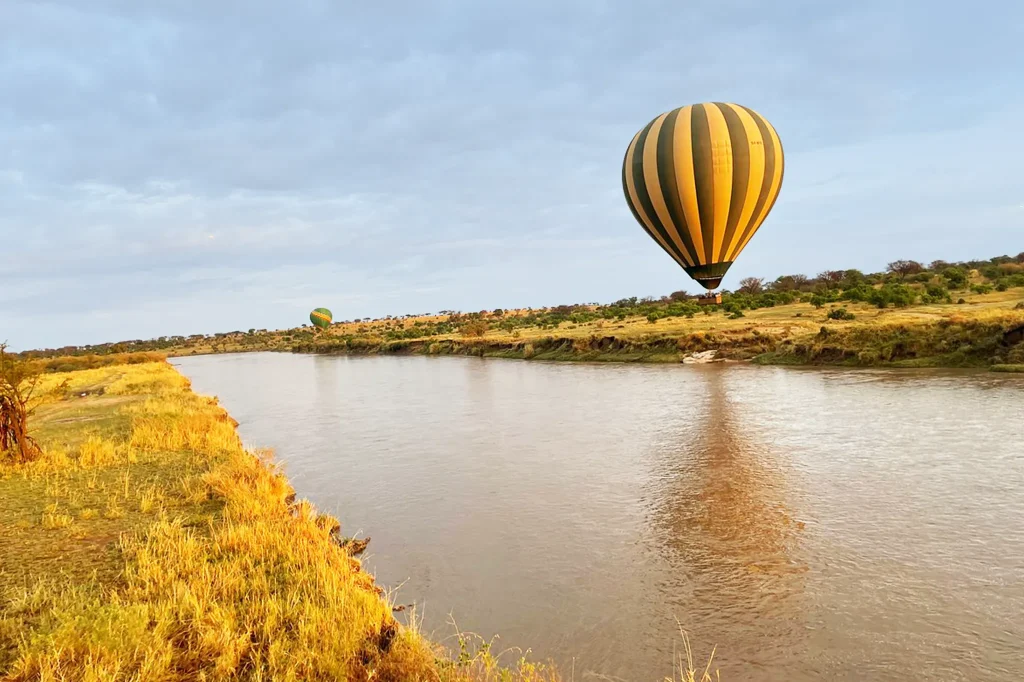
Serengeti Hot Air Balloon Safari

Serengeti National Park: A Sanctuary for Conservation

Established in 1951, the Serengeti National Park is not just a tourist destination; it’s evidence of Tanzania’s commitment to conservation.

  • The park’s ecosystem is carefully preserved, providing a safe haven for the myriad species that call it home.
  • This commitment to conservation has led to the Serengeti being designated a UNESCO World Heritage Site.
Insightful Stuff: Respect the park rules and guidelines to contribute to the preservation of this unique ecosystem.

Cultural Richness

The Serengeti Safari Tour is not only about wildlife; it’s also a window into the rich cultures.

  • These semi-nomadic pastoralists have lived in harmony with the land for generations, and their vibrant culture adds an extra layer of depth to the Serengeti Safari Experience.
  • Visitors can engage with the Maasai, learning about their traditions, and dances, and even participating in a traditional jumping dance.
Key Takeaway: If you plan to interact with the Maasai, be respectful of their customs and seek permission before taking photographs.

Enchanting Sunsets and Night Skies

As the sun dips below the horizon, casting a warm glow over the vast plains, the Serengeti transforms into a magical realm.

  • The African sunset, with its hues of orange and pink, is a daily spectacle that leaves visitors in awe.
  • Additionally, the lack of light pollution allows for a mesmerizing display of stars, turning the night sky into a celestial masterpiece.
Essential Point: Bring a pair of binoculars for stargazing, and consider scheduling a night safari to witness the nocturnal wonders of the Serengeti.
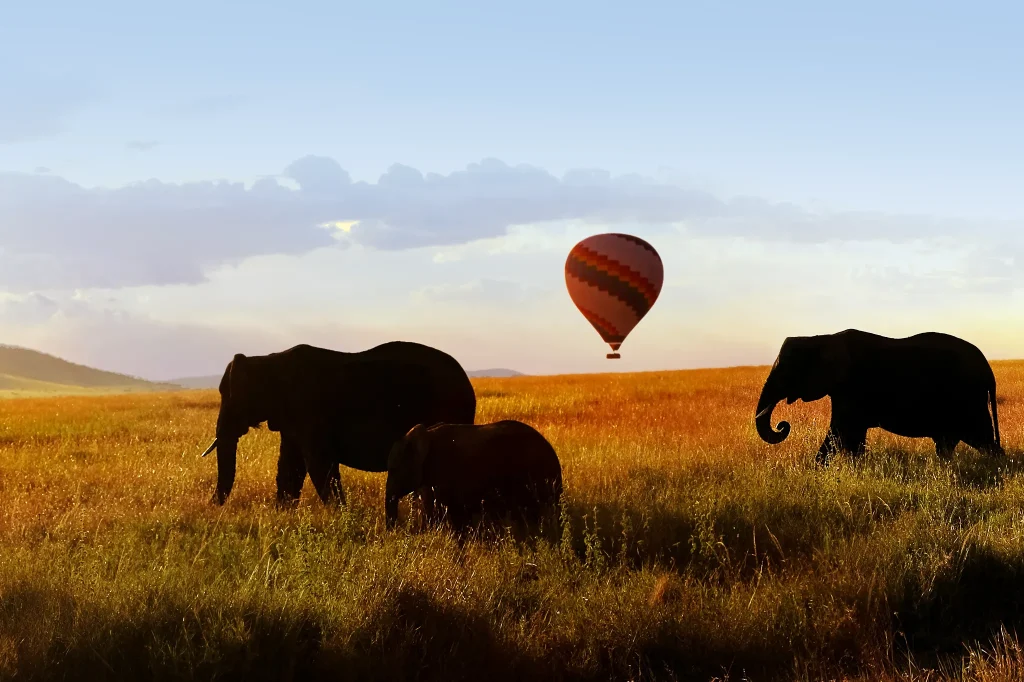
Serengeti Sunset
Serengeti Sunset

Accessibility and Infrastructure

Unlike some remote wilderness areas, the Serengeti is relatively accessible, with well-maintained roads and airstrips facilitating easy entry.

  • The park’s infrastructure includes a variety of Serengeti Accommodation, from luxury lodges to more budget-friendly campsites.
  • These accommodations ensure that visitors can tailor their experience to fit their preferences and budget.
Wise Advice: Book accommodations in advance, especially during peak seasons, to secure your preferred stay.

Professional Safari Guides

View this post on Instagram

A post shared by Safari & Trekking | Tanzania (@africanscenicsafaris)

The key to a memorable safari lies in the hands of the guides who navigate the vast plains and share their knowledge of the Serengeti’s wonders.

  • Professional safari guides, often locals with an intimate understanding of the ecosystem, can enhance your experience by providing insights into animal behaviour.
Take Note: Choose a reputable safari company with experienced guides to make the most of your Serengeti adventure.

Conservation Fees and Sustainable Tourism

Serengeti National Park Entrance Fees contribute to conservation efforts and community development in the region.

  • By visiting the park, travelers play a vital role in supporting these initiatives, ensuring the long-term protection of the Serengeti’s biodiversity.
Ace Tip: Be mindful of the environment during your visit, follow the Leave No Trace principles, and consider participating in responsible tourism initiatives.

Serengeti Dreams? Turn Them Into Wild Reality Today!

Well, as we conclude the journey of Tanzania Safari Packages through the wonders of Serengeti, let’s talk real. This place isn’t just a spot on the map; it’s a vibe, an emotion to blow your mind.

Now, if you’re sitting there, daydreaming about lions, giraffes, and that Serengeti sunset, guess what? It’s time to stop dreaming and start living. Enter stage left: African Scenic Safaris, the magic-makers, the memory-crafters. And we’re ready to turn your Serengeti Safari dreams into real-life adventures.

Simbo Natai
Simbo Natai, founder of African Scenic Safaris, crafts sustainable, meaningful Tanzanian journeys rooted in his deep local knowledge and passion.
Director, African Scenic Safaris

Can I Do A Safari Trip On Serengeti By My Own

Before we dive into the logistics of a self-guided safari, it’s essential to understand the unique landscape and wildlife that make the Serengeti one of the must-visit Destinations In Tanzania.

  • Spanning approximately 30,000 square kilometers, this UNESCO World Heritage site is home to the renowned Great Migration.
  • The Serengeti is not your typical park with marked trails and designated viewing spots. It’s a vast, open expanse, offering a raw and authentic wildlife experience.

However, this also means navigating the terrain and spotting elusive animals can be challenging without proper guidance.

Tanzania Safari
Tanzania Safari

Can I Go Solo?

The short answer is yes, but with several caveats. Unlike more structured Tanzania National Parks, the Serengeti poses unique challenges for solo travelers. Here are some factors to consider:

View this post on Instagram

A post shared by Safari & Trekking | Tanzania (@africanscenicsafaris)

Wildlife Navigation:

Spotting Wildlife In Serengeti is an art. While trained guides can identify subtle signs and navigate the landscape effectively, beginners may struggle to spot animals on their own.

  • Wildlife sightings can be unpredictable. Be patient during Serengeti Game Drives and allow nature to unfold at its own pace.
  • Consider investing in a good pair of binoculars and guidebooks to enhance your wildlife-spotting skills.

Navigating the Terrain:

The Serengeti is not a neatly paved park. It’s a vast expanse with varying terrains, from grassy plains to rocky outcrops.2

  • Navigating this diverse landscape requires a good sense of direction. GPS devices and detailed maps can be invaluable tools, but keep in mind that technology may not always be reliable in remote areas.

Safety Concerns:

Serengeti National Park is home to a variety of wild animals, some of which can be dangerous.

  • Knowing how to respond to encounters with wildlife is essential for your safety. A guide provides not only knowledge but also a layer of protection and expertise in handling such situations.
  • Furthermore, follow park rules and guidelines. Avoid walking in the wilderness, especially at night, as predators are active.

Regulations and Permits:

Certain areas within the Serengeti may have restrictions or require permits for entry.

  • Navigating these regulations can be complex, and a guide can help ensure you stay within legal boundaries.

The Logistics of a Solo Safari

If you’re determined to go on a Serengeti Solo Safari, meticulous planning is key. Here are some practical tips and considerations:

Transportation:

Getting to Serengeti National Park usually involves flying into Kilimanjaro International Airport and then taking a connecting flight to one of the airstrips near the park.

Alternatively, you can drive, but keep in mind that the roads may be challenging, especially during the rainy season.

Transportation ModeProsCons
FlyingFaster travel, scenic viewsExpensive, limited luggage allowance
DrivingCost-effective flexibilityLong travel time, challenging roads

Accommodation:

Serengeti Accommodation ranges from luxury lodges to basic campsites. Booking in advance is essential, especially during peak seasons. Decide on your preferred level of comfort and proximity to wildlife.

Accommodation TypeProsCons
Luxury LodgeComfort, amenitiesExpensive
CampsiteBudget-friendly, closer to natureBasic facilities

Here are also some popular choices of accommodations:

  1. Seronera Wildlife Lodge: Located in the heart of the Serengeti, it offers comfortable rooms and stunning views.
  2. Lemala Ewanjan Tented Camp: A luxury tented camp in northern Serengeti, providing an intimate and immersive safari experience.
  3. One Nature Nyaruswiga: Situated at the heart of Central Serengeti, this opulent safari camp boasts amazing safari experiences.

Equipment:

Packing the right gear is essential. Along with the basics like clothing, toiletries, and a first aid kit, consider these safari-specific items:

Safari GearPurpose
BinocularsWildlife Spotting
Camera with zoom lensCapturing distant animals
Safari hat and sunscreenSun protection
Insect repellentWarding off bugs

Navigational Tools:

Ensure you have reliable maps, either in print or electronic format. GPS devices and smartphone apps can be useful, but always have a backup plan in case of technical issues.

Food and Water:

Stock up on non-perishable food items and carry sufficient water, especially if you plan to venture into remote areas. Some lodges and campsites provide meals, but it’s wise to be self-sufficient.

Tips for a Successful Solo Safari in Serengeti

While the idea of navigating the vast plains and encountering wildlife on your own might seem daunting, with careful planning and a sense of adventure, a successful Solo Safari In Serengeti is within reach. So, let’s explore practical tips to ensure your journey through the Serengeti is not only memorable but also safe and fulfilling.

  • Research Extensively: Familiarize yourself with the Serengeti’s geography, wildlife, and potential challenges. Online resources, guidebooks, and documentaries can provide valuable insights.
  • Respect Wildlife: Keep a safe distance from animals, and avoid disturbing their natural behaviour.
  • Weather Considerations: Plan your Serengeti National Park Trip based on your preferences and be prepared for varying weather conditions.
  • Emergency Preparedness: Have a comprehensive first aid kit and know basic survival skills. In case of emergencies, satellite phones can be a lifeline.
  • Connect with Locals: Interact with locals to gain insights into the area. They can provide valuable tips and cultural experiences that enhance your Safari Trips In Tanzania.

In the Serengeti, every adventure whispers a unique safari tale

In a nutshell, Ultimately, the decision to go solo or opt for a guided safari depends on your comfort level, experience, and priorities. While the idea of Solo Safari In Serengeti is undoubtedly tempting, consider this – expert guidance can elevate your adventure to extraordinary heights.

For an experience during Tanzania Safari Packages that blends the thrill of discovery with the assurance of local expertise, check out African Scenic Safaris. We’ve mastered the art of turning Serengeti dreams into reality. So, get ready, it’s time to trade the ordinary for the extraordinary!

Simbo Natai
Simbo Natai, founder of African Scenic Safaris, crafts sustainable, meaningful Tanzanian journeys rooted in his deep local knowledge and passion.
Director, African Scenic Safaris

How Far Do You Walk Each Day On Kilimanjaro Routes?

Mount Kilimanjaro, the pride of Africa, attracts hikers from all over the world. If you plan to climb it, you might wonder, “How much walking will I do each day on Kilimanjaro Routes?”

Different paths lead to the top of the mountain, each with its own daily distance. Here, we’ll break down the distances for the main routes so you can prepare for your Mount Kilimanjaro Climbing Tours accordingly.

Walking on Kilimanjaro Routes

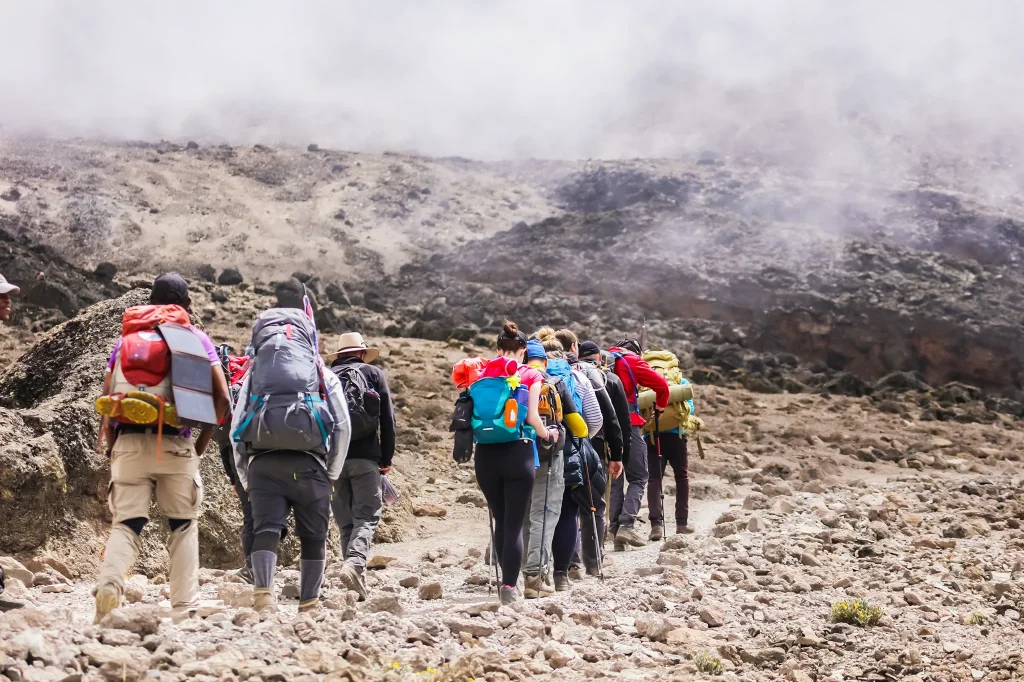
Every route leading to the summit of Kilimanjaro offers unique experiences, landscapes, and challenges. Let’s look at the distances you can expect to cover daily on some popular Kilimanjaro Climbing Routes, such as Machame Route, Lemosho Route, Rongai Route, and Northern Circuit Route. 

Machame Route

The Machame Route on Mount Kilimanjaro, known as the “Whiskey Route,” offers stunning scenery and a challenging climb.

  • It spans approximately 37 miles (62 kilometres) and typically takes 6-7 days to complete.
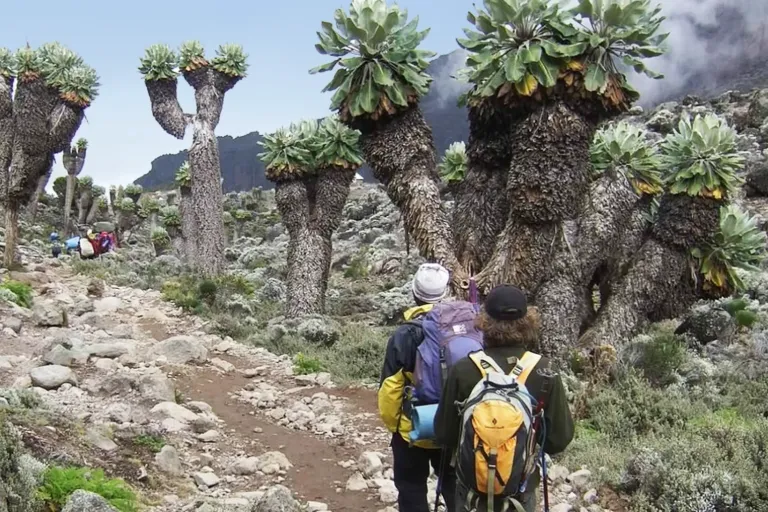
  • This route is renowned for its diverse landscapes, including rainforests, moorlands, and glaciers, providing breathtaking views.
  • While its steep ascents and descents make it physically demanding, they aid in acclimatization.
  • Trekkers camp in tents at designated spots, and the longer duration enhances summit success.

The Machame Route is famous for those seeking adventure and natural beauty on their Kilimanjaro climb.

Machame Route
Machame Route

Lemosho Route

The Lemosho Route is a bit different. It’s a longer, more isolated path beginning on the mountain’s western side.

  • This route spans around 43 miles or 70 kilometres and typically requires 7-9 days to complete.
  • If you’re looking for a quieter and more extended Kilimanjaro experience, our Kilimanjaro Climbing Packages include the Lemosho Route as an option.

It’s an excellent choice for those who want more solitude and a longer journey to savor the mountain’s beauty.

Lemosho Route
Lemosho Route

Rongai Route

The Rongai route is a unique approach to Kilimanjaro from the northeast side. It offers breathtaking views and a quieter trekking experience.

  • This route spans around 40 miles or 65 kilometres and typically takes 6-7 days to complete.
  • If you’re seeking a less crowded and visually stunning journey to the Kilimanjaro summit, consider our Kilimanjaro climbing Tours that include the Rongai Route.

It’s a fantastic choice for those who value solitude and scenic beauty while conquering the mountain.

Rongai Route
Rongai Route

Northern Circuit Route

The Northern Circuit Route is a relatively newer way to reach the summit of Mount Kilimanjaro. This route offers impressive scenery and ample opportunities for acclimatization.

  • It’s also the longest route on the mountain, spanning 56-62 miles (90-100 kilometres) and typically takes 8-9 days to complete.
  • If you prefer a more remote and peaceful Kilimanjaro climb, the Northern Circuit is your best bet.

It’s known for its solitude and tranquillity, making it an excellent choice for those who want a quieter and more immersive experience on the mountain.

Special Note: The daily distance you trek depends on your chosen Kilimanjaro Climbing Route. Typically, climbers walk 6-8 hours daily, covering an average of 6-9 miles (10-15 kilometres).

Northern Circuit Route

Climb Kilimanjaro with Confidence!

Tackling the Kilimanjaro Routes going up to the mountain is an adventure of a lifetime, offering varied landscapes and unique challenges. Every route demands determination, stamina, and the proper preparation.

Understanding the importance of acclimatizing and maintaining a consistent pace throughout the journey is crucial for a successful Mount Kilimanjaro Climbing expedition.

For those ready to experience the beauty and challenge of Kilimanjaro, African Scenic Safaris stands prepared to guide you, ensuring a safe and rewarding climb. Talk to our climbing experts now!

Simbo Natai
Simbo Natai, founder of African Scenic Safaris, crafts sustainable, meaningful Tanzanian journeys rooted in his deep local knowledge and passion.
Director, African Scenic Safaris

Now Kilimanjaro Has High-Speed Internet

For adventure seekers worldwide, the thrilling journey of Mount Kilimanjaro Climbing has seen an exciting development. The tallest free-standing mountain in the world, Roof of Africa, is now more connected than ever, thanks to the inclusion of internet on Kilimanjaro.

In a monumental leap towards blending nature with technology, the Tanzanian government has facilitated high-speed internet access on Kilimanjaro’s slopes.

While trekkers once climbed this iconic peak in relative solitude, they can now share real-time updates with the world.  This exciting prospect helps merge nature’s raw beauty with the digital age, giving a new perspective on Kilimanjaro Climb. However, this change has been celebrated and critiqued by the travellers, and this blog looks into the implications of the Internet on Mount Kilimanjaro.

How it All Began

Historically, Kilimanjaro was always challenging due to its physical demands and lack of communication facilities. Climbers on this majestic mountain were cut off from the world.

  • The Tanzanian government made a historic move to upgrade the region technologically.
  • The state-owned Tanzania Telecommunications Corporationtook the initiative to install broadband at an altitude of 12,200 feet.
  • The memorable launch date was on August 16, 2022, marking the beginning of a digital era for Mount Kilimanjaro Climb.
  • Even the Kilimanjaro Summit, Uhuru Peak, installed a high-speed internet line at the end of 2022.

Towards the end of this initiative, the Tanzanian information minister, Nape Nnauye, highlighted the historical significance of this project. He also emphasized that this step can potentially enhance the safety of both climbers as well as the Kilimanjaro Porters.

Want to discover the thrill of Africa’s peak? Join us at African Scenic Safaris by opting for our Kilimanjaro Climbing Packages today!

Safety and Connectivity in the Modern Climbing Experience

Climbing Mount Kilimanjaro is an adventure many hikers dream of achieving. And now, thanks to high-speed internet, it’s not only more fun but also safer. Here’s how:

  • Weather Updates on Your Palm. Faster weather update means safer Kilimanjaro Climbing because hikers can prepare for or avoid bad weather.
  • Solo Climbers Stay Connected. Going up Climbing Kilimanjaro Solo? Now, you’re not alone. You can chat or video call your loved ones anytime with internet access.
  • Quick Help When Needed. During a Mount Kilimanjaro Hike, the internet helps get fast aid if there’s trouble. Being able to call for help quickly can be a lifesaver in any distress situation.
  • Share as You Climb Kilimanjaro. Climbers can now send pictures on WhatsApp, post updates on Facebook, and make TikTok and Instagram reels while climbing. Family and friends can join in the excitement from afar.

It’s incredible how technology is helping climbers, just like it helped sailors and explorers in the past. Share every Kilimanjaro moment live! Join our Kilimanjaro Climbing tours and benefit from top-notch internet connectivity.

Kilimanjaro Climbing
Modern Climbing Experience

Boost to Tourism and the Economy

Kilimanjaro Tours has always significantly contributed to Tanzania and neighbouring Kenya’s economies. But now, with the addition of high-speed internet, the impact is set to grow even more significant:

  • Worldwide Spotlight. The digital boost means more people worldwide can learn about and be drawn to Mount Kilimanjaro Climbing tours.
  • Top-Rated Adventures: With climbers talking about and sharing their experiences online, the Kilimanjaro Tours will get even more popular, attracting more potential climbers to go for a climb.
  • Better Marketing for Agencies: Tour operators offering Kilimanjaro Climbing Tours can now use the internet to reach more potential climbers and show off what they offer.

Kilimanjaro has always been a significant attraction for those seeking a challenge. But now, thanks to technology, even tech-savvy adventurers can enjoy a Kilimanjaro Trek and share their journey in real-time.

Kilimanjaro Tours

A Controversial Take on Tradition and Modernity

Every advancement brings with it a set of challenges and criticisms. The intersection of tradition and modernity in Kilimanjaro is no different.

  • Some traditionalists believe in Climbing Mt Kilimanjaro the old-fashioned way, without new tech distractions. There are worries about nature being harmed due to more buildings and tech setups.
  • The balance between boosting Mount Kilimanjaro Climbing Tours and preserving the mountain’s essence is also a concern.

Despite the debates, it’s undeniable that this leap into the digital age will carve a new chapter in Kilimanjaro Climb history. So, love it or not, the internet is now a big part of Africa’s tallest mountain.  Top of Form

Scaling New Heights, Digitally and Physically!

As the world evolves, even the tallest peaks aren’t untouched by the winds of change. While some may wish for the untouched experience of the past Kilimanjaro Hikes to stay on, many will appreciate and feel reassured by the connectivity on their ascent.

In this ever-evolving landscape, African Scenic Safaris ensures you’re never alone on your ascent. With our guides just a call away, every step you take is backed by expertise and assurance.

Don’t just climb; climb smart, climb connected. Choose ourKilimanjaro Climbing Packages and ascend into the new age of mountaineering.

Simbo Natai
Simbo Natai, founder of African Scenic Safaris, crafts sustainable, meaningful Tanzanian journeys rooted in his deep local knowledge and passion.
Director, African Scenic Safaris

How Hard Is the Barranco Wall on Kilimanjaro

Mount Kilimanjaro’s charm isn’t only its towering height. It is also the varied terrains and challenges one must encounter when Climbing Kilimanjaro. Among them is the infamous Barranco Wall, which stands tall on Kilimanjaro’s southern face.

The wall has garnered attention from potential climbers because of its daunting appearance and notorious reputation. But is it as terrifying as it seems?

This blog post unravels the same mystery surrounding the Barranco Wall. It aims to give you enough information to confidently decide whether or not you should go for a Barranco Wall adventure when coming for Mount Kilimanjaro Climbing Tours.

Mount Kilimanjaro Climbing

Barranco Wall’s Overview

Situated at approximately 4,200 meters, the Barranco Wall is a formidable obstacle when Climbing Kilimanjaro. It is known to many as the Breakfast Wall since climbers usually tackle it after their morning meal.

Moreover, its steep ascents and risky paths provide a significant challenge even to seasoned trekkers climbing up to Africa’s majestic peak.

  • Physical description and location

Standing tall and challenging, the Barranco Wall is characterized by its rocky outcrops and narrow paths. Located within the southern face of Mount Kilimanjaro, it serves as a natural barrier between climbers and the higher altitudes that await them during Mount Kilimanjaro Climbing expeditions.

  • Relevance on Kilimanjaro’s trekking routes

The Wall features prominently on several Kilimanjaro Climbing Tours. Its position demands attention, respect, and preparation from trekkers, making it a key point of many Kilimanjaro Routes to the summit.

Though challenging, the Barranco Wall represents one of the journey’s most memorable and rewarding sections.

SOME BARRANCO WALL FACTS 

The Barranco Wall goes from Northeast to Southwest and looks over the Barranco Valley camp. It's 843 feet tall, which is about 257 meters. Some call it the “Breach Wall” or "Breakfast Wall" because the climb starts after breakfast. A lot of hikers like this part of Kilimanjaro Trek since it's different from the flat walking they did before.

First Impressions when Climbing Barranco Wall

As trekkers emerge from the thick alpine forests and find themselves at the Barranco Wall’s base, their reactions often involve a blend of amazement and concern.

  • Descriptions from trekkers’ perspectives

Words like “majestic,” “daunting,” and “awe-inspiring” frequently appear in travel blogs when describing the first appearance of Barranco Wall Kilimanjaro.

For many, the Wall serves as a visible representation of the challenges that Mount Kilimanjaro Hike promises.

  • Initial anxiety and concerns

Concerns range from the physical demands of the climb to potential Kilimanjaro Altitude Sickness and the simple fear of the unknown.

The path’s steepness and the sight of tiny figures (actually other climbers) dotting the wall make many climbers pause and question their preparedness.

Yet, with every step, as trekkers ascend, they realize that the journey is as much about mental fortitude as physical ability.

Climbing Barranco Wall

Trekking Routes Climbing Kilimanjaro

The Kilimanjaro Climbing Route you choose to trek up can determine how and when you face the Barranco Wall.

  • Routes that ascend the wall

Popular routes like Lemosho, Machame, Shira, and Umbwe directly confront the Barranco Wall. Each offers a unique experience, with varying difficulty levels and scenic views.

  • Optional routes to bypass the wall

Trekkers can opt for the Rongai or Northern Circuit Routes if the Barranco Wall feels too daunting.

These Kilimanjaro Routes offer different challenges and sceneries, allowing trekkers to experience Kilimanjaro without facing the wall.

Your route choice can significantly influence your overall Kilimanjaro Climbing experience. So, it’s essential to research and select the one that best aligns with your aspirations and fitness level.

Africa Scenic Safaris’ Take: Of all the routes, African Scenic Safaris offers Kilimanjaro Climbing Packages via the Lemosho Route and Machame Route. So, if you want to encounter the epic challenge of scrambling through the Barranco Wall, opt for these. Otherwise, our guest trekkers who want to escape this infamous part can always climb via the Northern Circuit Route and the Rongai Route.
Kilimanjaro Climbing

The Kilimanjaro Climb Experience

The Barranco Wall Mount Kilimanjaro climb is an adventure filled with challenges, surprises, and moments of camaraderie. Let’s look at some of them below:

  • “Kissing Rock” challenges, significance, and fun facts

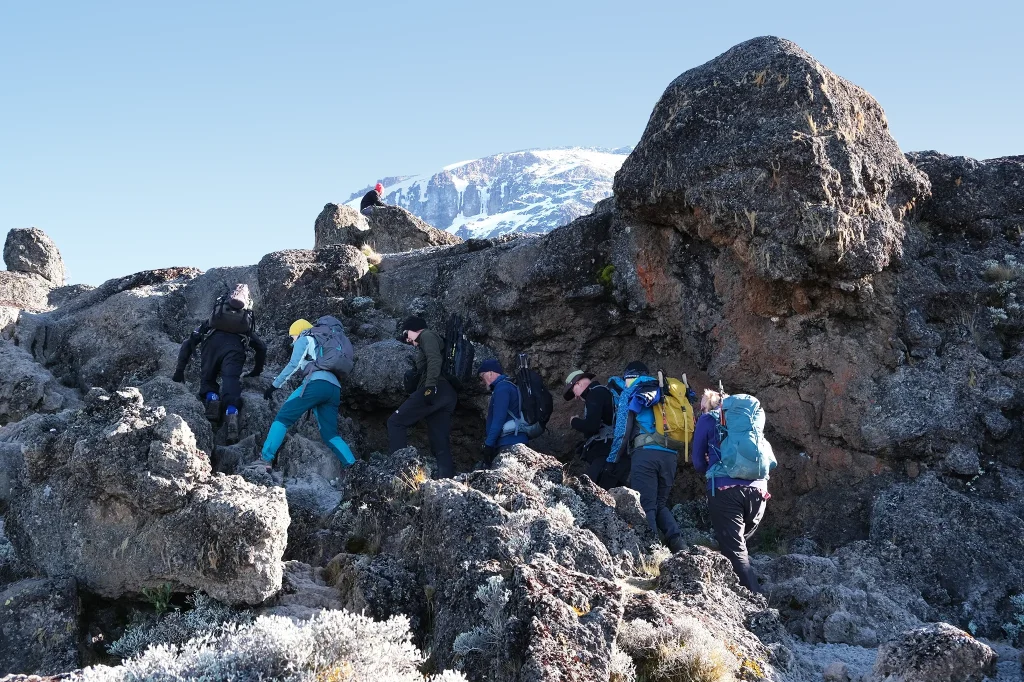
One of the most talked-about parts of the Barranco Climb is the “Kissing Rock.”  This portion requires climbers to lean into the rock (hence “kissing” it) to navigate a particularly narrow path when Climbing Kilimanjaro.

In the morning, you’ll notice groups beginning their climb, resembling ants as they crisscross up the wall.

As the “Kissing Rock” spot arrives, climbers often hold up, and there is congestion because of its tight space.

Many hikers stop here for photos. Even though this wall part is more exposed, it’s manageable if you follow the guide’s instructions and keep a firm grip.

  • Feeling of camaraderie among trekkers

As challenges mount, trekkers often rely on each other for motivation and support. The Barranco Wall Kilimanjaro is one spot where many forms bond, with fellow climbers becoming lifelong friends.

  • Role of guides in supporting climbers

The unsung heroes of many treks, Kilimanjaro Climbing Guides, are essential in helping trekkers navigate the wall’s challenges.

Their expertise, stories, and encouragement make the journey safer and more enjoyable.

Yosemite Decimal System (YDS) & Difficulty Level

Even if the Barranco Wall Kilimanjaro looks intimidating, you don’t need special climbing abilities or gear to tackle it. In climber’s language, the Wall is rated as a class 4 “scramble”, based on the Yosemite Decimal System.

This system, commonly known as YDS, grades the challenges of outdoor activities like walking, hiking, and climbing. It’s widely used by climbers and hikers in the US and Canada.

Introduced by the Sierra Club in Southern California during the 1950s, the YDS offers an improved approach to earlier methods developed in Yosemite Valley.

All the classes of the Yosemite Decimal System are explained below:

DIFFICULTY LEVELTYPEDESCRIPTION
Class 1Trail WalkingSimple walking. Think of walking on a park path.
Class 2Off-trail hikingIt is a bit rougher. You’re off the path and might need to watch your step. Sometimes, you’ll use your hands for balance.
Class 3ScramblingHere you’re scrambling. You’re using your hands more to help you move up. It’s steep but not vertical.
Class 4Hard Scrambling/ Easy ClimbingThis is where Barranco Wall fits in. It’s steeper, and you’re relying on your hands a lot. Some people might want a safety rope.
Class 5Technical ClimbThis is serious climbing. You’ll need ropes, know-how, and probably some training.

Understanding the Barranco Wall’s rating can often alleviate many anxieties, giving climbers a clearer picture of what lies in the Kilimanjaro Tours ahead.

Safety, Challenges & Tips

While the Barranco Wall presents challenges, it’s essential to remember that thousands climb it successfully yearly. Proper preparation and adherence to specific guidelines can help you gain a memorable Climbing Mt Kilimanjaro experience.

  • Reassuring facts for concerned climbers

Despite its threatening appearance, injuries on the Barranco Wall are relatively rare. With careful pacing and the assistance of guides, most trekkers navigate it safely.

  • Importance of pace, guidance, and precautions

As with all the other sections of Climbing Kilimanjaro, maintaining a steady “pole pole” (slowly, slowly) pace is crucial.

Listening to guides’ advice, taking frequent breaks, and staying hydrated can make a world of difference.

  • Tips for success:

Wearing gloves can provide a better grip on the cold rocks. Get our perfectly curated Kilimanjaro Gear List for the best possible gear suggestions for an easy climb.

Embracing the challenge mentally can often make the physical aspects of Kilimanjaro Climb more manageable.

Every climber has a unique experience during Kilimanjaro Climbing Tours. Armed with these tips and a determined spirit, the Barranco Wall becomes less of an obstacle and more of an adventure on your Kilimanjaro Summit journey.

Embracing Challenges and Crafting Memories on Kilimanjaro

Trekking the Barranco Wall is an integral part of the Kilimanjaro experience for many. While it may initially seem fearful, if you listen to our guides and don’t look down, we guarantee it can become a cherished memory of your journey.

Moreover, it doesn’t matter whether you decide to face the wall or take an alternate route; remember that at African Scenic Safaris, we promise to provide you with the best possible trekking experience with our exclusive Mount Kilimanjaro Climbing Packages.

Simbo Natai
Simbo Natai, founder of African Scenic Safaris, crafts sustainable, meaningful Tanzanian journeys rooted in his deep local knowledge and passion.
Director, African Scenic Safaris

How to Stay Warm on Kilimanjaro?

Imagine yourself standing on the roof of Africa, witnessing the majestic sunrise with an unparalleled sweeping view. Climbing Kilimanjaro is a dream for many, but with it comes the challenge of facing its chilly altitudes.

How do you ensure that the cold doesn’t dampen your spirits? Let’s explore the ultimate Kilimanjaro Gear List, ensuring you’re warm even at the summit.

Understanding the Terrain and Weather on Kilimanjaro

Kilimanjaro might be in Africa, but don’t let the continent’s warm reputation fool you. Standing tall at 19,341 feet, it’s bound to be cold at such heights.

Mount Kilimanjaro’s unique height makes it a host to its weather patterns. While you start in the warm rainforest, temperatures can dip drastically as you ascend.

  • Weather Patterns

Mount Kilimanjaro Weather is unpredictable. Sometimes, you’ll see clouds shadowing the peak; other times, they’ll clear, especially in the late afternoon.

  • Temperature Ranges

Temperatures can vary depending on the month of your climb. However, as you reach higher altitudes, expect sub-zero conditions.

Weather on Kilimanjaro

Kilimanjaro Gear List-The Essentials

Your Kilimanjaro Packing List should take into account the mountain’s diverse conditions. As you climb higher, temperatures can decrease, and weather conditions can change rapidly.

Here’s a closer look at what you should consider packing when Climbing Kilimanjaro to keep yourself warm:

Dressing in Layers

  • Base Layer: Your primary layer should be breathable and moisture-wicking. Think quick-drying shirts or long sleeves. A good base layer is the first step in regulating body temperature.
  • Insulating Layer: Fleece pullovers, thin jackets, or even a puffy jacket can serve as your insulating layer, essential for trapping heat.
  • Outer Shell: Opt for a waterproof, windproof hard shell, preferably with a hood to protect against wind and rain.

Protecting the Extremities

  • Hands: From light gloves to snowboarding or ski mittens, ensure you have options to keep your fingers active and warm.
  • Feet: Invest in tall and warm socks combined with liners. For footwear, consider trail runners for most days and waterproof boots for summit night.
  • Head & Neck: Beanies, scarves, or neck gaiters are essential to guard against the biting cold. A good beanie, whether wool or fleece, can make a significant difference.

Other Essentials:

  • Warm Sleeping Bag: If you’re camping at higher altitudes, a sleeping bag rated for sub-zero temperatures can be a game-changer.
  • Hand Warmers & Warm Liquids: A little external heat source can offer much-needed relief from the cold, whether hand warmers or a thermos filled with a warm beverage.

Here is the detailed checklist of items you should carry when on your Kilimanjaro Hike to stay warm and toasty.

On the headOn the hands
Knit HatNeck GaiterGloves (light, warm and waterproof)
Upper BodyOn the Lower Body
Long sleeve shirts, moisture-wicking Soft Jackets, fleece or soft shell Waterproof Jacket Insulated JacketUnderwear, moisture-wicking Long Underwear, moisture-wicking Hiking pants Waterproof pants Warm and fleece pants Wool or synthetic socks Waterproof gaiters Hiking Boots or Shoes, warm and waterproof

What To Carry in Your Daypack on Kilimanjaro?

While you’d have Kilimanjaro Porters to carry most of your gear on organized tours, your daypack, which you should bring, should have immediate essentials.

Your Kilimanjaro Daypack should include a rain jacket, water, snacks, a camera, sunblock, and perhaps a first-aid kit.

It’s advisable to pack light, taking only what you’ll need for each day’s hike.

Don’t Forget the Camp

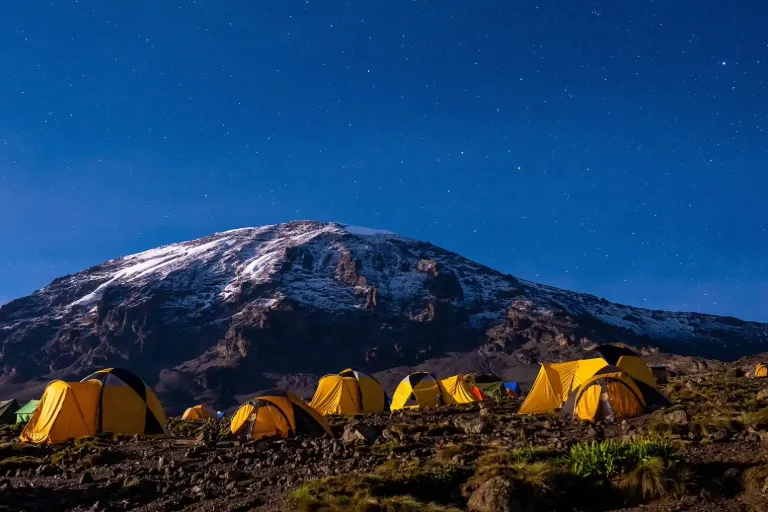
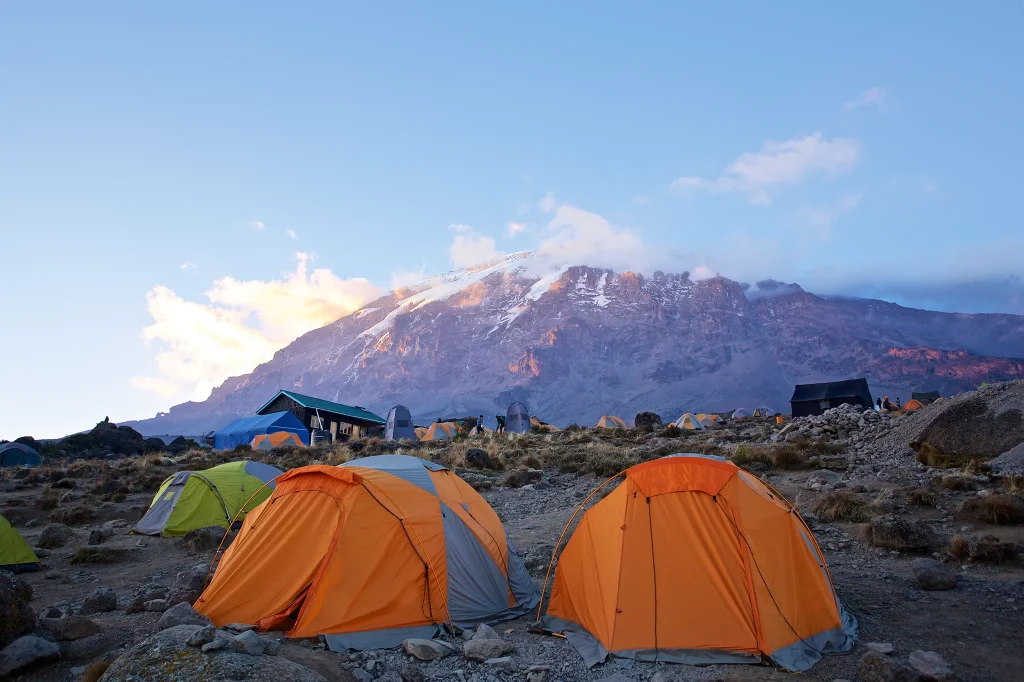
Staying warm at Kilimanjaro Camps is another vital aspect once you finish your daily hike.

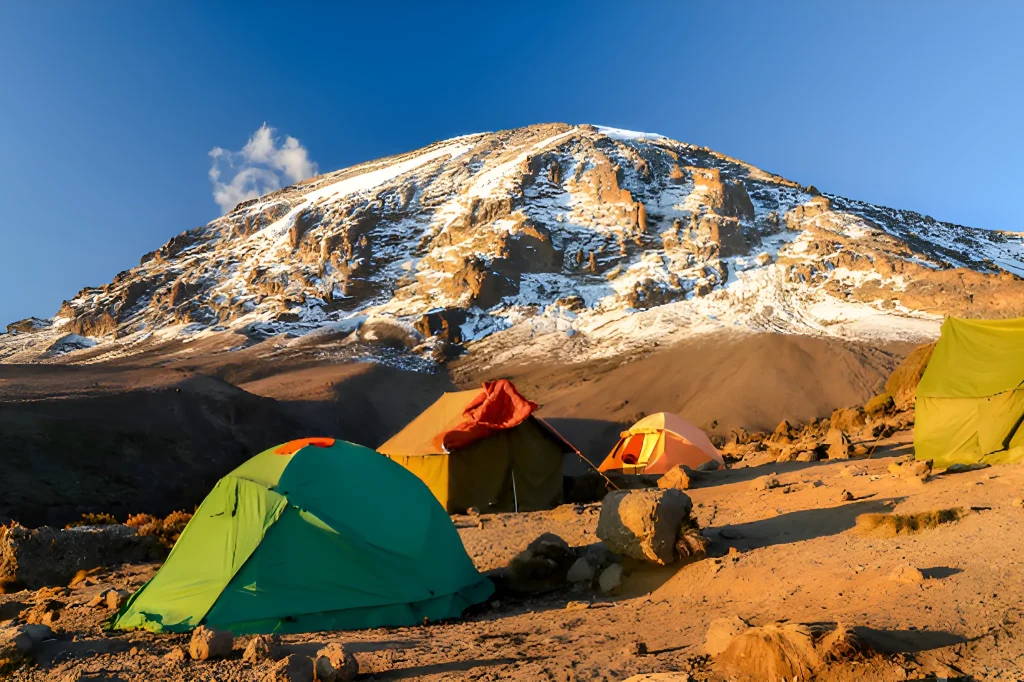
Needless to say, when you are stationary, it’s easy to get cold. So, you should pack fleece-lined camp slippers, warm pants, and a fleece for the evenings after you end your Kilimanjaro Hike.

Being comfortable at camp ensures you’re well-rested and ready for the next day’s climb.

Kilimanjaro Camps
Kilimanjaro Camps

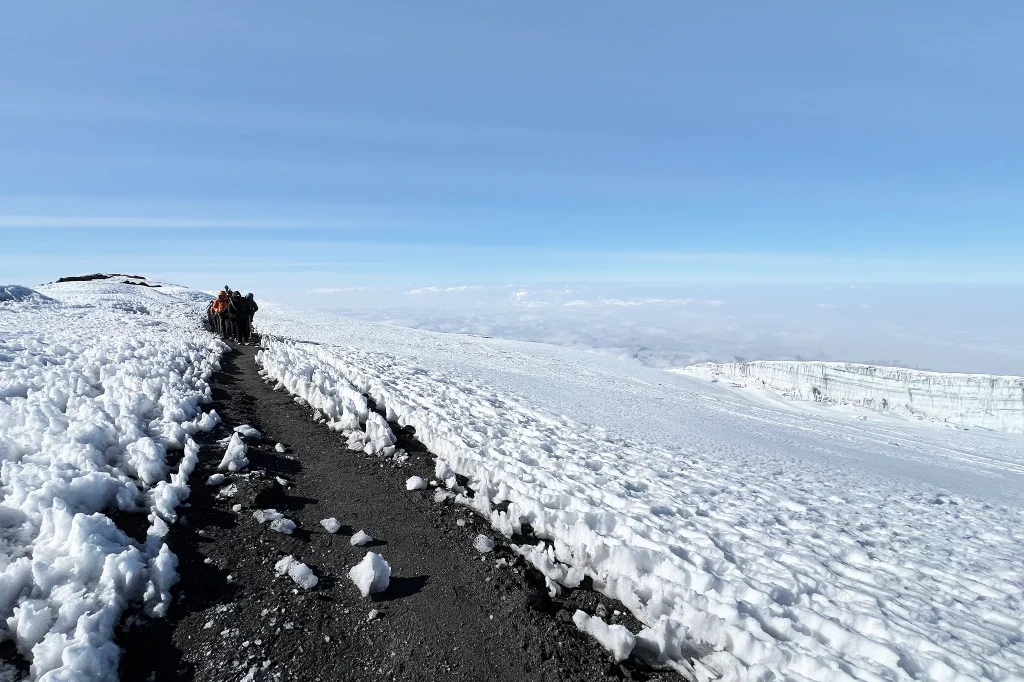
Quick Tips to Stay Warm at Uhuru Peak

Below are quick tips that you can adopt to stay cozy and warm when making a summit attempt while Climbing Kilimanjaro:

  • Layer Clothes. Wear many layers so you can change as needed.
  • Accessories. Use a hat, gloves, and a thick jacket to stay warm.
  • Stay Hydrated. Drink a lot to avoid feeling colder.
  • Keep Moving. Activity helps you feel warmer.
  • Pause if Cold. Rest and warm up if you feel too cold.
  • Watch for Danger. If you shiver, talk funny, or get confused, get help. These can be signs of a big problem.
  • Eat Well. Have a big meal before reaching the top. It keeps you warm.
  • Sit on Something. Use a sleeping bag or blanket to avoid the cold ground.
  • Hot Drinks. Bring a hot soup or water bottle to warm up.
  • Ask for Help. If you’re cold, tell your Kilimanjaro Climbing Guide. They can help with more clothes.

By adhering to the above, your Mount Kilimanjaro Climbing experience to Uhuru Peak can be exhilarating and comfortably warm.

Gear Up and Stay Warm to Reach the Top of Kilimanjaro

With the suitable Kilimanjaro Packing List, you can ensure that the cold won’t be a hurdle in your adventurous ascent.

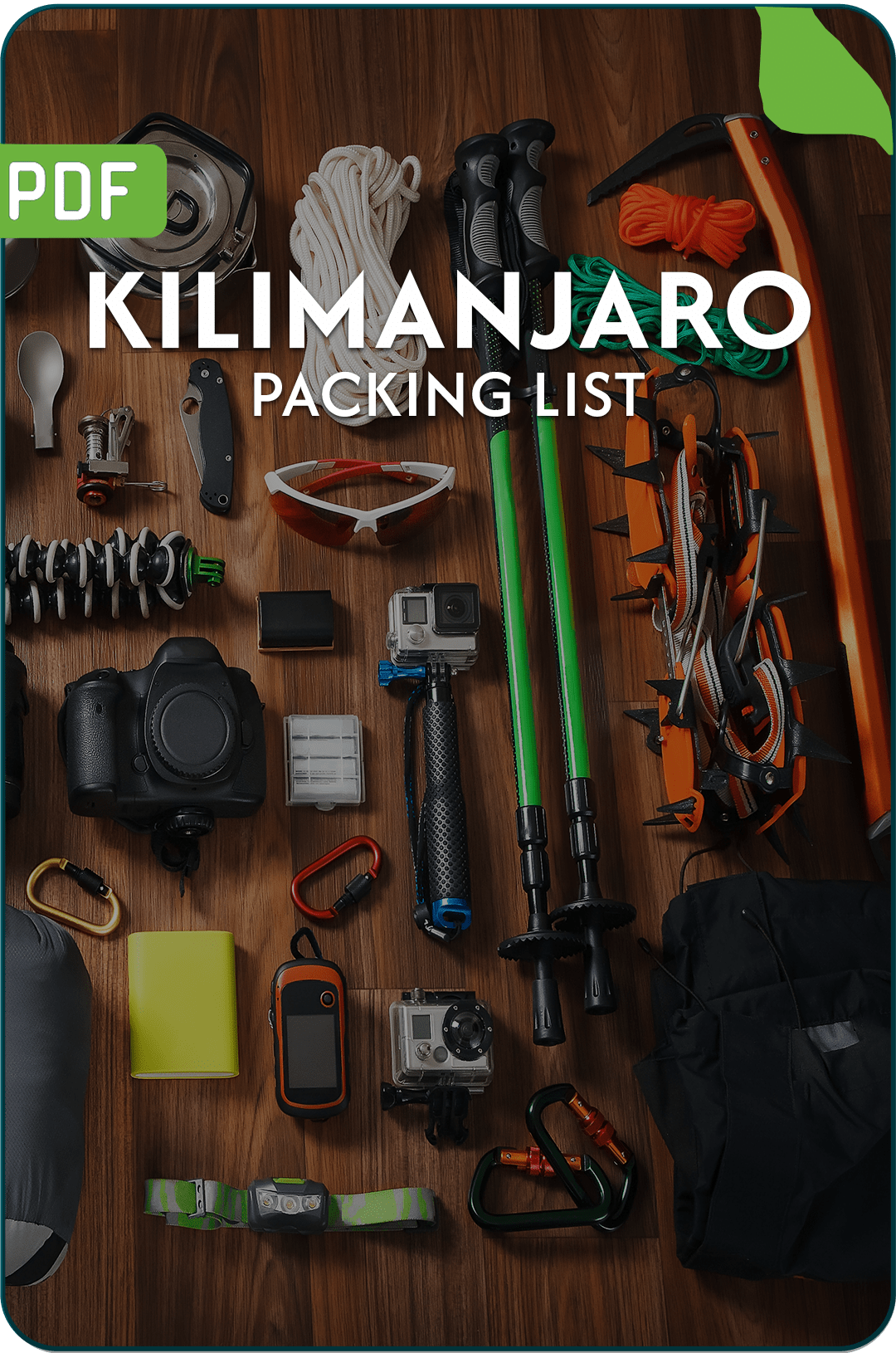
Are you unsure about what else to pack? African Scenic Safaris offers a comprehensive Kilimanjaro Hike Packing List.

Please don’t rely on word of mouth; refer to our packing list guide to ensure you’re adequately prepared for Mount Kilimanjaro Climbing Tours.

And remember, while the journey might be challenging, with the right gear, you’re one step closer to making it the best trip of your life.

Simbo Natai
Simbo Natai, founder of African Scenic Safaris, crafts sustainable, meaningful Tanzanian journeys rooted in his deep local knowledge and passion.
Director, African Scenic Safaris

How to Stay Hydrated While Climbing Kilimanjaro?

Climbing Kilimanjaro is a magnet for those passionate about exploring unparalleled heights. Yet, amidst the exhilarating ascent, the emphasis on hydration often gets overlooked.

Many thrill-seekers don’t realize that water goes beyond its primary role when it comes to Mount Kilimanjaro Climbing. It’s not just a thirst quencher anymore – it’s an essential companion.

Consuming adequate water on every step of this challenging journey ensures safety and improves the performance of our climbers aiming to summit the majestic heights of the mountain.

Kilimanjaro Climbing

Importance Of Water Intake During Climbing Kilimanjaro

Staying hydrated is critical for survival. This is true especially when Climbing Kilimanjaro, Africa’s highest peak, which summits at 5895 meters (19,340 feet) above sea level.

Also, up to 60% of an adult human body is water. With a significant portion of our body reliant on water, maintaining hydration is essential during any Mount Kilimanjaro Hike. Moreover,

  • Water influences almost every function, from digestion to circulation.
  • Proper consumption of water can significantly improve your stamina.  It ensures you remain energized as you climb higher.

Now that we have gone through the benefits of proper water intake let’s learn how to stay hydrated while Climbing Kilimanjaro.

Listen to the Voice of Experienced Guides  

Choosing the Best Kilimanjaro Tours means you have experienced guides to help you navigate the journey. These Kilimanjaro Climbing Guides always prioritize the traveller’s health and give you the best possible advice on the trip briefings carried on each evening.

  • The guides will provide details of the water intake you should have during the next climb day.
  • Also, they will ask you about the water intake you had in the present day. If the value is not enough, they will make you drink more.
  • You may find it challenging to consume this much water but trust your Mount Kilimanjaro Guide. They are experts in their field and must have summited Kilimanjaro more than 200 times.

Listening to them will only help you reach the summit without negatively impacting your health. So, get ready to hear “Maji, Maji” all the way during your Mount Kilimanjaro Climbing Tours.

You might get bored hearing this Swahili phrase, which means water, but they won’t even get tired of saying it. Such is their dedication!

Electrolytes- Hydration’s Essential Partners

Drinking water is super important, but sometimes, water alone isn’t enough during the strenuous Mount Kilimanjaro Hike. That’s where electrolytes come in.

According to Medical News Today, electrolytes aren’t just fancy drink mix-ins. These are chemicals that tend to conduct electricity when dissolved in water. They do some critical jobs in our bodies, such as:

  • Help nerves and muscles work well.
  • Keep the body hydratedon the long and strenuous Climbing Mt Kilimanjaro journey.
  • Balances the blood’s acidity and pressure.
  • Rebuilds any damaged tissues.

Muscles and neurons are electrical tissues and depend on electrolytes to function well.

Human electrolytes include calcium, sodium, potassium, bicarbonate, phosphate, chloride, magnesium, and bicarbonate.  

During the tough Kilimanjaro Climb, muscle needs to function effectively. They need sodium, potassium, and calcium electrolytes to contract and relax. If these electrolytes are imbalanced, muscles might either feel weak or tighten excessively.

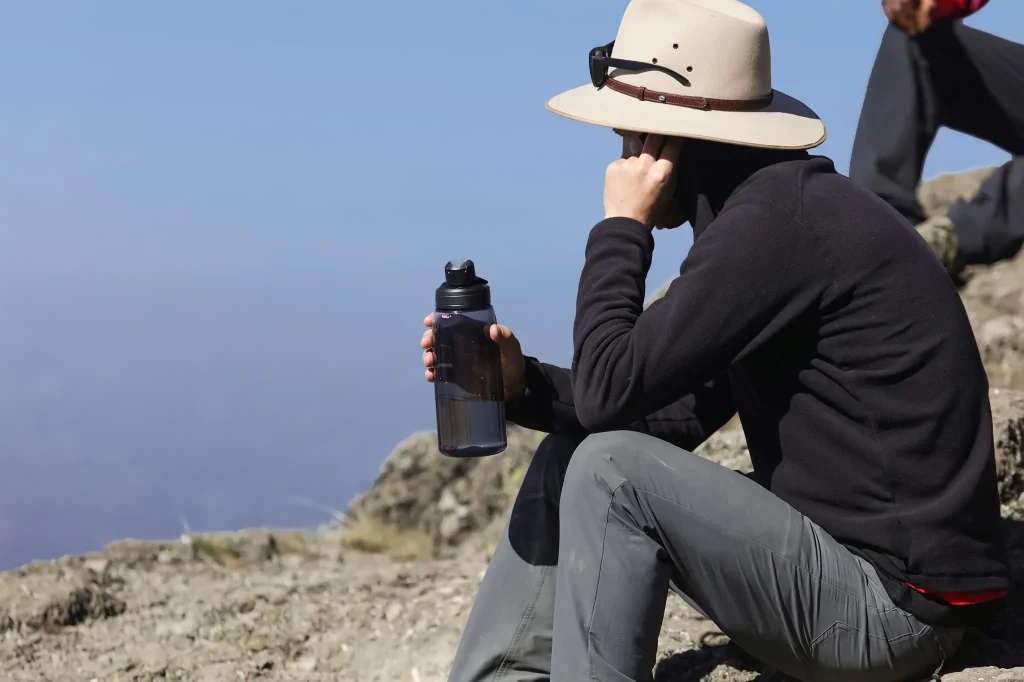
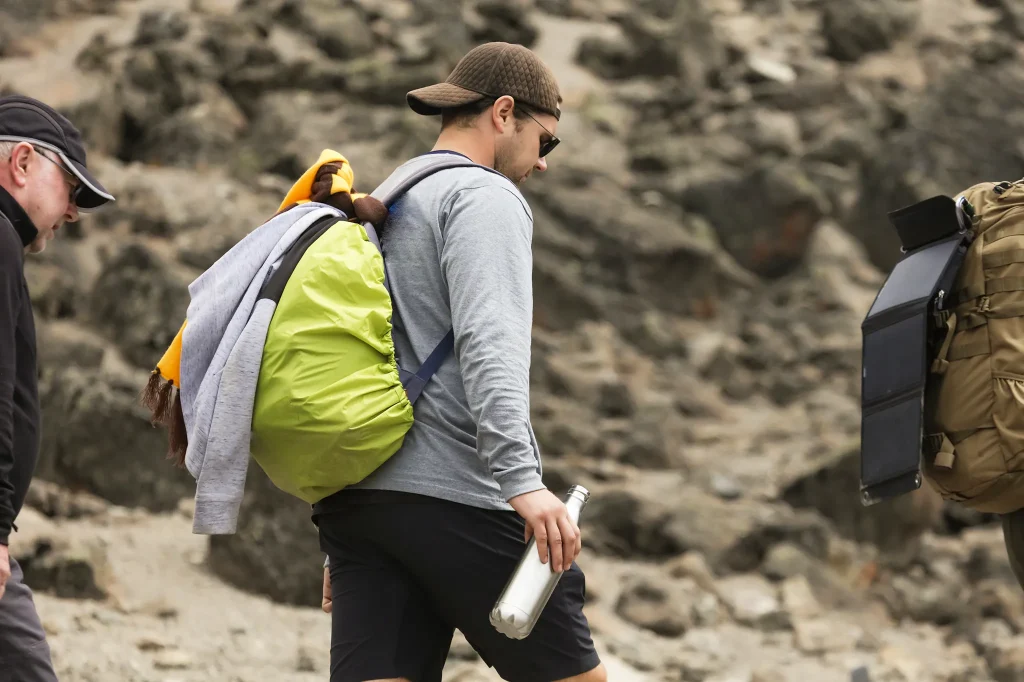
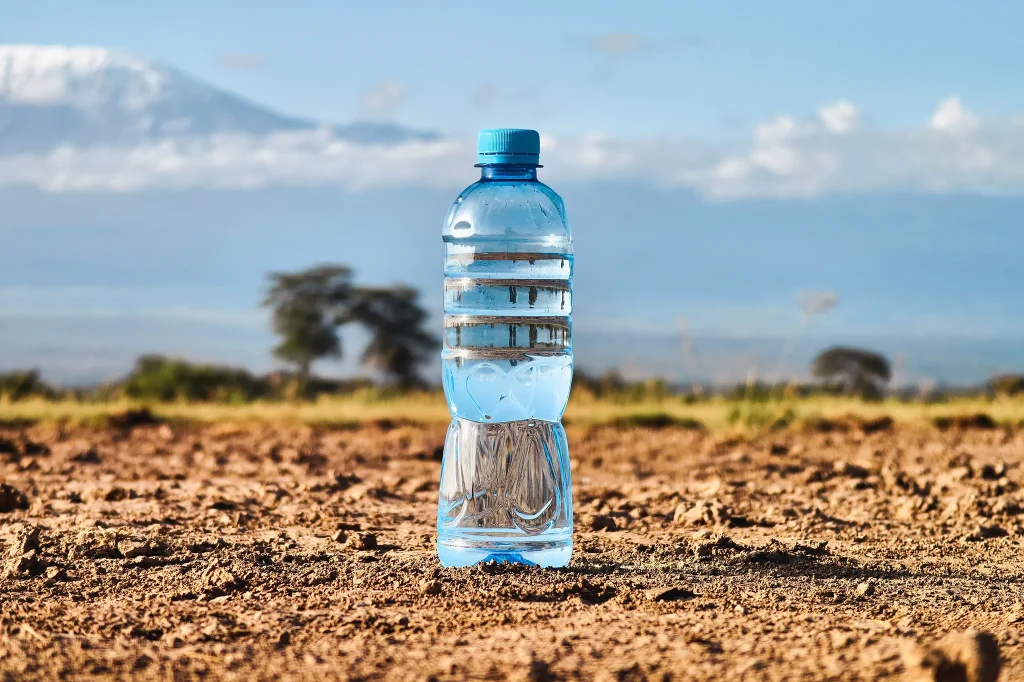
Scenic’s Vital Tip: So, if you're joining the Climb Mount Kilimanjaro Tours, adding electrolytes to your drink is easy. Available options like Gatorade powder, GU Drinking Tabs, NUUN tablets, and Saltstick are simple to use. Just mix them in your water bottle, and you're set. But don't put them in your big 3-litre bladder. The sweet stuff in the mix can make it dirty, and cleaning it on the mountain is tough.
Hydration’s Essential Partners
Hydration’s Essential

Link Between Hydration and Acclimatization

Staying well-hydrated during your climb is essential for effective Kilimanjaro Acclimatization.

Proper hydration helps your body adjust smoothly to increasing altitudes, reducing the risk of Kilimanjaro Altitude Sickness.

When dehydrated, your body struggles more with elevation changes, making acclimatization challenging. Hence, adequate fluid intake is critical to successful acclimatization on the mountain.

Source of Water on Climbing Kilimanjaro

After going through the read, you now have an idea about the importance of hydration on Kilimanjaro’s slopes. But from where does water come at such great heights? Who carries it and sanitizes it for you? Let’s understand!

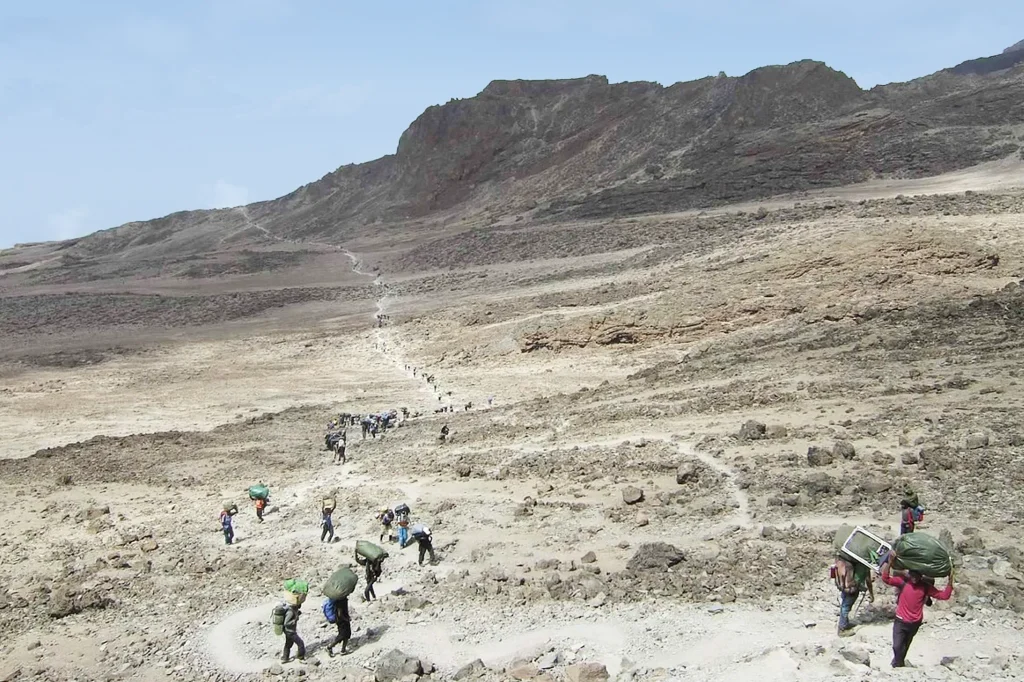
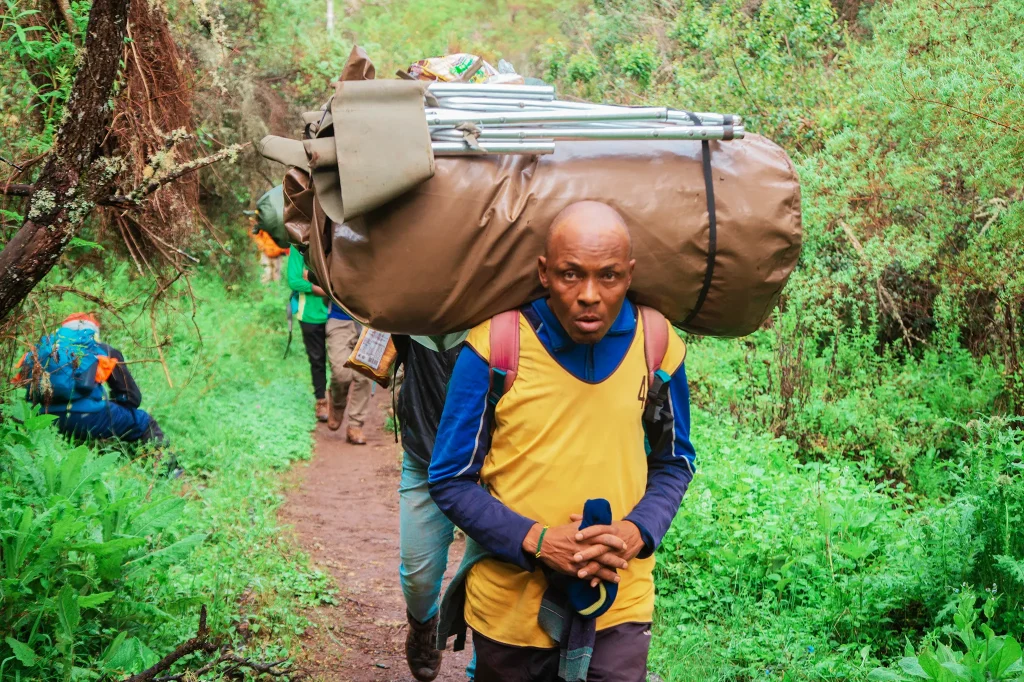
You have to credit the Kilimanjaro Porters for conducting this critical task.

  • They collect the water using big buckets and jugs from the streams flowing along the Kilimanjaro Climbing Routes.
  • They then purify this water at the campsite. After purification, they provide you with clean drinking water.

Also, we have a dedicated porter whose only responsibility is to refill your water pouch daily. They also empty the contents of your water bladder and clean it while filling.

Water on Climbing Kilimanjaro

Conquer Kilimanjaro with Confidence and Care!

At African Scenic Safaris, we’ve crafted Kilimanjaro Climbing Packages especially for you. Here, our foremost concern is our climber’s safety. We carefully guide every climber, ensuring a gradual pace to help adapt to altitude changes. Proper hydration is essential, and with us, it’s a guaranteed part of the journey.

Want to touch the mesmerizing Kilimanjaro Summit? Begin your journey with us. Let’s ascend to greatness together!

Simbo Natai
Simbo Natai, founder of African Scenic Safaris, crafts sustainable, meaningful Tanzanian journeys rooted in his deep local knowledge and passion.
Director, African Scenic Safaris

How To Pack Your Daypack For Kilimanjaro?

So, you’ve decided to take the adventurous leap with a Mount Kilimanjaro Climbing experience? Picking the perfect Daypack For Kilimanjaro is an essential starting point to ensure you’re well-prepared for the journey ahead.

With African Scenic Safaris, we offer a variety of Kilimanjaro Climbing Packages, each tailored to different adventures. But irrespective of your chosen package, the daypack essentials remain constant.
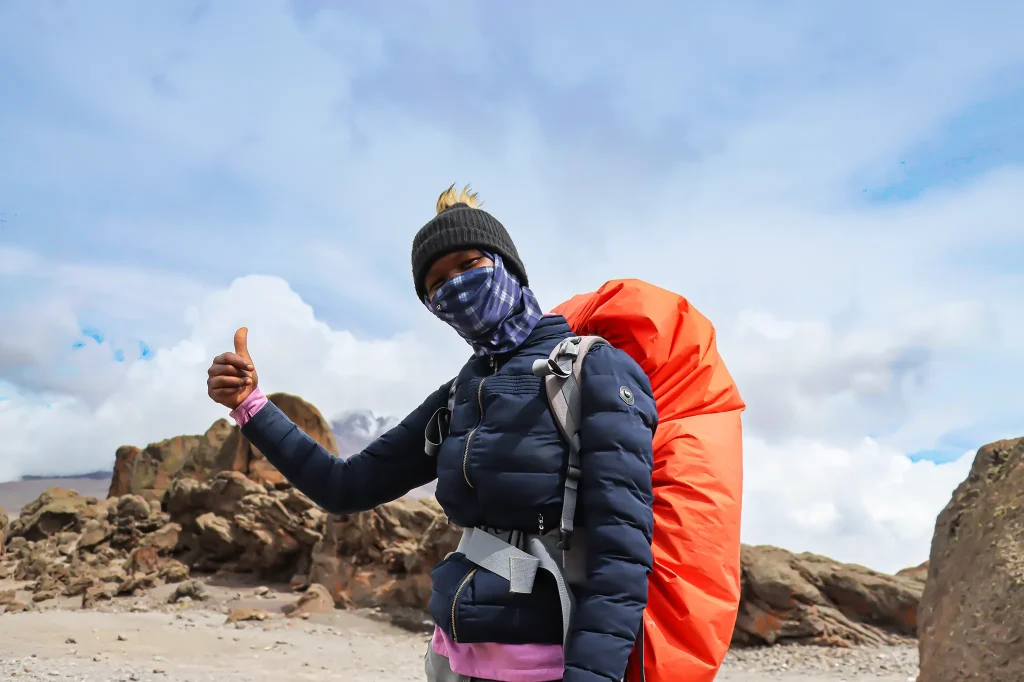
In this blog, we’ll understand the must-haves for your ascent. It doesn’t matter if you’re a novice or a seasoned climber; get ready to optimize your journey up Africa’s pride! Let’s get started!

Choosing the Right Daypack

For the best experience during your Mount Kilimanjaro Hike, having an optimal day pack with an appropriate sizeis non-negotiable.

A size range between 30 to 35 litres usually strikes the balance of being spacious for essentials while fitting comfortably in an aeroplane’s overhead compartment. Hence, this is the ideal size for a Kilimanjaro Daypack.

Kilimanjaro Day Pack
Choosing the Right Daypack

What to Carry in Your Daypack on Kilimanjaro?

Mount Kilimanjaro Climbing is a unique experience that presents varying climatic challenges. As you ascend, the fluctuating weather patterns demand that you have specific items in your daypack for hiking Kilimanjaro. Below is the list of essentials that you should include for a hassle-free Kilimanjaro Climb:  

Clothing Essentials for Varied Terrains

Layering is vital during your Kilimanjaro Climb. Varying temperatures from the base to the summit require adaptive attire. Make sure to have:

  • Convertible pants are ideal for varying temperatures.
  • Base layers and moisture-wicking shirts make you stay dry and comfortable at all times.
  • Rain gear, including a rain jacket and potentially rain pants, to shield you from sudden showers.
  • A fleece pullover, beanie, and a puffy jacket for the chilly elevations.
  • Extra socks and sturdy hiking shoes.
  • A sun hat, light gloves, and extra underwear.

Sustenance and Hydration

During your Mount Kilimanjaro Hike, you’ll need ample hydration and nourishment. Hence, include the following things in your Daypack for Kilimanjaro.

  • A hydration bladder or bottle can hold 3-4 litres of water.
  • Energy bars, trail mix, or candy to keep your stamina up.
  • Don’t forget the packed lunch provided by your tour service.

Miscellaneous Must-Haves

Here is a list of miscellaneous must-haves that you need to carry with you when navigating Kilimanjaro Climbing Routes for a better experience:

  • First-Aid Kit: Band-aids, personal medication, blister treatments, and more.
  • Protection: Sunscreen, lip balm with sun protection, and hand sanitizer.
  • Essentials: Toilet paper, tissues, and handkerchief.
  • Technology Kit: Camera, extra batteries, and spare SD cards.
  • Spare Boot Laces: Because it’s always good to be prepared.
Special Note: Did you know that Mount Kilimanjaro has five distinct ecological zones? This means you'll transition from tropical heat to icy alpine conditions as you ascend! So, when packing your Kilimanjaro Daypack, including all the items mentioned earlier is super important. This way, you'll be ready for any weather change during your climb.
Daypack on Kilimanjaro
What to Carry in Your Daypack on Kilimanjaro?

How Should I Pack My Kilimanjaro Daypack?

How you pack matters a lot when you’re getting ready for your Kilimanjaro Climbing adventure! It’s not about just throwing things in. Organise your items neatly so you can find them quickly and they don’t get lost.

  • Use Small Bags. Group similar items in a zip-lock bag, like sunscreen, lip balm, and sanitiser. Keep snacks in another small pouch.
  • Keep Clothes Together. Things like hats, gloves, and scarves? Put them in a separate pouch or sack.
  • Balance is Key. Keep the heavy stuff in the middle within your Kilimanjaro Daypack, like water. It helps in walking straight and not feeling off-balance.
  • Use Straps. If your daypack has straps, tighten them. This stops things from moving around when you walk.
  • Stay Consistent. Always keep specific items in the same spots—you know exactly where to find something when needed.
  • Built-in rain cover. Ensure your Daypack for Kilimanjaro has a built-in rain cover. If not, invest in one. Additionally, you can use a waterproof sack inside your daypack as an added measure against rain.

Understand that being unprepared can lead to discomfort and potential health issues. For instance, dehydration at high altitudes can lead to altitude sickness. Furthermore, not dressing appropriately can lead to hypothermia or sunburn. Hence, packing correctly can save you from a lot of trouble when Climbing Kilimanjaro.

Kilimanjaro Daypack
Kilimanjaro Daypack

Pack Right and Climb Right with Us!

Packing your Daypack for Kilimanjaro efficiently is crucial for a comfortable and safe ascent.

With the right gear and essentials, your Mount Kilimanjaro Climbing experience will not only be about reaching the summit but also about enjoying every step of the journey.

For unmatched Kilimanjaro Climbing Tours and expert advice, connect with us at African Scenic Safaris.

Simbo Natai
Simbo Natai, founder of African Scenic Safaris, crafts sustainable, meaningful Tanzanian journeys rooted in his deep local knowledge and passion.
Director, African Scenic Safaris

Do I Need Travel Insurance To Climb Kilimanjaro?

Yes, you do need Kilimanjaro Travel Insurance if you plan to scale the mountain. With the associated challenges when Climbing Mount Kilimanjaro, such as its towering altitude and remote setting, every participant must have insurance.

Moreover, proof of this coverage is also required before the trek begins. A journey to Africa’s highest peak demands preparation. And the right insurance protects you against unexpected disruptions, from trip cancellations to medical emergencies on your Mount Kilimanjaro Hike.

What Should Kilimanjaro Travel Insurance Cover?

Choosing suitable Kilimanjaro Climbing Packages is your first step to a beautiful climbing experience. However, choosing the correct travel insurance is equally crucial. Here’s what a comprehensive policy should cover:

  • High-altitude trekking coverage: Kilimanjaro’s diverse terrain and altitude present unique challenges. Insurance should cover treks up to 6,000 meters, catering to the specific demands of the Mount Kilimanjaro Routes.
  • Medical and repatriation costs: The physical demands of the journey can sometimes be unpredictable. If any health concerns arise, your insurance should cover medical emergencies and the related costs of getting you safely back to your home country.
  • Trip Cancellation: Unforeseen circumstances might force you to cancel or delay your trip. Your chosen policy must cover costs related to such events.

Hence, choosing the right Kilimanjaro Travel Insurance is vital. It provides a safety net for your adventure. Along with the excitement of the climb, you should also feel secure and prepared for any unexpected events.

Kilimanjaro Travel Insurance
Kilimanjaro Travel Insurance Cover

Emergency Evacuation and Medical

Even with the best preparation, sometimes things don’t go as planned. This is why being prepared for emergencies is essential.

  • Emergency medical coverage: Accidents or illnesses can happen, even on Mount Kilimanjaro Routes. This ensures that any unexpected medical expenses during your journey are covered.
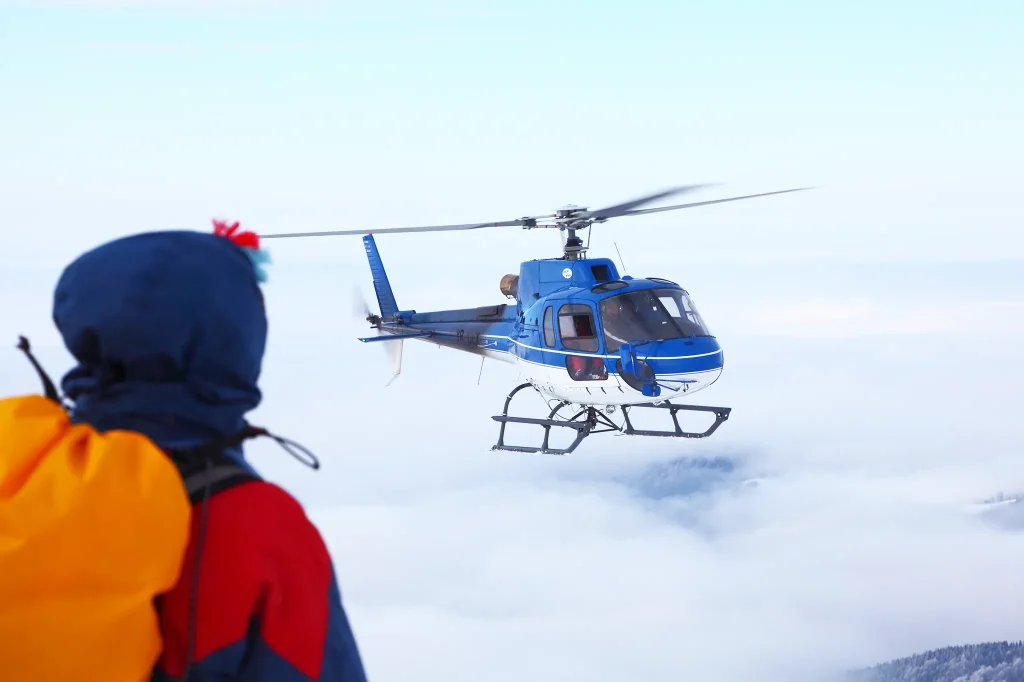
  • Emergency evacuation: In extreme situations, you might need quick transportation to the nearest hospital or medical facility. This coverage takes care of those transport costs.

While focusing on the Kilimanjaro Climb and the breathtaking views, it’s reassuring to know there’s a plan in place when emergencies arise.

Kilimanjaro Travel Insuranece
Emergency Evacuation and Medical

Proof of Travel Insurance

For African Scenic Safaris, ensuring every climber’s safety is paramount. Before you begin your climb, you must showcase your insurance proof. It’s essential for your peace of mind and the organizers to ensure everyone’s well-being.

What Travel Insurance Company Do We Recommend?

Choosing the right Kilimanjaro Travel Insurance for your Kilimanjaro Packages is crucial. At African Scenic Safaris, after extensively researching and considering various factors, we recommend the following insurance provider:

  • World Nomads
  • Allianz Global Assistance
  • IMG Global
  • Travel Guard
  • Seven Corners

Their comprehensive coverage caters to climbers, ensuring they’re shielded against any unforeseen challenges they might face while experiencing the majestic Kilimanjaro Routes.

Safety First – Insure Your Kilimanjaro Adventure

While the thrill of climbing Kilimanjaro is unparalleled, ensuring you’re secured with the right travel insurance adds a layer of peace.

As you explore the various Kilimanjaro Climbing Packages and prepare to journey through the mesmerizing trails, remember to buy appropriate Kilimanjaro Travel Insurance, ensuring a safe and memorable experience.

Simbo Natai
Simbo Natai, founder of African Scenic Safaris, crafts sustainable, meaningful Tanzanian journeys rooted in his deep local knowledge and passion.
Director, African Scenic Safaris

Are There Toilets on Kilimanjaro?

Yes, there are Toilets on Kilimanjaro. As you prepare for your Mount Kilimanjaro Climbing adventure, knowing what amenities await is essential. Your choice of facilities, be it public or private toilets, largely depends on your chosen budget – luxury or value-for-money Kilimanjaro Climbing Packages.

If you opt for African Scenic Safaris, you can request private toilets for a more comfortable experience. So, let’s explore further and see how and where you can use Kilimanjaro Toilet Facilities.

Toilets At Kilimanjaro Campsites

Before setting foot on the majestic trails of Kilimanjaro, it’s good to know what lies ahead at the campsites. Here’s what you can expect regarding Kilimanjaro Toilet Facilities:

Public Toilets

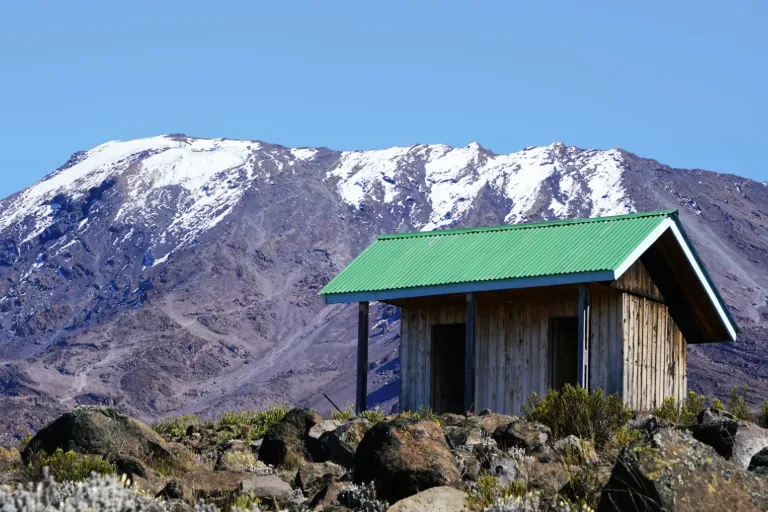
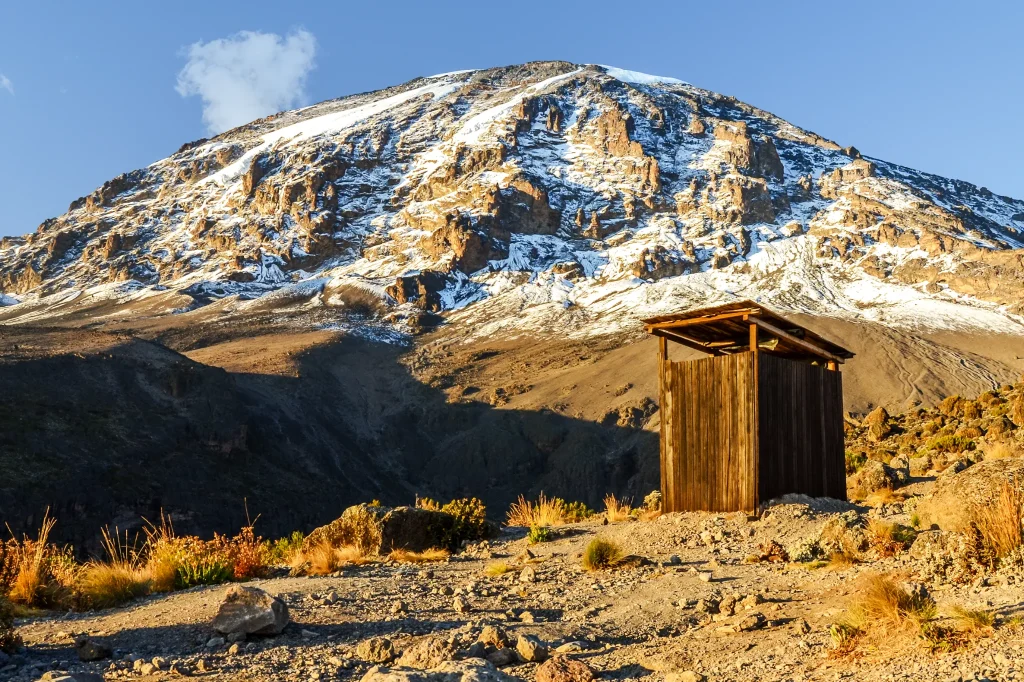
The public Kilimanjaro Toilets at campsites are open to everyone and are essentially long drops. This toilet is a movable hut placed over a dug-out hole. When the hole fills up, it’s covered, and the toilet is shifted to a new hole.

  • They are usually the preferred choice for mountain crews and climbers on a tight budget.
  • As long drops, they can become less sanitary and quite odorous due to high usage.

Therefore, we always recommend climbers review the toilet facilities before signing up for tours with any Mount Kilimanjaro Climbing operator.

Scenic’s Suggestion: If budget is your primary constraint, public toilets are there to serve the purpose. But there’s another option for those seeking a little more luxury.

Private Toilets

The second option, and the one we recommend, is Private Toilet Tents on Kilimanjaro Mountain. It’s the premium choice for many climbers; these tents provide a sense of familiarity in an otherwise unfamiliar terrain.

  • These private toilet tents can be rented for groups of up to four.
  • If more people are in the Kilimanjaro Group Climbs, additional tents can be available.  Ensure you have undamaged US Dollars for rental payments, preferably from 2009 or newer.
  • Unlike the public versions, these are chemical toilets with comfortable seats, ensuring a cleaner experience.
  • Offers the most sanitary method for those personal moments.

Always prioritize hygiene on Kilimanjaro. It doesn’t matter whether you are using public or private facilities; carrying hand sanitizers and personal toilet paper can be beneficial.

Scenic’s Take on Kilimanjaro Private Toilet Tents: At African Scenic Safaris, the provision for these private toilet tents can be included in our Kilimanjaro Climbing Packages upon request. We feel adding the option to access the private tents is by far the most comfortable and dignified option available during Mount Kilimanjaro Climbing Tours.   These private toilet tents are undoubtedly the cleanest choice for number two on Kilimanjaro, with regular cleaning and maintenance by our most efficient Kilimanjaro Porters. They will set up, take down, clean and carry the Kilimanjaro Private Toilet Tents for you. 
Toilets On Kilimanjaro

Along The Trails On Kilimanjaro

Until now, we have understood the restroom facilities available to nature call at Kilimanjaro Camps, but what about those moments when navigating through Kilimanjaro Climbing Routes?

Though we always recommend finishing the business before starting the climb and departing the camp, it’s always not entirely possible.

Moreover, when taking a big jump in elevation, you might want to poop or pee again (sometimes it might be pretty urgent).

So, to save your day, you need to know the options for Toilets on Kilimanjaro when hiking through the trails. Here’s what you can do:

Peeing When Hiking

  • Women can consider carrying a urinating device like Shewee. These devices allow for a standing posture when peeing.
  • A reusable pee cloth can save you from the hassles of disposable toilet paper. Hence, we recommend bringing in Kula Cloth, an antimicrobial pee cloth that is very important from a hygiene point of view.

Pooping When Hiking

  • Always adhere to Kilimanjaro’s “leave-no-trace” guideline. The mountain’s beauty is everyone’s responsibility.
  • You shouldn’t bury toilet paper or leave any waste visible.
  • Lastly, ensure your Kilimanjaro Daypack is equipped with:
  • A small shovel. This will help you dig a hole for your waste. Once done, always cover it back.
  • A drawstring bag. This can be useful for storing your shovel after use.
  • Biodegradable bags. You’ll need these to store used toilet paper. When back at the Kilimanjaro Camp, dispose of the used toilet paper in the designated bins.

Remember, Tanzania has strict rules against single-use plastic bags. So, always opt for biodegradable ones to respect local regulations and help protect the environment.

Trails On Kilimanjaro
Along The Trails On Kilimanjaro

What To Do If You Need To Use Toilet At Night?

Venturing out to use the Toilets on Kilimanjaro during the dark, chilly night can be quite the challenge. The freezing temperature and breezy winds can make a midnight toilet trip daunting.

For those considering a nighttime visit to the Kilimanjaro Toilets, it’s advisable to:

  • Limit liquid intake before bedtime. Maybe savor that comforting hot chocolate right after your evening meal.
  • Make a quick stop at the toilet before settling into your sleeping bag. This can reduce the chances of a midnight run.
  • If the urge becomes unavoidable, always carry a torch or flashlight. It’s because navigating the rocky terrains and tent ropes can be tricky in the dark.

Maintaining good Hygiene on Kilimanjaro is vital, but it’s equally important to plan your nighttime toilet visits wisely. This ensures your safety and comfort and a pleasant Mount Kilimanjaro Climbing experience.

Comfort Meets Adventure On Kilimanjaro

The majestic experience of Climbing Kilimanjaro is filled with countless wonders and challenges. While concerns about Toilets On Kilimanjaro might seem minor, these little details can make your trip smooth and comfortable.

If you plan to conquer this beautiful giant, African Scenic Safaris ensures you’re well-informed and equipped for every aspect of the climb. Ready to begin your journey? Connect with us today!

Simbo Natai
Simbo Natai, founder of African Scenic Safaris, crafts sustainable, meaningful Tanzanian journeys rooted in his deep local knowledge and passion.
Director, African Scenic Safaris
×