

Altitude Sickness Prevention Strategies for Kilimanjaro
Nobody really warns you about this part. You can train for months, smash the gym, and feel unstoppable… then Kilimanjaro Altitude Sickness hits you with thin air at 5,895 meters, and suddenly your body is like, “Hey, bestie, what is going on up here?”
Altitude sickness is the real boss level on this mountain. It doesn’t care about muscles or motivation; it cares about how well your body adapts to the decreasing oxygen as you climb higher.
But here’s the good news: Altitude sickness is predictable, preventable, and totally manageable when you know what you’re doing.
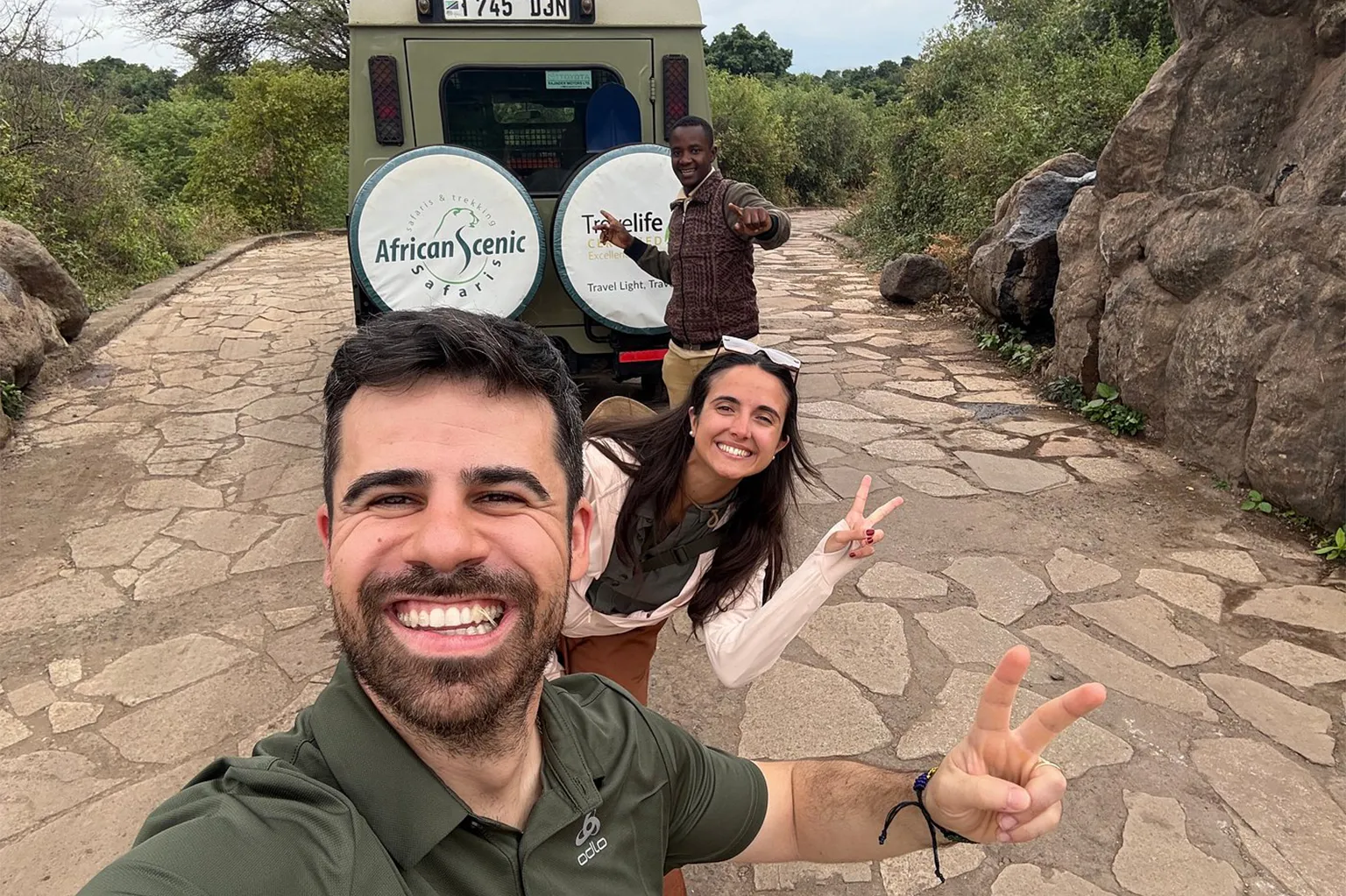
In this guide, we break down everything you need to stay safe, from understanding symptoms and Preventing AMS on Kilimanjaro to the most effective prevention strategies, to what African Scenic Safaris guides do during emergencies.
You’ll walk away knowing exactly how to protect your body, listen to your limits, and climb with confidence.
Section 1: Understanding Altitude Sickness
“Why Altitude Affects Every Climber Differently”
Altitude sickness (AMS) is one of those sneaky things. You can be young, fit, hydrated, mentally strong, and still get hit by it. And it’s not because your body “failed.” It’s because oxygen levels drop drastically as you go higher.
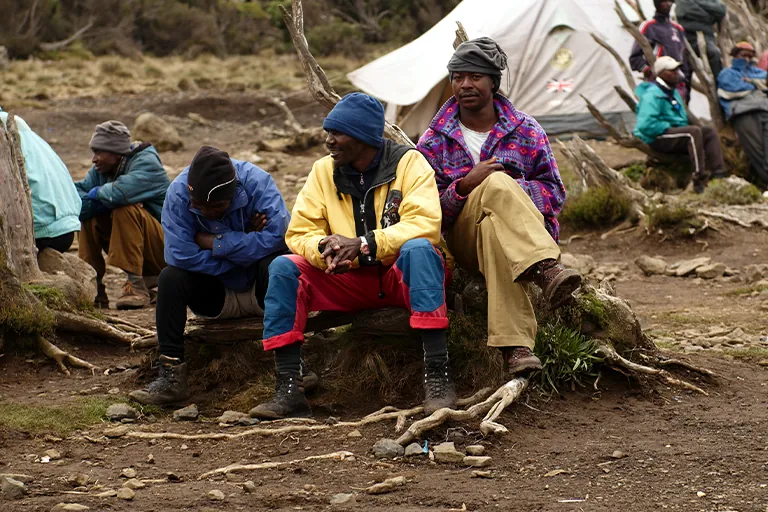
Sometimes altitude sickness strikes you in the most humbling way. One minute you’re vibing, taking cute photos, feeling like the main character of your own adventure film, and the next, your body is like, “Hey, we’re way up here, slow down.” It’s not a weakness. It’s literally just your system trying to make sense of the thin air. When that light headache or sudden wave of fatigue hits, it reminds you that the mountain doesn’t respond to confidence, only respect and patience.
When we talk about Kilimanjaro Altitude Sickness or more formally, acute altitude illness, we talk about a real, scientifically documented condition that pops up because, as you climb higher, the air pressure drops and your body gets less oxygen per breath. The CDC warns that even healthy, fit people are at risk the moment they head above roughly 2,500–2,750 meters without adequate time to adjust. – CDC
During Mount Kilimanjaro Climbing, the air gets thinner. That means:
- less oxygen per breath
- lower air pressure
- And your body is forced to work harder just to keep everything running smoothly.
AMS happens when your body isn’t adapting fast enough. And everyone’s tolerance is different; some people acclimatize easily, others need extra time.
African Scenic Safaris guides say it best: “You can’t cheat altitude. The only thing that wins is time and a slow pace.”
This is why acclimatization days matter so much; they give your body room to breathe and adjust.
Section 2: Common Symptoms & Early Detection
“How to Recognize the Early Signs of Altitude Sickness”
One thing about altitude sickness is that it almost always starts subtly. And catching it early is 90% of the battle.
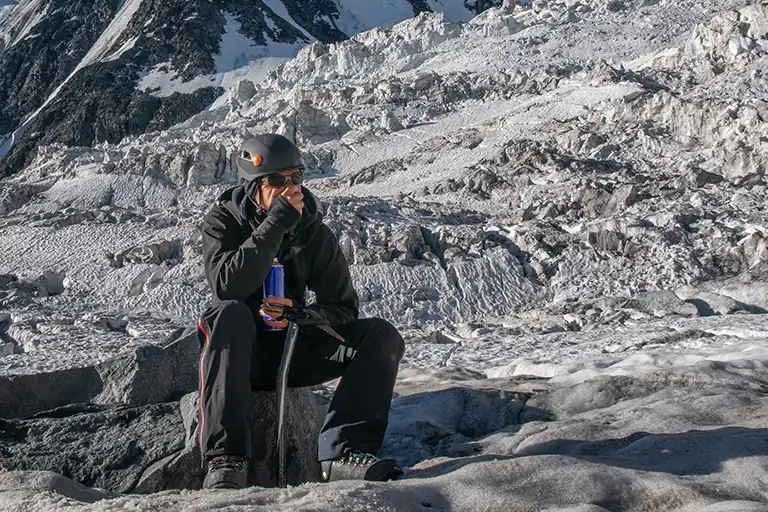
You know, the first signs of altitude sickness sometimes can feel almost too normal to take into consideration unless you pause for a second and think, “Why does my head feel kind of floaty?” or “Why am I breathing like I just ran upstairs when I barely walked 20 meters?” It’s not dramatic, it’s not scary. It’s just this quiet shift in your body that makes you go, hmm, something’s different.
You can even lose your appetite even though you know clearly you should eat, the random wave of fatigue that surrounds you in this critical moment. On the mountain, all these and more tiny changes matter; your body is telling you to slow down for a moment. It’s not about panicking and losing focus; it’s about being aware, being kind to yourself, and remembering that listening to your body is part of the adventure too.
Mild AMS Symptoms
These are common and manageable:
- Headaches
- Loss of appetite
- Fatigue
- Trouble sleeping
- Light nausea
It’s your body saying, “I’m trying my best, but give me a sec.”
Severe AMS Symptoms
These are red flags and require immediate action:
- Persistent vomiting
- Confusion or disorientation
- Trouble walking straight (ataxia)
- Breathlessness even while resting
- Blue lips or fingertips
- Wet, heavy cough
For tips and guidelines on staying safe while climbing, visit the Kilimanjaro Safety.
A traveler once said:
“I didn’t realize my headache was AMS until my guide checked my oxygen and helped me rest. That quick response saved my summit.”
Section 3: Why Acclimatization Is the Key
“How the Body Adjusts to Altitude Over Time”
Acclimatization is basically your body learning to live with less oxygen. It increases your breathing rate, produces more red blood cells, and strengthens your circulation. But here’s the kicker: it takes time.
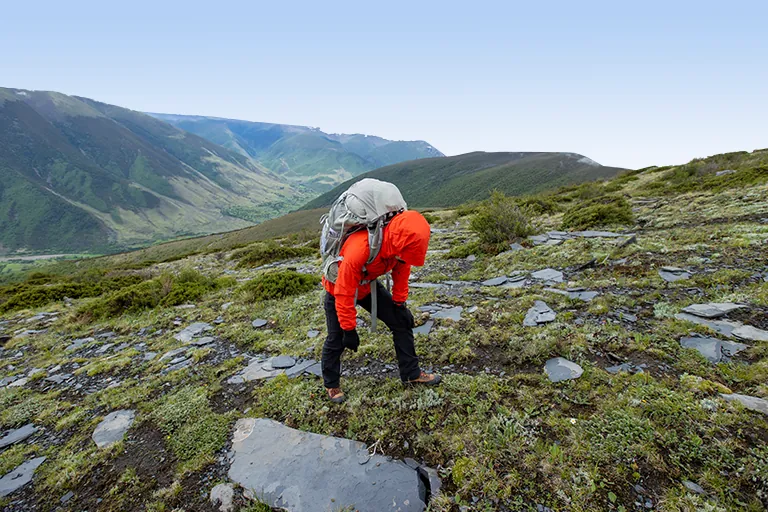
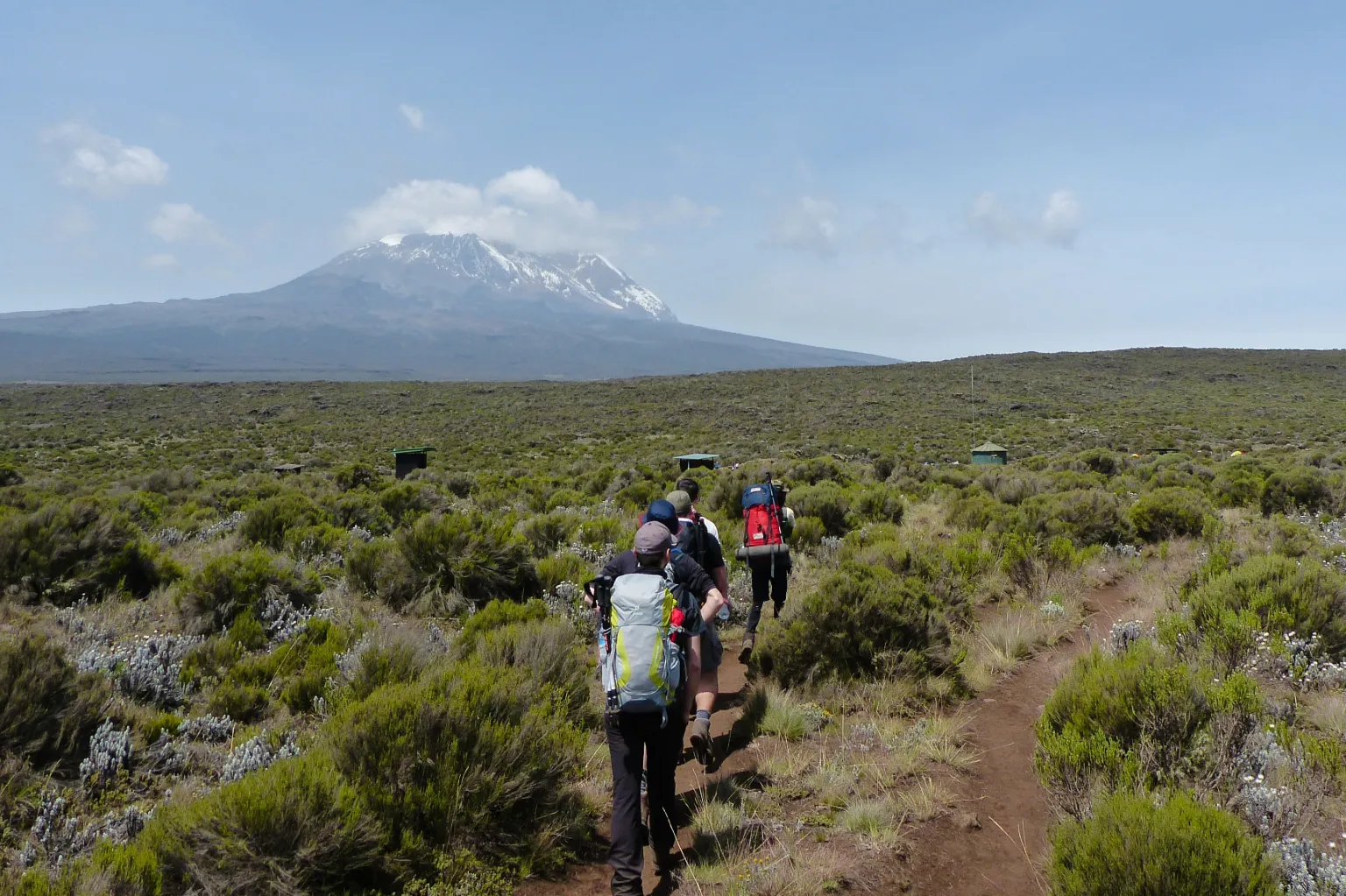
This is why 8–9-day routes like Lemosho and Northern Circuit are the Best Routes for Acclimatization. Kilimanjaro has the highest summit success rates. They give your body room to adapt instead of rushing to the peak.
Kilimanjaro Acclimatization Strategies is one of the things that isn’t easy to understand until you are in the mountains. This is where you realize that Kilimanjaro is more than something you need to conquer; it’s something you learn to move with. Each slow step, each pause to breathe, each sip of water becomes part of this gentle conversation between you and the altitude. And it’s humbling, in the best way.
You start the climb thinking you’re in charge, but somewhere between the first camp and the second, you understand that the mountain sets the pace and your job is just to listen. When you do, something beautiful happens: your body slowly catches up.
The best human part of it is that you learn to be soft and gentle with yourself. You move at your own pace, and not everybody else’s. This slowness is what brings peace, noticing the little things and the crunch of the volcanic gravel under your boots, the way the light hits the glaciers at sunrise,
In that space, acclimatization stops being a technical step in the climb and becomes a reminder that sometimes, the best way to reach a big dream is to honor your limits, breathe deeply, and trust every small step you take.
African Scenic Safaris guides live by the mantra: “Pole pole — slowly, slowly. The mountain is not going anywhere.”
Section 4: Prevention Strategies – Step-by-Step
“How to Prevent Altitude Sickness Before and During the Climb”
For Altitude Sickness Prevention Kilimanjaro is not about who is the strongest or the fittest; it’s about being kind to your body and giving it the space to adjust. Your guides are there for you, your mountain family always reminding you to slow down, checking how you’re feeling, and literally matching their steps to your rhythm so you don’t push too hard too fast.
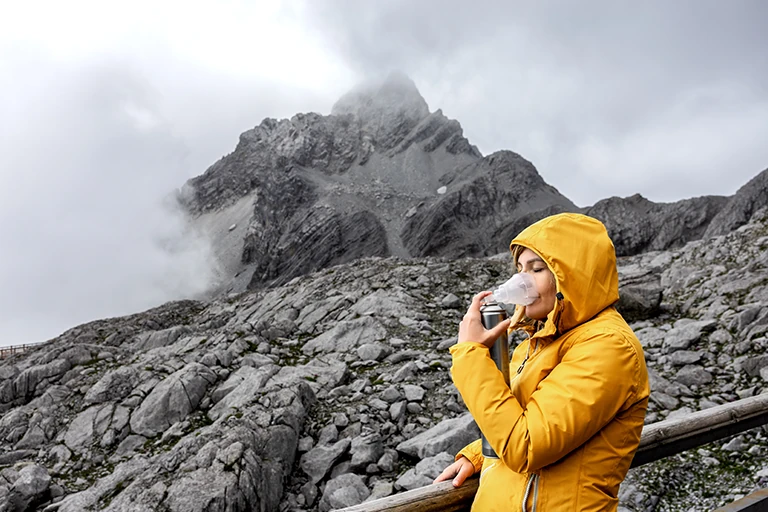
When you embrace the slow pace, the mountain starts to feel less intimidating and more like a journey you’re slowly growing into. You realize that every careful decision you make is you choosing to protect your summit dream, one mindful choice at a time.
Here’s your Kilimanjaro Altitude Tips for AMS prevention plan:
| Strategy | Why It Helps | Real-Life Example on the Mountain |
| Choose a longer route (8–9 days) | Gives your body more time to adapt | You wake up on Day 4 feeling less dizzy because your body has had an extra night to adjust |
| Hydrate 4–5 liters daily | Prevents dehydration, a major AMS trigger | Your guide reminds you to sip water every 10–15 minutes during the hike |
| Walk slowly, the Pole Pole mindset | Reduces stress on your lungs & heart | You match your guide’s slow rhythm and avoid early exhaustion |
| Eat light, high-carb meals | Keeps your energy up and digestion steady | Porridge, fruit, and potatoes are easy on the stomach, great for energy |
| Avoid alcohol & sleep aids | Prevents slow breathing at altitude | You skip the celebratory drink so your body can focus on adapting |
| Pre-acclimatize (e.g., Mt. Meru) | Train your body for high-altitude conditions | You arrive on Kili already used to thin air |
A medic from African Scenic Safaris said, “Hydration and pacing prevent more AMS cases than any pill.”
Check out our guide, “8 Essential Items to Pack for Your Kilimanjaro Adventure,” to make sure you have the perfect Kilimanjaro Packing List for the best climb!
Section 5: Hydration & Nutrition
“Why Drinking Enough Water Can Save Your Summit”
For Kilimanjaro Health and Safety, Dehydration is one of the fastest ways to trigger altitude sickness. At high altitudes, you lose water without realizing it through breathing, sweating, and cold air.
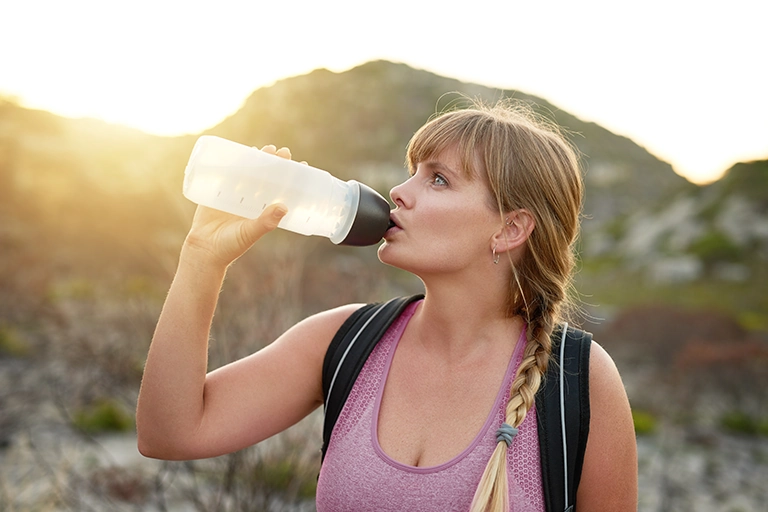
The easiest hydration test? Check your urine color. Pale = good. Dark = drink more.
Your energy will also depend heavily on:
- Electrolytes
- Salty snacks
- High-carb meals
- Regular hydration breaks
The CDC recommends that travelers to high altitudes, like Kilimanjaro, ascend gradually, increase sleeping elevation by no more than about 1,600 ft per day above 9,000 ft, and stay well-hydrated to help reduce the risk of altitude illness.
Section 6: Medication and Natural Remedies
“Medicines and Natural Aids That Help With AMS”
As you are up on Kilimanjaro, some days your body just can’t keep up, and that’s okay. Your head is pounding so hard, and your chest feels tight, and every step is a struggle. That’s when painkillers feel like a lifeline. But it’s not about taking them blindly. The guides and the Kilimanjaro Medical Support sit with you, explain what’s going on, and tell you exactly how each medicine works. They make sure you feel safe.
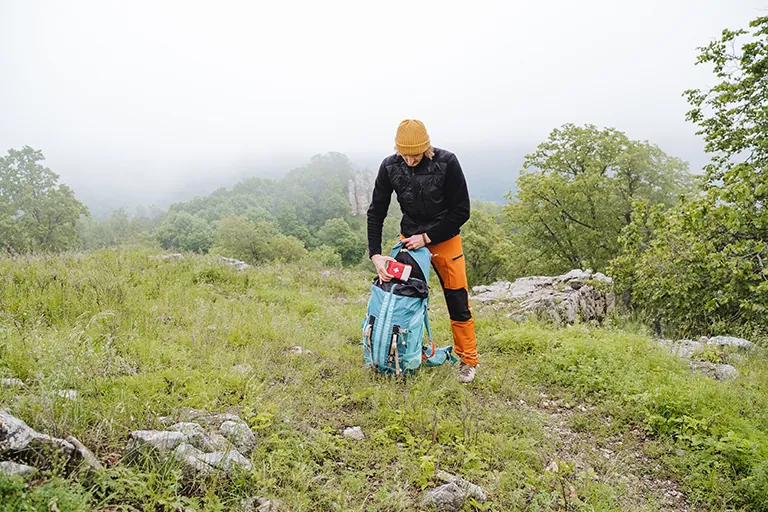
Then there are the natural fixes the crew swears by: ginger for nausea, garlic tea to ease your breathing, and lavender oil to calm your nerves. Learning from both science and nature like this feels human. Taking care of yourself is a smart way of showing that you care and you’re gentle with yourself, as you are surviving and enjoying the climb.
Here’s what climbers commonly use (with medical guidance):
Medications
- Diamox (Acetazolamide) – helps prevent AMS
- Ibuprofen – headaches
- Promethazine – nausea
Natural Remedies
- Ginger (nausea)
- Garlic (circulation)
- Lavender (calming during sleepless nights)
For prevention, the NHS notes that a medication called Acetazolamide (brand name sometimes “Diamox”) may be prescribed by a travel health professional if you are going to a high-altitude location or ascend quickly. But this drug does not replace the need for gradual ascent and acclimatization. – NHS.UK
Always consult your doctor before taking anything.
“I recommend staying well-hydrated and eating small, frequent meals rich in carbohydrates and protein, as proper nutrition and hydration are essential for safe acclimatization on Kilimanjaro,” says our medical professional partner.
Section 7: Emergency Procedures & Trained Guides
“What Happens If Severe Altitude Sickness Occurs”
If things ever take a turn on Kilimanjaro and sometimes altitude hits harder than expected, this is where your guides truly shine. These aren’t just people who walk with you up the summit; they’re trained responders who know exactly what to do when someone’s struggling.
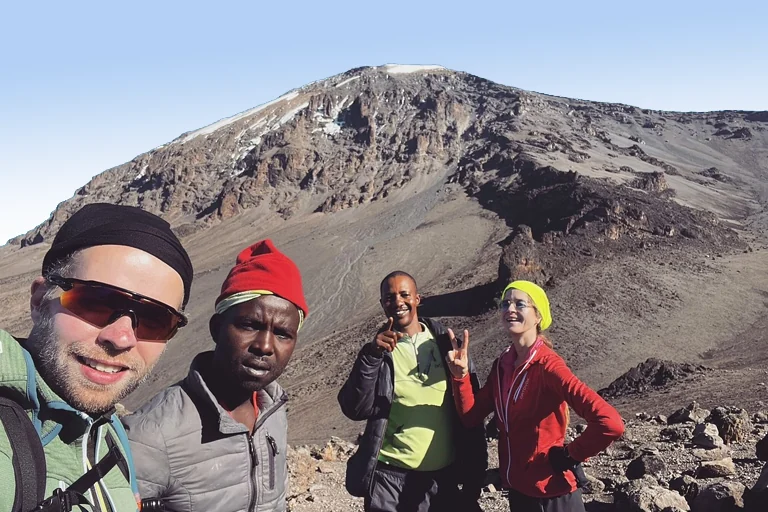
They ensure that your Kilimanjaro Health & Safety is taken into consideration, verify the Kilimanjaro Oxygen Levels are okay, ask the right questions, and remain so calm that their energy instantly settles you. The moment they sense and realize that something is not right, they take immediate action, whether that means administering supplemental oxygen, assisting you in descent, or calling for evacuation. And honestly? It’s in those moments that you realize how deeply they care. They treat your safety like it’s personal, not just professional. You never feel alone up there, not even for a second.
If your symptoms progress, guides follow strict safety protocols:
- Immediate oxygen level check, using an oximeter.
- Administer oxygen if needed
- Controlled descent
Descending even 300–500 meters can reverse symptoms.
- Stretcher evacuation
If you’re unable to walk.
- Hospital transfer
For severe cases like HACE or HAPE.
African Scenic Safaris guides are Wilderness First Responder (WFR) certified, meaning you’re literally in safe hands.
A past climber said, “My guide checked my oxygen every night. I felt safer with him on the mountain than at home.”
Section 8: Mental Preparation & Mindset
“Preparing Your Mind for High-Altitude Challenges”
Your mind will carry you further than your legs. Altitude sickness can make you doubt yourself, cause headaches, nausea, and short breath. It’s a lot. But knowing these feelings are normal changes everything.
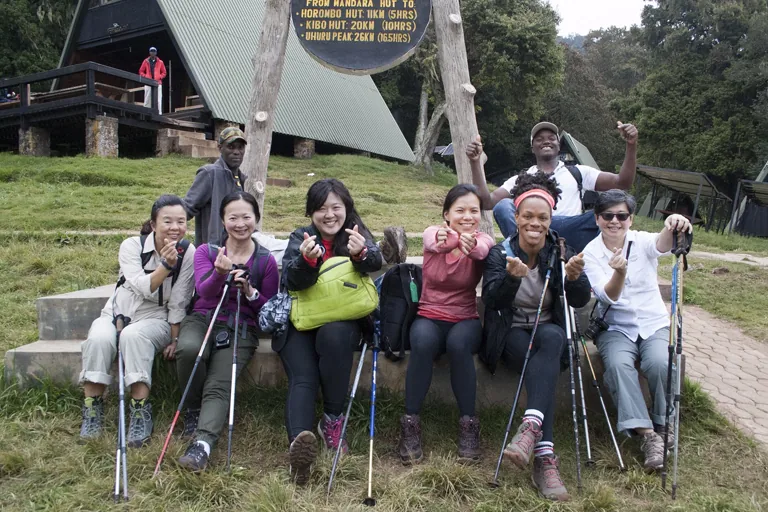
Mount Kilimanjaro Climbing can hit you in ways that you never expected. You will be surprised how you can wake up on some mornings being determined, and the other mornings you feel tired and unsure if you can continue.
What you need to keep in mind is that you are not alone; the guides and teammates are there quietly cheering for you and lending you a hand with words of encouragement, and you get to realize that fear and strengths are states that can co-exist together.
Trust your body, mind, and soul, feel Kilimanjaro’s rhythm, and learn that patience and self-kindness are important just as you take one step at a time. Stay open with your guides, share what you’re feeling, and push through pain in silence. Because climbers who stay mentally flexible and positive handle altitude better than those who panic or stay quiet.
Altitude sickness is real — but with the Best Kilimanjaro Tour Operators and the right guidance, it’s preventable. Trust experienced Kilimanjaro guides who monitor your safety every step of the way.
Be Kind To Yourself, Cause That’s what Matters
We can fill pages on Kilimanjaro Altitude Sickness with clinical strategies, discuss pO2 levels, and talk about ascent profiles. But the truth you learn up here is simpler, and much harder: the Best Kilimanjaro Acclimatization Strategies are just learning to be kind to yourself.
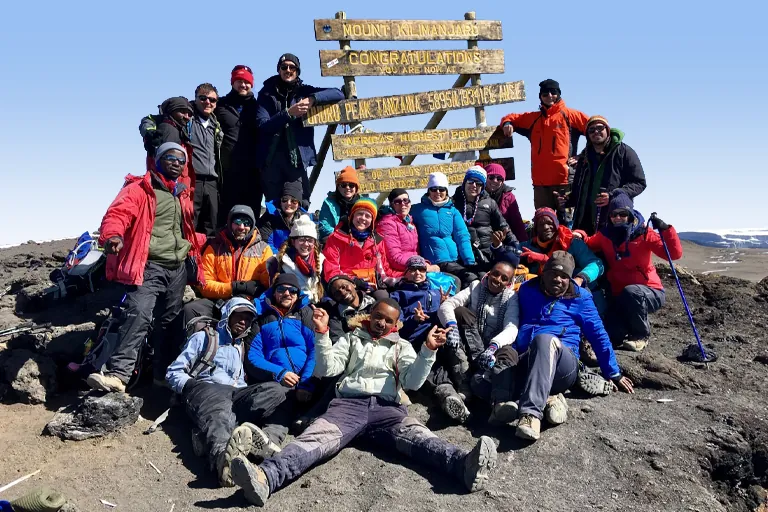
Altitude sickness isn’t about luck; it’s about strategy. When you climb slowly, stay hydrated, listen to your guides, and choose the right route, your chances of reaching Uhuru Peak safely skyrocket.
There will be a point, maybe Day 2, maybe 4, where the numbers stop mattering. Your head pounds a dull rhythm, the air tastes like dust, and every step feels like you’re hauling cement.
Could you be wondering, How to Avoid Altitude Sickness on Kilimanjaro? That’s the moment the whole prevention plan boils down to this:
- Pace is not an option; it’s the law. You must fight the instinct to rush. You must embrace pole pole. Slowing down is not a sign of failure; it’s the smartest thing you can do to give your body the time it desperately needs to adjust.
- The small stuff keeps you alive. That disgusting energy bar? That sip of lukewarm water? Those are your medicine. You must be relentless about hydration and nutrition, even when you hate the thought of it.
- You are not alone. The guides aren’t just pathfinders; they are your early warning system. Your teammates are your psychological backup. That community is the invisible safety net preventing a crisis.
When you finally stand on Uhuru Peak, you realize you didn’t just win a physical battle. You won a battle of patience, humility, and self-awareness. It wasn’t the science alone that got you there; it was the strategy of listening, slowing, and trusting the process.
Your summit begins with preparation. Your success comes from climbing smart.