

Simple Eco-Friendly Travel Practices That Make a Real Difference on Tanzania Safaris

Tanzania’s wildlife is currently thriving in a delicate balance. Every small safari choice deeply shapes that balance. Where you stay matters a lot for the land environment. How you watch animals affects the ecosystem much, therefore. Good planning makes your trip great for everyone. This is the start of Eco-friendly Tanzania Safaris.
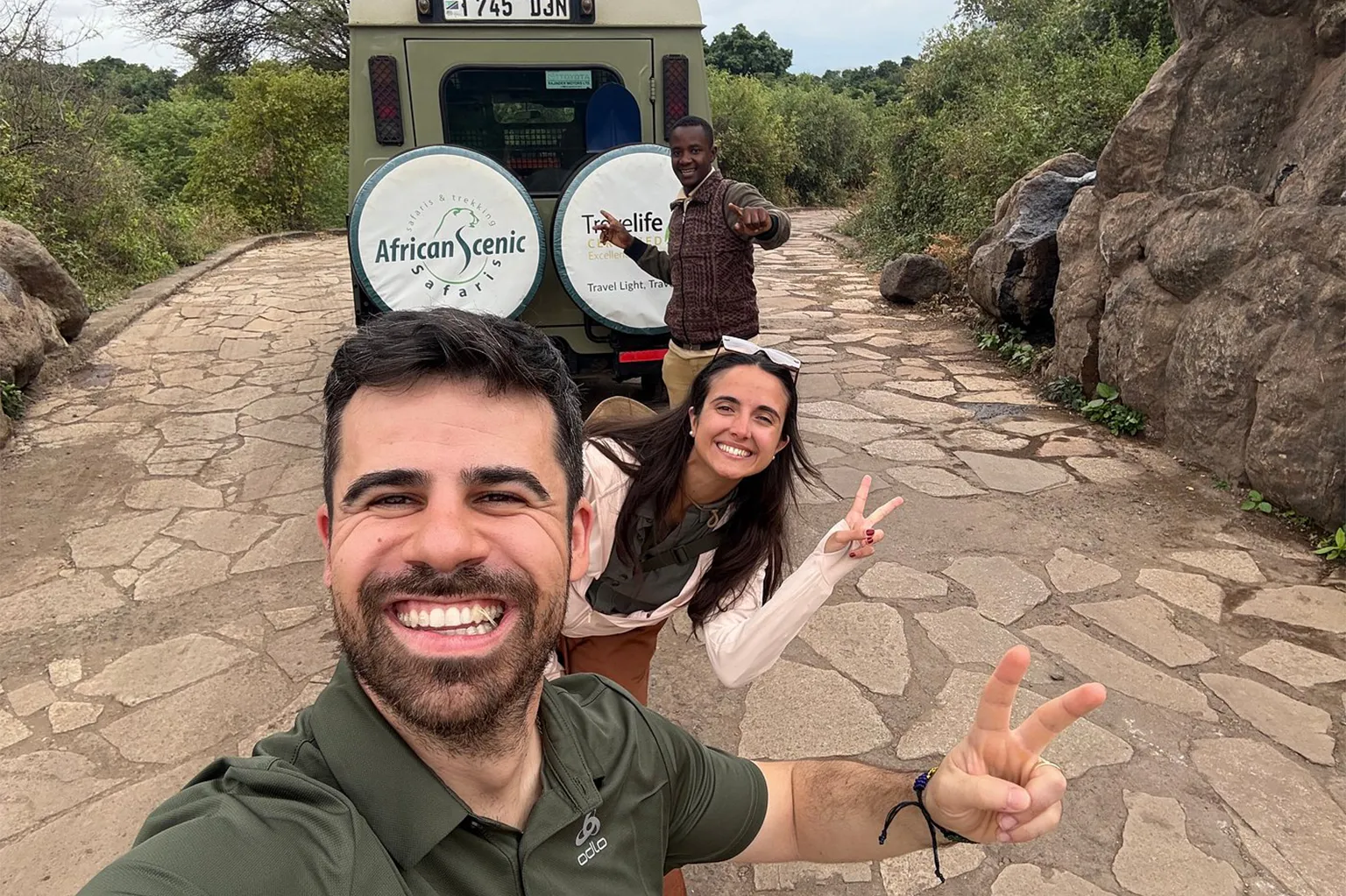
In this guide, we’ll explain easy ways travelers can help out. You’ll learn key steps for Responsible Tourism In Tanzania. Subsequently, as a Travelife-certified company, we’ll share simple habits to support nature conservation. You’ll also see how local people benefit from your stay. These steps align well with the African Scenic Safaris theme. They support our idea of “Travel Light, Travel Right.”

Key Takeaways:
- Learn how daily safari choices affect wildlife now.
- Understand what an eco-friendly Safari In Tanzania truly means here.
- Furthermore, discover simple habits supporting parks and people well.
- Learn how good operators cut their footprint down.
Why Where You Stay Matters for Tanzania’s Environment.
Your hotel choice significantly affects Tanzania’s natural environment. Consequently, we must pick wisely for the Sustainable Tanzania Safari. Seek out eco-lodges near Tanzania Destinations. These places are built to touch the land lightly. They often use solar power instead of loud generators. This significantly reduces fuel use and noise pollution.
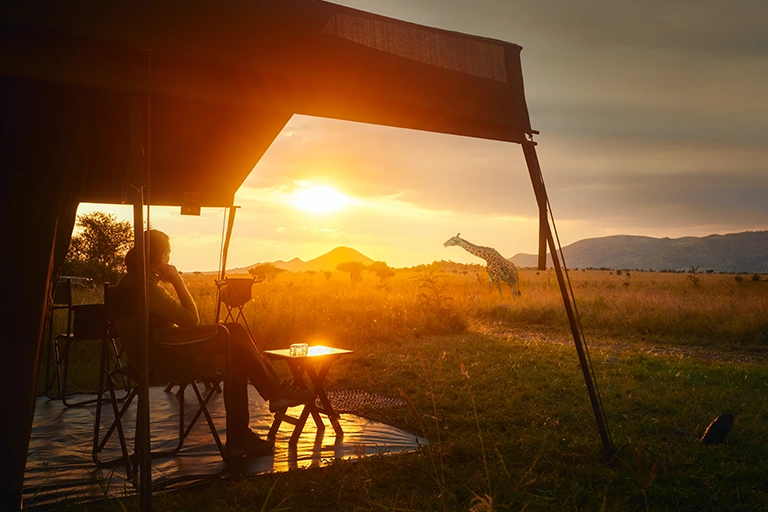
Water is very precious in dry savanna lands. Smart lodges conserve water every single day. In addition, they manage all waste removal with great care. Truly eco-friendly Tanzania Safaris favor local food sourcing. They often buy food from nearby farms and small villages. This choice helps local businesses grow instantly.
Being sustainable isn’t just for luxury spots only. Both budget campers and rich guests can choose green options. TANAPA sets clear sustainability rules for all lodges. These rules help keep national parks healthy over the long term.
Our African Scenic Safaris team states this well. They say, “We seek lodges with proven ecocertifications. It’s not just talk; it’s about audited energy use.” Choosing such places greatly supports Responsible Tourism.
How Responsible Wildlife Viewing Protects Animal Behavior
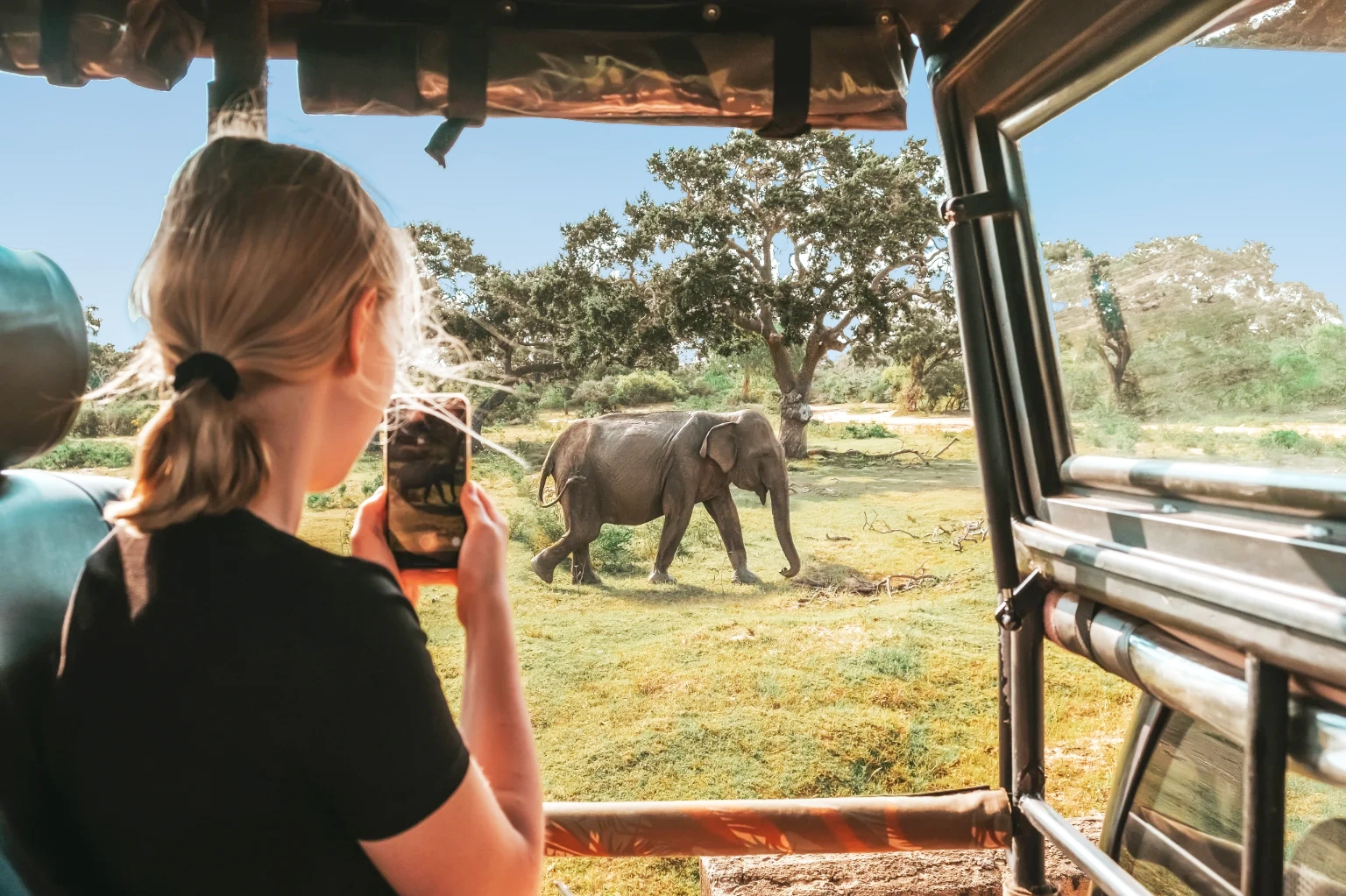
Right viewing always protects animals and their natural ways. This practice is central to Sustainable wildlife tourism in Tanzania. We must remember that we are guests in their home and act accordingly at all times.
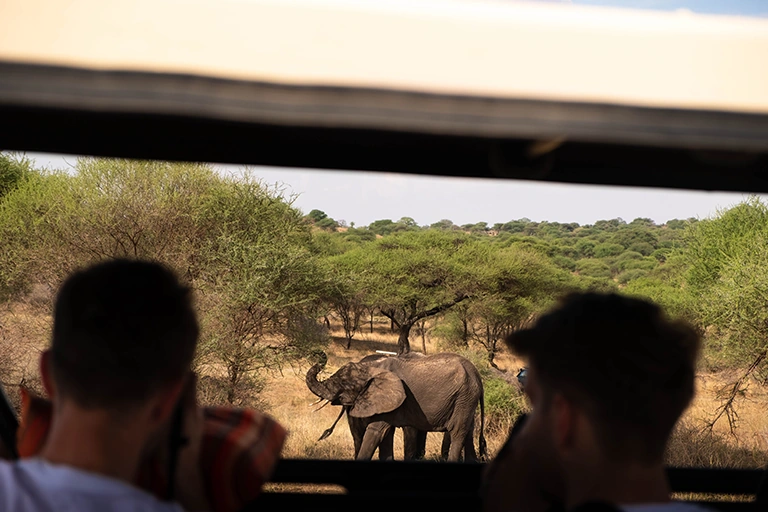
- Keeping a safe distance is rule number one for you.
- Avoid getting too close to resting animals near you now.
- Moreover, keep the Tanzania Safari Vehicle noise to a minimum when you stop nearby.
- Don’t interfere if you see animals mating or hunting prey. That moment is crucial for nature’s cycle.
- Never stop them from feeding their young ones.
Staying on marked tracks saves the land for years ahead. Tire tracks scar the ground for a long time ahead. As a result, they often disturb smaller life forms unnecessarily. Roads usually follow clear paths that already exist. So, staying on them keeps the area pristine overall.
The Tanzania Wildlife Research Institute (TAWIRI) sets rules for this. These guide ethical game drives for everyone. A guide shared thoughts on good driving rules.
He said, “We turn off our engine if a leopard hunts near our car. We give the wildlife the space to move freely. As a result, we let nature play out without our car’s shadow.” This shows a true eco-friendly Safari Tanzania spirit.
Activities That Support Conservation Instead of Exploitation
Select Tanzania Safari Activities that consistently support conservation goals. Eco-safari practices strongly boost ethical safaris in the region. For instance:
- Walking safaris offer powerful, low-impact ways to explore the ground.
- Birdwatching tours focus on small details very well.
- Photography trips encourage slow, patient watching overall, too.
However, you must sadly avoid certain promises made out there. Steer clear of tours promising extremely close animal contact near you. These setups often cause animals great stress levels daily. In short, such closeness harms them just for one single photo. That goes against Responsible tourism aims always.
African Scenic Safaris plans trips that help the parks for the future. We link travelers to programs that benefit wildlife areas. Finding these good experiences is the trick to true ethical travel. Therefore, this supports responsible Tanzania safari travel going forward nicely.
Want to see how safaris can be exciting and responsible at the same time? Watch our Things to Do in Tanzania video to explore safari activities that respect wildlife, protect natural spaces, and still deliver unforgettable moments in the wild.
How Tanzania Safaris Can Strengthen Local Livelihoods
Your safari money holds much power for local people nearby. Eco-friendly Tanzania Safaris must help communities, too, importantly.
- Hire guides who know the land and culture very well.
- Support camps owned by local groups if you are able to do so.
- Cultural visits need to be respectful for both sides present.
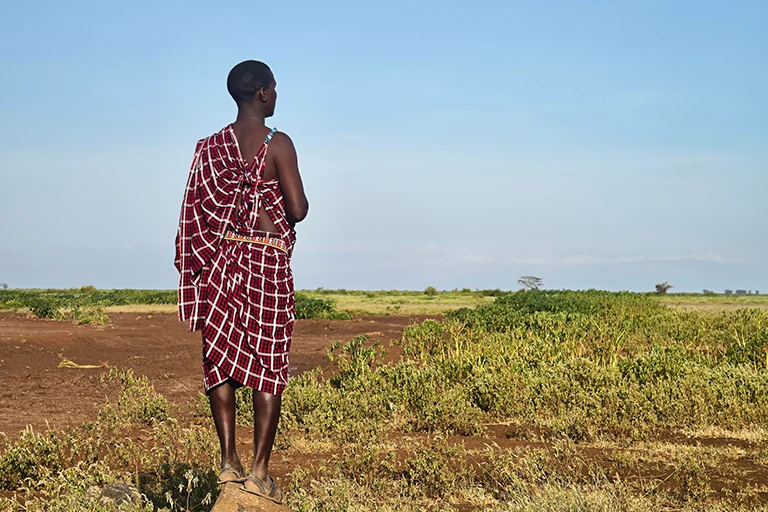
- Always ask permission before you take anyone’s picture.
- Buying local crafts helps artisans earn needed money right there.

These sales support families with income streams for basics. This means tourism funds help with schools and health clinics.
A local guide shared his thoughts on this subject. He noted, “When my guide pays for my family’s school fees, I feel proud inside. I work hard to share our culture in a good way. What’s more, our community sees tourism as respect, not just free money.” This shows how tourism amplifies local voices. This is key to good Tanzania Cultural Tourism growth.
To experience this kind of meaningful exchange firsthand, explore our Tanzania Cultural Tours, journeys designed with local communities, guided by local voices, and shaped to ensure tourism supports real lives, not just visits.
Why Smart Packing Reduces Your Tanzania Safaris Footprint
Packing smart cuts down your overall travel footprint a lot. How you pack greatly impacts plane and car fuel use overall.
- Lighter bags mean less fuel burned for your African Safari Tanzania trip. This reduces bad carbon smoke naturally for good, you see. Therefore, try to carry only what you truly need.
- Throw out all single-use plastics from your bag now. Bring one strong, reusable water bottle instead for refills. Most good Tanzania Safari Camps have filtered water ready for you.
- Likewise, refrain from bringing big plastic bottles of soap or lotion. Instead, use small travel-sized refillable containers. Lodges often supply basic, eco-friendly soap bars to use there. Using what they provide cuts down on the trash you bring in.

These small changes support Sustainable wildlife tourism in Tanzania. Our team at African Scenic Safaris gives simple advice here. They state, “We tell guests to check lodge amenities first. This helps avoid bringing extra plastic into the bush.” This simple tip aids your Responsible Tourism goals well now.
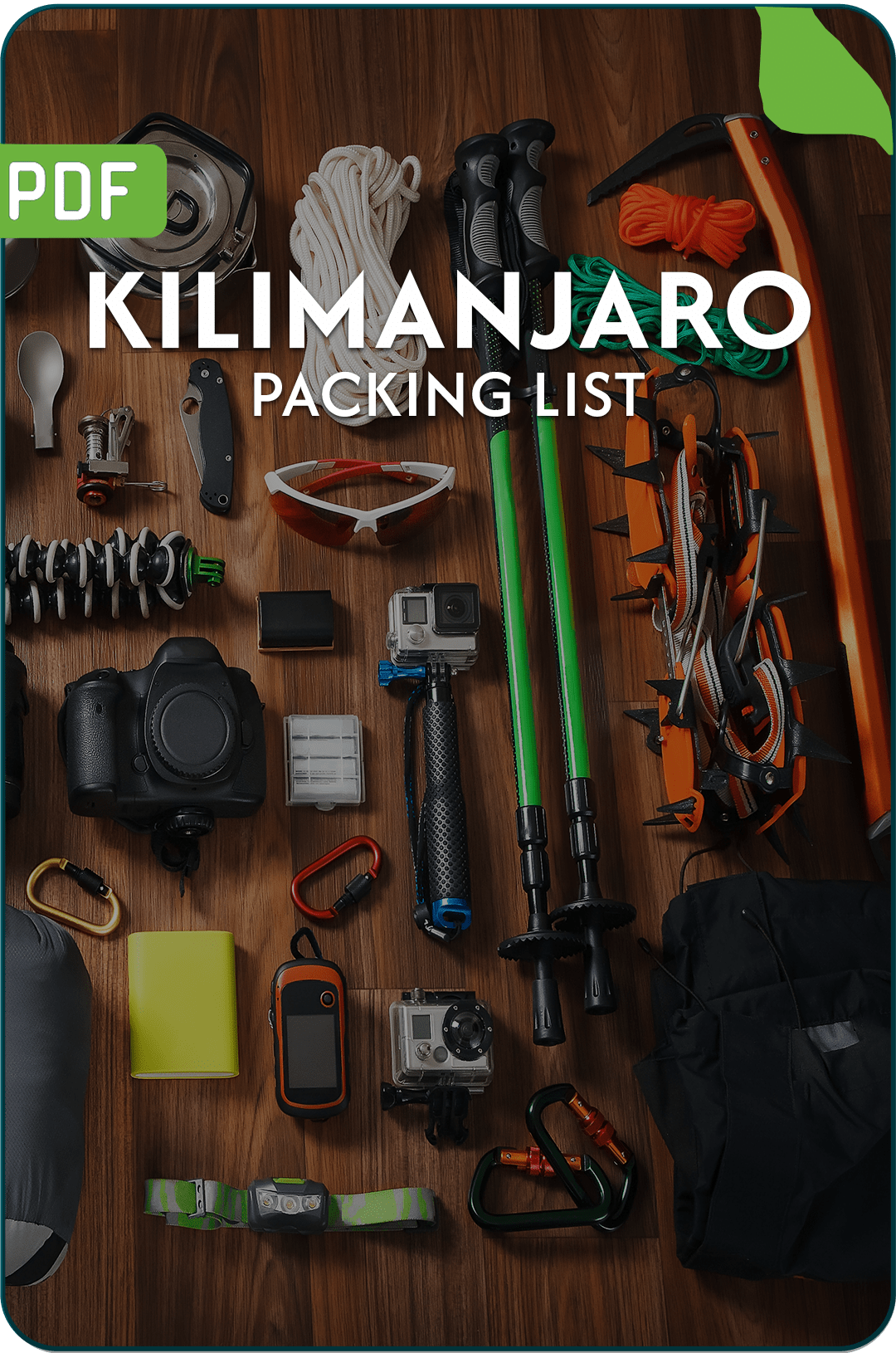
For a clearer idea of what to bring and what to leave behind, refer to our Tanzania Safari Packing List. You can also read our blog that shares 15 eco-friendly items to pack for a responsible Tanzania safari. These simple choices help reduce waste, support sustainable lodges, and keep Tanzania’s wild spaces cleaner for the future.
How Travel Timing and Emissions Affect Destinations
When you travel can affect the parks a great deal overall. Avoiding the busiest times spreads out visitor numbers evenly. This reduces stress on park resources for wildlife. Less crowding means animals feel less worried while on your Tanzania Safari.
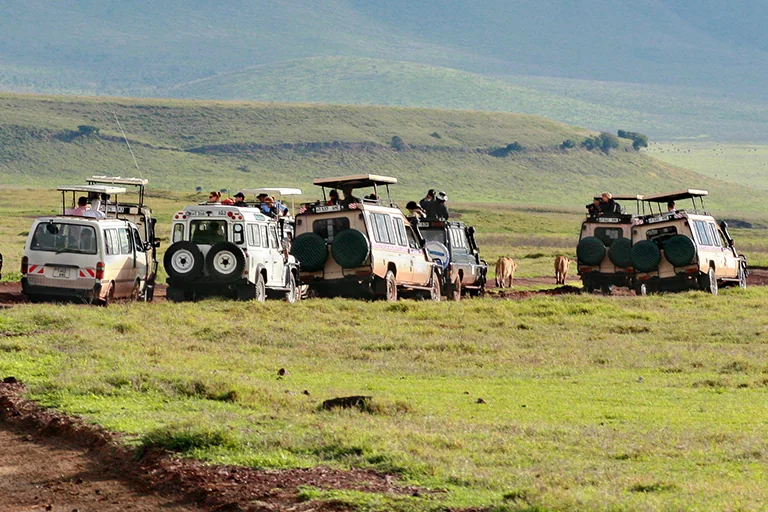
In the same vein, we must also think about flight emissions greatly. Air travel adds much to your trip’s footprint from the start. Carbon offset plans try to balance this impact out. Offsets fund things like tree planting projects, also. But offsets should only follow cutting your own footprint first.
At African Scenic Safaris, we take this responsibility seriously. Through our partnership with Carbon Tanzania, we have offset 117 tonnes of CO₂, helping protect forests and support local communities in the Ntakata Mountains. These efforts fund conservation work while empowering people who depend on healthy ecosystems.
Good behavior is step number one for everyone present. Offsetting is a nice help, but not the whole answer for eco-friendly Tanzania Safaris. True care starts with your daily choices on the ground today.
To plan smarter travel windows that reduce pressure on parks, explore our Best Time to Visit Tanzania guide.
Giving Back Through Conservation Initiatives
You can make a real difference even outside your tent door. Small, thoughtful acts create lasting good results for all.
- Try to support recognized conservation groups directly.
- Many popular Tanzania Tour Operators link with local rangers or research teams nearby.
- Ask your tour operator about ways to give back now.
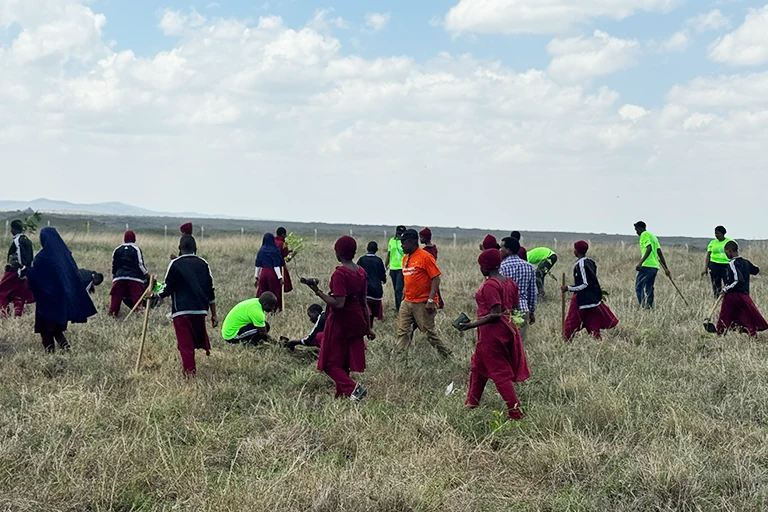
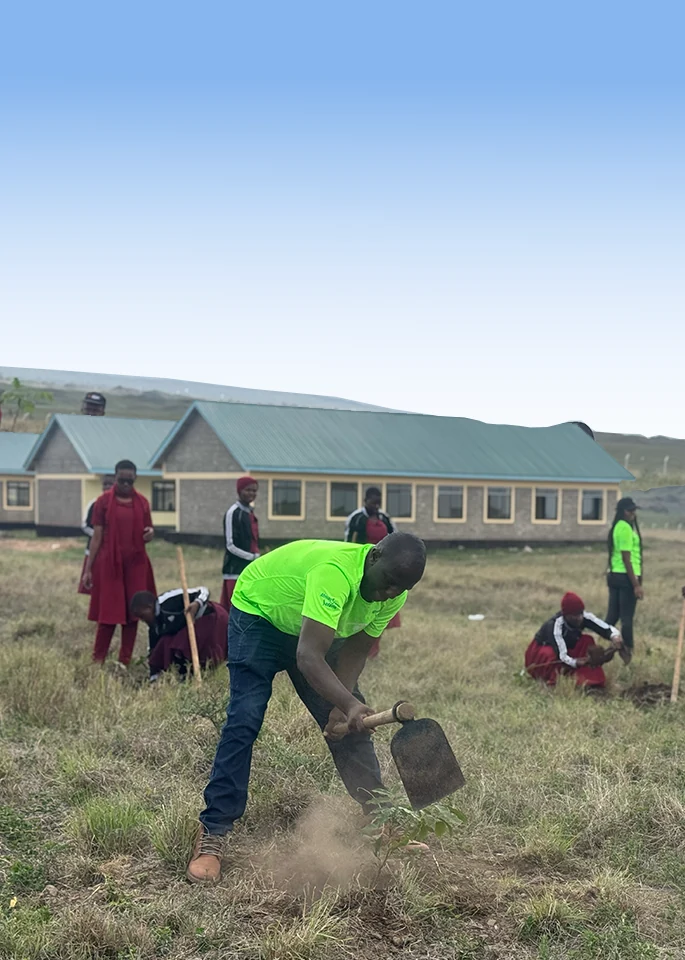
Some plans allow guests to help plant new trees on the property. Others use things like ‘Pack for a Purpose’ ideas. This allows you to carry essential supplies for a local school.
African Scenic Safaris consistently supports these local projects. We believe that real change happens through steady partnerships. We’re proud to work with conservation partners like Carbon Tanzania, Path to Africa (PTA), Travelife, and KPAP, among others.
Our team emphasizes community support more often now. They state, “We think we must give back to this great land. Your support helps those protecting wildlife every day.” These focused acts build a better future for Responsible safari travel in Africa.
Making Your Responsible Safari Journey Complete
Eco-friendly safari travel isn’t about doing more; it’s about doing better. Thoughtful choices let Tanzania’s nature and people thrive long after you leave. Embracing Responsible Tourism Tanzania ensures future guests enjoy this paradise too.
Plan Your Responsible Tanzania Safaris with African Scenic Safaris!