

Five Common Mistakes To Avoid When Climbing Kilimanjaro
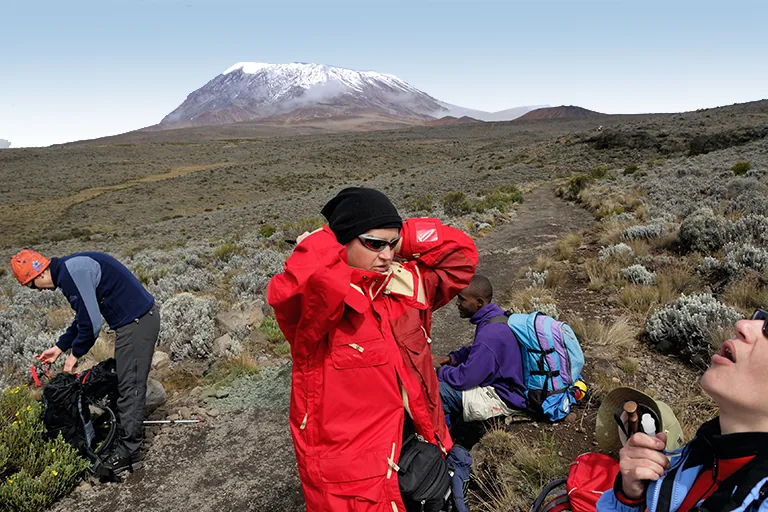
Common Mistakes When Climbing Kilimanjaro can take place because climbing this gigantic mountain isn’t just another trek; it’s a test of preparation, patience, and respect for altitude. At 19,341 feet, success depends on how you plan, train, and adapt, not just how much you want it.
If you’ve ever dreamed of standing on Africa’s highest peak, trust me, the journey starts long before you even step onto the trail. What separates successful summits from forced turn-backs isn’t luck or bravado. It’s smart choices, good preparation, and avoiding the simple mistakes that catch thousands of climbers off guard every year.
This blog breaks down the five biggest Kilimanjaro Climbing Mistakes people make, plus expert-approved strategies from African Scenic Safaris, a top-tier guide service with hundreds of successful summits under their belt. Whether you’re aiming for the Lemosho Route, Machame Route, or the more peaceful Rongai Route, the insights here will boost your Kilimanjaro Success Rate and prepare you mentally, physically, and emotionally for the adventure of a lifetime.
Underestimating Acclimatisation: Why Slow and Steady Is the Secret to Kilimanjaro’s Summit
When it comes to Climbing Mount Kilimanjaro, the altitude is the real boss. Many climbers believe that fitness alone will carry them to Uhuru Peak, but altitude sickness doesn’t care about how many marathons you’ve run. The biggest mistake people make is underestimating the importance of gradual acclimatisation, especially on shorter, rushed itineraries.
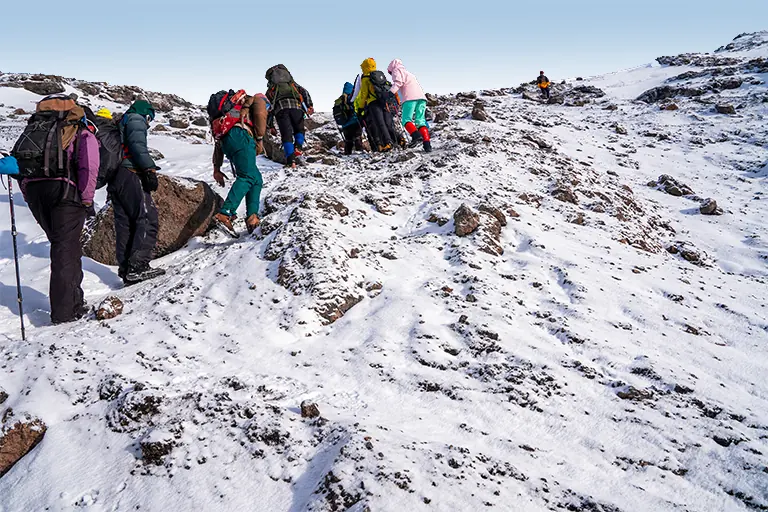
A lot of people think acclimatisation is just some technical hiking term guides throw around, but when you’re on the mountain, you realise it’s the whole game. Your body is basically trying to understand why the air suddenly feels “thin” and why breathing feels like work. You start to appreciate the pace, the breaks, the slow breathing, the “pole pole” rhythm. It’s not about walking slowly for the sake of it; it’s about giving yourself a chance to adapt, one gentle step at a time.
Acute Mountain Sickness (AMS) happens when your body can’t adapt fast enough to decreasing oxygen levels. According to the CDC Travel Health Guidelines and the Wilderness Medical Society, the safest way to climb high is straightforward: ascend slowly, sleep at a lower elevation, hydrate well, and allow the body time to acclimate. Rapid ascent dramatically reduces your success rate among climbers on short routes like Marangu, resulting in far higher turn-back rates.
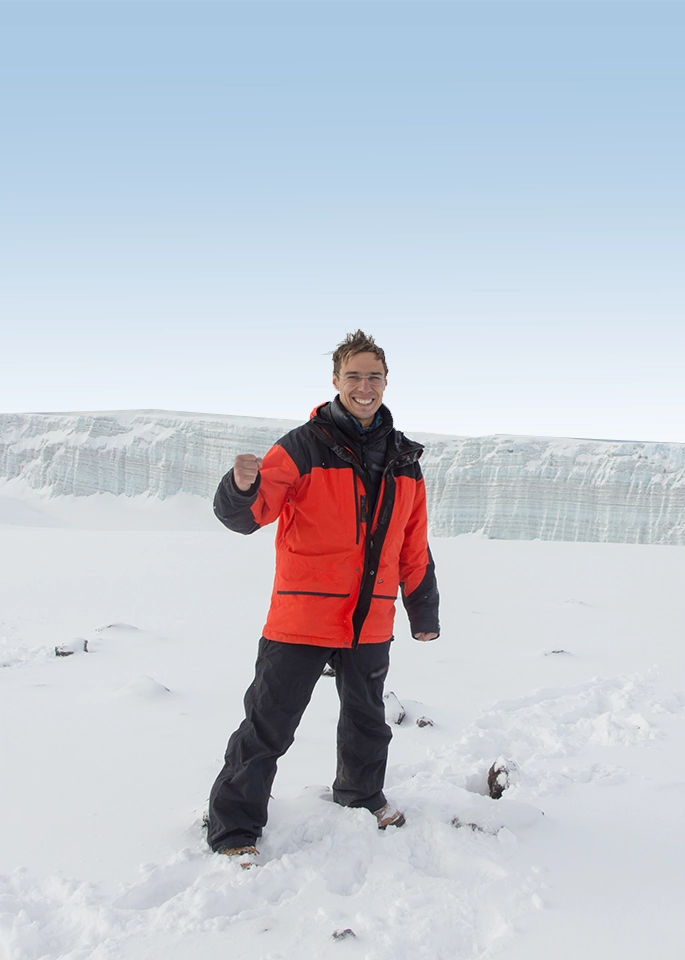
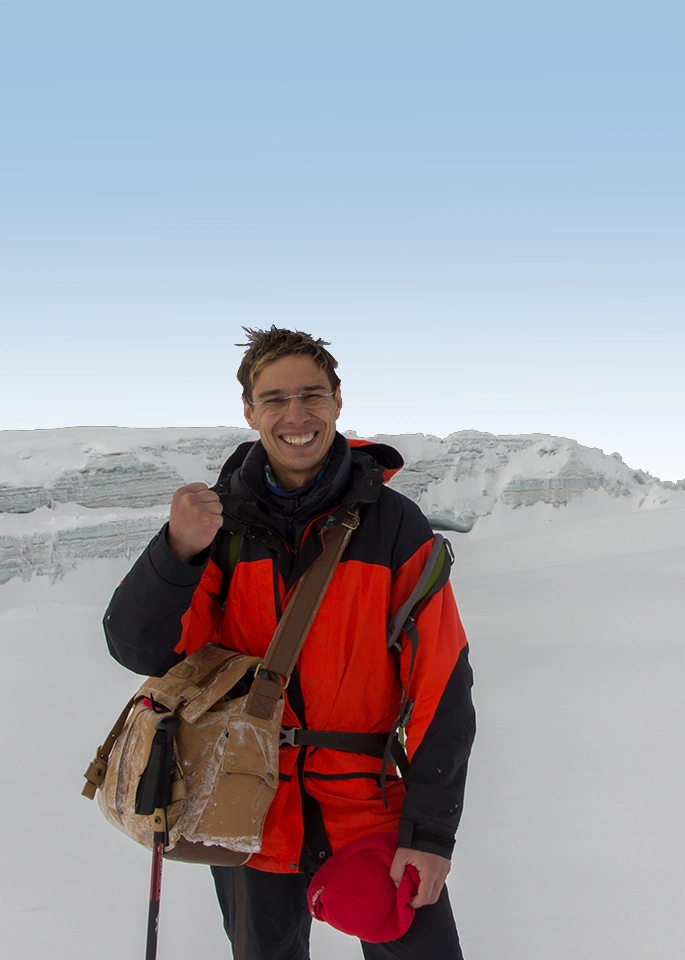
Longer routes, such as Lemosho and Rongai, naturally build in acclimatisation days. These routes offer the perfect “climb high, sleep low” rhythm your body needs to adapt safely, and having the best Kilimanjaro acclimatisation tips is important.
As our African Scenic Safaris’ head guide often says, “Pole pole isn’t just a phrase, it’s a life-saving strategy. Slow climbers summit; fast climbers struggle.”
Bringing Improper or Incomplete Gear: Don’t Freeze on Summit Night
Picture this: you’ve finally reached Summit Night, the coldest, windiest, toughest part of the trek, and now you realise that the jacket you carried is sadly not warm enough, and your boots are brushing against your toes – the pain is unexplainable. This is normal and does happen sometimes, and it’s one of the mistakes people make while Climbing Mount Kilimanjaro.
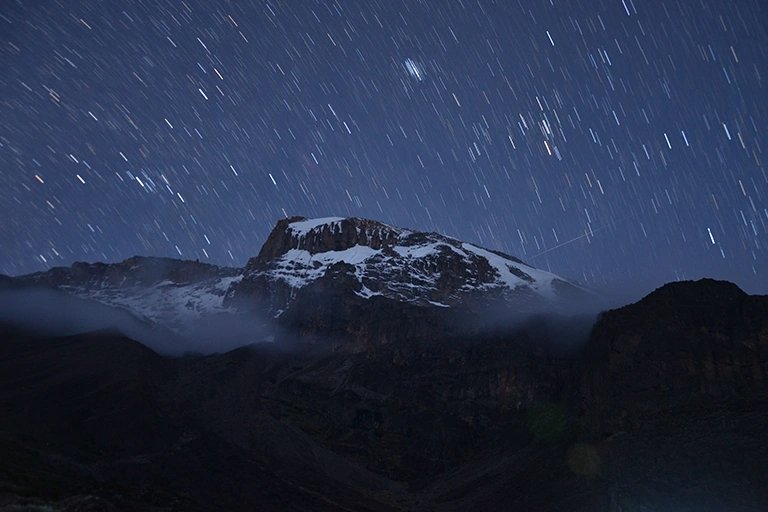
Kilimanjaro has five distinct climate zones:
- Cultivation Zone
- Rainforest
- Moorland
- Alpine Desert
- Arctic Summit Zone
Each zone requires specific gear, especially layers, insulation, and waterproofing. Many climbers arrive with thin jackets, worn-out hiking boots, or no rain cover for their backpacks. Even worse, some underestimate the temperature drop at the summit (which can reach -20°C with wind chill).
Following the layering principle is essential:
- Base layer (moisture-wicking)
- Mid layer (fleece/insulation)
- Outer layer (windproof + waterproof)
The table below summarises the Kilimanjaro Gear Checklist you need to include for your climb.
| Gear You Honestly Need | Why It’s a Big Deal | If You Skip It… Here’s the Chaos |
| Thermal Base Layers | These are your “don’t-freeze” layers that keep your body heat from escaping. | You’ll start shivering before the hike even begins. |
| A Proper Down Jacket | Summit night is brutal. This jacket is what stands between you and the kind of cold that makes you rethink your life choices. | You’ll feel the cold in your bones. Turning back won’t be a choice; it’ll be a necessity. |
| Waterproof Jacket & Pants | Mountain weather switches moods fast. Wind, snow, and random rain protect you. | If you get wet, you lose heat instantly. And cold + wet = pure misery, no matter how strong you are. |
| Good Hiking Boots | Warm feet, steady footing, no blisters | Blisters… slipping… frozen toes… basically, your feet will scream louder than your guide. |
| Warm Gloves (inner + outer) | Your fingers need serious protection; the temperature up there can be disrespectful. | Your hands will get numb, hurt, and stop cooperating. Try holding a trekking pole with frozen fingers; it’s not fun. |
| Warm Hat or Balaclava | Most body heat escapes through your head and face. | Expect headaches, burning ears, and icy wind smacking your face with no mercy. |
| Wool Socks (multiple pairs) | Dry and warm feet | Cold, wet socks will ruin your mood… and your entire climb. |
| Headlamp (with extra batteries!) | Summit night is pitch black; you literally can’t see without this. | Without it, you’re basically walking blind. Dangerous, scary, and stressful. |
| Trekking Poles | They save your knees, your balance, and your energy. | You’ll feel every step in your joints and risk slipping more often. |
| Insulated Water Bottle | Water freezes up there, which keeps it drinkable. | Dehydration hits differently at altitude, and it’ll slow you down fast. |
According to TANAPA guidelines and the African Scenic Safaris Gear Guide, climbers should also consider renting quality gear in Moshi, especially if buying new equipment is expensive. Rental typically costs USD 100–200 and can save your summit night.
African Scenic expedition leaders often say, “Good gear doesn’t have to be expensive, it just must be reliable. Your summit depends on staying warm, dry, and comfortable.”
Neglecting Physical Preparation: Train for the Mountain Before You Meet the Mountain
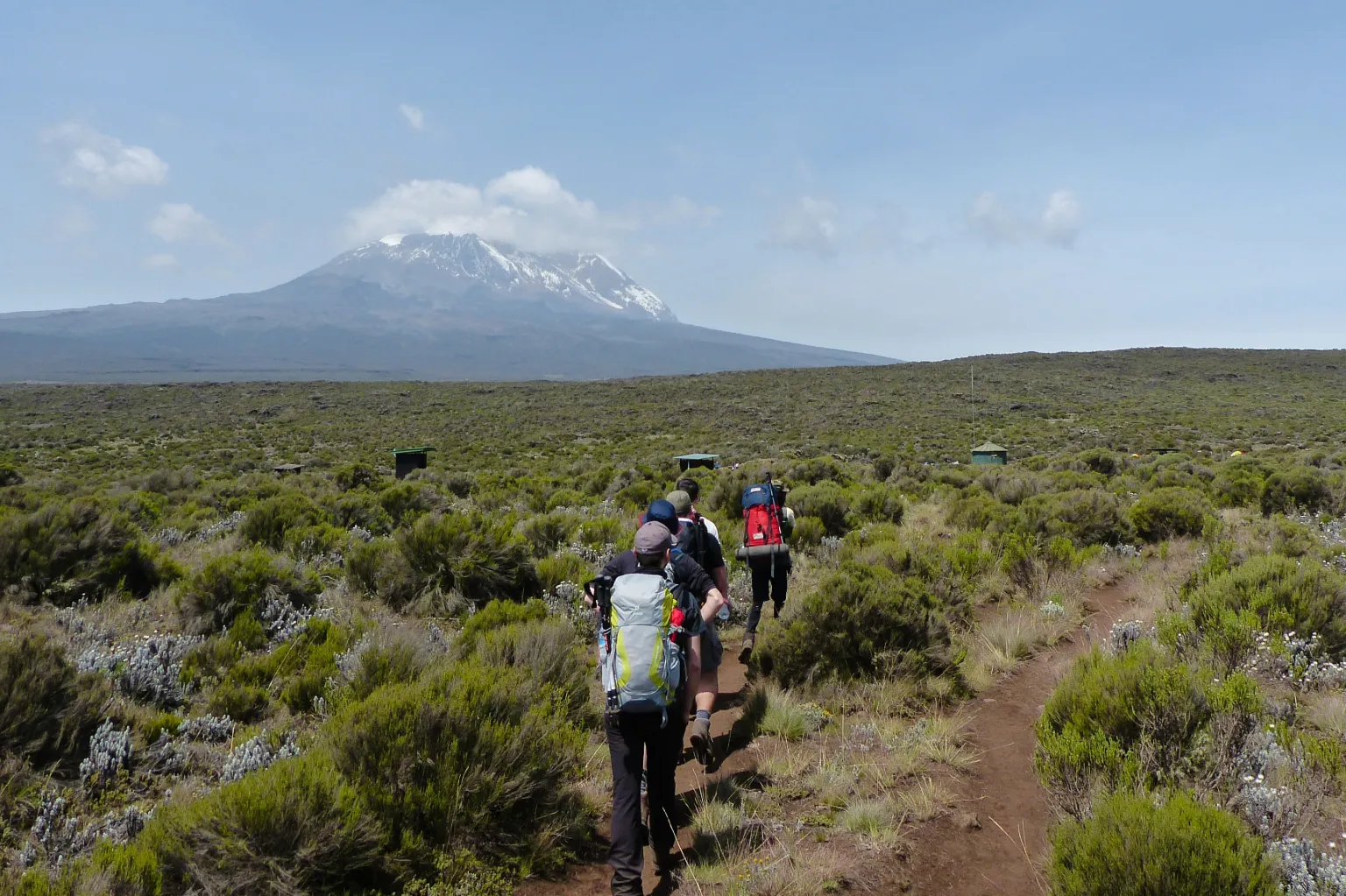
Kilimanjaro may not require ropes or hardcore mountaineering skills, but trust me, it’s no walk in the park. You’re out there hiking 5–10 hours a day, moving through rocky paths, steep climbs, and altitude shifts that keep your body on its toes. One of the biggest mistakes people make is thinking, “Ah, anyone can do it without training.” Yeah… no. The mountain will humble you real quick.
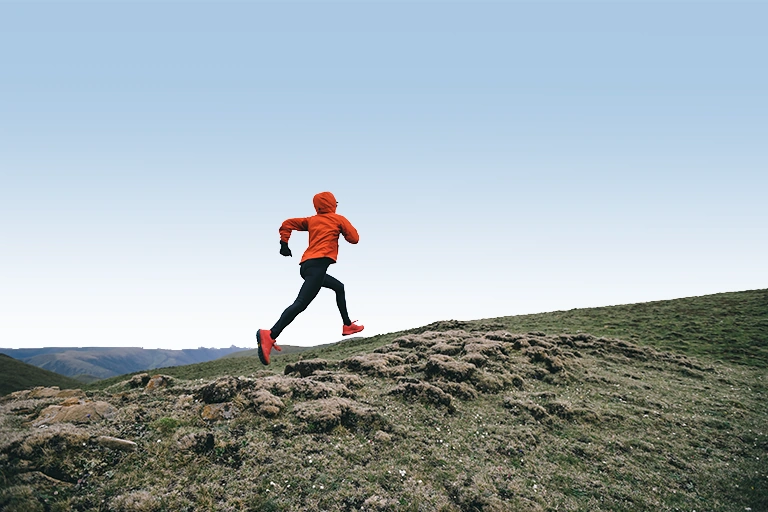
Training for Kilimanjaro Climb is your secret weapon. It builds your stamina, strengthens your legs, and helps your body handle that thin, high-altitude air. Experts from ACE Fitness and Harvard Health consistently emphasise the same key principles: solid cardio, strong legs, good stamina, and a stable core. All of that is exactly what Kilimanjaro demands from you.
If you give yourself about three months to prep, your Kilimanjaro Climbing Fitness Plan should look something like this:
- Weekly long hikes
- Stair workouts or hill climbs
- Cardio sessions running, cycling, elliptical, whatever you vibe with
- Strength training for your legs and core
- Practice hikes with a weighted backpack
One African Scenic climber even said, “I trained for 12 weeks and reached Uhuru Peak comfortably. Without the training, summit night would have crushed me.” And that’s the truth, summit night is intense.
Training doesn’t just shape your body; it shapes your mindset, too. It teaches you consistency, patience, and how to listen to yourself when things get tough. Because on that mountain, your mental game matters just as much as your physical strength.
Failing to Take Summit Day Seriously: How to Survive Kilimanjaro’s Toughest Day
Summit Day is the moment everyone dreams about, but it’s also the part that breaks the most climbers. You’ll start hiking around midnight, push through freezing temperatures, and fight against thin air for 8–12 hours before reaching the summit. This day is mentally and physically demanding, and underestimating it is one of the biggest Kilimanjaro Climbing mistakes ever.
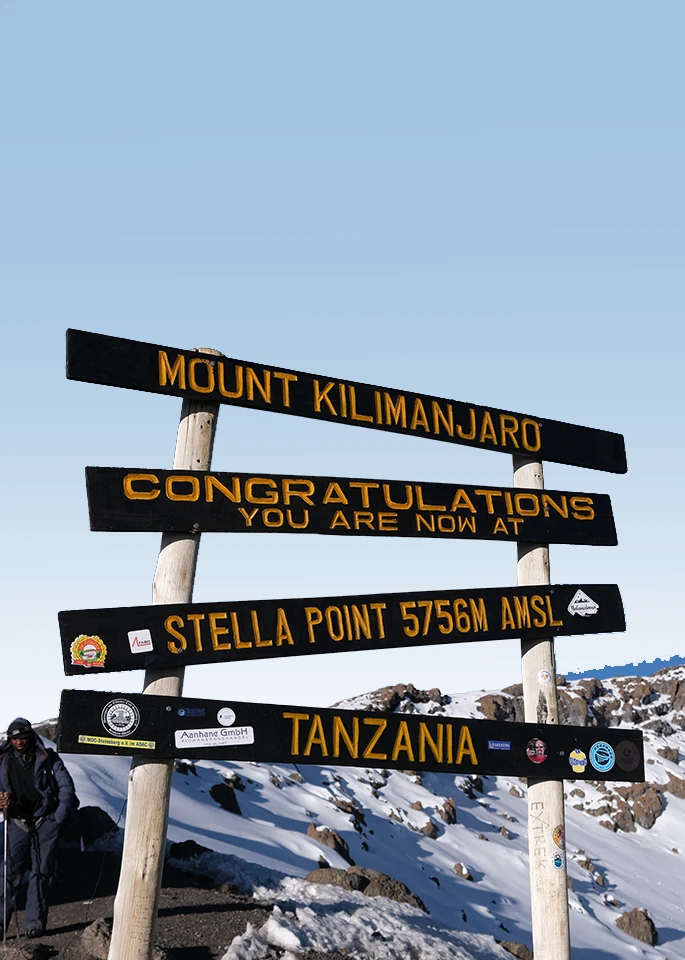
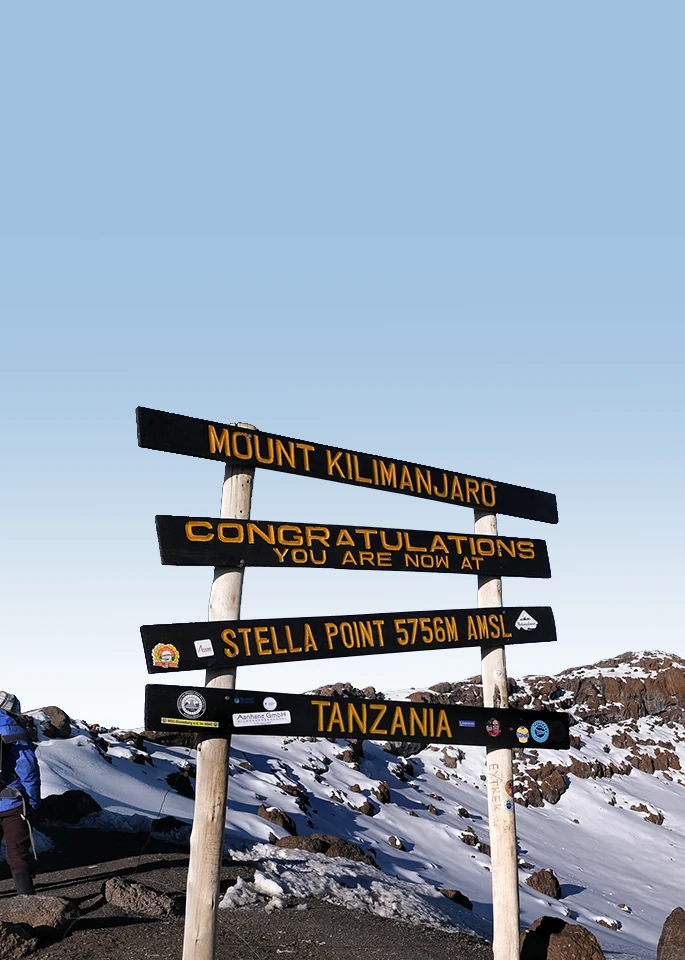
The key Kilimanjaro Summit Day Advice is pacing. African Scenic guides are trained under IFMGA/AMGA safety standards, and they always repeat the same mantra: “Pole pole, sip water, trust the process.”
Speed kills. Slow, steady steps protect your breathing, heart rate, and stamina.
Nutrition becomes critical, too. You’ll burn thousands of calories on Summit Day, so snacks, electrolytes, and warm drinks are essential. And hydration? Absolutely non-negotiable.
National Geographic Adventure notes that summit attempts fail mostly because people underestimate the altitude shock, the cold, and the emotional weight of this final push.
Mentally, Summit Night requires determination. You’ll feel tired, emotional, maybe even doubtful, but with a calm mindset and strict adherence to guide instructions, the peak becomes achievable.
Choosing the Wrong Guide Service: Why Your Guide Determines Your Kilimanjaro Success
This one seems obvious, but so many people fall into it, picking a cheap or low-quality guide service just to save money. And honestly, it’s risky. Some companies keep their prices low by cutting corners on the things that matter most: safety, acclimatisation, good food, proper gear, and even the treatment of porters. On a mountain like Kilimanjaro, those shortcuts don’t just make the climb harder… they can put you in real danger.
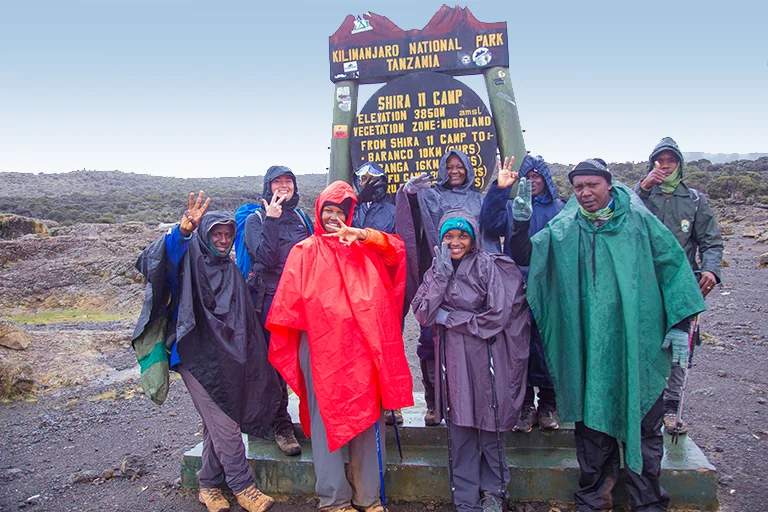
Your operator is basically your lifeline on the mountain. A good one makes the whole experience safer, smoother, and way more enjoyable. Certified, reputable Kilimanjaro Tour Operators stick to correct acclimatisation plans, make sure you’re eating well, set you up with solid tents, hire trained guides, and treat porters with respect and fairness.
African Scenic Safaris is one of the operators known for doing things right. They follow KPAP (Kilimanjaro Porters Assistance Project) standards, meaning their porters get fair pay, the right clothing, manageable loads, and safe working conditions. KPAP puts it perfectly: “Ethical climbing protects both climbers and crews and ensures long-term sustainability for Kilimanjaro.”
One climber even said, “My success was 100% because of my guides. Their experience, encouragement, and pacing strategies carried me to the summit when I doubted myself.”
And honestly, that’s the magic of having the right team.
Choosing the Kilimanjaro Guide Services isn’t just a detail; it’s the thing that can make or break your journey to Uhuru Peak. A good team gets you there safely, confidently, and with a smile you’ll remember forever.
Don’t let simple mistakes stop your dreams. Choose an expert-led, safety-first climb with African Scenic Safaris — built on experience, training, and local expertise.
The Safer the Kilimanjaro Climb, The Better the Journey
When you’re finally back from Kilimanjaro, that’s when everything settles in. Not in some big “my life has changed forever” moment, more like a gentle wave that hits you when you’re not even expecting it. You might find yourself thinking about how tired you were, how cold it got, and how the overall experience and the Kilimanjaro Climbing Guide you got from the guides, and somehow, it makes you smile. Because even with all of that, you kept going. You didn’t quit. And realising that feels weirdly comforting, like discovering a strength you didn’t even know you had.
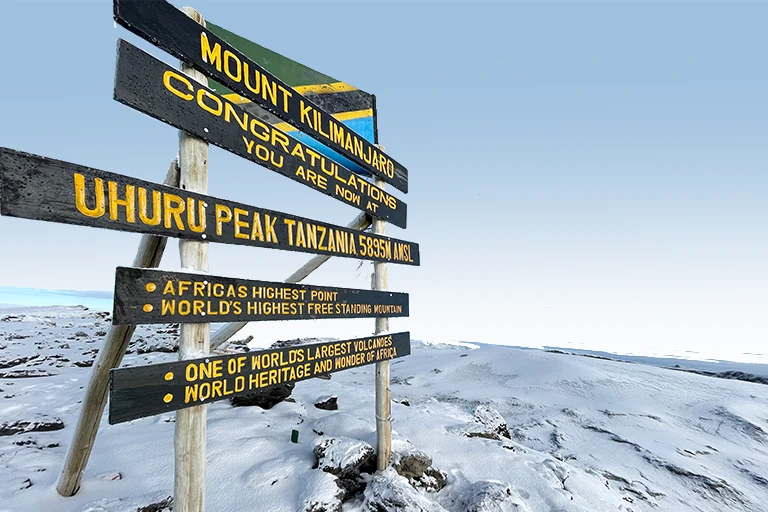
What really stays with you, though, are the moments that make us feel like humans, the tiny things that felt small at the time but mean everything after. The way someone shared their snacks without hesitation. How your guide kept checking in, reading your face before you said anything, and the Kilimanjaro Safety Tips you kept in mind. How someone cracked a joke that made the whole group laugh when the mood was low. Those little moments become the real story of your climb. They remind you that you weren’t alone up there, even when it felt tough.
Kilimanjaro Climb Preparation won’t give you any magical transformation; it shows you your real self and what you are capable of. The fighter that doesn’t give up even when tired, the version that keeps walking, even scared, the version that trusts the process, even when nothing feels easy. And once you see that side of yourself, you can’t see it.
By the time the journey ends, Kilimanjaro becomes more than just a mountain you climbed. It becomes proof that you can survive tough days, overcome doubt, and still rise at the end. And that quiet confidence? It stays with you long after you leave the slopes behind.