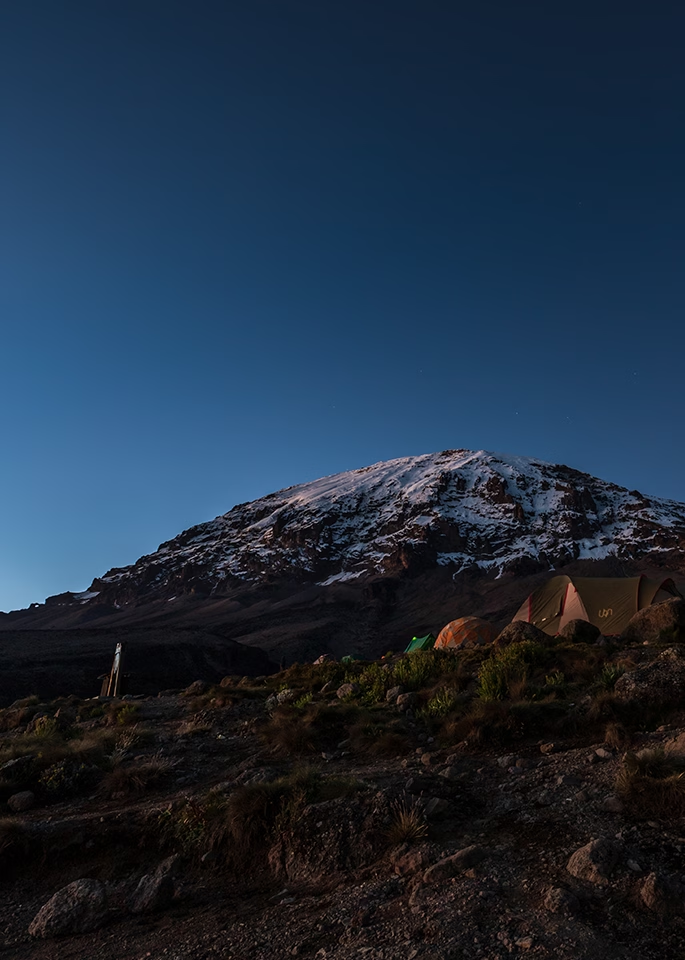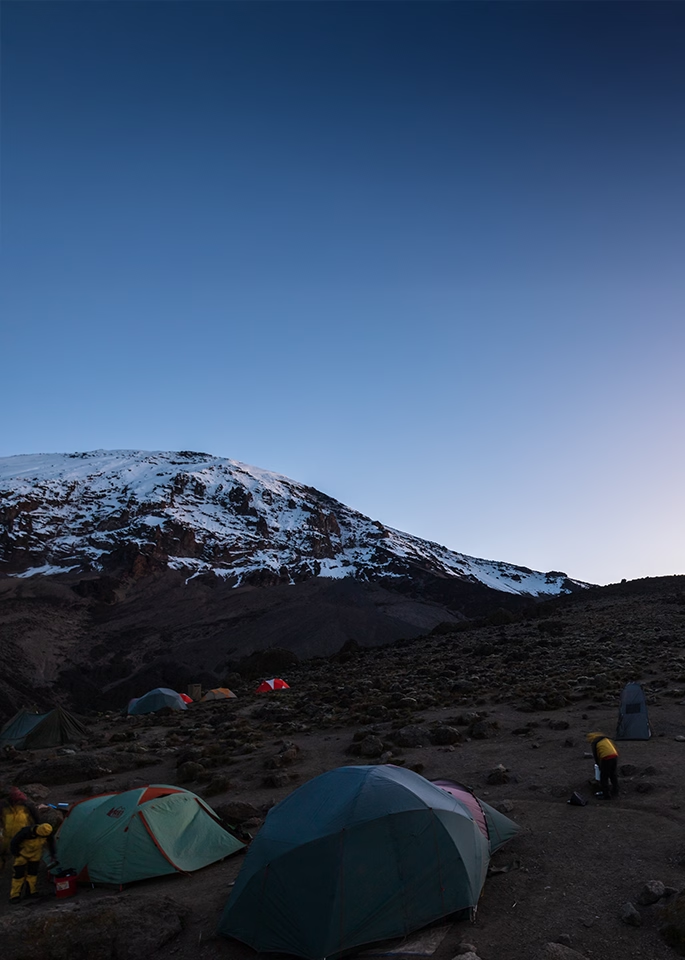

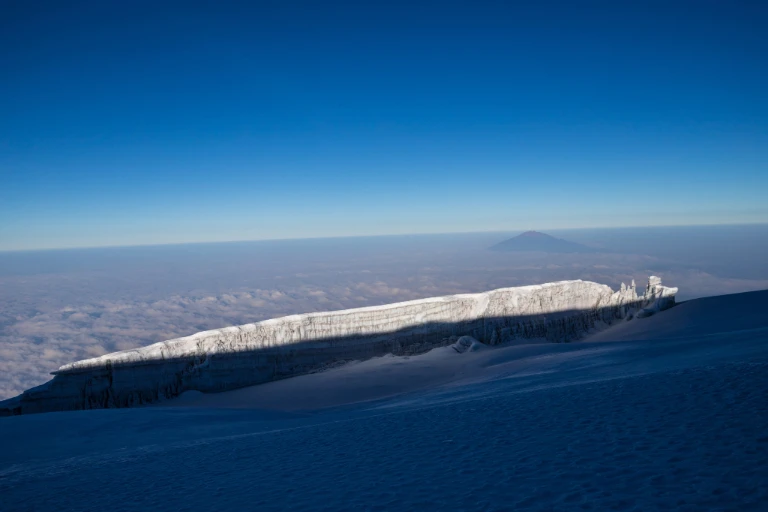
Here’s What Each Month on Kilimanjaro Is Really Like

Dreaming about standing on the Roof of Africa in 2026? Forget playing by standard rules—Kilimanjaro runs on its own schedule. If you want to plan smart and actually reach that peak with confidence, you have to get a handle on the mountain’s weather and terrain. Each Month of Kilimanjaro Weather changes everything: it sets your difficulty level and totally decides if you get that perfect, clear sunrise view from the top.

Every month up there is a whole new world. You’re talking lush rainforests, then icy summit nights under the Milky Way — it changes you. Some months deliver crisp, dry days that are epic for photos. Other times? You’re dealing with heavy rain, total solitude, and a challenge that will seriously test your spirit. Get the timing wrong, and it’s a beast.

This guide is your Kilimanjaro Weather monthly guide. We’re breaking down the weather, how clear your summit view will be, exactly how many people you’ll run into, the photo potential, and expert tips for every single part of the year. Consider this your final word on finding the Best Month To Climb Kilimanjaro so you can lock down your 2026 calendar right now.

Climbing Kilimanjaro isn’t just about endurance; it’s all about timing,” says the Senior Guide at African Scenic Safaris. “Understanding knowing what to expect what each month will bring, helps you, a climber, to mentally and physically prepare for that summit triumph.”

Understanding Kilimanjaro’s Changing Climate Throughout the Year

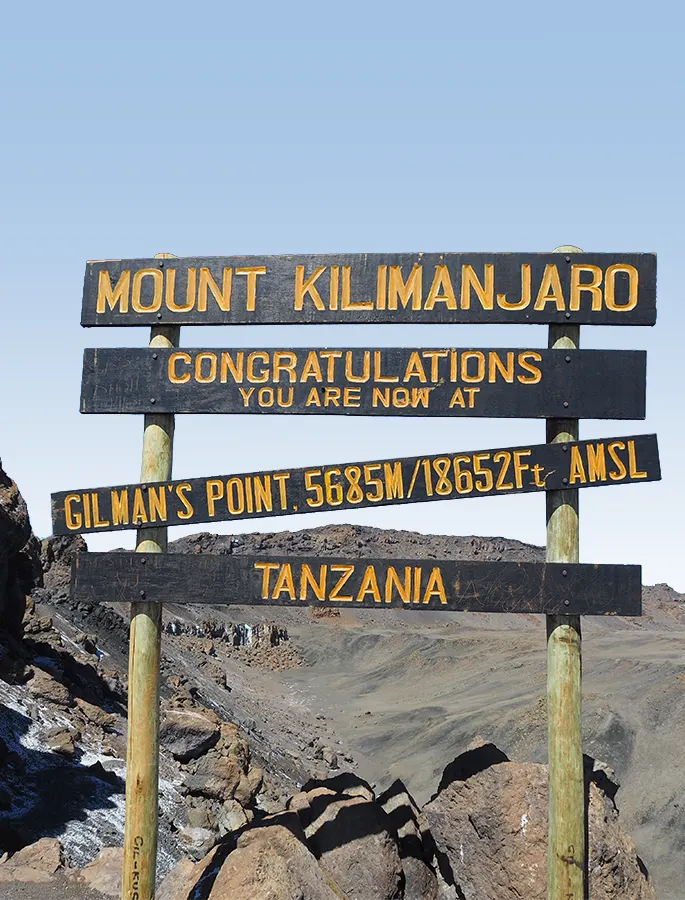
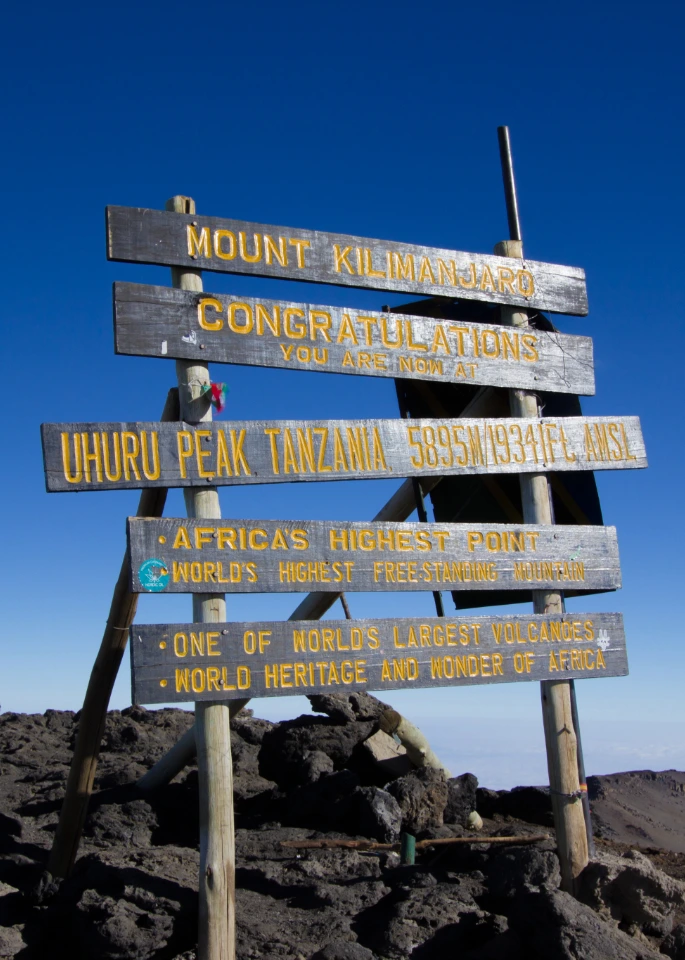
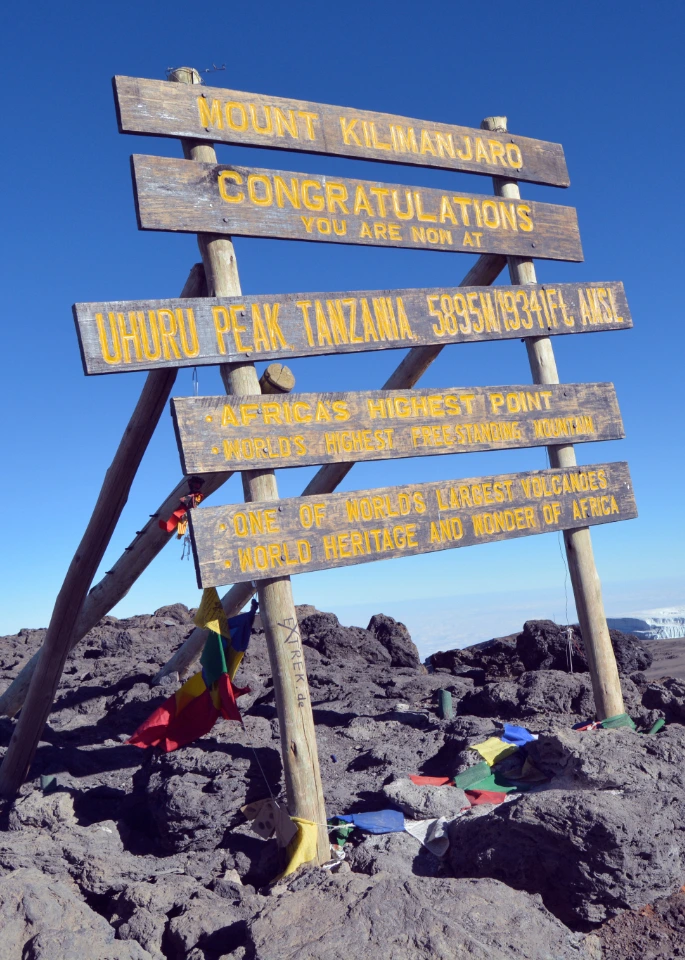
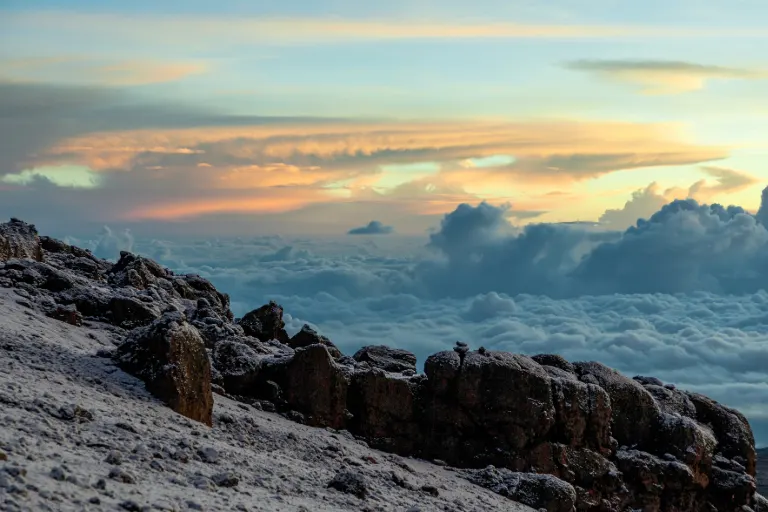
Despite being Africa’s tallest mountain, 5,895 meters (19,341 ft), Climbing Mount Kilimanjaro will make you feel like you are climbing through five different ecological phases. The Kilimanjaro Weather keeps on changing as you climb, from humid rainforests down low to way high icy glaciers.
Kilimanjaro Climate
Kilimanjaro Climate

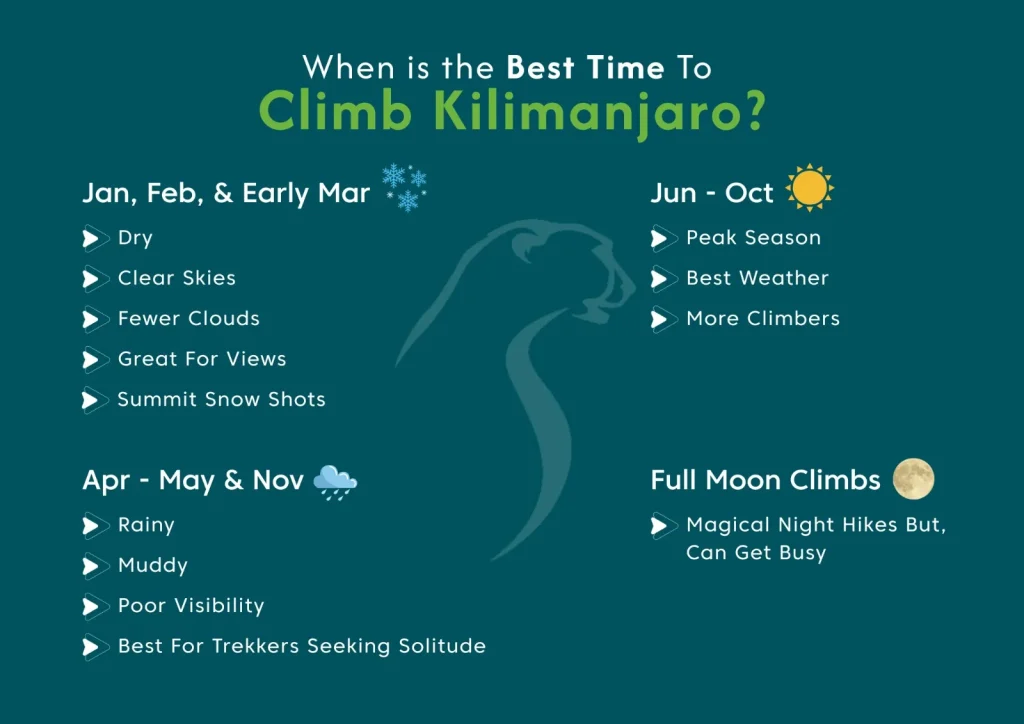
There are two seasons throughout the year, the dry season and the rainy season. The Kilimanjaro dry season runs from January to March and from June to October. In this season, we have clear skies in Kilimanjaro, accompanied by steady trails and those insanely beautiful panoramic scenic views.

The rainy season runs from April to May and recurs in November. In this season, we have total mud, and the mist hides the summit. Despite this, the rainy season brings its own unique moments. You will experience lush green landscapes in abundance, with fewer people, offering moments of solitude you won’t find elsewhere.
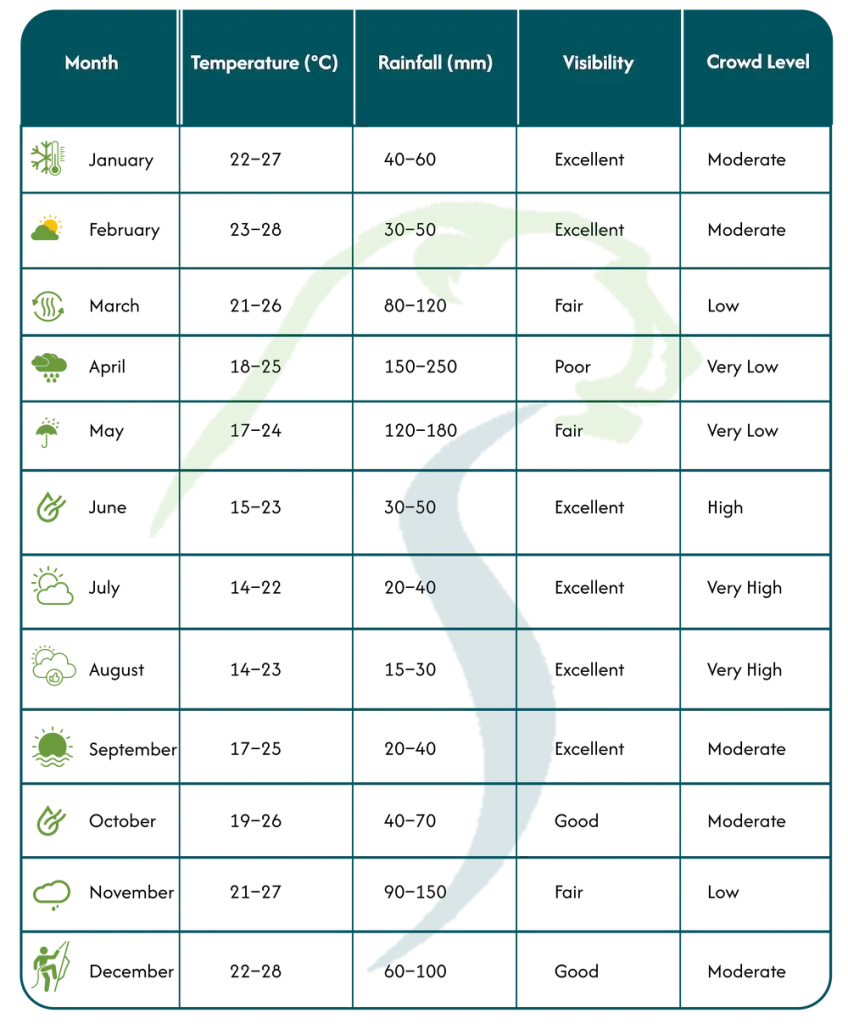
Kilimanjaro Weather By Month
One thing about Kilimanjaro is that it’s less of a climb but more of a global tour on one mountain. You literally walk through the world’s climate regions.
  • Down in the rainforest, the air is thick and warm, packed with moisture in the lush green jungle, making you sweat.
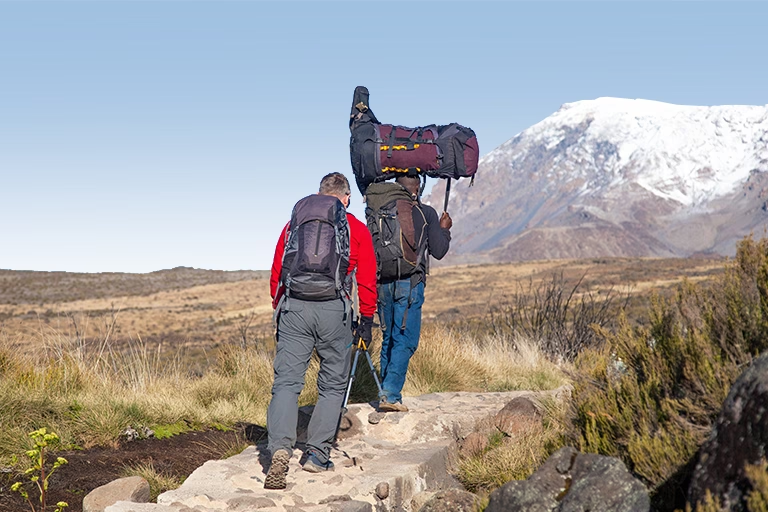
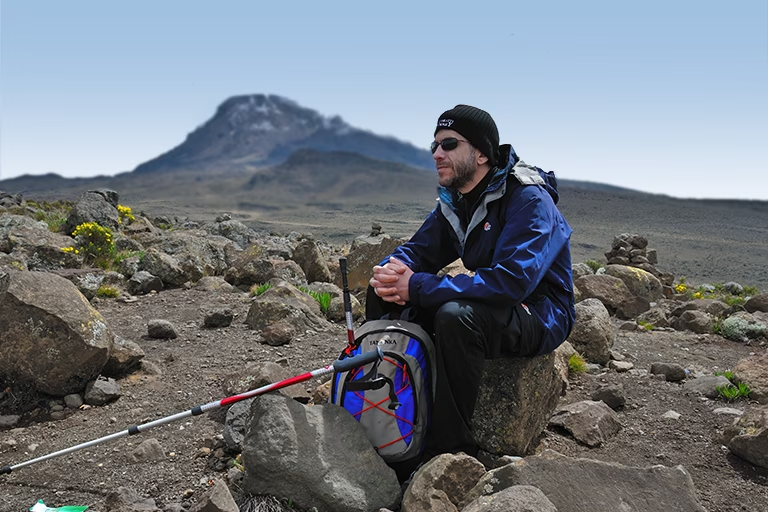
  • At the moorlands, finally, the air gets cooler and thinner. You will see beautiful landscapes with slopes and weird-looking plants like tussock grasses, Protea species, and red-hot pokers.
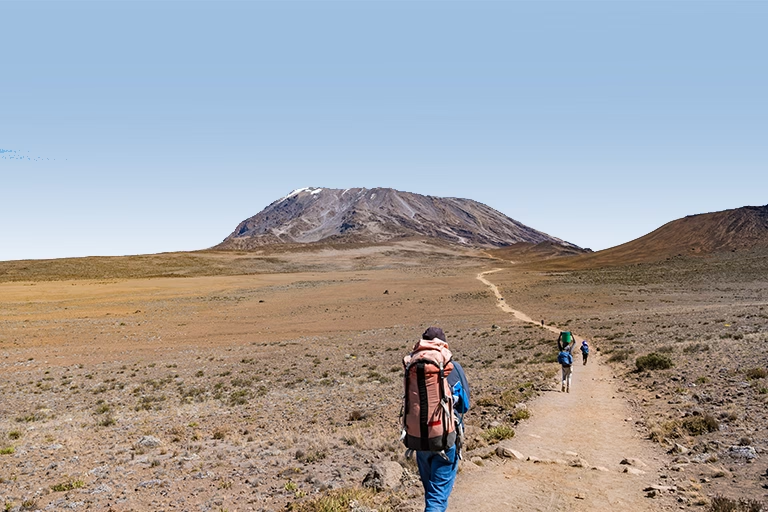
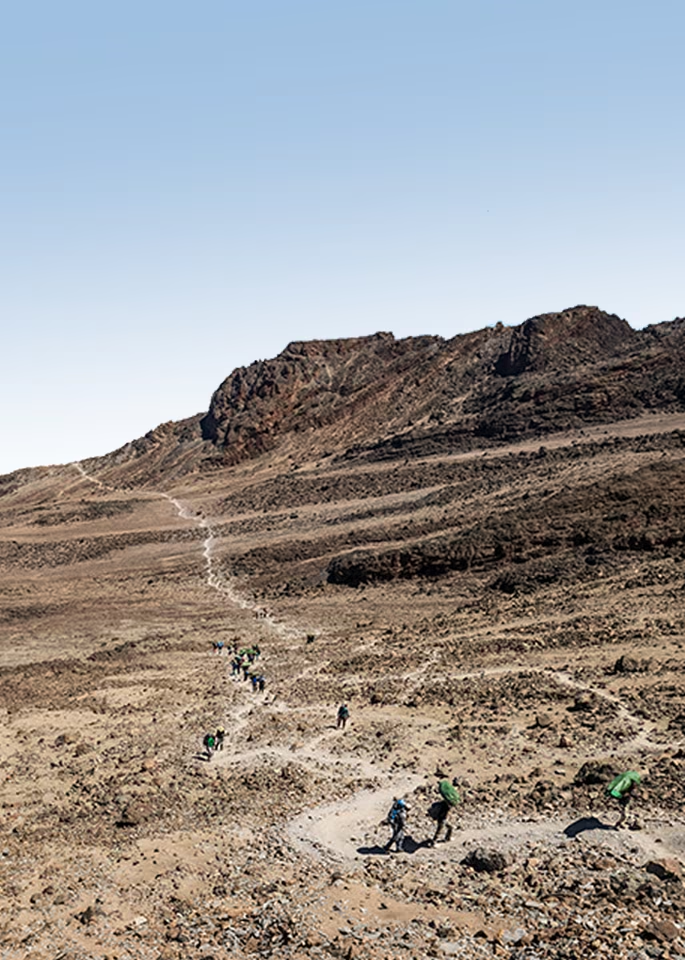
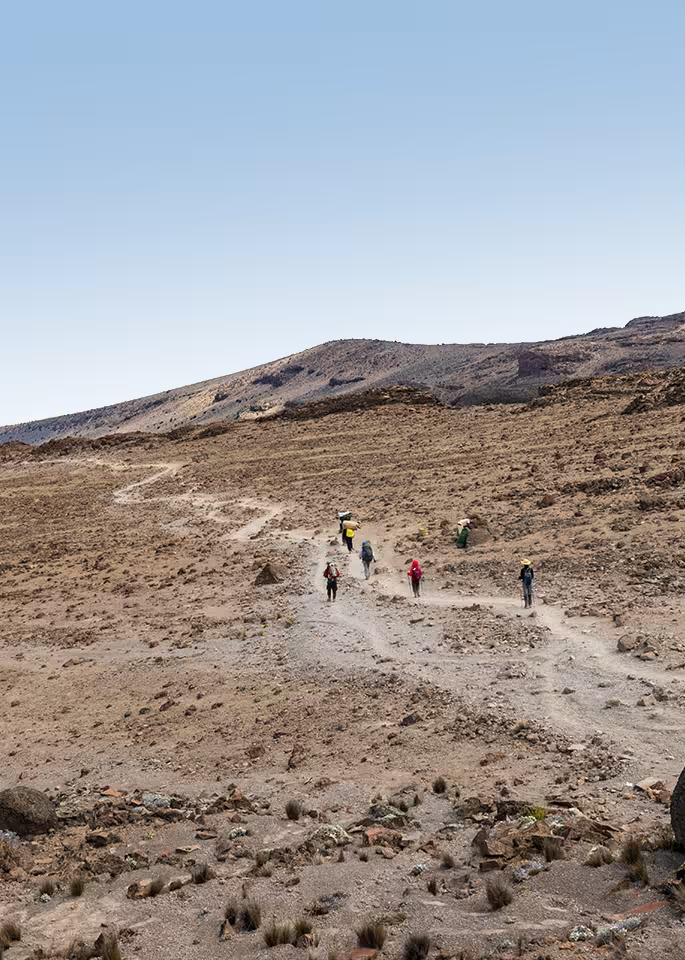
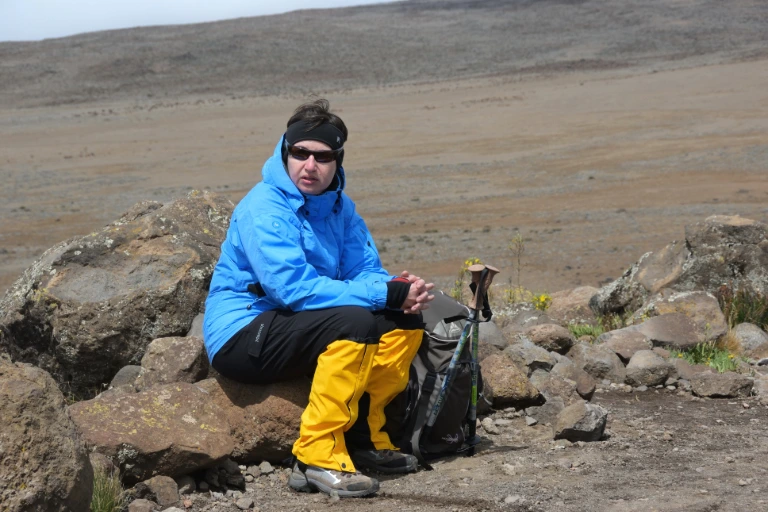
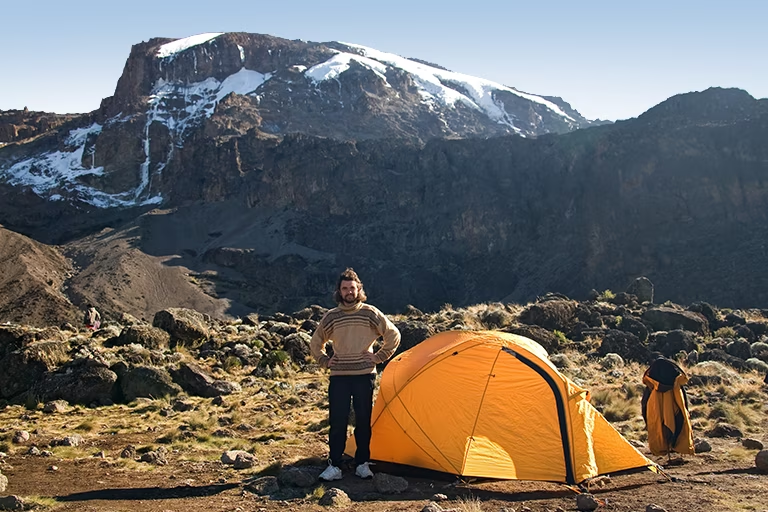
  • You will reach the alpine desert, where the air holds almost no moisture or warmth. You’re now surrounded by rock and dust under a blazing sun, where the temperature drops the moment shade hits you. Watch out for your feet.
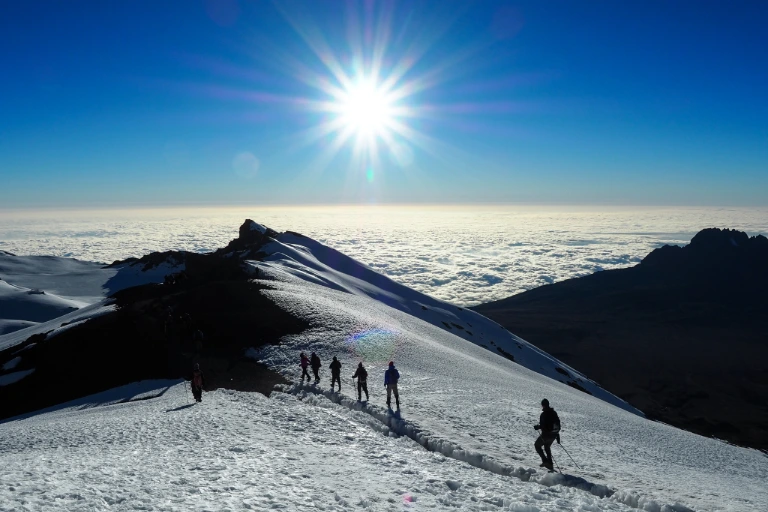
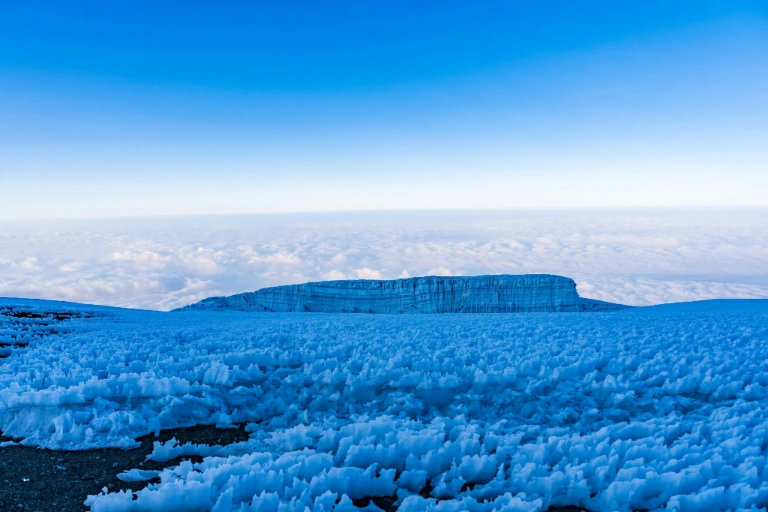
  • Finally, at the Arctic summit, it was too cold with no room for heat. You’re now at the permanent, frozen landscapes where oxygen levels drop, making breathing difficult.

Expert advice:
Our team’s expertise in high-altitude climbing is unequaled, ensuring that climbers are well-prepared and supported throughout the ascent.

From Kilimanjaro Acclimatization strategies to managing altitude-related illnesses, our guides are equipped to handle every aspect of the climb with professionalism and care.

What Every Month on Kilimanjaro Is Really Like

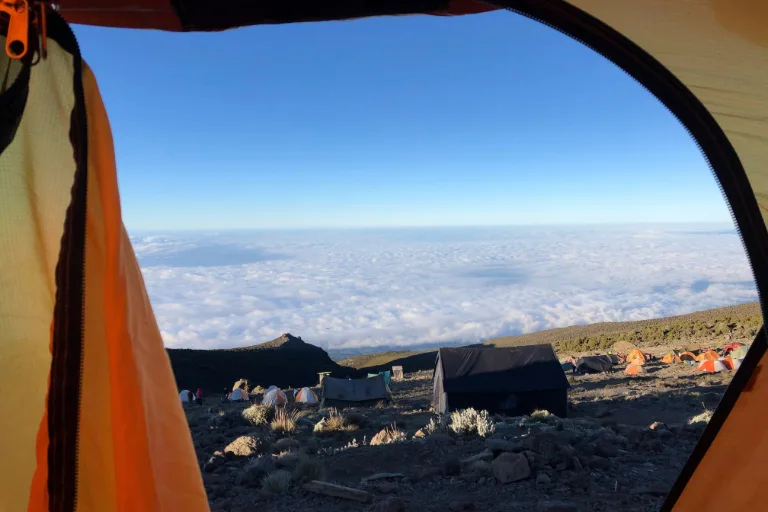
Kilimanjaro Trek Conditions 2026 can be pretty stressful if you are not sure of what each month brings. The toughness and amazement of the journey can either break you or make you, and that is why we advise you to plan for what you can handle. Each month has its own challenges, so it’s better to plan the Best Kilimanjaro Route.
Best Month To Climb Kilimanjaro

January

January marks the short, dry season. Expect mild, easy days (around 20-25 degrees centigrade) with clear mornings and freezing summit nights. Minimal rain means the trails are solid. Visibility is outstanding—perfect for those sunrise photos. Crowds are moderate—an exceptional balance.

  • Best for: First-timers, photographers, and anyone wanting a balanced trip.
  • Try: Machame or Lemosho for the best views.
  • Verdict: Great

For more, visit Kilimanjaro Climb In January

February – The Photographer’s Paradise

The Kilimanjaro Summit Conditions in February are warm, dry, and an excellent choice to make if you are looking forward to that climb. Wildlife is active down low, and the skies are brilliantly blue. Visibility is exceptional—crisp mountain views guaranteed. Crowds are manageable but starting to swell.

  • Best for: Photographers and anyone demanding stable weather.
  • Pro Tip: Seriously, pack strong sunscreen—the UV is intense up there.
  • Try: Lemosho or the less-traveled Northern Circuit.
  • Verdict: Perfect

For more, visit Kilimanjaro Climb In February

March – A Quiet Transition

March starts dry but usually gets sloppy mid-month. Trails soften up; summit nights are colder. You’ll see moderate to heavy rain towards the end. Visibility gets cloudy in the afternoons. Crowds are low—solitude seekers, this is your time.

  • Best for: Experienced trekkers who want quiet trails.
  • Avoid if: You hate walking in mud.
  • Try: Rongai (it’s on the dry northern slope).
  • Verdict: Good for experienced climbers

For more, visit Kilimanjaro Climb In March

April – The Wet and Wild Season

April is the peak of the long rains. Expect lush green landscapes, heavy cloud cover, and empty trails. Rain is frequent and intense. Visibility is limited, though the misty forest photos can be stunning. Crowds are minimal; this is the authentic wilderness experience.

  • Best for: Experienced trekkers who genuinely don’t mind getting soaked.
  • What to pack: strong waterproof gear, gaiters, and poles are non-negotiable.
  • Try: Rongai or the Northern Circuit.
  • Verdict: Only for the strong ones

For more, visit Kilimanjaro Climb In April.

May – Quieter Trails, Fresh Landscapes

The rain finally starts to fade in May, leaving unbelievably green trails and huge, fresh waterfalls. Rain is decreasing and visibility improves, especially by the end of the month. Crowds are low—a hidden gem period.

  • Best for: Budget travelers and landscape photographers.
  • Bonus: You can often snag low-season discounts from lodges and operators.
  • Try: Rongai Route.
  • Verdict: Good for value

For more, visit Kilimanjaro Climb In May.

June – Clear and Cool Beginnings

June marks the start of the long dry season. Expect crisp air, clear skies, and absolutely perfect trekking conditions. Rain is minimal. Visibility is excellent. Crowds are moderate, but they start growing mid-month.

  • Best for: Steady hikers looking for a perfect weather-to-crowd balance.
  • Summit Tip: Be ready for seriously sub-zero temperatures at the top.
  • Try: Lemosho or Machame.
  • Verdict: Great

For more, visit Kilimanjaro Climb In June.
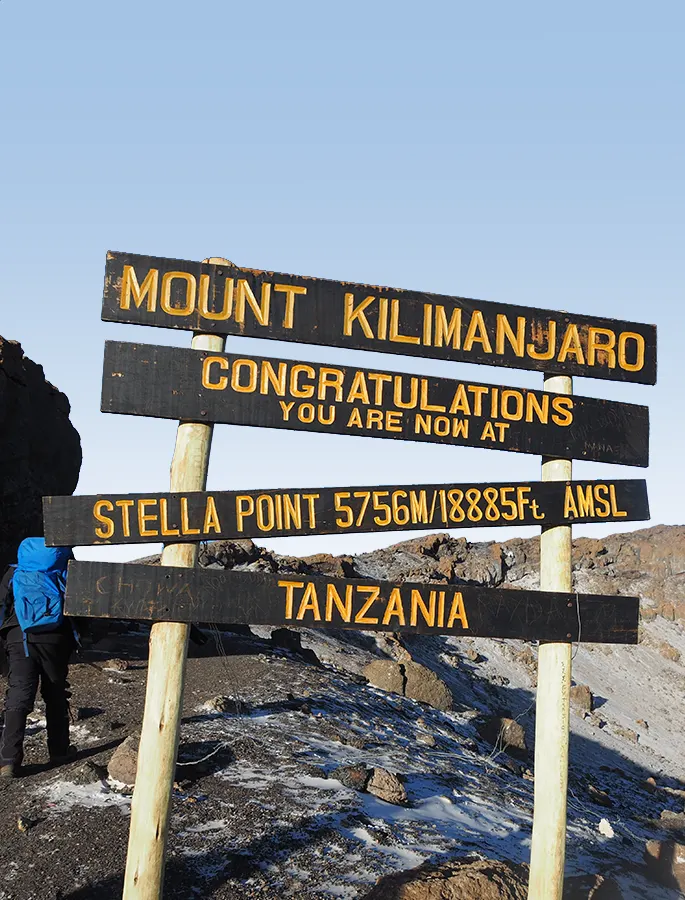
July – Peak Perfection

July is arguably the single best month to climb Kilimanjaro. The weather is stable, trails are totally dry, and summit skies are dazzling. Rain is practically non-existent. Visibility is flawless. Crowds are high; it’s peak season.

  • Best for: First timers and photographers.
  • Try: Northern Circuit (to actually avoid some of the crowds).
  • Verdict: Perfect

For more, visit Kilimanjaro Climb In July.

August – Golden Light & Great Energy

August brings pure sunshine, cold summit nights, and an enthusiastic energy from climbers worldwide—very little rain. Visibility is excellent. Crowds are high, but the vibe in the camps is fantastic.

  • Best for: Travelers who want a social camp atmosphere and ideal weather.
  • Pro Tip: Book your entire trip early—routes fill up fast.
  • Try: Machame or Lemosho.
  • Verdict: Perfect

For more, visit Kilimanjaro Climb In August.

September – Warm, Calm, and Colorful

September keeps the great weather, but feels much more relaxed after the August rush. Rain is light. Visibility is fantastic. Crowds are moderate.

  • Best for: People who prefer quieter camps and warm afternoons.
  • Try: Rongai or Northern Circuit.
  • Verdict: Great

For more, visit Kilimanjaro Climb In September.
Best Time To Climb Kilimanjaro

October – Gentle Skies, Few Showers

October’s weather starts leaning towards the short rains, but climbs are totally manageable. Expect light to moderate rain late in the month. Visibility is clear in the mornings, cloudier later. Crowds are low to moderate.

  • Best for: Trekkers seeking a peaceful trail before the main rain.
  • Try: Machame or Rongai.
  • Verdict: Good

For more, visit Kilimanjaro Climb In October.

November – The Short Rain Season

Expect frequent but short afternoon drizzles, but mornings are often dry, and the mountain turns an insane emerald green. Rain is frequent but short. Visibility is surprisingly good at higher altitudes. Crowds are very low.

  • Best for: Experienced climbers or photographers seeking solitude.
  • Try: Rongai Route.
  • Verdict: Good for solitude

For more, visit Kilimanjaro Climb In November.

December – Festive, Fresh, and Beautiful

December is a nice mix of clear and rainy days, giving you dramatic sunsets and celebratory summit pushes. Early month sees some rain, but it clears up towards the holidays. Visibility is excellent during Christmas/New Year. Crowds are moderate due to the holiday rush.

  • Best for: Holiday climbers and groups.
  • Try: Lemosho or Machame.
  • Verdict: Great holiday option

For more, visit Kilimanjaro Climb In December.

“This being an equatorial region, the rains are mostly unpredictable, and in most cases, the weather is left to your luck. It is possible to experience mostly dry weather conditions during the rainy season, just as it is possible to have heavy rain during the dry season.” – KINAPA

Choose the Right Month Based on Your Climbing Style

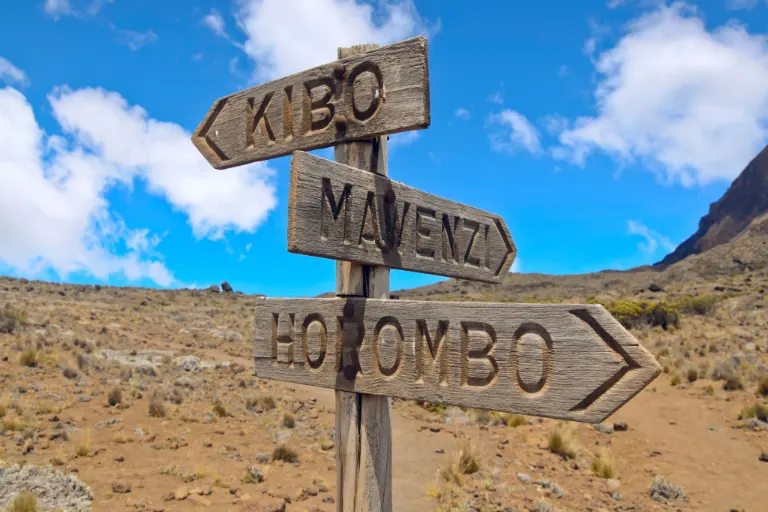
Imagine you have just booked a plane to Kilimanjaro, and as soon as you step out of the plane, it’s raining heavily. And you know the worst thing about this is that you didn’t prepare for the chilly, rainy weather; you can’t even see Kilimanjaro from afar, and you are now disappointed.
Kilimanjaro Climbing Month

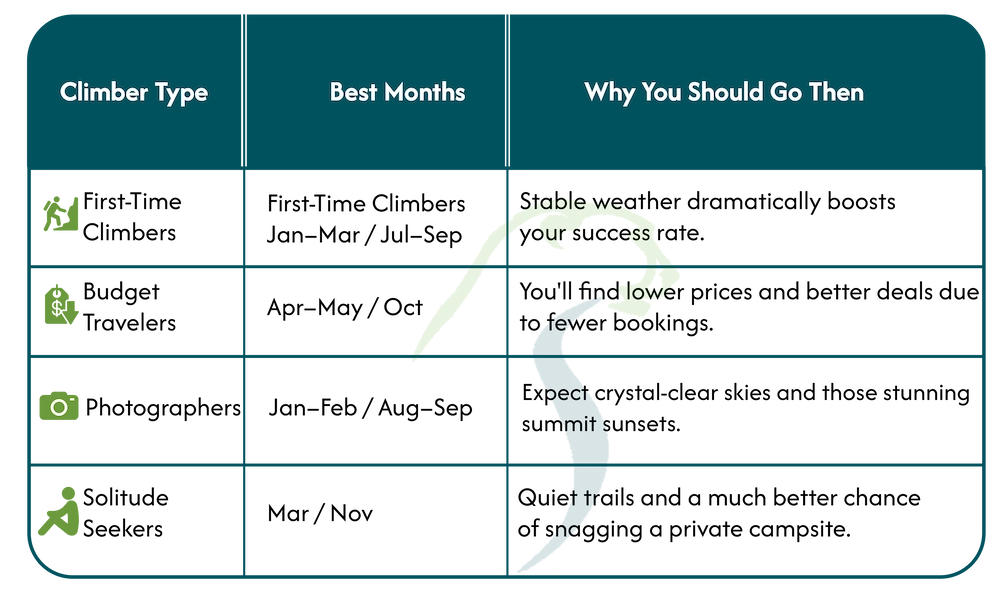
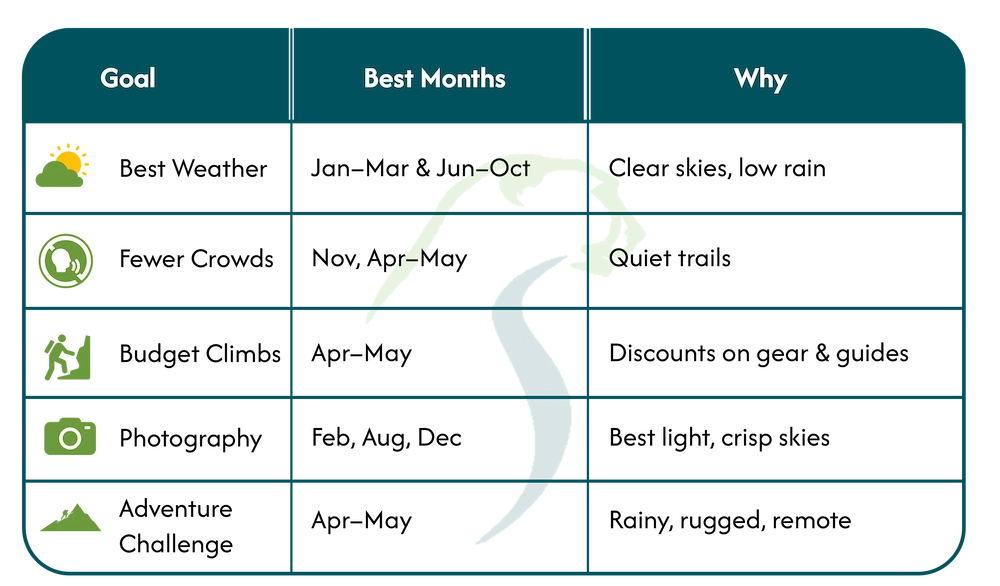
If you’re one to care most about stable weather and amazing views, then hit the Kilimanjaro dry season, January to March or June to October. These months have clear skies, solid trails, and the highest chance of summit success. They’re perfect for first-timers and anyone looking to capture those incredible photos.

If you’d rather have peaceful trails and a cheaper climb, travel during the shoulder months: mid-March, November, or early June. At this time, there are fewer climbers, and permits and lodges are at lower prices, giving you a really intimate, quiet experience.

Most people usually skip the rainy season, but it’s a total score for experienced trekkers who specifically want solitude and a real challenge.

Ultimately, your best month is the one that aligns with your goal—whether that’s comfort, great photos, or pure solitude—to make your Kilimanjaro dream truly unforgettable.

  • January/February is warm with killer visibility.
  • August/September is cooler with spectacular sunsets above the clouds.
  • The dry months also make everything easier—better logistics, more accommodation options, and fewer delays.
Kilimanjaro Weather By Month

“The weather defines your mood on the mountain. Climb when it matches your energy, that’s when you actually reach the summit.”

– Guide from African Scenic Safaris.

Are you excited to reach the Roof of Africa this season? Visit our page for the Best Time To Climb Kilimanjaro in 2026.

How Your Packing List Should Change with the Seasons

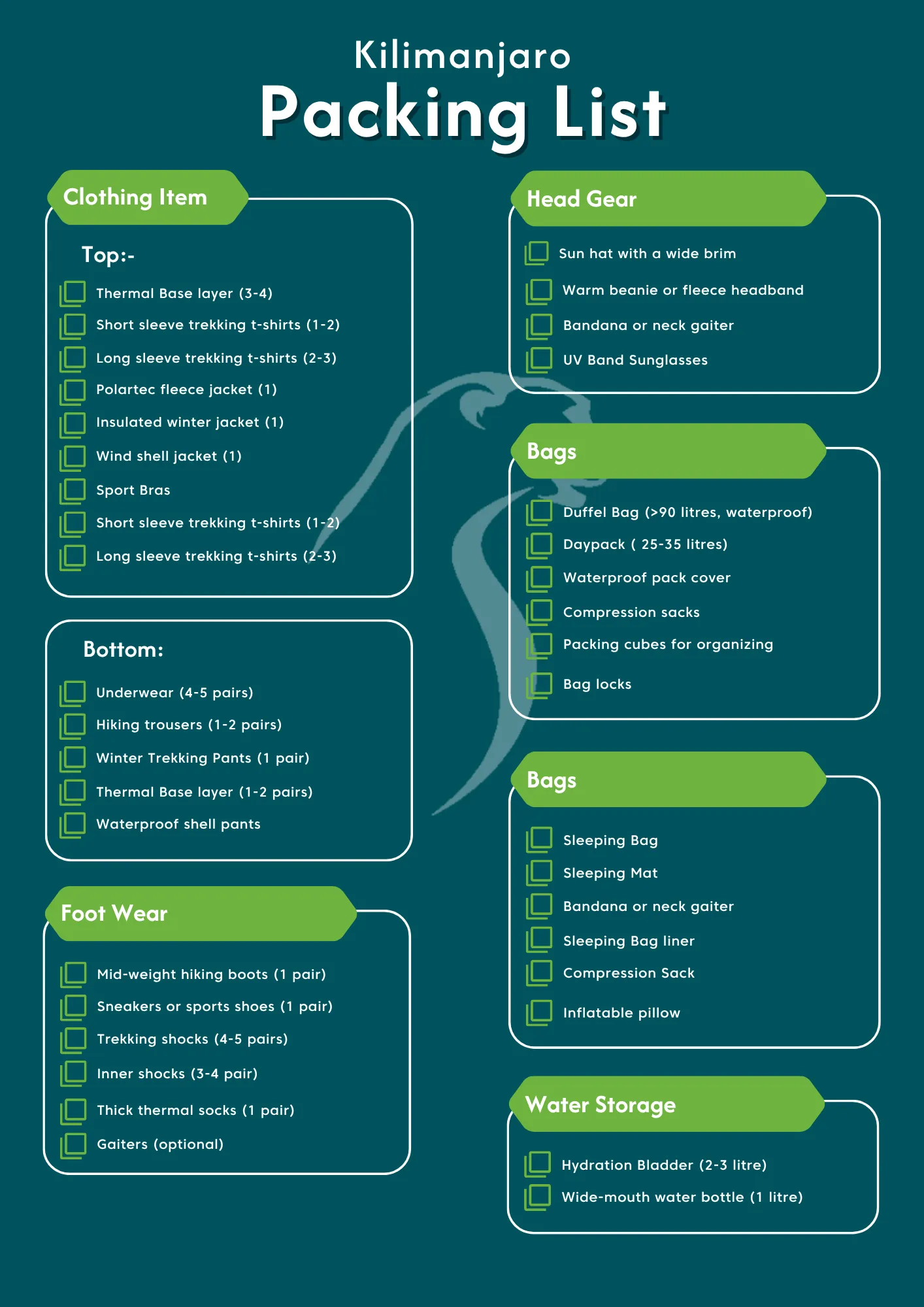
As you plan and choose Kilimanjaro Climbing Packages, the packing part is not only about comfort; it’s also about survival and success on the summit. For the Kilimanjaro Summit, the weather can change rapidly within hours and even days. From tropical humidity at the base to subzero temperatures near the peak.
Kilimanjaro Packing List

If you’re about to Climb Kilimanjaro in 2026, here is the Kilimanjaro Climbing Guide on what you should pack during the dry season.

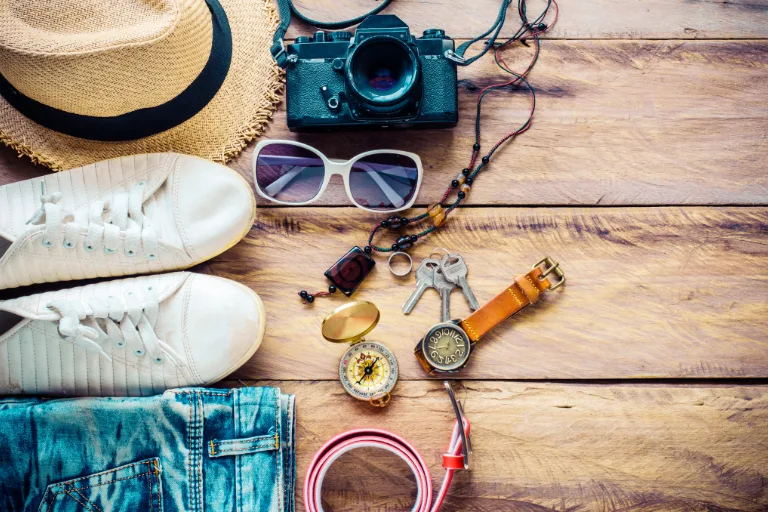
  • Include Layering – Pack a lightweight tank top you can hike in without feeling like a soaked sponge, and a solid long-sleeve to block the insane sun and avoid cotton material at all costs.
  • Sun Protection – If you are not careful, that high-altitude sun will fry you like an egg. Get a hat with an absolute brim, glacier glasses, polarized UV sunglasses, and the strongest sunscreen you can find.
  • Water Bottle – You must carry a water bottle for hydration since the weather tends to be hot at the base. Include hydration tablets when you’re sweating and breathing out so much moisture that plain water just doesn’t cut it
  • Always have your fleece and shell handy – When that sun dips behind a cloud, the temperature drops instantly. A good fleece and windbreaker live in your Kilimanjaro Daypack.

The table below summarizes the essential Kilimanjaro Packing List you might need to carry for the ultimate 2026 climb.
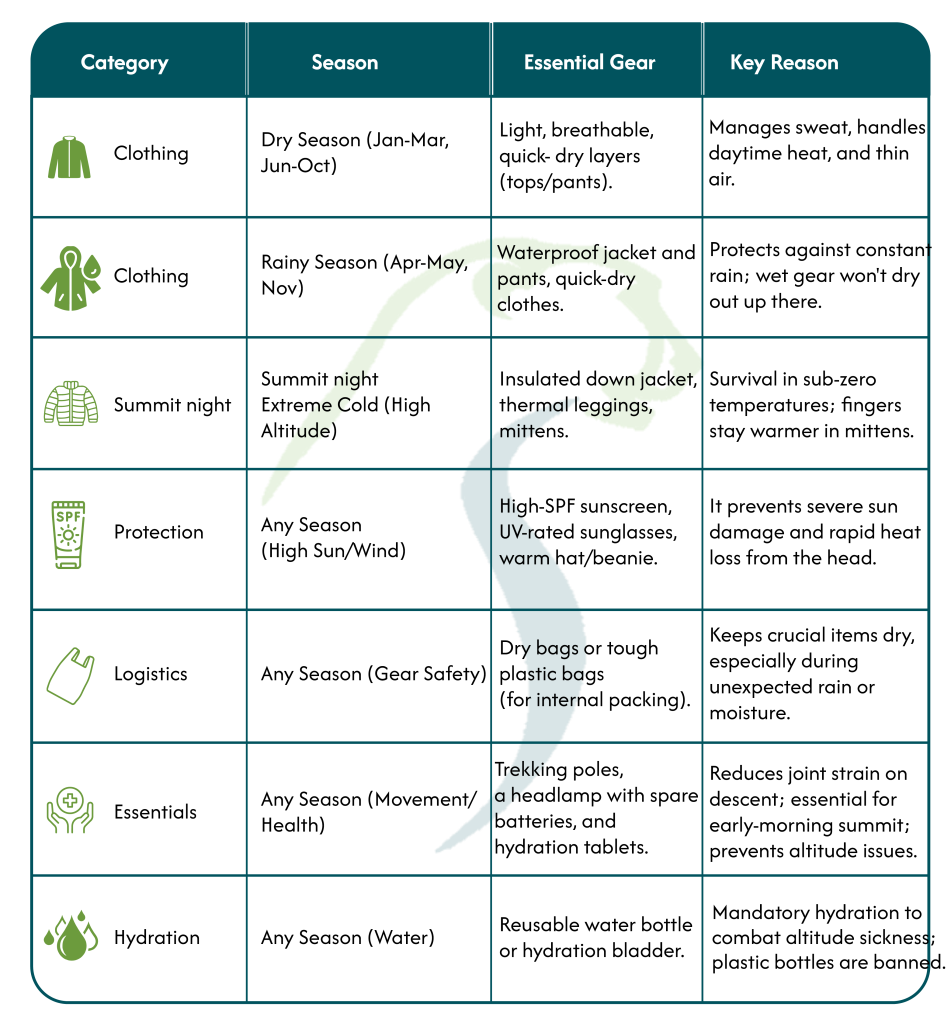
Kilimanjaro Gear By Season

You will need to pack for a week in case of extreme mood swings from the mountain. Your gear list is what stands between you and that epic summit sunrise.  Make sure you include this packing list to enjoy your coming Kilimanjaro journey rather than just surviving it.

Download our Free 👉 Month-by-Month Kilimanjaro Packing Guide PDF. This includes Kilimanjaro weather-specific gear lists and route tips.

Guide Expert:

With an average of 20 Kilimanjaro Climbs per year, our guides bring unmatched experience and expertise to every expedition. Having led thousands of climbers to the Uhuru Peak, our guides possess a deep understanding of the mountain and its challenges. Fluent in English, Swahili, and often other languages, our crew excels in adapting to diverse groups, cultures, and Aspirations.

How to Plan Flights, Permits, and Bookings Around the Best Month

Timing isn’t just crucial for your Mount Kilimanjaro Climbing; it’s everything. From getting flights to locking down permits, sorting your schedule early is the difference between an easy, perfect trip and a total, stressful mess at the last minute.
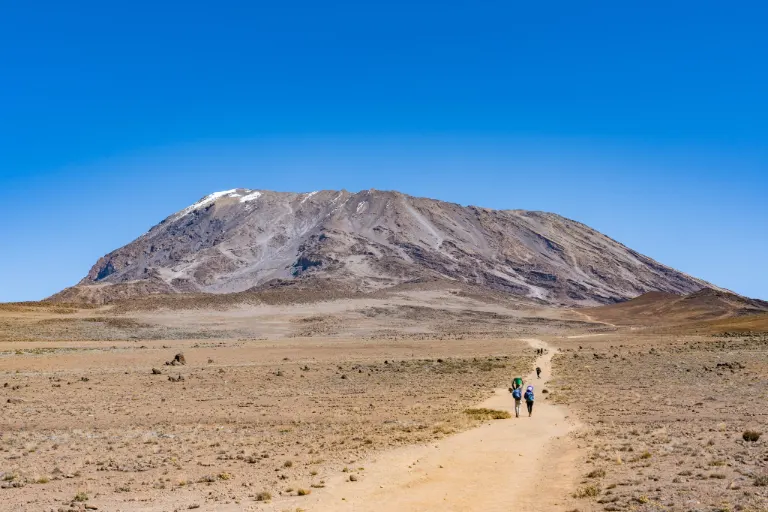
Best Time To Climb Kilimanjaro

Here’s what you will need to do:

1. Book Flights Early

Plane ticket prices to Kilimanjaro International Airport (JRO) fluctuate with the seasons. Between July and September, prices spike up, a season when everyone is trying to climb. If you book your flights 3–6 months in advance, you’ll get better prices, especially if you’re flying in from international hubs like Doha, Addis Ababa, or Amsterdam.

2. Travel documents and Health

Visa: Get your Tanzania tourist visa online or upon arrival, but make sure your passport is valid for at least 6 months.

For health, check with the CDC and WHO for all the necessary information, like altitude prep, vaccines, and malaria pills. More importantly, schedule a complete medical check-up to confirm you are actually fit for high-altitude trekking before climbing Kilimanjaro.

3. Reserve Your Climb 9 Months Out

The best routes, like Machame, Lemosho, and Northern Circuit, tend to sell out, especially during the dry season. If you don’t want to miss out on this moment, you need to reserve your spot and permits at least 6–9 months in advance. Booking early guarantees you get experienced guides, the good gear, and a proper bed at the lodge before everyone else snaps them up.

African Scenic Safaris provides authentic information based on data from the Tanzania National Parks Authority (TANAPA) and the Tanzania Immigration Department.

Every Month Tells a Different Story

The essential thing is that there’s no “wrong time” to climb Kilimanjaro—only different adventures waiting for you. Each month brings its own experience and Kilimanjaro Summit Conditions. You could be chasing the perfect, clear skies and easy trails of February, the intense, muddy challenge of a quiet month like May, or the total solitude and green beauty of November. Your trip is defined by the season & Kilimanjaro Weather you pick, and each one offers a fresh lesson in resilience and raw, wild beauty.
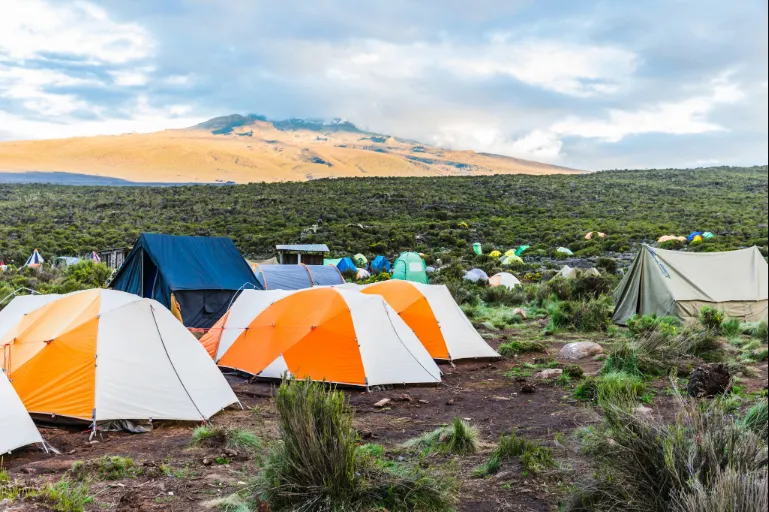
Kilimanjaro Climbing Month

On this ultimate quest, you will have to align the mountain’s mood with your own energy level. If you’re a first-timer or a serious photographer, stick to the clear, popular dry seasons; smooth logistics and high visibility will make your life a lot easier. But if you are an experienced trekker before, and enjoy saving money, the shoulder months are going to be far more rewarding. It all comes down to what you want your summit memory to be.

This Kilimanjaro is more than reaching the top; it’s more about making memories and getting experience. Just like our guide expert from African Scenic Safaris says, “Kilimanjaro is not just climbed; it’s lived and one sunrise at a time. Knowing the best Kilimanjaro Weather By Month will not only excite you but also amaze you.” 

Simbo Natai
Simbo Natai, founder of African Scenic Safaris, crafts sustainable, meaningful Tanzanian journeys rooted in his deep local knowledge and passion.
Director, African Scenic Safaris

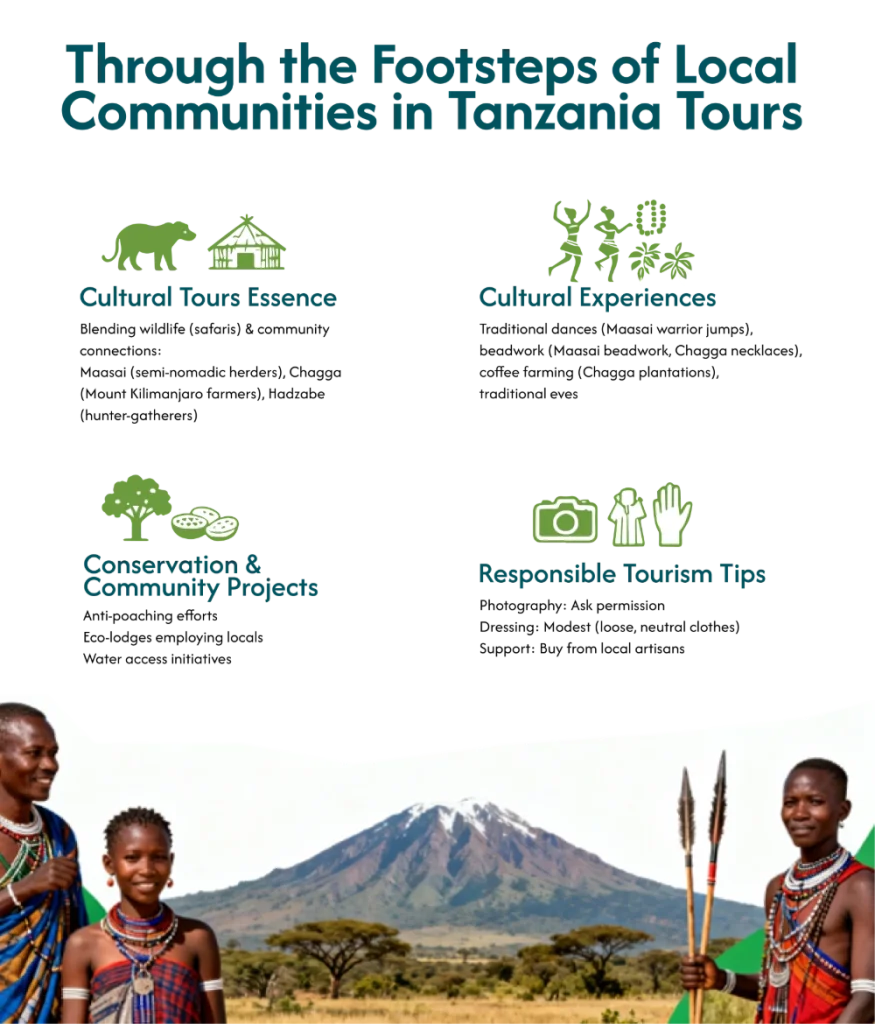
Through the Footsteps of Local Communities in Tanzania Tours

Look, every Tanzania Tours and Safaris you take it’s not just about the wildlife. Behind all that golden savannah, past those crazy thundering wildebeest herds, and way beyond those majestic lions, there’s another incredible story waiting to be told — the story of the vibrant communities who make this land their home.

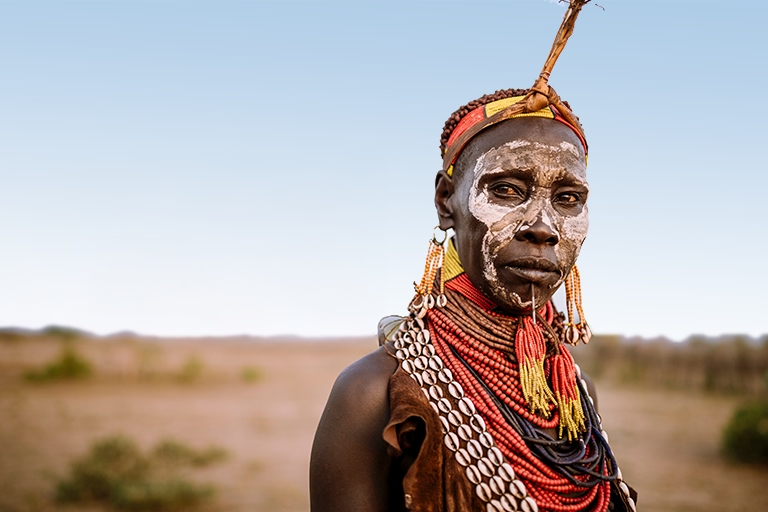
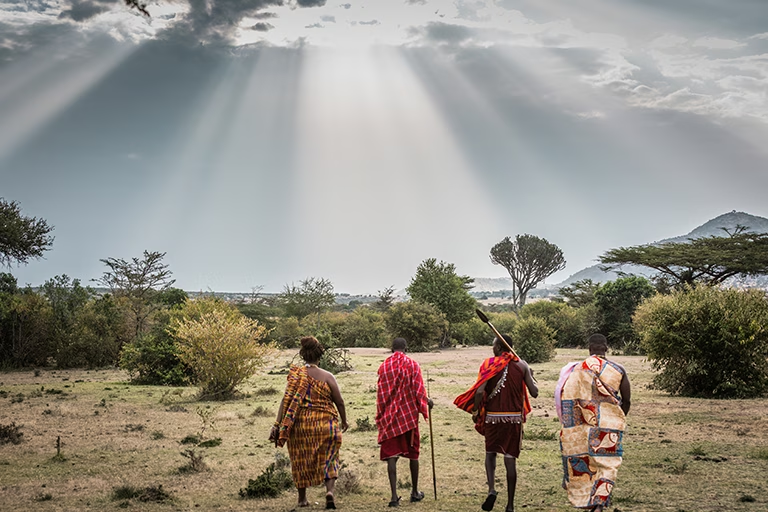
When you walk where the local Tanzanian communities walk, you get so much more than nature; you experience real connection, the kind that can change your life. You hear songs that have been sung for generations, you learn some serious wisdom from the elders, and you get to share laughs over traditional food cooked right over an open fire. It’s right there — among the Maasai warriors, the Chagga farmers, and the Hadzabe hunter-gatherers—that you truly find the heartbeat of Tanzania.

And get this: at African Scenic Safaris, jumping into the culture isn’t just an afterthought—it’s a promise. We design their community tours specifically to connect travelers and locals through mutual respect, learning, and shared experiences. These aren’t just Tanzania Safari Trips; these partnerships actually celebrate Tanzania’s heritage and help sustain the very people who work to protect the wilderness.

Tanzania Safari

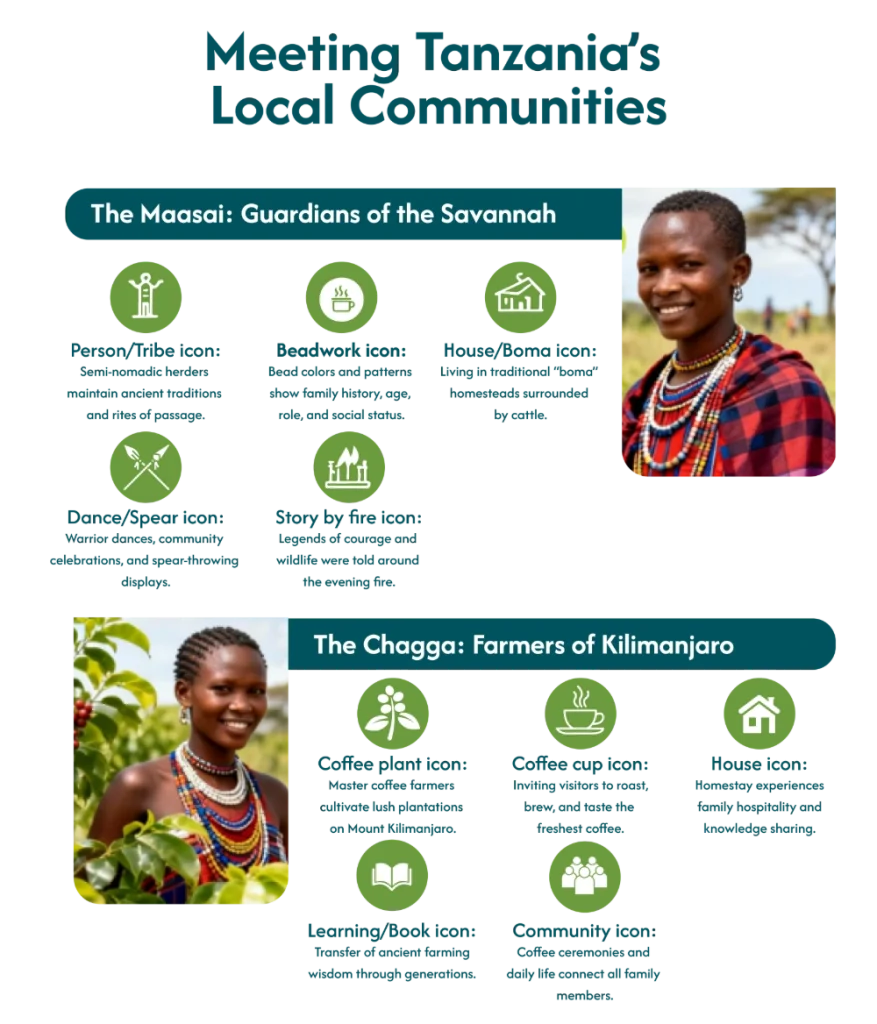
Meeting Tanzania’s Local Communities

Now listen, the strength of Tanzania it’s all in the diversity. With more than 120 tribes in its boundaries, every single community has its own unique cultural vibe, its own language, its own rhythm of life. It’s incredible. Here is what you will explore during Tanzania Safaris and Tours.

The Maasai: Guardians of the Savannah

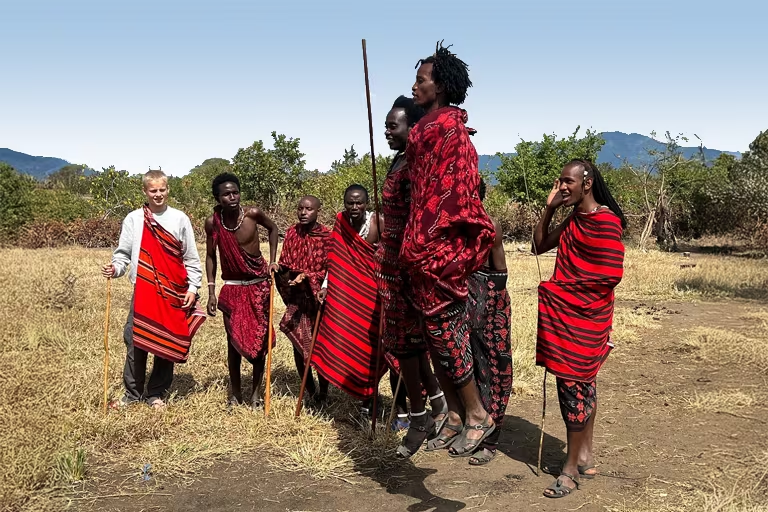
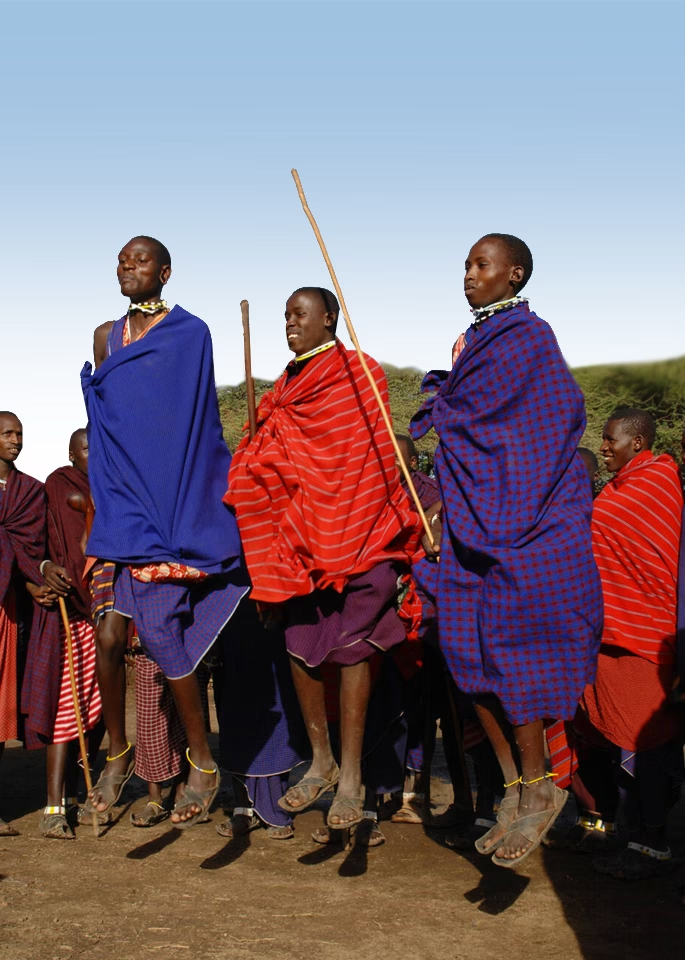
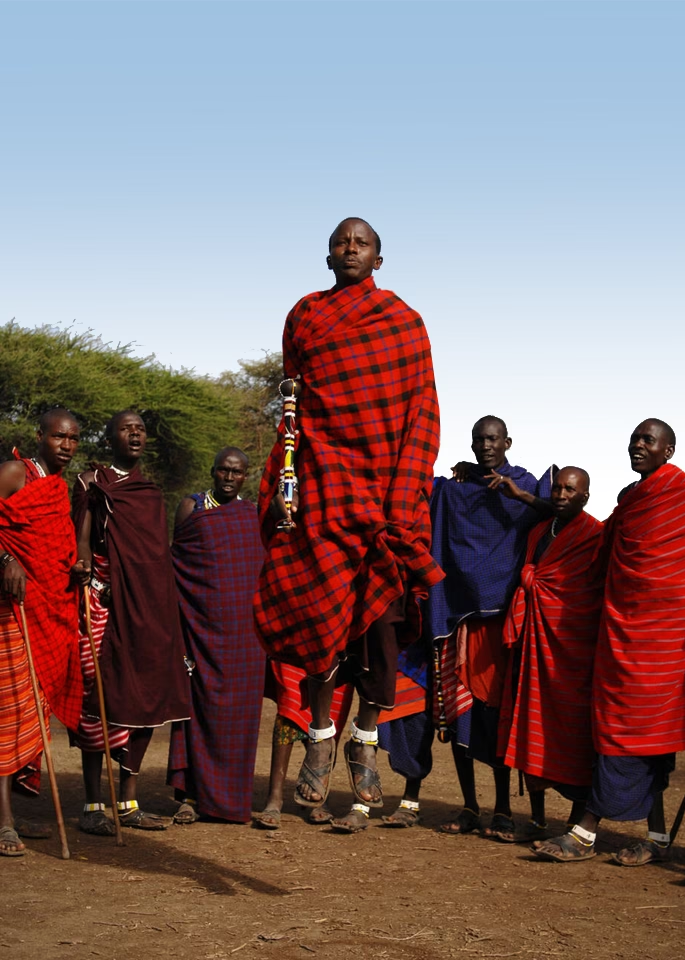
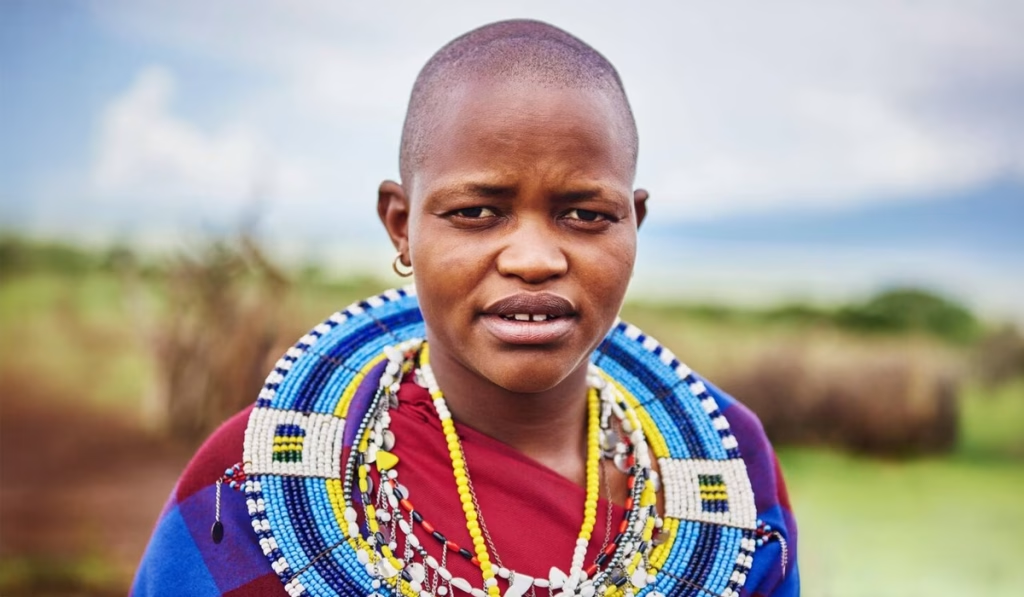
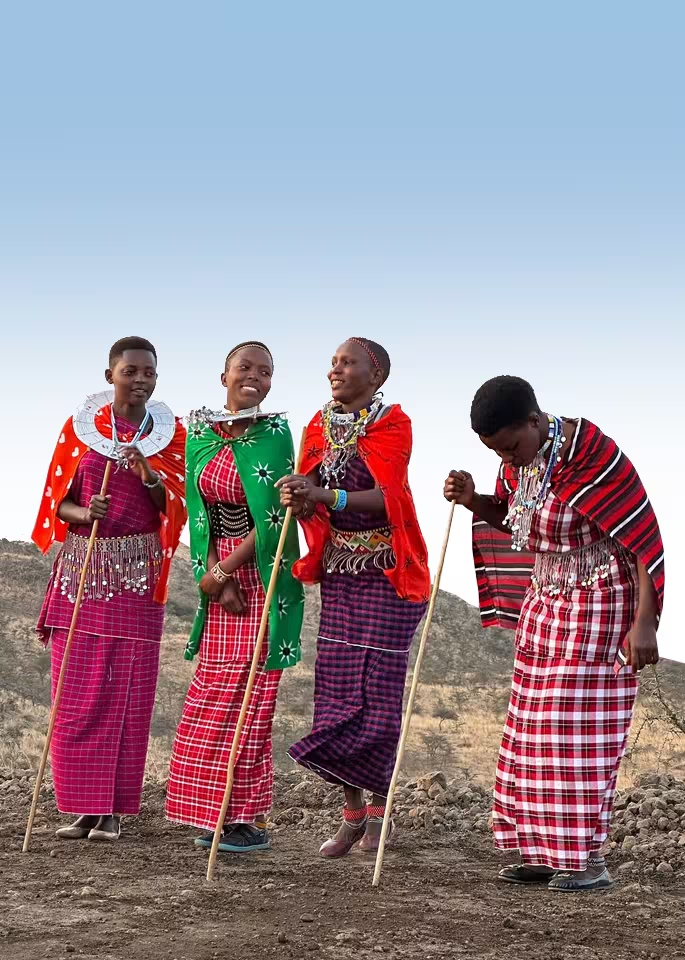
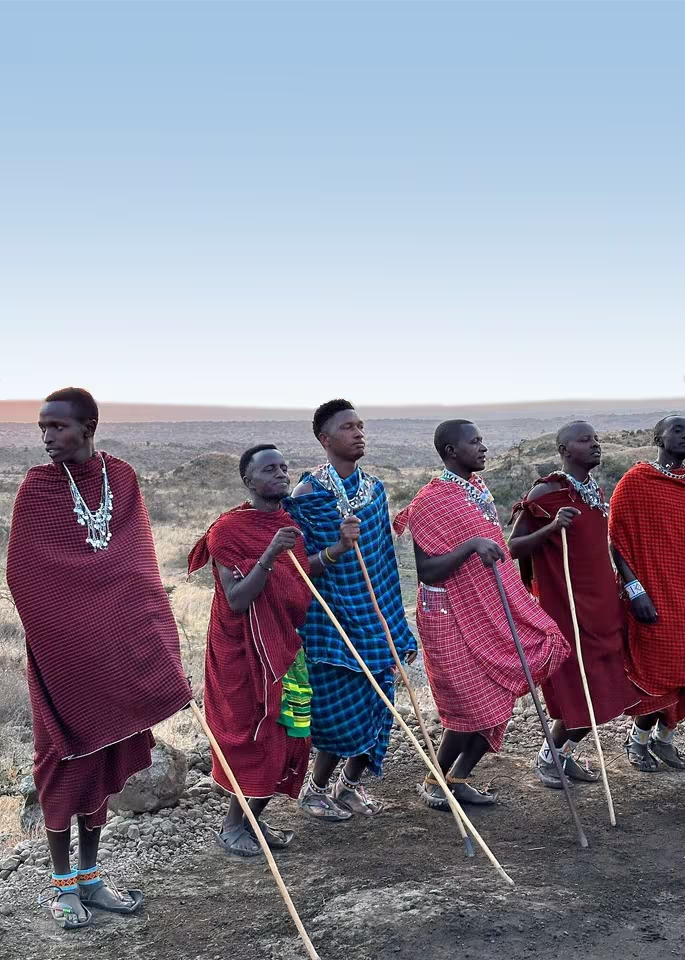
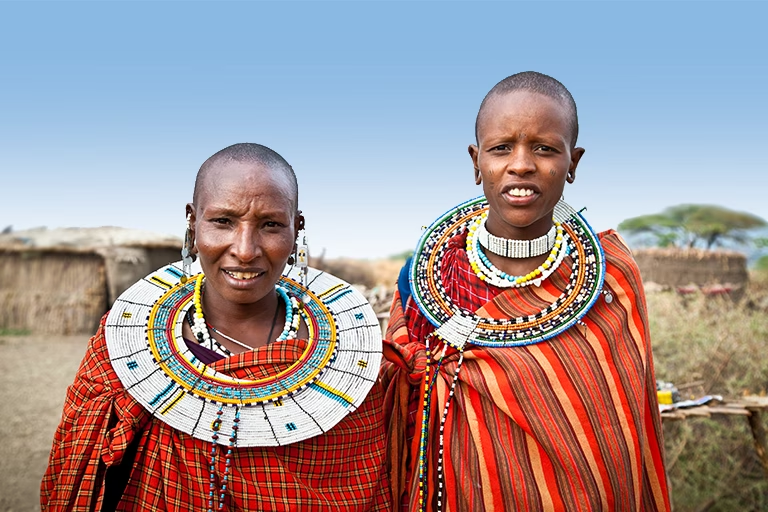
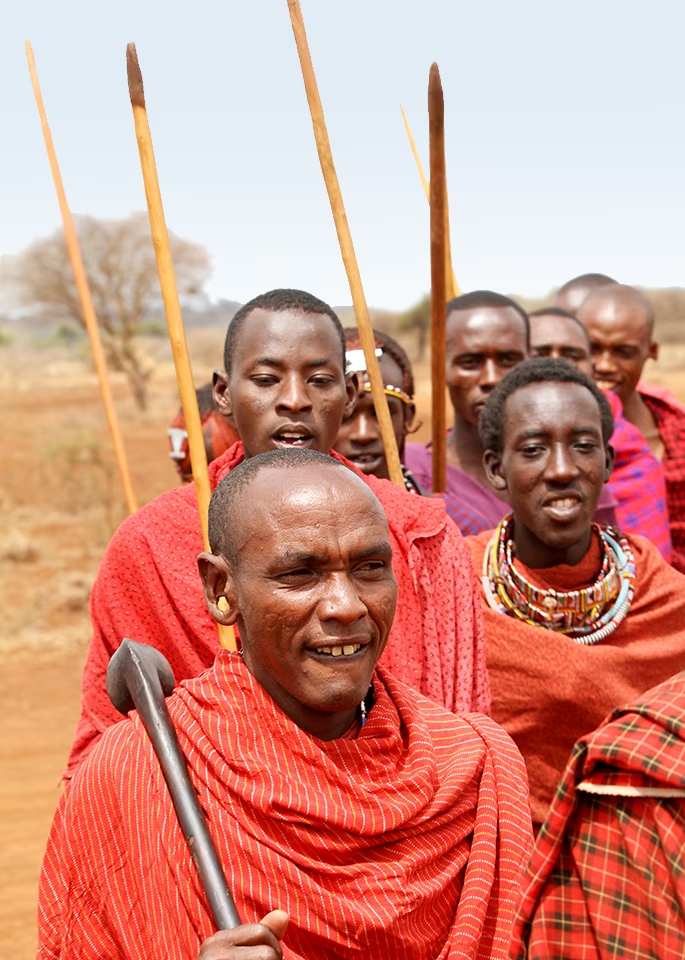
You know them—they’re famous for those killer red shúkà robes and deep traditions. The Maasai are seriously one of the most iconic tribes in all of East Africa. You find them around the Serengeti, Ngorongoro, and Tarangire. They still live that awesome, semi-nomadic life, herding their cattle and keeping customs alive that are centuries old.

Massai Culture
Massai Culture

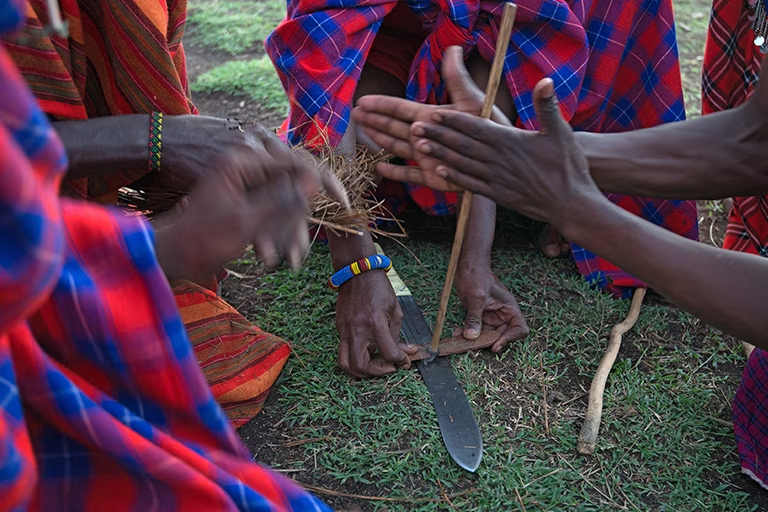
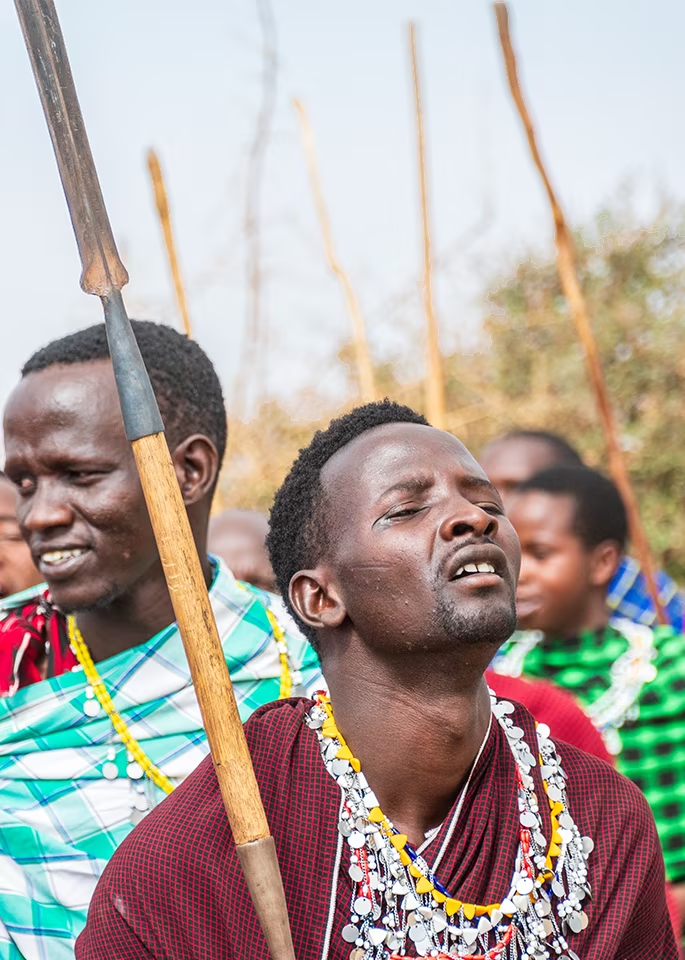
And here’s the cool part: Visiting a Maasai village isn’t some weird viewing party—it’s about participation. They welcome you with rhythmic songs, traditional dances, and these amazing stories about bravery and living right alongside the wildlife. You might even get to try spear-throwing or learn the whole meaning behind the intricate beadwork that tells you about age, marriage, and your role in the community.

The Chagga: Farmers of Kilimanjaro

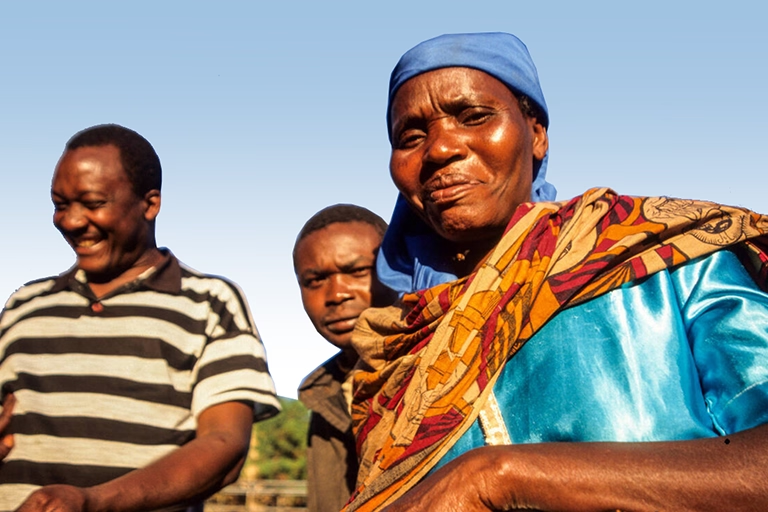
Now, as you are still enjoying your Tanzania Cultural Tours, do yourself a favor and head further east, right up the slopes of Mount Kilimanjaro, and you will find the Chagga people. They are famous for their lush coffee farms and their incredible farming wisdom. When you visit them, you can go for a walk through the plantations, you get to roast the beans over a fire, and you sip the freshest brew while learning how coffee basically sustains their entire life.

Chagga Tribe
Chagga Tribe

“Communities are the heart of Tanzanian safaris. When travelers visit our homes, they don’t just see culture—they actually become part of it.” – one of the Chagga community leaders.
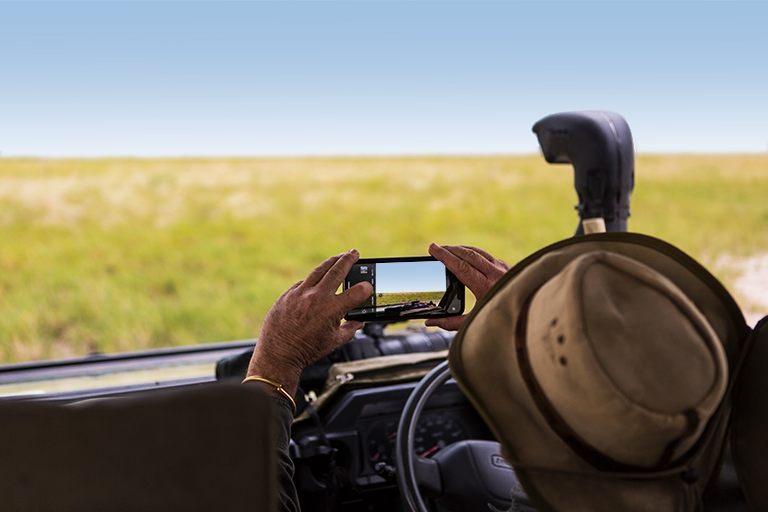
Tanzania Local Community

These moments during Cultural tours are the ones that make your Tanzania Safari more memorable and totally remind you that Tanzania trips are way more than just animals—they’re about humanity’s relationship with the land.

African Scenic Safaris works closely with TCTP—the Tanzania Cultural Tourism Programme—which makes sure that these visits are done ethically and actually benefit the communities directly.Check out the Trips with a Purpose – Tanzania Cultural Tours page for more detailed information on Cultural tourism!

Cultural Immersion on Tanzania Tours

Do you know how true cultural immersion takes place? It happens when you stop doing the tourist thing and you actually live a day like a local. You trade in looking around for just plain being.

On Tanzania Tours and Safaris, that means you could be up with the sun, joining a Chagga farmer. Or maybe you’re learning how to weave baskets with the Datoga women, or drumming with the Maasai warriors right under the dark sky. African Scenic Safaris sets up these experiences where they just invite you into their actual life—no polish, no script, just totally unforgettable.

Daily Life: Simple, Deep, Beautiful

Take the Mto wa Mbu village, for instance. You’re walking through the banana farms, watching people carve ebony, and just wandering through those markets where laughter is absolutely everywhere. Or head to Tengeru, near Arusha. You get to cook real dishes—like ugali and ndizi na nyama—learning all those Tanzanian cooking secrets directly from the local mothers.

Get In On It (Hands-On Traditions)

This isn’t watching a show. It’s about making real connections. The things that could build bonds and relationships. You get to learn the important traditions that somehow could also be a part of your life.

  • Firelight: You sit by the fire while the elders tell those ancient folktales and savannah legends. It’s pure magic.
  • Beadwork: The Maasai women teach you how colors actually tell stories about emotions and family history.
  • Rhythm: You join the musicians and actually feel the rhythm of Africa.

Maasai cultural heritage is a community-based organisation formed by the community itself and registered under the Ministry of Culture and Social Services. We are documenting traditional knowledge that exists within the elderly people, which faces a threat of disappearance, and developing community education programs for the youth to learn about it. We document and preserve our collections through digital recording and archiving them, and make them available to the community through education programs.

We also help the community to develop their protocols in order to reduce the exploitation of its cultural resources. We also support youth to explore their traditional talents, mostly in performing arts and women in artistic work by enhancing their indigenous knowledge on making unique, genuine traditional artwork, preserving all our collections to ensure that the future generation will get something to see as some of our heritage is disappearing.” – UNESCO
It’s just great that African Scenic Safaris makes sure these encounters are real and fair, always respecting the communities’ timing, privacy, and pride.

Explore Tanzania Safari Packages as you are looking for what type of Tanzania safari should fit your budget and comfort.

Conservation & Community Connection

Honestly? Behind every awesome safari success story in Tanzania, there’s a whole village working quietly, hard, to protect the land.

Tanzania Conservation & Community

Sustainable Safaris In Tanzania? They are totally linked. Many of Tanzania’s national parks—like Ngorongoro, Serengeti, and Nyerere—are surrounded by villages. Their livelihood depends on maintaining that balance between people and wildlife.

At African Scenic Safaris, they make sure that every single cultural tour you take puts money directly into the community. A chunk of the profits goes straight to things like:

  • Building schools and providing scholarships for local kids.
  • Getting clean water systems into remote villages.
  • Teaching wildlife conservation to stop poaching and reduce the human-wildlife conflict.

“Agricultural Solutions that Work for Nature

In Kilombero Valley, AWF partners with local communities and commercial agricultural producers in the Southern Agriculture Growth Corridor of Tanzania.

We help communities with land-use planning; expand farmers’ use of ecologically and economically viable production technologies while improving water quality and catchment management; improve farmers’ access to financial institutions and markets; and help families diversify incomes to develop resilience to climate change’s impacts.”

AWF

By working with local NGOs and groups like the African Wildlife Foundation, these projects turn your vacation money into real-deal empowerment.

Read the following Case Study: The Maasai Women’s Beadwork Project. African Scenic Safaris helps women in remote Maasai communities learn how to make traditional jewelry for global markets. That income has completely transformed their families, giving the women economic independence and the whole community long-term stability.

That’s the whole point of Responsible Travel in Tanzania—creating tourism that actually lifts people rather than messes things up.

Want to know how your trip can make a positive impact? Check out our Responsible Tourism In Tanzania & Sustainable Safaris in Tanzania to see how your trip can make a difference.

Stories That Stay with You

Listen, everyone who goes on a Tanzania tour and safari leaves with a story, right? But seriously, the most powerful ones? They belong to the people who actually live there. Those wise words from the elders, the fantastic, beautiful stories about survival from the youth, and the beautiful laughter from the lovely children and women can definitely change your perspective on life, but for the better.

Tanzania Cultural Tourism

Out in a quiet Maasai village, you might find an elder named Ole Nkois. He told some travelers this, and it sticks with you:

The land is our ancestors’ gift. When you come here, you walk with them too.”

His words just hit different. They remind you that every safari is a shared legacy—a story that actually connects the past, the present, and the future.

It’s awesome seeing the younger generation step up. A lot of the young guides and artisans you meet? They were actually helped by those same community projects years ago. Now, they’re the ones running the tours. Their pride and their passion redefine what it means to grow up right next to a huge national park.

That’s the real magic of Tanzania.

“People and traditions as diverse as the landscapes. Experience Maasai, Chagga & Hadzabe cultural tours. Visit Bagamoyo & Kilwa Kisiwani for Swahili coast history. Explore colorful festivals and markets across the country”. – Tanzania Tourist Board 

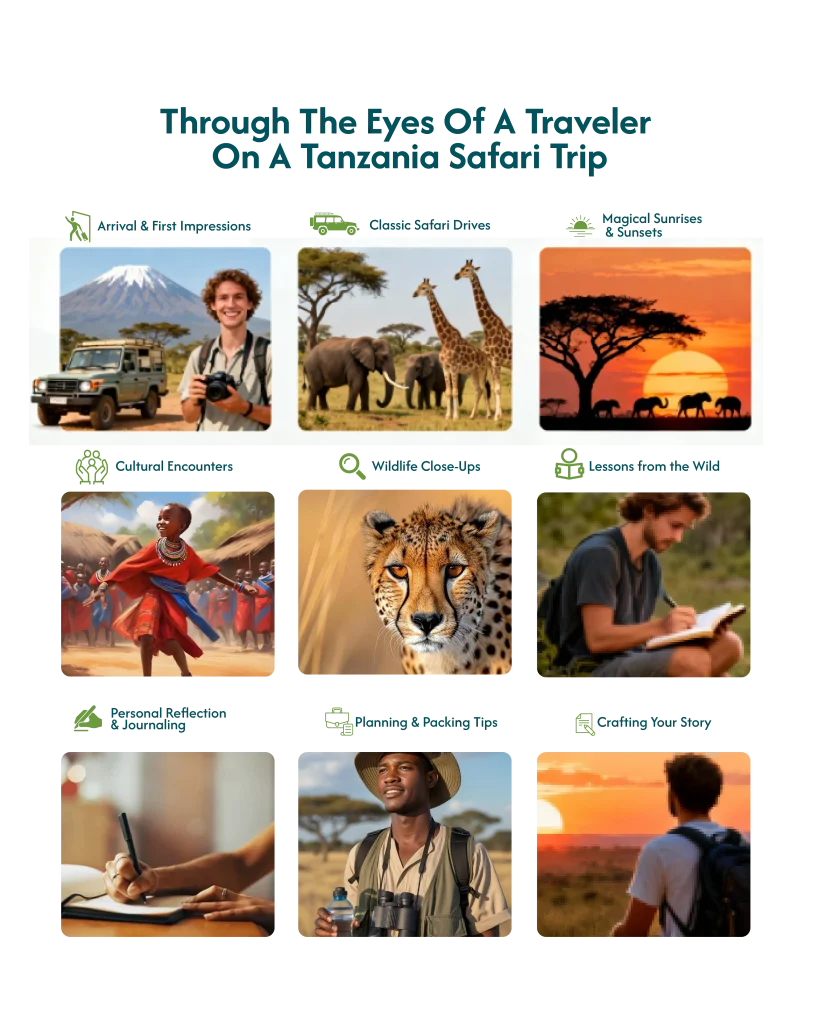
Want to hear more interesting stories like these? Visit our Through the Eyes of a Traveler on a Tanzania Safari Trip from African Scenic Safari to learn more.

Practical Tips for Cultural Safaris

To travel respectfully is to travel responsibly. When you’re dealing with Tanzania’s local communities, those small things you do make a huge, huge difference.

Tanzania Cultural Safaris
  • Pay attention to Photo Rules. You absolutely must ask before you take any photos—especially inside the villages. Seriously. Some communities are very private, and simply asking shows them respect. If someone says no? Just smile and put the camera away. Easy.
  • For the dress code, modesty is a big deal, and it’s totally appreciated. If you’re a woman traveler, wear skirts or trousers that cover your knees. Guys should avoid sleeveless shirts when visiting cultural spots. It’s an easy way to show respect.
  • Spend wisely, make sure your money goes to the right people. Buy those handmade souvenirs directly from the artisans. When you buy beadwork, carvings, or fabric at a fair price, you’re helping those families directly—not some middleman.
  • Language & Connection: While you are on your journey, you can take your time to Learn just a few basic Swahili words! It makes a massive difference. These little efforts always bring huge smiles: Asante sana (Thank you very much), Karibu (Welcome), Pole pole (Slowly, take your time)

Guide’s  Tip:

“When you enter a village, remember this: you are a guest in someone’s home. Greet warmly, listen deeply, and leave respectfully.” 

Tanzania Safari Packing List

Want a handy Tanzania Safari Packing List? Download our Cultural Safari Etiquette & Packing Guide PDF.

Need the actual packing list? Check out: What to Pack for a Tanzania Safari?

With African Scenic Safaris, you don’t just witness culture – you become part of it. Our tours are designed to connect you meaningfully with Tanzania’s people while ensuring your presence genuinely benefits the communities that make this land so extraordinary.

Walking With Communities, Not Just Watching Wildlife

A Tanzania Tour and Safari isn’t just the Big Five or those endless horizons. It’s totally about the people—the ones whose spirit fills that land with all the color, all the rhythm, all the life.

Tanzania Safari Community

From the super proud Maasai out by the Serengeti to the Chagga farmers living right under Kilimanjaro, every single step you take through those communities makes you understand the real soul of Africa, deep down.

We feel strongly about this at African Scenic Safaris: trips should connect hearts as much as they connect the horizon. By walking with the communities, not just staring at them, you help preserve that heritage, you empower those families, and you sustain the balance between people and the wild. That’s the key.

So, when do you plan to go on your next Tanzania Safari? Choose to travel with purpose by learning the Best Time to visit Tanzania. Let your journey echo way beyond the plains—right into the lives, the songs, and the dreams of the people who make Tanzania feel absolutely timeless.

Simbo Natai
Simbo Natai, founder of African Scenic Safaris, crafts sustainable, meaningful Tanzanian journeys rooted in his deep local knowledge and passion.
Director, African Scenic Safaris

How Timing Your Kilimanjaro Climb Affects the Cost, Crowds, and Success Rate

If you’ve been following our guides, you already know the big secret: the Best Time To Climb Kilimanjaro is one of the biggest factors that can make or break your trip. It changes how much cash you drop, how many people you’re bumping into on the trail, and even your actual shot at reaching the summit.

Timing here isn’t just some boring planning detail; it’s the key thing that defines your whole journey. The mountain’s amazing beauty, your comfort level, and whether you actually succeed all come down to how the weather, the seasons, and the crowd levels line up when you’re there. You absolutely have to understand the rhythm to choose the perfect moment to start this Mount Kilimanjaro Climbing.

Every season tells a different story. Some write about beautiful golden sunrises, some about quiet summits, and yes, some are about rain-soaked trails. Your timing will determine everything: your budget, your comfort, your safety, and your opportunity to succeed. Let’s dive deeper into choosing your perfect Kilimanjaro Weather window.

In this guide, we’re going to get into the details of exactly how the Best Month To Climb Kilimanjaro affects the price, the crowds, and your summit odds. We’re giving you the straight truth from African Scenic Safaris, which has been guiding people for over 15 years, year-round. Plus, you’ll see real data from the big players: TANAPA, TMA, and the WMO — so everything here is grounded in real experience, not guesswork.

How Kilimanjaro’s Seasons Shape Your Climb

Forget what you know about summer and winter. Kilimanjaro’s climate is unique—it doesn’t follow that schedule. It’s all dictated by the wet and dry periods because it’s right on the equator. This means two major dry seasons and two rainy ones, each of which completely changes the trail conditions, views, and difficulty.

Kilimanjaro Season
Kilimanjaro Season

Here’s what it looks like:

  • Dry Season 1 (January–March): These months are cool and clear. Best visibility for photos, the air is crisp, especially in the mornings. The crowds are just okay, not too many people since it’s the Kilimanjaro high season.
  • Rainy Season (April–May): Expect heavy rain at the bottom and trails that are just full of mud. Look, unless you’re a glutton for punishment and a super-experienced hiker, skip this time.
  • Dry Season 2 (June–October): Warm, super stable, and dry. This is peak time and the absolute Best Time To Hike Kilimanjaro. The views are unbelievable, and your odds of summitting are at their highest.
  • Shoulder season (November): You’ll get some light rain, but the slopes empty out, and it’s way cheaper. Great if you want total solitude and don’t mind a little private moment.
Late March to Early June are wet months due to heavy showers, but the crowds are gone and you have the mountain to just a few of you. June to Early October is also a dry month, although a bit cooler with afternoon showers in most cases, but skies are clear in most cases. - KINAPA

This weather cycle affects more than just what you think. It hits trail safety, which routes are smart to take during Mount Kilimanjaro Climbing, and how well your body handles the altitude. According to the data collectors (TMA and WMO), the dry months give you the best trekking conditions due to minimal rain, comfortable temperatures, and lower humidity.

“Understanding the mountain’s rhythm helps climbers prepare mentally and physically. We plan every single trip around these cycles to give our teams the maximum shot at success.” 

Best Time For Kilimanjaro Climb

A GUIDE EXPERT AT AFRICAN SCENIC SAFARIS 

Want more detail? We have a full guide on what each month on Kilimanjaro is really like in 2026.

How the Season You Choose Affects the Price You Pay

To be honest, climbing Kilimanjaro isn’t cheap, especially during the Kilimanjaro high season, but the month you pick can actually save or cost you serious money. The mountain climbing season directly impacts every single dollar you spend, from park fees and guide rates to your hotel before and after the Kilimanjaro Climb.

Kilimanjaro Weather
Kilimanjaro Weather

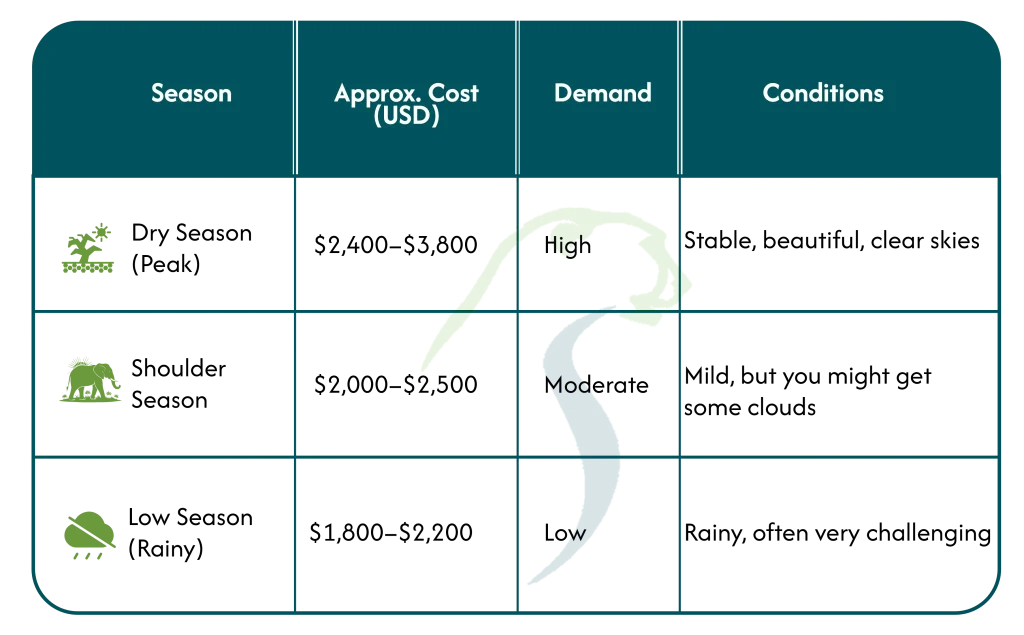
During the peak seasons, which are January to March and June to October, there is a very high demand. Climbers from all over the world find this season perfect before choosing Kilimanjaro Climbing Packages, making it the busiest and most expensive time of the year. The cost of porters, guides, and gear companies is very high, and the lodges are fully booked months ahead. Be prepared to pay premium prices.

Here’s the basic pricing cheat sheet:

Kilimanjaro Climb Cost

If you’re trying to save money, your best bet is hitting those shoulder months—March, October, or November. Good Kilimanjaro Tour Operators will offer discounted packages without cutting corners on safety or quality. Just know that April and May are super cheap for a reason: the rain is heavy and unpredictable, making the climb genuinely risky.

Want the full breakdown? Here’s exactly How Much It Costs to climb Kilimanjaro.

Why the Number of Climbers Changes With the Calendar

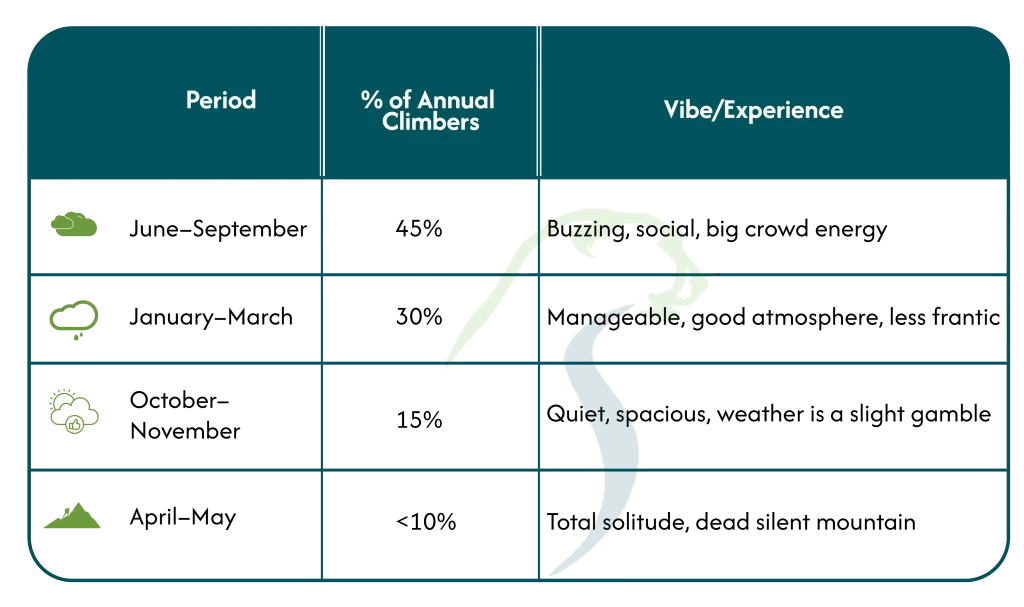
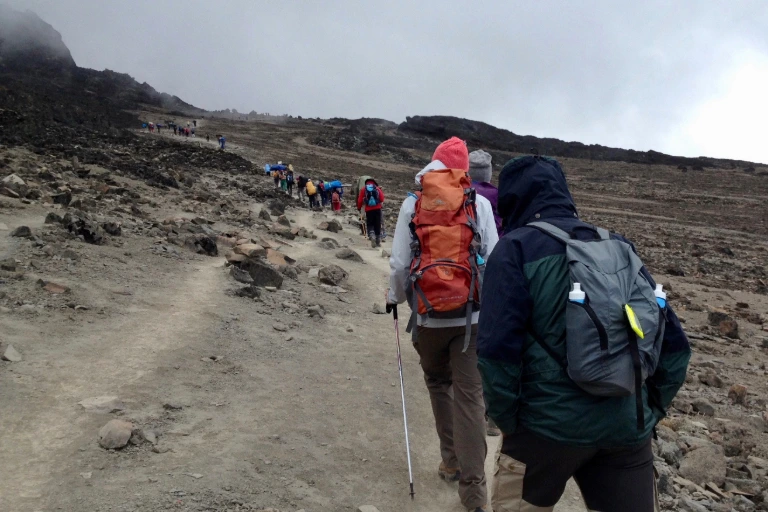
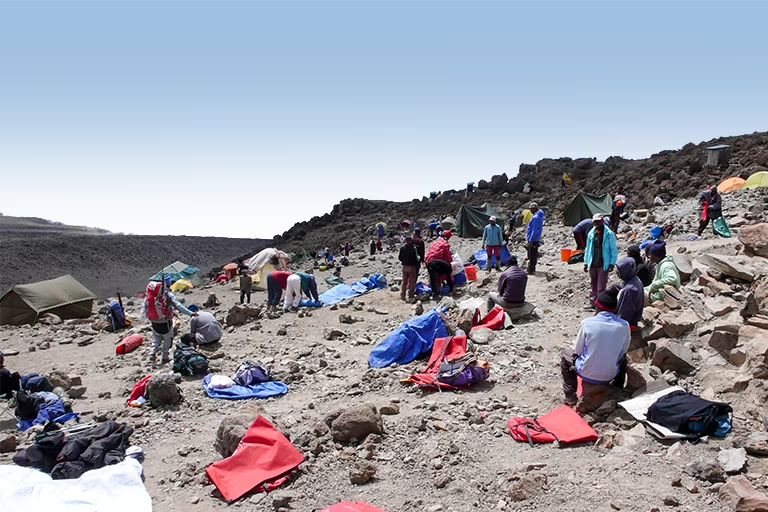
The number of people on Kilimanjaro is going to completely change the entire feel of your trip. Seriously. During the high season (June–September), the mountain becomes alive, and the Kilimanjaro crowd levels are so high that it can be overwhelming if you are not a people person. Trekkers from all over the world are sharing the trails, the Kilimanjaro Camps are packed, and summit night can feel like one big, global party. But here’s the reality: all that energy means campsites are tight and you must book your Kilimanjaro Climbing super early.

When To Climb Mount Kilimanjaro

Now, look at the shoulder seasons (March and October). These are the sweet spots. You’ll see enough people to make friends and share some stories, but you still have room to breathe. You’ll spend way less time waiting around at viewpoints or for water, and dinner is a lot more relaxing.

Then you get the low season (April–May). The mountain is basically silent, the mist rolls in thick, and honestly, you could hike for days without running into another group. If you’re a total isolationist, this is your dream, but know the trade-off: muddy trails and a serious chance of rain delays.

Here’s the breakdown based on the numbers from KINAPA:

Kilimanjaro Climb Cost

Crowd levels affect your rhythm,” explains the Guide at African Scenic Safaris. “During busy months, you’re just moving with a big flow. During quiet moments, the mountain can become your deep personal space. Both options are cool, it just depends on what you’re looking for.”

Best Time To Go To Kilimanjaro

Heads up: Ready to commit? Read why the Dry Season Might Be the Best Time To Climb Kilimanjaro.

Why Season Plays a Key Role in Reaching the Top

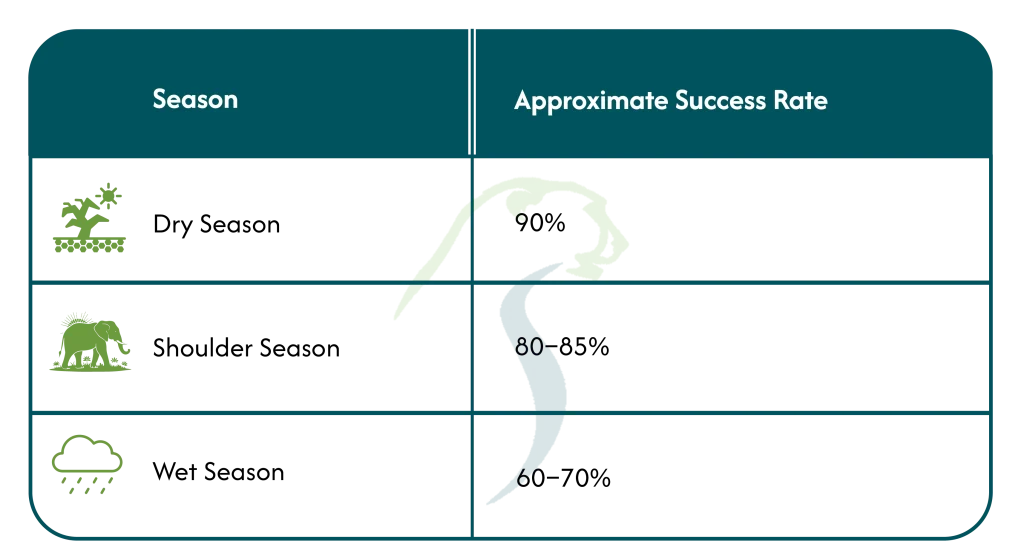
Timing isn’t just about feeling comfortable; it’s the single biggest factor in whether or not you actually stand on Uhuru Peak. Kilimanjaro’s weather and trail conditions can either totally back your effort or flat-out sabotage it. During the dry season, your Kilimanjaro summit success odds are the highest. The trails stay firm, the air is much clearer, and the chances of your climb being ruined by weather are minimal. Data from TANAPA and the big mountaineering groups prove this: success rates in the dry season average 85–95% for climbers who take the recommended 7–9-day routes.

Best Time To Climb Kilimanjaro

By comparison, during the wet months (April–May and November), those rates can seriously drop to 60–70%. Rain makes everything complicated: slippery scree, muddy trails down low, and heavy snow buildup near the top can cause huge delays or force your entire group to turn back.

Reaching the summit is easier when weather conditions are stable. Predictable weather means you will get a better rest, consistent pacing, and a much lower risk of altitude sickness ruining your climb.

Here’s the quick success rate comparison:

Kilimanjaro Climb Cost

The mountain is kind when it’s calm,” says Senior Guide, who has summited over 200 times. “In the dry season, climbers have time to breathe, adjust, and win.”

Need the full details? Read our deep dive: How Weather Impacts Summit Success on Kilimanjaro.

Match Your Climbing Priorities with the Right Season

One thing you need to know is that not every climber is chasing the same things; some want comfort, others crave solitude, and plenty of people just want to save a few bucks. Here is the Kilimanjaro Climbing Guide on how you match your personal goals with the absolute best month to climb Kilimanjaro.

Kilimanjaro Climb Cost

The January–March season will give you that breath of fresh air and quieter slopes, while June–October is simply unbeatable for mountain visibility and high-energy trekking adventure. And don’t overlook the season in November because it’s an underrated gem with mild rains, but way fewer people, and most importantly, lower costs.

Kilimanjaro Climbing Time

As the team at African Scenic Safaris always says, “Every season tells a different story. You just need to pick the one that fits yours.”

The journey to the summit will take around 5-9 days, depending on which route you opt for. Each day will be spent hiking, with breaks in the middle for rest and meals. At nighttime, you’ll get to sleep in campgrounds, outdoor tents, or huts, again depending on the route.

Ready to commit? Check out our full breakdown: Best Time to Summit Kilimanjaro in 2026.

How to Time Your Booking and Maximize Value

Let’s talk about strategy. Want to secure your spot and not blow your budget? Timing your booking is half the battle. If you’re planning a peak season climb, you need to lock it down early—something like six to eight months ahead of time. Park spots fill up fast, and trust me, the absolute top guides get reserved first.

Kilimanjaro Climbing Season

Key Moves to Maximize Your Kilimanjaro Climb Planning:

  • Lock in your operator ASAP: Don’t wait around. At African Scenic Safaris, we suggest that you book our best slots quickly. As our popular routes, like the Lemosho Route and Machame Route, fill up early. 
  • Balance Cost & Comfort: Want a deal without risking a total wash-out? Target those shoulder months (March or October). They offer the best mix of affordability and good trekking weather.
  • Prep Gear by Season: Your Kilimanjaro Packing List changes dramatically! Dry season means SPF 50, and sun protection is paramount. Wet season demands absolute, serious waterproofing. So, it’s wise to plan.
  • Handle your travel documents: For Visas, park permits, travel insurance, and vaccinations, you will need to get these administrative issues sorted months in advance. Don’t let a missing important document ruin a trip you spent half a year planning.

As a Guide at African Scenic Safaris wisely put it, “Climbing Kilimanjaro is as much about preparation as passion. Good timing starts with good planning.” Think about that when you pull out your calendar.

Need help building the budget? Read our guide on How to Plan a Realistic Budget for a Kilimanjaro Climb.

Your Moment to Claim the Summit

If there’s one piece of advice to take away, it should be this: timing changes everything on Kilimanjaro. It’s not just about feeling comfortable, either. The month you choose decides if you stay safe, control your expenses, and ultimately determines if you actually stand on Uhuru Peak. 

Best Time For Kilimanjaro Climbing

The dry seasons? They’re just better: offering rock-solid stability and views that will drop your jaw—perfect for a first-timer or if you want killer photos. 

The shoulder months? They’re your best bet for quiet trails and snagging a deal.

If the goal is to see this mountain at its absolute peak, you need to be there during the golden windows of January–March or June–October. This is the Best Time To Climb Kilimanjaro. Don’t hesitate—book that trip now. Train like you mean it. You absolutely have to make sure your schedule works with the mountain’s natural rhythm. That’s the real secret to summit success.

As the crew at African Scenic Safaris always puts it: “Climbing Kilimanjaro isn’t about conquering the mountain. It’s about learning its moods—and timing your steps to its heartbeat.”

Your summit story is waiting for you to write it. Get out there and write it.

Talk to a Kilimanjaro Expert Today to get personal advice on timing, a full cost breakdown, and secure your spot on an expert-led expedition.

Simbo Natai
Simbo Natai, founder of African Scenic Safaris, crafts sustainable, meaningful Tanzanian journeys rooted in his deep local knowledge and passion.
Director, African Scenic Safaris

Through The Eyes of a Traveler on a Tanzania Safari Trip

Perhaps you’ve heard most enthusiasts brag about their experiences on Tanzania Safaris, saying things like, “I’ve never had such a beautiful bush dining experience under the stars all my life.” And others might say, “That safari in Tanzania was a moment!”. And you become curious about what a Tanzania Safari looks and feels like.

Let’s be honest, everyone has a dream destination they would like to visit one day, and for many safari travelers, Tanzania is that destination. Indeed, this is a must-visit country if you want to have the best safari experiences of a lifetime.

Tanzania Safari Tours

From the iconic Ngorongoro Crater, home to thousands of wild animals and vegetation despite its volcanic nature, to the lion-climbing lions in Tarangire, a Tanzania Safari Tour has a lot to offer to the traveler who wishes to get the best, unforgettable safari.

Experience a safari on foot to view a large herd of elephants, scenic view of the Tarangire landscape, and see the African big cats.” - TANAPA

As you plan to go on Safari Tours In Tanzania, get ready to know from airport transfers to high-quality accommodation. Because these experiences will connect you not only to Tanzania’s wildlife but also to its people, culture, and rhythm.

Tanzania Safari Trip

Furthermore, in this blog, you will explore the safari journey from a traveler’s point of view. The emotions, discoveries, challenges, and reflections that will help you get a sense of a true Tanzania Safari. 

The Journey Begins – Arrival and First Impressions

The moment you step out of Kilimanjaro International Airport (JRO), that moment right there will be a life-changing moment. You will be greeted by the wave of warm, fresh air with the scents of acacia, nature, and wildlife adventure. Seeing the view of Mount Kilimanjaro gives you a glimpse of how spectacular your safari adventure is going to be.

A Great Start To Tanzania Adventure

Your Tanzania Safari adventure starts on the road (or flight if you prefer) to the northern circuit, where the most iconic national parks are present. 

  • You’ll see different stories of people and the landscape on the road, children waving with laughter, the Maasai herders tending to the cattle, and the sound of nature calling you closer. 
  • This drive is a gentle initiation. The farther you go, the more the city fades into wilderness, where you’ll start and experience the true meaning of Tanzania Tours.
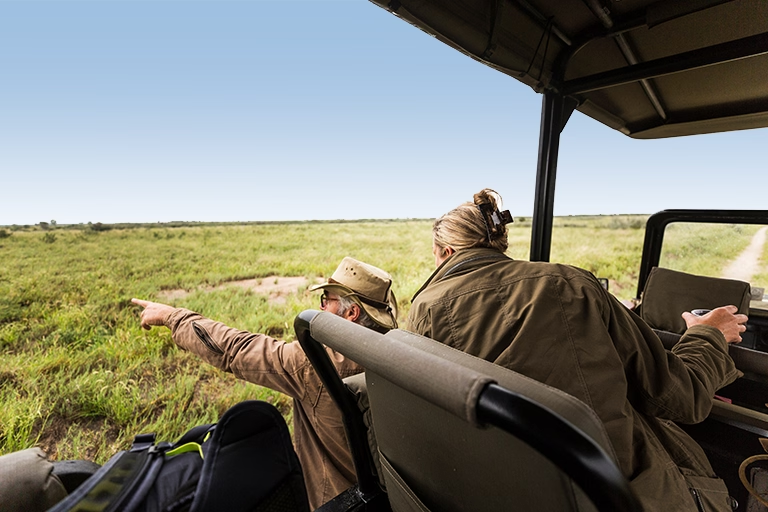
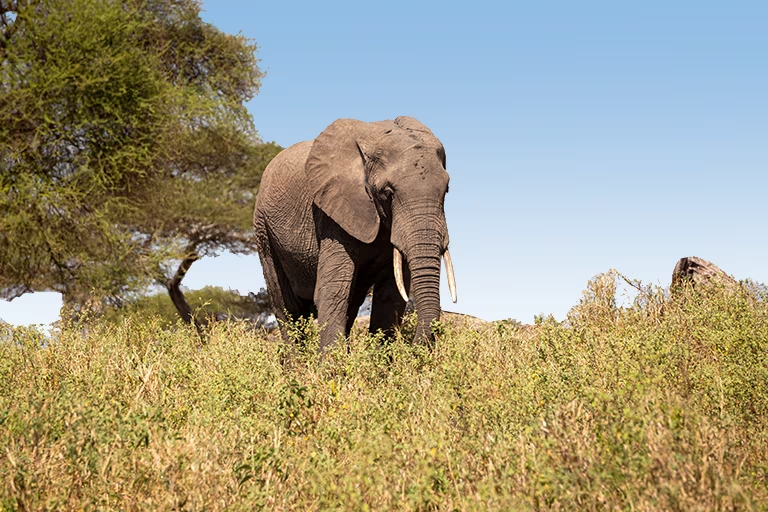
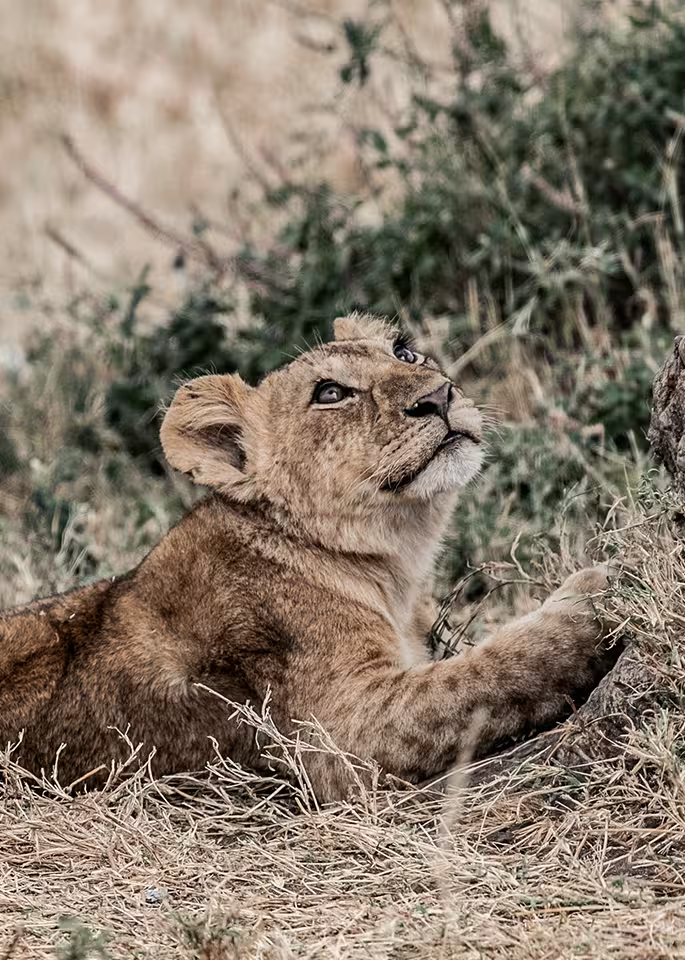
  • The moment you have genuinely experienced during your Tanzania Big Five Safari is here. Be it a 10-ton elephant, a lion climbing a tree, or a giraffe elegantly crossing the road, you can behold all these sights on a safari game drive. 

All this, and many more experiences and memories you will have along the way, are what Tanzania Safari Trips have to offer.

“What an amazing experience, my husband and I loved our safari adventure! Our tour guide, Tom, was excellent, as well as the transport provided. He made us feel safe and provided interesting information about the areas and animals along the way.

Tanzania Safari Experience

The accommodation was excellent yet terrifying at times in the tent, particularly when a herd of elephants decided to walk by in the middle of the night, and hearing lion roars nearby too, had my heart racing!

Definitely slept a little better in the hotel with four walls! Haha.”

Jess, from Brisbane, Australia.

Ready for a spectacular, jaw-dropping safari experience? Visit our Tanzania Safari Planning Blog to learn more about how you can start planning your safari from the comfort of your home.

A Day in the Life of a Traveler on Safari

Imagine waking to the Serengeti sunrise, with Tarangire birds singing, filling you with joy and the perfect safari mood. You are now ready to explore and receive the gifts of nature —the beautiful flora and fauna of Ngorongoro.

Tanzania Safari Travellers

Fueling Up for Adventure – The Perfect Morning Start

With a quick cup of fresh Arabica coffee produced from the beautiful plantations in Kilimanjaro, get ready to be immersed in the best safari wildlife experience tailored and made according to your budget and your Tanzania Safari Itinerary

Setting Off – The Excitement of the First Game Drive

The first step into a 4×4 vehicle that is already set for you will build the anticipation for the first activity of the day, the wildlife game drives. You will go on a live encounter with nature, seeing the best wildlife phenomena along the way. Game drives are the best because you will learn and have fun during this type of activity.

Witness the wildebeest from the Serengeti move from one park to another during the migration season, see the big cats preying on other animals, and get closer to the big herd of elephants in Tarangire that will give you unforgettable memories on your African Safari In Tanzania.

Tanzania Safari Wildlife

A Bush Breakfast Like No Other

After having that thrilling game drive of your life, what a terrific way to celebrate nature than having a bush breakfast set under the shade of an ancient acacia tree? With fresh tropical fruits, an open kitchen experience, and the natural serenity surrounding you, get the best Luxury Safari in Tanzania experience offered only in Tanzania. In this moment, you’ll have light conversations with smiles, creating a beautiful, friendly atmosphere in the wild.

Midday Rest – Relaxing in the Heart of Nature

During the midday, you will have time to reflect and rest at your well-tented camp or lodge, enjoy the delicious lunch with a Tanzanian touch, and even dive into a pool if you prefer, with the sunbeams kissing your skin. This rest will give you enough time and keep you in a fresh mood for the evening game drive, with the brilliant sunsets and sundowner experiences served with a chilled drink in your hand. At the same time, you watch the silhouettes of elephants and giraffes against the horizon. 

Ending the Day Under African Stars

You will end the day by dining under the stars and dancing on the spectacular bonfire, recapping the safari game drives you went on. Tanzania Safari Trips are not just about the itinerary or the set schedule; they’re about the experiences that symbolize rhythm and renewal, connecting you to the heart of Tanzania’s iconic wilderness.

Planning on going on a Tanzania Safari in 2026? Learn more about the cost and styles of our Tanzania Safari Packages.

Cultural Moments That Leave an Impression

A Tanzania Safari Tour is more than wildlife and scenery; it’s also a journey that connects you to the heart of its people. Travelers are welcomed into local communities beyond the savannah, where the country’s rich cultural tapestry truly comes to life. Here, the rhythmic songs of the Maasai, a sign of openness and kindness to guests, will warmly welcome you. Additionally, don’t forget the market vendors who offer beautiful cultural pieces you can take back home. Ultimately, every encounter adds value and meaning during your Tanzania safari adventure.

Tanzania Cultural Safaris

What To Do During Tanzania Cultural Safaris?

The best highlight of the cultural moment is visiting the Maasai villages. Clad yourself in their beautifully made “shukas” while learning about their traditions, lifestyle, and their connection to nature. You’ll be invited to join in the songs and dances. And this interaction will remind you that the people in Tanzania are as beautiful as its wildlife.

You will go for a walk at the local markets and small villages, where you will get an opportunity to find vibrant stalls selling handmade crafts, spices, and produce. This experience will give you a glimpse of everyday life in Tanzania, the laughter and stories told by the artisan, and the aroma of coffee beans that will bless your soul.

Tanzania Cultural Tours offer moments of encounter that leave you with more than just memories. They build respect and relationships, as we should (as humans). Because of these genuine exchanges, travelers come to realize that the Tanzanian spirit is not only kept in the wild spaces. But also in the kind smiles of the people and their lifestyle traditions.

“African Scenic Safaris partners with initiatives such as the Tanzania Cultural Tourism Programme (TCTP) to ensure that all cultural visits are authentic, ethical, community-led, and have a positive impact on local communities. These programs ensure sustainability and mutual respect, allowing visitors to learn while giving back to the beautiful communities they meet.”

“In the pastoralist areas in the North, follow the Iraqw, Barbaig and Maasai footsteps to explore traditions and a way of life very closely linked to nature and wildlife.”

Tanzania Cultural Tourism Programme (TCTP)

Ready to explore the unmatched and authentic Tanzanian culture tourism? Visit our page to get more insights about 👉Trips With a Purpose: Tanzania’s Cultural Tours.

Lessons & Takeaways from Travelers

Every Tanzania Safari adventure gives you a story to tell; it is more than the photos you carry; it’s about lessons and memories you make. However, there is no journey without challenges; you will have long drives between parks with dusty roads, and the early wake-up calls test your endurance. Moreover, going on a safari in Tanzania will teach you patience and humility in the best possible way.

Tanzania Safari Tours

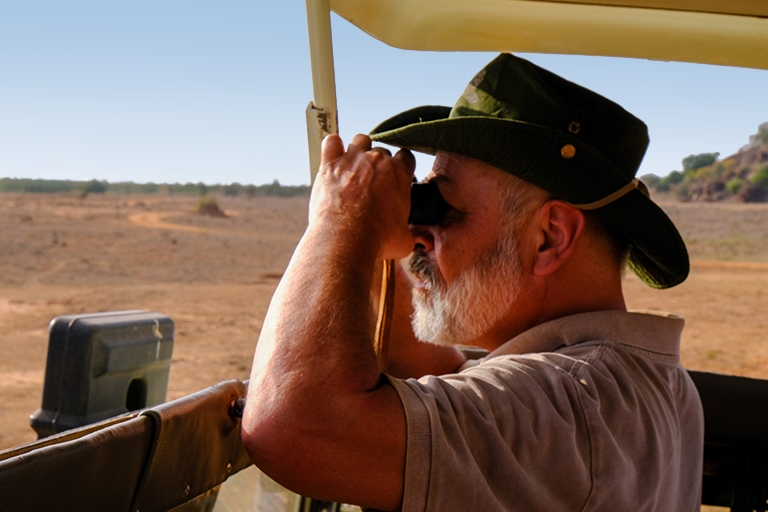
You will gain practical wisdom from the experience, and you will learn quickly what a Tanzania Safari Packing List includes, which will help you make your safari more comfortable. For instance, light, breathable clothing, wide-brimmed hats, and binoculars are some of the essential items you need to include in your list. Don’t forget the power bank and some insect repellent, as the arid nature means mosquitoes are nearly everywhere. Knowing this will help you prepare for the future, ensuring the most comfortable safari.

Emotionally, Safari Tours In Tanzania will leave you with a mark that forever stays with you. From the Great Migration safari in Tanzania in the Serengeti, to the kindness of the tour guides, the beauty of a Maasai rhythm, this will remind you how vast, wild, and connected our world is. Indeed, most of our visitors identify a Tanzania safari trip as a personal reset, a moment of change and shift where gratitude deepens.

So, whether you are about to go on your first or third safari, or that Private Safari In Tanzania you have been wishing to go to, listening to stories from those who have been through a Tanzania safari will add a layer of authenticity to your upcoming safari adventure. Each traveler’s story is a testimony to Tanzania’s living legacy of shared humanity.

Thinking of going on a Tanzania Safari Tour?

Picture waking up to the call of the wilderness on a Big Five Safari in Tanzania. Watch the sunrise beam over the Serengeti plains, living the moment you’ve always dreamed of. African Scenic Safaris is here to make sure that this dream turns into reality. With us, your Tanzania safari itinerary is not just planned, it’s personalized.

Download a FREE “Traveler’s Safari Guide PDF” — with real packing tips, insider advice, and planning checklists from past guests.

As you are planning to go on a Tanzania safari, you need to be aware of and sure of what you include in your packing list. It is also important to remember that the luggage limit per person should not exceed 15kg.

Tanzania Safari Packing List

Safely prepare for your adventure with our What to Pack for a Tanzania Safari Guide.

A Traveler’s Story Becomes Yours

Every traveler who goes on a Tanzania Safari Trip discovers more than a tourist destination, but also discovers themselves. From the first lion’s roar from across the Ngorongoro to the last sunset against the Serengeti horizon, each experience creates a chapter in your safari adventure story. Seeing Tanzania through other travelers’ eyes inspires you to experience it yourself and create your own unforgettable adventure.

Tanzania Safari Tour

During your Tanzania cultural tours, you might share a laugh with a young Maasai girl one day. Even join the dance, or capture a photo of the flora and fauna during the Ngorongoro Crater Safari experience. Or just simply sit in silence as you watch the savannah turn gold at dusk. All this is what your journey can be, unique according to what you want to experience in Tanzania.

It’s time for you to take that first step into the wildlife safari in Tanzania. Create your own story within nature, include an elephant herd from Tarangire, the big five in the Serengeti, and the amazing Maasai people in your safari book, because who knows, you might encourage another traveler to go on a Tanzania safari. Get ready to write a new story & glimpse Tanzania safari tours!

Simbo Natai
Simbo Natai, founder of African Scenic Safaris, crafts sustainable, meaningful Tanzanian journeys rooted in his deep local knowledge and passion.
Director, African Scenic Safaris
×