


Climb the Northern Circuit and Explore Every Side of Kilimanjaro
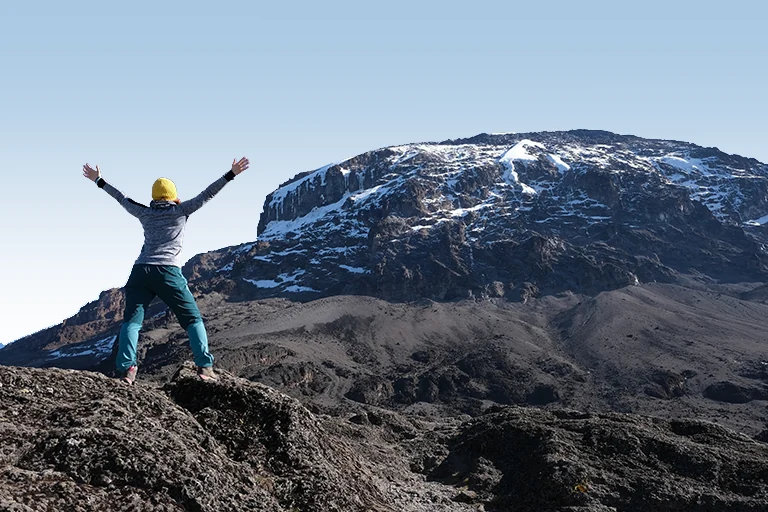
If climbing Africa’s highest mountain has been sitting in the back of your mind, not just as something to brag about, but as a full-on soul experience, then the Northern Circuit Route Kilimanjaro is honestly the route you should be looking at.
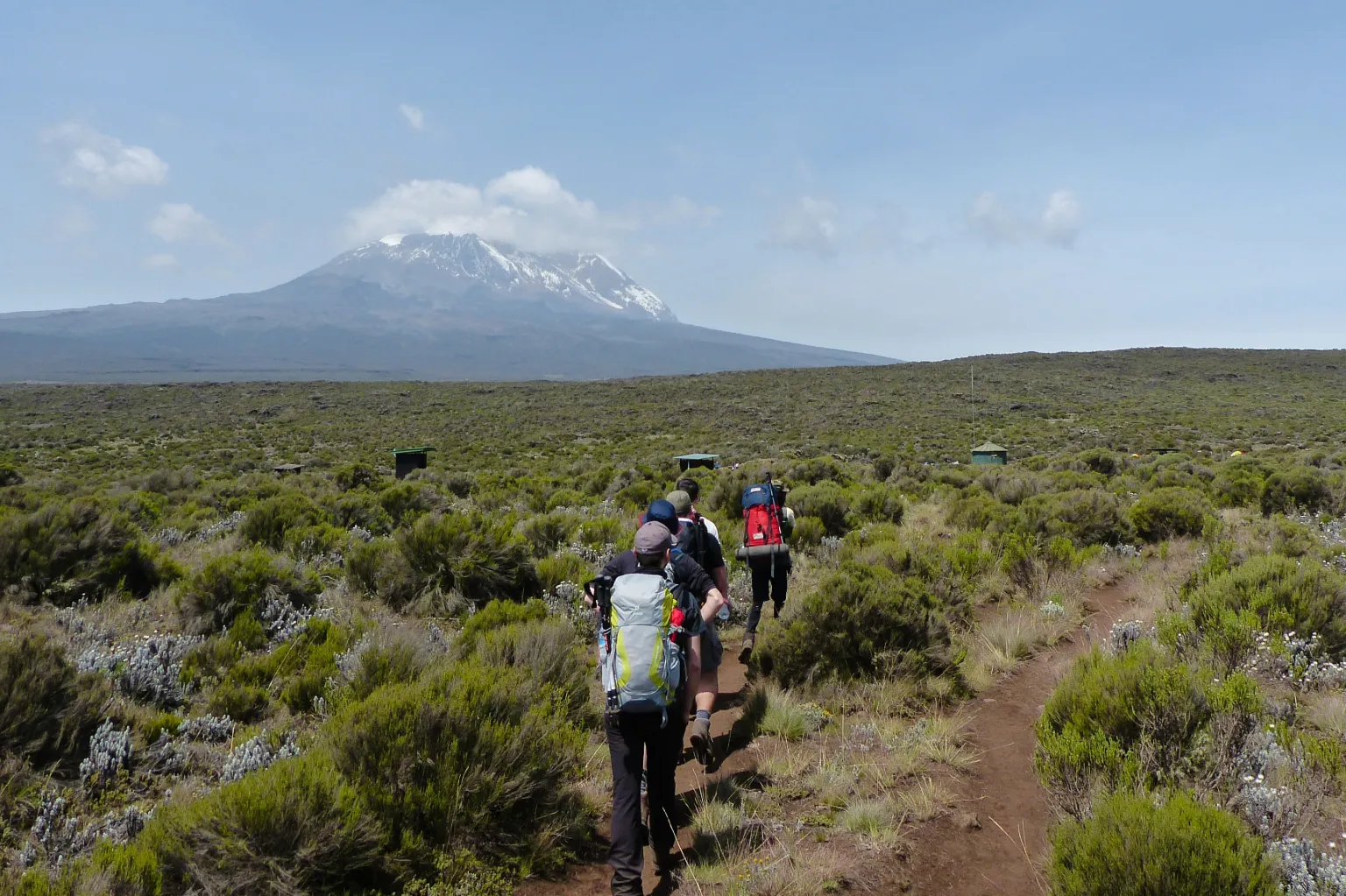
It’s the longest trail on Kili, wrapping around the entire mountain like you’re taking a slow, intentional walk with nature itself. One minute you’re in a lush rainforest, the next you’re strolling through quiet moorlands, then crossing these wild, ancient volcanic deserts, and finally stepping onto those iconic snowy ridges. The whole thing feels like moving through a living postcard, no filters needed.
And the best part? This route doesn’t rush you. Like, at all. It allows your body time to adjust to the altitude naturally, which is precisely why it boasts one of the highest summit success rates on the mountain. We’re talking more than 90%. So if your goal is to hit Peak Summit Route without stress and drama, the Northern Circuit literally sets you up to win.
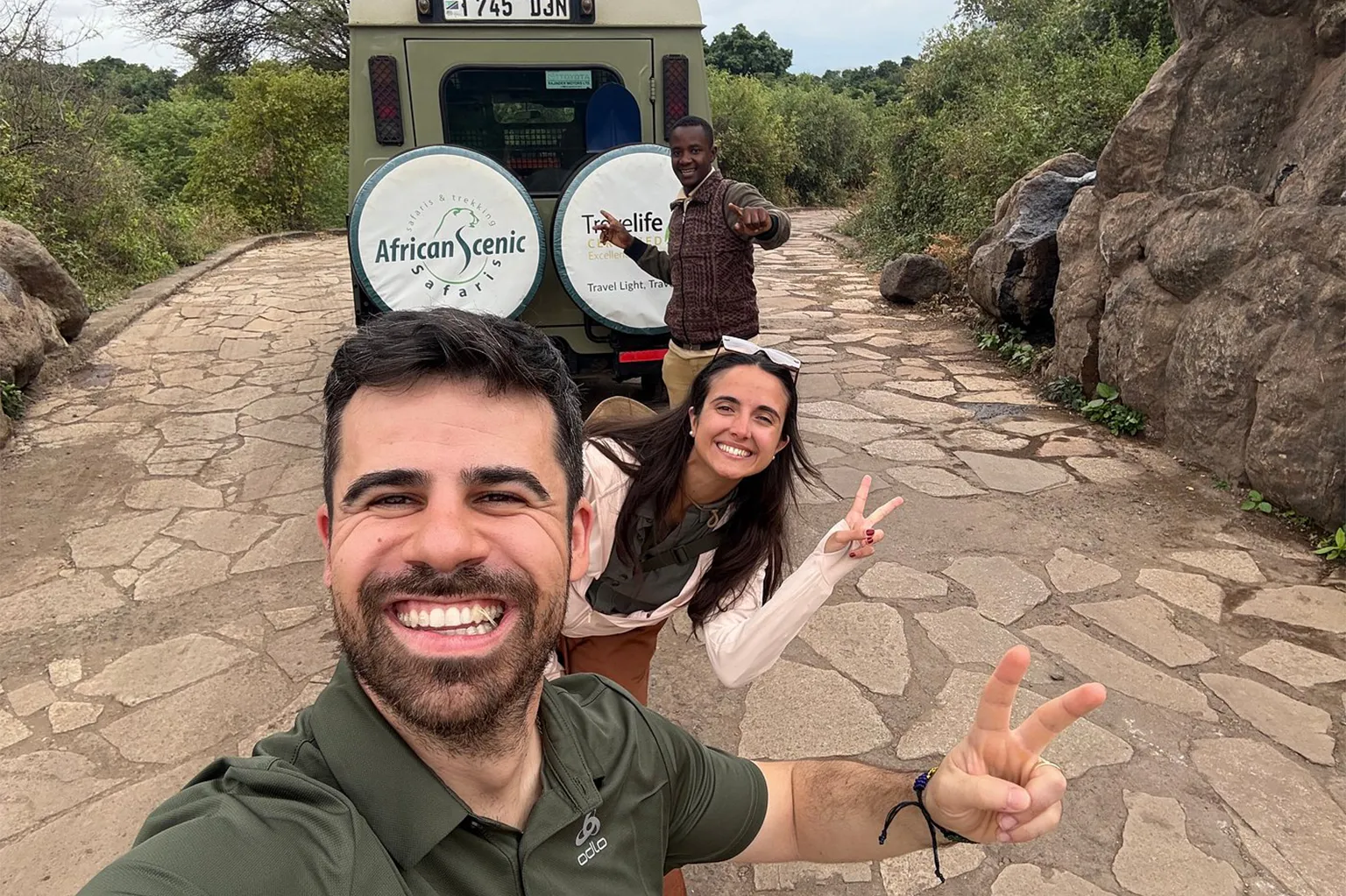
This guide you’re diving into? It breaks down everything that each day looks like, how acclimatization actually works, the weather you’ll deal with, the full cost breakdown, what to pack, and all the small, magical moments that make this route unforgettable. And it’s all backed by legit sources like Kilimanjaro National Park (KINAPA), Tanzania Tourist Board (TTB), KPAP, plus insights from Best Kilimanjaro Tour Operators at African Scenic Safaris who’ve taken countless climbers up this exact route.
So go ahead… tie your imaginary boots a little tighter. We’re about to walk around the entire mountain step by breathtaking step.
“The Northern Circuit grabs you the second you step on it, wild monkeys, rare high-altitude creatures, sunsets that stop you in your tracks. With African Scenic Safaris guiding the way, you see it all, feel it all, and actually live it.” – Guide Expert
Why the Northern Circuit Stands Out
Before diving into the daily journey, let’s talk about why this route is the favourite Kilimanjaro Route 2026 of guides, experienced trekkers, and first-time climbers who want the best odds of reaching the summit.

It’s the longest route, which means the best acclimatisation
The Northern Circuit spans 8–9 days, allowing your body ample time to adjust to the thin air. The principle “climb high, sleep low” is baked into this route’s DNA. That slow ascent is what makes the summit success rate so impressive.
360° views of Kilimanjaro
You’re not just approaching Kili from one angle; you’re circling it completely. Every day gives you a new horizon, a new angle of the mountain, a new story to carry home.
Fewer crowds, more peace
This is the quietest route on Kilimanjaro. The northern slopes in particular feel untouched, vast spaces, crisp air, and a silence that feels ancient.
You experience all five ecosystems
From tropical rainforest to high alpine desert to glaciers, you get it all. It’s like journeying through different worlds in a single climb.
African Scenic Safaris guides often say that the Northern Circuit is the most “complete Kilimanjaro experience.” If you want scenery, acclimatisation, solitude, and success, this is your trail.
Do you know your Kilimanjaro 2026 climb depends on the best Northern Circuit Route Cost?
Itinerary Breakdown (Day-by-Day Guide)
Arrival Day — Landing in Moshi/Arusha
Your adventure honestly starts the moment you land, you get off the plane, or step out of the car, and boom, you get hit by that warm Tanzanian air. It’s this mix of dusty, sweet, calm energy that immediately tells you, “Yeah… I’m here.”

Your guides scoop you up with those big, friendly smiles, go through your gear with you, and suddenly everything that felt like a plan on paper… becomes real. You’re finally climbing Kilimanjaro. The following is a summary of what a Kilimanjaro 9-Day Trek Northern Circuit Itinerary looks like:
Day 1: Lemosho Trailhead → Big Tree Camp
The full rainforest vibes, towering trees, and wild jungle at Lemosho Trailhead will welcome you, directly relaxing your body, mind, and soul with the colobus monkeys jumping up and down, excited to see you, and almost everything in this place is alive.
Highlights:
Distance: ~6 km | Time: 3–4 hrs
Altitude: 2,100m → 2,780m
Habitat: Rainforest
By the time you reach Big Tree Camp on the Lemosho Route, night has already fallen, and the stars flicker on like someone slowly brightening a giant, dark canvas. The longer approach of Lemosho means you spend hours winding through lush forest and open glades, so hitting the camp at this hour feels just right — quiet, peaceful, and a little magical. It’s that exact moment when you realise, “Okay… this is really happening.”
Day 2: Big Tree Camp → Shira 1 Camp
Now you get to leave the forest behind, and the mountain opens up. Wide views. Rocky trails. A little chill in the air. Shira 1 sits on this huge plateau, and the sunset here is actually insane. That Pure golden hour perfection.
Highlights:
Distance: ~8 km | Time: 5–6 hrs
Altitude: 2,780m → 3,500m
Habitat: Moorland
Day 3: Shira 1 → Shira 2
The amazing Shira Plateau will make you feel like you are walking on an ancient land that carries a story of a thousand years. To the side of the Shira Cathedral, you’ll see a huge rock formation that will definitely make you feel small.
Highlights:
Distance: ~7 km | Time: 3–4 hrs
Altitude: 3,500m → 3,900m
Habitat: Plateau
Day 4: Shira 2 → Lava Tower → Moir Huts
Here you climb up to Lava Tower at 4,600m, high enough for your body to go completely tired.
After that, you descend to Moir Huts to sleep, rest after the classic “climb high, sleep low” move. It’s one of the smartest ways to acclimatise.
Moir Huts is remote and quiet, the kind of quiet where you look up at the sky and feel like the stars are too close.
Highlights:
Distance: ~14 km | Time: 6–7 hrs
Altitude: 3,900m → 4,600m → 4,200m
Habitat: Alpine desert
Day 5: Moir Huts → Buffalo Camp
You swing to the northern side of Kilimanjaro, a side most climbers never touch. It’s empty, wide, and peaceful. In the night, the moon looks dusty, silent, and dramatic. This is where Kilimanjaro starts to feel personal, just you and the trail.
Highlights:
Distance: ~12 km | Time: 5–7 hrs
Altitude: 4,200m → 4,020m
Habitat: High alpine desert
Day 6: Buffalo Camp → Third Cave
This day is gentle. The views stretch out so far that you can see into Kenya. The trail is calm. Your breathing feels more natural again. It’s one of those days when you can hear yourself think.
Highlights:
Distance: ~8 km | Time: 4–5 hrs
Altitude: 4,020m → 3,970m
Habitat: Semi-desert
Day 7: Third Cave → School Huts
Here you will notice things slowing down, the air is thin, and your steps become heavy; you are reaching for the summit. Situated at the high-altitude basecamp, the School huts are the right place.
You eat early. Rest early. And try to get some sleep… because summit night starts before midnight.
Highlights:
Distance: ~5 km | Time: 4–5 hrs
Altitude: 3,970m → 4,750m
Habitat: Alpine desert
Day 8: Summit Day — School Huts → Uhuru Peak → Mweka Camp
This is the day. You leave camp in total darkness, headlamps glowing like tiny stars moving up the mountain. It’s cold. It’s slow. And it’s emotional. But you keep going. Then sunrise hits. The sky burns gold behind you. The glaciers glow ahead. And suddenly, you’re standing on Uhuru Peak, the roof of Africa.
It’s overwhelming in the best way, a rare mix of joy, exhaustion, disbelief, and gratitude. People cry. People laugh. Some just stare. After photos and celebration, you start the long descent to Mweka Camp, where your legs are done but your heart is full.
Highlights:
Distance: 6 km up + 12 km down | Time: 10–15 hrs
Altitude: 4,750m → 5,895m → 3,100m
Habitat: Arctic → Rainforest
Day 9: Mweka Camp → Mweka Gate
The final countdown is at this muddy, leafy, and cheerful walk through the forest, reminiscing on the journey you just made and being proud of what you’ve accomplished. You reach the gate, grab your summit certificate, look at your dusty boots, and it hits you: You climbed Kilimanjaro. Every step. Every altitude gain. And every breath. You earned it.
Highlights:
Distance: ~10 km | Time: 3–4 hrs
Altitude: 3,100m → 1,640m
Habitat: Rainforest

The table below summarises a 9-day Northern Circuit route.
| Day | Route | Distance | Time | Altitude Change | Habitat |
| Arrival | Moshi/Arusha | Town / Lowland | |||
| 1 | Lemosho Trailhead → Big Tree | ~6 km | 3–4 hrs | 2,100m → 2,780m | Rainforest |
| 2 | Big Tree → Shira 1 | ~8 km | 5–6 hrs | 2,780m → 3,500m | Moorland |
| 3 | Shira 1 → Shira 2 | ~7 km | 3–4 hrs | 3,500m → 3,900m | Moorland / Plateau |
| 4 | Shira 2 → Lava Tower → Moir Huts | ~14 km | 6–7 hrs | 3,900m → 4,600m → 4,200m | Alpine Desert |
| 5 | Moir Huts → Buffalo Camp | ~12 km | 5–7 hrs | 4,200m → 4,020m | High Alpine Desert |
| 6 | Buffalo Camp → Third Cave | ~8 km | 4–5 hrs | 4,020m → 3,970m | Semi-desert |
| 7 | Third Cave → School Huts | ~5 km | 4–5 hrs | 3,970m → 4,750m | Alpine Desert |
| 8 | School Huts → Uhuru Peak → Mweka Camp | 6 km up, 12 km down | 10–15 hrs | 4,750m → 5,895m → 3,100m | Arctic → Rainforest |
| 9 | Mweka Camp → Mweka Gate | ~10 km | 3–4 hrs | 3,100m → 1,640m | Rainforest |
Acclimatisation and Altitude Strategy
The Kilimanjaro Northern Circuit Route doesn’t just happen to have high success rates; it’s designed that way.

Why this route helps climbers succeed:
- Gradual ascent over 8–9 days gives your body ample time to adapt.
- Multiple high-altitude exposure points, like Lava Tower, help you adjust safely.
- Sleep-low patterns stabilise your breathing and prevent sudden altitude strain.
- Longer distances spread out the altitude gain, reducing the pressure.
Due to Kilimanjaro Acclimatisation, medical guidelines & mountain experts provide you with the following Tips:
- Sip water constantly — 3–4 litres per day.
- Keep your pace slow enough that you can talk while walking.
- Eat even when your appetite is low — your body needs the fuel.
- Watch for early signs of altitude sickness (headache, nausea, dizziness).
- Listen to your guides; they monitor your oxygen levels daily.
Guides from African Scenic Safaris often say: “The mountain gives you what you give it: patience, respect, and consistency.”
High-altitude environments expose travelers to cold, low humidity, increased ultraviolet radiation, and decreased air pressure, all of which can cause health problems. The biggest concern, however, is hypoxia, due to the decreased partial pressure of oxygen (PO2). At around 3,050 m (approximately 10,000 ft), for example, the inspired PO2 is only 69% of that at sea level; acute exposure to this reduced PO2 can lower arterial oxygen saturation to 88–91%. – CDC
Packing & Preparation Tips For Northern Circuit Route
During Mount Kilimanjaro Climbing, Layering is honestly the secret sauce; the weather switches up on you fast, from warm, humid rainforest air to cold, icy winds near the summit.

It’s not about carrying one big jacket; it’s about building your own climate system. Go for light base layers since they help keep the sweat off your skin, and a warm mid-layer is also important since it keeps the chill away.
Even the optional extras can make the climb way smoother, things like gaiters for dust, electrolytes to keep you balanced, and a portable charger for your camera or phone.
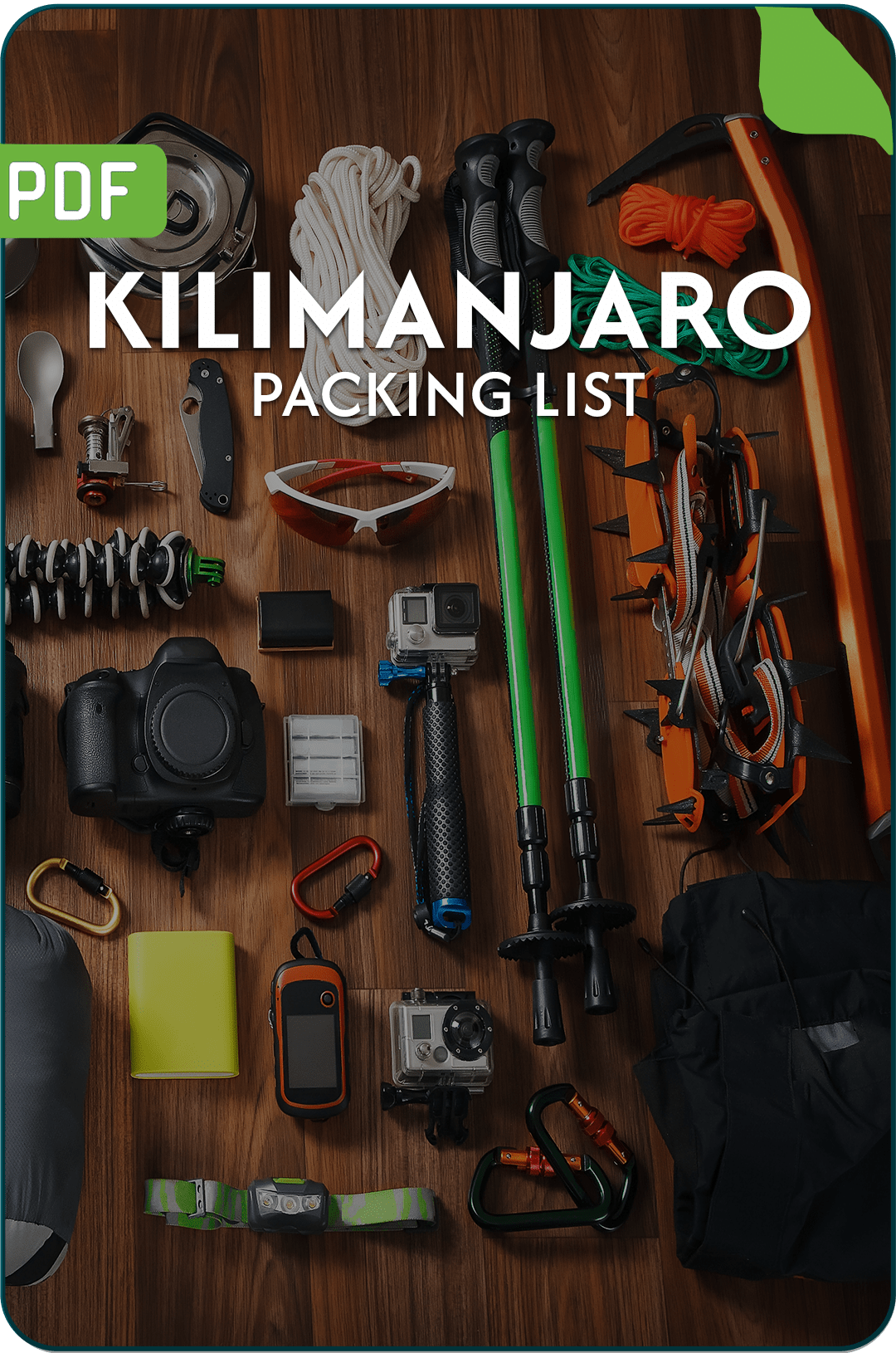
And honestly, having a downloadable Kilimanjaro Packing Checklist is clutch when you’re prepping months in advance and don’t want to forget a single thing.
| Item Category | Essentials | Optional but Helpful |
| Clothing Layers | Base layers (moisture-wicking) | |
| Fleece/insulated mid-layer | ||
| Down jacket (summit night) | ||
| Waterproof jacket & trousers | ||
| Accessories | Thermal gloves + heavy summit gloves | Gaiters |
| Warm hat & buff | Quick-dry towel | |
| Gear | Trekking poles | Portable charger |
| Headlamp | Electrolyte tablets | |
| 2–3L hydration bladder | ||
| Footwear & Sleep | Quality hiking boots | |
| Sleeping bag (-15°C rating) |
As you are prepping for your Kilimanjaro Climb in 2026, you need to know what clothes to carry because who knows, you might find yourself stressed! Check out our blog Mountaineering Gear – Pack for Northern Circuit Route Kilimanjaro to see what goes into that bag.
Cost Breakdown & What’s Included
Kilimanjaro Climb Cost is no joke; it’s an investment, but once you get to understand that the cost goes into getting you safely to the top, it makes total sense. You pay for things such as logistics that run like a small expedition: permits, gear, food, transport, medical support, and an entire team working behind the scenes to make sure you’re safe and comfortable. This is not just a hike, it’s an extremely careful, coordinated adventure tailored for you.

On top of that, you’re supported by an entire human ecosystem: Kilimanjaro Tour Operators, guides with years of experience, cooks who somehow make magic at high altitude, and porters who carry the weight of the trek literally. Ethical companies pay and treat their crews well, follow KPAP standards, and make sure safety isn’t compromised at any point. African Scenic Safaris typically falls in the mid-to-premium category, offering excellent service and KPAP-affiliated porter care.
| Cost Category | What It Covers | Notes |
| Park Fees (TANAPA) | Conservation fees, camping fees, rescue fees, VAT | One of the biggest cost components |
| Support Team | Guides, cooks, KPAP-regulated porters | Ensures safe, ethical, well-supported climbs |
| Meals & Equipment | Hot meals, drinking water, tents, mess tents, and medical supplies | All included during the trek |
| Accommodation | Hotel stays before and after the climb | Usually 1-night pre + 1 night post |
| Transfers | Airport pickup, mountain gate transfers | Full ground transport coverage |
| Safety Coverage | Emergency planning, evacuation readiness | Essential at high altitude |
| Total Trip Cost | $2,500 – $4,000 | Depends on mid-range vs premium package |
Climbing the Northern Circuit with African Scenic Safaris means you get the full 360° Kilimanjaro experience without having to worry about the details. Park entry fees, as set by TANAPA, range from $70 to $90 per day for international climbers, and they already include camping fees and the conservation levy. This means you can focus on the climb, the wildlife, and the incredible scenery instead of logistics.
African Scenic Safaris offers Kilimanjaro Climbing Packages to match your pace and goals. Their 9-Day Northern Circuit Route gives you a complete experience with careful acclimatisation and guidance from lead experts. For those who want a truly personalised adventure, custom packages are available with private guides and tailored routes.
Best Time to Climb the Northern Circuit Route
You can climb Kilimanjaro basically any time, but the mountain gives off completely different vibes depending on the season. It’s kinda like choosing which “mood” you want your adventure to have.

January–March
These months are calm. The trails aren’t crowded, the air feels cleaner, and the views? Chef’s kiss. It’s colder up near the summit, but the silence and space you get are honestly worth it. If you love quiet moments, fewer people, and taking photos that look unreal, this is your season.
June–October (Peak Season)
This is the mountain’s “everyone’s outside” era. The weather is at its best with warm days, crisp nights, and super stable conditions. It’s the busiest time, but in a fun way. You meet a ton of people, there’s good energy everywhere, and it just feels like the safest, smoothest time to climb. Perfect for first-timers because it’s the Best Time to Climb Kilimanjaro.
November (Short Rains)
November is chilly, green, and kinda dreamy. The trails open, the forests get lush, and the occasional rain makes everything smell fresh and earthy. Hardly any crowds. It’s the month you pick if you want peace, quiet, and a more personal connection with mountain climbing, like the whole thing is your private hike.
Before booking that flight to Africa’s highest mountain, you need to know the Best Month to climb Kilimanjaro so that you can climb at the right pace and time.
Experiences & Highlights On the Northern Circuit Route
The Northern Circuit… man, it grabs you the second you start, especially if it’s a Climbing Kilimanjaro for Beginners moment. You see blue monkeys swinging through the trees, hear colobus monkeys yelling at each other like they own the place, and sometimes, if you’re lucky, you spot these tiny, weird high-altitude animals and you just… stop. You can’t help it. You’re just there, staring. It’s alive. It’s wild. And it’s kind of magical.

And then there’s the Shira Plateau at sunset. The sun hits the lava fields, everything glows gold, and for a second… You forget about everything else. You just stand there. Later, in the alpine desert, the quiet hits you really hard in your chest. It’s raw. It’s peaceful. And it’s nothing like anywhere else.
Practical Planning Guide For Northern Circuit Route
Planning for Climbing Mount Kilimanjaro can feel a little overwhelming at first. There’s fitness to think about, visas to sort out, health checks, gear… the whole package. But honestly? Once you break it down, it becomes way less scary and way more exciting. This is how you prepare for one of the biggest wild adventures of your life.

And because Kilimanjaro isn’t just a casual weekend hike, having a simple, friendly guide makes a huge difference. Think of this as your “Kili prep buddy” giving you the real talk on fitness, travel requirements, vaccines, and even tipping etiquette so you walk into Tanzania feeling ready, confident, and low-stress. We keep it practical, honest, and human… exactly how it should be when you’re gearing up for a once-in-a-lifetime trek.
Fitness Prep: 8–12 Weeks Out
Think of this as your “get comfy with the mountain” phase. Nothing extreme, just building the kind of strength that makes the climb feel less intimidating.
- Get in the habit of doing one long hike a week.
- Show your legs and core some love: squats, lunges, planks, all that good stuff.
- And if you can, walk with a Kilimanjaro backpack that has some weight in it, because summit night will thank you later.
Visa & Travel Stuff (Super Simple)
Before you fly in, hop onto the Tanzania eVisa portal and make sure everything is sorted. It’s quick, and it saves you from airport stress.
Vaccinations & Health Prep
Nothing scary here, just the basics. The CDC recommends keeping your routine vaccines up to date and making sure you’re ready for high-altitude conditions. It’s all about keeping yourself safe so you can enjoy the climb fully.
Tipping Guidelines
Tipping is a big part of Kilimanjaro culture, and KPAP has solid guidelines to make sure guides, cooks, and porters are treated fairly.
Most groups simply chip in together at the end of the climb, super organised, super fair, no weird pressure.
Northern Circuit, An Explorer’s Dream
The Northern Circuit Route Kilimanjaro isn’t a climb you rush through just to say you did it. It’s slow, it’s calm, and honestly… it gives you space to feel the whole thing. You’re not stressing, you’re not fighting the trail, you’re just walking, taking in the views, laughing with your group, and realising, “Okay, this is actually nice.” Every day looks different, and after a while, you stop focusing on the summit and just enjoy being there.

What makes this route special is how quiet it is. You’re not stuck in big crowds or bumping into people every two minutes. It’s just you, your crew, and the mountain. And that sunrise at Uhuru Peak? Yeah… it hits. You can’t fake that moment. You’re freezing, tired, emotional, but also kind of in awe because nothing else looks like that.
And if you’re thinking of going for the Best Kilimanjaro Route 2026 but don’t want the planning to stress you out, we’ve got you. For real. We’ll help you sort everything out, gear, training, timing, all of it, in a way that feels simple and supportive.
Just tell us when you’re ready, and we’ll walk you through it. Talk to our Kilimanjaro specialists and start planning your 2026 Northern Circuit climb today.