


The Quiet Heroes of Every Kilimanjaro Expedition – A Porter’s Daily Reality
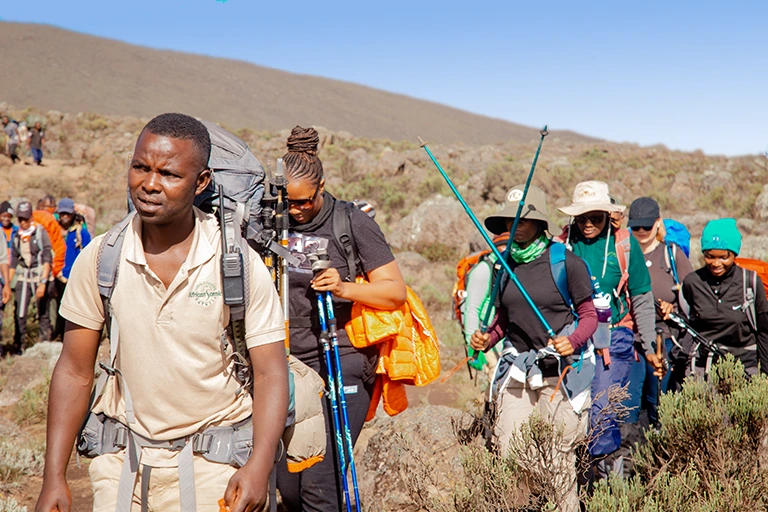
When you picture reaching Africa’s peak, you focus on the climb itself: the thin air, the hard walk. But the whole journey, what makes that summit possible, relies completely on the strength of the Kilimanjaro Porters. We call them the quiet heroes of Kilimanjaro. They aren’t just carrying bags; they’re carrying the mountain’s heartbeat.
African Scenic Safaris strongly believes Porter welfare on Kilimanjaro must be seen, measured, and confirmed (through KPAP). This is because understanding their work deepens your appreciation for every Mount Kilimanjaro Climbing adventure. As a KPAP Kilimanjaro partner, we ensure that the people who work the hardest are treated with the most respect.
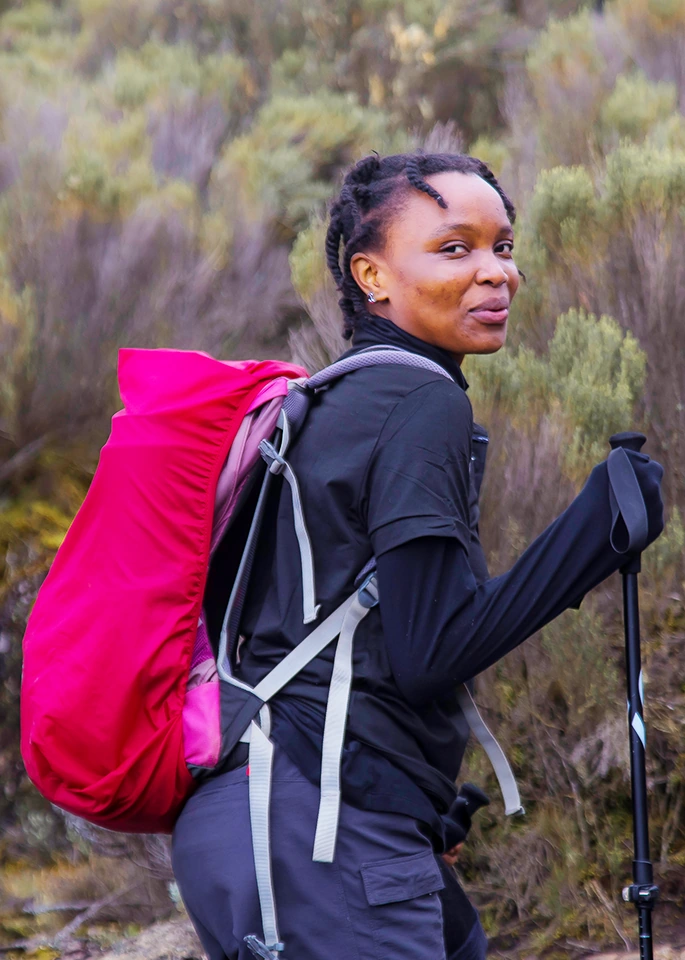
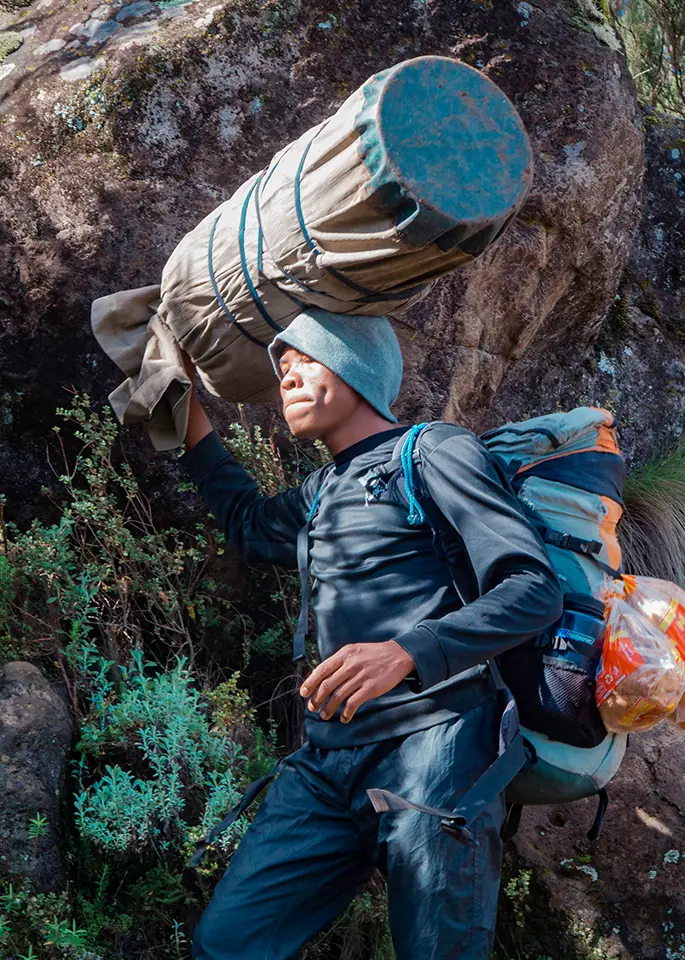
This article will show you what a porter’s day-to-day life is like on the mountain. We’ll show you what they face and what proper, ethical treatment truly means.
Who the Kilimanjaro Porters Are
The Kilimanjaro Porters, who are the main team supporting the climb, are primarily composed of local men. Legally, they must be at least 18, though many stay in this role well into their thirties and beyond.
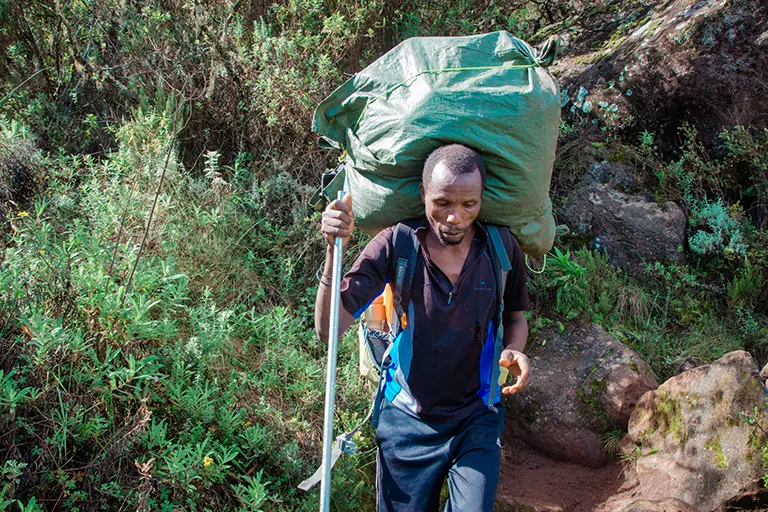
These people primarily come from communities around Kilimanjaro. Tourism here provides essential support for their livelihoods. For many, the income they earn directly covers their families’ needs, such as school fees and necessities.
African Scenic Safaris works with a large, stable group, over 655 porters, meaning we often work with the same people, emphasising consistent, long-term employment over random hiring.
What Porters Carry and Why the Work Is Bigger Than “Carrying.”
The job is much bigger than just carrying bags. Porters manage the entire expedition’s daily movement.
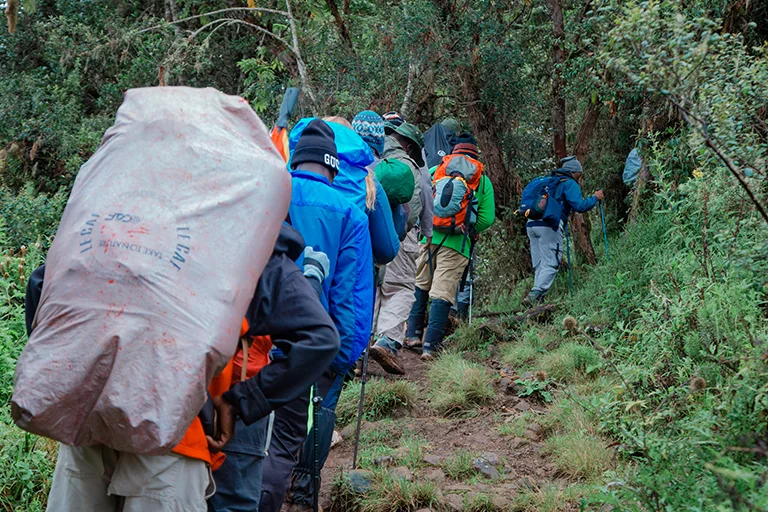
They carry absolutely everything you’ll need: your gear, all the food and water, all the cooking tools, and every tent. Often, they walk ahead to set up shop early. They go to the next camp spot, put up tents, start the kitchen, and fetch fresh water before they even get there.
Good practice, backed by ethical standards, sets the official per-person load limit for Kilimanjaro at 20 kg. Sadly, you’ll find some less ethical Kilimanjaro Tour Operators still overload their staff, pushing past safe limits.
Unlike us, we ensure our teams always align with these ethical load standards. That is a core promise under KPAP Kilimanjaro guidelines.
A Porter’s Daily Routine on Kilimanjaro
The porter’s routine is tough and starts before dawn. Let’s look at their daily routine flow:
Kilimanjaro Porters generally wake up very early, around 4:30 a.m. to 5:00 a.m., when the mornings are cold. They have to pack up beds, sort all the cooking kits, and organise breakfast logistics for everyone else while the camp is still dark.
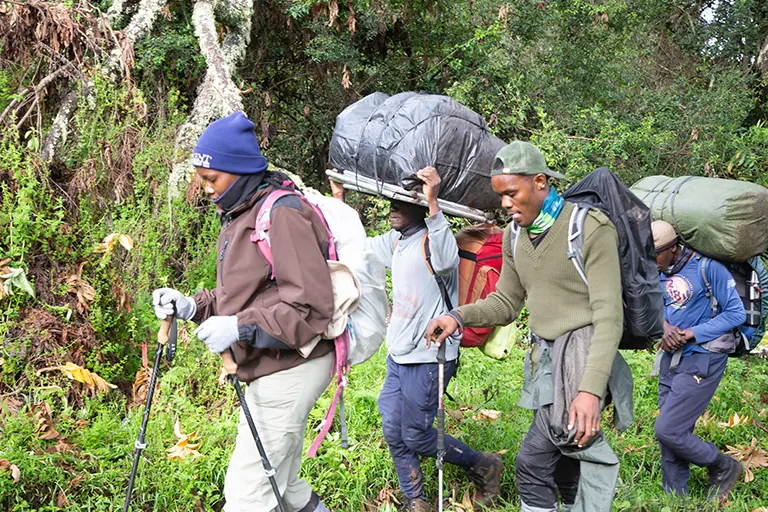
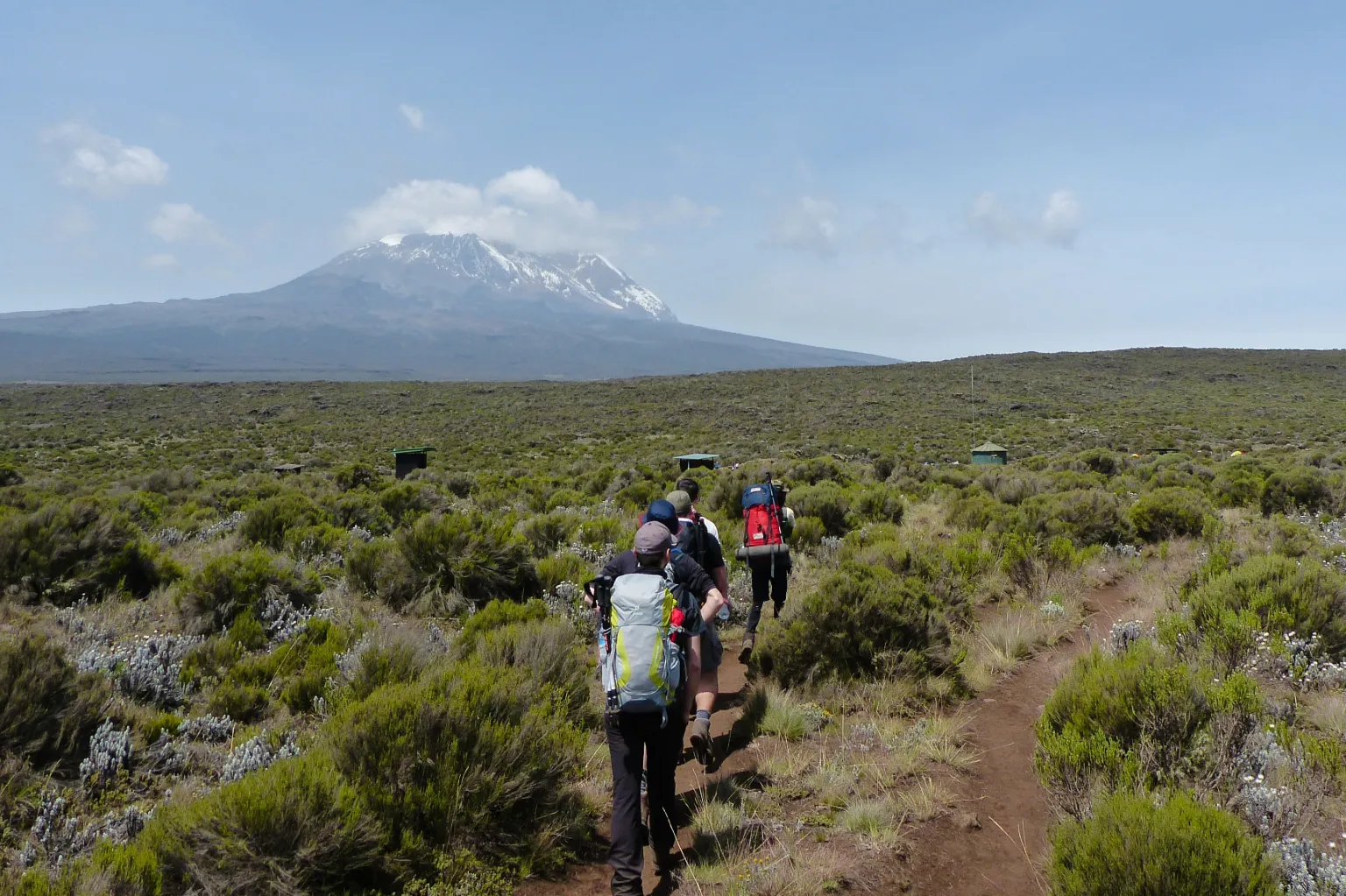
The morning carry begins once everything is broken down. They walk long distances, typically covering 10 to 15 kilometres over steep, rocky, and unpredictable terrain, while staying within the official 20 kg limit.
When they reach the next spot, their day is far from over. They arrive early to set up all the tents, organise the kitchen, and secure the water supply. After you, the trekkers, finally arrive and settle in, they continue working. They clean, sort gear, and prep meals, often for hours after their own long trek ended.
Endurance & Physical Strain
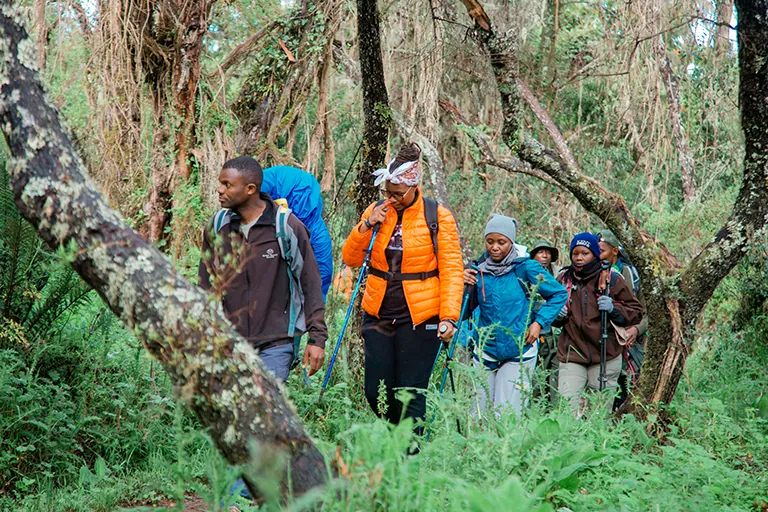
These men endure constant exposure to cold, intense sun, and rain, while also dealing with altitude. Day after day, their shoulders, backs, and knees absorb huge strain. Their daily survival depends on incredible physical toughness and balance.
Invisible but Essential
Though they rarely get the spotlight, every single summit depends on them. Many porters keep spirits high, offering steady support and humour to the climbers they guide.
Safety and Health Risks
Fatigue combined with tricky footing or overloading dramatically increases accident risk. Since medical help is far away, having skilled first aid knowledge is paramount. Ethical operations like African Scenic Safaris build welfare loads, meals, and respect into every operation. This ensures Porter welfare on Kilimanjaro is a reality, not just a marketing claim.
Wages, Minimum Wages Update, and Why Tips Matter
When looking at Kilimanjaro porter wages (2026), things are improving. The daily minimum wage recently rose to about 25,000 TSh (around $10–$11). Advocates are pushing for this to keep rising soon.
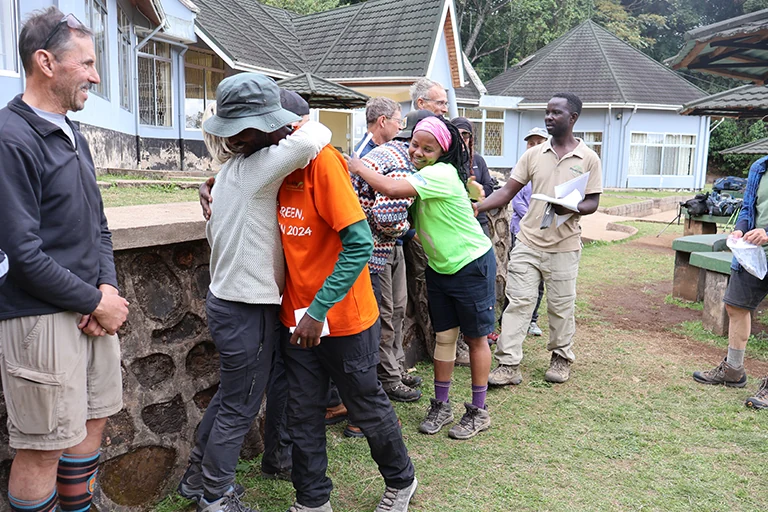
For many, the Kilimanjaro porter wages 2026 plus tips earned on one climb can cover several times the normal average national wage. This funding directly supports essentials such as health care and education back home. Since this work is seasonal, securing each climb is critical to their financial success.
Tips Culture
Tipping isn’t optional generosity; it’s a key part of their expected yearly income. Ethical companies, like ours, ensure the entire tipping process is totally clear and transparently distributed to the whole crew. We adhere to ethical wage expectations and handle tips openly, in line with KPAP Kilimanjaro standards.
Safety, Walking Conditions, and What Happens When Standards Aren’t Followed
The safety measures on the mountain are grounded in ethical standards. Protections under KPAP Kilimanjaro cover: fair wages, three meals daily, a load limit of 20 kg, proper gear, and guaranteed medical readiness.
The Reality Without Enforcement
Without these rules being enforced, the reality changes fast. Some porters work without proper warm clothing or adequate shelter.
This means greater risk from cold and physical strain. Some even face issues with late or incomplete paychecks from less scrupulous Kilimanjaro Tour Operators.
African Scenic Safaris stands out because our responsibility is independently verified, underscoring our commitment to transparency.
Rights, KPAP AND Porter Support Systems
The KPAP system works to ensure Ethical Kilimanjaro climbing by ensuring that wages are fair, food is provided, gear is adequate, loads are limited, tips are shared honestly, and porters receive training.
This training is important; it covers basic financial management and important health awareness. We know that hundreds of porters (500+) benefit regularly from these ongoing support systems. When you choose African Scenic Safaris, you support an ethical structure that truly protects porters.
How Many Porters Per Climber?
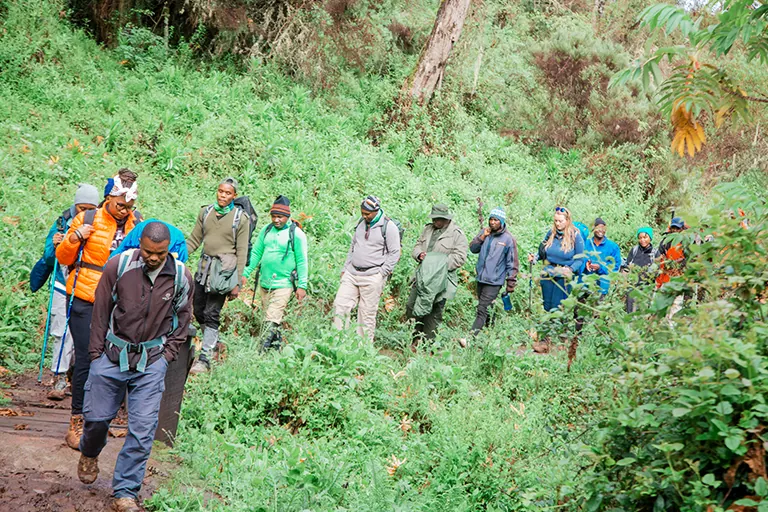
This section basically addresses how teams are built. Team size heavily influences safety and workload. In Responsible Kilimanjaro Treks monitored by KPAP, the guideline suggests about 2–3 porters for every climber.
This ratio matters because it ensures:
- Loads are distributed fairly, not stacked onto one person.
- Camp setup runs quickly and smoothly.
- It lowers the chance of injury due to overexertion.
- The overall experience for the Kilimanjaro Climbing Crew and trekkers flows better.
We build our teams based on these responsible numbers, so we never compromise standards to lower the Kilimanjaro Climb Cost.
What Respect Looks Like on Kilimanjaro
Making an Ethical Kilimanjaro climbing choice means looking closely at the operator you hire. The safety and dignity of the porters should matter as much as your summit goal.
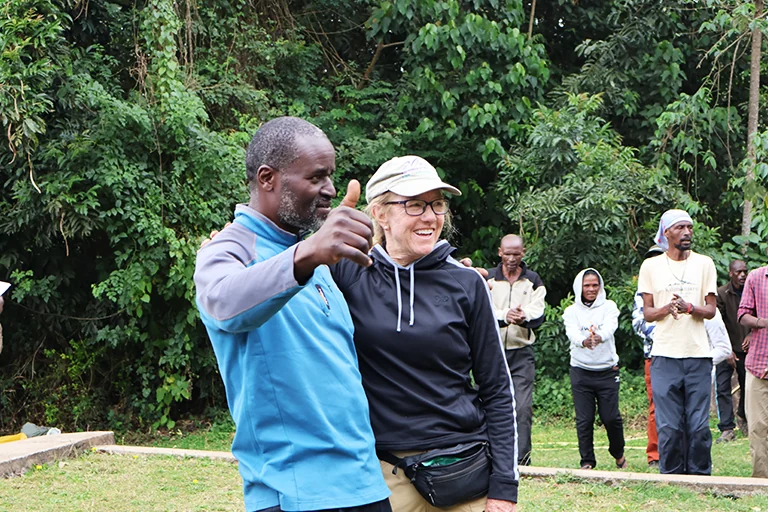
Please, ask the hard questions before you book:
- How do you enforce the load limit of 20 kg on Kilimanjaro?
- What are your rules for crew meals and tips?
- Do you have verified alignment with KPAP?
African Scenic Safaris stands for true porter dignity backed by verified honesty, not vague assurances.
Climb with a team that protects the people who make the climb possible.