



What Pre-Trip Fitness and Breathing Exercises Reduce AMS Risk on Kilimanjaro?
Climbing Kilimanjaro needs smart preparation now, not just brute strength, folks. Before you step on that massive African peak, your body must learn to handle thin air kindly. The right Pre-trip fitness training for Kilimanjaro lowers your risk of Acute Mountain Sickness (AMS). Moreover, good prep makes the whole Kilimanjaro Climbing adventure much better.
In this Kilimanjaro Fitness Guide, we explain how exercises boost your body’s oxygen use. We also cover lung strengthening for a safe summit. Great Kilimanjaro Altitude Sickness prevention tips start before you book your flight. Being proactive means you cheer at the top, not feel sick!
Key Takeaways:
- Why does AMS often strike climbers unexpectedly?
- How fitness and breathing stop altitude sickness early.
- Best pre-climb exercises for stamina building.
- Daily breathing routines to boost oxygen efficiency.
- Expert ways to acclimatize more safely.
Understanding AMS and Why Fitness Helps Prevent It
At nearly 6,000 meters, Kilimanjaro has only half the oxygen you find at sea level. Without AMS prevention exercises, your body struggles hard to adjust. This brings headaches and heavy breathing. These are classic AMS signs, and they slow everyone down. Therefore, your Kilimanjaro preparation workouts matter a lot.
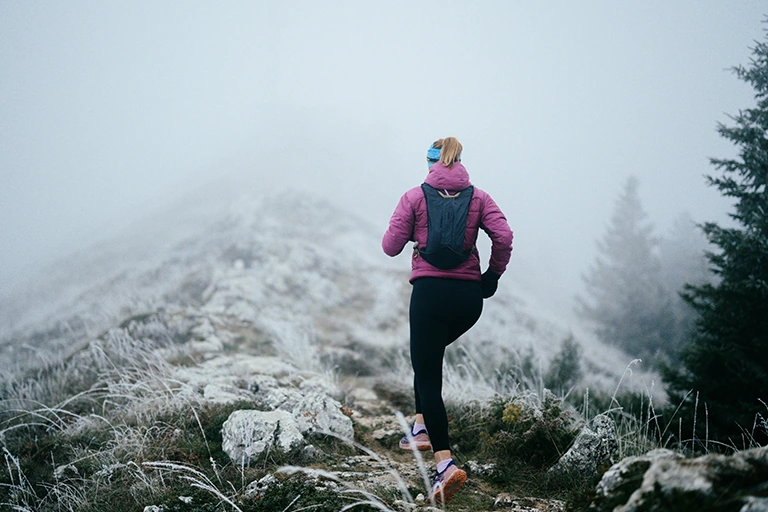
AMS prevention exercises focus on making your heart and lungs work better together. When your heart’s strong, it pumps blood with more ease. This means even when there’s less oxygen in the air, your blood can still deliver what’s available to your brain and muscles.
According to health experts, a fit body recovers much faster during rest times. CDC’s High Altitude Health Advisory notes that good heart training aids acclimatization. If you’re wondering how to stay healthy, you should also read our guide on Altitude Sickness Prevention Strategies for Kilimanjaro Climbers. Knowing how to prevent AMS on Kilimanjaro builds your inner confidence.
Furthermore, a fit body doesn’t have to work as hard for simple tasks. On the mountain, even putting on your boots can feel like a workout. By training early, you’re making sure that your heart doesn’t race too fast, which helps you keep your cool when the Kilimanjaro Climb gets tough.
Essential Fitness Training Before Kilimanjaro
Strong legs and a healthy heart are your best AMS defenses. Building stamina improves the blood’s oxygen-carrying power. This readies your system for long trekking days. Smart workout focus is key for your Kilimanjaro Training Plan. You are training for lasting endurance, not speed.
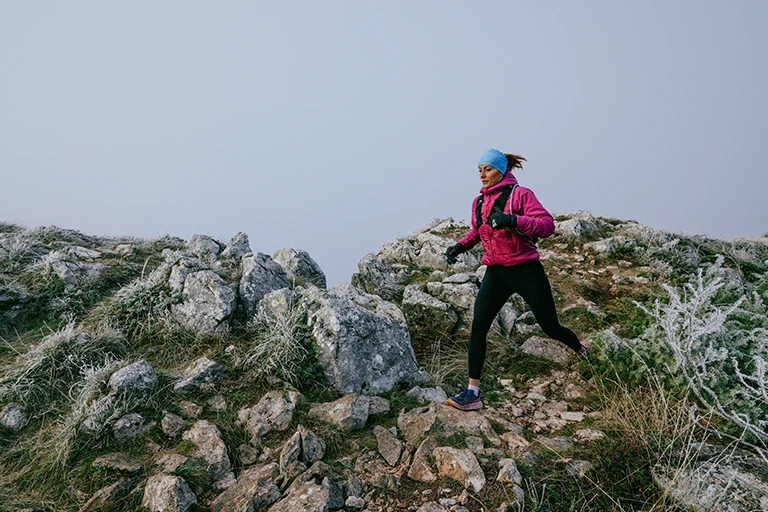
Here are the Kilimanjaro Preparation Workouts:
- Cardiovascular Training: Run, swim, or cycle for 30 to 60 minutes. Aim for this four times each week. Subsequently, this builds your core endurance steadily.
- Strength Training: Focus on weighted squats, step-ups, and lunges. These moves support all your uphill travel later.
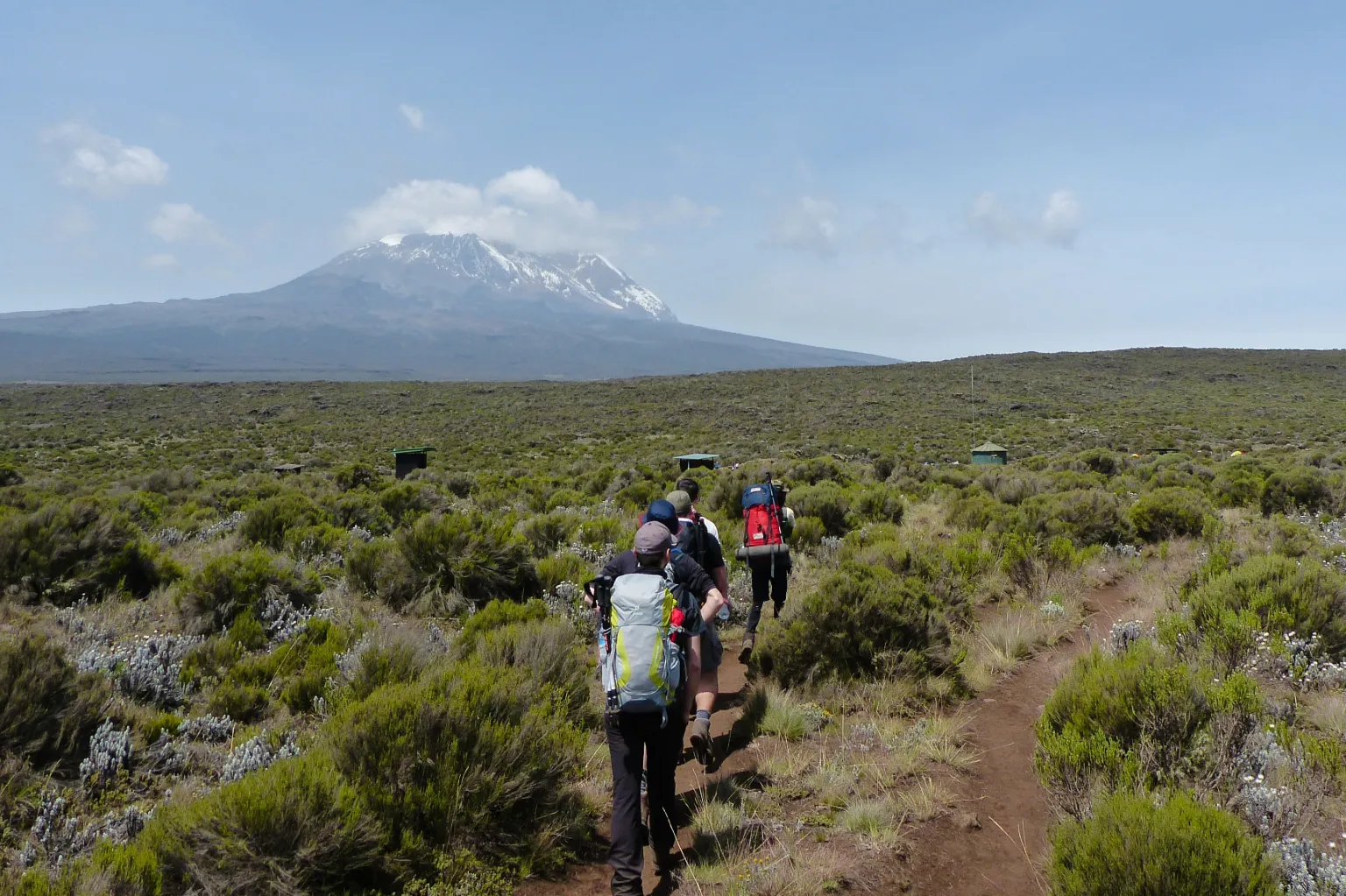
- Weighted Hiking: Practice hiking on rough ground. Wear a backpack carrying 6 to 8 kilograms for realism. This mimics the actual climb weight you’ll carry.
- HIIT (Interval Training): Try short bursts of hard exercise followed by rest. This improves heart and lung action very effectively.
A guide shared how training helped a climber succeed:
“Training made the long final push feel manageable instead of impossible, honestly.”
For more depth on stamina, see our full Training for Kilimanjaro guide. Indeed, this preparation will show you a clear, positive difference on the trail.
Breathing Exercises to Improve Oxygen Efficiency
When you hit high altitude, slow, deep breaths help you pull in more thin air. Training your lungs pre-trip is as vital as physical fitness. These High altitude breathing techniques are tools for Lung training for high altitude.
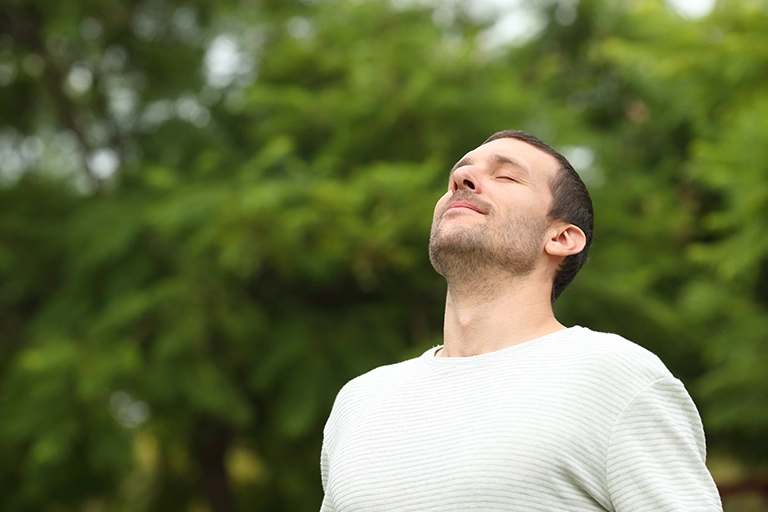
Here are the best exercises you should practice often before you go:
- Diaphragmatic (Belly) Breathing: Breathe deeply into your stomach for three seconds. Then, let the air out slowly over six seconds. Conversely, shallow breathing starves your system fast.
- Pursed-Lip Breathing: Breathe in slowly through your nose first for air. Then, exhale gently through tightly pursed lips to control the flow. This controls your outbreath timing well.
- Box Breathing: Inhale deeply for four seconds to start. Next, hold that breath count for four steady seconds. Finally, exhale slowly for four seconds, then hold again for four counts.
- Breath-Hold Practice: Try to hold your breath slightly longer, but only do this gradually. This teaches your lungs how to conserve precious oxygen better.
Health bodies like the NHS suggest good respiratory habits for wellness. When you’re on the mountain, these habits become your second nature. They help you maintain the “pole pole” pace that we always talk about.
The same way you prepare your body, prepare your bag too. Pack cleverly; review our Kilimanjaro Packing List: Essentials for Health & Safety. This will help you ensure you have everything needed for health and safety.
Combining Fitness & Breathing for Maximum Acclimatization
Good fitness helps your blood circulation speed everywhere. Breathing exercises boost how much oxygen you take in per breath. When you combine both, your body learns to work well with less oxygen present. This preparation is vital for Kilimanjaro’s thin air. These methods form key Kilimanjaro acclimatization preparation steps you control. Consequently, you’ll handle altitude shifts with more grace.
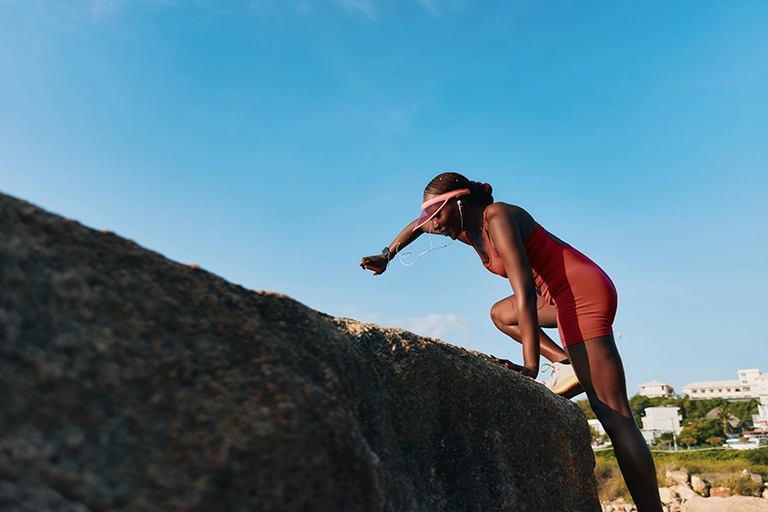
Here are simple tips you can use every day:
- Pair 30 minutes of cardio with 10 minutes of deep breathing daily for best results.
- Always keep up great hydration levels. Also, please make sure you never over-train your muscles needlessly.
- Schedule necessary rest days each week. This lets your system naturally balance oxygen levels effectively.
Experienced guides notice the difference between groups clearly. They see trained climbers adjust faster than others who avoided prep. Hence, this dual approach is one of the best Kilimanjaro Success Tips.
Your Gentle Climb’s End
A successful Kilimanjaro Climb starts before you reach the mountain slopes. Pre-trip fitness Training For Kilimanjaro trains your body and lungs correctly, cutting down your AMS risk so much. Moreover, this smart training boosts your full stamina. It turns a tough trek into a powerful, self-discovery journey for you.
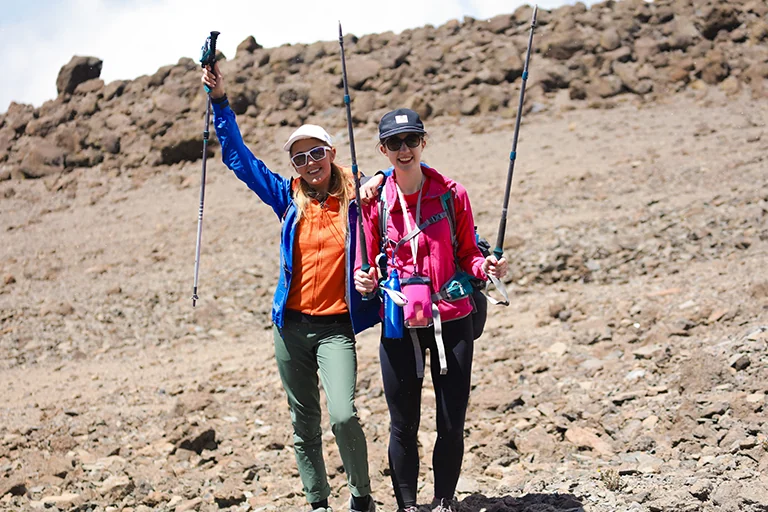
Consistency is truly the most important factor for your success here. Fitness and breathing combined create the perfect safety net between struggling and finally reaching that amazing summit smile.
Therefore, start building these healthy habits today, without excuses!
Start preparing today! Download our free Kilimanjaro Fitness & Breathing Planner (available after signup).