


Best Photo Spots on Mount Kilimanjaro You Can’t Miss
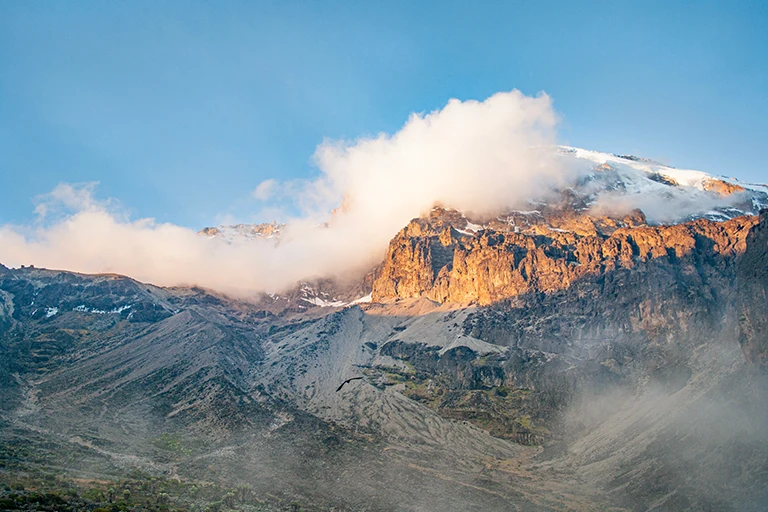
Climbing Kilimanjaro hits way deeper than just “walk up, get to Uhuru, take the summit pic.” The whole mountain is like this emotional slideshow you didn’t even know you needed. Every step you take leads to a life-changing moment, without forgetting the best Kilimanjaro Instagram Spots.
Your Mount Kilimanjaro Climbing starts from the warm, wet rainforest with water dripping and birds singing beautiful songs from afar. This adventurous journey doesn’t end here: you finally break out into the wide moorlands and the final countdown… the summit just above the clouds. It feels like a dream and unreal, the ice sparkles, and the sky opens, that perfect moment to capture those jaw-dropping Mount Kilimanjaro Pictures!
And that’s the thing: Kilimanjaro Climbing isn’t only an action, it’s a vibe. It’s a whole experience that begs to be captured. Whether you’re rocking a proper camera or just your phone, this mountain will hand you moments you’ll want to keep forever.
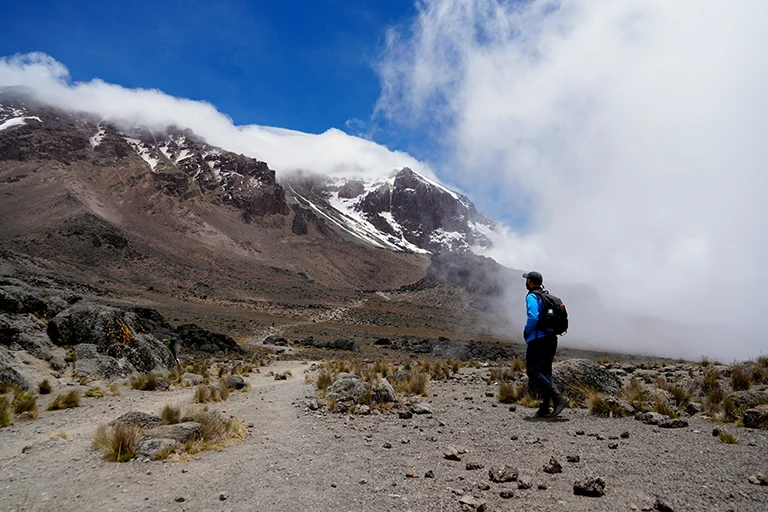
So, in this guide, we’re breaking down the 10 Most Photogenic Places on Mount Kilimanjaro, the ones trekkers always talk about afterward. You will get real tips on the best lighting, when to shoot, what gear matters, and how each route gives you its own version of magic.
Basically, this is your visual roadmap to Kilimanjaro, the Kilimanjaro Photography Tips you will need… so you don’t just climb it, you bring the story back home.
Introduction to Kilimanjaro’s Visual Journey
“Climbing Kilimanjaro Through a Photographer’s Lens”
Have you ever seen a place giving you a view of different scenery in the blink of an eye? That’s what the Kilimanjaro Scenic Views experience offers. You get to move through different environments, each with its own uniqueness.
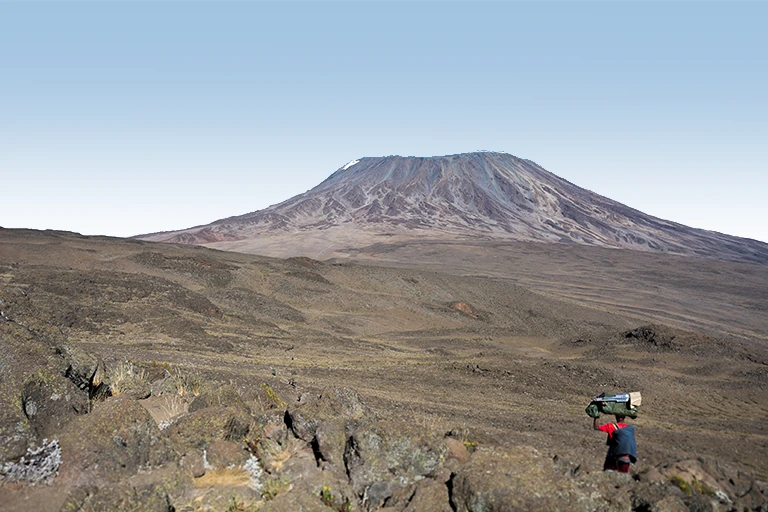
Mount Kilimanjaro isn’t just a bucket-list climb; it’s literally a 750,000-year-old stratovolcano made of layered ash, lava, and rock, rising like a giant frozen monument above the African sky. Even though it’s dormant, the energy around it still feels alive. From colors, texture, moods, and light, just as our African Scenic Safaris guides love to say, “Kilimanjaro is basically five national parks stacked on top of each other.” And honestly, they’re not lying.
The mountain is divided into officially recognized ecological and route zones as outlined by the Tanzania National Parks Authority (TANAPA), guiding climbers from lush rainforest floors all the way to the icy crown of Uhuru Peak, the highest point in Africa.
| Zone | Elevation | What It Looks Like | What Stands Out |
| Rainforest | 1,800–2,800 m | Warm, green, misty | Waterfalls, thick trees, golden light |
| Heather & Moorland | 2,800–4,000 m | Open views, soft mist | Giant groundsels, volcanic rocks |
| Alpine Desert | 4,000–5,000 m | Dry, silent, “Mars-like” | Huge skies, sharp shadows |
| Arctic Zone | 5,000+ m | Snowfields & glaciers | Blue-tinted ice, cloud layers |
| Summit | ~5,895 m | Harsh, bright, emotional | Ice formations & panoramic views |
These changes are dramatic visually, emotionally, and photographically. And they’re part of what makes each Kilimanjaro Climbing Route a unique canvas.
Shira Plateau – The First Great Viewpoint
“Capture Your First Glimpse of Kilimanjaro’s Majesty”
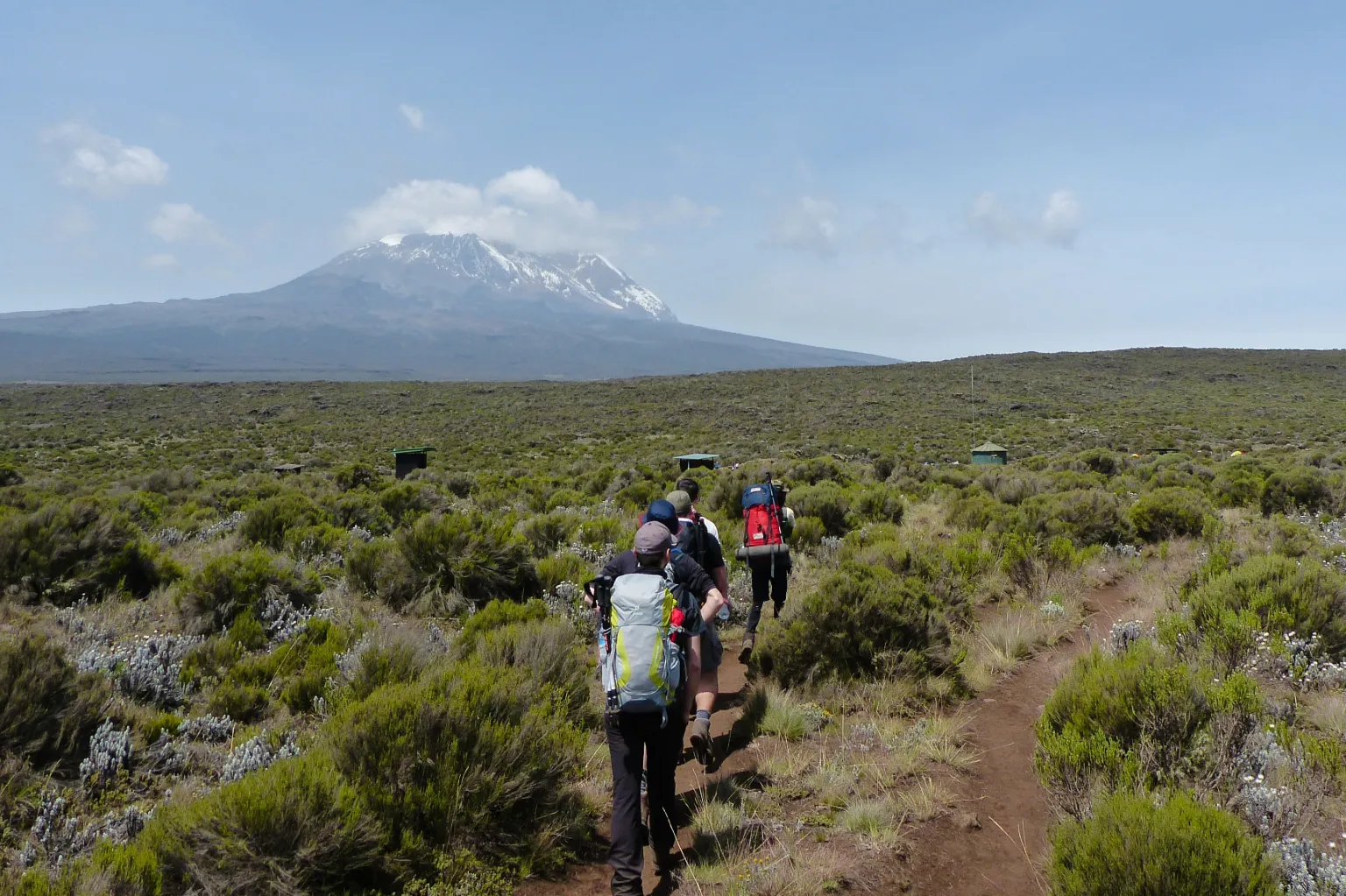
Hitting the Shira Plateau feels unreal, like you’ve stepped onto the rooftop of Africa without even reaching the summit yet. The air gets colder and clearer, the sky somehow feels bigger, and the world just opens around you. For climbers coming in through the Lemosho Route, Shira, or Northern Circuit Route, this is usually the very first moment you lock eyes with the summit… and honestly, it’s one of those “yo, I’m really doing this” moments.
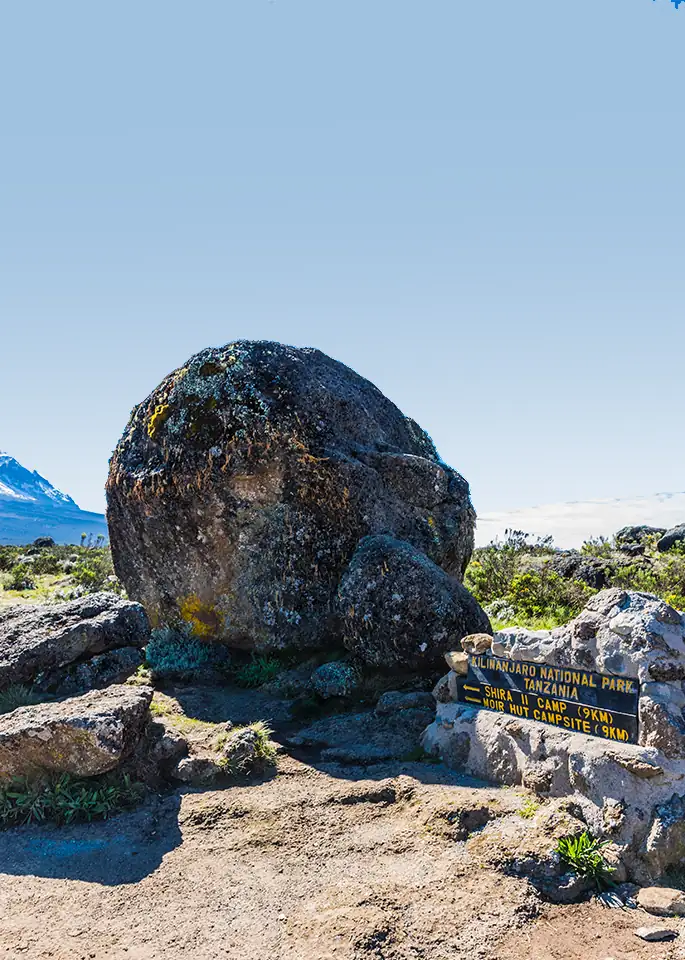
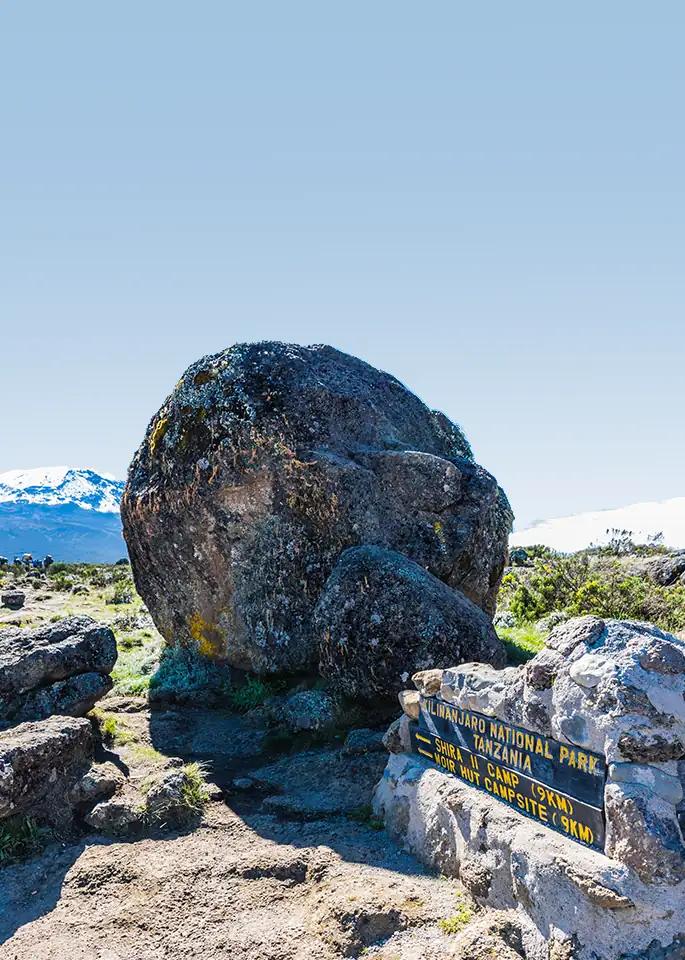
At 12,500 ft, Shira Plateau offers a sense of open-air magic. Golden grasslands stretch endlessly, with Kibo Peak looming ahead. Why are photographers obsessed with Shira Plateau?
- Warm, dreamy golden hour colors that turn every shot into desktop wallpaper material
- Wide, open plains that make your wide-angle lens feel like it was built for this place
- Insane cloud inversions that move like slow-motion waves beneath your feet
- Night skies so clear you can feel the Milky Way hanging above you, and honestly, the pros feel it too.
“We aim to achieve our vision for forests by increasing protected areas and bringing more forests under improved management, halting deforestation, particularly in deforestation fronts, and restoring degraded forest landscapes” – WWF Tanzania
If you’re trekking the Shira, Lemosho, or Northern Circuit Routes, this is the first spot where the mountain truly shows its soul. The Shira Plateau photos will make you want to breathe it all in, because it feels like you’ve finally arrived.
Expert insight from African Scenic Safaris:
“Shira Plateau is where climbers suddenly pull out their cameras. The mountain finally reveals itself — and it’s usually a very emotional moment.”
Lava Tower – A Volcanic Masterpiece
“Frame the Towering Landmark Formed by Fire”
This 300-ft volcanic plug is visible from multiple Kilimanjaro Routes, offering a dramatic natural sculpture perfect for contrast photography.
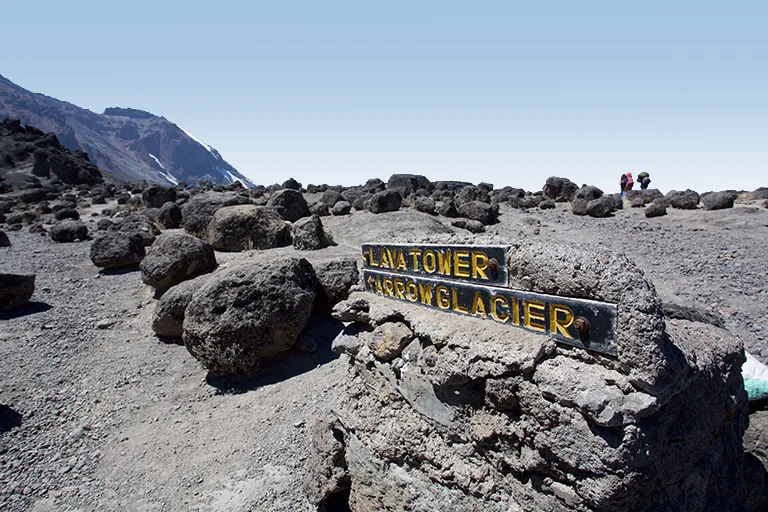
Reaching Lava Tower (4,600 m / 15,000 ft) feels like walking straight into the mountain’s memory. You’re trekking along, minding your altitude pace, and suddenly this 300-foot volcanic giant rises out of the mist like something carved by time itself. Most climbers literally stop mid-step, look up, and whisper, “No way… this can’t be real.” And honestly? That reaction is valid.
Safety Note: While Shira Plateau is breathtaking, remember that you’re already at a high altitude. Take your time, stay hydrated, and listen to your body. All safety guidelines are verified by Tanzania National Parks Authority (TANAPA), so follow your guides’ instructions — the mountain is beautiful, but it demands respect.
Photographers go crazy here because the Lava Tower Kilimanjaro pictures you take will give you drama without you doing anything. You don’t need a fancy setup; the mountain basically composes the shot for you.
Why can’t photographers resist Lava Tower:
- High-contrast silhouettes that look editorial-level against the sky
- Rich textures perfect for tight detail shots
- Misty reveals that it makes the tower appear and disappear like a portal
- Ridiculous sense of scale — climbers look tiny, almost fragile, next to it
Pro Tip: Capture Lava Tower when the clouds are dancing around it. The mix of dark volcanic stone + pale mist creates visuals that feel poetic, almost literary, the kind of shots that end up framed on someone’s wall, not just on Instagram.
Barranco Wall – The Iconic Climb
“The Most Photographed Cliff on Kilimanjaro”
The first time Barranco Wall appears in front of you, it genuinely feels like you’ve stumbled into a fantasy world. It rises 843 feet straight into the sky, this massive, rugged wall of volcanic rock with a tiny zigzag trail etched across its face. Most climbers stop in their tracks and just stare for a minute, trying to process the fact that yes, this is the path… and yes, you’re actually going up there.
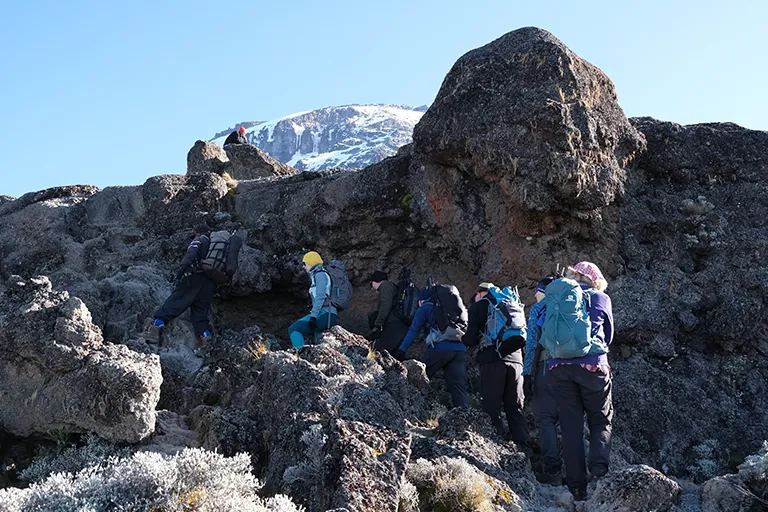
But here’s the magic: the moment people start climbing, fear slowly melts into fascination. You see climbers ahead of you forming a long, winding line, their silhouettes tiny against the wall, like characters ascending a giant stone staircase built by nature. It’s dramatic, it’s humbling, it’s unbelievably beautiful, and honestly, it’s one of the most iconic scenes on the entire mountain.
Industry Truth: So many of the famous “Kilimanjaro Instagram shots,” the ones everyone saves for inspiration, are taken right at the top of this wall.
Why Barranco Wall photography is a loved activity:
- Wide shots of climbers silhouetted dramatically against the morning sky
- Intimate close-ups of hands gripping volcanic rock, showing grit and determination
- The breathtaking panorama from the top valleys, clouds, light, everything
- Early sunlight hits the wall’s surface, creating warm gold tones
What African Scenic Safaris guides always say:
“People look at Barranco Wall and panic. Then they reach the top, see that view, and suddenly the fear is gone. Beauty wins every time.”
The Saddle – Between Two Peaks
“Where Desert Meets the Sky”
The moment you step into The Saddle Kilimanjaro view, everything changes. The noise, the trees, even the sense of time, all just… fall away. Suddenly, you’re in this enormous, open plain stretched between Mawenzi and Kibo, about a 14-square-mile alpine desert; this is the largest high-altitude tundra in Africa. It feels almost impossible that something so empty can feel so beautiful.
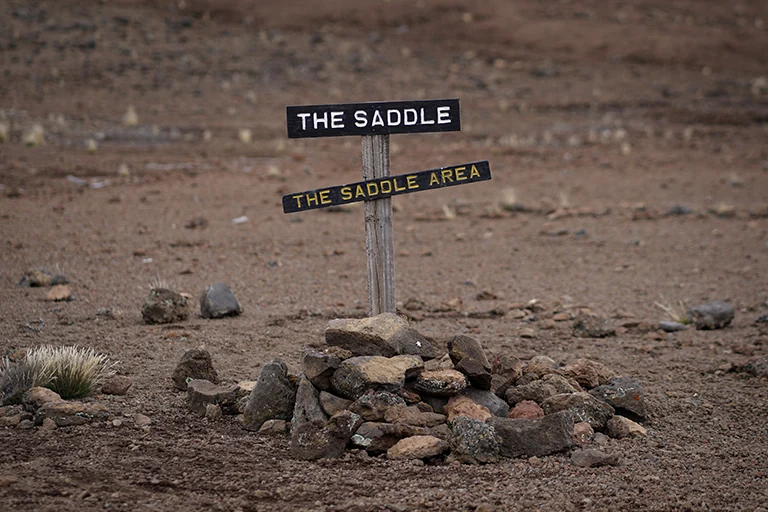
For photographers, The Saddle is basically nature telling you, “Slow down… look around… this is special.” Every direction looks like a scene from a quiet, beautifully shot film. And because everything is so open, your camera picks up details you’d miss anywhere else — tiny footprints in the dust, the soft gradients in the horizon, the way Kibo glows when the sun shifts just a little.
Why photographers love The Saddle:
- Huge, cinematic open spaces that make every shot feel dramatic
- The beautiful loneliness of one person in the frame looks powerful
- Clear skies that make distances feel endless
- The simple contrast of warm earth and cool clouds
Lighting Tip: Midday light looks amazing here. The ground bounces light upward and softens everything, so your photos come out clean, warm, and dreamy without harsh shadows. One of the Best Views on Mount Kilimanjaro.
Temperatures here can drop below freezing even during the day (Tanzania Meteorological Authority). On the Shira, Lemosho, or Northern Circuit routes, this is often the first place where the mountain truly reveals itself, and it’s impossible not to pause and take it all in.
Mawenzi Peak – The Jagged Beauty
“A Dramatic Skyline for High-Contrast Photography”
One thing about Mawenzi is that it will hit you with a raw attitude the moment you see it. At 16,893 ft and the second-highest Kilimanjaro peak, Mawenzi’s rugged spires are ideal for silhouette Mount Kilimanjaro Photography: its sharp, jagged, almost violent structure cuts deep into the sky. This side of Kilimanjaro feels ancient and untamed and is visible from all major Kilimanjaro Climbing Routes, but especially striking from Rongai and Marangu camps.

For photographers, it’s a playground with no rules. Every angle feels bold. Every shadow tells a story. And when does the sun rise behind Mawenzi? The sky turns orange, and the peaks turn black, the kind of silhouette that makes you whisper, “yo… that looks unreal.” This spot should not be missed from one of your best Mount Kilimanjaro Pictures.
Why photographers love Mawenzi:
- Deep shadows that carve out powerful, dramatic outlines
- Sunrise silhouettes that set the sky on fire
- Raw ridges and spires that feel ancient and untouchable
- Rare glimpses of ice behind it that look surreal and cinematic
Insider Tip: If you can, shoot Mawenzi at dusk. That’s when it turns deep purple, a moment that always guides us to point out because it makes the mountain feel almost otherworldly.
At 12,500 ft, Shira Plateau is one of the most breathtaking spots on Kilimanjaro,” says an African Scenic Safaris guide. “From the eastern edge at sunrise, the grasslands glow golden, and Kibo Peak catches the first light in an almost unreal way. The light changes fast here — climbers often miss the perfect shot because the shadows move before they even notice. Temperatures can drop below freezing even during the day, so I always remind people to pause, breathe, and take in the view rather than just rushing to snap a photo.”
Barranco Valley – A Surreal Landscape
“Snap the Alien Beauty of Dendrosenecio Forests”
The giant groundsels tower over you as if they belong in another world. Welcome to the Barranco Valley. With thick trunks, spiky crowns, silhouettes glowing in the sunrise… It’s unbelievable because this place will make you feel peaceful and alive.

This valley is not only about the plants; its ravens glide overhead while the cliffs echo and the sunlight flickers a beam of hope across the valley, highlighting each spiky crown. Tiny details like rough bark, dew drops, and small critters moving through the undergrowth make the mountain show off its moorland landscape beauty just for you, creating a cinematic background.
Why photographers love it:
- Textured trunks and close-up details that feel sculpted by the mountain
- Misty mornings that turn everything alien and magical
- Wide shots with cliffs and plants for epic scale
- Wildlife glimpses — ravens, lizards, and insects — adding life to the frame
Every photographer leaves with at least one shot that stops them in their tracks, a moment that reminds them why Kilimanjaro’s scenic views should not be taken for granted.
Kilimanjaro is more than rocks and ice glaciers; it also embodies life in its existence. Check out the most amazing Kilimanjaro Wildlife and Kilimanjaro Plants made just for you from African Scenic Safaris.
Southern Ice Field – Frozen in Time
“Capture Kilimanjaro’s Vanishing Glaciers Before They Disappear”
You need to reach here for those Kilimanjaro Instagram Spots that can have millions and millions of likes. When you get a chance to stand in front of Kilimanjaro’s glaciers, you will feel your boots crunch on the rocky path, and the wind will beat your face, making you feel alive. Those walls of ice rise before you, looking blue and old; it’s like they have been watching the mountain for ages, quietly, while watching the mountain evolve. It is at this moment that you will realize how gigantic Kilimanjaro is and how small you are.
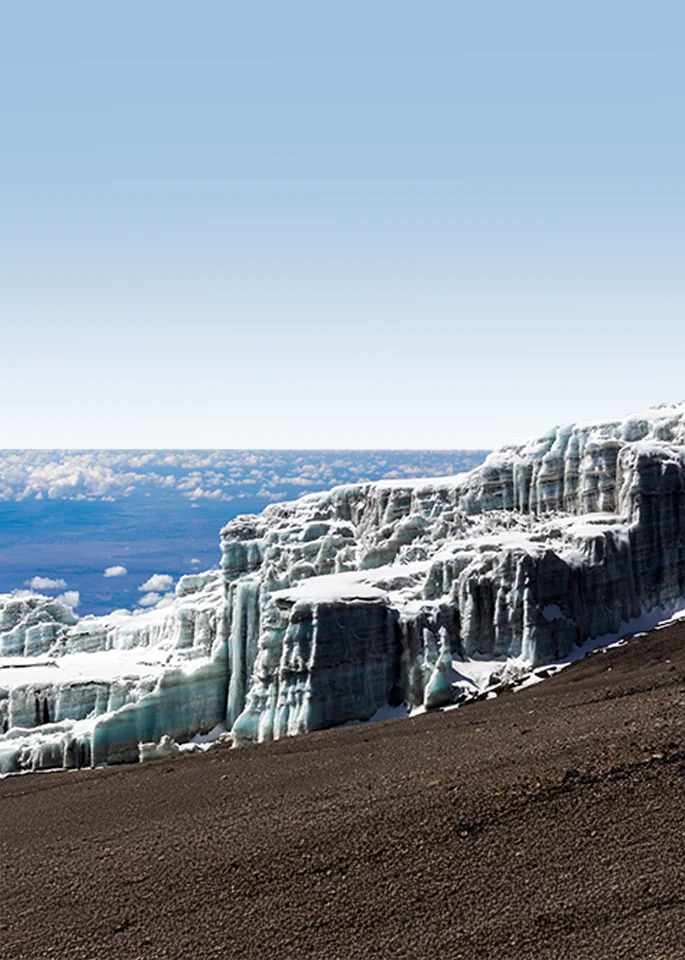
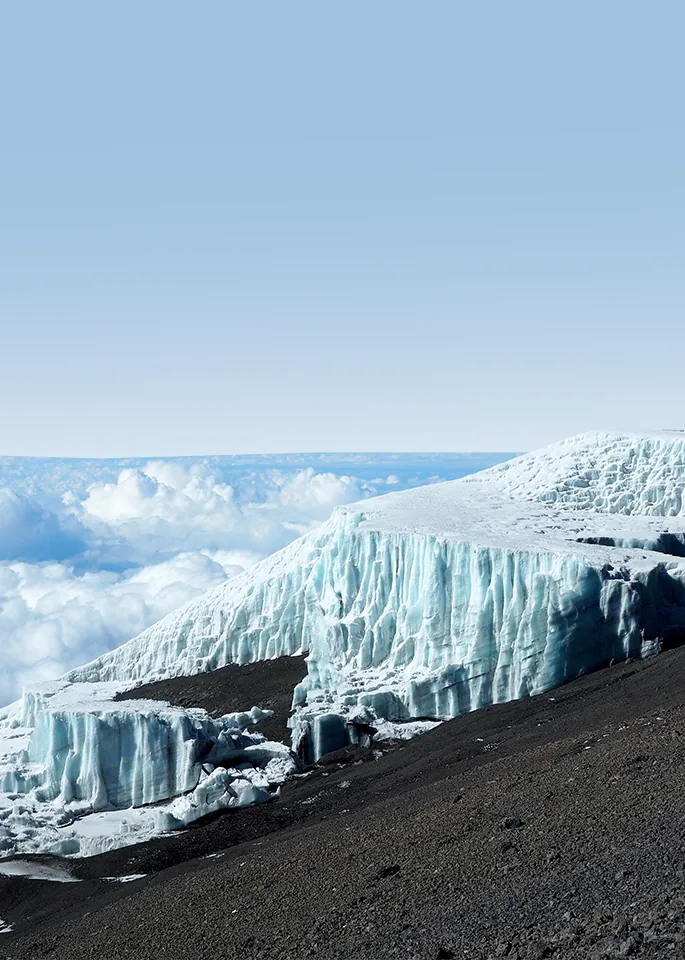
The ice in the southern area spreads across the summit, and catching the morning sun is advised since it will make you feel great; you don’t want to miss the Kilimanjaro vitamin D!
With its fresh air and clouds drifting below like a moving sea. You will be humbled and lucky watching the ice glows from within in this quiet, massive, and breathtaking view.
The Hard Truth: These glaciers are disappearing fast. Every photo you take now is a rare chance to capture something fleeting — a living memory of a frozen giant before it fades.
Why photographers lose themselves here:
- Sunrise and low-angle light make the ice glow in otherworldly blues
- Reflective surfaces shimmer like the ice itself is alive
- Cracks and textures give every close-up an intimate, dramatic story
- Clouds rolling below turn every shot into a dreamlike, surreal landscape
According to WWF Climate Impact Reports and USGS Glacier Studies, Kilimanjaro’s ice fields continue to thin and retreat each year.”
“African Scenic Safaris guides often point out how the glaciers look slightly different each season — edges shifting, walls shrinking, and light hitting new angles no one saw the year before.”
For more information on shrinking glaciers, read our blog: Why Kilimanjaro’s Shrinking Glaciers Are a Wake-Up Call for the Planet?
Crater Camp – High-Altitude Wonder
The quest to reach the Crater Camp is more than a milestone; it’s a privilege. At nearly 18,900 feet, the experience is unforgettable. Only a handful of climbers ever sleep this high. The thin air only reminds you every time that you are closer to the sky, and the silence is sacred.
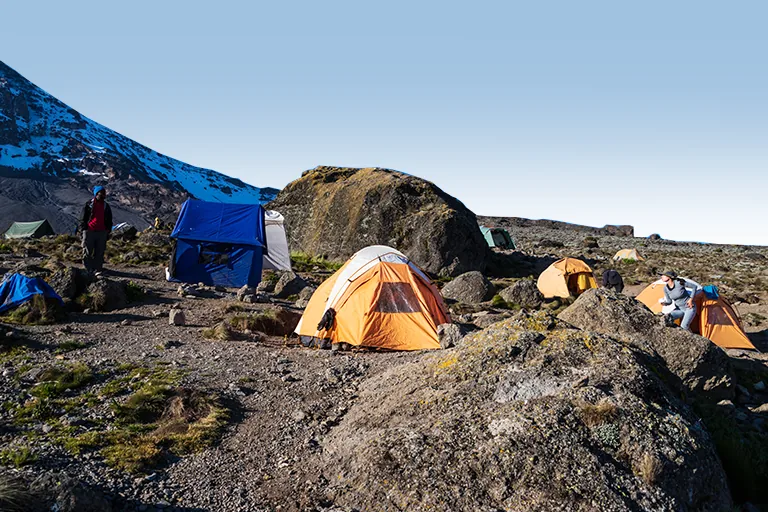
The nights here are majestic, the stars shine brighter than you’ve ever seen, scattered across the sky in a way that makes Reusch Crater images feel like a portal to another universe. When the sun rises, the glaciers glow in such a way that you will be able to capture amazing photos that can even open portals to another universe. Occasionally, rare views of Furtwängler Glacier peek through, reminding you that this is a place frozen in time, fragile and magnificent.
“There are professionally designated camping sites with toilet facilities on the wilderness routes of Rongai, Mweka, Umbwe, Machame, Lemosho, Kilema, and Londorosi. Also, Kilimanjaro Rescue services for the sick and injured, including first aid and radio communications, are available in all mountain stations.” – Tanzania Parks
Why photographers fall in love with Crater Camp:
- Night sky shots with glaciers softly glowing below
- Sunrise blue-hour lighting that feels almost cinematic
- Stunning, rare glimpses of Furtwängler Glacier
- Endless shadows and dramatic textures across the crater floor
- The feeling of being alone with the mountain and the stars
As one high-altitude guide said: “Crater Camp feels like walking on the moon — with ice.” And it’s true. The combination of extreme height, surreal ice, and the night sky makes every moment here feel impossible to forget.
Uhuru Peak – The Summit Shot
The final moment you’ve been chasing for days is here, and you are tired with sore legs, sweat, and probably tears. At 19,341 ft, the summit sign isn’t just wood — it’s a symbol of every struggle, every shaky step, every tough day, and almost giving up that brought you here. Here, the clouds stretch behind like an endless ocean with ice glaciers shining from the first golden sun rays, the magical moment you’ve been looking forward to that makes you feel like a champion.
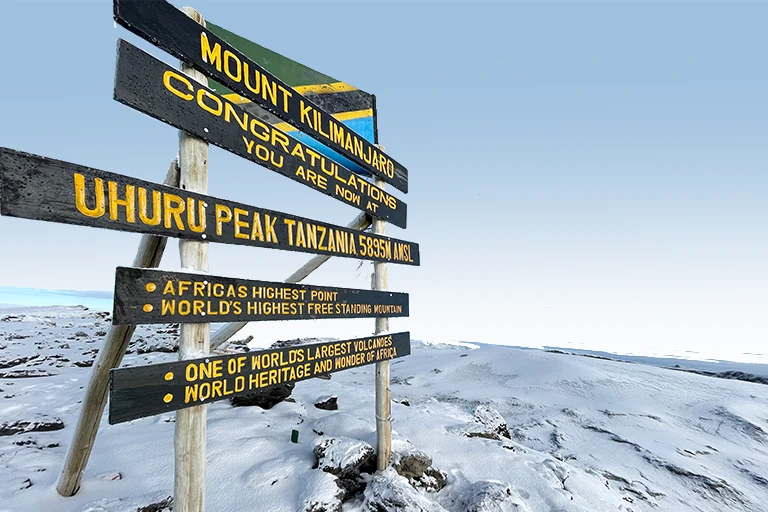
For photographers, it’s impossible not to be drawn in because Uhuru Peak summit photos are the best. Every exhausted smile, every raised fist, every glance at the horizon becomes a story. The clouds below create a dreamlike backdrop. The ice catches the light perfectly. Every shot is more than a picture — it’s a memory, a feeling, a moment frozen forever.
Why climbers and photographers can’t look away:
- Faces full of raw, human emotion
- Endless clouds create dramatic, almost cinematic backgrounds
- Golden sunlight paints the ice in soft, magical hues
- Every frame tells a story of endurance, awe, and triumph
As African Scenic Safaris summit leaders remind you: “Take a deep breath. Take your time. This photo is part of your story.” And they’re right — it’s not just a photo. It’s proof that you made it, that every step, every struggle, every moment of doubt led you to stand on top of the world.
Dreaming of your own Kilimanjaro photo adventure? Then, Preparing for Your Kilimanjaro Summit – A Complete Guide is what you need! Here are 10 Effective Ways of Preparing for a Kilimanjaro Climb.
Join the best Kilimanjaro Tour Operators, African Scenic Safaris, for a guided climb where every step is a shot worth framing.
Kilimanjaro: A Photographer’s Paradise
Explore the best Photogenic Places on Mount Kilimanjaro. From the misty greens of Shira Plateau to the icy crown of Uhuru Peak, Kilimanjaro hits you in ways you can’t explain. Your lungs burn, your legs ache, and your heart? Somehow it feels enormous, like it’s stretching to hold the mountain itself. Stop for a second. Watch the mist swirl around the giant groundsels. Let sunlight hit the glaciers just right. Feel the wind slice across the moorlands.
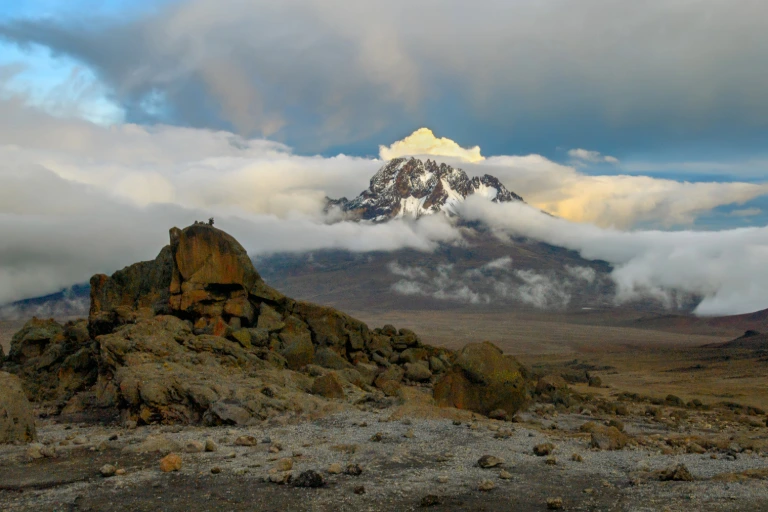
This isn’t just Africa’s tallest mountain. It’s alive. It moves with you. Every sunrise feels like it was painted for you alone. Every starry night feels like the universe is pressing close, whispering in your ear. And every step, every shaky breath, every moment when you think you can’t go on, it’s the mountain talking, and you’re listening. And when you finally reach the top, standing at the summit, all of it hits you at once: the struggle, the beauty, the silence, the wind. Kilimanjaro doesn’t just challenge you. It changes you.
So, prepare your Kilimanjaro Packing List. Bring your camera. But bring your heart even more. Let the mountain show you its magic — in golden plains, wind-sculpted deserts, shimmering ice, and endless skies. Go on Mount Kilimanjaro Climbing for the views and everlasting memories. Stay for the story. Laugh at the struggle. Feel every step. And when you leave, don’t just take a photo. Take the memory. Take the feeling. And take the part of Kilimanjaro that will live inside you forever.