

8 Essential Items You Must Pack for Your Kilimanjaro Adventure
Climbing Mount Kilimanjaro isn’t just a test of fitness or pure grit; it’s a low-key lesson in respecting the mountain. Because honestly? Preparation is your real bestie up there. The gear you include on the Kilimanjaro Packing List makes all the difference between feeling steady and comfortable, or questioning all your life choices at 4,700 meters when the wind slaps you, as if it has a personal vendetta against you. And when that moment hits, and it will, you’ll be quietly thanking your past self for every smart item you packed.
Mount Kilimanjaro Climbing is wild in the best way. One minute you’re vibing in warm sunshine, trekking in a simple t-shirt, taking in the views like you’re on a casual nature walk. Then out of nowhere, the weather switches up like it’s in its villain arc, and suddenly you’re layering up like you’re heading straight into the Arctic. That’s why knowing What To Pack For Kilimanjaro isn’t just about a boring checklist; it’s literally how you protect your body, your comfort, and your summit dreams.
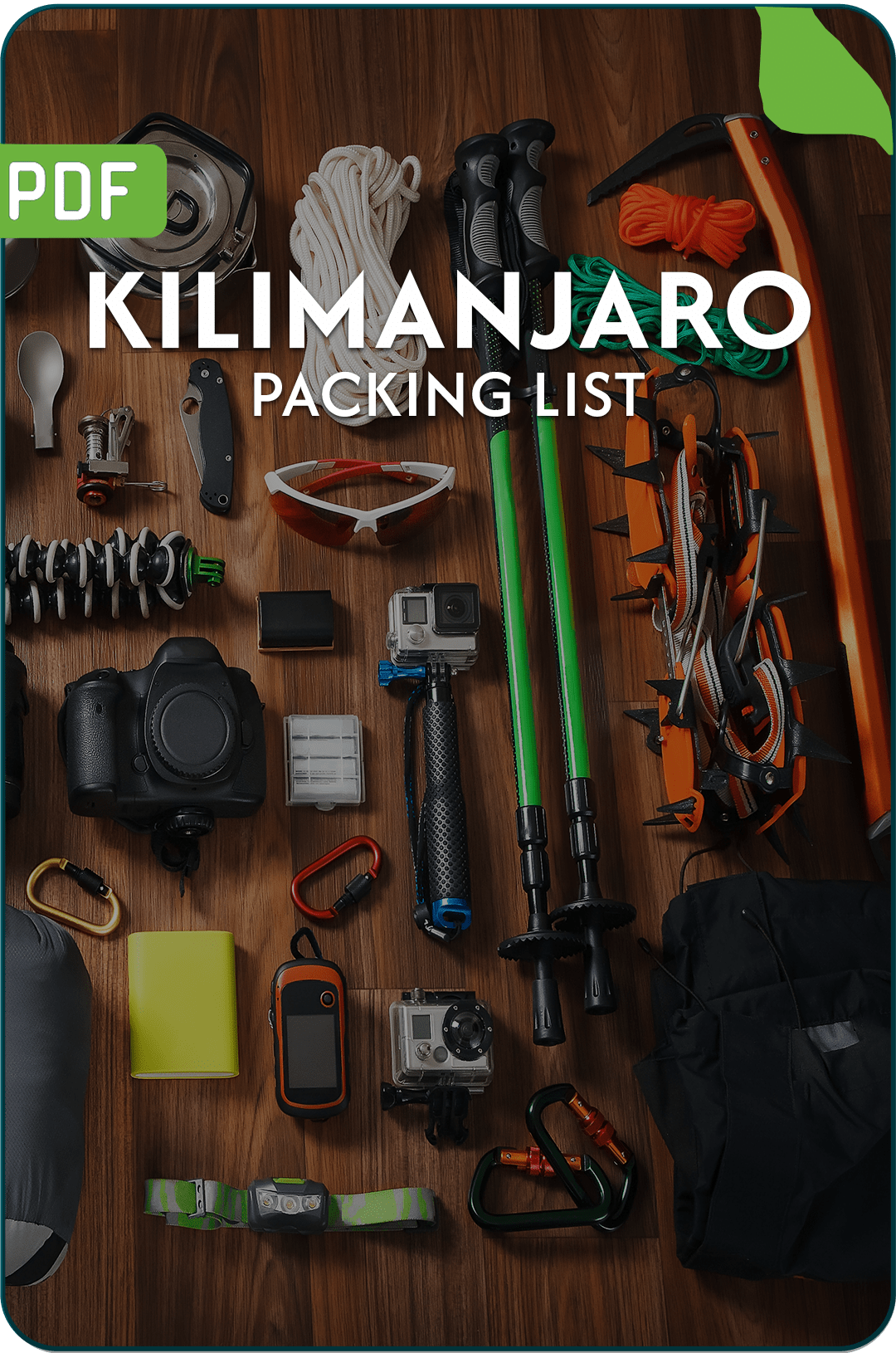
In this guide, we’re breaking down the 8 Kilimanjaro Packing List categories every climber needs. Not just the basics but the real-life stuff: what’s a must-pack, what’s just nice to have, what you can easily rent in Moshi, and those insider gems from African Scenic Safaris guides who’ve climbed this mountain more times than we’ve gone on morning walks.
Think of this less like a packing list… and more like a friendly survival cheat code for the Roof of Africa. Your future self at Uhuru Peak is going to be proud.
Clothing & Layering System
“Stay Warm from Base to Summit: Your Kilimanjaro Layering Guide”
Every seasoned climber will tell you: you don’t beat Kilimanjaro Weather; you prepare for it.
This mountain shifts moods faster than a Nairobi matatu lane change. One second, you’re sweating, the next you’re shivering. That’s why the layering principle is your secret weapon.
The Three-Layer System (Your Survival Kit)
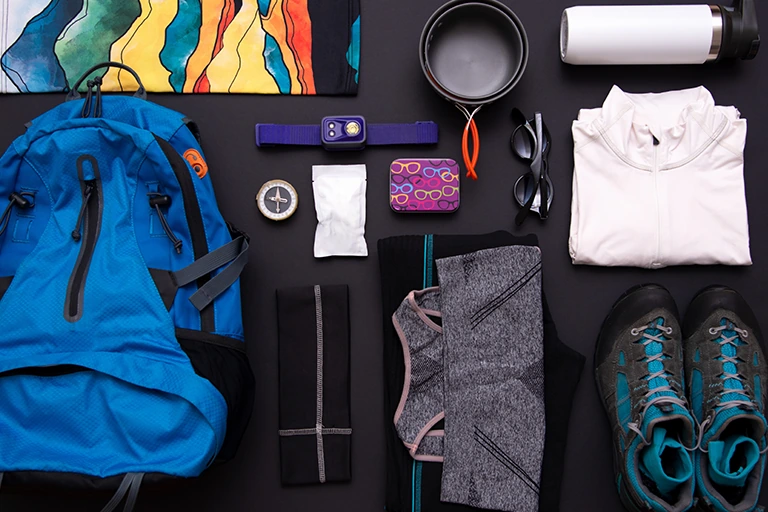
Base Layer – “Your Heat Keeper”
This is your foundation. Choose moisture-wicking synthetics or merino wool. Cotton? Absolutely not. Cotton holds sweat and can legit drop your body temperature at higher altitudes.
Mid Layer – “Your Warmth Booster”
Fleece jackets or lightweight down sweaters. These hold your heat in and protect you when temps start dipping into the negatives.
Outer Layer – “Your Weather Shield”
Think waterproof, windproof, Gore-Tex-level protection. Summit winds are no joke — this layer keeps the cold, snow, and biting gusts OUT.
Summit Night Clothing Breakdown
- Thermal base layer (top and bottom)
- Fleece mid-layer
- Insulated jacket (down recommended)
- Waterproof outer shell
- Warm gloves (inner and thick outer)
- Wool socks
- Neck gaiter or balaclava
African Scenic Safaris guides emphasise this exact combo. One of their senior guides once said, “On summit night, your layers don’t just keep you warm, they keep you moving.”
Trekking Essentials To Add to Kilimanjaro Packing List
“Gear You’ll Use Between Camps”
This is the category people underestimate the most, yet it’s the stuff you use every single day of your climb. If your boots are uncomfortable or your daypack isn’t fitting right, trust me, you’ll feel it by day two.
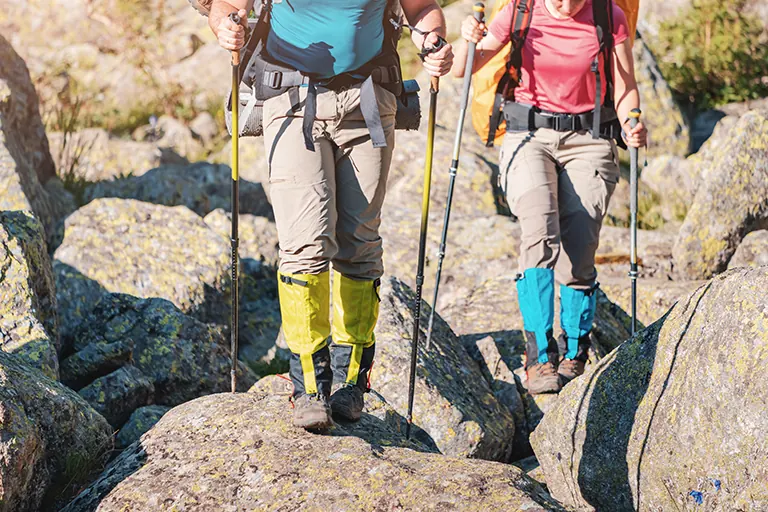
Your Daily Kilimanjaro Trekking Accessories include:
- Kilimanjaro Trekking Boots and Jackets: Sturdy. Waterproof. Broken in. Boots are your relationship; if it’s toxic, you’ll know.
- Gaiters: These keep mud, rocks, and dust out of your boots.
- Daypack (20–30L): This carries what you need during the day: water, snacks, layers, camera, and personal meds. Porters only carry up to 15 kg, but your daypack (5 kg max) stays with you.
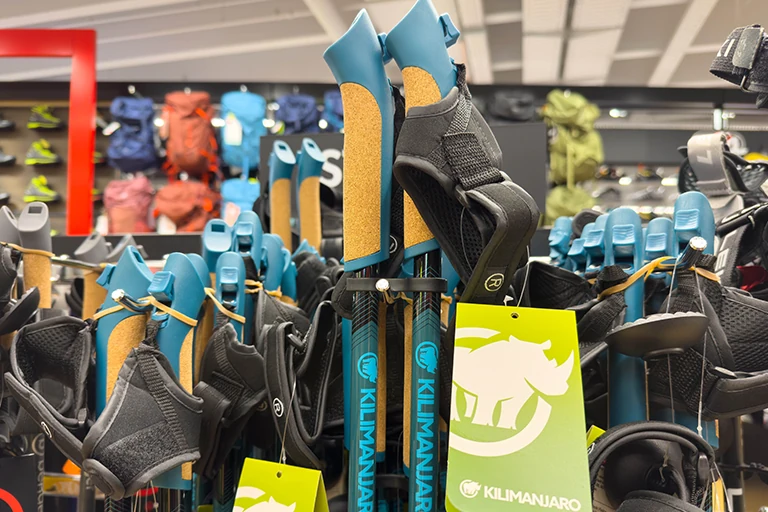
- Trekking Poles: Your knees will thank you during steep descents. Best part? You can rent them cheaply in Moshi.
- Rain Gear: This is not optional. Kilimanjaro weather plays games — from misty drizzles to full-on “why now?” downpours.
A porter from African Scenic Safaris once said, “Good bags and covers save you from wet clothes and wet clothes ruin a climb.”
When planning your Kilimanjaro adventure, it’s important to prioritise not just your own experience, but also the well-being of the porters and the environment. Following Kilimanjaro Porter Welfare & Responsible Trekking Practices ensures everyone on the mountain is treated fairly and sustainably.”
Summit Night Gear
“Conquer the Cold: Summit Gear Breakdown”
Summit night is the boss level, and your Kilimanjaro Summit Night Gear is the only thing standing between you and brutal Arctic-like conditions. Temperatures can drop below -15°C with wind chill pushing it even lower.
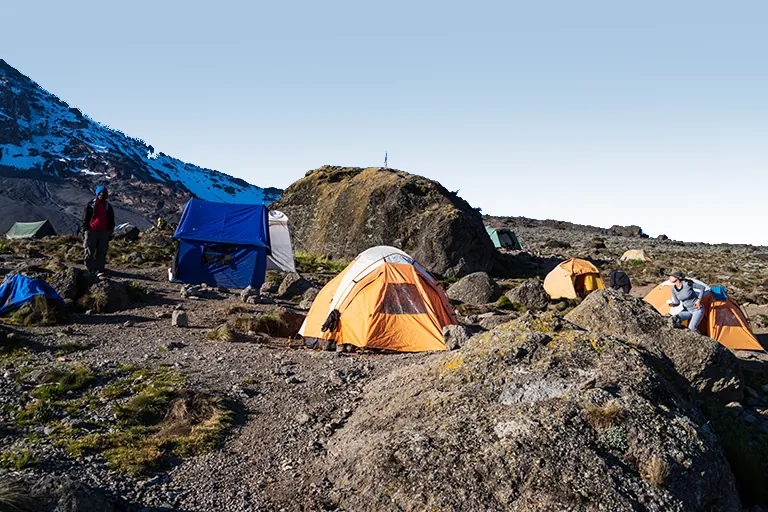
Here’s what you absolutely must have:
- Insulated jacket
- Thermal base layers (top & bottom)
- Balaclava or fleece face mask
- UV-protected sunglasses (snow glare is real!)
- Windproof mittens and inner gloves
- Warm beanie
- Headlamp with extra batteries
- Neck gaiter
CDC and Wilderness Medical Society both note that properly insulated extremities reduce the risk of frostnip and cold stress dramatically.
African Scenic Safaris guides who’ve summited 100+ times swear by double-layer gloves and fleece-lined balaclavas; they literally save your face from freezing winds.
Health & Medication Kit
“Stay Safe on the Climb: Essential Medical Items”
No one heads up Kilimanjaro thinking, “Yeah, I might get sick today.” We all start the climb with good vibes and big dreams, but altitude? Altitude minds its own business. That’s why having a solid health kit isn’t just “smart” … it’s your quiet little safety net. It’s the thing that gives you control when the mountain decides to switch things up.
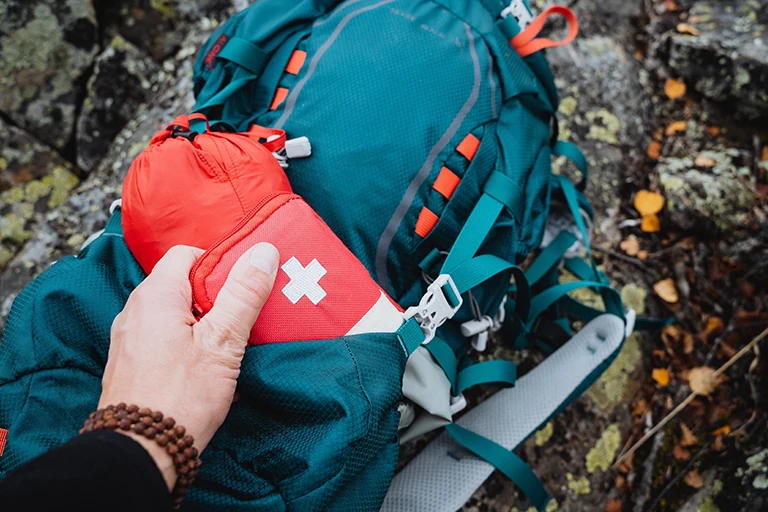
Your medical kit becomes that one friend who’s always prepared, the one who pulls out lip balm when everyone’s lips are cracking, or offers rehydrated salts when someone’s starting to feel a bit off.
Altitude sickness (AMS) doesn’t discriminate; even super-fit climbers can feel it. The early warning signs? Headache. Nausea. Dizziness. Loss of appetite. Fatigue.
The CDC even emphasises how important it is to catch those symptoms early before they escalate.
The good news? African Scenic Safaris gives you a full medical briefing before every Kilimanjaro Climb, so you’re not out there guessing.
| Item | Why You Need It |
| Headache medication | Helps ease altitude-related headaches so you can keep pushing comfortably. |
| Anti-nausea tablets | Keeps your stomach steady when altitude starts acting up. |
| Diamox (doctor-approved!) | Supports acclimatisation and reduces AMS risk. |
| Rehydration salts | Replaces lost minerals, prevents dehydration headaches. |
| Electrolyte tablets | Boosts energy and keeps your body balanced on long trekking days. |
| Anti-diarrheal medication | A lifesaver if your stomach decides to misbehave mid-climb. |
| Blister treatment | Protect your feet when friction hits because blisters can ruin your mood fast. |
| Lip balm with SPF | Prevents painful cracked lips from dry mountain air. |
| Sunscreen SPF 50+ | Sun at high altitude? Brutal. Protect that skin. |
| Hand sanitizer | Helps you stay clean when water sources are limited. |
| Basic first-aid supplies | Bandages, tape, alcohol wipes, the small stuff that saves the day. |
Climbing Kilimanjaro comes with incredible views, but the high altitude can sneak up on you. Knowing how to recognise and prevent it is key.
Snacks & Nutrition
“Fuel for the Climb: Energy Snacks & Supplements”
When you’re on Mount Kilimanjaro Climbing process, food stops being… well, food. It becomes energy. Comfort. Motivation. It’s literally the thing that keeps your legs from giving up when you’re staring at yet another uphill stretch thinking, “Wow… this mountain is really showing me flames today.”
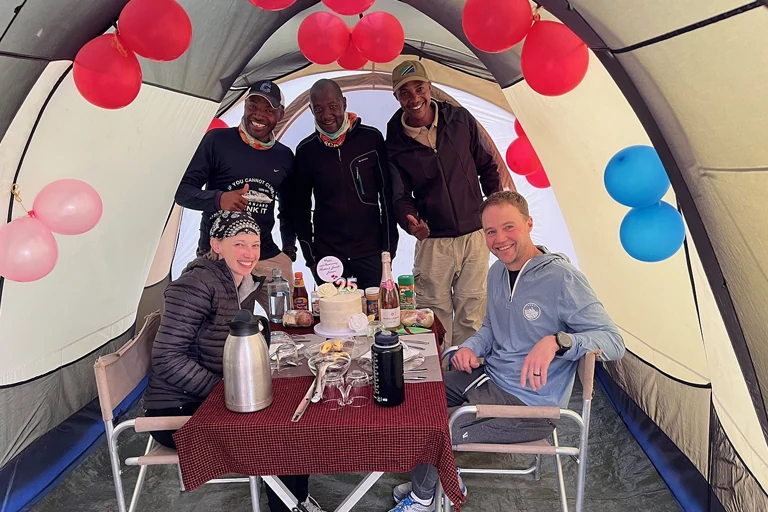
Your body works overtime up there, the cold, the altitude, the long hours on your feet. Even when you feel like you’re just walking, you’re burning calories like crazy. That’s where your snacks come in. They fill in quiet spaces between meals, keeping your energy steady and your mood from dipping too low.
Here’s your snack list, but with the real reasons they matter:
| Snack | Why Your Body Loves It Up There |
| Nuts (almonds, cashews, peanuts) | Slow, steady energy. They’re like tiny power banks in your pocket. |
| Protein bars | When you need something filling now, these hit the spot. |
| Chocolate | Yes, it’s a treat — but it also boosts your mood when the climb gets mental. |
| Energy chews | Instant pick-me-up during steep, “why am I doing this?” moments. |
| Electrolyte powders | Help your body keep up with altitude + prevent fatigue headaches. |
| Dried fruits | Sweet, light, and quick energy when you don’t feel like eating much. |
| Salty crackers | Perfect when your stomach gets weird from altitude — gentle but effective. |
| Granola bars | That slow-burn energy your body needs on long trail days. |
One African Scenic Safaris cook summed it up perfectly, “On the mountain, snacks are not snacks. They are fuel. Eat often.”
And he’s right. Don’t wait until your back before you need it. Keep your energy steady, keep your spirits up, and you’ll feel your body thanking you with every step.
Tech & Accessories
“Capture, Light, and Power: Smart Packing Tips”
Your phone battery is not beating Mount Kilimanjaro’s cold; let’s start there. Anything electronic needs protection and backup, and that’s why you should make sure that Kilimanjaro Trekking Accessories are included.
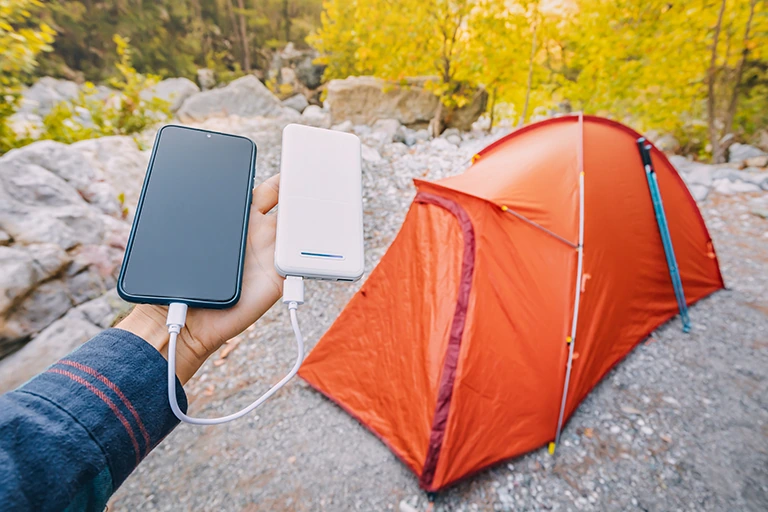
Tech Items You Need
- Power bank (20,000 mAh minimum)
- Solar charger (optional but helpful)
- Headlamp (cold kills battery, so pack extra batteries)
- Camera + memory cards
- Charging cables
- Weatherproof case
National Geographic photographers swear by keeping batteries close to your body to prevent freezing; literally, your inner jacket pocket becomes a battery incubator.
A traveller once shared, “My phone died every night except the night I kept it in my sleeping bag.” Lesson learned: cold is the enemy.
Hygiene & Toiletries
“Staying Clean on the Mountain: The Hygiene Checklist”
Hygiene might sound “extra” on a mountain, but trust me — staying clean boosts your mood, your energy, and your overall comfort.
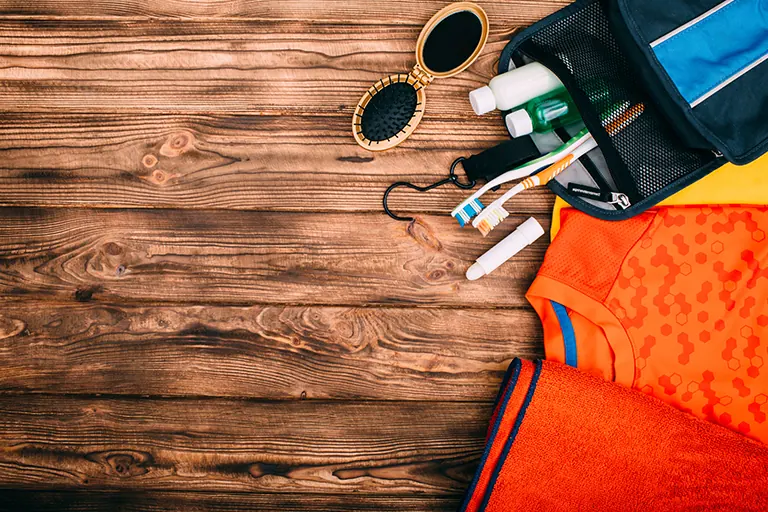
Your Cleanliness Lifesavers
- Toothbrush + toothpaste
- Hand sanitizer
- Baby wipes/eco wipes
- Quick-dry towel
- Biodegradable soap
- Face cloth
- Deodorant
- Toilet paper (yes, bring your own!)
- Feminine hygiene products (if needed)
The Leave No Trace principles strongly encourage biodegradable products. You want to protect yourself and the mountain. African Scenic Safaris conducts Responsible Tourism Tanzania by providing washing water at camp, but your personal items make all the difference.
Packing Strategy & Rentals
“Rent, Buy, or Borrow: Kilimanjaro Gear Made Simple”
Packing is not just stuffing items into a bag; it’s a strategy. It’s knowing what to rent, what to buy, and how to balance comfort with weight limits.
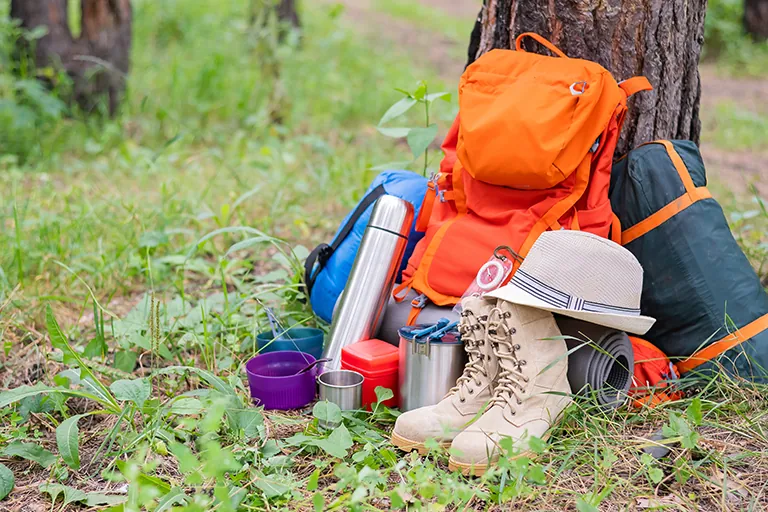
The following are the Kilimanjaro Equipment Rental Moshi offered (USD 100–200)
- Sleeping bag (expedition-rated)
- Trekking poles
- Gaiters
- Insulated jacket
- Headlamp
- Duffel bag
What You MUST Buy Yourself
- Hiking boots (non-negotiable)
- Base layers
- Socks
- Underwear
- Personal medication
- Daypack
A recent climber said, “Renting saved me money, but bringing my own boots saved my climb.”
African Scenic Safaris offers a reliable Kilimanjaro Packing List rental system, providing clean, high-quality, and affordable options. Ready to climb Africa’s highest peak? Let African Scenic Safaris handle your Kilimanjaro logistics from gear rental to professional guides.
Pack Right, Climb Right – Kilimanjaro Packing List
Okay, forget the guidebooks for a second. Packing smart and Kilimanjaro Trek Preparation is basically the cheat code for Kili. Seriously, you win the first battle right there in your living room.
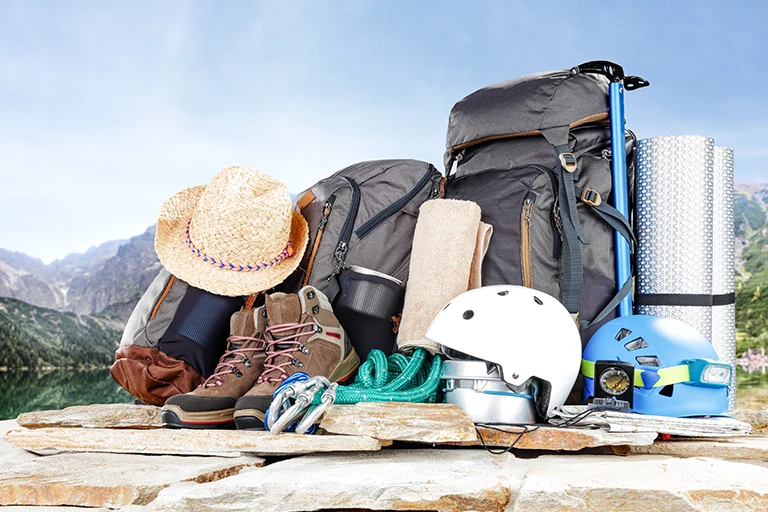
Listen up. Nailing your Kilimanjaro Packing List? That’s the first boss you absolutely must beat. If you screw this up, the mountain will make you pay for it.
Every piece of clothing that’s weird-looking thermal, those expensive socks, it’s not just stuff; it’s the only thing standing between you and misery. It keeps you safe, it keeps you warm, and it keeps you sane when that altitude starts messing with your head. Seriously, think of your Kilimanjaro Hiking Gear as your superpowers up there.
Kili is going to punch you in the face. It just is. But if you show up organised, if you stay chill, and if you listen to your body, this mountain is so incredibly rewarding.
This whole thing? It’s not a vacation. It’s not just a photo op. This is where you meet yourself. You’re going to find out who you are when you’re freezing, nauseous, and totally exhausted, the stubborn idiot who just refuses to quit even when the path looks like it goes on forever.
Get your Kilimanjaro Clothing Guide right, keep the drama low, and stick with your team. When you finally crawl onto that summit, you won’t just be at the top of a rock pile; you’re going to realise that you are a total legend.