
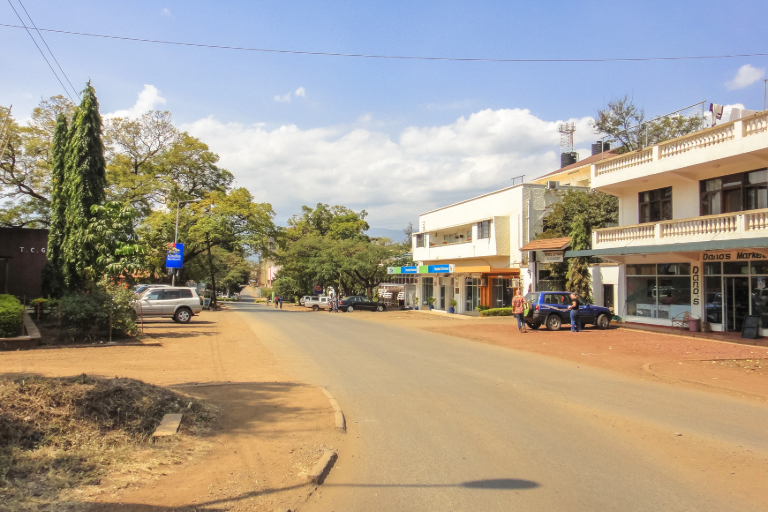
Enjoy the Simple Joys of Moshi from Coffee Farms to Hot Springs

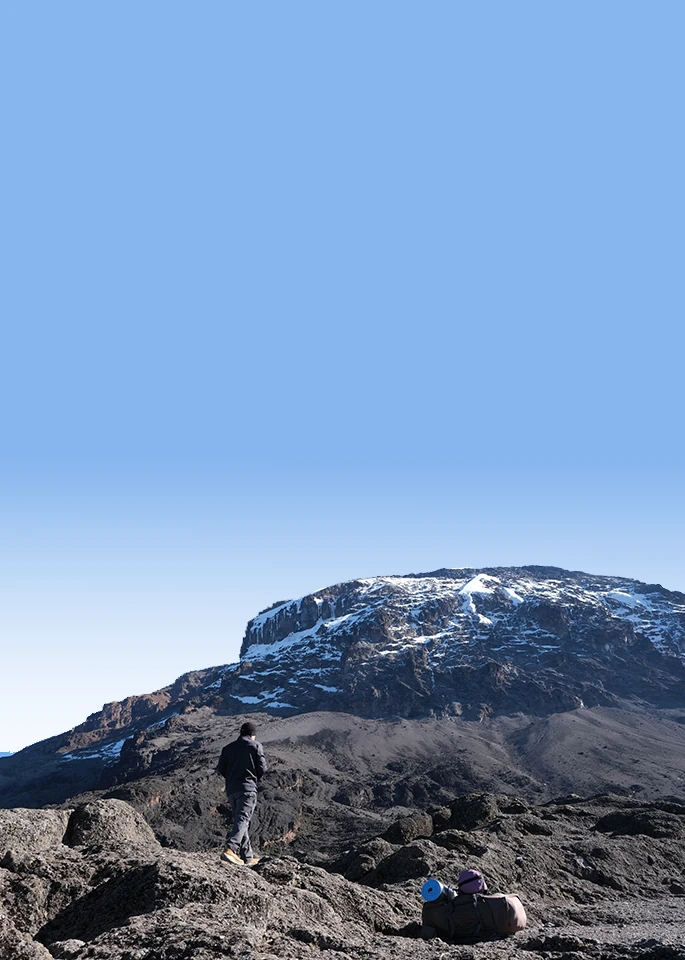
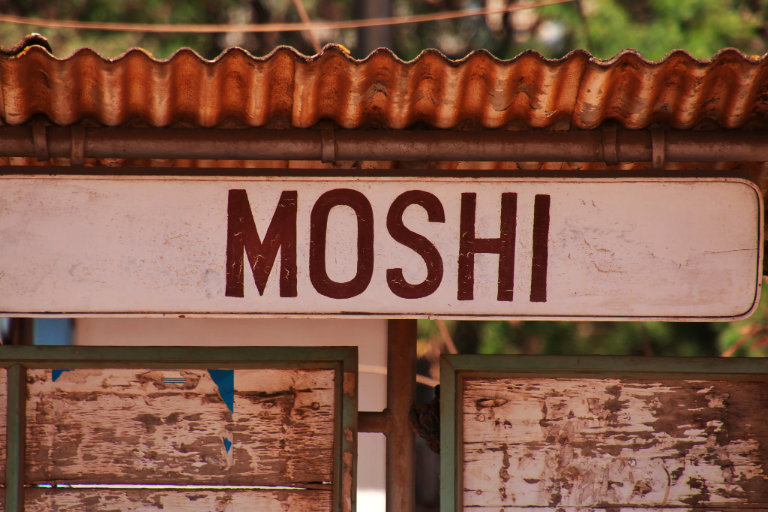
Moshi sits quietly at the base of Kilimanjaro, known for coffee farms, small towns, and a relaxed daily rhythm influenced by local routines.

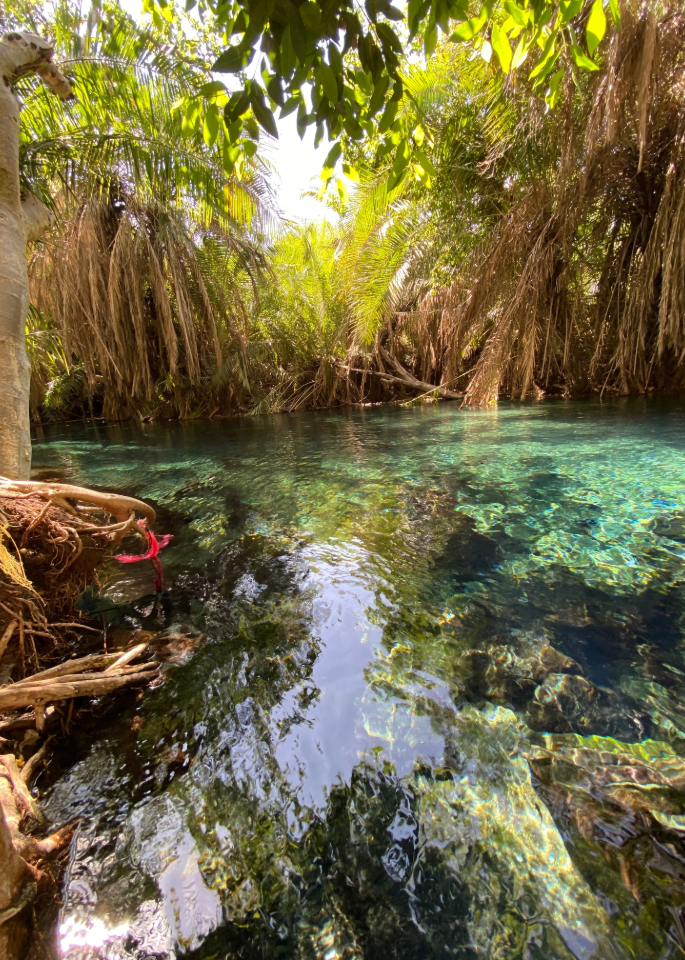
Afternoons invite soaking in warm, turquoise waters surrounded by ancient fig trees. For travelers needing a break, the Things To Do in Moshi can offer genuine local moments. 

Specifically, many visit Kilimanjaro but miss the Moshi Day Trips piece right below the mountain.

This blog will show you Moshi’s calm beauty. It’ll cover everything from Coffee Farms in Moshi to relaxing at Chemka Hot Springs. Consequently, slowing down here greatly improves your trip. You’ll find many great Moshi Attractions nearby. It’s for those wanting authentic local encounters, food, and quiet nature.
Key Takeaways:

  • Learn about Coffee Tours Tanzania.
  • Find the best way to visit Chemka Hot Springs for a full day.
  • Discover simple activities showing Moshi’s friendly life.
  • Get tips on routes and timing for a relaxed plan.

Morning Simplicity – Discovering Moshi’s Coffee Heritage

Moshi is often called Tanzania’s coffee capital. A bit of history explains this. Specifically, German missionaries brought Arabica coffee here late in the 1800s. Since then, coffee has shaped Moshi’s growth. The Kilimanjaro Native Co-operative Union (KNCU) clearly shows this history. They guide growers, keeping quality fair. 
Things To Do In Moshi
Moshi Coffee Farms

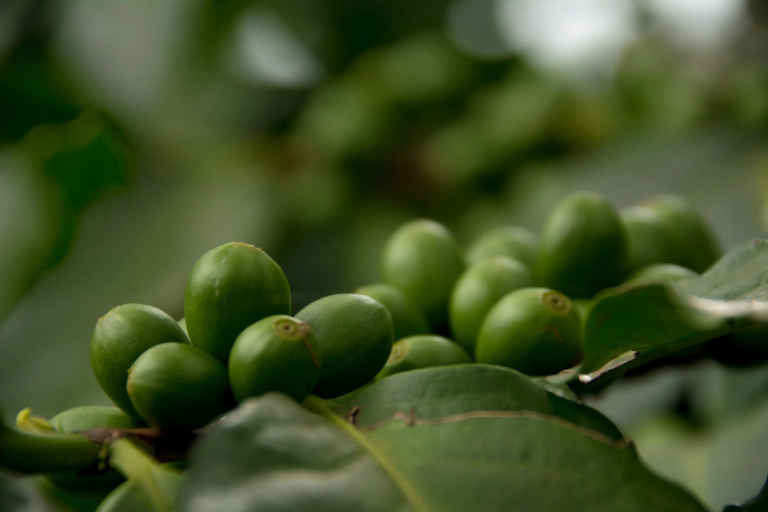
Moshi is rich with hundreds of small farms run by Chagga families. Therefore, remember this: it’s not just about the drink; it’s about the entire journey. When you visit Kilimanjaro Coffee farms, you aren’t just a guest; you’ll walk among coffee plants. Next, you’ll watch farmers pick bright red cherries that hold the precious bean. In addition, you can learn old ways of roasting and brewing coffee. 

Mornings are normally social times. Perhaps, you might join locals in songs over a few cups. Such interactions will show you how Coffee Farms Moshi matter to the community. As one local guide noted, “In Moshi, coffee isn’t just a drink — it’s our way of life.” 

Late Morning Wandering – The Slow Life Around Town

After visiting the coffee farms, exploring the town on foot follows. Your guide will walk you around the Moshi Attractions. The center is small, and you can start visiting the Moshi Clock Tower; it’s a great daily marker.
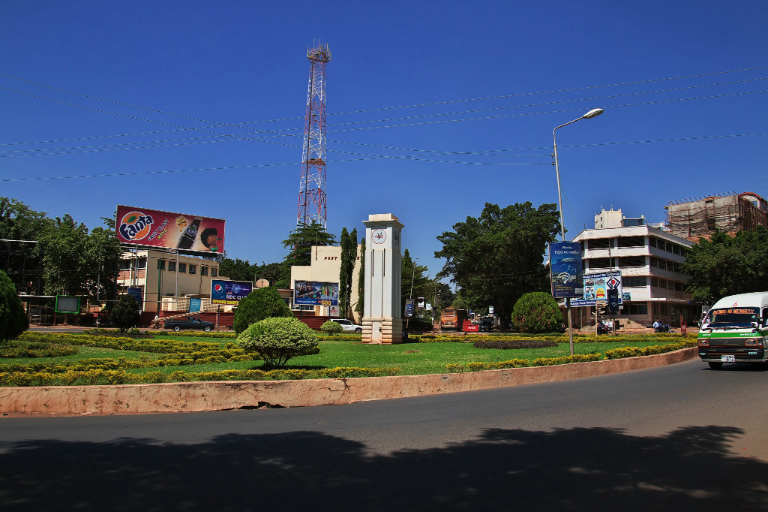
Things To Do In Moshi
Moshi Clock Tower

As you walk, you’ll also see local produce markets. Vendors here sell fruits and clothes. For example, you can stop for fresh juice. Perhaps, try some mandazi, light, sweet local doughnuts. These taste great with tea. You can talk with the shop owners. They’re mostly kind to guests. This easy vibe shows Moshi’s charm. For inspiration on local restaurants, check out some popular opinions on TripAdvisor. Finding these spots makes your list of Things to Do in Moshi more exciting.

Afternoon Adventure – The Road to Chemka Hot Springs

As morning turns to afternoon, switch focus to rest. We will drive south toward Boma Ng’ombe. That ride takes about 1.5 hours. To clarify, the green slopes turn into drier bushland. You might spot acacia trees. Occasionally, Maasai herders watch animals nearby. This short drive is a trip itself.
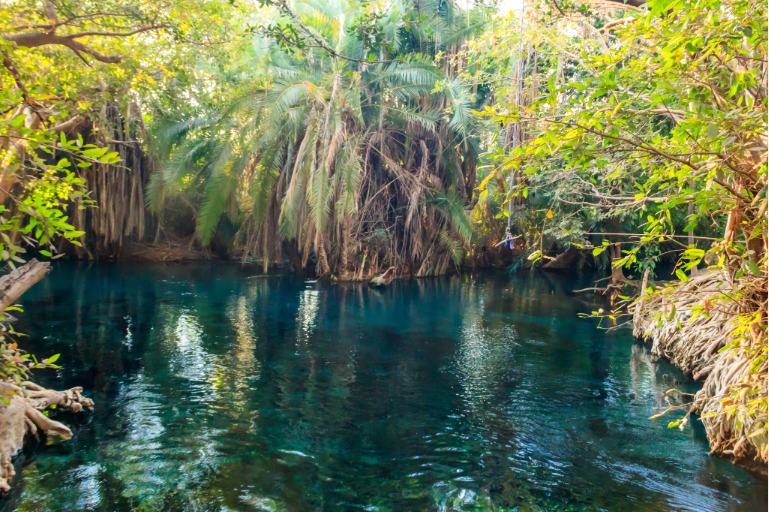
Chemka Hot Springs
Chemka Hot Springs

Your spot is Chemka Hot Springs, also known as Kikuletwa Hot Springs. Getting there needs a plan. For instance, many use a guide who handles details. Or, get a private car. Although local transport works, you might walk the last rough path. Entry costs are fair, usually around $10–$15 per person. Inside, you’ll find basic facilities like toilets and picnic tables. As a result, these springs make excellent destinations for Tanzania Day Trips.

Floating Freedom – Inside Chemka Hot Springs

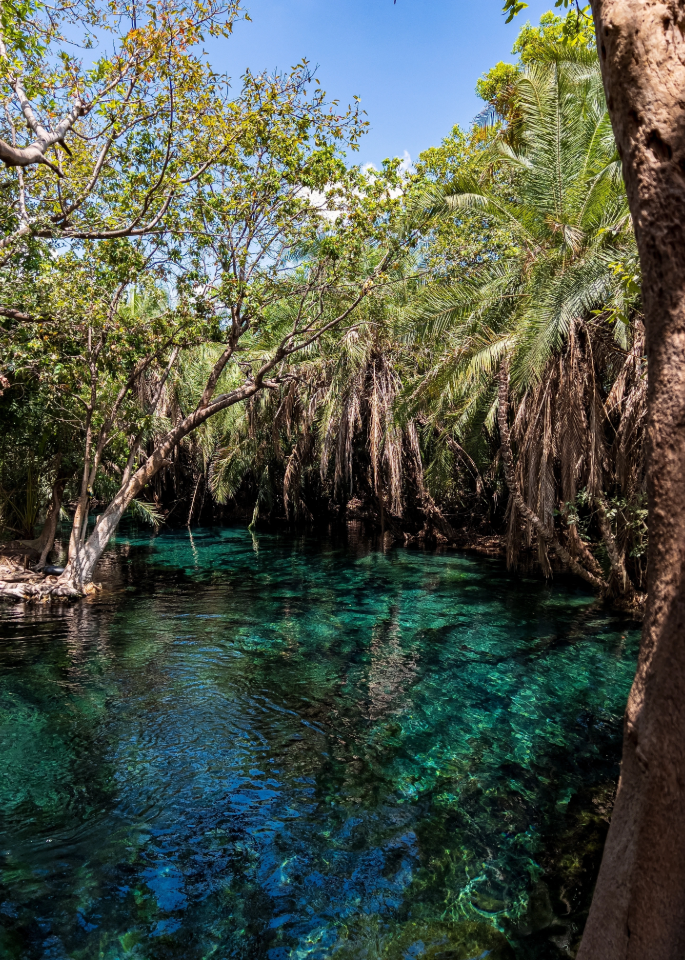
Reaching Chemka feels like finding a secret haven in the dry land. The water’s color is amazing, a clear blue-green. It looks great against the dry background. Sunlight filters through huge fig tree leaves. Hence, this makes pretty patterns on the water. This is a sight for the camera. The place is a joy for your senses. 
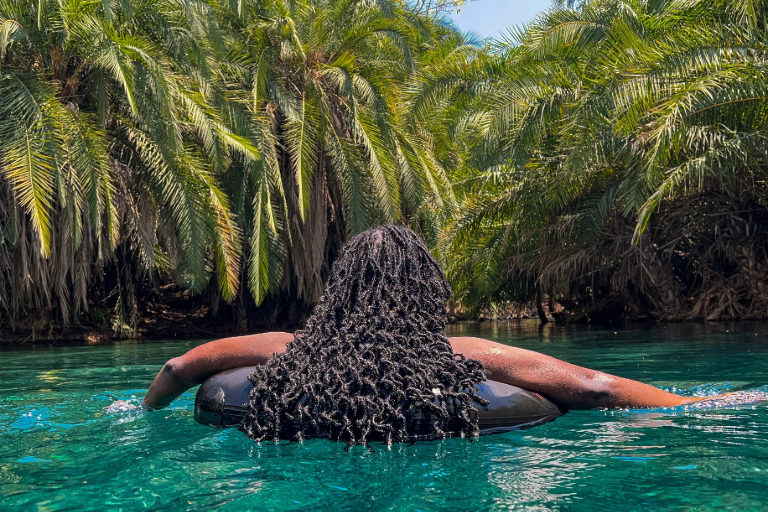
Moshi Activities To Do
Chemka Hot Springs

Moreover, you can dip in the water, which stays warm all year. This is because the springs get their supply from underground streams, not volcanic rock. The water stays around 25–30°C. Pools go from about 1 to 5 meters deep. You’ll spot rope swings, great for a jump. Also, watch for tiny fish in the pools. They might nibble your feet, which feels like a natural massage.

One of our visitors shared, “It felt like nature’s own spa, calm and healing.” It’s one of the best Things to do in Moshi.

For the best light, aim to get there between 2 and 5 PM. You can take the best photos with such light. 

Chemka Hot Springs Quick Facts

  • Temperature: 25–30°C
  • Depth: 1–5m
  • Travel Time from Moshi: About 38 km
  • Entry Fee: ~$10 USD
  • Best Time to Be There: 2–5 PM

While enjoying Chemka Hot Springs, many travelers also choose to visit Materuni Waterfalls during their stay in Moshi. Set on the lower slopes of Kilimanjaro, Materuni offers forest walks, cool mist, and a tall waterfall framed by banana farms. It’s an easy addition for those wanting to see more of Moshi’s natural side without rushing their plans.

Balancing It All – How to Plan Your Moshi Days

Scheduling is simple because Moshi rewards slow travelers. To fully enjoy the local pace, we suggest setting aside two easy days. Because this speed helps you soak it up.
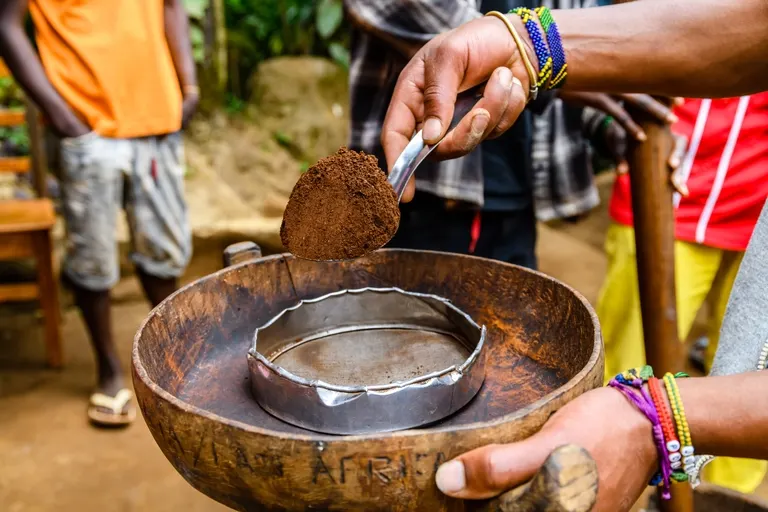
Things To Do In Moshi
Coffee Tours Tanzania

Guides familiar with the region often advise this slower travel method. A great expert tip is: “Don’t try to do everything in a day — Moshi rewards slow travelers.” Thus, this mindset unlocks the best Things to Do in Tanzania away from safari crowds.

Here is a simple time plan:

Day 1: Coffee Life and Town Exploration

First, start your morning with Coffee Tours Tanzania. Then, spend time at a working farm. Afterward, head back to Moshi town. Use the afternoon to check markets and have a slow lunch. You’ll see how easy it is to connect with daily life there.

Day 2: Nature Time and Moving On

Next, save the second day for Chemka Hot Springs. Since the springs are outside town, give yourself a half-day or more for the trip. That way, you enjoy the ride and the swim without stress. Later, return to Moshi for gifts or rest.

Moshi has lovely places to stay. For example, try smaller lodges for comfort. Alternatively, look for a stay on a coffee ranch for a deep cultural feeling. 

Responsible Travel – Supporting Moshi’s People and Nature

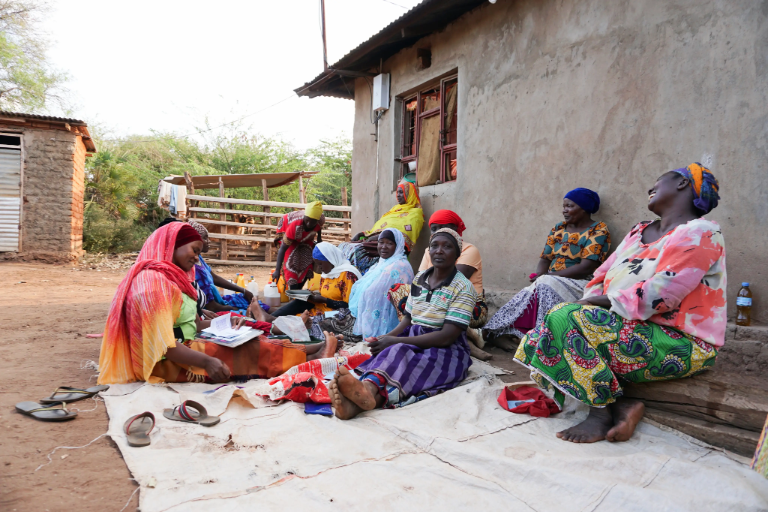
When you visit Moshi Nature & Culture sites, your money directly supports locals. When you pick a coffee tour or guide for the Hot Springs Near Moshi, you do more than have fun. Your fees and tips go straight to Moshi’s neighborhoods and farm groups.
Moshi Things To Do
Moshi Responsible Travel

For instance, fees at Chemka often pay for local upkeep and good causes. This might mean funding trash clean-up or supporting school programs. In the same way, money spent with coffee cooperatives keeps families secure. It also encourages good, earth-friendly farming. 

This is what Tanzania Community-Based Tourism (TCT) promotes. By choosing these real Moshi Experiences, your money helps things grow. Exploring Moshi Attractions is an investment in its future health.

Moshi isn’t visited alone. Most travelers incorporate it into a broader Tanzania Safari Tour. This can include exploring the region’s incredible National Parks in Tanzania, like Serengeti, Ngorongoro, and Tarangire. 

Lastly, to keep the area beautiful, be responsible. Always use refillable bottles. Moreover, never leave trash behind. Always respect local customs.

Now, understanding how your investment supports conservation and communities across all destinations is essential. Here’s a quick look at how your spending helps:

Where Your Travel Money Goes

  • Local Guides & Services: 45%
  • Community Projects: 25%
  • Conservation Efforts: 20%
  • Administration & Maintenance: 10%

For a comprehensive breakdown of Tanzania Safari Cost, visit our detailed Safari Cost & Impact Guide.

The Lasting Calm of Moshi

Moshi’s beauty isn’t loud. It’s in the happy sounds of farmers working. It’s the smell of beans roasting, right? Also, it’s the soft blue ripples of water under the sun. Simple days here feel like hitting a reset button for your spirit. 
Moshi Attractions
Moshi Attractions

Even though you won’t find the excitement of the wild migration, you will find quiet connection and deep rest. If you want Tanzania Safaris that leave you feeling better, this place is perfect.

Plan Your Relaxed Moshi Getaway with African Scenic Safaris – Book Your Coffee & Hot Springs Tour Today!

Simbo Natai
Simbo Natai, founder of African Scenic Safaris, crafts sustainable, meaningful Tanzanian journeys rooted in his deep local knowledge and passion.
Director, African Scenic Safaris

7 Amazing African Wild Animals to See on a Tanzania Safari Beyond the Big Five

Most travelers arrive in Tanzania dreaming of seeing the Big Five. But honestly, people often overlook some of the other best wildlife moments. These infamous animals offer surprisingly deep African Safari Tanzania moments.

In this guide, we’ll share seven wonderful animals beyond the Big Five. These animals play key roles in keeping nature balanced. Indeed, they often become your best memories later on. Prepare to see why Tanzania Safari Wildlife offers such rich depth.

Key Takeaways:

  • Discover special animals beyond the Big Five when you visit.
  • Learn why these other species matter to Tanzania’s health.
  • Understand where and how you’ll spot them on safari.
  • Gain insight into their behavior from our keen guides.

Why the Big Five Aren’t the Whole Safari Story

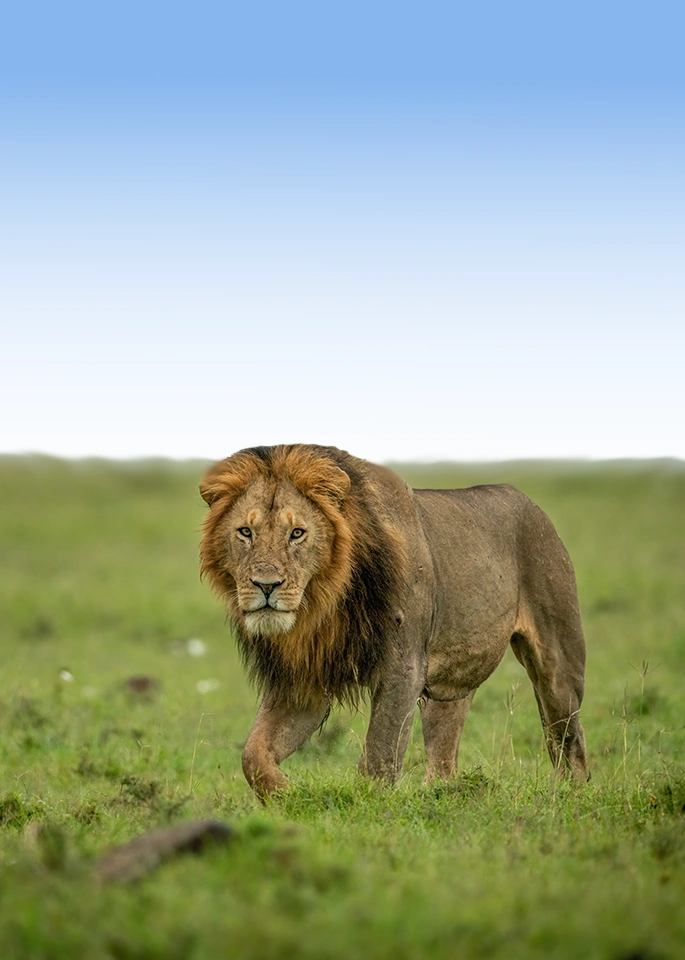
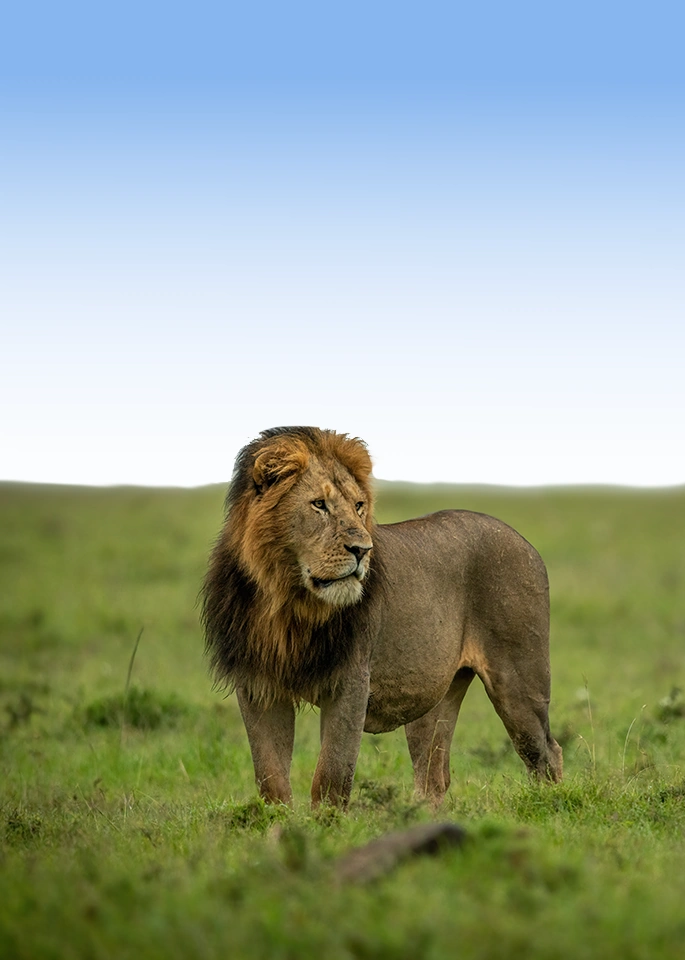
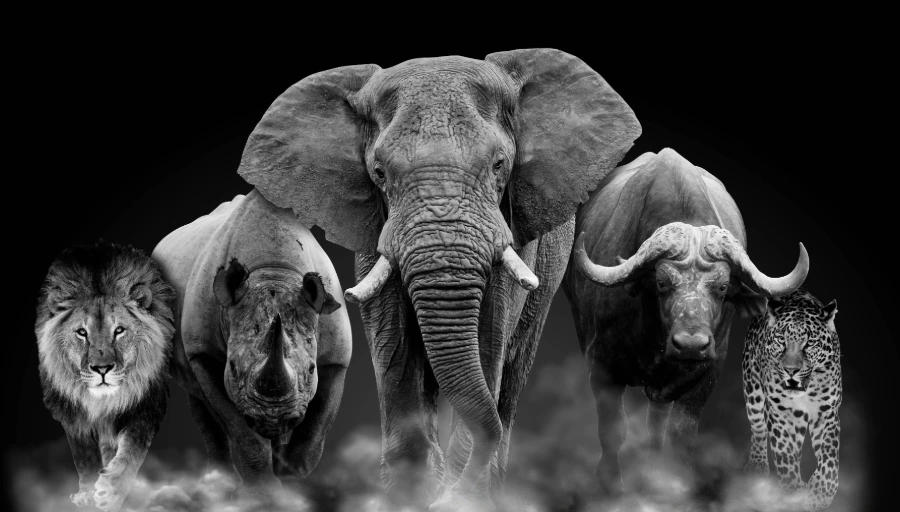
The Big Five often dominate the marketing we all see. They surely draw big tourist crowds to Tanzania Destinations. However, a truly deep safari means appreciating every creature. Real Tanzania Safari Wildlife viewing respects all animal types.

Tanzania Big Five Safari

Grazers like the wildebeest keep the grasslands strong for the whole area. Scavengers like vultures clean the bush very well. Even smaller cats help keep their populations balanced nicely. Therefore, every single species plays an important part here. According to Tanzania Wildlife Research Institute (TAWIRI), this balance is what keeps parks like Serengeti healthy. 

A guide recently shared a story about a guest’s reaction. He said, “The guest truly loved seeing the giraffe more than all the lions we found.” This shows how joy pops up in new places.

The Wildebeest

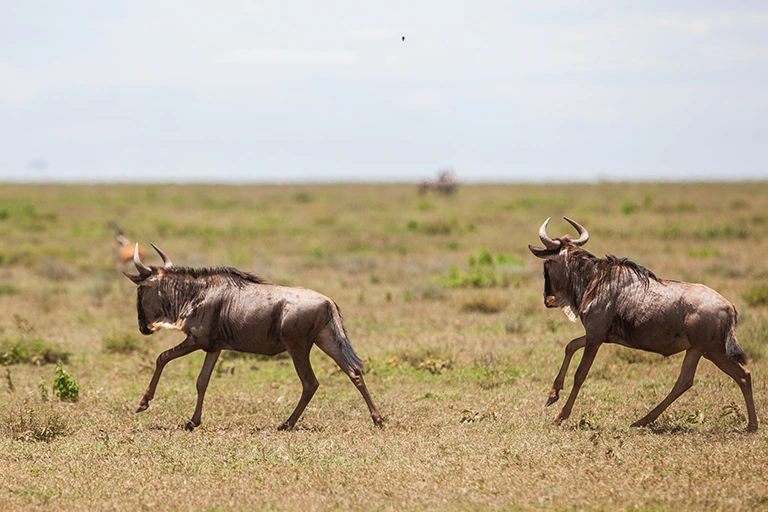
The wildebeest is a crucial animal to watch beyond the Big Five. They actively drive the massive yearly Great Migration cycle. Their collective behavior always causes large-scale herd movements. This movement keeps the larger predators fed well. Thus, it maintains the overall predator-prey balance.

Great Wildebeest Migration
Wildebeest

These animals travel vast areas in search of fresh green grass. This journey is central to life in Serengeti National Park. Research on migration shows that wildebeests actually follow the rain. Nevertheless, seeing a crossing in person is truly unforgettable.

A guide noted the grand scale of this event for us. He said, “When you see a million animals move as one entity, you finally grasp raw nature’s power.” This powerful sight defines a great Tanzania Wildlife Safari moment.

Check our Serengeti Wildebeest Migration Safari.

The Ostrich

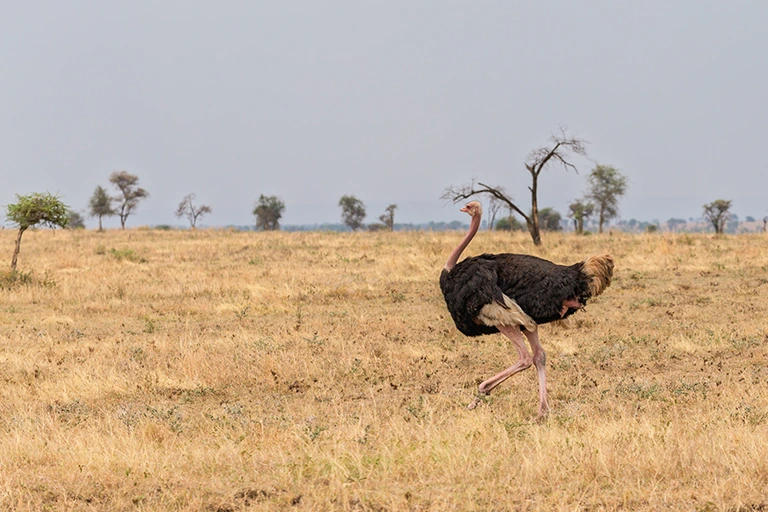
The ostrich is another amazing bird that African wild animals in Tanzania boast. Travelers often miss this giant bird at first glance. Ostriches are Africa’s largest birds, for sure they are. They make quite a surprise on the wide, flat plains.

Ostrich
Ostrich

Did you know an ostrich’s eye is bigger than its brain? Despite this, they’re very smart at avoiding predators.

These birds move incredibly fast when they must escape danger. They can run up to 45 miles per hour easily when needed. Their large size and speed can make them easy to spot. Guide insight often points them out in open areas right away. They thrive where grass growth remains low.

The Giraffe

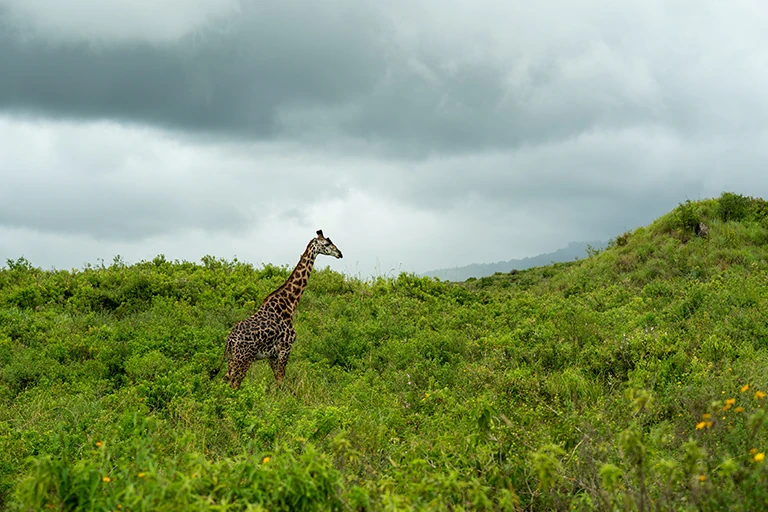
Giraffes are among the gentlest Tanzania Safari animals to encounter. They are truly gentle giants on the savanna plains we see. Giraffes live in loose groups that change often with the seasons. They spend most of their day eating tasty leaves from high trees. Their long necks help them reach food that others simply can’t get.

Giraffe
Giraffe

Regrettably, giraffe numbers are sadly falling in some places now. Hence, seeing them reminds us why Tanzania Responsible Tourism matters. We must protect their homes closely together. Seeing their calm feeding habits brings a calm feeling to any African Safari in Tanzania.

The Pangolin

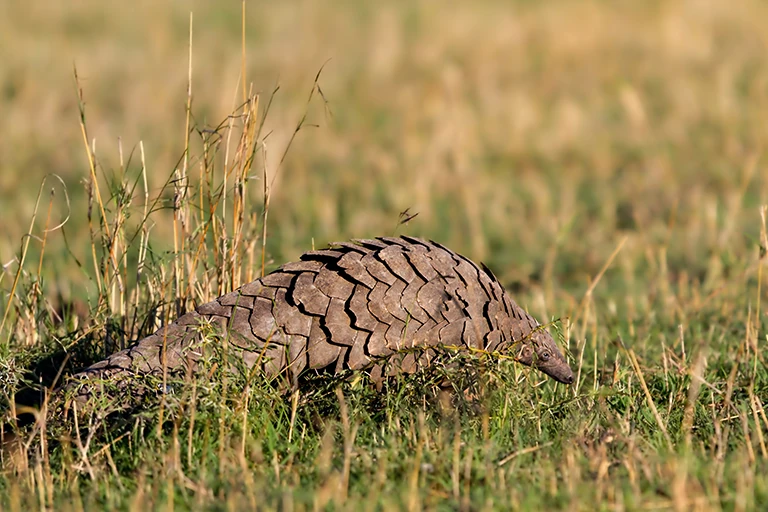
The pangolin is one of Africa’s shiest mammals. It’s also sadly listed as very endangered right now. Pangolins roll right into a tough, scaled ball when they feel scared. They eat ants and termites using one very long, sticky tongue. Because of this unique look, folks rarely see them while driving.

Pangolin
Pangolin

These mammals hunt strictly at night when it’s dark out. They are only active when most people are asleep in their nice tents. Therefore, spotting one takes amazing luck and a very late, quiet drive. Their rarity makes them a real prize for any Tanzania Safari Wildlife fan. 

The Cheetah

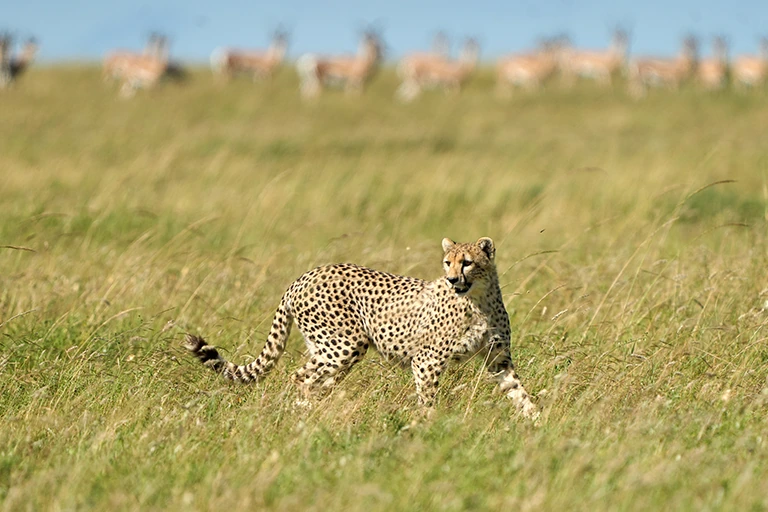
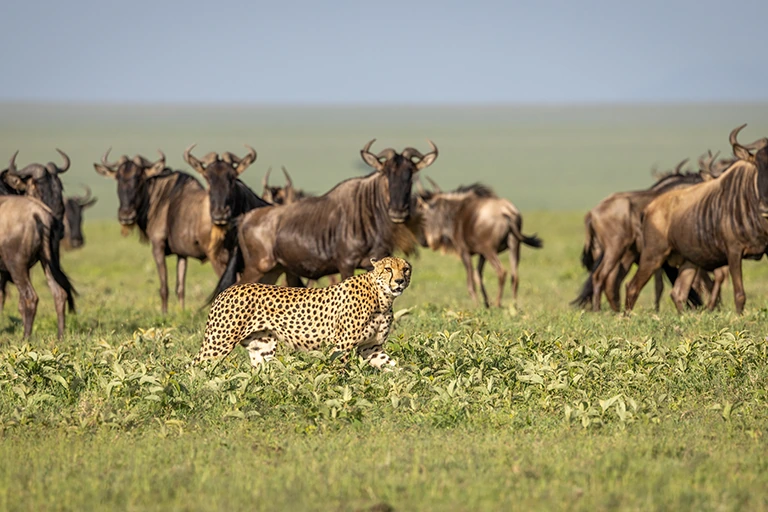
The cheetah is the top speed champion among all cats. It’s a highly specialized, unique hunter unlike others. Cheetahs use short bursts of amazing speed to catch fast prey. They need open, flat land to use this special hunting style well. Thus, they love the flat, open areas of the plains. Watching a cheetah sprint across the Serengeti or Ndutu plains is a memory that stays with you forever.

Cheetah
Cheetah

Unlike other big cats, cheetahs usually hunt during the cooler times of the day, you see. Cheetahs aren’t very social like lion prides usually are. Males sometimes form small groups made up of brothers only. Seeing one on a successful hunt is a true highlight for any African Safari Tanzania trip. Places like Serengeti National Park offer famous viewing chances.

The Warthog

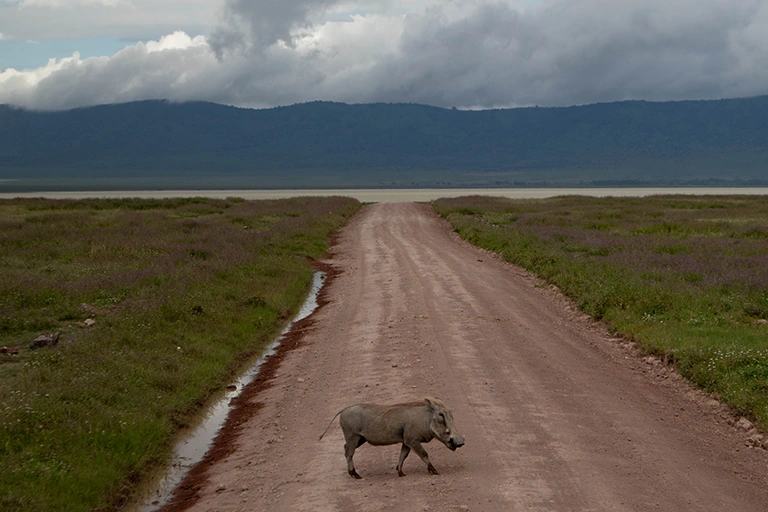
The warthog is a common sight on Safaris In Tanzania. Yet, they are still very fun animals to watch closely. These tough creatures are surprisingly social animals at home. They live in small family groups called sounders quite often. Warthogs often make you smile when you watch them run fast. They must run with their tails held straight up in the air.

Warthog
Warthog

Warthogs play an important part as the ecosystem’s cleaners. They root around in the dirt looking for tasty bulbs and roots. In essence, they help turn over the top soil layer well. Watching them defend their space shows real, surprising intelligence. They’re an important part of Tanzania Safari Wildlife.

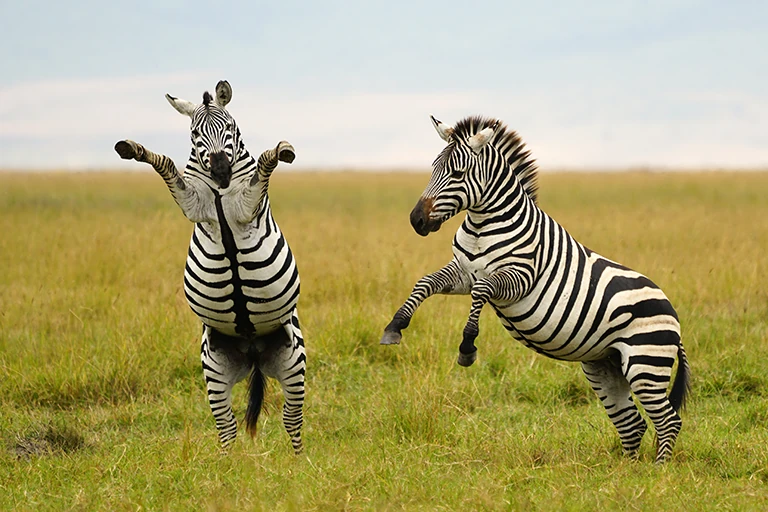
The Zebra

Zebra stripes aren’t just a pretty decoration, you know that now. Scientists debate their real purpose quite a lot these days. Some experts think stripes confuse predators within a big herd. That mass of black and white makes it hard to target one animal.

Zebra
Zebra

Zebras travel right along with the big migration herds yearly. They often eat slightly different grass types than the wildebeest eat. For this reason, they keep the land balanced together well. Conservation matters for them in some areas still. They are gorgeous African wild animals that Tanzania is truly known for.

Making Your Safari Journey Complete

The magic of a Tanzania safari often lies in the animals you didn’t expect to fall in love with. Every single sighting adds beautiful texture to your African Safari Tanzania journey. 

African Safari Tanzania

By looking past the main stars, you see the whole picture clearly. This deep view honors the land and upholds the Responsible Tourism ethic you embrace.

Simbo Natai
Simbo Natai, founder of African Scenic Safaris, crafts sustainable, meaningful Tanzanian journeys rooted in his deep local knowledge and passion.
Director, African Scenic Safaris

7 Helpful Tips for Camping on an African Safari in Tanzania

Camping on a Tanzania safari is not just sleeping in a tent. It’s about sharing space with wildlife and the rhythms of the bush. It’s a choice that offers closeness to nature that many travellers dream about. For adventurers, an African Safari Tanzania often includes sleeping under the stars. However, this trip has unique considerations. These aspects set it apart from regular camping.

In this guide, we’ll break down simple, safety-focused tips. This will help you understand what camping entails on Tanzania Safari Tours. We’ll show you how to do it comfortably, yet responsibly. You’ll see good planning changes worry into memories.

Key Takeaways:

  • You’ll grasp what safari camping in Tanzania truly feels like.
  • We’ll explain how safety measures operate locally.
  • You’ll learn where camping on an African Safari In Tanzania is allowed.
  • Know what to expect from different camp styles.

What Makes Camping on a Tanzania Safari Unique?

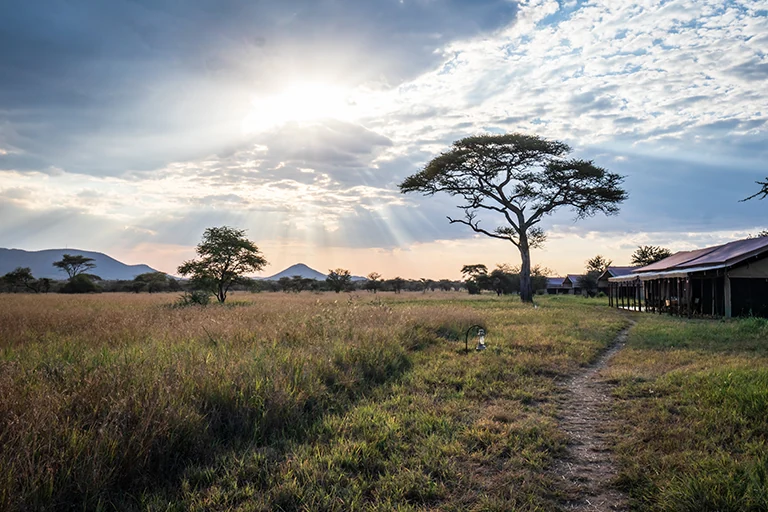
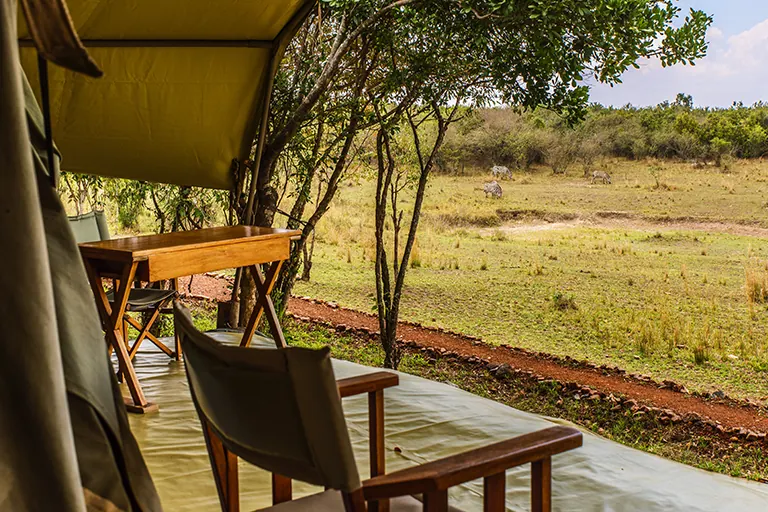
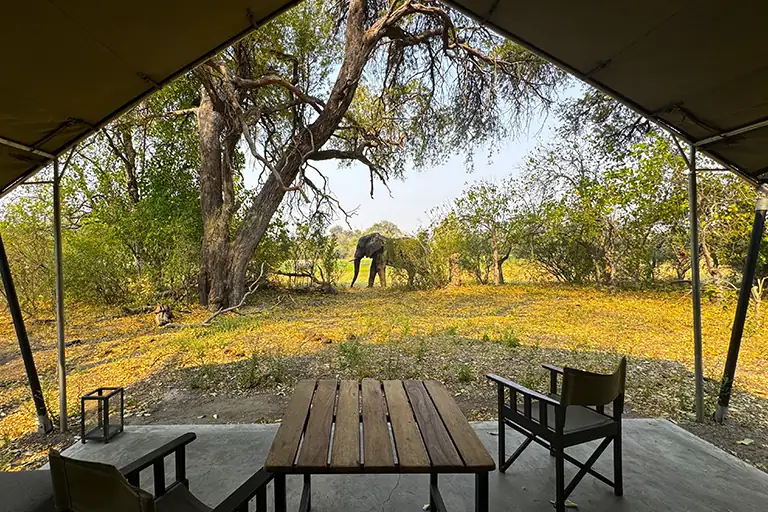
When you pick Safari camping in Tanzania, you get a front-row seat to a great show. Imagine waking without an alarm clock sound. Instead, you hear wildlife sounds passing your tent slowly. This closeness sets this travel style apart.

African Safari In Tanzania

Comfortable Tanzania Safari Lodges are nice. They usually place you in developed spots. But camping on an African Safari in Tanzania puts you in the environment. You see the sun paint the horizon before anyone stirs. This deep connection enhances your appreciation of nature.

City camping differs greatly from the controlled safari trips you take. City camping needs you to manage all supplies yourself. You hope no curious animals find your food. 

Safari camping in Serengeti National Park, conversely, obeys firm rules. The Tanzania National Parks (TANAPA) authority sets these rules. These rules keep parks wild for the animals. Yet, they offer guests a safe, spectacular way to explore.

One guide shared thoughts on new campers in an African Safari Tanzania. He noted, “People feel anxious the first night. But by the second morning, they ask when to return. That raw link can’t be built indoors.” 

If you want to see other great travel options, read our guide on Tanzania Safari Experiences

Is Camping on an African Safari Safe?

A top concern when camping on an African Safari In Tanzania is safety. Rest assured, safety is the top priority for all reputable Tanzania Tour Operators.

African Safari Camping

TANAPA enforces strict rules for all Tanzania Safari Camps. These rules cover fire control and waste disposal closely. Most importantly, they cover human-animal contact protocols. When you stay at a managed site, clear systems keep you secure.

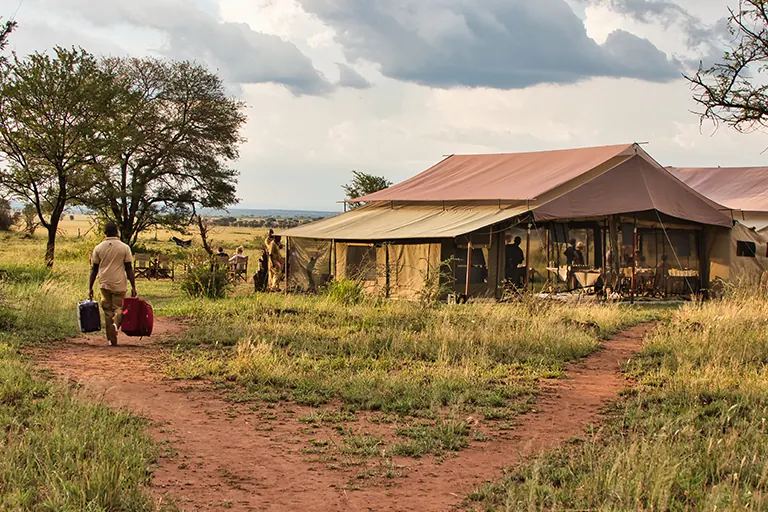
Tanzania Safari Camps are never left alone at night; staff are present. They hire local guides and support teams nearby who know animal behaviour deeply. Additionally, they secure the camp perimeter after sunset. 

One of our safari guides explained night safety: “We give every guest clear night rules. This usually means moving only with a staff member after dark. We carry backup lights at all times. Sound is your biggest clue for the night. If you hear something large, stay very still inside your tent.” 

Following these firm rules helps ensure a peaceful camping experience on an African Safari in Tanzania.

Are You Safe from Animals Inside a Tent?

Being close to amazing animals can feel intense. So, let’s address tent security directly. If you follow the rules, you’ll be safe. Wildlife near the tent usually feels only curiosity. They might just be following their normal travel paths. Remember, you are visiting their home.

Tanzania Safari Camps

You must recall these key points at all Tanzania safari camps:

  • Silence Works Best: Loud sounds or sudden movements can startle an animal nearby. 
  • Scents Must Be Controlled: Never leave food or scented items near your sleeping tent area. 
  • Tent Discipline is Important: Once you are tucked in for the night, stay put inside your sleeping tent. Only exit if staff directs you during an emergency. 

Guides explain that animal trouble rarely happens at all. This is true when guests follow these simple rules closely. Respectful distance and low scent levels protect you during safari camping in Tanzania.

Where Can You Camp on a Tanzania Safari?

Planning a Tanzania Safari Trip can be confusing with so many options. Not every place you sleep is the same type. Where you sleep greatly shapes your journey experience.

African Safari Tanzania
African Safari Camp Tanzania

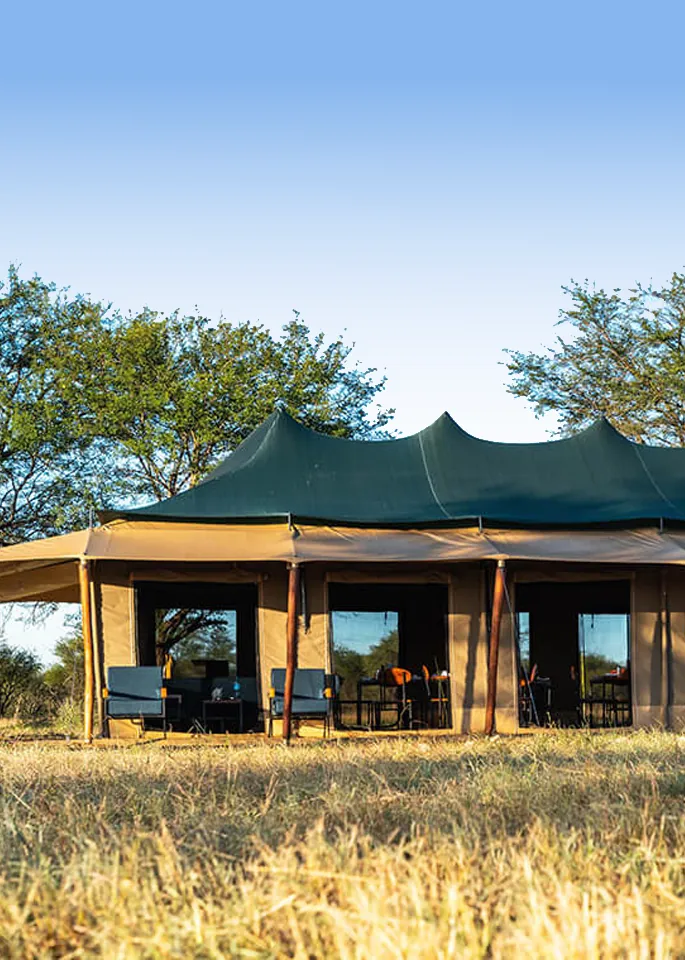
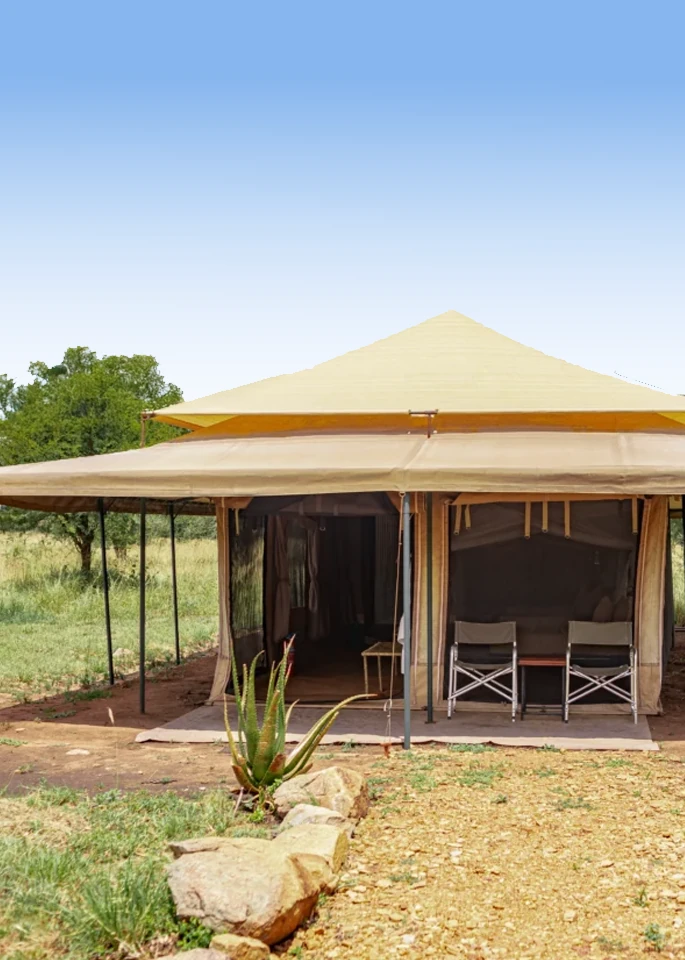
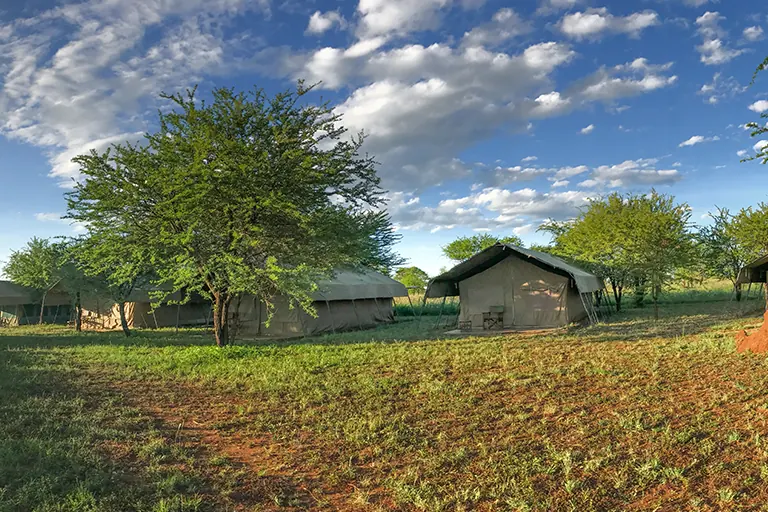
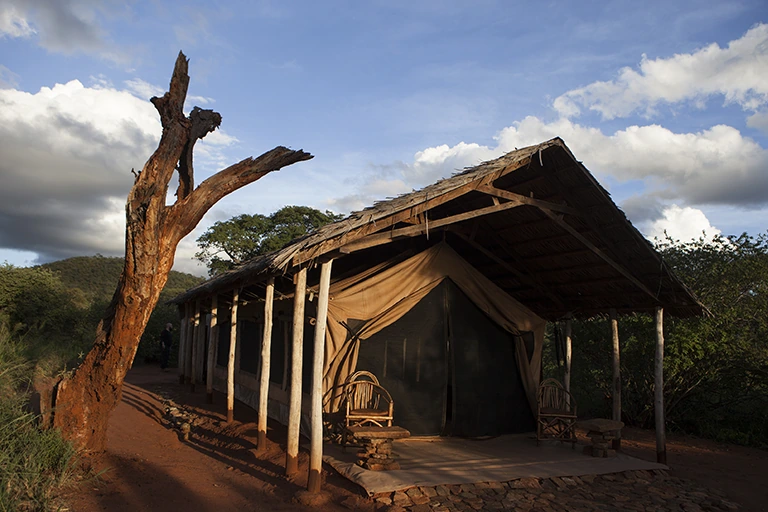
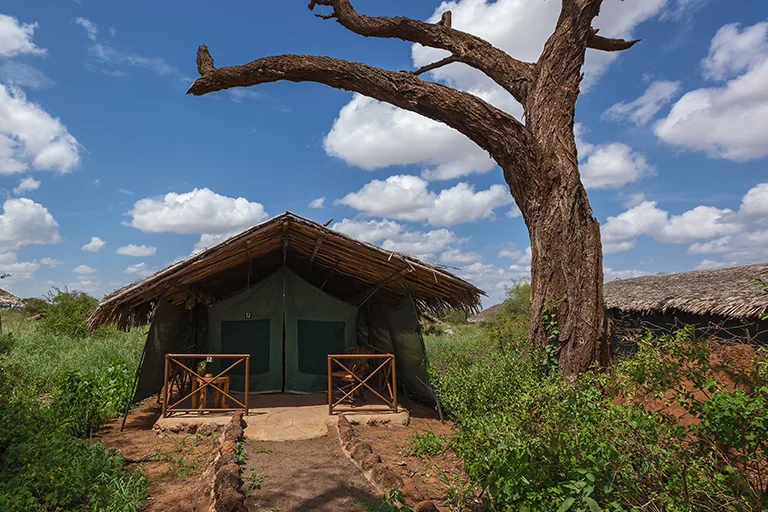
TANAPA runs many designated campsites around Tanzania Destinations. These spots are often more basic for travellers. You might need to bring most of your own gear. Then there are many private tented camps. These range from simple to very upscale lodging. These private Tanzania safari camps offer more exclusivity. 

Mobile camps, arranged often by African Scenic Safaris, move seasonally. This perfectly follows the Great Wildebeest Migration herds’ progress. It offers the best travel flexibility overall.

Think about planning your African Safari Tanzania trip based on these spots:

  • Serengeti National Park: It has good public sites available for use. However, private mobile camps place you right near the migrating herds.
  • Ngorongoro Conservation Area: Tanzania Safari Camps here are strictly controlled. Camps are often on the crater rim, which gives amazing views.
  • Tarangire National Park: This park boasts big elephant groups. Camping here brings close encounters, always supervised by experts.

A planner from African Scenic Safaris notes that location choice matters greatly. They explained, “We pick our mobile Tanzania safari camps based on what animals are doing right now. A spot great last year might not work today. Our job is matching top wildlife viewing with safe, prime spots for Safari camping in Tanzania.” This deep knowledge truly helps your whole trip succeed.

Can You Camp in the Serengeti? 

Camping in the Serengeti experience truly defines the classic African Safari Tanzania adventure. The atmosphere feels wild yet deeply calm after dark. During the day, you bounce along, thrilled by sightings. At night, the sounds change everything for you. You might hear hyenas whooping in the distance there.

Serengeti Camps
Serengeti Camps

Wildlife closeness is guaranteed at these sites. Since mobile camps follow the herds, you might wake where elephants grazed hours before. Early game drives often start right after breakfast. This saves you from long drives from outside towns.

However, we must mix romance with reality. It won’t stay completely quiet all night long. Some nights, the animal sounds will be loud and very close by. When you trust your guides, camping in Serengeti becomes your trip’s best moment. It gives you a view that few lodge guests will ever see.

Choosing the Right Type of Safari Camp

When travellers look at Tanzania camps, they assume camping means losing all comfort. That is not the case for modern trips. There are clear levels even in tented stays now. What changes a lot is the service level you get. Comfort increases as you move up the options list. African Scenic Safaris maintains high standards across all tiers to ensure your trip is enjoyable and secure.

Tanzania Safari Camps

Here is a quick look at camping options:

  • Budget Camping: You sleep in smaller, plain tents. Often, you need your own sleeping bag to stay warm.
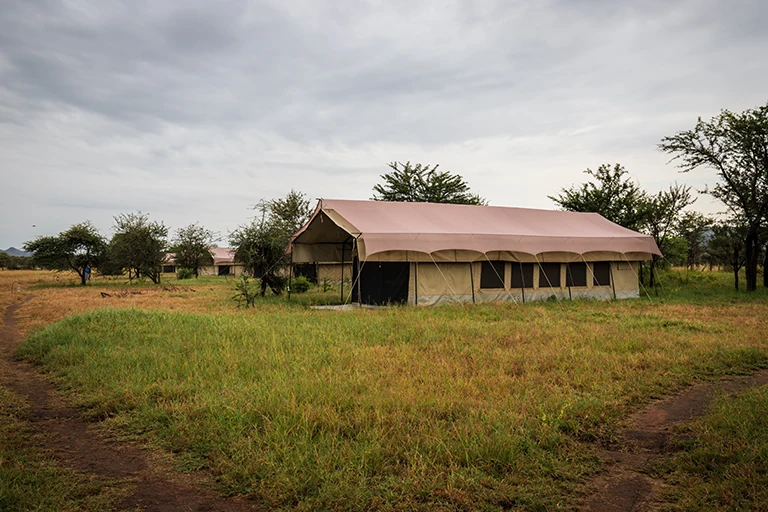
  • Mid-Range Camping: You get bigger canvas tents. These boast real beds with fresh linens on them. Private washrooms are often attached to your tent space.
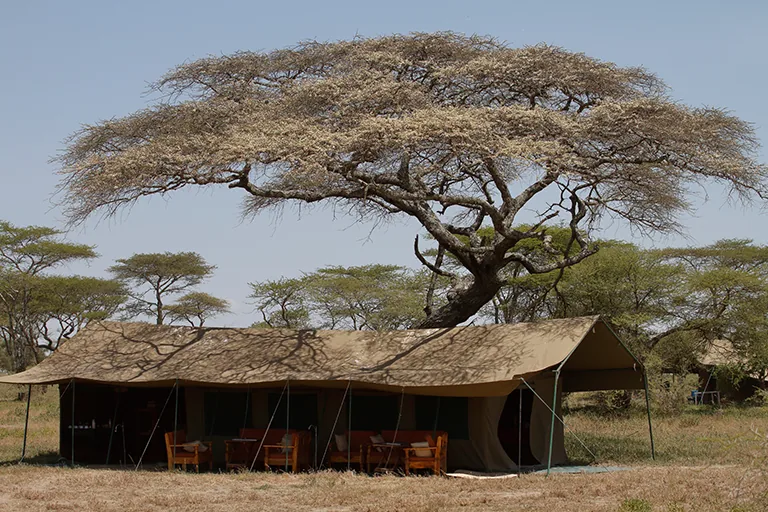
  • Luxury Tented: These tents are very spacious. They feature large beds and sometimes small decks to relax on.

Moreover, safety rules remain firm across all levels on your African Safari In Tanzania. Comfort easily increases between the different tiers. A guide noted guests often expect rough travel, but are surprised by the quality. “Once guests see a hot shower and great food, they see the value. They prefer our mid-range or luxury Tanzania safari camp over basic camping setups.”

Why Travellers Love Camping on Tanzania Safaris

People love safari camping because of its slower pace. You spend your evenings sitting around a campfire, sharing stories with your guides and fellow travellers. The stargazing is unmatched. It’s a quiet, humbling experience. Many of our guests return year after year because they miss the sounds of the night. It’s a reset for the soul.

Tanzania Safaris
Tanzania Safaris

One of our guests on Slane 25 on TripAdvisor shared: “It is super fun and memorable to sleep out in the park camping grounds themselves, and though a bit anxiety-provoking to hear the animals up close, would not have missed that experience -now twice..for anything.”

The Magic of the African Wild

Camping on an African safari isn’t about roughing it. It’s about experiencing Tanzania in its most natural form, with comfort, safety, and expert guidance. You now know that good planning matters a lot. This means understanding animal behaviour and complying with park rules. 

African Safari Wild Camp

Choosing the Best Tanzania Tour Operator makes safari camping in Tanzania a reward. From wild sounds near your tent to great service in Tanzania Safari Camps, every moment is a treasure.

Simbo Natai
Simbo Natai, founder of African Scenic Safaris, crafts sustainable, meaningful Tanzanian journeys rooted in his deep local knowledge and passion.
Director, African Scenic Safaris

What Pre-Trip Fitness and Breathing Exercises Reduce AMS Risk on Kilimanjaro?

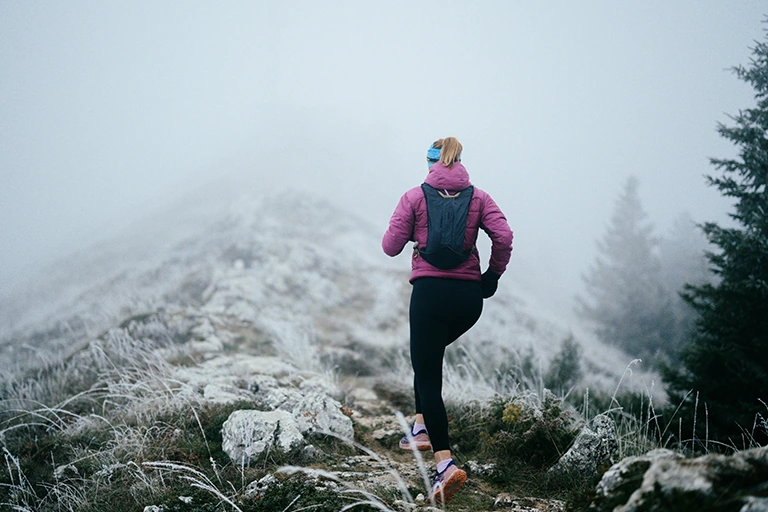
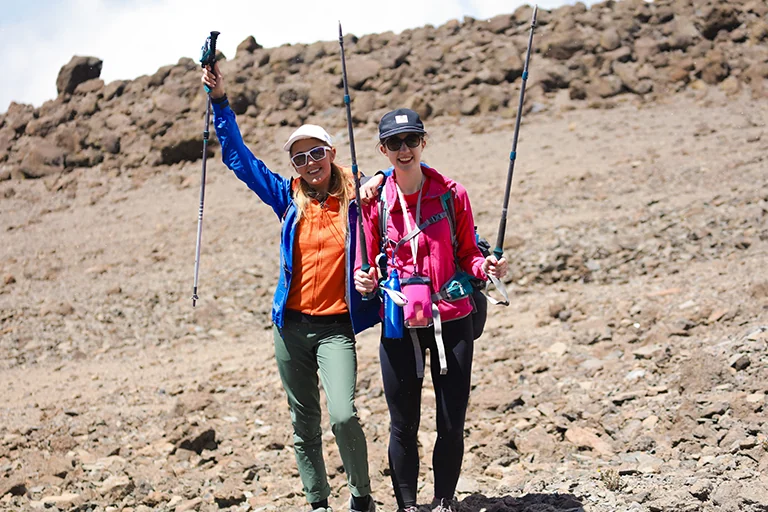
Climbing Kilimanjaro needs smart preparation now, not just brute strength, folks. Before you step on that massive African peak, your body must learn to handle thin air kindly. The right Pre-trip fitness training for Kilimanjaro lowers your risk of Acute Mountain Sickness (AMS). Moreover, good prep makes the whole Kilimanjaro Climbing adventure much better.

In this Kilimanjaro Fitness Guide, we explain how exercises boost your body’s oxygen use. We also cover lung strengthening for a safe summit. Great Kilimanjaro Altitude Sickness prevention tips start before you book your flight. Being proactive means you cheer at the top, not feel sick!

Key Takeaways:

  • Why does AMS often strike climbers unexpectedly?
  • How fitness and breathing stop altitude sickness early.
  • Best pre-climb exercises for stamina building.
  • Daily breathing routines to boost oxygen efficiency.
  • Expert ways to acclimatize more safely.

Understanding AMS and Why Fitness Helps Prevent It

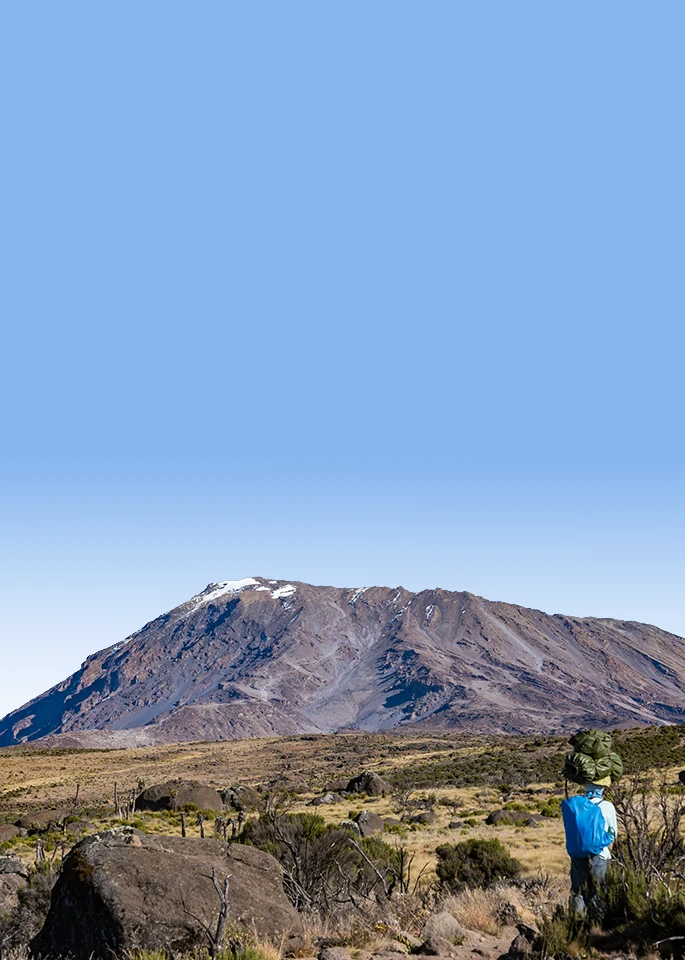
At nearly 6,000 meters, Kilimanjaro has only half the oxygen you find at sea level. Without AMS prevention exercises, your body struggles hard to adjust. This brings headaches and heavy breathing. These are classic AMS signs, and they slow everyone down. Therefore, your Kilimanjaro preparation workouts matter a lot.

Kilimanjaro Climbing

AMS prevention exercises focus on making your heart and lungs work better together. When your heart’s strong, it pumps blood with more ease. This means even when there’s less oxygen in the air, your blood can still deliver what’s available to your brain and muscles. 

According to health experts, a fit body recovers much faster during rest times. CDC’s High Altitude Health Advisory notes that good heart training aids acclimatization. If you’re wondering how to stay healthy, you should also read our guide on Altitude Sickness Prevention Strategies for Kilimanjaro Climbers. Knowing how to prevent AMS on Kilimanjaro builds your inner confidence.

Furthermore, a fit body doesn’t have to work as hard for simple tasks. On the mountain, even putting on your boots can feel like a workout. By training early, you’re making sure that your heart doesn’t race too fast, which helps you keep your cool when the Kilimanjaro Climb gets tough.

Essential Fitness Training Before Kilimanjaro

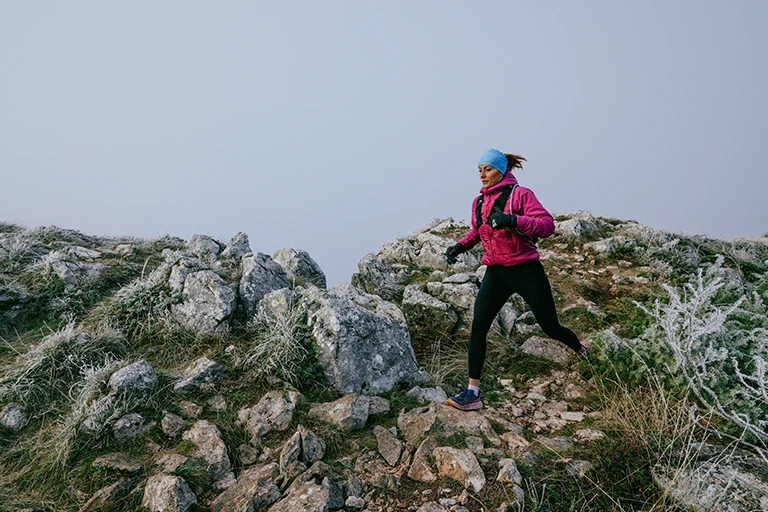
Strong legs and a healthy heart are your best AMS defenses. Building stamina improves the blood’s oxygen-carrying power. This readies your system for long trekking days. Smart workout focus is key for your Kilimanjaro Training Plan. You are training for lasting endurance, not speed.

Training For Kilimanjaro

Here are the Kilimanjaro Preparation Workouts:

  • Cardiovascular Training: Run, swim, or cycle for 30 to 60 minutes. Aim for this four times each week. Subsequently, this builds your core endurance steadily.
  • Strength Training: Focus on weighted squats, step-ups, and lunges. These moves support all your uphill travel later.
  • Weighted Hiking: Practice hiking on rough ground. Wear a backpack carrying 6 to 8 kilograms for realism. This mimics the actual climb weight you’ll carry.
  • HIIT (Interval Training): Try short bursts of hard exercise followed by rest. This improves heart and lung action very effectively.

A guide shared how training helped a climber succeed:

“Training made the long final push feel manageable instead of impossible, honestly.” 

For more depth on stamina, see our full Training for Kilimanjaro guide. Indeed, this preparation will show you a clear, positive difference on the trail.

Breathing Exercises to Improve Oxygen Efficiency

When you hit high altitude, slow, deep breaths help you pull in more thin air. Training your lungs pre-trip is as vital as physical fitness. These High altitude breathing techniques are tools for Lung training for high altitude.

Kilimanjaro Breathing Exercises

Here are the best exercises you should practice often before you go:

  • Diaphragmatic (Belly) Breathing: Breathe deeply into your stomach for three seconds. Then, let the air out slowly over six seconds. Conversely, shallow breathing starves your system fast.
  • Pursed-Lip Breathing: Breathe in slowly through your nose first for air. Then, exhale gently through tightly pursed lips to control the flow. This controls your outbreath timing well.
  • Box Breathing: Inhale deeply for four seconds to start. Next, hold that breath count for four steady seconds. Finally, exhale slowly for four seconds, then hold again for four counts.
  • Breath-Hold Practice: Try to hold your breath slightly longer, but only do this gradually. This teaches your lungs how to conserve precious oxygen better. 

Health bodies like the NHS suggest good respiratory habits for wellness. When you’re on the mountain, these habits become your second nature. They help you maintain the “pole pole” pace that we always talk about.

The same way you prepare your body, prepare your bag too. Pack cleverly; review our Kilimanjaro Packing List: Essentials for Health & Safety. This will help you ensure you have everything needed for health and safety.

Combining Fitness & Breathing for Maximum Acclimatization

Good fitness helps your blood circulation speed everywhere. Breathing exercises boost how much oxygen you take in per breath. When you combine both, your body learns to work well with less oxygen present. This preparation is vital for Kilimanjaro’s thin air. These methods form key Kilimanjaro acclimatization preparation steps you control. Consequently, you’ll handle altitude shifts with more grace.

Kilimanjaro Fitness Training

Here are simple tips you can use every day:

  • Pair 30 minutes of cardio with 10 minutes of deep breathing daily for best results.
  • Always keep up great hydration levels. Also, please make sure you never over-train your muscles needlessly.
  • Schedule necessary rest days each week. This lets your system naturally balance oxygen levels effectively.

Experienced guides notice the difference between groups clearly. They see trained climbers adjust faster than others who avoided prep. Hence, this dual approach is one of the best Kilimanjaro Success Tips.

Your Gentle Climb’s End

A successful Kilimanjaro Climb starts before you reach the mountain slopes. Pre-trip fitness Training For Kilimanjaro trains your body and lungs correctly, cutting down your AMS risk so much. Moreover, this smart training boosts your full stamina. It turns a tough trek into a powerful, self-discovery journey for you. 

Mount Kilimanjaro Climbing

Consistency is truly the most important factor for your success here. Fitness and breathing combined create the perfect safety net between struggling and finally reaching that amazing summit smile. 

Therefore, start building these healthy habits today, without excuses!

Start preparing today! Download our free Kilimanjaro Fitness & Breathing Planner (available after signup).

Simbo Natai
Simbo Natai, founder of African Scenic Safaris, crafts sustainable, meaningful Tanzanian journeys rooted in his deep local knowledge and passion.
Director, African Scenic Safaris
×