January
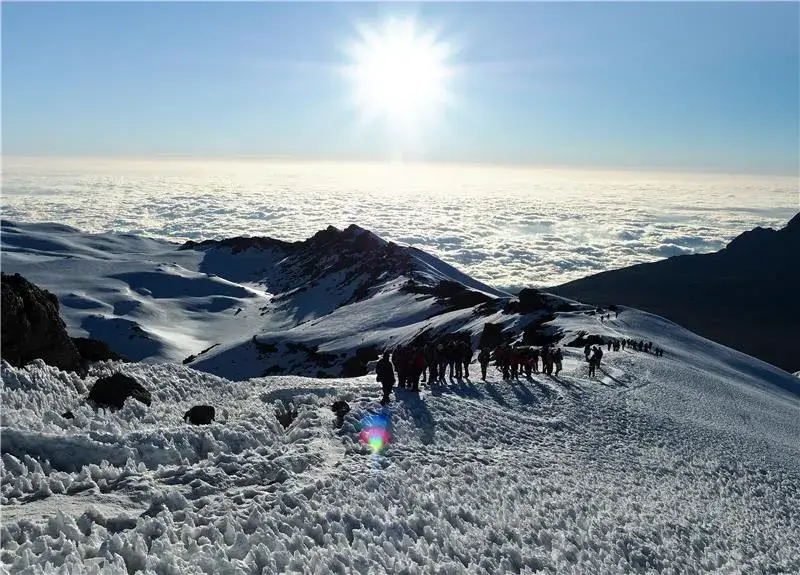
January tends to feel settled, with bright mornings and cooler starts that help you ease into the
climb without sudden shifts. Most days pass quietly and let you focus on steady walking rather than
weather surprises. Visibility stays open long enough to enjoy the height of Kilimanjaro In
Tanzania without rushing. Many climbers pick January simply because it feels
straightforward and dependable.
- Clear, predictable days make January gentle for many first-time climbers.
February
February usually carries on the same rhythm, only with slightly warmer afternoons. The mountain
sits under open skies for long stretches, helping you manage altitude sections without constant
adjustments. Conditions remain dry enough to stay comfortable, especially for climbers still
learning their natural pace. February often appeals to people who want a month that feels calm,
steady, and easier to understand as the climb progresses. Climbing Mount
Kilimanjaro remains approachable in this window.
- Warm, open conditions help climbers settle into a simple, steady routine.
March
Early March still holds the tail end of the dry season, so mornings can feel clear and cool. Later
in the month, clouds gather earlier, and light moisture begins to appear. Climbs remain workable,
though changes in visibility become more noticeable. Many choose March because the trails start to
thin out, giving them space to understand the climb at their own speed. It becomes a quiet period
for the Best Time To
Climb Kilimanjaro debate.
- Early dry days shift gradually as March moves toward wetter weeks.
April
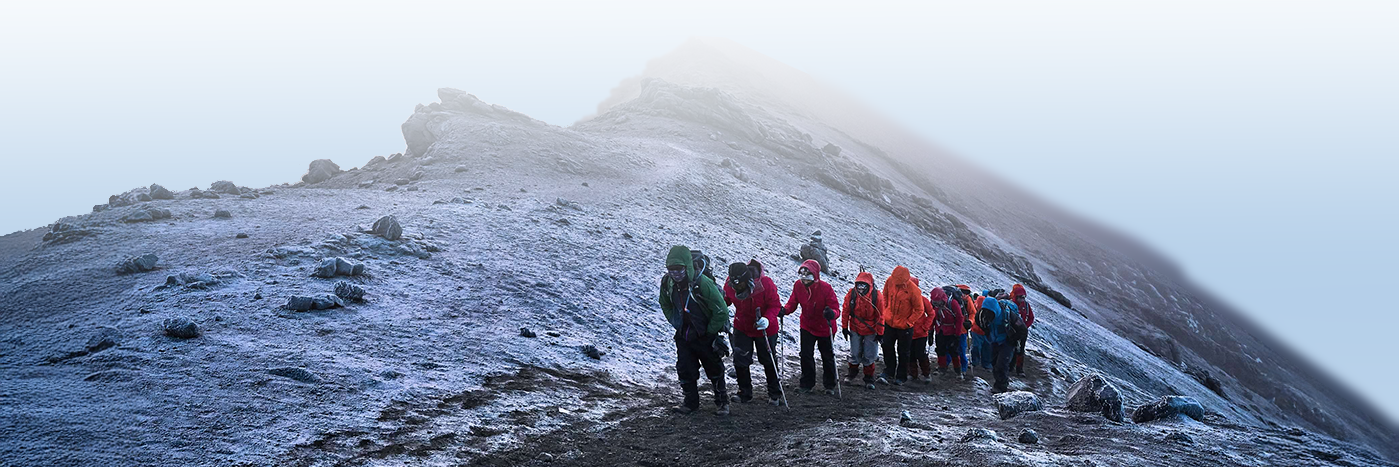
April marks the beginning of the long rains. Trails soften, and cloud cover hangs low across the
forest and moorland zones. Progress becomes slower, and some sections demand more care. A few
climbers still attempt the mountain, but almost all come prepared for wet conditions throughout the
day. April is rarely chosen for comfort, though the solitude can feel meaningful to some exploring
various Kilimanjaro Routes.
- Wet, slow, quiet days define April throughout most climbing sections.
May
May continues the rainy period, and the mountain often feels cool and muted. Visibility changes
often, especially higher up where fog settles across the slopes. Summit attempts are still possible,
though many prefer to wait for the next dry window. Climbers who value privacy sometimes choose May
despite the conditions, simply because the mountain feels open and still, even for slower
Kilimanjaro Trekking days.
- Heavy moisture limits views but creates space rarely found in peak seasons.
June
June signals the return of clearer skies. Trails begin to dry, and temperatures stay comfortably
cool for longer climbing days. Visibility improves each week, making route planning easier for both
guides and climbers. June often attracts people who want fewer crowds but still prefer the
reliability of a dry season. It feels like the mountain resets itself after weeks of rain, giving Mount Kilimanjaro Guides more
predictable conditions.
- Bright, cooler days give June a calm and dependable climbing window.
July
July is one of the most trusted months for climbing. Skies open early, and the air stays cool
enough to manage longer stretches without strain. Many teams aim for July because it requires fewer
weather-based adjustments. Trails do get busy, but movement remains smooth. Climbers who want to
focus fully on daily progress often find July reassuring when attempting Mount Kilimanjaro
Climbing.
- Cool, consistent conditions make July ideal for reliable summit attempts.
August
August sits firmly in the dry season. Days feel crisp, and winds brush across the higher camps,
clearing the sky for wide views. Climbers often appreciate how predictable the terrain feels during
this month. It can be busy, but the mountain handles the flow well. August works especially well for
those who prefer structure and steady conditions during the ascent. Many also use this time to plan
around the Kilimanjaro Climb
Cost expectations.
- Firm trails and open skies mark August as a confident climbing month.
September
September brings some of the clearest visibility of the year. Afternoon warmth helps with comfort,
especially on long ascents toward higher camps. The mountain also feels slightly quieter after
August’s peak. Many consider September a balanced month: dependable weather, manageable
numbers, and long hours of sunlight that make progress feel easier. It remains a favourite for
climbers who want clarity while reviewing different Kilimanjaro Climbing Packages.
- Warm, steady days give September a smooth and balanced climbing experience.
October
October sits between two seasons, creating a month where the weather shifts gradually rather than
suddenly. Early October usually feels bright and workable, while the later weeks begin to show signs
of short rains. Trails remain open, and climbs are still fully possible. People who prefer quieter
paths often look to October because crowd levels drop noticeably, especially for those exploring the
Kilimanjaro Northern Circuit
Route.
- Transitional weather and lighter traffic define much of October’s climbing window.
November
November marks the start of the short rainy season. Showers appear more often, and the forest zone
becomes damp throughout the day. Visibility drops and returns unpredictably, so climbers rely more
on patience than speed. The mountain is very quiet in November, which some travellers appreciate
despite the weather challenges. November gives teams room to work closely with Kilimanjaro Porters, who manage
heavier conditions with steady experience.
- Short rains reduce clarity but offer calm, empty trails for patient climbers.
December
December shifts between moisture in the early weeks and clearer intervals closer to the holidays.
Climbs remain possible throughout, though conditions vary from day to day. The arrival of holiday
travellers gives the mountain a friendly, energetic feeling. Many use December as a transitional
window before January’s predictability returns. It’s also when some climbers explore
different Mount Kilimanjaro Routes before final planning.
- Mixed conditions create a flexible window for holiday-season climbers.








 Quest From The West
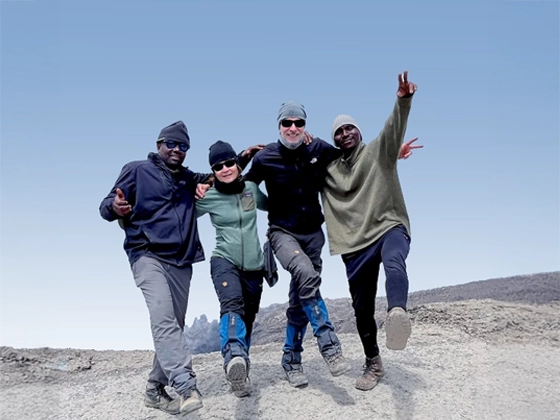









 African Scenic Safaris #1 on TripAdvisor

 Read Review